Historical Instruments and Tools

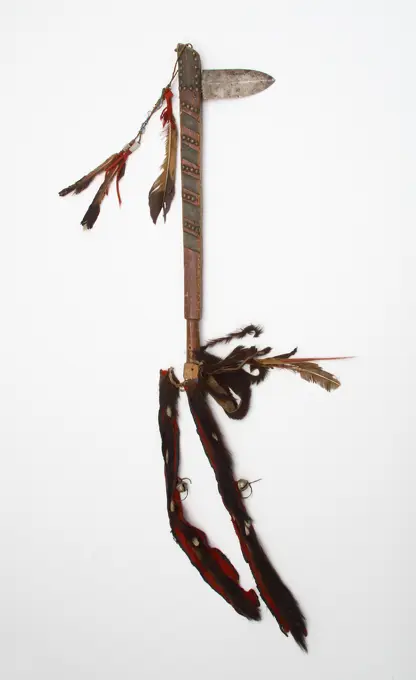
An assortment of historical items, featuring drumsticks, hunting swords, and decorative pins, showcasing craftsmanship and design evolution.
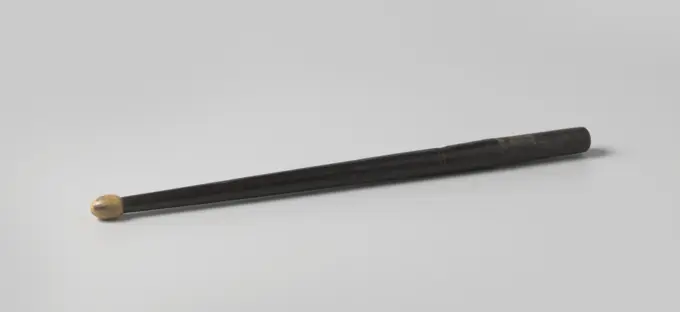
Drumstick, anonymous, c. 1830 - c. 1880 musical instrument. elements (of musical instruments). percussion instrument. beater Ebbenhouten stick with copper backside and point of Hoorn. Netherlands copper (metal). ebony (wood). horn (animal material)   Netherlands
Drumstick, anonymous, c. 1830 - c. 1880 musical instrument. elements (of musical instruments). percussion instrument. beater Ebbenhouten stick with copper backside and point of Hoorn. Netherlands copper (metal). ebony (wood). horn (animal material) Netherlands
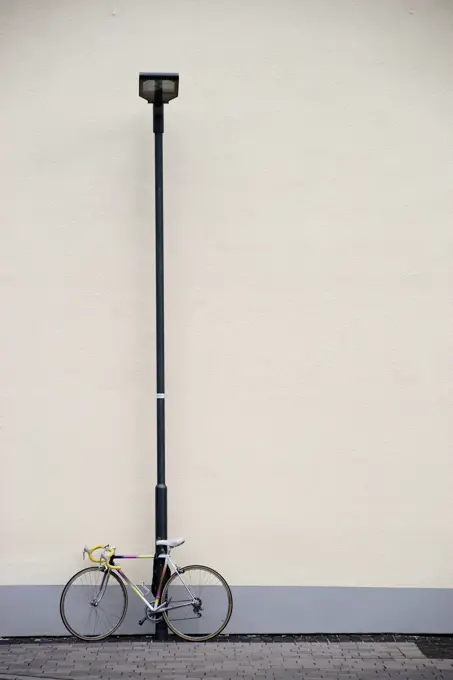
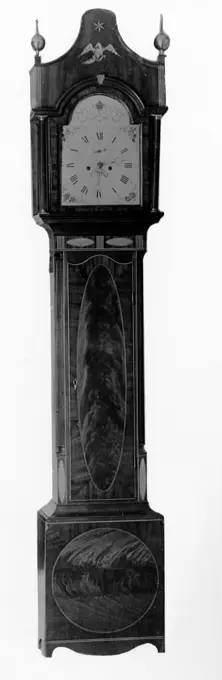
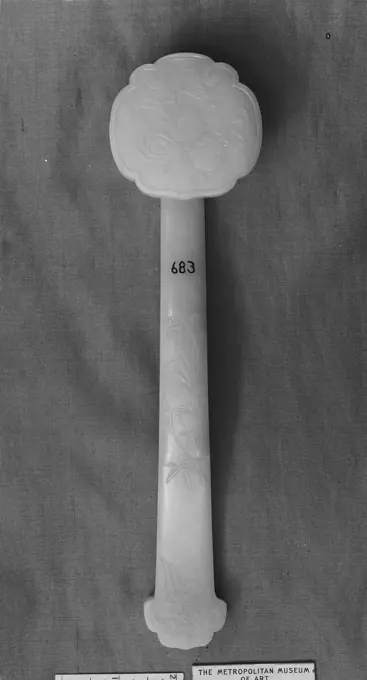
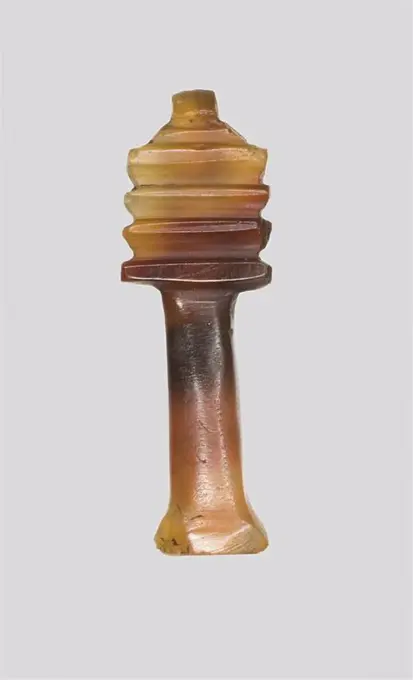
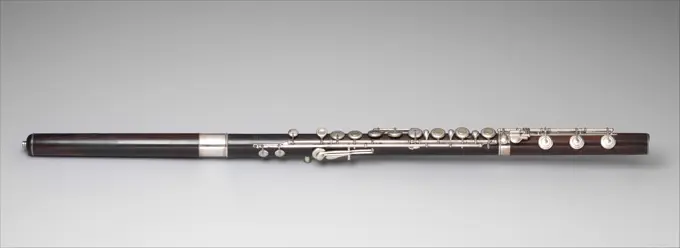
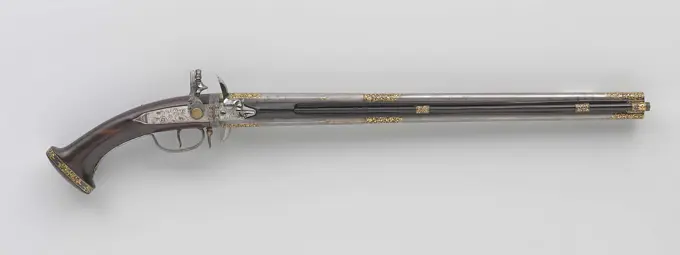
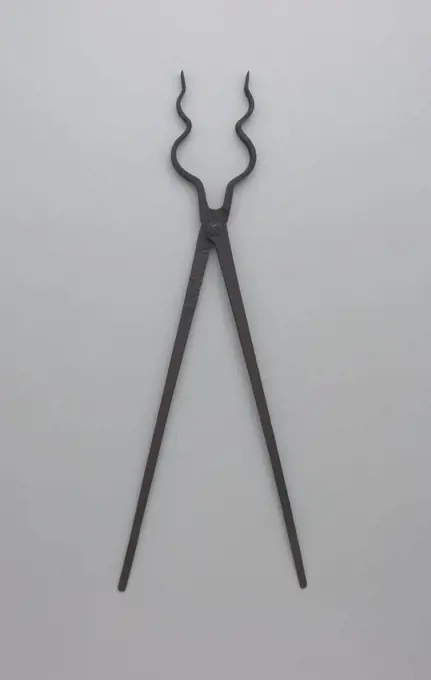
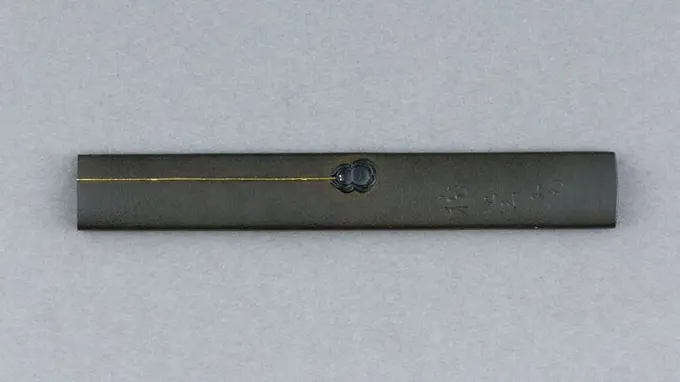
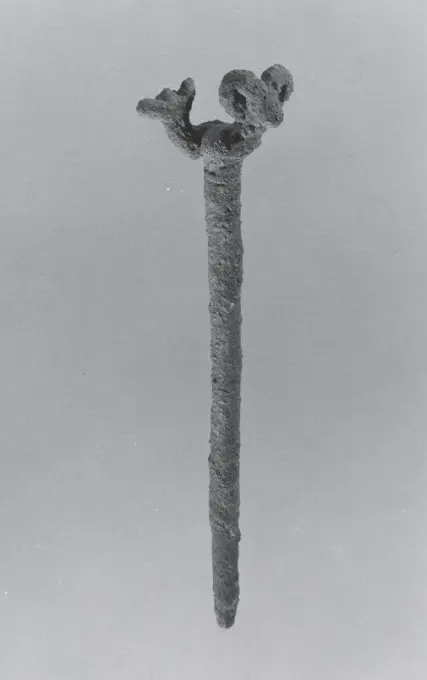
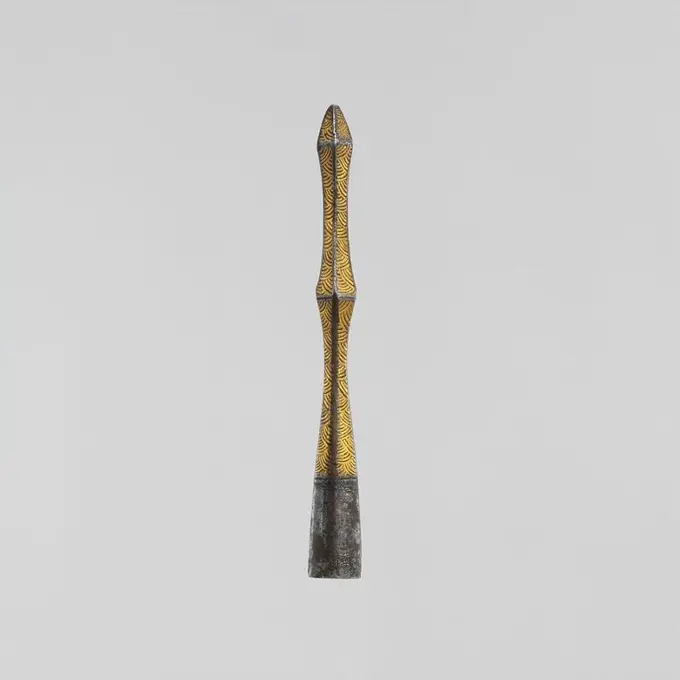
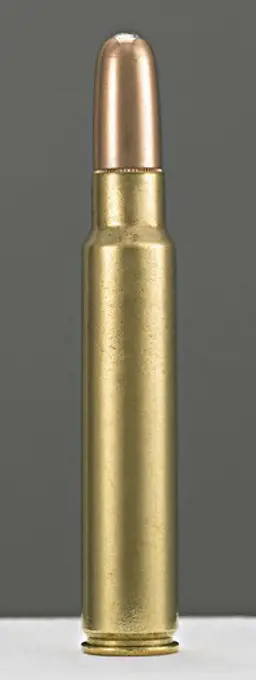
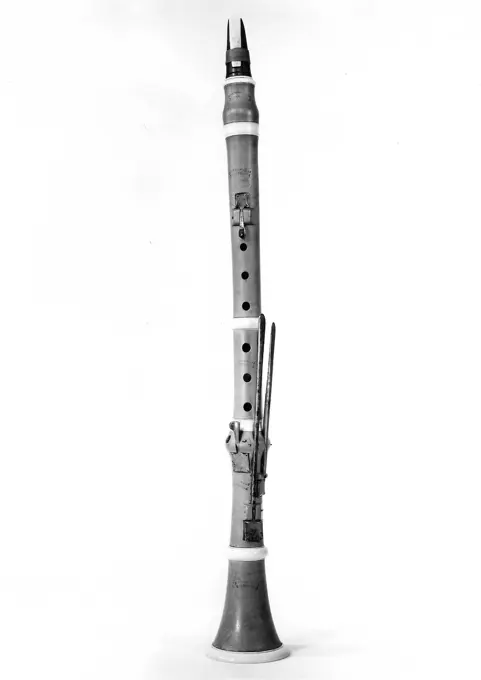
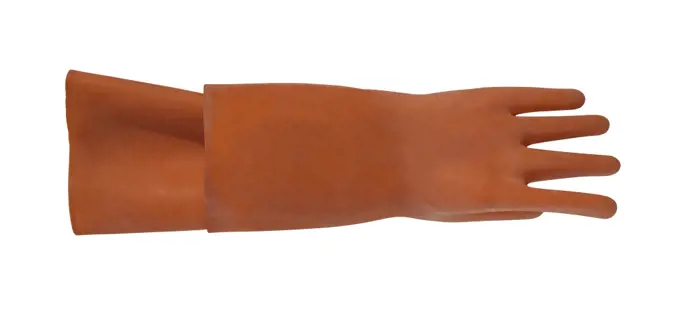
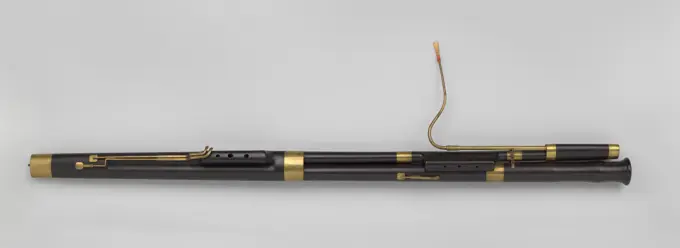
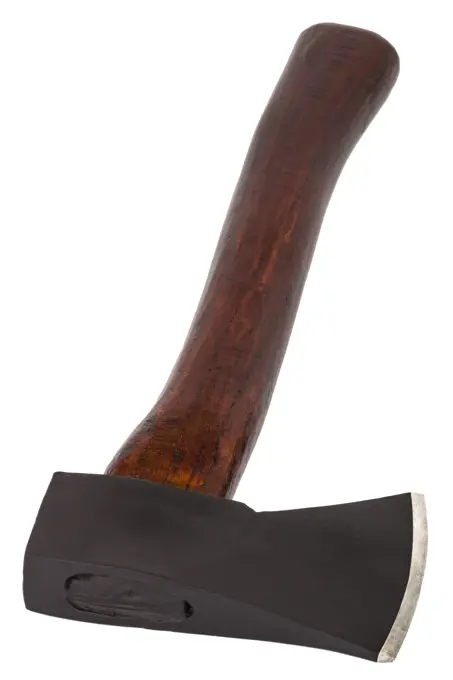
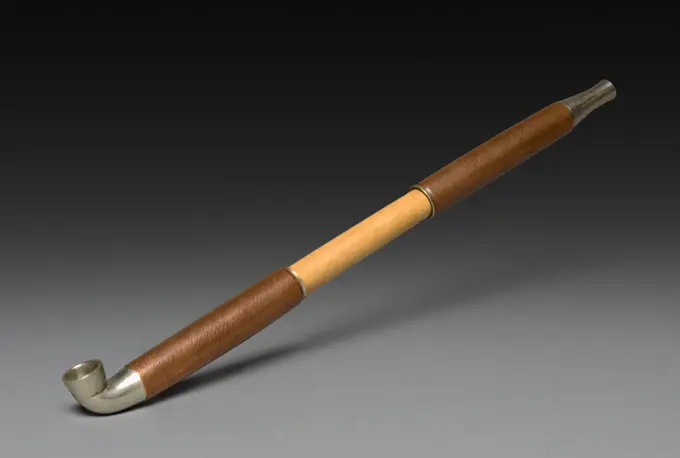
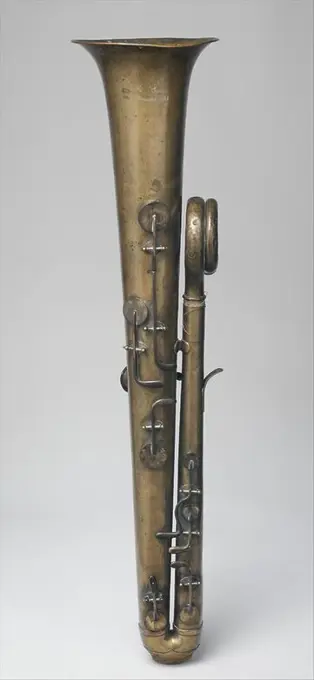
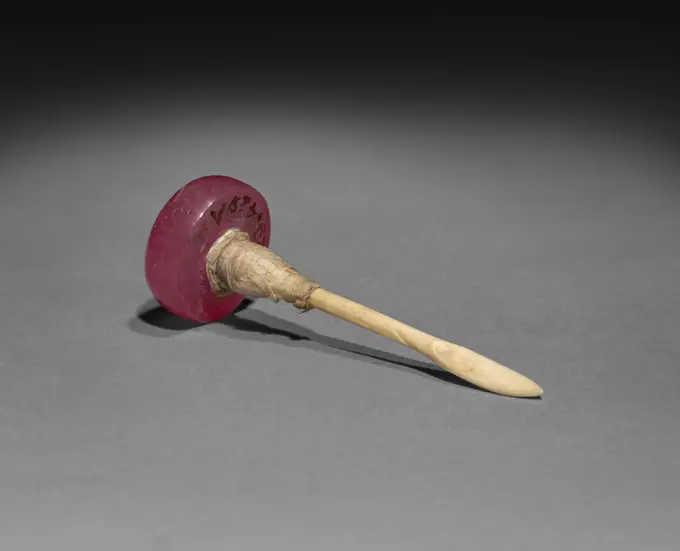
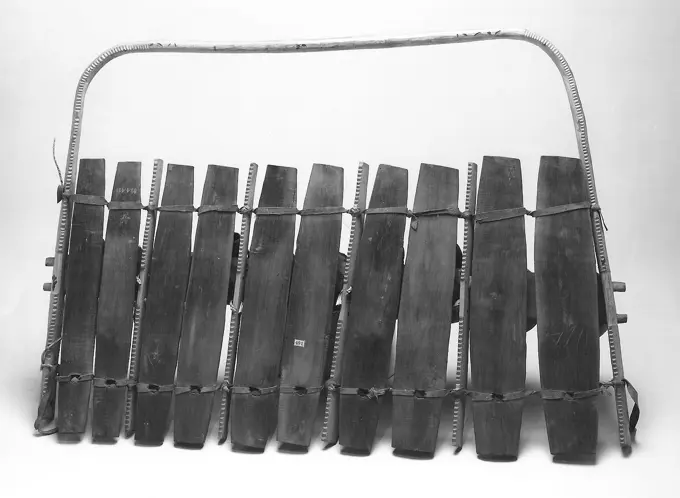
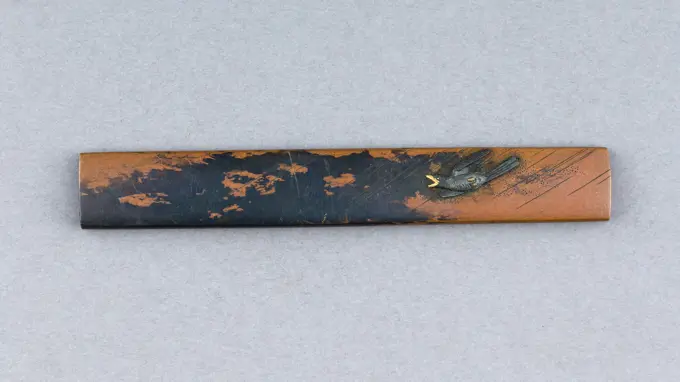
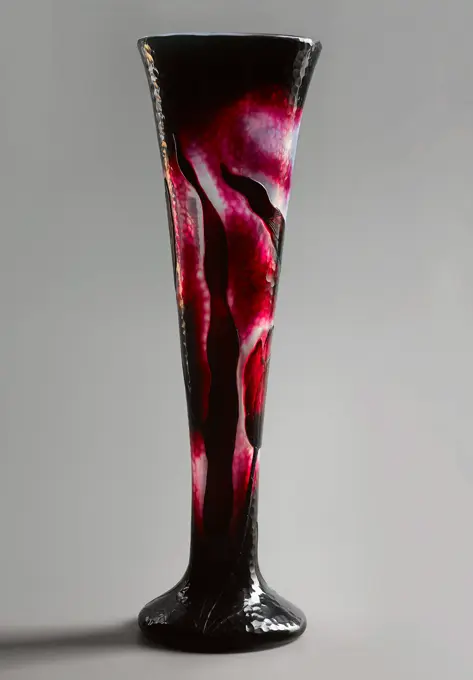
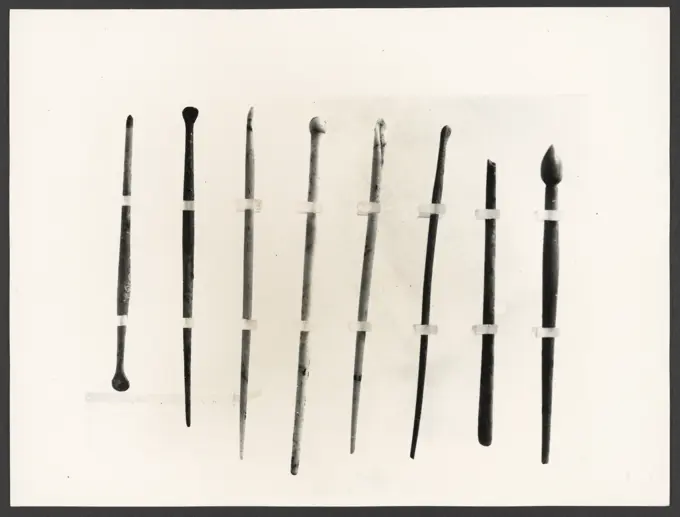
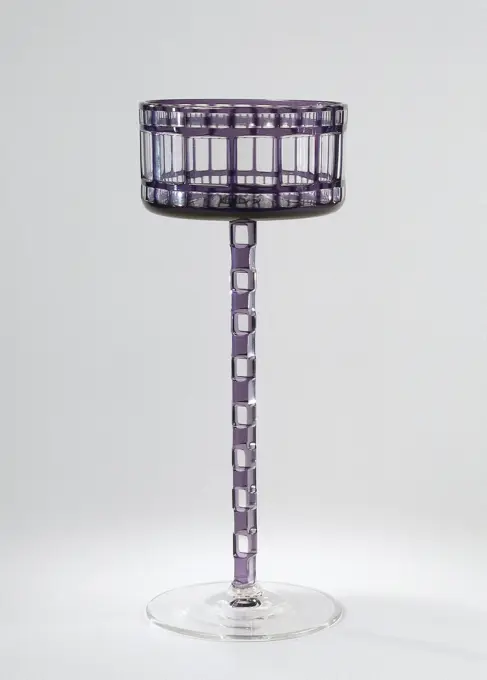
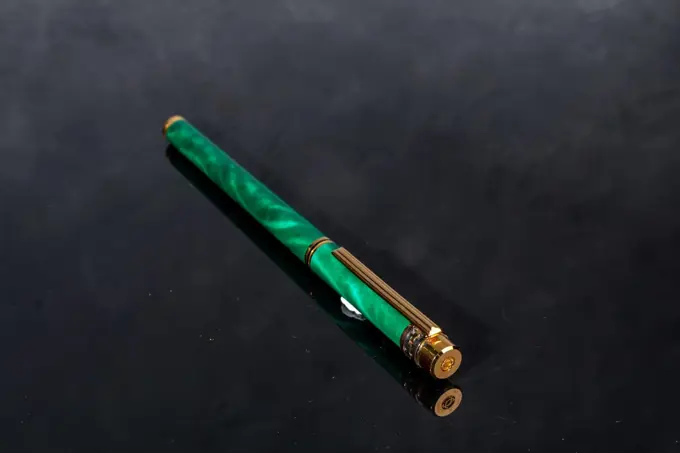
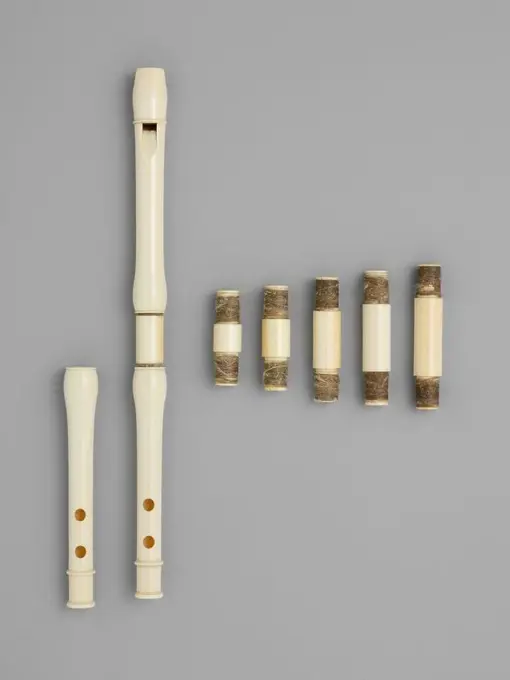
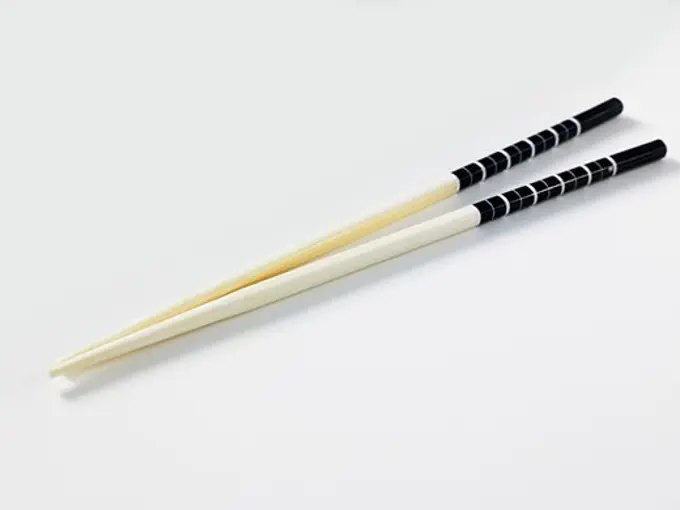
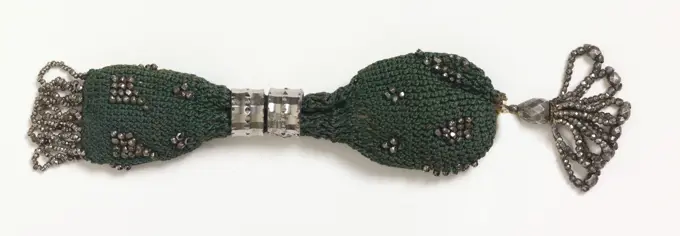
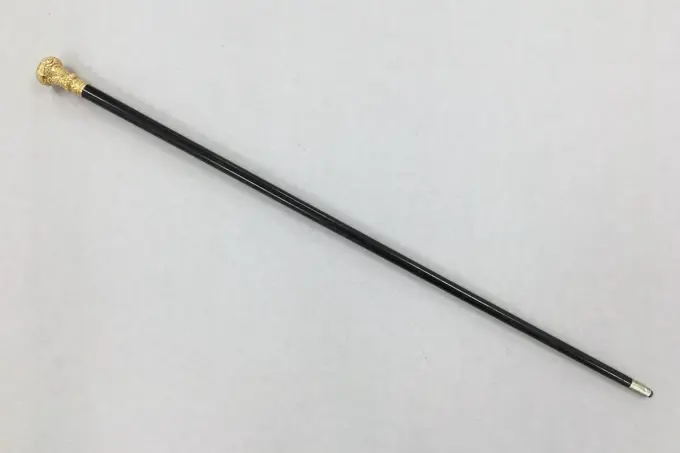
Gold-headedCanetop view of wooden salt spoon with coarse Sea Salt top view of wooden salt spoon with coarse grained Sea Salt isolated on white background Copyright: xZoonar.com/ValeryxVoennyyx 13600450Racing bike based on street lighting A racing bike is based and connected to a street lamp in front of a house wall.Stick ca. 1981-1550 B.C. Middle Kingdom-Early New Kingdom. Stick. ca. 1981-1550 B.C.. Wood. Middle Kingdom-Early New Kingdom. From Egypt, Upper Egypt, Thebes; Said to be from Qurna. Dynasty 12-18Naive illustration children drawing picture frameDagger. Iran, circa 1350-1000 B.C.. Arms and Armor; daggers. Bronze, castSpindle, Fragment , Undetermined or 1000-1400. Wood, ceramic, pigment, cotton, 1/2 x 1/2 x 4 1/2 in. (1.3 x 1.3 x 11.4 cm).   Arts of the Americas Undetermined or 1000-1400old coffee maker isolated on a white backgroundUnknown, Tallcase Clock, c. 1800, inlaid mahogany, satinwood, brass, and clock workings.Oboe, Robert Schuster, c. 1850 Hobo of Palmhout with nine round brass valves and an ivory ring at the top of each part. Marked on the upper and middle part: Kroon / Ro: Schuster. Neukirchen boxwood. brass (alloy). ivory Hobo of Palmhout with nine round brass valves and an ivory ring at the top of each part. Marked on the upper and middle part: Kroon / Ro: Schuster. Neukirchen boxwood. brass (alloy). ivoryGlass strigil (scraper) 3rd-4th century A.D. Roman Translucent blue green.Handle in the form of a long hollow cylinder, expanding slightly downwards; the curved blade or scrapper section has been tooled flat with a deep indent running down its length on the upper side, ending in a rounded tip.Top of handle broken and missing; pinprick and small elongated bubbles; dulling, pitting, and iridescent weathering, with some soil encrustation and thicker weathering on interior.A small number of glass strigils are known, including a group found in a tomb in Cologne, Germany. They were not practical scrapers for use at the baths but were symbolic gifts for the dead, who, it was believed, could use them in the afterlife.. Glass strigil (scraper). Roman. 3rd-4th century A.D.. Glass; blown and tooled. Late Imperial. Glassvector stone columns and archOrnament (ruyi) 18th century China. Ornament (ruyi). China. 18th century. Jade (nephrite). Qing dynasty (1644-1911). JadeAmulet of a Djed Pillar. Egyptian. Date: 1070 BC-656 BC. Dimensions: 2.5 × 1 × 0.6 cm (1 × 3/8 × 1/4 in.). Carnelian. Origin: Egypt. Museum: The Chicago Art Institute, Chicago, USA. Author: Ancient Egyptian.Lans of the arms rack of governor-general J.C. Baron Baud, Anonymous, c. 1800 - c. 1900 pike Round wooden shaft with a copper cover around the bottom. At the bottom of the shaft a copper baluster -shaped button. At the top, the shaft is wrapped with rope, which has been processed with a black layer. A copper ring has been applied to the coin. The blade is made of steel, is narrow in shape and ends in a sharp point. Central on both sides of the blade in relief a gilded fern motif. Java wood (plant material). iron (metal). rope. copper (metal). glue. paint (coating) cutting / forging / casting / paintingwide blue silk ribbon isolated on white wide blue silk ribbon isolated on white background Copyright: xZoonar.com/ValeryxVoennyyx 7522664ACINACES O AKINAKE (ESPADA). Location: ALCAZAR / MUSEO DEL EJERCITO-COLECCIÓN. Toledo. SPANIEN.wood cutting board isolated on white backgroundArrow Point, 1700s. Japan, Edo period (1615-1868). Steel; overall: 17 cm (6 11/16 in.); head: 3.6 cm (1 7/16 in.).Whistle Mossi or Guronsi People 19th century Whistles, which may produce three or four notes, are used by musical groups and by hunters for signaling. The whistles sound alternately in the manner of European and hand-bell ensembles, with each performer producing a different pitch or pitches. A voice might also supply certain notes. This Janus-head form, with finger holes in each "elbow," is similar to other whistles which suggest a human anatomy.Transverse Flute in C 1856 Louis Lot French. Transverse Flute in C. French. 1856. Wood, metal. Paris, France. Aerophone-Blow Hole-side-blown flute (transverse)Model of a Made mast. Round mast with octagonal top, homer with ears, and driving bed. The mast itself consists of an octagonal mast king surrounded by eight cheeks. The parts are held together by tub tires. A number of short shelves around the mast forms a flat dragon, on the sides the ears and behind half a socket. This model can be explored and originally belonged to NG-MC-498.Tobacco Pipe, early to mid-1800s. Japan, Edo period (1615-1868). Bamboo, metal, brass, pewter (), and iron; overall: 20.4 cm (8 1/16 in.).Cosmetic spoon pendant ca. 7th-9th century A.D. Alanic. Cosmetic spoon pendant 327565Wooden Spindle with Ceramic Whorl Made 1000-1476 Peru. Wood .Evening mitts 1850 American. Evening mitts 169098Double-barreled flintlock turnover pistol.The turnover system allowed a barrel, after having fired the first shot, to be turned rapidly over its length for a second discharge from the other barrel. It required just one flintlock and was therefore cheaper than the system employed by superimposed pistols, whose two barrels, one on top of the other, each required its own flintlock.Technique Still Life, Magnets and Balls, Baden-Baden, Baden-Wuerttemberg, Germany, EuropePipeTongs, ca.1780, Wrought iron, 15 in. (38.1cm), Made in New England, American, 18thcentury, Tools andEquipmentOboe, Willem Beukers (1703-1781), c. 1700 - c. 1730 Hobo of boxwood wood with three brass valves. Marked: W. Beukers. Amsterdam boxwood (hardwood). brass (alloy) Hobo of boxwood wood with three brass valves. Marked: W. Beukers. Amsterdam boxwood (hardwood). brass (alloy)Thin Rod (Medical Instrument). UnknownPliers for stretching glovesCase ca. 1850 American or European. Case 118816lamp post . street lampost. streetlight collection. isolated on white background. lamp post . street lampost. streetlight collection. isolated on white background. ,model released, Symbolfoto Copyright: xZoonar.com/KonstantinxKamenetskiyx 9574346 ,model released, Symbolfoto ,property releasedKnife Handle (Kozuka). Culture: Japanese. Dimensions: L. 3 3/4 in. (9.5 cm); W. 9/16 in. (1.4 cm); thickness 1/4 in. (0.6 cm); Wt. 1.2 oz. (34 g). Date: 1844. Museum: Metropolitan Museum of Art, New York, USA.Flask - Wig Powdering Carrot, 1700-1800. Pinto Collection - Purchased from Edward H Pinto, 1965.. Rare rosewood, horn and ebony wig powdering carrot. .Pin ca. late 3rd-early 2nd millennium B.C. Bactria-Margiana Archaeological Complex. Pin 326772Male elegant belt isolated on the whiteCrochet hook -Kantele. Culture: Finnish. Dimensions: Length 90.5 cm., Greatest width 38.7 cm., Depth of soundbox 4.1 cm., Sounding length of longest string 79.0 cm., Sounding length of shortest string 9.8 cm.. Date: 19th century. Museum: Metropolitan Museum of Art, New York, USA.Miniature Votive Spearhead or Arrowhead. Culture: Tibetan. Dimensions: L. 5 3/4 in. (14.6 cm). Date: 17th-18th century. Museum: Metropolitan Museum of Art, New York, USA.Rifle BulletClarinet in C before 1850 Heinrich Christian Eisenbrandt German, active United States. Clarinet in C 504621Blank baseball bats template isolated on white backgroundRed Corn Snake 'Anerythristique Zig-Zag' on white backgroundWilliam Moulton, Tea Spoon, c. 1785, silver.Nail on whiteScrew isolate on whiteLighted cigarette isolated on white background.A pair of gloves dielectric. Isolated on white background. Contrabassoon, anonymous, c. 1810 Contrafagot of colored fruit wood, with six valves from brass. Vienna state (possibly) fruitwood. brass (alloy) Contrafagot of colored fruit wood, with six valves from brass. Vienna state (possibly) fruitwood. brass (alloy)canoe paddle abstract - blade, shaft and grip of an old wooden paddle isolated on whiteBelt -Collage halftone elements with pointing hands and doodle buttons. Fingers gesture touch, click, tap. Cut out shapes. Modern vintage trendy design object isolated on white. Vector illustrationGame call -Axe with wooden handle isolated on white background Axe with wooden handle isolated on white background Copyright: xZoonar.com/OleksandrxKostiuchenkox 10031037Drawing of a Rocket in a Red Velvet Encasing. Role of red velvet, on the inside of which is sewn a transparent cover and a piece of paper with the cross-sectional view of a rocket or fire arrow, possibly a congrevis rocket.Tobacco Pipe, 1800s-early 1900s. Japan, Edo period (1615-1868) to Meiji period (1868-1912). Bamboo and metal; overall: 24 cm (9 7/16 in.).ShojiMourning bonnet -Scent flask, Glass, Flattened ovoid body cut with large 8-pointed star each side, notches along the edges, a threaded neck, silver cap (glass stopper missing)., Ireland, ca. 1800, glasswares, Decorative Arts, Scent flaskTenor (Alto) Ophicleide in E-flat. Dimensions: Overall: 18.9 x 89cm (7 7/16 x 35 1/16in.). Maker: Attributed to Charles Joseph Sax (Belgian, Dinant, Belgium 1790-1865 Paris). Date: ca. 1845.Alto ophicleide in E-flat with nine keys, body made of brass, detachable looped crook, no tuning slide, bell has rolled rim. Braces and bow guard are simple and unadorned. With associated small, cupped mouthpieceThe ophicleide was a popular low brass instrument in bands and orchestras during the middle decades of the nineteenth century. Drawing its name from a Greek-derived portmanteau of "serpent" and "keys", the instrument was devised as an improvment on its predecessor, the serpent. Its key system allowed the toneholes of the ophicleide to be strategically placed to enable it to play better in tune. The ophicleide was superceeded by the tuba and other low brass instruments with valves in the latter part of the nineteenth century. Its distinctive, nasal tone quality differs significantly from thSnuff Bottle (stopper), 1644-1911. China, Qing dynasty (1644-1911). Glass; overall: 7.7 cm (3 1/16 in.).Leather belt isolated on white background.Division of the entrance fence Huize De Voorst, c. 1675 - c. 1700 Wrought iron gate of the entrance fence of Huize De Voorst. Warnsveld iron (metal) forging / gilding  House De Voorst Wrought iron gate of the entrance fence of Huize De Voorst. Warnsveld iron (metal) forging / gilding  House De VoorstMbila 19th century Chopi people. Mbila. Chopi people. 19th century. Wood, leather, skin & twine. Mozambique. Idiophone-Struck-bar-woodNecktieKnife Handle (Kozuka) ca. 1615-1868 Japanese A kozuka is a handle of a by-knife that is part of a sword mounting. It is kept in a slot on the reverse of a katana scabbard, often with a matching kgai (hairdressing tool).. Knife Handle (Kozuka). Japanese. ca. 1615-1868. Copper, copper-silver alloy (shibuichi), copper-gold alloy (shakud), gold. Sword Furniture-KozukaBow. Dimensions: Length tip to tip 148.5 cm (58 7/16 in.); Length of outer curve 151.7 cm (59 3/4 in.); Greatest diam. 2.3 cm (7/8 in.). Dynasty: Dynasty 11-13. Date: ca. 2030-1650 B.C.. Museum: Metropolitan Museum of Art, New York, USA.Club -Model or Two Congreve Rockets with Launching Gear. Model of two fire skirts on a launcher or chair, for use to land. Made from light-colored wood. The missiles themselves consist of a punished cylinder to which the side is a long stabilization stick. The seat consists of a ladder-shaped frame that forms a tripod together with two legs; A running ring is provided for in the frame, which can be beaten around the pre-mast of a sole and led to the movement of the frame when lifting and lowering for aiming and loading, and is equipped with a fall. A metal room with flint slot is mounted on every leg of the frame. The flint locks have tractors with holes for a tractor rope, these model are very long; The locks are also each other's mirror image, the left-handed, the other right handed. The heads of the missiles are placed under two brackets in the rooms, the stabilization rods inserted by brackets on the legs of the frame. The model is provided with a single wick with a round bracket.Vase. Daum Freres, glassmaking companyVioloncello late 19th century Italian Quadrangular body of unvarnished wood, with molded back and front, the outline tapering to the top of the soundboard. Two F-holes. The end of the pegbox curved and terminating in a flat piece of wood. The bridge pierced with ornamental holes. Four black decorative pegs. At the base a large peg for supporting the instrument.. Violoncello 501565Lazio Roma Subiaco Monastery of S. Scolastica Archaeological Museum6. Hutzel, Max 1960-1990 Antiquities: Views of antiquities in museum, including sarcophagi, plates, vases, coins. General Notes: Hutzel guide says we have negatives, but we cannot find them. German-born photographer and scholar Max Hutzel (1911-1988) photographed in Italy from the early 1960s until his death. The result of this project, referred to by Hutzel as Foto Arte Minore, is thorough documentation of art historical development in Italy up to the 18th century, including objects of the Etruscans and the Romans, as well as early Medieval, Romanesque, Gothic, Renaissance and Baroque monuments. Images are organized by geographic region in Italy, then by province, city, site complex and monument.Pen Box late 18th-early 19th century. Pen Box. late 18th-early 19th century. Papier-maché; painted and lacquered. Made in Iran. LacquerChalice glass with a purple überfang with dripping squares and rectangles, E. Bakalowitz & Söhne, 1907 Flat base, slender trunk, cylindrical chalice with flat bottom. Stam and chalice with a purple überfang, dragged away in a geometric patterns consisting of squares and rectangles. ViennaAdolfdesigner: Vienna glass glassblowing / grinding Flat base, slender trunk, cylindrical chalice with flat bottom. Stam and chalice with a purple überfang, dragged away in a geometric patterns consisting of squares and rectangles. ViennaAdolfdesigner: Vienna glass glassblowing / grindingFountain pen on marble and gray background. Gift concept.Galoubet. Culture: French. Dimensions: Height (overall): 12 3/8 in. (31.4 cm). Maker: Attributed to Gilles Lot (French, La Couture 1721-1775 Paris). Date: ca. 1770. Museum: Metropolitan Museum of Art, New York, USA.Stemhamer. StemhamerFirework Rockets in a Bottle New Year's Eve Motif, New Year's Motif New Year's Day MotifDifferent empty store showcases3D Glossy White Round Podium With Golden LinesA pair of chopsticksold wooden flute old wooden flute isolated on white background Copyright: xZoonar.com/ValeryxVoennyyx 5363886Miser's Purse (France); silk, steel; L: 12 cm (4 3/4 in.)Tooth of a fork from the wreck of the East Indiesman Hollandia. Prong, Fork.Old key isolated on white backgroundLeather key chain isolated on white background. Dead man in coffin isolated. Departed in red casket. Deceased in hearse. Religious illustrationNatural comb on blackSugar lumps black isolated. Studio shotA super powered ceremonial wooden gavel with ornate twists - path includedSweden, Blekinge, Blekinge, Karlskrona, Karlskrona, external marina (depicted, town).Sweden, Blekinge, Blekinge, Karlskrona, Karlskrona, External War Gogs (depicted, City)Close-up of dead flies stuck on flypaper against gray backgroundDrum Sticks late 19th century. Drum Sticks 500539a black asparagus on the white backgroundtrunks of old artillery black isolated on white background. olg cannonHoekmeter, anonymous, 1582 The object consists of the following twelve movable parts: two arms composed of three layers of metal (where the middle section of the right arm can be turned off to an angle of 90 degrees), as well as a third arm, which always remains the ingectricist due to the construction from the corner, which make the other legs and is at right angles to if they are in line with each other; Two connecting parts, one of which is always sounded on one arm and the other end is attached to the slider, which is mounted on the middle arm; Five short plates (i.e. visors), which are attached to each end of an arm with a hinge, and that can be established perpendicularly (the sixth in the middle arm is missing). On every plate, which has a semicircle at the top of the circumference with a perpendicular notch on it, a small round opening has been applied in the middle to be able to look through it. On the left arm the inscription: Pro Declinatione Muri is engraved, on the right aPerforated paper strips Perforated paper strips used in tabulated paper for computer prints Copyright: xZoonar.com/ClaudioxDiviziax 9900386Sweden, Blekinge, Blekinge, Karlskrona, Karlskrona, external marina (depicted, town).Sweden, Blekinge, Blekinge, Karlskrona, Karlskrona, External War Gogs (depicted, City)