Historical Instruments and Tools

An assortment of historical items, featuring drumsticks, hunting swords, and decorative pins, showcasing craftsmanship and design evolution.
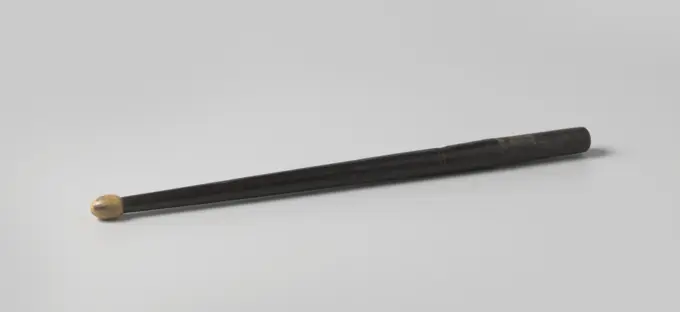
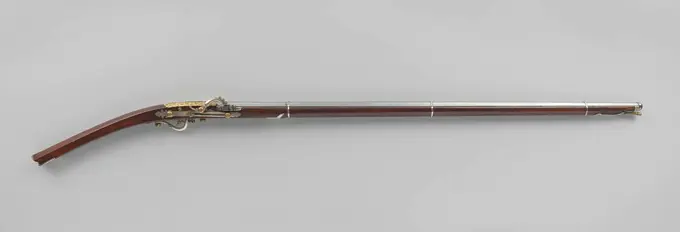
Drumstick, anonymous, c. 1830 - c. 1880 musical instrument. elements (of musical instruments). percussion instrument. beater Ebbenhouten stick with copper backside and point of Hoorn. Netherlands copper (metal). ebony (wood). horn (animal material)   Netherlands
Drumstick, anonymous, c. 1830 - c. 1880 musical instrument. elements (of musical instruments). percussion instrument. beater Ebbenhouten stick with copper backside and point of Hoorn. Netherlands copper (metal). ebony (wood). horn (animal material) Netherlands
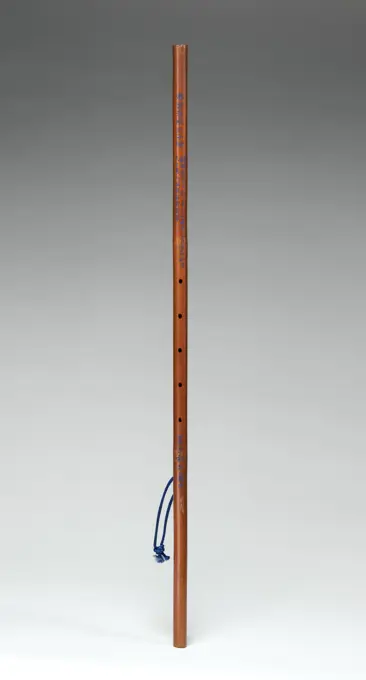
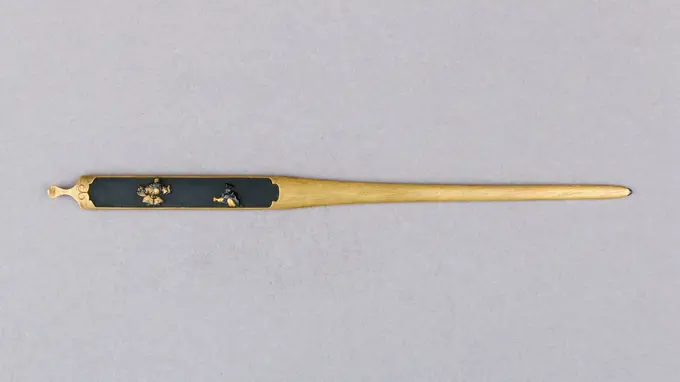
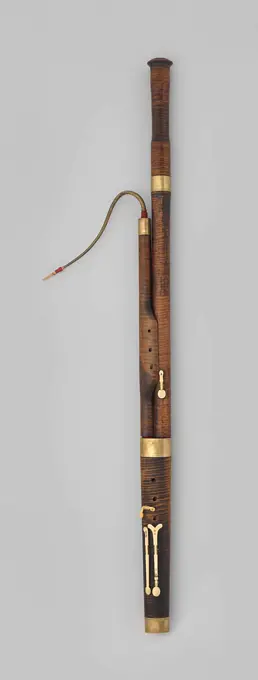
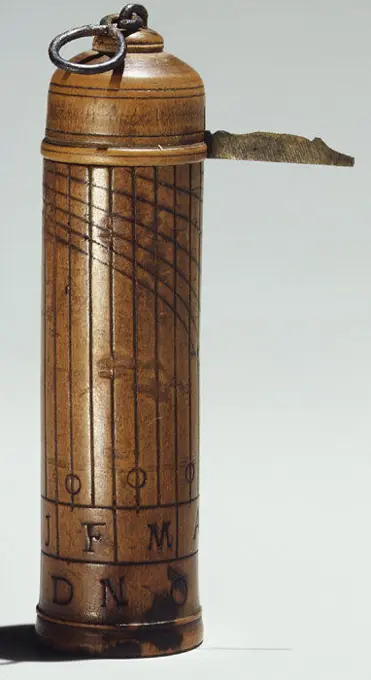
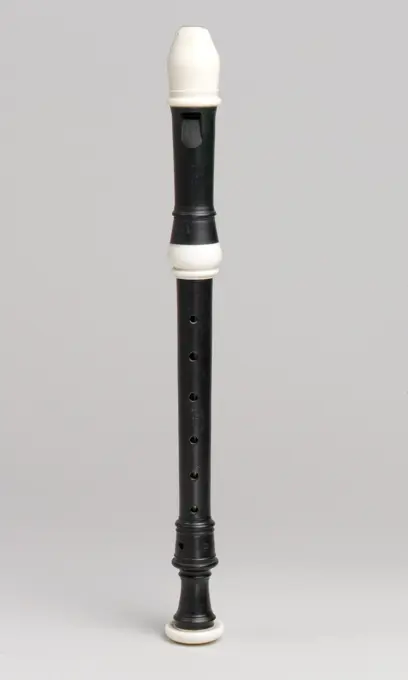
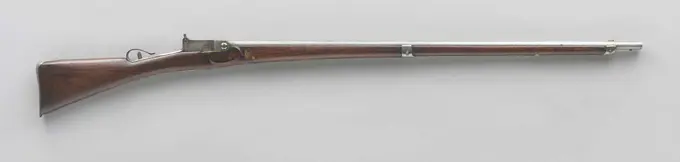
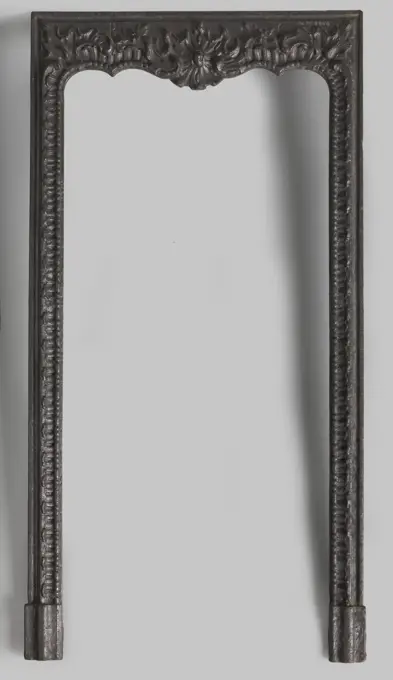
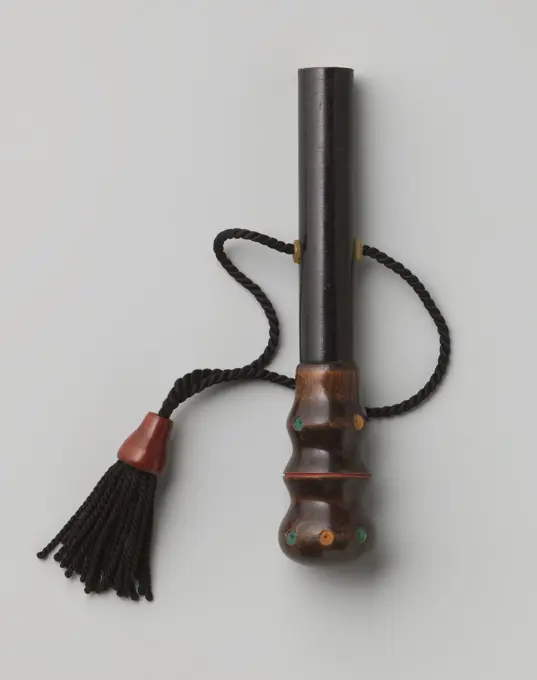
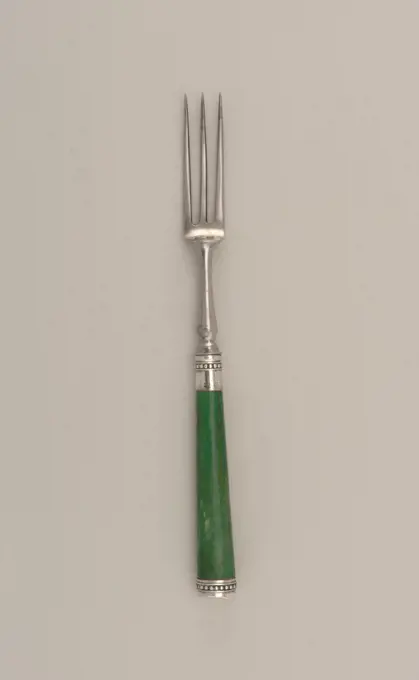
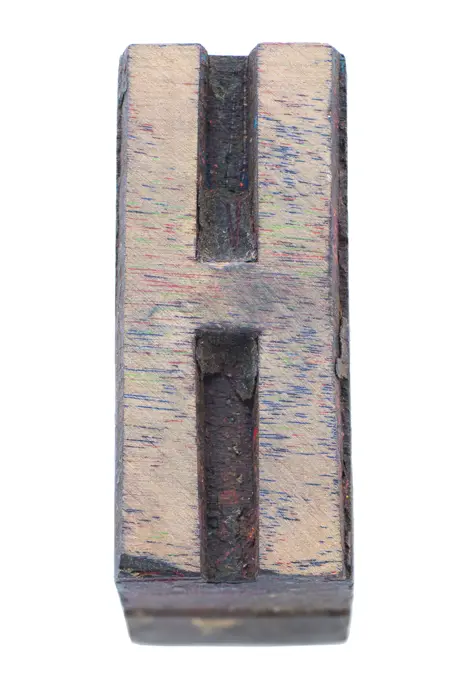
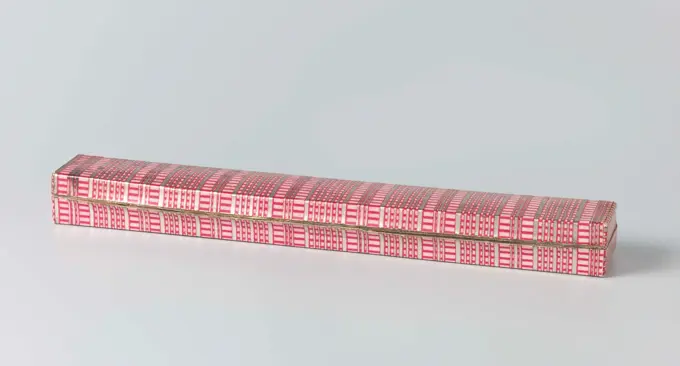
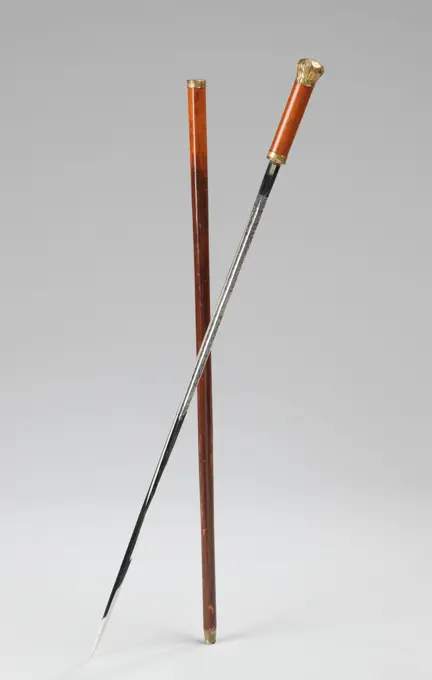
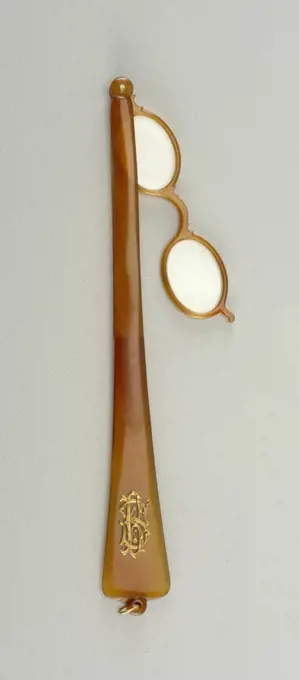
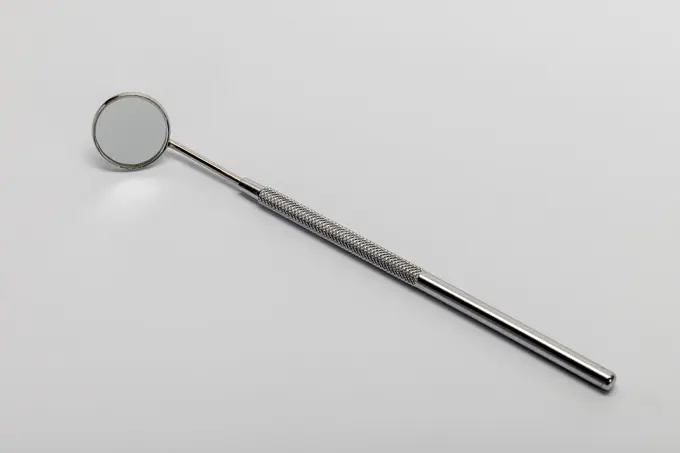
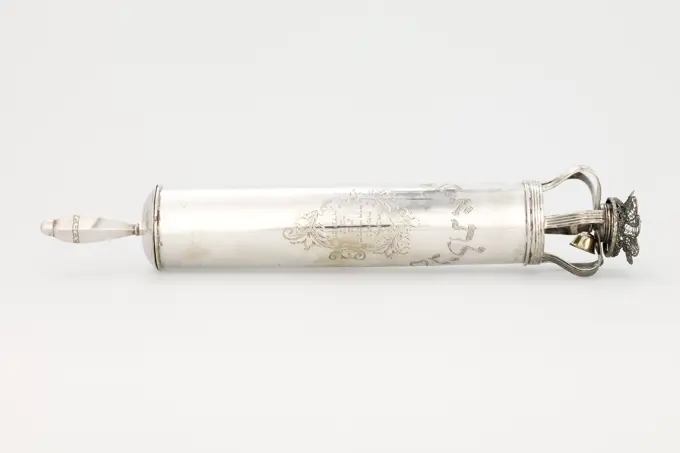
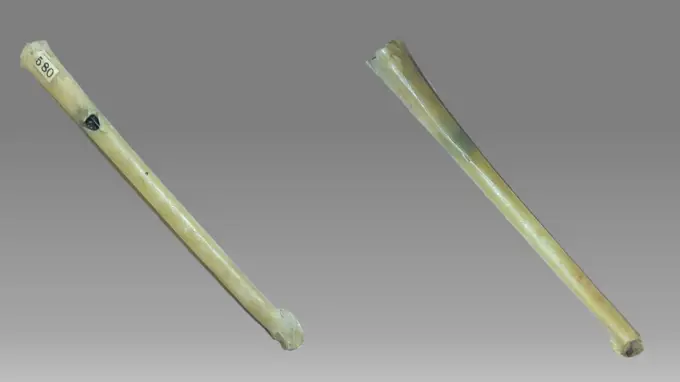
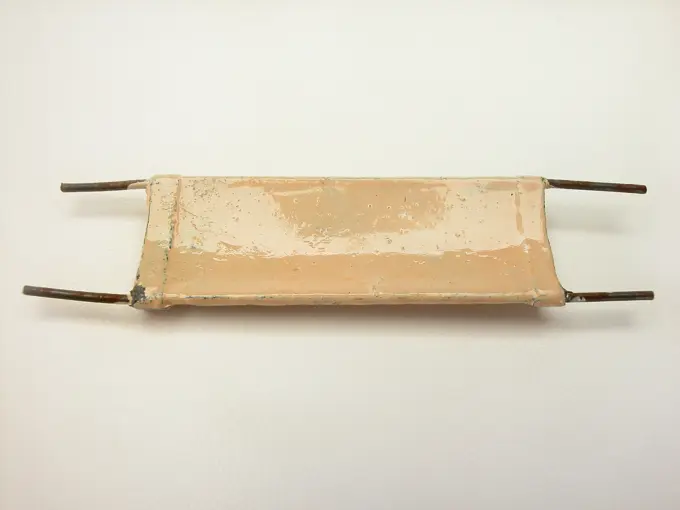
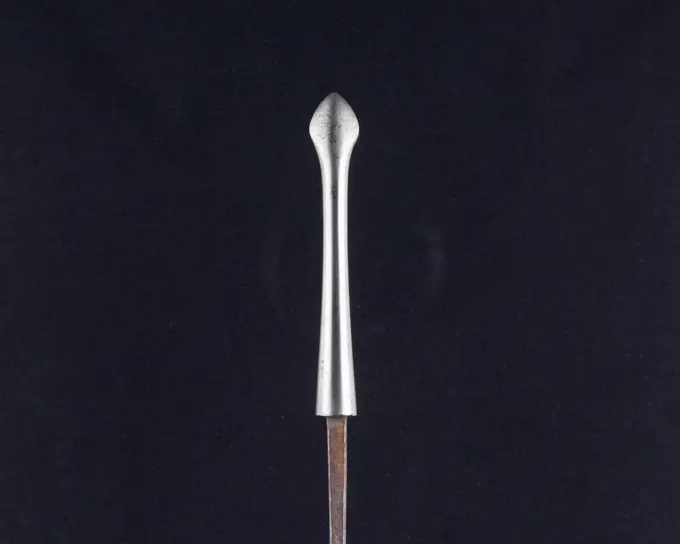
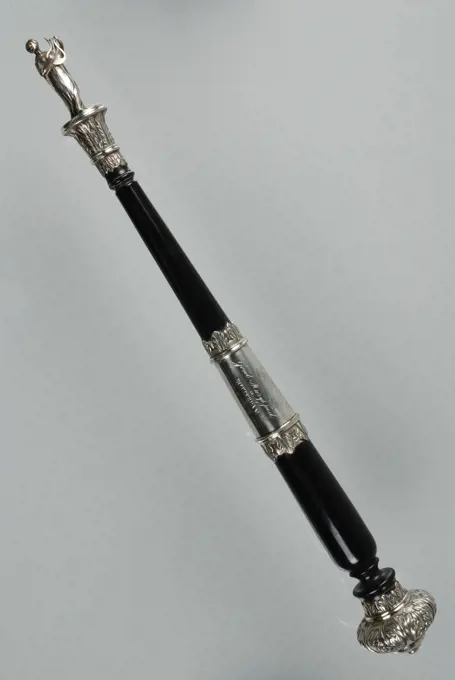
Silversmith: Jean George Grebe, Ebony dirigeer pole with silver fittings, topped with molded sculpture of lyre-bearing Muse, dirigstok musical instrument sound medium ebony silver metal, Society for the Promotion of Music Rotterdam jubilee party militia bandmaster conductor orchestra music militariaYuping Xiao ca. 1890 Zhishan Zheng The Yuping xiao, an end-blown flute from Guizhou province (south-west China), provides a softer, more refined tone than more robust sounding versions used in ensembles. These qualities, associated with scholars instruments, make it suitable for solo playing or for duets with the qin (fretless long zither). Some xiao like this one have poems inscribed on them.. Yuping Xiao. Chinese. ca. 1890. Xui bamboo (water bamboo). Qing dynasty (1644-1911). Tongren, Guizhou, China. Aerophone-Blow Hole-end-blown flute (vertical)Hair Dressing Tool (Kogai) ca. 1615-1868 Japanese A kōgai is a hairdressing tool that is part of a sword mounting. The long slender implement is carried in a slot on the obverse of a katana scabbard, often with a matching kozuka (handle of a by-knife) in a slot on the reverse.. Hair Dressing Tool (Kogai) 34541Fork;  19th century (1800-00-00-1810-00-00);Digging stick Chimú or Chancay 12th-15th century View more. Digging stick. Chimú or Chancay. 12th-15th century. Silver (hammered), copper, wood. Peru. Metal-ImplementsThree pewter spoon stalks without container, the largest of which has an onset, spoon cutlery soil find tin metal largest, cast Three stems: angular straight stem with trumpet termination Two stems with hexagonal cross-section one with octagonal cross-section archeology Rotterdam railway tunnel eating food table Soil discovery: trajectory rail tunnel Rotterdam.Bassoon.Fagot, mounted with copper and with eight leg valves.Throw Stick New Kingdom ca. 1400-1295 B.C. Throw sticks like this one were used as counters, like dice, to determine the moves of board games such as senet and twenty squares. The throw sticks 19.2.19-27a, b are usually displayed with the game box of Taia. View more. Throw Stick. ca. 1400-1295 B.C.. Ivory (tinted). New Kingdom. From Egypt. Dynasty 18, second halfFork;  2 after. XVII W (1650-00-00-1699-00-00);clean packing aluminium. net design of packaging made of aluminium. For foodMace 1550 Germany. Steel .little Cross Peen Hammer isolated on white little Cross Peen Hammer isolated on white background Copyright: xZoonar.com/ValeryxVoennyyx 6592768Board belonging to the office of H.R. Smokmaker, Voterik and Co., H. Steynert, c. 1933 - c. 1957  Board belonging to the office of H.R. Smokmaker. Surabaya cardboard. linen (material)   Dutch East Indies, TheLontslotgeweer behorend bij wapenrek van Cornelis Tromp.Lontlotguis with an octagonal loop and a strongly curved slim flask, characteristic of guns manufactured in Tonkin (North Vietnam). Associated capacity is also present.EVENTAIL. White silk, central pattern black printing, sequins, glitter ivory. Paris, Carnavalet museum. Eventail: Fashion accessory, EventailMilitary Fork. Culture: German. Dimensions: L. 86 1/8 in. (218.9 cm); L. of head 10 7/8 in. (27.7 cm); W. 3 3/8 in. (8.6 cm); Wt. 3 lbs. 2 oz. (1417.5 g). Date: dated 1675. Museum: Metropolitan Museum of Art, New York, USA.Ear iron wrapped with thin wire, both ends bent, ornament clothing accessory clothing soil find buyer metal, drawn wounded Half round brass bracket with two outwardly turned eyes at the ends. Completely wrapped with thin copper wire. Short piece of wrought copper wire at one eye archeology Rotterdam City Triangle Nieuwehaven New Haven Soil discovery.baluster, Maple, Turned baluster; square base, turned shaft twisted in upper part. Square capital., USA, ca. 1800, woodwork, Decorative Arts, balusterSpring pen with sponge, pen medical_instrument sponge feathers, Pen of feather at the end with sponge belonging to tobacco squirrel for drowning people drowning water rescue medical care medical treatment health care doctor surgery Arrenberg tobacco inn pub Case with various objects used in the last eighteenth and early nineteenth century in the attempt to revive the spirits of the drowning. On the box is the name Benjamin Arrenberg. This lived in the last third of the eighteenth century was vendrig in 1788-1791. Leproosmeester 1792-1794 The box will therefore be from the nineteen nineteenth century.Pillar dial 18th century Southern French. Pillar dial. Southern French. 18th century. Wood. HorologySoprano Recorder in B ca. 1700 Thomas Coenraet Boekhout Dutch Thomas Boekhout built recorders, flutes, oboes, and bassoons, and there even survives a (very early) clarinet from his workshop, but he was perhaps best regarded in his day for his bass recorders. The lowest pitch of this beautiful recorder is B', and it may be an example of a soprano in B' flat, also known as a fourth flute because it is pitched a fourth above the alto in F'. This is the same size instrument that was used by Charles Dieupart (ca. 1667-ca. 1740), a French composer who worked in London. This instrument is stamped "T. BOEKHOUT" between a crown and lion rampant.. Soprano Recorder in B. Dutch. ca. 1700. Ebony, ivory. Netherlands. Aerophone-Whistle Flute-recorderPipe 19th century Japan. Pipe. Japan. 19th century. Silver. Edo (1615-1868) or Meiji period (1868-1912). Smoking EquipmentBreech-Loading Rifle.Rear charger with smooth loop. It has a central fire mechanism of unique design. The room opens by folding an arm, such as at Robert's rear charger (compare NG-MC-730). The lock is attached to the arm. The lock fires with a stroke pin that beats behind in the middle of the pattern. There is a slot for the tractor at the top of the rifle, which is missing.Half of a Compass. UnknownPitchPartisan ca. 1525 Italian. Partisan 26767Cane, wood, silver-gilt, New York, New York, USA, ca. 1890, costume & accessories, Decorative Arts, CaneYeah dessert; Würtembergische metallwarefabrik - WMF (Germany; Wytwónia Z Otnarz; 1880-1914); after 1880 (1880-00-00-1905-00-00);Meter met handvat voor textielindustrie.Meter with distribution in decimeters. From point to 3 cm for handle is 100 cm; Last decimeter at handle divided into cm and half decimeters. Handle has diagonal reversals.Fork, Ivory, silver, Silver fork has three curved tines, curved shoulders and flat tapering neck with diamond-shaped decoration at back of join. Plain rectangular ferrule. Pistol-shaped handle of carved ivory with beaded cresting on the top of the handle and halfway on one side. End of handle carved on the front and back with snail-shell and drop-shaped ornaments., France, ca. 1798-1809, cutlery, Decorative Arts, ForkHandle or Attachment. UnknownBow -HammerChar parasol foot. Bronze with inlays. China, Han dynasty. Paris, Cernuschi museum. 75290-8 Bronze, tank, han dynasty, inlaid, parasol footflat paintbrush with wet tip isolated on white flat paintbrush with wet tip isolated on white background Copyright: xZoonar.com/ValeryxVoennyyx 7683080Ball-headed club -Engraved bend.clean packing aluminium. net design of packaging made of aluminium. For foodAeolian Harp 19th century British. Aeolian Harp 501610Cast iron plate for conversion of the fireplace, with rocailles, anonymous, c. 1725 - c. 1750 Plate of cast iron, part of the fireplace construction. The opening is bordered with an egg frame and rocaille torn reasons. The whole is crowned with a flower. Germany (possibly) iron (metal) casting Plate of cast iron, part of the fireplace construction. The opening is bordered with an egg frame and rocaille torn reasons. The whole is crowned with a flower. Germany (possibly) iron (metal) castingCopper cloak pin or cloak with linear decoration, closure clothing accessory clothing ground find copper metal, cast struck archeology Rotterdam City Triangle Botersloot Closing inner clothing closes Soil discovery collapses Inner rump back Botersloot (savings bank) from medieval layer.Bottle 18th-19th century This bottle is typical of the objects that were displayed in open niches in reception rooms of Ottoman-period upper-class Syrian homes. Bottle 444701Snow Shovel. From Domestic Life, vintage engraving, 1880.Sleep mat. Isolated over white.Fork (England); steel, silver, agate; L x W: 14 x 1.5 cm (5 1/2 x 9/16 in.); The Robert L. Metzenberg Collection, gift of Eleanor L. Metzenberg; 1985-103-113Handle and round button of painted wood, for an umbrella or parasol, Gustav Schnitzler, c. 1920 Handle and round button for a umbrella or umbrella, from painted, cut wood. The dark brown button is decorated with green and white dots. A black cord has been strung by the hole drilled in the handle. Nijmegen whole: Wood (plant material). Cord: Silk painting Handle and round button for a umbrella or umbrella, from painted, cut wood. The dark brown button is decorated with green and white dots. A black cord has been strung by the hole drilled in the handle. Nijmegen whole: Wood (plant material). Cord: Silk paintingSpoon (France); Made by Francois-Julien Doyen; silver; L x W x D: 16.6 x 2.9 x 2 cm (6 9/16 x 1 1/8 x 13/16 in.)Bamboo walking stick with twelve -sided silver button with the Holy Christoffel on top with child Jesus on the arm, anonymous, c. 1775 - c. 1800 Rattan walking stick with silver button. The button is twelve -sided, equipped with three flower stones connected by bows. On the upper surface a relief with a saint and the child Jesus. The tip of the stick is made of copper. A braided metal cord with two brushes is attached under the button. Brands on the button (13 and a running lion). Europe whole: Rattan. Button: Silver (Metal). Point: Copper (Metal). Brush: Metal cutting / forging / forging Rattan walking stick with silver button. The button is twelve -sided, equipped with three flower stones connected by bows. On the upper surface a relief with a saint and the child Jesus. The tip of the stick is made of copper. A braided metal cord with two brushes is attached under the button. Brands on the button (13 and a running lion). Europe whole: Rattan. Button: Silver (Metal). Point: Copper (MeStreet brush on a stick. Illustration of a sloppy sketch.Fork;  19th century (1800-00-00-1810-00-00);Jaume Cubells / Escultura en madera, siglo XX. Biblioteca Museo Víctor Balaguer, Vilanova i la Geltrú.De architectura libri dece / traducti de latino in vulgare affigurati: commentatiHarmonicor after 1859 Louis Jules Jaulin French. Harmonicor 501869Arrowhead (Yanone) 18th century Japanese Although today Japanese warriors are renowned most for their swordsmanship, archery, especially from horseback, has been an essential part of samurai warfare and culture for centuries. Arrows were fitted with heads of varying shape according to their intended use in war, the hunt, or target practice. Arrowheads made for use on the battlefield incorporated different designs intended for specialized purposes such as the piercing of armor or to cause maximum damage to horses and unarmored personnel.Large arrowheads, pierced and elaborately chiseled with landscapes, birds, flowers, dragons, and Buddhist divinities, were created to be admired for the beauty of their metalwork and design rather than for use in archery. Such highly elaborate examples may have been made for presentation or as a votive offerings to a shrine.. Arrowhead (Yanone). Japanese. 18th century. Steel. Archery Equipment-ArrowheadsClarinet in B-flat ca. 1825 Horace Meacham American. Clarinet in B-flat 504163fork, green-stained ivory, steel, silver, Part of a set of knives and forks ((1959-56-1-a/f), where a/d are knives, and e-f are forks)., fork (e,f): tapering, stained green ivory handle with beaded silver cap terminal and ferrule with three prong steel tines., England, late 18th century, cutlery, Decorative Arts, forkwooden H letter vintage wooden capital letter H from letterpress set isolated on white Copyright: xZoonar.com/YuryxZapx 18170981. Cycle box of cardboard, past with shiny striped pink, red, and silver paper with golden trim. Lined with white paper. In the lid Pocket label on which an unfolded impeller and the text 'Duvellery / Pass. Des Panoramas, 17 '.Table leg 18th century French. Table leg 189737 French, Table leg, 18th century, Wood, carved, Height: 33 1/2 in. (85.1 cm). The Metropolitan Museum of Art, New York. Gift of J. Pierpont Morgan, 1906 (07.225.485)Pair of Lappets (Joined) Made 1850-1869 France. Silk, bobbin straight lace .Cane fourth quarter 19th century Spanish Apart from their obvious functionality, canes were an elegant accessory in the 19th century, when the afternoon promenade gave members of the fashionable set occasion to display their finery and genteel manners. This gentleman's novelty cane conceals an elaborately engraved and monogrammed sword blade. While technically functional as a sword, the absence of a proper grip and guard make the cane more suited to braggadocio than actual dueling. Another such gadget cane in the Brooklyn collection (2009.300.1125a-e) contains a liquor vial and tiny drinking glass. Equivalent women's sticks sometimes held snuff bottles, powders vials, or other cosmetic materials.. Cane. Spanish. fourth quarter 19th century. wood, metalletter l hand painted by red brush letter l hand painted by red brush on white background Copyright: xZoonar.com/VVxVoennyyx 5227847Yeah one hundred; Malcz, Karol (1797-1867), Gerlach (Warsaw; 1760-), Silver Products Factory K.F. Malcza (Warsaw; Sreber label; 1828-1864); 1825-52 (1852-00-00-1852-00-00);. Parasol or umbrella () With deck of solid, dark blue silk, with a driven gold-plated button and stretched with dark blue silk and equipped with a brush and a cover. Thick light brown wooden stick with a conical handle in which an oval hole, for the brush. On top of the flat and rounded side of the button a minne coating, possibly Jupiter and Callisto. On the circumference, which is vaulted, there are three mythological women's figures, one with a large crescent or a wreath (), One with a stick or scepter and the third, which is seen on the back, with a bow ().Musical Bow late 19th century. Musical Bow. late 19th century. Wood, bamboo, strings. Chordophone-Musical BowA violin caseMale umbrella on a white backgroundLorgnette, Formed tortoiseshell, applied gold, glass, metal, Light tortoiseshell lorgnette with handle slightely widened toward bottom; gold monogram, conjoined 'BS,' at bottom of handle., USA, late 19th century, costume & accessories, Decorative Arts, LorgnetteIndoor antenna for cable tv, DVB-T receptioninflatable rubber boat for fishing and tourism vector illustration isolated on white backgroundChild's bow -Halberd. Culture: Italian. Dimensions: L. 94 in. (238.9 cm); L. of head 23 1/2 in. (59.7 cm); W. 10 7/8 in. (27.7 cm); Wt. 3 lbs. 8 oz. (1587.6 g). Date: ca. 1550. Museum: Metropolitan Museum of Art, New York, USA.Han Goto 19th century Japanese. Han Goto 500670Oboe, Johann Wilhelm Oberlender, c. 1730 - c. 1750 Hobe of Palmhout with three brass valves. The third hole is double, the sixth hole has been repaired. The oboe is marked on all three parts: I.W.Orlander in a role with a lily above it. Nuremberg boxwood. kleppen: brass (alloy) Hobe of Palmhout with three brass valves. The third hole is double, the sixth hole has been repaired. The oboe is marked on all three parts: I.W.Orlander in a role with a lily above it. Nuremberg boxwood. kleppen: brass (alloy)Knife with horns takes care of oval cross-section, a narrowed angel and a profiled cut-out lifter protector. Knife with horns takes care of oval cross-section, a narrowed angel and a profiled cut-out lifter protector. The blade has been demolished.Needle tube, silver, c. 1400 - c. 1950 Need -sleeve, silver with twisted motif and marked on the underside with, among other things, a crown.  silver (metal) Need -sleeve, silver with twisted motif and marked on the underside with, among other things, a crown.  silver (metal)Key 18th century British. Key 191437BurnishingtoolSpoon 4th century Late Roman. Spoon 465325 Late Roman, Spoon, 4th century, Copper alloy, silvered, Overall: 6 1/16 x 1 x 3/16 in. (15.4 x 2.6 x 0.5 cm) shovel: 1 x 3/16 in. (2.6 x 0.5 cm). The Metropolitan Museum of Art, New York. Gift of J. Pierpont Morgan, 1917 (17.192.255)Dentist instrument, mouth mirror, white background,Bow -Vanilla pods isolated on the white backgroundTwo metal buckets on wooden yoke isolated on white background. Vector design element.. Two metal buckets on wooden yoke isolated on white background. Design element.Pipe drawer with copper piping, anonymous, 1800 - 1850 Pipe drawer of mahogany, with copper piping. Netherlands oak (wood). mahogany (wood). copper (metal) Pipe drawer of mahogany, with copper piping. Netherlands oak (wood). mahogany (wood). copper (metal)Witte Strik, Unknown, 1920 - 1980  Europe textile materials  Europe textile materialsAttic Black-Figure Hydria Fragment. UnknownMegillah (scroll) with case, 19th - early 20th century, 15-5/16 x 3-1/8 x 2-5/16 in. (38.9 x 7.9 x 5.9 cm), Silver, paper, Germany or Hungary (), 19th-20th century, As is true with all biblical scrolls, the Esther Megillah is written entirely by hand on parchment. The scroll is contained within an inscribed, decorative silver case. The inscription on this piece identifies the scroll as an Esther Megillah (אסתר מגילה). This scroll holds particular significance for the celebration of Purim, which commemorates events believed to occur in mid-5th century BCE Persia, during which the Jewish people were miraculously saved from genocide by the Jewish Queen Esther against the plot of King Ahasuerus’ advisor, Haman. During the celebration of Purim, the Scroll of Esther is read aloud. Participants dress up in costumes and actively participate in the reading by reacting to various parts, for example cheering for Queen Esther or booing at the mention of Haman’s name. Through this act of audience Tube Tube. Cane   Arts of the AmericasBamboo branches isolated on the white backgroundNeedle. UnknownFlat vector painting tools in childish style. Hand drawn art supplies, paint brushes for acrylic, gouache. Clipart elements isolated on white backgroundLight micrograph whole mount of a typical clubbed antenna of a butterfly, UKFlute glass, anonymous, c. 1675 - c. 1700 Flat base with turned around and pontil brand. Balus -shaped, hollow trunk with three flat discs. High, funnel -shaped chalice. On De Kelk, the coat of arms of Stadholder Prince William III is engraved with the inscription 'Vive le Prince d'Orange'. Furthermore, three bees and a drank, from which a young twig sprout with an orange apple. glassblower: Low CountriesNorthern Netherlands glass glassblowing Flat base with turned around and pontil brand. Balus -shaped, hollow trunk with three flat discs. High, funnel -shaped chalice. On De Kelk, the coat of arms of Stadholder Prince William III is engraved with the inscription 'Vive le Prince d'Orange'. Furthermore, three bees and a drank, from which a young twig sprout with an orange apple. glassblower: Low CountriesNorthern Netherlands glass glassblowingFlute ca. 1822 Ferris & Giffin. Flute 504181Whistle Native American (Sioux, Oglala) 19th centuryToy stretcher - Stretcher Britains, Ltd. Britains, Ltd.Arrowhead (Yanone) 18th century Japanese Although today Japanese warriors are renowned most for their swordsmanship, archery, especially from horseback, has been an essential part of samurai warfare and culture for centuries. Arrows were fitted with heads of varying shape according to their intended use in war, the hunt, or target practice. Arrowheads made for use on the battlefield incorporated different designs intended for specialized purposes such as the piercing of armor or to cause maximum damage to horses and unarmored personnel.Large arrowheads, pierced and elaborately chiseled with landscapes, birds, flowers, dragons, and Buddhist divinities, were created to be admired for the beauty of their metalwork and design rather than for use in archery. Such highly elaborate examples may have been made for presentation or as a votive offerings to a shrine.. Arrowhead (Yanone). Japanese. 18th century. Steel. Archery Equipment-ArrowheadsPleated fan and case, Silk leaf embroidered with steel sequins, tortoise shell sticks and bail, Pleated fan. Leaf of black organdy. Obverse: shaped steel sequins embroidered in all-over scroll and floral design. Guards and sticks of a dark reddish-brown tortoise shell., possibly France, possibly USA, ca. 1900, costume & accessories, Pleated fan and caseBrown lipped snail Cepaea nemoralis} on plant stem, photographed against a white background. Peak District National Park, Derbyshire, UK. AprilBrown velvet attachment. Plug from brown velvet to capping the ligament of the so-called Rosendaelbed. Left. For the accompanying attachments, see BK-1958-20-A-6 and -8.