Historical Iron Keys

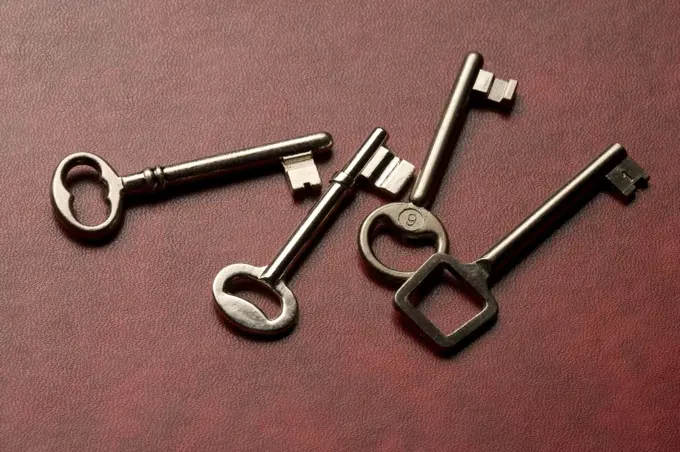
Antique iron keys from the 15th century showcasing intricate designs and craftsmanship, symbolizing security and historical significance.
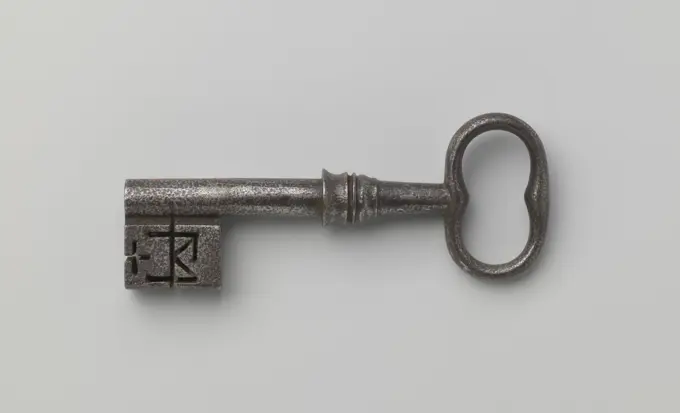
Key, c. 1800 - c. 1900 Key whose shaft is drilled cylindrical.  iron (metal) Key whose shaft is drilled cylindrical.  iron (metal)
Key, c. 1800 - c. 1900 Key whose shaft is drilled cylindrical. iron (metal) Key whose shaft is drilled cylindrical. iron (metal)
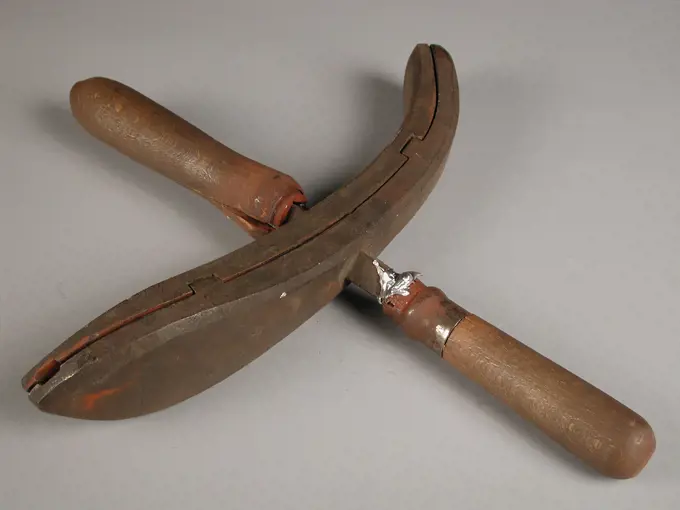
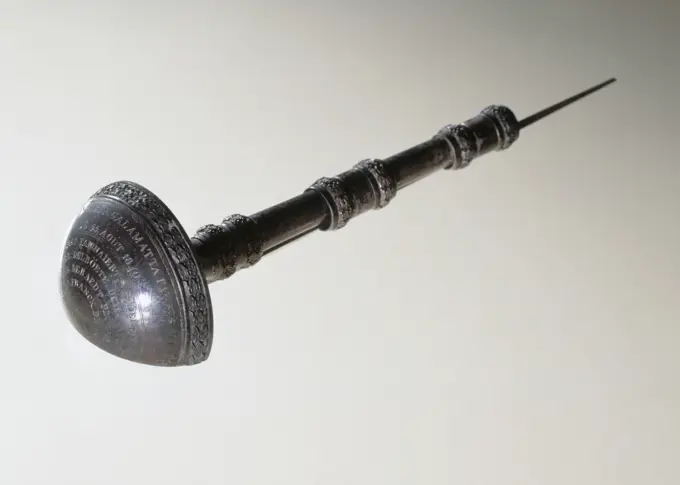
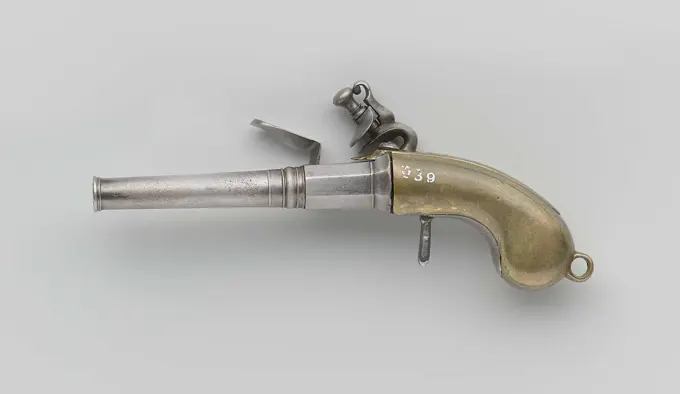
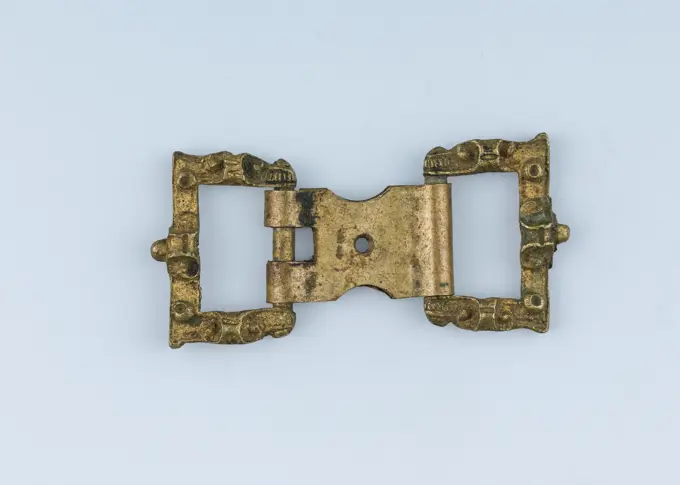
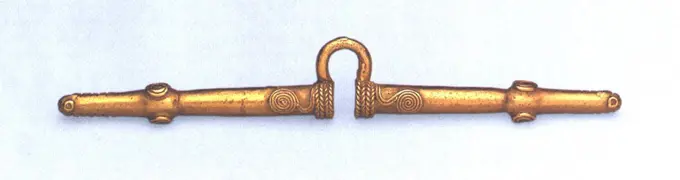
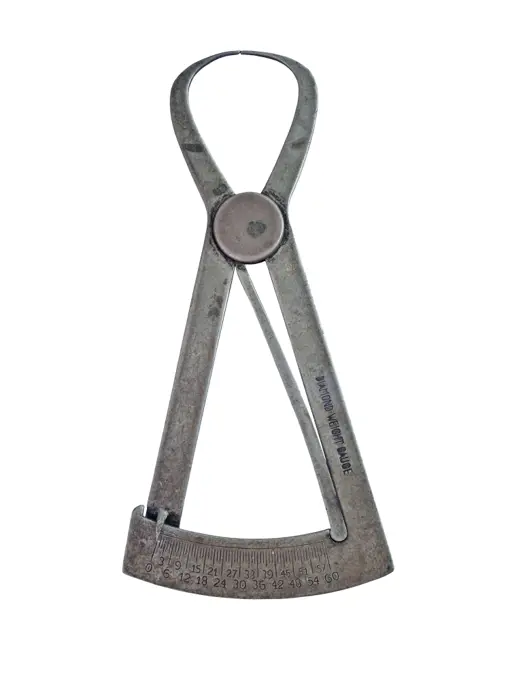
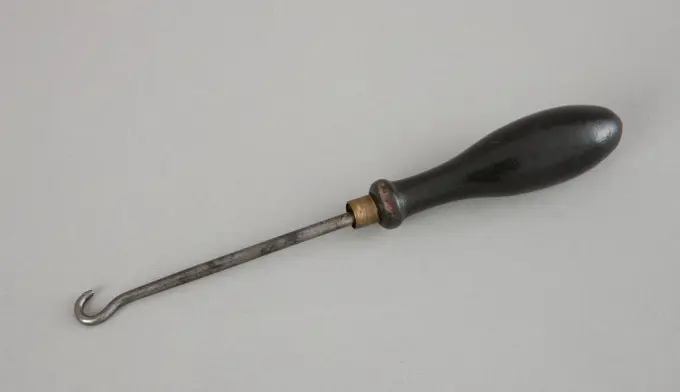
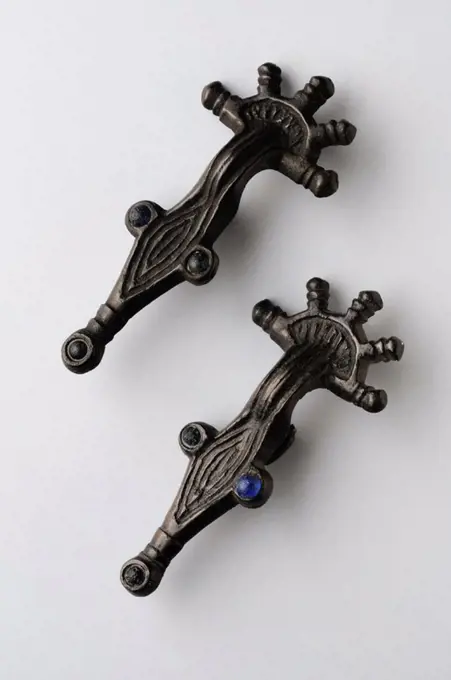
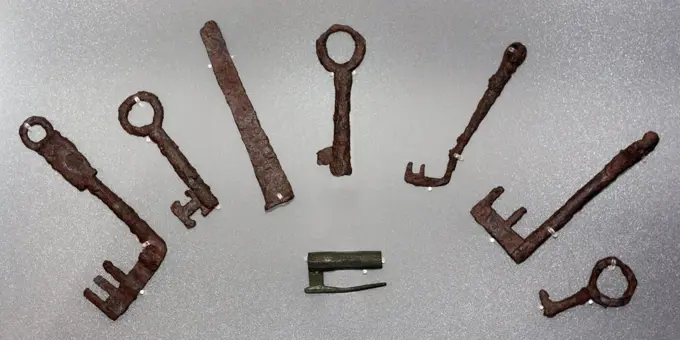
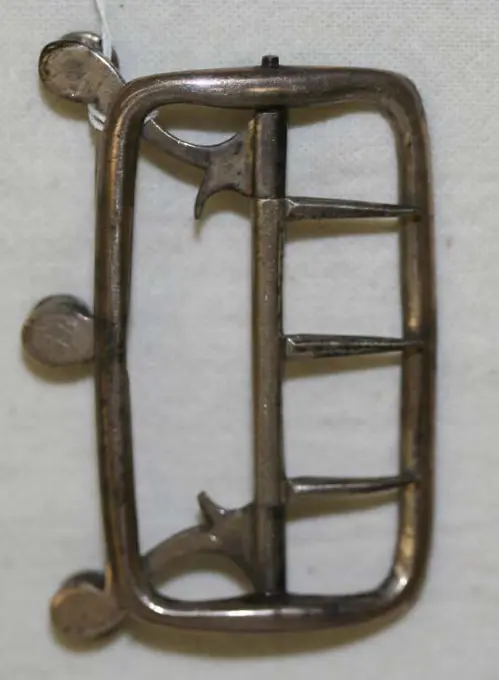
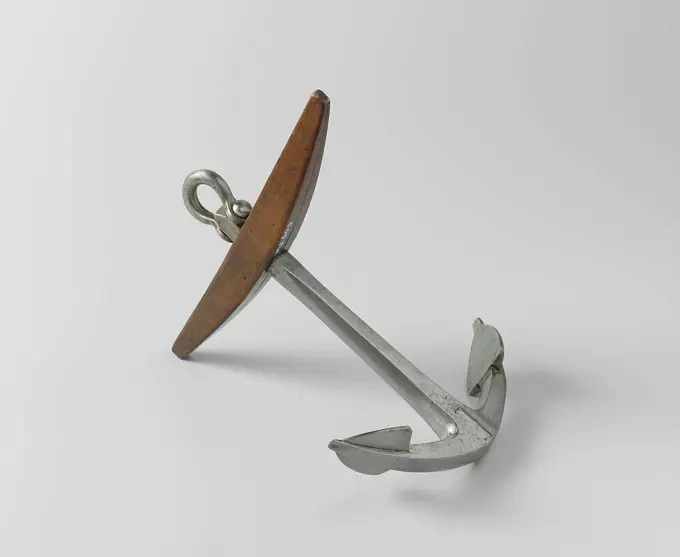
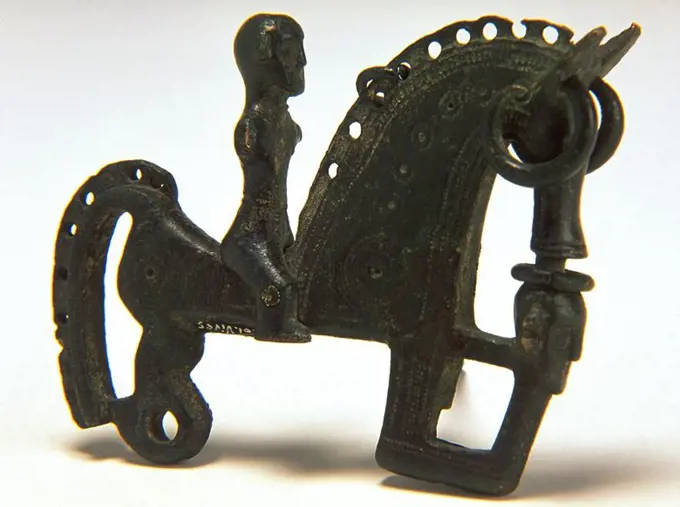
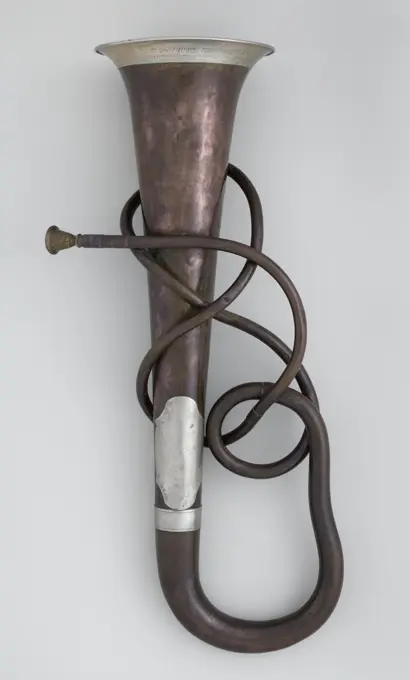
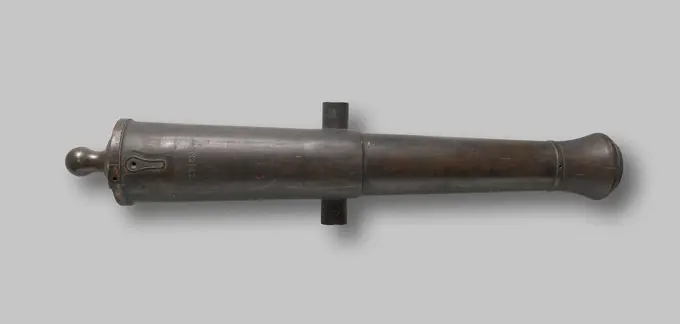
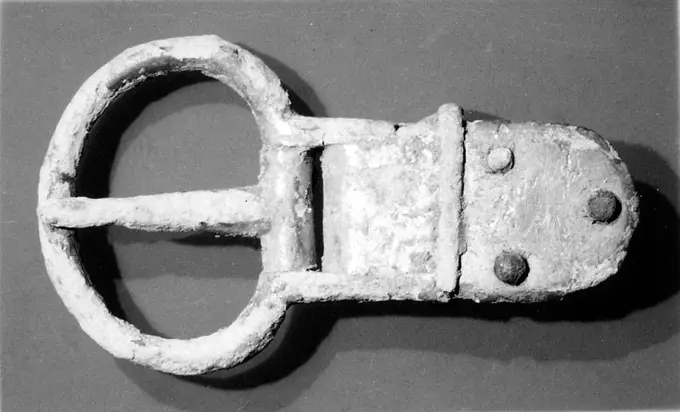
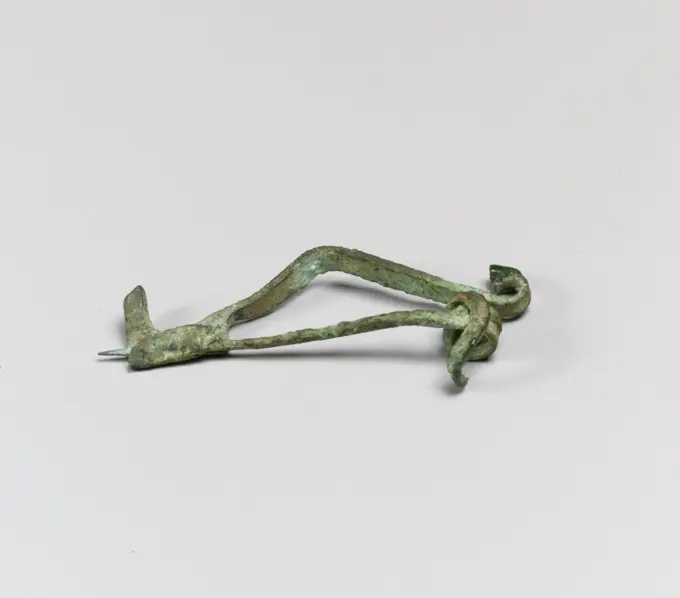
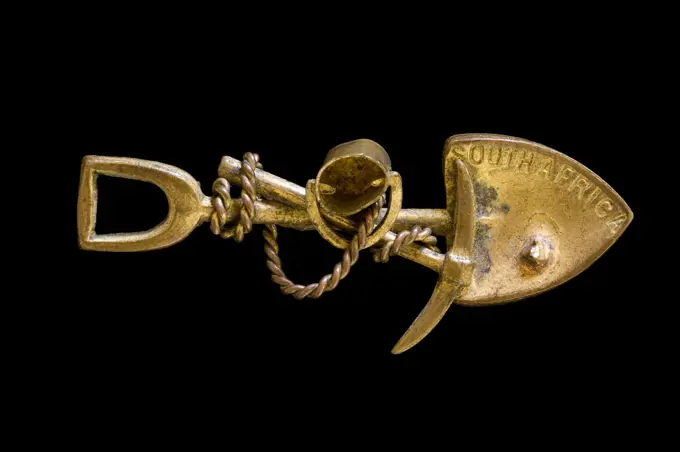
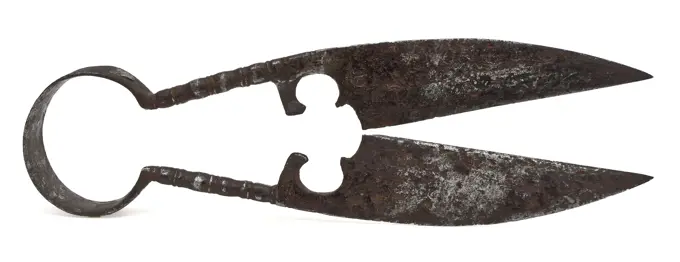
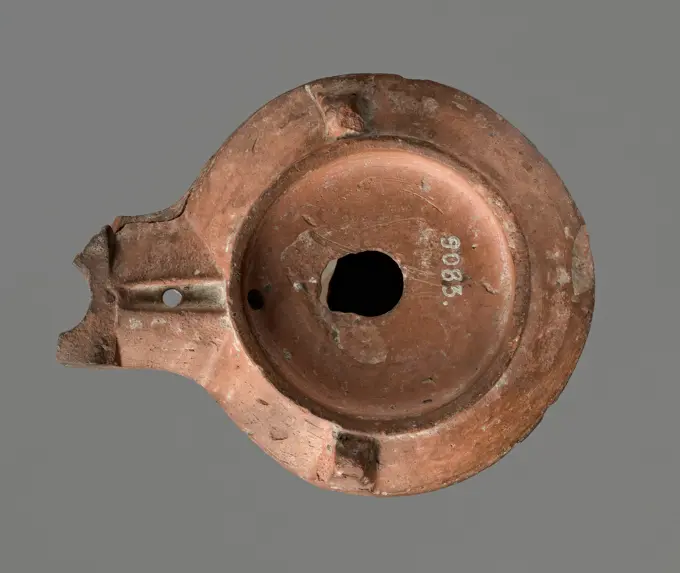
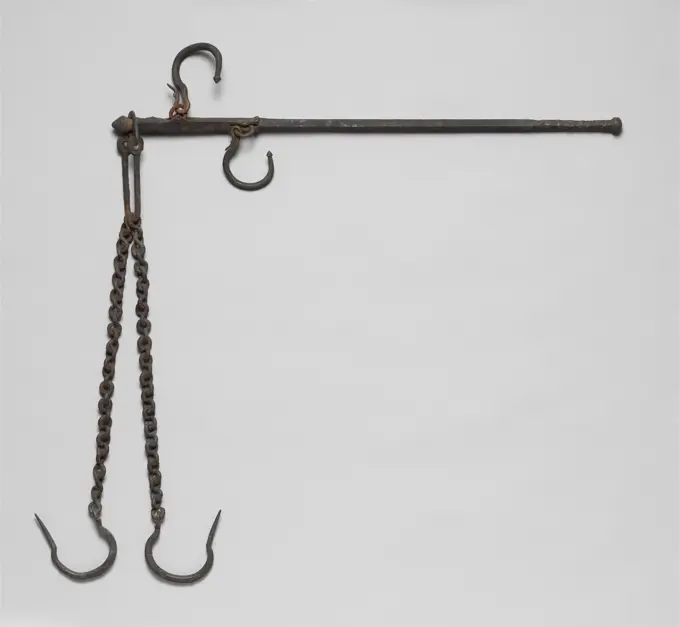
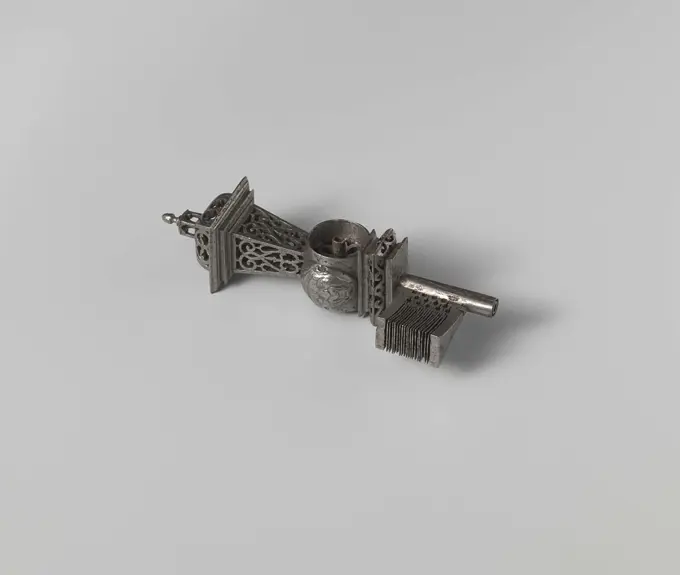
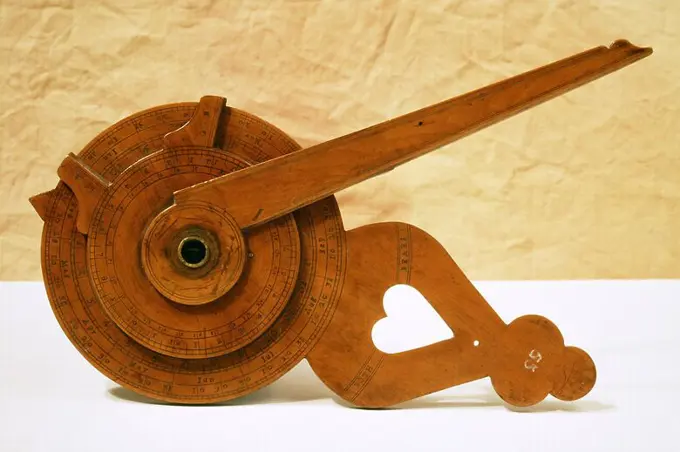
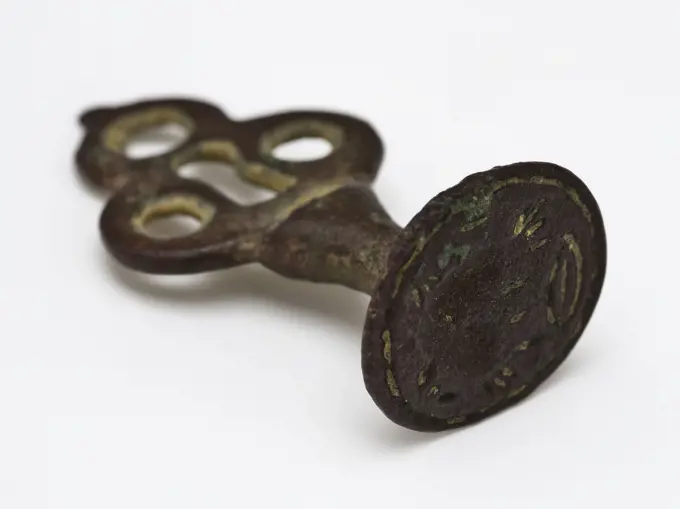
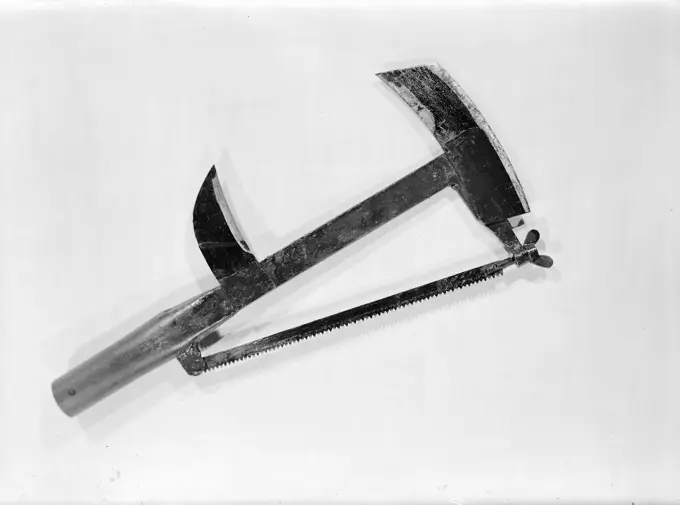
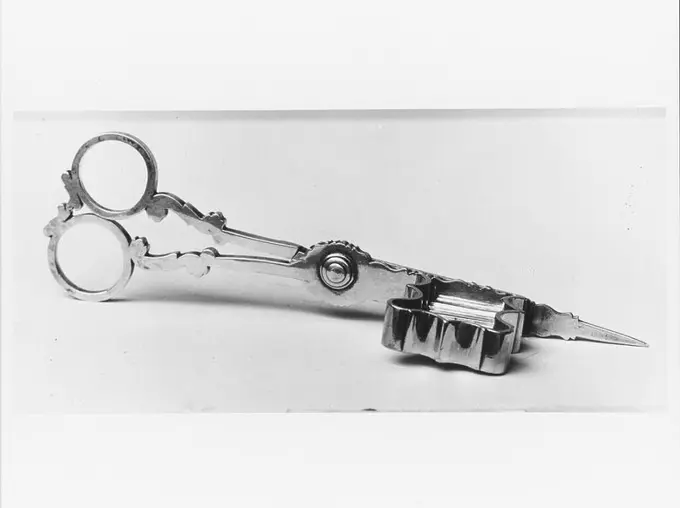
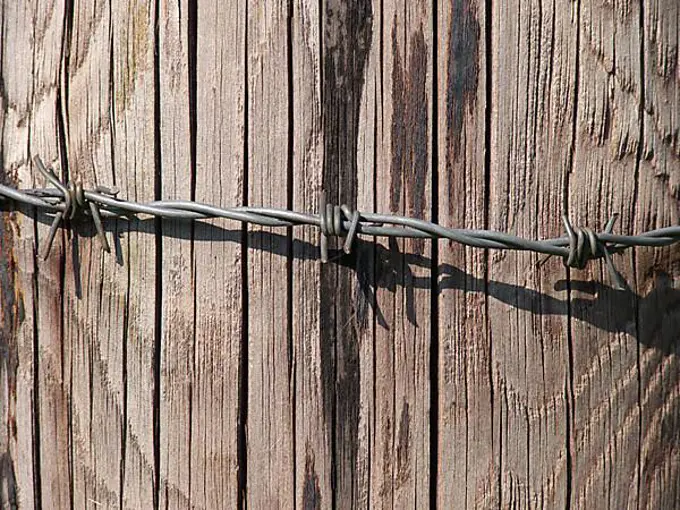
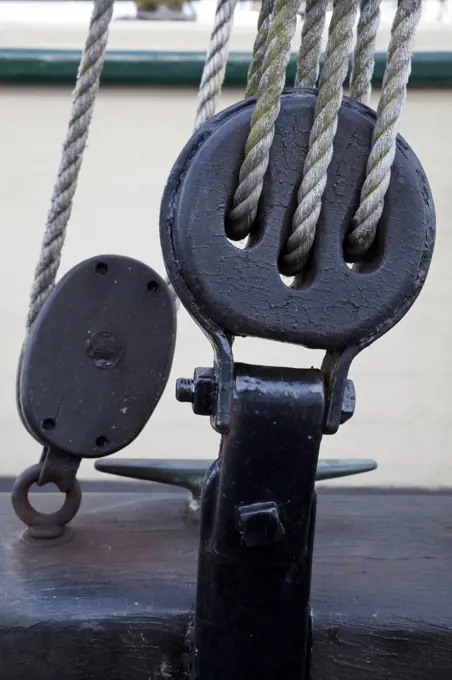
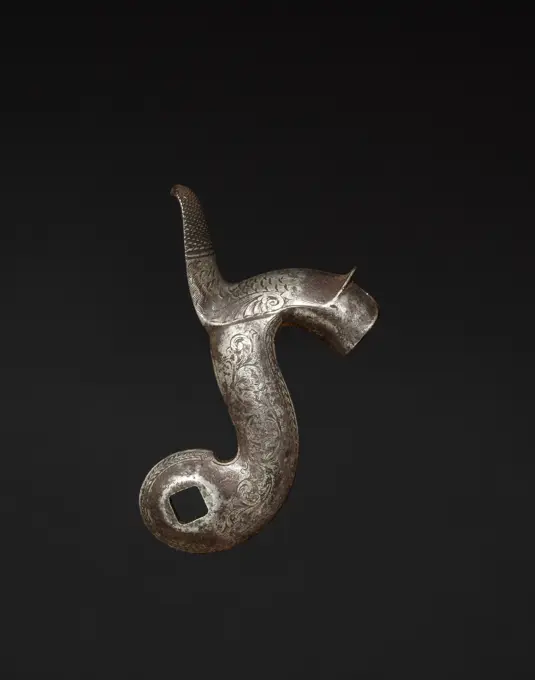
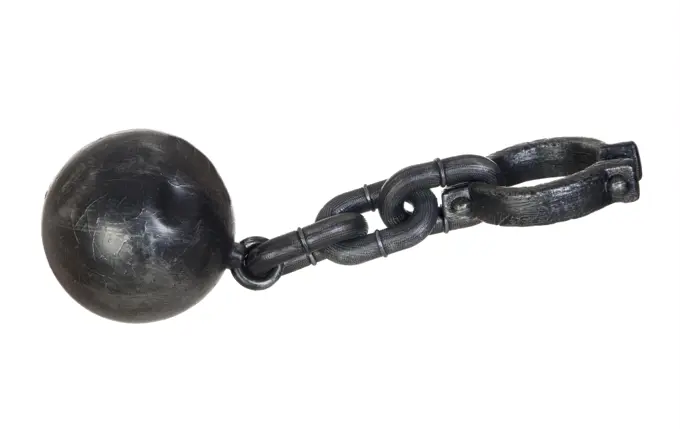
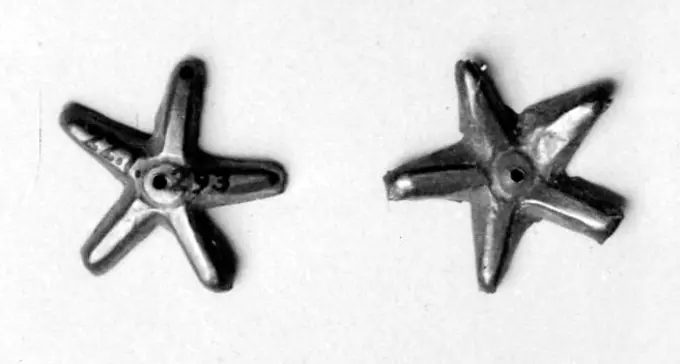
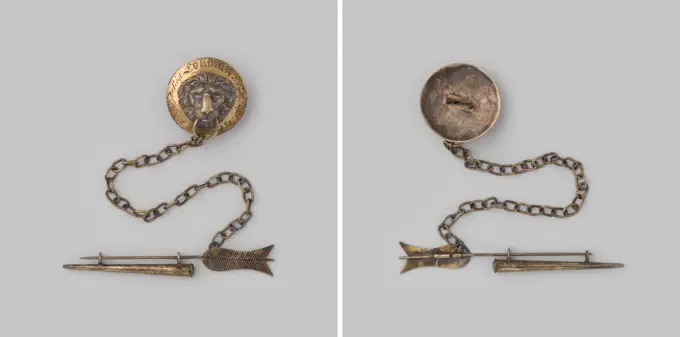
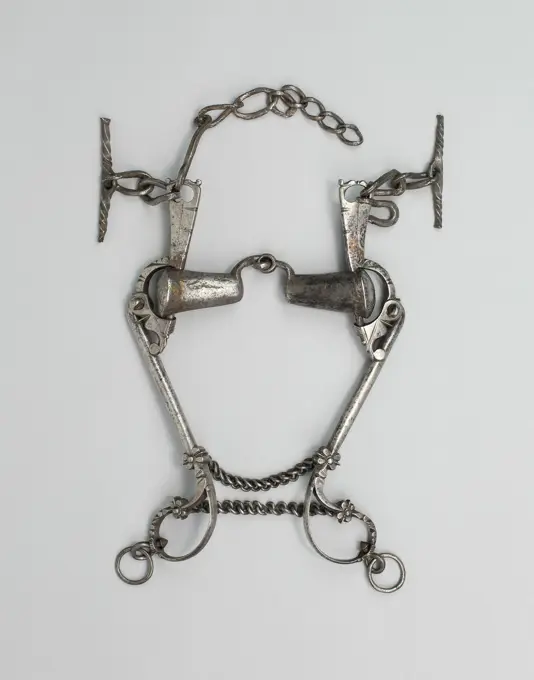
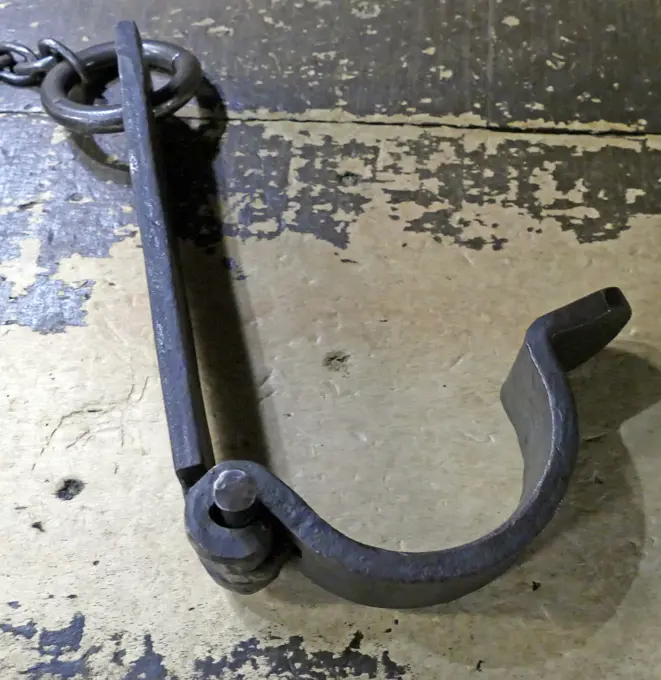
Figurine. UnknownBronze pliers, used to forge metal by blacksmiths, from Pompeisteel door key for pin tumbler lock isolated on white backgroundBarrel Lock. Dated: c. 1939. Dimensions: overall: 21.1 x 28.2 cm (8 5/16 x 11 1/8 in.) Original IAD Object: 4" long; 3 3/4" in diameter. Medium: watercolor, graphite, and gouache on paperboard. Museum: National Gallery of Art, Washington DC. Author: C. Milford Lee.Snaffle Bit. Culture: German. Dimensions: W. 9 3/8 in. (23.8 cm); Wt. 3 oz. (85 g). Date: 9th-11th century.If the Vikings are mostly known for being talented sailors, one may forget they were also horse riders, and as in all the Germanic cultures, horses had great importance in their society, in both its social and religious aspects. Equestrian equipment, like stirrups, spurs and bits, are regularly found in Viking burials, among the goods warriors wanted to bring with them to the afterlife. The elite would sometimes even be accompanied by sacrificed horses, a meaningful practice at that time, considering the high economic value of horses.The snaffle bit is the simplest type of horse bit, and has an effect on the bars (part of the horses' jaw without teeth) and the corners of the lips. The rings on the sides would serve to hang the bit on the headstall, attach the reins, as well as hold the mouthpiece in place. This bit is said to have been found on the site of Dolkheim, today in Two-piece bronze mold for the handle of spoon, mold casting tool tools kit metal-bronze, cast Two-piece bronze mold for casting double prong as transition to the bucket of large ladle or ladle Rotterdam tingieterij tinnegieter tin Meeuws Druy craft Forms come from the originally 18th century Rotterdam tinnegieter J Druy. The large molds that were not signed or dated were the property of the tinker guild and were rented to the small tin caster.Burin of honor offered to Mr. Calamatta by his students, August 25, 1840. Paris, Museum of Romantic Life. 34870-20 Honor chisel, gift, high, teacher, various object, offered, painterLantaka, anonymous, c. 1750 - c. 1850 lilla Bronze front loader on Mik. The loop has a flower -shaped mouth, the middle part is round and the rear part octagonal. The tail is hollow for a wooden bowel; A rattan bindsel around the tail. On either side of the Zundgat a square button for a Zundgat cover. Before the Zundgat a diamond -shaped ornament with a target button on it, and at the mouth a raised grain with crack. The eyes of the mik are completely forged around the taps, so that the piece cannot be lifted out of the mik. Indonesian Archipelago (possibly) bronze (metal). rattanLoop . 2 rows of stones, larger for inner row.Vuursteen zakpistool.Flint pocket gun with drawn discardible loop, part of a torque. The lock mechanism is hidden in a partially iron, partially gold-plated glass house that extends into the handle; The rooster is engraved with a blossom branch; The straight tractor lights up from the bottom of the house and is not protected by a tractor bracket. The loop consists of two parts: one with eight grooves pulled around in the front that is screwed off and a signed, octagonal kulas on the back. The flask consists only of a short handle of gold-plated selector with a carrying eye at the bottom, to which a round, selector plate is stamped with the number 513; A flask runs over the flask that excludes a leaf and is engraved with a brand in the form of two curved fish above the number 31 to 210-a and 32 to 210-b; No facility for a loading stick.Knip, c. 1400 - c. 1950 A sorner single cut (telling).  iron (metal) A sorner single cut (telling).  iron (metal)Flintlock Shaped Watch Key, 1700-1800. 1934F228.4 Diamond Shaped Watch Key, 1700-1800. 1934F228.5 Small Rectangular Shaped Watch Key, 1700-1800. 1934F228.8 Cut Steel Beading Watch Key, 1700-1800. Made in EnglandPincers on woodBuckle ca. 1550 possibly Italian. Buckle. possibly Italian. ca. 1550. Brass. Miscellaneous-Buckles & OrnamentCrocodilian Nose Ornament A.D. 1-1000 Zenú Zenú metalworkers, in the Caribbean Lowlands of present-day Colombia, made this nose ornament by casting gold, or an alloy of gold with copper, through the lost wax process. (For more details on this technique, please see Metropolitan Museum of Art 2008.569.13a, b). Unlike other Zenú nose ornaments (e.g., Metropolitan Museum of Art 1979.206.543 and 1979.206.544), this one, like Metropolitan Museum of Art 1979.206.542 and 1979.206.545, shows hollow extensions, which were formed by casting the metal around ceramic cores. After casting, the metalworkers removed the core material from the cavities now visible on the reverse. Ceramic figurines show people wearing similar ornaments by passing the central loop through the noses septum, but it is uncertain whether this could be achieved with a metal ornament like the present example.[1 The artists formed different parts of the ornament separately in wax but joined them together to cast the ornament Stainless Steel Wrench close up The steel wrench lies on a white background Copyright: xZoonar.com/AlexanderxStrelax 3894212A pair of sandals unknownvintage diamond weight moe gauge over white, clipping pathDetector lock with key.The keyhole for this lock is concealed behind the mans left leg. The lock opens and closes when the key is turned twice. With two complete turns of the key, the dial at which the mans stick is pointing rotates. This records how often the lock has been opened. The doorknob is released when the mans hat is pushed aside.Scissors, element for scrapbooking, isolated on a white background, with clipping path Scissors, element for scrapbooking, isolated on a white background, with clipping path Copyright: xZoonar.com/OleksandrxKostiuchenkox 9747044One key isolated on white. Old rusty horseshoe horizontally inverted isolated on white backgroundOld small iron balance  from outset of past century Hook for fastening shoesPincers on wood(Siglo IV - V Dc )- Epoca Visigoda, procedente de la " Necrópolis de Afligidos " - Yacimiento arqueológico de Complutum en Alcalá de Henares ( Madrid ). ESPAÑA .Brass skeleton key.Various Roman keys, found in the Roman city of Bath, England. Circa 1st-4th century AD.Button and Loop. UnknownBuckle early 19th century British. Buckle 90146Adjustable pipe tongDouble belt tongue of belt buckle, with dense eye, attached to three-eye, belt attachment accessory ground find copper leather metal, double attachment plate with curved eye attached to three-eye side Three-eye only closed arch archeology Rotterdam rail tunnel confirm, Rotterdam tunnel trajectory.Key British 18th-19th century View more. Key. British. 18th-19th century. Iron. Metalwork-IronModel of an Anchor. Model of a chain anchor, consisting of a shaft, arms with hands and a wooden anchor stick; The anchor ring has been replaced by a harp. Scale 1:10 (estimation).Model of a Jury Rudder, anonymous, 1820 - 1870 demonstration model Model of an emergency rudder. The model has a steng as a stirring king and the rudder leaf is composed of round wooden with shelves covered. Around the king the model has an anchor stick as a stirring hook. Netherlands (possibly) wood (plant material)Model of a Jury Rudder, anonymous, 1820 - 1870 demonstration model Model of an emergency rudder. The model consists of a RA where a cupboard is built. The corners of the cabinet are reinforced on the inside with the cheeks of roller horses and is fitted with slings on one side, presumably for the attachment of steering talies. Netherlands (possibly) wood (plant material). ropeFIBULA DE JINETE. CELTIBERICO. (DEPOSITO: MUSEO ARQUEOLOGICO NACIONAL).Tenor Bugle in B-flat ca. 1862 Josef Serpek Although Mary Elizabeth Adams Brown purchased this instrument from Leopoldo Franciolini, who has become infamous for selling forged and fantastical instruments, there is no reason to assume that this instrument is a fake. Instead, its fanciful configuration suggests that it was made for use in a carnival parade or historical pagentry event.. Tenor Bugle in B-flat. Josef Serpek (Austrian, fl. 1862-). Austrian. ca. 1862. Brass, nickel-silver. Austria. Aerophone-Lip Vibrated-hornwrench spanner tool wrench aka spanner tool used to turn rotary fasteners such as nuts and bolts Copyright: xZoonar.com/ClaudioxDiviziax 11678501Rotary bass n ° 141. Smooth cannon with round grape, smooth kulas band with curf (center of the zund hole). To the right of it. On the back bottom piece triangular thickening with a round hole in the middle (under hole in kulas band). Zundgat in pear-shaped outline. Halfway breakage and two slippery taps with bottom piece. Smooth collar and flared head. Cross edge head / mouth a curf. No dolphins.Wrought Iron Bit. Dated: 1935/1942. Dimensions: overall: 24 x 35.7 cm (9 7/16 x 14 1/16 in.). Medium: watercolor and graphite on paper. Museum: National Gallery of Art, Washington DC. Author: Gerald Transpota.Harness and strap buckles Japan. Harness and strap buckles. Japan. Gilt bronze. Kofun period (ca. 300-710). MetalworkFor Ostrog unknown labelFibula, La Tene type 6th-5th century B.C. Italic The bow is narrow and flat. The foot is short and turned up at the end.. Fibula, La Tene type 246319South African Coin refashioned into anchor pendant by Anglo-Boer War POW'sPinch cutter with two broad, pointed blades and oval eye, pinch cutter scissor cutting tool soil find iron metal, Iron squeeze scissors with decorated legs. Curved cutting blades with straight cutting edges Marked on cutting blade, stamped letter: D not sure to cut archeologyAn old beat-up plumbers wrench which has its red paint partially peeled offKnipslot, 1600 - 1699 A cutting lock on which engraved flowers.  iron (metal) engraving A cutting lock on which engraved flowers.  iron (metal) engravingOlive lamp; Unknown Italian workshop; Second half I in the beginning of the second century AD (69-00-00-100-00-00);Museum Vendome, Crochet Merovingian bronze, vintage engraved illustration. Magasin Pittoresque 1876.Bronze steelyard ca. 2nd-4th century A.D. Roman According to one source, the steelyard was invented by Archimedes, the great Syracusan inventor, in the 3rd century B.C. No examples of that early a date are attested but, since they changed little in form and appearance and continued in use until medieval times, it is often difficult to give a precise date to a specific steelyard.. Bronze steelyard 251192 Roman, Bronze steelyard, ca. 2nd4th century A.D., Bronze, Other: 24 5/8 in. (62.5 cm). The Metropolitan Museum of Art, New York. Rogers Fund, 1922 (22.139.14)Old rusty key Old rusty key Copyright: xZoonar.com/SorinxOpreanuxRobertox 10806103Henry Waldeck, Bucksaw, 1938 BucksawLock of iron, clover-shaped and with engraved rank motifs .. Iron slot with two shots. The lock plate is clover-shamore, partially cut open on the sides and decorated with engraved ran motifs. The keyhole is located on the right and is placed horizontally. Below there is a ring with rotating disk. At the top of the lock plate is a spiral bar, which curls forward.Key of iron. Forged iron key. Completely open. Two masks on the ring. The beard shared in twenty thin sheets. Probably guild test piece.NOCTURNAL, NAVIGATION INSTRUMENT (EXHIBITION THE SCIENTIFIC LEGACY OF AL-ANDALUS) (LOCATION: BARCELONA MUNICIPAL MUSEUM).Krotka Ilazna;  XVII century (1601-00-00-1700-00-00);Series of eight knives and forks, anonymous, c. 1675 - c. 1800 Series of 8 knives and forks with lifting of mother -of -pearl and silver. A gagravated decoration on the silver frame. Hungary silver (metal). mother of pearl Series of 8 knives and forks with lifting of mother -of -pearl and silver. A gagravated decoration on the silver frame. Hungary silver (metal). mother of pearlAn old hammer with a wooden handle and a bunch of nails. Objects on a light background. Old hammer and nails. Objects on a light backgroundCollection of different lock keys, including, a slide key, lift key and ring key. Anchor with chain Anchor on a wall with chain Copyright: xZoonar.com/MassimoxLamax 9056882Model of a Breech-Loading Gun, anonymous, 1829 demonstration model Model of a long loading cannon of 24 pounds on ship's part, incomplete. The loop is 29 cm long and has a caliber of 14 mm. A wedge straight through the Kulas holds the final piece in place; The final piece exists the entire Kulas and the bottom of the Chamber, wedge -shaped cut, which is taken. This part is missing. Scale 1:10 (estimate). Netherlands wood (plant material)Dragon Hook 15th century The dragon head, a motif of power and protection, appears as a finial or end piece on a variety of Iranian objects. Here two dragon heads meet to form an S-shaped hook of as yet undetermined function.. Dragon Hook. 15th century. Bronze. Attributed to Iran or Central Asia. MetalRattle 19th century Native American (Abnaki). Rattle 501198Goldweight Two Drums, 19th-20th century, 13/16 x 13/16 x 9/16 in. (2.06 x 2.06 x 1.43 cm), Brass, Ghana, 19th-20th centuryFour-piece bronze mold of 2 dl measuring jug, cast molding tool tools base metal bronze wood iron, cast cast Four-piece bronze mold for casting 2 dl measuring jug Rotterdam tin foundry tin stain tin Meeuws Druy craft Shapes are from the from origin 18th century Rotterdam tinnegieter J Druy. The large molds that were not signed or dated were the property of the tinker guild and were rented to the small tin caster.CHICOTE DE PLATA Y CUERO ARGENTINO. Location: MUSEO DE AMERICA-COLECCION. MADRID. SPAIN.Old adjustable spanner with bolt isolated on white backgroundCopper stamp, heart with crossed arrows on the stamping surface, seal stamp stamp equipment soil find copper brass metal, plate 1,4 cast cut engraved engraved brass seal stamp or signet Oval stamping face in which heart with two crossed arrows under one eye In piece molded Clover-shaped handle with hole in the middle in the form of keyhole archeology Rotterdam Hillegersberg-Schiebroek Terwegge Stoopweg rail tunnel sealing verifications sign writing close Soil discovery Rotterdam found on the Stoopweg in the dump from the route of the rail tunnel.CINTURON DE CASTIDAD. Location: MUSEO ARQUEOLOGICO NACIONAL-COLECCION. MADRID. SPANIEN.Escutcheon plate 15th-16th century German. Escutcheon plate 468808Collection of the Dutch Heidematschappij. Pruning, sawing, pruning chisels. November 3, 1951Snuffer. Culture: American. Dimensions: 1 5/8 x 7 1/4 in. (4.1 x 18.4 cm); 3 oz. 14 dwt. (115.8 g). Date: 1700-1800. Museum: Metropolitan Museum of Art, New York, USA.Barbed wire around wooden posts, detail photoCancelling Machine. Dated: c. 1938. Dimensions: overall: 30.5 x 22.9 cm (12 x 9 in.) Original IAD Object: overall: 16" high; upright post: 15" high; base: 3 1/2" high; 9 1/2" long; 1" wide; handle: 10" long; 1/4" thick; trigger: 3 1/2" long; plunger: 13" long; stamp: 7/8" in diameter; pad: 1 1/8". Medium: watercolor, graphite, and gouache on paper. Museum: National Gallery of Art, Washington DC. Author: Samuel Fineman.Close-up of ropes of a boat on pulleysold rusted screw isolated over white old rusted metal screw isolated over white background Copyright: xZoonar.com/ClaudioxDiviziax 13253776Wall plate of Light Arm, 1590 - 1610 Wall plate of a rig. Mechelen (Possible) brass (alloy) casting Wall plate of a rig. Mechelen (Possible) brass (alloy) castingRun from a musket or lontroer, anonymous, c. 1590 - c. 1596  Run from a musket or lontroer. Broken.  iron (metal) forging  Nova Zembla. Saving HuysHarpoen, anonymous, c. 1590 - c. 1596 harpoon Fork -like utensil. Small double or fork harpoon.  iron (metal) forging  Nova Zembla. Saving HuysPair of Spurs Made 1350-1400 Europe. Iron .Gun-Lock Hammer, c. 1800-1825. England, early 19th century. overall: 6.4 x 3.8 cm (2 1/2 x 1 1/2 in.).Inmate ball isolated on white backgroundMausefalle Mausefalle Copyright: xZoonar.com/LutzxWallrothx 751545Torno para hacer cuerda, siglo XVIII. Museu de Reus.FragmentKeysStar pendant ca. 1802-1640 B.C. or later Middle Kingdom. Star pendant. ca. 1802-1640 B.C. or later. Gold. Middle Kingdom. From Egypt, Memphite Region, Lisht North, cemetery south of pyramid south of Houses A1:2 & A2:4, Pit 981, MMA excavations, 1921-22. Dynasty 12, late-13 or laterKnife from Board ofRevenue.  Mint: Board of Revenue Artist: UnknownPrice medal with open -needed, tube, necklace and lion's head, anonymous, 1851 award medal Silver carrying pin with chain and ornaments, attached to gilded silver plate with inscription: Sergt Lohman 8 Augs 1851.  Penning: Silver (Metal). Penning Picture: Gilding (Material). Necklace: Silver (Metal). Clear needle: Silver (Metal). Tube: Silver (Metal) gildingCurb Bit 1500-1600 Europe. Iron .Two antique keys with intricate designs are placed on a textured wooden background. Natural light enhances their rusted appearance, revealing the passage of time and historymanacles used for prisoners in English gaols circa 1800Pulley. Culture: Coptic. Dimensions: Overall (a): 7 1/16 x 3 9/16 x 1 3/16 in. (18 x 9 x 3 cm)Overall (b-rope): 16 15/16 x 1/2 in. (43 x 1.2 cm). Date: 580-640. Museum: Metropolitan Museum of Art, New York, USA.Old damaged rotor of electric motor, isolated on white background Old damaged rotor of electric motor, isolated on white background Copyright: xZoonar.com/OleksandrxKostiuchenkox 8897897Oman, Muscat, Mutrah. Mutrah Souk / Market, Traditional Omani Khandjar DaggersClosed yellow metal zipper. Black textured textileold watch and screwdriver isolated on whitevintage padlock over white background, clipping path, space for your nameCymbal ca. 2300-2000 B.C. Hattian. Cymbal 324442