Historical Iron Keys

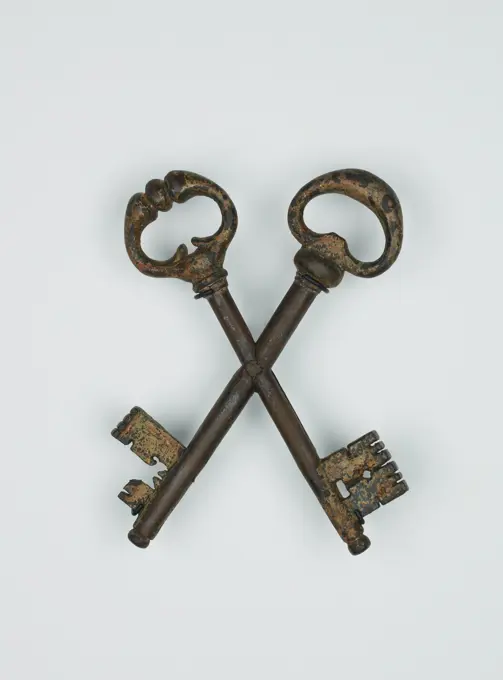
Antique iron keys from the 15th century showcasing intricate designs and craftsmanship, symbolizing security and historical significance.
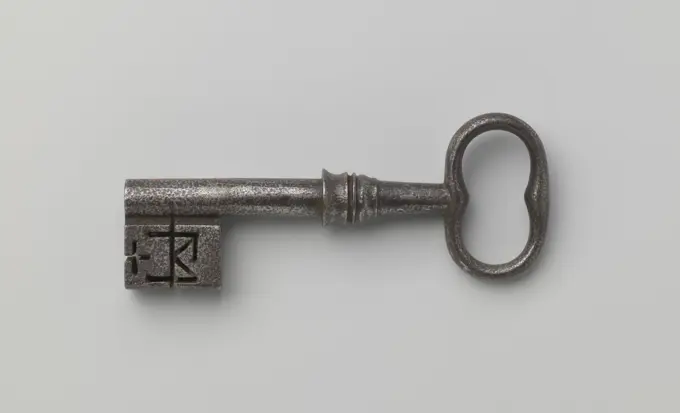
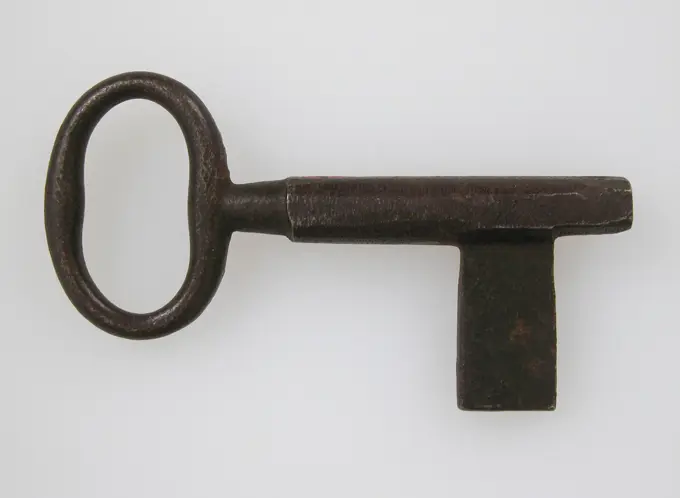
Key, c. 1800 - c. 1900 Key whose shaft is drilled cylindrical.  iron (metal) Key whose shaft is drilled cylindrical.  iron (metal)
Key, c. 1800 - c. 1900 Key whose shaft is drilled cylindrical. iron (metal) Key whose shaft is drilled cylindrical. iron (metal)
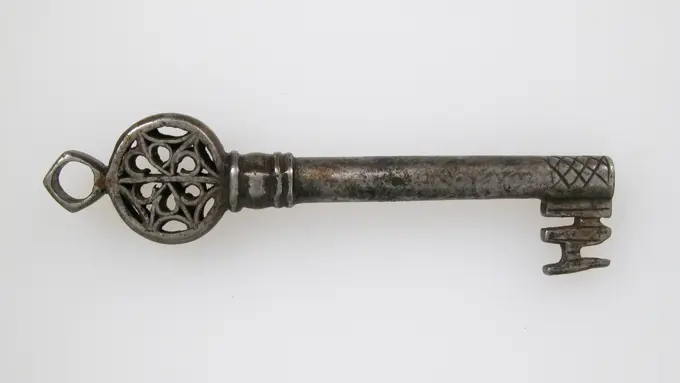
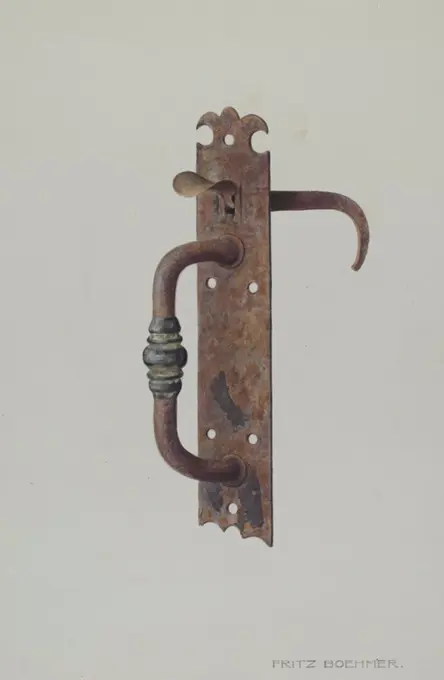
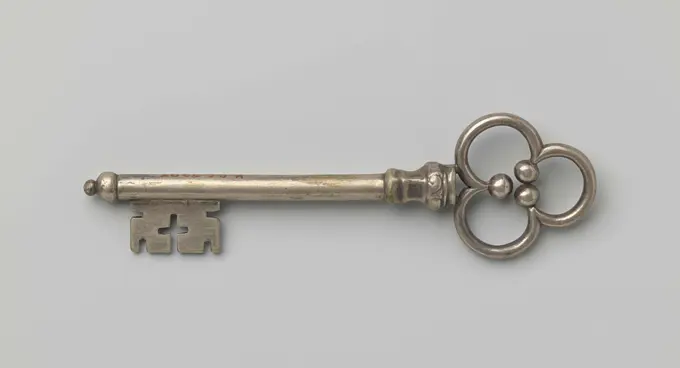
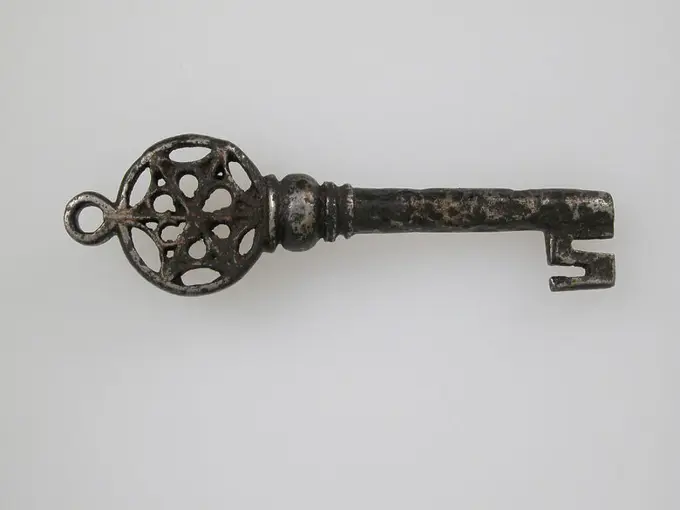
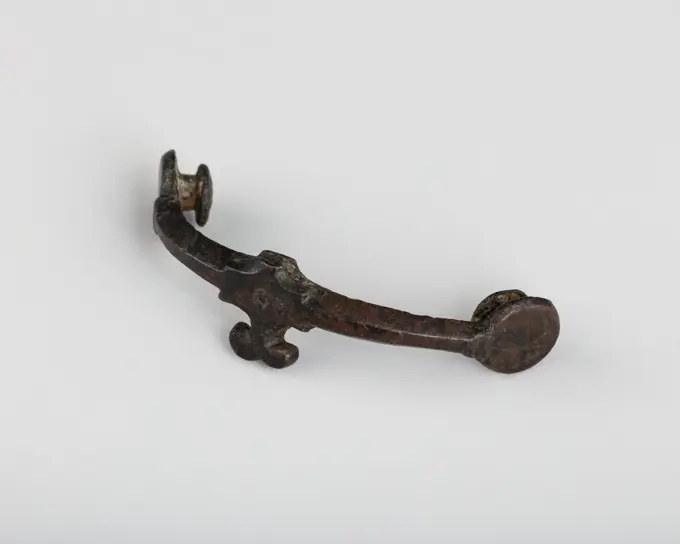
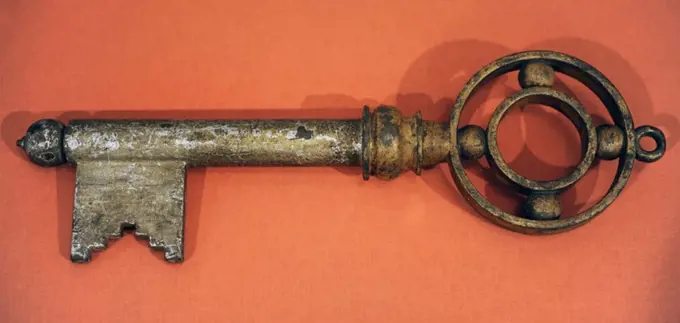
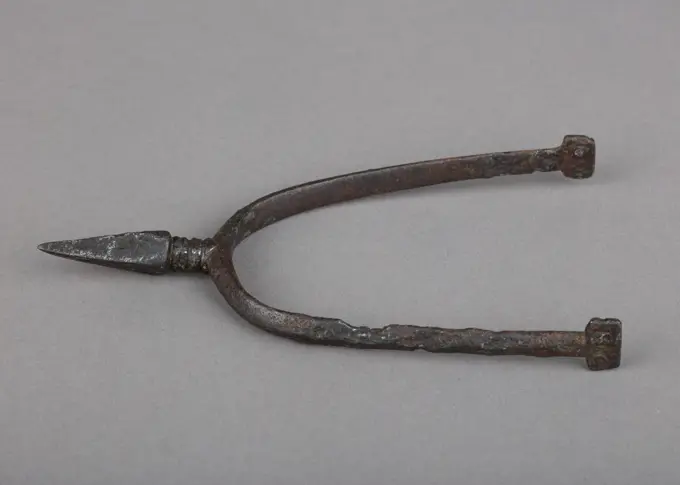
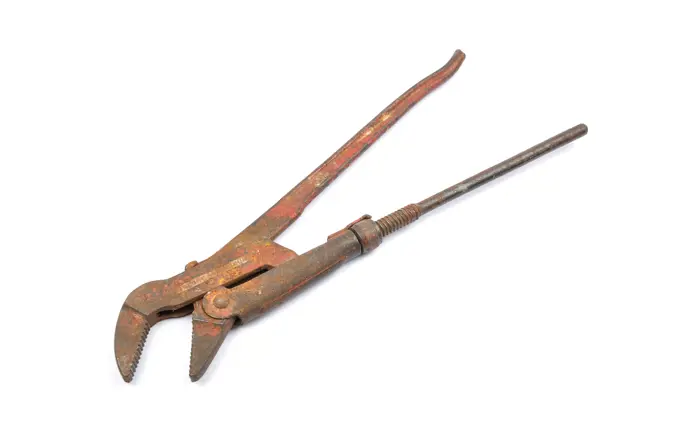
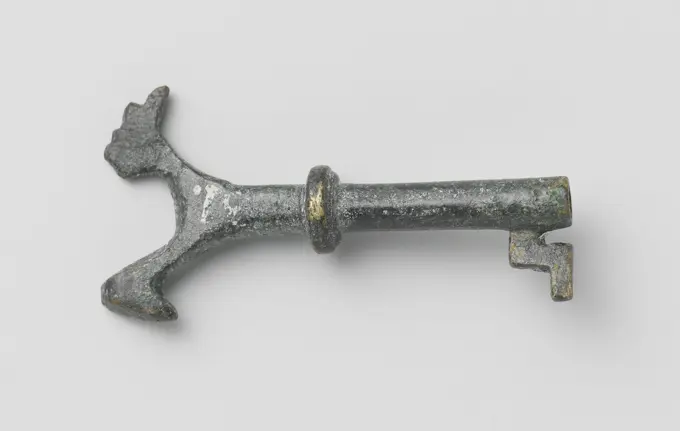
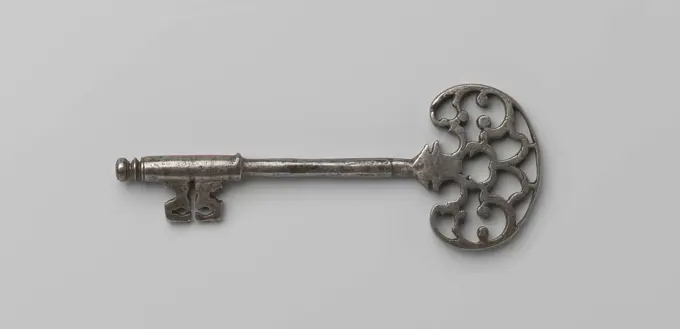
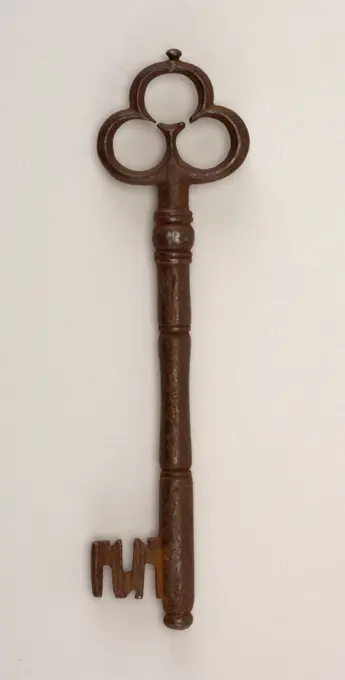
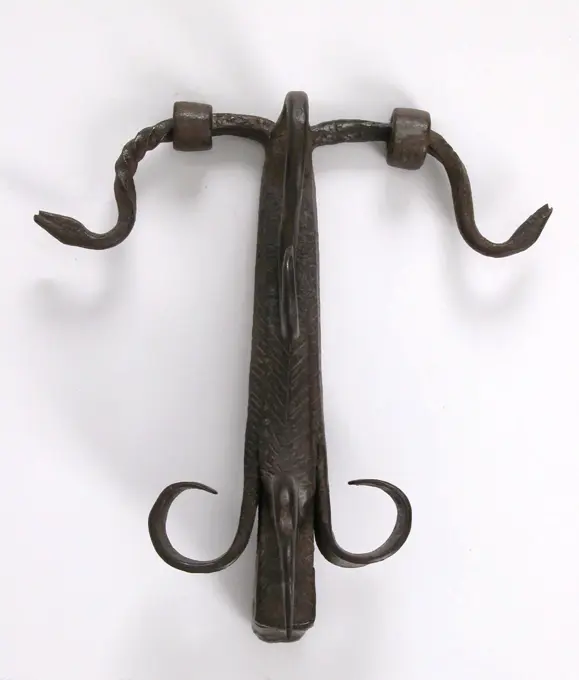
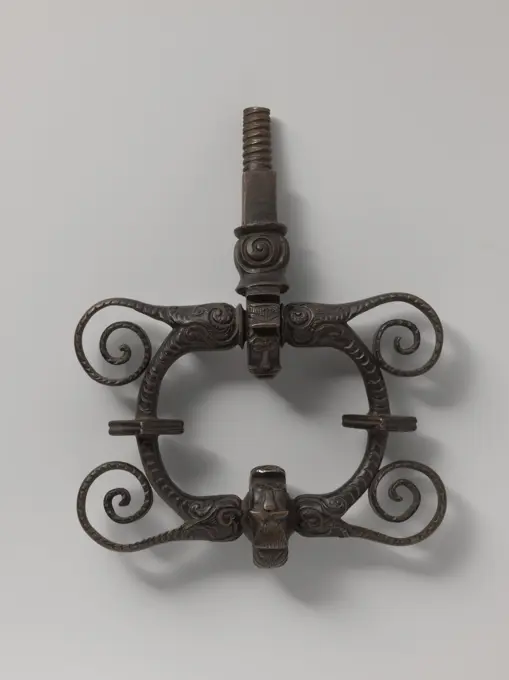
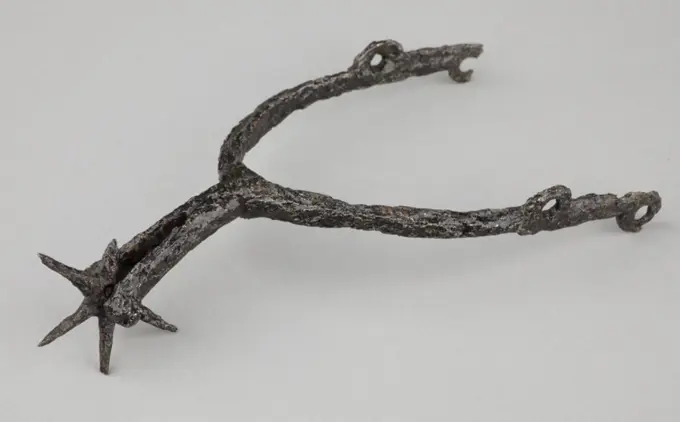
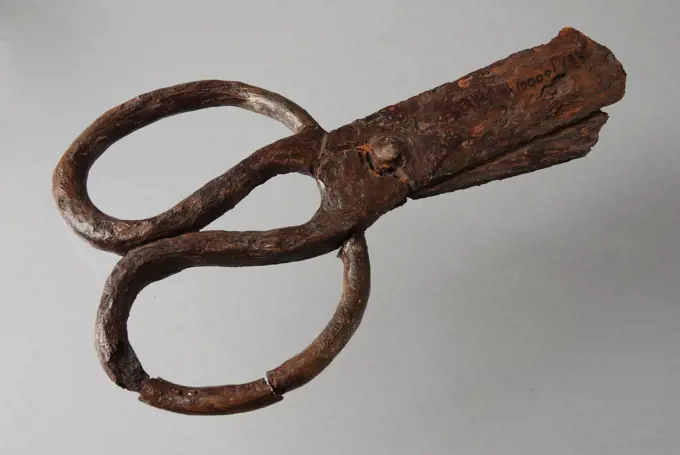
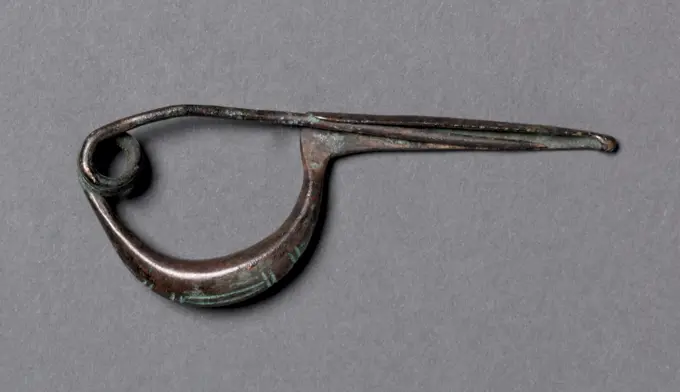
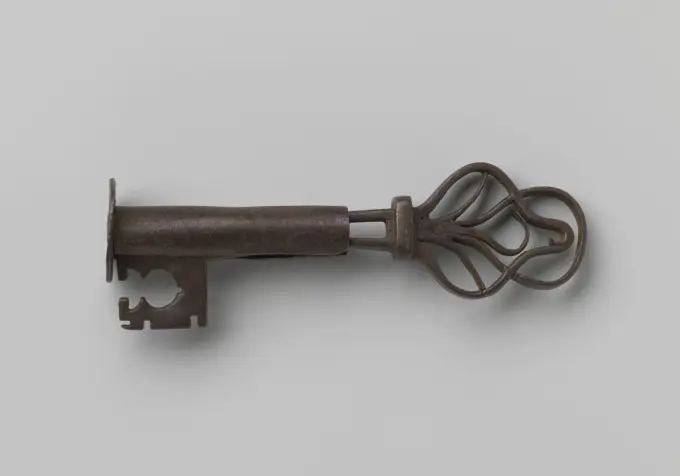
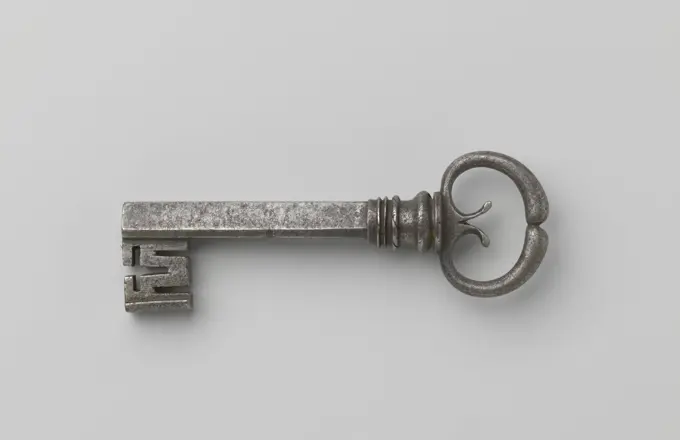
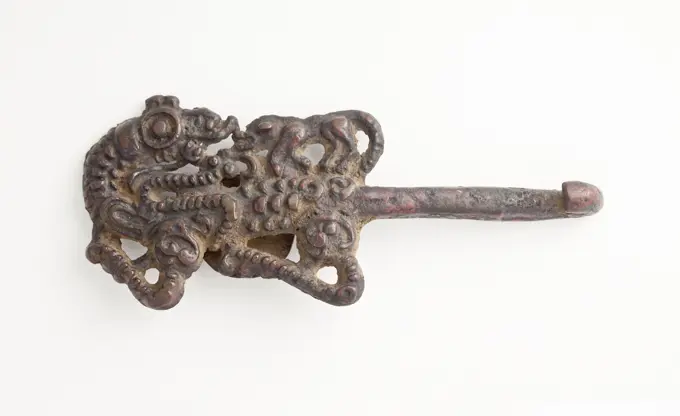
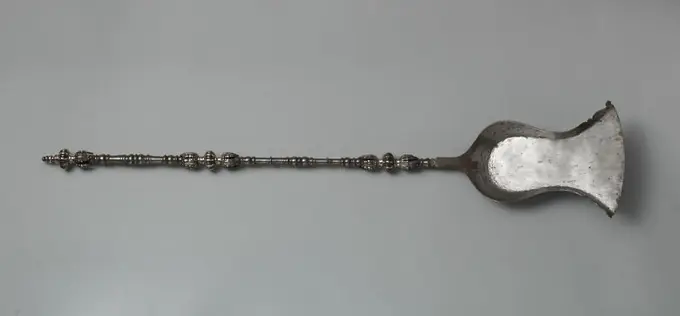
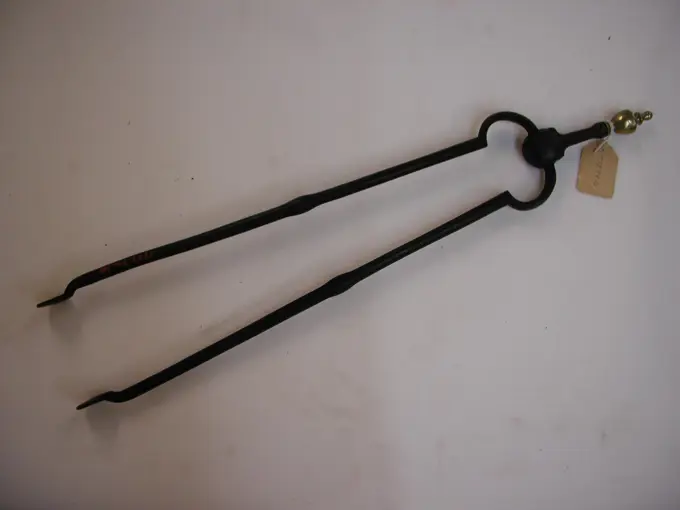
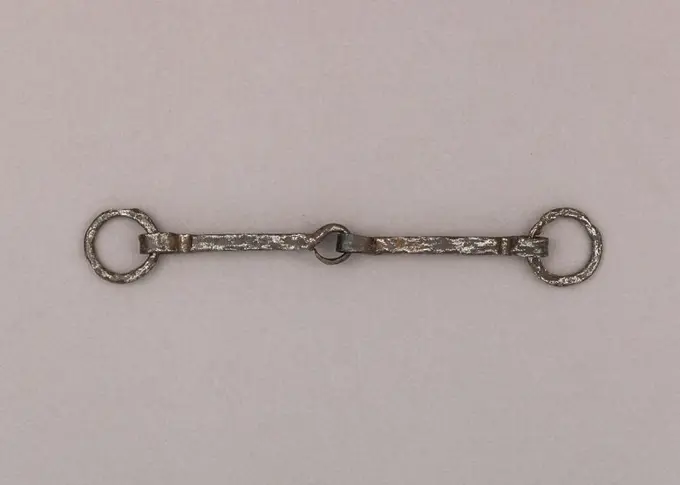
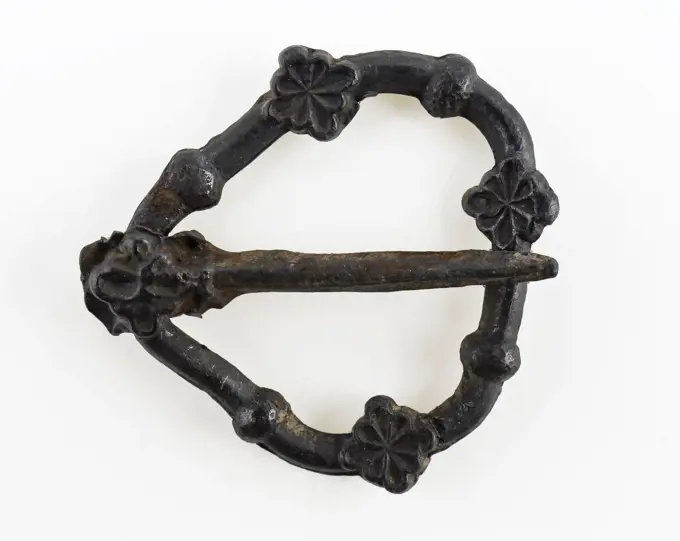
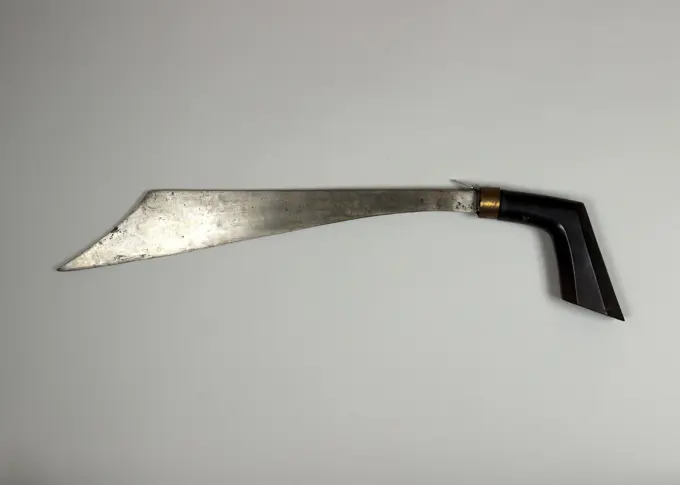
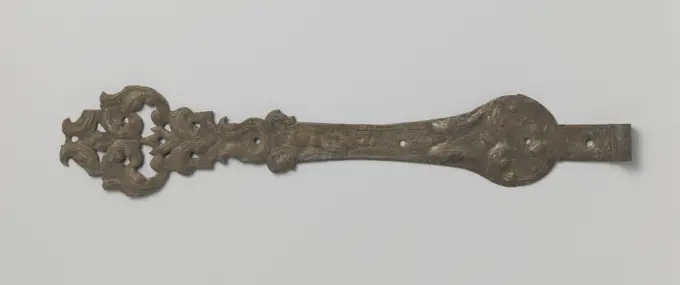
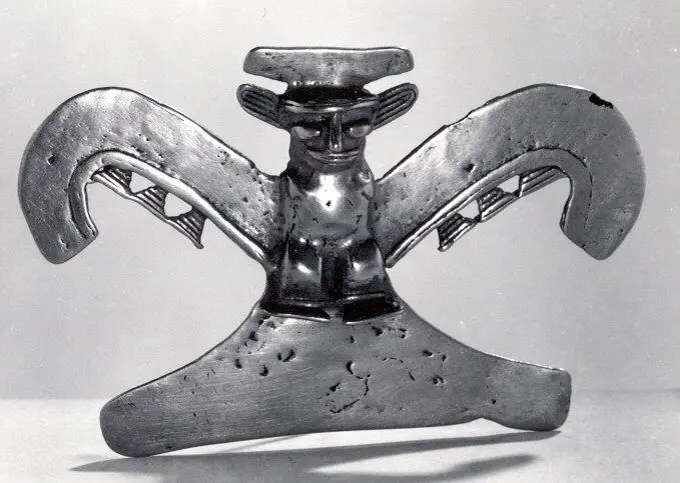
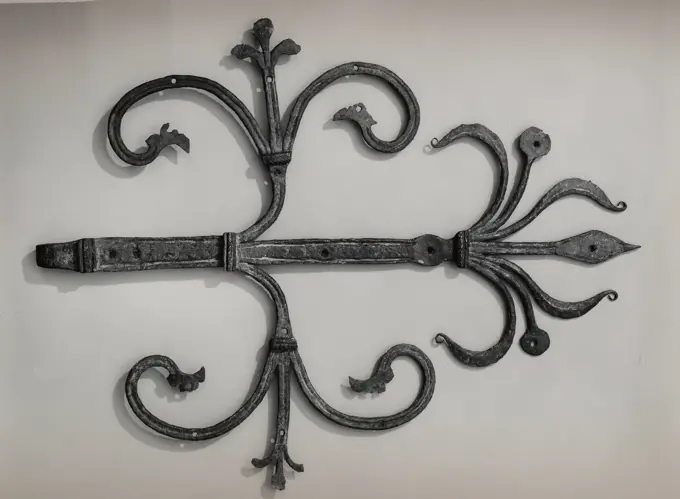
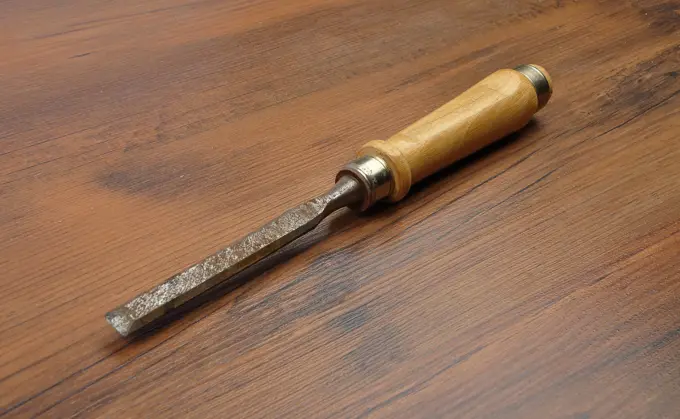
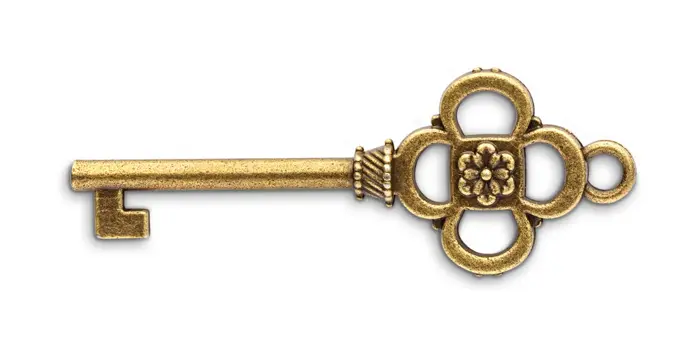
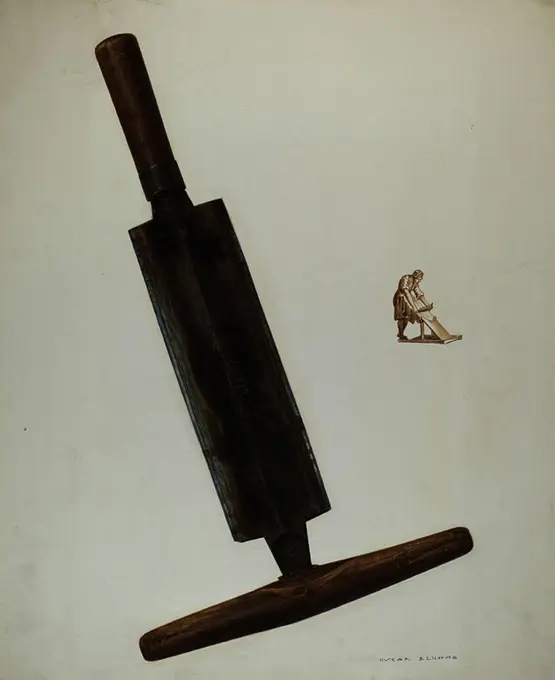
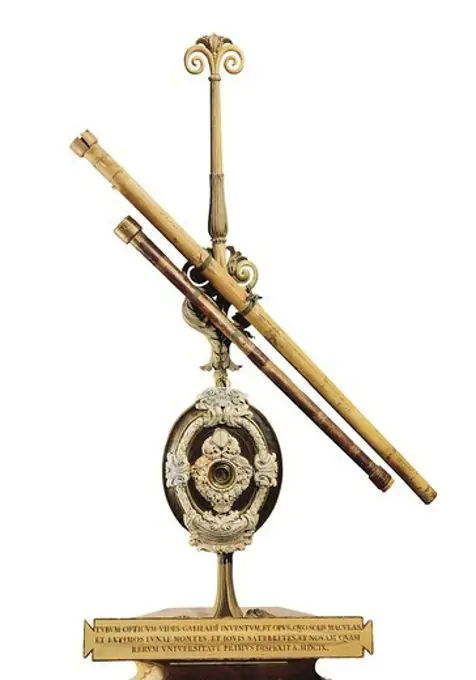
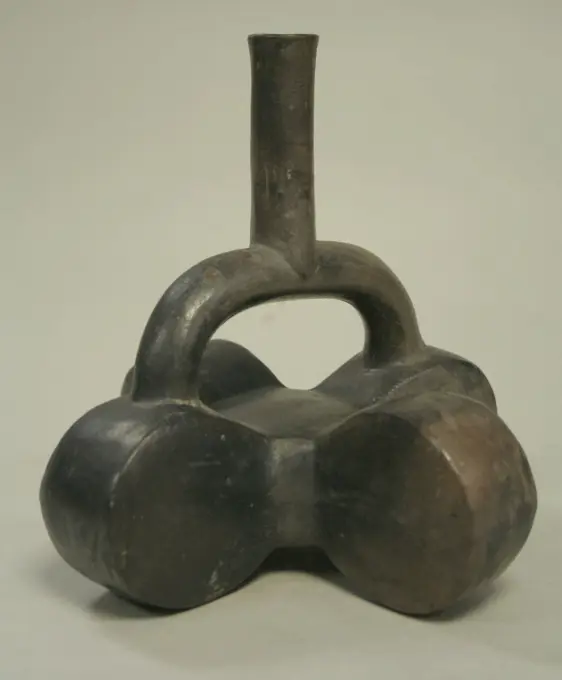
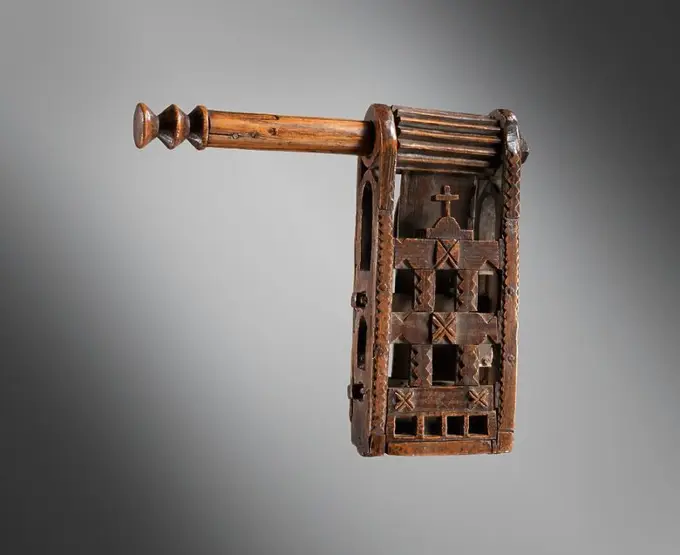
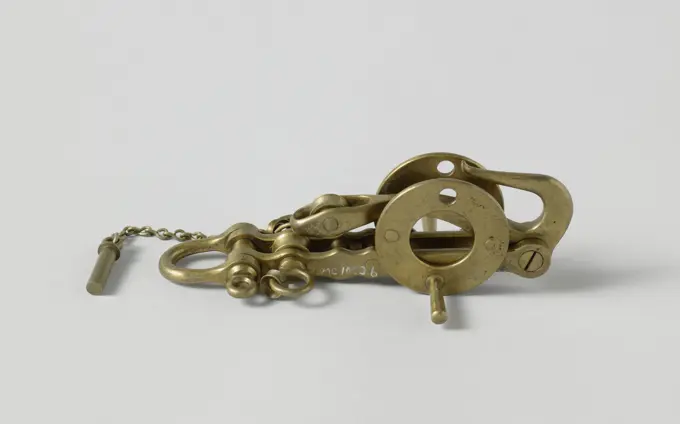
Key of iron, c. 1300 - c. 1400 Forged iron key with round eye, hollow pipe, beard with straight incisions, completely forged from a piece. Netherlands iron (metal) Forged iron key with round eye, hollow pipe, beard with straight incisions, completely forged from a piece. Netherlands iron (metal)Key 15th century German The decoration of Gothic iron locks and keys was often elaborate and of the highest standard of workmanship. The motifs were frequently drawn from Gothic architecture, reproducing on a miniature scale complicated tracery patterns and even tiny statuettes. A number of these tiny locks were compound, with some of the mechanisms concealed from view, and required two or even three keys used in sequence to open them. It has been suggested that the greatly expanded use of locks on doors, or coffrets and other types of storage chests was a result of the increasing urbanization of life and the new emphasis on material wealth and private ownership which developed in the late Middle Ages.. Key 468845Key 15th century German The decoration of Gothic iron locks and keys was often elaborate and of the highest standard of workmanship. The motifs were frequently drawn from Gothic architecture, reproducing on a miniature scale complicated tracery patterns and even tiny statuettes. A number of these tiny locks were compound, with some of the mechanisms concealed from view, and required two or even three keys used in sequence to open them. It has been suggested that the greatly expanded use of locks on doors, or coffrets and other types of storage chests was a result of the increasing urbanization of life and the new emphasis on material wealth and private ownership which developed in the late Middle Ages.. Key 468911Key 15th century German. Key 463334Uithangsleutel.An authorized key. In the ring the letter S.Key 15th century German The decoration of Gothic iron locks and keys was often elaborate and of the highest standard of workmanship. The motifs were frequently drawn from Gothic architecture, reproducing on a miniature scale complicated tracery patterns and even tiny statuettes. A number of these tiny locks were compound, with some of the mechanisms concealed from view, and required two or even three keys used in sequence to open them. It has been suggested that the greatly expanded use of locks on doors, or coffrets and other types of storage chests was a result of the increasing urbanization of life and the new emphasis on material wealth and private ownership which developed in the late Middle Ages.. Key 468841Door Latch. Dated: c. 1939. Dimensions: overall: 35.5 x 24.2 cm (14 x 9 1/2 in.). Medium: watercolor and graphite on paper. Museum: National Gallery of Art, Washington DC. Author: Fritz Boehmer.Key, c. 1800 - c. 1900 Key whose shaft is drilled cylindrical.  iron (metal) Key whose shaft is drilled cylindrical.  iron (metal)LockSchuifsleutel.Sliding key with bean-shaped eye. The shaft rejuvenated to the bottom has a small thickening at the bottom. Beard coat of arms.Key, c. 1600 - c. 1699 Key with oval eye, resting on the wide top of the shaft, which ends in a button. High, narrow beard with three notches. Rusted.  iron (metal) Key with oval eye, resting on the wide top of the shaft, which ends in a button. High, narrow beard with three notches. Rusted.  iron (metal)Close up of a crescent wrench.Sleutel.Key with a driek-shaped grip whose three inner corners are provided with balls. The profiled capital is hexagonal; The shaft runs out in a profiled button.Pipe key, c. 1600 - c. 1699 Pipe key whose handle consists of two C-Voluten, awarded to each other, awarded by a ball that rests on two schuinge-plate and inward bars. Capital bullet -shaped. Pipe at the bottom.  iron (metal) Pipe key whose handle consists of two C-Voluten, awarded to each other, awarded by a ball that rests on two schuinge-plate and inward bars. Capital bullet -shaped. Pipe at the bottom.  iron (metal)Key. Culture: German. Dimensions: Overall: 4 7/16 x 1 1/4 x 5/8 in. (11.2 x 3.2 x 1.6 cm). Date: 15th century.The decoration of Gothic iron locks and keys was often elaborate and of the highest standard of workmanship. The motifs were frequently drawn from Gothic architecture, reproducing on a miniature scale complicated tracery patterns and even tiny statuettes. A number of these tiny locks were compound, with some of the mechanisms concealed from view, and required two or even three keys used in sequence to open them. It has been suggested that the greatly expanded use of locks on doors, or coffrets and other types of storage chests was a result of the increasing urbanization of life and the new emphasis on material wealth and private ownership which developed in the late Middle Ages. Museum: Metropolitan Museum of Art, New York, USA.horse bit, c. 1400 - c. 1950   iron (metal)   iron (metal)Prick Spur 2nd-4th century Gallo-Roman This small bronze spur, its iron prick missing, was found in Trier, Germany, which was a part of Belgic Gaul in antiquity. It was secured to the heel of the rider by means of a strap attached to two side buttons. An extra strap passed through the heels hook (missing, shaped as a horses head) before going around the ankle, to be sure that it would not move. Evolved from Celtic and Roman types, this kind of spur is found in Roman Gaul in contexts dated between the 1st and the 3rd century A.D. In Britain, related indigenous examples can be dated from the 4th century, the horses head usually replaced by a simple hook.In high antiquity, spurs were not used in pairs, but rather as a single accessory attached to only one of the feet, usually on the left. The first pairs are recorded in some Greek regions in the late 2nd century B.C. They were used, as they are today, for directing a horse to move forwards. The prick spur was the first type of spur to Roman fibula made of bronze from the Archaeological site of Complutum in Alcalá de Henares ( Madrid ). SPAIN.Key.key.Old key. Located in the ruins of the ancient city, destroyed in 1947. Museum of History and Navigation. Riga. Latvia.Key of padlock ..Key, c. 1600 - c. 1699 Key with large, round handle with cross filling, in which triangular floor are smashed. The thin shaft is profiled indefinitely. One of the four teeth on the beard is missing. England (possibly) iron (metal) Key with large, round handle with cross filling, in which triangular floor are smashed. The thin shaft is profiled indefinitely. One of the four teeth on the beard is missing. England (possibly) iron (metal)Chair Arm; wood, carved and joinedPrick Spur ca. 1000 possibly Italian The prick spur was the first type of spur to be invented, and it consists of a goad or prick, more or less pointed, connected to side arms or a heel plate. The earliest spurs were probably simple thorns attached at the back of the heel, before they started to be made out of metal in antiquity. Prick spurs were the main type of spurs used in the Middle Ages until the mid-14th century, when they were supplanted by rowel spurs, which appeared in Europe a century before and with which they had cohabitated for a time. As a knights status was closely related to his horse, spurs became one of the symbols of chivalry, and one of the tokens given to him during his knighting.. Prick Spur. possibly Italian. ca. 1000. Iron alloy. Equestrian Equipment-SpursPijpsleutel.Pipe key in which the handle originated by coordination of a band to a large and a small eye. A lily exprceeds the great eye. The capital is spherical and has above and among profiled edges. The beard is grooved slightly.Plumber wrench on white39 keys from the collection of Emmanuel Vita Israël, anonymous Pipe key whose handle consists of a rooster.  bronze (metal) Pipe key whose handle consists of a rooster.  bronze (metal)Spoon with sunken round bowl, round handle with hinge for lid, spoon kitchen utensils soil find copper metal d 22.5 bin d 2,5, archeology Valckensteyn Poortugaal Albrandswaard Soil discovery Valugaal Castle Valckensteyn.Key. UnknownSpindle ca. 1295-1070 B.C. New Kingdom, Ramesside. Spindle. ca. 1295-1070 B.C.. Wood. New Kingdom, Ramesside. From Egypt, Memphite Region, Lisht North, Cemetery, MMA excavations. Dynasty 19-20Sleutel.Key with oval-shaped eye. The top-profiled shaft progresses to bottom and runs under the two-part beard in a knot.Key of iron, c. 1500 - c. 1600 Iron key with open-up eye and S-shaped crowned beard, completely made of hand.  iron (metal) Iron key with open-up eye and S-shaped crowned beard, completely made of hand.  iron (metal)Knife Coin China. Knife Coin 61142Improvement renovation at home tool power drill for concrete cement mixingSleutel.Key with impeller-shaped handle consisting of leaf volutes. The shaft thickened at the beard and ends in a profiling.Key; 1909-2-239Pewter spoon with flat handle, bevelled handle end, irregular box, marked, spoon cutlery soil find tin metal, cast Pewter spoon with flat handle and bevelled stem end (sliptop). Drop-shaped irregular tray with mark In tray P S with scoop in between cup or rower archeology Rotterdam City Triangle Delftsevaart Soil discovery of the partial reclamation of the Delft Canal here for the purpose of making the lift over the Vaart in the summer of 1928.Kneifzange - Pincers on white Kneifzange - Pincers on white Copyright: xZoonar.com/lantapixx 7261995Door Knocker 15th-16th century European. Door Knocker 468377Steeksleutel.Spanner without beard. The eye is lobd on both sides and is closed by a flat lock. Intended for a padlock.Door beater, 1400 - 1500 An iron door beater. Coming from the D. van der Kellen collection.  iron (metal) An iron door beater. Coming from the D. van der Kellen collection.  iron (metal)ExcavationsIron scissors, scissors tool equipment founding iron 18g 18,8, largest part) forged riveted Iron scissors hinge scissors two to make common spindle pivoting pivot pivot consisting of sphere protruding rivet two eyes two blades archeology Capelle to den IJssel Huis te Capelle castle trade industry cut craft Soil discovery: canal on the south side House at Capelle Capelle aan den IJssel 1965.Key. Three-pass-shaped key on a ball-shaped capital that is placed above the shaft.Four-piece bronze mold for handle of candlestick, cast molding tool tools base metal bronze, cast turned Four-piece bronze mold for casting the handle of candlestick core, Rotterdam tin foundry tin pewter Meeuws Druy craft Molds are from the originally 18th century Rotterdam tinnegieter J Druy. The large molds that were not signed or dated were the property of the tinker guild and were rented to the small tin caster.Pipe key. Pipe key whose triangular handle consists of collapsed leaves. The dual beard is placed perpendicular to the handle. Short shaft.Key. UnknownBoat-Shaped Fibula, c. 700 BC. Italy, Etruscan, late 8th Century BC. Bronze; overall: 6.8 cm (2 11/16 in.).Copper belt hanger, middle post with eye, belt hanger clothing accessory clothing soil find copper brass metal, cast sawn Belt hanger Two oval eyes middle post with small hooked eye archeology Rotterdam rail tunnel attaching belt fastening hang up Soil discovery: trajectory rail tunnel Rotterdam.Tool for peeningCeltic Axehead, 6th century. Artist: UnknownVormbus, c. 1400 - C. 1950 Vormbus with bjhoordinant key. Spain iron (metal) Vormbus with bjhoordinant key. Spain iron (metal)Nail 15th-16th century European. Nail. European. 15th-16th century. Iron. Metalwork-Ironvintage rusty cabinet lock key over whitePincers Pincers Copyright: xZoonar.com/BorisxZerwannx 7006119Hinge 1700-1800. Hinge 4318Key, 1600 - 1625 Drilled key with the eye formed from two C-Voluten beamed to each other, at the bottom in flat, rising bent slipping ending. Below is a profiled round capital.  iron (metal) Drilled key with the eye formed from two C-Voluten beamed to each other, at the bottom in flat, rising bent slipping ending. Below is a profiled round capital.  iron (metal)Pair of Rowel Spurs 15th century German This pair of gilded spurs is adorned with engraved geometrical and floral designs in a style commonly seen on south German examples. The wide band forming the heel plate, as well as the scrollwork, seem directly inspired by contemporary Bohemian spurs. In the 15th century, rowel spurs with very long necks were of common use in Western Europe. At this period, the elevated war saddles and the very specific riding style, with long stirrup leathers and legs extended forward, increased the distance between a riders feet and the horses flank. Thus, spurs with long necks allowed the rider to spur his horse without excess movement of his legs. As a knights status was closely related to his horse, spurs became one of the symbols of chivalry, and one of the tokens given to him during a knighting ceremony.. Pair of Rowel Spurs 33582Belt Hook. Northern China or Inner Mongolia, 5th-3rd century B.C.. Jewelry and Adornments; hooks. Bronze, castShovel (part of a set). Culture: British. Dimensions: Length: 35 1/8 in. (89.2 cm). Date: ca. 1675.This set of fire tools 68.141.156-.159) was probably made for John Maitland on the occasion of his wedding to the Countess of Dysart. In 1647 Maitland raised an army to rescue Charles I. After the Battle of Worcester, when he was taken prisoner by Commonwealth troops, he was sent to the Tower. After his release (166) he became Prime Minister and Secretary of State. On May 1, 1672, he was created Marquess of March and Duke of Lauderdale, and on June 3 he was installed at Windsor as Knight of the Garter. Museum: Metropolitan Museum of Art, New York, USA.Ceremoniesleutel, c. 1400 - c. 1950 Ceremony key with a large round eye with six round protrusions. The key is flat and unprocessed and decorated with hammered circles.  bronze (metal) Ceremony key with a large round eye with six round protrusions. The key is flat and unprocessed and decorated with hammered circles.  bronze (metal)Combined Wheel-Lock Spanner and Screwdriver. German. Date: 1570-1600. Dimensions: L. 19.7 cm (7 3/4 in.). Iron. Origin: Germany. Museum: The Chicago Art Institute, Chicago, USA.Hammer 1500-1599 Germany. Gilded bronze head and horn .FireplacetongsSnaffle Bit. Culture: German. Dimensions: W. 7 3/8 in. (18.7 cm); Wt. 3.9 oz. (110.6 g). Date: 9th-11th century.If the Vikings are mostly known for being talented sailors, one may forget they were also horse riders, and as in all the Germanic cultures, horses had great importance in their society, in both its social and religious aspects. Equestrian equipment, like stirrups, spurs and bits, are regularly found in Viking burials, among the goods warriors wanted to bring with them to the afterlife. The elite would sometimes even be accompanied by sacrificed horses, a meaningful practice at that time, considering the high economic value of horses.The snaffle bit is the simplest type of horse bit, and has an effect on the bars (part of the horses' jaw without teeth) and the corners of the lips. The rings on the sides would serve to hang the bit on the headstall and attach the reins.This bit is said to have been found on the site of Dolkheim, today in Northern Poland. Museum: MetropolitaEdward Unger, Cleaver, 1939 CleaverKandijtang with lion heads, anonymous, c. 1600 - c. 1699 The object is cast from two parts. At the point where these are sounding together with an iron bolt, they are decorated with a lion's head. Each end has an iron dot. Northern Netherlands (possibly) brass (alloy). iron (metal) casting The object is cast from two parts. At the point where these are sounding together with an iron bolt, they are decorated with a lion's head. Each end has an iron dot. Northern Netherlands (possibly) brass (alloy). iron (metal) castingWeapons. Naturally, Barentszs ship and his crew were well armed. They had to be able to repel pirates, European rivals andpotentially hostile Asian ships. On Nova Zembla the men used the weapons chiefly to defend themselves fromaggressive polar bears.Gerald Transpota, Spur, 1935 1942 SpurVintage Key on a gray backgroundAnonymous, with two cross keys. Locksmith brand. Paris (dummy title), 1700. Wrought and golden iron. Carnavalet museum, history of Paris. Two cross keys executed on both sides.Three-sided pewter clasp with full length angel, bracket with three rosettes, buckle fastener component soil find tin metal, Pewter ornamental buckle archeology Rotterdam City triangle Meent Market Binnenrotte Soil discovery pit corner Meent Markt (Binnenrotte).Executioner's Sword 18th-19th century Indonesian, Sulawesi. Executioner's Sword. Indonesian, Sulawesi. 18th-19th century. Brass. Sulawesi. SwordsLadle China. Ladle 61112Key; 1909-2-268Key. Key whose shaft ends above the disc in a loop-shaped eye. The beard is an open quadrangle.Handle with a flawwork, c. 1400 - c. 1950   iron (metal)   iron (metal)Geoffrey Holt, Hasp, 1935 1942 HaspPipe key, c. 1200 - c. 1300 Pipe key with square capital on which the handle is on both sides lobed and covered by a grooved stick. The beard has been partially demolished.  iron (metal) Pipe key with square capital on which the handle is on both sides lobed and covered by a grooved stick. The beard has been partially demolished.  iron (metal)Iron sword, bronze hilt. From La Tene II. Celtic. Iron Age.Bone spinning top. OS, 1200-1300. Paris, Carnavalet museum. 78020-23 Medievale archeology, thousand-year-old, medium-aged, bone, top, 18th centuryKnife from Board ofRevenue.  Mint: Board of Revenue Artist: UnknownDouble cut. A double cut (undisturbed).Mauser, German rifle Karabiner 98K (Kurz: short) n ° 36657D, war cattle in the Senate/Garden of Luxembourg (title awarded), 1943. Metal, wood, cotton thread. General Leclerc Museum of the Liberation of Paris - Jean Moulin Museum.Brooch. Culture: Celtic (). Dimensions: Overall: 7 1/4 x 1 1/4 x 2 3/16 in. (18.4 x 3.2 x 5.5 cm). Date: 1st century B.C.-A.D. 1st century. Museum: Metropolitan Museum of Art, New York, USA.Sword 18th-19th century Indian. Sword 31046Pellet Crossbow Made 1580-1610 Europe. Steel, brass, and fruitwood .Bird Pendant 13th-16th century Diquís (). Bird Pendant 309953Hinge 15th-16th Century European. Hinge. European. 15th-16th Century. Iron. Metalwork-IronStechbeitel - CHisel on wood Stechbeitel - CHisel on wood Copyright: xZoonar.com/lantapixx 7185335Vintage golden skeleton key isolated on white backgroundCurrier's Shaving Knife. Dated: c. 1940. Dimensions: overall: 56.7 x 45.8 cm (22 5/16 x 18 1/16 in.). Medium: watercolor, graphite, and colored pencil on paper. Museum: National Gallery of Art, Washington DC. Author: Oscar Bluhme.vintage heavy patina brass label name pull plate, clipping path, space for your textSnaffle Bit 9th-11th century German If the Vikings are mostly known for being talented sailors, one may forget they were also horse riders, and as in all the Germanic cultures, horses had great importance in their society, in both its social and religious aspects. Equestrian equipment, like stirrups, spurs and bits, are regularly found in Viking burials, among the goods warriors wanted to bring with them to the afterlife. The elite would sometimes even be accompanied by sacrificed horses, a meaningful practice at that time, considering the high economic value of horses.The snaffle bit is the simplest type of horse bit, and has an effect on the bars (part of the horses jaw without teeth) and the corners of the lips. The rings on the sides would serve to hang the bit on the headstall and attach the reins.This bit is said to have been found on the site of Dolkheim, today in Northern Poland.. Snaffle Bit. German. 9th-11th century. Iron alloy. Dolkheim, East Prussia. Equestrian Equipment-BOld steel bolt for door lockGALILEO, Galileo Galilei, called (1564-1642). Italian mathematician, physicist and astronomer. Galileo's telescope. ITALY. TUSCANY. Florence. Galileo Museum.Close up of a crescent wrench.Compartmented Stirrup Spout Jar 12th-15th century Chimú. Compartmented Stirrup Spout Jar 318605Cog Rattle. Culture: French. Dimensions: Height (Of handle and cog): 10 3/4 in (27.3 cm)Width (Of frame): 9 1/16 in. (23 cm)Depth: 28 9/16 in. (72.5 cm). Date: 15th or 16th century.It was formerly the custom for the bells of Catholic churches to be silent during Holy Week, having (according to an old legend) "flown to Rome" for that period. Accordingly, the bells were replaced during the celebration of the Mass by another instrument, and this was the cog rattle - a noisemaker that produces a loud, rattling sound when whirled around its handle. Museum: Metropolitan Museum of Art, New York, USA.Model of a Slip Hook for Lifeboats, naval officer, c. 1855 slip hook Brass model of a slip hook, consisting of three parts: a hook with a disk in the right end and turns around an axle placed in the bend; a frame consisting of two metal strips, connected on one side by the axle of the hook and on the other through a disc and a harp; Two round metal plates around hook and frame, which turn around an axle in the hook. Scale 1: 2 (estimate). Plymouth brass (alloy)