Historical Japanese Art

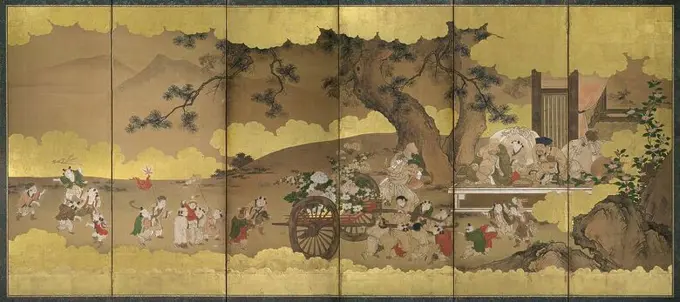
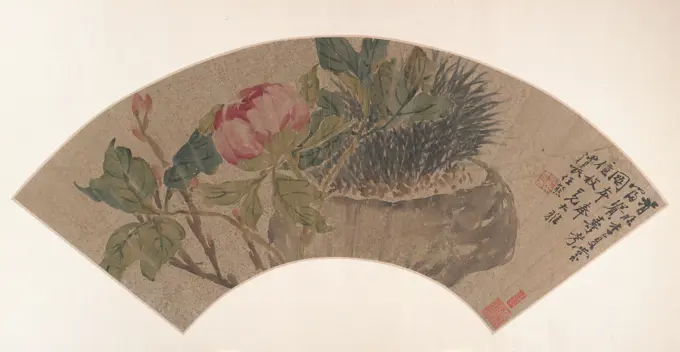
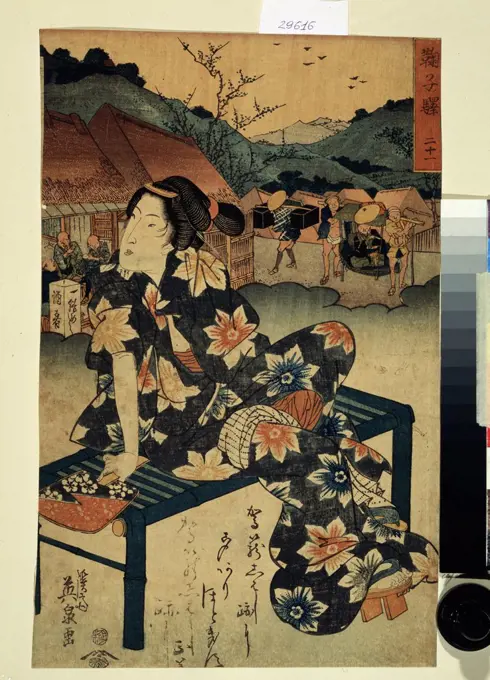
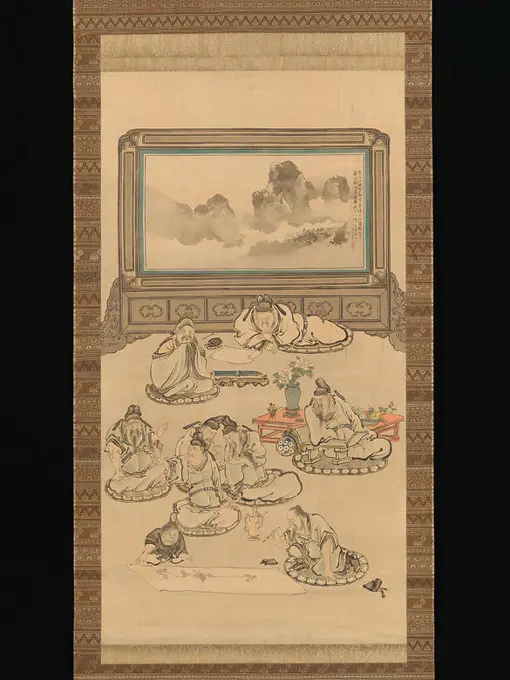
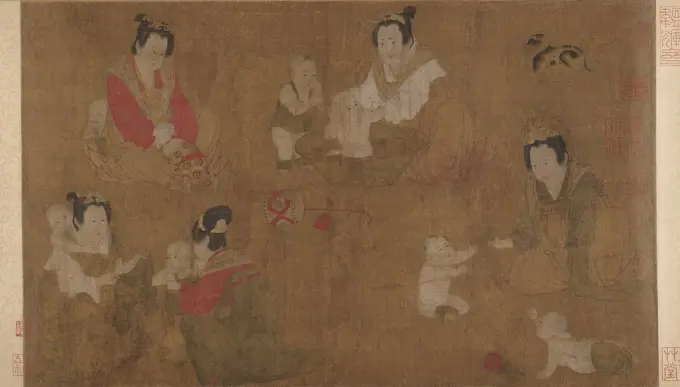
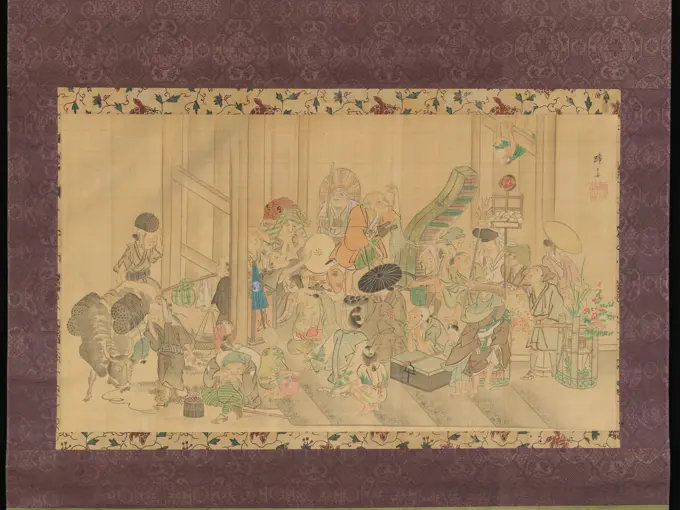
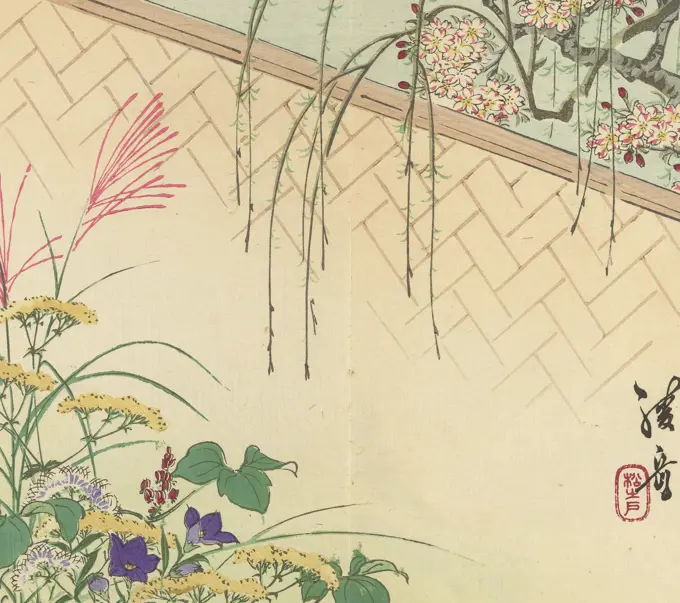
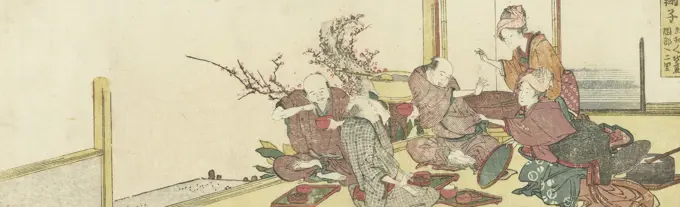
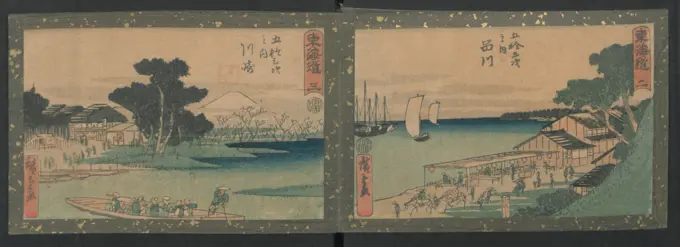
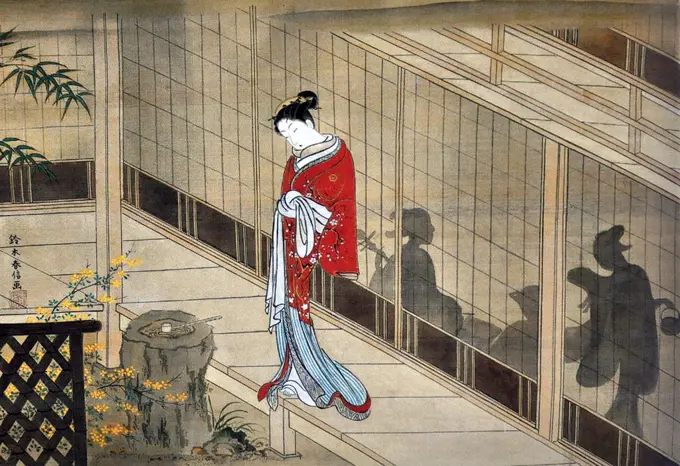
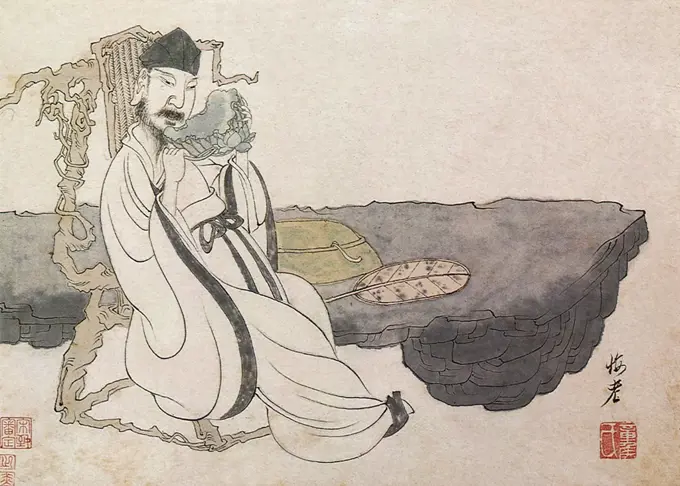
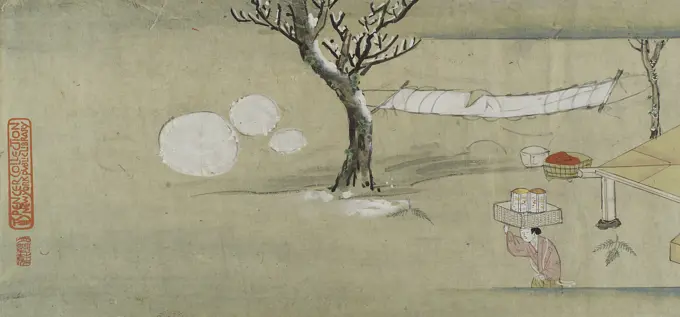
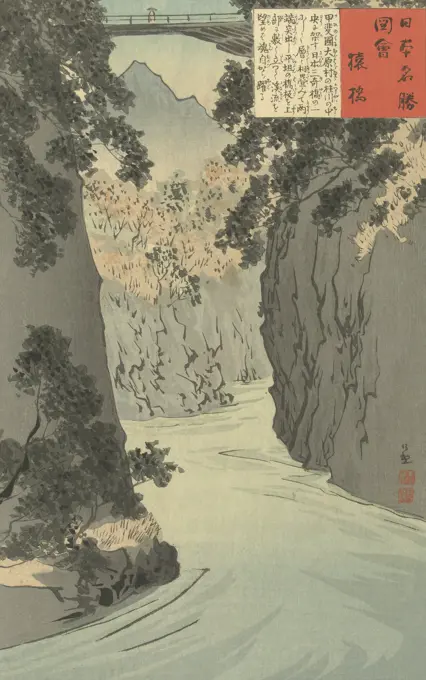
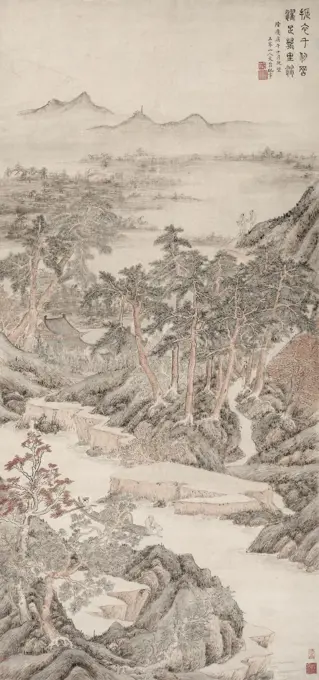
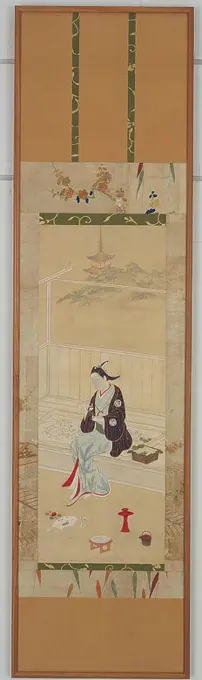
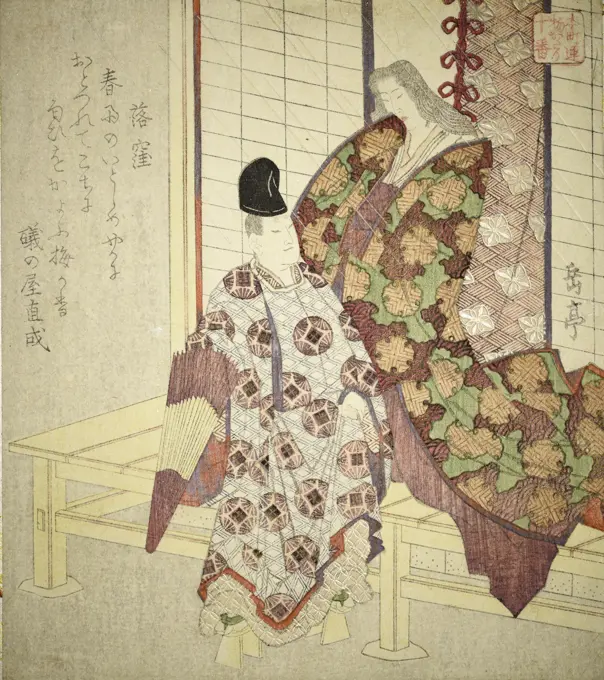
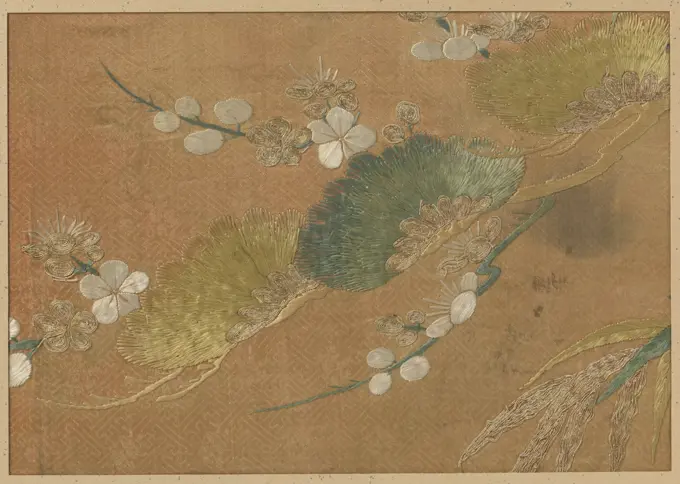
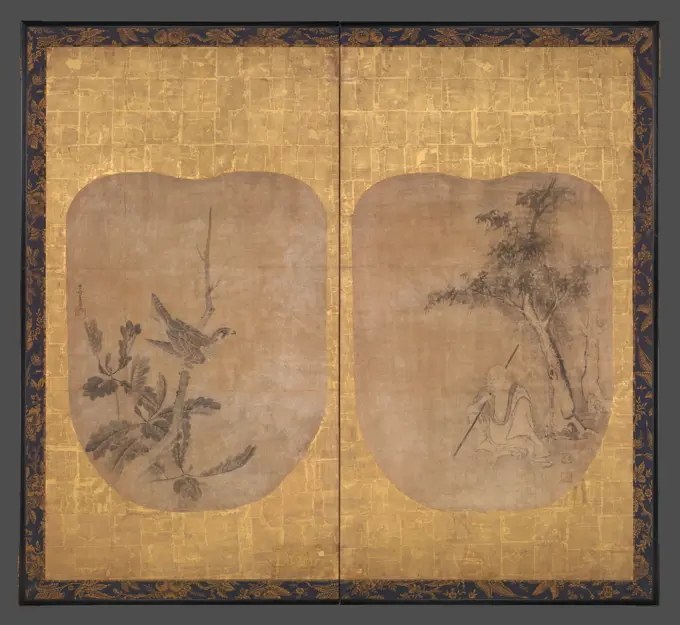
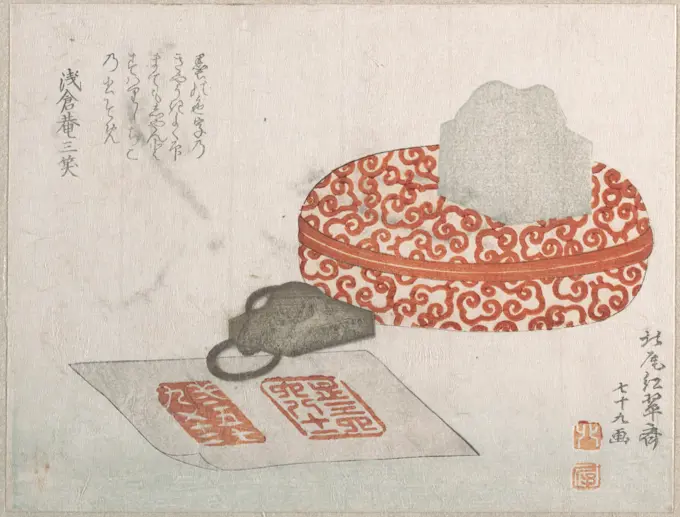
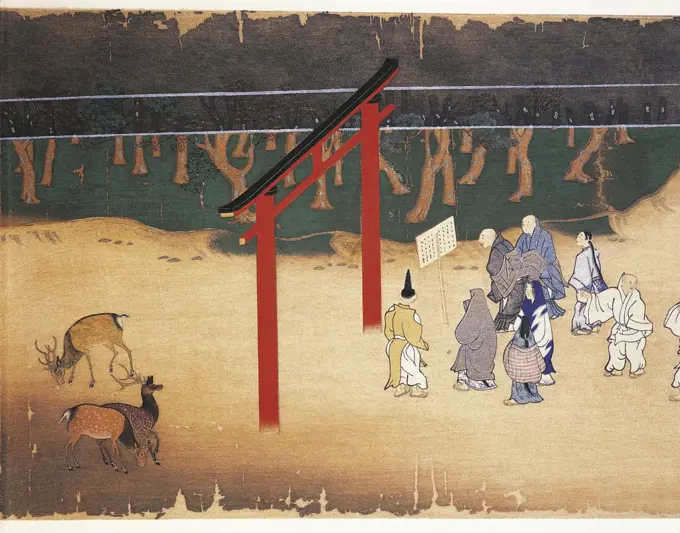
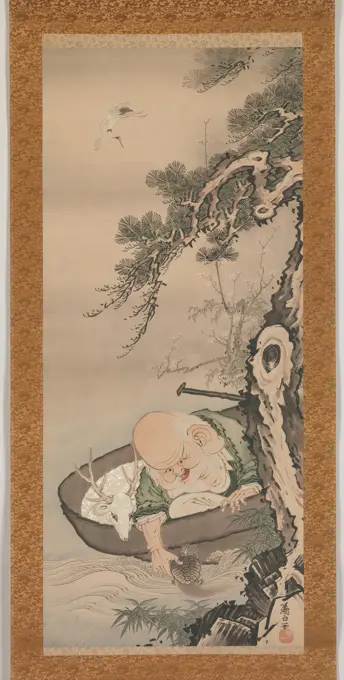
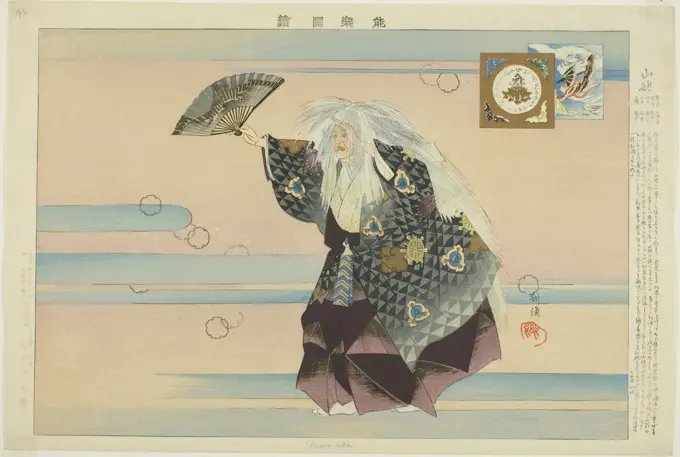
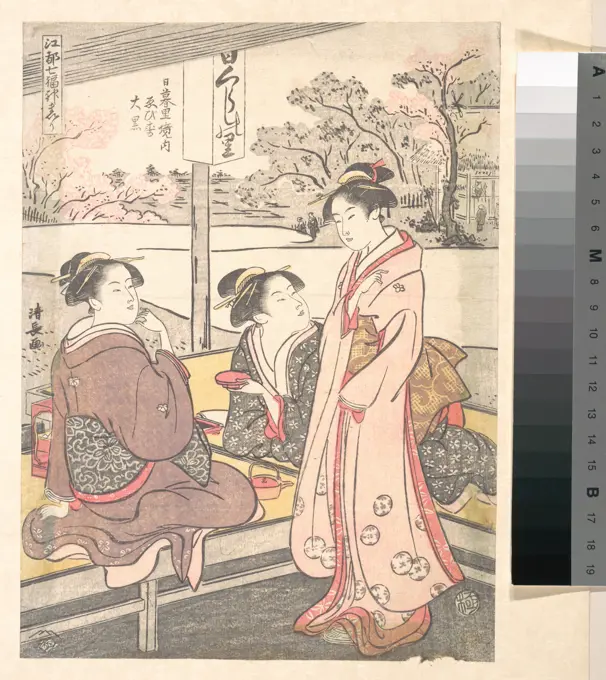
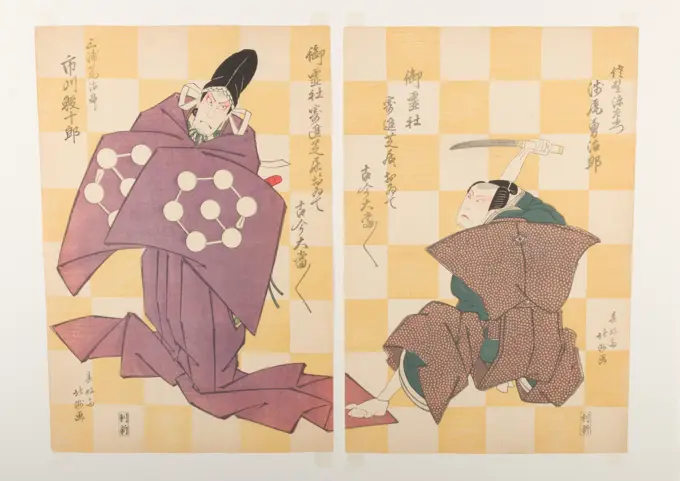
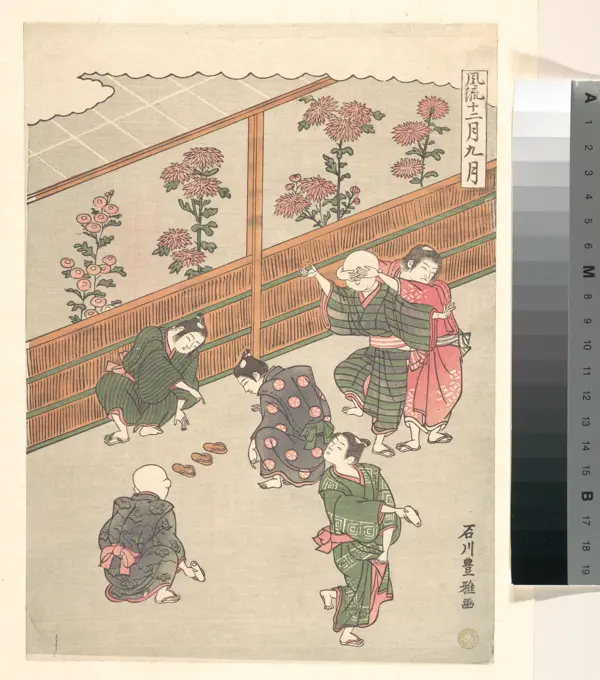
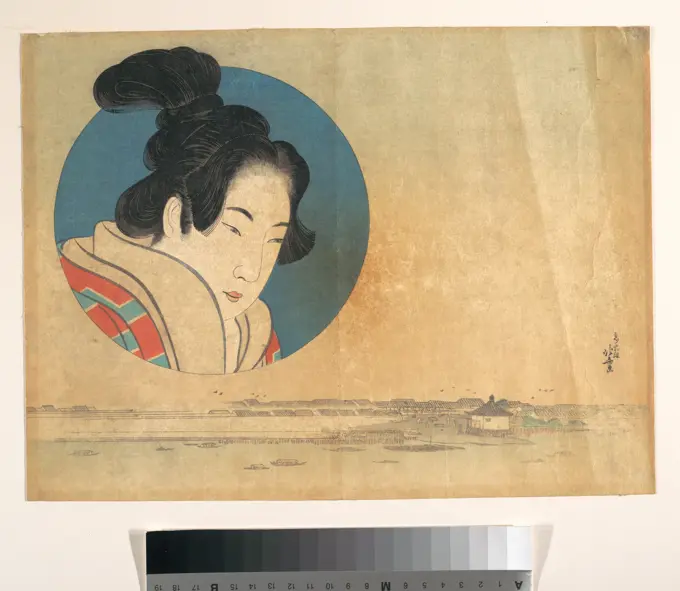
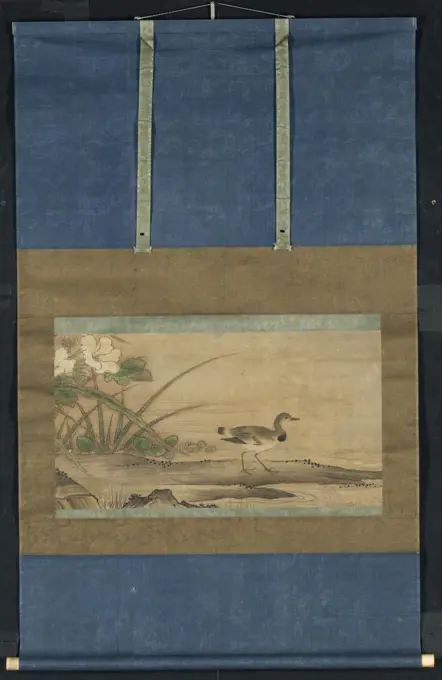
This cluster features traditional Japanese art pieces from the Heian to Edo periods, showcasing court life, nature, and cultural celebrations through delicate ink and color on silk.
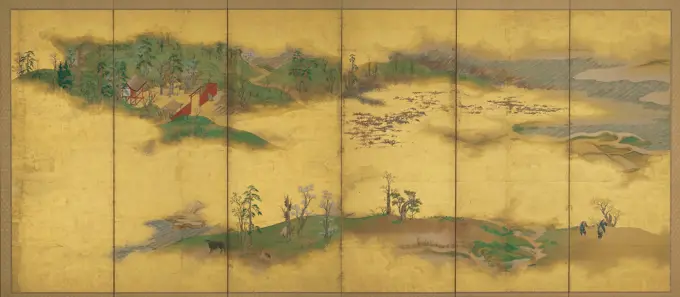
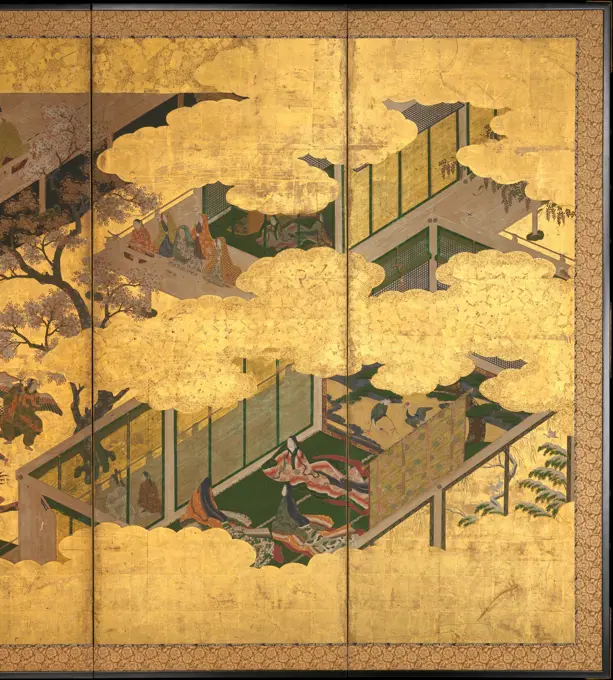
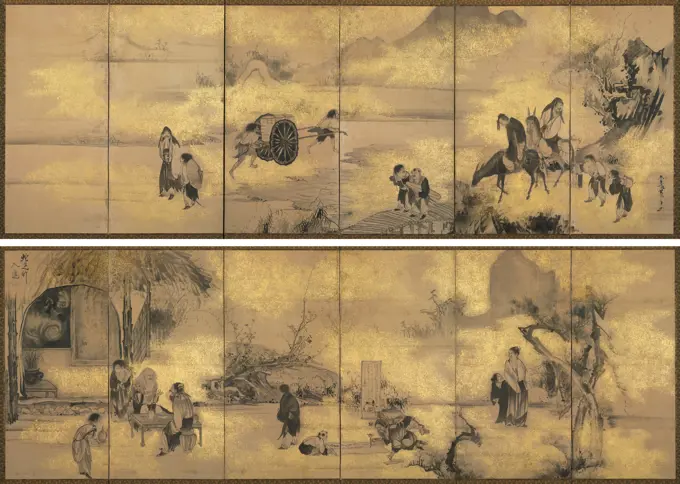
Scenes from the Tales of Saigyō left of a pair, 17th century, Unknown Japanese, 60 × 139 in. (152.4 × 353.06 cm)60 × 21 1/2 in. (152.4 × 54.61 cm) (image)65 1/2 × 146 × 3/4 in. (166.37 × 370.84 × 1.91 cm) (outer frame), Ink, color, gold, and silver on gilded paper, Japan, 17th century, The Tales of Saigyō narrate the life of the eponymous samurai poet who gave up his title to become an itinerant monk. The story of Saigyōs lifelong travels was first illustrated in the thirteenth century in a set of four painted handscrolls, and the scenes depicted here are based on those originals. The right screen depicts Saigyōs first New Year after he took the tonsure. He appears alone in the leftmost panel, admiring the blossoms of a nearby plum tree. In the upper left of the left screen, Saigyō kneels before the wall of a shrine. On a journey through the rugged Kii Peninsula, Saigyō became so inspired by the cherry blossoms that he composed a poem and brushed it on the wall of a shrine. At lower