Historical Keys

A collection of various antique keys, showcasing different designs, materials, and styles, including ornate and functional features.
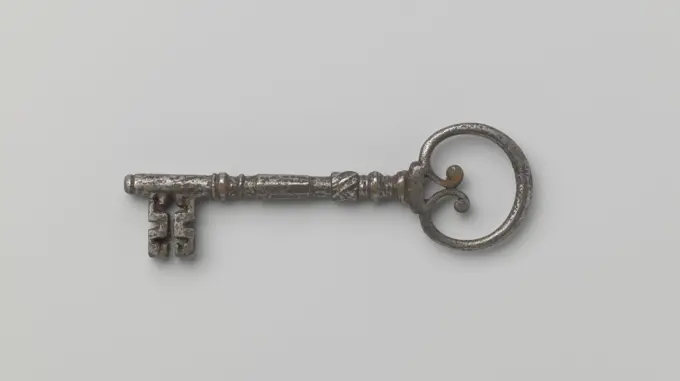
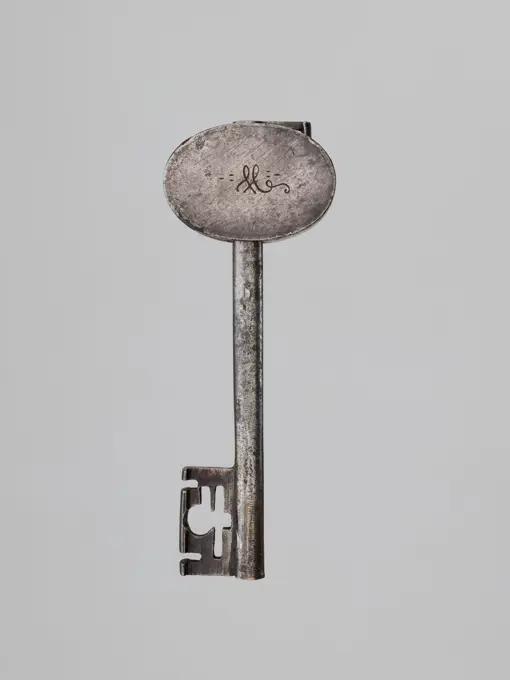
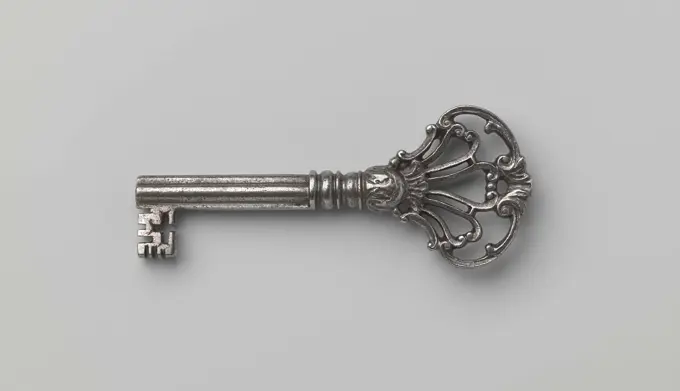
Key of iron, c. 1600 - c. 1699 Richly decorated forged iron key.  iron (metal) Richly decorated forged iron key.  iron (metal)
Key of iron, c. 1600 - c. 1699 Richly decorated forged iron key. iron (metal) Richly decorated forged iron key. iron (metal)
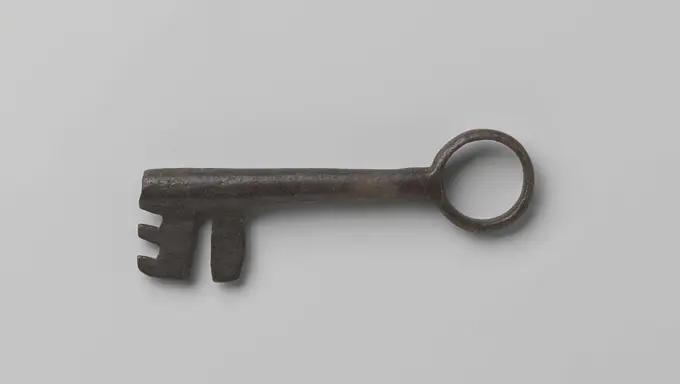
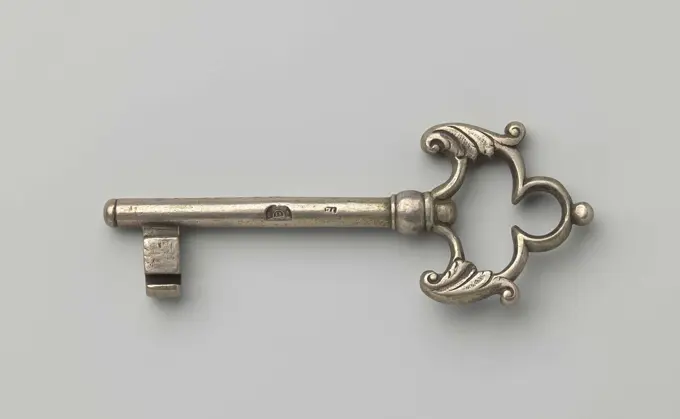
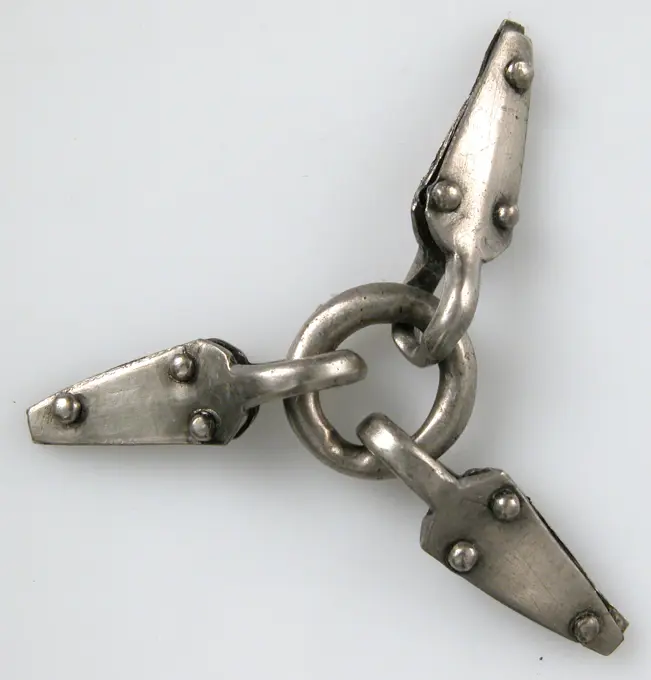
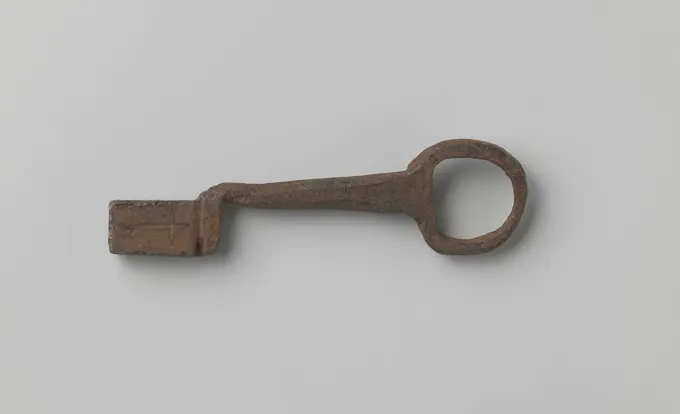
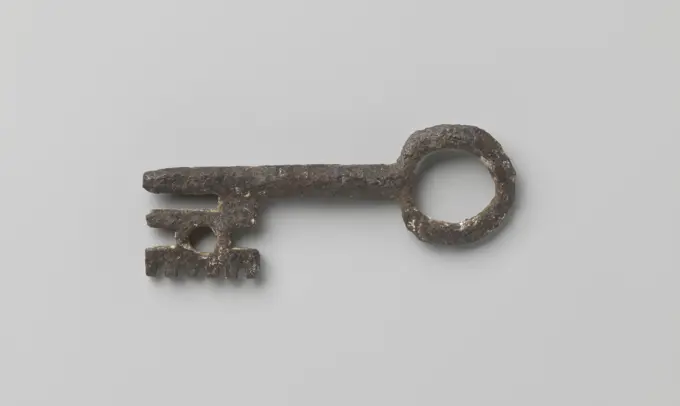
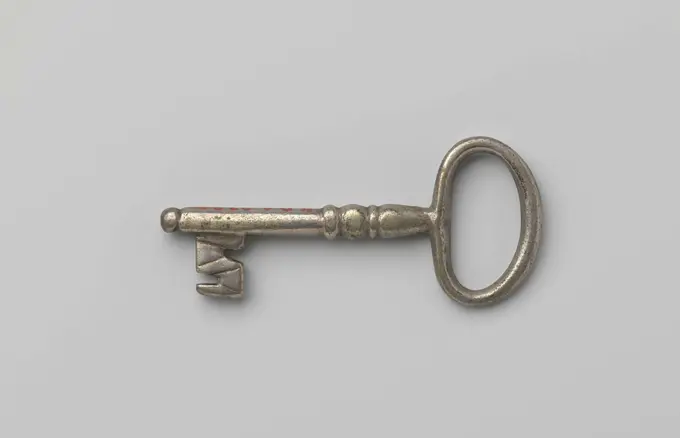
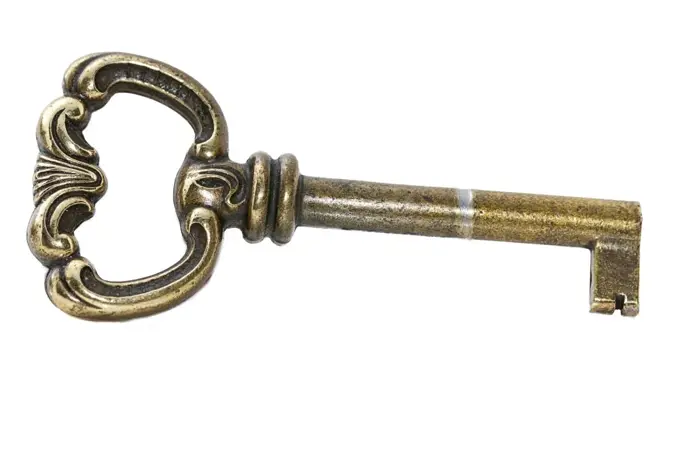
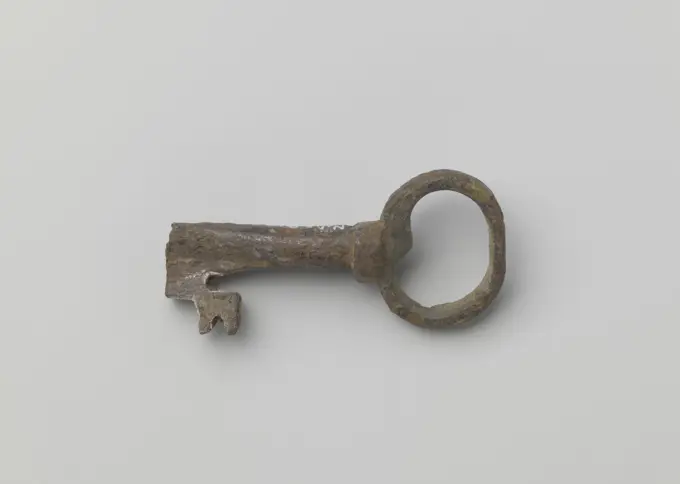
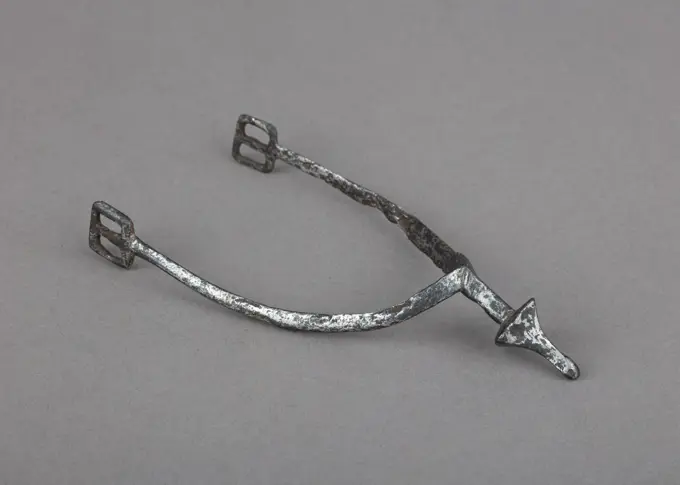
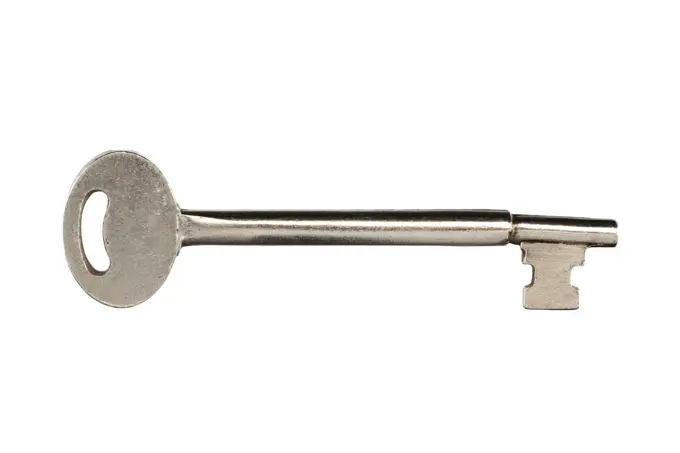
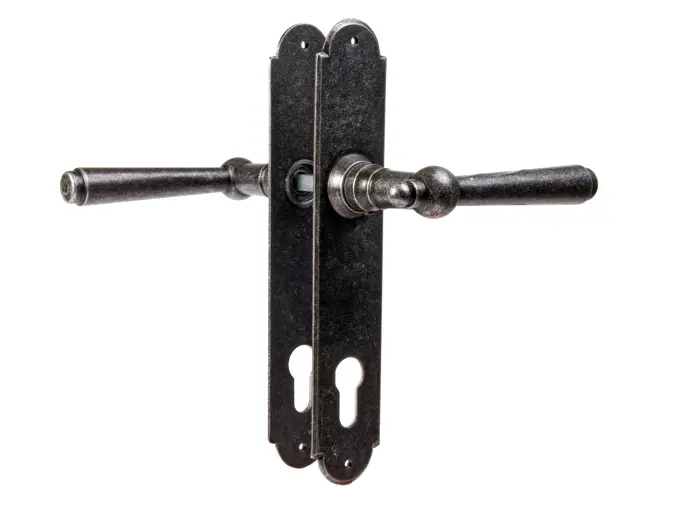
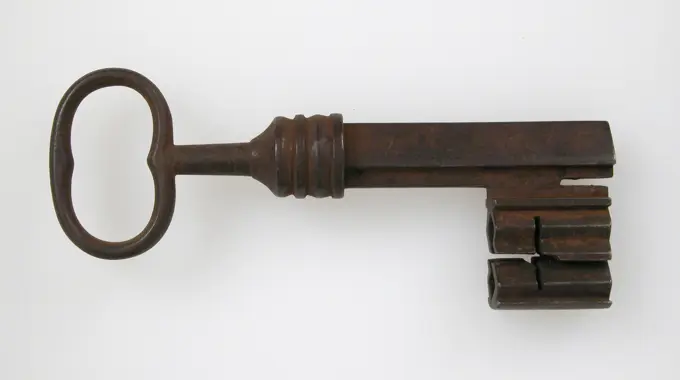
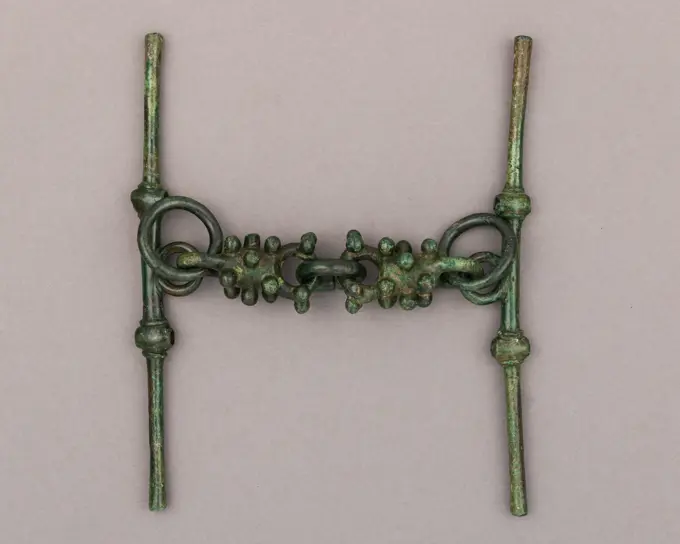
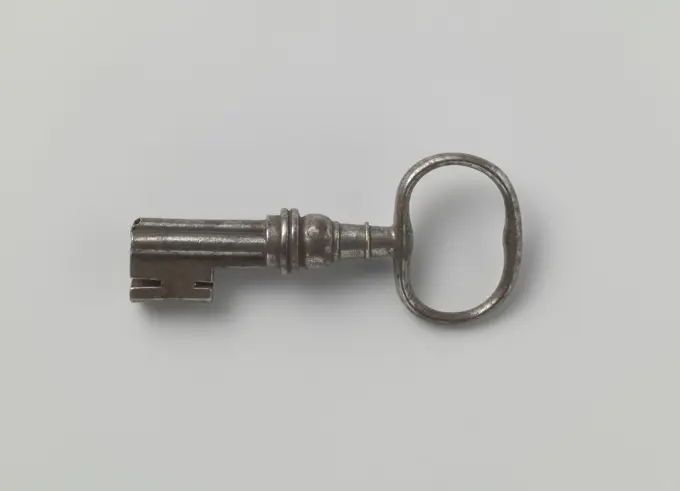
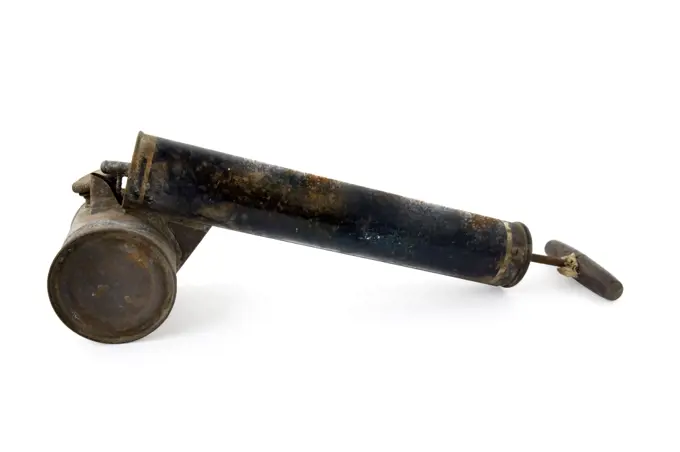
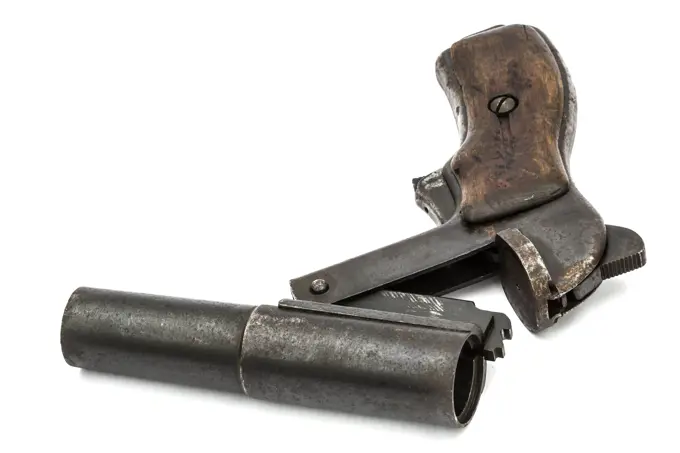
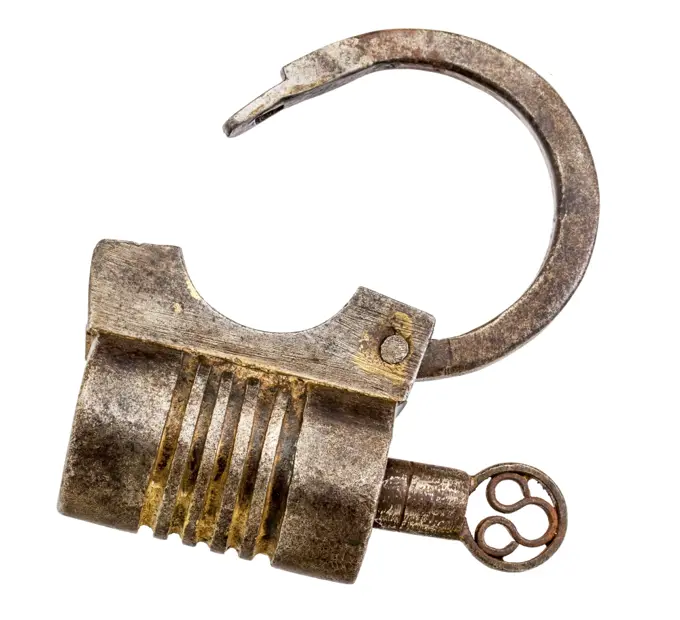
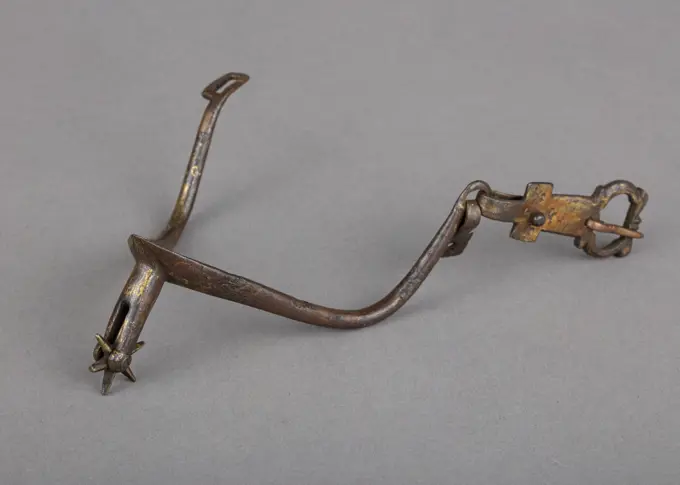
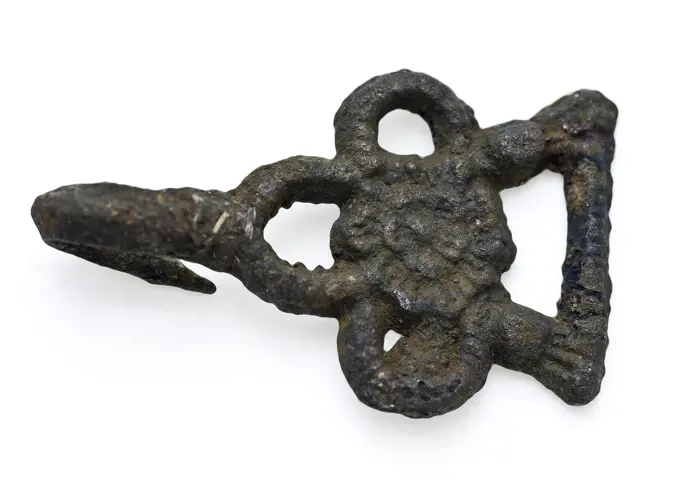
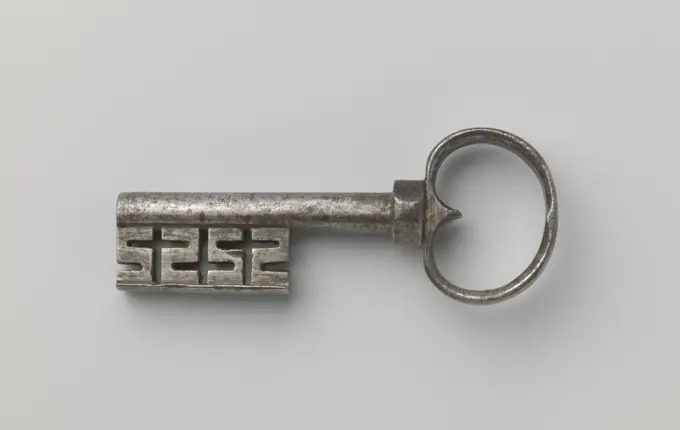
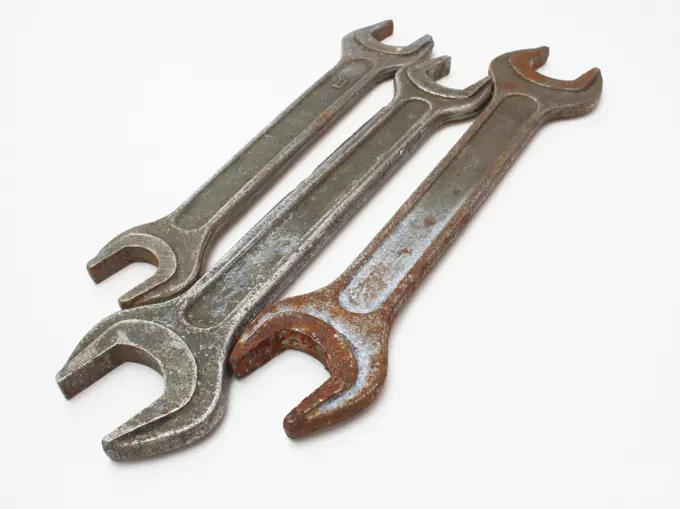
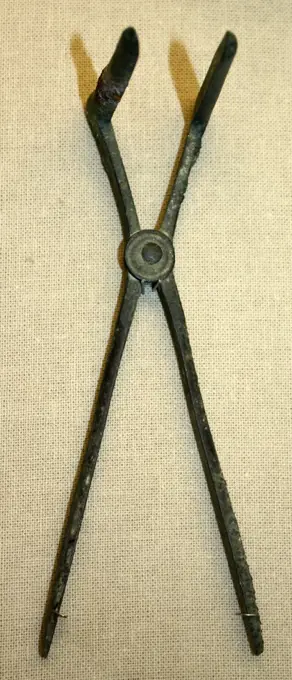
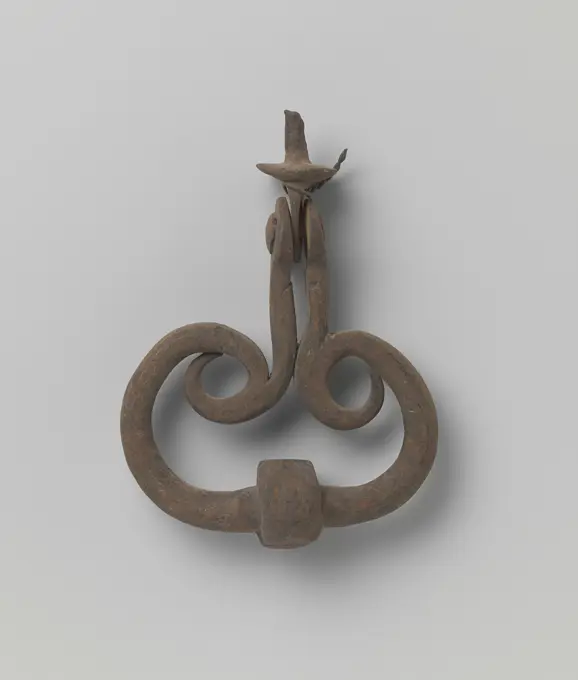
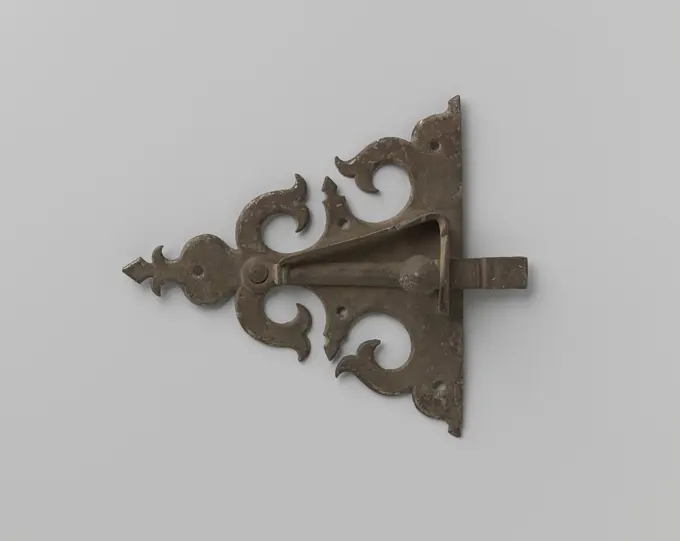
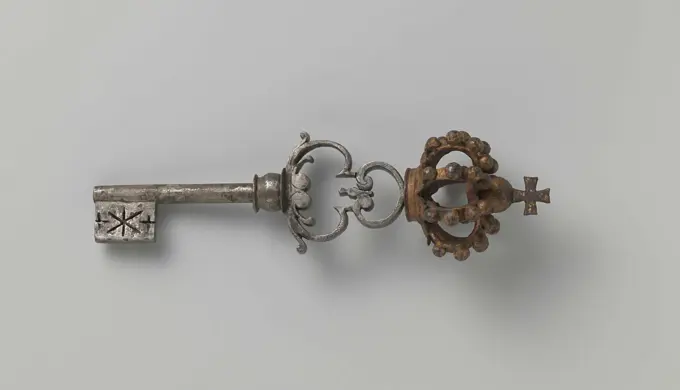
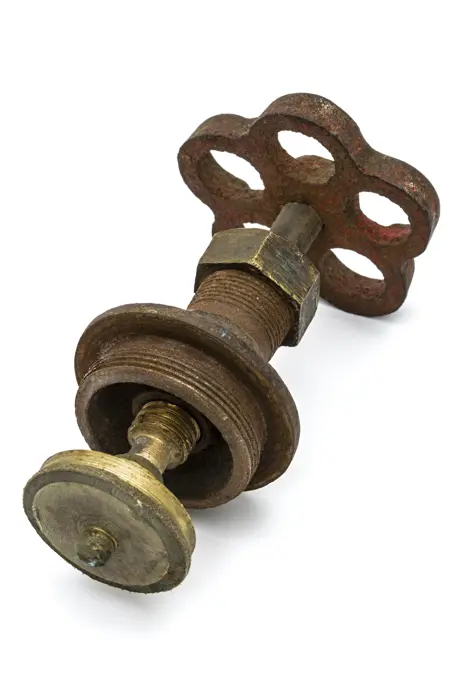
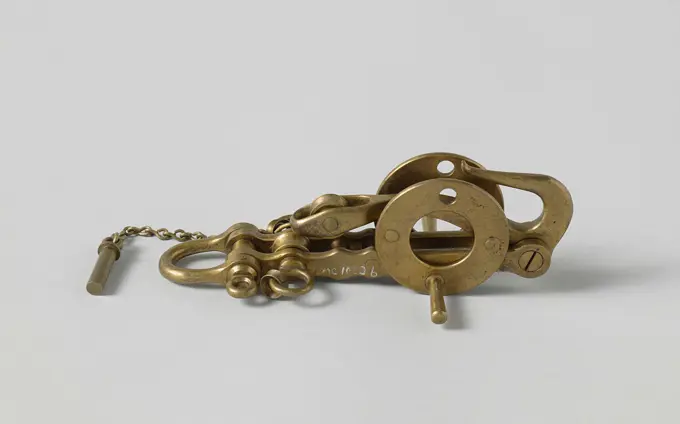
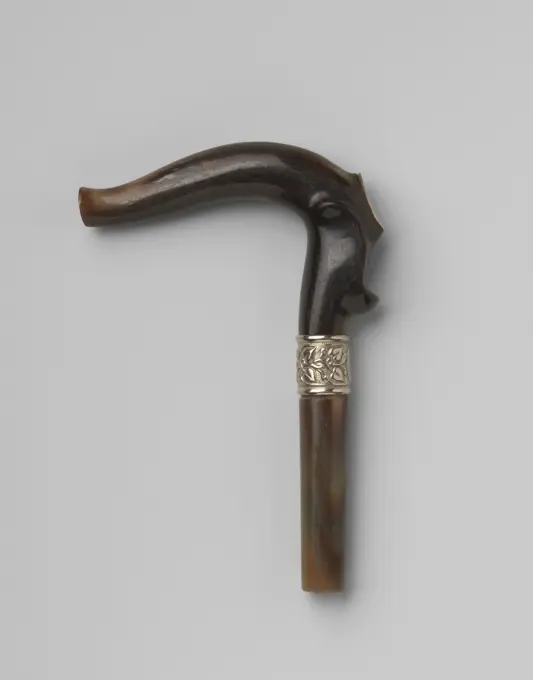
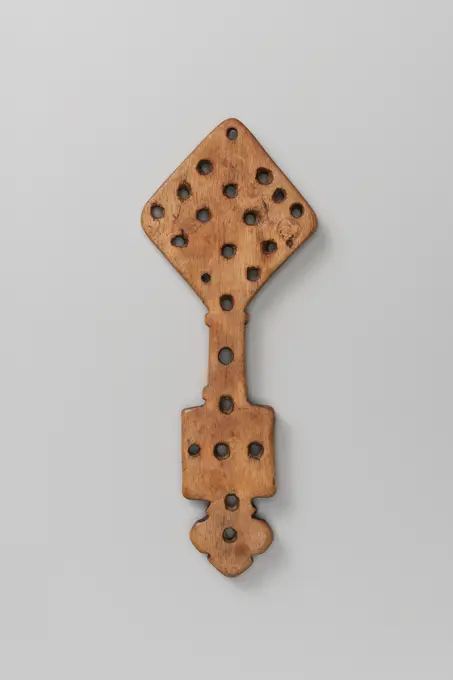
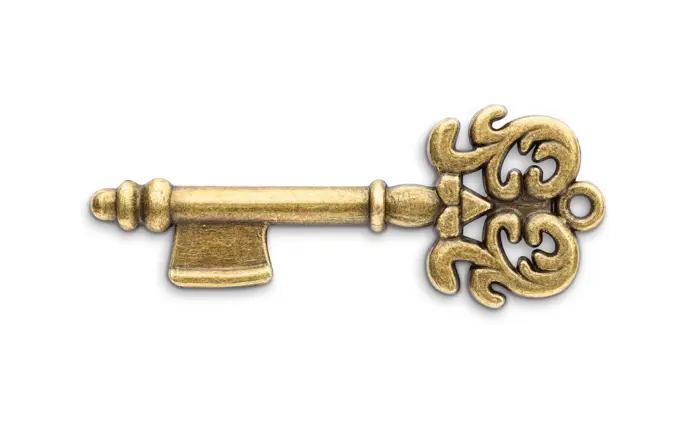
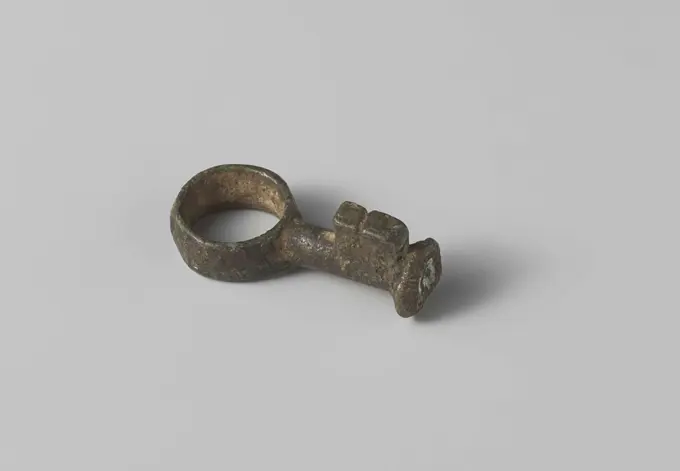
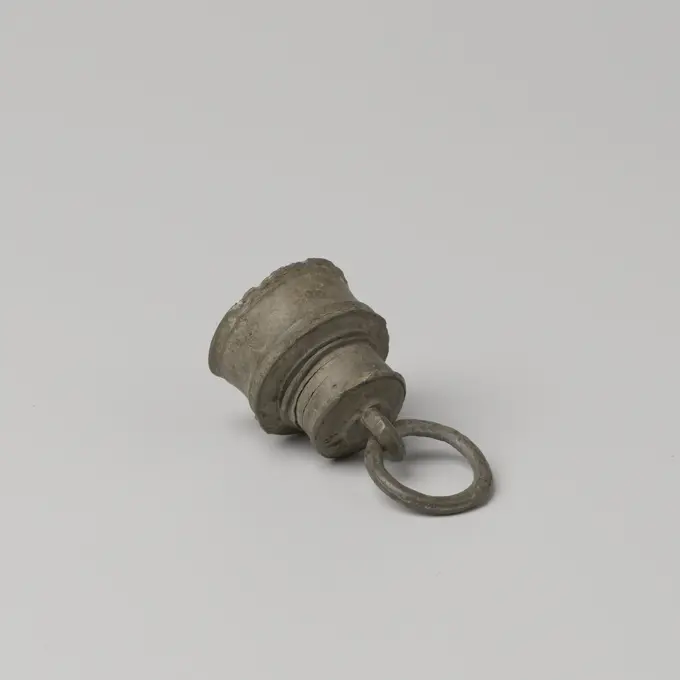
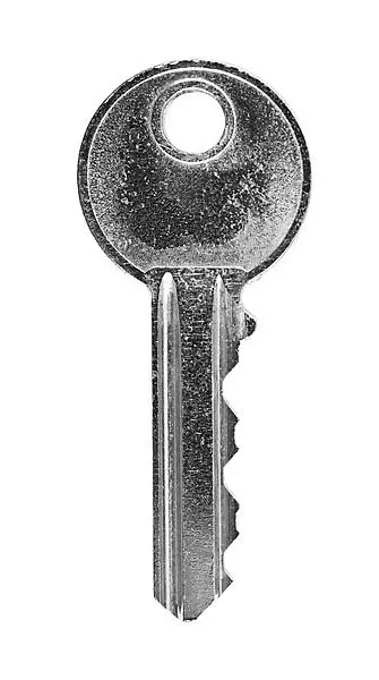
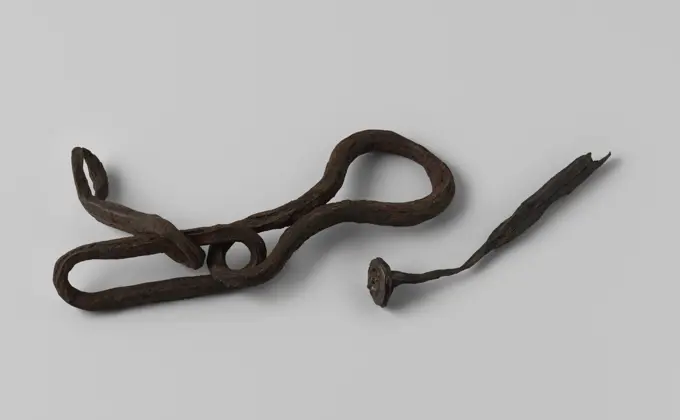
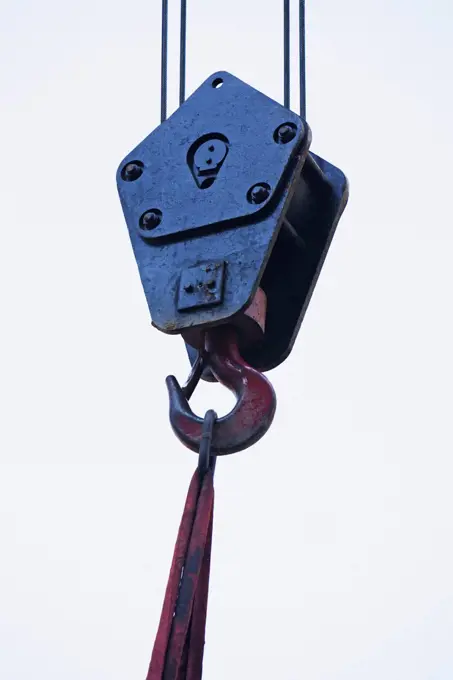
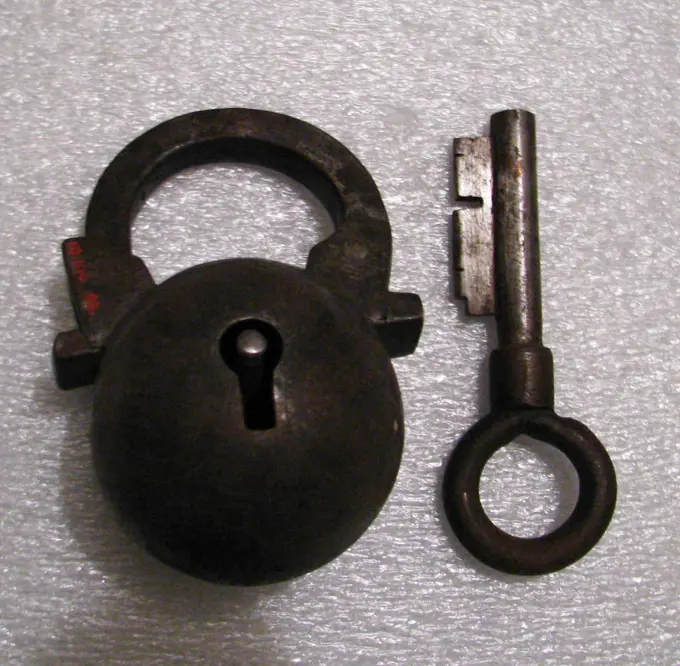
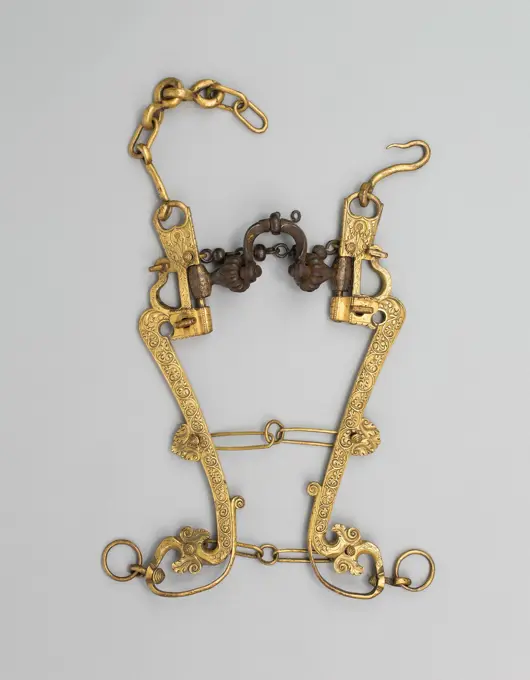
Key, c. 1600 - c. 1699 Key with circular eye. The shaft runs past the beard in one point.  iron (metal) Key with circular eye. The shaft runs past the beard in one point.  iron (metal)Interior of a lock with key. Interior of a Lock with Key.Key. Key with baluster-shaped shaft and small eye. This contains a loose ring.Pijpsleutel.Pipe wrench from a piece forged with annular eye and two-piece beard.Key of iron, c. 1600 - c. 1699 Richly decorated forged iron key.  iron (metal) Richly decorated forged iron key.  iron (metal)Key belonging to Spil watch, c. 1777 Key belonging to Spil watch. ParisFranceclockmaker: Switzerland iron (metal). tin (metal) Key belonging to Spil watch. ParisFranceclockmaker: Switzerland iron (metal). tin (metal)Sleutel.Key with a three-punny eye, to which acanthus volutes depend on both sides. The eye is crowned by a button. The beard is Z-shaped.Ferrets 6th-7th century () Frankish. Ferrets 464819 Frankish, Ferrets, 6th7th century (), Silver, Overall: 1 15/16 x 3/8 in. (5 x 0.9 cm). The Metropolitan Museum of Art, New York. Gift of J. Pierpont Morgan, 1917 (17.191.129)Sleutel.Key with bean-shaped eye. The four-sided stem is half a battle in the middle around its axle and is round at the dual beard.Sleutel.Key with around eye, a stem that rejuvenates under rejuvenation and a massive beard with inlaid golden cross motif.Pijpsleutel.Pipe key whose bean-shaped eye on the top is decorated by three leafy dots and a side by six punched wells. Vertical grooves are arranged over the beard.39 keys from the collection of Emmanuel Vita Israël, , c. 1400 - c. 1950 Pipe key with round eye and thick shaft on which weak grooves are still visible. Rome bronze (metal) Pipe key with round eye and thick shaft on which weak grooves are still visible. Rome bronze (metal)Key with the letter R in the beard ..Key. Key of iron.BronzeHarness-TerretKey, c. 1400 - c. 1500 Key with circular eye and square beard that shows a round hole and ends comb.  iron (metal) Key with circular eye and square beard that shows a round hole and ends comb.  iron (metal)Key. Key with oval eye, simple profiled shaft that goes past the beard and ends in a button.Key, c. 1900 Key with solid, oval handle perpendicular placed on the beard. Japan copper (metal) Key with solid, oval handle perpendicular placed on the beard. Japan copper (metal)used key. closeup of one used key on white backgroundOpen-end spanner on whiteKey, c. 1600 - c. 1699 Key with bean -shaped eye, a bit thickening upwards. Heavily destroyed.  iron (metal) Key with bean -shaped eye, a bit thickening upwards. Heavily destroyed.  iron (metal)Ornament met acanthusbladeren, anonymous, c. 1700 Ornament with acanthus leaves. Part of a sign of a forge in the Beulingstraat in Amsterdam. Amsterdam iron (metal) forging  Amsterdam Ornament with acanthus leaves. Part of a sign of a forge in the Beulingstraat in Amsterdam. Amsterdam iron (metal) forging  AmsterdamBelt buckle from the wreck of the East Indiesman Hollandia.RiemSp. D-Shaped with Pointed Side, 1 ID. NG 1980-27H384, Belt Buckle.Key. Key with three-proof handle, filled with the French lily and crowned by an eye. Below is the profiled eight-sided capitue and the short shaft that goes past the small beard and ends in a button.Key, c. 1400 - c. 1950 Key of iron.  iron (metal) Key of iron.  iron (metal)Prick Spur 13th century German The prick spur was the first type of spur to be invented, and it consists of a goad or prick, more or less pointed, connected to side arms or a heel plate. The earliest spurs were probably simple thorns attached at the back of the heel, before they started to be made out of metal in antiquity. Prick spurs were the main type of spurs used in the Middle Ages until the mid-14th century, when they were supplanted by rowel spurs, which appeared in Europe a century before and with which they had cohabitated for a time. As a knights status was closely related to his horse, spurs became one of the symbols of chivalry, and one of the tokens given to him during his knighting.. Prick Spur. German. 13th century. Iron alloy. Equestrian Equipment-SpursKey;  1752 (1752-00-00-1752-00-00);Key. Key whose handle consists of two excludes from two downstairs, between which two are placed above each other. The capital is elongated and consists of different thick and thin discs and ends at the bottom of a button. The beard is Z-shaped.Sleutel.Key with oval grip in which a snake is and that is crowned by an eye. The handle is grooved on the outside with sloping lines. The heavy baluster shaft is calculated with leaf motif. The beard is twofold.Silver skeleton key with clipping pathKey, c. 1600 Key whose round eye is formed by two acanthus leaf covered, horn -shaped volutes, a disk at the top of a disk. The eye rests on a large, profiled square disc, including the round capital. The scale is drilled triangular.  iron (metal) Key whose round eye is formed by two acanthus leaf covered, horn -shaped volutes, a disk at the top of a disk. The eye rests on a large, profiled square disc, including the round capital. The scale is drilled triangular.  iron (metal)türgriff isoliert auf weißem hintergrund door handle isolated on white background LicenseRF Copyright: xZoonar.com/MilanxVasicekx 1554698Forged iron trens or horse bit. A forged iron dose bit, consisting of two bodies held by a double-eyed ogle with incentives, each holding a ring and two loose rings.Model of an Anchor, anonymous, c. 1879 instruction model Model of a 'flat-handed anchor without anchor. Both hands are mounted parallel to each other on an axis that runs through the anchor cross and on which they turn. The flat front of the hands puts the work of the anchor stick and forces the points down the hands. The model has a harp at the end of the shaft and one at the cross, and a double scalm around the shaft. Scale 1:10 (estimate). model maker: Netherlands (possibly)after design by: United Kingdom brass (alloy)Double cut, c. 1400 - c. 1950 A double cut (unit).  iron (metal) A double cut (unit).  iron (metal)Key 15th-16th century German The decoration of Gothic iron locks and keys was often elaborate and of the highest standard of workmanship. The motifs were frequently drawn from Gothic architecture, reproducing on a miniature scale complicated tracery patterns and even tiny statuettes. A number of these tiny locks were compound, with some of the mechanisms concealed from view, and required two or even three keys used in sequence to open them. It has been suggested that the greatly expanded use of locks on doors, or coffrets and other types of storage chests was a result of the increasing urbanization of life and the new emphasis on material wealth and private ownership which developed in the late Middle Ages.. Key. German. 15th-16th century. Iron. Metalwork-IronInkstand; cast and engraved brassSleutel.A beautifully processed key.Snaffle Bit 3rd century B.C. Thracian or Anatolian The mouthpiece consists of two canons studded with rounded spikes, linked by a ring in the center. Each one terminates with a ring for the reins and a long and straight full-cheek piece, pierced with two holes for hanging it from the bridle.This very submissive type of snaffle was inspired by both Achaemenid and Greek bits. The spiky canons, called 'hedgehogs' by the Greek Xenophon (ca. 430-355 B.C.) in his equestrian treatise, accentuate its severity. These elements being very uncomfortable for the tongue, they force the horse to retract it. Consequently the tongue cannot cushion the bit and the mouthpiece is resting directly on the most sensitive part of the bars (part of the horses jaw without teeth). The very long cheekpieces added control for changing directions by pressing the horse's cheek when pulling the opposite rein.This bit is said to have been found in Rome. If true, it might have come from the tomb of a Thracian or AnatoSkeleton Keyvintage corkscrew vintage rusty corkscrew on the dark background Copyright: xZoonar.com/YuryxZapx 11782202War ax of the Second Iron Age. Iron Age. SPAIN. MADRID (AUTONOMOUS COMMUNITY). Madrid. National Museum of Archaeology.Cast Silver Tube with Animal 15th-mid-16th century Peru; north coast (). Cast Silver Tube with Animal 309233Insteekslot, c. 1800 - c. 1900 Second key of a piece of furniture, also music box. The quadrangular lock cupboard is mounted on a slightly larger copper mounting plate. Two associated keys with cloverleaf -shaped pipe and a small key with copper handle for the excitement of the music box.  iron (metal). copper (metal) Second key of a piece of furniture, also music box. The quadrangular lock cupboard is mounted on a slightly larger copper mounting plate. Two associated keys with cloverleaf -shaped pipe and a small key with copper handle for the excitement of the music box.  iron (metal). copper (metal)old rusty insecticide spray on white background. Old insecticide sprayOld signal pistol, flare gun and cartridges, isolated on white background Old signal pistol, flare gun and cartridges, isolated on white background Copyright: xZoonar.com/OleksandrxKostiuchenkox 8897079Vintage round shape hand crafted screw type iron padlock with a key isolated on white - openedKey, c. 1775 - c. 1800 Key whose eye is formed by two loving lovebirds. The shaft is formed by two interlocking hands with below and above profile.  silver (metal) Key whose eye is formed by two loving lovebirds. The shaft is formed by two interlocking hands with below and above profile.  silver (metal)Schroefplaat van musket uit het wrak van de Oost-Indiëvaarder Hollandia. Side plate; central escutcheon with crowned coat of arms of Amsterdam in relief, 2 flat wings on either side, curving in opposite directions, each with a circular eye at the end and engraved mark AVOC.Door brace ..Rowel Spur (Right) late 13th- first half 14th century possibly French This spur belongs to the first type of rowel spur developed. The first rowel spurs, featuring a revolving disc or star at the end of the neck, appeared in western Europe around the mid 13th century. In this region they cohabitated with the earlier form, the prick spur, for about a century, before replacing it almost completely by the mid 14th century. The advantage of the rowel spur over the prick was it allowed the rider to reach the flanks of its horse with one of the points whatever the angle of its foot, which was very convenient regarding the riding position of the time, with long stirrups-leathers and extended legs. The fact that the rowel rolled against the horse instead of hitting it directly reduced also the probability of injuring it too seriously.. Rowel Spur (Right). possibly French. late 13th- first half 14th century. Copper alloy, gold. Equestrian Equipment-SpursCoat hook or coat closure, cut-away object with eye, ending in bent point, closure clothing accessory clothing soil find copper metal, cast Open worked flat metal object ending in bent point Open rectangle to confirm archeology Rotterdam rail tunnel confirm dressing close Soil discovery: trajectory rail tunnel Rotterdam.Key, c. 1400 - c. 1950 Key.  iron (metal) Key.  iron (metal)Fibula, bow-shaped 7th-6th century B.C. Etruscan. Fibula, bow-shaped 245983Stainless Steel Wrench close up The steel wrench lies on a white background Copyright: xZoonar.com/AlexanderxStrelax 3889033Key with removable sheath late 16th-early 17th century Italian or French. Key with removable sheath. Italian or French. late 16th-early 17th century. Iron. Metalwork-IronA set of surgical instruments and accessories Roman, 1st century AD Said to have been found together In Italy.Ring of a door handle, also door knocker. Ring of a door handle, also door knocker formed by two curls dawned.Batter. .Chain Shot (Projectile) for a Cannon Made 1600-1700 Austria. Iron .Brooch -Key. Key with bracket shaped eye on flat squari key chest. The trio-edge beard is perpendicular to the eye.Iron key, on which a gold-plated crown ..Old water valve, isolated on white background Old water valve, isolated on white background Copyright: xZoonar.com/OleksandrxKostiuchenkox 8897664Model of a Slip Hook for Lifeboats.Messing Model of a slip hook, consisting of three parts: a hook with a disk at right end and turning around an axis that is placed in the bend; a frame consisting of two metal strips, connected to the one side by the axis of the hook and on the other by a disk and a harp; Two round metal plates around hook and frame, which turn around a shaft through in the hook. Scale 1: 2 (estimation).Pin key late 16th-early 17th century Italian. Pin key. Italian. late 16th-early 17th century. Wrought iron. Metalwork-IronSugar spoon of tin with bird, anonymous, c. 1700 - c. 1800 Sugar spoon of tin. The stem is curled at the end and decorated with a raised bird. The round container is open with a decorative motif. West-Europa tin (metal) casting Sugar spoon of tin. The stem is curled at the end and decorated with a raised bird. The round container is open with a decorative motif. West-Europa tin (metal) castingHandle of Black Hoorn, on which a curved button, on which a silver -colored oval -vomic plate, Gelria, c. 1900 - c. 1930 Handle of Black Hoorn, on which a curved button, on which a silver -colored oval -vomic plate. Halfway through a band of silver -colored metal, on which intertwined flower branches in relief, with an unprocessed medallion. Netherlands Handle: Horn (Animal Material). Plate: Metal. Band: Metal cutting / forging / forging Handle of Black Hoorn, on which a curved button, on which a silver -colored oval -vomic plate. Halfway through a band of silver -colored metal, on which intertwined flower branches in relief, with an unprocessed medallion. Netherlands Handle: Horn (Animal Material). Plate: Metal. Band: Metal cutting / forging / forging39 keys from the collection of Emmanuel Vita Israël, 1200 - 1400 Key with a lily handle, giving, the shaft and massive beard.  bronze (metal) Key with a lily handle, giving, the shaft and massive beard.  bronze (metal)Krzyż ręczny. nieznany warsztat etiopski (1400-1970), workshopvintage rusty nails isolated over white, clipping pathFrame of branchesBuckle 15th-17th century European. Buckle. European. 15th-17th century. Steel. Miscellaneous-Buckles & OrnamentPart of a candle wreath. The two-arms with crabs decorated turner is provided with the sign III when the turns. The left arm is noticed in view of three points, the right arm with three notches. The fat catchers are round and are decorated on top and bottom with fine grooved rings. They have a holronde and straight slanted edge, which turns down in a serrated garage. The fat catchers are equipped with the signs consisting of three points or III at the top. The six stand-up surfaces are marked around and rectangular in the candle holders, which are marked with three and five points. They stand on holronde legs, which proceed to a saddle pedestal, including the end with the thread.Vintage golden skeleton key isolated on white backgroundEmilia-Romagna Ferrara Ferrara Museo Civico di Schifanoia02. Hutzel, Max 1960-1990 General Notes: INCOMPLETE RECORD--NEGATIVES PROCESSED, PRINTS FILED German-born photographer and scholar Max Hutzel (1911-1988) photographed in Italy from the early 1960s until his death. The result of this project, referred to by Hutzel as Foto Arte Minore, is thorough documentation of art historical development in Italy up to the 18th century, including objects of the Etruscans and the Romans, as well as early Medieval, Romanesque, Gothic, Renaissance and Baroque monuments. Images are organized by geographic region in Italy, then by province, city, site complex and monument.Curb Bit. German. Date: 1500-1533. Dimensions: . Iron. Origin: Germany. Museum: The Chicago Art Institute, Chicago, USA.Key. Tilt with a large annular eye, short shaft, bottom disk-shaped flattened. The beard is perpendicular to the eye.Key;  XIX W (1801-00-00-1860-00-00);Screw plate of a musket from the wreck of the East Indians' t Vliegend Hart ,, 1700 - 1735  Copper screw plate of a musket from which an eye has been broken down. Side plate. Middelburg copper (metal)Screw closure of bottle, fragment, anonymous, c. 1590 - c. 1596 fastening. fragment Screw closure of a bottle, fragment with ring.  tin (metal) casting / soldering  Nova Zembla. Saving HuysGrey key insulatedPadlock; Unknown, Germany; 19th century (1801-00-00-1900-00-00);old hammer.old used Adjustable wrenches, spanners isolated on white.  with a clipping pathPercussiepistool, Williams & Powell, c. 1833 - c. 1870  Scottish model of a percussie pistol with built -in lock, iron ribbed loop, copper lock plate, wooden flask and white metal flask hood. The loop is ribbed on the outside and pulled on the inside. The copper lock plate is engraved on both sides with praise, the name of the manufacturer on the left. The flask has a diamond motif made of wood and the handle is finely ribbed, the flask hood on the bottom is of white metal that is made of a lion's head. Liverpool Loop, Haan: Iron (Metal). Kolfplaat: White Metal. Kolf: Wood (Plant Material). Slotplaat: Copper (Metal) engraving  NetherlandsBit 5th-7th century Japanese. Bit. Japanese. 5th-7th century. Iron. Equestrian Equipment-BitsRust iron with bolt from the wreck of the East Indians Princesse Maria, Anonymous, 1682 - 1686  Three cast iron links, one of which is not closing of different shape and a round head. This resting iron or putting iron with bolt served to confirm the Want to the entertainment or the march of a ship. Chain and Bolt. Middelburg iron (metal)   Scilly IslandsBuckle 1459-1519 German. Buckle. German. 1459-1519. Brass. Miscellaneous-Buckles & OrnamentAntique metallic key of Antique Metallic Kopyright: xzoonar.com/DR.XNORBERBERTXLANGEX 14132996Gold balance. A gold balance with a silver scale.Brooch -Clips van Schedes from the wreck of the East Indians Hollandia, Anonymous, 1700 - in Or Before 1743 sheath ID. Of 1980-27H568. Netherlands copper (metal)   SecondTwo-piece bronze mold for lid of jug, mold casting tool tools base metal bronze, Two-piece bronze mold for casting can lid: 2834 83 Rotterdam tin casting tin tin Meeuws Druy craft Shapes are from the van origins 18th century Rotterdam tinnegieter J Druy. The large molds that were not signed or dated were the property of the tinker guild and were rented to the small tin caster.Old signal pistol, flare gun, isolated on white background Old signal pistol, flare gun, isolated on white background Copyright: xZoonar.com/OleksandrxKostiuchenkox 8897159Crane hookPadlock with key probably 16th-17th century European. Padlock with key 191477Emilia-Romagna Ferrara Ferrara Museo Civico di Schifanoia20. Hutzel, Max 1960-1990 General Notes: INCOMPLETE RECORD--NEGATIVES PROCESSED, PRINTS FILED German-born photographer and scholar Max Hutzel (1911-1988) photographed in Italy from the early 1960s until his death. The result of this project, referred to by Hutzel as Foto Arte Minore, is thorough documentation of art historical development in Italy up to the 18th century, including objects of the Etruscans and the Romans, as well as early Medieval, Romanesque, Gothic, Renaissance and Baroque monuments. Images are organized by geographic region in Italy, then by province, city, site complex and monument.eight old rusty keys isolated on whiteCurb Bit 1800-1900 Italy. Brass, steel, and gilding .