Historical Korean Artifacts

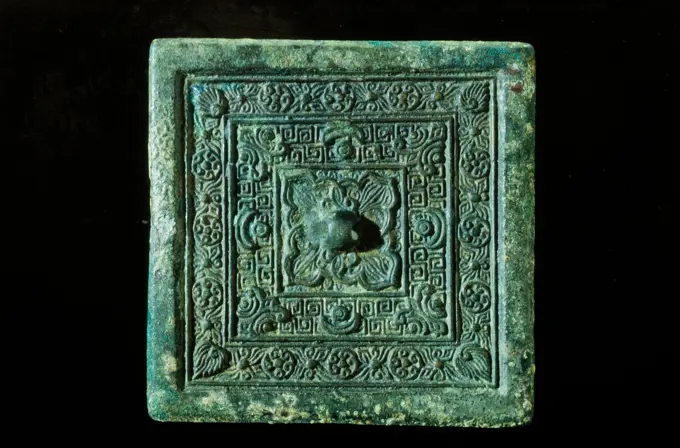
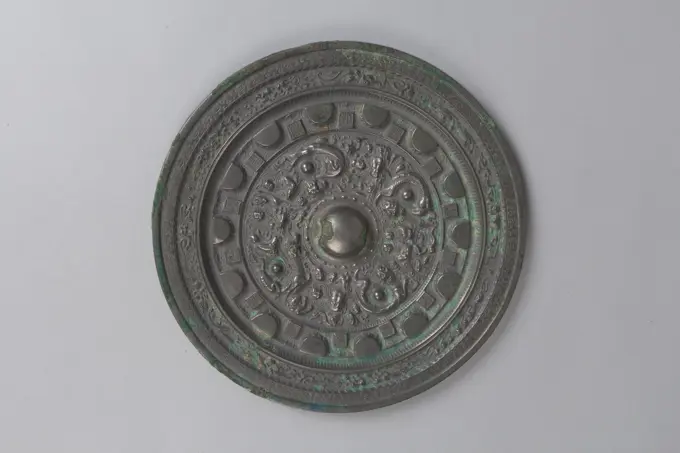
Depicts ancient mirrors and artifacts from Korea, including intricate designs and motifs from the Goryeo period and the Eastern Han dynasty.
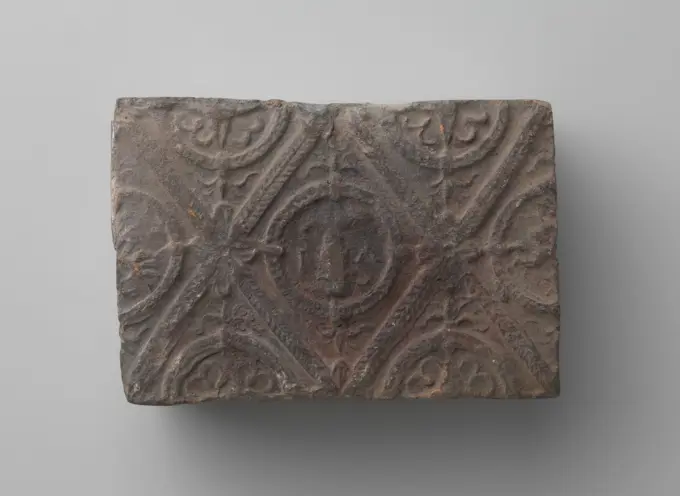
Hearing stone with men's head and the letters V i in Lauwerkrans, c. 1575 - c. 1625 Hearing stone with men's head and the letters V i in Lauwerkrans, placed in profiled window. A double -headed eagle in the half windows on the sides. The half windows on the top and bottom are filled with half medallions with star motif. Southern Netherlands earthenware Hearing stone with men's head and the letters V i in Lauwerkrans, placed in profiled window. A double -headed eagle in the half windows on the sides. The half windows on the top and bottom are filled with half medallions with star motif. Southern Netherlands earthenware
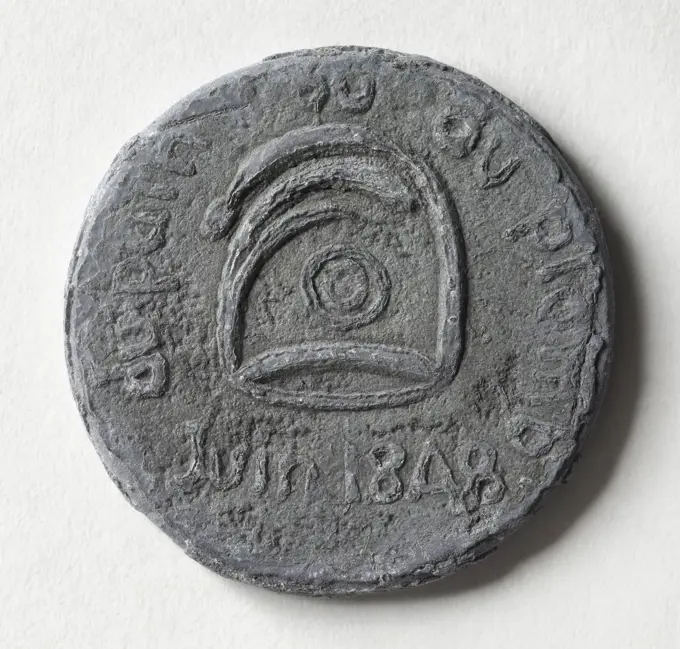
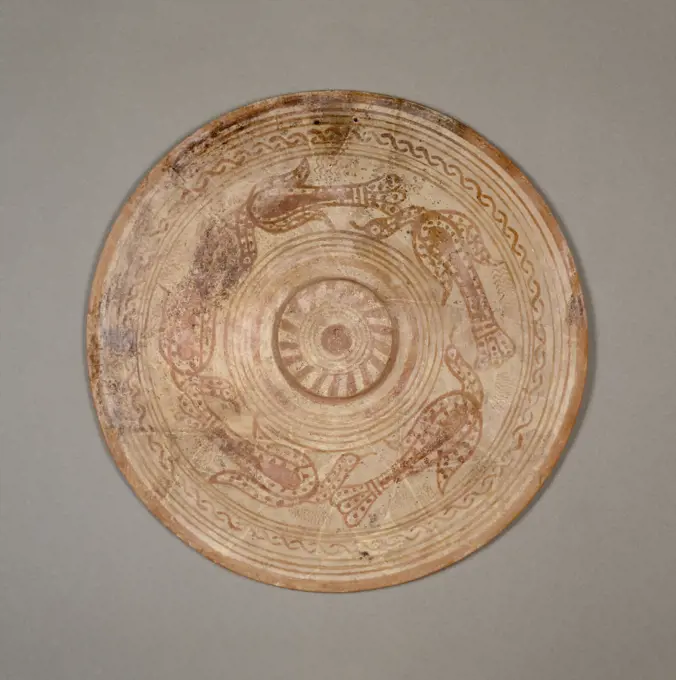
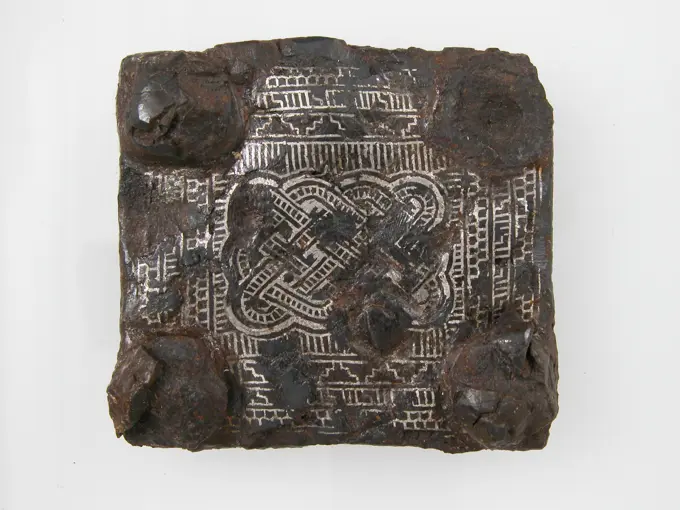
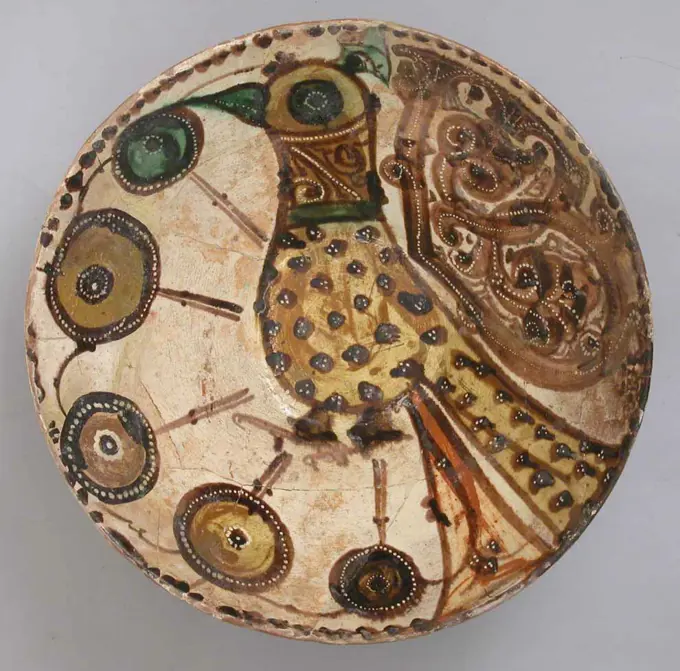
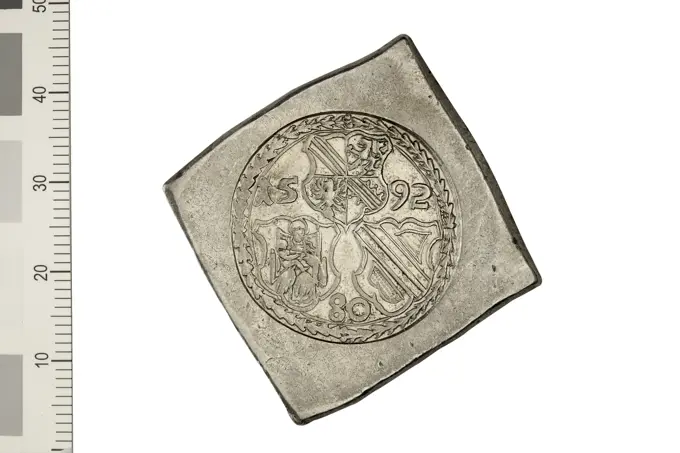
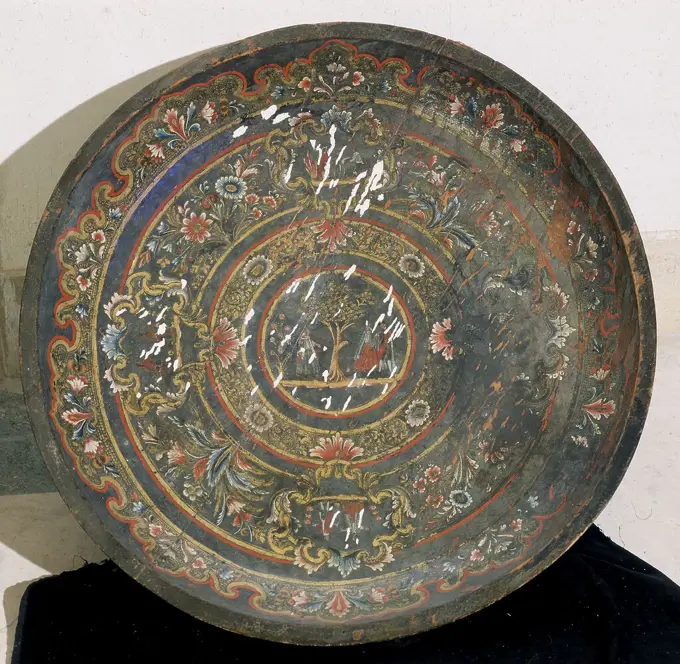
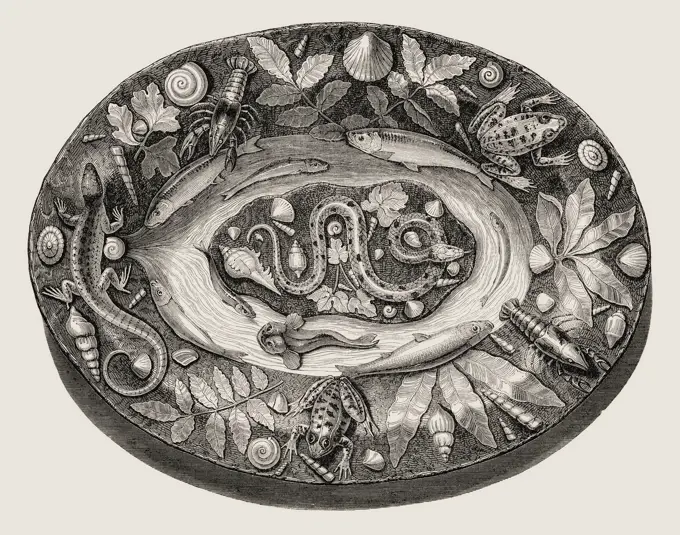
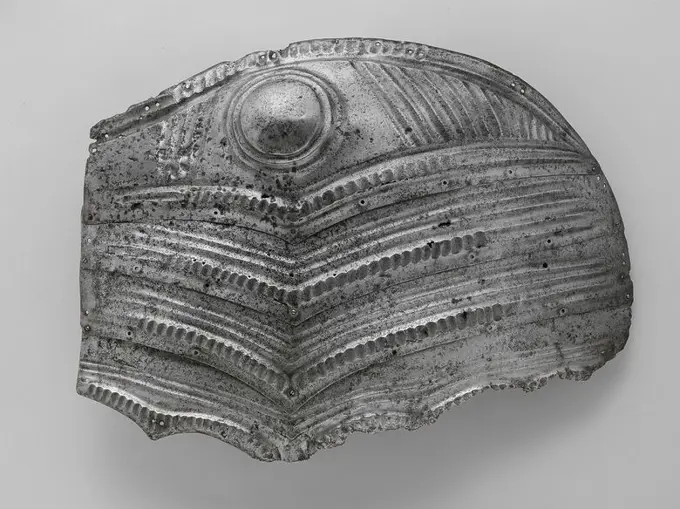
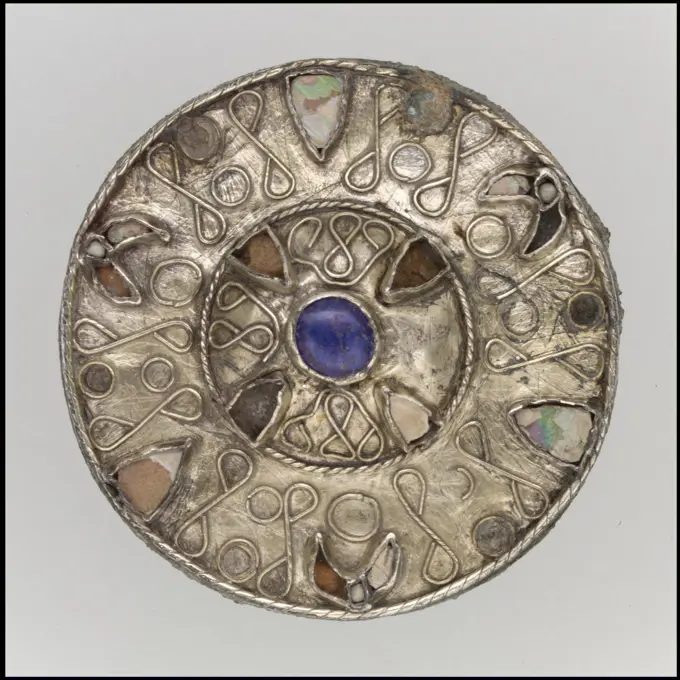
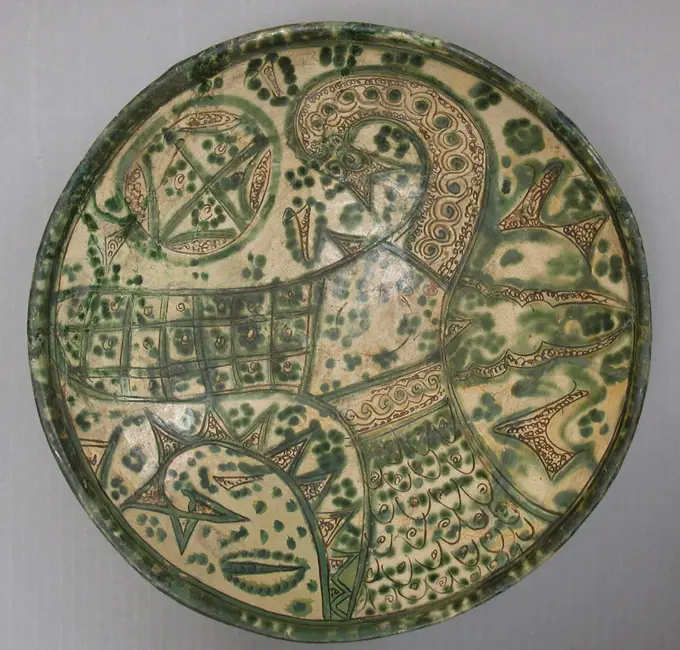
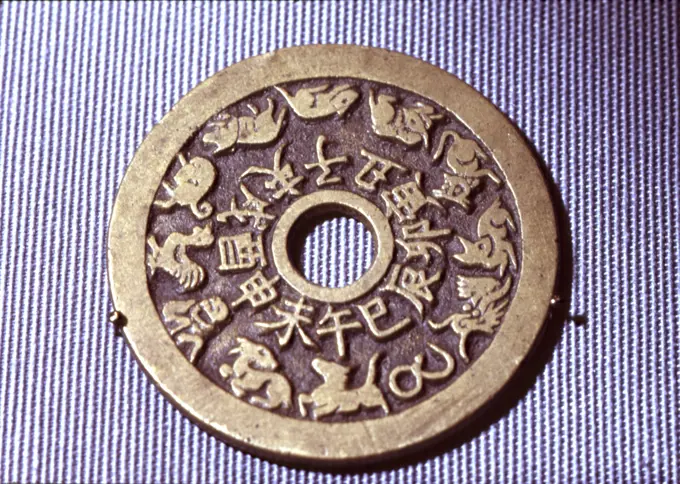
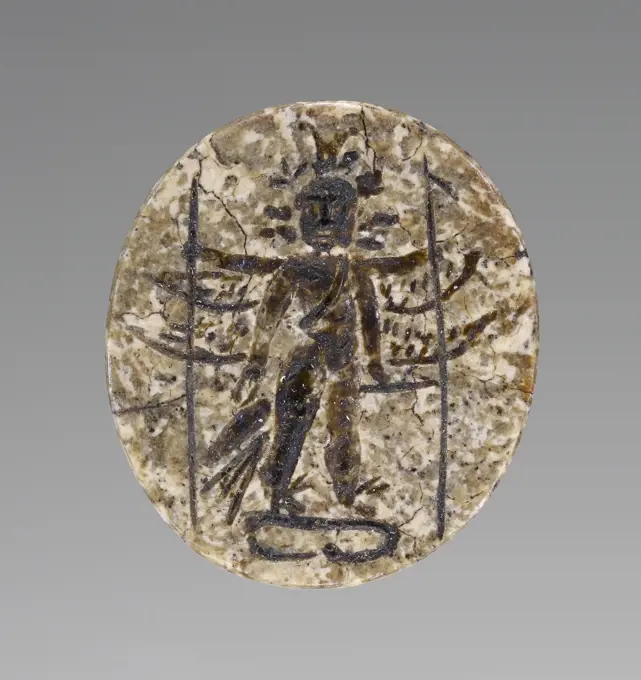
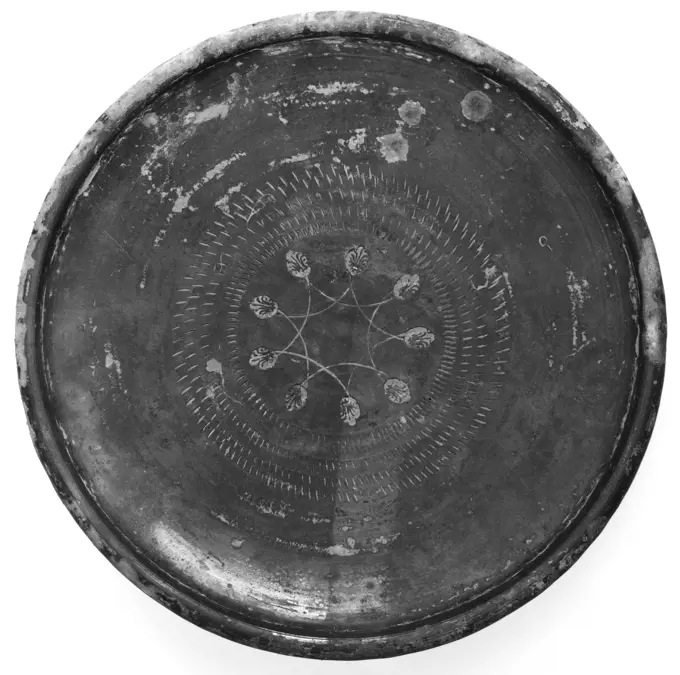
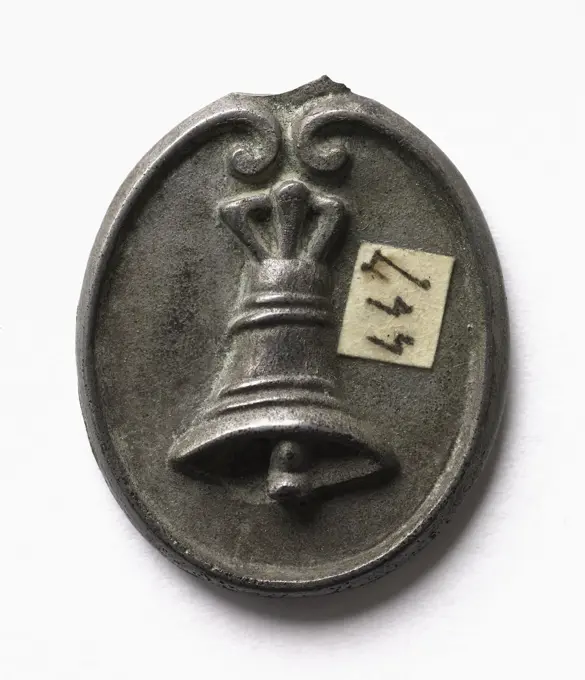
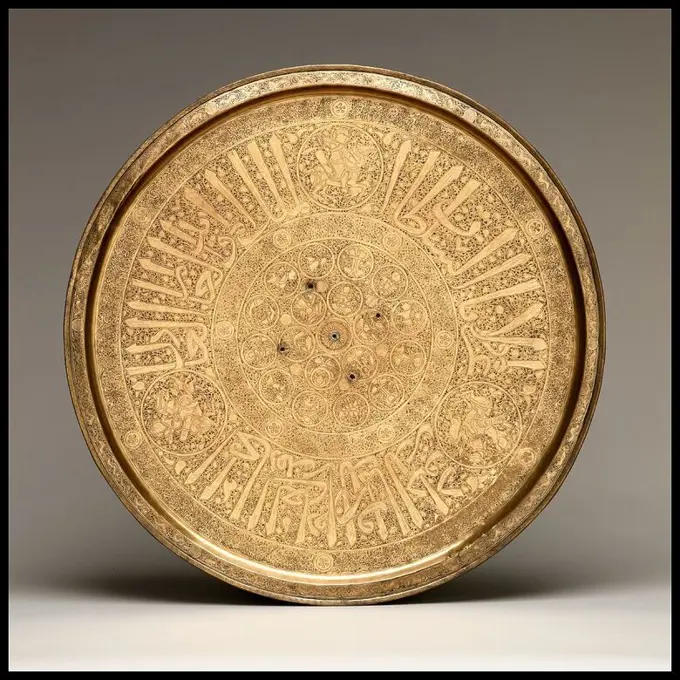
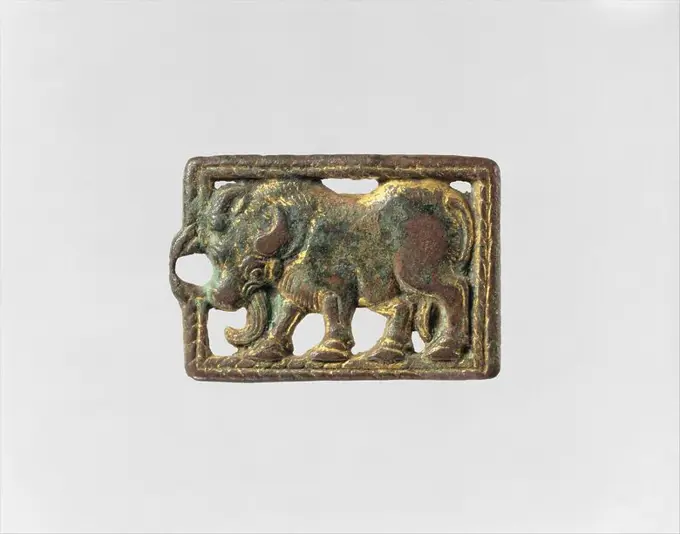
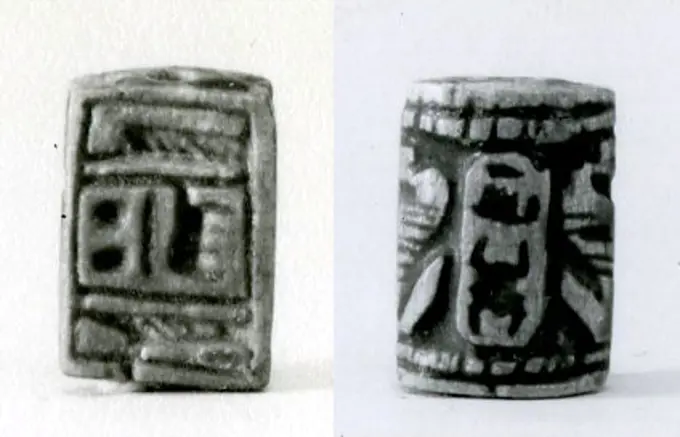
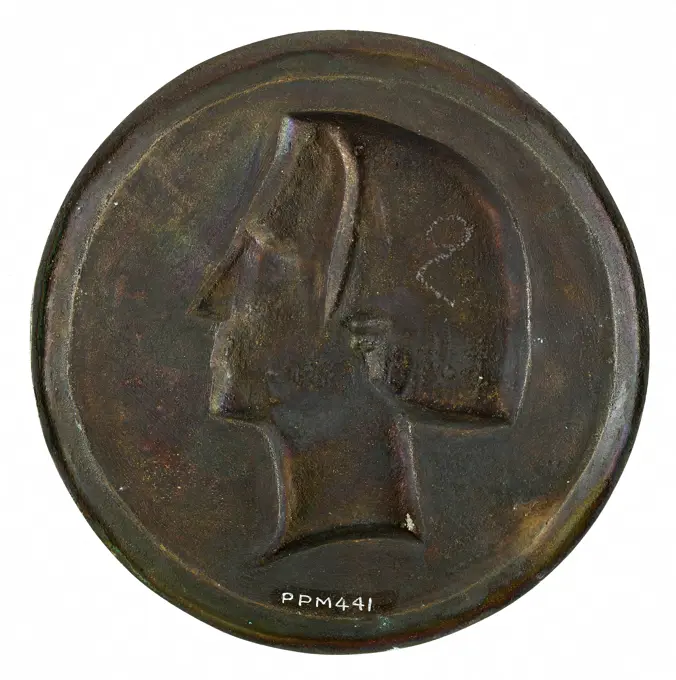
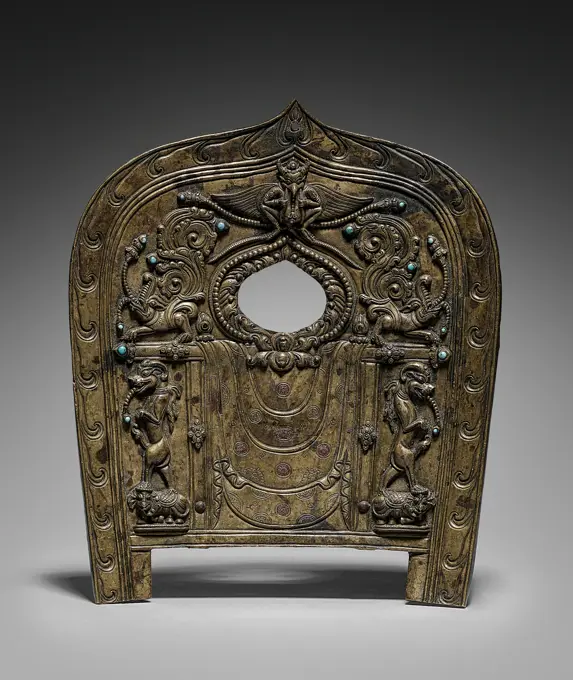
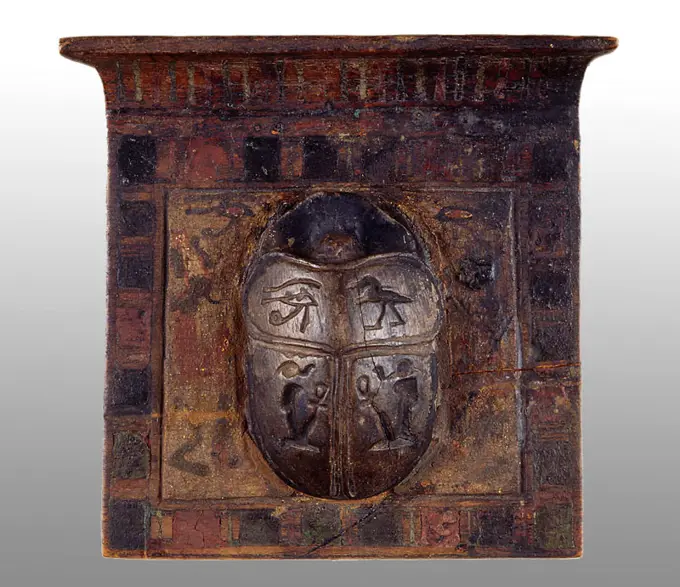
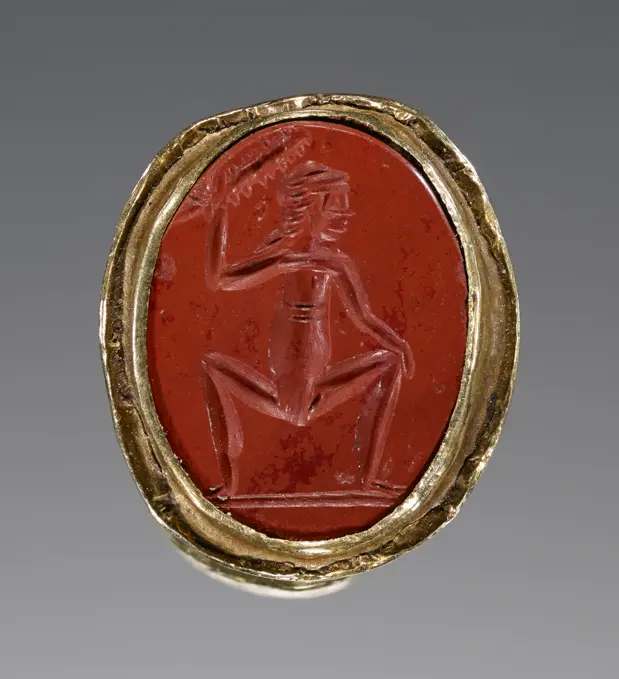
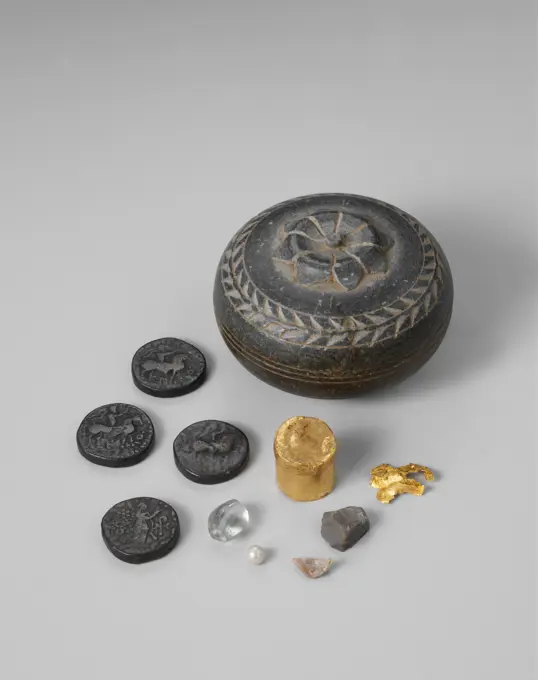
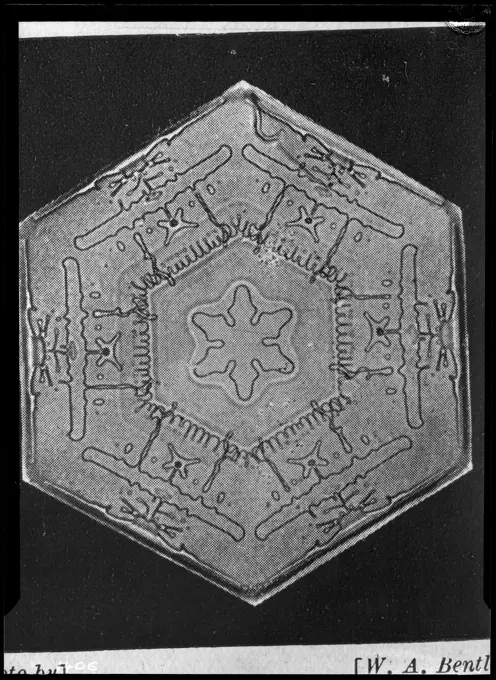
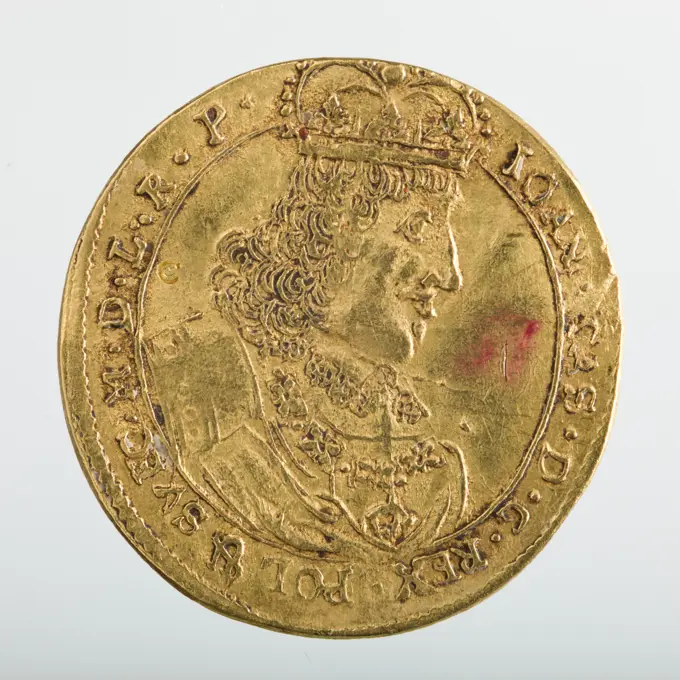
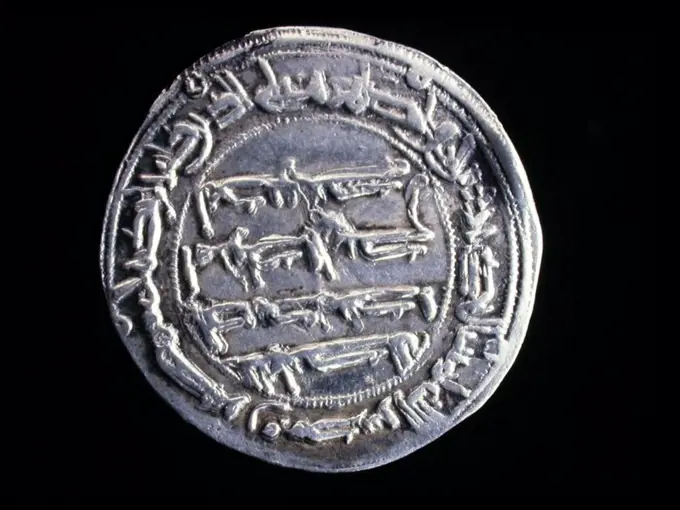
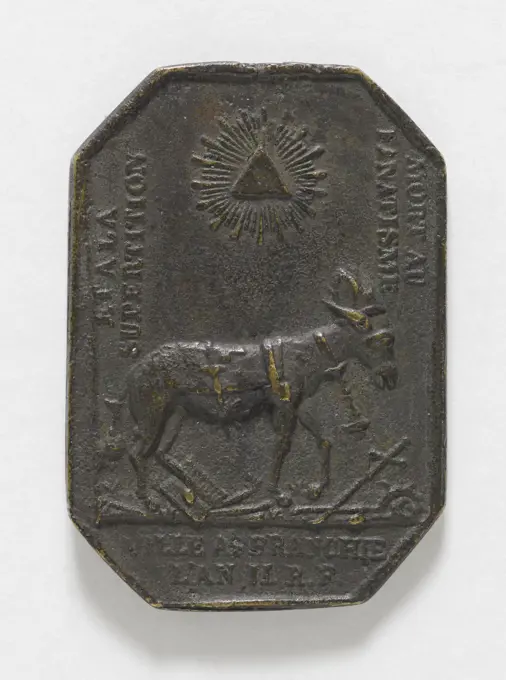
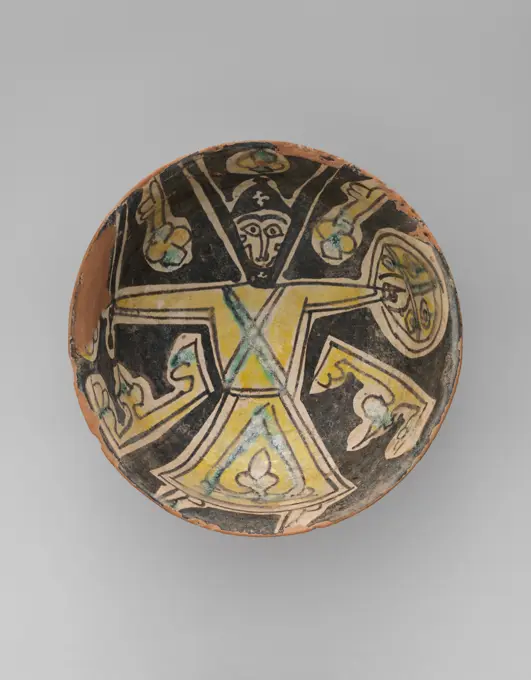
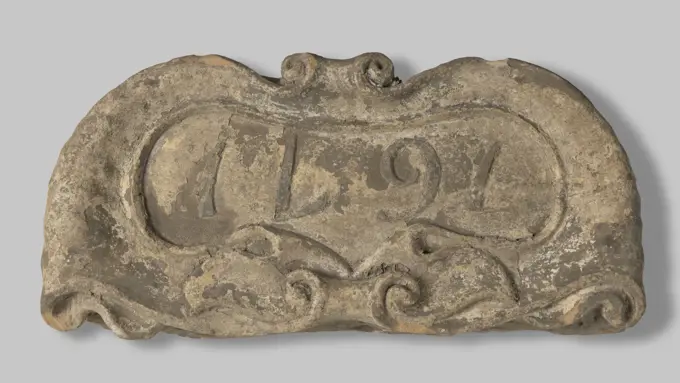
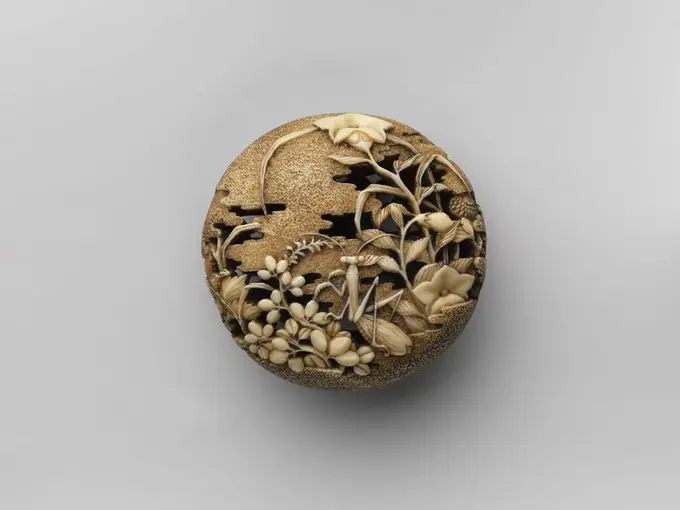
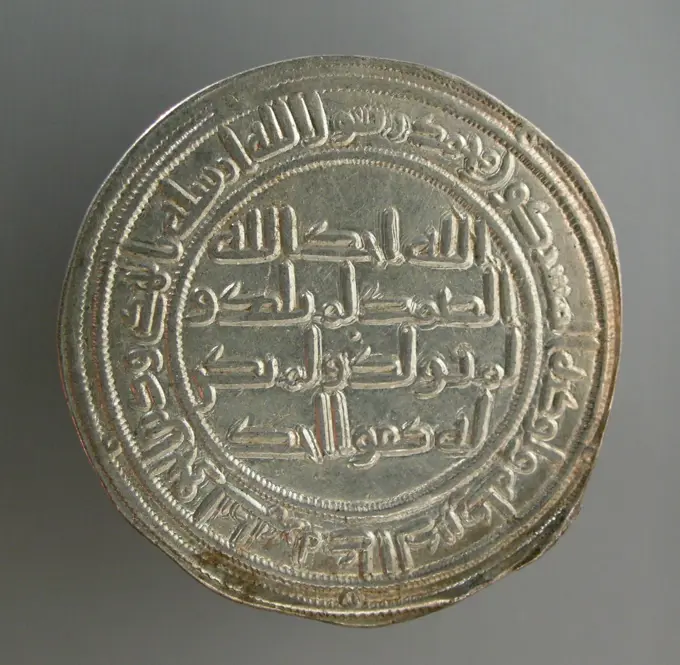
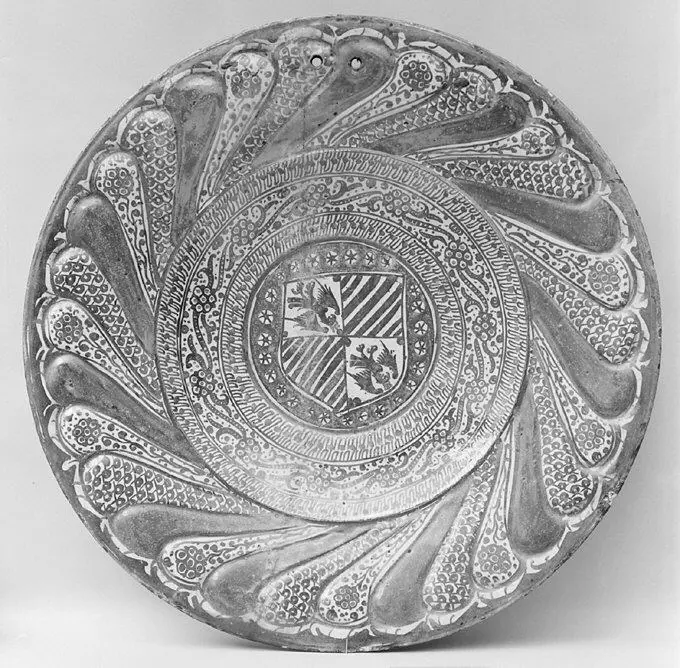
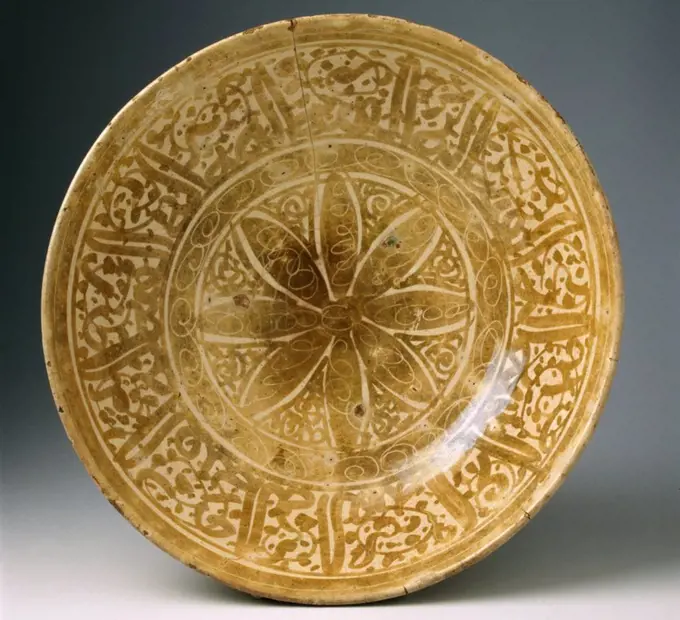
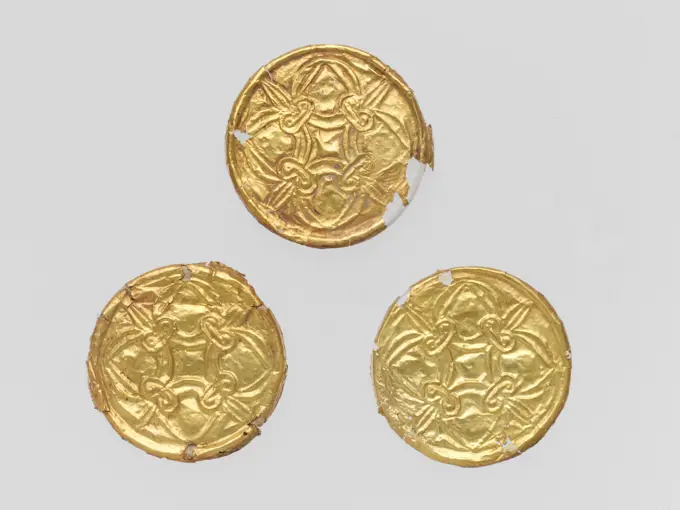
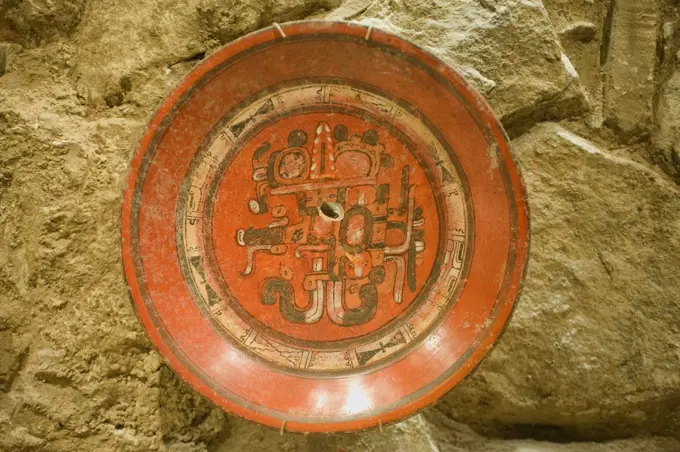
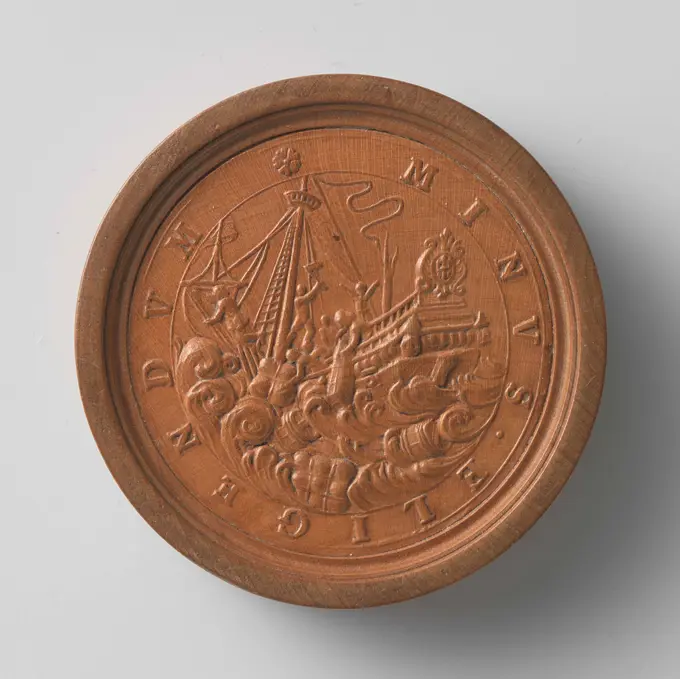
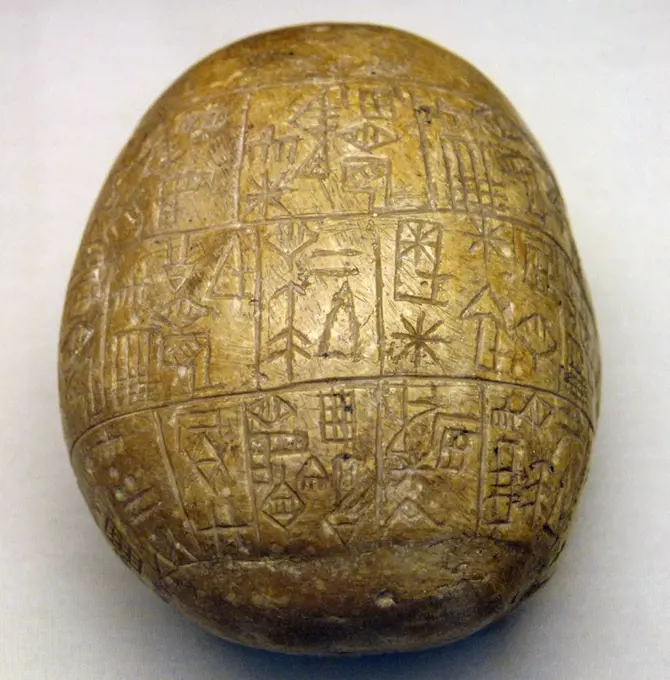
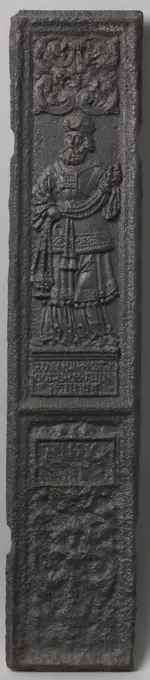
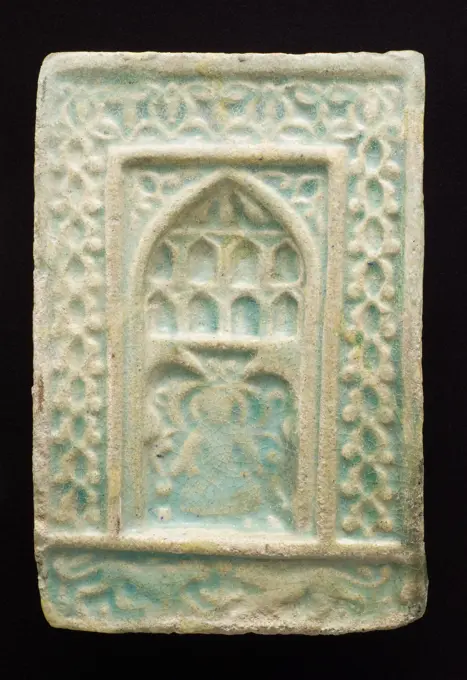
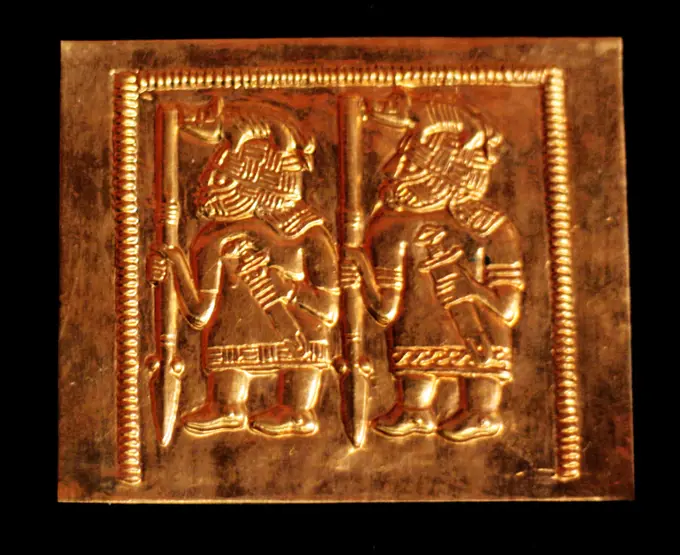
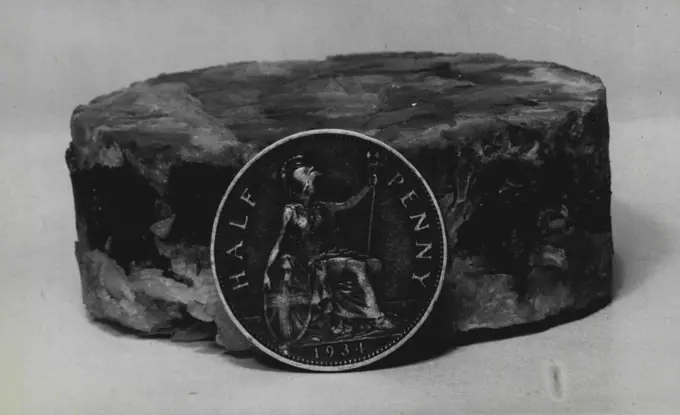
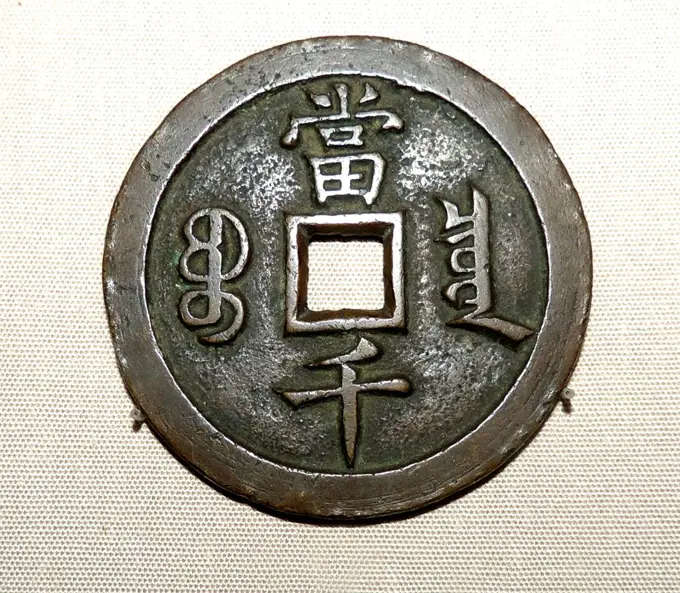
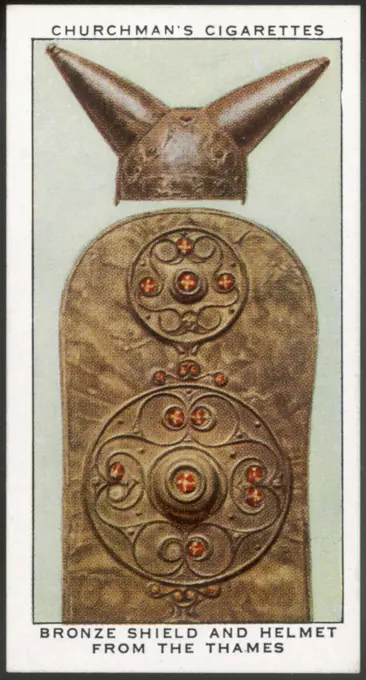
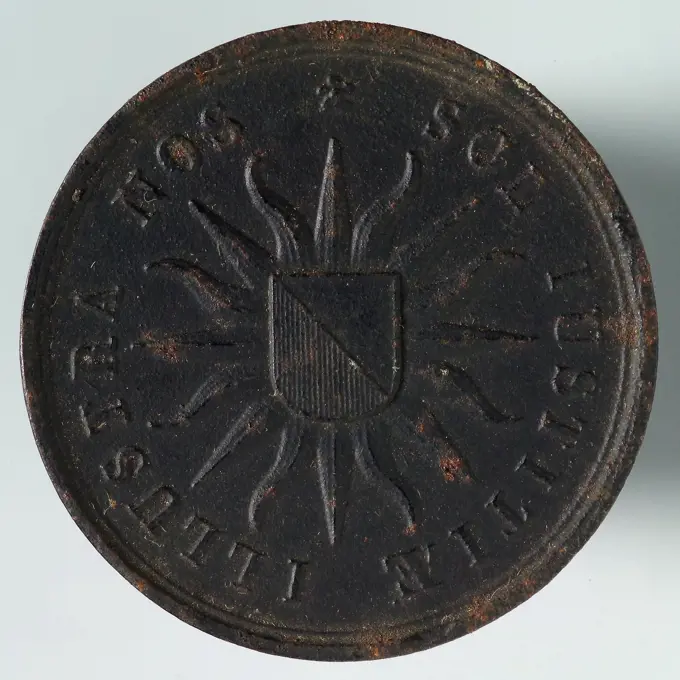
Medal awarded by curators of the Utrecht University on the - in the Ten-Day Campaign - students, penning footage iron, the sun of the Academy covered with the coat of arms of the city of Utrecht, omschrift SOL IUSTITIAE ILLUSTRA NOS (roosje) (May the Sun of Justice enlighten us) Utrecht University Ten Days Campaign Netherlands Belgium separationHardstone, hot st. Michaën, anonymous, c. 1400 - c. In 1950 Hearing stone, on which St. Michael. Richly porned edge. From fine baked earth. Southern Netherlands earthenware Hearing stone, on which St. Michael. Richly porned edge. From fine baked earth. Southern Netherlands earthenwareSquare Mirror, 5th-6th century, Unknown Japanese, 3 1/2 x 3 1/2 in. (8.89 x 8.89 cm), Bronze, Japan, 5th-6th century, The Japanese first began to caste bronze mirrors, fashioned after Chinese and Korean prototypes, during the mid-Yayoi period (400 b.c. - 250 a.d.). During the succeeding Kofun period, mirrors were produced in significant quantities and were customarily placed within the burial chambers of high-ranking individuals. While the fronts were polished to achieve a reflective surface, the backs were embellished with relief decoration organized around a central domed eyelet to accommodate a cord. It is likely that such mirrors were valued as symbolic solar disks, rather than as functional objects. This theory is given credence by the fact that the sacred imperial regalia of Japan came to consist of a mirror, a sword, and a jewel.Commemoration of June 1848 days (dummy title) Commemoration of the days of June 1848. Lead, 1848.The Snake and The Bird, Gilgal and Netiv Hagedud. From the Sultanian culture 10,000 years ago made from river pebbles and soft limestone.Vignette with ornaments. .One of a Pair of Etruscan Plates: Birds; Attributed to the Circle of the Crane Painter (Etruscan, about 600 - 575 B.C.); Caere, Etruria, Italy; 680 - 660 B.C; Terracotta; 35 × 5 cm (13 3,4 × 1 15,16 in.)Plate with a Portrait Medallion of a King. Iran, 224-651. Furnishings; Serviceware. Silver with mercury gildingBelt Plate 7th century Frankish. Belt Plate 469768False coin, bracteate, twelfth century, GermanyMirror with deities and mythical creatures 3rd-4th century China. Mirror with deities and mythical creatures. China. 3rd-4th century. Bronze. Eastern Han (25-220)-Six Dynasties (220-589). MirrorsEarthenware Bowl with White slip and Polychrome Decoration 11th century. Earthenware Bowl with White slip and Polychrome Decoration 451822Coin dated A.H. 37/ A.D. 98. Coin 457180Spindle Whorl, 700s - 900s. Iran, early Islamic period, 8th - 10th century. Bone, incised; overall: 0.3 x 2 x 2 cm (1/8 x 13/16 x 13/16 in.).Funerary Cone Pedy-Amun-neb-nesut-towy Late Period ca. 712-525 B.C. View more. Funerary Cone Pedy-Amun-neb-nesut-towy. ca. 712-525 B.C.. Pottery. Late Period. From Egypt, Upper Egypt, Thebes. Dynasty 25-26Face of Loki on a furnace stone, Snaptun, Denmark. VIKING.Roller Stamp 5th-6th century Atlantic Watershed. Roller Stamp 31306780 kreutzers - siege klippe. Johann Georg von Brandenburg (1592-1604), ruler, Strasburg (biskupstwo), issuerCopticTextileBATEA DE MADERA LACADA CON REPRESENTACIONES DE CRIOLLOS - ARTE MEXICANO - S XVIII. Location: MUSEO DE AMERICA-COLECCION. MADRID. SPAIN.Rusticware platter by Bernard Palissy, French Huguenot potter, 16th century Rusticware platter by Bernard Palissy, French Huguenot potter, 16th century Copyright: xZoonar.com/Heinz-DieterxFalkensteinx 21665231Left Side Panel of a Crupper. Culture: Probably South German or Austrian. Dimensions: H. 21 in. (54 cm); W. 29 in. (73.7 cm). Wt. 7 lb. (3,138 g). Date: ca. 1480-1500.This left side panel of a horse's rump defense is a rare survival of horse armor in the so-called Gothic style. The treatment of its surfaces is unusually complex, and the combination of ridges, particularly with "notched" sections, appears to associate this example with a South German or Austrian workshop. Museum: Metropolitan Museum of Art, New York, USA.Disk Brooch 7th century Frankish The dress of Frankish women generally consisted of a tunic, cinched by a belt from which hung an array of pendants. A wrap or cloak went over the tunic. Shoes and hosiery, fastened with buckles, covered the legs. Earrings, necklaces, and hairpins completed the ensemble.Aspects of this dress changed from the 300s to the 600s, and brooches in particular convey changes in taste. From the 300s to the 500s, pairs of small brooches, in an array of inventive shapes, held the wrap in place. By the 600s, a single large disc brooch, usually elaborately decorated, served the same function. No other piece of jewelry is more characteristic of Frankish dress than the brooch, and no other better demonstrates the virtuosity of Frankish metalworkers.. Disk Brooch 465413 Frankish, Disk Brooch, 7th century, Silver-gilt, glass, pearl, Gilded silver with filigree and glass inlays, Overall: 1 5/8 x 9/16 in. (4.1 x 1.5 cm). The Metropolitan Museum of Art, New York. Gift of JHearing stone with a representation of two flower vases, anonymous, c. 1600 - c. 1625 Hearing stone with a representation of two flower vases, placed in two oval laurel wreaths that are connected by a rosette. Southern Netherlands earthenware Hearing stone with a representation of two flower vases, placed in two oval laurel wreaths that are connected by a rosette. Southern Netherlands earthenwareKeteng Van Soerakarta, Java,, 1700 - 1800 coin Pewter mint. Front: four characters. Downside, smooth. Square hole in the middle. Soerakarta tin (metal) castingBi Disc Plaque, 2nd-3rd century, 11 x 11 in. (27.94 x 27.94 cm), Gilt bronze, China, 2nd-3rd centuryWeights Pharmacist Balance from the wreck of the East Indieschief Hollandia. Tools And Instruments, Medical, Apothecaries' Weight; Drachms and scruples; Fragm, broken corroded.Harness Ornament with Raptors and Carnivores late 5th-4th century B.C. Bulgaria. Harness Ornament with Raptors and Carnivores 60798Bowl with Stylized Bird 11th century Amul ware is named after a town in northern Iran where early collectors obtained several examples of this type of ceramic, but the actual production site is unknown. These wares are coated with a thick creamy slip that is incised to reveal the reddish body beneath, highlighted with green pigments, and then covered in a transparent glaze.. Bowl with Stylized Bird 451198Zodiac good luck coin. Quing Dynasty. 17th cent. CHINA.after:: P. van Abeele, Plaque medal on the death of Pieter Blankers at the age of 50, death certificate plaque medal penning footage silver, cast, on two crossed bones there is wreathed skull above which winged hourglass Behind two scythes At the bottom of cartouche formed by bundles of ears of corn Around the head of the head banderole swings with engraved on it: ICK - LIVE - IN - CHRISTO -, engraved on cartouche that he is ick ghewest and that ick ben sult ghij be on banderol ICK - LIVE - IN - CHRISTO -.Górny fragment węgara. warsztat nubijski, workshopThird centenary of the New York Foundation by the Dutch, 1926. Silver oval medal of the third centenary of New York Foundation by the Dutch, 1926. Front: Map of New Amsterdam (New York); downside: opposite Dutch and native man (imagination of the 'purchase' by Manhattan)Sword Guard (Tsuba) with Plovers in Waves, c. 1615-1868. Japan, possibly Edo period (1615-1868). overall: 6.4 x 5.8 cm (2 1/2 x 2 5/16 in.).Bowl second half 13th century. Bowl 452950Doudou uit Pondicherry in India van de Frense Compagnie Perpetual Indies, 1720-1837 ,, 1720 - 1837 coin Copper mint. Front: Lily. Reverse: in Tamil script in three lines Name of the coin: Pondicherry.  copper (metal) striking (metalworking)Panel 9th-10th century. Panel 448230Bowl 10th century. Bowl. 10th century. Earthenware; white slip, black slip decoration, under transparent glaze. Attributed to Iran, Nishapur. CeramicsEngraved Gem, Roman Empire; 2nd - 4th century; Serpentine, granite with feldspar, quartz, mica; 1.3 x 1.2 x 0.3 cm (1,2 x 7,16 x 1,8 in.)Campanian Black Dish; Campania, South Italy, Europe; 323 - 31 B.C; Terracotta; 2.9 x 20.1 cm (1 1,8 x 7 15,16 in.)Buckle, anonymous, -206 - 220 Spoken. China bronze (metal). gilding (material) gilding Spoken. China bronze (metal). gilding (material) gildingPunch.karl-Theodor von Dalberg (1744-1817), Archbishop of Mainz (1802), Primat Prince of the Confederation of the Rhine (1806-1814) (usual name) Anonymous. Punch. Karl-Theodor von Dalberg (1744-1817), Archbishop of Maincence (1802), Primat Prince of the Confederation of the Rhine (1806-1814). Steel (Apers).Badge of the foundry of bell coins of the Barnabites, 1791. Etain. 1791. Paris, Carnavalet museum. Medal, numismaticsTray Made for the Rasulid Sultan al-Mu'ayyad Da'ud ibn Yusuf. Dimensions: H. 1 1/8 in. (2.9 cm) Diam. 28 in. (71.10 cm). Date: early 14th century.A sultan from Yemen commissioned this tray, which includes his name and titles in a large band surrounding a central medallion with the twelve signs of the zodiac and personifications of the seven planets of medieval belief (the sun, the moon, Mars, Jupiter, Mercury, Saturn, and Venus). Museum: Metropolitan Museum of Art, New York, USA.Belt Buckle. Culture: North China. Dimensions: H. 2 1/4 in. (5.7 cm); W. 1 1/2 in. (3.8 cm). Date: 3rd-2nd century B.C.. Museum: Metropolitan Museum of Art, New York, USA.Plaque, Thutmose III ca. 1479-1425 B.C. New Kingdom. Plaque, Thutmose III. ca. 1479-1425 B.C.. Faience. New Kingdom. From Egypt. Dynasty 18Bracelet 18th century () Yoruba peoples, Ijebu group. Bracelet 316607Antoine Bovy (1795-1877). Medal. Franz Liszt. Metal, bronze. Museum of Fine Arts of the City of Paris, Petit Palais. 58755-12 Avers, bronze, Hungarian composer, medal, metal, inventory number, numismatics, pianist, profile, portraitSword Guard (Tsuba) with Dragons and Lotus, c. 1615-1868. Japan, possibly Edo period (1615-1868). Iron; diameter: 7.2 cm (2 13/16 in.).Halo, 1200s. Tibet, 13th century. Bronze; with tang: 27.5 x 23.6 cm (10 13/16 x 9 5/16 in.).Gold and enamel pendant with Mistress of Animals. Culture: Greek. Dimensions: 1 1/2 x 13/16 x 1/16 in. (3.8 x 2.1 x 0.2 cm). Date: 7th century B.C..Greek gold pendant with repousse decoration showing a Potnia Theron; traces of enamel. Museum: Metropolitan Museum of Art, New York, USA.Sie Walter Raleigh's Seal as Warden of the Stannaries of Devon and Cornwall, 1585, and Governor of Jersey, 1600. Black and White Illustration from the Connoisseur, an Illustrated Magazine for Collectors Voll 3 (May-Aug 1902) published in London.Disk. Western Iran, circa 1000-600 B.C.. Sculpture. Bronze, hammeredTextile Fragment, 9 1/2 x 3 3/4 in. (24.13 x 9.53 cm) (fragment)10 1/2 x 4 9/16 in. (26.67 x 11.59 cm) (mount), Linen (), wool (), EgyptPektorał ze skarabeuszem sercowym. unknown, authorEngraved Gem and Ring. UnknownReliquary with Contents ca. 1st-3rd century Pakistan (ancient region of Gandhara). Reliquary with Contents 38116Snow Crystals, 1912 - 1926, by James McDonald.Witiza trient, 1st century, gold coinage, Foradada cave, Paules de Sarsa, Visigothic period, Huesca museum, Aragon community, Spain.John II Kazimierz (1649-1668), Dukat Elbląg, Elbląg; 1661 Mint of Elbl G, Jan KazimierzCoin dated A.H. 185/ A.D. 801. Coin 457584NUMISMATICA. MONEDA HISPANO-ARABE. DIRHAM DE PLATA, DE ABD-AL-RAHMAN. REVERSO. 162 HEGIRA/779 D.C. (DEPOSITO: MUSEO ARQUEOLOGICO NACIONAL).Anti-religious medal of Lyon Anonymous. Anti-religious medal of Lyon. Bronze. 1793.Bowl 10th century This object was excavated at Nishapur.Nishapur was a vital city in the early and middle Islamic periods, located along one of the main trajectories that connected Iran and West Asia Islamic lands with Central Asia and China. These itineraries are often referred to by the term Silk routes’ but were in fact crucial to the movement of constellations of materials and objects, as well as people and ideas. The diverse population of Nishapur and its surroundings, from the better-researched elite groups of merchants, land-owning aristocracy, and literates, to the less-known artisans, farmers, miners, and servants, were instrumental in adapting global cultural trends to create their own distinctive visual languages. This is seen in the material remains of everyday life in medieval Nishapur - from pots and pans to lighting devices, inkwells, textiles and trimmings, jewelry, games and toys, talismanic devices, weapons, coins, and architectural fragments.Nishapur lost its politiCharger with Moorish Lancer. Italy, Deruta, circa 1535. Furnishings; Serviceware. Tin-glazed earthenware (maiolica)Facing brick with year 1617. ,, 1671  Cartouche with volutes and rolling work, in which the year 1671. Netherlands (possibly) .Flowers and Grasses with a Praying-Mantis. Artist: Attributed to Ryusa (Japanese, active late 18th century). Culture: Japan. Dimensions: H. 7/8 in. (2.2 cm); Diam. 2 1/8 in. (5.4 cm). Date: late 18th century.The superb high relief carving and mist-like stippled surface of the ivory piece may be the work of Ryusa himself, after whom this type of openwork manju-shaped netsuke is named. Museum: Metropolitan Museum of Art, New York, USA.Dirham. Iraq, Wasit, 99 A.H.; 717. Tools and Equipment; coins. SilverDish first half 16th century Spanish, Valencia Tin-glazed earthenware, of which lusterware is one type, was developed in the Middle East in the ninth and tenth centuries to imitate the porcelains produced in China. The opaque white glaze concealed the clay body, which could range from pale buff to brick red, allowing for brilliant effects created by painting the white surface with metal oxides that fired to a range of colors. This technique, as well as the use of metallic lusteran iridescent, coppery painted glazespread throughout the Muslim world, arriving among the potters of Valencia in the thirteenth century. The so-called Hispano-Moresque lusterware, with its fusion of Islamic and Gothic styles and motifs, often in shaped imitating those of metal vessels, was treasured by the elite in Spain during the fifteenth century and exported to the courts of Europe. The Valencian industry declined in the late sixteenth century, as colorful Italian Renaissance maiolica gained in popularityMedal of Louis Philippe and MarieAmelie. Artist: Albert-Désiré Barre, French, 1818-1878Textile Fragment 5th century. Textile Fragment 443940ATAIFOR. Nº INV. 13505. DIAMETRO 23,2 CM. MUSULMAN. (EXPOSICION :ARTE ISLAMICO ESPAÑOL)(DEPOSITO: MUSEO DE MALLORCA).Marble cinerary chest. Culture: Roman. Dimensions: Overall: 6 1/2 x 8 7/8 x 6 1/2 in. (16.5 x 22.5 x 16.5 cm). Date: 1st century A.D..The Latin inscription was copied from a Roman funerary plaque and added to this chest during the 17th century. As such it bears witness to the growing awareness of and interest in epigraphy among scholars and collectors in Renaissance Italy. Until the cataloguing of ancient inscriptions began to be systematic and comprehensive in the early 19th century it was quite common for antiquities to be enhanced by the addition of false inscriptions. Indeed, examples of epigraphic forgeries are known even today. Museum: Metropolitan Museum of Art, New York, USA.Wierick Somers I / 'Fable of Cupid and Psyche (Silver tray)'. Ca. 1629. Silver. Museum: Museo del Prado, Madrid, España.NUMISMATICA. MONEDA MODERNA. UN TARI O REAL DE PLATA, DE CARLOS I. REVERSO. AGUILA BICEFALA SOSTENIENDO LAS ARMAS IMPERIALES. (DEPOSITO: MUSEO ARQUEOLOGICO NACIONAL).Gold roundel ca. 1600-1050 B.C. Cypriot Made of hammered sheet metal, these gold roundels would have adorned a cloth or garment, probably a funerary shroud. Similar examples have been found in the Royal Shaft Graves at Mycenae and in Mycenaean tombs on the island of Rhodes.. Gold roundel. Cypriot. ca. 1600-1050 B.C.. Gold. Gold and SilverGuatemala, Highlands, Antigua, Casa Santo Domingo, Museums Promenade, Archeology Museum, Mayan PotteryPlastic with the figure of St. StefanHardplaat with the city coat of arms of Amsterdam, Anonymous, 1600 - 1700 Cast iron fireplace, with semicircular top. In the middle is the crowned coat of arms of the city of Amsterdam, with festons on either side with musical instruments. The scene is framed by a pearl edge and a ribbed outer edge. The whole is crowned with three shell motifs, with a climbing dolphin on either side. Germany iron (metal) casting  Amsterdam Cast iron fireplace, with semicircular top. In the middle is the crowned coat of arms of the city of Amsterdam, with festons on either side with musical instruments. The scene is framed by a pearl edge and a ribbed outer edge. The whole is crowned with three shell motifs, with a climbing dolphin on either side. Germany iron (metal) casting  AmsterdamSeal of Richard I- Second Seal. 1198. ENGLAND.Purse Made 1801-1900 France. Cotton, cut velvet weave with pressed design .Textile Fragment 3rd-4th century. Textile Fragment 443378Plaque. Ordos. IIie MILLENEARY AV. J.-c. Paris, Museum Causori. 35177-6 Hetao, riding Mongolia, ordos, prehistory, prehistoric, plaqueDish late 15th-early 16th century Spanish. Dish. Spanish. late 15th-early 16th century. Tin-glazed earthenware. Made in probably Manises, Valencia, Spain. CeramicsCatharina-Gasthuis van Leiden, poor medal worth a resort, Anonymous, 1573  Copper medal. Front: crowned wheel. Reverse: coat of arms under the year within Kovernschrift. Leiden copper (metal) striking (metalworking)  LeidenDam disk with a performance; Dam disk. Inscription 'Incidit.in.scyllam. On the back 'minys.eliging'. Image of a ship in need and a mermaid attacked by dogs.Textile Fragment 6th century Coptic. Textile Fragment 475261Mesopotamia. Early Dynastic Period III. Votive pebble with inscription. Eanmtum I King. 2424-2405 BC. From Girsu. British Museum. London. England. United Kingdom.Stove plate with Aaron, Anonymous, c. 1575 - c. 1600 Stove plate made of cast iron, divided into two zones. The upper zone has a representation of a richly dressed Aaron, standing on a pedestal with inscription. Above his head is a four -pass -shaped ornament. The lower zone has a rectangular cartouche with inscription at the top, with decoration below. Both inscription and decoration are sled and therefore not readable. Germany iron (metal) casting Stove plate made of cast iron, divided into two zones. The upper zone has a representation of a richly dressed Aaron, standing on a pedestal with inscription. Above his head is a four -pass -shaped ornament. The lower zone has a rectangular cartouche with inscription at the top, with decoration below. Both inscription and decoration are sled and therefore not readable. Germany iron (metal) castingTile. Iran or Turkey, second half of 13th to 14th century. Ceramics. Fritware, molded, and glazedDiadem 5th-10th century Middle Magdalena River. Diadem 317798Belt Plaque. UnknownSELLO DE CERA DE AGUILAR DE CODES. Location: MUSEO DE NAVARRA. Pamplona. NAVARRA. SPAIN.gold foils from the Staffordshire Hoard. Anglo-Saxon Art, from the 4th to the 7th Centuryseal of the Superintendent of the Ukrainian Province. Superintendent Prowincji Ukraińskiej, signatoryScarab Finger Ring. Dimensions: Scarab: L. 0.8 cm (5/16 in.); W. 0.5 cm (3/16 in.); H. 0.4 cm (3/16 in.). Dynasty: Dynasty 18, early. Reign: reign of Thutmose I-early sole Thutmose III. Date: ca. 1504-1447 B.C..This scarab, strung on piece of twisted linen cord, was found tied to the left hand of a boy, aged nine or ten. The child had been buried in the family tomb of Neferkhawet. The device carved on the base of the scarab includes lotus buds and flowers. Museum: Metropolitan Museum of Art, New York, USA.Great Britain - Economy - Currency. January 31, 1943.Purse 18th century French. Purse 105013Bronze Dayuan coin, worth 10 standard coins. Yuan dynasty, issued 1308. The inscription is in a script which transliterates the Chinese.Originally used for ceremonialpurposes, this shield wasfound in the River Thames in1857. The horned bronze helmet(found near Waterloo) hassimilar red enamel bosses. Date: circa 3rd century BC