Historical Korean Artifacts

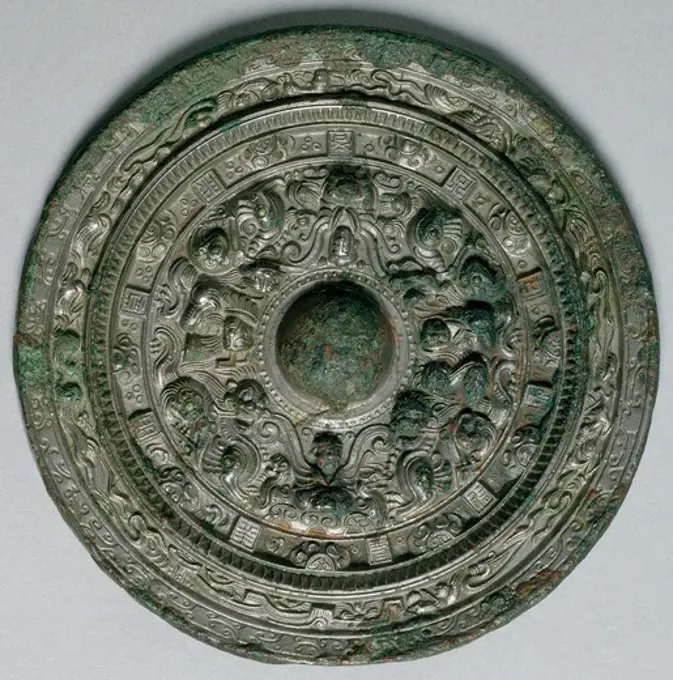
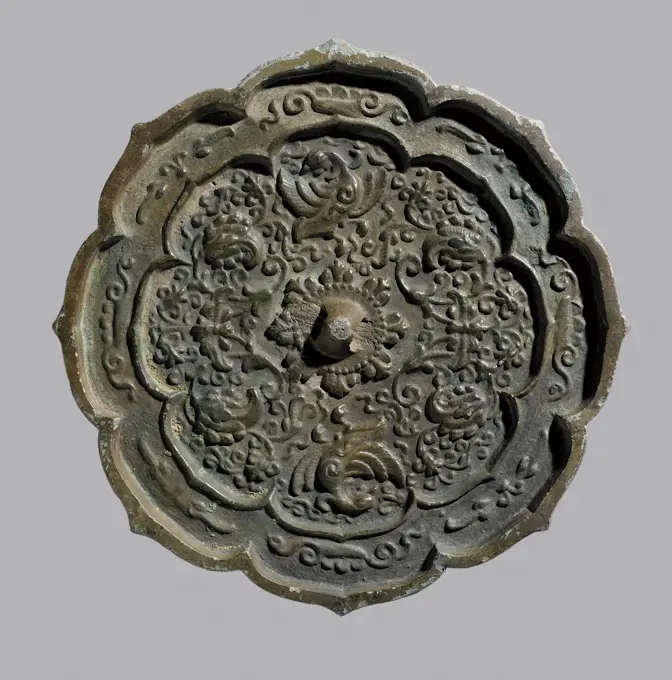
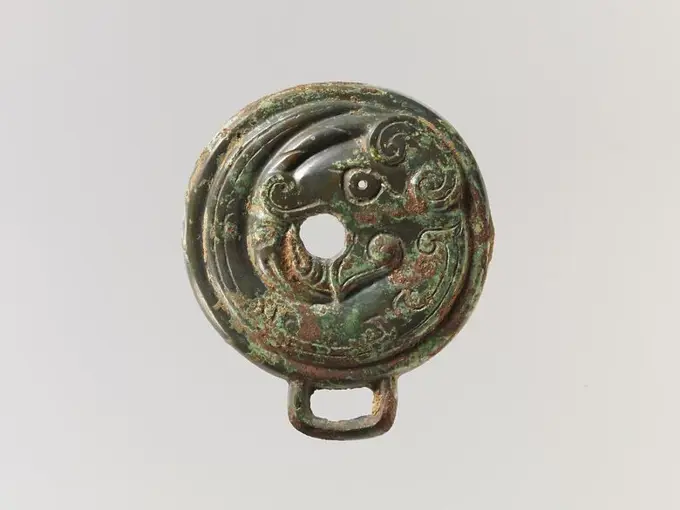
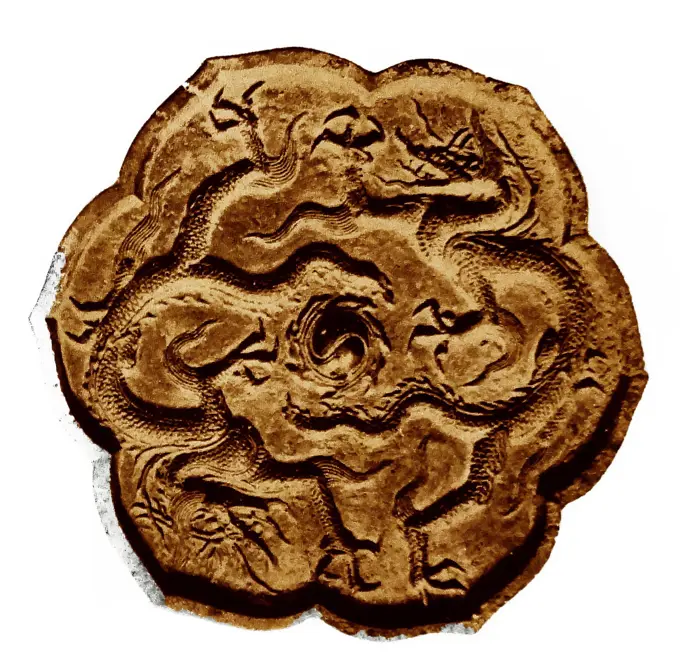
Depicts ancient mirrors and artifacts from Korea, including intricate designs and motifs from the Goryeo period and the Eastern Han dynasty.
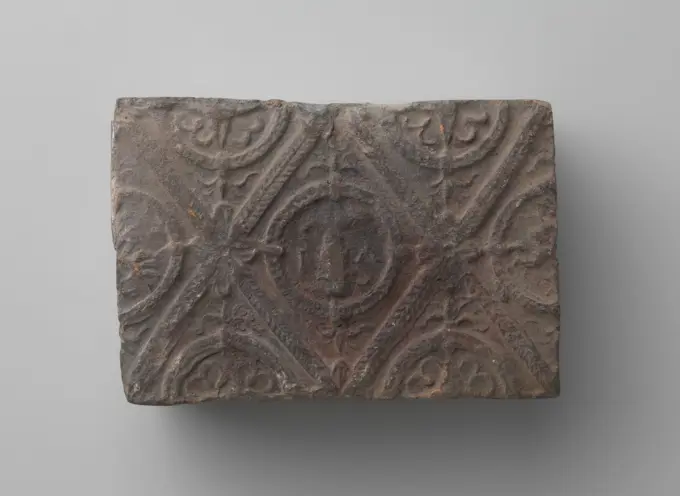
Hearing stone with men's head and the letters V i in Lauwerkrans, c. 1575 - c. 1625 Hearing stone with men's head and the letters V i in Lauwerkrans, placed in profiled window. A double -headed eagle in the half windows on the sides. The half windows on the top and bottom are filled with half medallions with star motif. Southern Netherlands earthenware Hearing stone with men's head and the letters V i in Lauwerkrans, placed in profiled window. A double -headed eagle in the half windows on the sides. The half windows on the top and bottom are filled with half medallions with star motif. Southern Netherlands earthenware
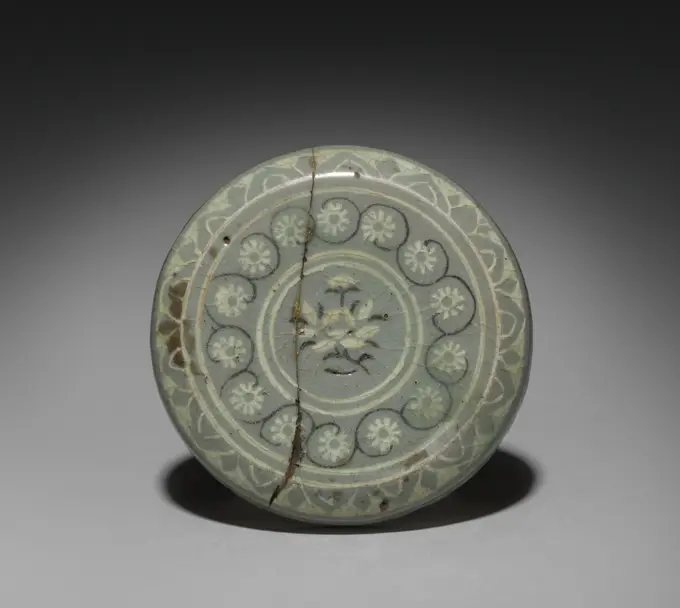
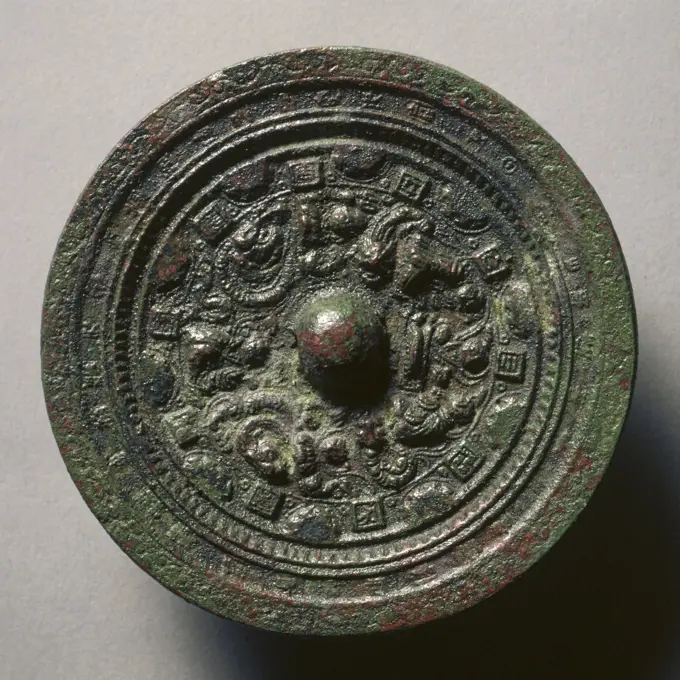
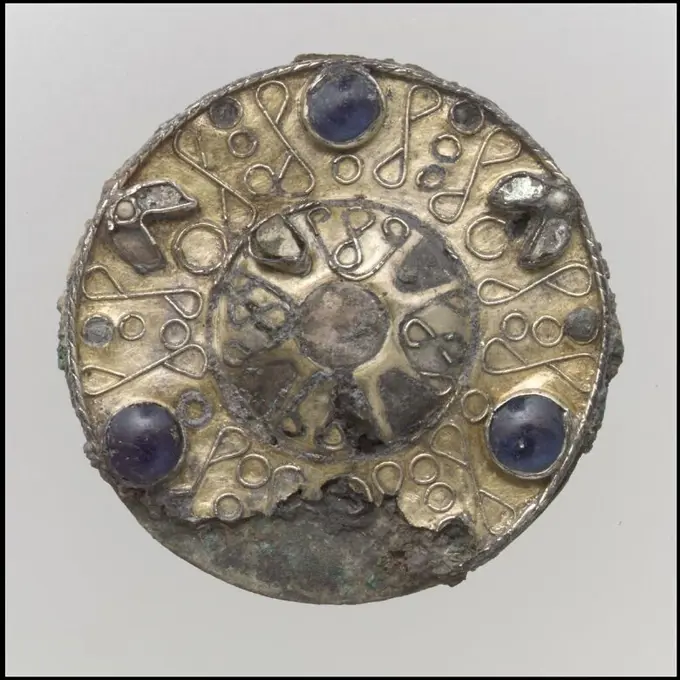
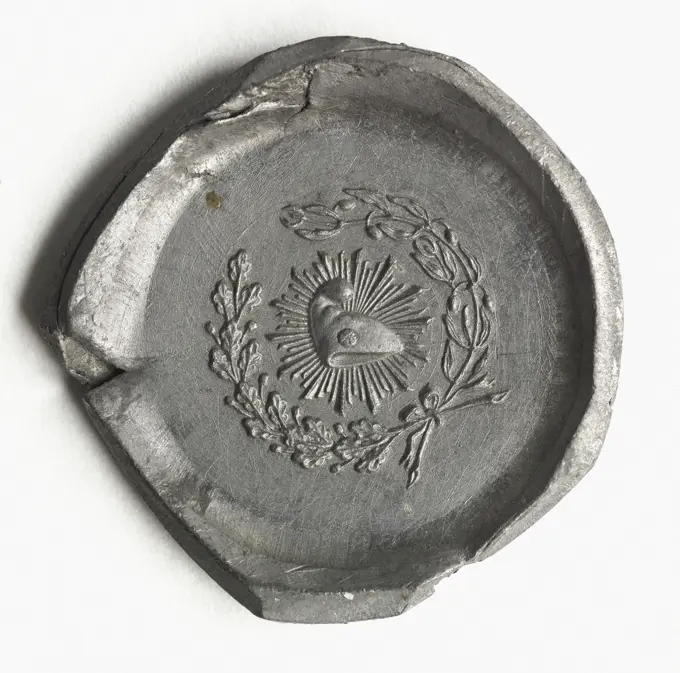
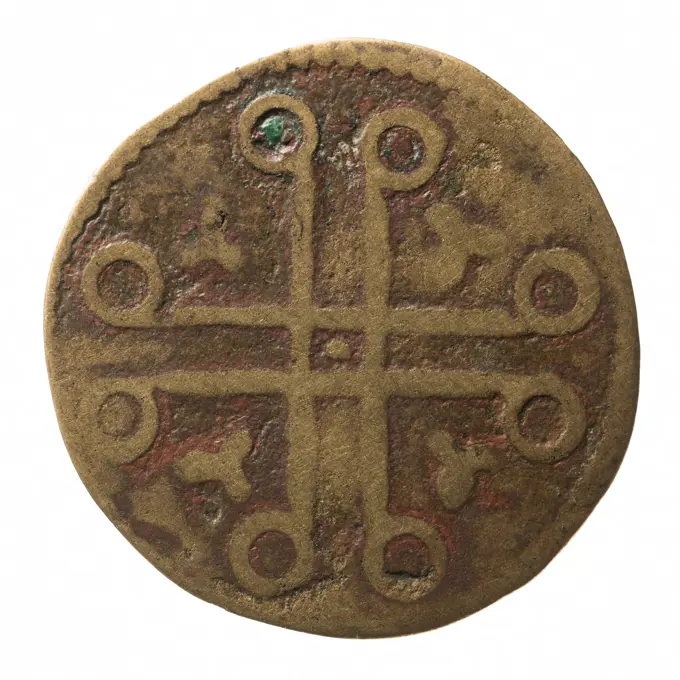
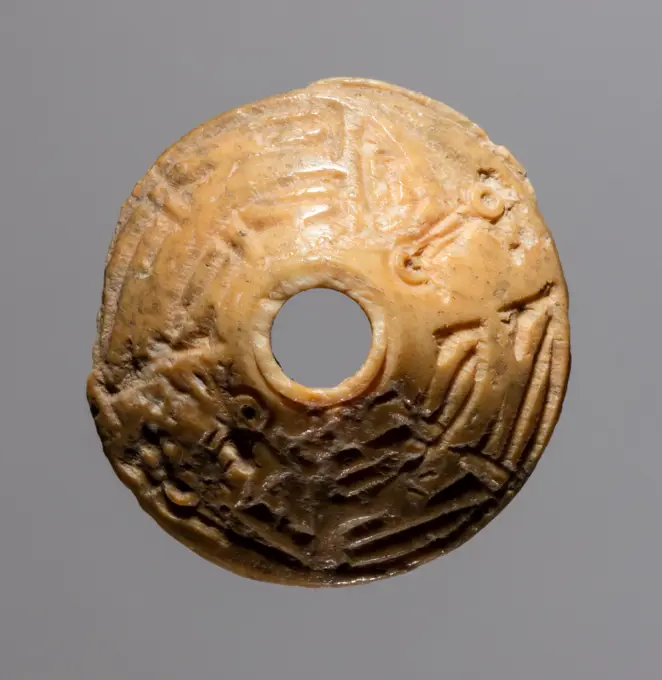
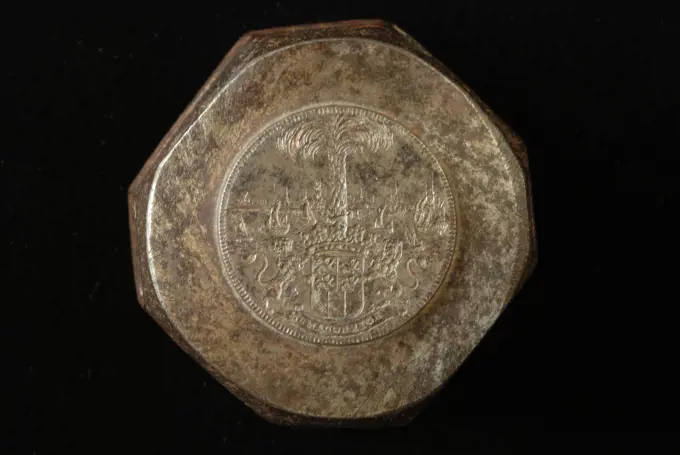
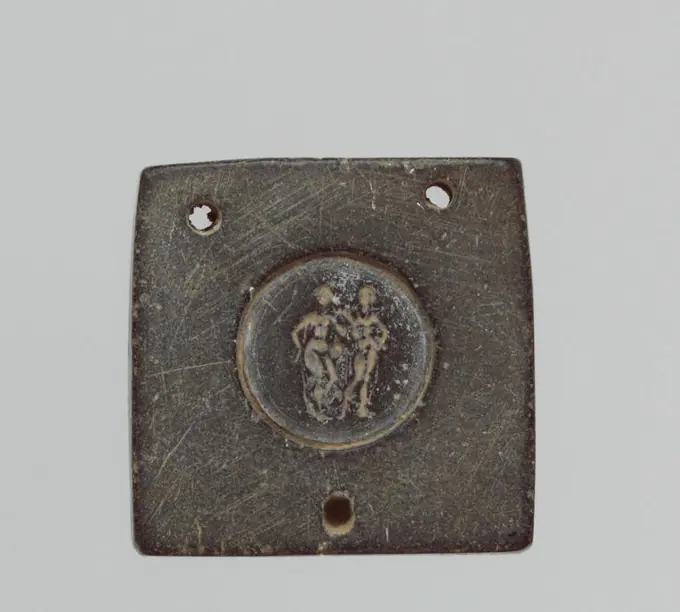
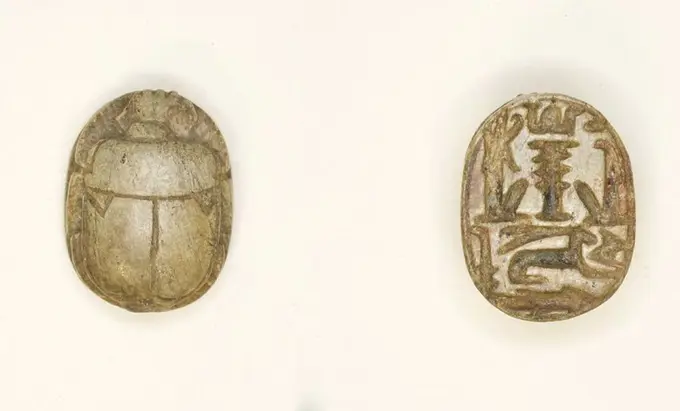
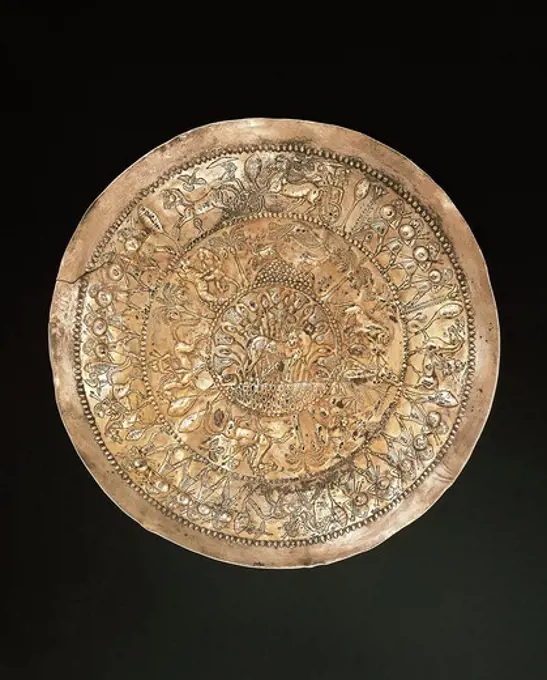
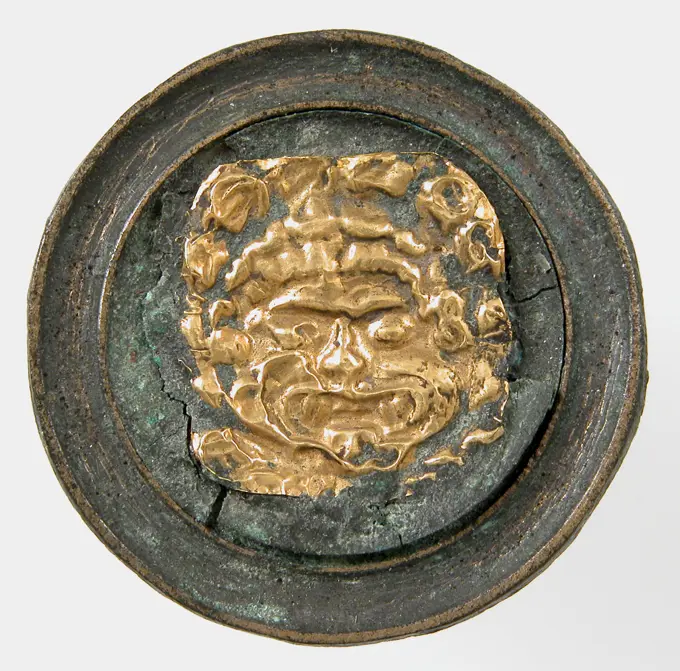
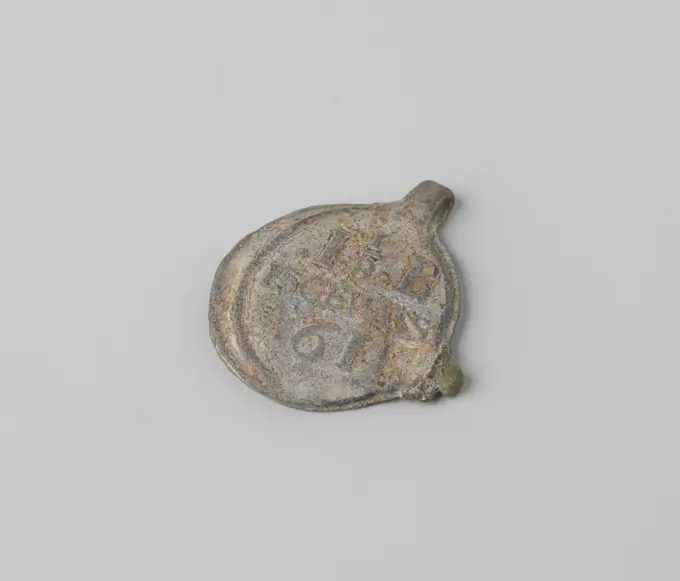
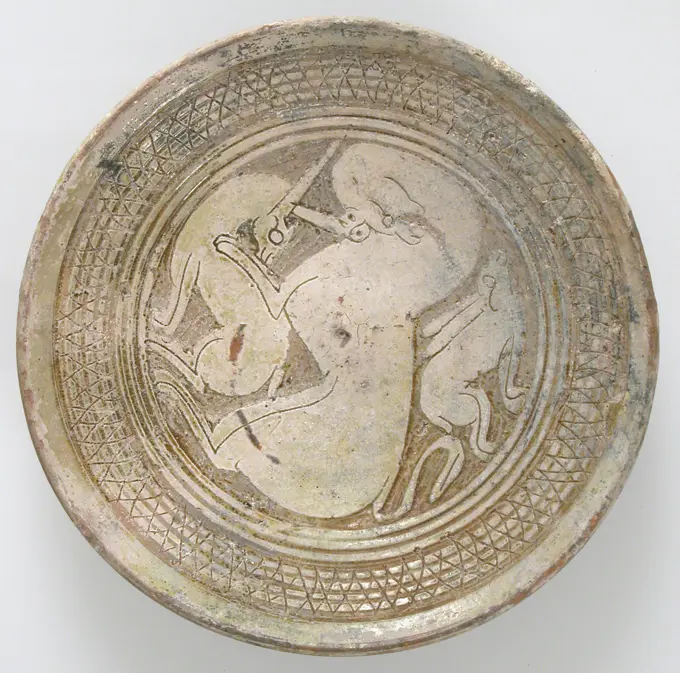
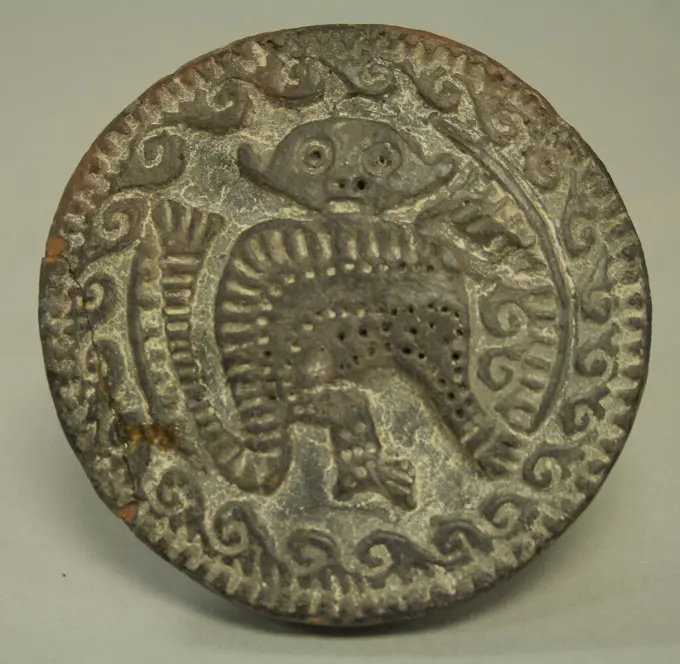
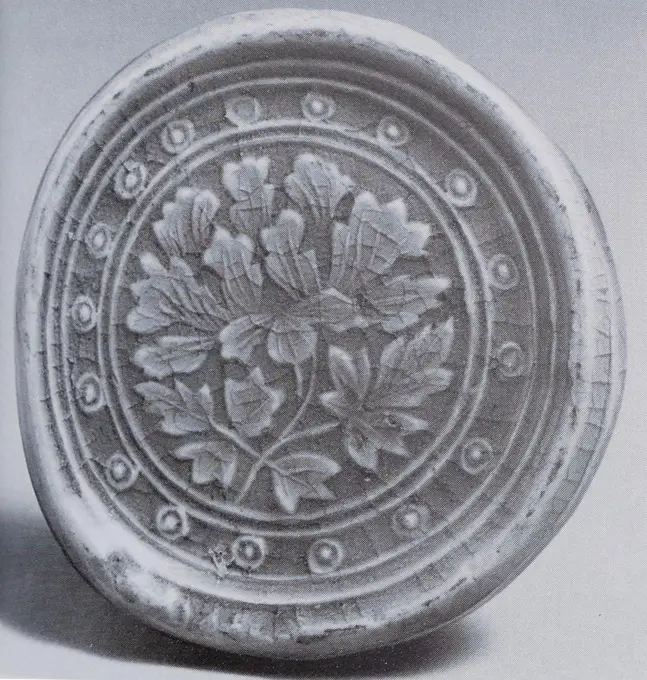
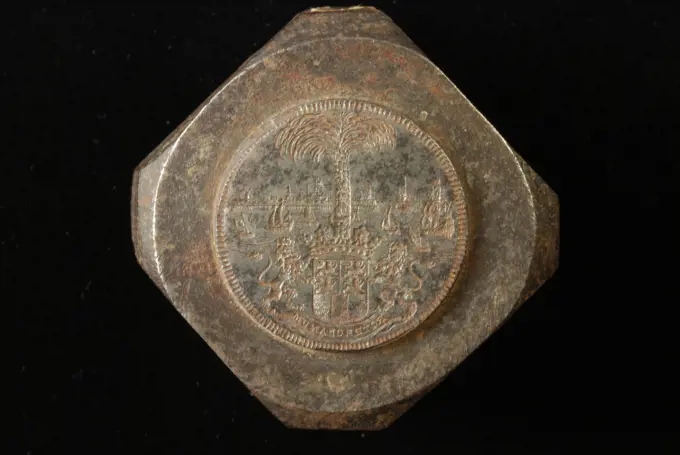
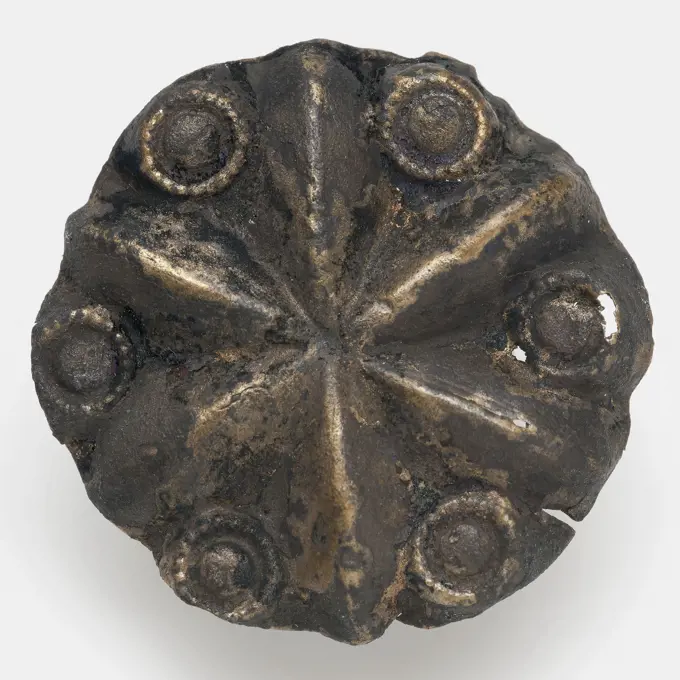
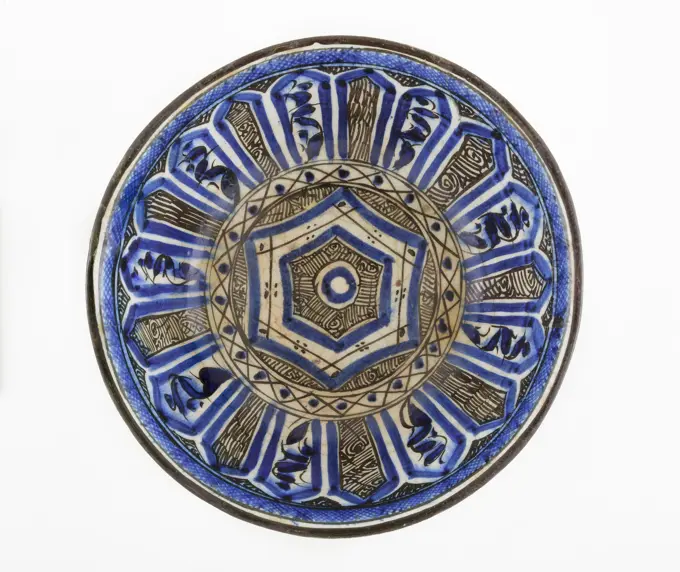
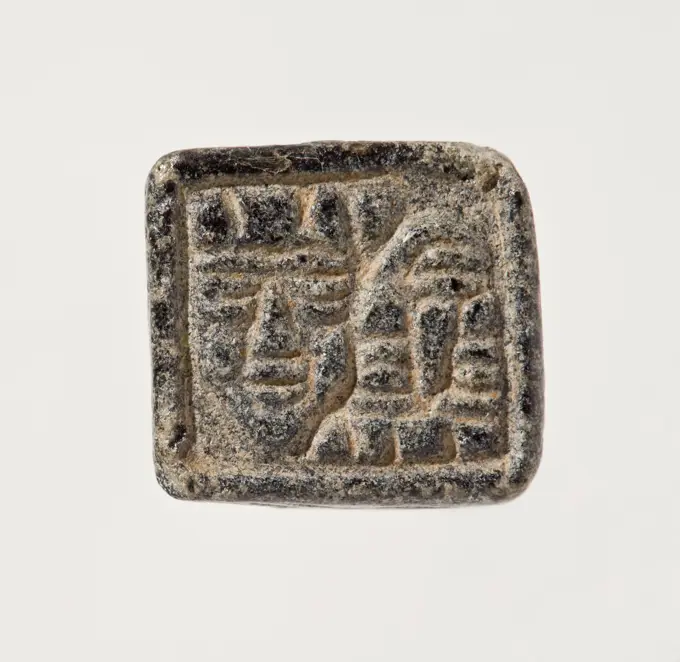
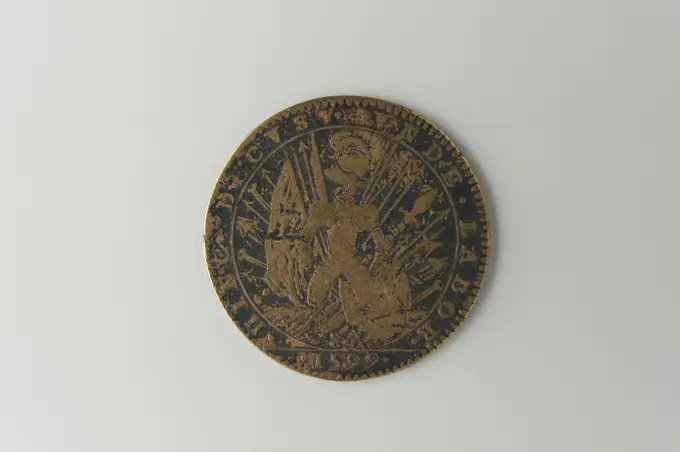
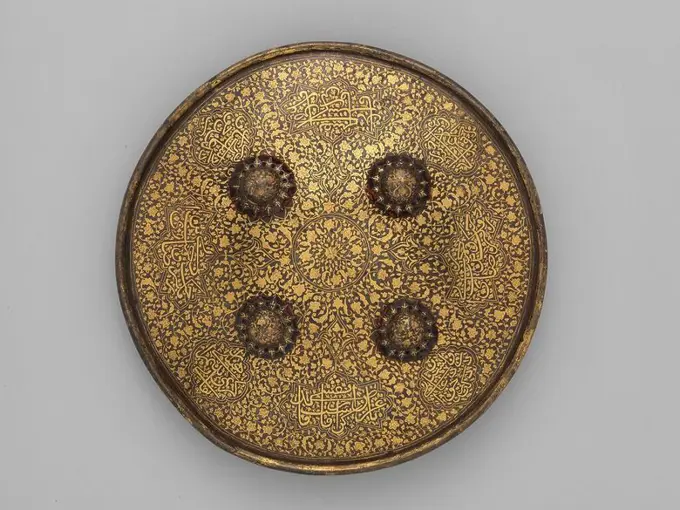
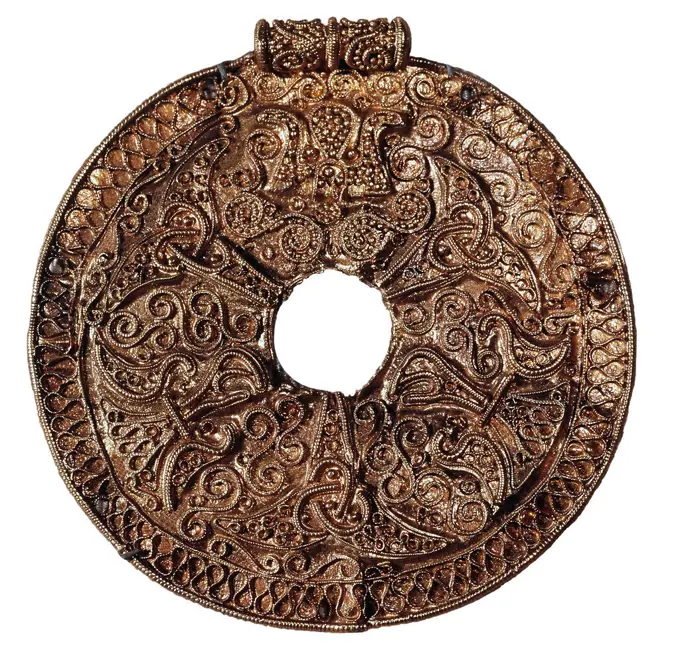
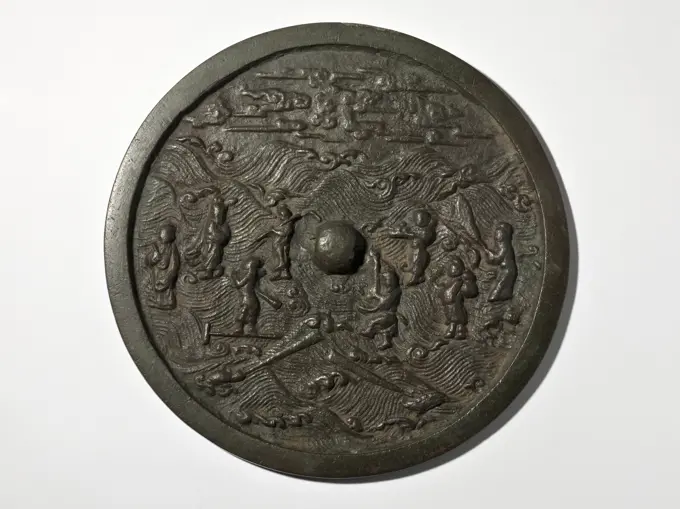
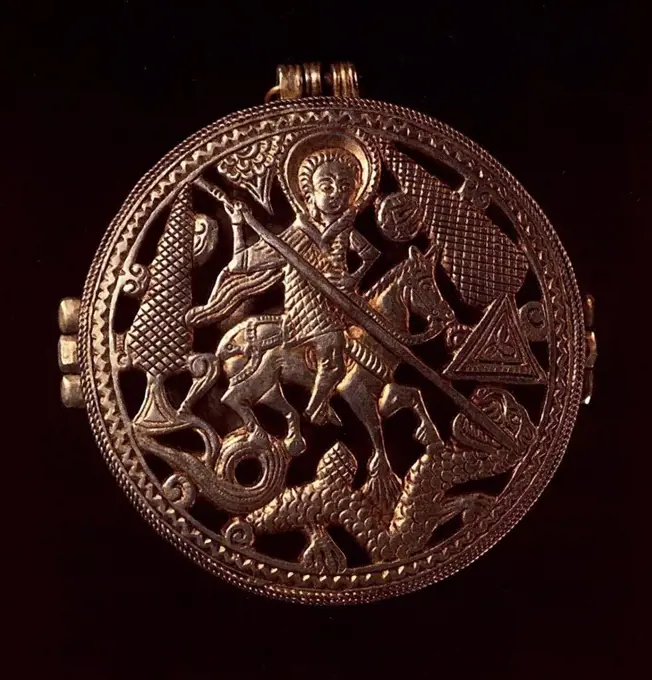
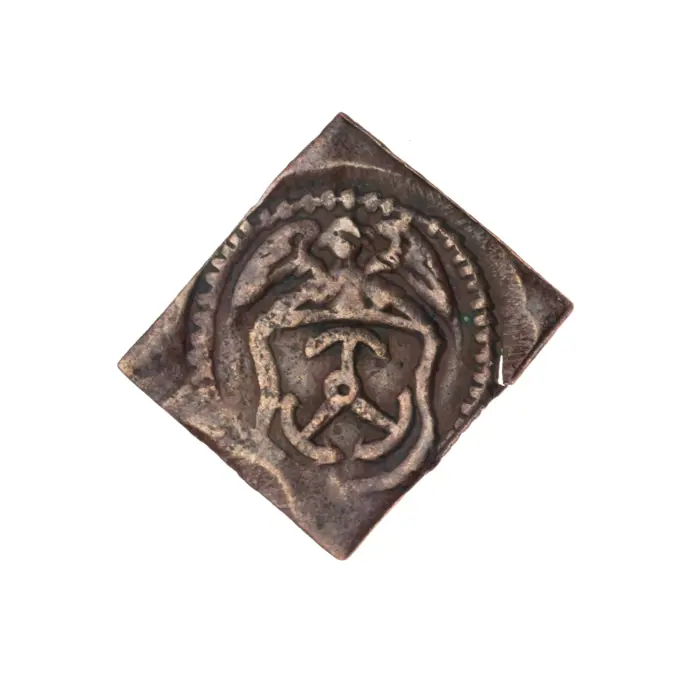
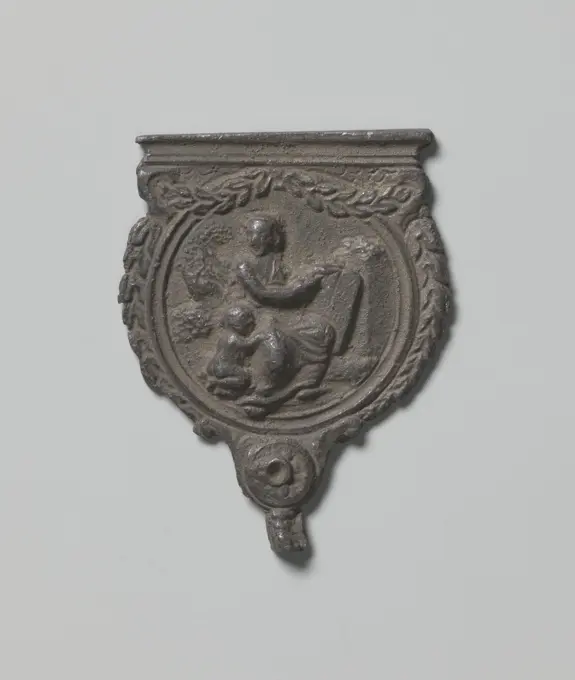
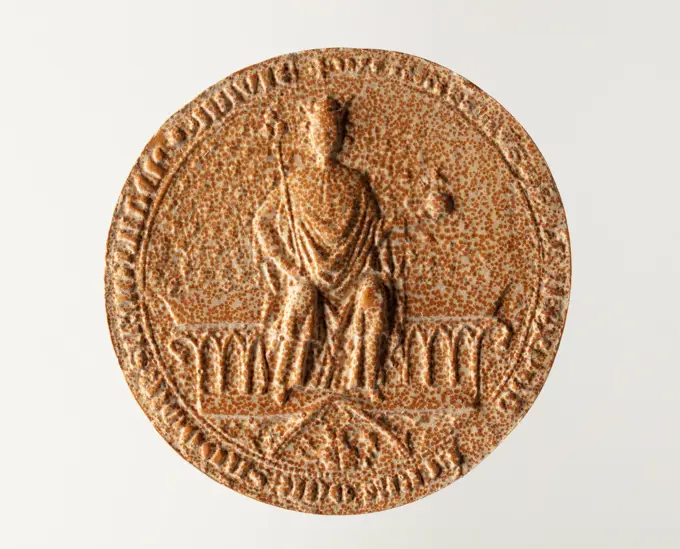
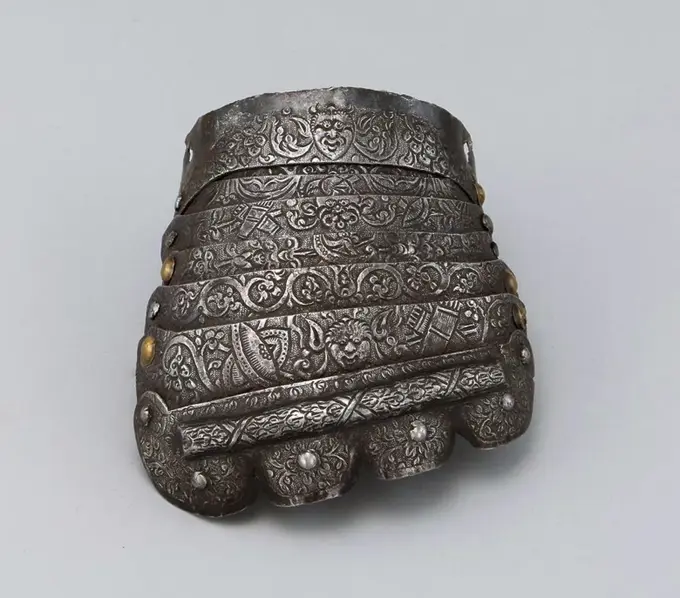
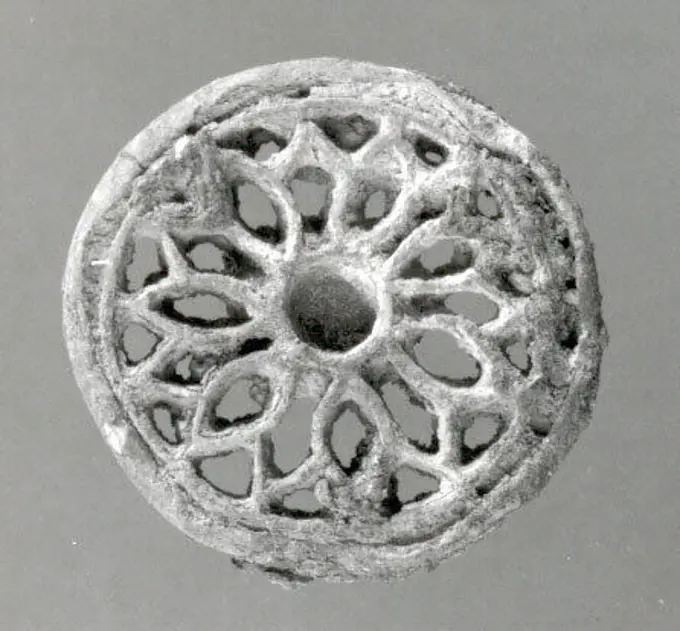
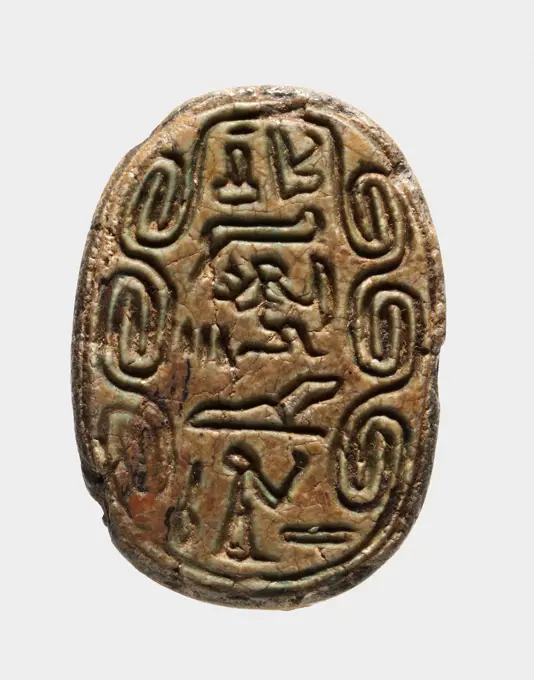
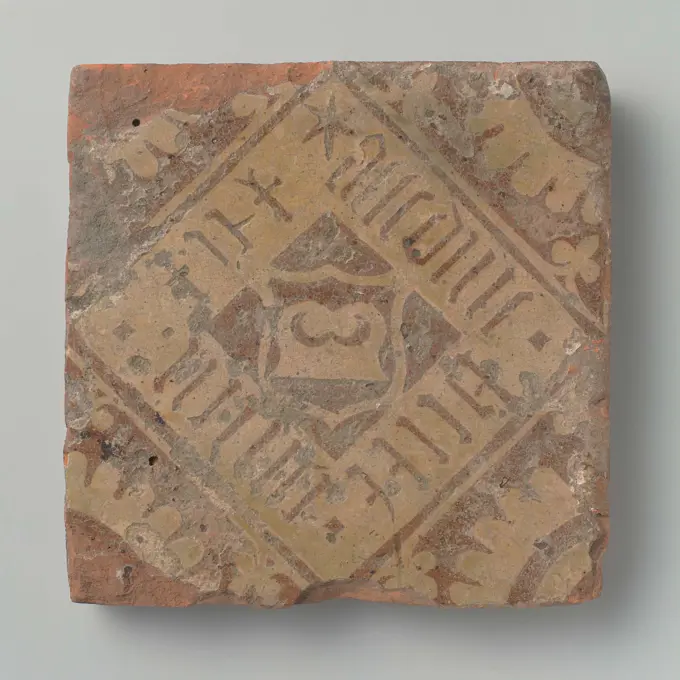
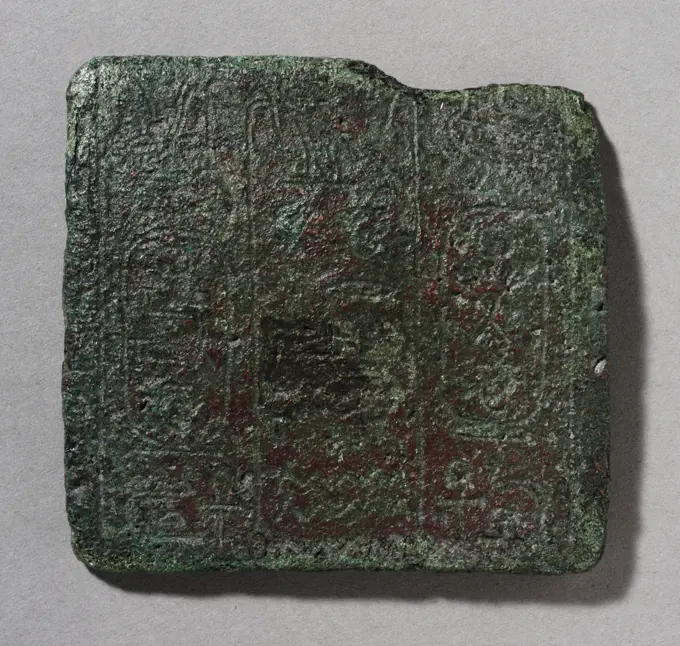
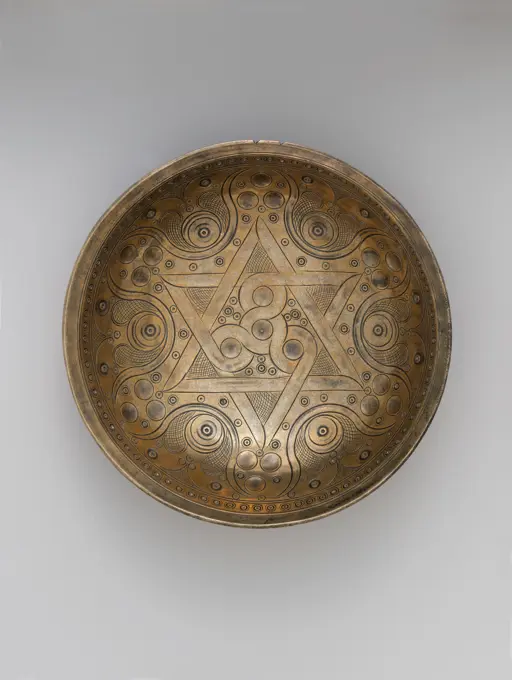
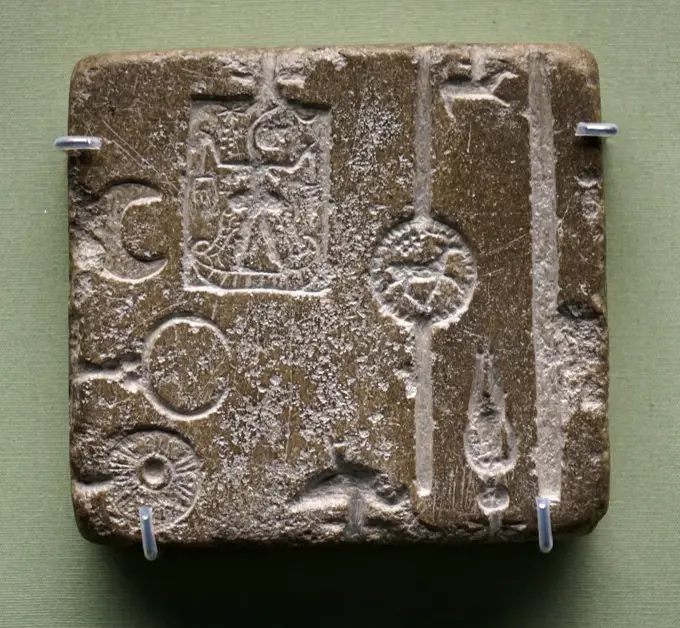
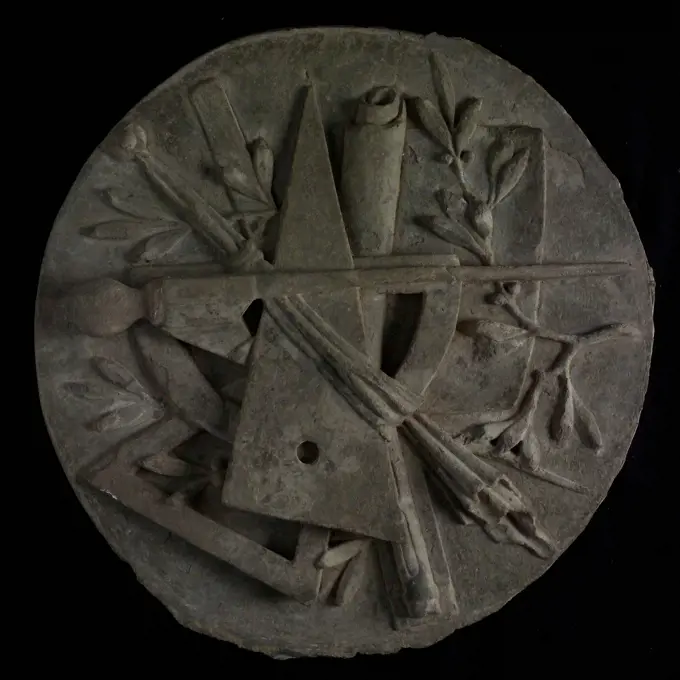
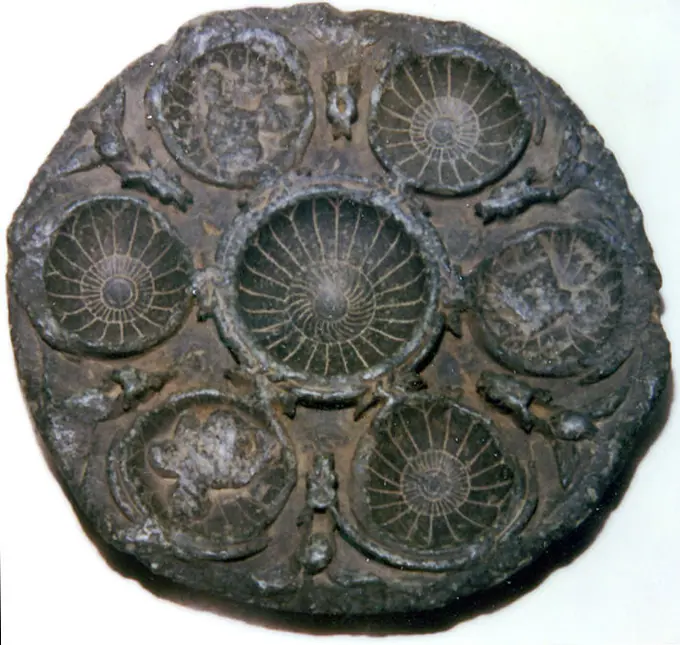
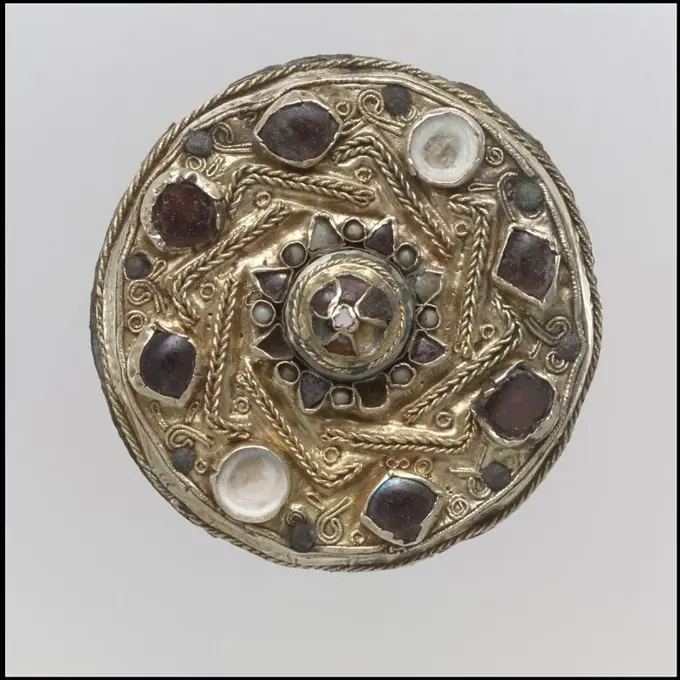
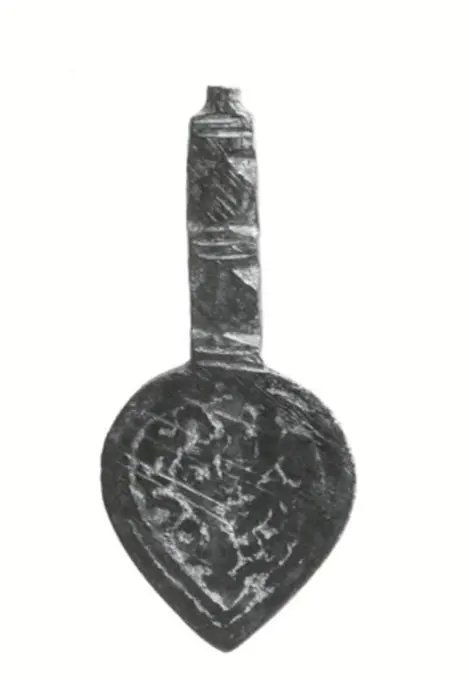
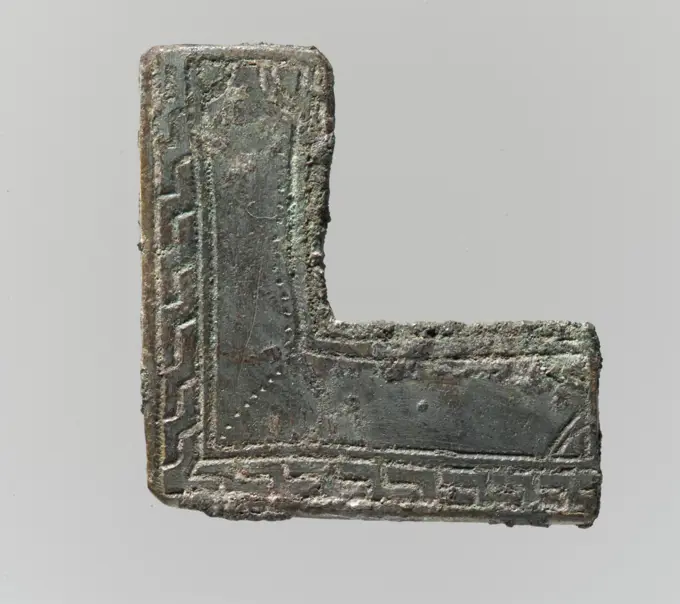
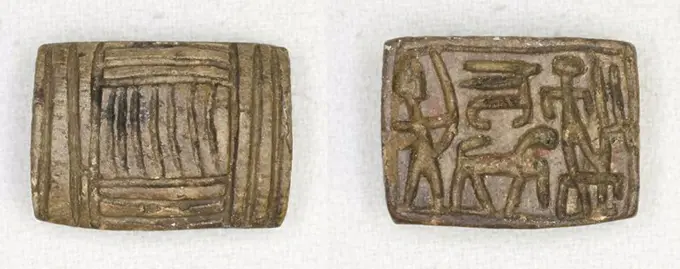
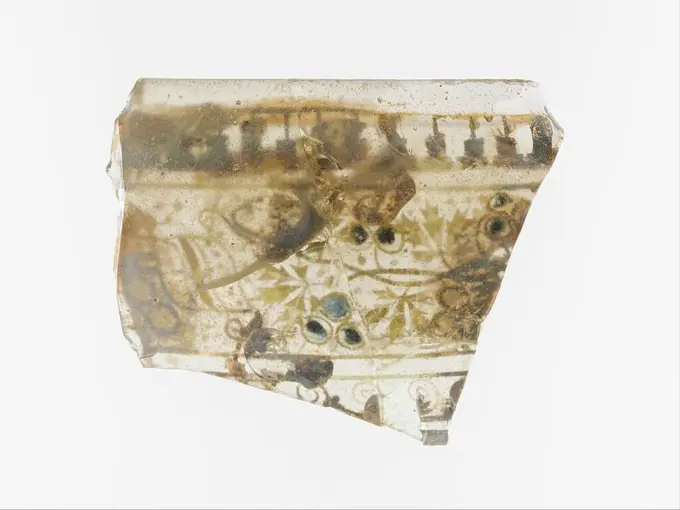
Mirror decorated with a ship in a stormy sea Korea. Mirror decorated with a ship in a stormy sea 57479Cover with Chrysanthemum and Scroll Design, 918-1392. Korea, Goryeo period (918-1392). Inlaid celadon ware; diameter: 8.3 cm (3 1/4 in.); overall: 2.6 cm (1 in.). Celadons, spoons, seals, and bronze mirrors were the most common burial objects in tombs during the Goryeo period (918-1392). Once used to contain colored powder, rouge, and eyebrow gel for makeup, this small container was one of the standard goods that furnished elites' tombs. Both women and men used the grain powder of rice or millet for whitening their skin, safflower extract for rouge, and plant ash or soot for eyebrow gel. Yet, natural-looking makeup seems to have been the most favorable one in Korea according to the travelogue by Xu Jing (1091-1153), the Chinese diplomat who visited Korea in 1123.Carnavalet museum, medal collectionMirror with Deities and Animals Surrounded by Rings of Squares and Semicircles, early 100s-early 200s. China, Eastern Han dynasty (25-220) . Bronze; diameter: 10.8 cm (4 1/4 in.); overall: 1.1 cm (7/16 in.); rim: 0.5 cm (3/16 in.).The Duchy of Krakow, Boleslaus the Chaste (1243-1279), bracteate, Krakow; n.d. Boles And shameful (1243-1279)Hearing stone with men's head and the letters V i in Lauwerkrans, c. 1575 - c. 1625 Hearing stone with men's head and the letters V i in Lauwerkrans, placed in profiled window. A double -headed eagle in the half windows on the sides. The half windows on the top and bottom are filled with half medallions with star motif. Southern Netherlands earthenware Hearing stone with men's head and the letters V i in Lauwerkrans, placed in profiled window. A double -headed eagle in the half windows on the sides. The half windows on the top and bottom are filled with half medallions with star motif. Southern Netherlands earthenwareDish. Iran or Iraq, 7th-8th century. Metal. Lead, castCarnavalet Museum, Medals CollectionLombard Account Token with Golgotha, XIII-15th Century Anonymous. "Lombard account token with Golgotha, XIII-15th century". Copper. 1200-1400.Carnavalet Museum, Medals CollectionPlanets-manager. Cornalet Collection Sites 2013-2016. Numismatic.Disk Brooch. Culture: Frankish. Dimensions: Overall: 1 9/16 x 1/2 in. (4 x 1.2 cm). Date: 7th century. Museum: Metropolitan Museum of Art, New York, USA.Republican medal, s. d. (Dummy title) Republican medal. Copper White.Account Token at the Cantoned Cross of Tiercefeles, XIVE CENTURY Anonymous. "Account token at the Cantoned Cross of Tiercefeuilles, 14th century". Copper.Bronze mirror, China. Chinese Civilisation, Han Dynasty, 3rd century BC-3rd century AD.Spindle Whorl, 700s - 900s. Iran, early Islamic period, 8th - 10th century. Bone, incised; overall: 0.5 x 1.8 x 1.8 cm (3/16 x 11/16 x 11/16 in.).design: Romeyn de Hooghe, Stamp (set) for medals from the vroedschap van Rotterdam in 1689, stamp of stamp steel, bas relief Stamp for the front of the city council of Rotterdam in 1689 with the representation of palm tree with the foot at the foot city coat with crown above it and two facing climbing lions next to it; ribbon with text underneath; in the background the city with in the foreground the Maas On the ribbon: Roterodamum heraldry Rotterdam vroedschap government council boardFragment of a Bowl 15th century. Fragment of a Bowl 445321Carnavalet Museum, Medals CollectionJewelry Mold With Two Figures ca. 1st century Pakistan (ancient region of Gandhara). Jewelry Mold With Two Figures 38507Scarab: Gods and Hieroglyphs. Egyptian. Date: 1550 BC-525 BC. Dimensions: 1.6 × 1.3 × 0.6 cm (5/8 × 1/2 × 1/4 in.). Steatite. Origin: Egypt. Museum: The Chicago Art Institute, Chicago, USA. Author: Ancient Egyptian.Phoenician civilization, silver cup, from ItalyScarab Inscribed with the Throne Name of Thutmose I ca. 1504-1492 B.C. New Kingdom. Scarab Inscribed with the Throne Name of Thutmose I. ca. 1504-1492 B.C.. Steatite, glazed. New Kingdom. From Egypt. Dynasty 18Bracteate 200-500 Roman. Bracteate. Roman. 200-500. Gold on copper alloy. Metalwork-BronzeHearing stone with men's head and the letters V i in Lauwerkrans, c. 1575 - c. 1625 Hearing stone with men's head and the letters V i in Lauwerkrans, placed in profiled window. A double -headed eagle in the half windows on the sides. The half windows on the top and bottom are filled with half medallions with star motif. Southern Netherlands earthenware Hearing stone with men's head and the letters V i in Lauwerkrans, placed in profiled window. A double -headed eagle in the half windows on the sides. The half windows on the top and bottom are filled with half medallions with star motif. Southern Netherlands earthenwareLapse lead from Leiden. LOUED LOOK POINT OF LANGE, the two sides squeezed together, so that an eye was formed on the right-hand side. Some figures on the front: "1 1/8 B" indicates the width of the substance in Ellen; "Gewonn" may indicate a washing treatment. On the back coat of arms of Leiden and text: 'Leiden in Hollandt'.Bowl with Three Animals 1100-1300 Byzantine Bowls very similar to this example have been found in excavations throughout the Byzantine world. Animals associated with the huntbirds of prey, large cats, deer, hares, and craneswere common subject matter for Byzantine tableware. One of the creatures on this plate, a long-eared rabbit, is easily recognized. The other two animals have been identified as a large panther and its prey, a deer.. Bowl with Three Animals. Byzantine. 1100-1300. Engraved cut-slipware. CeramicsCarnavalet Museum, Medals CollectionGerman 16th Century, Satirical Head of a Cardinal (reverse), c 1540 Satirical Head of a Cardinal reverseCeramic Staff with Profile Figure. Culture: Manteno. Dimensions: Diam. 4 in. (10.2 cm). Date: 6th-11th century. Museum: Metropolitan Museum of Art, New York, USA.Carnavalet Museum, Medals CollectionAccession of the States of Gelderland and Zutphen to the meeting of the States General in Brussels, Hendrick Noster, 1576 history medal Silver medal. Front: thirteen coats of arms on ribbon surrounded two coats of arms connected to the same ribbon within Kischruiz. Reverse: inscription. Nijmegen silver (metal) striking (metalworking)  BrusselsGrahal-Manzara. Carnavalet 2013-2016 collection sites. Numismatics.Scarab King and Hieroglyphs 1550 BCE-525 BCE Egypt. Steatite . Ancient EgyptianPlate from 12th century Koryeo Dynasty, Korea . Incised celadon. From the time of Koryo (Goreyo) (Goreyo) Dynasty (918 - 1392)Firepage, glazed. Firepage, glazed, with two climbing lions and the year 1598.Stamp for pennies of the Rotterdam tool in 1689, punch stamp stamp metal steel, bas relief Stamp for the front of the city council of Rotterdam in 1689 with the representation of palm tree with the city arms at the foot with crown above it and two facing climbing lions next to it; ribbon with text underneath; in the background the city with in the foreground the Maas on the ribbon: Roterodamum heraldry Rotterdam vroedschap government board board store MaasGoldweight with a Geometric Design 1700-1899 Ghana. The relatively complex design of this gold weight consists of two comb-like elements on either end separated by a single diagonal raised line that covers a generous center section, producing separate matrices in which two circular elements are positioned. It is probable that the weight was originally square; however, the edges have been irregularly trimmed off to form a rough hexagon. Gold weights were used to measure gold dust, the local currency in the Akan-speaking regions of southern Ghana and the Ivory Coast between the 15th and the 20th centuries. The gold weightsómade of a copper alloyóenabled merchants to carry out trade with towns of the West African Sahel, North Africa and later, with the Portuguese and the Dutch.ñPermanent Collection Object Description. Copper alloy . AsanteMold with Name of a Ramesside King. Egypt, New Kingdom, 19th or 20th Dynasty (1315-1081 BCE), but probably after reign of Ramses II (1304-1237). Tools and Equipment; molds. TerracottaKylix. Perhaps the Full Sakkos Group (Faliscan, active 350 - 325 B.C.)Openwork Belt Fitting 7th-8th century Frankish. Openwork Belt Fitting 465214Harness Pendant, with Mounted Horseman 6th century Visigothic. Harness Pendant, with Mounted Horseman 466185Basin with Adam and Eva. In the flat of the dish, which in the middle has the center point, a representation of Adam and Eve in Paradise (Genesis 3.1-8) has been punched in the middle. The text of the spell is: Adam und Eve. A punched ornament is applied to this scene with a stylized leaf as the motif. Rosettes are punched on the edge of the pelvis. The hanging ring on the back and the hole in the edge are arranged later.Mirror with Design of Flower and Paired Bird. Korea, Goryeo dynasty (918-1392). Furnishings; Accessories. Cast bronzeDish. Culture: Spanish. Dimensions: Overall: 14 3/8 in. (36.5 cm). Date: 1470-1490. Museum: Metropolitan Museum of Art, New York, USA.Mirror (Shinjky) Based on Han Dynasty Prototype with Cosmological Design 4th-5th century Japan The Japanese “deity and beast mirror” (shinjky) is an ancient type of round bronze mirror decorated with images from Chinese mythology and cosmology. The obverse of this example features a polished mirror, while relief representations of Chinese deities and legendary creatures decorate the reverse. As Chinese bronze-casting technology spread, these mirrors were produced in Japan, beginning in the Kofun period. Based on their mysterious ability to reflect all things (a property they share with swords and jewels), mirrors are attributed with profound religious significance and have been used in Shinto rituals since ancient times.. Mirror (Shinjky) Based on Han Dynasty Prototype with Cosmological Design. Japan. 4th-5th century. Bronze. Kofun period (ca. 300-710). MetalworkThin fittings, round vaulted metal with star shape and six rosettes in relief, clothing accessories clothing fittings foundations copper brass metal, cut punched fittings possible front of button archeology Rotterdam City center Stadsdriehoek Schielandshuis Korte Hoogstraat confirm adornment Soil discovery: Gallery garden Schielandshuis.Carnavalet Museum, Medals CollectionBowl. Probably Iran, 15th century. Ceramics. Fritware, underglaze-paintedHardstone, pleases, anonymousous, c. 1575 - c. 1625 Glazed fireplace with two climbing lions, placed in two diamonds with bay leaf motif. The half and quarter windows on the top and bottom are filled with a flower pattern. Southern Netherlands earthenware Glazed fireplace with two climbing lions, placed in two diamonds with bay leaf motif. The half and quarter windows on the top and bottom are filled with a flower pattern. Southern Netherlands earthenwareFalse coin; Russia, so called Rubel Pugaczowski  Nowodiełek; 1780 unknownSeal China. Seal. China. Bronze. Ming dynasty (1368-1644) or earlier. MetalworkMirror, 220-586, 5 1/2 in. (13.97 cm), Bronze, China, 3rd-6th centuryShah of the Cross; Pawe von Russdorf (Grand Master; 1422-1441); 1425-1441 (1425-00-00-1441-00-00);Stamp Seal. Iran, Bactria or Mesopotamia, about 2nd millennium B.C.. Tools and Equipment; seals. Green serpentineCarnavalet museum, tokens collectionShield (Sipar). Culture: Persian. Dimensions: Diam. 12 1/2 in. (31.8 cm); D. 1 3/4 in. (4.5 cm); Wt. 2 lb. 7.3 oz. (1114 g). Date: late 18th-19th century.Shields of this type were used by infantry and cavalry across Iran and India. Eight cartouches contain verses from the preface to the Persian poet Sa'di's Gulistan (The Rose Garden), written in 1258, demonstrating that apotropaic inscriptions were derived from a variety of sources, including poetry and prose. The choice of inscription suggests that the shield's creator, rather than its owner, was asking for blessings, indicating that armorers and artisans were also active participants in the talismanic process. Museum: Metropolitan Museum of Art, New York, USA.HEBILLA DE LAMINA DE ORO S XI. Location: INTERIOR. Gotland.Bliżej Kultury unknownSquare Mirror with Wan Symbol, early 1000s. China, Liao dynasty (916-1125), Taiping period (1020-1030). Bronze; overall: 0.9 x 12.5 cm (3/8 x 4 15/16 in.); rim: 0.5 cm (3/16 in.).Mirror. Bronze. China. Paris, Cernuschi museum. 70003-56 Asian art, bronze, mirror, Chinese object, characterSword Guard (Tsuba) with Monkey by Tree, c. 1615-1868. Japan, possibly Edo period (1615-1868). diameter: 8 cm (3 1/8 in.).. Bottom of a dish of blue painted faience, painted with a geometric motif on the flat, surrounded by a Wan-Li-Li edge. The fragment is a soil find out of Delft.Votive Plaque with White Taras ca. 1368-1643 Tibet. Votive Plaque with White Taras 62490"Croat de Barcelona". Catalan currency. Martí I.K coin. siege coin Unilateral, almost diamond -shaped emergency coin. Front: a rectangular stamp: coat of arms between two three -leaf decorations under letters H, HF, K above year. Reverse: Blanco Leipzig silver (metal) striking (metalworking)  LeipzigCircle object by Russian master, silver, gilded, 16th century, Russia, Moscow, State Armory Chamber in the Kremlin, D 6one -sided clip; XVII century (1600-00-00-1699-00-00);Brzeg (coat of arms), R6 (rarity), angels, clip, urban coat of arms (iconogr.), One -sided coin, city coins, coat of arms, shields, three anchors (iconogr.)Model for a Klamp of a Book Lock with a sitting figure with legislative and child, Anonymous, c. 1750 - c. 1775 Model of Tin for a mold from a bleut of a book lock. The show shows a sitting figure who shows a legal table to a child. The whole is caught in a medallion surrounded with garlands and a circular bulge at the bottom. The top is straight. Amsterdam tin (metal) cutting Model of Tin for a mold from a bleut of a book lock. The show shows a sitting figure who shows a legal table to a child. The whole is caught in a medallion surrounded with garlands and a circular bulge at the bottom. The top is straight. Amsterdam tin (metal) cuttingBliżej Kultury unknownSword Guard (Tsuba) with Chinese Landscape in Flower, 1615-1868. Japan, Edo period (1615-1868). Iron; diameter: 7.7 cm (3 1/16 in.).Bridle Cheekpiece. Culture: China. Dimensions: H. 3 13/16 in. (9.7 cm); W. 3 5/16 in. (8.4 cm). Date: 11th-10th century B.C.. Museum: Metropolitan Museum of Art, New York, USA.Mirror BackLames (eight) of a Left Gauntlet. Italian or Flemish. Date: 1540-1570. Dimensions: 1.5 x 10.8 x 11.4 cm (1 1/2 x 4 1/4 x 4 1/2 in.). Steel, brass, and leather. Origin: Italy. Museum: The Chicago Art Institute, Chicago, USA.Compartmented stamp seal ca. late 3rd-early 2nd millennium B.C. Bactria-Margiana Archaeological Complex. Compartmented stamp seal 326818French or Italian 16th Century, Arms of Gaudagni (reverse), early 16th century Arms of Gaudagni reversePendant. Unknown 6th-7th century Yellowish amber-colored glass bearing a frontal portrait bust in the Imperial Byzantine style. It appears to be a female wearing a crown with pendilia. Inscribed in the field: NI to the left; KH to the right.Scarab of the Overseer of the Troops Sebeknakht ca. 1760-1670 B.C. Middle Kingdom Scarabs bearing the names of nonroyal individuals first appeared in the later Twelfth Dynasty, concurrent with other significant cultural and political developments. Thereafter scarabs were mass produced, primarily as amulets, though they often also functioned as administrative seals. Scarab beetles lay their eggs in round balls of dung from which their young emerge, actions that the ancient Egyptians equated with the sun god and rebirth, appropriate symbolism for amulets that were often placed in tombs. Link to a blog about soldiers in Ancient EgyptIn Honor of Pharaoh's Fighters. Scarab of the Overseer of the Troops Sebeknakht. ca. 1760-1670 B.C.. Glazed steatite. Middle Kingdom. From Egypt. Dynasty 13Floor tile with window. Tile with a window in which the inscription: all Dinc- is ties. In the corners, a quarter of rosette.False Coin, Penny, Mieszko II (1025 1031)Terracotta oil lamp. Culture: Roman. Dimensions: Overall: 1 1/4 x 4 1/8in. (3.2 x 10.5cm). Date: late 1st century B.C.-early 1st century A.D..On the discus, a gladiator, seen from the rear, advances to the fight away from the viewer. He is heavily armed and so can be recognized as a samnis (Samnite) or murmillo. Here, unusually, he is shown as left-handed. Museum: Metropolitan Museum of Art, New York, USA.Plaque with Throne and Birth Name of a 13th Dynasty King. Egypt, Middle Kingdom, 13th Dynasty (1700 - 1665 BCE). Sculpture. Bronze1/24 Stater fromIonia, ca. 600 B.C., Electrum, Made in Ionia, Greek, 7th-6th century B.C., NumismaticsScarab. UnknownBelt Attachment. UnknownHexagonal with Twin Dragons in relief. From Koryeo Dynasty (918 - 1392). Bronze Mirror from 10th~14th century Koryeo Dynasty, KoreaHigh-Tin Bronze Bowl 12th century Hightin bronze was an alternative to silver, appreciated for its bright surface, resonant quality, and resistance to bronze disease. This piece belongs to a group of hemispherical footless bowls produced in the Ghaznavid period.. High-Tin Bronze Bowl. 12th century. High-tin bronze; cast, chased, punched, engraved. Attributed to present-day Afghanistan. MetalAncient amulet used to ward off ghost. From Iraq. Dated 10th Century BCRound plaque with carved masonic symbols: compass, square, triangle and branches with leaves, plaque ornament fragment building component cement ceramics brick, freemasonryTile end with lotus flower 16th-17th century China. Tile end with lotus flower. China. 16th-17th century. Earthenware. Ming dynasty (1368-1644). CeramicsSiege of Groningen, history penning made from a royal radical. Round outed and gold-plated emergency mint, set on a diamond-shaped plate faced in cable edge with under and above eye. Front: emergency mint: two-headed eagle with coat of arms for breast under the letter G inside writing; On Silver Plate: Two-legged circumstate: "T is Weert to immoded and to Stories Groningen is grew from De Walen Don Men 1578 Skepled S. Martens Tower No On burnt and stayed". Downside: painted portrait woman; Left: Two coats of arms united under crowned helmetPalette with Seven Hemispherical Compartments 2nd century B.C.-1st century A.D. Pakistan (ancient region of Gandhara). Palette with Seven Hemispherical Compartments 38373Disk Brooch. Culture: Frankish. Dimensions: Overall: 1 3/4 x 7/8 in. (4.4 x 2.2 cm). Date: mid-600s.The dress of Frankish women generally consisted of a tunic, cinched by a belt from which hung an array of pendants. A wrap or cloak went over the tunic. Shoes and hosiery, fastened with buckles, covered the legs. Earrings, necklaces, and hairpins completed the ensemble.Aspects of this dress changed from the 300s to the 600s, and brooches in particular convey changes in taste. From the 300s to the 500s, pairs of small brooches, in an array of inventive shapes, held the wrap in place. By the 600s, a single large disc brooch, usually elaborately decorated, served the same function. No other piece of jewelry is more characteristic of Frankish dress than the brooch, and no other better demonstrates the virtuosity of Frankish metalworkers. Museum: Metropolitan Museum of Art, New York, USA.Handle end ca. 3rd-7th century A.D. Sasanian. Handle end 323095Distect of the city of Groningen, Anonymous, 1594 medal. monetary tokens Labbing of Groningen with hole in it. Front: double -headed eagle under letter G above coat of arms between the year; Under left eagle head a star, under the right head a ring. Reverse: Blanco  brass (alloy) striking (metalworking)  GroningenSquare Setting Trial Piece, James Cromar Watt (Aberdeen, Scotland, 1862 - 1940)Flat Ornament 7th century () Frankish. Flat Ornament 464934 Frankish, Flat Ornament, 7th century (), Copper alloy, tinned surface, Overall: 1 7/16 x 1 3/8 x 3/8 in. (3.6 x 3.5 x 0.9 cm). The Metropolitan Museum of Art, New York. Gift of J. Pierpont Morgan, 1917 (17.191.231)Plaque: Geometric design/hunting scene. Egyptian. Date: 1650 BC-1295 BC. Dimensions: 2.2 × 1.6 × 0.6 cm (7/8 × 5/8 × 1/4 in.). Steatite. Origin: Egypt. Museum: The Chicago Art Institute, Chicago, USA. Author: Ancient Egyptian.Olive lamp with rosette; Unknown Korinthian workshop; II century (101-00-00-200-00-00);Gold-glass skyphos (drinking cup) fragment. Culture: Greek, Eastern Mediterranean. Dimensions: Other: 2 5/8 in. (6.7 cm). Date: 2nd century B.C..Colorless with yellowish tinge, with gold foil and blue enamel.Vertical rim, with top edge ground flat; slightly convex curving side, comprised of two layers of glass fused together, both becoming thinner towards the bottom.Decoration applied between the two layers of glass on side in three registers: at top, pattern of close-set squared crenallations; in the middle, a broad frieze flanked above and below by single horizontal lines, depicting a scrolling vine with grape clusters painted in blue and flanked to one side by a uncertain object (a cushion ) with three dots in field above and below and beside it another cluster of fruit; at the bottom, a delicate dog-tooth pattern flanked above and below by single horizontal lines.Broken and repaired from three pieces, with jagged edges at sides and bottom; pinprick bubbles; dulling, slight pit