Historical Lace Fragments

A collection of intricate bobbin lace fragments featuring floral and ribbon-like designs, showcasing craftsmanship from 17th to 19th century Europe. Delicate, detailed patterns on linen.

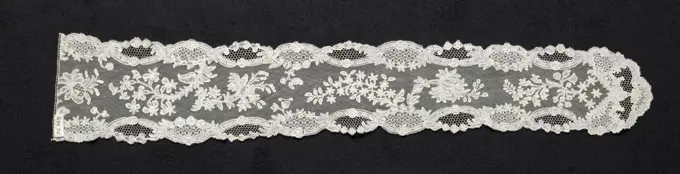
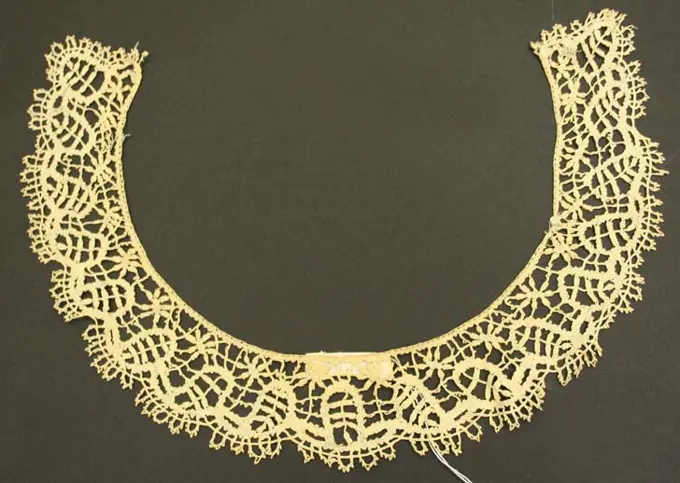
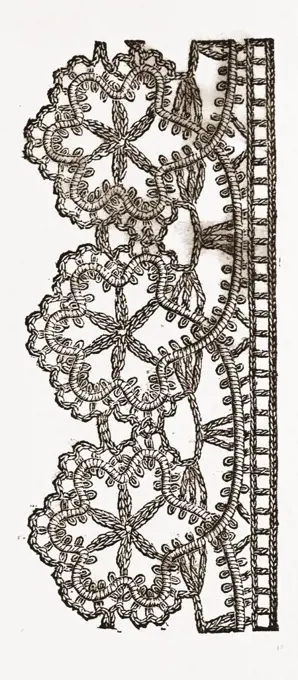
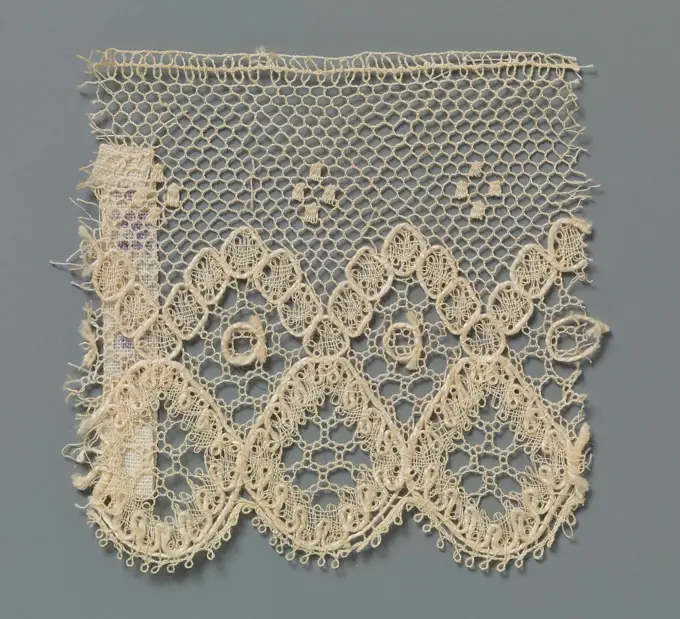
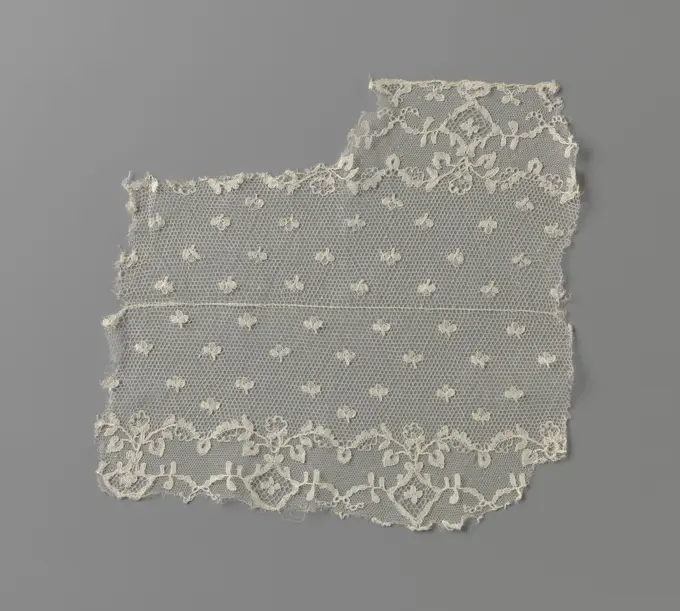
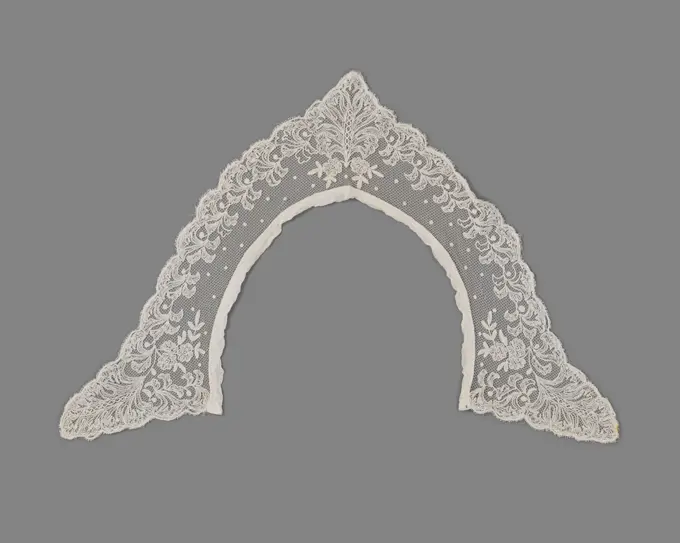
Strip bobbin with rocailles, anonymous, c. 1880 On the traly land, a Mechelen soil (also known as ice soil), is a running pattern of large rocailles with grid filling, which are connected to a double branch, which is decorated in the same way, connected to a double branch. Wingerd leaves grow on the standing side branch, roses and carnations grow on the horizontal. Mechelen side. Belgium linen (material) bobbin lace / Mechlin (lace) On the traly land, a Mechelen soil (also known as ice soil), is a running pattern of large rocailles with grid filling, which are connected to a double branch, which is decorated in the same way, connected to a double branch. Wingerd leaves grow on the standing side branch, roses and carnations grow on the horizontal. Mechelen side. Belgium linen (material) bobbin lace / Mechlin (lace)
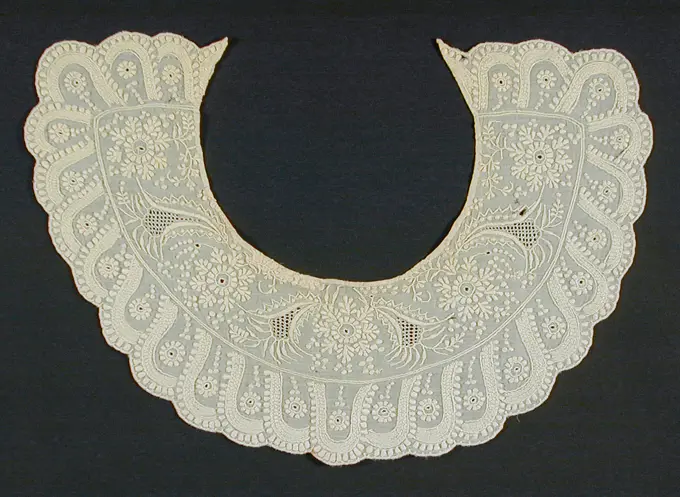
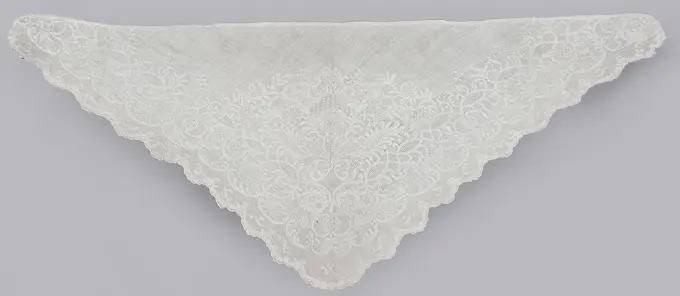
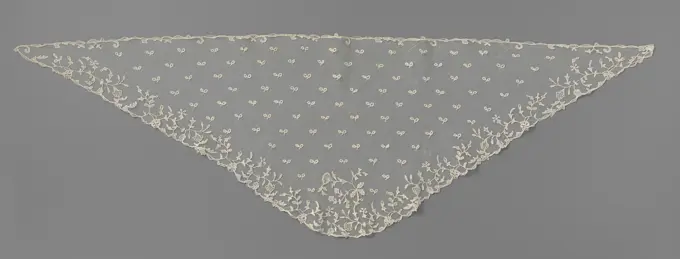
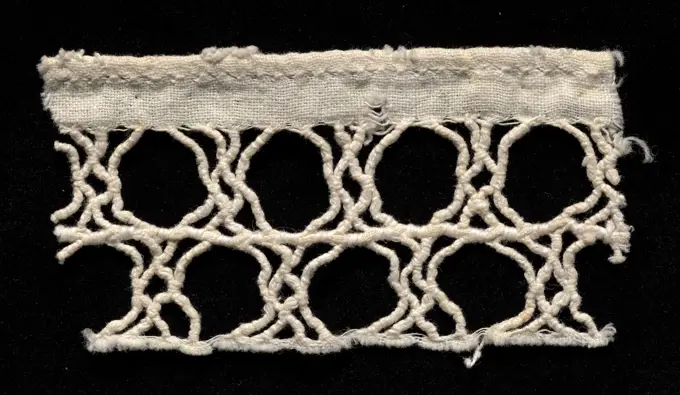
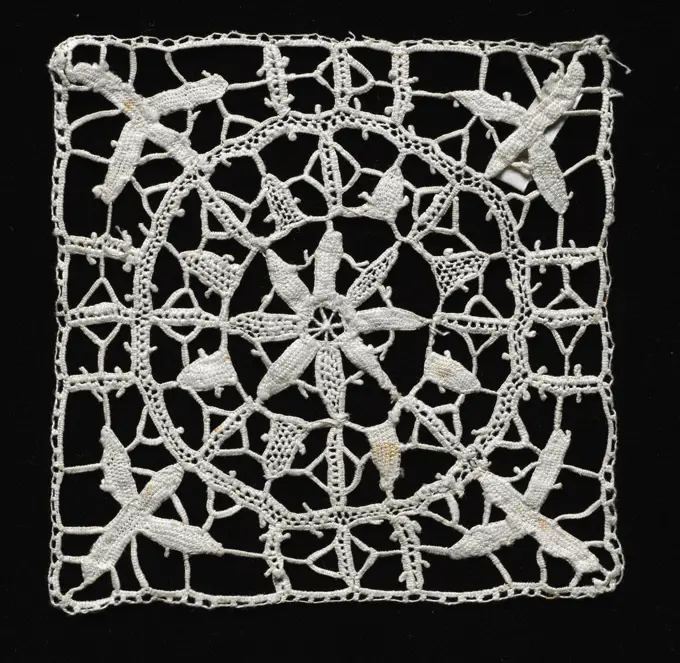
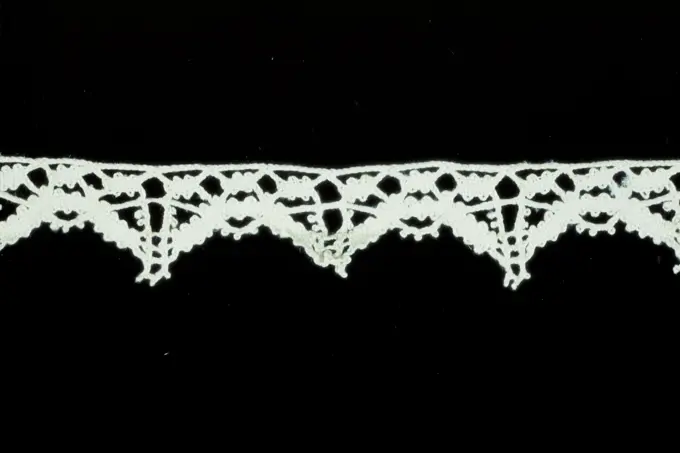
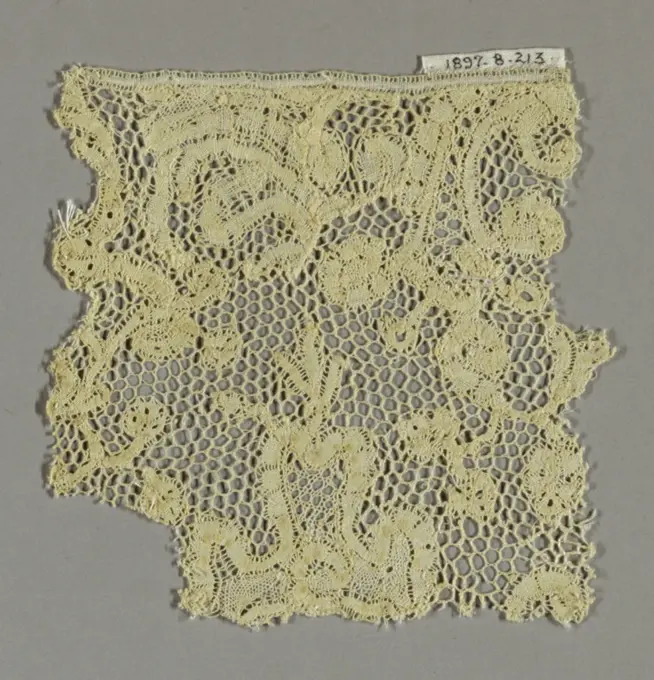
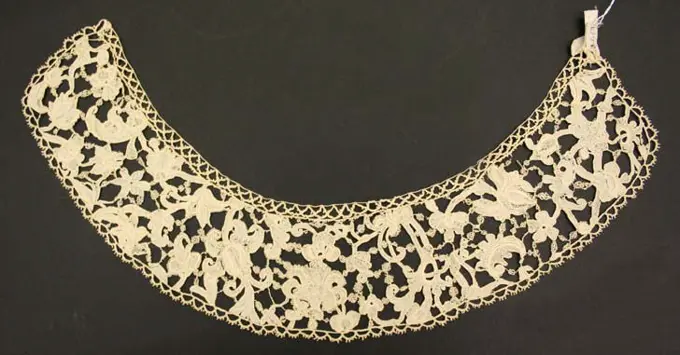
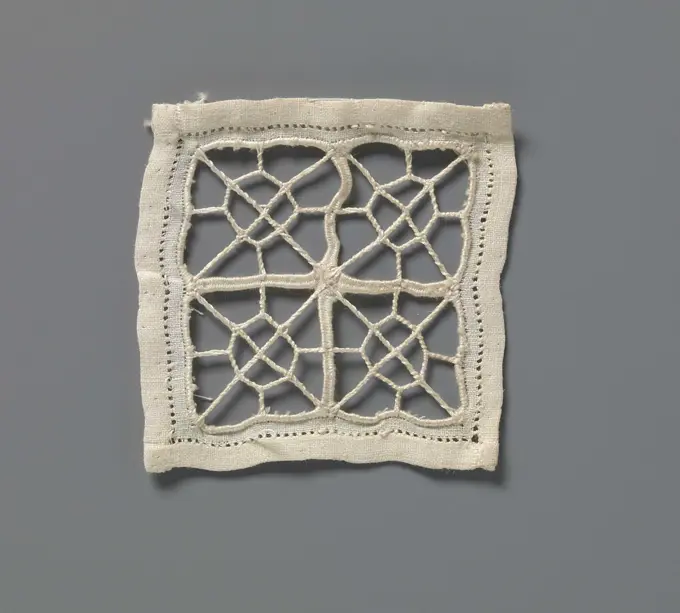
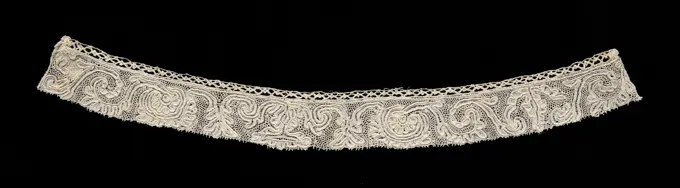
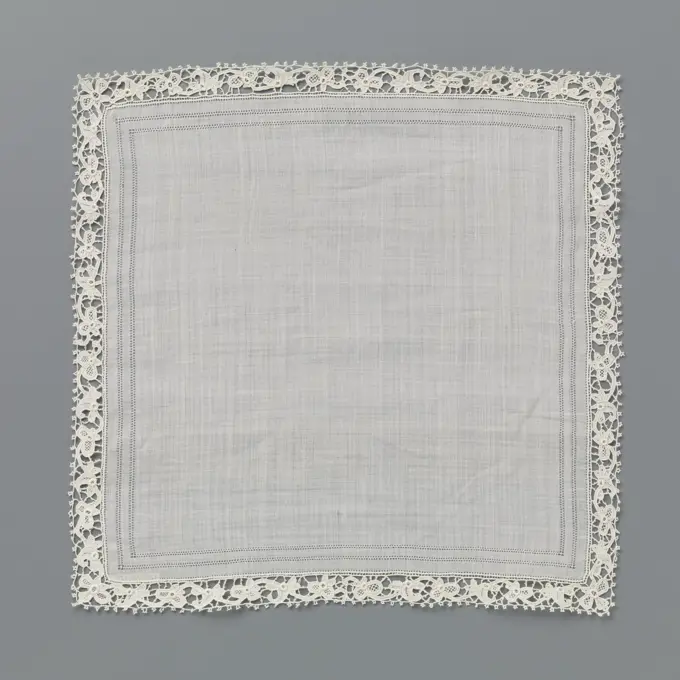
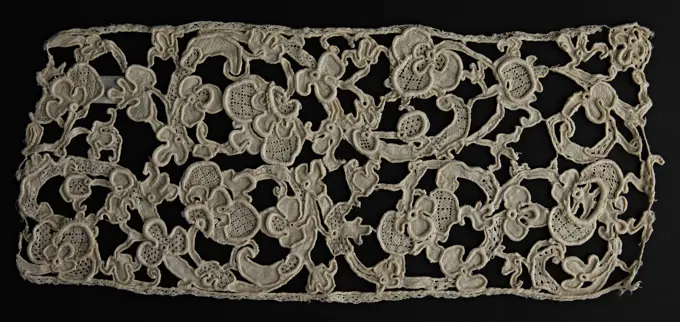
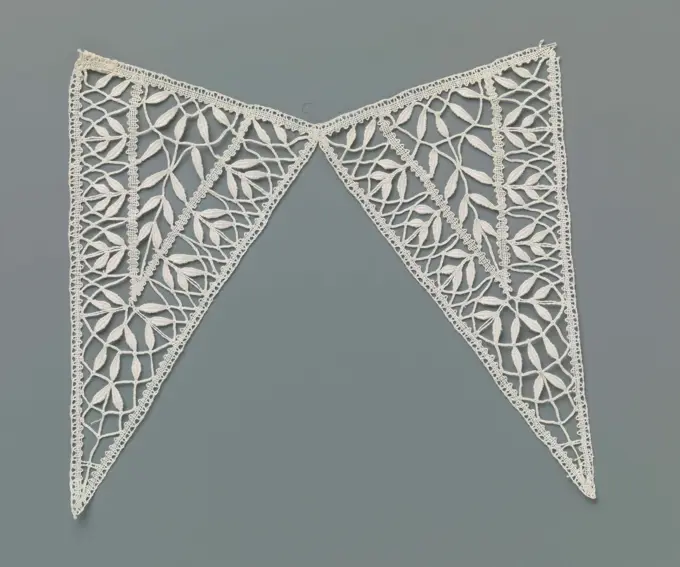
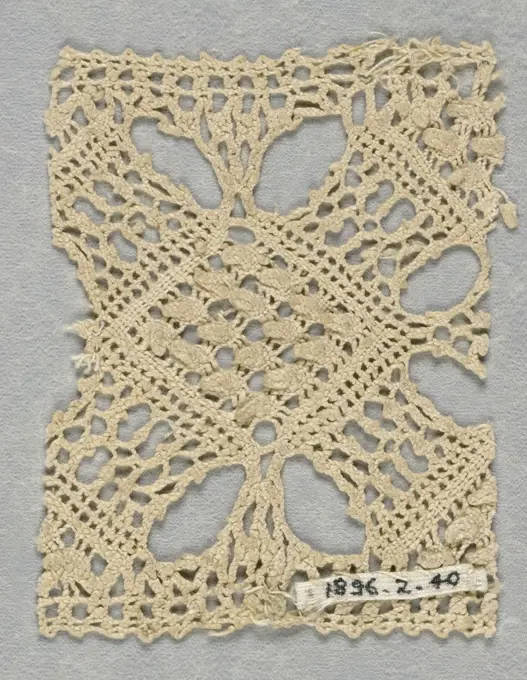
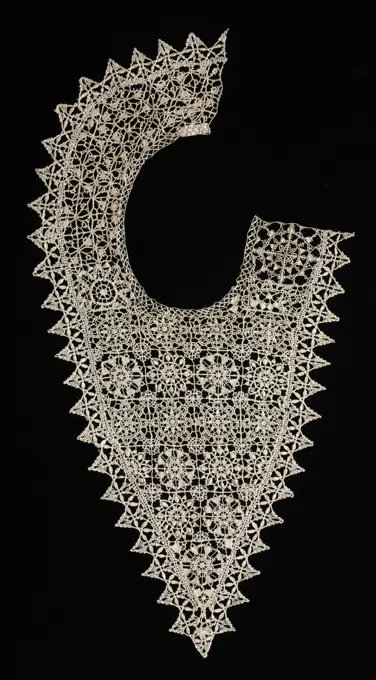
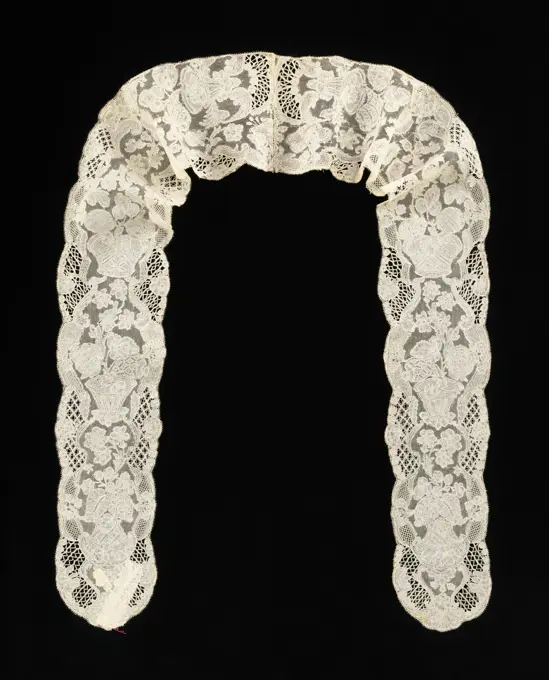
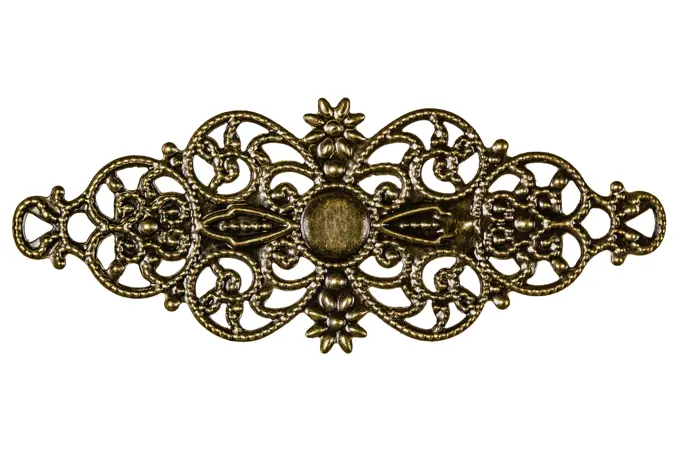
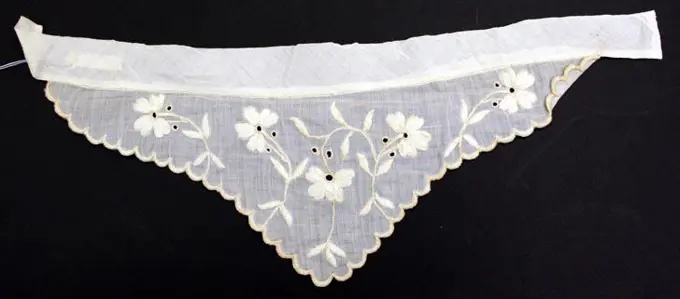
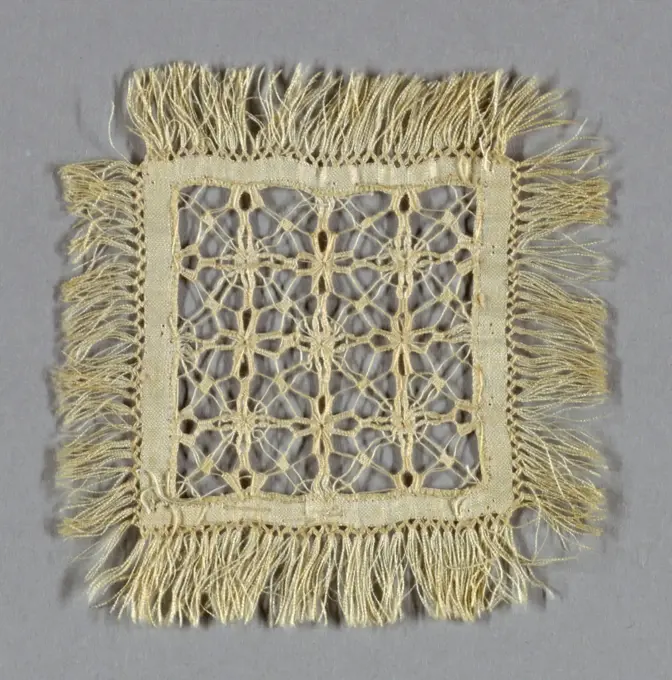
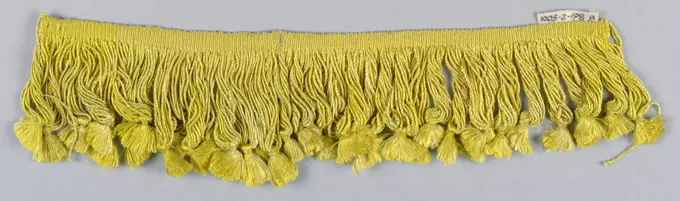
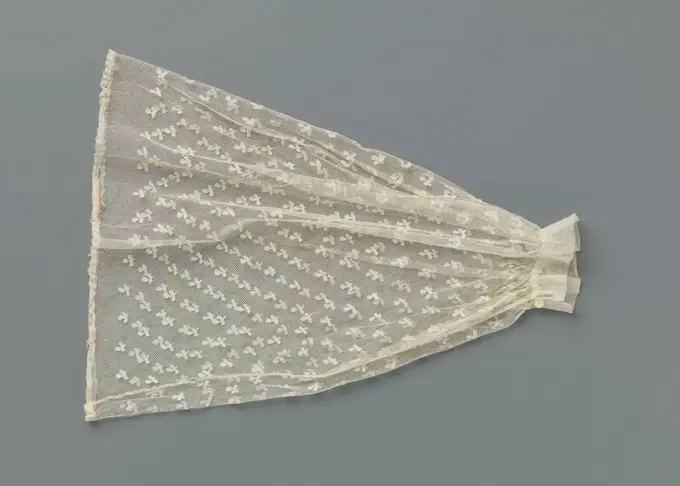
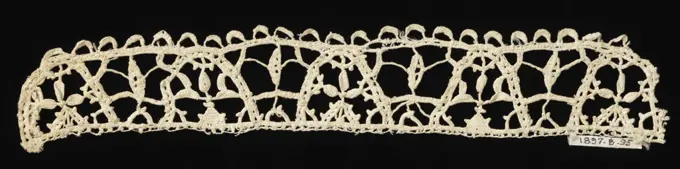
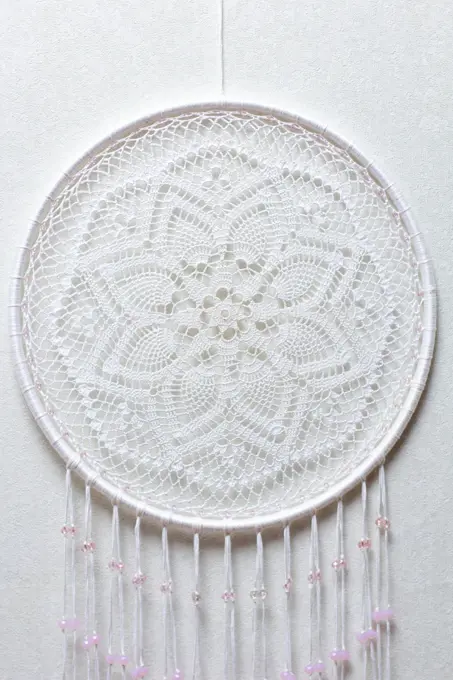
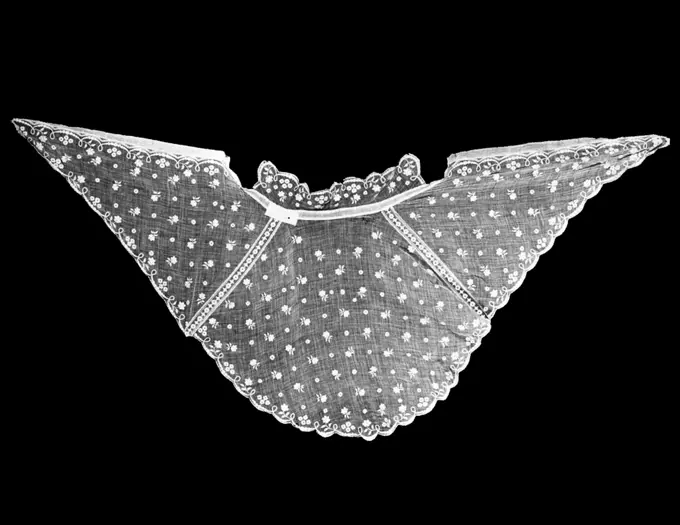
Bobbin Lace Insertion, 16th-17th century. Italy, Venice, 16th-17th century. Lace, bobbin; average: 4.5 x 15.9 cm (1 3/4 x 6 1/4 in.).Woman's Collar. United States, circa 1850. Costumes; Accessories. Linen plain weave, cotton embroidery, drawn threadworkHandkerchief with bobbin with horns of abundance, anonymous, c. 1890 - c. 1899 On a square batist's center piece there is a crowned W in Plumetis signage. Lace strip runs around with square meshes, on which a row of horns of abundance. The horns are directed to the right on the same sides, on the odd sides to the left. The shells are alternately shaped by a godron edge and three rosettes that come from the horns. Valenciennes side. Ieper (possibly) linen (material). batiste Bobbi Lace / Valenciennes Lace On a square batist's center piece there is a crowned W in Plumetis signage. Lace strip runs around with square meshes, on which a row of horns of abundance. The horns are directed to the right on the same sides, on the odd sides to the left. The shells are alternately shaped by a godron edge and three rosettes that come from the horns. Valenciennes side. Ieper (possibly) linen (material). batiste Bobbi Lace / Valenciennes LaceEdge (Italy); linen; Bequest of Marian Hague; 1971-50-344Shawl;  1. PO. 18th century (1701-00-00-1750-00-00);Fashion accessories, scarvesCollar. Culture: Irish. Date: ca. 1835. Museum: Metropolitan Museum of Art, New York, USA.Bobbin Lace (Point d'Angleterre) Lappet, 18th century. Belgium, Brussels, 18th century. Lace, bobbin: linen; average: 59.7 x 10.2 cm (23 1/2 x 4 in.).Collar (half) of Batist with contiguous hex corners in which margins of lace -ups, C.I. Bosch Reitz-Teding van Berkhout, c. 1910 Collar (half) of natural batist with lace pledger: English embroidery. The other half concerns BK-1978-714-B. Investigative model with rounded corners and slightly hollow top. The pattern consists of a row of continuous hexagons made with openwork circles, with an open work Margriet in each hexagon. The scrap edge follows the pattern with the hex corners and is finished along three sides with a wrinkled strip of mechanical side: Machinal Valenciennes side. The embroidery was made around 1870, the collar around 1910. Amsterdam cotton (textile). batiste Collar (half) of natural batist with lace pledger: English embroidery. The other half concerns BK-1978-714-B. Investigative model with rounded corners and slightly hollow top. The pattern consists of a row of continuous hexagons made with openwork circles, with an open work Margriet in each hexagon. The scrap edVoile of applicationant with sprinkled double leaves.Voile of natural-colored application side, coniferous side applicated on machining tulle, point d'Angleterre. In a triangle there is a sprayed pattern of double leaves. Iching edge, along two sides, from movable sprigs with chalice and anjer-shaped flowers. Flat, stretched sculpture along the three sides.Bobbin Lace Edging, 19th century. Central Europe, 19th century. Lace, bobbin: linen; average: 13.4 x 72.4 cm (5 1/4 x 28 1/2 in.).Cuff with a strip of spiders in wheels between plumetisbobruikwerk, c. 1850 - c. 1920  Cuff with a strip of spiders in wheels between plumetisbobruimwerk. West-Europa Linen (Material). hook: Metal sewingCap Crown (Belgium); linenFragment, Medium: linen Technique: bobbin lace (Binche style with Binche ground), Binche-style fragment with a highly conventionalized floral design. Cinq trous gound and straight edges., Belgium, 17th century, lace, FragmentBorder Made 1730-1749 Flanders. Linen, needle lace .Two Borders Made 1875-1900 Belgium. Cotton, bobbin part lace of a type known as Duchesse de Bruges .Kloskant collar with five -leaf, anonymous, c. 1890 Collar of natural -colored bobbin, fine bridge flower arrangements. The collar has an unfinished model in U-shape. On an open bars stock there are concentric U-shapes with a running pattern of branches, on which an anemone, a five-leaf and a bunch of three almond-shaped fruits or leaves. Bruges (possibly) linen (material) bobbin lace Collar of natural -colored bobbin, fine bridge flower arrangements. The collar has an unfinished model in U-shape. On an open bars stock there are concentric U-shapes with a running pattern of branches, on which an anemone, a five-leaf and a bunch of three almond-shaped fruits or leaves. Bruges (possibly) linen (material) bobbin laceCuff of crocheted with fan motif, anonymous, c. 1930 Cuff made of natural crochet. Eight rows of fan, made with crocheted sticks. The impellers form a wavy edge on the bottom. The top is trimmed with a woven edge. unknown cotton (textile). linen (material) crocheting Cuff made of natural crochet. Eight rows of fan, made with crocheted sticks. The impellers form a wavy edge on the bottom. The top is trimmed with a woven edge. unknown cotton (textile). linen (material) crochetingFragment (from a border) Made 1850-1870 France. Silk, machine-made twist net; embroidered with straw in fishbone and running stitches; knotting and wrapping .Needlepoint (Drawnwork) Lace Fragment, late 18th-19th century. Spain, late 18th-19th century. Lace, needlepoint; average: 6.4 x 8.9 cm (2 1/2 x 3 1/2 in.).Needlepoint (Reticella) Lace Square, 16th-17th century. Italy, 16th-17th century. Lace, needlepoint: linen; average: 10.8 x 10.5 cm (4 1/4 x 4 1/8 in.).Group of three borders, 20th century, Linen; lace, Bernese Oberland, Switzerland, 20th centuryFragment; linen; 1897-8-213Fragment of the bottom of the skirt from the ball dress unknownFragment (Belgium); linenDeck of needle side for a small parasol with hanging lilies. In eight sectors there are large egg-shaped, sagged medallions with an oval pendulum and a tuft of flowers. Three large, hanging lily poares at the ends of the balanes. Around the top of the parasol is a star shape; The circumference consists of large slippers, overcures by a heart shape and surrounded by a hanging leaf wreath. The inside drawing of flowers is going from a closed interior to a very open edge. The surrounding are extra thick. Point the Gaze de Bruxelles.Collar 17th century Italian. Collar 78926Dress of needle side with geometric motif with four squares. Dress of natural needle side with geometric motif, reticella. The motif consists of four squares that partially crosses through two lines in whole and two lines. In the center a circle that connects the lines. The textile is surrounded, with small recesses or open effects along the inside of the zoom edge as an extra decoration.Border, Technique: bobbin lace, Edge of bobbin lace, hill and mound border; early 19th century, early 19th century, lace, BorderEdging 17th century Italian, Genoa. Edging 220951Fragment; linen; 1933-1-231Bobbin Lace Collar, 18th century. Italy, Milan , 18th century. Lace, bobbin; average: 3.2 x 31.2 cm (1 1/4 x 12 5/16 in.).Fragment, Medium: linen Technique: bobbin lace (Brussels-style), Fragment of a large-scale design too incomplete to be identified. Small floral group on top and bottom, and portions of oval frames for medallions in the center., Belgium, 19th century, lace, Fragment. Slip of natural needle side: Flat Venetian side. The symmetrical pattern consists of thin tubes that move from the middle of the middle and end with many curling branches in numerous flour types. The slip is finished with a straight edge, along which two types of picoted arches. The motifs are connected by bars with picots.. Slip of natural needle side: Flat Venetian side. The symmetrical pattern consists of thin tubes that move from the middle of the middle and end with many curling branches in numerous flour types. The slip is finished with a straight edge, along which two types of picoted arches. The motifs are connected by bars with picots.Sampler, Medium: linen Technique: drawnwork and embroidery on plain weave, Drawnwork in several different designs arranged in two panels. Stitches are of the drawnwork type and include woven and wrapped bars and square stitch., Spain, 18th century, embroidery & stitching, SamplerCuff, 1800s. France, 19th century, Period of Louis Phillipe. Embroidered linen; overall: 5.1 x 18.7 cm (2 x 7 3/8 in.).Handkerchief with bobbin and crowned W, anonymous, c. 1890 There are two sides of edges, a narrow Entre-Deux and a wide scalloped strip around a batist. In a corner is a plumetis embroidered W, above which a royal crown. The letter parts are cut over by tufts of three roses. The Entre-Deux has a row of in turn and outward-facing French lilies on a mesh stock (square Maas). The strip has semi -circular scallops, in turns filled with a French lily in circle and rose. In the upper edge, mosjes. Valenciennes side. Ieper (possibly) linen (material). batiste Bobbi Lace / Valenciennes Lace / Embroidering There are two sides of edges, a narrow Entre-Deux and a wide scalloped strip around a batist. In a corner is a plumetis embroidered W, above which a royal crown. The letter parts are cut over by tufts of three roses. The Entre-Deux has a row of in turn and outward-facing French lilies on a mesh stock (square Maas). The strip has semi -circular scallops, in turns filled with a French lily in cBorder. France, probably Calais. Date: 1880-1900. Dimensions: 7.8 × 81.7 cm (3 × 32 1/8 in.)Width repeat: 8.5 cm (3 3/8 in.). Cotton and linen, Leavers machine lace, an imitation of a bobbin lace known as "Mechlin". Origin: France. Museum: The Chicago Art Institute, Chicago, USA.Batist handkerchief with open worked hems and finished all around with a strip of needle side, c. 1870 - c. 1910 Batist handkerchief with open worked hems and finished all around with a strip of needle side. Along the edges of the handkerchief, a triple straight frame is made with three narrow lines of open sewing: work with extended threads. The strip of needle side has a pattern of flowers placed in one row with different shapes, including flowers with two large and two small lobes and flowers with a central petal in the shape of a sleeping cap. The flower hearts of all flowers are made with a circular cordon. The petals are made with feston stitches and with contour lines. The flowers are connected by potentially. Excesses and decorative lands have been used in the petals. The straight outside are finished with radar picots. Europe whole: Cotton (textile). batiste Batist handkerchief with open worked hems and finished all around with a strip of needle side. Along the edges of the haBowl 1830-40 American. Bowl. American. 1830-40. Lacy pressed glass. Made in New England, United StatesLaces, 16th century. Fragment of needle lace with a female figure, cm 7,5 high. Detail.Collar 1870-89 Italian. Collar 119419Strip 16th century Italian. Strip 221110Fragment of lace. unknown, authorLace, 1800s, maker unknown. Bequest of Mrs Alice Bakewell, 1965.Fragment of needlelace unknownWoman's Collar. Belgium, mid-19th century. Costumes; Accessories. Cotton bobbin laceKraag van naaldkant met roosjesrand.Collar of natural needle side: Venetian rosary. A symmetrical tendrilder pattern led off against an open bar soil. To the tendrils medium, with many florets of flowers. DRIVE SIDE finish of fine and highly detailed palmets and roses.Batik Baby Carrier, 20th century, 30 1/8 x 27 in. (76.5 x 68.6 cm), Cotton, China, 20th centuryCap crown, Medium: Technique: needlework on net, Central floral spray design in varied stitches. Tiny two-leaved motifs powdered over ground., USA, ca. 1820, embroidery & stitching, Cap crownTwo pointing clasp of climbing side with pointed leaves. Two pointed lines of natural colosside, cluny side. Two sharp triangular pointing shuts are only connected to each other at one point at the straight top. A smaller triangle hangs down in each triangle from the top. The circumference of the triangles are formed by a narrow strap in linen stroke. The triangles spaces are filled with braid soil and peak leaves made in shape stroke.Handkerchief, Medium: linen Technique: bobbin lace; embroidery, Linen center with the embroidered initials J.M.N. and border of bobbin lace in design of flowering branches., Belgium, 19th century, lace, HandkerchiefScarf collar from Application side with a radiant pineapple or pomegranate motifs., Anonymous, c. 1890 Scarf collar from Application side (Batist Applicated on Machine Tulle): Carrickmacross side. U-shaped model with rushing ends. The symmetrical pattern has five rays-oriented pineapple or pomegranate motifs. They each spring from a double volute leaf along the inner edge of the collar. Each pair of volute leaves is connected with a rosette flower to the next few volute leaves with pineapple (or pomegranate) on it. The rush -in fruits are symmetrical, with a decorative land in the core and with a wide openwork edge with potented zigzag. The middle and largest three fruits are crowned by a rosette flower. The irregular scrap edge along the outside of the collar stems from bent flower and leaf motifs. The sculpes edges are finished with picots. Ierland (possibly) cotton (textile). batiste Scarf collar from Application side (Batist Applicated on Machine Tulle): Carrickmacross side. U-shapFan Made 1860-1880 France. Lace silk mount decorated with silver spangles; carved pearl sticks; pearl rivet, metal loop .Fragment, Medium: linen Technique: bobbin lace (continuous, braid-like), Insertion with geometric design. Central square with sixteen raised knobs. Other motifs radiate from square in groups of four., Venice, Italy, 16th century, lace, FragmentFragment of Lace. Belgium, Grammont, 1850-1900. Textiles; fragments. Silk Chantilly bobbin laceJacket, c. 1920, Unknown Anatolian, 20 x 21 in. (50.8 x 53.34 cm), Wool, gold and silver metallic thread; needlework, Turkey, 20th centuryCollar 1848-60 American. Collar 119250Lace Collar, 1560-1600. Italy, Genoa, 16th century. Linen; lace, open cutwork (reticella) and bobbin; overall: 56.8 x 29.5 cm (22 3/8 x 11 5/8 in.). Large and small round motifs in a linear framework form this geometric design made in open cutwork, now known as reticella. Its fineness was cut from a linen cloth whose woven grid provided a firm ground for the embroiderer to build her lace. A similar design for open cutwork was published in a pattern book by Frederic de Vinciolo in Paris in 1587.Application of machining for a round neckline. Application of pink colored machining: machine tulle with machined embroidery. Neck for a round neckline. From the front in a deep v-neck finish and triangular in shape with a large palm with flowers in the slot. "V & D;" EMEK "NED. OCTR. 89962; 0 1151; Party; 0.79Lace, 1800s , maker unknown. Gift of Doris Bennett, 1983.Collar early 19th century Croatian. Collar 102395Batist handkerchief with a strip of bobbin with Rivière, Anonymous, c. 1740 Batist handkerchief with a strip of natural -colored bobbin side: Mechelen side. The bobbin strip is wrinkled in the corners. The asymmetrical lace pattern stands on a very fine grid, a Mechelen soil (also known as ice soil). A whimsical rivière, composed of S and C-Voluten and leaves, limits the Mazennet, on which loose motifs alternate; One is a rose branch, the other a halved medallion. On the outside are whimsical reserves with gridwork formed by the Rivière and by leaves and rosettes. Southern Netherlands linen (material) bobbin lace / Mechlin (lace) Batist handkerchief with a strip of natural -colored bobbin side: Mechelen side. The bobbin strip is wrinkled in the corners. The asymmetrical lace pattern stands on a very fine grid, a Mechelen soil (also known as ice soil). A whimsical rivière, composed of S and C-Voluten and leaves, limits the Mazennet, on which loose motifs alternate; One is a rose branch,Lappet 1730-50 Flemish This is a finely worked example of this type of Flemish lace, known as point d'Angleterre. Notable characteristics of this piece are the design variations and naturalism of the four flower basket motifs.. Lappet 156959Border ca. 1600 Italian. Border. Italian. ca. 1600. Bobbin lace, macramé. Textiles-LacesCollar, Medium: linen Technique: bobbin lace with needle ground, Collar with a needlework edge and binding. Scrolling vine and flower pattern connected by brides with wheel-like shapes., Italy, 17th century, lace, CollarFiligree, decorative element for manual work, isolated on white background Filigree, decorative element for manual work, isolated on white background Copyright: xZoonar.com/OleksandrxKostiuchenkox 9749892Collar 1700-1941 American. Collar 119170CROCHET LACE, NEEDLEWORK, 19th CENTURY EMBROIDERYTrimming Ornament (USA); linenStrip of a climbing side with a deep wave line. Strip of black climbing side, Cluny side. The strip is cut off, one report is just completely complete, the upper part of the subsequent report has been cut off along the wave line. The original, repetitive and symmetrical pattern consists of a deep wave line. There is a rosette in each golf valley with two smaller rosettes and a four-pointing asterisk in between. Each wave top comprises a composite, standing leaf, with five leaves on either side. Under the leaf is a four-pointed asterisk framed. The sloping edge along the bottom of the strip is formed by three radiating lovers under each golf valley. A composite leaf hangs down in each of these lobes. The lobes are finished with arcs made with picotted braids. The wave lines and picture frames are made in a slur in and linen, the rosette leaves, composite leaves and stars in shape stroke. They are connected by a braid soil, which forms a coarse square grain on the top of the strip. The tSample, Medium: linen Technique: grid of withdrawn element with needke lace, reticellla style, Square of fringed linen with center portion ornamented with drawn and cutwork with lace stitches. One of six samples mounted on a piece of blue satin ribbon., New York, USA, 1892, lace, SampleFragment of silk fabric  lace pattern unknownMitaine of white linen with bobbin and English embroidery, c. 1800 - c. 1850 Mitaine of white linen, in horizontal stripes made up of linen with English -embroidered flowers and bobbin side, trimmed at the top with lace ribbon and a white knot. A ribbon on the bottom. West-Europa whole: Linen (Material). bobbin lace Mitaine of white linen, in horizontal stripes made up of linen with English -embroidered flowers and bobbin side, trimmed at the top with lace ribbon and a white knot. A ribbon on the bottom. West-Europa whole: Linen (Material). bobbin laceEdging 16th century Italian, Venice. Edging 221030Wedding veil 1870-90 European. Wedding veil. European. 1870-90. cottonHandkerchief with a middle piece from Batist with embroidered initials EB rounded around with a border mixed side. Handkerchief with a square middle piece from Batist, on which the initials EB are angle in a corner in a corner. The handkerchief is finished around with an edge natural-colored ribbon side (mixed side): luxury owl, with a splitting ribbon and coniferous folks. The symmetrical pattern consists on the corners of a heart-shaped motif and in the middle of each side from a sunflower, the contours of which are formed by a narrow splitting ribbon. Between heart and sunflower a deeply incised and pointed leaves that ends from the corners at the outside at the sunflower. Within the contours with which the motifs are formed, ornamental grounds are applied (needle side). The motifs are connected by a bars soil (needle side). The irregular and pointed sloping edge stems from the pattern with the heart and the pointed leaves.Collar, Medium: linen Technique: bobbin lace with needle ground, Design of daisies with leaves crossed by angular band with small stems above it., mid- 19th century, lace, CollarStrip of a climbing side with drops under a zigzag line. Strip natural colosside, Buckingham side. The repeating pattern consists of the center of the strip from a zigzag line of coated checkers. There is a drop-shaped cartouche under every zigzag. Above the zigzag line, the strip consists of a maas soil, a tulet, with four-fold moes above every zigzag. The Moeses are made in shape stroke. An ornamental ground is applied under the zigzag line, a rose ground. The diamonds in the zigzag and the frames of the drops are made in linen stroke with thick and shiny contour wires. A double contour wire is used around the outside of the drops, wherein the inner of the two wires makes loops through the linen work. The top of the strip is straight finished. The sloping edge along the underside stems from the drop-shaped cartouches and is finished with picots.Apron ca. 1740 French. Apron 121800Kerchief 1750-1800 British. Kerchief. British. 1750-1800. cottonStrip of mechanical side with sluinga -plateed and deeply incised seven -lobe flowers, c. 1800 - c. 1949 Strip of natural -colored machine side. The strip consists of two parts of each other, with a very clear coarse seam. The repeating pattern exists from top to bottom: two rows of wide -spread rosette flowers; Three rows of flower branches and regular arcs of seven rosette flowers along the bottom. In the field under each bow a fine grid with mosjes, which is closed along the straight underside of the strip by a row of leaves with one rosette flower in the middle, right under the arch. A narrow edge along the top of the strip has the pattern of a decorative edge with a row of snowflakes. The motifs are made in linen stroke and provided with contour threads. The motifs are connected by a diamond -shaped grid. Various mechanical decorations have been used in and around the motifs. The straight underside of the strip is finished with picots. West-Europa cotton (textile) Strip of naturalCuff from ribbon side, c. 1800 - c. 1899  Cuff from ribbon side. West-Europa whole: Linen (Material) tape lace (mixed lace)Textile Printed Cotton Silk Fabrics Zari Saree India Asia Nove 2011 India Copyright: xNirmalaxMishra/DinodiaxPhotoxStrip (one of two) 17th century Italian. Strip (one of two) 219410Fringe, Medium: silk Technique: plain weave, Yellow fringe with a heading and looped skirt threads; each group of eight loops supports a tuft., Spain, 17th century, trimmings, FringeVeilSuffered application side with spreading pattern of oval flower on a stalk with two leaves. Natured Application Office: Batist applicated on machine tulle. Wide sleeve-shaped model, strongly wrinkled at the wrist, leaving it closely. A separately made machinal tulle has been wrinkled on the sleeve. The incredible cuff can be closed with a knot. On the sleeve is a scattering pattern of small oval flowers, on a stem with two leaves. The opening of the sleeve is finished with a slightly wrinkled soil.Border 17th century Italian Punto in arialiterally, "stitches in the air"is one of the earliest styles of needle lace, which is itself developed from cutwork of primarily geometric design. When lacemakers transitioned to using a foundation of threads laid out according to a pattern drawn on parchment, they were able to incorporate more fluid lines and curves into their designs.. Border 226077Apron ca. 1830 American. Apron 98131Fragment; linenFragment (France); linenVolant Van Kloskant with diamond -shaped medallions, anonymous, c. 1870 - c. 1920 Volant of natural -colored bobbin: Parisian side. The soil is divided in two in a Paris soil with clovers at the top and a tuler ground underneath. In the latter is a symmetrical pattern of diamond -shaped openwork medallions with side vines crowned by a flower between two leaves. The leaves, the side ranks and a series of flowers and sling in the scallops are loose on the other in three closed garlands. The motifs are made in linen stroke and provided with contour threads. A rose soil has been applied as a decorative land. The top of the strip is finished with a separate strap. BK-BR-J-375-G and -I are sewn together in length. A part of both strips has been cut off the bottom edge, only at -i is a small part of the lower edge intact. Belgium linen (material) bobbin lace / Paris lace Volant of natural -colored bobbin: Parisian side. The soil is divided in two in a Paris soil with clovers at the top and a Apron 18th century probably European. Apron 121597Collar of tulle, decorated with floral tambouring and mosjes, anonymous, c. 1885 Collar of tulle, decorated with floral tambouring and mosjes. The edge ends in a point and is sculpted and equipped with picots. Lying close -fitting model with deep points on the back and at the front. The decoration consists of deeply incised leaves in the points on a circular stem with bell -shaped flowers. Netherlands (possibly) whole:. Rand: Linen (Material) Collar of tulle, decorated with floral tambouring and mosjes. The edge ends in a point and is sculpted and equipped with picots. Lying close -fitting model with deep points on the back and at the front. The decoration consists of deeply incised leaves in the points on a circular stem with bell -shaped flowers. Netherlands (possibly) whole:. Rand: Linen (Material)Handmade dream catcher with feathers and pearl rope hang on white background handmade dream catchers with feathers and pearl rope hang on a white background copyright: xzoonar.com/fedorovaxdariax 22940470Socks ca. 1780 German. Socks 98334Springerle cookie (heart-shaped)Band 18th century French. Band 223025Collar Made 1801-1900 England. Cotton, plain weave; embroidered with cotton .