Historical Linen Fabrics

A selection of historical linen pieces, including embroidered napkins and tablecloths. Rich in design and craftsmanship from various eras.

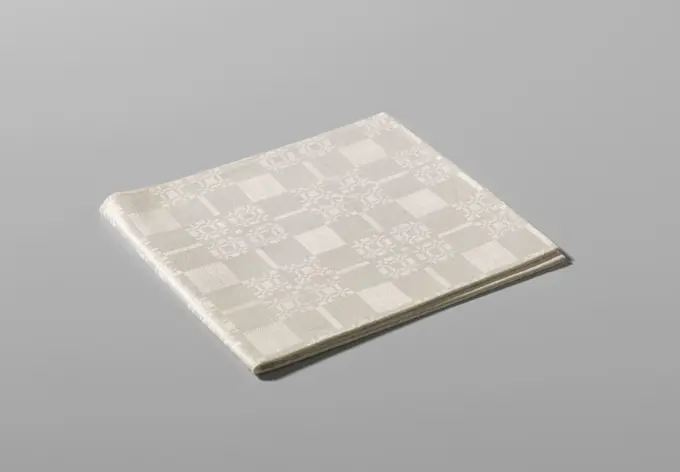
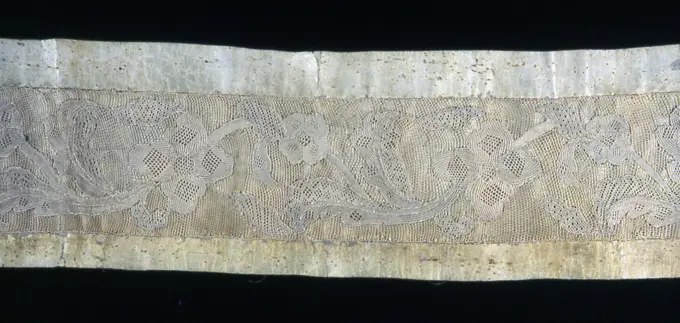
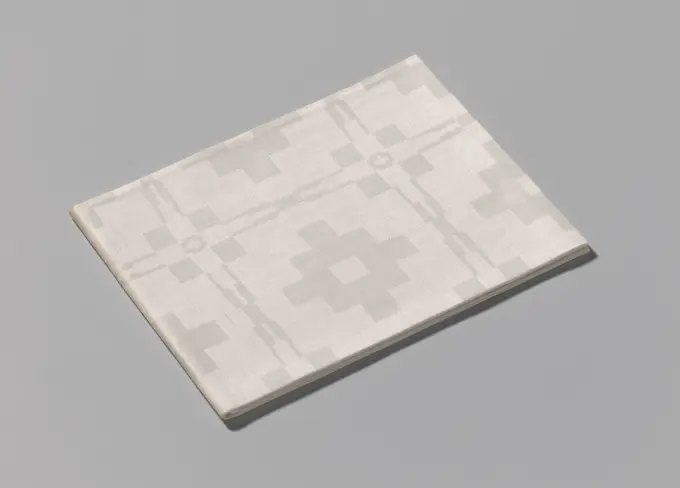
Fragment of a table fakes from Linnamast with band work and Volutes, Anonymous, 1700 - 1710  Flanders (Possible) linen (material) damask  Flanders (Possible) linen (material) damask
Fragment of a table fakes from Linnamast with band work and Volutes, Anonymous, 1700 - 1710 Flanders (Possible) linen (material) damask Flanders (Possible) linen (material) damask
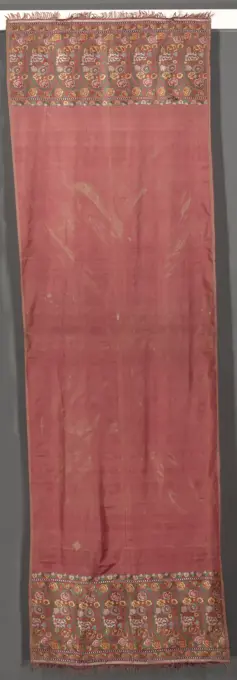
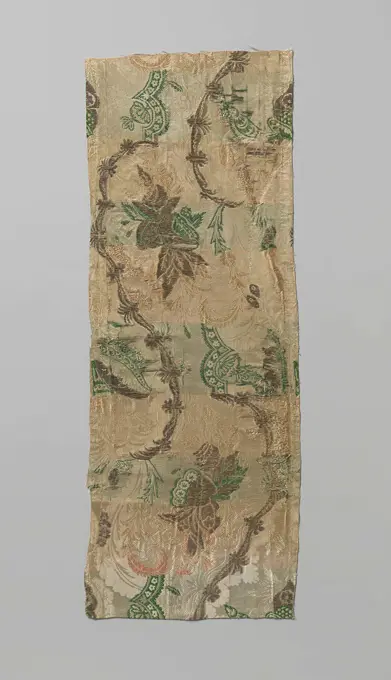
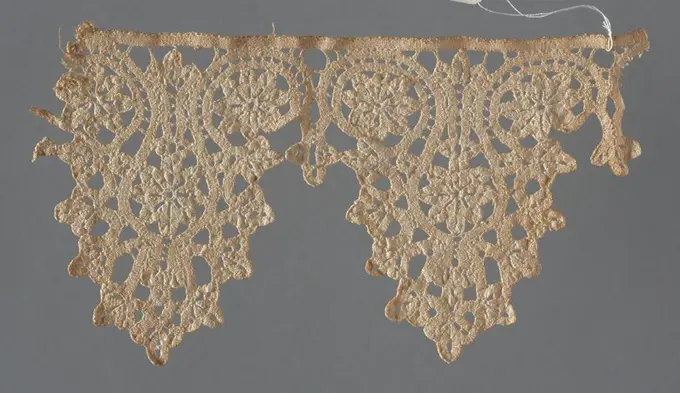
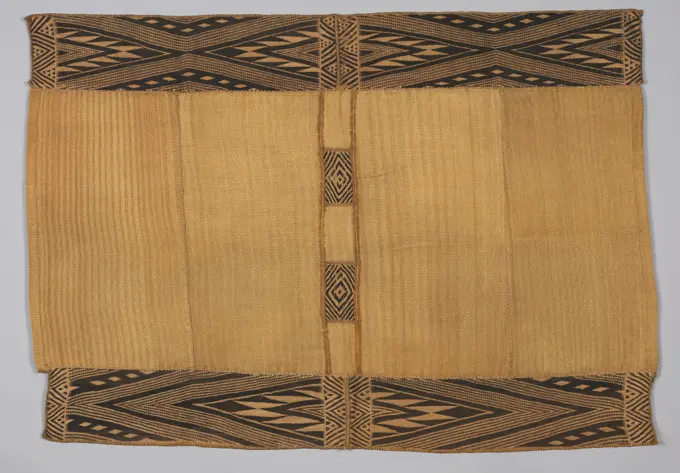
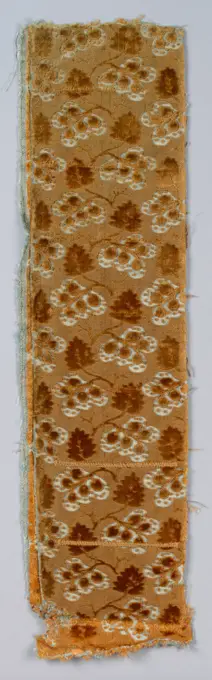
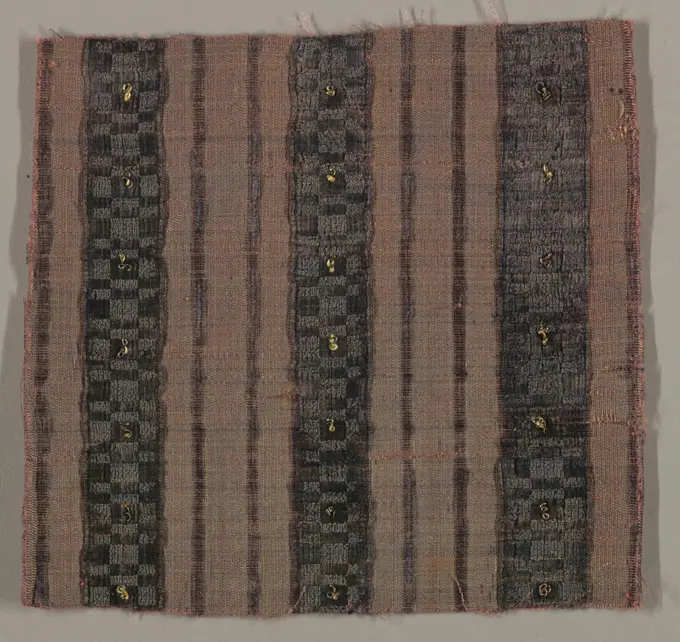
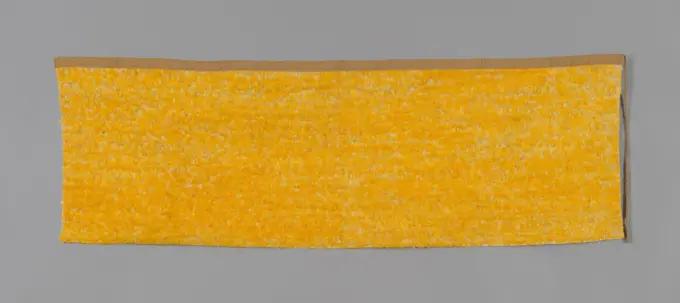
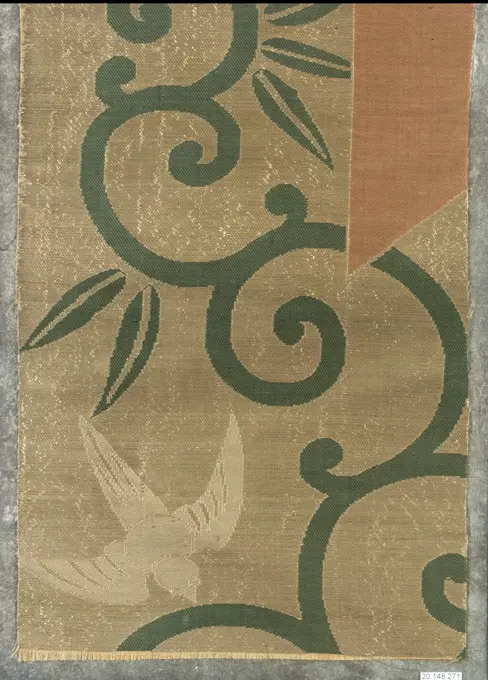
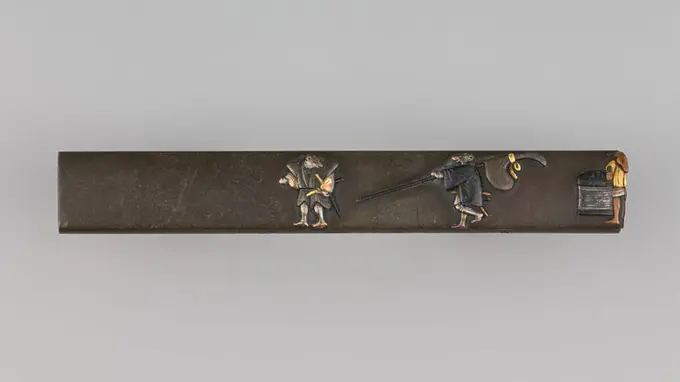
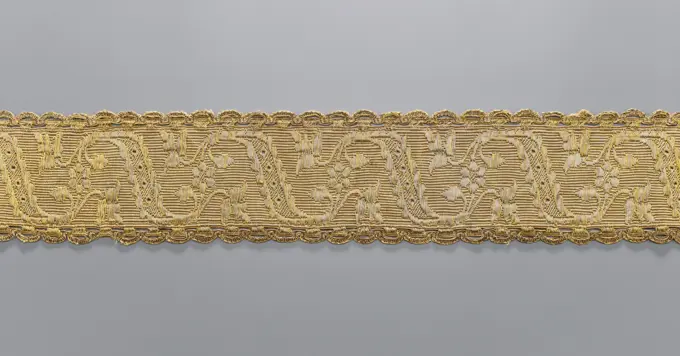
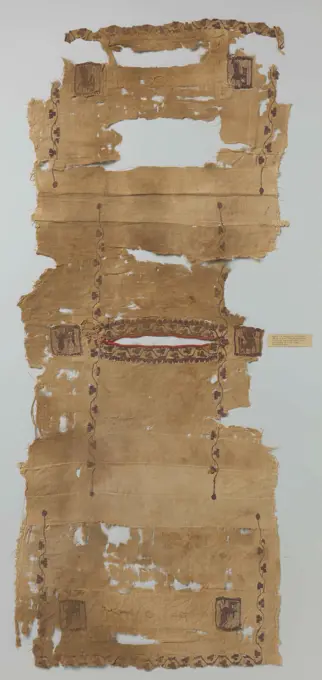
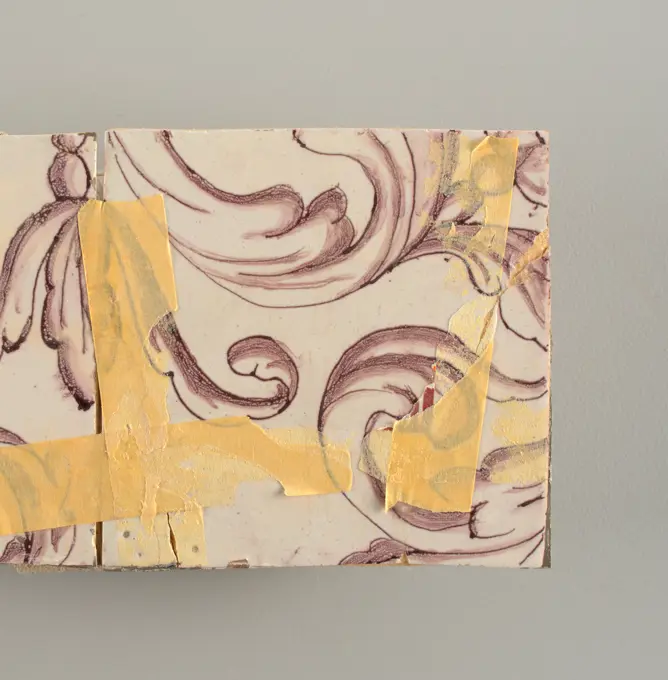
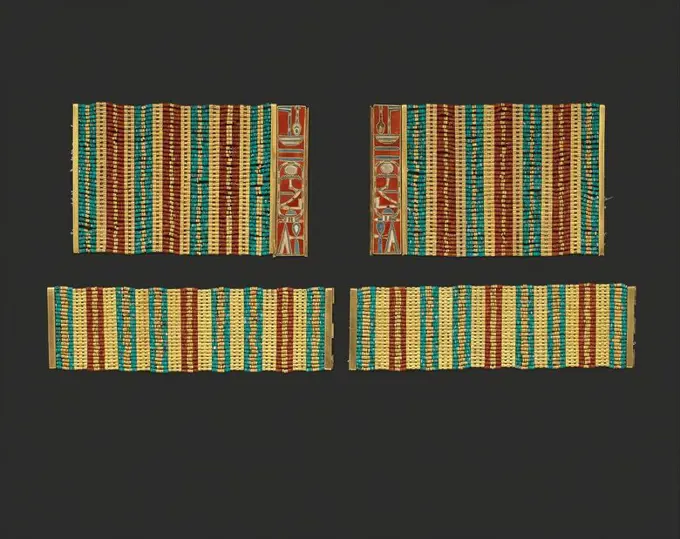
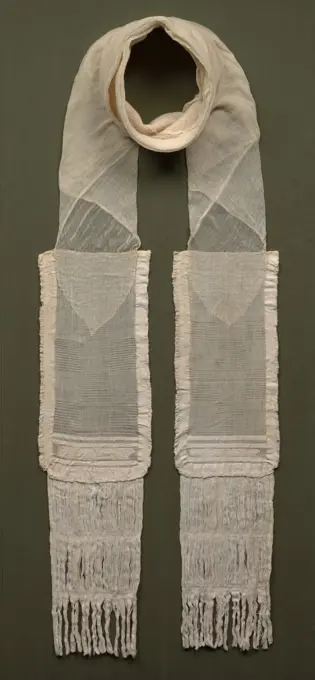
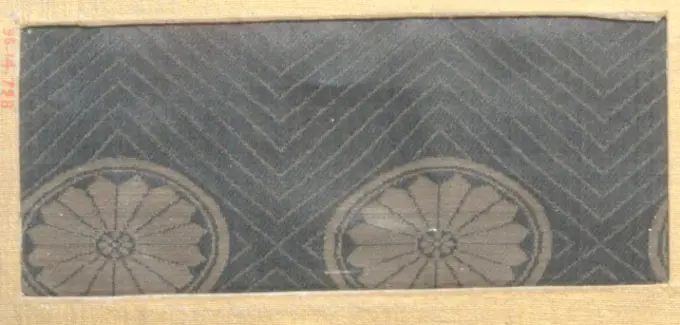
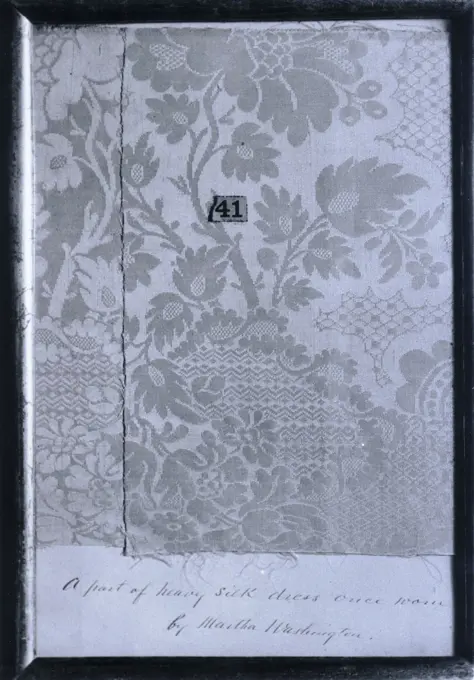
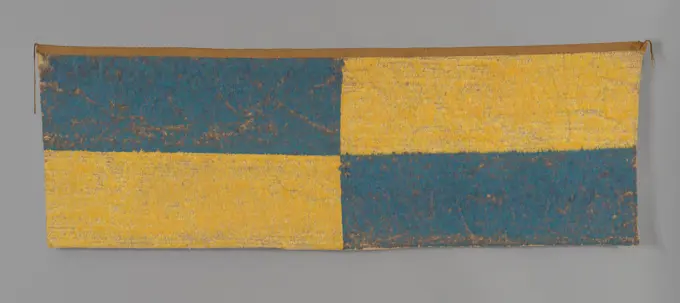
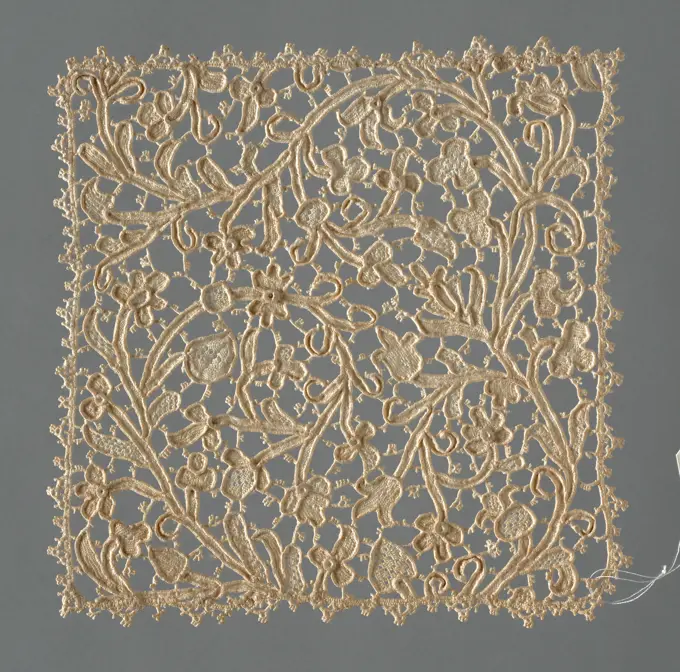
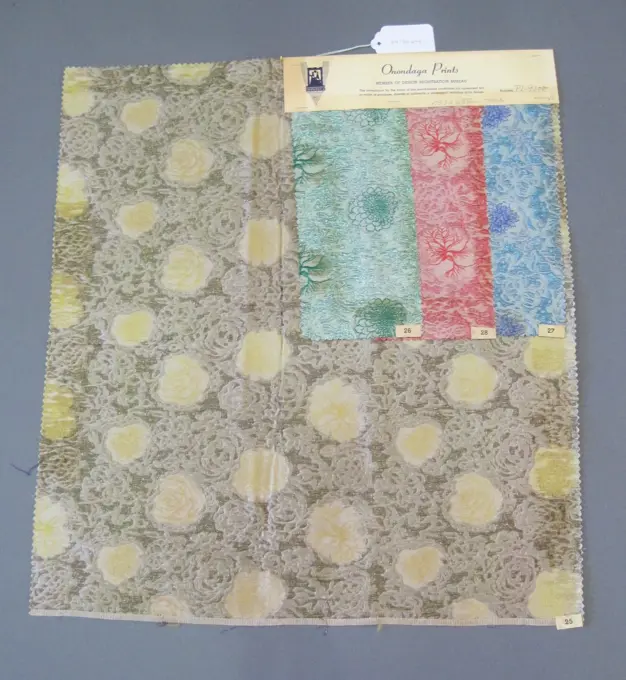
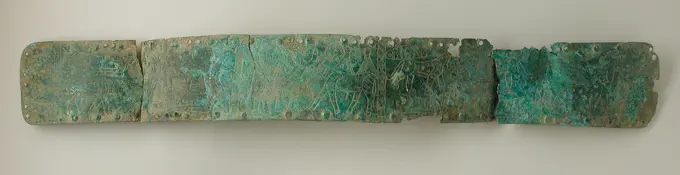
Vintage looking Paper swatch Vintage looking Paper swatch cut with pinking shears zig zag scissors Copyright: xZoonar.com/ClaudioxDiviziax 9730903Long Shawl, 1820s. England or France, 19th century. Twill (Z) weave ground with supplementary weft pattern twill (S) weave; silk; wefts interlaced on back; overall: 262.3 x 83.8 cm (103 1/4 x 33 in.).Insole shoe model unknownWorkpiece for diploma beautiful crafts, Geesje Smid, c. 1890 - c. 1900 Strip Batist with a long row of flower branches in plumetis embroidery in white. Netherlands  embroidering Strip Batist with a long row of flower branches in plumetis embroidery in white. Netherlands  embroideringOld Photo Frame Sticky Tape Old photo frame with sticky tape isolated on white Copyright: xZoonar.com/TimxHesterxPhotographyx 5503262Fragment zijdeweefsel; gedamasceerde lampas.Two fragments silk tissue with a pattern of flowers of green, brown, yellow and pink silk and gold thread. The color pink is bleached until cream.Fragment (Border). Italy. Date: 1625-1650. Dimensions: 10.5 x 19.6 cm (4 1/8 x 7 3/4 in.)Width repeat: 9.8 cm (3 7/8 in.). Linen, bobbin straight lace. Origin: Italy. Museum: The Chicago Art Institute, Chicago, USA.Contribution of the neighborhood commissioners in Amsterdam, Anonymous, 1850 medal Bronze carrying pin with eye, ring and ribbon.  penning: bronze (metal). lint: textile materialsPiece 18th-19th century Japan. Piece 67378Man's CravatWhite earmock with colorful embroidery unknownTAPIZ - MATERNIDADES. Author: CONSUELO GOMEZ. Location: PREMIO NACIONAL DE TAPICES. Aranjuez. MADRID. SPAIN.Laeken, fragment, marked with year 1836., Anonymous, 1836 Fragment of a coarse linen two -lane bed sheet. The Netherlands (), 1836. Netherlands (possibly) linen (material) Fragment of a coarse linen two -lane bed sheet. The Netherlands (), 1836. Netherlands (possibly) linen (material)Breakfast Table. William Henry Fox Talbot (English, 1800 - 1877)Lumbar ,, 1850 - 1870 Lendloop van Linnen, brand HW16. Northern Netherlands linen (material) Lendloop van Linnen, brand HW16. Northern Netherlands linen (material)Ribbon 18th century French. Ribbon 215680Demolition with cord closure. Demolition for cushion, on a short side with six holes for cord closure.Set of IIturgical garments, embroidered  stole unknownNapkin of linen with pellet pattern ,, 1850 - 1875 White linen napkin with peel pattern, brand HW 24 Northern Netherlands (Possible) linen (material) White linen napkin with peel pattern, brand HW 24 Northern Netherlands (Possible) linen (material)Front wrapper. Photographs, Photograms, Book covers. 1846-06 - 1847-11. Spencer Collection. Plants in artBaptismal rug of Damask with pomegranate motif with a border bobbin, anonymous, c. 1750 Baptismal rug of cream-colored damask with a border bobbin: binche side. The rug is made from two lanes silk damask with a repeating motif of a pomegranate and a curly leaf decorated with flowers and under a large branch with flowers and leaves. The side is exaggerated with batist. The letters RT are embroidered on the back. The lace pattern consists of a rivière with flower and leaf motifs. The motifs are made in netslag and linen battle and are connected by a snowflake land. Southern Netherlands silk damask / bobbin lace / Binche lace / snowflake filling Baptismal rug of cream-colored damask with a border bobbin: binche side. The rug is made from two lanes silk damask with a repeating motif of a pomegranate and a curly leaf decorated with flowers and under a large branch with flowers and leaves. The side is exaggerated with batist. The letters RT are embroidered on the back. The lace pattern consiTextile Swatches Onondaga Silk Company, Inc. (1925-1981). , 1948-1959. Silk, 23 1/2 x 8 1/2 in. (59.7 x 21.6 cm).    1948-1959Woman's Skirt, late 1800s-about 1906-12. Africa, Central Africa, Democratic Republic of Congo, Mbuun-style weavers and embroiderers. Raffia palm fiber (Raphia ruffia or R. vinifera) and dye; overall: 73.7 x 102.9 cm (29 x 40 1/2 in.).Waistcoat. Culture: Swiss. Date: 18th century. Museum: Metropolitan Museum of Art, New York, USA.Fragment, Medium: silk Technique: cut and uncut supplementary warp pile (velvet) on satin ground, Fragment of deep wine-colored cut and uncut velvet on self-colored satin ground. Large-scale symmetrical floral motif with two large blossoms on curved stems at the bottom of the piece., Italy, 17th century, woven textiles, FragmentNapkin with the Van der Dussen family crest, company J. Maas, 1870 Linnamast napkin with the Van der Dussen family crest. Midfield: Coat of arms in the midst of stripped flower buds. Reds: Three triple tires, the middle one with a leaf vank, the other smooth and enclosed with a spiral branch. Boxtel linen (material) damask Linnamast napkin with the Van der Dussen family crest. Midfield: Coat of arms in the midst of stripped flower buds. Reds: Three triple tires, the middle one with a leaf vank, the other smooth and enclosed with a spiral branch. Boxtel linen (material) damaskTextile, Medium: piña (pineapple) fiber Technique: plain weave, Length of peach-colored piña cloth, with white cross bars., Philippines, ca. 1880, woven textiles, TextileChildren's spread of stitched cotton, anonymous, c. 1700 - c. 1799 Children's spread of stitched white cotton with a pattern of volutes and tulips. Northern Netherlands cotton (textile) Children's spread of stitched white cotton with a pattern of volutes and tulips. Northern Netherlands cotton (textile)old book cover isolated on white background with clipping pathFragment; silkFragment; silk, metallic; Warp x Weft: 15.8 x 17.2 cm (6 1/4 x 6 3/4 in.)Fragment, Medium: linen Technique: needle lace with ground of loop & twist with loop & twist return, Belgium, 19th century, lace, FragmentSari, 19th century, 103 x 29 in. (261.62 x 73.7 cm), Silk, gold, India, 19th centuryPillow cover 16th century Italian. Pillow cover 212258Tablecloth from Linnamast with ivy, Chris Lebeau, c. 1904 Tablecloth from Linnamast with ivy: Motif Klimop, Dessin No. 513. The tablecloth belongs to a tablecloth (BK-1979-261-A) and twelve napkins (BK-1979-262-A to BK-1979-262-L ). Eindhoven linen (material) damask Tablecloth from Linnamast with ivy: Motif Klimop, Dessin No. 513. The tablecloth belongs to a tablecloth (BK-1979-261-A) and twelve napkins (BK-1979-262-A to BK-1979-262-L ). Eindhoven linen (material) damaskFragment rood zijdedamast, anonymous, c. 1600 - c. 1699 Two fragments red silk tissue with a pattern of stylized floral motifs.  silk damask Two fragments red silk tissue with a pattern of stylized floral motifs.  silk damaskPlank rug made of cotton with a crocheted scallop, anonymous, c. 1900 - c. 1924 Plank rug made of white cotton with a crocheted edge of crocheted side. Square model with the strip crocheted side on about one fourth of the height. The strip does not run completely over the full width of the rug. The shelf rug is meant for a linen cupboard. In one of the corners you can still vaguely see the pin pricks in the fabric of an embroidery that is still undamaged at BK-1974-27-A: the initials TVDS. Netherlands cotton (textile) crocheting Plank rug made of white cotton with a crocheted edge of crocheted side. Square model with the strip crocheted side on about one fourth of the height. The strip does not run completely over the full width of the rug. The shelf rug is meant for a linen cupboard. In one of the corners you can still vaguely see the pin pricks in the fabric of an embroidery that is still undamaged at BK-1974-27-A: the initials TVDS. Netherlands cotton (textile) crochetingHatchet Canada (British Columbia). Hatchet 43638Textile Swatches Onondaga Silk Company, Inc. (1925-1981). , 1948-1959. 63 silk, 37 wool, 47 x 17 1/2 in. (119.4 x 44.5 cm).    1948-1959Textile 1800-1850 Russian. Textile 175603Cap crown, Medium: linen Technique: bobbin lace, Brussels style, Cap crown of Brussels bobbin lace with a design of a fountain surmounted by chinoiserie pavilion and flanked by floral and foliated sprays and rocaille decoration., Belgium, early 18th century, lace, Cap crownA sash from the funeral of Adam Mickiewicz in Krakow on July 4, 1890Feathered Panel 7th-9th century Wari. Feathered Panel. Wari. 7th-9th century. Feathers on cotton, camelid hair. Peru. Textiles-FeatherworkSample (USA); Manufactured by Orinoka Mills (United States); 1989-80-61Piece 18th century China. Piece 71445Lappet (one of a pair) early 18th century Flemish, Mechlin. Lappet (one of a pair) 212934Linnamast napkin with a edge pattern, c. 1725 - c. 1735 Linnamast napkin with a edge pattern. The napkin includes a napkin with invnr. BK-1980-104-B and a tablecloth (BK-1980-103). The napkin is marked: crowned letters Ve 26. Flanders (Possible) linen (material) damask Linnamast napkin with a edge pattern. The napkin includes a napkin with invnr. BK-1980-104-B and a tablecloth (BK-1980-103). The napkin is marked: crowned letters Ve 26. Flanders (Possible) linen (material) damaskNapkin with herme, god and lions in the midst of acanthus leaves, anonymous, c. 1850 - c. 1899 Linnamast napkin with Herme, God, Lions in the midst of Acanthus leaves. Midfield: four passenger flower bouquets with rose and scattered leaf work. In the non -border four passes, the bouquets of overhoeks placed on two acanthus fillets. Corners: Overhoeks placed a Herme with midas head (or donkey head), With musical instruments and thyrsus bars. Left and right a wandering lion, held in check by a winged young god (Apollo) Dressed in Draperie. Edges: Without a dividing line, the field is surrounded by a wide edge of symmetrical acanthus drinks. In turn, the deeply incised, feathered leaf voltues wear a fruit and flower basket, or they are in two twisted spiral shapes that end in a ram mask, above two flower branches and a pineal. North Brabant linen (material) damask Linnamast napkin with Herme, God, Lions in the midst of Acanthus leaves. Midfield: four passenger flower bouquets with rose anPiece 18th century Japan. Piece 71261Knife Handle (Kozuka). Culture: Japanese. Dimensions: L. 3 7/8 in. (9.8 cm); W. 9/16 in. (1.4 cm); thickness 1/4 in. (0.6 cm); Wt. 1.3 oz. (36.9 g). Date: first half 19th century. Museum: Metropolitan Museum of Art, New York, USA.Cushion Cover, 1700s. China, Qing dynasty (1644-1911). Silk, metallic thread; overall: 44.1 x 53 cm (17 3/8 x 20 7/8 in.).Gallon;  18th century (1701-00-00-1800-00-00);Piece 18th-19th century Japan. Piece 67036Furniture assembly with a screwdriver Furniture assembly of chipboard with a screwdriver, Closeup. Copyright: xZoonar.com/JFsxPicxFactory xThielemannx 9550631Sketchbook (40 leaves, blue-green pebbledcover).  Artist: Edwin Austin Abbey, American, 1852-1911, M.A. (HON.) 1897Fragment van een kindertunica.Fragment of a children's tunic, consisting of natural tissue with narrow woven Clavi and six tabulae. The Clavi consist of continuous pendulum ornament from purple tendrils with triple leaves. A running hare in the Tabulae. The neck opening has been deposited with red cord and has a swing motif with three-side leaves and serrated edge along both silk.Strip of bobbin with stylized flour between two vertical lines and ovals on a triangular fragment linen batist, anonymous, c. 1600 - c. 1635 Strip of natural -colored bobbin, Old Flemish side or Dutch bobbin side. The strip is attached to a triangular fragment linen batist. The side has a pattern that consists of vertical straight lines, between which a stylized flower stands. On the center line, the flower is flanked on the left and right by a lying rush -hour, which always cuts the vertical line. The motives are made in linen battle with recesses, there is hardly any soil, the motives are connected by very short braids. Up and bottom of the strip are finished with a straight edge. Southern Netherlands (possibly) linen (material) bobbin lace / old Flemish lace Strip of natural -colored bobbin, Old Flemish side or Dutch bobbin side. The strip is attached to a triangular fragment linen batist. The side has a pattern that consists of vertical straight lines, between which a stylized flowPleated fan and case, Parchment leaf drawn with pen and black ink, incised ivory sticks with black paint; metal rivet, Pleated fan. Off-white parchment leaf with scenes drawn in black ink. Obverse: the image probably depicts King Phineas harassed by the harpies with the winged Argonauts aattempting to defend the king from the attack. The gorge is painted with rococo ornament. Reverse: a drawing of Rome indicating points of architectural interest; the reverse gorge is not painted. Incised ivory stick with black paint. Metal at rivet., Italy, late 17th-early 18th century, costume & accessories, Pleated fan and caseWedding veil 19th century Spanish. Wedding veil 102603Textile (Portugal); silkTiraz EmbroideryPieces of torn cardboard on white backgroundNapkin (Netherlands); linen; Warp x Weft: 112 x 87 cm (44 1/8 x 34 1/4 in.); 1984-82-3Fragment 17th century Italian. Fragment 230251Fragment majolica dish, blue on white, heraldic image, plate dish crockery holder earth discovery ceramics pottery glaze, archeology heraldry serving decorateTile Wall Facing (Holland); tin-glazed earthenware, underglazeSamples (USA); Manufactured by Orinoka Mills (United States); Warp x Weft (a): 57 × 16.5 cm (22 7/16 × 6 1/2 in.) Warp x Weft (b): 15.5 × 63.5 cm (6 1/8 in. × 25 in.)Pair of Sleeve Extensions, 6 x 4 3/4 in. (15.24 x 12.07 cm), Cotton, ChinaTwo Borders on Parchment (Incomplete) Made 1775-1825 Italy. Silk, sisal on parchment, needle lace .Coupon Wijnrood Parasol Gaas, Gustav Schnitzler, c. 1900 - c. 1925 Coupon wine red parasol mesh. Nijmegen . Coupon wine red parasol mesh. Nijmegen .Border. Italy, probably Aquila. Date: 1675-1725. Dimensions: 13.2 x 327.5 cm (5 1/4 x 129 in.)Width repeat:13.4 cm (5 1/4 in.). Linen, bobbin part lace (continuous clothwork tapes). Origin: Italy. Museum: The Chicago Art Institute, Chicago, USA.Broad Bracelet of Sithathoryunet. Dimensions: L. 12.5 cm (4 15/16 in.); W. (clasp) 8 cm (3 1/8 in.). Dynasty: Dynasty 12. Reign: reign of Senwosret II-Amenemhat III. Date: ca. 1887-1813 B.C.. Museum: Metropolitan Museum of Art, New York, USA.Napkin from white Linnamast, 1800 - 1900 White linen Damstic napkin with stripped flowers and flower edge. Netherlands (possibly) linen (material) damask White linen Damstic napkin with stripped flowers and flower edge. Netherlands (possibly) linen (material) damaskpizza board and napkin isolated on white backgroundTurban, 1200-1460s. Peru, North Coast, Chimú style, 1200-1460s. Cotton; plain weave, brocaded and complex alternating gauze with 5 shots of plain weave between gauze shots; overall: 139.7 x 139.7 cm (55 x 55 in.). This textile and the adjacent loincloth belong to a phenomenal matched set of five textiles recently acquired by the museum. The othersnot on displayare a large hat, a tasseled band, and a huge rectangular cloth (nearly 5 x 9 feet) that may have served as a hanging or a mantle (shawl-like garment). All are made of white cotton miraculously hand-spun into gossamer yarns only 0.1 to 0.2 millimeters in diameter. And all reveal a great love of differing textures, some heavy and sculptural and others as ethereal as a sigh. This textile was probably used as a turban. The folded, plain, central section would have been wrapped around the head and tied in place, with the decorated panels hanging down the back or to the side. The turban and the other textiles of the set were most liWall facing, Tin-glazed earthenware, underglaze, Horizontal rectangle. Thirty-seven tiles wide and twenty-one high with opening for door or window nineteen and one-half tiles high and twelve wide. To left and right of opening, centered canopy above. Left, woman representing Hope, right, a sculputure urn. Centered above opening, a mascaron. Arabesque design of foliage., Possibly Delft, Netherlands, Possibly Rotterdam, Holland, ca. 1725, tiles, Decorative Arts, Wall facingBag in white tapir leather, 1930, fashion accessories, Italy, 20th century.Piece 18th-19th century Japan. Piece. Japan. 18th-19th century. Silk. Textiles-WovenSmall piece of heavy silkdresswhite bath towels on bed in hotelSamples (9) early 19th century French. Samples (9) 219303Feathered Panel A.D. 600-900 Wari The discovery of an ancient burial or ceremonial site in the upriver region of the Churunga Valley, in far south Peru, received little attention in the turbulent world of 1943. Decades later, it would take two generations of Andean scholars to painstakingly piece together the puzzling story of this discovery, which included the largest and most spectacular find of Precolumbian Peruvian feather work to date.Protected from decay by being rolled, placed into large ceramic jars, and buried in the arid soil, the cache included an estimated ninety-six panels, each densely covered with tens of thousands of small glossy macaw body feathers, primarily from the blue and yellow macaw (Ara ararauna). Although these panels were found in the dry western foothills of the Andes, the birds home is the Amazonian rainforest, far to the east. The effort required to secure such a mind-bogglingly large supply of either feathers or live birds suggests that colorful feathersFragment of oven cloth, and reconstruction, from Halstatt, Austria. Celtic Iron Age. Artist: Unknown.Wall Drawing #1257: Scribbles. Sol LeWitt; American, 1928-2007. Date: 2008. Dimensions: 9 x 6 feet. Graphite. Origin: United States. Museum: The Chicago Art Institute, USA.Book Detail view of a book on a library table Copyright: xZoonar.com/ClaudioxDiviziax 1756931Chalice Cover Made 1667-1700 Italy. Linen, needle lace with woven tapes .Piece 18th-19th century Japan. Piece. Japan. 18th-19th century. Silk. Textiles-WovenPeel with pattern 'carved stone or corner star', anonymous, 1800 - 1899 Napkin made of white linen with peel pattern 'carved stone or corner star' and edges, brand HR 12. Netherlands (possibly) linen (material) Napkin made of white linen with peel pattern 'carved stone or corner star' and edges, brand HR 12. Netherlands (possibly) linen (material)Ornament with plants, Bernard Willem Wierink, c. 1910 print   paper  ornaments ~ art. fable of Reynard the FoxFragments, Medium: silk Technique: uncut supplementary warp pile (velvet), Fragment of uncut velvet on silk ground. Originally tomato-red, now faded almost brown on face of fabric. Design in center of scrolling foliage and blossoms with ground in small zigzags, all uncut pile., France, 1700-1750, woven textiles, Fragmentsblur  in   dubai   accessory colorfull scarf and headscarf old market  Textile Swatches Onondaga Silk Company, Inc. (1925-1981). , 1948-1959. 87 wool, 13 silk, 47 1/2 x 16 3/4 in. (120.7 x 42.5 cm).    1948-1959Belt. Western Iran, about 1000-650 B.C.. Costumes; Accessories. Bronze, hammeredFragment with diamond pattern, 800s. Iraq, probably Baghdad. Plain weave, brocaded: silk; overall: 24.2 x 34.6 cm (9 1/2 x 13 5/8 in.).(SIN TITULO). Author: JUAN USLE. Location: GALERIA SOLEDAD LORENZO. MADRID. SPAIN.Ancient scroll isolated over a white backgroundPleated fan and case, Linen lace leaf backed with silk, mother-of-pearl sticks, paste jewel at rivet, brass bail, Pleated fan. Cream-colored lace leaf backed with white satin. Mother-of-pearl sticks. Yellow paste jewel at rivet. Brass bail., USA, late 19th century, costume & accessories, Pleated fan and casePair of cuffs. unknown, authorTextile Swatch , 1950s to 1960s. Silk, 18 3/4 x 22 in. (47.6 x 55.9 cm).    1950s to 1960sTassel 17th century Italian. Tassel 221316