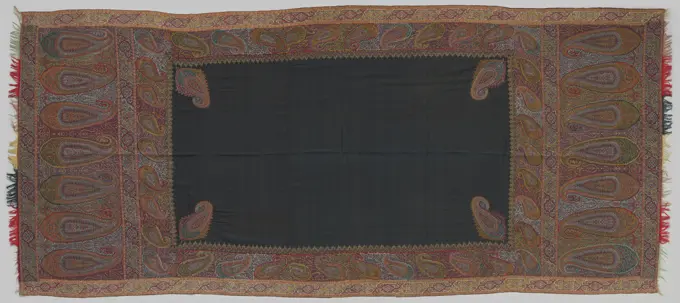
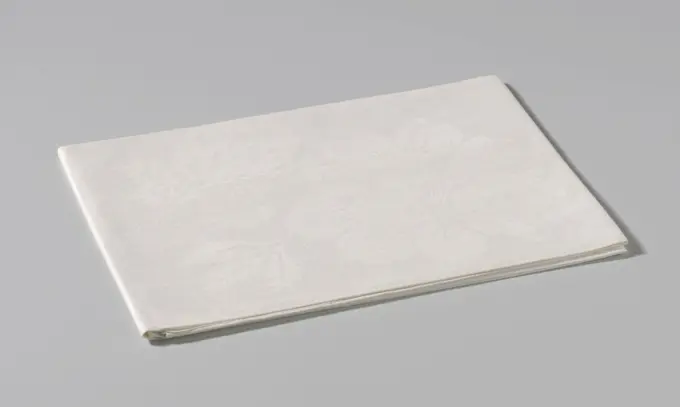
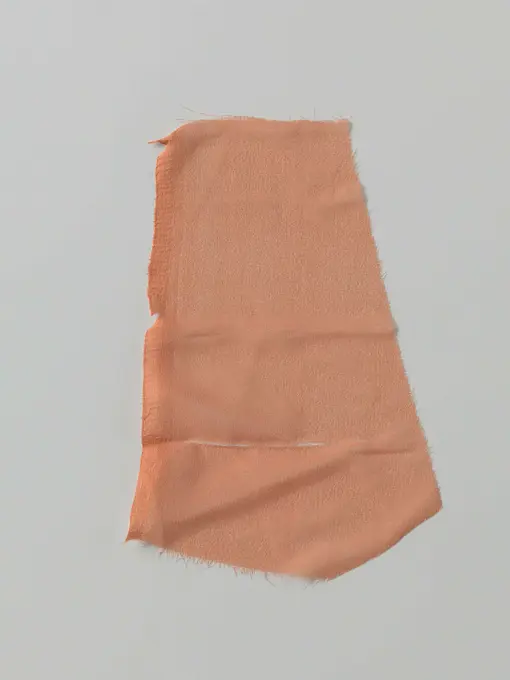
Historical Linen Fabrics

A selection of historical linen pieces, including embroidered napkins and tablecloths. Rich in design and craftsmanship from various eras.

Fragment of a table fakes from Linnamast with band work and Volutes, Anonymous, 1700 - 1710  Flanders (Possible) linen (material) damask  Flanders (Possible) linen (material) damask
Fragment of a table fakes from Linnamast with band work and Volutes, Anonymous, 1700 - 1710 Flanders (Possible) linen (material) damask Flanders (Possible) linen (material) damask
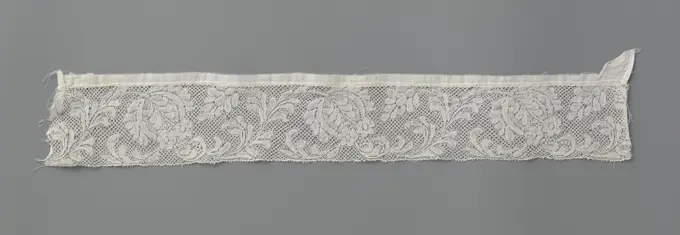
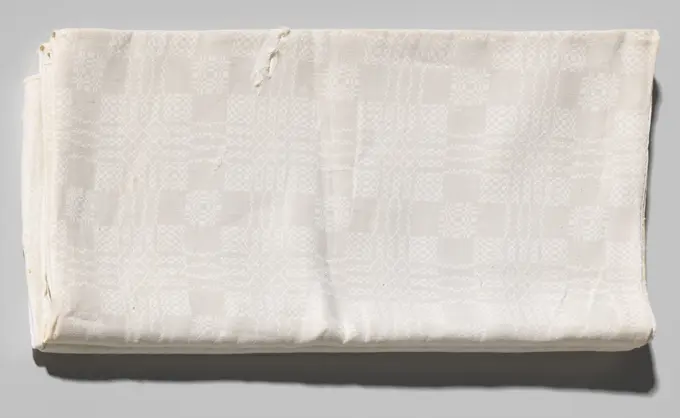
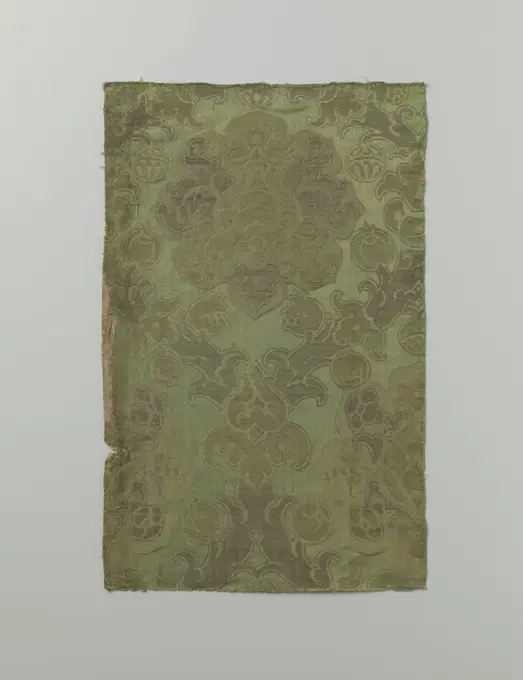
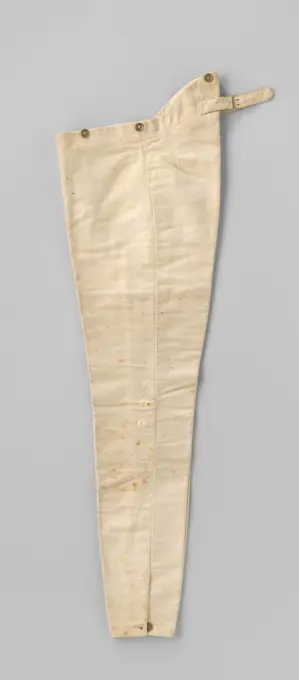
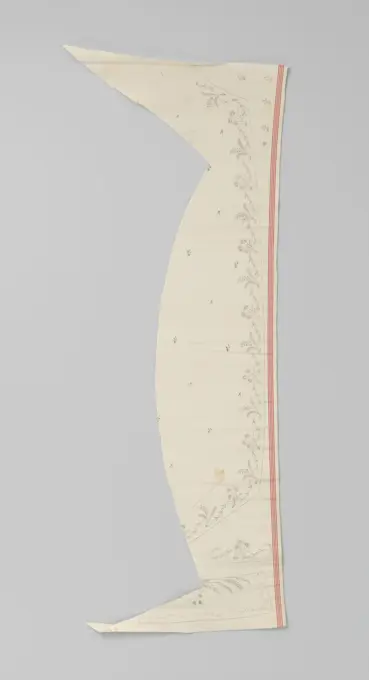
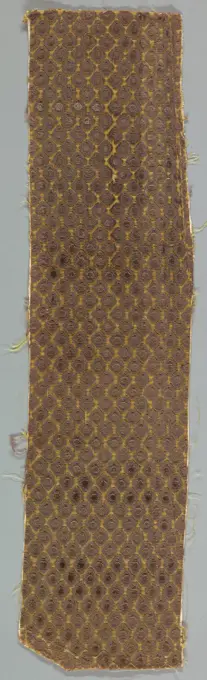
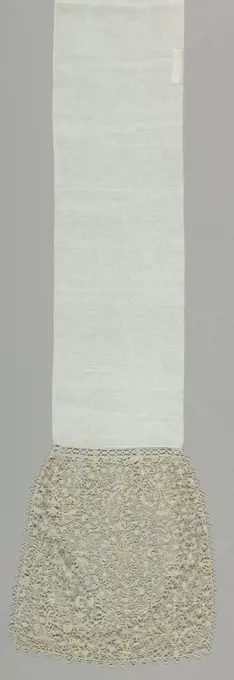
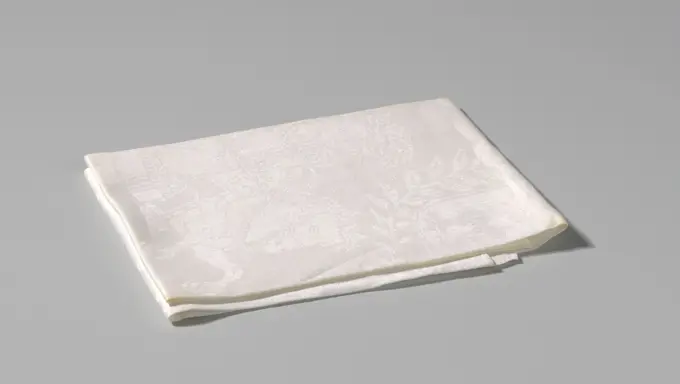
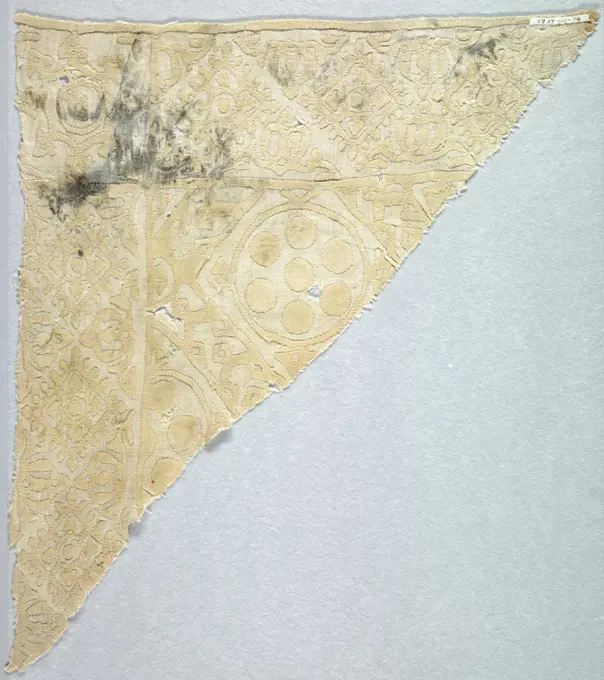
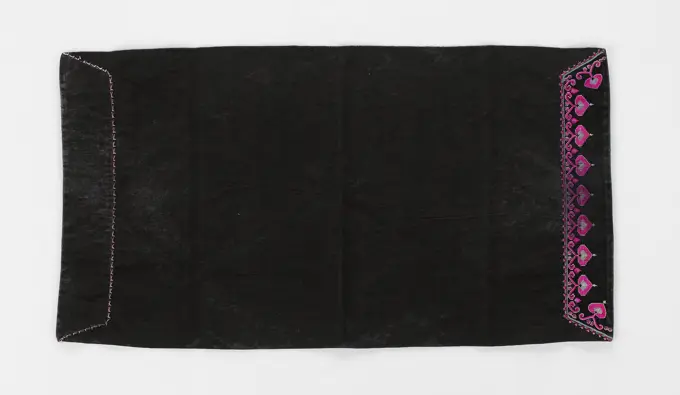
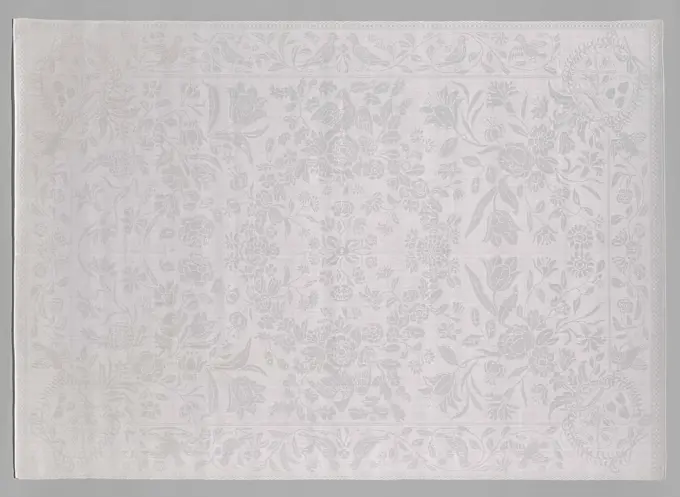
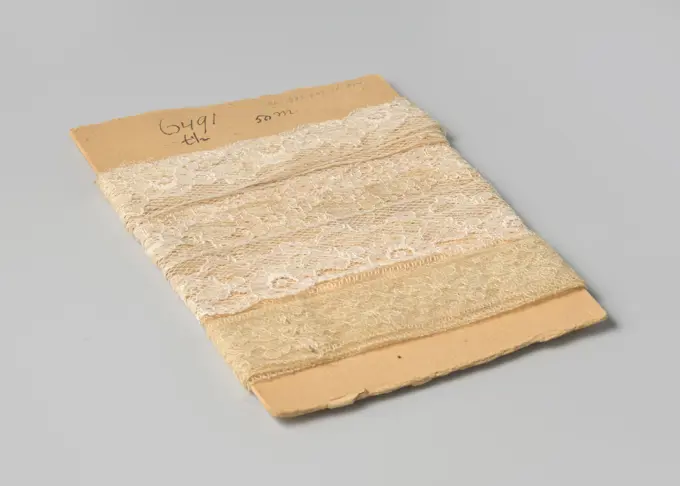
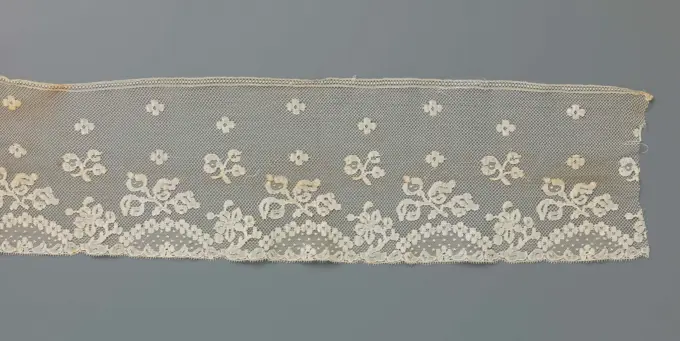
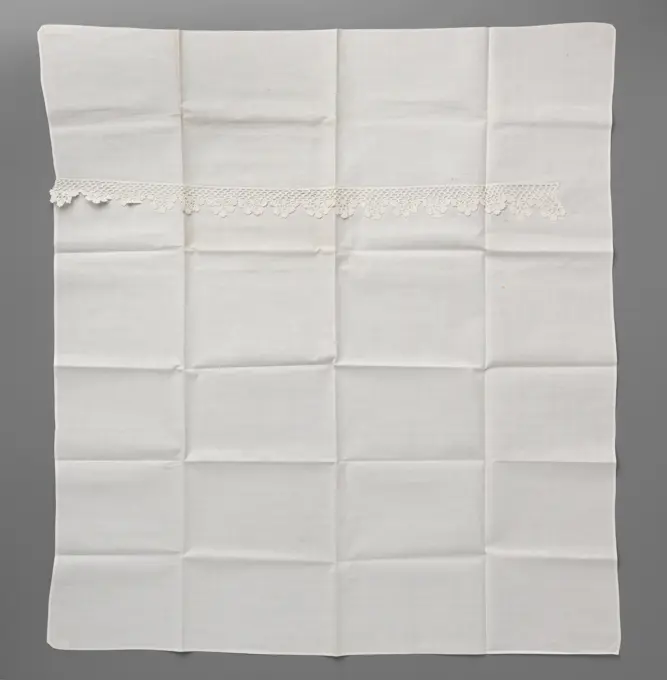
Napkin with the conquest of Neuhäusel, Gran, Buda and Pest by Leopold I, Keizer van Germany, Anonymous, in or after 1686 Linnamast napkin with the conquest of Neuhäusel, Gran, Buda and Pest by Leopold I; With the coat of arms of the Holy Roman Empire with Hartschild Oosterijk. Flanders (Possible) linen (material) damask  Budapest Linnamast napkin with the conquest of Neuhäusel, Gran, Buda and Pest by Leopold I; With the coat of arms of the Holy Roman Empire with Hartschild Oosterijk. Flanders (Possible) linen (material) damask  BudapestNapkin from white Linnamast ,, 1764 White Linnamasten Napkin with so -called edge pattern, Brand Kroon G 12 Northern Netherlands (Possible) linen (material) damask White Linnamasten Napkin with so -called edge pattern, Brand Kroon G 12 Northern Netherlands (Possible) linen (material) damaskPiece 17th century Japan. Piece 71435Strip bobbin with split branch and tulip, anonymous, c. 1750 Strip of natural-colored bobbin: binche side. On a traly -round, a five -piece ground, is a spiral branch -occupied branches -occupied branches. A large tulip, in which a split branch with two flowers and a small grapes vary each other. The motifs are made in linen battle and mains with openwork edges. As a decorative land, a snowflake land has been used sparingly. The top of the strip is straight finished and batist cuts off on a narrow track. The straight underside of the strip side is finished with picots. Southern Netherlands linen (material) Bobbi Lace / Binche Lace Strip of natural-colored bobbin: binche side. On a traly -round, a five -piece ground, is a spiral branch -occupied branches -occupied branches. A large tulip, in which a split branch with two flowers and a small grapes vary each other. The motifs are made in linen battle and mains with openwork edges. As a decorative land, a snowflake land has been used sparTablecloth with peel pattern ,, 1700 - 1800 Tablecloth from white Linnamast with large peel pattern. Infinite report of vertical and horizontal four -fold lines form a diamond pattern; Large blocks on the intersections, filled with five windows and smaller blocks within the windows. Line and block are formed from fine point and stripe combinations. Marked: OB4 in Red Cross stitch. Netherlands linen (material) Tablecloth from white Linnamast with large peel pattern. Infinite report of vertical and horizontal four -fold lines form a diamond pattern; Large blocks on the intersections, filled with five windows and smaller blocks within the windows. Line and block are formed from fine point and stripe combinations. Marked: OB4 in Red Cross stitch. Netherlands linen (material)Fragment green damask brokaat with pomegranate moths, anonymous, c. 1500 - c. 1599 Fragment with gold and silver brochure green silk with a pattern of horizontal rows of eight -lobe leaves in which a grenade surrounded with a stylized foliage. The leaves are surrounded with leaf stalks that wear flowers and seed bulbs. Netherlands (possibly) silk. metal thread damask Fragment with gold and silver brochure green silk with a pattern of horizontal rows of eight -lobe leaves in which a grenade surrounded with a stylized foliage. The leaves are surrounded with leaf stalks that wear flowers and seed bulbs. Netherlands (possibly) silk. metal thread damaskDemolition of linen with binchekant; The lace pattern shows a running edge with volutes, hanging tulips and standing composite flower ,, 1740 - 1760  NetherlandsSouthern NetherlandsBelgium linen (material). Binche Lace  NetherlandsSouthern NetherlandsBelgium linen (material). Binche LaceTablecloth with the history of the lost son, Anonymous, c. 1550 - c. 1599 Tablecloth from Linnamast with the history of the lost son. Midfield: The symmetrical pattern shows four scenes from bottom to top: a young man says goodbye to an older man. 2 a meal of three people. 3 A young man driven by two women with brooms, with the caption Lucas 15. 4 A young man kneeling at a tree. Standing edges: fruits of flowers and birds. Southern Netherlands linen (material) damask Tablecloth from Linnamast with the history of the lost son. Midfield: The symmetrical pattern shows four scenes from bottom to top: a young man says goodbye to an older man. 2 a meal of three people. 3 A young man driven by two women with brooms, with the caption Lucas 15. 4 A young man kneeling at a tree. Standing edges: fruits of flowers and birds. Southern Netherlands linen (material) damaskLumbar ,, 1755 - 1795 Lendloop van Linnen, brand WO14. Northern Netherlands linen (material) Lendloop van Linnen, brand WO14. Northern Netherlands linen (material)Fragment of a table fakes from Linnamast with band work and Volutes, Anonymous, 1700 - 1710  Flanders (Possible) linen (material) damask  Flanders (Possible) linen (material) damaskTextile (USA); wool; Warp x Weft: 39 x 13 cm (15 3/8 x 5 1/8 in.); 1954-120-4Tablecloth with animals and wreaths of oak leaves, anonymous (Possible), c. 1800 - c. 1899 Tablecloth from Linnamast with animals and wreaths of oak leaves. Midfield: three times wreath of oak leaf with four birds to buttons. Rand without separation on a quarter of width: Long sides: three leaf garlands with group deer, the middle one with two with heads thrown back. Overhoeks: ditto. Short sides: Rock with two guys. In corners of pheasant couple. Frame of arches with cheaper fields. Germany linen (material) damask Tablecloth from Linnamast with animals and wreaths of oak leaves. Midfield: three times wreath of oak leaf with four birds to buttons. Rand without separation on a quarter of width: Long sides: three leaf garlands with group deer, the middle one with two with heads thrown back. Overhoeks: ditto. Short sides: Rock with two guys. In corners of pheasant couple. Frame of arches with cheaper fields. Germany linen (material) damaskTextile Swatches Onondaga Silk Company, Inc. (1925-1981). , 1948-1959. 72 silk, 28 metal, 47 x 18 1/4 in. (119.4 x 46.4 cm).    1948-1959Textile, Medium: piña (pineapple) fiber, cotton Technique: plain weave, Cream-colored pineapple fiber with a fine check of white cotton., Philippines, 19th century, woven textiles, TextileNapkin with the coat of arms of Karel III of Spain and a face on Rijssel, Anonymous, c. 1702 - c. 1713 Linnamast napkin with the coat of arms of Karel III of Spain and a face on Rijssel. The symmetrical pattern shows the following scenes from bottom to top: 1 a face on Rijssel with many towers. 2 Map of a fortress with Lille top. 3 rider on horseback (Karel III of Spain). 4 The coat of arms of Karel III of Spain flanked by banners. Standing and lying edges: weapons, including Savoye, and weapon trophies; Outside of that: blocking edge. Kortrijk (Possible) linen (material) damask  Spain. Lille Linnamast napkin with the coat of arms of Karel III of Spain and a face on Rijssel. The symmetrical pattern shows the following scenes from bottom to top: 1 a face on Rijssel with many towers. 2 Map of a fortress with Lille top. 3 rider on horseback (Karel III of Spain). 4 The coat of arms of Karel III of Spain flanked by banners. Standing and lying edges: weapons, including Savoye, and weapon troBeige Rijbroek, Unknown, c. 1813 - c. 1814 The fly closes with four copper -colored buttons. At the bottom of both pipes an identical copper -colored knot. The Hague textile materials   Amsterdam The fly closes with four copper -colored buttons. At the bottom of both pipes an identical copper -colored knot. The Hague textile materials   AmsterdamNapkin with susanna and the elders, anonymous, c. 1650 - c. 1700 Linnamast napkin with Susanna and the elders. Flanders (Possible) linen (material) damask Linnamast napkin with Susanna and the elders. Flanders (Possible) linen (material) damaskVesting building right side, with pencil drawn on a panel cream -colored rips side on which a large part is cut, anonymous, c. 1750 - c. 1775 Vesting building right side, with pencil drawn on a panel cream -colored rips side on which a large part is cut. Model: The cardigan is placed with the front of the building to the red striped self -sided. Long model with slanted angle and round neck. Pocket valve largely cut away. Board is missing. Decoration: A border along the edge with a stacked leaf and floral pattern between which a flower garland. Furthermore, a spreading motif of small flowers and leaves. Uncut vest. France (possibly) Panel: Silk. Drawing: Pencil drawing Vesting building right side, with pencil drawn on a panel cream -colored rips side on which a large part is cut. Model: The cardigan is placed with the front of the building to the red striped self -sided. Long model with slanted angle and round neck. Pocket valve largely cut away. Board is missing. Decoration: A border aLinnamast napkin with a flower pattern., C. 1725 Napkin from Linnamast with flowers and a rainy ornament. The napkin is part of nine napkins (BK-1974-87-A to BK-1974-87-J) and a tablecloth (BK-1974-86).  linen (material) damask Napkin from Linnamast with flowers and a rainy ornament. The napkin is part of nine napkins (BK-1974-87-A to BK-1974-87-J) and a tablecloth (BK-1974-86).  linen (material) damaskFragment of a tablecloth with the weapon of Boelens van der Haer ,, 1874 Fragment of a white linen dams of tablecloth with volutes and the weapon of Boelens van der Haer. North Brabant (Possibly) linen (material) damask Fragment of a white linen dams of tablecloth with volutes and the weapon of Boelens van der Haer. North Brabant (Possibly) linen (material) damaskFragment; silkTextile 18th century American or European. Textile 129872Napkin made of linen with peel pattern, c. 1400 - c. 1950 White linen napkin with peel pattern, brand is and 47 Northern Netherlands (Possible) linen (material) White linen napkin with peel pattern, brand is and 47 Northern Netherlands (Possible) linen (material)Fragment silkedamast. Fragment Dark gray blue silk with pattern of large lancet shaped leaves to stems, forming ugival fields, in which stylized sprayed grenades.Napkin made of linen with peel pattern, c. 1400 - c. 1950 White Linnamasten napkin with peel pattern, brand is crown and 96. Northern Netherlands (Possible) linen (material) White Linnamasten napkin with peel pattern, brand is crown and 96. Northern Netherlands (Possible) linen (material)Cravat ends, Medium: linen Technique: needle lace, late 17th to early 19th c, Cravat ends worked with a design of a central motif with branching scrolls., Commonly called 'Rosaline' during the last century, Belgium, late 17th century, lace, Cravat endsNapkin with the conquest of Neuhäusel, Gran, Buda and Pest by Leopold I, Keizer van Germany, Anonymous, in or after 1686 Linnamast napkin with the conquest of Neuhäusel, Gran, Buda and Pest by Leopold I; With the coat of arms of the Holy Roman Empire with Hartschild Oosterijk. Flanders (Possible) linen (material) damask  Budapest Linnamast napkin with the conquest of Neuhäusel, Gran, Buda and Pest by Leopold I; With the coat of arms of the Holy Roman Empire with Hartschild Oosterijk. Flanders (Possible) linen (material) damask  BudapestLinnamast napkin with pineapples, Rath (Possible), c. 1875 - c. 1924 Napkin from white Linnamast with a design of pineapples, embroidered B. Nederland, Kampen, 19th century. Netherlands linen (material) embroidering / damask Napkin from white Linnamast with a design of pineapples, embroidered B. Nederland, Kampen, 19th century. Netherlands linen (material) embroidering / damaskTablecloth with sprinkling flowers, anonymous, c. 1700 - c. 1899 Tablecloth from Linnamast with sprinkling flowers. Midfield: Sprinkling flowers. Standing and lying edges. Scissors (possibly) linen (material) damask Tablecloth from Linnamast with sprinkling flowers. Midfield: Sprinkling flowers. Standing and lying edges. Scissors (possibly) linen (material) damaskPiece 18th-19th century Japan. Piece 66218Napkin with the conquest of Neuhäusel, Gran, Buda and Pest by Leopold I, Keizer van Germany, Anonymous, in or after 1686 Linnamast napkin with the conquest of Neuhäusel, Gran, Buda and Pest by Leopold I; With the coat of arms of the Holy Roman Empire with Hartschild Oosterijk. Flanders (Possible) linen (material) damask  Budapest Linnamast napkin with the conquest of Neuhäusel, Gran, Buda and Pest by Leopold I; With the coat of arms of the Holy Roman Empire with Hartschild Oosterijk. Flanders (Possible) linen (material) damask  BudapestPiece 18th century Japan. Piece 71657Sample, Orinoka Mills, (Philadelphia, Pennsylvania, USA), Green/yellow warp with light orange weft forming flowers within medalions and arabesques, USA, ca. 1910, woven textiles, SamplePellen pattern, so -called 'Fine Molenwiek'. Brand: CH 42., Anonymous, 1600 - 1699 Napkin of white linen with a peel pattern so -called 'fine millwiek', brand CH 42. Northern Netherlands (Possible) linen (material) Napkin of white linen with a peel pattern so -called 'fine millwiek', brand CH 42. Northern Netherlands (Possible) linen (material)Sutra Cover. China. Date: 1590-1599. Dimensions: 35.5 × 13.6 cm (14 × 5 3/8 in.)Repeat: 16.7 × 10.9 cm (6 5/8 × 4 1/4 in.). Silk and gold-leaf-over-lacquered-paper strip, gauze weave with supplementary patterning wefts. Origin: China. Museum: The Chicago Art Institute, Chicago, USA.Textile Swatch Textile Swatch, 1950s to 1960s. Silk, 21 1/4 x 6 in. (54 x 15.2 cm).    1950s to 1960sNapkin from white Linnamast with pattern of putti with decorative trusses and monograms in the corners, anonymous, c. 1665 - c. 1675 Napkin from white Linnamast with pattern of putti with decorative trusses and monograms in the corners. Satin 5 Binding. Flanders (Possible) Holland (Possible) linen (material) damask Napkin from white Linnamast with pattern of putti with decorative trusses and monograms in the corners. Satin 5 Binding. Flanders (Possible) Holland (Possible) linen (material) damaskPiece 18th-19th century China. Piece. China. 18th-19th century. Silk. Qing dynasty (1644-1911). Textiles-WovenFragment, Medium: linen Technique: plain cloth embroidered and appliquéd, Cream-colored linen plain cloth ground with light tan appliqué of linen plain cloth in design of rings enclosing circles within a lozenge shape. Broad border of lozenges enclosing quatrefoils. Triangular fragment., Egypt, 10th-12th century, embroidery & stitching, FragmentTablecloth, Anonymous, 1939 Linen Damas tablecloth to commemorate "a century track", "1838-1939" (woven). Eindhoven linen (material) damask Linen Damas tablecloth to commemorate "a century track", "1838-1939" (woven). Eindhoven linen (material) damaskLinnamast napkin with peel pattern, anonymous, 1756 White linen napkin with a peel pattern in twill binding, brand WG 130 1756. Northern Netherlands (Possible) linen (material) White linen napkin with a peel pattern in twill binding, brand WG 130 1756. Northern Netherlands (Possible) linen (material)Textile Swatches Onondaga Silk Company, Inc. (1925-1981). , 1948-1959. Silk, 23 x 6 in. (58.4 x 15.2 cm).    1948-1959Fragment silk tissue. Fragment of 3 peoped pieces, strongly included, made of red-green silk with pattern of wingerd and closed rangions.Hat, 20th century, 22 1/4 x 12 1/2 in. (56.5 x 31.8 cm), Cotton, China, 20th centuryRug, 20th century, 51 3/4 x 30 in. (131.4 x 76.2 cm), United States, 20th centuryNapkin with floral pattern and weapons of "ten hove and from beber". White linen damask napkin with symmetrically mirrored flower pattern and in the four corners of "ten hove and from beber". Satin 5 bindingPanel 868-905. Panel 448505Napkin with rural scenes, marked BDW and 24., Anonymous, 1830 - 1860 White half -linen Damas napkin with rural scenes, marked BDW and 24. Germany Ketting: Cotton (Textile). Elements: Linen (material). damask White half -linen Damas napkin with rural scenes, marked BDW and 24. Germany Ketting: Cotton (Textile). Elements: Linen (material). damaskBorder, Medium: linen Technique: bobbin and needle lace (appliqué on bobbin ground), Border of bobbin fond with appliqué floral sprays and semé de larmes. Fond: Droschel with needle lace appliqué., Belgium, early 19th century, lace, BorderSilver -shell in sculptation plate, Anonymous, 1807 Red copper sculpting plate with silver removes from the time of the Kingdom of Holland. The Dutch Keurkamer signs, five Oostfriese Keurkamer signs, the content signs, the re -inspection signs and the annual letters. With pencil dated at the bottom right: June 5, 1807. Netherlands copper (metal) Red copper sculpting plate with silver removes from the time of the Kingdom of Holland. The Dutch Keurkamer signs, five Oostfriese Keurkamer signs, the content signs, the re -inspection signs and the annual letters. With pencil dated at the bottom right: June 5, 1807. Netherlands copper (metal)Textile Swatch Textile Swatch, 1950s to 1960s. Silk, 21 x 7 1/2 in. (53.3 x 19.1 cm).    1950s to 1960sLinen pillowcase., C. 1400 - c. 1950 Linen pillowcase. The demolition includes a pillowcase with invnr. BK-1980-637-A.  linen (material) Linen pillowcase. The demolition includes a pillowcase with invnr. BK-1980-637-A.  linen (material)Tablecloth with London and the Thames, Anonymous, c. 1675 - c. 1699 Tablecloth from Linnamast with London and the Thames river. The symmetrical, twice in height and three times repeated pattern, exhibits four scenes: 1 riding rider; The horse is over -sighted. A general with staff is dressed in Justaucorps, half -height chapters. 2 Omkransd city coat of arms of London (cross with sword in a free -quarter), flanked by angels with trumpets; A row of houses and city gate. 3 A river with three -masters with hereded sails, a sloop in the background. Caption: The River Thames. 4 A cityscape with houses, streets, the Tower and in the middle the cathedral of St Paul. Caption: London. Double standing edges shared by a line: Volute vines, which form hot cartouches, with fruit and flower filling; Outside of that: blocking edge. Fruit and flower filling. Haarlem linen (material) damask  London Tablecloth from Linnamast with London and the Thames river. The symmetrical, twice in height and three tiScarf 1700-1945 American or European. Scarf 119262La Farge Sketchbook #14 (48leaves).  Artist: John La Farge, American, 1835-1910, M.A. (HON.) 1896Linnamast napkin with peel pattern ,, c. 1690 - c. 1728 Napkin from White Linnamast with peel pattern, brand TC and 18. Northern Netherlands (Possible) linen (material) damask Napkin from White Linnamast with peel pattern, brand TC and 18. Northern Netherlands (Possible) linen (material) damaskTowel. Turkey. Date: 1701-1725. Dimensions: 125.8 x 52 cm (49 1/2 x 20 1/2 in.). Embroidered. Origin: Turkey. Museum: The Chicago Art Institute, Chicago, USA.Strip of white machine side with pattern of flowers, sculpted on one side and provided with picots, on cardboard, c. 1925 Strip of white machining side with pattern of flowers, sculpted on one side and provided with picots, on cardboard. Nijmegen cardboard Strip of white machining side with pattern of flowers, sculpted on one side and provided with picots, on cardboard. Nijmegen cardboardTextile, Italy, 16th-17th century, woven textiles, TextileNapkin with the coat of arms of Karel III of Spain and a face on Rijssel, Anonymous, c. 1702 - c. 1713 Linnamast napkin with the coat of arms of Karel III of Spain and a face on Rijssel. The symmetrical pattern shows the following scenes from bottom to top: 1 a face on Rijssel with many towers. 2 Map of a fortress with Lille top. 3 rider on horseback (Karel III of Spain). 4 The coat of arms of Karel III of Spain flanked by banners. Standing and lying edges: weapons, including Savoye, and weapon trophies; Outside of that: blocking edge. Kortrijk (Possible) linen (material) damask  Spain. Lille Linnamast napkin with the coat of arms of Karel III of Spain and a face on Rijssel. The symmetrical pattern shows the following scenes from bottom to top: 1 a face on Rijssel with many towers. 2 Map of a fortress with Lille top. 3 rider on horseback (Karel III of Spain). 4 The coat of arms of Karel III of Spain flanked by banners. Standing and lying edges: weapons, including Savoye, and weapon troPhoto album of the school years Frank Willem van den Berg, Frank Willem van den Berg (1912-1998), 1923 - 1931 scrapbook Scrapbook with 190 photos, spread over 42 pages and the indoor sides of the front and back slat. Four photos and a photomechanical print are loose in the album. Frank Willem van den Berg with groups of friends, various vacations such as to Switzerland, France and England, and sailing trips with friends are photographed. Most photos were made by Frank Willem van den Berg himself or by people from his area; In addition, the album contains post -purchased postcards. Most pages contain handwritten captions. Amsterdam cardboard. paper. baryta paper. textile materials. metal. ink gelatin silver print / pen the family travelling, on holiday. friends. sailing-ship, sailing-boat Netherlands. France. Switzerland. EnglandFragment brochure silk ,, 1680 A fragment of brown gray silk tissue with stripes and ornaments of gold and silver thread. NOTE: MEERSHIP; 1.1 cm, 3 reinforced lace threads 0.1 cm, satin: 2 colorful with narrow white stripes. Netherlands silk. A fragment of brown gray silk tissue with stripes and ornaments of gold and silver thread. NOTE: MEERSHIP; 1.1 cm, 3 reinforced lace threads 0.1 cm, satin: 2 colorful with narrow white stripes. Netherlands silk.Textile Swatches Onondaga Silk Company, Inc. (1925-1981). , 1948-1959. Silk, 47 1/4 x 19 1/2 in. (120 x 49.5 cm).    1948-1959Hat Cover, 12 1/16 x 21 5/16 in. (30.64 x 54.13 cm), Cotton, ChinaTiraz fragment, Medium: linen, silk Technique: slit tapestry, Ivory linen plain cloth with fringe on at top. Two horizontal bands where weft has been pulled out. Horizontal band of slit tapestry in Arabic inscription in dark blue silk., Egypt, 934-40, woven textiles, Tiraz fragmentStrook machinale kant met schuingeplaatste en diep ingesneden zevenlobbige bloemen.Strip natural-colored machining. The strip consists of two sewn parts, with a very clear coarse seam. The repeating pattern exists from top to bottom: two rows widely distributed rosette flowers; Three rows of flower branches and along the underside regular arches of seven rosette flowers. In the field under each arc a fine grille with moes, which is closed along the straight bottom of the strip by a row of leaves with one rosette flower in the middle, straight under the corn. A narrow edge along the top of the strip has the pattern of a decorative edge with a row of snowflakes. The motifs are made in linen stroke and equipped with contour wires. The motifs are connected by a diamond-shaped grille. Different mechanical flows have been applied in and around the motifs. The straight bottom of the strip is finished with picots.Old grunge postage stamp. Clean postage stamp template. Postage stamp border. Mockup postage stamp with shadow. Blank postage stamp. Vector illustrationLumbar break, 1692 - 1735 Lendloop van Linen, Brand Kroon GS11. Northern Netherlands linen (material) Lendloop van Linen, Brand Kroon GS11. Northern Netherlands linen (material)Napkin of linen with peel pattern, 1640 - 1670 White linen napkin with peel pattern, brand HW 32 Northern Netherlands (Possible) linen (material) White linen napkin with peel pattern, brand HW 32 Northern Netherlands (Possible) linen (material)Book cover with overall dash design 19th century Anonymous. Book cover with overall dash design. Anonymous , 19th century. 19th century. Relief print (wood or metal). PrintsWoman's Shawl (Aso Oke). Culture: Yoruba peoples. Dimensions: W. 42 × L. 68 in. (106.68 × 172.72 cm). Date: 19th century.Yoruba shawls such as this example are known as Aso Oke. This shawl is delicate and subtle while simultaneously presenting impressive craftsmanship and intricate composition. It presents a complex composition with four different forms of openwork arranged in separate fields. Woven by men, such shawls, dating back to the late 19th or early 20th century, were traditionnaly worn by women. On some occasions, Aso Oke were worn as head coverings in masquerades, and would then be worn by men. Placed over the head and held in place by a hat, the dancer was able to see through the openwork at front. Several early colonial photographs document this usage. Museum: Metropolitan Museum of Art, New York, USA.Fragment 17th-18th century Italian. Fragment 230582Reserve,, c. 1690 - c. 1728 White linen napkin with peel pattern, brand TC and 18. Northern Netherlands (Possible) linen (material) White linen napkin with peel pattern, brand TC and 18. Northern Netherlands (Possible) linen (material)Linnamast napkin with a flower pattern, anonymous, c. 1800 - c. 1850 Linnamast napkin with a flower pattern. Midfield with spreading motifs, lying and running edges, floral motifs and leaf edge and lying edge with checkerboard motif respectively. The napkin is part of seven napkins (BK-1976-121-A to BK-1976-121-H) and a tablecloth (BK-1976-120). Netherlands (possibly) linen (material) damask Linnamast napkin with a flower pattern. Midfield with spreading motifs, lying and running edges, floral motifs and leaf edge and lying edge with checkerboard motif respectively. The napkin is part of seven napkins (BK-1976-121-A to BK-1976-121-H) and a tablecloth (BK-1976-120). Netherlands (possibly) linen (material) damaskBanknote motifs: band of lace-like lathe work ornament. Artist: Associated with Cyrus Durand (American, 1787-1868). Dimensions: plate: 4 13/16 x 2 1/2 in. (12.2 x 6.4 cm)sheet: 6 1/8 x 4 11/16 in. (15.5 x 11.9 cm). Printer: Printed by A. B. & C. Durand & Company (American, active 1824-27); Printed by Durand, Perkins, and Company (New York). Date: ca. 1824-42. Museum: Metropolitan Museum of Art, New York, USA.Tablecloth with peel pattern, anonymous, 1734 Tablecloth of white linen with peel pattern "Oranjeboom", brand Kroon WG 5 and 1734. Northern Netherlands (Possible) linen (material) Tablecloth of white linen with peel pattern "Oranjeboom", brand Kroon WG 5 and 1734. Northern Netherlands (Possible) linen (material)Panel (From a Skirt) Made 1733-1753 Spitalfields. Silk, plain weave with supplementary brocading wefts and self-patterned by ground weft floats . Anna Maria Garthwaite (Designer)Model for a bracket of a book lock with profiled edges and leaves, anonymous, c. 1775 - c. 1800 In the model made from plate for a mold, profiled edges are cut out, between which leaves. Amsterdam copper (metal) In the model made from plate for a mold, profiled edges are cut out, between which leaves. Amsterdam copper (metal)Textile Swatch Textile Swatch, 1950s to 1960s. Silk, 20 x 7 in. (50.8 x 17.8 cm).    1950s to 1960sSamples (3) early 19th century French. Samples (3) 219352Textile, Medium: silk, silver foil on silk core Technique: compound satin weave with brocading, Blue-green satin with vertical rows of large symmetrical floral palmettes between columns of smaller palmettes, large flower heads, feathery leaves, serpentining lace, in tarnished silver, pink, yellow, white, and green., Italy or France, 1700-1750, woven textiles, TextileNapkin with herme, god and lions in the midst of acanthus leaves, anonymous, c. 1850 - c. 1899 Linnamast napkin with Herme, God, Lions in the midst of Acanthus leaves. Midfield: four passenger flower bouquets with rose and scattered leaf work. In the non -border four passes, the bouquets of overhoeks placed on two acanthus fillets. Corners: Overhoeks placed a Herme with midas head (or donkey head), With musical instruments and thyrsus bars. Left and right a wandering lion, held in check by a winged young god (Apollo) Dressed in Draperie. Edges: Without a dividing line, the field is surrounded by a wide edge of symmetrical acanthus drinks. In turn, the deeply incised, feathered leaf voltues wear a fruit and flower basket, or they are in two twisted spiral shapes that end in a ram mask, above two flower branches and a pineal. North Brabant linen (material) damask Linnamast napkin with Herme, God, Lions in the midst of Acanthus leaves. Midfield: four passenger flower bouquets with rose anDemolition or loin run, mark: wt 9, anonymous, 1750 - 1799 Demolition or lendespoons of white linen, brand WT 9. Northern Netherlands (Possible) linen (material) Demolition or lendespoons of white linen, brand WT 9. Northern Netherlands (Possible) linen (material)Fragment of the fabric;  1760-65 (1760-00-00-1765-00-00);Dąmbska, Grażyna - collection, fragments of a larger textile object, fabric, patterned fabrics, purchase (provenance)Plank rug made of cotton with a crocheted scallop, anonymous, c. 1900 - c. 1924 Plank rug made of white cotton with a crocheted edge of crocheted side. Square model with the strip crocheted side on about one fourth of the height. The strip does not run completely over the full width of the rug. The shelf rug is meant for a linen cupboard. In one of the corners there is the remnant of an embroidery that is still undamaged at BK-1974-27-A: the initials TVDS with the number 6 below. Netherlands cotton (textile) crocheting Plank rug made of white cotton with a crocheted edge of crocheted side. Square model with the strip crocheted side on about one fourth of the height. The strip does not run completely over the full width of the rug. The shelf rug is meant for a linen cupboard. In one of the corners there is the remnant of an embroidery that is still undamaged at BK-1974-27-A: the initials TVDS with the number 6 below. Netherlands cotton (textile) crochetingPillowcase ,, 1725 - 1770  North Netherlands linen (material). bobbin lace  North Netherlands linen (material). bobbin laceTextile Swatches Onondaga Silk Company, Inc. (1925-1981). , 1948-1959. Silk, 47 1/2 x 19 1/4 in. (120.7 x 48.9 cm).    1948-1959Train French 1850sFragment multicolored silk, anonymous, c. 1750 - c. 1800 A fragment of pink silk with stripes in white and silver. The pattern has sprinkled silver -colored flowers in the lanes. A flower branch winds around a white stripe and on the silver stripes the pattern has multicolored flower bouquets and flower branches. Netherlands silk. A fragment of pink silk with stripes in white and silver. The pattern has sprinkled silver -colored flowers in the lanes. A flower branch winds around a white stripe and on the silver stripes the pattern has multicolored flower bouquets and flower branches. Netherlands silk.Embossed wool, Medium: A-F) wool; G-L) wool; camel's hair and silk Technique: A-F) stamped and glazed ('Camblet'); G-L) stamped, glazed, moire ('Watered worsted Camblet'), Vermilion woolen cloth, firmly woven, with medium-scale design giving all-over effect of vine leaves, curving stems, curling tendtrils on stamped glazed ground which gives slightly lighter effect. B-D appear to have been washed, lighter; glaze gone. Reverse side of F is emphatically moire. Piece of red and black patterned wool tape with two ball ornaments attached to D., ca. 1800, Embossed woolLamella. UnknownRibbon 18th century French. Ribbon 217131Tablecloth, 1670 - 1700 White linen dams of tablecloth with a face on the city of Paris, with investment "Paris Roy de France". Germany linen (material) damask White linen dams of tablecloth with a face on the city of Paris, with investment "Paris Roy de France". Germany linen (material) damaskLinnamast napkin with the glorification of Charles VI of Habsburg, Anonymous, c. 1711 White Linnamasten Napkin with the glorification of Karel VI of Habsburg. Flanders (Possible) linen (material) White Linnamasten Napkin with the glorification of Karel VI of Habsburg. Flanders (Possible) linen (material)Rectangular cashmere scarf, with unadorned black middle part, around which a multi -colored pattern of large spring motifs, anonymous, c. 1800 - c. 1825 Rectangular cashmere scarf, with unadorned black middle part, around which a multi -colored pattern of large lying spring motifs.  whole: Wool twill Rectangular cashmere scarf, with unadorned black middle part, around which a multi -colored pattern of large lying spring motifs.  whole: Wool twillFragment green silk tissue with stylized leaf motif, anonymous, 1500 - 1599 Fragment green silk with pattern in gold from interrupted band work formed hexagons within which palmettes. Italy silk. metal thread Fragment green silk with pattern in gold from interrupted band work formed hexagons within which palmettes. Italy silk. metal threadLinnamast napkin with a flower pattern, c. 1740 Linnamast napkin with a flower pattern. The napkin is part of five napkins (BK-1973-177-A to BK-1973-177-F) and a tablecloth (BK-1973-176).  linen (material) damask Linnamast napkin with a flower pattern. The napkin is part of five napkins (BK-1973-177-A to BK-1973-177-F) and a tablecloth (BK-1973-176).  linen (material) damaskFragment orange silk tissue. .White Damask napkin with geometric pattern, anonymous, c. 1800 - c. 1930  Europe textile materials damask  Europe textile materials damaskFlag. Flag with white pants with six rosettes; The flight consists of a red field with a chronicated plant motif. Blue horizontal tracks along top and bottom.