Historical Medals and Artifacts

A selection of intricate medals and decorative objects, showcasing detailed craftsmanship, from different historical periods and cultures.

Gold Honorary Medal of the Red Cross for Women Patriae AC Humanitati
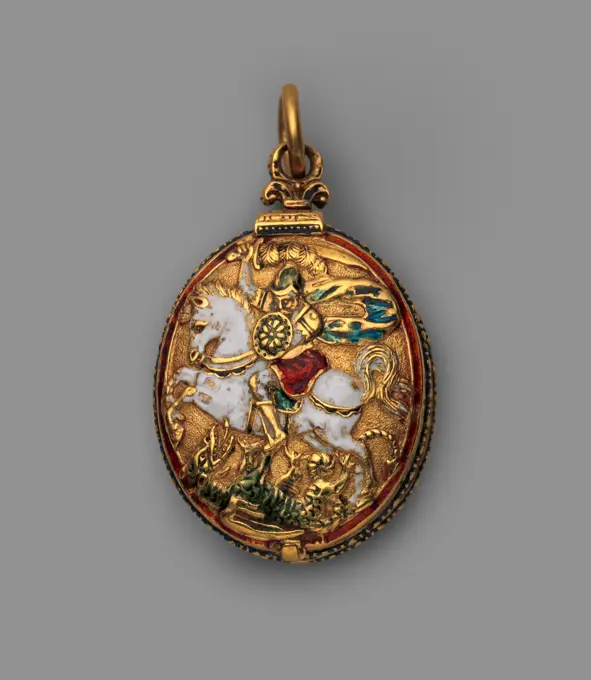
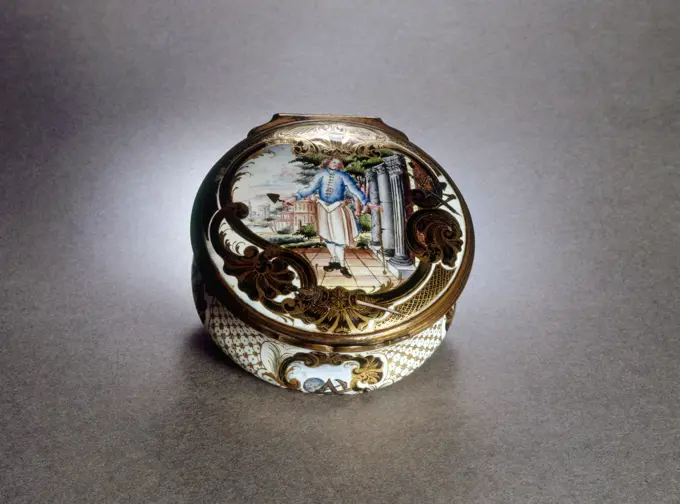
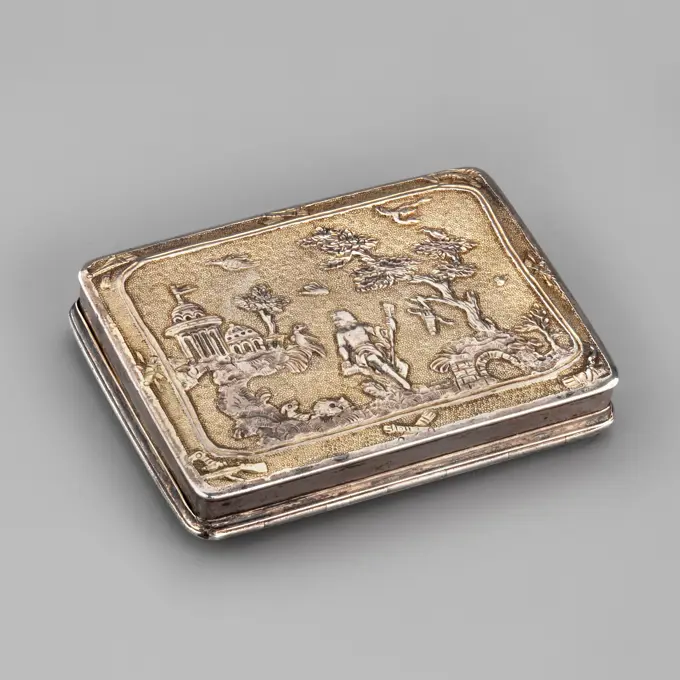
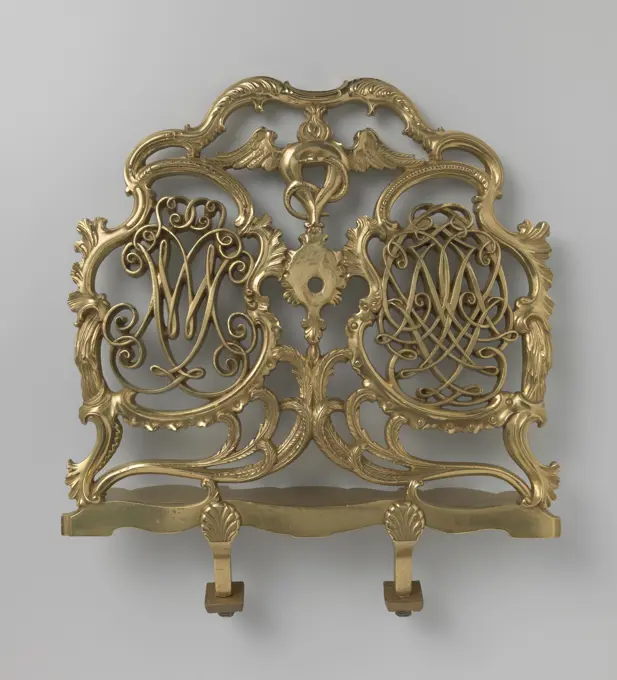
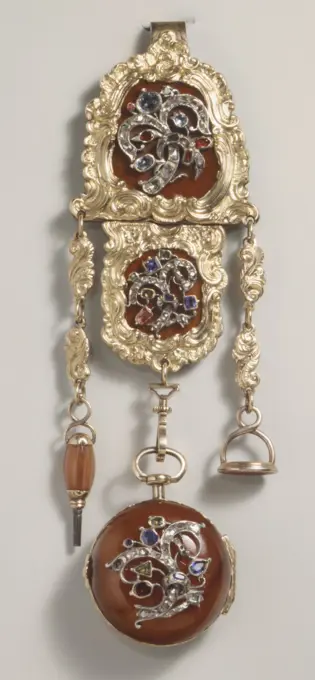
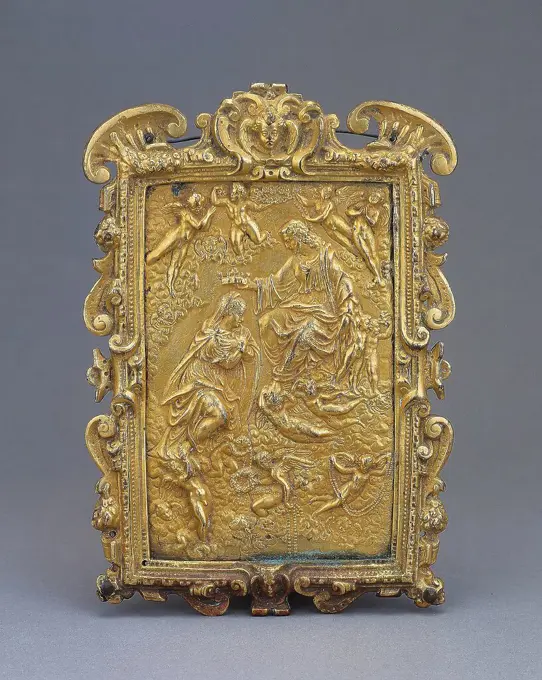
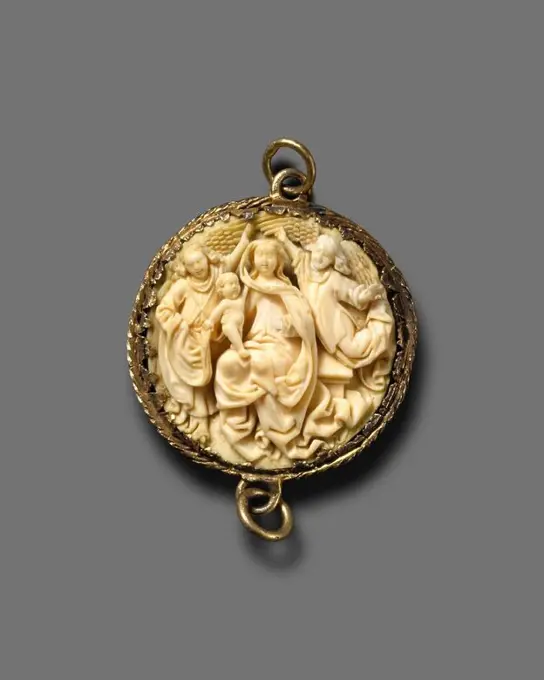
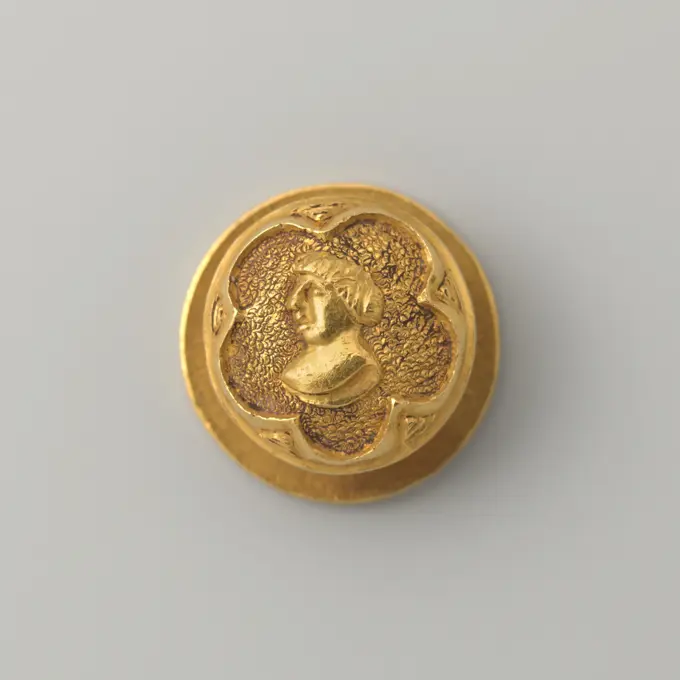
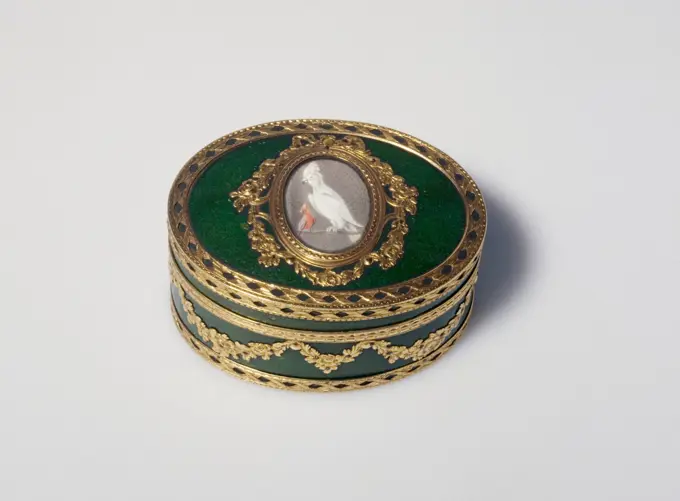
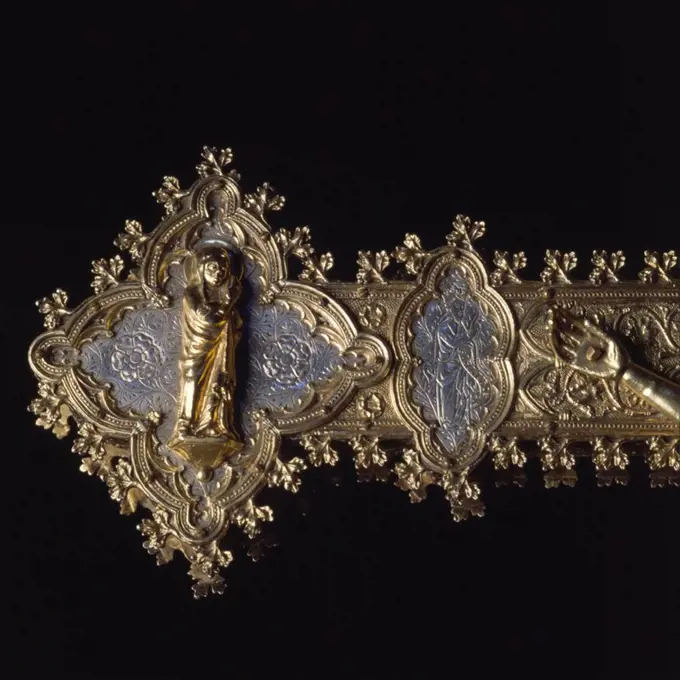
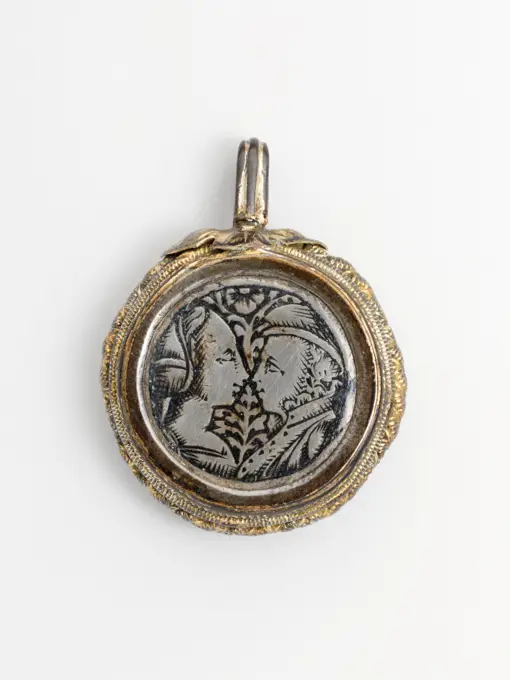
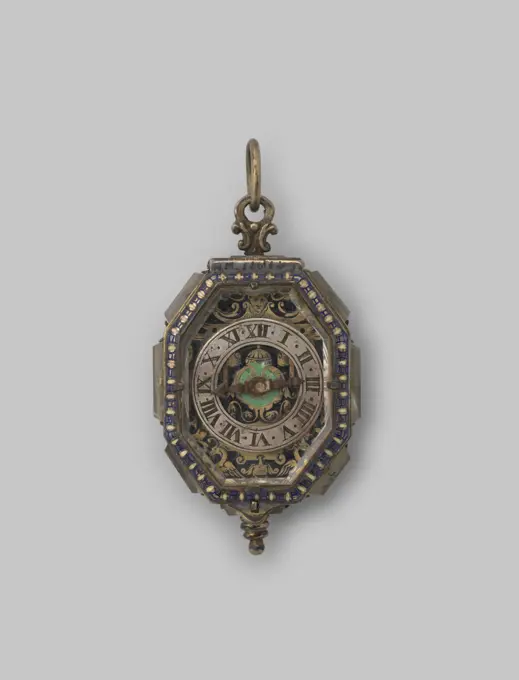
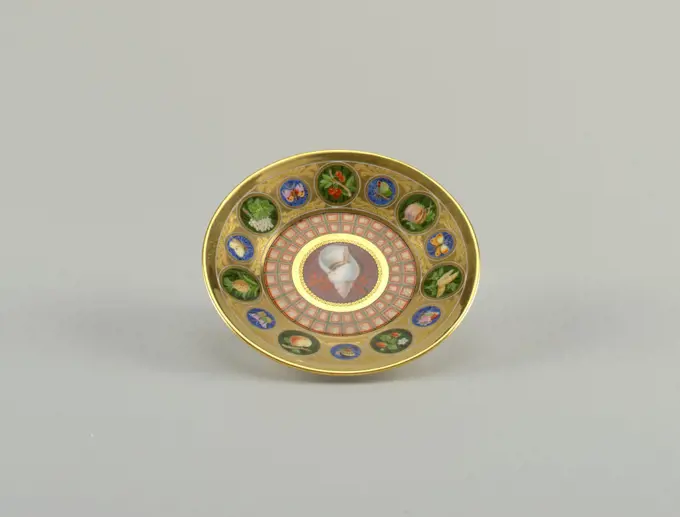
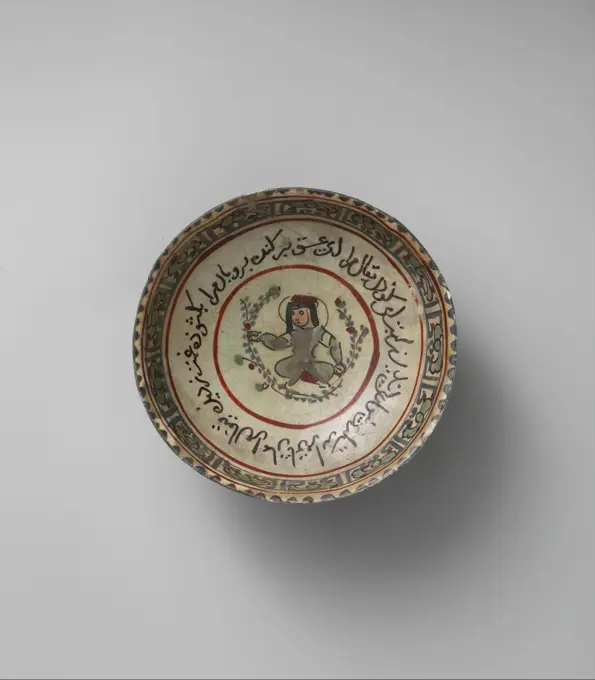
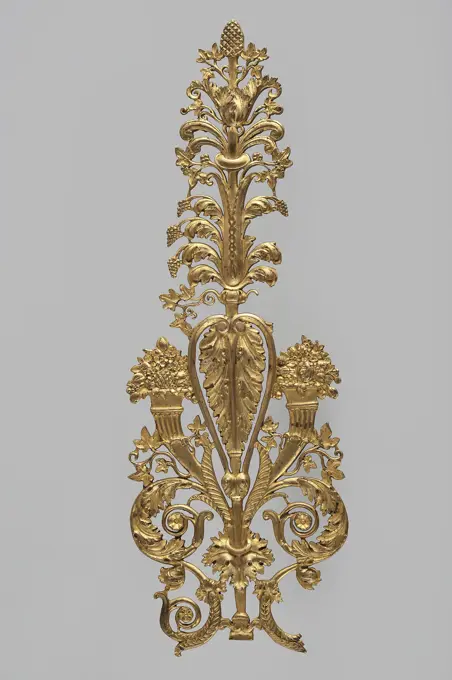
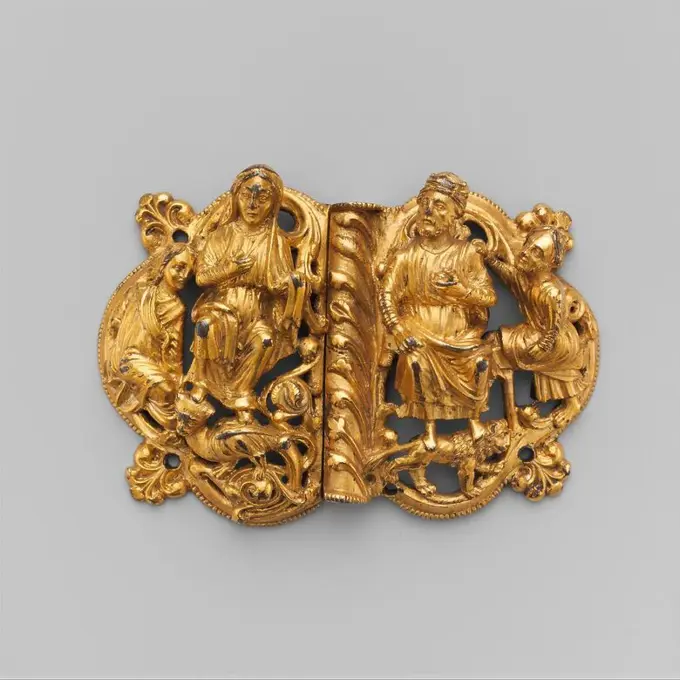
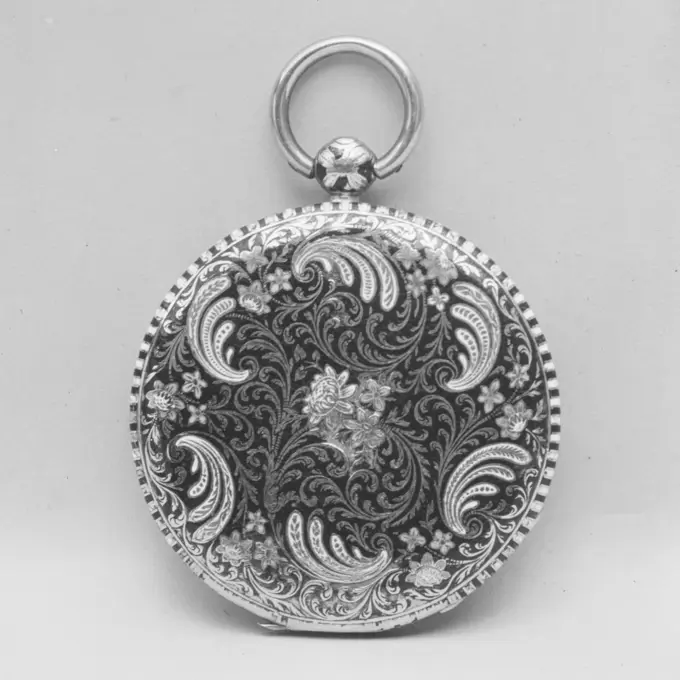
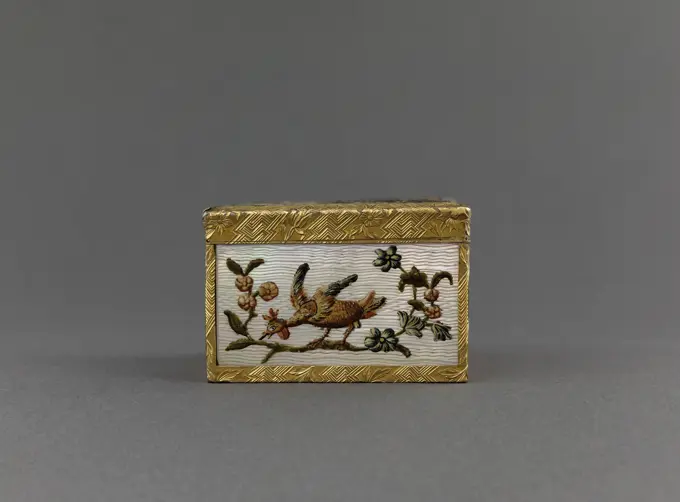
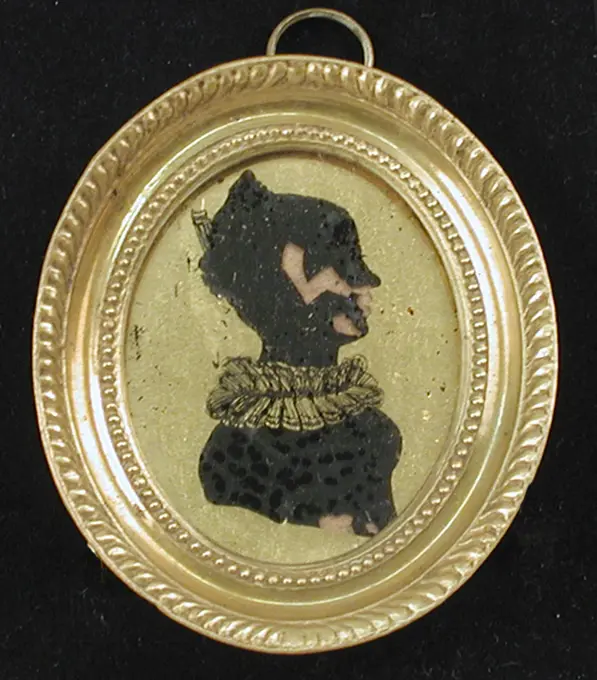
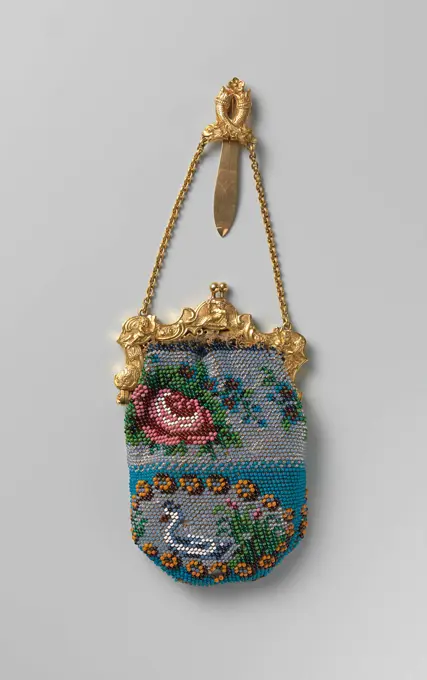
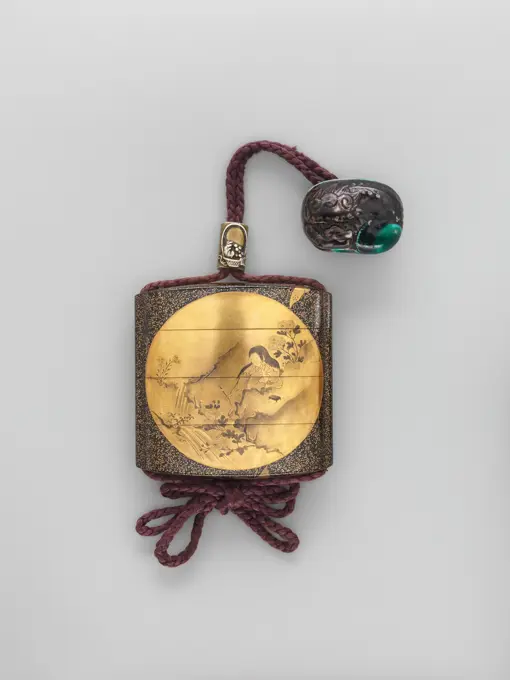
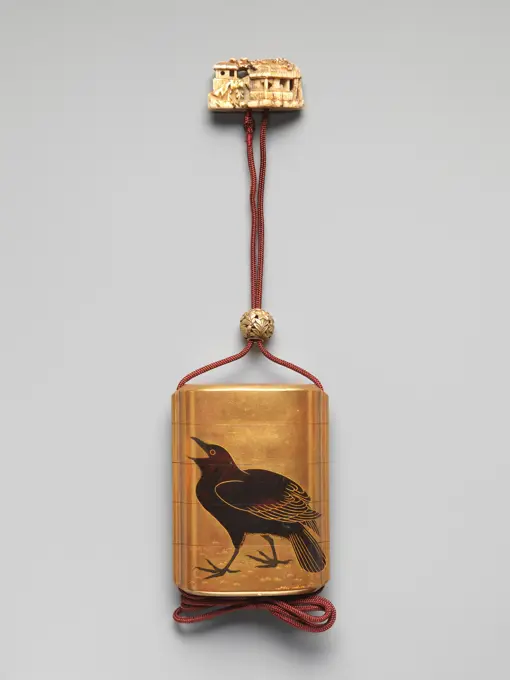
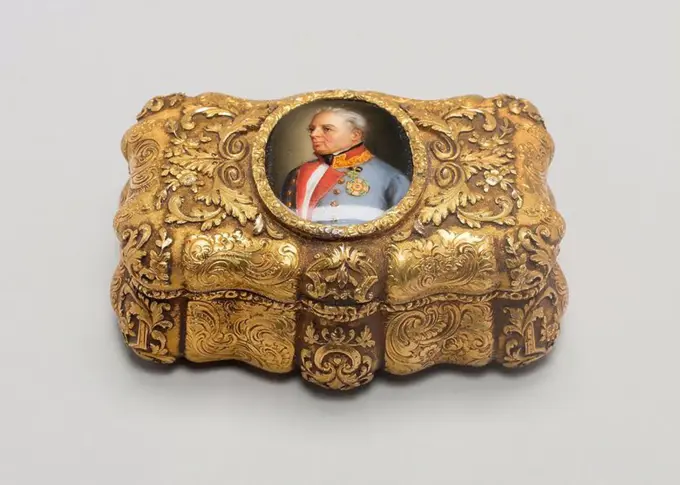
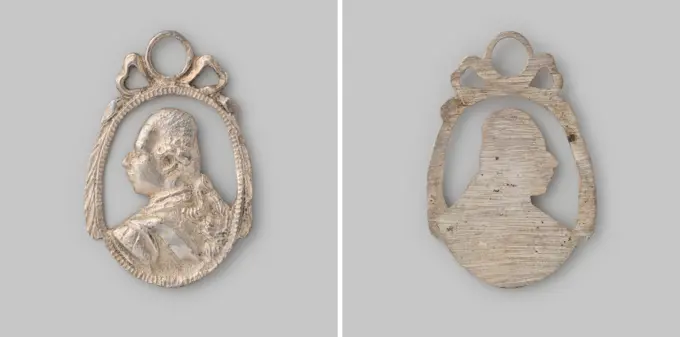
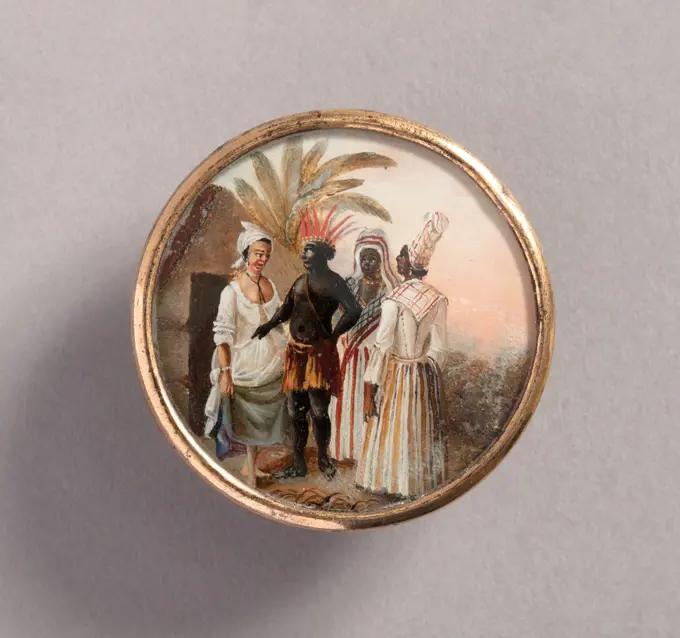
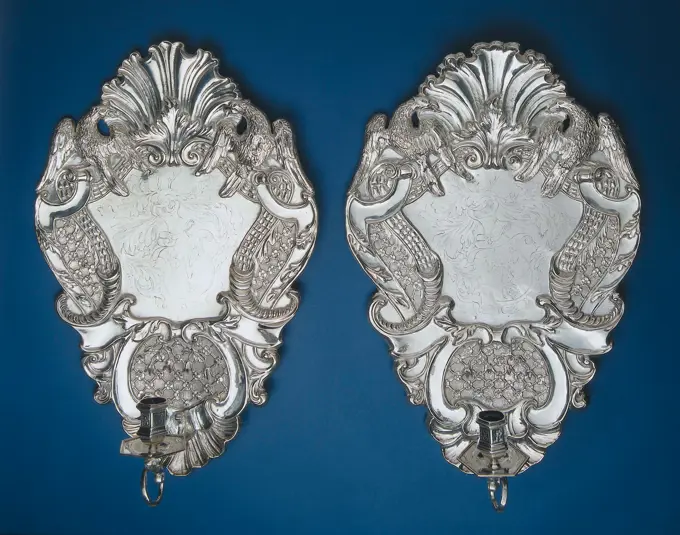
Carnavalet museum, medal collection Right head of Louis-Napoléon Bonaparte on the left in a Granetis; Reverse Eagle with deployed wings holding in its greenhouses.Gold Honorary Medal of the Red Cross for Women Patriae AC HumanitatiWatch in the form of a badge of the Order of the Garter ca. 1600 Movement by Nicholas Vallin Made in the shape of an ensign of the English Order of the Garter, the case of this watch depicts Saint George fighting the dragon, and its band is enameled with the motto of the order: HONI.SOIT.QVI/ MAL.Y. PENSE. Its function as a timekeeper would have been incidental to its function as a jewel required to be worn by a knight of the order as part of his daily dress.. Watch in the form of a badge of the Order of the Garter. British, London. ca. 1600. Case and dial: gold, partly enameled; movement: gilded brass and steel. Horology. The cartouch-shaped plate contains a shield with a trio attributes of the shoemaker guild: in the middle a shoe above the year 1643; There are a pruning lesson to the left. (intended for cropping the leacher) and an alder (prime) on the right. Above this first shield is a smaller shield with the crowned arms of Amsterdam held by two lions. From the lion tails to bottom, a wide-compounded edge runs out of soft tissue, in which a cherub is included on the underside. The execution of the cherub differs on the two shields.Circular enamel miniature box representing a Freemason bearing its apron ", 18th century. Object of art. Paris, Cognacq-Jay museum. 35895-13 Circular box, email, Freemache, Freemasonry, art object, Porter apron, representation, representation, symbolism, miniatureSnuffer with mythological scenes;  before 1738 (1713-00-00-1738-00-00);Amor (mitol.), Ministry of Finance (Warsaw - 1950-) - message, National Bank of Poland (Warsaw - 1945-), garlands, hunters, ships, aquatic landscapes, landscapes with architecture, kidnapping of Europe (mitol. )Badge (probably from Horse Harness). Culture: Spanish. Dimensions: H. 2 15/16 (7.4 cm); W. 1 9/16 in. (4 cm); Wt. 1 oz. (28.3 g). Date: 14th century. Museum: Metropolitan Museum of Art, New York, USA.Reader of pulpit, anonymous, 1750 - 1775 The reader is composed of the following geot sharing: the magazine, the ledge, two rods and nuts for confirmation to the pulpit. The support has an iron thread with a copper nut for attachment to the pulpit and a connecting piece between support and reader. The parts have been cast and quoted, the decoration is out here and there. Reader and support are richly provided with Rococo ornament. The reader has two mirror monograms: NL (left), CDVB (right). At the top two faith symbols: a flaming winged heart and snake. Netherlands brass (alloy) casting The reader is composed of the following geot sharing: the magazine, the ledge, two rods and nuts for confirmation to the pulpit. The support has an iron thread with a copper nut for attachment to the pulpit and a connecting piece between support and reader. The parts have been cast and quoted, the decoration is out here and there. Reader and support are richly provided with Rococo ornament. The reader Mount, bronze (gilt), gold, France, ca. 1700, metalwork, Decorative Arts, MountEasel And Frame (France); gilt bronzeEscutcheonPull; 1904-21-77Military hat sheet unknownPendant in the form of an oval medal with portrait emperor Matthias, Jan de Vos (ca. 1578-), 1614 Silver pendant formed from a mounted oval medal with the portrait of Emperor Matthias. Southern Germany silver (metal) Silver pendant formed from a mounted oval medal with the portrait of Emperor Matthias. Southern Germany silver (metal)Pair of ConsoleMirrorsWatch and chatelaine ca. 1775 Watchmaker: V. Blanck Chatelaines, which hung from the waist, were designed to hold sewing, writing, or toilet implements.. Watch and chatelaine 196968Badge (probably from Horse Harness). Culture: Spanish. Dimensions: H. 2 3/8 in. (6 cm); W. 2 in. (5.1 cm); Wt. 0.5 oz. (14.2 g). Date: 14th century. Museum: Metropolitan Museum of Art, New York, USA.Mount, Gilt bronze, Cornucopia of flowers and central urn on scythe-shaped mount., France, ca. 1780, metalwork, Decorative Arts, MountThe Institution of the Rosary. Style of Jacopo Sansovino; Italian, 1486-1570. Date: 1585-1595. Dimensions: 18.1 × 12.7 × 0.9 cm (7 1/8 × 5 × 5/16 in.). Bronze. Origin: Italy. Museum: The Chicago Art Institute, USA.Pendant with Stylized Irises Pendant; Retailed by Fabergé (Russia); Russia; rose gold, green gold, yellow gold,; Overall: 7 x 3.5 x 0.3 cm (2 3/4 x 1 3/8 x 1/8 in.)Donatello, Ornamental Plaque, Italian, c. 1386 - 1466, gilt bronzeSmileMedallion with the crowned monogram of Hendrik Casimir II, prince of Nassau-Dietz and Stadholder of Groningen and Friesland. Golden, partially enlarged medallion with the crowned monogram of Hendrik Casimir II, Prince of Nassau-Dietz and Stadtholder of Groningen and Friesland,Handscreen; printed silk leaf, turned and gilded wood handlePendant with the Coronation of the Virgin. Culture: North Netherlandish. Dimensions: 1 3/4 x 3/8 in. (4.4 x 0.9 cm). Date: 1450-1500.The iconography of this roundel pendant of the Virgin Mary holding the Christ Child while being crowned by two angels refers both to the Virgin's role as the Queen of Heaven and to the Immaculate Conception. While the style is analogous to that of several examples of larger-scale sculpture variously attributed to Hainaut, Brabant, or Gelderland, the composition suggests an awareness of contemporary engraving on the subject--notably that by Wenzel von Olmütz, which is a copy in reverse of an engraving by the Master LCZ. Museum: Metropolitan Museum of Art, New York, USA.Gold shirt with a man's portrait, Gerrit Beekhuis, 1725 - 1750 in five pass Shirt knot of gold. The spherical top is decorated with a five -pass (in relief) in which a man's portrait on a roughed soil. The flat circular bottom is attached to the top by means of a stick. Amsterdam gold (metal) Shirt knot of gold. The spherical top is decorated with a five -pass (in relief) in which a man's portrait on a roughed soil. The flat circular bottom is attached to the top by means of a stick. Amsterdam gold (metal)Henri Bodson (active between 1763 and 1789). Oval miniature in gouache on vellum representing two parrots, surrounded by a garland of roses and chopped gold foliage, on the lid of an oval box in olive green lacquer, with chiselled gold frame decorated with stripes and garlands. 18th century French School, 1766-1767. Watercolor and gouache on vellum. Paris, Cognacq-Jay museum. 38111-7 Box, French school, foliage, gouache, pink garland, oval miniature, gold, parrotSchool bag, anonymous, c. 1600 - c. 1699 Rectangular school bag, with openwork top, with a bearing eye in it. A branch is engraved on the sliding plate and a child's head is attached to it. The school bag is marked: twice a dolphin in a triangle and the engraved letters AW. Netherlands silver (metal) Rectangular school bag, with openwork top, with a bearing eye in it. A branch is engraved on the sliding plate and a child's head is attached to it. The school bag is marked: twice a dolphin in a triangle and the engraved letters AW. Netherlands silver (metal)Processional Cross (detail), Parroquia de San Martín, Perelada. 17th century.Pendant (one of a pair) second half 15th century probably Northern Italian There is no firm evidence about the original purpose of this type of niello pendant, but theories range from betrothal gifts (those with double portraits) to portable reliquaries (those with religious motifs).. Pendant (one of a pair). probably Northern Italian. second half 15th century. Silver, niello, and gilt silver. Metalwork-Silver In CombinationWatch of copper and crystal, Barnaby Martinot, c. 1800 - c. 1900 Octagonal copper watch in a crystal cupboard. The cupboard is decorated with email. Geniallate dial with silver number. The watch is a follow -up of an early 17th century watch.  silver (metal). crystal (lead glass) Niello (technique) Octagonal copper watch in a crystal cupboard. The cupboard is decorated with email. Geniallate dial with silver number. The watch is a follow -up of an early 17th century watch.  silver (metal). crystal (lead glass) Niello (technique)Saucer, from a Breakfast Service (Soucoupe; Déjeuner Mosaïque Florentine), Sèvres Porcelain Manufactory, French, established 1756 to the present, hard paste porcelain, vitreous enamel, gold, Circular form with alternating large roundels of fruit on faux malechite background. Smaller roundels of butterflies on lapis background. Center contains a shell on a marbelized background surrounded by a coffered pattern., France, 1813, ceramics, Decorative Arts, saucer, saucerMedallion of Benjamin Franklin ca. 1797 Attributed to Jean Martin Renaud French. Medallion of Benjamin Franklin 492Bracket of a book lock with representations of the sacrifice of Abraham and the circumcision, Anonymous, 1773 Bracket of a book lock (Bible lock) of gold, cast and ciseled, with representations in relief of the sacrifice of Abraham and the circumcision. The performances are surrounded by rocaille ornaments. The Hague gold (metal) casting Bracket of a book lock (Bible lock) of gold, cast and ciseled, with representations in relief of the sacrifice of Abraham and the circumcision. The performances are surrounded by rocaille ornaments. The Hague gold (metal) castingBowl 12th-13th century. Bowl 445298Carnavalet museum, medal collection Laurée head of the laureate of Guillaume I on the right in a crown of olive tree and oak feuiles; Trophy reverse of weapons and flags surmounted by an inscription on three lines.MountElias Russel / 'Snuffbox'. 1755 - 1773. Gold. Museum: Museo del Prado, Madrid, España.Box 17th century possibly Austrian. Box. possibly Austrian. 17th century. Silver, tortoiseshell. Metalwork-Silver In CombinationSmall gold box with mother -of -pearl inlays representing love. 1750-1756. Detail below. Paris, Cognacq-Jay museum. 35597-6 Love, box, below, detail, inlays, mother -of -pearl, gold, smallMedallion with the portrait of Lafayette, Manufacture de Sèvres, c. 1790 - c. 1800 Porcelain medallion in biscuit with gold. The medallion shows the portrait of Gilbert du Motier, Marquis de Lafayette (1757-1834). The edge with golden lines. Marked on the bottom with the double L. Sèvres porcelain. gold (metal) gilding Porcelain medallion in biscuit with gold. The medallion shows the portrait of Gilbert du Motier, Marquis de Lafayette (1757-1834). The edge with golden lines. Marked on the bottom with the double L. Sèvres porcelain. gold (metal) gildingPlate, diamond -shaped with outlined border with four shells, multicolored painted with a Chinese garden with birds, anonymous, c. 1740 - c. 1760 Plate of Faïence, diamond -shaped with extended edge with four shells. Multicolored painted with a Chinese garden with birds. Delft . Plate of Faïence, diamond -shaped with extended edge with four shells. Multicolored painted with a Chinese garden with birds. Delft .Pendant with Scenes from the Life of Christ and Two Saints ca. 1870-95 Reinhold Vasters German The frame of this pendant was made from an unpublished design by Reinhold Vasters in the collection of the Victoria and Albert Museum, London (inv. No. E 3569-1919). The pendant is based on a sixteenth-century type believed to have been made in northern Italy or perhaps Spain. Faith Dennis published an example from the J. Pierpont Morgan Collection in The Metropolitan Museum of Art (17.190.882).While it is possible that the frame may have been designed for existing pieces of verre églomisé, or reverse-painted glass, close examination of the paintings suggests that they, too, are the products of a nineteenth-century craftsman. There are four verre églomisé paintings, all apparently by the same hand. Those on one side of the jewel illustrate the Nativity and Annunciation to the Shepherds and, in the center, a separate piece shows a hermit saint kneeling before a crucifix; on the other side are Salver (one of a pair) 1764-65 Probably by Thomas Hannam. Salver (one of a pair) 236951Wall plate with lion's head for a wall refuge. The molded and topped plate has the shape of a lion's head with a beaked beak, in which a square hole. Therefore a saying tape shared with the name and inscription .sterck.alden.leev. / Verssictich.voort. / .Tslanghen.vier. / .Jean.gavtier. Around it a rollerwork ornament, which ends at the bottom of a reverse French lily. Various decorations are punched on the frame, O.A. four-leaved roses. Two holes were applied upper and bottom.Carnavalet museum, medal collection Right head of the Republic on the left; Reverse registration on four lines.matchsafe, silver, 1879, containers, Decorative Arts, matchsafeMount, Silvered brass, Irregular polygon. Draped female figure, stnading in profile facing left, with tambourine., Italy, early 19th century, metalwork, Decorative Arts, MountVinaigrette 1852-1863 Birmingham. Silver and silver gilt .Ear Ornament withFigurine, 11th-14thcentury, Gold and green-blue transparent stone; cast with carving, 1.91 × 1.93 cm, 5.552 g (3/4 × 3/4 in., 5.552g), Made in Java, Indonesia, Java, 11th-14thcentury, JewelryVajracarya Priest's Crown. Culture: Nepalese. Dimensions: H. 13 1/2 in. (34.3 cm); W. 8 9/16 in. (21.7 cm); D. 9 1/16 in. (23 cm); Wt. 5 lb. 0.7 oz. (2287.8 g). Date: ca. 15th-16th century.This crown's lavish use of mercury gilding conveys the appearance of a golden object, enhanced with generous settings of turquoise and rock crystal. It is surprising that all the appliqué elements, including the crowned Buddhas, were modeled from repoussé sheet metal, rather than having been cast. This is a tour de force of Newar metalworking. Museum: Metropolitan Museum of Art, New York, USA.Watch ca. 1840-50 Watchmaker: Louis Archinard Bovy. Watch. Swiss, Geneva. ca. 1840-50. Gold, enamel, steel. HorologyButton 1775-1799 Burslem. Stoneware (jasperware) . Wedgwood Manufactory (Manufacturer)Copper tobacco box with scenes from the sailor life and honor I would ashore, I would rather go sonder vreese, from boose woman, On ship 't segat uijt, tobacco box holder metal copper, cast engraved lying oval hinged lid with profile edges topside: before I wanted to go ashore of boose woman wewing tobacco marriage seafaring storing smoking snuffboxKeeshondje, anonymous, 1784 - 1787  Keeshondje, one -sided silver carrying sign with cable border on wing eye. Front: sitting dog with tail on the back and head slanted forward. Reverse: Blanco; A nail is visible on the downside, with which the front and downside are attached to each other. Netherlands silver (metal)Okucie. unknown, creatorClasp. Culture: South Netherlandish. Dimensions: Overall: 2 1/8 x 2 7/8 x 5/8 in. (5.4 x 7.3 x 1.6 cm). Date: ca. 1200.The monumental classicizing figure style and the soft tubular drapery typify the transitional style of about 1200. The masterful rendering of this object has led scholars to associate it with the work of Nicholas of Verdun, an outstanding goldsmith of the period. The figures are generally thought to represent Solomon and the queen of Sheba, but they also have been interpreted as Ahasuerus and Esther. A similar clasp was excavated at Dune in Gotland; although the style is different, parallels in iconography suggest a common traditional source. The clasp probably was intended as a girdle or cloak closure. Museum: Metropolitan Museum of Art, New York, USA.Watch 19th century Watchmaker: Firm of Lépine. Watch. French, Paris. 19th century. Gold, engine-turned silver, niello, champlevé enamel. HorologyJean Ducrollay. Gold and mother -of -pearl box, side facing. 1750-1752. Paris, Cognacq-Jay museum. 56640-8 Box, branch, below, lateral side, mother -of -pearl, bird, gold, golden, orfevreryPlaque for hitting the forehead during prayer. unknown, craftsmanMoldingMount, Gilt bronze, probably Italy, late 19th century, metalwork, Decorative Arts, MountToy dessert plate - Charles Allerton & Sons Charles Allerton & SonsPresentation medal (Gnadenpfennig) of Maximilian, Archduke of Austria (1558-1620) ca. 1612 Alessandro Abondio This presentation medal was designed by an imperial artist for the Habsburg Archduke Maximilian III of Austria, brother of Archduke Albert VII. On its reverse is Maximilian IIIs motto and the image of an ancient Roman army camp. The very same camp architecture can be found on the Otho dish, where it provides the setting for Othos noble suicide. Both the dish and the medal were inspired by an image published in Du Chouls antiquarian treatise. Correspondences such as these suggest that whatever the origin of the Silver Caesars, they were likely designed with Habsburg iconography in mind.. Presentation medal (Gnadenpfennig) of Maximilian, Archduke of Austria (1558-1620). Austrian, probably Vienna. ca. 1612. Gold, partly enameled; pearlVisoring Christ, Gottfried Eichler, 1687 - 1757 locket One -sided medallion in brass ring rear glass on bearing eye and carrying ring. Front: Standing Christ with banner in the left hand and blessing the right hand blessing. Reverse: label with inscription. Berlin gypsum. brass (alloy). glass castingCinerary Box, 1-100. Italy, Roman, 1st Century. Marble; overall: 29 x 24 cm (11 7/16 x 9 7/16 in.).Pilgrim's badge first half 17th century Spanish, probably Toledo This and a related pilgrim's badge (60.179.1) display the emblems commonly associated with devotion to the Immaculate Conception. One bears the monogram of the Virgin, while the other features an image of the monstrance of the Eucharist. Both probably framed devotional images like that of another venera (30.135.91) shown here as well.. Pilgrim's badge. Spanish, probably Toledo. first half 17th century. Champlevé enamel on brass, partly gilt. EnamelsPeace and Plenty early 19th century Sunderland. Peace and Plenty. British, Sunderland, Yorkshire. early 19th century. Lustreware. Sunderland. Ceramics-PotteryDish, painted with an unknown alliance weapon. Dish of painted porcelain. The dish is painted with an unknown alliance weapon in gray inside a round medallion, which is saved in a royal blue fond. The dish has been marked.Double-Sided Pendant Shaped as a Temple with the Deposition and the Resurrection. Spanish or Spanish Colonial. Date: 1499-1599. Dimensions: 4.1 × 3 cm (1 5/8 × 1 3/16 in.). Gold, enamel, pearls, rock crystal, and wood. Origin: Spain. Museum: The Chicago Art Institute, Chicago, USA.Ear Ornament withFigurineCarved Bead 19th century Japan. Carved Bead. Japan. 19th century. Ivory. OjimeChristian Feldegott Gellert, poet, Gottfried Eichler, 1821 locket One -sided medallion in brass ring rear glass on bearing eye and carrying ring. Front: breastpiece man to the right inside. Reverse: label with inscription. Berlin gypsum. brass (alloy). glass castingMan with Bucket and Paint Brush. Artist: Peter Ralston (British, born Scotland). Dimensions: Image: 5.5 x 4.4 cm (2 3/16 x 1 3/4 in.)Frame: 18.2 x 16.2 cm (7 3/16 x 6 3/8 in.). Date: late 1850s-60s. Museum: Metropolitan Museum of Art, New York, USA.Portuguese Window Portuguese Window in the Style of Manueline Copyright: xZoonar.com/gkunax 8667891Pendant for Horse Trappings 15th century Spanish The decoration of this and similar pendants in the Metropolitan Museum's collection (04.3.305, .326, .365, .371, .429, .437) includes heraldic arms, mottoes, and religious expressions. Originally, they were attached to the straps of a horse's bridle, reins, crupper, or saddle.. Pendant for Horse Trappings. Spanish. 15th century. Copper alloy, enamel, gold. Miscellaneous-BadgesCarved back of the sofa, made of golden wood, Louis XVI style, Hunting residence (UNESCO World Heritage Site, 1997), by Filippo Juvarra (1678-1736), Stupinigi, Piedmont, Italy, 18th century.Monstrance or Agnus Dei frame. Artist: Unknown (Italian, Ferrara). Culture: Italian, Rome. Dimensions: Overall: 12 1/2 x10 in. Date: mid-19th century. Museum: Metropolitan Museum of Art, New York, USA.Watch 19th century Watchmaker: F. Pernetti. Watch 195577Handscreen, Painted paper leaf, turned wood handle, Paper handscreen painted with a scene of four children playing 'blind man's bluff' inside a Rococo cartouche. Mounted on a turned wood handle. Verso: purple flowers painted on a yellow ground., possibly France, mid-18th century, costume & accessories, HandscreenPlate with the arms of Van Buren and two ornamental borders, anonymous, c. 1700 - c. 1724 Plate of porcelain, painted in underly glaze blue and on the glaze red, green, black and gold. On the flat the family crest of Van Buren with a grin against a gold background on the left and twice seven golden rectangles on a red background. The helmet sign is a greyhound with wings surrounded by acanthus leaves. The wall with servetwork with a stylized flower, interrupted by cartouches with a landscape or a flower vase. The edge with a band with brushes and a band with leaves on servetwork. Four pronen on the bottom. Weapon porcelain in Imari. Arita. Arita porcelain. glaze. cobalt (mineral). gold (metal) painting / gilding / vitrification Plate of porcelain, painted in underly glaze blue and on the glaze red, green, black and gold. On the flat the family crest of Van Buren with a grin against a gold background on the left and twice seven golden rectangles on a red background. The helmet sign is aMedallion possibly German 19th century View more. Medallion. possibly German. 19th century. Glass. Glass-PaintedBeaded stock exchange with a gold bracket and crochet.The cast exhibition bracket consists of two equal, hinged intercraced, bow-shaped halves with a scalloped contour. A wide, smooth top edge is perpendicular to one of these two halves. Each bracket half shows a seated, young Mercury with his winged helmet and aesco monkey on a roughened ground in the middle, a putto with mirror (prudentia) on the left corner and a putto with a staff and a mask (the theater art) on the right corner. The ends are formed as dolphins. The edges are decorated with C-Voluen whose floral garlands depend on. Both brackets are provided with thirteen eyelets on the underside, to which the beads stock market is attached. The halves are a smooth indoor bracket with fifteen holes. The pins of the hinges have rosette-shaped heads. Both braces halves have a closed rod on the top with a ball, together forming the cut that closes the bracket. The top edge has two eyes. This includes the chains, consisting of alternatCDK Tanaka, minko (1735 1816), UnknownSilhouet portret van Arthur Wellesley, Duke of Wellington (1769-1852), anonymous, c. 1815 miniature (painting) Silhouette portrait of Arthur Wellesley, Duke of Wellington (1769-1852). Bust, in profile to the left. Part of the portrait miniatures collection. Netherlands glass. lacquer (coating). paper. metal  historical personsVinaigrette box 1807 John Shaw. Vinaigrette box 207442Watch with calendar. Culture: Swiss, Geneva. Dimensions: Diameter (case): 1 1/2 in. (3.8 cm);Diameter (back plate): 1 3/16 in. (3 cm). Maker: Watchmaker: Firm of Bordier Frères (recorded 1815-30). Date: ca. 1780-90. Museum: Metropolitan Museum of Art, New York, USA.Inrō with Chrysanthemum Youth” (Kikujidō) Japan first half of the19th centuryInrō with Herons among Reeds (obverse); Crow (reverse) 19th century Japan. Inrō with Herons among Reeds (obverse); Crow (reverse) 59028Snuff Box. Vienna, Austria. Date: 1825-1835. Dimensions: 3.3 × 7.9 × 5.4 cm (1 5/16 × 3 1/8 × 2 1/8 in.). Gold and enamel on copper. Origin: Austria. Museum: The Chicago Art Institute, Chicago, USA.Brush back of multi-colored painted faïence. Faïence brush back. Multicolor painted with a sitting woman figure.Willem V, Prince of Oranje -Nassau, Anonymous, 1785 - 1795  One -sided silver oval open -up carrier, decorated on the top with openwork bow and carrying eye. Front: breastpiece man inside ribbed edge. Reverse: Blanco Netherlands silver (metal)Intaglio with figure ofMinervaMatchsafe; silver; Overall: 4.6 x 3.7 x 0.9 cm (1 13/16 x 1 7/16 x 3/8 in.)Button; Attributed to Agostino Brunias (Italian, ca. 1730-1796); gouache paint verre fixeé, ivory (backing), glass, gilt metalCampania Caserta Capua Museo Campano066. Hutzel, Max 1960-1990 Medieval: Byzantine architectural fragments; parchment fragments with miniatures (12th century) from Montecassino; painted wooden crucifix (13th century); Carolingian crucifixes; Bishop's miter (11th century) of gold and silver damask; fresco (13th century). Post-medieval: Architecture (15th century). Formerly the Palazzo Antignano. Unusual Catalan/Moorish-style portal; Paintings on panel and canvas (15th-18th centuries); marble intarsia (16th century); marble sculpture: busts of Christ and Mary (17th century); sculpture of saints in marble and in wood (15th century); painted and gilded sculpture in wood; marble grave sculpture (16th century); sarcophagus with allegorical carvings; gold reliquary "Rosa d'Oro"; crucifix made of elephant tusk Specific Location: Pianterreno Antiquities: Italic sculpture (seated women holding babies); inscription. Photo campaign #1: 533 photos. Roman relief and sculpture; cinerary urns; Greek a. The back plate is shaped as a shield with a wide edge of collapse and one after another along curly volutes, some smooth, decorated with leaves, others with a structure of rows of bulbs. The latter stem from horns of pleats. Between the volutes are fields of railing with rosettes on a roughened ground. Stealing with tulips in the middle of the field in the middle of winding, which depend on the volutes above. The plate is closed on top and bottom by fanning, foam and leafy motifs. The crowning award is flanked by two eagles seated on the volutes with headlines dawned towards each other. On the foam motif on the underside, the sufficiently built up with leaves made up with leaves are attached, whereby that is turned to the left and that from B to the right. The arm carries a large, hexagonal fat catcher with a round floor in the middle and an imposed, profiled outer edge. On top of that rests with a round, cured foot even hexagonal, molded, vase-shaped fat catcher with profiled lower . Hanger of gold, email, pearls and rubies. Presenting a lute player on a white roe.Pomander. England, 1600-1620. Costumes; Accessories. Silk and metallic-thread embroidery with metallic tape trimPlate; Koenigliche Porzellan Manufaktur (KPM; Berlin; 1763-1918); 1870-82 (1823-00-00-1832-00-00);