Historical Medals And Tokens

A collection of antique coins and medals, showcasing intricate designs and historical significance, rendered in various metals and finishes.
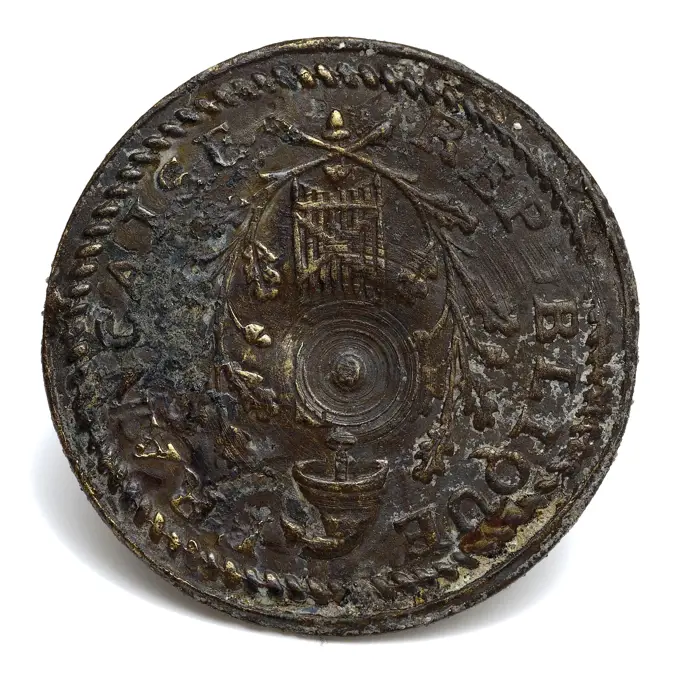
Medals button, button with text Republique Francaise, knot clothing accessory clothing ground find copper metal h 0.4, beaten soldered Round flat knot with fastening eye on the back Front in low relief: REPUBLIQUE FRANCAISE archeology Rotterdam rail tunnel fastening French time Lodewijk Napoleon Soil discovery: trajectory rail tunnel Rotterdam.
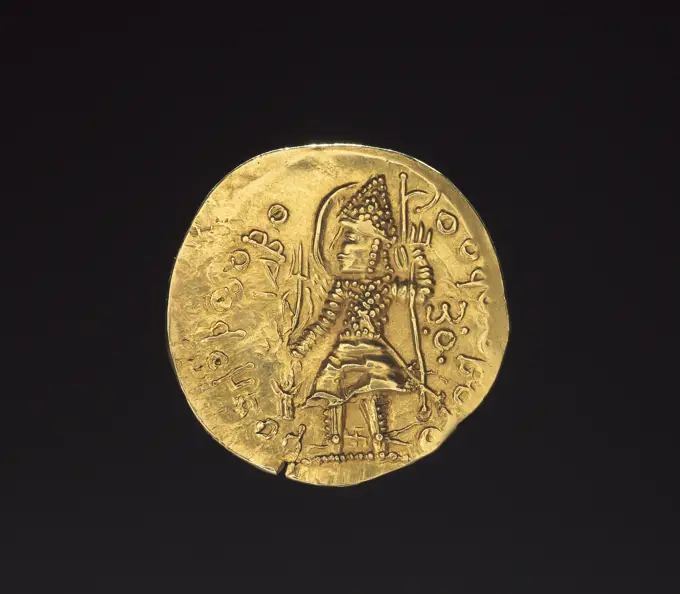
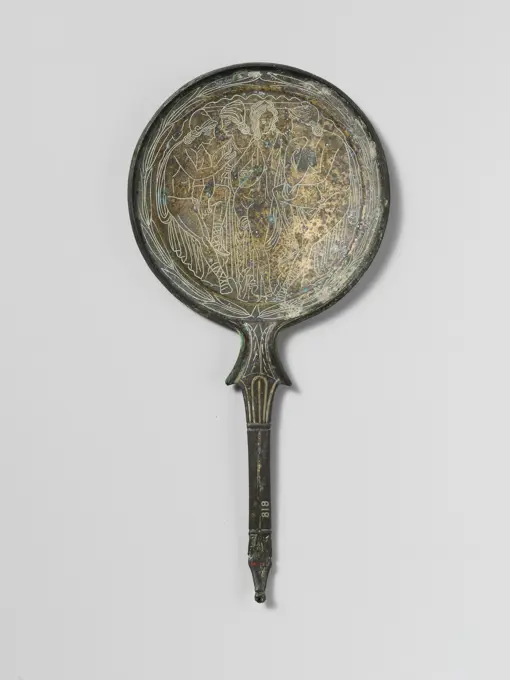
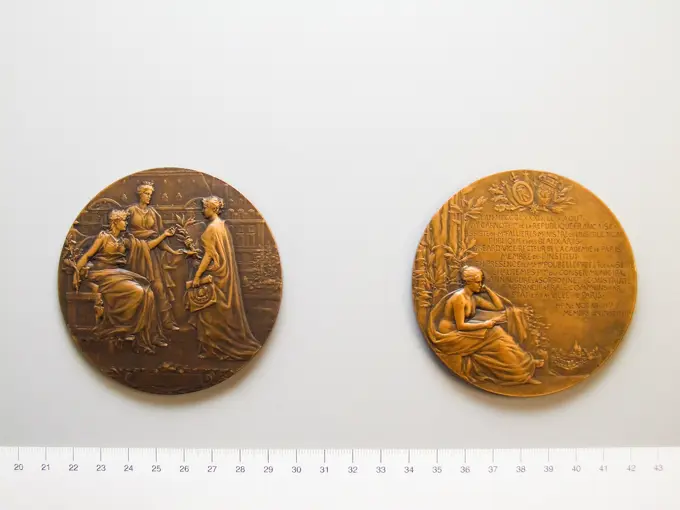
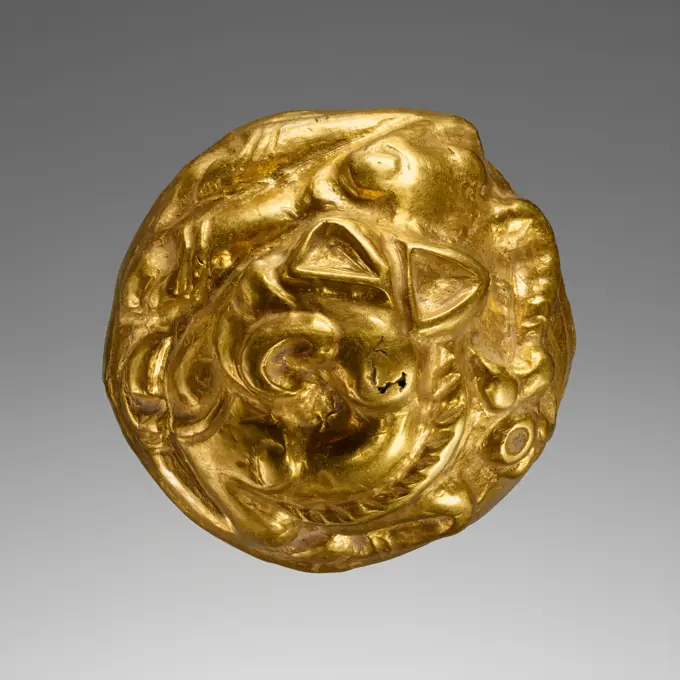
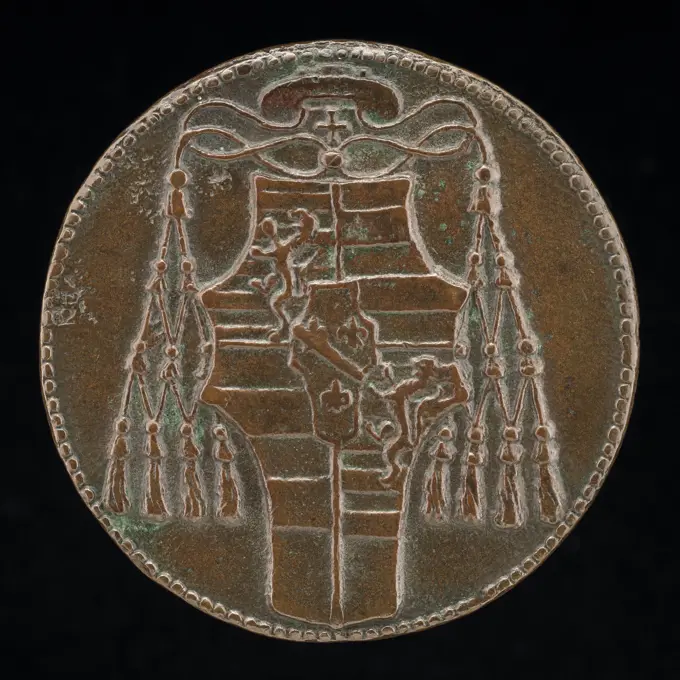
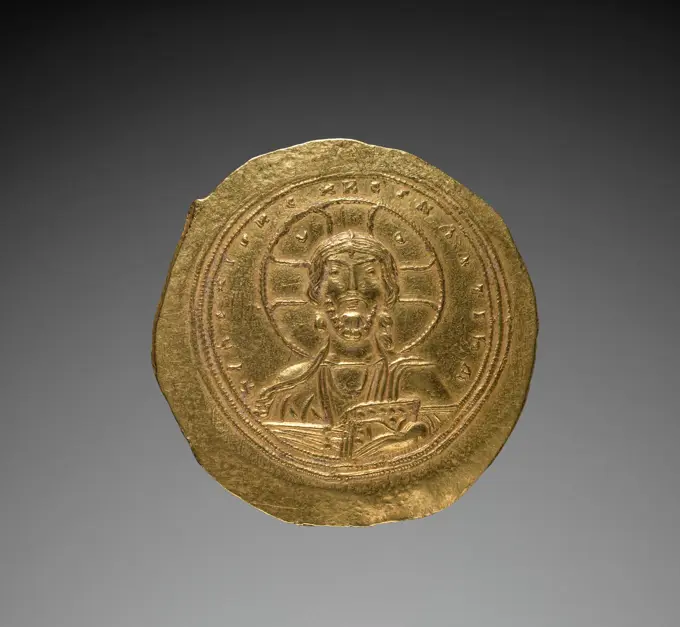
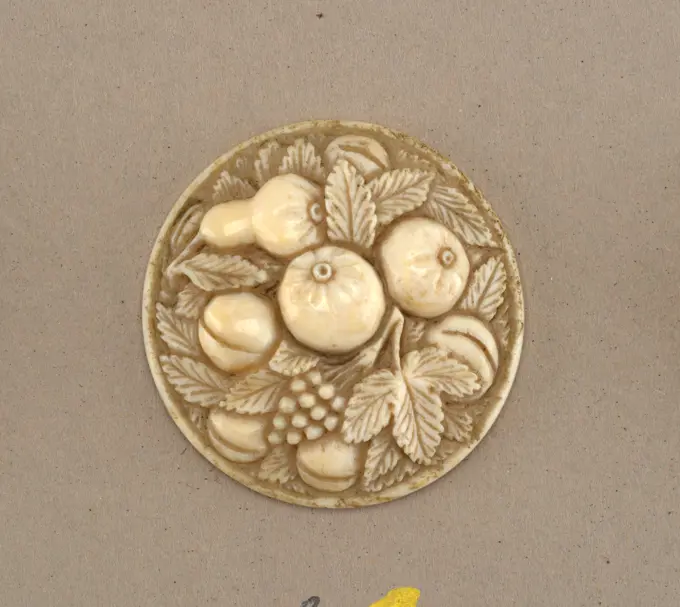
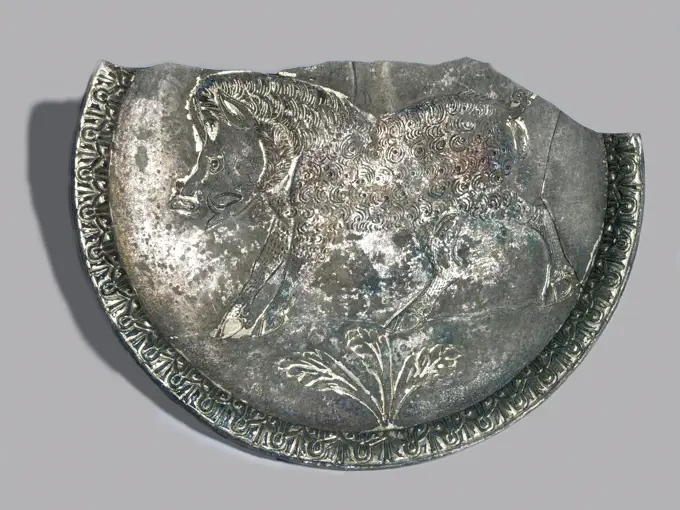
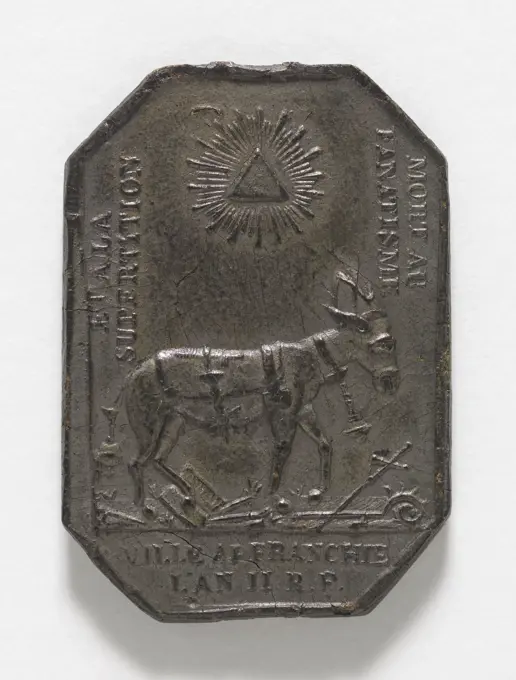
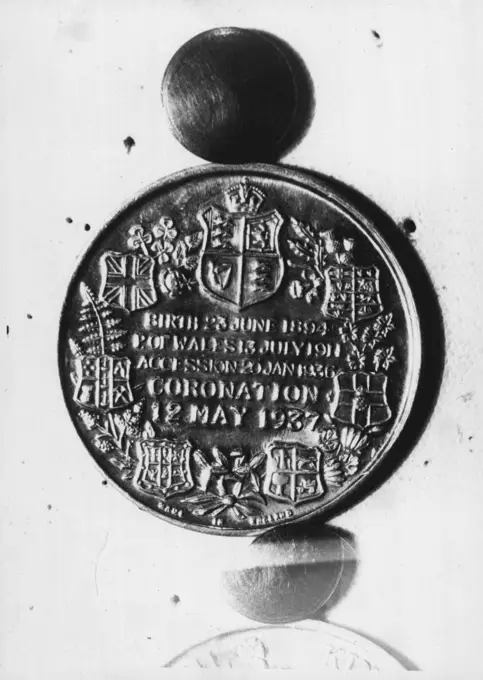
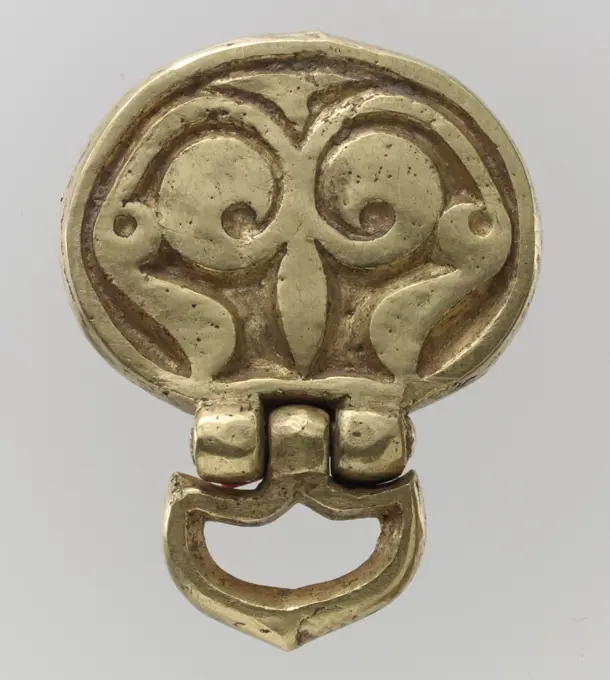
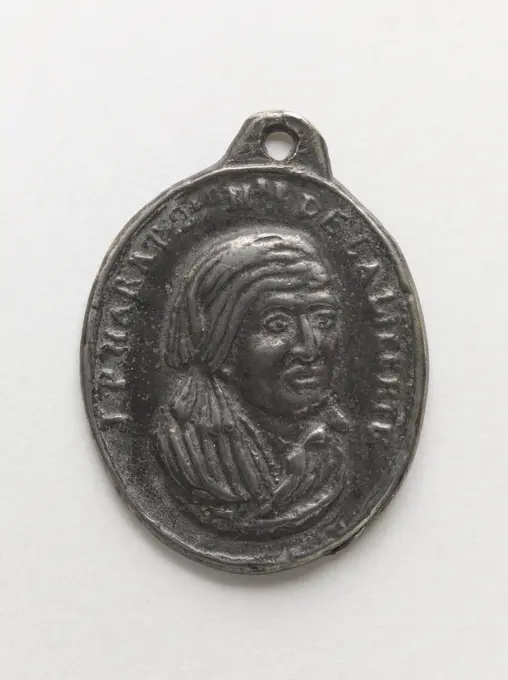
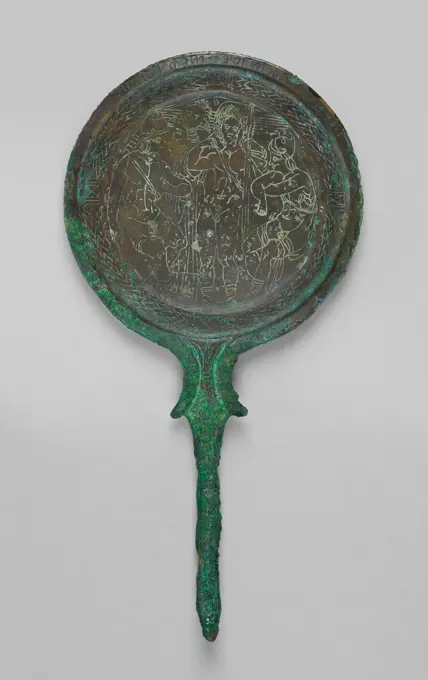
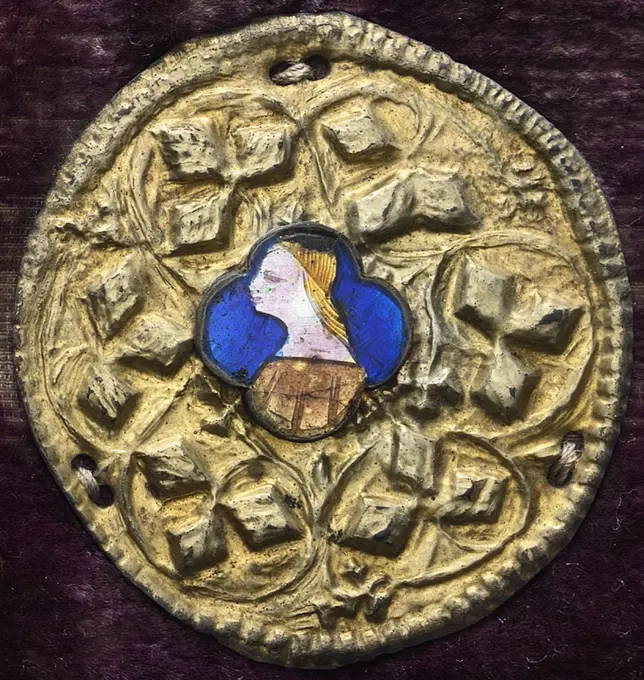
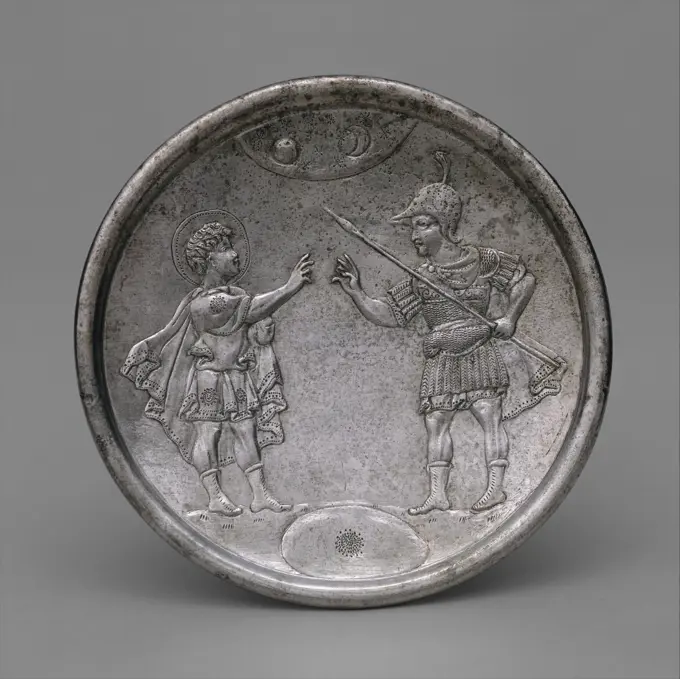
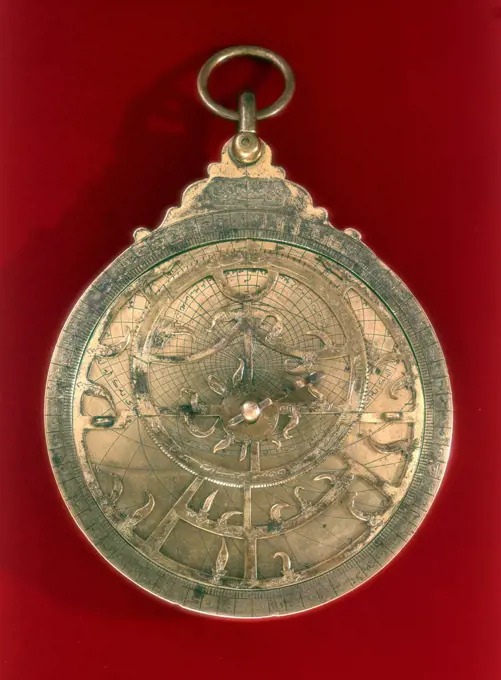
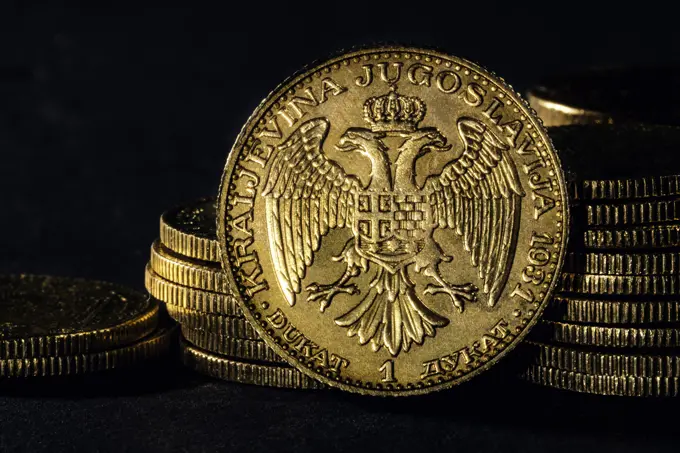
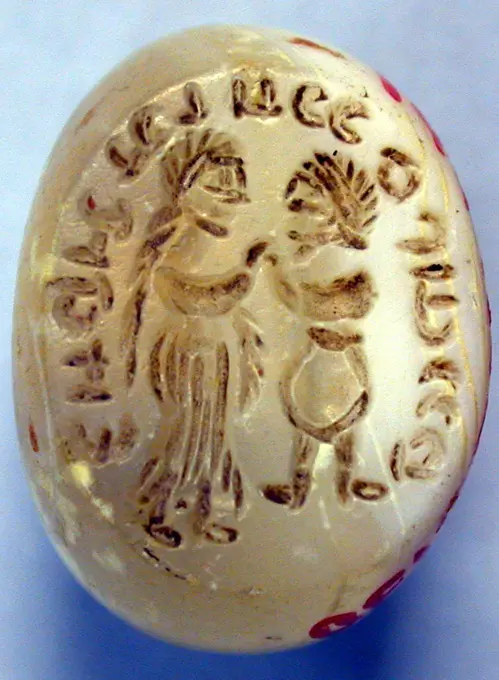
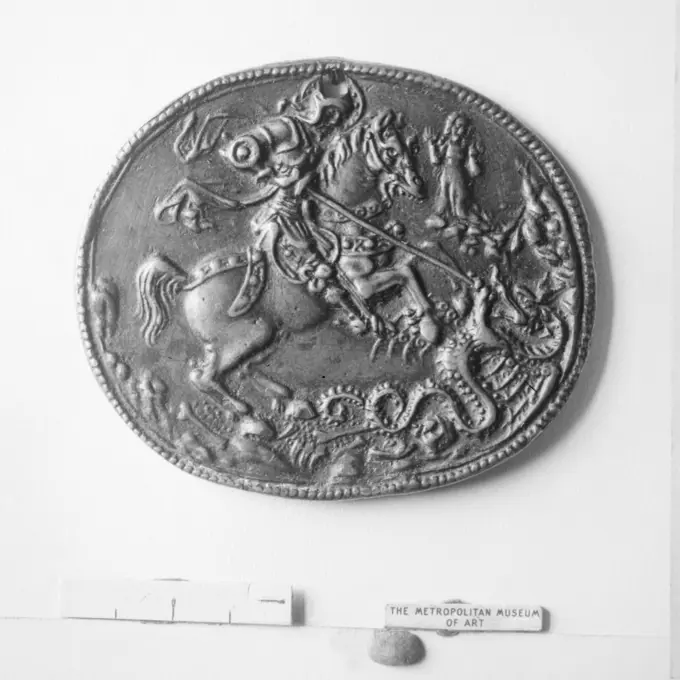
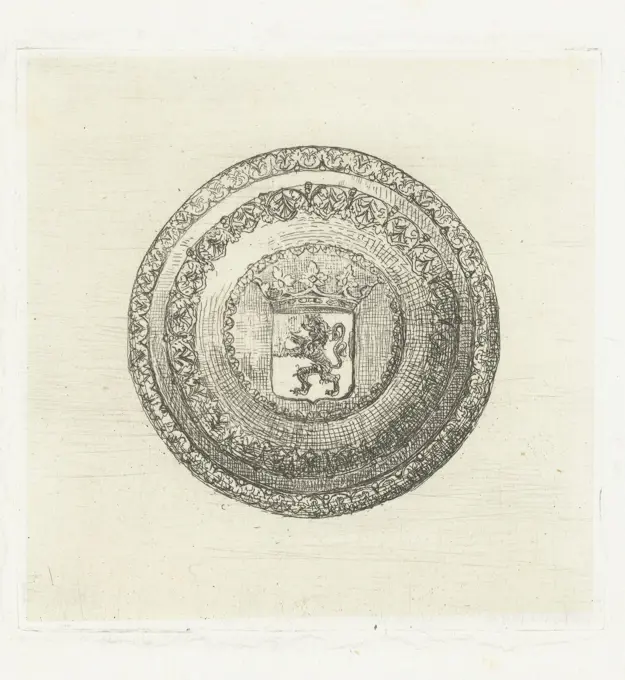
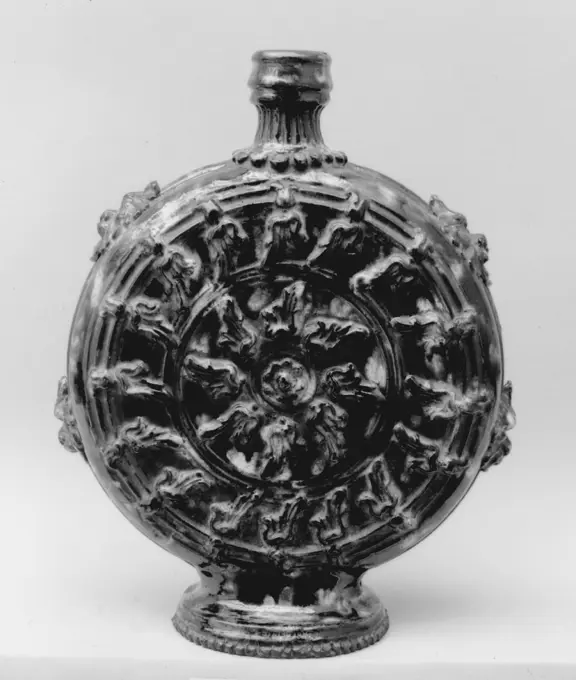
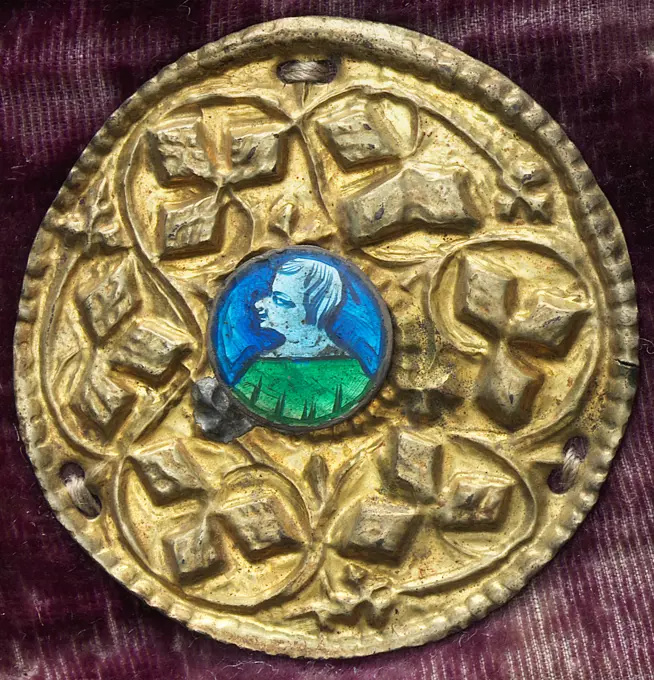
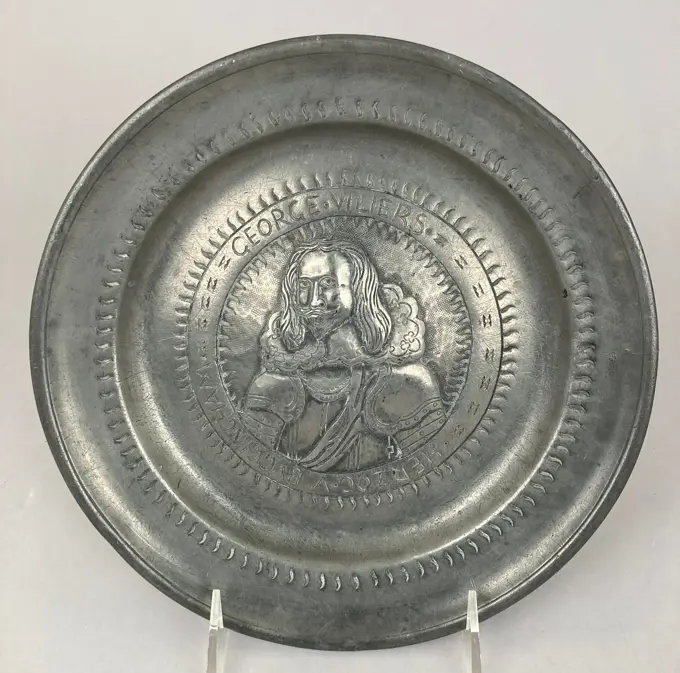
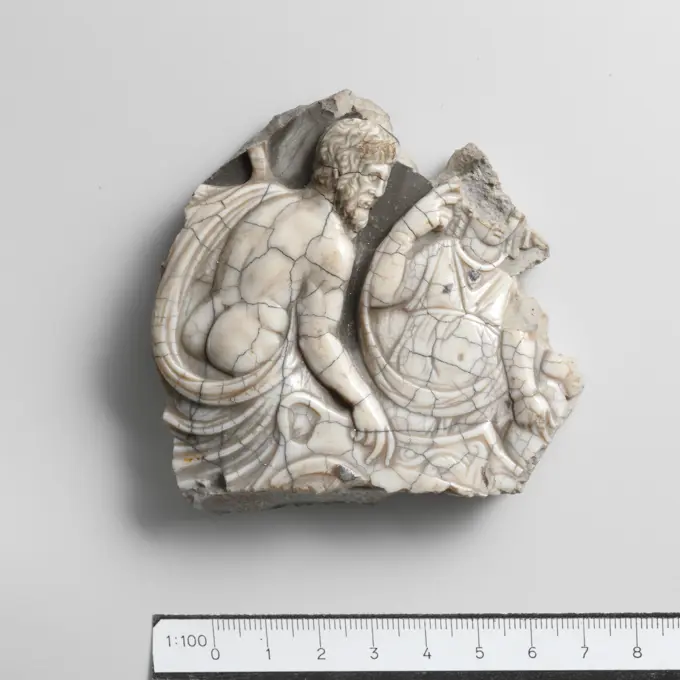
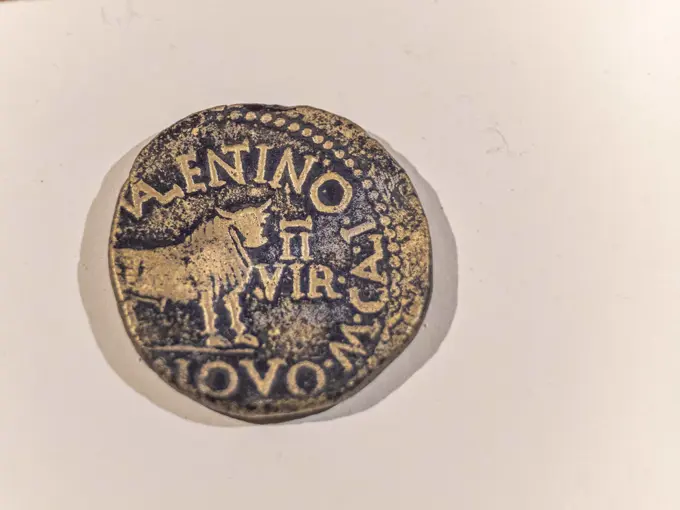
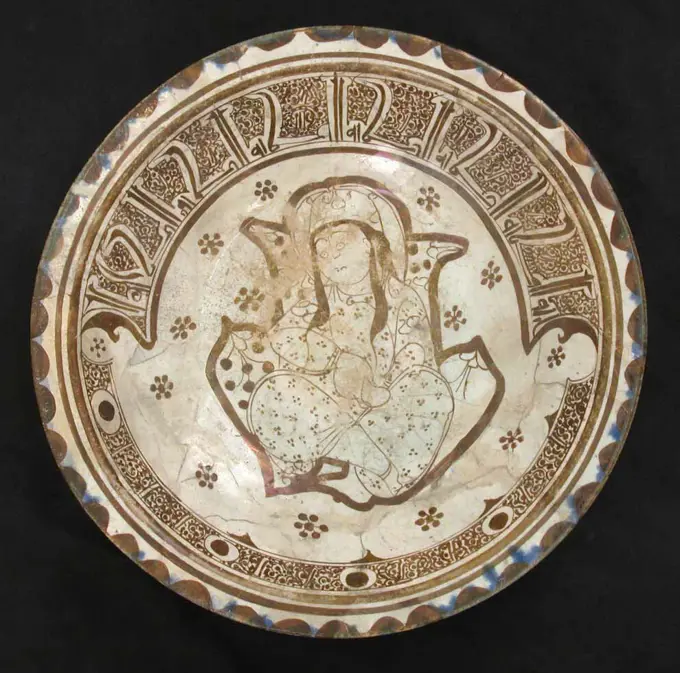
Dish late 12th-early 13th century. Dish 451742Carnavalet museum, medal collectionsesterce; Marek Aureliusz (121-180; Roman emperor 161-180), Faustina younger (CA 130-176; Roman Empress 161-176); after 176 (176-00-00-176-00-00);traditional Chinese decorationGolden Dinar, AD 200s. India, Kushan, Vasudeva II, 3rd century. Gold; diameter: 2.4 x 0.1 cm (15/16 x 1/16 in.).Opening for Worship of the Chiesa del Gesù, Rome. Dated: 1575. Dimensions: overall (diameter): 4.76 cm (1 7/8 in.) gross weight: 38.32 gr (0.084 lb.) axis: 12:00. Medium: bronze. Museum: National Gallery of Art, Washington DC. Author: Giovanni Vincenzo Melone.Bronze mirror ca. 250-200 B.C. Etruscan Engraved design with two men and two women: two outer figures are men wearing Phrygian hats and boots. Between them stand two women, one mostly nude, the other clothed, each turning toward the man next to her. In the absence of inscriptions identifying the figures, the male twins are usually called Castor and Pollux, the Dioskouroi; the two central figures are harder to identify: the nude female may be Turan (Aphrodite, Venus) or Helen, the Dioskouroi's sister; the dressed figure with Phrygian hat is probably Minerva.. Bronze mirror 256653Mirror with Stylized Phoenixes and Petal Loenges. China. Date: 299 BC-100 BC. Dimensions: Diam. 10.4 cm (4 1/8 in.); Thickness: 2 mm (3/32 in.). Bronze with parcel gilding. Origin: China. Museum: The Chicago Art Institute, Chicago, USA.Medal of SorbonneReconstruite. Artist: Charles H. Pillet, 1853-1935Domenico Poggini, Pea hen with Six Young (reverse), c 1540 Pea-hen with Six Young reverseClose up of button decorated frame detail.Button with Curled Griffin (Harness Ornament). UnknownCristoforo di Geremia, Shield of Arms of Estouteville (reverse), 1461 Shield of Arms of Estouteville reverseSeal Matrix 19th or 20th century (13th century style) South Netherlandish. Seal Matrix 466069Nomisma with Constantine IX Monomachus (obverse), 1042-1055. Byzantium, 11th century. Gold; diameter: 2.9 cm (1 1/8 in.). Byzantine Gold Coins The vast number of surviving Byzantine coins attests to the level of trade across the empire. Controlled and supervised by the emperor, the producers of coins took care to represent his authority and reflect his stature. Talented artists were recruited to engrave the dies (molds) used for the striking of coins. Emperors increasingly came to include their heirs and co-emperors on their coinage, as well as other family members or even earlier rulers. Coins were recognized, then as now, as small, portable works of art. With their inscriptions and images, Byzantine coins provide valuable documentation of historical events and a record of the physical appearance of the emperors. The coins shown here include the solidus, the basic gold coin of 24 karats; the tremissis, a gold coin of one-third the weight and value of the solidus; and the nomisma, whiPiet Pietersz. Hein, Anonymous, 1628 - 1629  one -sided portrait. Front: breastpiece man above a two -line change. Reverse: Blanco Netherlands silver (metal)   Matanzas baybake  guild of coffee rods; features of ribs; 1797 (1745-00-00-1745-00-00);Netsuke of Shakyamuni Buddha. Culture: Japan. Dimensions: H. 3/4 in. (1.9 cm); Diam. 1 3/4 in. (4.4 cm). Date: 19th century. Museum: Metropolitan Museum of Art, New York, USA.Grahal-Manzara. Carnavalet 2013-2016 collection sites. Numismatics.Button; ivory; 1931-59-120-ePatera with a wild boar; Unknown Byzantine workshop; 2 after. 5th century AD (401-00-00-500-00-00);Ant., V., FroehnerPlanets-manager. Cornalet Collection Sites 2013-2016. Numismatic.Dinar. Iran, A.H. 720/1320 A.D.. Tools and Equipment; coins. GoldAnti-religious medal of Lyon Anonymous. Anti-religious medal of Lyon. Tin. 1793.Bust of a woman 1500-1550 German. Bust of a woman. German. 1500-1550. Boxwood. Sculpture-MiniatureMedals (See Also Flags Aust. Military); (See Also V.C's Military General) - War General.  November 2, 1936.Button (France); silver plated on brassGold Belt Mount with Loop 700s Avar The treasure contains an array of belt fittings, some elaborately decorated, some unfinished or defectively cast. Some show no signs of use, while others are quite worn.The AvarsThe Avars were a nomadic tribe of mounted warriors from the Eurasian steppe. The Byzantine emperor Justinian negotiated with them in the sixth century to protect the Empires northern border along the Black Sea. Emboldened by their subjugation of numerous tribes, they unsuccessfully attempted to seize the Empires capital, Constantinople. They remained a scourge of both Byzantium and the Western kingdoms until Charlemagne defeated them through a series of campaigns in the 790s and early 800s.All the money and treasure that the Avars had been years amassing was seized, and no war in which the Franks have ever engaged.. brought them such riches and such booty. Up to that time the Avars had passed for a poor people, but so much gold and silver was found.. that one may well thinkPendant; Designed by André Galle (France, 1761 - 1844); gilt bronze; Diam.: 8.8 cm (3 7/16 in.); 1956-38-1Medallion; s-spun, z-twist linen. wefts: z-spun linen, z-spun wool, s-spun woolJean-Paul Marat (1743-1793), Member of Parliament Anonymous. Jean-Paul Marat (1743-1793), Member of Parliament for the Convention. Tin.Round PiloncitoCoinMirror with Figures. UnknownPie de relicario, siglo XIV, Catedral de Tortosa.Dial with griffions. A round dial with a mask and two griffions in the middle.Bowl with a Medallion Depicting Dionysos and Ariadne. UnknownEtruskische spiegel. Date/Period: -300 - -100. Spiegel. Author: UNKNOWN.Tile American Encaustic Tile Company Ltd. (1875-1935). Tile, 1885. Glazed earthenware, gilt wood, velvet, 8 3/8 x 8 1/16 in. (21.3 x 20.5 cm).   Decorative Arts 1885Siege of Amsterdam, emergency mint of twenty pennies, beaten from the urban silver. diamond. Front: two stamps above each other; From bottom to top: Muntmeester sign: letters P and G; Stadsware: Crowned coat of arms in cartouche between year; Left and right of crown letter X within round pearl edge. Downside: inscription within laurel wreathSELLO DE PLOMO DE ALFONSO XI EL JUSTICIERO - REY DE CASTILLA Y LEON - SIGLO XIV. Location: ARCHIVO HISTORICO NACIONAL-COLECCION. MADRID. SPAIN.Carnavalet museum, medal collectionAppliqué with Bes flanked by figures of Taweret New Kingdom ca. 1550-1295 B.C. View more. Appliqué with Bes flanked by figures of Taweret. ca. 1550-1295 B.C.. Gold. New Kingdom. From Egypt. Dynasty 18Photography of Patena with the performance of Stefan Batory with royal insignia - general view from the front;  20th century (1901-00-00-2000-00-00);Costume Ornament with Profile Portrait. Dated: c. 1380/1400. Dimensions: overall (disk diameter): 4.1 cm (1 5/8 in.) overall (velvet strip): 5.1 x 41.6 cm (2 x 16 3/8 in.) overall (enamel): 1.4 x 1.4 cm (9/16 x 9/16 in.). Medium: repoussé silver, gilded, and translucent enamel, attached to a strip of velvet. Museum: National Gallery of Art, Washington DC. Author: North Italian 14th Century.Plate with David's Confrontation with Eliab 629-630 Byzantine In 628-29 the Byzantine emperor Herakleios (r. 610-41) successfully ended a long, costly war with Persia and regained Jerusalem, Egypt, and other Byzantine territory. Silver stamps dating to 613-29/30 on the reverse of these masterpieces place their manufacture in Herakleioss reign. The biblical figures on the plates wear the costume of the early Byzantine court, suggesting to the viewer that, like Saul and David, the Byzantine emperor was a ruler chosen by God. Elaborate dishes used for display at banquets were common in the late Roman and early Byzantine world; generally decorated with classical themes, these objects conveyed wealth, social status, and learning. This set of silver plates may be the earliest surviving example of the use of biblical scenes for such displays. Their intended arrangement may have closely followed the biblical order of the events, and their display may have conformed to the shape of a ChristogrAstrolabe, 11th century, ArabianNUMISMATICA. MONEDA HISPANO-ARABE. DINAR DE ORO, DE AL-MUTAMID. REVERSO. 465 HEGIRA/1073 D.C. (DEPOSITO: MUSEO ARQUEOLOGICO NACIONAL).Medal of HK.  Artist: UnknownGold Ducat King Aleksandar of Yugoslavia King Aleksandar of Yugoslaviam Gold Ducat Copyright: xZoonar.com/AleksandarxVukicevicx 22057806Fragment (Italy); linen; 1897-8-186Stamp seal with Pahlavi inscription ca. 3rd-7th century A.D. Sasanian. Stamp seal with Pahlavi inscription 327726Saint George and the Dragon late 15th century Manner of Gian Francesco Enzola Italian. Saint George and the Dragon 194515Cover of the golden cup donated to Michiel de Ruyter on the occasion of the trip to Chatham, 1667, Jonkheer Barthold Willem Floris van Riemsdijk, 1870 - 1894 print Image of the lid of the golden cup made by Nicolaes Loockemans by the States of Holland and West-Friesland to Michiel de Ruyter on the occasion of the victory over the English during the trip to Chatham, 20-23 June 1667. On the lid is on the lid Het Wapen van Holland. A separate plate with image of the top of the cup is also printed on the same leaf. Netherlands paper etching cup. Raid on the Medwaybake  Customs chamber in Scen; Customs chamber; 1555 (1555-00-00-1555-00-00);Fragment of stoneware Suzannah jar with figurative scene, including border text, jug crockery holder fragment soil found ceramic stoneware clay engobe glaze salt glaze, hand turned stamped glazed glazed baked Wall fragment of stoneware Suzannakruik gray shard brown engobe and salt glaze text at the bottom of the bellyfries: FROM: SUISANNA: INT: KOR archeology import serving pottery serving serve wine beerWatch Watchmaker: Firm of Esquivillon Frères 1800-1830Three medals of August III Wettyna: Elective Medal from 1733 and two medals for a room in Dresden in 1745. unknown, Geiger, Andreas (1765 1856), Werner, Peter Paul (1689 1771)Pilgrim bottle 18th century possibly French, Rouen Faience, or tin-glazed and enameled earthenware, first emerged in France during the sixteenth century, reaching widespread usage among elite patrons during the seventeenth and early eighteenth centuries, prior to the establishment of soft-paste porcelain factories. Although characterized as more provincial in style than porcelain, French faience was used at the court of Louis XIV as part of elaborate meals and displays, with large-scale vessels incorporated into the Baroque garden designs of Versailles. Earlier examples of French faience attest to the strong influence of maiolica artists from Italy. Later works demonstrate the ways in which cities such as Nevers, Rouen, Lyon, Moustiers, and Marseille developed innovative vessel shapes and decorative motifs prized among collectors throughout Europe. While faience can be created from a wide mixture of clays, it is foremost distinguished by the milky opaque white color achieved by the addalte taschenuhr picture of old out of order watch pocket watch LicenseRF Copyright: xZoonar.com/nehruxsulejmanovskix 23211661North Italian 14th Century, Costume Ornament with Profile Portrait, c 1380 1400 North Italian 14th Century, Costume Ornament with Profile Portrait, c. 1380/1400, repoussé silver, gilded, and translucent enamel, attached to a strip of velvet, Samuel H. Kress Collection 1961.9.186Plate possibly German, Nuremberg 18th century View more. Plate. possibly German, Nuremberg. 18th century. Pewter. Metalwork-Pewterseal of the royal treasure. kamera królewska, signatoryseal of the Civil-Military Order Commission of the Łęczyca Voivodeship. Komisja Porządkowa Cywilno Wojskowa, signatoryOnyx cameo fragment late 1st century B.C.-1st century A.D. Roman The scene may represent an episode from the story of Proserpine (Gr. Persephone) and Pluto (Gr. Hades). Mythological scenes are rare on such large cameos; most of the surviving examples depict members of the Roman imperial family.. Onyx cameo fragment 247585Two sides of a silver memorial coin from Christian Wilhelm von Krohnemann, Anonymous, c. 1900 - in Or Before 1905 photomechanical print   paper  coinRömisch-keltiberische Münze Roman-Celtiberian coin, Museum of Romanization, Calahorra, La Rioja, Spain, Europe Copyright: xZoonar.com/BartomeuxBalaguerxRotgerx 22946480