Historical Metal Artifacts

Artifacts like swords, spurs, and hairpins showcasing unique craftsmanship and detailing from various historical periods.

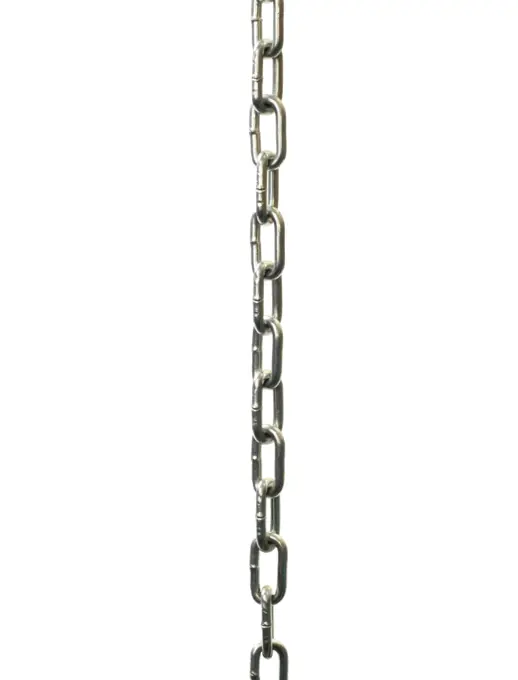
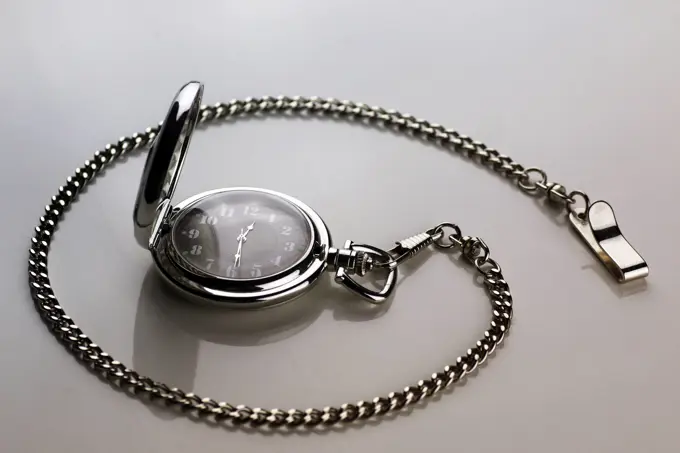
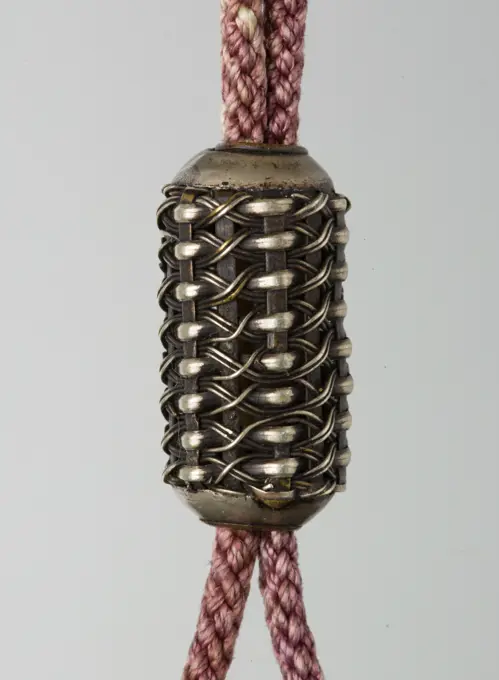
Balancing of chain, ball ring, india, asia Copyright: xHarixMahidhar/DinodiaxPhotox
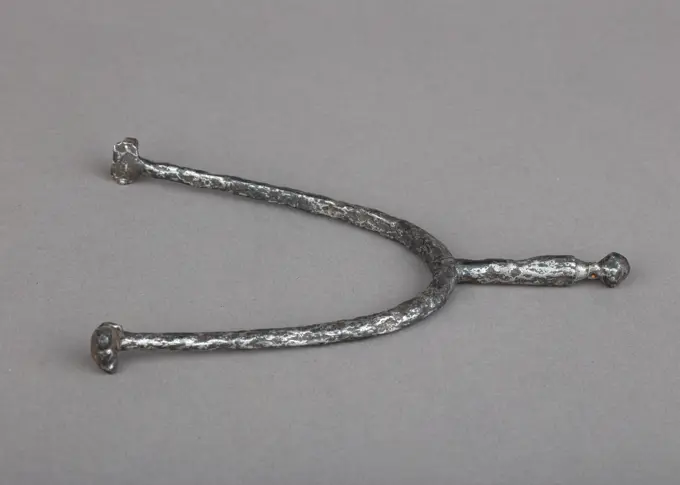
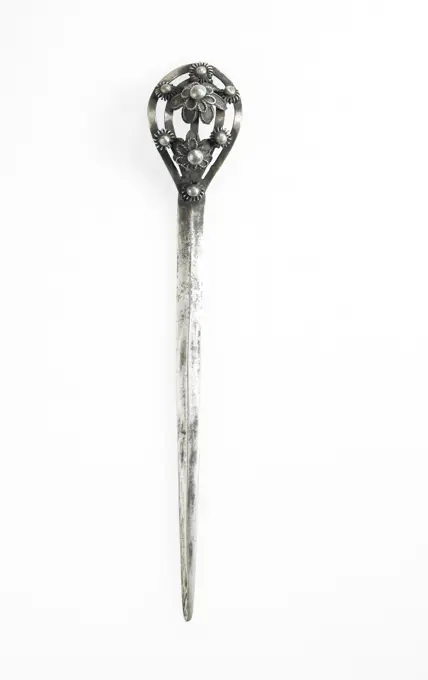
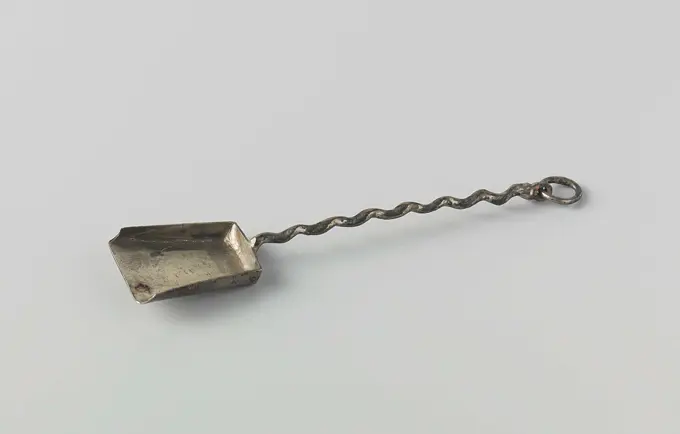
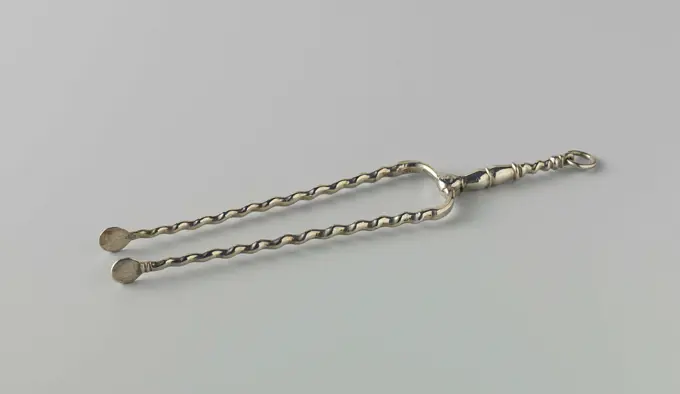
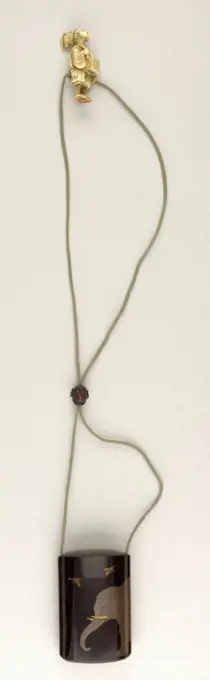
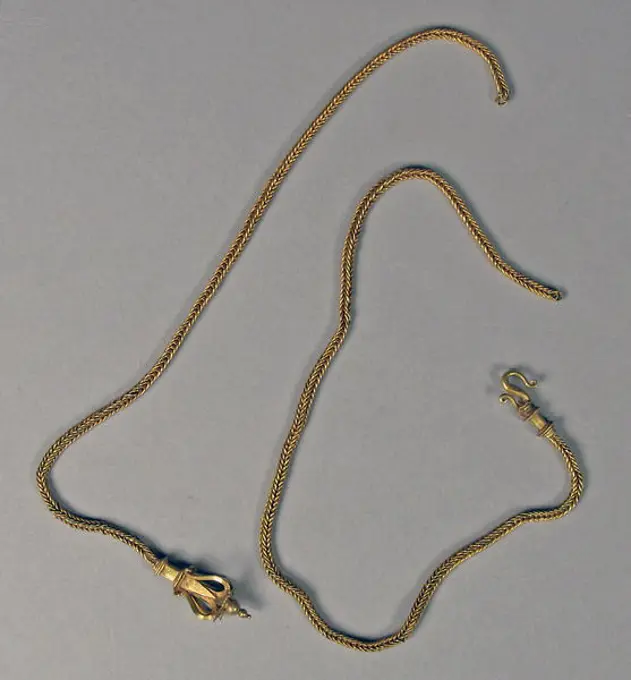
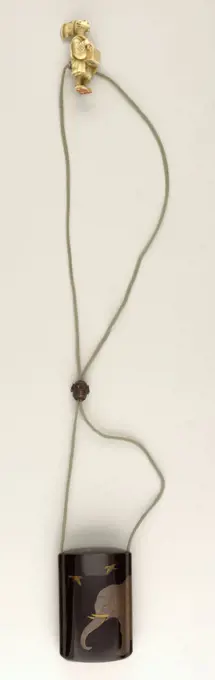
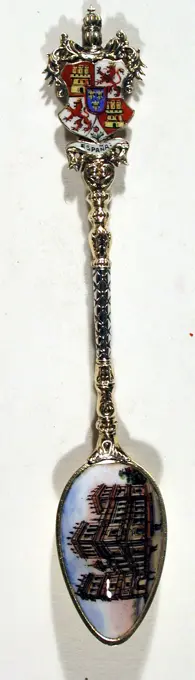
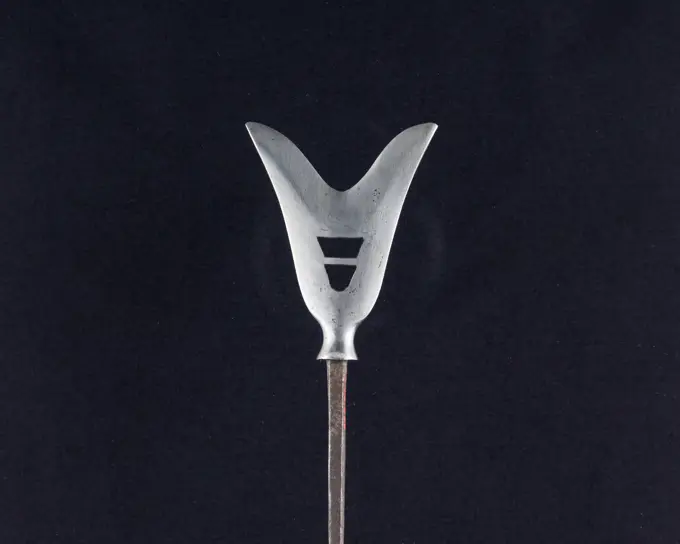
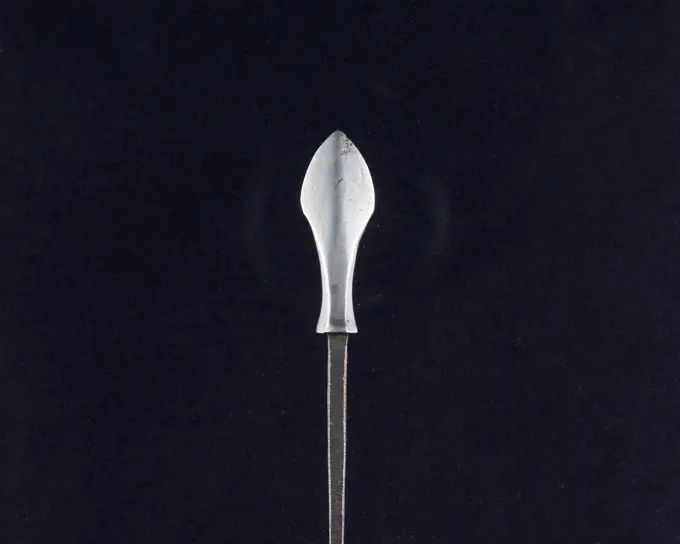
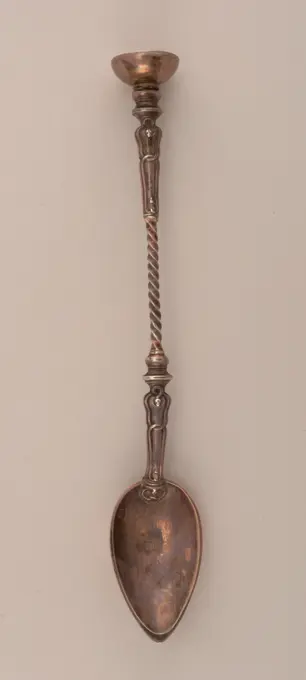
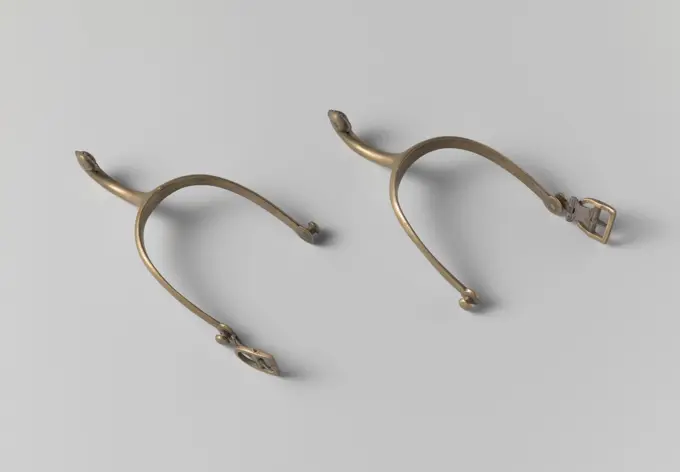
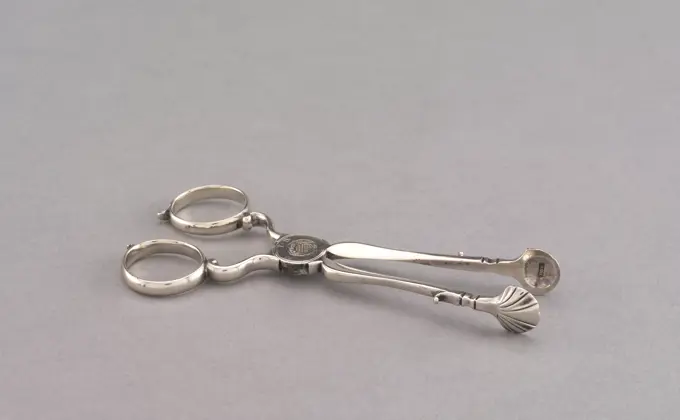
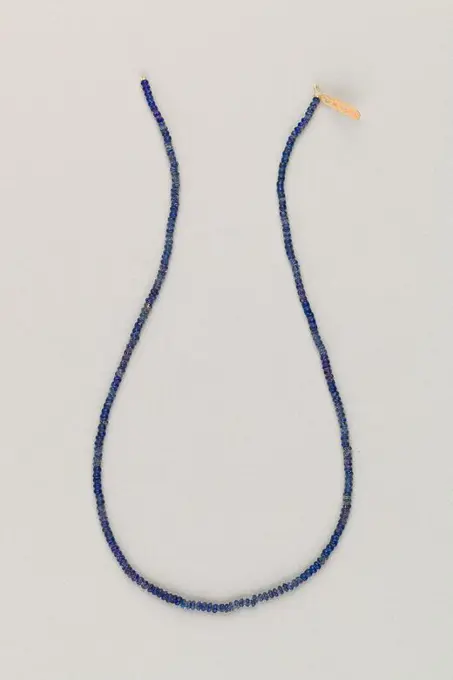
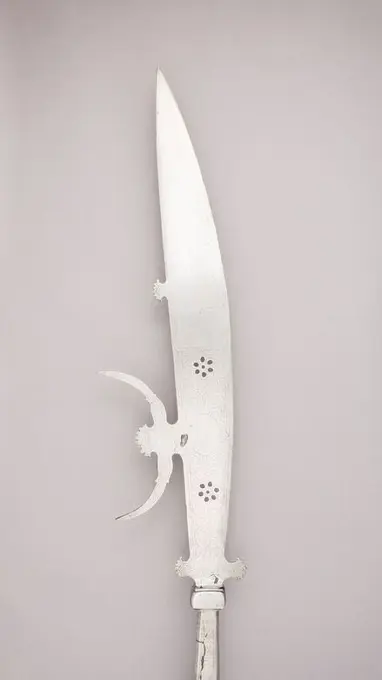
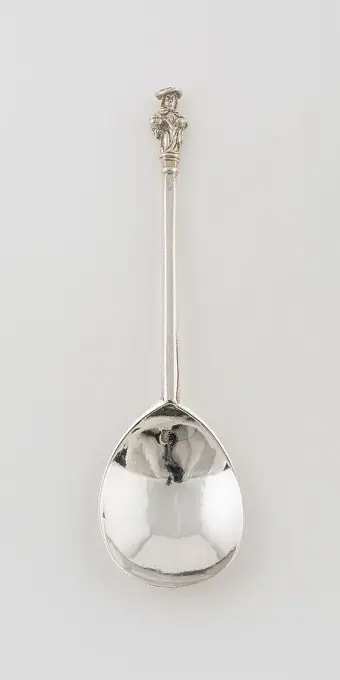
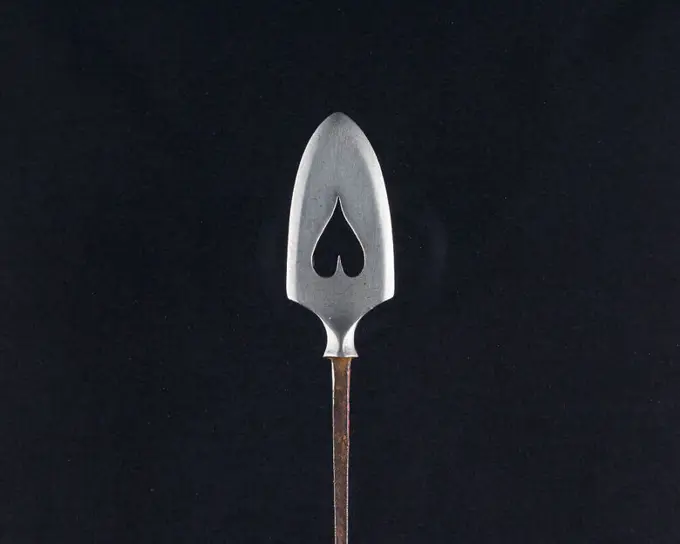
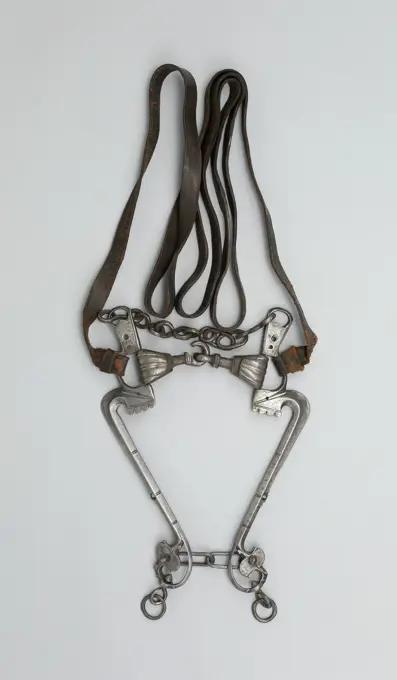
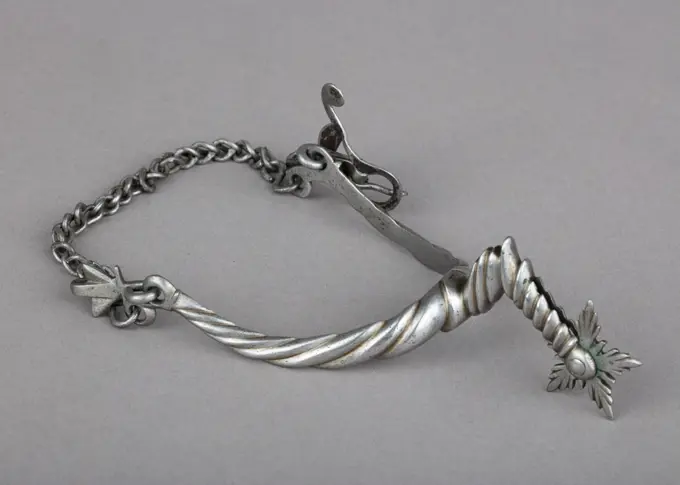
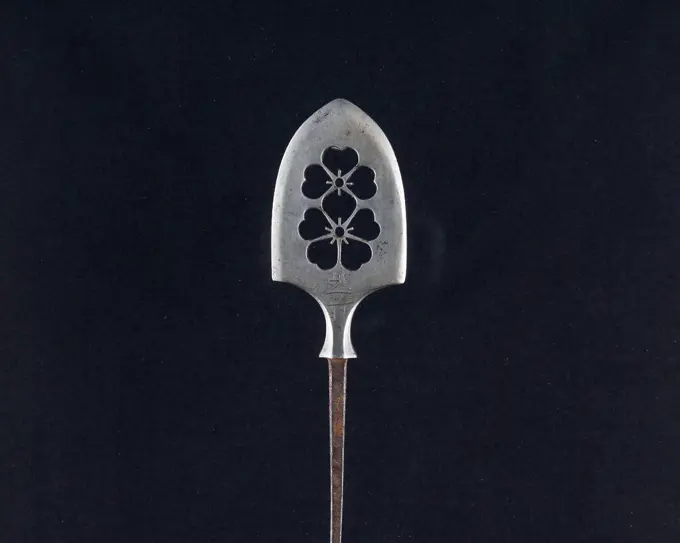
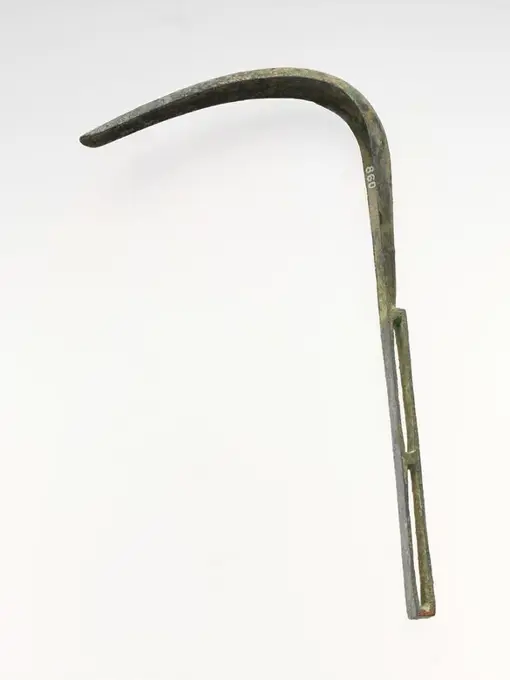
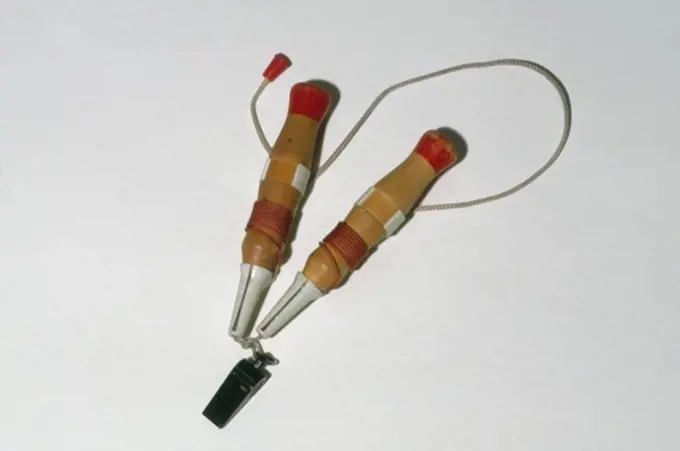
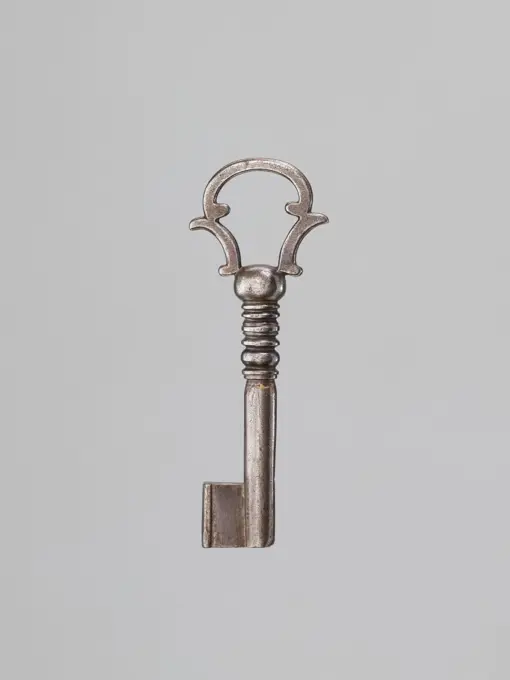
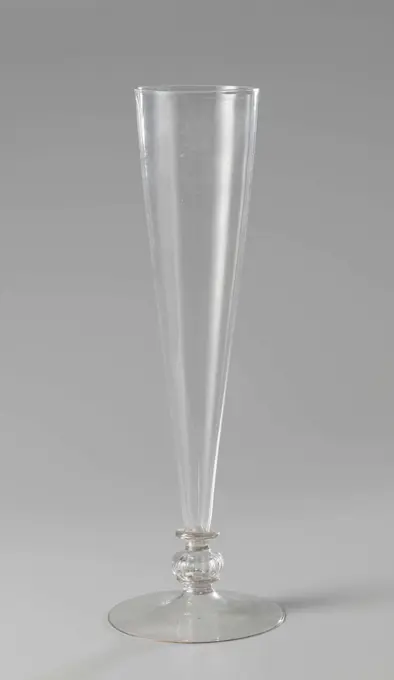
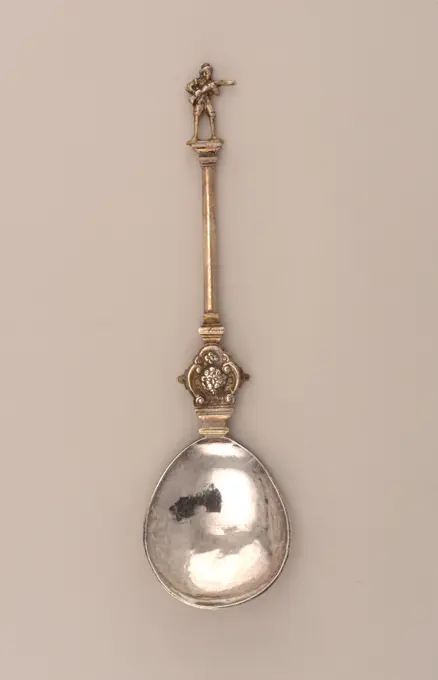
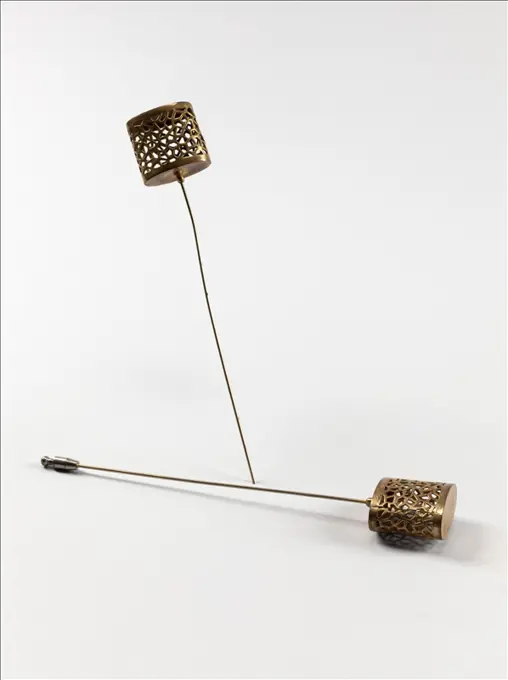
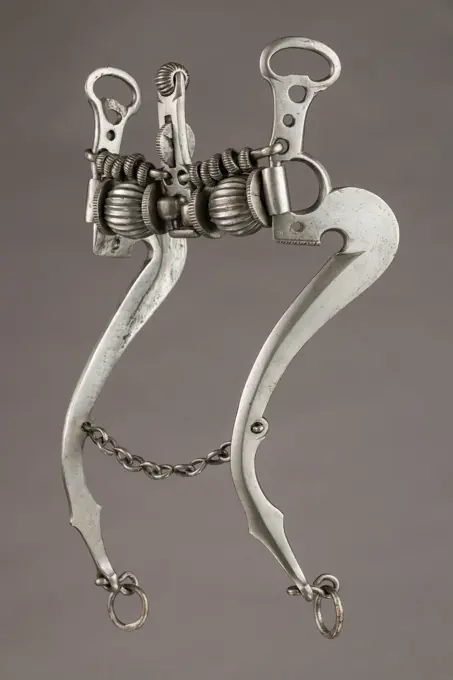
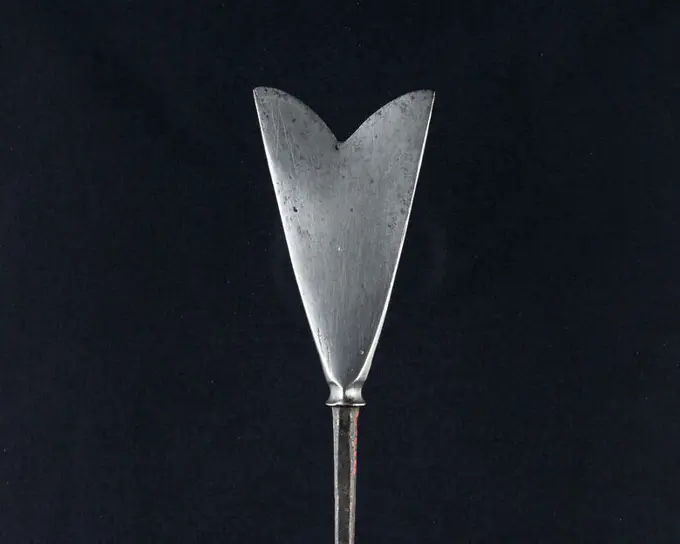
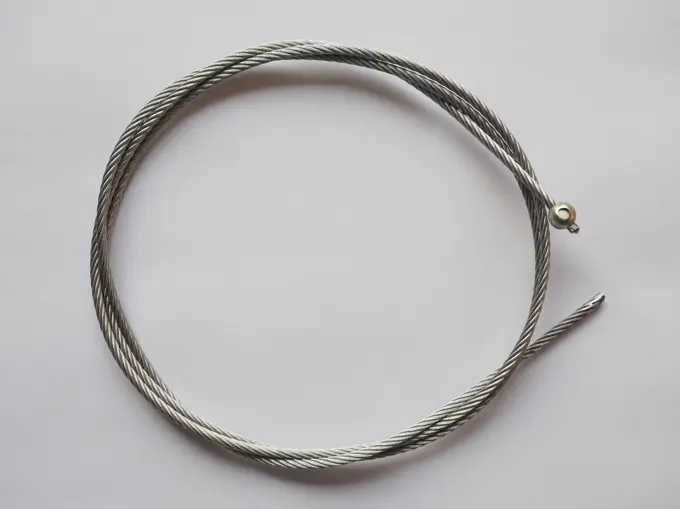
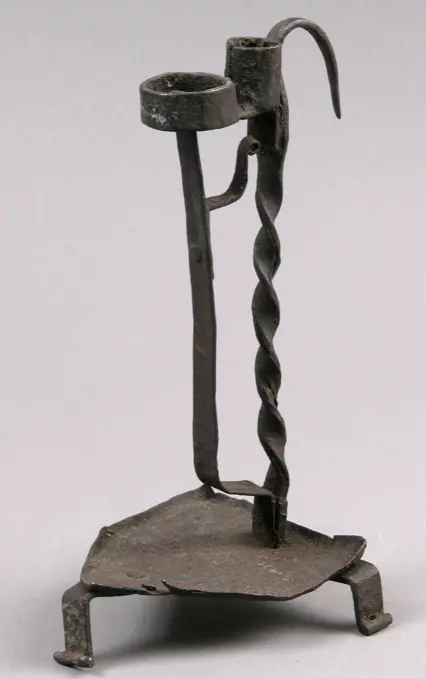
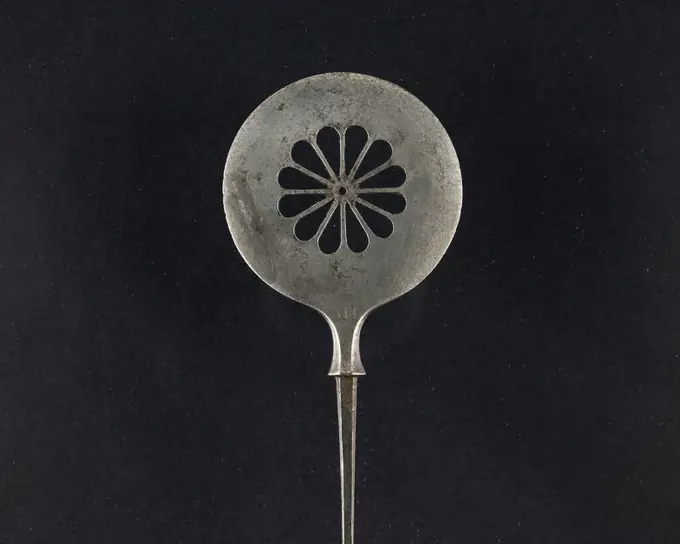
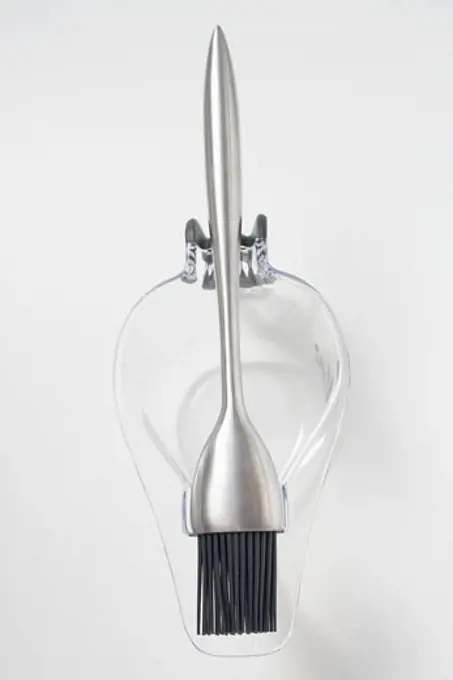
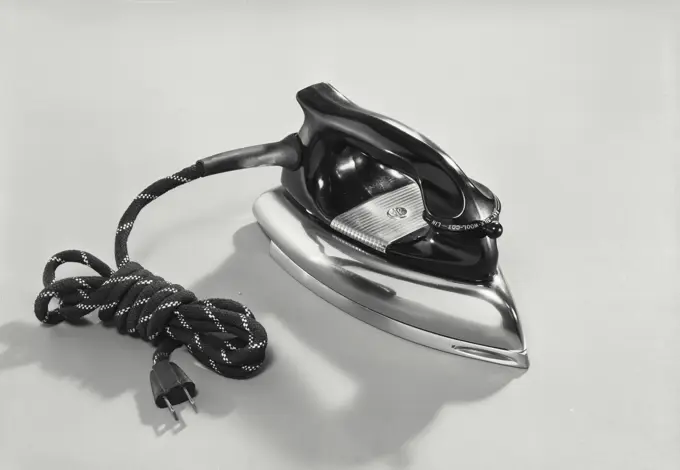
Sabel with sheath, possibly from Maarten Harpertszn. Tromp, Anonymous, 1650 - 1700 sabre Sabel with sheath, possibly from Maarten Harpertszn. Tromp. Sabel with driven silver hilt, on which a woman playing in the citer twice. A resting hunter on the shot. Furthermore attributes for hunting. Kling flat and crooked. No brands or inscriptions. Leather sheath with engraved silver frame. (not in the setup)  hilt, frame: Silver (Metal). Schede: Leather engraving ornaments ~ artPrick Spur 10th-11th century German Horses had great importance in Germanic cultures, in both social and religious aspects. Equestrian equipment, like stirrups, spurs and bits, are regularly found in their burials, among the goods warriors wanted to bring with them to the afterlife. The elite would sometimes even be accompanied by sacrificed horses, a meaningful practice at that time, considering the high economic value of horses.The prick spur was the first type of spur to be invented, and it consists of a goad or prick, more or less pointed, connected to side arms or a heel plate. The earliest spurs were probably simple thorns attached at the back of the heel, before they started to be made out of metal in antiquity. Prick spurs were the main type of spurs used in the Middle Ages until the mid-14th century, when they were supplanted by rowel spurs, which appeared in Europe a century before and with which they had cohabitated for a time. As a knights status was closely related to hisHair Pin, 7 x 1 1/8 x 3/4 in. (17.78 x 2.86 x 1.91 cm), Silver, ChinaAsschep.ASSCHAP with long handle. The handle is rotated and has a ring at the end. The axle shake is marked with a radiant sun () In a shielded shield.Ivory needle 2nd-3rd century A.D. Roman Ivory needle.. Ivory needle 249033Officier sink Licht Cavalerie Model no. 4 Met Schede, Schnitzler & Kirschbaum, c. 1843 sabre Sabel der Lansiers Dragondenskling with two channels. Not furnished for Sabellus. On one side of the blade etched 'the 1st Lanciers on the 2nd lute. W.C.H. van Rappard ', on the other side' as worship of approval for given military education 1843 on 1844 '. With steel sheath. One fixed and one loose ring. Solingen iron (metal). schede: steel (alloy) etching  NetherlandsHaardtang.Lighting length with twisted legs and a ring at the tip of the profiled handle. The fire side has been labeled: Mt. = Johannes Adrianus van Geffen.Fork, steel, horn, silver, mother-of-pearl, ivory, Fork has two long pointed tines, baluster-shaped neck, silver ferrule decorated with floral pattern. Tapered handle octagonal-shaped in centre, end of handle decorated with horizontal silver band and mother-of-pearl points. Silver mount on top of handle has inscription, ivory knob in centre. The end of handle screwed to the handle; pepper container., possibly Germany, 1770-1800, cutlery, Decorative Arts, ForkBalancing of chain, ball ring, india, asia Copyright: xHarixMahidhar/DinodiaxPhotoxOjime, bronze, Head of a monkey, with gold eyes., Japan, 19th century, containers, Decorative Arts, OjimeTea scoop, silver, mother-of-pearl, Birmingham, England, 1809, metalwork, Decorative Arts, Tea scoopShovel 1795-1810 American. Shovel. American. 1795-1810. Brass. Made in New York, New York, United StatesNecklace with Repoussé Lotus Terminals 8th-12th century Indonesia (Central Java). Necklace with Repoussé Lotus Terminals 64294Sugar Sifter,  c. 1795Lacquer box, Lacquered wood, Five sections, with an elephant and three flying birds in rubbed lacquer (togidashi), gold, silver, and red on black (ro-iro) background. Inside gold nashiji lacquer. Mounted with ojime 1952-164-36 and netsuke 1952-164-37. Bliss 11776, See 1952-164-32., Japan, 19th century, containers, Decorative Arts, Lacquer boxCurb Bit. Culture: German. Dimensions: H. 9 1/4 in. (23.5 cm); W. 5 3/4 in. (14.6 cm); Wt. 1 lb. 9.5 oz. (722.9 g). Date: ca. 1800.The mouthpiece would make this bit rather harsh, since, because of the central high port for the tongue, the ribbed rollers would rest directly on the bars (part of the horses' jaw without teeth). Its severity would be also increased by its rigidity, since the central joint of the mouthpiece does not move and its sides not articulate with the cheekpieces. This bit was possibly used on a carriage horse. Museum: Metropolitan Museum of Art, New York, USA.Anonymous. "Cane that belonged to General Leclerc de Hauteclocque". Drink. 1931-1945. General Leclerc Museum of Hauteclocque and the Liberation of Paris, Jean Moulin Museum. 158823-21"Medallion" Spoon; Made by William Gale Jr. (American, b. 1825); USA; silver, gilding; cm: H: 4 x L: 20.8 x W: 4.7 (1 9/16 x 8 3/16 x 1 7/8 in. )Souvenir spoon with view of Palais Royal and arms of Spain European late 19th centuryArrowhead (Yanone) 18th century Japanese Although today Japanese warriors are renowned most for their swordsmanship, archery, especially from horseback, has been an essential part of samurai warfare and culture for centuries. Arrows were fitted with heads of varying shape according to their intended use in war, the hunt, or target practice. Arrowheads made for use on the battlefield incorporated different designs intended for specialized purposes such as the piercing of armor or to cause maximum damage to horses and unarmored personnel.Large arrowheads, pierced and elaborately chiseled with landscapes, birds, flowers, dragons, and Buddhist divinities, were created to be admired for the beauty of their metalwork and design rather than for use in archery. Such highly elaborate examples may have been made for presentation or as a votive offerings to a shrine.. Arrowhead (Yanone). Japanese. 18th century. Steel. Archery Equipment-ArrowheadsBalancing of key chain, india, asia Copyright: xHarixMahidhar/DinodiaxPhotoxPhoto tandard, 1880 - 1900 frame   metalArrowhead (Yanone) 18th century Japanese Although today Japanese warriors are renowned most for their swordsmanship, archery, especially from horseback, has been an essential part of samurai warfare and culture for centuries. Arrows were fitted with heads of varying shape according to their intended use in war, the hunt, or target practice. Arrowheads made for use on the battlefield incorporated different designs intended for specialized purposes such as the piercing of armor or to cause maximum damage to horses and unarmored personnel.Large arrowheads, pierced and elaborately chiseled with landscapes, birds, flowers, dragons, and Buddhist divinities, were created to be admired for the beauty of their metalwork and design rather than for use in archery. Such highly elaborate examples may have been made for presentation or as a votive offerings to a shrine.. Arrowhead (Yanone). Japanese. 18th century. Steel. Archery Equipment-ArrowheadsSpoon (France); silver; L x W x D: 17.3 x 2.8 x 2.1 cm (6 13/16 x 1 1/8 x 13/16 in.)Rail of Berlin Silver, 1825 - 1832  Rail of Berlin Silver with swan halls and small, waveed gear. Netherlands German silverArrow Point, 1700s. Japan, Edo period (1615-1868). Steel; overall: 22 cm (8 11/16 in.); head: 5.4 cm (2 1/8 in.).Sugar Scissors, c. 1750. Jacob Hurd (American, 1702-1758). Silver; overall: 12.3 x 5 cm (4 13/16 x 1 15/16 in.).String of tiny disc beads. Dimensions: l. 33.3 cm (13 1/8 in.). Date: 1st Century B.C. to 5th Century A.D.. Museum: Metropolitan Museum of Art, New York, USA.String of tiny disc beads 1st Century B.C. to 5th Century A.D. Roman Period or later. String of tiny disc beads 570574Ribbon bowKnife, dessert (1), Tiffany & Company, American, established 1853, Silver, Rounded silver blade. Shaped handle with design in chrysanthemum pattern with engraved B in reserve., New York, USA, late 19th century, cutlery, Decorative Arts, Knife, dessert (1)Tobacco Pipe, 1800s-early 1900s. Japan, Edo period (1615-1868) to Meiji period (1868-1912). Metal; overall: 23 cm (9 1/16 in.).Lazio Viterbo Viterbo Museo Civico2. Hutzel, Max 1960-1990 Views of paintings (Middle Ages through 18th c.), frescoes, a tabernacle, coffin, sculpture reliefs, portal fragments, busts, sculpture, tapestry found in the Pinacoteca, Second floor gallery and Second floor cloister sequences. Antiquities: Many views of Etruscan and Roman fragments, sculpture, sarcophagi, pottery, masks, jewelry and other objects found in the Storeroom sequence (inventory numbers on back of prints), and the Cloister, Second floor Cloister, Valle Giulia, Sala Romana and Sala Etrusca sequences. General Notes: There are eight separate numerical sequences for this location. The cloister as an architectural structure, rather than museum site, is documented in the record and file for S. Maria della Verita, Cloister, all views of which are stored in Medieval core collection. Five views from the Museo Civico Second floor cloister sequence are stored in Medieval. German-born photographer and scholar Max Hutzel (1911-1Skewer, Silver, Tapering blade or pin with terminal in relief cast with entwined double cornucopia topped by a peacock., France, 19th century, cutlery, Decorative Arts, SkewerPear-Shaped Vinaigrette. Continental Europe. Date: 1835-1845. Dimensions: H. 7.6 cm (3 in.). Silver and silver gilt. Origin: Europe. Museum: The Chicago Art Institute, Chicago, USA.Fauchard. Culture: Italian. Dimensions: L. 8 ft. 8 1/2 in. (271.7 cm); L. of head 34 5/8 in. (88 cm); W. 8 1/4 in. (21 cm); Wt. 7 lbs. 2 oz. (3231.8 g). Date: ca. 1550. Museum: Metropolitan Museum of Art, New York, USA.Apostle Spoon: St. Matthew. London, England. Date: 1602-1603. Dimensions: 18.7 x 5.1 cm (7 3/8 x 2 in.). Silver; figure gilded. Origin: London. Museum: The Chicago Art Institute, USA.Drafting compass -metal chain on white backgroundArrowhead (Yanone). Culture: Japanese. Dimensions: L. 8 3/4 in. (22.2 cm); L. of head 2 1/4 in. (5.7 cm); W. 1 in. (2.5 cm); Wt. 0.8 oz. (22.7 g). Date: 18th century. Museum: Metropolitan Museum of Art, New York, USA.Olive Branch for Crowning Heads ofVictors, A.D.165-256, Olive wood, 25 × 21.5 cm (9 13/16 × 8 7/16in.), Yale-French Excavations atDura-Europos, Excavated in Dura-Europos, Syria, Syrian,Dura-Europos, Roman (2nd or 3rd century A.D.), Apparel/CostumeCurb Bit 1700-1800 Europe. Iron .Hair Pin, 8 1/2 x 2 5/8 x 7/8 in. (21.59 x 6.67 x 2.22 cm), Silver, ChinaTwo natural wooden toothbrushes on natural beige background with leaves shadows, flat lay, top view. Concept of zero waste and natural dental care. Copy space. Two natural wooden toothbrushes on natural beige background with leaves shadows, flat lay, top viewRowel Spur mid-17th century German Despite its simple shape this spur is skillfully chiseled all over with a rope motif giving it a particularly sculptural aspect. Necks bent at an angle like this were popular in Europe between 1630 and 1660.. Rowel Spur. German. mid-17th century. Iron alloy. Equestrian Equipment-SpursTorque, 17 x 15 1/2 x 3 in. (43.18 x 39.37 x 7.62 cm), Silver, ChinaArrowhead (Yanone). Culture: Japanese. Dimensions: L. 7 1/4 in. (18.4 cm); L. of head 2 1/4 in. (5.7 cm); W. 1 1/4 in. (3.2 cm); Wt. 0.6 oz. (17 g). Date: 18th century. Museum: Metropolitan Museum of Art, New York, USA.Bronze strigil. Culture: Roman. Dimensions: L. 9 in. (22.8 cm). Date: 1st-2nd century A.D..The blade is bent to an acute angle. The handle, which is in one piece with the blade, is in the form of a rectangular loop with a cross-piece in the middle. On the back of the handle are incised lines. Museum: Metropolitan Museum of Art, New York, USA.Spit Bracket. Culture: Spanish (). Dimensions: Overall: 15 3/4 x 10 x 18 in. (40 x 25.4 x 45.7 cm). Date: 16th century.Although Spanish, particularly Catalan, iron working had reached a level of great artistry by the late Middle Ages, many ordinary household objects continued to be wrought in the traditional and less refined fashion, as is the case with this support for a spit (once part of a pair). It is amusing, however, and its maker demonstrated great inventiveness in transforming the scaly fins of its arched back into rings through which the spit could be inserted at gradual intervals. If contemporary illustrations accurately reflect the normal operation of the roasting spit, it was the fate of some poor knave to sit by the fire, endlessly turning the spit, which was sometimes provided with a handle. By the fifteenth century, a number of more sophisticated mechanical devices had been devised. These included a series of disks set at an angle about the fire and driven in a circleClose-up view of skating prods with whistleHairpin or ornament, one of a pair, 14th-17th century, 9 7/8 in. (25.08 cm), Gold, China, 14th-17th centuryKey;  half. or 2nd half 18th century (1751-00-00-1800-00-00);corkscrew  isolated on white backgroundModel of an Anchor. Model of a "flat-hand" anchor. The arms and hands are put in the same plane as the shaft and the anchor stick, but can turn into a hole in the shaft. The anchor stick is flat and V-shaped bent with the points back, and is secured with a key. The shaft has a harp at the upper end and one by the cross. Scale 1:10 (estimation).neck purse on a white backgroundSpoon (United Kingdom); ivory, silverink drop dripping from nib of brown dip pen side view of red ink drop dripping from nib of brown dip pen close up isolated on white background Copyright: xZoonar.com/ValeryxVoennyyx 13807979Stainless Steel Egg WhiskPendant with chain, 1 3/4 x 8 5/8 x 1 5/16 in. (4.45 x 21.91 x 3.33 cm) (without chain), Ivory, silver, Sierra LeoneTreasure of Bodonal de la Sierra. Torcs. Gold. Late Bronze Age. 1300-1101 BC. Bodonal de la Sierra (province of Badajoz, Extremadura). National Archaeological Museum. Madrid. Spain.Metal fasteners for curtains on a white backgroundBreadfork.  Manufacturer: Gorham Manufacturing Company, American, founded 1831Parade Partisan (from the Bodyguard of August Wilhelm, Duke of Brunswick- Wolfenbüttel 1662-1731), 1718. Germany, 18th century. Blued, etched and gilded steel, wooden haft with orginal steel base spike, silk tassel with alternating blue and gold bands; overall: 258.5 cm (101 3/4 in.).Golden chain isolated on the white backgroundSelection of early pairs of glasses. Featuring a hand held pair. English, 1790-1880.Watch Key (USA); gold, topazArrowhead (Yanone) 18th century Japanese Although today Japanese warriors are renowned most for their swordsmanship, archery, especially from horseback, has been an essential part of samurai warfare and culture for centuries. Arrows were fitted with heads of varying shape according to their intended use in war, the hunt, or target practice. Arrowheads made for use on the battlefield incorporated different designs intended for specialized purposes such as the piercing of armor or to cause maximum damage to horses and unarmored personnel.Large arrowheads, pierced and elaborately chiseled with landscapes, birds, flowers, dragons, and Buddhist divinities, were created to be admired for the beauty of their metalwork and design rather than for use in archery. Such highly elaborate examples may have been made for presentation or as a votive offerings to a shrine.. Arrowhead (Yanone). Japanese. 18th century. Steel. Archery Equipment-ArrowheadsFlute glass. Flute glass on flat foot. The strain consists of a ribbed, hollow nodus between two discs. Funnel shaped chalice.Spoon (possibly Germany); silver; L x W: 19.7 x 5.4 cm (7 3/4 x 2 1/8 in.); The Robert L. Metzenberg Collection, gift of Eleanor L. Metzenberg; 1985-103-245Trowel Dutchman, Alfred, Czaplicki, WiktorFiresteel -Feeding Tube, 1700s. America, 18th century. Silver; overall: 12.1 cm (4 3/4 in.).Macaroni Server (USA); gilt silver; L: 27 cm (10 5/8 in.)Metall retro fork for meat isolated on a white background, place for text.. Vintage meat fork isolated on a white background, copy space.Slingshot on a white background.Pair of hat pins. Golden metal. 1930s. Galliera, fashion museum of the city of Paris. 74165-23 Hover, Dore, Hat Epingle, MetalBlack oil spill flowing on white background. Oil leak flowingSketch tooth brush, vector vintage backgroundhand drawn rope with knot. Fibre bow Isolated on white background. Watercolor illustration. hand drawn rope with knot. Fibre bow Isolated on white background. Watercolor illustration Copyright: xZoonar.com/LiubovxPonomarchukx 18556201Curb Bit ca. 1530-1540 French or German Contemporary equestrian manuals describe this type of bit as severe, designed for lifting up the head of a horse with a hard or bad mouth. The elegant S-shaped shanks, with their diamond terminals, are typical of the bits made around the 1530s in Western Europe.. Curb Bit. French or German. ca. 1530-1540. Iron alloy. Equestrian Equipment-BitsBlank brown rectangular brown paper tag on a rope on white background, template for price Blank brown rectangular brown paper tag on a rope on white background, template for price, discount Copyright: xZoonar.com/DANKOxNx 21133222Blank tag isolated on a white backgroundsold rusty wooden handle hammer collection isolated on white backgroundAssyrian Head Cake Saw; Designed by Rogers Brothers Silver; Manufactured by Meriden Brittania Company; USA; silver-plated metal; L x W: 27.3 x 4 cm (10 3/4 x 1 9/16 in.)pocket watch retro concept retro vintage pocket watches round shape on white background ,model released, Symbolfoto Copyright: xZoonar.com/AleksandrxKichiginx 9913112 ,model released, Symbolfoto ,property releasedArrowhead (Yanone). Culture: Japanese. Dimensions: L. 11 3/4 in. (29.9 cm); L. of head 3 in. (7.6 cm); W. 1 3/4 in. (4.5 cm); Wt. 1.9 oz. (53.9 g). Date: 18th century. Museum: Metropolitan Museum of Art, New York, USA.CDK unknownBrake line detail Detail of a steel brake line for vehicles Copyright: xZoonar.com/ClaudioxDiviziax 9569109Wooden spoon isolated on the white backgroundSugarTongs.   Maker: Richard Humphreys, American, 1750-1832Candlestick 15th-16th century Spanish. Candlestick 212205Arrowhead (Yanone). Culture: Japanese. Dimensions: L. 10 1/4 in. (26 cm); L. of head 3 1/4 in. (8.3 cm); W. 2 1/2 in. (6.4 cm); Wt. 2.1 oz. (59.5 g). Date: 18th century. Museum: Metropolitan Museum of Art, New York, USA.An abstract isolated water fountain against a dark backgroundBarbecue brush on glass sauce-boatClose-up of a reflex hammerVanilla beans, vanilla pulp on the tip of a knife (Vanilla planifolia), vanilla sticksVintage photograph. Close-up of an electric ironSilver brooch with blue email and false pearls, Joseph Adams & Son, 1811 Brooch made of silver, blue email and false pearls. Empire. Spitsovaal silver with a long pin. Inside oval dots of ultramarine email over guily soil. Rand of white painted balls. Brands: Anchertje (= Birmingham), N (= annual letter 1811), J. A & S (= goldsmid), Lion in accoladed shield (= silverkeur). Birmingham silver (metal). Brooch made of silver, blue email and false pearls. Empire. Spitsovaal silver with a long pin. Inside oval dots of ultramarine email over guily soil. Rand of white painted balls. Brands: Anchertje (= Birmingham), N (= annual letter 1811), J. A & S (= goldsmid), Lion in accoladed shield (= silverkeur). Birmingham silver (metal).Brake line detail Detail of a steel brake line for vehicles Copyright: xZoonar.com/ClaudioxDiviziax 9491397Aroma sticks Aroma sticks on wooden stand isolated with clipping path included Copyright: xZoonar.com/Baloncicix 14195666