Historical Metal Artifacts

Collection of ancient metal pieces like moldings and fragments, showcasing elaborate designs and historical significance.
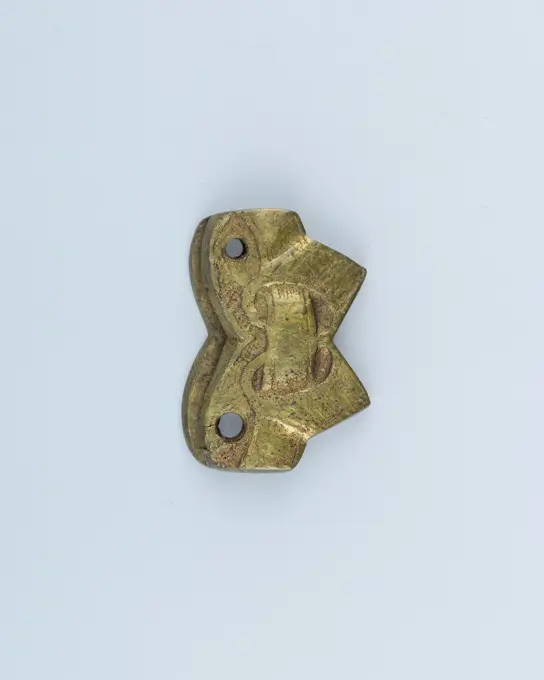
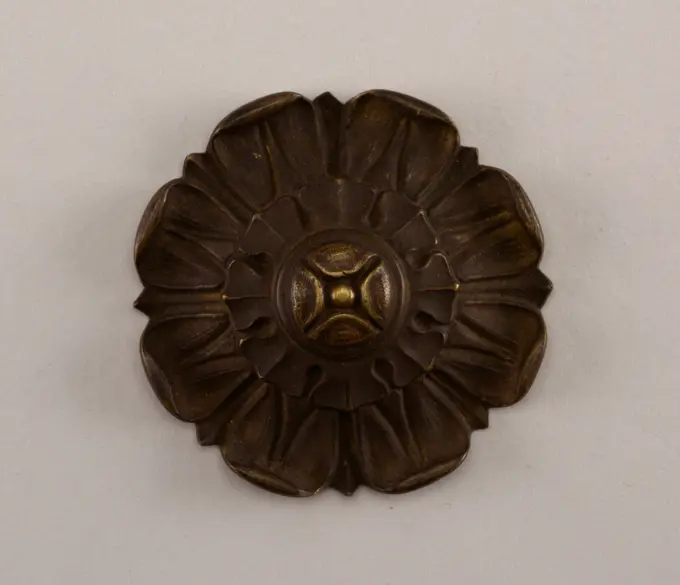
Mordant 15th century Spanish. Mordant. Spanish. 15th century. Brass. Miscellaneous-Buckles & Ornament
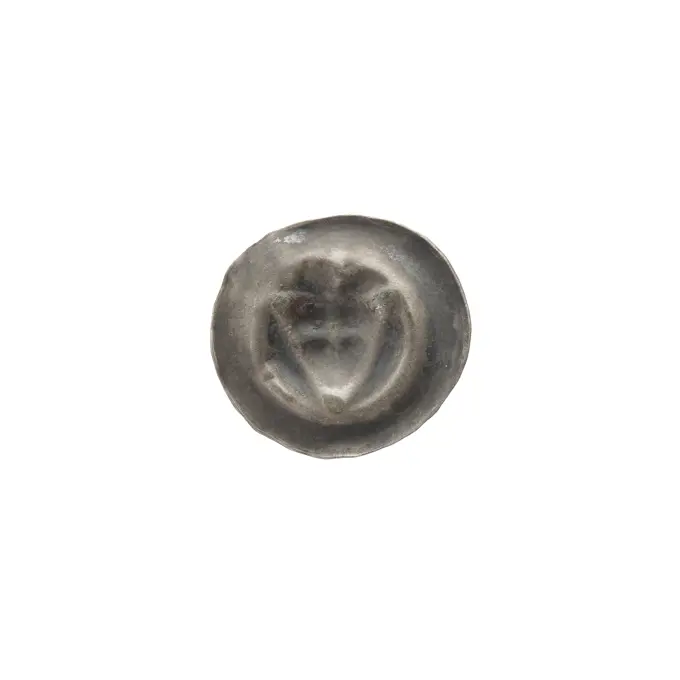
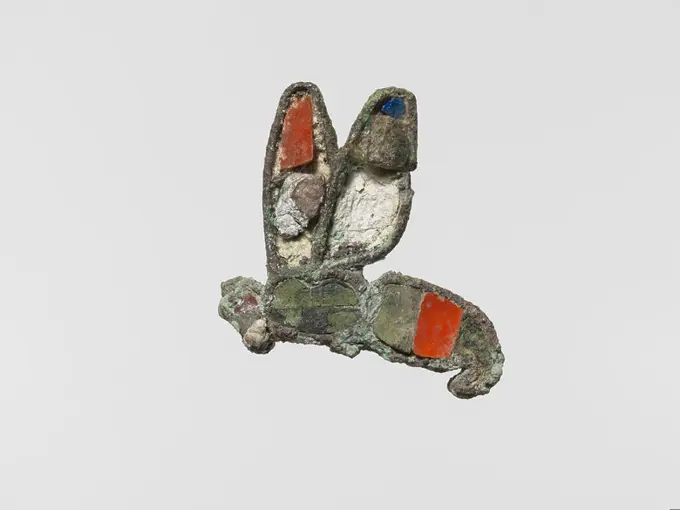
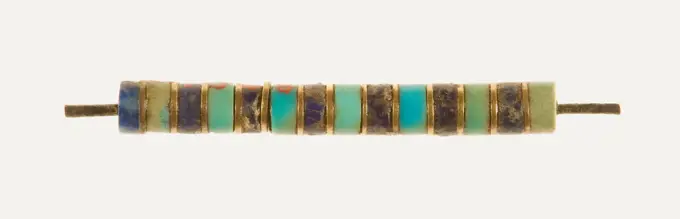
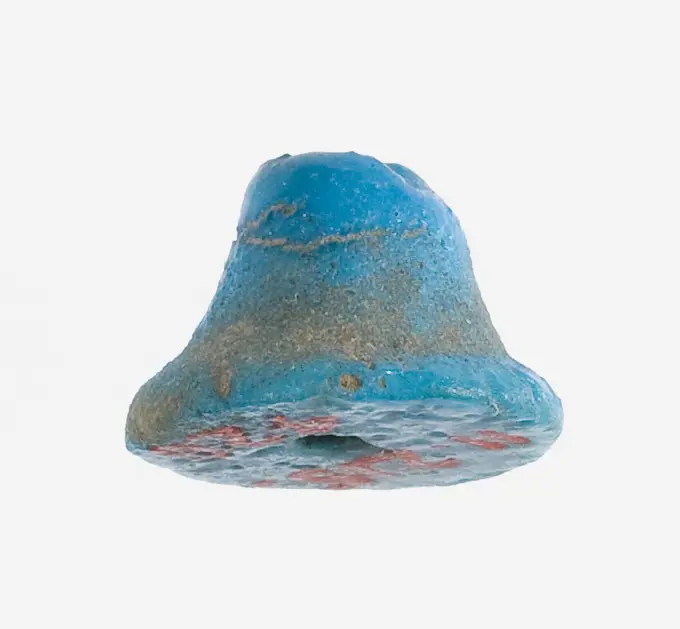
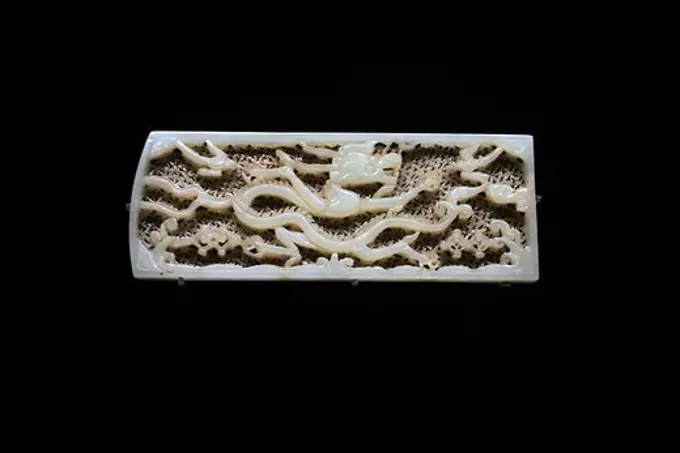
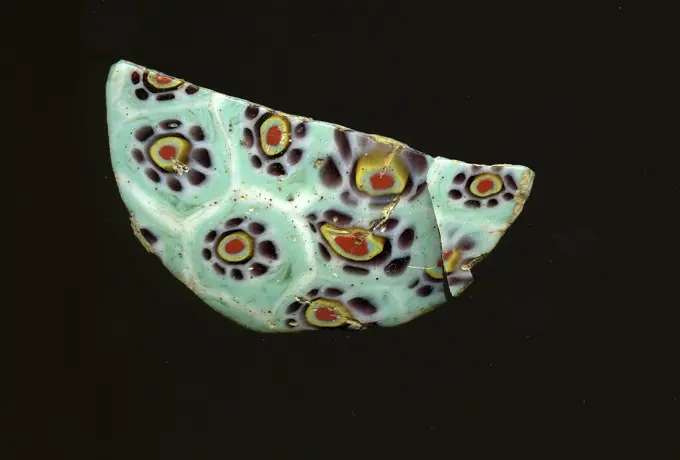
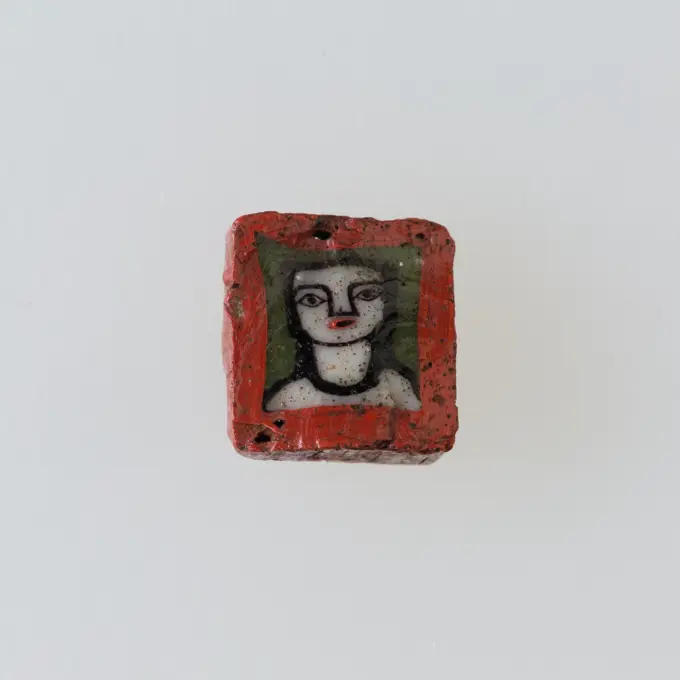
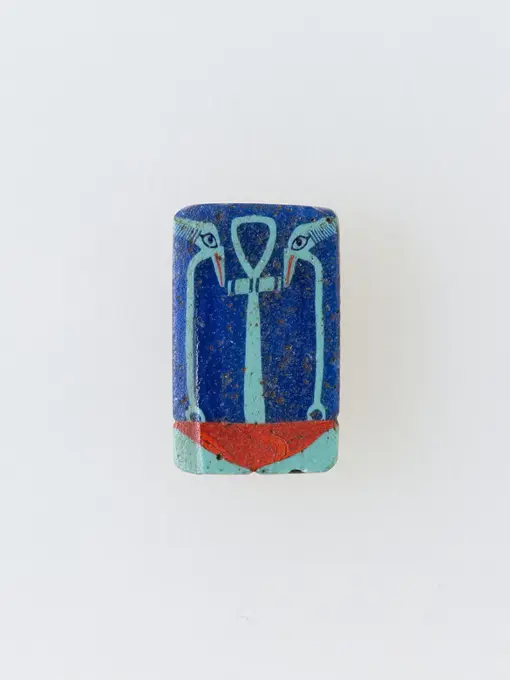
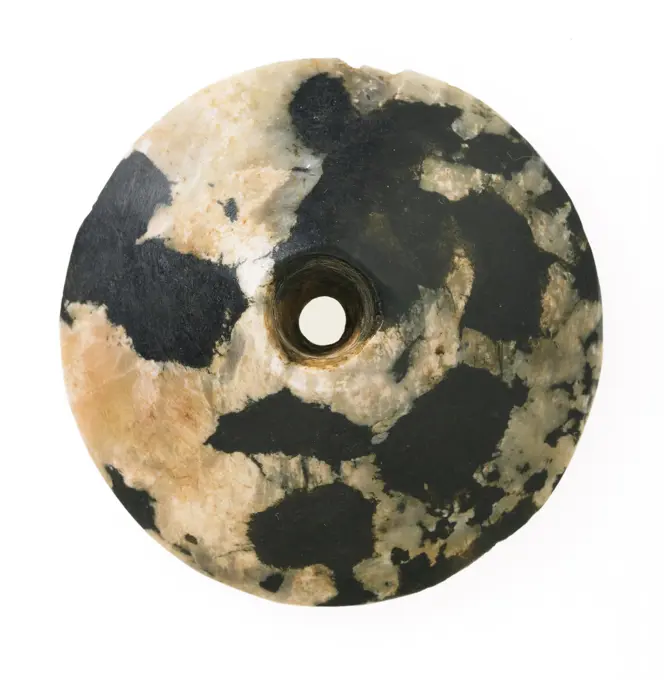
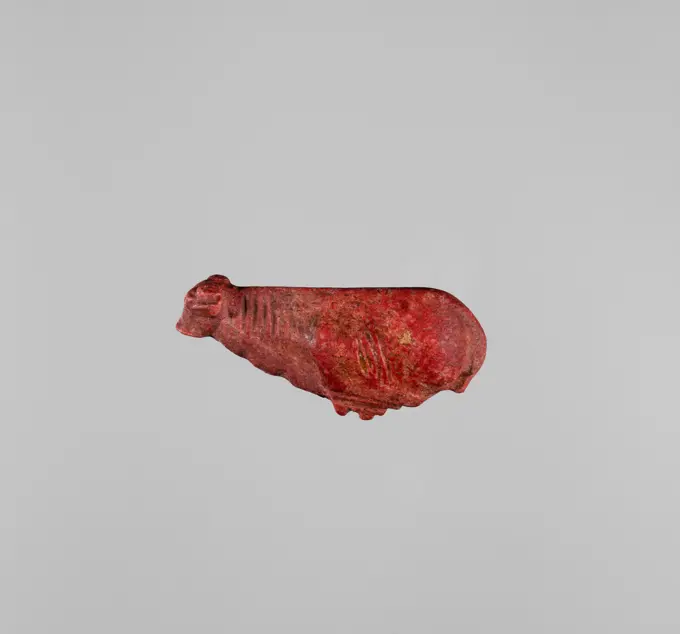
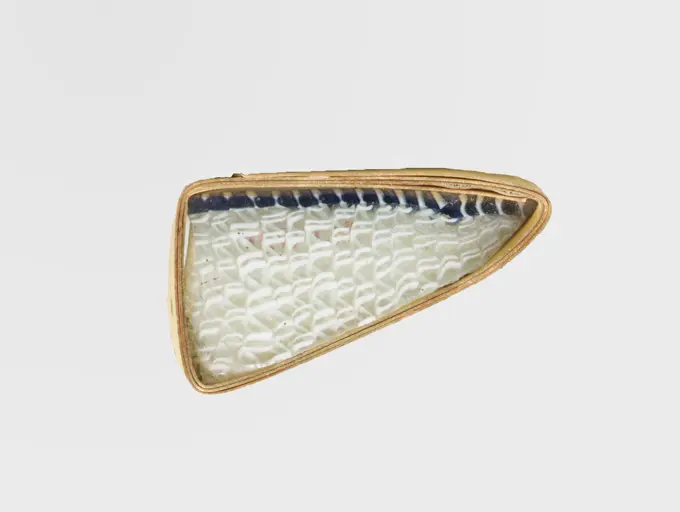
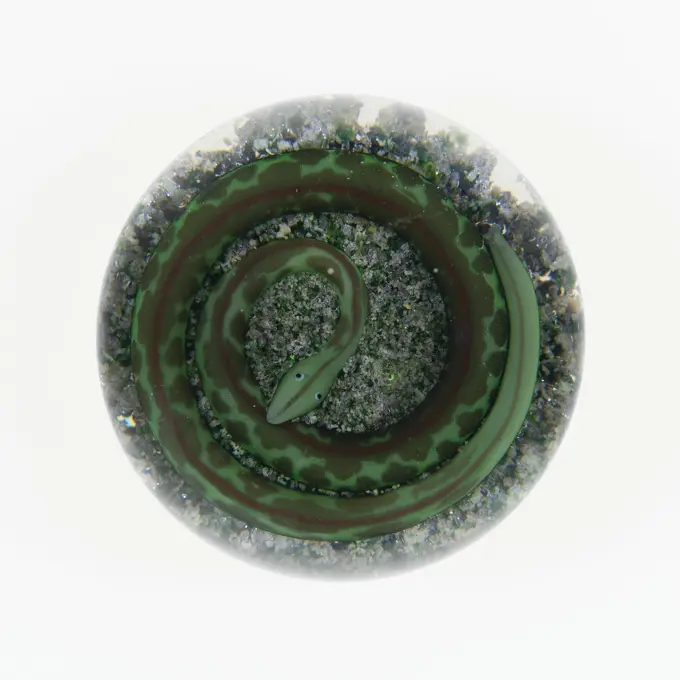
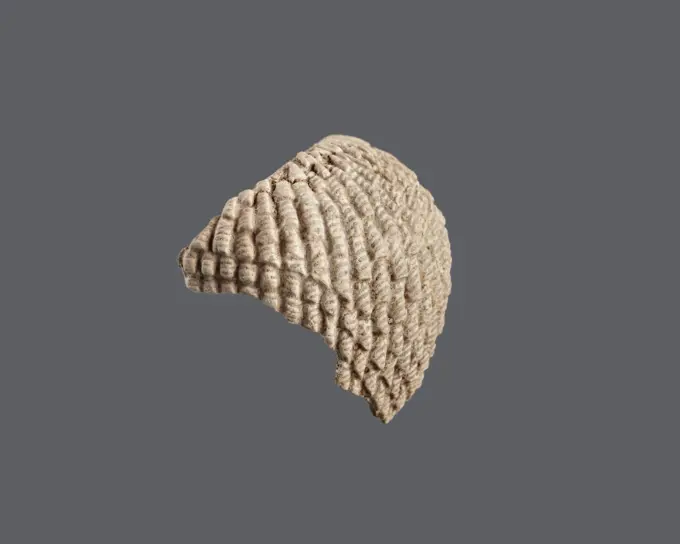
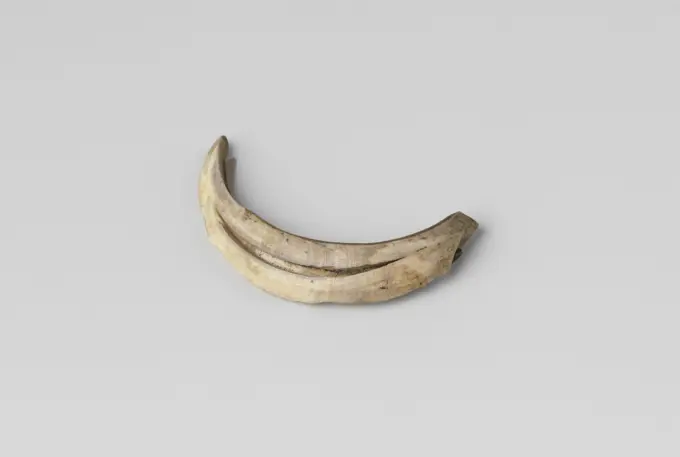
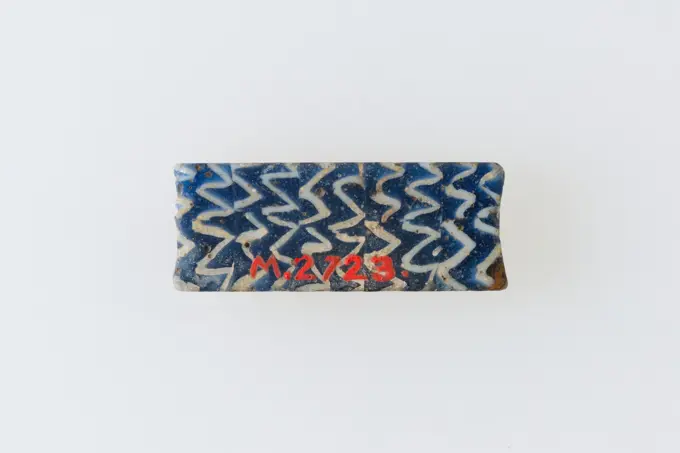
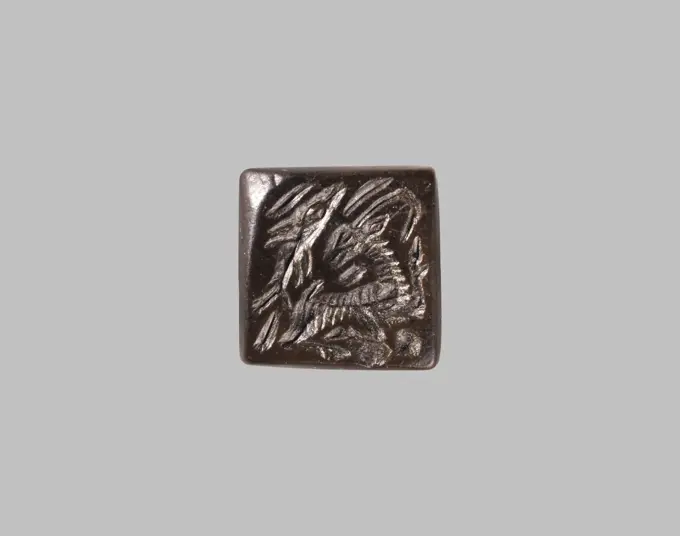
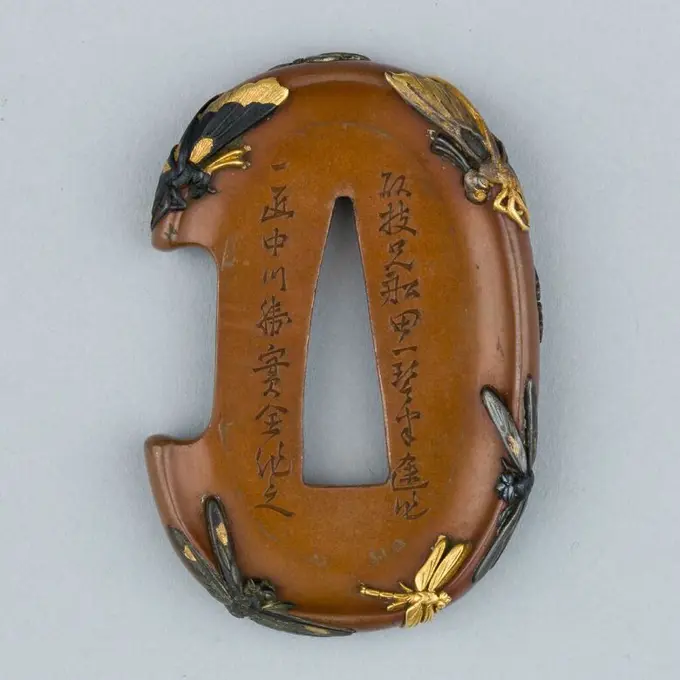
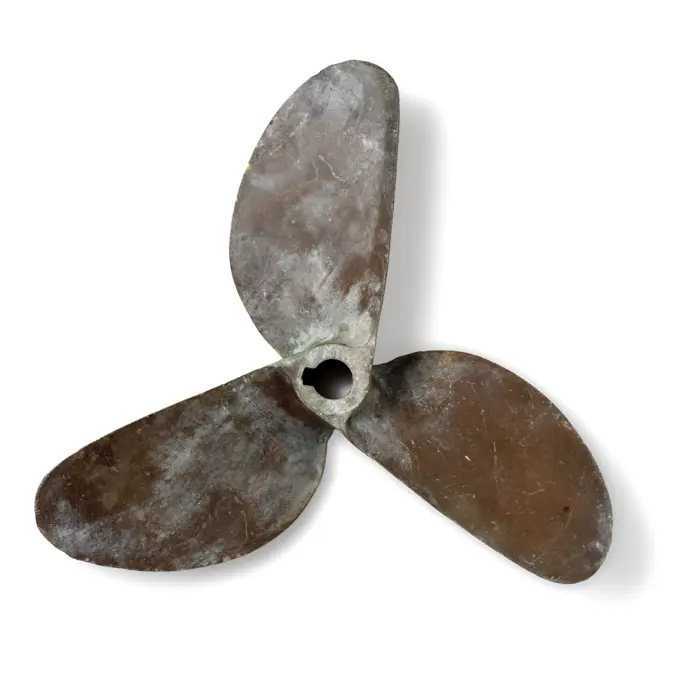
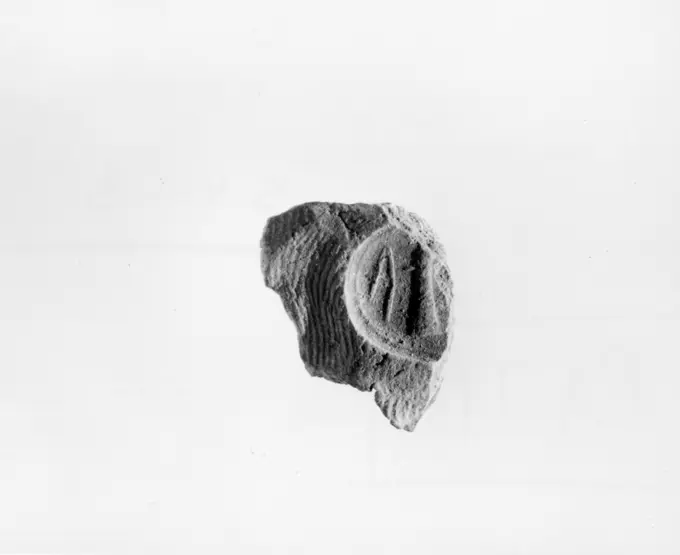
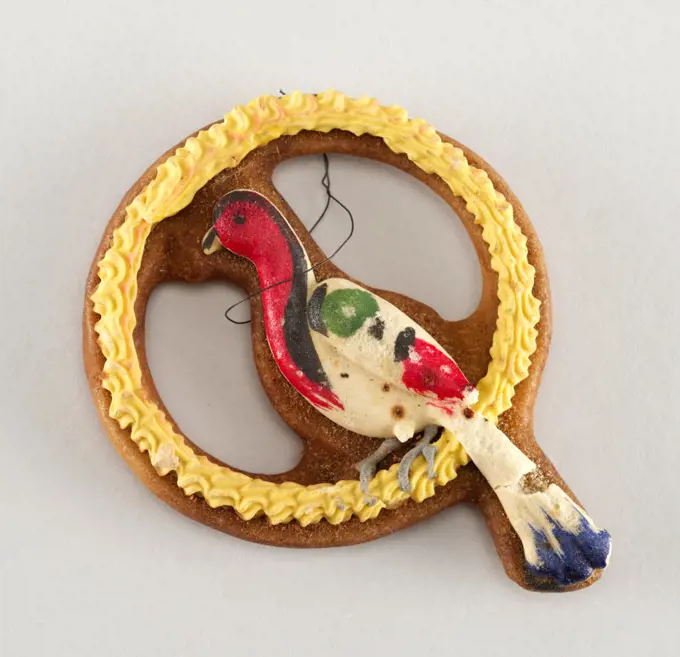
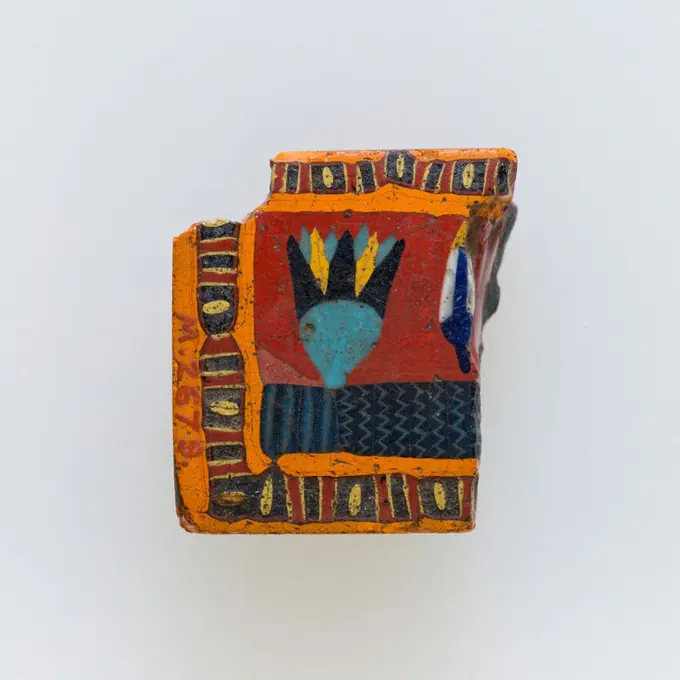
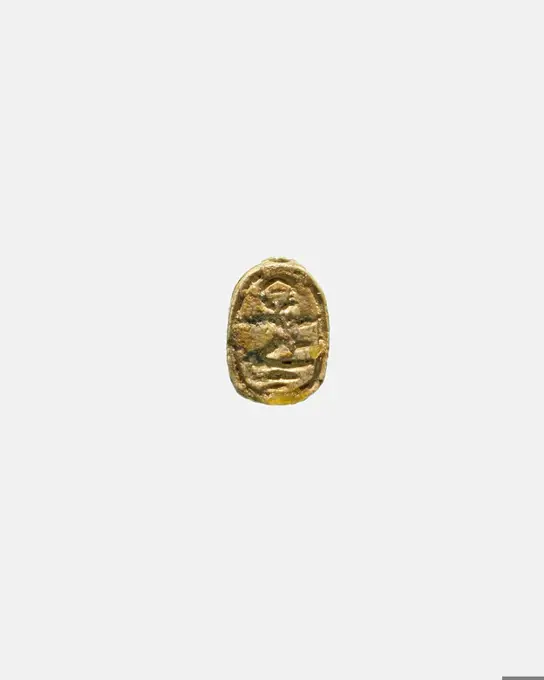
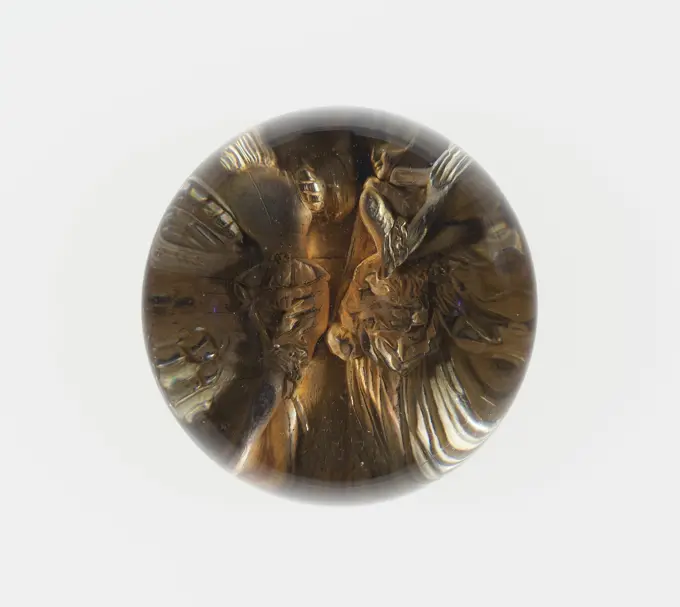
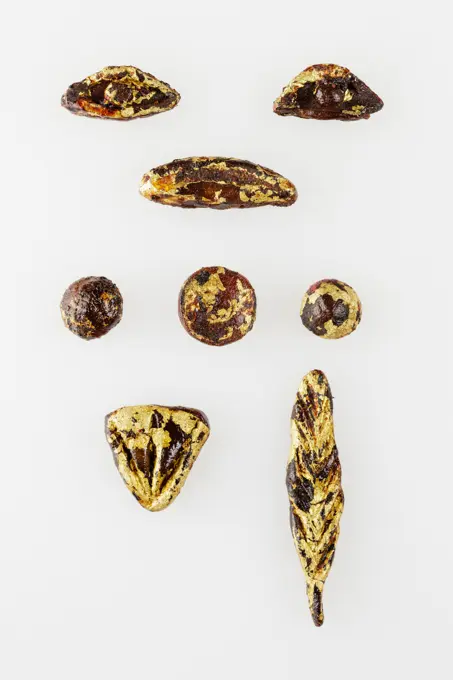
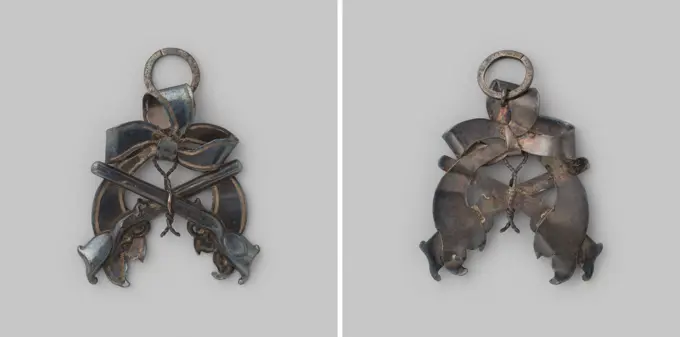
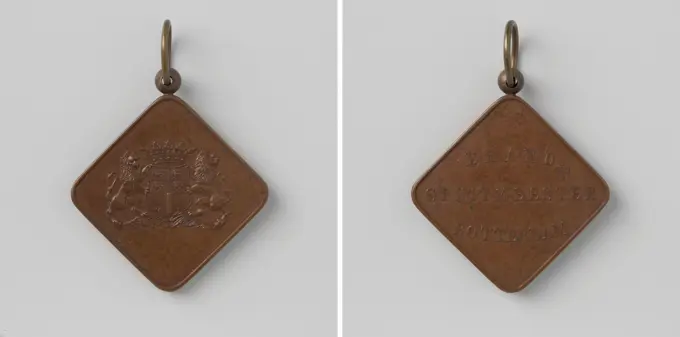
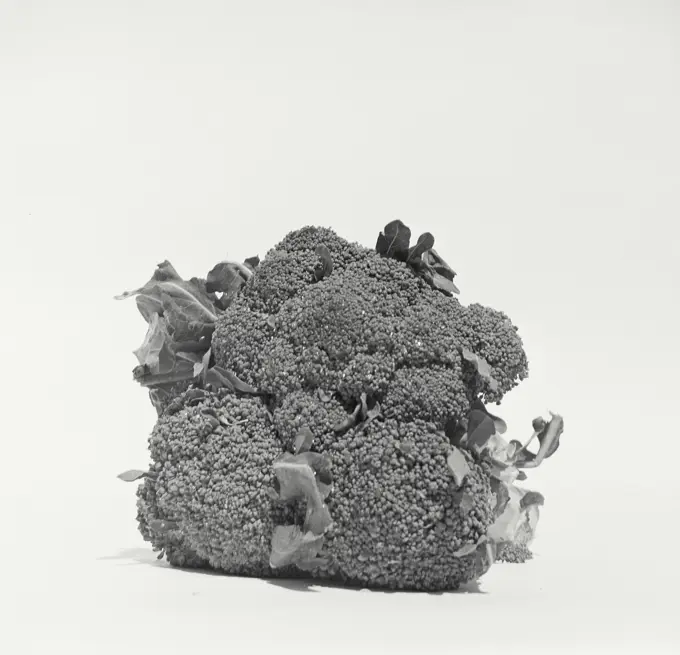
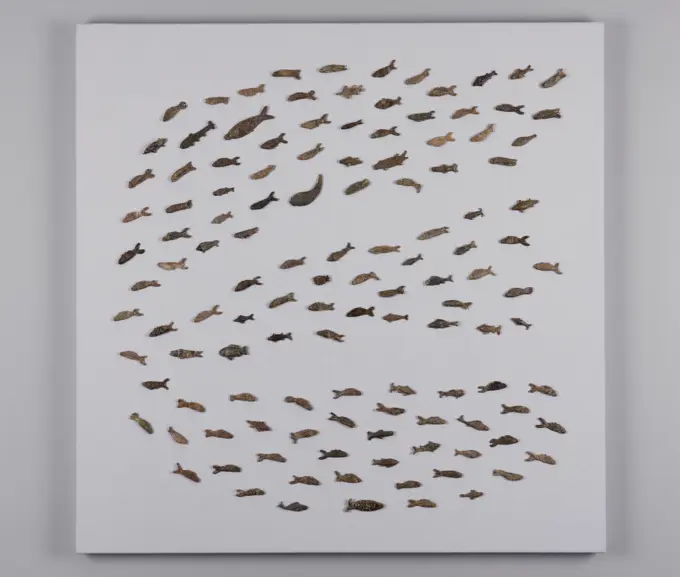
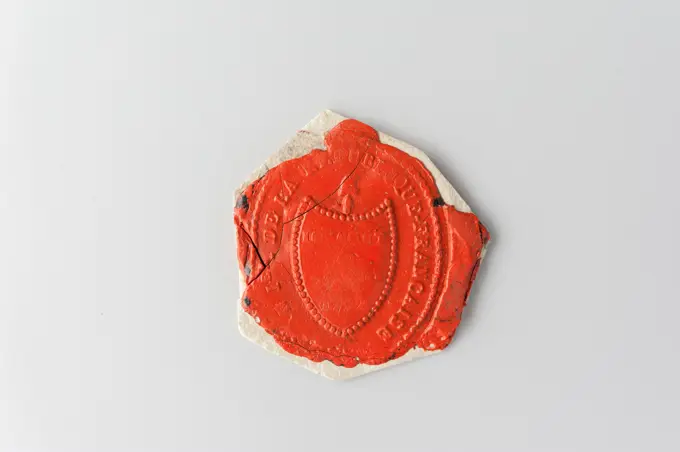
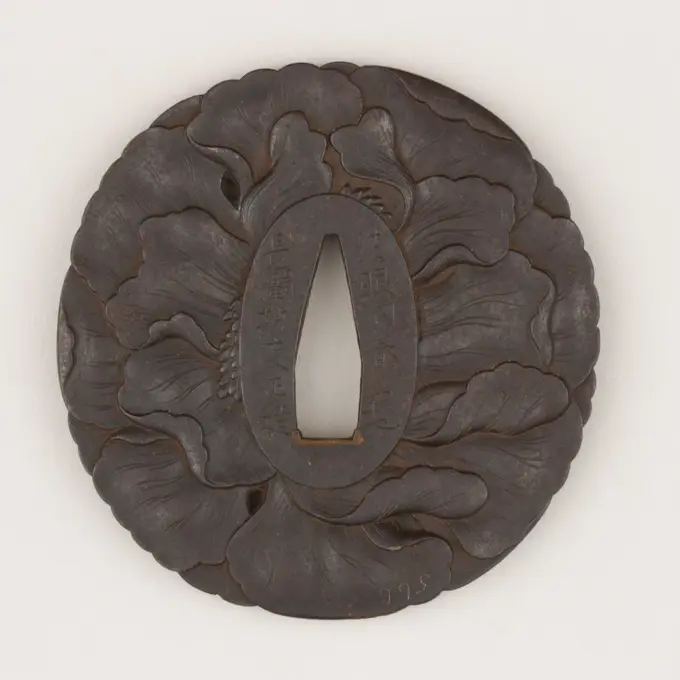
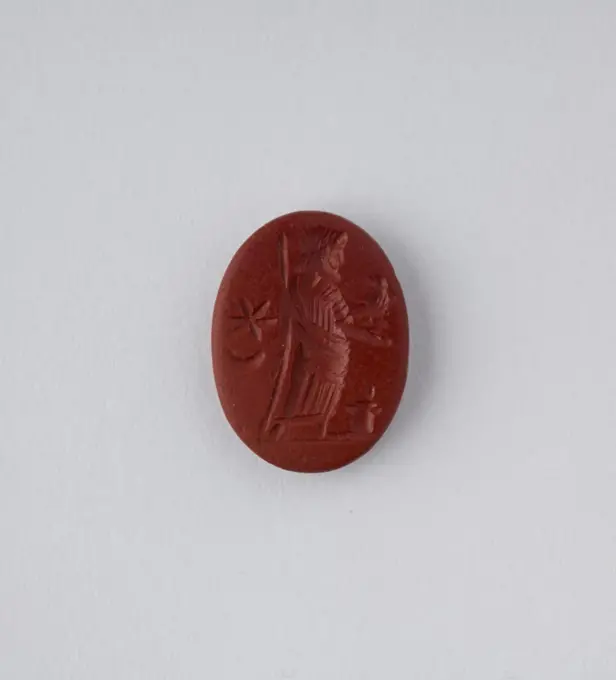
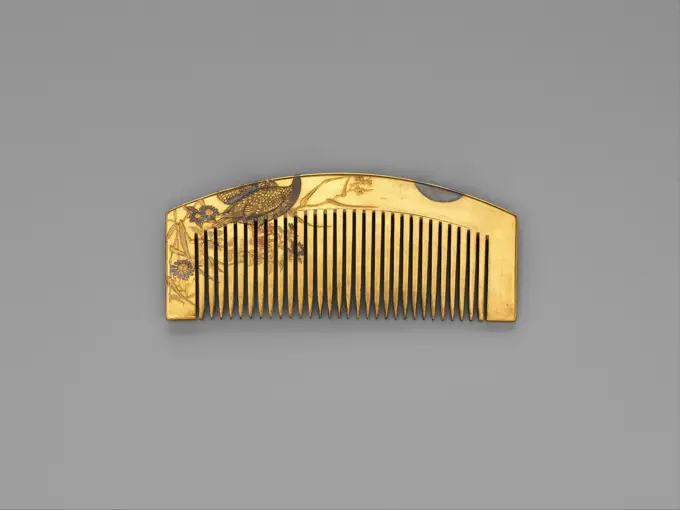
Gray grommet for silicone cartridges is stuck in stone gray silicone sealant, symbol image, renew silicone joints, white background,Gold spiral ca. 1600-1100 B.C. Cypriot Of plain wire with one turn.. Gold spiral. Cypriot. ca. 1600-1100 B.C.. Gold. Late Bronze Age. Gold and SilverDenar - Brakteat; approx. 1307/1308- 1317/1318 (1307-00-00-1318-00-00);Glass fragment with painted and gilded decoration. Culture: Roman. Dimensions: Overall: 1 1/16 x 3/4 x 1/8 in. (2.7 x 1.9 x 0.3 cm). Date: 4th century A.D..Blue-green glass fragment with painted design. Museum: Metropolitan Museum of Art, New York, USA.Bee facing to left that is an element from a pectoral. Dimensions: H. 2.2 cm (7/8 in.); W. 2.2 cm (7/8 in.); Th. 0.3 cm (1/8 in.). Date: ca. 1887-1750 BC.This inlaid bee, facing to the left, is a element from a pectoral. Museum: Metropolitan Museum of Art, New York, USA.Silver cage and ball pendant from an earring 7th-6th century B.C. Phoenician Because silver corrodes easily, any kind of object in this metal is far less likely to survive from antiquity than something made of gold. However fragmentary, this piece provides an equivalent in silver for a type of earring well attested in gold.. Silver cage and ball pendant from an earring. Phoenician. 7th-6th century B.C.. Silver. Archaic. Gold and SilverGlass mosaic fragment late 1st century B.C.-early 1st century A.D. Roman Rim fragment.Translucent turquoise blue appearing green, cobalt blue, opaque yellow and white, and colorless.Vertical, tapering rim with rounded edge; side slanting downward, then turned sharply inward.Mosaic pattern formed from lengths of two or more canes in a turquoise blue ground with stripes in blue, yellow and colorless outlined or layered with colorless and white.Dulling and iridescent weathering on both surfaces, rim, and edges.. Glass mosaic fragment 257376Bracelet. UnknownOstrze - wkładka do sierpa. unknown, authorRelief fragment from the tomb of Meketre. Dimensions: H 2.4 cm ( 15/16 in.); W 2.4 cm ( 15/16 in.); D 0.4 cm ( 3/16 in.). Dynasty: Dynasty 12. Reign: reign of Amenemhat I, early. Date: ca. 1981-1975 B.C.. Museum: Metropolitan Museum of Art, New York, USA.Fragment of a Scribe's Writing Board ca. 2030-1981 B.C. Middle Kingdom. Fragment of a Scribe's Writing Board 556637Shank of a cylinder amulet ca. 1878-1840 B.C. Middle Kingdom This interesting tiny element is the central portion of an imitation cylinder amulet. Cylinder amulets are specific to the Middle Kingdom (Dynasty 12-13, ca. 1981-1650 B.C.) and almost exclusively known from womens tombs. Their function remains speculative because they are neither represented in imagery nor discussed in ancient records. In this example, both ends are lost, but the surviving dowel was created by stringing disks of alternating turquoise and lapis lazuli, separated by thinner ones of gold, over a thin rod to create a pleasing striped pattern.. Shank of a cylinder amulet. ca. 1878-1840 B.C.. Gold, turquoise, lapis lazuli, bronze. Middle Kingdom. Probably from Memphite Region, Dahshur, de Morgan excavations, 1894-95; From Egypt. Dynasty 12Umbel Pendant ca. 1390-1353 B.C. New Kingdom. Umbel Pendant. ca. 1390-1353 B.C.. Faience. New Kingdom. From Egypt, Upper Egypt, Thebes, Malqata, Palace of Amenhotep III, MMA excavations, 1910-11. Dynasty 18Women's slippers; Witoszyński, Wincenty (Warsaw; Szewska Studio; Ca 1840-Ca 1850); 1840-50 (1840-00-00-1850-00-00);Glass Fragments from a Vessel 4th-early 5th century Coptic. Glass Fragments from a Vessel 477309Jade itemApple. Apple from Faïence. Painted multi-colored.Fragment of a vessel. A low curvature of the glass fragment and a kink allow the assignment to a vessel, probably a shell. The turquoise shard overlains a white grid that resembles honeycombs. There are flowers in Millefiori technology. To a red dot with turquoise, yellow and violet border is a white ribbon, in which small violet dots are arranged as petals. For the production, different colored glasses were molded into tubes and rods. These were compressed and heated, causing a long bar. The glass sliced now had different amorphous or floral patterns. Thereafter, several of these platelets were folded together, heated again and pressed into the vascular shape. Burry for the elaborate manufacturing process and its fragility was one of the luxury articles of antiquity.5 Knots managing at a jacket. 5 Knots managing at a jacket. The buttons are identical and covered with black textiles.Inlay / bead blank with face 100 BC-100 AD Ptolemaic Period-Roman Period A mosaic glass technique allowed multiples of an image to be created: a figural or design composition was made by bundling colored glass canes, which were then drawn out into a long bar. The bar was then sectioned at right angles, probably by striking the bar with appropriate tools, to produce small inlay tiles. The tile would then be smoothed and polished on the face intended to appear outwards.. Inlay / bead blank with face. 100 BC-100 AD. Glass. Ptolemaic Period-Roman Period. From EgyptGlass mosaic inlay fragment. Culture: Roman. Dimensions: Overall: 1 x 1 11/16 in. (2.5 x 4.3 cm). Date: late 1st century B.C.-early 1st century A.D..Translucent deep turquoise blue, partially mixed with yellow appearing green, purple appearing brick red, and opaque yellow.Flat, triangular plaque, with part of one beveled edge; uneven underside with tooling indents.Marbled mosaic pattern in green ground with yellow streaks, swirls, and rods, with two minute areas in red.Large chip at one corner; polished upper side; pitting of surface bubbles; dulling and creamy weathering on underside and two edges; one straight edge ground flat.Part of a revetment plaque or inlay with marbled pattern. A combination of opaque yellow and translucent blue glass gives the bright green color. Museum: Metropolitan Museum of Art, New York, USA.Glass mosaic bead 3rd-4th century A.D. Roman, Egyptian. Glass mosaic bead. Roman, Egyptian. 3rd-4th century A.D.. Glass. Late Imperial. GlassInlay, ankh with was scepters. Dimensions: H. 1.7 × W. 1 cm (11/16 × 3/8 in.). Date: 100 BC-100 AD.A mosaic glass technique allowed multiples of an image to be created: a figural or design composition was made by bundling colored glass canes, which were then drawn out into a long bar. The bar was then sectioned at right angles, probably by striking the bar with appropriate tools, to produce small inlay tiles. The tile would then be smoothed and polished on the face intended to appear outwards. Museum: Metropolitan Museum of Art, New York, USA.Water Dropper in the Shape of a Fan. Korea, Joseon (1392-1910), 19th century. Tools and Equipment; water droppers. Molded porcelain with cobalt painted decoration and clear glazeFalse coin, Jagiellonian pennyBlue Faience Shabti.. Late PeriodBracelet (Bangle) ca. 3100-2649 B.C. Early Dynastic Period Flint bangles such as this one are mainly found in burials. The deceased often wore multiple bangles together, on one or both forearms. These items were in use for a relatively short time, only during the Early Dynastic period, and most examples date specifically to the First Dynasty. They were made through a combination of flaking and grinding. Flint bangles were extremely difficult to produce and demonstrate the exceptionally high degree of expertise achieved by Egypts flint knappers. They also show that Ancient Egyptians used flint for personal adornment and display, not just to make implements needed for utilitarian and subsistence purposes.. Bracelet (Bangle). ca. 3100-2649 B.C.. Flint. Early Dynastic Period. From Egypt, Northern Upper Egypt, Abydos, Osiris Temple precinct, Tomb M14, Egypt Exploration Fund excavations, 1902. Dynasty 1RosetteGlass mosaic counter or inlay ca. 3rd century A.D. Roman, Egyptian Translucent green and opaque yellow.Rounded conical shape with flat bottom.Concentric pattern of hollow circles in yellow: three at center, surrounded by ring of six circles, and other imcomplete circles at one side running through edge.Intact; dulling and faint iridescence.. Glass mosaic counter or inlay. Roman, Egyptian. ca. 3rd century A.D.. Glass. Imperial. GlassInlay fragment, rosette. Dimensions: H. 1 × W. 2.1 cm (3/8 × 13/16 in.). Date: 200 BC-100 AD.A mosaic glass technique allowed multiples of an image to be created: a figural or design composition was made by bundling colored glass canes, which were then drawn out into a long bar (for example, 10.130.2729, 17.194.2463) that was sectioned at right angles to produce small inlay tiles. Such elements could also be used side by side to create repeating patterns for long borders (26.7.1228). Museum: Metropolitan Museum of Art, New York, USA.Attic Red-Figure Statuette Kantharos Fragment. Attributed to Onesimos (Greek (Attic), active 500 - 480 B.C.)Disk, 1567-1085 BCE, 7/8 x 3 x 3 in. (2.2 x 7.6 x 7.6 cm), Stone, Egypt, 16th-11th century BCEAmulet - związany byk ofiarny. unknown, authorSea Shell isolated on light blue background. Top view. Close up.. Sea Shell isolated on light blue background. Top view.crab Figure; Manufactured by Sèvres Porcelain Manufactory (France); France; glazed porcelain; 3.5 x 9.4 x 7.7 cm (1 3/8 x 3 11/16 x 3 1/16 in. )Waldhoorn bracket. Waldhoorn bracket. Signature: F.1Four Mon Kan'ei Tsūhō Coin, 1768-1868. Japan, Edo period (1615-1868). Copper; diameter: 4.8 cm (1 7/8 in.).Button or Bead 9th-10th century The dot-in-circle motif recalls designs presumed to be of magical significance, most likely an abstract eye to ward off the evil-eye, which serves an apotropaic function. Easily reproduced with a tool and visible in many cultures and times, this symbol may have lost its meaning, and become simply a decorative pattern, or may have one that we have not yet discovered.. Button or Bead 449238Glass network mosaic bowl fragment late 1st century B.C.-early 1st century A.D. Roman Rim fragment.Translucent blue, opaque white, and colorless.Applied coil rim with vertical rounded lip; slightly tapering side. Rim in blue with white spiral thread; body decorated with sixteen colorless vertical narrow canes, decorated with double spiral white threads.Pinprick bubbles; exterior polished, with pitting of surface bubbles; dulling and creamy iridescence weathering on interior; jagged, weathered edges.The join between the two ends of the coil rim is clearly visible towards the right end of the fragment.. Glass network mosaic bowl fragment. Roman. late 1st century B.C.-early 1st century A.D.. Glass; cast. Early Imperial. GlassTile. Culture: American. Dimensions: 4 1/4 x 4 1/4 in. (10.8 x 10.8 cm). Maker: J. and J. G. Low Art Tile Works (1877-1907). Date: ca. 1882-84. Museum: Metropolitan Museum of Art, New York, USA.Paperweight 1840-1865 Baccarat. Glass . Baccarat GlassworksBox. Culture: probably Italian, Naples. Dimensions: Overall: 1/2 × 2 1/4 × 3 1/4 in. (1.3 × 5.7 × 8.3 cm). Date: early 18th century.This octagonal box has embossed moldings and is decorated with a charming chinoiserie scene. Such boxes served as souvenirs for Grand Tour tourists. The Scottish architect Robert Adam bought several "handsome snuff-boxes of tortoiseshell, studded with gold and with gold hinges" while he visited Rome in 1755. Museum: Metropolitan Museum of Art, New York, USA.Spinning stones, anonymous, c. 1600 - c. 1699 Spider (15) of stoneware, lung on a rope. A tire of Ingegrode Lines on the widest part of the stones. Raeren. Rae stoneware. glaze vitrification Spider (15) of stoneware, lung on a rope. A tire of Ingegrode Lines on the widest part of the stones. Raeren. Rae stoneware. glaze vitrificationSaber ornament di Menuki (common name) ,. Bronze, alloys of gold, silver and copper. Cernuschi Museum, Asia Museum of Asia in the city of Paris.Glass pendant in the shape of an African's head 2nd-1st century B.C. Greek, Eastern Mediterranean Uncertain color, possibly deep purple, appearing black.Solid, vertical pendant, with mold marks running up sides, top of head, and under neck; suspension loop on top of head.Shaped like the head of an African, with prominent brows, horizontal eye lids, broad nose, large lips, tightly curled hair, and a long neck.Complete, except for suspension loop; most of surface covered in enamel-like greenish weathering.. Glass pendant in the shape of an African's head. Greek, Eastern Mediterranean. 2nd-1st century B.C.. Glass; cast in a two-part mold. Hellenistic. GlassBead ornament, oval-shaped 3rd century A.D. Roman. Bead ornament, oval-shaped. Roman. 3rd century A.D.. Gold. Late Imperial. Gold and SilverPlaque. Southern Siberia or Western Inner Mongolia, 5th-3rd century B.C.. Sculpture; plaques. Bronze, castWig fragment New Kingdom, Ramesside ca. 1279-1213 B.C. View more. Wig fragment. ca. 1279-1213 B.C.. Faience. New Kingdom, Ramesside. From Egypt, Eastern Delta, Qantir (Piramesse), Palace of Ramesses II, Private apartments. Dynasty 19Fish Hook. UnknownCollar points, 1930s, 3 1/4 in. (8.3 cm), Silver, turquoise, United States, 20th centurySpringtand of a Wild Zwijn, found in 1724 during work in the Hillegommerbeek, Anonymous, Before 1724 tooth (material) Kromme Longsly split tank of a wild boar. Netherlands ivory   HillegomInlay fragment, rows of zigzag lines 200 BC-100 AD Ptolemaic Period-Roman Period A mosaic glass technique allowed multiples of an image to be created: a figural or design composition was made by bundling colored glass canes, which were then drawn out into a long bar. The bar was then sectioned at right angles, probably by striking the bar with appropriate tools, to produce small inlay tiles. The tile would then be smoothed and polished on the face intended to appear outwards.. Inlay fragment, rows of zigzag lines. 200 BC-100 AD. Glass. Ptolemaic Period-Roman Period. From EgyptGlass mosaic ribbed bowl fragment late 1st century B.C.-early 1st century A.D. Roman Body fragment.Translucent purple and opaque white.Slightly convex curving side, tapering downward.Marbled mosaic pattern formed from sections of a single cane in a purple ground with irregular wavy white threads; on exterior, single vertical deep rib with rounded outer edge, tapering downward and traces of a second rib along broken edge.Polished interior; slight pitting of surface bubbles on interior; dulling and creamy iridescent weathering on exterior and jagged edges.. Glass mosaic ribbed bowl fragment 257349Square plaque seal with stalk handle early 2nd millennium B.C. Old Assyrian Trading Colony Stamp seals first appeared in northern Mesopotamia during the 6th millennium and were exclusively used throughout the ancient Near East until the innovation of the cylinder seal in the second half of the 4th millennium BC. Cylinder seals were the preferred administrative tool in Mesopotamia during the 3rd and 2nd millennia B.C. and in the 1st millennium B.C., stamp seals were once again adopted by the administrative classes. In Anatolia, stamp seals predominated and it was only during the Old Assyrian Period (ca. 2000-1700 BCE) that Anatolians used cylinder seals in their administrative practices. Like cylinder seals, stamp seals could be made from a variety of local and exotic stones as well as metal and even clay. They were impressed directly upon tablets, vessels, and other clay objects, and used on clay bullae that were used to seal storage containers and doors. Stamp seals exhibit either perSword Guard (Tsuba). Culture: Japanese. Dimensions: H. 2 in. (5.1 cm); W. 1 3/8 in. (3.5 cm); thickness 1/4 in. (0.6 cm); Wt. 1.5 oz. (42.5 g). Date: 1866. Museum: Metropolitan Museum of Art, New York, USA.Ring of iron from the gunboat 2 from J.C.J. Van Speyk, Anonymous, After 1831  An iron ring of the gunboat No.2 from J.C.J. Van Speyk; Wide ending to the octagonal flat part on which inscription "Engelvaart". Netherlands iron (metal) forging  Scheldt. Lighthouse J.C.J. Van SpeijkPropeller Old tree-bladed boat propeller Copyright: xZoonar.com/J.xSandvikx 1291078Document Sealing With the Throne Name of Amenhotep III ca. 1390-1353 B.C. New Kingdom. Document Sealing With the Throne Name of Amenhotep III. ca. 1390-1353 B.C.. Mud. New Kingdom. From Egypt, Upper Egypt, Thebes, Malqata, King's Palace, West magazine, MMA excavations, 1910-12. Dynasty 18Statuette of a woman votary. Culture: Greek, Laconian. Dimensions: Height: 1 3/16 in. (3 cm). Date: ca. 625-425 B.C.. Museum: Metropolitan Museum of Art, New York, USA.Glass mosaic bowl fragment late 1st century B.C.-early 1st century A.D. Roman Rim fragment, probably from a large ribbed and footd bowl.Translucent cobalt blue and opaque white.Outsplayed, almost horizontal rim with rounded edge; concave curving neck to side, tapering downward .Composite mosaic pattern formed from polygonal sections of a single cane in a blue ground with a ring of white rods around a white circle and a central white rod.Polished interior; pitting and slight weathering of surface bubbles on interior; iridescence and creamy weathering on exterior, outer edge of rim, and jagged edges.Possibly from the same vessel as 91.1.1971.. Glass mosaic bowl fragment 257173Sword Guard (Tsuba). Culture: Japanese. Dimensions: H. 3 3/8 in. (8.6 cm); W. 3 in. (7.6 cm); thickness 1/4 in. (0.6 cm); Wt. 7.2 oz. (204.1 g). Date: 19th century. Museum: Metropolitan Museum of Art, New York, USA.Ornament, Christmas tree, Dough and sugar, A ring with yellow frosting, with a colorful bird of sugar on dough perched in it, all in relief., USA, 1850-99, Decorative Arts, Ornament, Christmas treeAttic Red-Figure Oinochoe Fragment. UnknownInlay fragment, with lotus in a pool. Dimensions: H. 2.4 × W. 2.2 cm (15/16 × 7/8 in.). Date: 100 BC-100 AD.A mosaic glass technique allowed multiples of an image to be created: a figural or design composition was made by bundling colored glass canes, which were then drawn out into a long bar. The bar was then sectioned at right angles, probably by striking the bar with appropriate tools, to produce small inlay tiles. The tile would then be smoothed and polished on the face intended to appear outwards. Museum: Metropolitan Museum of Art, New York, USA.Bransoleta. unknown, craftsmanGlass double-headed pendant with gold hoop. Culture: Punic, Western Mediterranean. Dimensions: Other (Pendant): 1 x 5/8 x 5/16 in. (2.5 x 1.6 x 0.8 cm)Diameter (earring): 1/2 in. (1.2 cm). Date: late 4th-3rd century B.C..Pendant:Translucent honey brown.Oval disk with flat projecting flange around heads; trailed ring for suspension hoop attached to top of disk; pierced vertical hole at bottom of disk.The two heads are very similar but not identical: hair arranged in two rows of knobby curls; irregular lines running across forehead; eyes with pupils; drooping mustache and facial hair on cheeks.Complete, except for chip to one side of hole under chin; dulling and patches of weathering. Museum: Metropolitan Museum of Art, New York, USA.Paperweight 1801-1900 France. Glass . Baccarat GlassworksScarab of Amenemhat III. Dimensions: L. 1.1 × W. 0.7 × H. 0.5 cm (7/16 × 1/4 × 3/16 in.). Dynasty: Dynasty 12. Reign: reign of Amenemhat III. Date: ca. 1859-1813 B.C..Scarab shaped seal inscribed with the prenomen of Amenemhat III, Nimaatre. Museum: Metropolitan Museum of Art, New York, USA.Paperweight 1843-1865 England. Glass .Set of Amulets Roman Period 30 B.C.-A.D. 30 View more. Set of Amulets. 30 B.C.-A.D. 30. Wax, gold leaf. Roman Period. From Egypt, Upper Egypt, Thebes, Deir el-Bahri, Roman Burial XXXIX-A, MMA excavations, 1929-30Carriage sign of two bound guns on a tied ribbon, anonymous, c. 1800 - c. 1949 medal Metal carrier with eye and ring.  penning: metalBreeding sign by fire spray master in Rotterdam ,, 1870 - 1910 history medal Copper square medal with ball and wearing, on the front the weapon of Rotterdam with tenants, three lines of text on the reverse side.  bronze (metal) striking (metalworking)Fossilized Eocene shark tooth against white backgroundLid of hard baked pottery with transfer decoration, anonymous, c. 1810 - c. 1840 Lid of hard baked earthenware, with a transfer decoration. The lid is round and has a button. The lid is colored yellow and has two images of a landscape in which a lying figure. England earthenware Lid of hard baked earthenware, with a transfer decoration. The lid is round and has a button. The lid is colored yellow and has two images of a landscape in which a lying figure. England earthenware. Five part inro with a representation of a sleeping cat. Signed "Sekigawa".Vintage Photograph. A still life of a broccoli.Carved Intaglio Gemstone with standing figure ofArtemisGlass mosaic fragment late 1st century B.C.-early 1st century A.D. Roman Base ring fragment.Translucent turquoise blue and yellow, partially mixed and appearing green.Thick, solid, outsplayed base, tapering to bottom edge, with slight trace of bottom at top on interior.Mosaic pattern in blue ground with yellow circles drawn out into irregular yellow lines and streaks.Polished exterior; pitting of surface bubbles; pitting, dulling, and creamy weathering on interior and top edge.. Glass mosaic fragment 257358Legs Stoelleuning () ,, c. 1200 - c. 1800  Bold, flat, brown piece of leg, narrow to one side. On one side edited with geometric motifs and open worked with holes such as windows with Romanesque arch; A row of two, below a row of three, below the arches of four holes, but there it was broken off. Above the row of two stuffing ellips -shaped hole. Netherlands (possibly) bone (material) cuttingDrachm ca. A.D. 110-129 Parthian Numismatists - the scholars who study coins - refer to the front’ side of the coin, which usually features the head of a person or god, as the obverse,’ and the back’ side as the reverse.’On the obverse of this silver coin, a bust of the king faces to the left. He has a long beard rendered with vertical lines, and wears a diadem (the headband worn by victorious athletes in ancient Greece). He also wears a torque or necklace around his neck. He has curly hair, rendered as two circular groups of dots, one of top of his head and the other at the back of his head. His large eye is represented by a raised dot between two thick lines which serve as his eyelid. A border of dots surrounds the image.The reverse shows a seated man facing right. He wears striped sleeves and trousers under a cloak, as well as a diadem, of which only the ends are visible at the back of his head. In his hand he holds a bow with the bowstring upwards. A cross and horizontal line bMosaic glass fragment. The small glass fragment shows on a red background a large four-leaved flower made of blue leaves with white border, which is loose-related. On the edge, another bloom of green leaves with yellow border to see. In Roman times, one used colored, ornamented glass for vessels, mosaics, wall decorations and furniture ornaments. For the production, different colored glasses were shaped to tubes and rods. These were compressed and heated, causing a long bar. The glass sliced now had a wide variety of amorphous or floral patterns.Statuette of a warrior-10 Greek, Laconian. Statuette of a warrior-10 251634 Greek, Laconian, Statuette of a warrior-10, Lead, Height: 1 5/16 in. (3.3 cm). The Metropolitan Museum of Art, New York. Gift of A. J. B. Wace, 1924 (24.195.68)Votive Fish. UnknownVotive Fish. UnknownVotive Fish. UnknownVotive Fish. UnknownVotive Fish. UnknownGrahal-Manzara. Carnavalet 2013-2016 collection sites. Numismatics.Sword guard (Tsuba) With Peony Motif (丹図鐔) late 18th-early 19th century Takehara Tomomasa The artist Tomomasa (友正) states in the signature that he modelled this tsuba after a painting of Kanō Yoshinobu (狩野美信, 1747-1797), art name Dōshun (洞春) and Buddhist priest rank of Hōgen (法眼). Tomomasa, whose family name was Takehara (武原), was working for the Chōshū fief (present Yamaguchi Prefecture) but also lived temporarily in Kii province (present-day Wakayama Prefecture). There exist dated works from 1798 and 1799 but his master is unknown.. Sword guard (Tsuba) With Peony Motif (丹図鐔) 25747Gemma with the change of ZeusLacquer Comb with Geese and Autumn Grasses second half of the 19th century Japan. Lacquer Comb with Geese and Autumn Grasses. Japan. second half of the 19th century. Lacquered wood with gold, silver hiramaki-e, red lacquer on gold ground. Meiji period (1868-1912). LacquerLobster, anonymous, c. 1800 - c. 1899 Cancer, red, made of unclear substance. Holland paper mache Cancer, red, made of unclear substance. Holland paper macheShards of signs from the wreck of the East Indians Hollandia, Anonymous, 1700 - in Or Before 1743 plate (dishes) Porcelain, plate, type 3; fragm of rim, sim. NG 1980-27H3202c. Netherlands porcelain   SecondShoe buckle of black leather embroidered with guys. Shoe buckle of black leather embroidered with guys. Rectangular closed model of black leather on a reinforced surface. The embroidery consists of an oval leaf, flanked by two round flowers on a stem.Fragment of a vessel. A low curvature of the glass fragment allows the assignment to a vessel. The violet glass is decorated with two types of flowers in millefiori technology and strips in different colors. The flowers are either made of a white core with a transparent contour to spread on a yellow spiral on a blue background, or from a yellow point with white contour to specify the white dots the petals. For the production of different colored glasses to tubes and bars shaped. These were compressed and heated, causing a long bar. The glass sliced now had different amorphous or floral patterns. Thereafter, several of these platelets were folded together, heated again and pressed into the vascular shape. Burry for the elaborate manufacturing process and its fragility was one of the luxury articles of antiquity.Anonymous. "Fragment of a lamp from the crash of General Leclerc's plane". Metal. 1947-1947. General Leclerc Museum of Hauteclocque and the Liberation of Paris, Jean Moulin Museum. 158810-22HairworkBroochSample (USA); cottonGlass mosaic fragment. Culture: Roman. Dimensions: Other: 5/8 x 15/16 in. (1.6 x 2.4 cm). Date: late 1st century B.C.-early 1st century A.D..Thin-walled fragment, perhaps from an inlay.Translucent blue, opaque white and yellow, and colorless.Flat, with two stright edges forming a right-angled corner.Confused pattern of mosaic lengths including a colorless network cane wound spirally with a yellow thread.Polished on upper side; pitting of surface bubbles on upper side; dulling and creamy iridescent weathering on underside and edges. Museum: Metropolitan Museum of Art, New York, USA.Little plastic box of spanish Saffron Isolated on white background