Historical Metal Artifacts

Collection of ancient metal pieces like moldings and fragments, showcasing elaborate designs and historical significance.
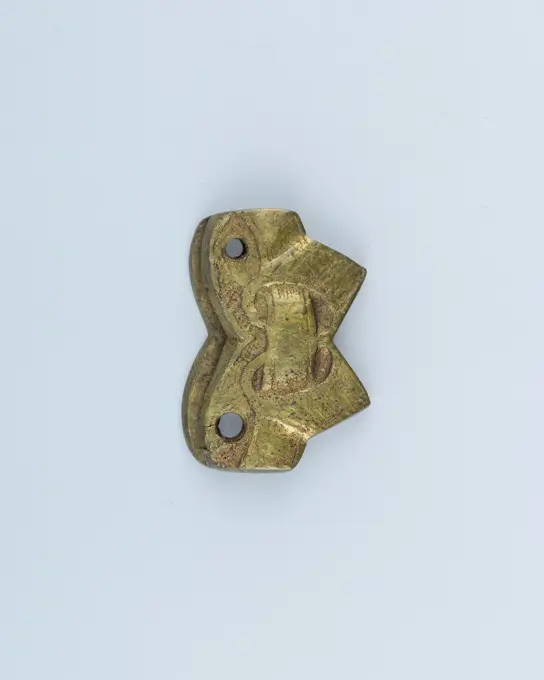
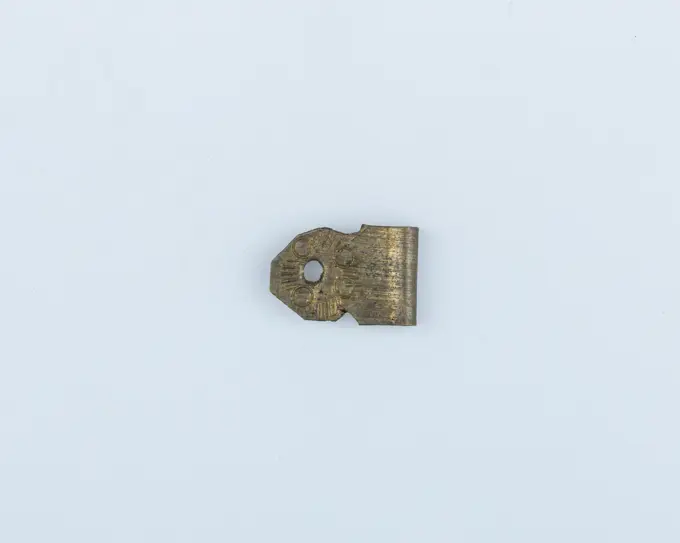
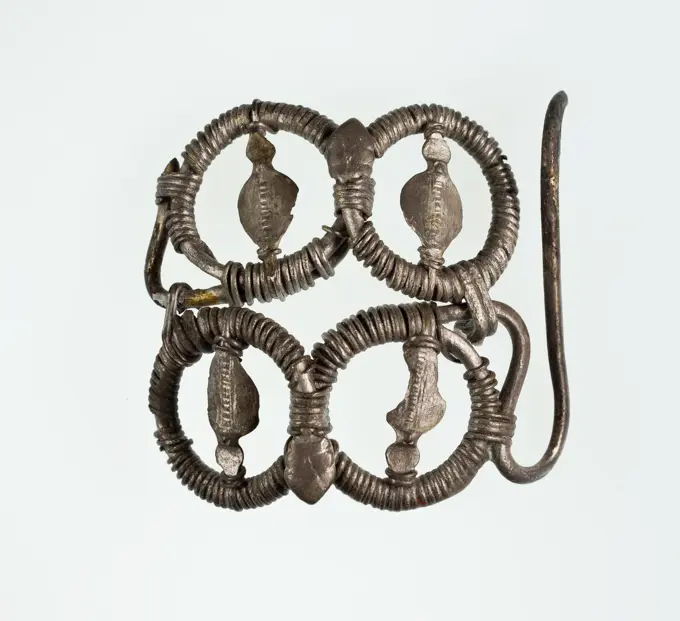
Mordant 15th century Spanish. Mordant. Spanish. 15th century. Brass. Miscellaneous-Buckles & Ornament
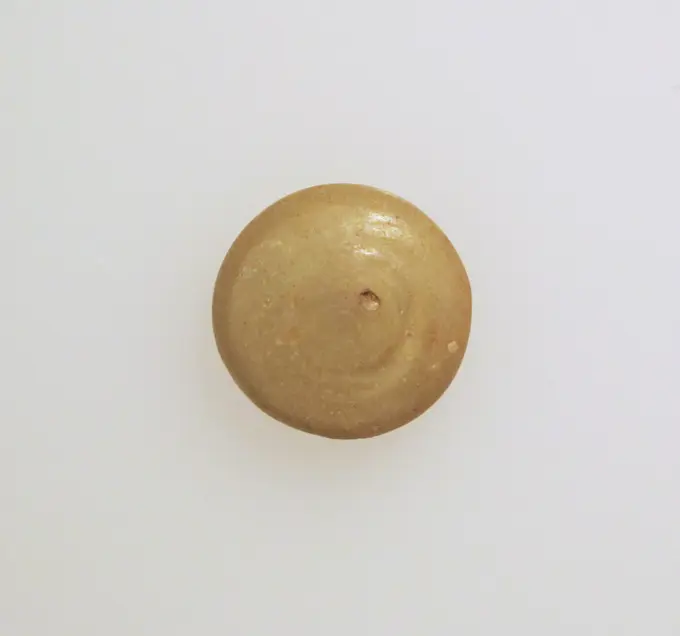
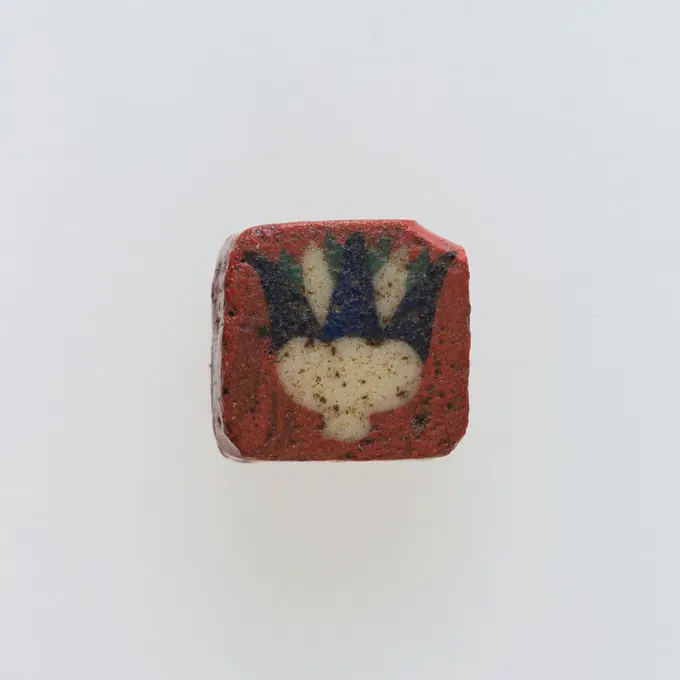
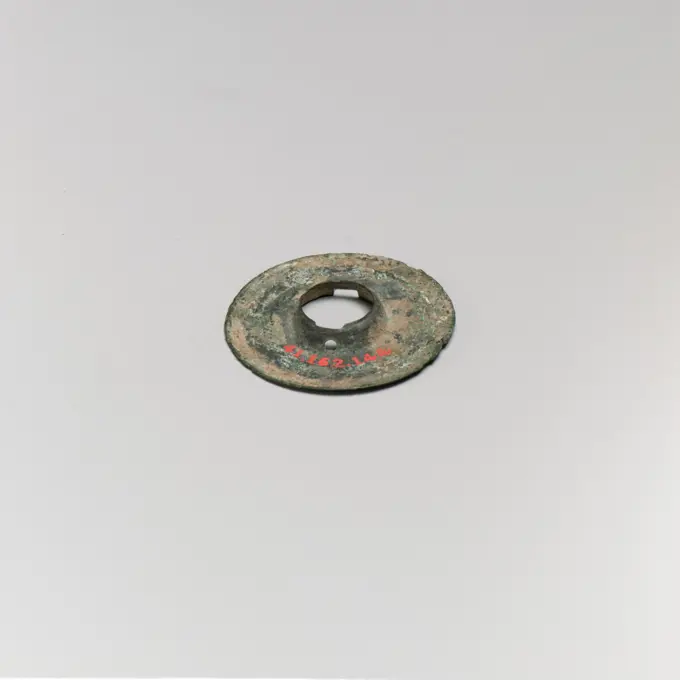
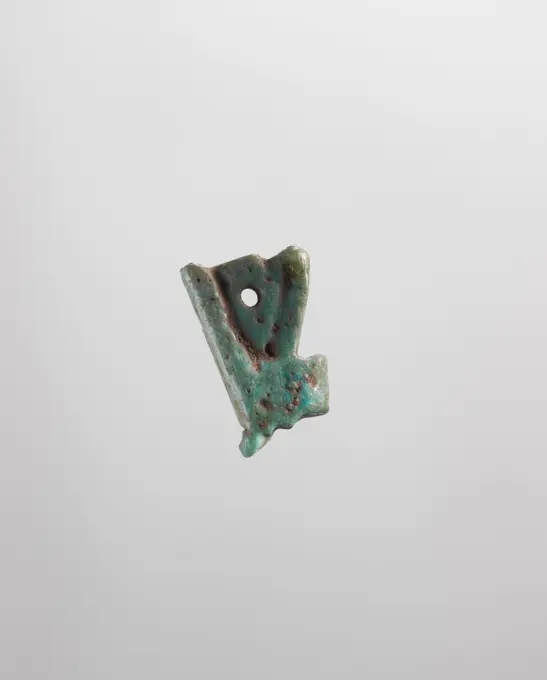
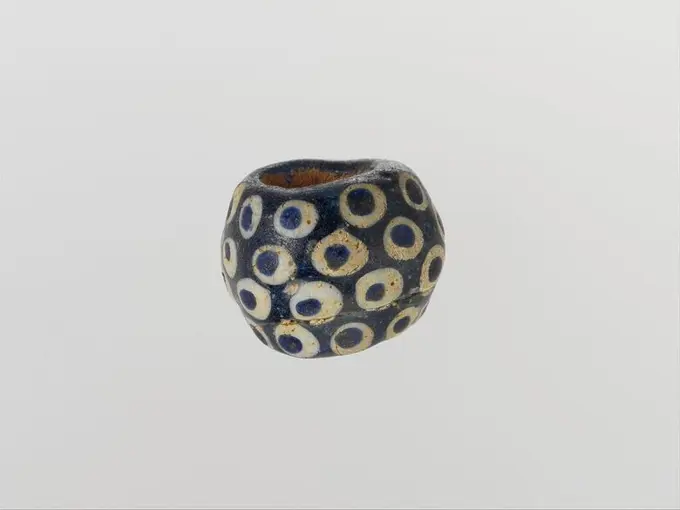
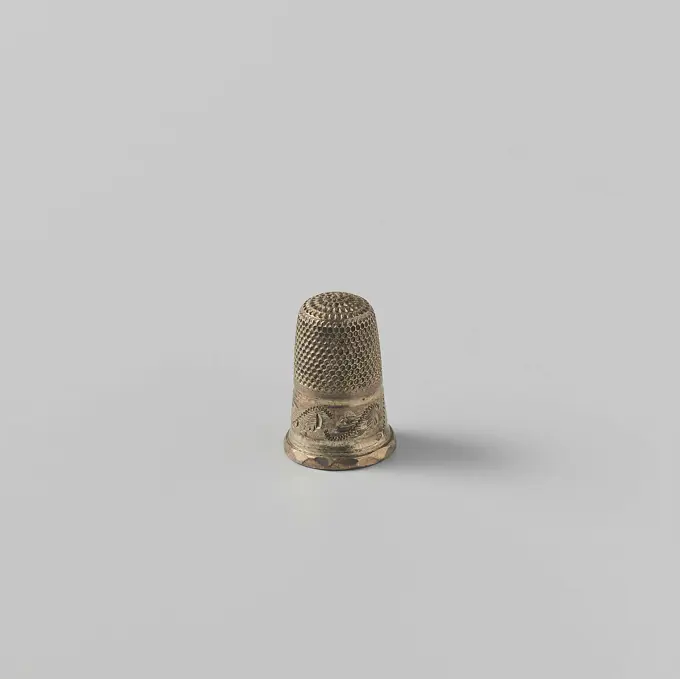
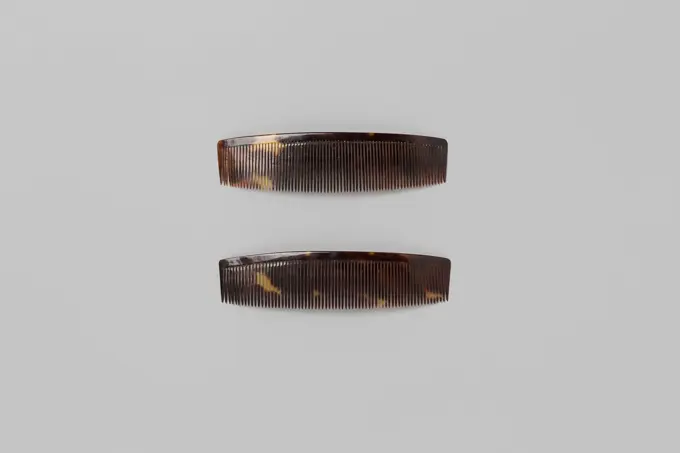
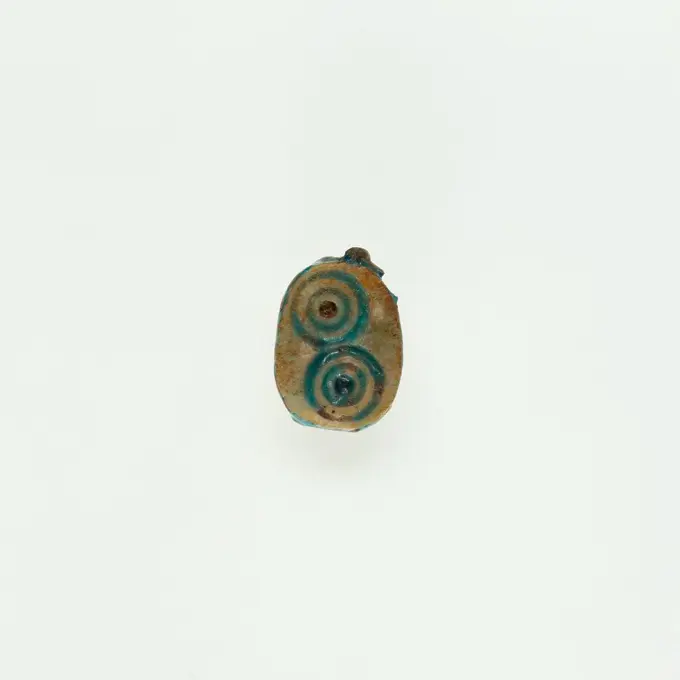
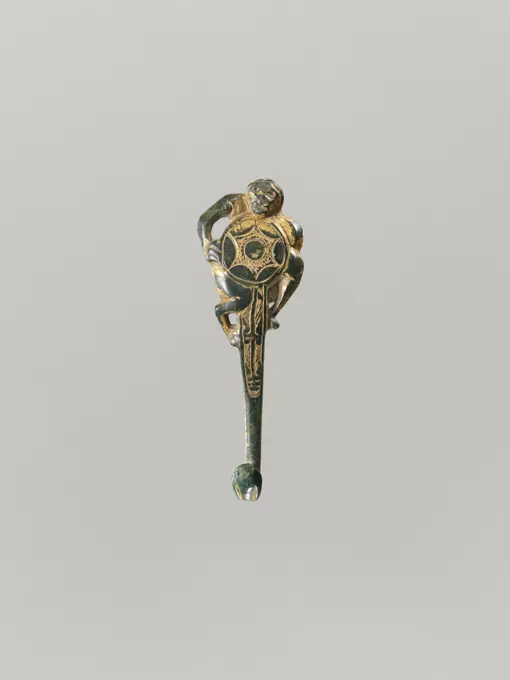
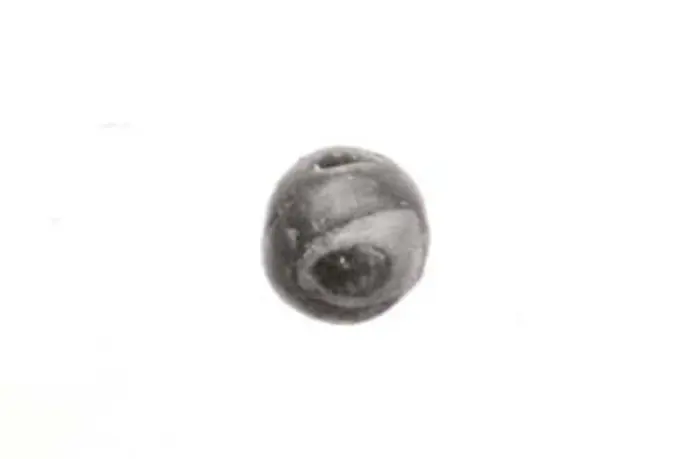
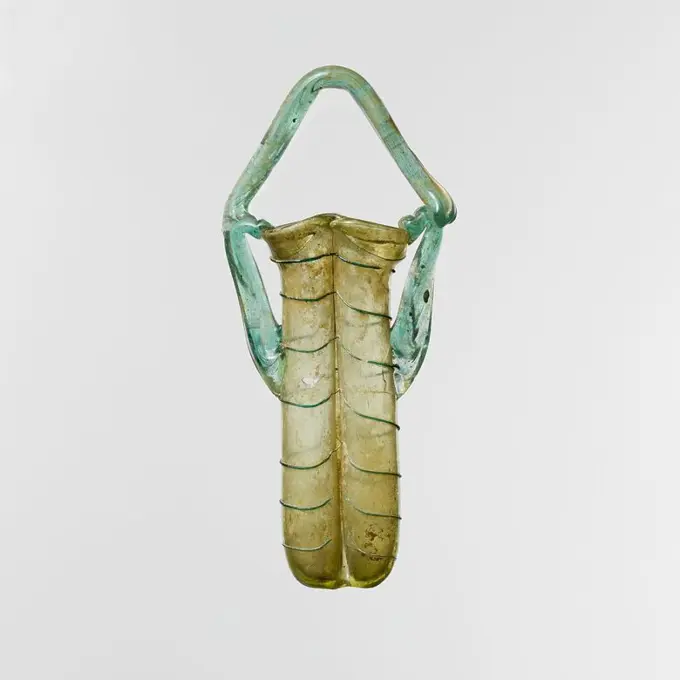
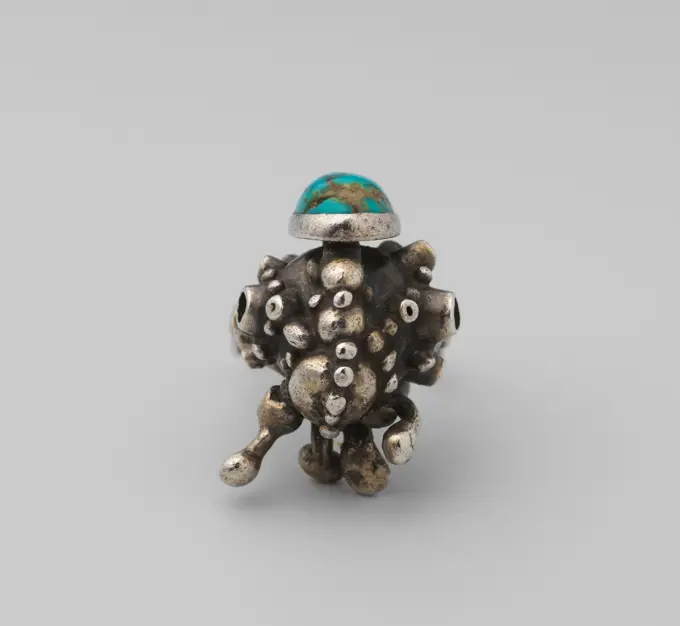
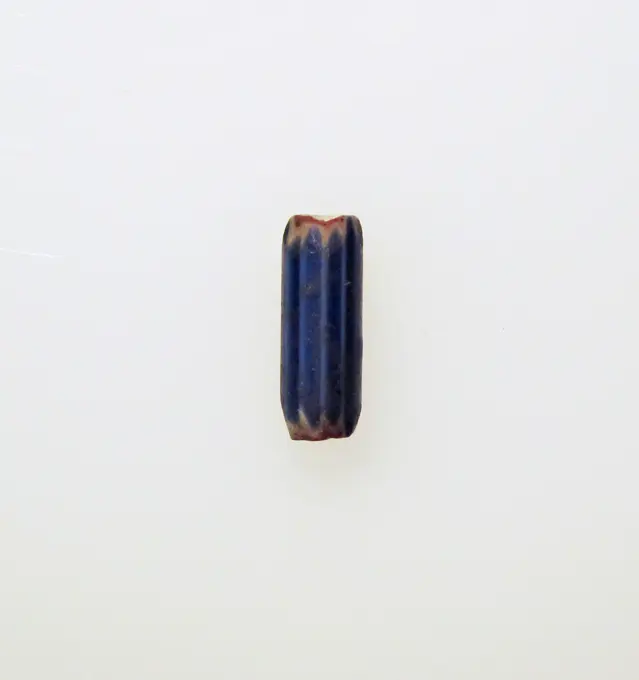
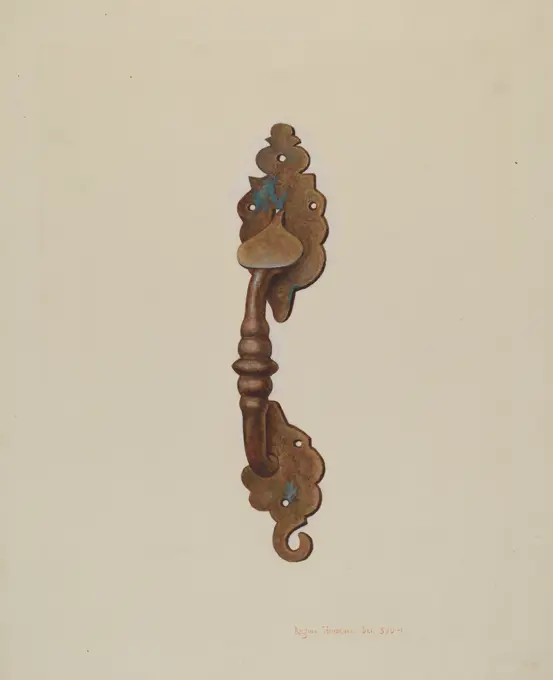
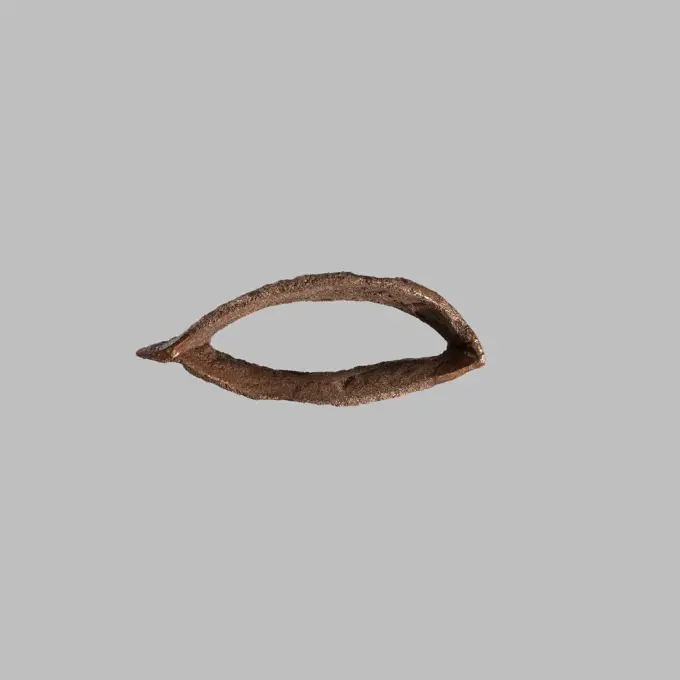
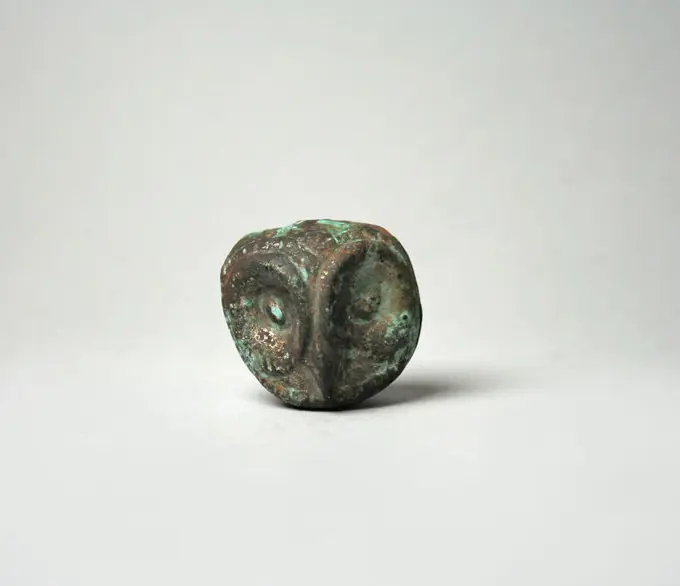
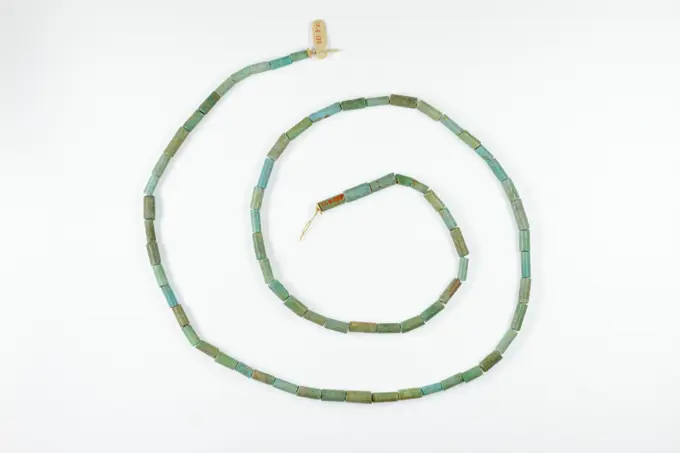
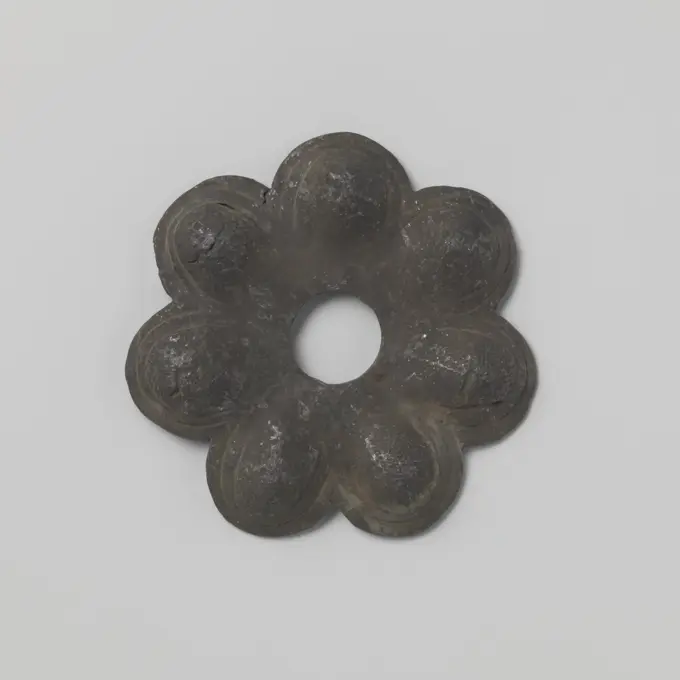
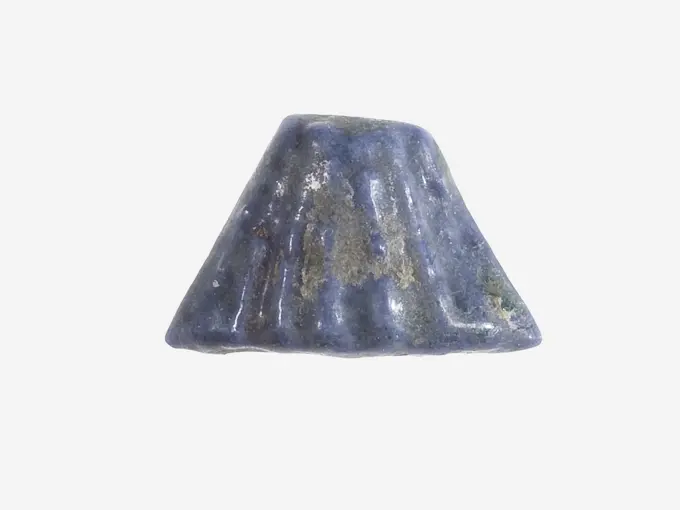
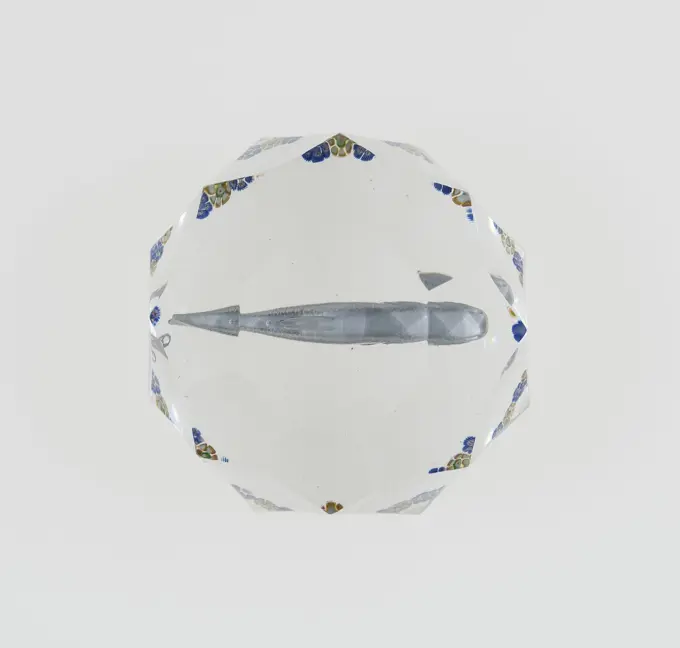
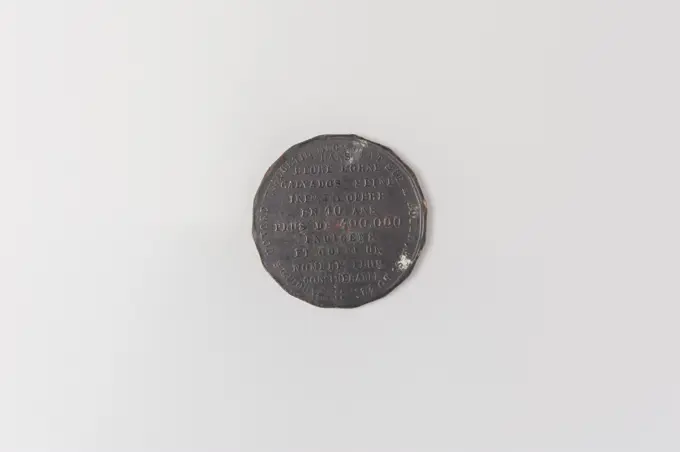
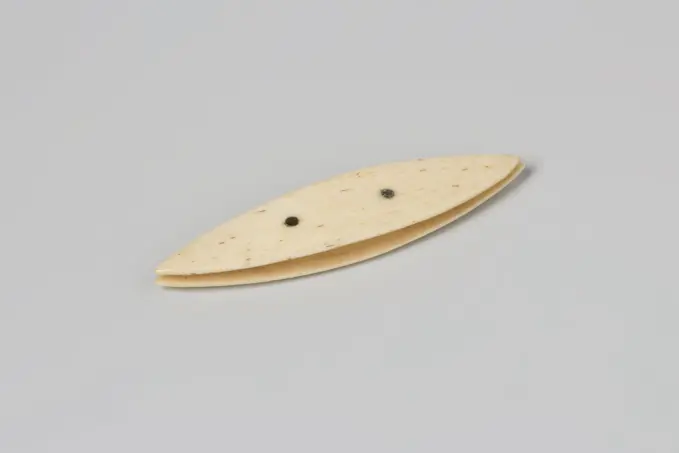
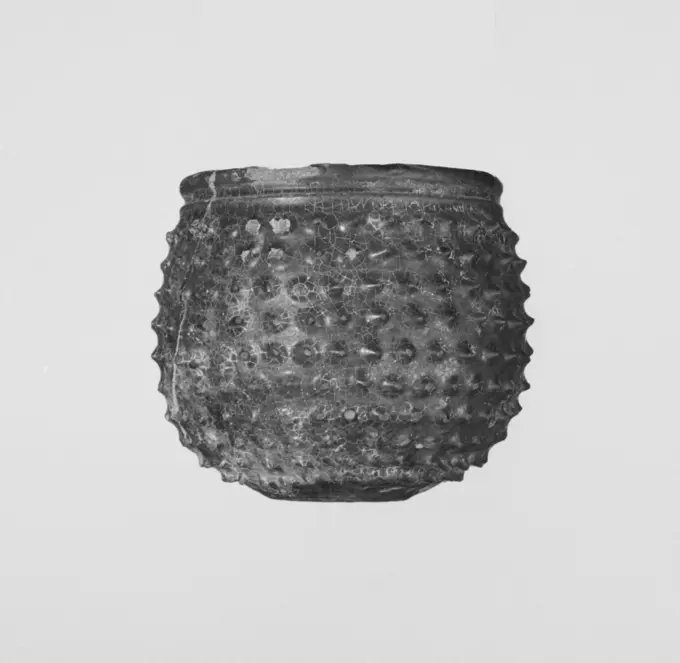
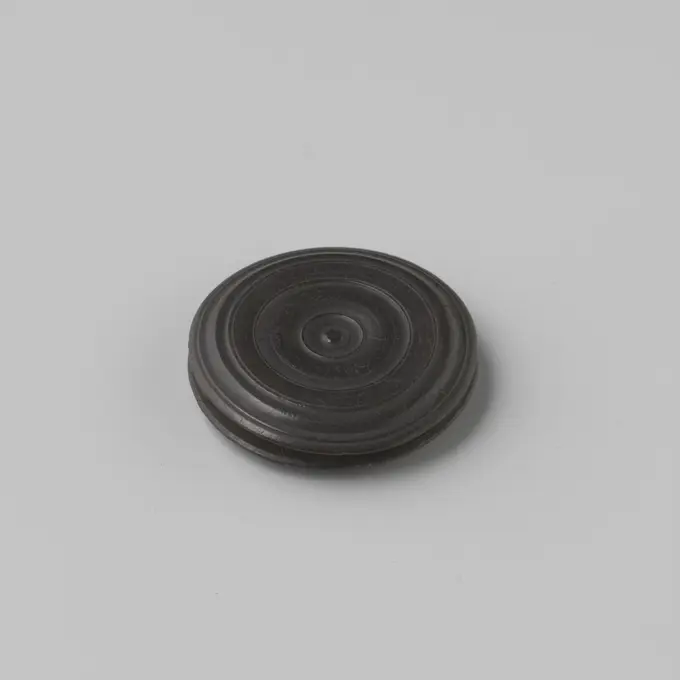
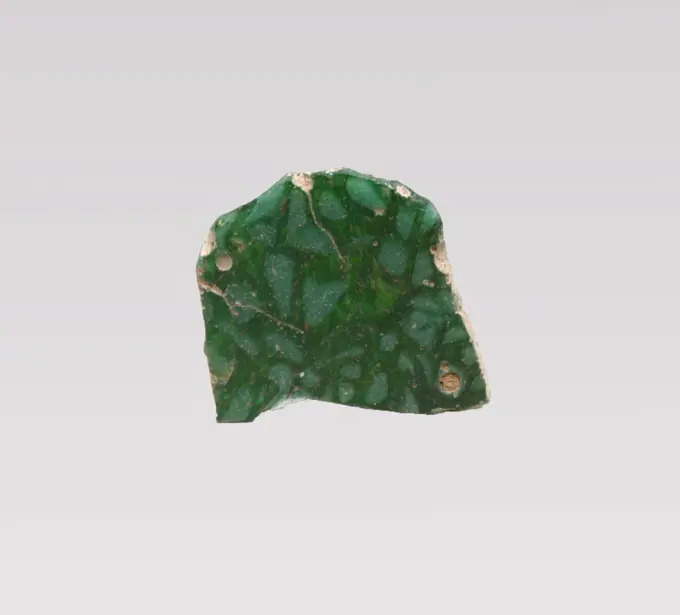
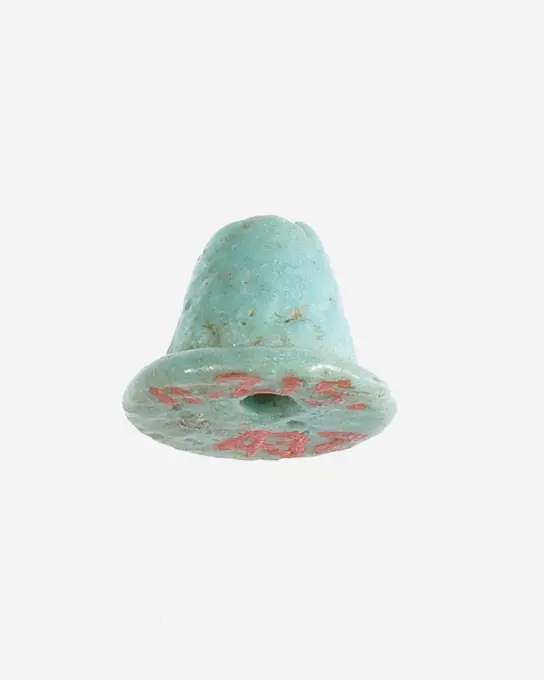
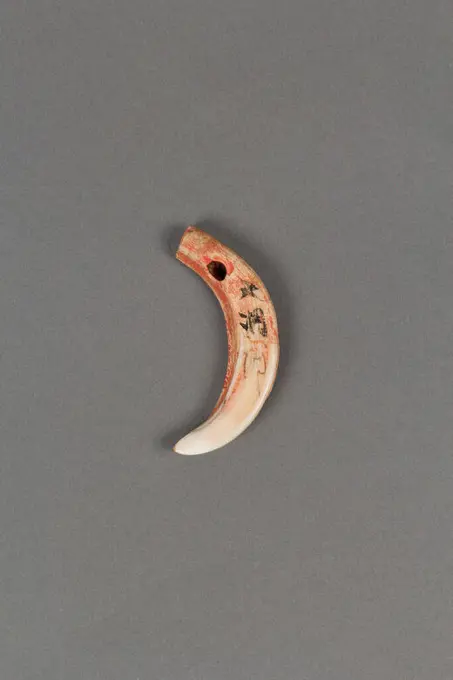
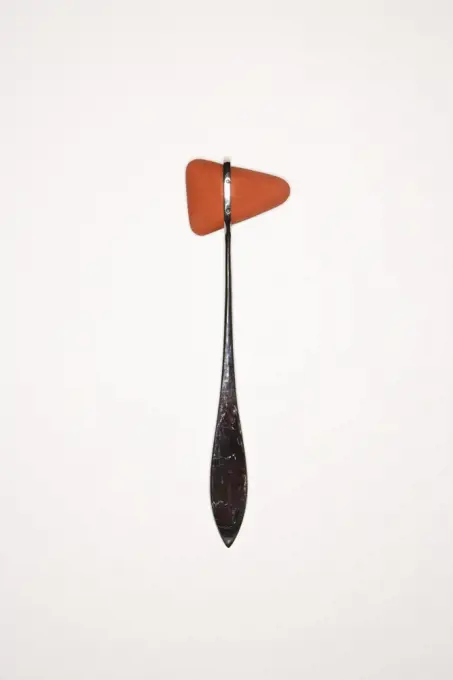
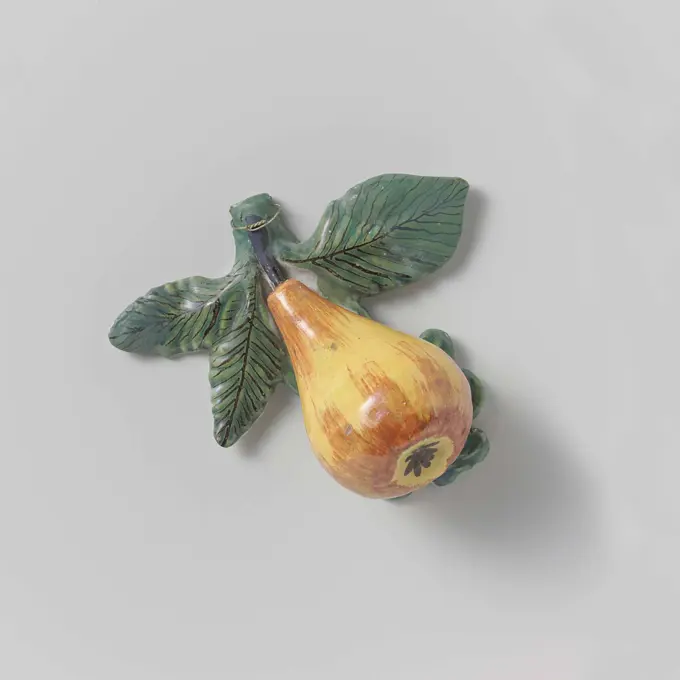
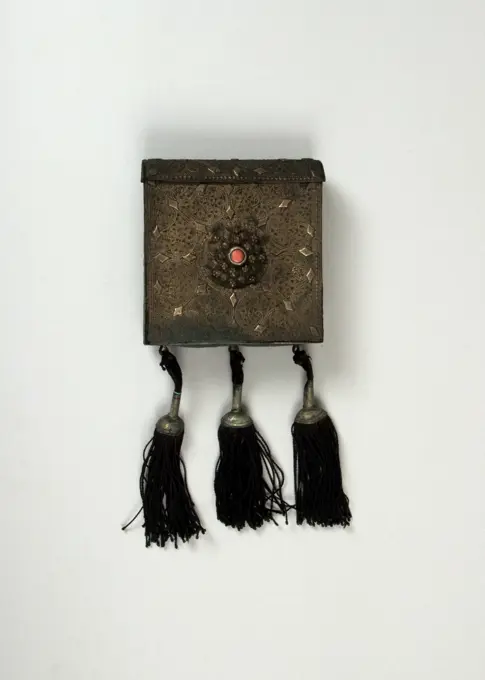
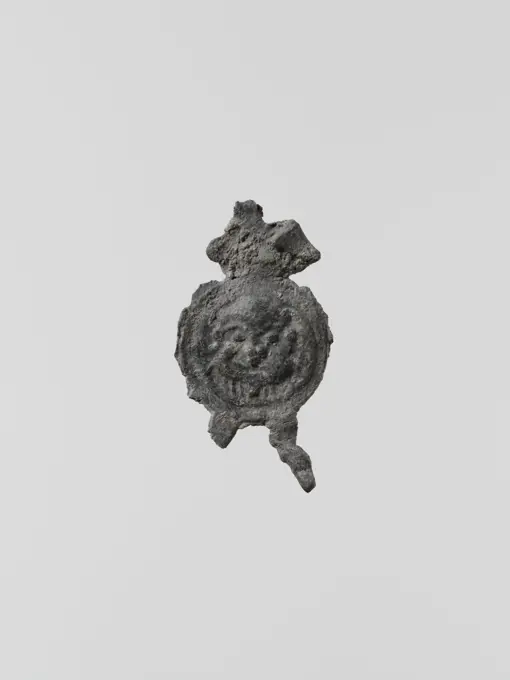
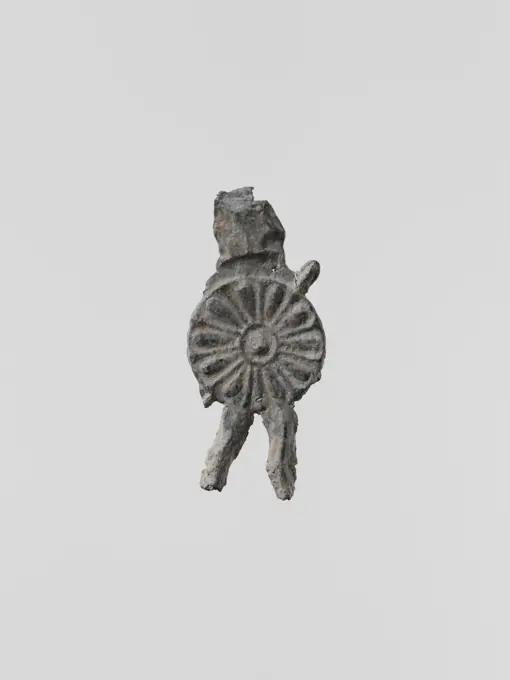
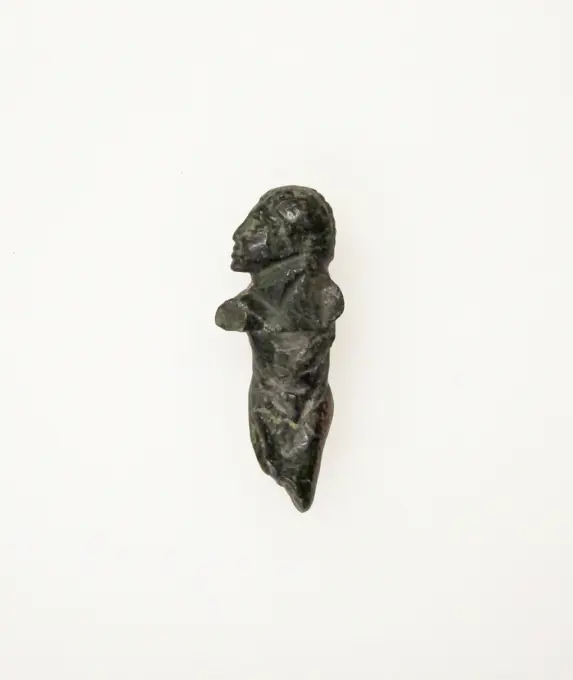
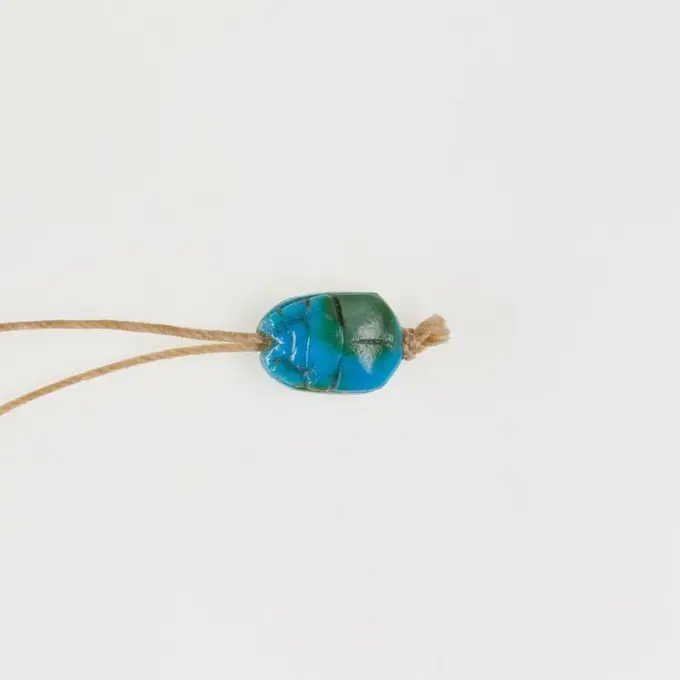
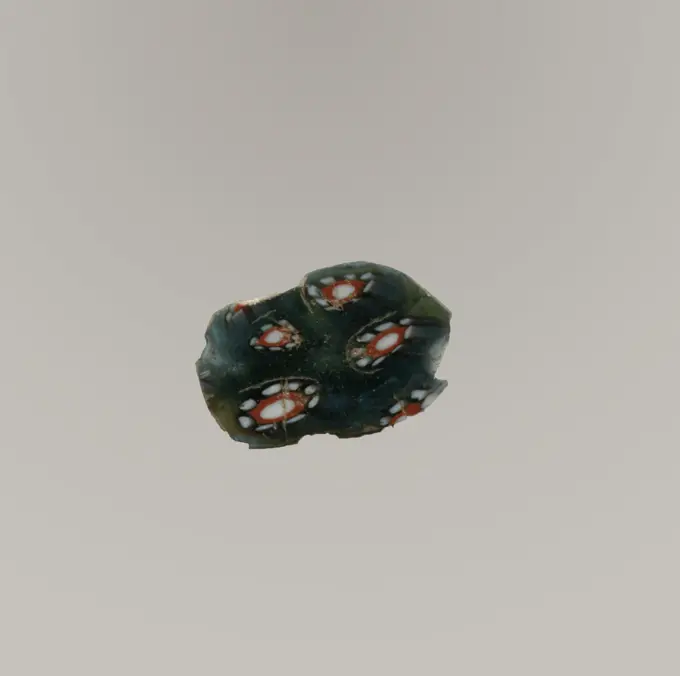
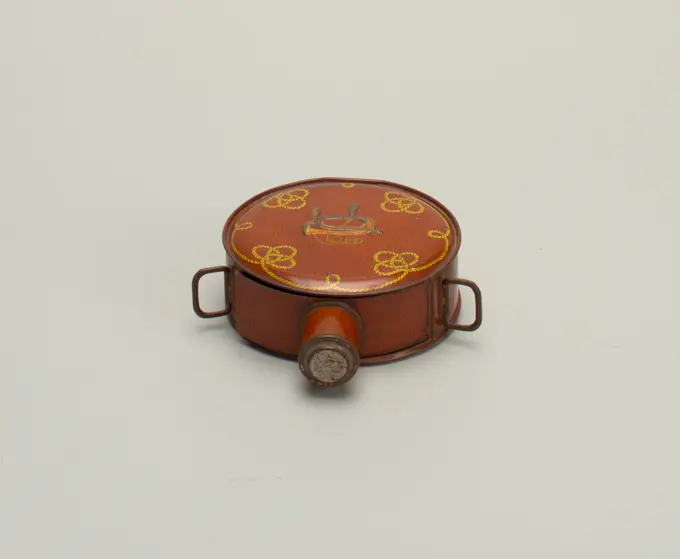
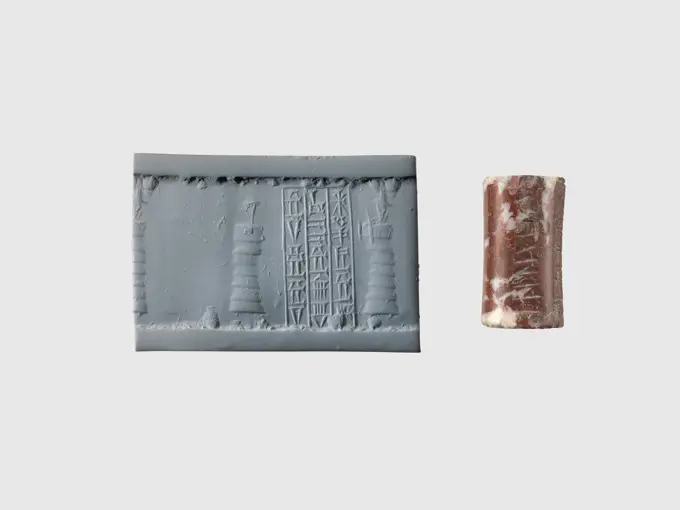
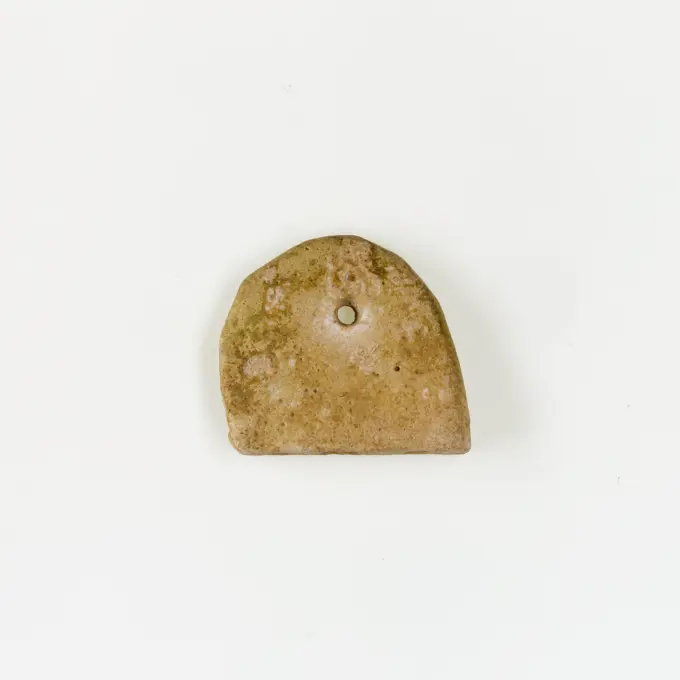
Broad Collar piece () ca. 1850-1640 B.C. Middle Kingdom. Broad Collar piece () 590856Mordant 15th century Spanish. Mordant. Spanish. 15th century. Brass. Miscellaneous-Buckles & OrnamentMordant early 16th century German. Mordant. German. early 16th century. Brass. Miscellaneous-Buckles & OrnamentRelief fragment from the tomb of Meketre ca. 1981-1975 B.C. Middle Kingdom. Relief fragment from the tomb of Meketre 668913Pinhead 1st century B.C.-5th century A.D. Roman. Pinhead. Roman. 1st century B.C.-5th century A.D.. Glass. GlassInlay, lotus. Dimensions: H. 0.8 × W. 0.8 cm (5/16 × 5/16 in.). Date: 100 BC-100 AD.A mosaic glass technique allowed multiples of an image to be created: a figural or design composition was made by bundling colored glass canes, which were then drawn out into a long bar. The bar was then sectioned at right angles, probably by striking the bar with appropriate tools, to produce small inlay tiles. The tile would then be smoothed and polished on the face intended to appear outwards. Museum: Metropolitan Museum of Art, New York, USA.Bowl rim. Bowl rim 254316 Bowl rim, Bronze, Diam.: 1 3/4 in. (4.4 cm). The Metropolitan Museum of Art, New York. Rogers Fund, 1941 (41.162.144)Cylindrical pendant. Dimensions: L. 3.9 × W. 0.7 cm (1 9/16 × 1/4 in.). Dynasty: Dynasty 18. Reign: reign of Thutmose III. Date: ca. 1700-1425 B.C.. Museum: Metropolitan Museum of Art, New York, USA.StampBuckle Loop 15th-17th century European. Buckle Loop. European. 15th-17th century. Bronze. Miscellaneous-Buckles & OrnamentEngagement ring. Goud engagement ring. On top of an elongated picture crystal, including a hair clock with gold thread decorated, on a red background. Signed with the letters N.B.Amulet of a crown of Lower Egypt 664-30 BC Late Period-Ptolemaic Period This amulet takes the form of the crown of Lower Egypt, the northern part of the country. Called deshret by the ancient Egyptians, It is a cylindrical headpiece with a tall spike at the back and a long sprial in front. It has been nicknamed the "red crown," since many depictions in art are colored red. However, amuletic versions are most often green, like this example.. Amulet of a crown of Lower Egypt. 664-30 BC. Faience. Late Period-Ptolemaic Period. From EgyptFragment tumbler from the wreck of the East Indieschief Hollandia. Base, Fragm, Circular, Domed Kick-Up With Pontil Mark, Everted Sides, Ribbed Exterior. Tumbler.Copper batter of a Kruithoorn, Anonymous, 1540 - 1560 powder horn Part of the copper batter of a crushed horn, bumped from both sides upwards, with two cut heads, helmeted in the bottom of oval, to the left breastpiece from man to the right, on the right breastpiece of a woman to the left, above which oval with rider on prancing horse, With right hand sword heffend.  copper (metal) cuttingGlass eye bead. Culture: Greek, Eastern Mediterranean. Dimensions: Diam.: 1 1/16 in. (2.7 cm). Date: ca. 4th century B.C..Blue bead covered with blue and white eyes. Museum: Metropolitan Museum of Art, New York, USA.Statuette of a lion, 3 Greek, Laconian. Statuette of a lion, 3 251680 Greek, Laconian, Statuette of a lion, 3, Lead, Height: 1 1/16 in. (2.7 cm). The Metropolitan Museum of Art, New York. Gift of A. J. B. Wace, 1924 (24.195.114)Anonymous. "Lieutenant shoulder scabbard". Sheet. 1940-1945. General Leclerc Museum of Hauteclocque and the Liberation of Paris, Jean Moulin Museum. 158808-12Amber from bow of a fibula (safety pin) 7th century B.C. Etruscan Fragment of amber from the bow of a fibula.. Amber from bow of a fibula (safety pin). Etruscan. 7th century B.C.. Amber. Archaic. Miscellaneous-AmberThimble. Thimble with flattened round top. The edge is bent and edited outside. The side wall is engraved at the bottom with leaves and zig-zag motif. The thimble is marked with a boar cup.Glass ornament in the form of a bird Roman. Glass ornament in the form of a bird. Roman. Glass. GlassGlass spindle whorl ca. 1st-2nd century A.D. Roman Translucent pale blue green.Shallow domed body, with faint ridges; pushed-in bottom with shallow, spiral grooves; large, vertical hole.Intact; pinprick bubbles; dulling, pitting, and small patches of iridescent weathering.Made by winding trail in a spiral around rod.. Glass spindle whorl 239924Steatite triangular prism. Culture: Minoan. Dimensions: L. 1.1 cm; W. of sides 0.9 cm. Date: ca. 1900-1750 B.C..Cross with rounded ends and leafy sprays; composite animal; 2 two men. Museum: Metropolitan Museum of Art, New York, USA.Sand caster and cover, Chased brass inlaid with silver, Cylindrical body with a slightly rounded cover. Fitted inside with pierced plate, Exterior damascened with interlacing geometrical designs., Venice, Italy, 15th century, metalwork, Decorative Arts, Sand caster and coverLithuanian Denar; Zygmunt II August (Polish king; 1544-1572); 1557 (1546-00-00-1546-00-00);Double hair comb or ridge of solid fine turtle, with a long row of narrow teeth. Double hair comb or ridge of solid fine turtle, with a long row of narrow teeth.Glass striped mosaic bowl fragment. Culture: Roman. Dimensions: 1 15/16 × 2 × 1/8 in. (4.9 × 5.1 × 0.3 cm)Estimated diameter 5 9/16 in. (14.2 cm). Date: late 1st century B.C.-early 1st century A.D..Translucent purple, opaque white, yellow, and colorless.Vertical rounded rim; below rim, side bulges outward, then curves gently inward, and continues downward at a slant.Striped quadripartite pattern formed from lengths of two or more composite canes, laid vertically parallel to each other, comprising broad lengths in white, narrow purple lengths with fine white stripes, yellow lengths, and two different network canes, one in colorless wound with a purple spiral threads outlines in white, and the other in colorless would with a single yellow spiral thread. A colorless network cane wound spirally with two white threads is attached as a narrow rim.Some pinprick bubbles; dulling, slight pitting, and faint iridescent weathering on all surfaces. Rotary grinding marks on both interior and exHousehold ring ca. 1295-1070 B.C. New Kingdom, Ramesside. Household ring 559491Tigerauge Tigerauge Copyright: xZoonar.com/lantapixx 1101131Amulet, head fragment ca. 1479-1458 B.C. New Kingdom. Amulet, head fragment. ca. 1479-1458 B.C.. Blue faience. New Kingdom. From Egypt, Upper Egypt, Thebes, Deir el-Bahri, Egypt Exploration Fund excavations. Dynasty 18Wreaths, 11. Culture: Greek, Laconian. Dimensions: 4 fragments. Museum: Metropolitan Museum of Art, New York, USA.Finger stall New Kingdom ca. 1479-1425 B.C.Buckle Loop 14th century French, Haute-Savoie. Buckle Loop. French, Haute-Savoie. 14th century. Bronze, patina. Miscellaneous-Buckles & OrnamentFragment pipe head. Fragment pipe head with the letters d b u n inside flower drinks on two sides. Of the excavations at the Hofstede Arentsburg 1827-1831 under the supervision of professor Reuvens.Bead. Bead. Clay, glazed. Gold and SilverFragment Tuimelaar from the wreck of the East Indians Hollandia, Anonymous, 1700 - in Or Before 1743 drinking glass Base, fragm, circular, domed kick-up with pontil mark, everted sides, ribbed exterior. Tumbler. Netherlands glass   SecondScarab. Dimensions: l. 0.9 cm (3/8 in). Dynasty: Dynasty 12-18. Date: ca. 1981-1295 B.C.. Museum: Metropolitan Museum of Art, New York, USA.Belt hook in the shape of a monkey 1st-3rd century China. Belt hook in the shape of a monkey 61170heller. Zygmunt Luksemburski (cesarz rzymsko-niemiecki ; 1419-1437), ruler, Wrocław, issuerBead ca. 3rd-7th century A.D. Sasanian. Bead. Sasanian. ca. 3rd-7th century A.D.. Glass. Sasanian. Iran, Qasr-i Abu NasrGlass double cosmetic flask (kohl tube). Culture: Roman, Syrian. Dimensions: Overall: 6in. (15.2cm). Date: 4th century A.D..Translucent yellow green; handles in translucent blue green, and trail in translucent turquoise blue.Rim folded in and down sides of neck; body comprising two tubes, side by side, made from a single inflated gather by pinching sides vertically to make diaphragm; pontil mark on bottom; basket handle made from three separate rods, two attached to side of body over trail, drawn up and outward, then turned sharply in and dropped onto rim, the third rod then applied to top of one handle, drawn up and down, with acute angle at apex, and attached to top of other handle.Single fine trail applied as a pad near bottom of body, drawn up and wound in a spiral slightly over seven times around body, ending below rim.Broken and repaired around body with one small hole; large, elongated bubbles in body, more bubbles and impurities in handle; faint iridescent weathering. MuseuRing 'Dragon' of silver with turquoise, After 1953 - Before c. 1990 Ring 'Dragon' of silver with oval cabochon cut turquoise with mother rock. Netherlands silver (metal). turquoise (mineral) grinding Ring 'Dragon' of silver with oval cabochon cut turquoise with mother rock. Netherlands silver (metal). turquoise (mineral) grindingDoor handle with a sign;  approx. 18th century (1701-00-00-1800-00-00);Scarab ca. 1479-1458 B.C. New Kingdom. Scarab. ca. 1479-1458 B.C.. Faience. New Kingdom. From Egypt, Upper Egypt, Thebes, Deir el-Bahri, Hatshepsut Hole, Hathor Shrine, MMA excavations, 1922-23. Dynasty 18Glass bead Venetian. Glass bead. Venetian. Glass. GlassRegina Henderer, Suffolk Latch, c 1939 Suffolk LatchOprawa oka. unknown, authorCarnavalet Museum, Medals CollectionOwl Bell Ornament. Culture: Moche (Loma Negra). Dimensions: Height 1-3/8 in. (3.5 cm). Date: 390-450. Museum: Metropolitan Museum of Art, New York, USA.Mordant 15th-17th century European. Mordant. European. 15th-17th century. Bronze. Miscellaneous-Buckles & OrnamentBrooch -Lace bobbin cushion, exaggerated with white and blue-green silk, trimmed with gold and silver thread, anonymous, c. 1750 - c. 1800 Lace kink cushion made of cardboard. The soft filling is exaggerated with linen and over it with blue-green silk, trimmed with metal galon, which is secured with pins. The rear and sides of the pillow are exaggerated with silk with gold and silver thread. The underside of the pillow is on white silk. Amsterdam (possibly) silk. metal thread Lace kink cushion made of cardboard. The soft filling is exaggerated with linen and over it with blue-green silk, trimmed with metal galon, which is secured with pins. The rear and sides of the pillow are exaggerated with silk with gold and silver thread. The underside of the pillow is on white silk. Amsterdam (possibly) silk. metal threadPittacus of Mytilene, Wedgwood, English, established 1759, Unglazed stoneware ('black basalt'), Oval, with molded border. Head of bearded man in profile to left. Pittacus of Mytilene, Lesbos (650-570 B.C.)., England, 1767-1780, ceramics, Decorative Arts, Portrait medallion, Portrait medallionString of Cylindrical Beads ca. 1550-1295 B.C. Middle Kingdom-New Kingdom. String of Cylindrical Beads. ca. 1550-1295 B.C.. Feldspar, faience. Middle Kingdom-New Kingdom. From Egypt; Probably from Northern Upper Egypt, Deir el-Ballas. Dynasty 12-20Part () of a bracelet or armlet with uraei 304 B.C.-A.D. 364 Ptolemaic or Roman Period. Part () of a bracelet or armlet with uraei. 304 B.C.-A.D. 364. Silver. Ptolemaic or Roman Period. From Egypt, Central Delta, Tell el-Balamun (Diospolis Inferior), Carnarvon/Carter excavations, 1913Scherf of a deep sign from V.O.C. ship De 'Witte Leeuw', Anonymous, Before 1613 plate (dishes) Sharf of a deep sign from V.O.C. ship the 'Witte Leeuw'. Jingdezhen bone china (material)   Sint-HelenaSeven -leaf door plate, 1600 - 1625 Seven-leafy plate. With door beater ().  iron (metal) Seven-leafy plate. With door beater ().  iron (metal)Carnavalet museum, medal collectionFragments of Cornflower Pendant ca. 1390-1353 B.C. New Kingdom. Fragments of Cornflower Pendant. ca. 1390-1353 B.C.. Faience. New Kingdom. From Egypt, Upper Egypt, Thebes, Malqata, Palace of Amenhotep III, MMA excavations, 1910-11. Dynasty 18Half coconut shell from the wreck of the Dutch East India ship Witte Leeuw, before 1613 coconut (fruit) Half coconut from V.O.C. ship De 'Witte Leeuw'. The top.  coconut shell   Sint-HelenaPaperweight 1825-1850 France. Glass . Compagnie de Saint LouisCast of a Bird Head mid-20th century Lapita people. Cast of a Bird Head 314214Carnavalet museum, tokens collectionAthenian red figure vase fragment, legs of a male and femalefigure.  Artist, attributed to: Hermonax, Greek, Attic, active ca. 475-450 B.C.Been frivoly work, with a block between the two discs, held together by two metal pins, anonymous, c. 1700 - c. 1900 Been of bone frivoly, with a block between the two discs, held together by two metal pins. West-Europa whole: Bone (Material). Pin: Metal cutting Been of bone frivoly, with a block between the two discs, held together by two metal pins. West-Europa whole: Bone (Material). Pin: Metal cuttingLead-Glazed Skyphos. UnknownBox for a medal at the death of Stadholder Willem II 1650 with pasted poems, Joost van den Vondel, c. 1650 history medal Turned palmhouten box with lid, both with a printed poem on the inside, on the box "robbery" and on the "waste" lid.  boxwood. paperString of 29 Beads 200 BC-200 AD Ptolemaic Period or Roman Period Gold glass beads were a Hellenistic development. They were created by combining drawn tubes of colorless glass with gold foil. The earliest examples were finished bead by bead. These are all modern stringings; most ancient stringing patterns are lost as the string decays.. String of 29 Beads. 200 BC-200 AD. glass, gold foil. Ptolemaic Period or Roman Period. From EgyptDenar - Brakteat; approx. 1307/1308- 1317/1318 (1307-00-00-1318-00-00);Arm Defense. Culture: Tibetan or Mongolian. Dimensions: L., 8 1/8 in. (20.6 cm); W., 3 1/4 in. (8.3 cm). Date: 16th-17th century. Museum: Metropolitan Museum of Art, New York, USA.. Hair comb of turtle with narrow back on which a rounded pinacle above every tooth. Nine teeth, two of which are shorter. On the left inside a gravering: Gauvard.Lead wreath of lotos buds 6th-5th century B.C. Greek, Laconian. Lead wreath of lotos buds 251746 Greek, Laconian, Lead wreath of lotos buds, 6th5th century B.C., Lead, Height: 11/16 in. (1.7 cm). The Metropolitan Museum of Art, New York. Gift of A. J. B. Wace, 1924 (24.195.180)Excerpt of a pipe head from the wreck of the East Indians' t Vliegend Hart, WS, 1700 - 1735  Part of a head without a stem of an earthen Goudse Pijp, white with tar -like spots. Heel brand ws. Lightly damaged. Fragments of Bowls and Stems. Gouda pipe clayTurban shape, spiral -shaped, anonymous, c. 1700 - c. 1799 Turban shape of red buyer, spiral -shaped, inside. Amsterdam copper (metal) Turban shape of red buyer, spiral -shaped, inside. Amsterdam copper (metal)Lead ornament, possibly imitating jewelry 6th-5th century B.C. Greek, Laconian Small flat votive figurines of cast lead have been found in great quantities at the ancient sanctuaries of Laconia; over one hundred thousand, dating from the seventh century B.C. to the Classical period, were dedicated to the goddess Artemis Orthia in Sparta.. Lead ornament, possibly imitating jewelry 251695 Greek, Laconian, Lead ornament, possibly imitating jewelry, 6th5th century B.C., Lead, Height: 15/16 in. (2.5 cm). The Metropolitan Museum of Art, New York. Gift of A. J. B. Wace, 1924 (24.195.129)Pair of Sword-Grip Ornaments (Menuki). Culture: Japanese. Dimensions: L. of each 1 3/8 in. (3.5 cm); Wt. of each 0.2 oz. (5.7 g). Date: 18th century. Museum: Metropolitan Museum of Art, New York, USA.Seal stamp of blue stoneware with intaglios presenting hung birds. Seal stamp of blue stoneware with intaglios presenting hung birds. Signed: Wedgwood & Bentley. 'Jasper' from the Wedgwood & Bentley factory.Fragment of terra sigillata ca. A.D. 170-220 Roman Plant forms.These fragments demonstrate how some producers of Roman fineware pottery in the Rhineland experimented with incised decoration inspired by that found on contemporary glassware.. Fragment of terra sigillata. Roman. ca. A.D. 170-220. Terracotta. VasesVinaigrette. Marked CP WS; London, England. Date: 1841-1842. Dimensions: 3.5 x 4.1 cm (1 3/8 x 1 5/8 in.). Silver, silver gilt, and agate. Origin: London. Museum: The Chicago Art Institute, Chicago, USA.Sword Guard (Tsuba) 19th century Japanese A tsuba is a sword guard and part of a sword mounting. It is mounted between the swords blade and grip to protect the users hands.. Sword Guard (Tsuba) 34961Glass mosaic inlay fragment late 1st century B.C.-early 1st century A.D. Roman Translucent deep turquoise green and opaque white.Flat, but uneven underside with shallow ribbing.Marbled mosaic pattern in green ground with multiple white rods.Polished upper side; pitting of surface bubbles; dulling and creamy weathering on underside and edges.The glass imitates a costly stone, green porphyry (lapis lacedaemonius).. Glass mosaic inlay fragment. Roman. late 1st century B.C.-early 1st century A.D.. Glass; cast. Early Imperial. GlassUmbel Pendant ca. 1390-1353 B.C. New Kingdom. Umbel Pendant. ca. 1390-1353 B.C.. Faience. New Kingdom. From Egypt, Upper Egypt, Thebes, Malqata, Palace of Amenhotep III, MMA excavations, 1910-11. Dynasty 18Arrowhead ca. 7th century B.C.-2nd century A.D.. Arrowhead 325121Body Ornament. Culture: Japan. Dimensions: W. 1/2 in. (1.3 cm); L. 2 1/8 in. (5.4 cm). Museum: Metropolitan Museum of Art, New York, USA.Fragment of a pipes stem from the wreck of the East India Flying Heart. Fragment of the handle of a golden earthen pipe with raised rust. Fragments or bowls and votes.Bead with a jackal 100 BC-100 AD Ptolemaic or Roman Period Gold glass beads were a Hellenistic development. They were created by combining drawn tubes of colorless glass with gold foil. The earliest examples were finished bead by bead. These are all modern stringings; most ancient stringing patterns are lost as the string decays.. Bead with a jackal 558846Amulet of a Fly 1550 BCE-1069 BCE Egypt. Stone ( ) . Ancient EgyptianKey plate of tinned iron, decorated with rank motifs. Elongated, openwork key plate of tinned iron. Central is a keyhole with a straight job above and under a straight job. From there, different rank and leaf motifs.Stone wall letters Letter C 3D stone wall letters Letter C 3D copyright: xzoonar.com/milicxdjurovicx 22938028Reflex hammer on white background.Pear of multicolored painted faïence. Pear of Faïence. Painted multi-colored.Patch Box 18th century Turkish. Patch Box. Turkish. 18th century. Copper, silver, coral, silk. Firearms AccessoriesStatuette of a warrior-7 Greek, Laconian. Statuette of a warrior-7. Greek, Laconian. Lead. Miscellaneous-LeadOrnament in the form of an S -shaped snake, anonymous, -500 --200 Ornament in the form of an S-shaped snake, comma ornament; Cream-colored jade. China jade (rock) Ornament in the form of an S-shaped snake, comma ornament; Cream-colored jade. China jade (rock)Statuette of a warrior-10 Greek, Laconian. Statuette of a warrior-10 251631 Greek, Laconian, Statuette of a warrior-10, Lead, Height: 1 5/16 in. (3.3 cm). The Metropolitan Museum of Art, New York. Gift of A. J. B. Wace, 1924 (24.195.65)Brown coin; Pantikapaion; 1. PO. III century BC (-300-00-00--251-00-00);Nadczarzyorze, satir (mitol.), Terlecki, Ignacy (1860-1916), Terlecki, Ignacy (1860-1916)-collection, weapons (iconogr.), Arrows (weapons), armament (iconogr.), Purchase (provenance) , bow and arrow (iconogr.), Łuki (army)Glass figurine 4th century A.D. Roman Translucent dark green, appearing black.Solid block carved into a human figure.Standing nude male with head turned in profile to left, proper right arm outstretched, legs projecting slightly forward, hair in tight curls arranged in neat rows back from forehead, strap suspended with pendants or small bells across back, over proper right shoulder, and extending under proper left arm.Broken on upper proper right arm and legs around the knees, with proper left arm missing, and chip in back of head; some faint weathering.. Glass figurine. Roman. 4th century A.D.. Glass; cast and cut. Late Imperial. GlassScarab. Dimensions: l. 0.5 cm (3/16 in). Dynasty: Dynasty 12-18. Date: ca. 1981-1550 B.C.. Museum: Metropolitan Museum of Art, New York, USA.Glass mosaic bowl fragment late 1st century B.C.-early 1st century A.D. Roman Translucent light blue appearing dark greyish blue, dark purple () appearing black, opaque white and red; base ring in streaky translucent purple.Traces of side curving upward and flat bottom; outsplayed base ring.Mosaic pattern formed from polygonal sections of a single cane in a blue ground with a black circle containing a ring of white rods and a central white rod surrounded by a red circle.Bottom edge of base ring chipped off; polished interior; pitting and weathering of surface bubbles and scratches on interior; thick creamy weathering on exterior, sides of base ring, and jagged edges.Part of the bottom of the vessel with a low applied base ring on the exterior.. Glass mosaic bowl fragment. Roman. late 1st century B.C.-early 1st century A.D.. Glass; cast. Early Imperial. GlassWater Bottle Biscuit Tin; offset lithograph on tinCylinder seal and modern impression ca. 16th-12th century B.C. Kassite. Cylinder seal and modern impression. Kassite. ca. 16th-12th century B.C.. Jasper breccia. Kassite. Mesopotamia