Historical Metal Artifacts

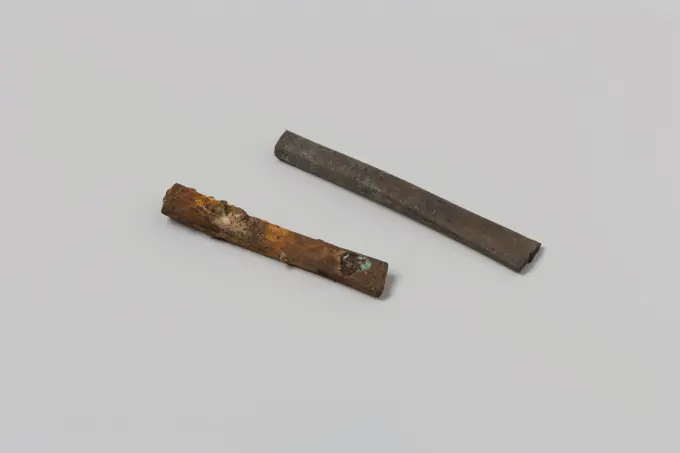
A selection of ancient metal objects, including keys and fibulae, featuring unique shapes and aged patinas, reflecting historical craftsmanship.

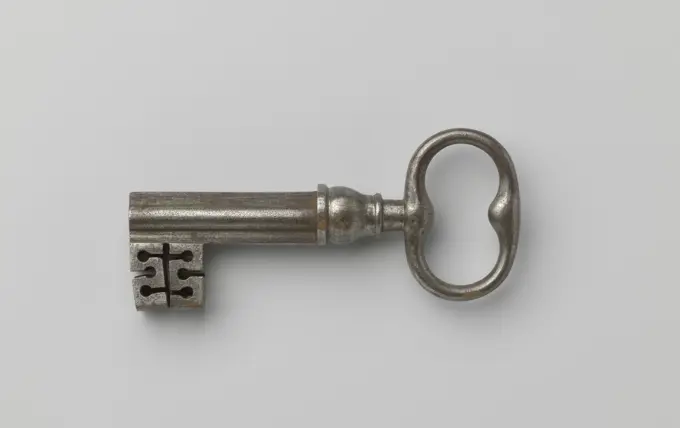
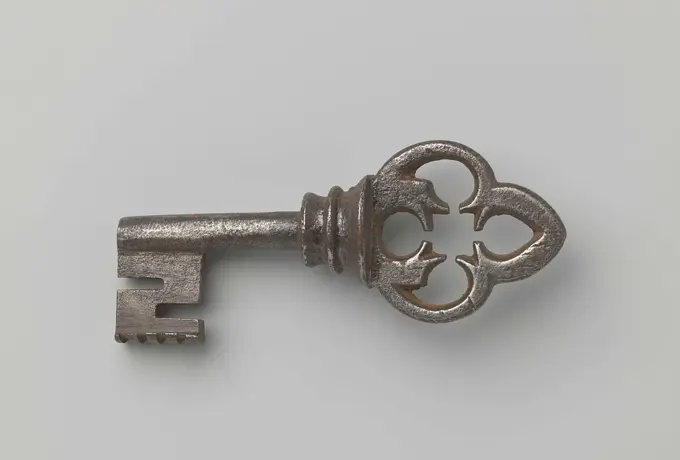
Pipe key, c. 1600 - c. 1699 Pipe slut with a handle formed by a small three -pass, on which a "basket", wrapped with a pearl necklace, rest. Grip and capital of silver -plated copper; Shaft and beard of iron. France iron (metal). copper (metal) Pipe slut with a handle formed by a small three -pass, on which a "basket", wrapped with a pearl necklace, rest. Grip and capital of silver -plated copper; Shaft and beard of iron. France iron (metal). copper (metal)
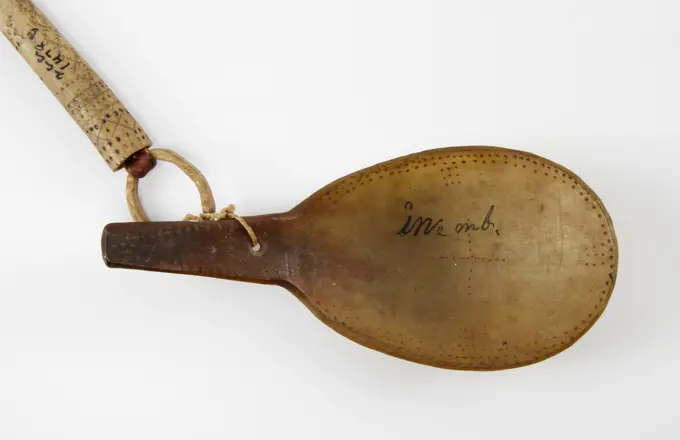
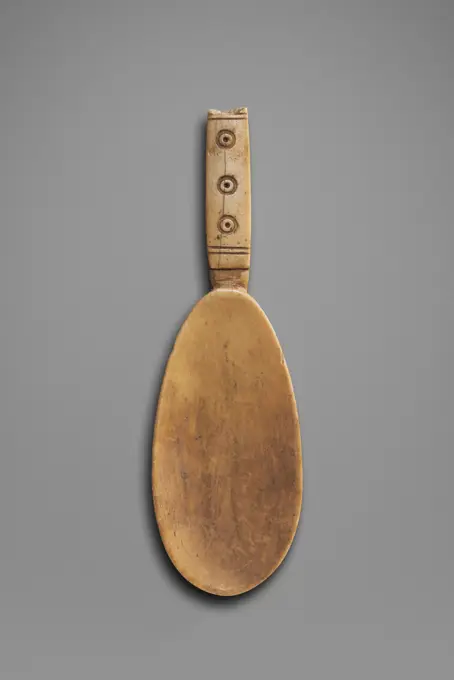
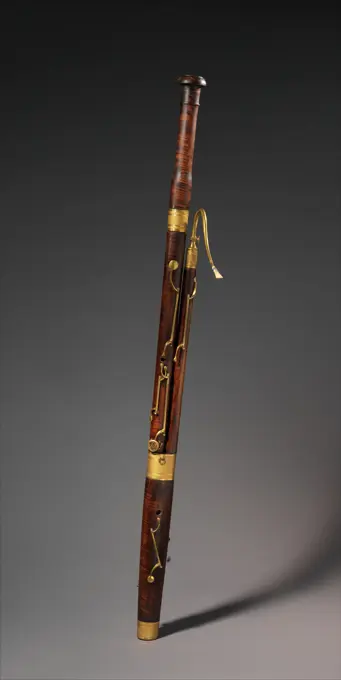
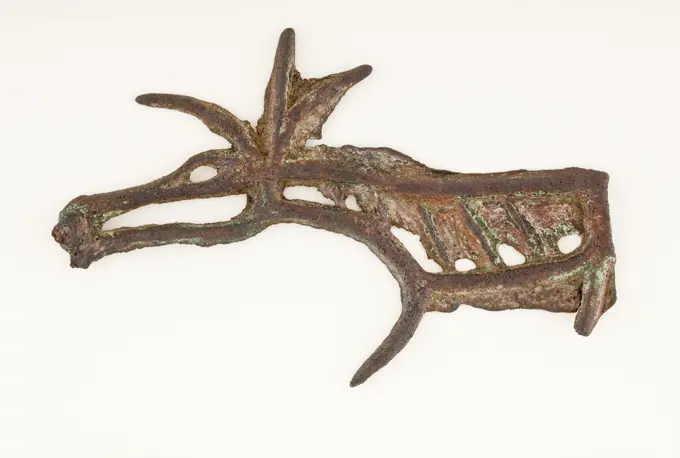
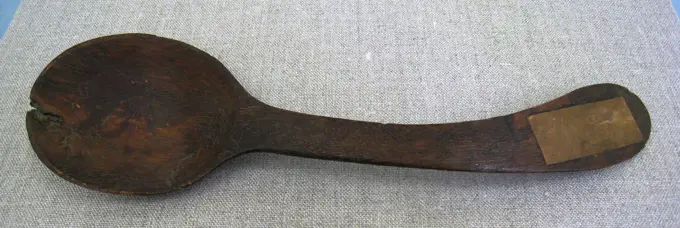
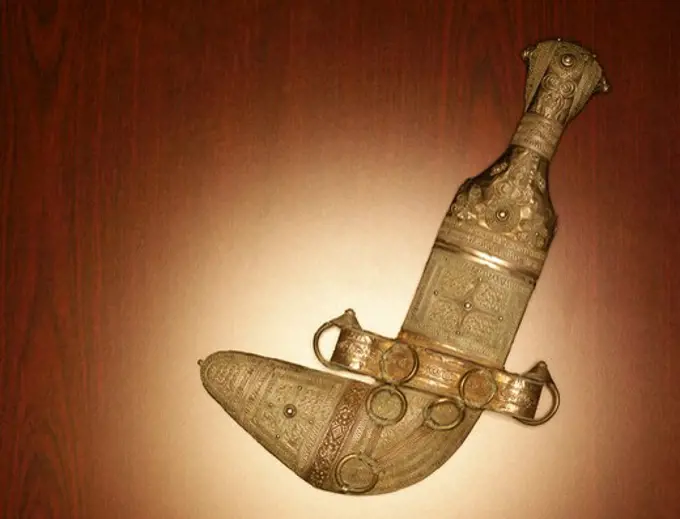
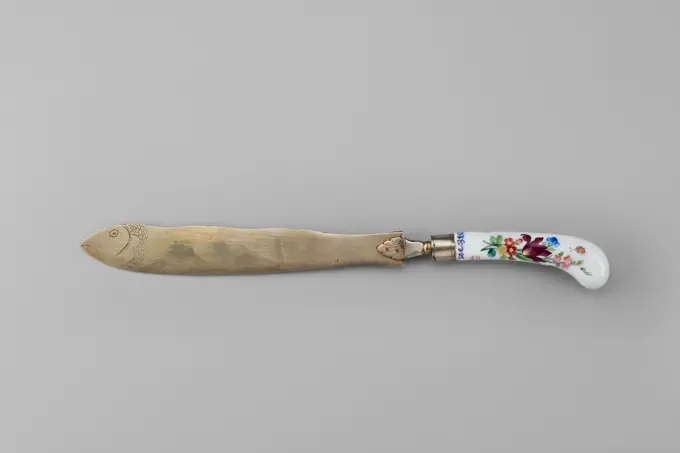
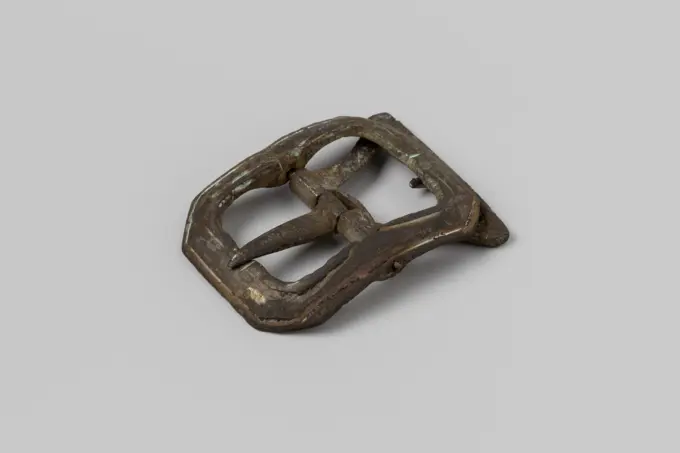
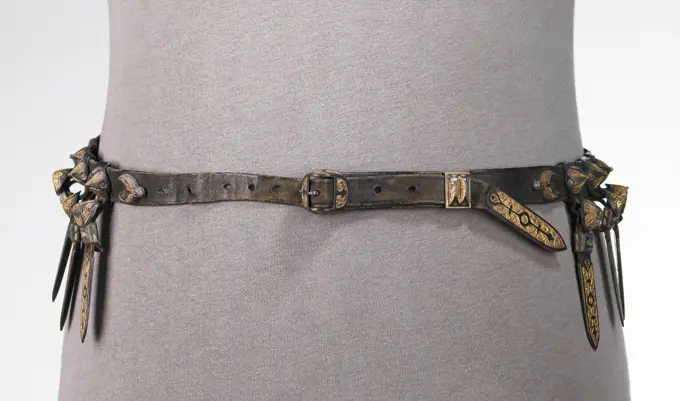
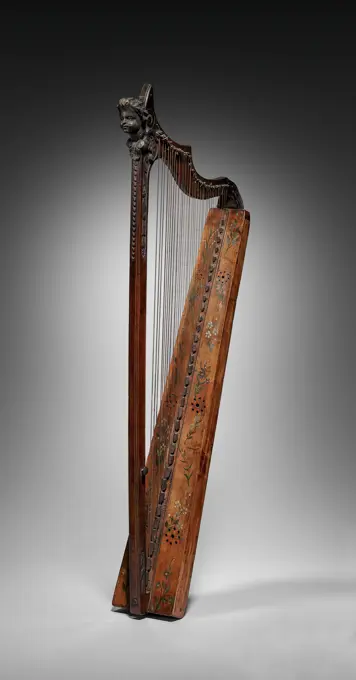
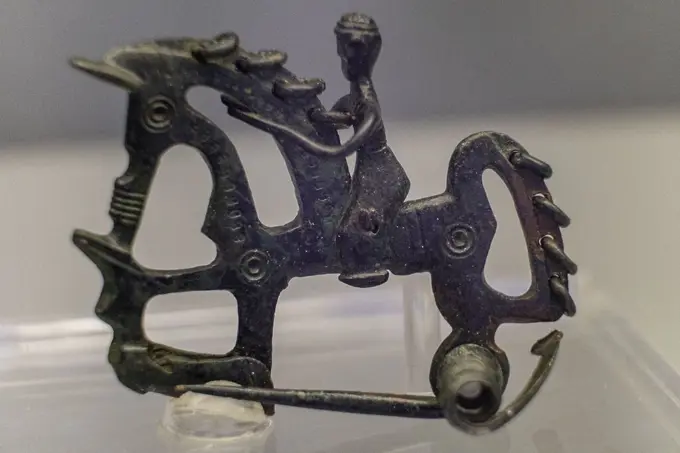
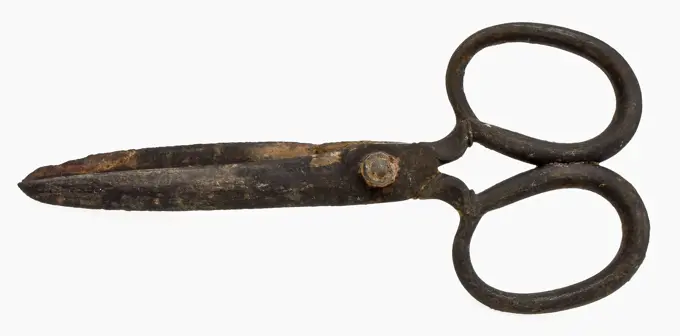
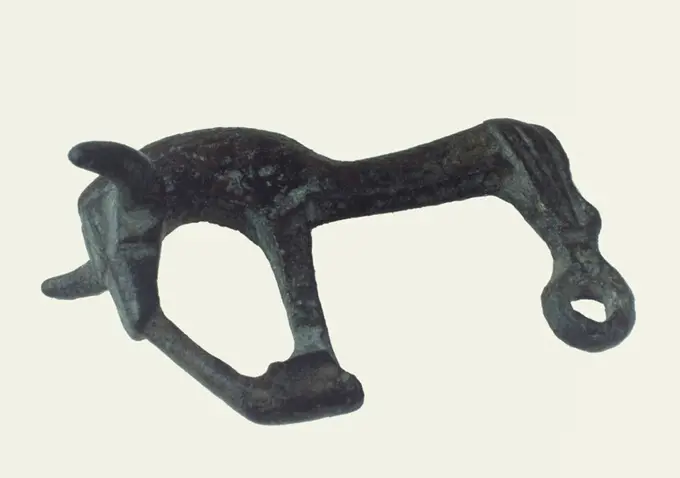
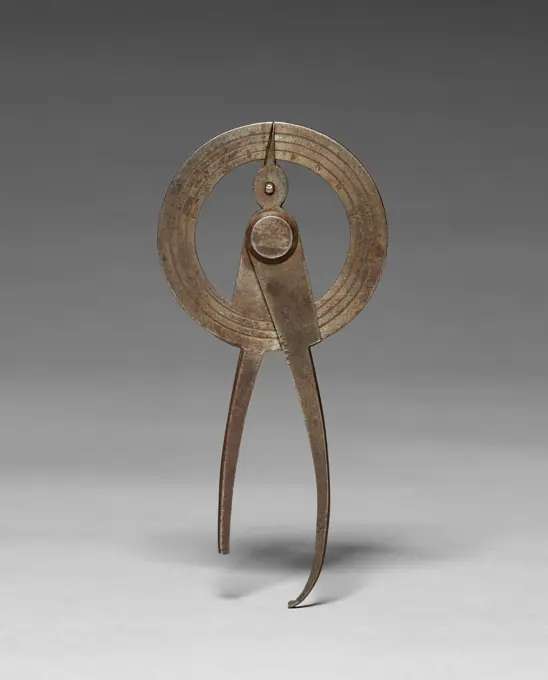
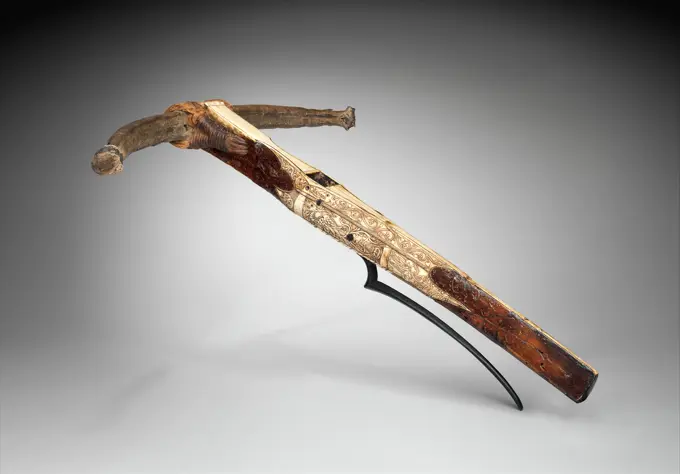
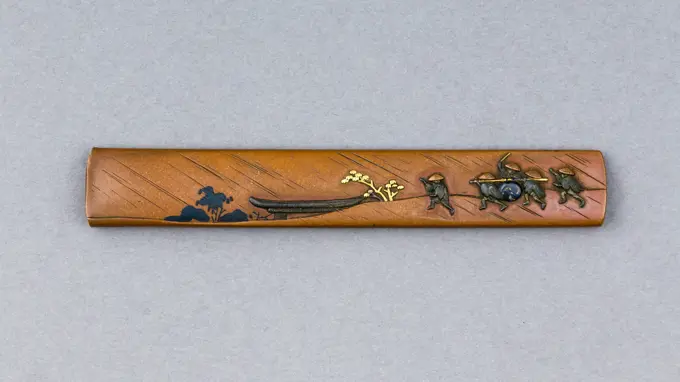
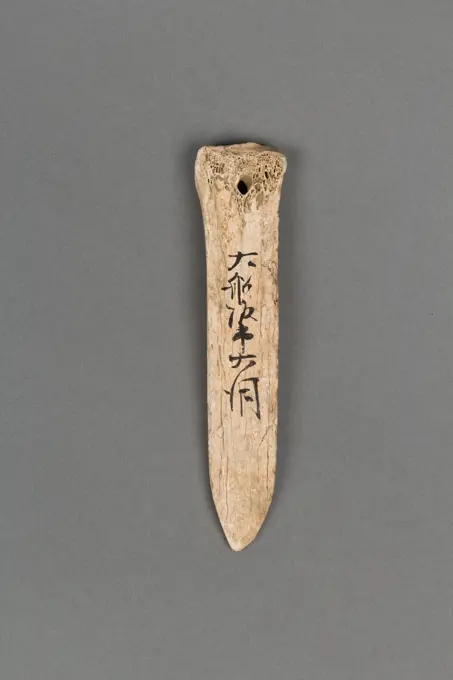
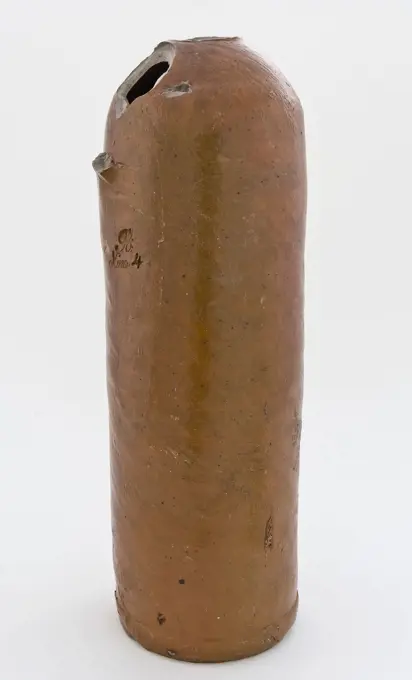
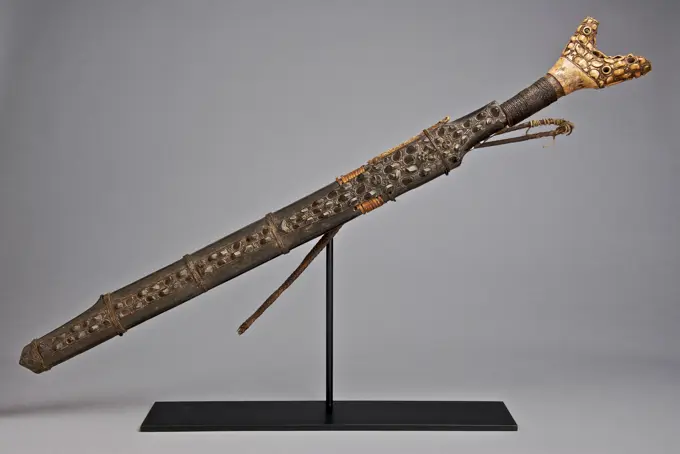
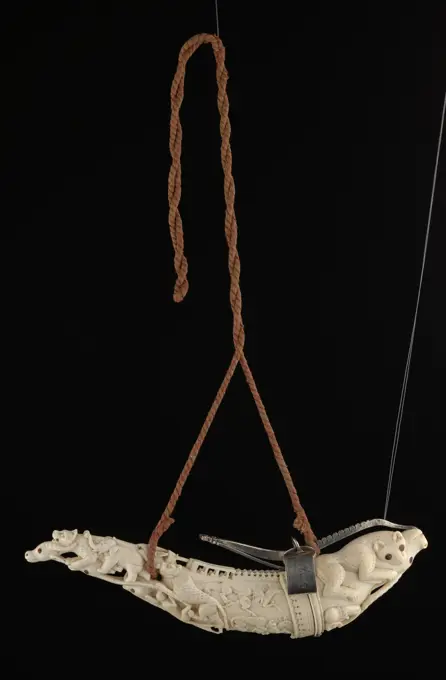
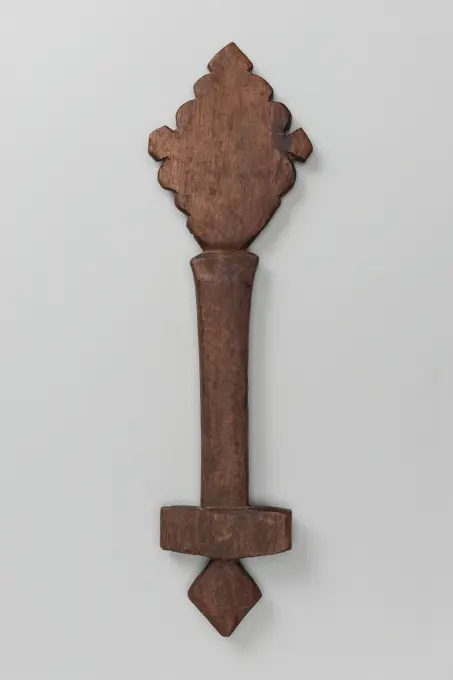
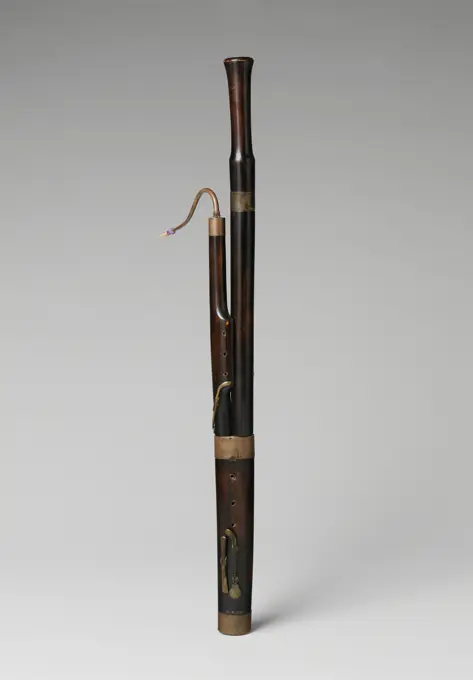
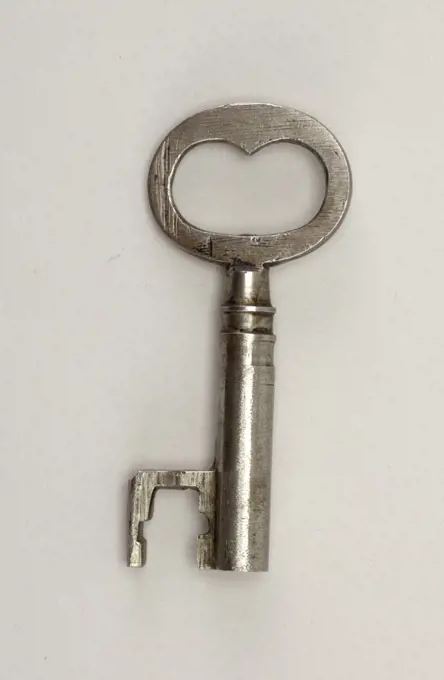
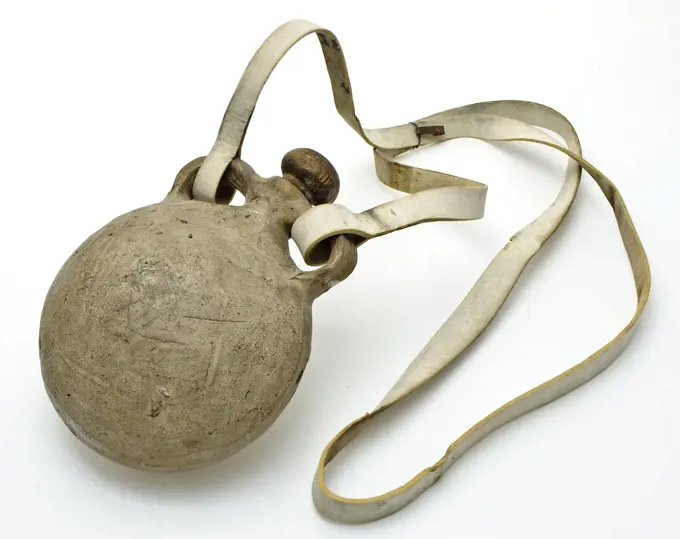
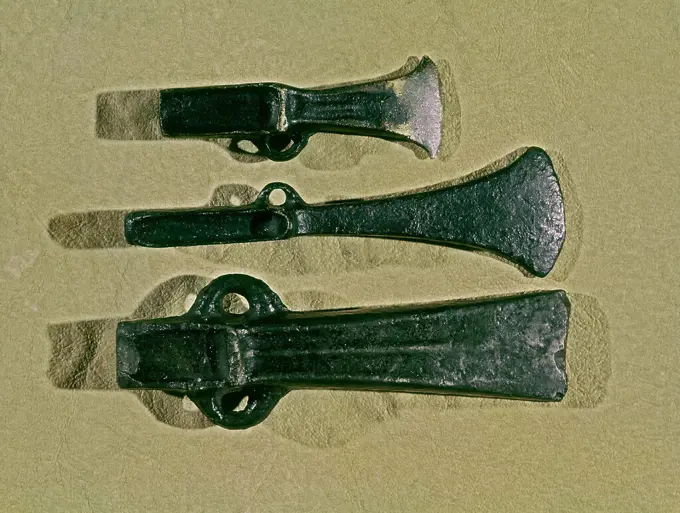
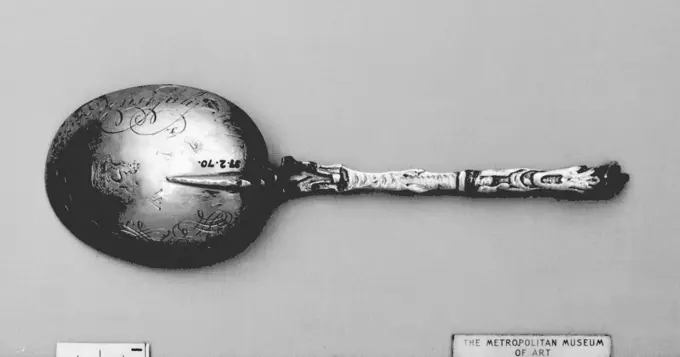
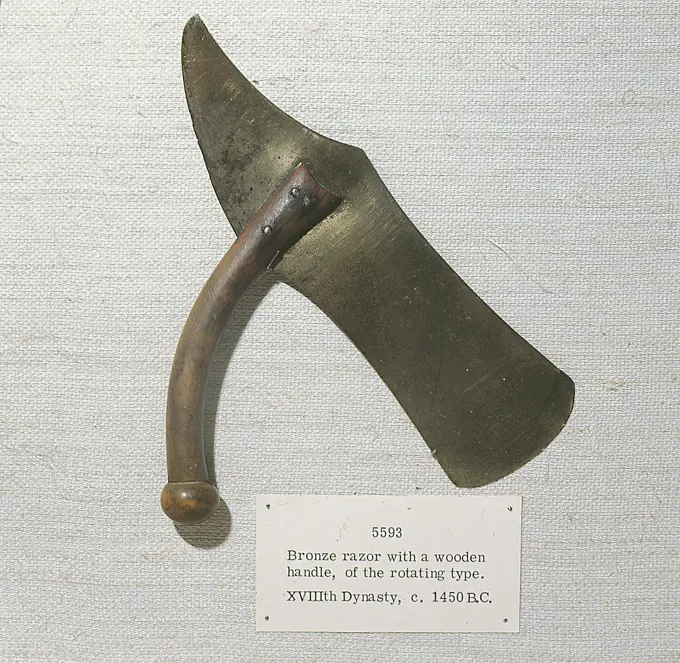
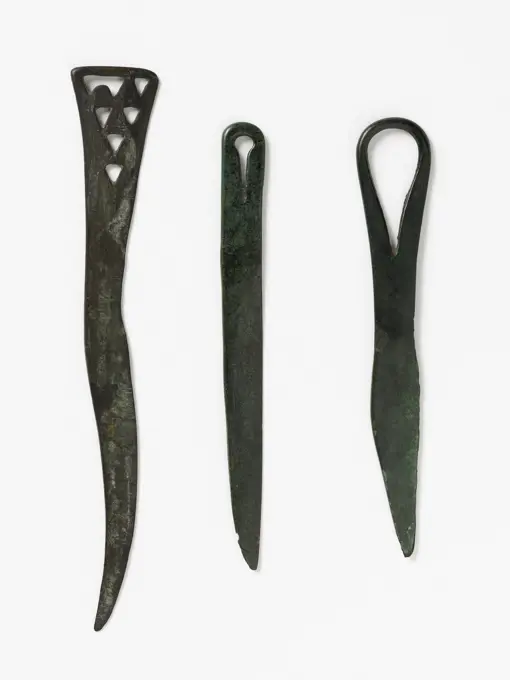
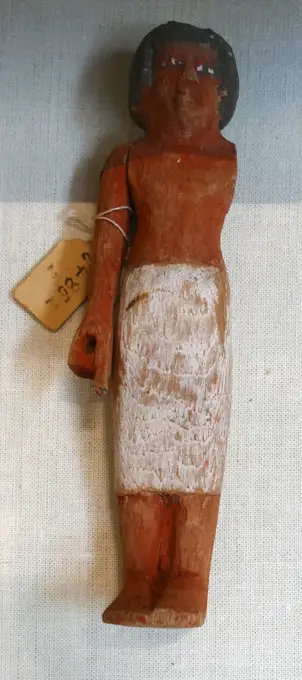
Cross thorough; Unknown Ethiopian workshop (1400-1970); 20th century (1900-00-00-1960-00-00);deposit of Wacław Korabiewicz, crosses, Ethiopian crosses, hand crossesDated knife with engraved blade and flamed legs, knife cutlery cutlery soil find metal iron copper bone, G 1785 archeology food cutting prepare foodHousehold hook -Amulet of an Ichneumon ( ) 700 BCE-100 BCE Egypt. Stone . Ancient EgyptianPrehistory, Italy, Iron Age. Finds from Golasecca (Varese province), tools.Eating spoon -Pair of silver strigils (scrapers) on a carrying ring. Culture: Roman. Dimensions: length 8 9/16in. (21.7cm)diameter of ring 2 15/16in. (7.5cm). Date: mid-1st century B.C..Strigils are normally associated with men, who used them in the gymnasium and the baths. Most surviving examples are made of bronze and it is unusual to have a set preserved with their carrying ring. Museum: Metropolitan Museum of Art, New York, USA.Pendant late 15th century French. Pendant. French. late 15th century. Bronze, patina. Miscellaneous-Buckles & Ornament39 keys from the collection of Emmanuel Vita Israël, anonymous, 1500 - 1600 Venetian key "with rose in the round grip and crowned by a profiled rise with an eye. The shaft and profiled capital are eight -sided.  iron (metal) Venetian key "with rose in the round grip and crowned by a profiled rise with an eye. The shaft and profiled capital are eight -sided.  iron (metal)Robbery, c. 1400 - c. 1950 A raid. Gothic.  iron (metal) A raid. Gothic.  iron (metal)Copper, decorated buckle with two oval eyes, clasp fastener component soil find copper brass metal, cast Copper clasp: double-oval ring with middle pillar to which the angel Copper bracket iron angel. Extended middle post with spatula-shaped tip to decorate archeology Rotterdam rail tunnel attach fasten closes Soil discovery: rail tunnel Rotterdam.Bladderball with the workshop of Vulcanus, Anonymous, c. 1500 - c. 1600 Windball made of walnut. The top, sculpted in relief, shows the workshop of Vulcanus, including Vulcanus, Venus, Amor, a harnessed knight and an old man; Volues with drapery on either side. The handle is decorated with a stabbed mask. The back leaves shows a mask in relief, surrounded by C-volutes. The handle has a palm with iron ring. The copper blowpipe is articulated and is decorated with satyrs, putti and an animal head. A wooden extension between the leaf and the pipe. Italy wood (plant material). walnut (hardwood). iron (metal). copper (metal). leather. textile materials Windball made of walnut. The top, sculpted in relief, shows the workshop of Vulcanus, including Vulcanus, Venus, Amor, a harnessed knight and an old man; Volues with drapery on either side. The handle is decorated with a stabbed mask. The back leaves shows a mask in relief, surrounded by C-volutes. The handle has a palm with iron ring. The coUnknown, badge - in reduction - free French naval forces (FNFL), dit Perchoir, of Captain Villard (II RMT) (attributed title), 1940. Enamelled metal. General Leclerc Museum of the Liberation of Paris - Jean Moulin Museum.Kruithoorn; Jewelry of silver with golden gear with a belly of cut glass. Jewelry of silver with golden gear. The belly of cut glass, which means that a second sleeve can be seen from green and brown email. Necklaces are missing.Olive Branch for Crowning Heads ofVictorsBoneSpoonApostle with oval container, anonymous, c. 1400 - c. 1600 The cast spoon has a beaten oval container, a handle with a triangular attachment, transferred to a square pillar on which an apostle. West-Europa brass (alloy) casting / striking (metalworking) The cast spoon has a beaten oval container, a handle with a triangular attachment, transferred to a square pillar on which an apostle. West-Europa brass (alloy) casting / striking (metalworking)Key;  XVIII (1700-00-00-1800-00-00);Adze ca. 1550-1295 B.C. New Kingdom. Adze. ca. 1550-1295 B.C.. Wood, copper alloy, leather. New Kingdom. From Egypt, Upper Egypt, Thebes, Deir el-Bahri, Temple of Hatshepsut, Foundation Deposit 2b (B), MMA excavations, 1921-22Pipe key, c. 1600 - c. 1699 Pipe key of which the handle consists of two backs -placed and stylized griffins, connected by two choirs. France iron (metal) Pipe key of which the handle consists of two backs -placed and stylized griffins, connected by two choirs. France iron (metal)Bassoon in C ca. 1813-25 Jean-Jacques Baumann French The instrument has two alternative wing joints for high and low pitch, and a screw to adjust the bocal. The keys and metal parts were designed in 1813 and made by C. H. Felix in Paris, as an inscription states. Felix's design consists only in the decorative aspect of the keys, not in their number and placement.. Bassoon in C 501496Mordant 1506-25 Hungarian. Mordant. Hungarian. 1506-25. Brass, velvet. Miscellaneous-Buckles & OrnamentToolbox -Pipe key, c. 1600 - c. 1699 Pipe key whose oval eye consists of two leaf vines binded together on a vase -shaped capital. There is a slot in the shaft.  iron (metal) Pipe key whose oval eye consists of two leaf vines binded together on a vase -shaped capital. There is a slot in the shaft.  iron (metal)Stag. Western Siberia or Volga/Kama region, circa 500-300 B.C.. Sculpture. Bronze, castBuckle 15th-16th century European. Buckle. European. 15th-16th century. Bronze, patina. Miscellaneous-Buckles & OrnamentSpoonModel Steering Oar, 2040-1648 BC. Egypt, Middle Kingdom. Painted tamarisk; overall: 39.3 x 6.8 x 1.2 cm (15 1/2 x 2 11/16 x 1/2 in.).Axe Head () 12th-15th century Ecuador. Axe Head () 315297Clip from sheath from the wreck of the East India Hollandia. Fragm, tapering tongue with single drop pattern, runs top with heart-shaped end, 2 Marks Legible Coat of Arms of Amsterdam, HDF.KhanjarKnife with a porcelain handle. Korzec falsyfikat, Korzec (manufaktura porcelany ; 1790-1832), factoryvanilla pods on white backgroundFragments of copper strips from the wreck of the East Indies Hollandia, 1700 - in or before 1743 fragment Varied parts or fragments, strips and strip-shaped fragments; fragm. Netherlands copper (metal)   SecondSnuff Bottle (stopper), 1644-1911. China, Qing dynasty (1644-1911). Glass; overall: 7.7 cm (3 1/16 in.).Key; 1909-27-5Shoe spacer from the wreck of the East Indies Hollandia, Anonymous, 1700 - in Or Before 1743  Schoengesp. Buckle, chape buckle, shoe buckle; (3) fragment (1): (1) ring (3.9x2.9, 0.3t) moulded, straight-sided octagonal outline, (1) tongue, pointed (1.81, 0.3t), (1) single-pronged loop (3w) Netherlands copper (metal)   SecondFulcrum from a couch with Dionysus head and head of a dogHACHA ENMANGADA. NEOLITICO. (DEPOSITO: MUSEO ARQUEOLOGICO NACIONAL).Model of a Rudder to Fit in a Socket, anonymous, c. 1800 - c. 1840 demonstration model Model of a rudder with square roser king. The long head jumps a little forward, rounded to the front and is divided into three pieces: the lower piece has a hole for the rudder pen, the middle part is round to fit in a waterproof seal and the top has another square back And a gap in width. Three stirring hooks, a care tire and a hook and an eye on the click. The rudder blade is thickened in three places. Netherlands (possibly) wood (plant material)Max Fernekes, Paper Knife, c 1938 Paper KnifeFoedraal at the Pijp van S.J.P. Kruger ,, 1800 - 1900 case The partition in the shape of the pipe is made of wood, covered with red leather, the inside on one side covered with a green side, on the other with faded coarse green sheet. South Africa (Possible) wood (plant material). leather. cloth. silk. copper (metal) cutting  South AfricaBelt first quarter 19th century. Belt 156142Harp, 1500s. France, 16th century. overall: 125.8 x 61.6 cm (49 1/2 x 24 1/4 in.).TROFEO-FRONTAL DE CABRA-FINCA LAS BATUECAS-10/3/1989-MEDALLA DE ORO. Location: PALACIO REAL-MUSEO DE CAZA. Riofrío. SEGOVIA. SPAIN.Copper ring with square setting for stone, ring ornament clothing accessory clothing soil find copper silver metal d 0.1, drawn cast Ring with setting for stone Narrow ring made of yellow copper wire. Zetting consists of cast block of bread shaped at the back flat and square at the front. Decorated along the edges with embossed diagonal lines archeology Rotterdam rail tunnel wear adorn status prosperity Soil discovery: railway tunnel 1988-1993.fibula de caballito, numancia, Garray, siglo II a.C, museo Numantino de Soria, Soria, Comunidad Autónoma de Castilla, Spain, Europe.Large tailor's scissors or textile scissors of iron and with extra long axis of rotation, scissor cutting tool soil finds iron metal, forged Very large scissors with extremely long shaft. Two oval eyes turning into long pointed blades Hand-forged Simple decoration between eye and cutting blade archeology cut sailmaker sailmaking tailorFIBULA ZOOMORFA - PALENCIA.Hammered Silver Panpipe 8th-mid-16th century Peru; north coast (). Hammered Silver Panpipe 309155Key, c. 1800 - c. 1900 Four gathering keys, the shafts of which were drilled to the four figures of the card game. The keys are numbered on the key breast by Middel van Putjes.  iron (metal) Four gathering keys, the shafts of which were drilled to the four figures of the card game. The keys are numbered on the key breast by Middel van Putjes.  iron (metal)Shadow Puppet (Wayang Kulit) of Zackan KendeRicikanCorn Knife. Dated: 1939. Dimensions: overall: 24.6 x 35.5 cm (9 11/16 x 14 in.). Medium: watercolor, graphite, and colored pencil on paperboard. Museum: National Gallery of Art, Washington DC. Author: Walter Praefke.Inside and Outside Calipers, 1700s. Europe, 18th century. overall: 12.1 x 5.8 cm (4 3/4 x 2 5/16 in.).Crossbow of Matthias Corvinus, King of Hungary (reigned 1458-1490) dated 1489 Central or Eastern European, possibly Vienna This crossbow is one of the earliest surviving dated examples to include heraldry in its decoration. It was made for Matthias Corvinus (1443-1490), king of Hungary and Bohemia, whose personal coat of arms and the arms of his kingdom are visible. In addition to its rich ornament, the crossbow is remarkable for its sophisticated firing mechanism.. Crossbow of Matthias Corvinus, King of Hungary (reigned 1458-1490) 22878Model or a 6-pounder gun. Model of a canon of 6 pounds, incomplete: the rolling horse is missing. The 30.5 cm long loop has a 16.8 mm caliber. Inscriptions are engraved on the course, along with two crossed anchors and palm branches. Scale 1: 6 (Scale on model).Ecorçoir () (Username). Cervid, polished wood. Carnavalet museum, history of Paris.Needle case, tube holder soil find brass copper metal, Flattened oval tube with bottom. The top is narrower than the tube itself (the lid falls over). On the sides two elongated eyelets archeology Rotterdam railway tunnel sewing packaging textile machining transport clearing Soil discovery: trajectory rail tunnel Rotterdam.Knife Handle (Kozuka) ca. 1615-1868 Japanese A kozuka is a handle of a by-knife that is part of a sword mounting. It is kept in a slot on the reverse of a katana scabbard, often with a matching kōgai (hairdressing tool).. Knife Handle (Kozuka) 34577Vintage corkscrew, india, asia Copyright: xAnilxDave/DinodiaxPhotoxTry squareModel of a Rudder to be steered with tackles. Model of a stir with a square stourney and two holes for stirring pins. It has six stirring hooks and the leaf has so far beyond and at the bottom. Two fold-out curved brass rods are mounted on the care tape with eyes at the ends, to which the talies can be mounted alongside to the deck. The care belt still has two eyes, one with a number of chain links.Pair of brackets ca. 1720 British. Pair of brackets. British. ca. 1720. Carved wood and gilt-gesso. Woodwork-FurnitureHammered Silver Miniature Crown 11th-mid-16th century Peru; north or central coast (). Hammered Silver Miniature Crown 309045Muscovite. minerals. North America; USA; Connecticut; Middlesex County; HaddamLock and key 19th century Japan. Lock and key 59941Bilboquet (France); ivory, silk cord (replacement)Key. Key with decorated ring.Pipe key. Pipe key whose three-pass-shaped handle with split inner cakes rests on a mortise-shaped capital.Arrowheads, needles, hooks and harpoons Japan These implementsan arrowhead, fishhooks, needle, and harpoonwere skillfully carved from bone, a material worked by Japanese artisans since Paleolithic times. They were found in the Obara Shell Mound at Ofunato Bay in Iwate Prefecture. According to information gleaned from shell mounds, or middens, the people of the J?mon period relied on a variety of strategies to obtain food. The large number of fishhooks, fashioned with and without barbs, together with the rich array of marine remains found in these rubbish heaps since very early times indicate that some fifty species of fish and shellfish constituted an essential dietary staple. Toggle-head harpoons, a later innovation, facilitated the hunting of sea mammals. Attaching a line to the toggle allowed the hunter to draw in his prey once the toggle had broken away from the harpoon shaft. Further evidence gathered from these refuse dumps suggests that the J?mon people also relied heavily on Stoneware mineral water pitcher, cylindrical with round shoulder, sausage ear and short neck, mineral water pitcher jar product packaging container soil find ceramic stoneware glaze salt glaze approx., hand turned glazed baked Stoneware mineral pitchers cylindrical with round shoulder short neck and sausage ear. Stand area with traces of deduction and soul. Glazed. Marked under the ear and marked on the front with medallion Medallion in the medallion: FACHINGEN in the midfield left clawing lion archeology Rotterdam Kralingen-Crooswijk Struisenburg Oostmaaslaan Boslaan Buizengat advertising indigenous pottery import drinking water drinking medicine packaging Soil discovery: Buizengat Oostmaaslaan Boslaan Rotterdam an old landfill of urban waste.Arrowhead ca. 3rd-7th century A.D. Sasanian. Arrowhead 323101Artefact from Shipwreck, Slangkp Lighthouse, Kommetjie, South AfricaWellington Blewett, Bishop Hill  Mangle, c 1936 Bishop Hill: MangleSwordSteel seal stamp, 1795 - 1806 stamp Steel seal stamp (by the Agent of Marine of the Commissariaat General of the Batavian Republic in London) with wooden handle. Round. Marked: on stamping surface: coat of arms with standing lion that swords. Inscription: on stamping, mirror image: 'Commissioner General der Bat: rep: in London' and 'Agent Vande Marine'.  wood (plant material). steel (alloy) striking (metalworking)Snaffle Bit European ca. 650-475 BCE The snaffle bit is the simplest type of horse bit, and has an effect on the bars (part of the horses jaw without teeth) and the corners of the lips.The mouthpiece of this example is composed of two links jointed in the middle. The large rings on each side were used to hang it from the bridle while the smaller ones were connected to the reins. Such bits and other harness parts are found in male warrior burials associated with the Hallstatt culture, in which the use of the horse was a symbol of wealth and high status. View more. Snaffle Bit. European. ca. 650-475 BCE. Copper alloy (bronze). Equestrian Equipment-BitsKnife Handle (Kozuka). Culture: Japanese. Dimensions: L. 3 7/8 in. (9.8 cm); W. 9/16 in. (1.4 cm); thickness 1/4 in. (0.6 cm); Wt. 1 oz. (28.3 g). Date: ca. 1615-1868. Museum: Metropolitan Museum of Art, New York, USA.Prochownica unknownKrzyż ręczny. nieznany warsztat etiopski (1400-1970), authorComb ca. 1550-1458 B.C. New Kingdom This comb and two others (16.1.429-.430) were found in the remains of an anthropoid (human-shaped) coffin that was excavated by the Museum's Egyptian Expedition in 1916. Although the dimensions vary slightly, all three have shape that is typical of the late-Seventeenth and early-Eighteenth Dynasties. For a similar comb from the same time-period, but made of wood, see 26.7.1448.The combs belonged to the same burial as several other objects in the Museum's collection. These include a small ivory cosmetic box (16.10.425), two pottery vessels (16.10.426-.427, three jars of Egyptian alabaster (16.10.421, .423-.424), and another made of serpentine (16.10.422).. Comb 547034Tenoroon (Tenor Bassoon) in F ca. 1820 British. Tenoroon (Tenor Bassoon) in F 503867Closure from the wreck of the East Indied Flying Heart. Copper valve with a thread. Chop-shaped with three holes in the edge.Carved Boxwood Apple Corer, 1690. Pinto Collection - Purchased from Edward H Pinto, 1965.. Made in England. These small scoops enabled people who had lost their teeth to eat foods such as apples and pears. They have been in use since prehistoric times and must rank as one of the oldest eating utensils in the world. Apple scoops were very personal items and in some areas it was considered bad luck to share one. Most scoops tended to be quite plain and made from animal bone. Elaborate ones, like this, often seemed to be given as love tokens.Knife Lifts and Loose copper ring from the wreck of the East Indians Hollandia, Anonymous, 1700 - in Or Before 1743  Knife, handle, cylindrical: tapering; id. NG 1979-403H, ferrules, id. NG 1980-27H426. Netherlands wood (plant material). copper (metal)   SecondNose Ring, 20th Century. Indo-Chinese, made in France. Silver; overall: 9.9 cm (3 7/8 in.).Light arm fat catcher. Fat catcher light arm of brass.Padlock and key, Steel, (a) Padlock in the shape of a footed urn with stepped levels, and arced shackle, with two unidentifiable marks., Germany, 17th century, metalwork, Decorative Arts, Padlock and keyStoneware field bottle with belt and wooden stopper, flask holder soil find ceramic stoneware wood wood, hand-shaped hand turned baked White shard unglazed Flat belly without stand ring short narrow neck with cork and two bent ears to which leather strap is attached (not original). On one side of the abdomen an elevated turning ring archeology indigenous pottery import drinking carry water wineKeyKnife, fork and cutting board, salt, pepper and other ingredients located on a textured concrete backgroundHACHAS DE TALON Y ANILLAS - ERA DEL BRONCE. Location: MUSEO ARQUEOLOGICO-COLECCION. Oviedo. ASTURIAS. SPAIN.Spoon probably 18th century Dutch, Amsterdam. Spoon 188105 Dutch, Amsterdam, Spoon, probably 18th century, Silver gilt, 6 1/2 x 2 in. (16.5 x 5.1 cm). The Metropolitan Museum of Art, New York. Gift of Mrs. Samuel P. Avery, 1897 (97.2.70)Bronze razor. 18th Dynasty. 1450 B.C. Egypt.Knives. Ordos. 3rd millennium BC. Paris, Cernuschi museum. 35406-15 Bronze, knife, hetao, meridional Mongolia, ordos, prehistory, prehistoricFragments steal forks or spoons from the wreck of the East Indians Hollandia, Anonymous, 1700 - in Or Before 1743 spoon Cutlery, fragment: stem of fork or spoon; fragm, flat, sim. NG 1980-27H966/656/3366. Netherlands copper (metal)   SecondModel of an Egyptian rower or oarsman found at Giza, Necropolis. Circa 2500 BCMEDICAL INSTRUMENTAL BABYLON ASIAN NINIVE. Location: INSTITUTO DE HISTORIA DE LA MEDICINA. Rome. ITALIA.Dabbous late 19th century Turkish A rattle used in special ceremonies by the al-Rifa'i dervish order.. Dabbous 500982Pochette. Culture: German. Dimensions: 16 9/16 × 1 9/16 × 1 3/4 in. (42 × 4 × 4.5 cm). Date: 17th century. Museum: Metropolitan Museum of Art, New York, USA.