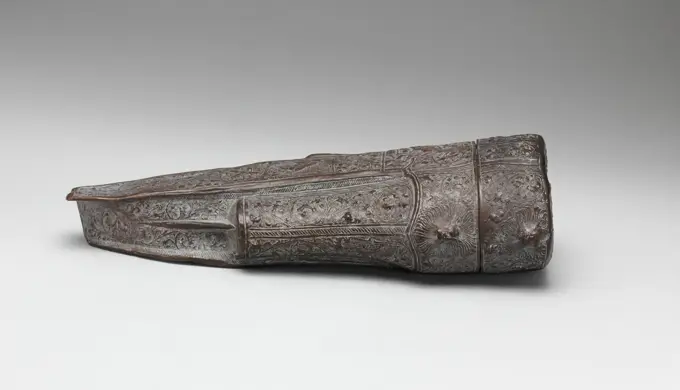
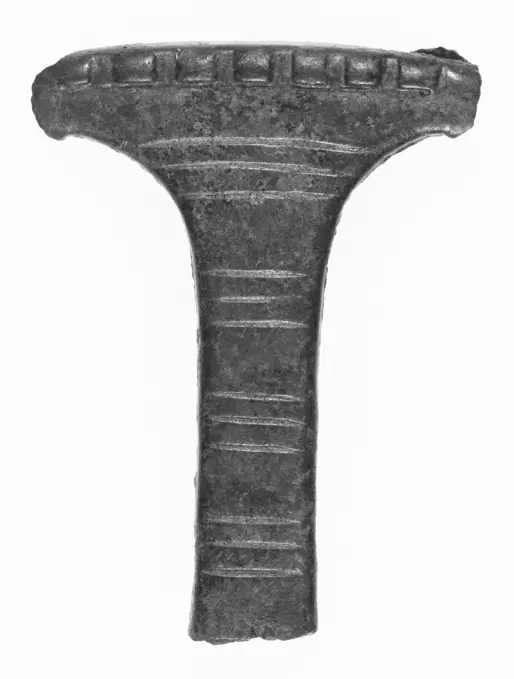
Historical Metal Artifacts

A selection of ancient metal objects, including keys and fibulae, featuring unique shapes and aged patinas, reflecting historical craftsmanship.

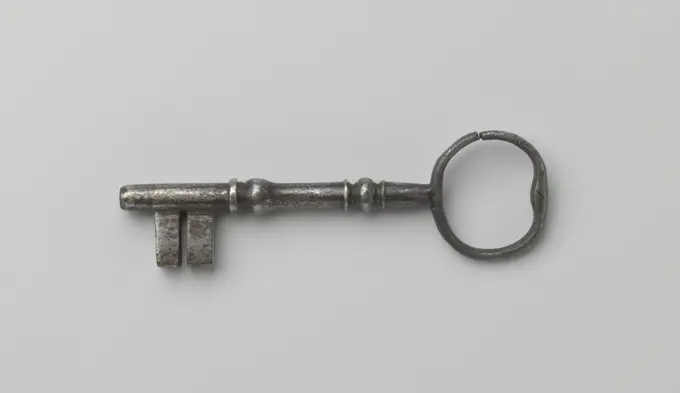
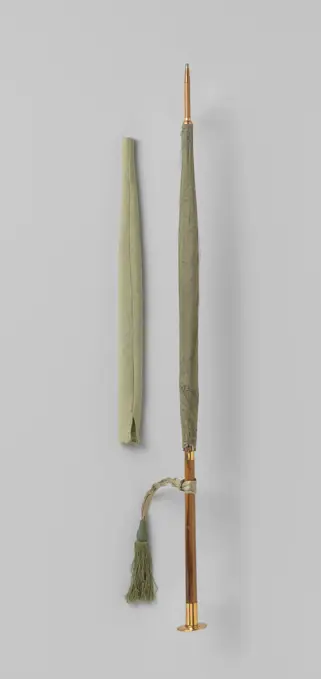
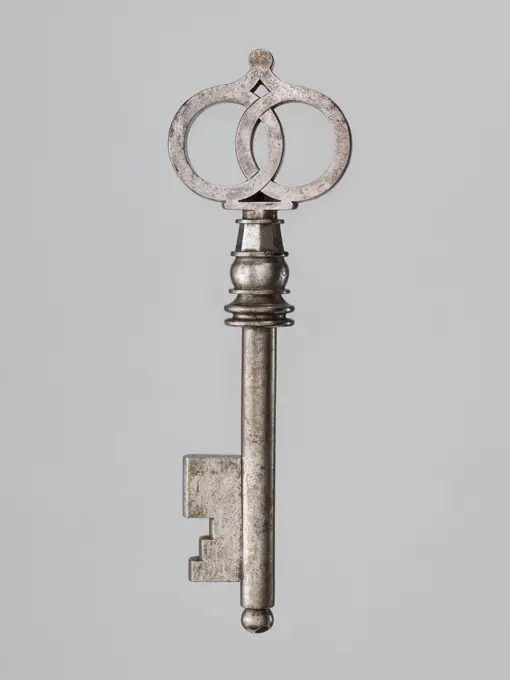
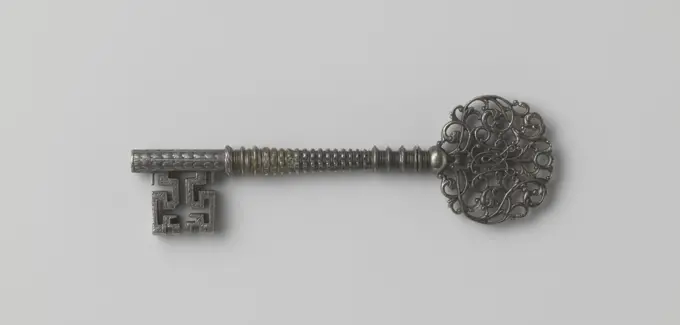
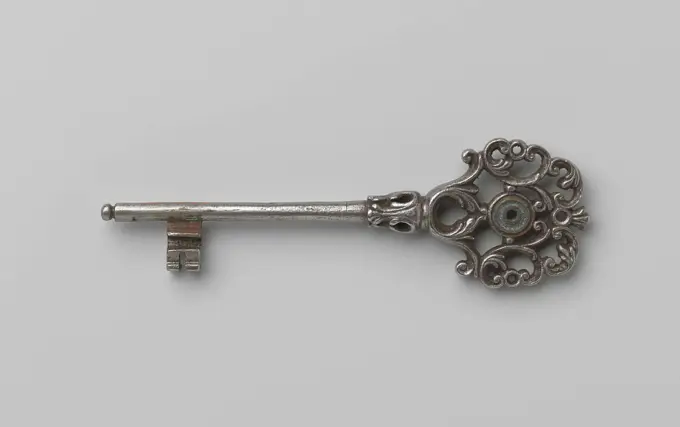
Pipe key, c. 1600 - c. 1699 Pipe slut with a handle formed by a small three -pass, on which a "basket", wrapped with a pearl necklace, rest. Grip and capital of silver -plated copper; Shaft and beard of iron. France iron (metal). copper (metal) Pipe slut with a handle formed by a small three -pass, on which a "basket", wrapped with a pearl necklace, rest. Grip and capital of silver -plated copper; Shaft and beard of iron. France iron (metal). copper (metal)
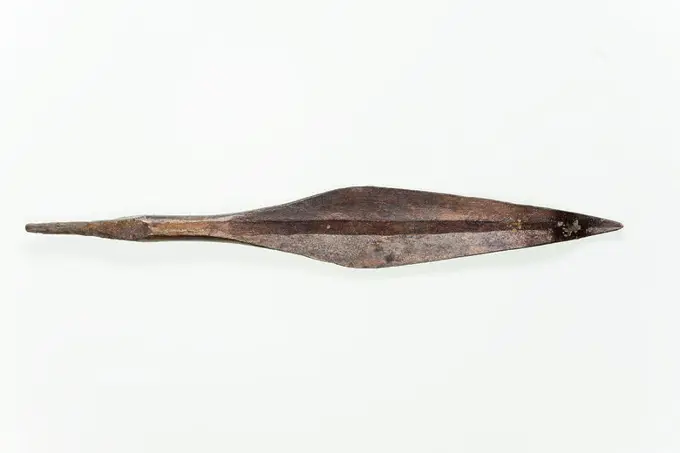
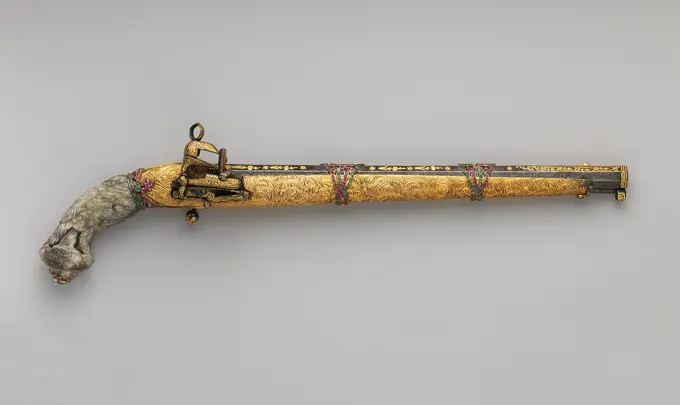
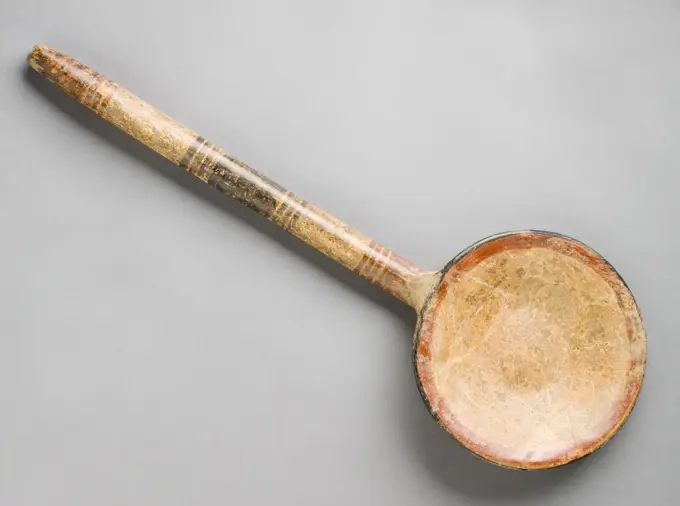
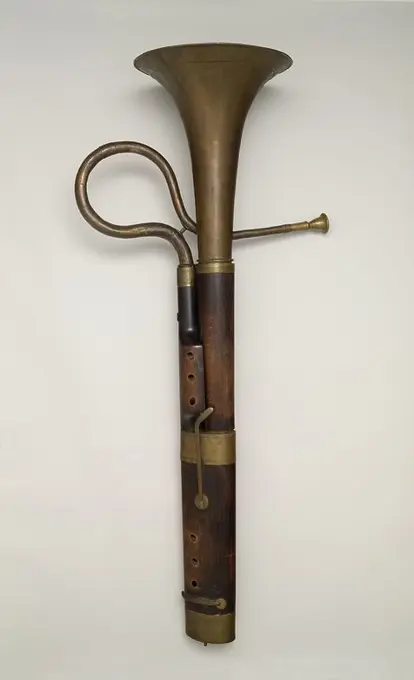
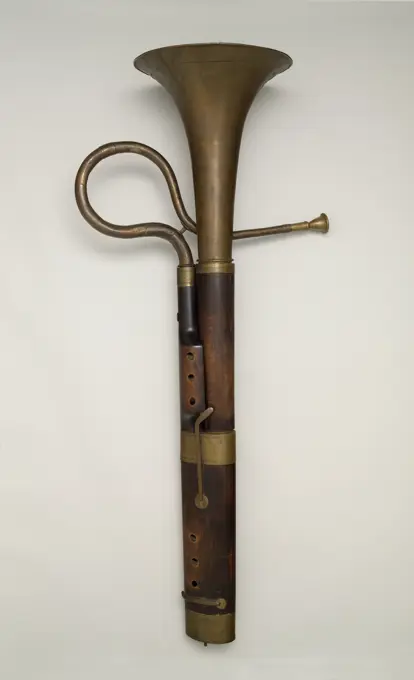
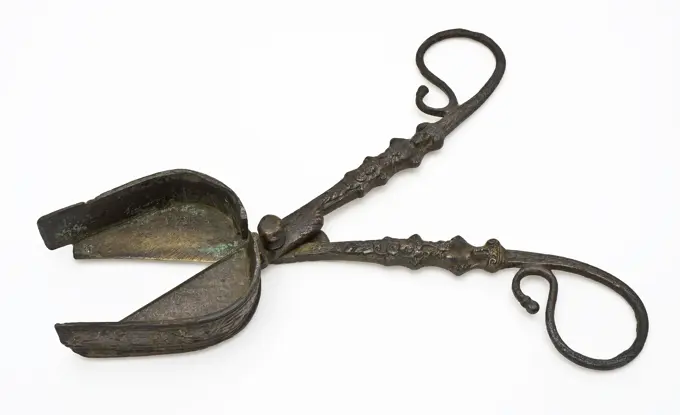
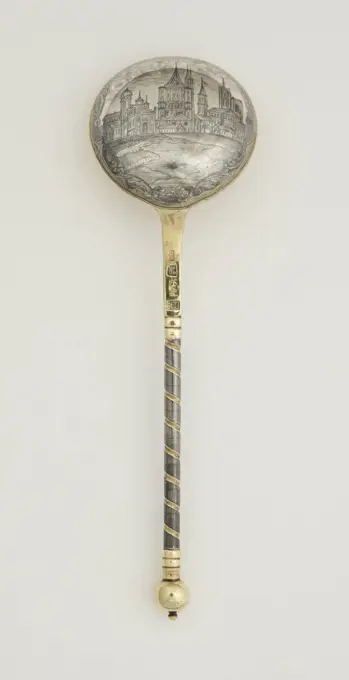
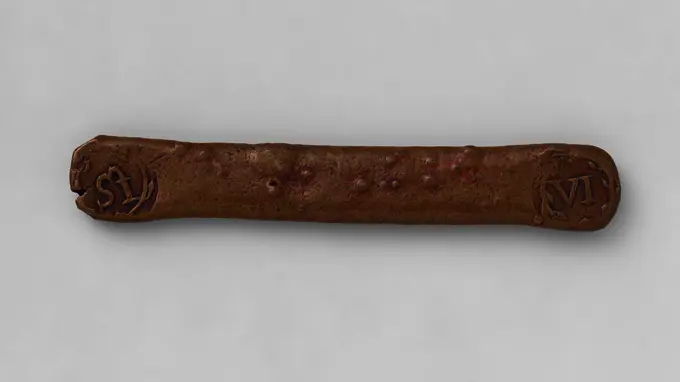
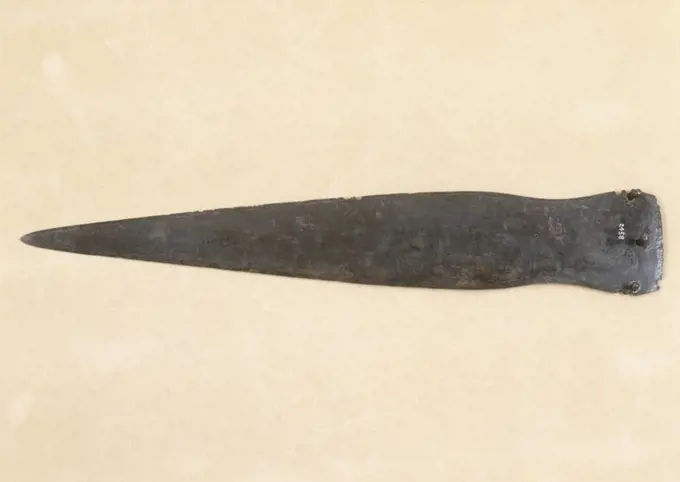
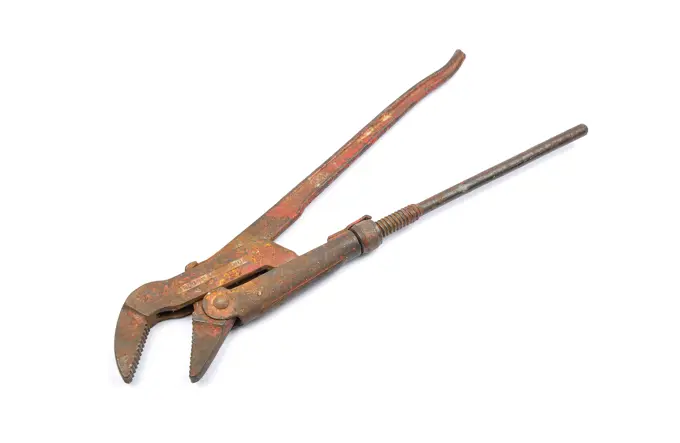
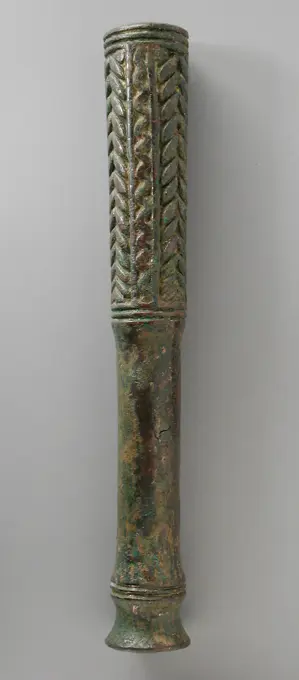
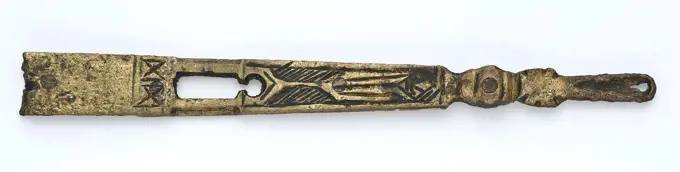
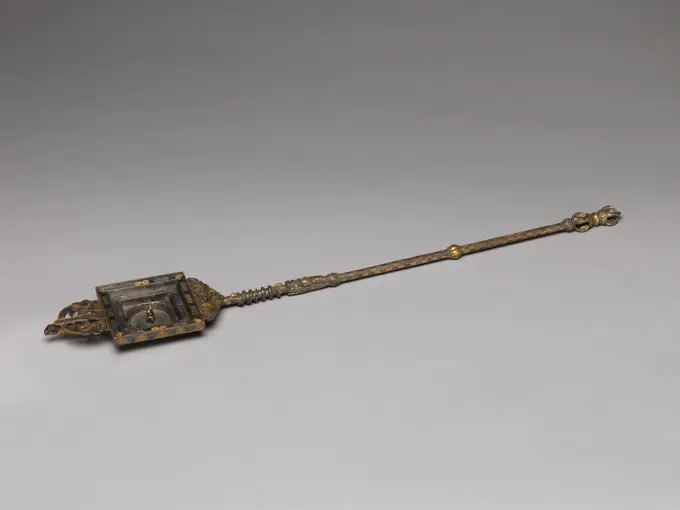
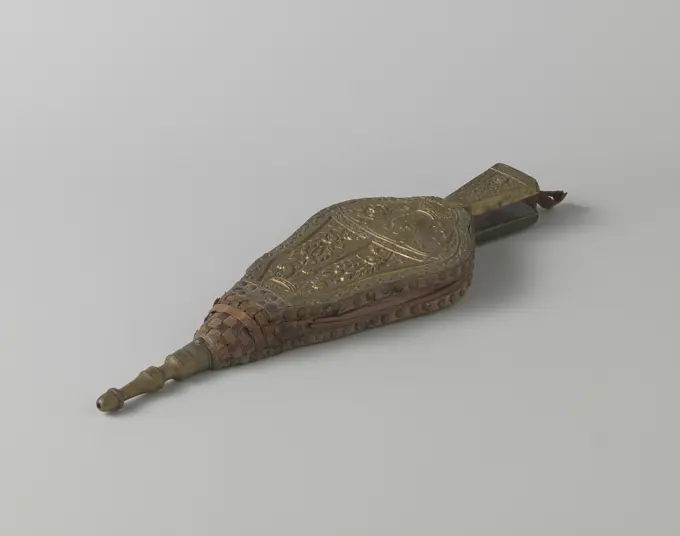
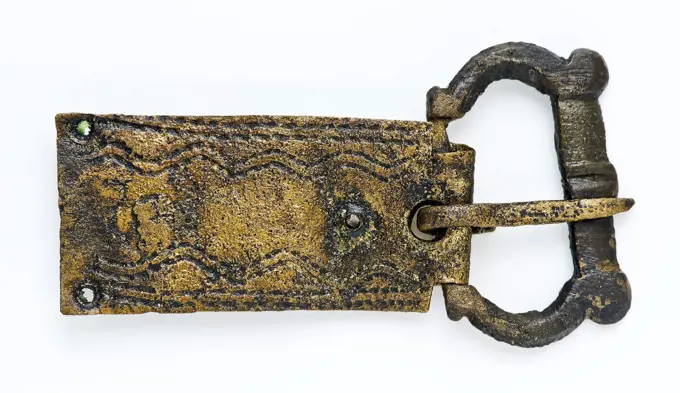
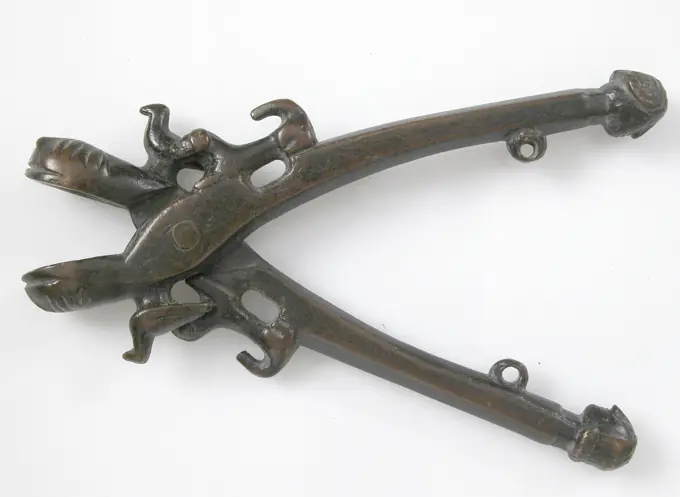
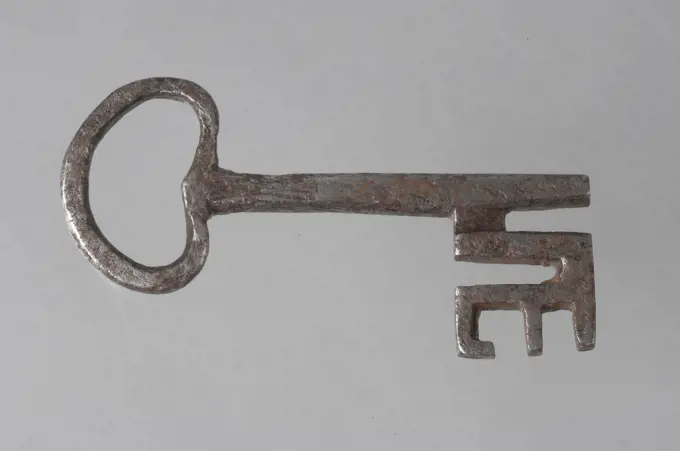
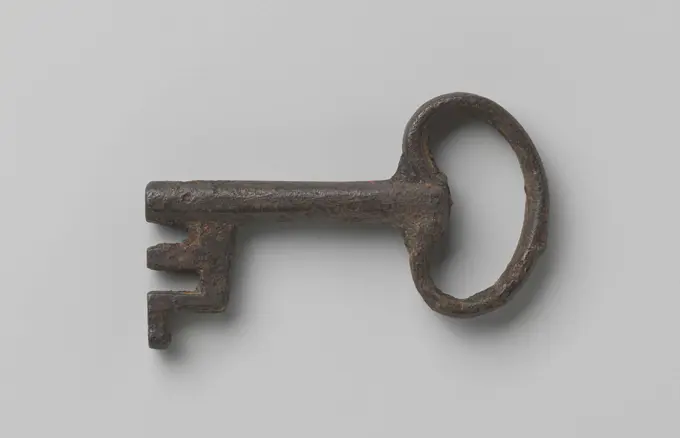
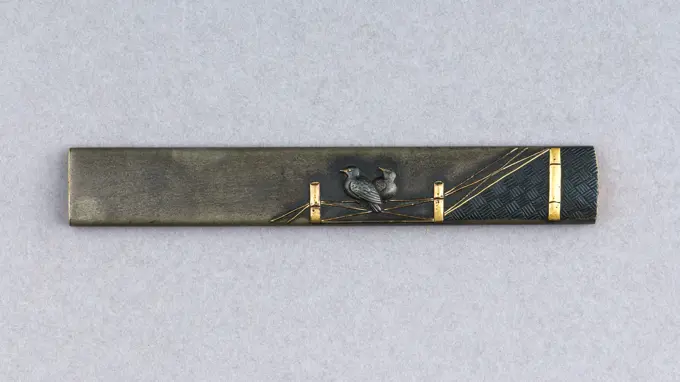
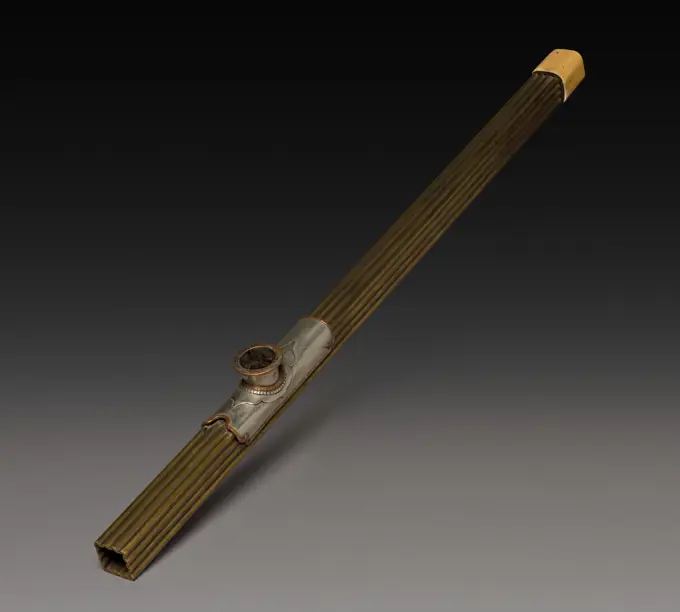
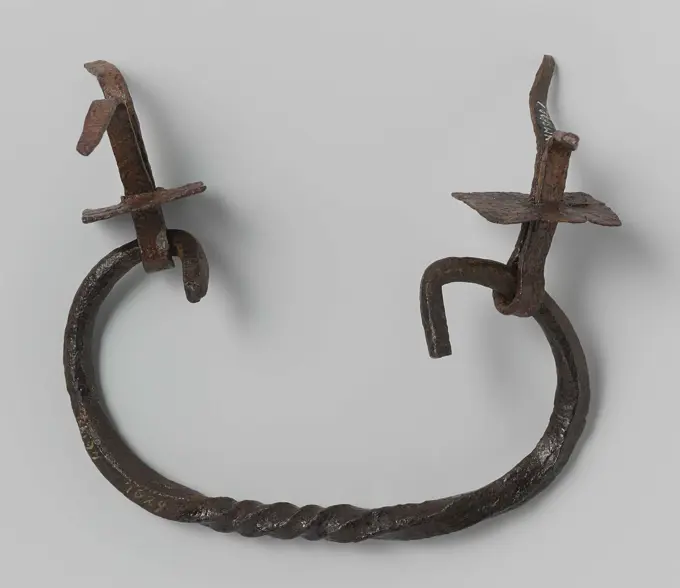
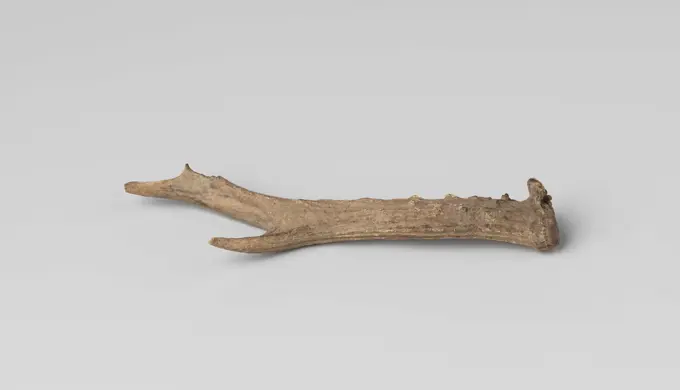
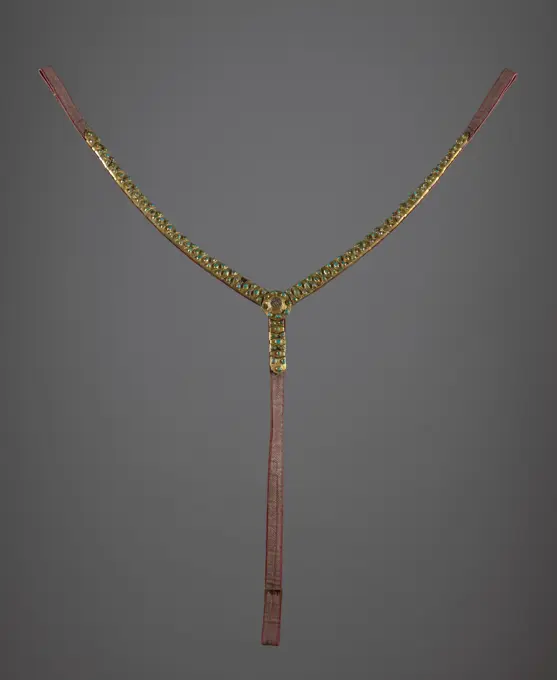
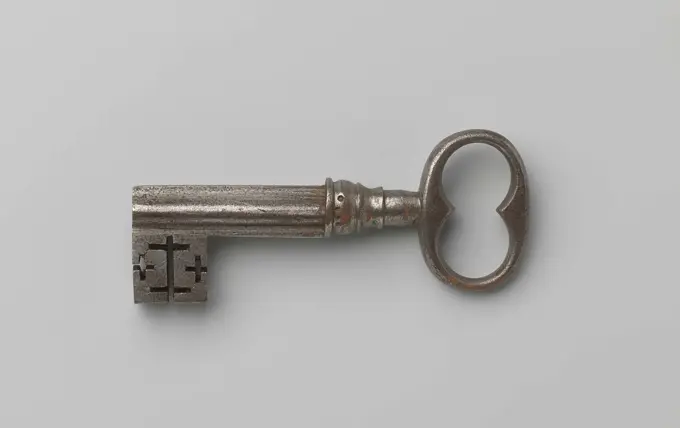
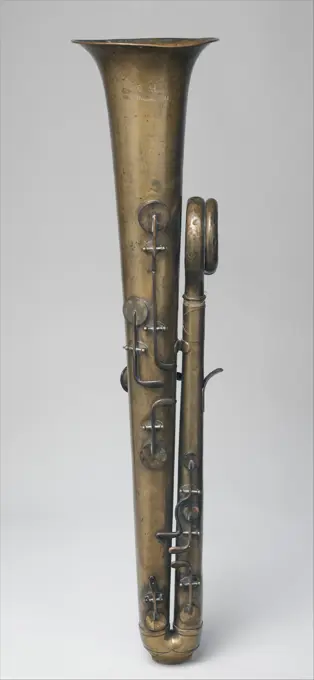
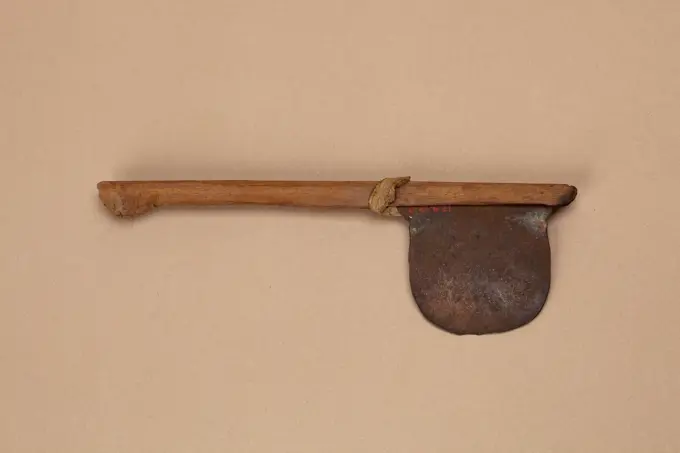
Model ax ca. 1981-1802 B.C. Middle Kingdom. Model ax. ca. 1981-1802 B.C.. Copper, wood, animal hide. Middle Kingdom. From Egypt, Middle Egypt, Asyut (Lykopolis), Tomb of Ankhef (Tomb 9), Khashaba excavations. Dynasty 12Fragment; (possibly) belonging to the retable of Soest, c. 1475 - c. 1499   wood (plant material)   wood (plant material)Rotting with Golden VOC coin of 1779, c. 1779 - c. 1800  Rotting with gilt, silver button crowned with a golden VOC coin on which the harnessed man with a lifted sword and left hand an arrow bundle with inscription and dating in the right hand. Bottom rotting metal foot. Indonesia Stok: Rattan. Button: Silver (Metal). Munt: Gold (Metal) cutting / gilding / striking (metalworking)  IndonesiaKey. Culture: German. Dimensions: Overall: 4 3/16 x 1 1/2 x 7/16 in. (10.7 x 3.8 x 1.1 cm). Date: 15th century.The decoration of Gothic iron locks and keys was often elaborate and of the highest standard of workmanship. The motifs were frequently drawn from Gothic architecture, reproducing on a miniature scale complicated tracery patterns and even tiny statuettes. A number of these tiny locks were compound, with some of the mechanisms concealed from view, and required two or even three keys used in sequence to open them. It has been suggested that the greatly expanded use of locks on doors, or coffrets and other types of storage chests was a result of the increasing urbanization of life and the new emphasis on material wealth and private ownership which developed in the late Middle Ages. Museum: Metropolitan Museum of Art, New York, USA.Fork (possibly England); steel, bone, brass, wood; L x W: 18.8 x 1.5 cm (7 3/8 x 9/16 in.); The Robert L. Metzenberg Collection, gift of Eleanor L. Metzenberg; 1985-103-39Tree stick isolated on white backgroundFork with ivory handle, fork cutlery cutlery soil find metal iron tin ivory, Fork with two teeth Pretty wide curved teeth trunk with lumps underneath the attachment with the handle Ivory handle Conical. Rectangular cross-section with strongly bevelled ribs. Possibly tin plate between iron and ivory archeology eating pricksArrow or Javelin Point of Neferkhawet. Dimensions: L. 11.6 cm (4 9/16in); W. 1.6 cm (5/8 in); greatest thickness 0.5 cm (3/16 in.). Dynasty: Dynasty 18, early. Reign: reign of Thutmose I-early sole Thutmose III. Date: ca. 1504-1447 B.C.. Museum: Metropolitan Museum of Art, New York, USA.Key 15th century German The decoration of Gothic iron locks and keys was often elaborate and of the highest standard of workmanship. The motifs were frequently drawn from Gothic architecture, reproducing on a miniature scale complicated tracery patterns and even tiny statuettes. A number of these tiny locks were compound, with some of the mechanisms concealed from view, and required two or even three keys used in sequence to open them. It has been suggested that the greatly expanded use of locks on doors, or coffrets and other types of storage chests was a result of the increasing urbanization of life and the new emphasis on material wealth and private ownership which developed in the late Middle Ages.. Key 468917Miquelet Pistol. Culture: Turkish. Dimensions: L. 20 1/2 in. (52 cm); L. of barrel 14 1/2 in. (36.9 cm); Cal.62 in. (15 mm); Wt. 2 lb. 6 oz. (1077.2 g). Date: ca. 1850-75; lock, dated 1145 A.H. / 1732 A.D..This extravagantly decorated pistol incorporates a fine pattern-welded barrel, dated 1732, with nineteenth-century mounts and was presumably created for ceremonial purposes. Museum: Metropolitan Museum of Art, New York, USA.Musket size without leather bottom and without cap. Musket size without leather bottom and without cap. The leather is torn.Snuff Box snuffboxesSugarTongs.   Maker: Daniel Dupuy, Jr., American, 1753-1826Oscar Bluhme, Currier's Shaving Knife, c 1940 Currier's Shaving KnifeSuspension; brassStandard support ca. 8th-7th century B.C. Iran. Standard support 322862Buckle 5th-8th century. Buckle. 5th-8th century. Bronze. From Palestine, Sbaita. MetalLadle Censer. Mexico, Western Oaxaca or Puebla, Mixtec (), 1200-1500. Ceramics. Slip-painted ceramic"Russian Bassoon" (Bass Horn). Culture: probably French. Dimensions: L. 99.4cm (39 1/8in.); Bell diam. 26.5cm (10 7/16in.); L. butt section 38.5cm (15 3/16in.); L. wing section-protrudes 28.3cm (11 1/8in.); L. long section Protrudes 28.3cm (11 1/8in.); Crook L. ca. 78cm (30 11/16in.); Bell L. 37.4cm (14 3/4in.). Date: early 19th Century. Museum: Metropolitan Museum of Art, New York, USA.Key 1st-3rd century Roman. Key 463355"Russian Bassoon" (Bass Horn) early 19th Century probably French. "Russian Bassoon" (Bass Horn). probably French. early 19th Century. wood, brass. France. Aerophone-Lip Vibrated-trumpet / tromboneDoor Knocker 15th century Spanish. Door Knocker. Spanish. 15th century. Iron. Metalwork-IronSword (ngulu), late 1800s to early 1900s. Ngombe, Doko, or Iboko people, Democratic Republic of Congo. Iron alloy, wood, and copper alloy; overall: 67.3 cm (26 1/2 in.).Clothes hook or cloak, embossed in relief, ending in bent point, closure clothing accessory clothing ground find copper metal, cast Flat metal object ending in bent point Open rectangle to confirm archeology Rotterdam rail tunnel fasten close dress Soil discovery: trajectory rail tunnel Rotterdam.Crooked knife -Bronze Dolphin Form Brooch, Roman .Brass candle-cutter, muzzle-cutter, both handles decorated with caryatids, candle cutter muzzle cutter tool kit soil found brass brass metal, cast brass candle cutter with side edged spice box with above the hinge point. The handles are decorated with male and female caryatid ending in gracefully shaped eyes master brand: AVS three stripes (not sure) archeology muzzles candle illuminate evening nightKey, c. 1400 - c. 1950 A key with a decorated ring.  iron (metal) A key with a decorated ring.  iron (metal)Spoon, Silver, niello, gilt, Round gilt bowl with nielloed reverse with a landscape, river and buildings framed by scroll work and surrounded by a stippled gilt ground. Part-twisted stem comprises a striated niello band entwined with gilded band; gilded ball terminal., Vologda, Russia, 1844, cutlery, Decorative Arts, SpoonGlad bronzen kanon.Smooth bronze cannon with three profiled tires and profiled kulas band. Round grape, finish in round point. Two smooth straight taps. Mouthpiece with fracture, finished, closed with wooden stop. Between the first and second fracture band cartouche in high relief with leaf motif. The Zundgat is closed.Fragment of a Curb Bit 3rd-4th century Germanic, Saxony This element is one of the side rings of a Germanic curb bit, with the remains of one of its chain reins still attached to it. The T-shaped toggle on the ring was used for hanging the bit from the bridle's cheekpiece. The two large side rings would have been connected by a mouthpiece and a straight bar acting as a curb (passing underneath the horses chin and pressing it when the reins were pulled). The chains of the reins had the purpose of weighting them. Like today's western chain reins, they would prevent the vibrations of light leather reins from being misunderstood by the horses as a demand to change direction. Heavy reins also prevented them from passing over the horse's head if the rider needed both of his hands. Curb bits were actually an improvement in military technology, since they allowed riders to have a very good control of their horses with only one hand, freeing the other for holding a weapon.This kind of bit is aMagic wand ca. 1981-1640 B.C. Middle Kingdom. Magic wand 546493Pipe key. Pipe key with inverted heart-shaped open handle and then cross-eyed eye.Key, c. 1600 - c. 1699 Key with baluster -shaped shaft that runs beyond the dual beard. The round eye cracked on the side.  iron (metal) Key with baluster -shaped shaft that runs beyond the dual beard. The round eye cracked on the side.  iron (metal)Baar van 6 stuivers van Ceylon; Ceylon, 6 stuiver-baar.Copper coin in the shape of a rectangular bare. Front: at the right end in a scratch wreath VI and at the left end in a wreath St (t versated). Reverse: At the right end in a scratch wreath VI and on the left end in a wreath St (t versated).Standard to place an oil lamp or a candlestick. The object, which is cast from one piece, and probably has been excavated, has a round foot, a trunk and a bowl on three legs. The strain is decorated with a single times repeated motif consisting of a spherical thickening and two ribs. It was probably used to place an oil lamp or candlestick.ARTE PREHISTORICO. EDAD DEL BRONCE. ESPAÑA. CULTURA EL ARGAR. Se desarrolló en el territorio del S. E. de la Península Ibérica. ESPADA DE BRONCE. Procede de Arenal del Manzanares (Madrid). Museo Arqueológico de Barcelona. Cataluña.Apostle spoon: St. Simon Zelotes 1592/93 William Cawdell The set (67.166.1-.13) includes a master spoon with a figure of Christ and twelve apostle spoons. Martin Hewitt who made the Saint Andrew spoon had served his apprenticeship under William Cawdell. Both were specialist spoonmakers.. Apostle spoon: St. Simon Zelotes. British, London. 1592/93. Silver, partly gilded. Metalwork-SilverCross thorough;  20th century (1901-00-00-1978-00-00);Figural decorations, geometric decorations, deposit of Wacław Korabiewicz, Ethiopian crosses, hand crossesThunderbolt (Vajra; Tibetan: Dorje). Tibet, circa 1900. Tools and Equipment. CopperKnife with wooden handle with oval cross-section, knife cutlery ground find iron wood metal, Blade with forged lifting guard narrowed angel handle tapered and oval in cross section archeology Rotterdam rail tunnel cutting food Soil discovery: rail tunnel Rotterdam.Rohrzange - Plumber wrench on white Rohrzange - Plumber wrench on white Copyright: xZoonar.com/lantapixx 7118298Parasol with deck of light green silk on a nerved wooden stake on which a smooth golden button ended in slice shape, anonymous, c. 1890 - c. 1900 Parasol covered with light green silk. Big Konian light brown stick. On the points black buttons on which a smooth gold button in flat, sharp -edged disc shape ended. With a brush of satin ribbon. Also a golden band at the bottom. Bray of brass. Paris deck: Silk. Brush: Satin. Baleinen: Brass (Alloy). Stok: Wood (plant material). button: Metal casting / cutting / lacquering / forging / gilding Parasol covered with light green silk. Big Konian light brown stick. On the points black buttons on which a smooth gold button in flat, sharp -edged disc shape ended. With a brush of satin ribbon. Also a golden band at the bottom. Bray of brass. Paris deck: Silk. Brush: Satin. Baleinen: Brass (Alloy). Stok: Wood (plant material). button: Metal casting / cutting / lacquering / forging / gildingArrow Point, 1700s. Japan, Edo period (1615-1868). Steel; overall: 13.2 cm (5 3/16 in.); head: 6.9 cm (2 11/16 in.).Dagger (Kard) with Shealth Blade, dated 1738-39; hilt and scabbard, 19th century Blade, Iranian; hilt and scabbard, Turkish The blade of watered steel is chiseled in the same high-relief style as another in the Museum's collection that was made in the Iranian city of Shiraz in 1732-33. This example, dated 1738-39, is also probably Iranian and appears to have been mounted in Turkey in the early nineteenth century.. Dagger (Kard) with Shealth. Blade, Iranian; hilt and scabbard, Turkish. Blade, dated 1738-39; hilt and scabbard, 19th century. Steel, gold, rock crystal, ruby, emerald. DaggersKey. Cisellated key whose eye is formed by two to each other, c-volutes voted with acanthus sheet, at the bottom of a rosette and above each in a cross-shaped thickening, in collaborationally a tilted disk,. The grip is resting on a heavy, also with acanthus sheet, sciblor. The beard has a tear-shaped occupancy.Handle or Socket. Iran, Luristan, Luristan bronzes, circa 2600-2400 B.C.. Tools and Equipment; handles. Bronze, castTwo double -sided gallows;  18th century (1701-00-00-1800-00-00);Roman needle, bone, 3rd century, Can Rafart. Museum: MUSEO DE MATARÓ.Brass tongue, long and narrow, ending in an oval eye, engraved decoration, fitting belt accessory soil find copper brass metal, archeologyFire-Offering Ladle Eastern Tibet, Derge, for Chinese market This ladle and its companion (1993.477.1.2) were used to make offerings of fuel during a Homa ceremony honoring Agni, the god of fire, here invoked in the service of Vajrayana Buddhism.. Fire-Offering Ladle 39393Hammered Silver Miniature Crown 11th-mid-16th century Peru; north or central coast (). Hammered Silver Miniature Crown. Peru; north or central coast (). 11th-mid-16th century. Silver (hammered), gilt. Peru. Metal-OrnamentsWind bellows with weapon of George III (1738-1820), King of Great Britain. BLASS BALL of brass, wood and leather. The bellows is decorated from above with a Geelkoperen Investin, on which the coat of arms of George III (1738-1820), King of Great Britain, with floral motifs; From below with green lacquer paint and gilt, decorated with Chinese motifs.Messenheft uit het wrak van de Oost-Indiëvaarder Hollandia. Knife, handle, cylindrical: tapering; knob-shaped flat upper end, turned decoration of wavy lines, concentric circles at lower end, ferrule.Buckle with D-shaped bracket and sting, with engraved fittings, buckle fastener component soil find copper metal, archeologyRed copper rectangular batter from the wreck of the East Indians' t Vliegend Hart ,, 1725 - 1735  Red copper rectangular batter with holes for attachment in both long sides, corroded. The plate has a bulging over the entire length. Sheet fragments. Middelburg copper (metal)Commemorative badge of the 50th anniversary of the outbreak of the January Uprising in LvivTrailboard. Dated: c. 1939. Dimensions: overall: 28.5 x 55.9 cm (11 1/4 x 22 in.) Original IAD Object: 127" long. Medium: watercolor and graphite on paperboard. Museum: National Gallery of Art, Washington DC. Author: Beatrice DeKalb.Nutcracker early 15th century German or South Netherlandish. Nutcracker 468742Bed pan with engraved weapon, anonymous, c. 1600 - c. 1650 The object consists of six parts: the iron handle with the ring on which the copper container is sounded, the copper hinge, the copper lid, the two cast decorative elements on the stem. In the convex lid, the center point of which has been enlarged to a hole, decorations were punched and beaten with the help of a stamp shape and puts holes in a six -pointed star shape. In the middle, a weapon hung on a cord is engraved: 1 three windows 2/1, 2 an eagle. The fields between the star points have a star in a rosette and other motifs, which are indicated with granulated lines. Around it a corresponding edge of peaked ovals and windows. The edge of the lid is reinforced with iron wire. The profiled decorative element on the stem has a knot in the middle, in the end piece a vase and a baluster can be recognized. The hinge and the hanging ring are missing. Low Countries brass (alloy). iron (metal) casting / forging / striking (metalworkOld drawing tools on a green backgroundBoat-Shaped Fibula, 400-100 BC. Italy, Florence (). Silver; overall: 9 cm (3 9/16 in.).Key. KEY with bean-shaped eye, somewhat raised at the top.Knife and Fork with Sheath Set, late 1500s. Italy, Venice, late 16th century. Gold, enamel, crystal, steel, leather; average: 18.3 cm (7 3/16 in.).Key;  19th century (1801-00-00-1900-00-00);Ge dagger-ax, 4th century BCE, 8 15/16 × 4 5/8 × 3/8 in., 0.7 lb. (22.7 × 11.8 × 0.9 cm, 0.3 kg), Bronze inlaid with gold, China, 4th century BCEIron key with heart-shaped eye, massive key handle and cruciform beards in beard, key iron value soil find iron, hand forged Key with heart-shaped eye (handle) solid rectangular key handle cross-shaped battens (horizontal and vertical) in key beard and symmetrical keyhole cross-section archeology hang-en-sluitwerkKey. Key with bean-shaped eye.Spoon, bronze, Cast bronze, oval bowl. Scroll handle has grotesque-shaped decoration on front and back; handle terminating in armless female upper torso. Heavy rib reverse of bowl., Italy, ca. 1600, cutlery, Decorative Arts, SpoonTwo Bandeliers. Two varnished leather couples with three silver lion heads.Fragment stem from fork or spoon from the wreck of the East Indiesman Hollandia. Cutlery, fragment: voice or fork or spoon; Fragm or flat voice.Dagger, Before 1916. Sumatra. overall: 19.1 cm (7 1/2 in.); blade: 12.5 cm (4 15/16 in.).Knife Handle (Kozuka) with Blade. Culture: Japanese. Dimensions: L. including blade 8 3/8 in. (21.3 cm); L. excluding blade 3 13/16 in. (9.7 cm); W. 9/16 in. (1.4 cm); thickness 1/4 in. (0.6 cm); Wt. 1.6 oz. (45.4 g). Date: 19th century. Museum: Metropolitan Museum of Art, New York, USA.Knife Handle (Kozuka). Culture: Japanese. Dimensions: L. 3 3/4 in. (9.5 cm); W. 9/16 in. (1.4 cm); thickness 3/16 in. (0.5 cm); Wt. 1.1 oz. (31.2 g). Maker: Furukawa Jochin (Japanese, died ca.1750). Date: early 18th century. Museum: Metropolitan Museum of Art, New York, USA.Model of a Buoy.Model of a buoy with a conical body with a sharp bottom and flat round top, where a pole protrudes. Such as a barrel she is composed of dolls and hoops. At the bottom of a long point there is an eye for the anchor chain. Marked with crossed anchors. A smaller similar model is MC-1366-A. Scale 1:10 (archive).Small brass buckle, possibly of horse harness, buckle fastener component soil find copper metal, cast Copper buckle Small size with big stiff stinger possibly from harness Buckle is D-shaped with straight stile where the stinger is attached archeology Rotterdam railroad tunnel fastening Soil discovery Rotterdam tunnel trajectory.Padlock 1526 Spanish. Padlock. Spanish. 1526. Iron, brass. Metalwork-IronKey of iron with monogram MC, 1680 - 1700 Key of iron with monogram MC. England (possibly) iron (metal) Key of iron with monogram MC. England (possibly) iron (metal)Knife Handle (Kozuka) ca. 1615-1868 Japanese A kozuka is a handle of a by-knife that is part of a sword mounting. It is kept in a slot on the reverse of a katana scabbard, often with a matching kōgai (hairdressing tool).. Knife Handle (Kozuka) 34528Sleutel.Key whose handle consists of acanthus volutes that embed a round profiled disk, partly from copper. This shows a hole in the middle, where something used to be in confirmed. The push ring shaped by four to the bottom of acanthus leaves has been opened. The thin shaft runs past the narrow S-shaped beard and ends in a button.Long, narrow and pointed knife blade, blade knife cutlery soil find iron metal, Long narrow blade narrowed angel archeology Rotterdam rail tunnel cutting Soil discovery: rail tunnel Rotterdam.Opium Pipe, 1800s. China, Qing dynasty (1644-1911). Brass, ivory, pottery and copper; overall: 48.3 cm (19 in.).Fragment of a tobacco pipe., Anonymous, c. 1400 - c. 1950 Fragment of a tobacco pipe. Marked on the button.  earthenware. pipe clay   Slot Loevestein Fragment of a tobacco pipe. Marked on the button.  earthenware. pipe clay   Slot LoevesteinHandle, oval and twisted with two lisses of a coffin. Handle, oval of shape and chest with two lisses of a coffin thereto. The lises are loose.Bar of a deer from a deer found in 1724 when working in the Hillegommerbeek. Rod of an antler from a deer with two points.Staff ca. 1981-1975 B.C. Middle Kingdom. Staff. ca. 1981-1975 B.C.. Wood. Middle Kingdom. From Egypt, Upper Egypt, Thebes, Southern Asasif, Tomb of Wah (MMA 1102), inside coffin, MMA excavations, 1920; (none assigned. Dynasty 12Przeszo Przyszoci unknownChisel -Pablo Picasso/ Bulls Head. 1942, bronce. Museum: PRIVATE COLLECTION.Sleutel.Four gathered keys whose shafts are drilled to the four figures of the card game. The keys are numbered by mints of wells on the key chest.Knife and fork case 19th century, after ca. 1500 original Elkington & Co. British This electrotype is after a ca. 1500 original in the Imperial Armory, Tsarskoë-Selo at the time of reproduction.. Knife and fork case 186597Drill core of a test borehole on a black fallow, Fuestenfeldbruck, Germany, EuropeCarbonary axTenor (Alto) Ophicleide in E-flat ca. 1845 Attributed to Charles Joseph Sax Belgian Alto ophicleide in E-flat with nine keys, body made of brass, detachable looped crook, no tuning slide, bell has rolled rim. Braces and bow guard are simple and unadorned. With associated small, cupped mouthpieceThe ophicleide was a popular low brass instrument in bands and orchestras during the middle decades of the nineteenth century. Drawing its name from a Greek-derived portmanteau of "serpent" and "keys", the instrument was devised as an improvment on its predecessor, the serpent. Its key system allowed the toneholes of the ophicleide to be strategically placed to enable it to play better in tune. The ophicleide was superceeded by the tuba and other low brass instruments with valves in the latter part of the nineteenth century. Its distinctive, nasal tone quality differs significantly from that of the modern tuba and makes the ophicleide an important instrument in period performance orchestras.. TeBronze pin ca. 3rd-4th century A.D. Roman Pin.. Bronze pin 249028Harness Ornament 7th century Late Roman. Harness Ornament 465132 Late Roman, Harness Ornament, 7th century, Copper alloy, Overall: 1 7/8 x 1 1/4 x 1/4 in. (4.8 x 3.2 x 0.7 cm). The Metropolitan Museum of Art, New York. Gift of J. Pierpont Morgan, 1917 (17.191.81)Cylinder Bearing Inscriptions or Magic Calendar(Porhalaan)"T"-Shaped Attachment. UnknownStud Button. UnknownModel of a Set of Rudder Irons, anonymous, anonymous, c. 1830 demonstration model Two models of stirring that demonstrate the John Liou system. The rudder with the friction hook is incomplete. The other stirring looks like a normal stir -fry, but the hook can be removed and has a flat intermediate ring. United Kingdom wood (plant material)