Historical Metal Fasteners

A variety of antique buckles and brooches made of brass and metal, showcasing intricate designs and historical craftsmanship, suitable for decorative or functional use.

Denar - Brakteat; approx. 1307/1308- 1317/1318 (1307-00-00-1318-00-00);
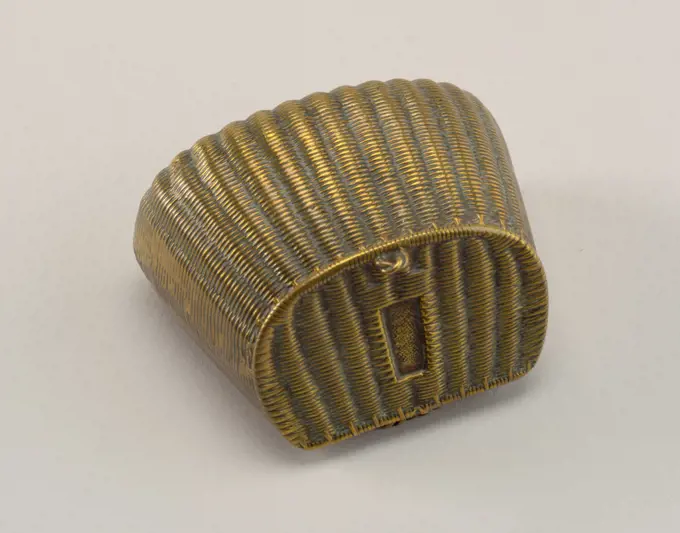
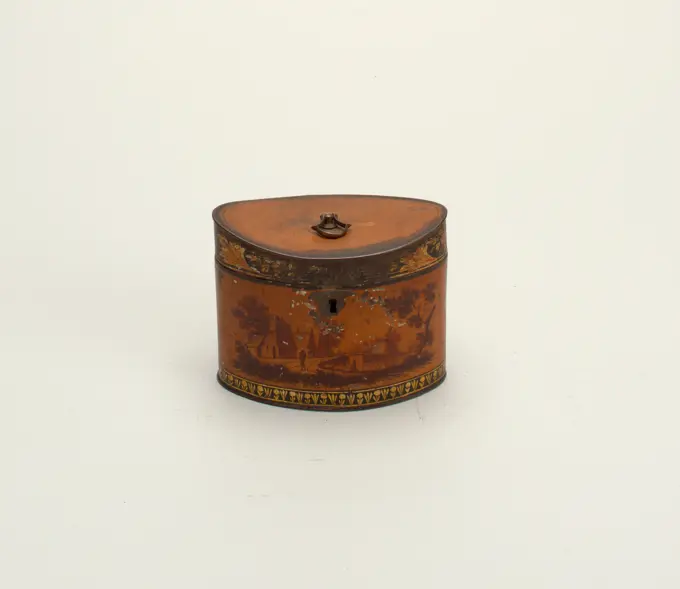
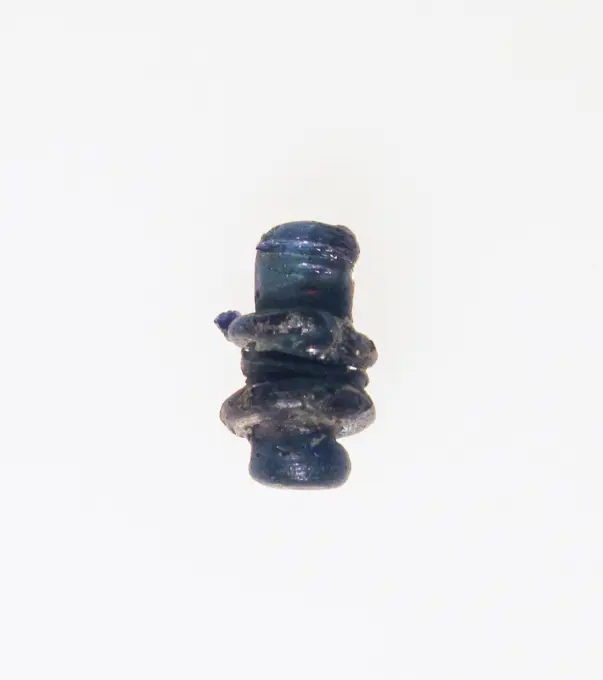
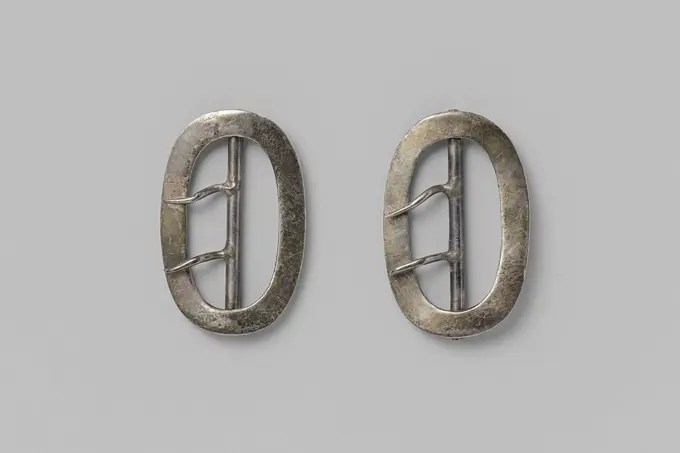
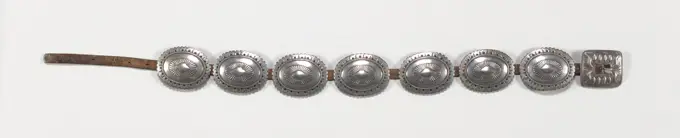
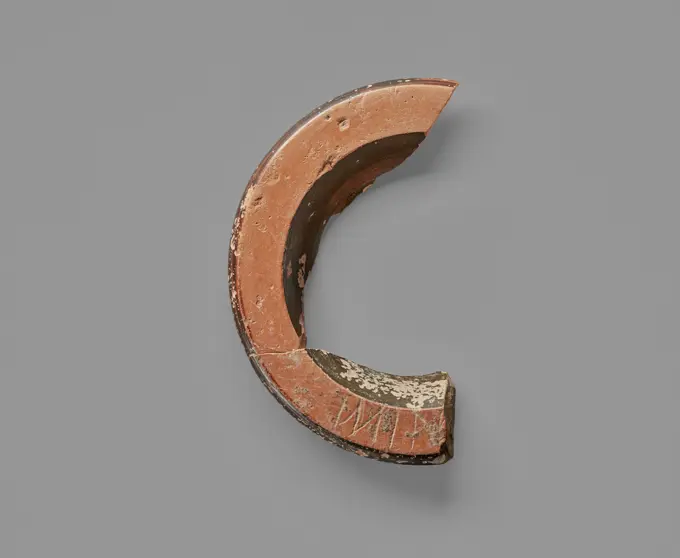
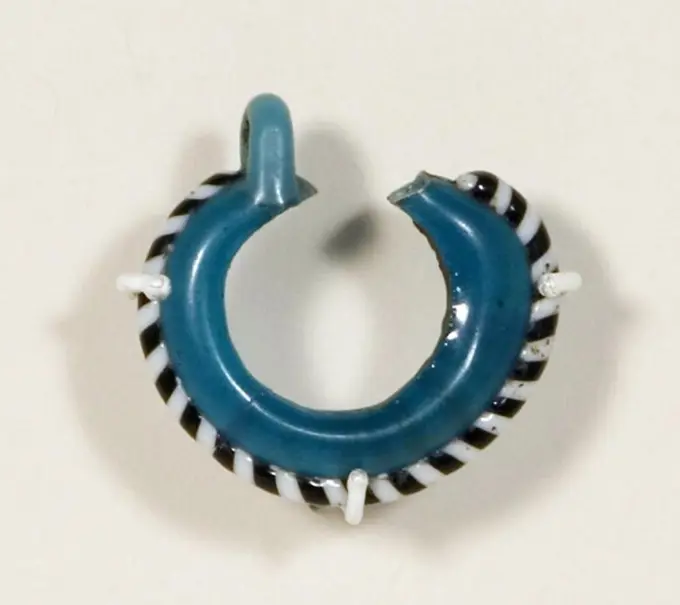
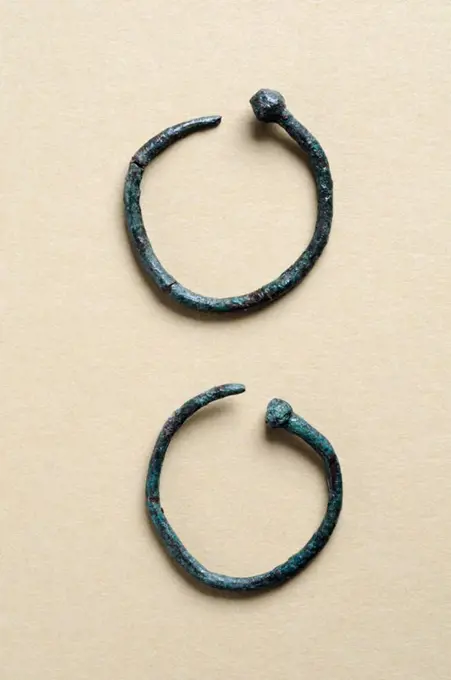
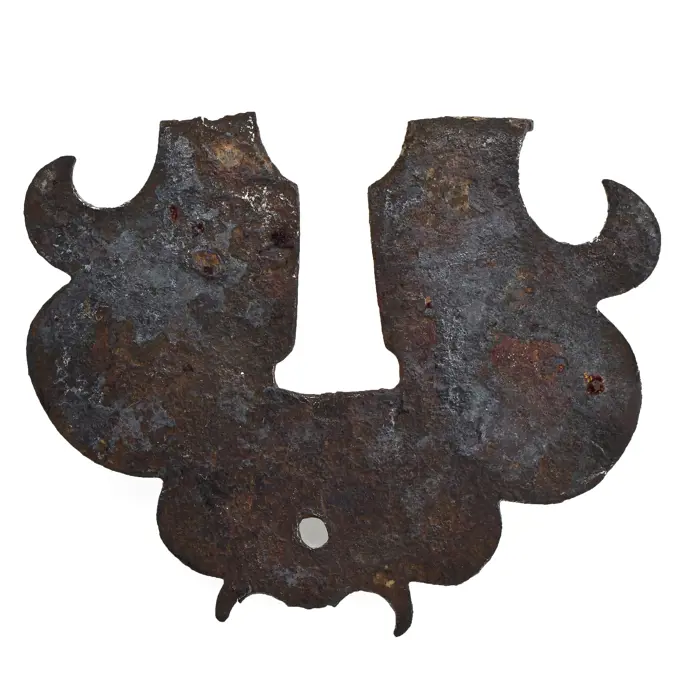
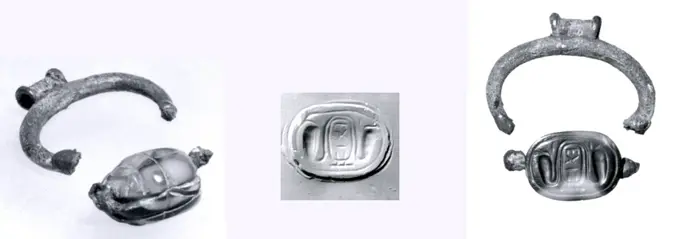
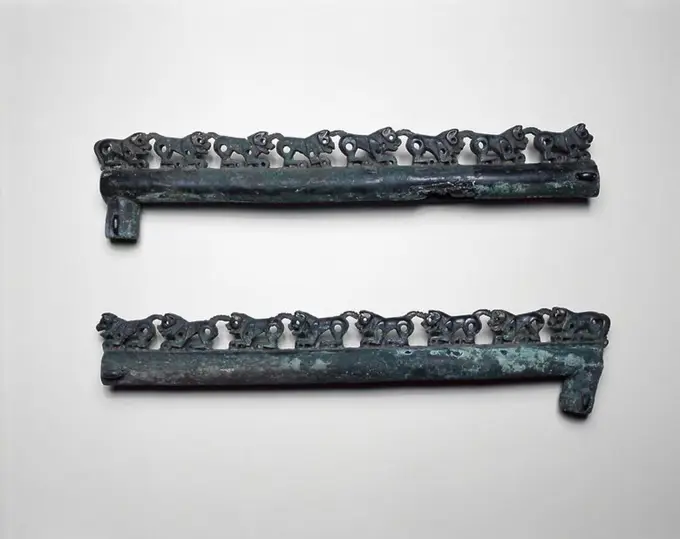
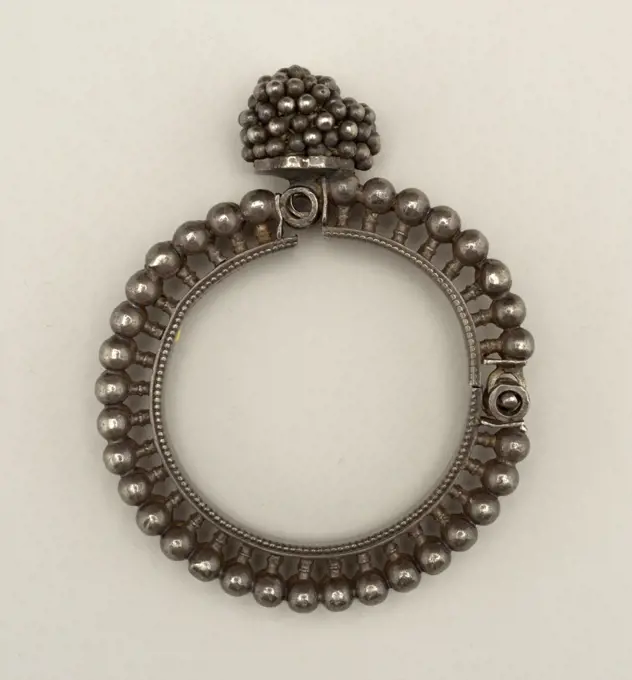
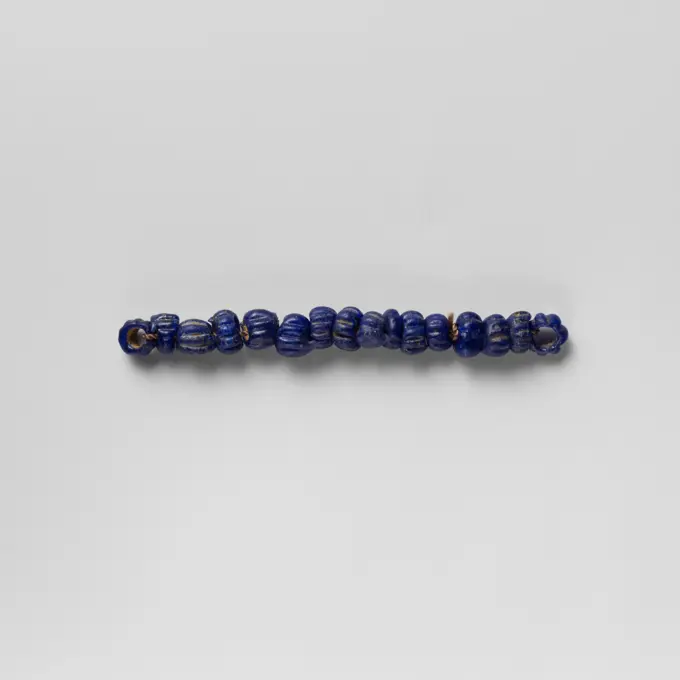
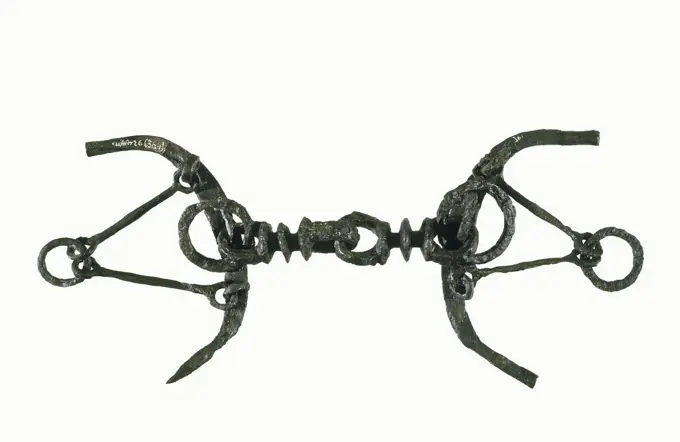
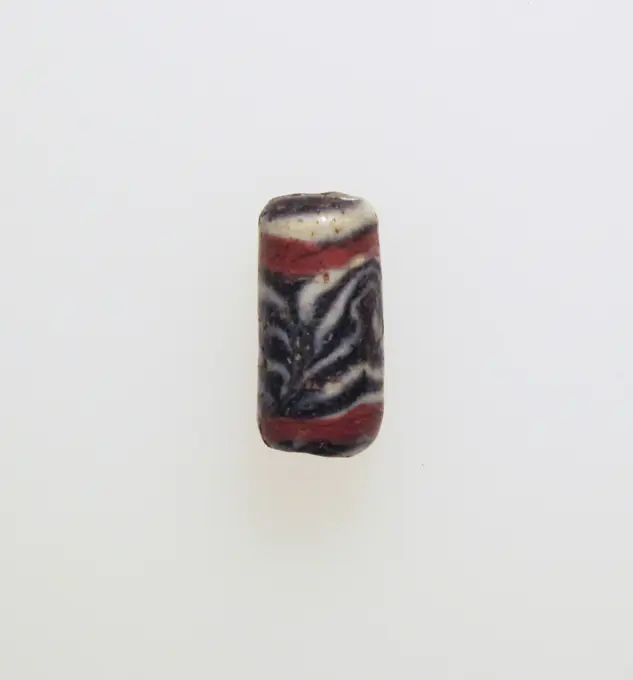
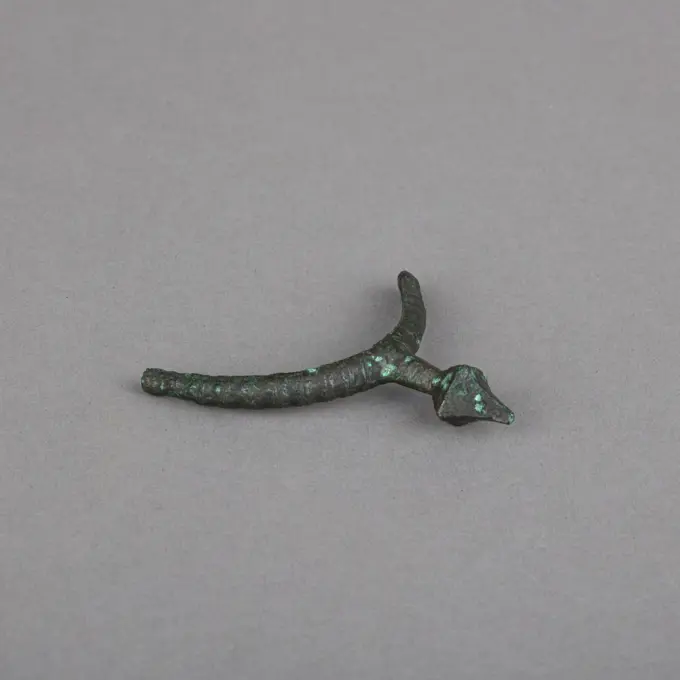
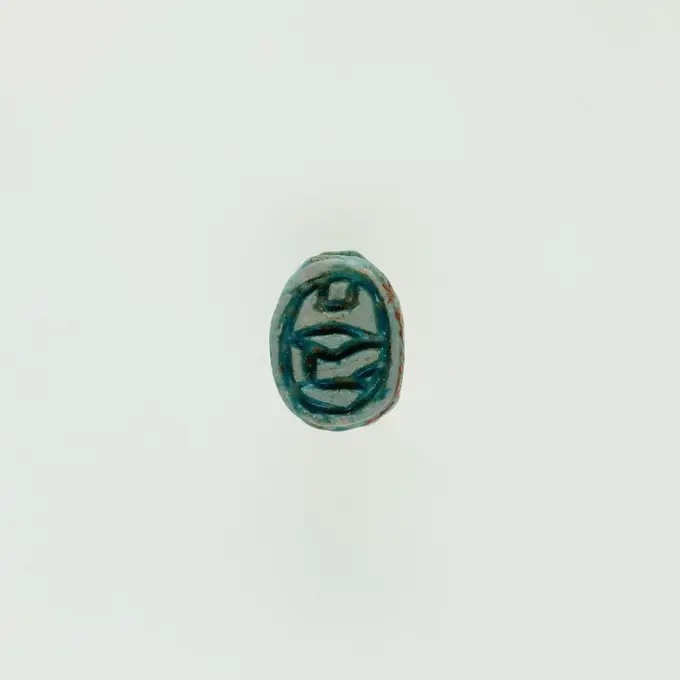
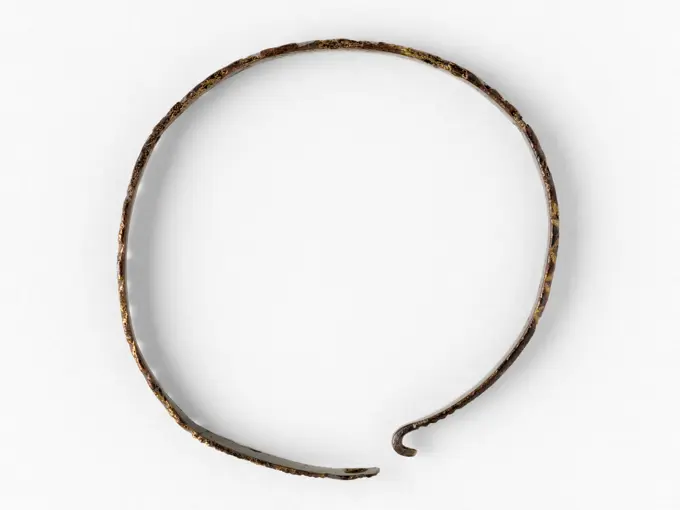
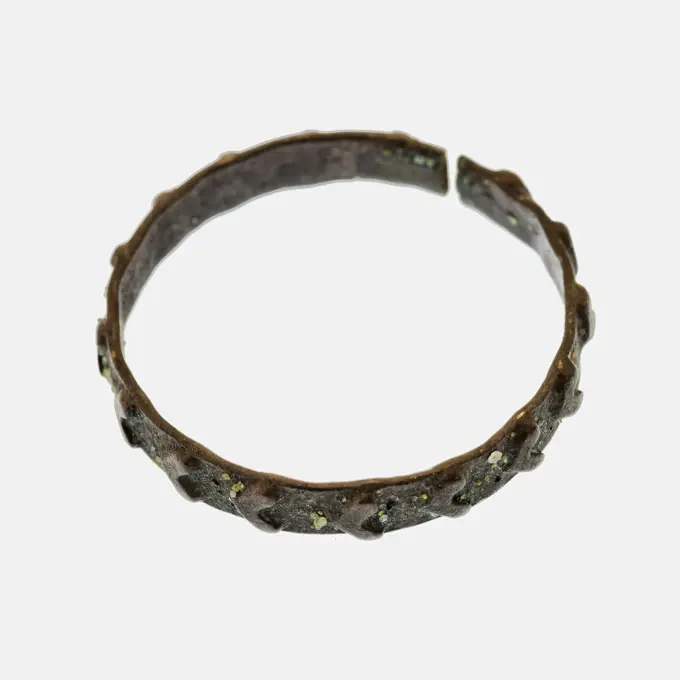
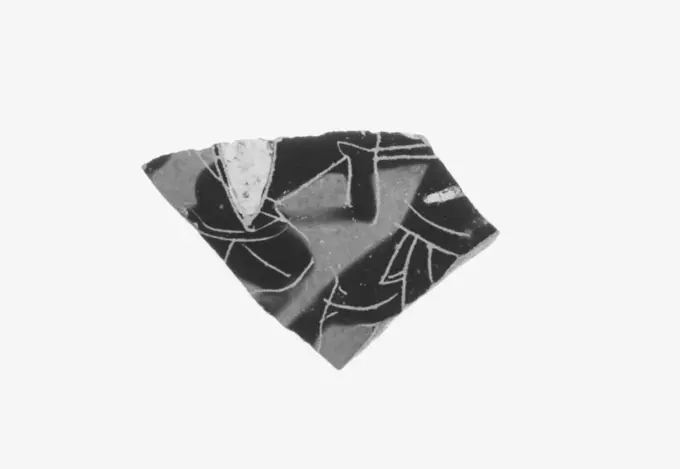
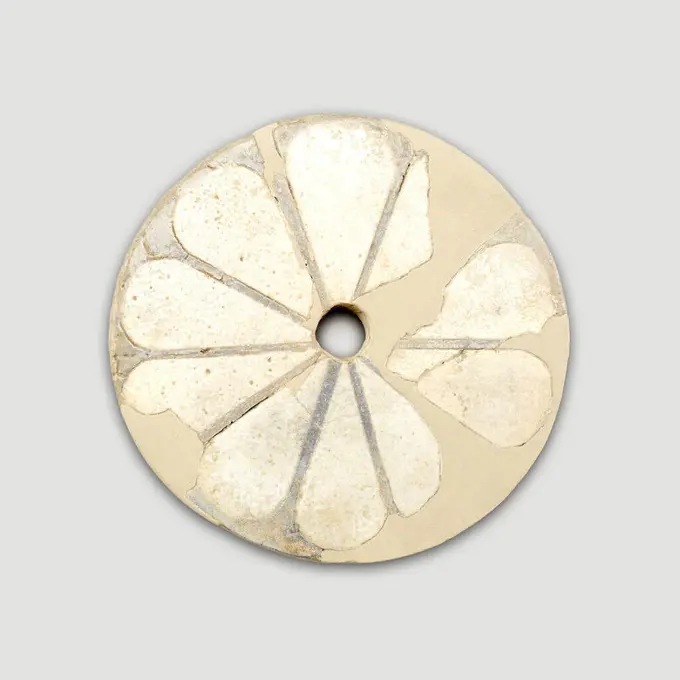
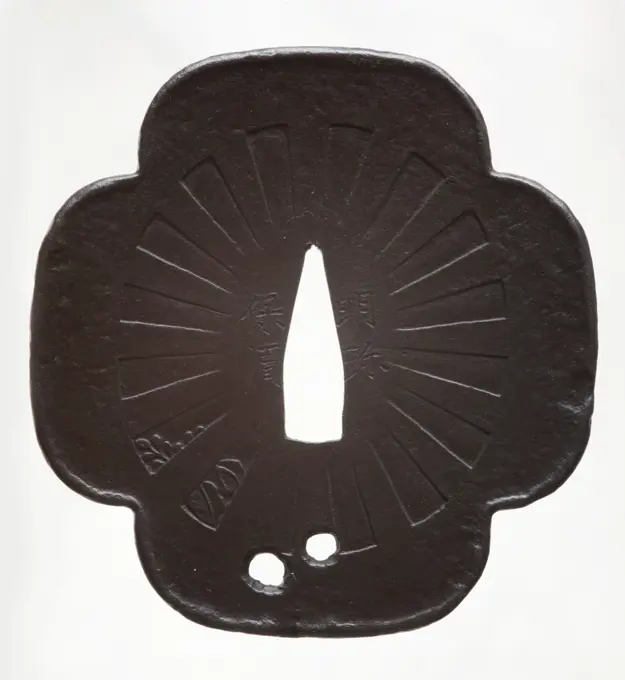
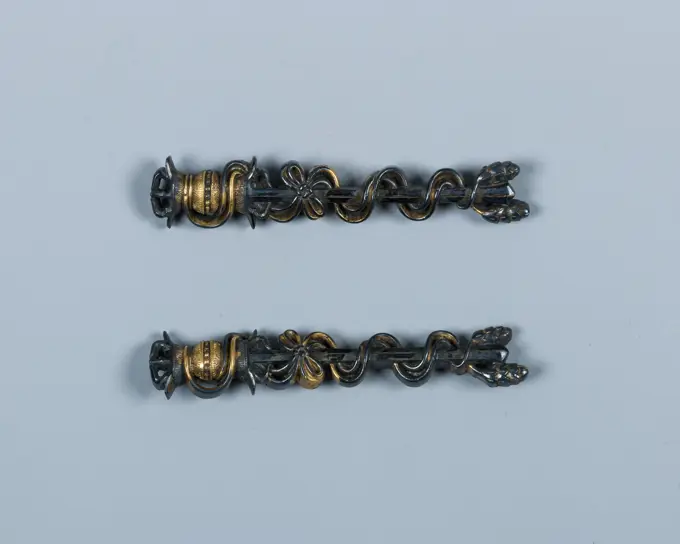
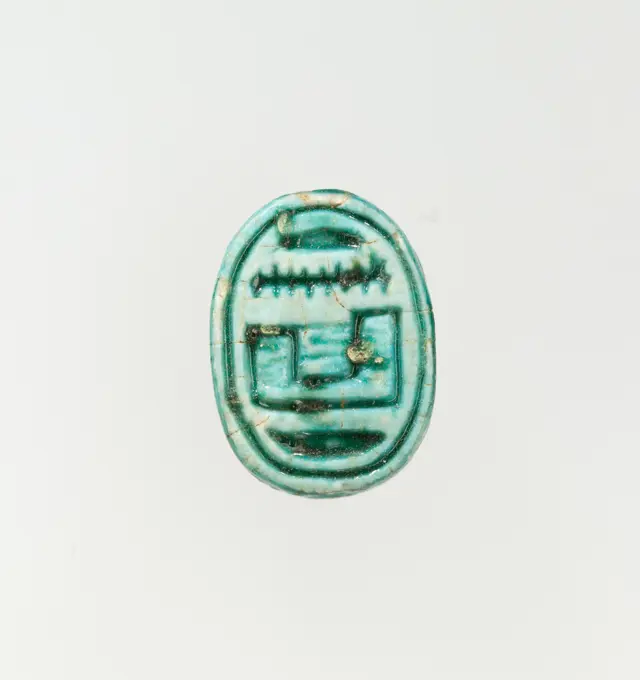
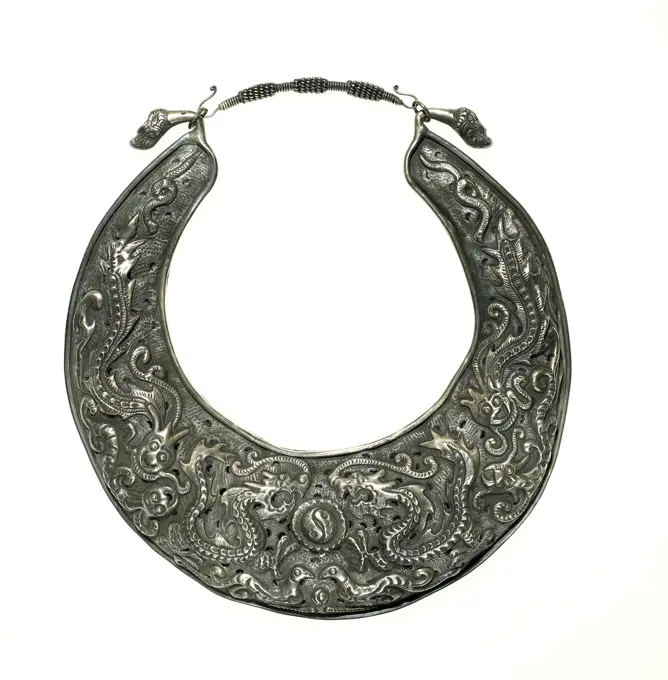
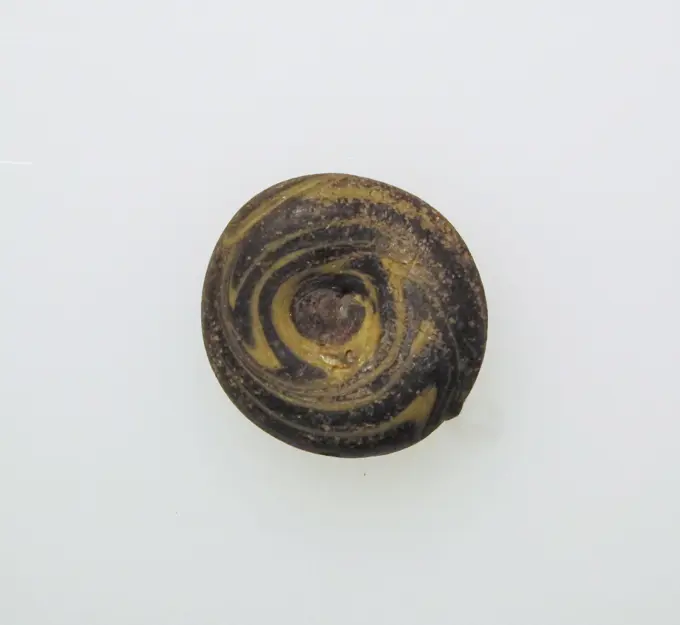
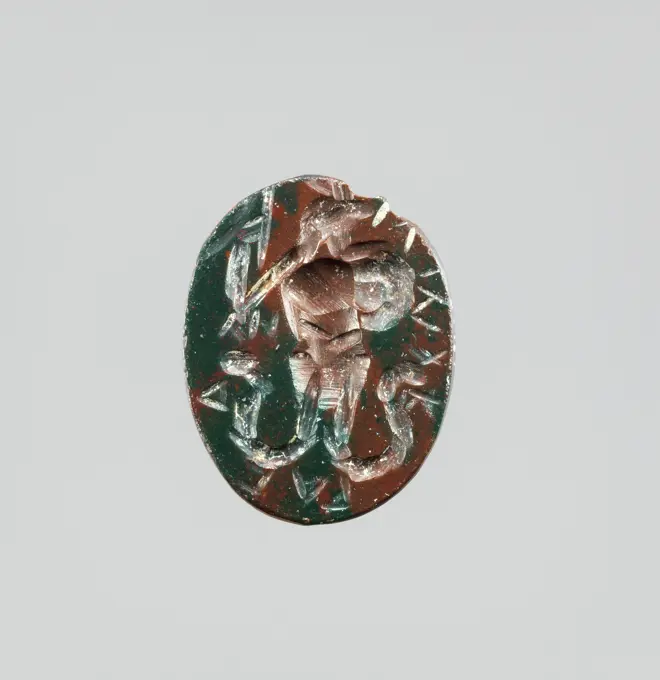
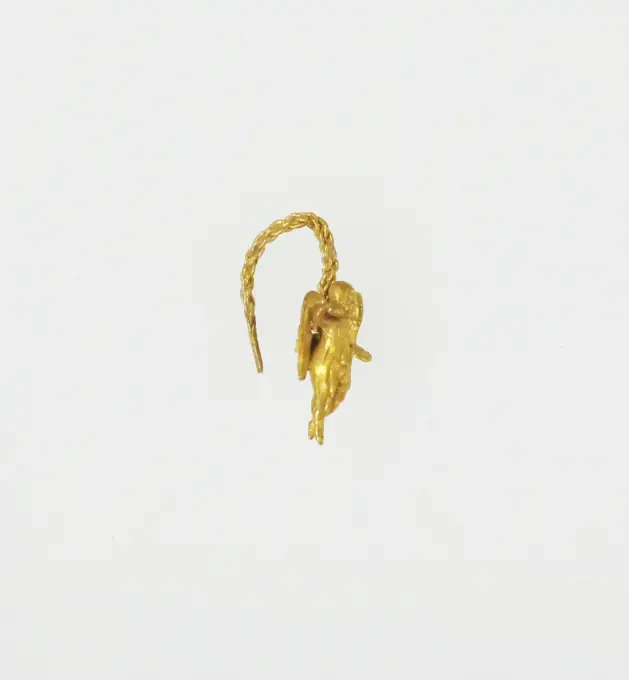
Jasper intaglio: Cock-headed anguipes 3rd century A.D. Roman. Jasper intaglio: Cock-headed anguipes. Roman. 3rd century A.D.. Jasper. Late Imperial. GemsAttic Red-Figure Kalpis Fragment. UnknownFishing Basket, Brass, In the form of a fishing basket, with raised, simulated woven straw on canted lid and body, small loop of twisted straw at front of lid, longer twisted loop at basket back, some green patination in crevices. Flat lid hinged on back. Incised lines on bottom serve as striker., late 19th century, containers, Decorative Arts, Matchsafe, MatchsafeGold earring with clustered spheres and pyramidal granulation. Culture: Roman. Dimensions: Other: 15/16 in. (2.4 cm). Date: 2nd-3rd century A.D..Gold earrings with mulberry ornament. Museum: Metropolitan Museum of Art, New York, USA.screw on white backgroundBead ca. 3rd-7th century A.D. Sasanian. Bead. Sasanian. ca. 3rd-7th century A.D.. Glass. Sasanian. Iran, Qasr-i Abu NasrDisk ornament 13th-16th century Colombia. Disk ornament. Colombia. 13th-16th century. Gold. Colombia. Metal-OrnamentsPaketband und Tafel auf weißem Hintergrund - Twine and tablet on white background Paketband und Tafel auf weißem Hintergrund - Twine and tablet on white background Copyright: xZoonar.com/lantapixx 13343752. Tibluby tsuba, the lobes of which decrease in size upwards and below; slightly upside down on the edge; Ranches engraved on the front with flowers in wire layout (Suji-Zogan); At the rear two dragons and a flaming jewel in the middle of clouds.Box; enameled tôle, brassSword Guard (Tsuba) 18th century Japanese A tsuba is a sword guard and part of a sword mounting. It is mounted between the swords blade and grip to protect the users hands.. Sword Guard (Tsuba). Japanese. 18th century. Iron, copper. Sword Furniture-TsubaBangle 4000 B.C.-A.D. 400 Thailand. Bangle 53372Skarabeusz uskrzydlony z siatki mumiowej. unknown, authorFalse coin, IIthuanian shilIIng, John II Casimir (1649 1668)Box and cover, glass, Flat circular box each side slightly domed and shallowly cut with star pattern with hatching and cross-hatching in background, thin copper mount joining the 2 glass sides., Ireland, ca. 1800, glasswares, Decorative Arts, Box and coverTsuba (Japan); metal, gildingTongs ca. 1810 Probably Paul Revere, III. Tongs. American. ca. 1810. Silver. Made in Boston, Massachusetts, United StatesGlass pendant in the form of a vase 4th-early 5th century A.D. Roman Translucent blue green; trails in same color; handle in translucent cobalt blue.Tall cylindrical hollow body; flat pad base; handle applied over trail decoration.Two irregular horizontal trails around the lower half of the body.Broken at top and most of handle missing; dulling, pitting, and faint weathering.. Glass pendant in the form of a vase. Roman. 4th-early 5th century A.D.. Glass; rod-formed and trailed. Late Imperial. Glass. Buckle of silver, oval, unfiled, marked with two hinged teeth.Beautiful sea shell on a white backgroundSword Guard (Tsuba) ca. 1615-1868 Japanese A tsuba is a sword guard and part of a sword mounting. It is mounted between the swords blade and grip to protect the users hands.. Sword Guard (Tsuba) 34502Concha Belt, c. 1880-1900, 41 in. (104.14 cm), Silver, leather, United States, 19th-20th centuryretro cartoon scroll bannerAttic Black-Figure Skyphos Fragment.Triangular handicraft with embroidery. Handicraft with white leaves and flowers in Jugendstil, on a moss-green stainet three corner, insatin, stem and stitch stitch. Belonging to series of eight white and ten colored needlework, manufactured by Aagje tapp for obtaining the deed beautiful and / or useful needlework to the industrial school, BK-1974-105-A to R.Tit (Isis knot) amulet 664-380 B.C. Late Period. Tit (Isis knot) amulet 561536Fragment of an Attic Black-Figure Stemless Kylix. Unknown late 6th-early 5th century B.C. Composed of two joining pieces, which give approximately half of the foot with a torus profile. The exterior of the fragment is painted black, but with a reserved zone around its upper edge, part of which is chipped. The interior is also black, portions of which are pitted and pockmarked. There is a trace of an instep at the upper edge of the interior. The flat resting surface of the foot is reserved, and bears an Etruscan inscription.button with leather texture button with leather texture Copyright: xZoonar.com/SergiixSvyerchkovx 5959968Para kółek do zdobienia peruki. unknown, authorBrooch -Glass Fragment 15th-16th century French. Glass Fragment. French. 15th-16th century. Pot metal glass. Glass-StainedEarring. Egyptian. Date: 1550 BC-1070 BC. Dimensions: 2.6 × 2.7 × 0.6 cm (1 × 1 1/16 × 3/16 in.). Glass. Origin: Egypt. Museum: The Chicago Art Institute, Chicago, USA. Author: Ancient Egyptian.Two earrings circular bronze decorated with ball end . Diameter 2, 5 cm Thickness 0, 4 cm.( 1 st - 3 rd CE ) - Roman period, from the " House of Hyppolytus "- Archaeological site of Complutum in Alcalá de Henares ( Madrid ). SPAIN.Drohiczyn seal. unknown, managerButton with a large stone in the middle around which eight small on curved spokes. Four buttons of silver and streasz. Decorated with eight curved spokes with small rhinestones, from 1 large stone in the middle.Pieczęć cylindryczna z motywem głowy byka. nieznany warsztat cypryjski, workshopRubber Fishing WormsPendant with Eros 4th-3rd century B.C. Greek. Pendant with Eros. Greek. 4th-3rd century B.C.. Gold. Late Classical. Gold and SilverFragment iron lock plate, lock closing device fitting soil find iron metal, cut Lower half of lock plate Irregularly cut decoration with keyhole archeology Rotterdam City triangle Schielandshuis Korte Hoogstraat Soil discovery: Gallery garden Schielandshuis.Silver pendant ring with agate scarab 5th-4th century B.C. Cypro-Phoenician Between uraeus-snakes, the name Men-khepe-ra, in cartouche, carelessly copied.These various pendants were used as protective amulets to ward off evil. Similar pendants are frequently represented on Cypriot votive statues and figurines, particularly "temple boys" as shown by the examples in this case.. Silver pendant ring with agate scarab 243580Hair Comb. Dimensions: 4 1/4 x 4 1/2 in. (10.8 x 11.4 cm). Manufacturer: Manufactured by India Rubber Comb Company. Patentee: Patented by Charles Goodyear (1800-1860). Date: ca. 1851. Museum: Metropolitan Museum of Art, New York, USA.Fragment (France), ca. 1625; walnutEarring-loop type, plain. Earring-loop type, plain 243267False coin, IIthuanian shilIIng, John II Casimir (1649 1668)Fragment 13th century European. Fragment. European. 13th century. Pot-metal glass and vitreous paint. Glass-StainedArmlet 19th century. Armlet. 19th century. Silver. Attributed to India, Mumbai. JewelrySpider Ornament 6th-7th century Moche (Loma Negra). Spider Ornament 315183Emilia-Romagna Ferrara Ferrara Museo Civico di Schifanoia39. Hutzel, Max 1960-1990 General Notes: INCOMPLETE RECORD--NEGATIVES PROCESSED, PRINTS FILED German-born photographer and scholar Max Hutzel (1911-1988) photographed in Italy from the early 1960s until his death. The result of this project, referred to by Hutzel as Foto Arte Minore, is thorough documentation of art historical development in Italy up to the 18th century, including objects of the Etruscans and the Romans, as well as early Medieval, Romanesque, Gothic, Renaissance and Baroque monuments. Images are organized by geographic region in Italy, then by province, city, site complex and monument.Buckle 15th-17th century European. Buckle. European. 15th-17th century. Brass. Miscellaneous-Buckles & OrnamentOrnamental Fitting with Crouching Felines (one of pair). Northeastern China. Date: 599 BC-400 BC. Dimensions: 5.8 × 29.5 cm (2.3 × 11.6 in.). Bronze. Origin: China. Museum: The Chicago Art Institute, Chicago, USA.Bracelet, silver, Hinged braclet with pin fastening. Bracelet is ornamented with a double row of balls set on short stems, smaller balls cover the clasp. Initials on inside: 'A G R - M C M', India, 18th century, jewelry, Decorative Arts, BraceletStatuette of a sphinx, 5. Culture: Greek, Laconian. Dimensions: Height: 1 in. (2.5 cm). Museum: Metropolitan Museum of Art, New York, USA.Glass beads 6th-5th century B.C. Greek. Glass beads 256727ARNES Y BOCADO DE CABALLO PROCEDENTE DE AGUILAR DE ANGUITA (GUADALAJARA) - S IV-III AC - CELTIBERO. Location: MUSEO ARQUEOLOGICO NACIONAL-COLECCION. MADRID. SPAIN.vector black ink hand drawn dotwork tattoo style vintage design Pisces zodiac sign retro illustration isolated white background
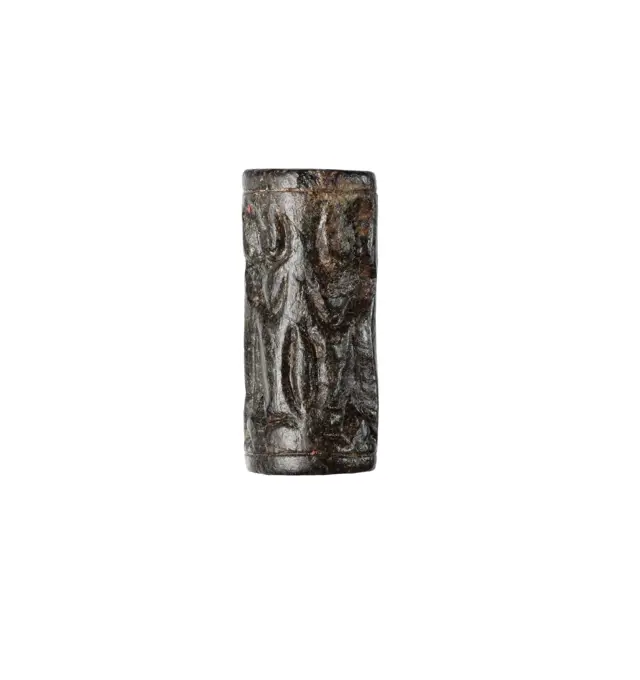
Salad bowl;  the beginning of the 20th century (1901-00-00-2000-00-00);Planets-manager. Cornalet Collection Sites 2013-2016. Numismatic.Mourning brooch in flower shape of glass and silver. Mourning brooch in flower shape of black glass on a brochet of silver with a hook closure.CDK Unknown, Higo school, HayashiMetal nut isolated on white backgroundString of 12 elongated disc beads. Dimensions: l. 5.7 cm (2 1/4 in.). Date: 2nd century BC-2nd century AD.Gold glass beads were a Hellenistic development. They were created by combining drawn tubes of colorless glass with gold foil. The earliest examples were finished bead by bead. These are all modern stringings; most ancient stringing patterns are lost as the string decays. Museum: Metropolitan Museum of Art, New York, USA.Christmas cookie cutter in the shape of a fir tree, studio shot, white backgroundBead. Bead. Glass. GlassOrnament ca. 5th century B.C.. Ornament 325098Prick Spur 12th century German The prick spur was the first type of spur to be invented, and it consists of a goad or prick, more or less pointed, connected to side arms or a heel plate. The earliest spurs were probably simple thorns attached at the back of the heel, before they started to be made out of metal in antiquity. Prick spurs were the main type of spurs used in the Middle Ages until the mid-14th century, when they were supplanted by rowel spurs, which appeared in Europe a century before and with which they had cohabitated for a time. As a knights status was closely related to his horse, spurs became one of the symbols of chivalry, and one of the tokens given to him during his knighting.. Prick Spur. German. 12th century. Copper alloy. Kreuznach. Equestrian Equipment-SpursDress of needle side with geometric motif and Greek cross, anonymous, c. 1925 - Before 1937  Square dress of natural -colored needle side with geometric motif, reticella. Motive with sixteen squares, where the squares are filled with horizontal and vertical lines. In the four squares, which form the center, arcs that make the shape of a Greek cross, a cross with equal legs that cut each other exactly in the middle. A double row of small recesses or open effects along the outer edge of the rug. Sicily linen (material)Scarab. Dimensions: l. 0.7 cm (1/4 in). Dynasty: Dynasty 12-18. Date: ca. 1981-1295 B.C.. Museum: Metropolitan Museum of Art, New York, USA.Menat fragment ca. 1479-1458 B.C. New Kingdom. Menat fragment. ca. 1479-1458 B.C.. Faience. New Kingdom. From Egypt, Upper Egypt, Thebes, Deir el-Bahri, Hatshepsut Hole, MMA excavations, 1922-23. Dynasty 18Ocelli decoration bracelet. Copper alloy. Gallo-Roman time. Paris, Carnavalet museum. Bracelet to Bird Decor Fashion accessory, copper alloy, antique, jewelry, bracelet, ocelle decor, Gallo-Roman time, adornment, ancientFragment 12th-14th century French. Fragment. French. 12th-14th century. Pot-metal glass, vitreous paint. Glass-StainedString of 5 four-sided beads 30 B.C.-A.D. 364 Roman Period. String of 5 four-sided beads 570541Bangle (India); gold band, glass "gem"graue keramische Vase graue keramische Vase Copyright: xZoonar.com/Dr.xNorbertxLangex 14144420Torque. UnknownSilver ring with heart figures, ring jewelry clothing accessory clothing soil find silver metal d 0.3, cast Silver ring Over the outside decorated with small upright heart figures in the form of chevrons or rafters. Flat and smooth wall on the inside archeology Rotterdam railway tunnel adorn status status engagement friendship status prosperity Soil discovery: railway tunnel 1988-1993.Copper fitting strap, part of a wooden gift jug. Copper fitting strap, part of a wooden gift jug (for beer); belongs to NM-7655. This object was found by Carlsen in the vicinity of NG-NM-7651, 7652 and 7653.Attic Black-Figure Eye Cup Fragment. UnknownBroochCompartmented stamp seal ca. late 3rd-early 2nd millennium B.C. Bactria-Margiana Archaeological Complex. Compartmented stamp seal 326699Fish Hook. UnknownAxe. China. Date: 3000 BC-2000 BC. Dimensions: 13.0 × 8.2 × 0.3 cm (5.1 × 3.2 × 0.1 in.). Jade. Origin: China. Museum: The Chicago Art Institute, Chicago, USA.Lead ornament Greek, Laconian 6th-5th century BCE Small flat votive figurines of cast lead have been found in great quantities at the ancient sanctuaries of Laconia; over one hundred thousand, dating from the seventh century B.C. to the Classical period, were dedicated to the goddess Artemis Orthia in Sparta.Glass eye bead 4th-3rd century B.C. Phoenician or Carthaginian Uncertain color, with opaque yellow and white, and translucent blue.Cylindrical, with rounded edge at both ends; large hole running vertically through bead.Five large stratified eyes around center, surrounded by smaller irregular knobs.Weathered chips in ends, and some knobs damaged; enamel-like creamy weathering and iridescence.. Glass eye bead. Phoenician or Carthaginian. 4th-3rd century B.C.. Glass; rod-formed and applied. Late Classical or Early Hellenistic. GlassBrooch -Grahal-Manzara. Carnavalet 2013-2016 collection sites. Numismatics.Tiles and ornaments from the palace of Ramesses II. Dimensions: Diam. 11.5 cm (4 1/2 in.); Th. 1.3 cm (1/2 in.). Dynasty: Dynasty 19. Reign: reign of Ramesses II. Date: ca. 1279-1213 B.C.. Museum: Metropolitan Museum of Art, New York, USA.Detailed but simple image of cookie cutterTsuba  Four YASUCHIKAGuild sign in the shape of an eagle with a key in the mouth. Gild sign from tin. An eagle with spread wings and a wide tail between the spread claws. The eagle puts the head straight forward and holds a key in the beak. The key cup has the shape of a three pass and the beard of the key is decorated with a diagonal cross.Waldhoorn bracket. Waldhoorn bracket. Signature: A.1Brown candle over wooden decoration object, seen from aboveSword-Grip Ornaments (Menuki) mid-late 18th century Got Mitsumori (Keij) Japanese These menuki feature a design of a double-edged blade (ken).. Sword-Grip Ornaments (Menuki). Japanese. mid-late 18th century. Copper-gold alloy (shakud), gold, silver. Sword Furniture-MenukiPair of Earrings, 3 1/2 x 3 3/4 x 1/2 in. (8.89 x 9.53 x 1.27 cm) (a)3 3/4 x 3 1/2 x 3/8 in. (9.53 x 8.89 x 0.95 cm) (b), Silver, ChinaScarab ca. 1479-1458 B.C. New Kingdom. Scarab. ca. 1479-1458 B.C.. Faience. New Kingdom. From Egypt, Upper Egypt, Thebes, Deir el-Bahri, Hatshepsut Hole, Hathor Shrine, MMA excavations, 1922-23. Dynasty 18Detailed and colorful image of fluorite mineralSword Guard (Tsuba) ca. 1615-1868 Japanese A tsuba is a sword guard and part of a sword mounting. It is mounted between the swords blade and grip to protect the users hands.. Sword Guard (Tsuba) 34475Image of cast silver, representing a saint with folded hands, in a long -draped robe, anonymous, c. 1480 - c. 1500 Image of cast silver, representing a saint in long -draped robes and with folded hands. From behind 2 protrusions to attach it to an object. Northern Netherlands (possibly) silver (metal) Image of cast silver, representing a saint in long -draped robes and with folded hands. From behind 2 protrusions to attach it to an object. Northern Netherlands (possibly) silver (metal)Torque, 11 1/2 x 11 x 3/4 in. (29.21 x 27.94 x 1.91 cm), Silver, ChinaPinhead. Pinhead. Glass. GlassShard from one can be from the wreck of the East Indiesman Hollandia. Stoneware, rhenish, frechen-ware, jug; Fragm or body with rosette-shaped stamps.