Historical Metal Fasteners

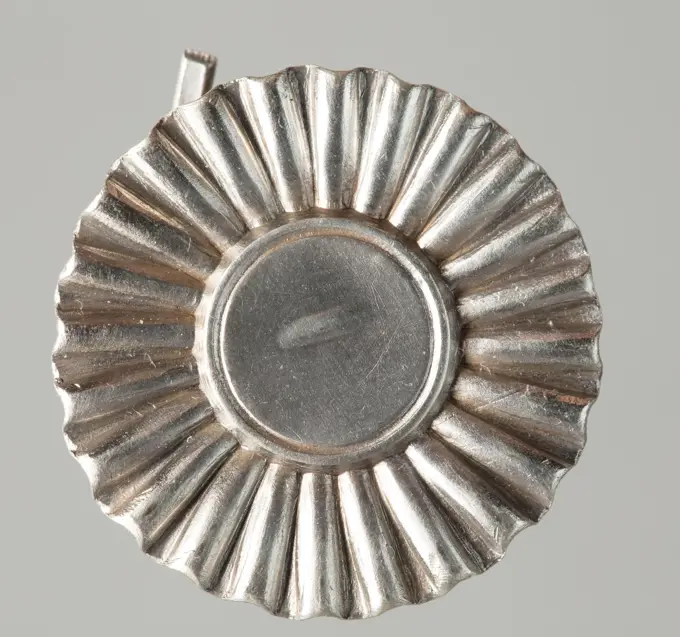
A variety of antique buckles and brooches made of brass and metal, showcasing intricate designs and historical craftsmanship, suitable for decorative or functional use.

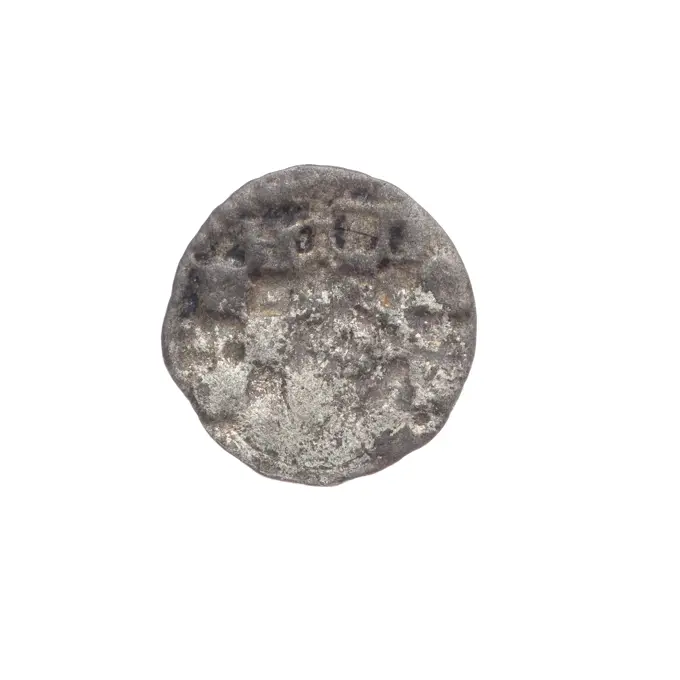
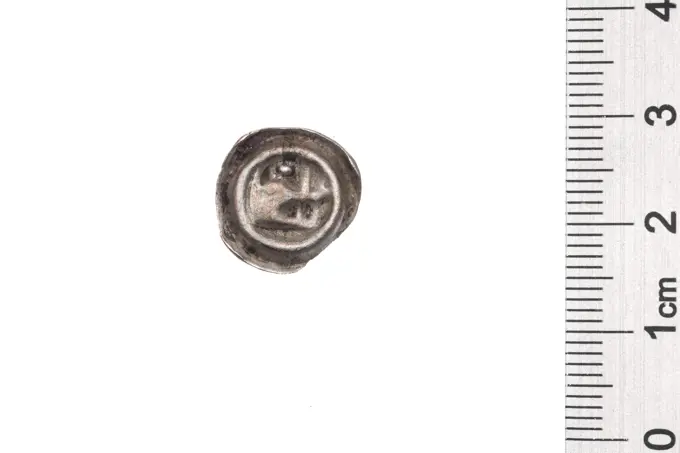
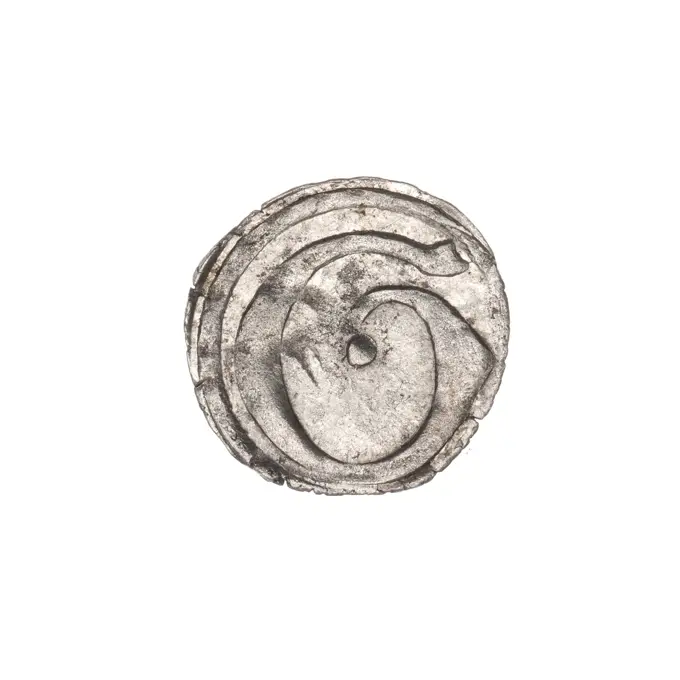
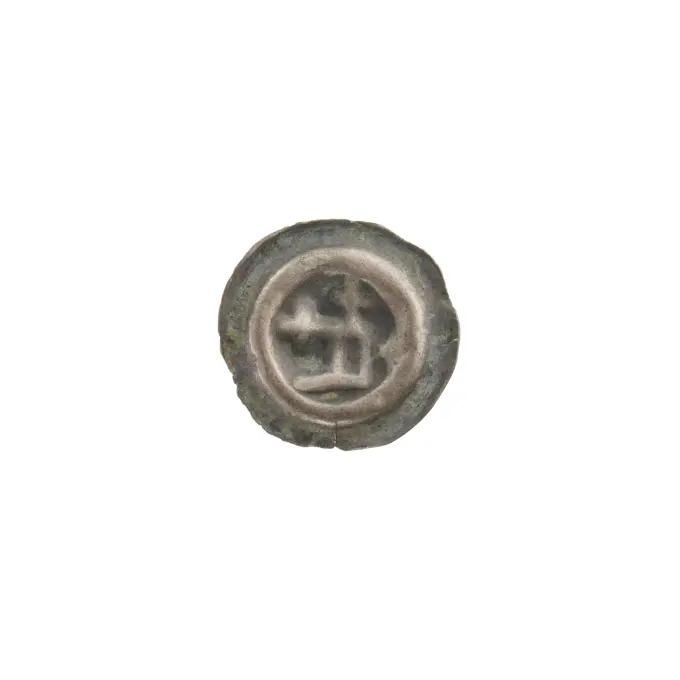
Denar - Brakteat; approx. 1307/1308- 1317/1318 (1307-00-00-1318-00-00);
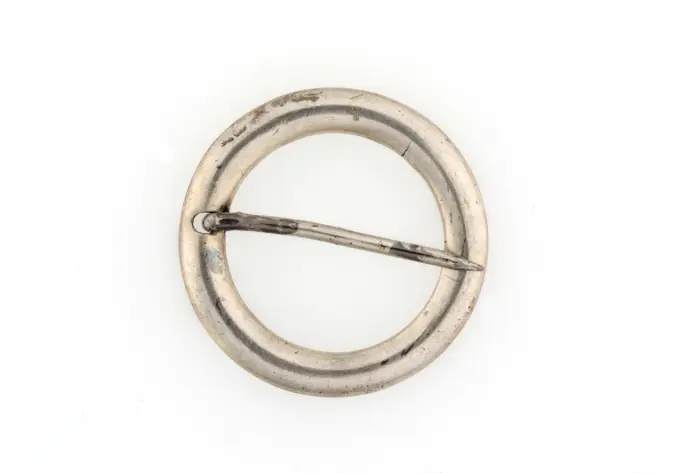
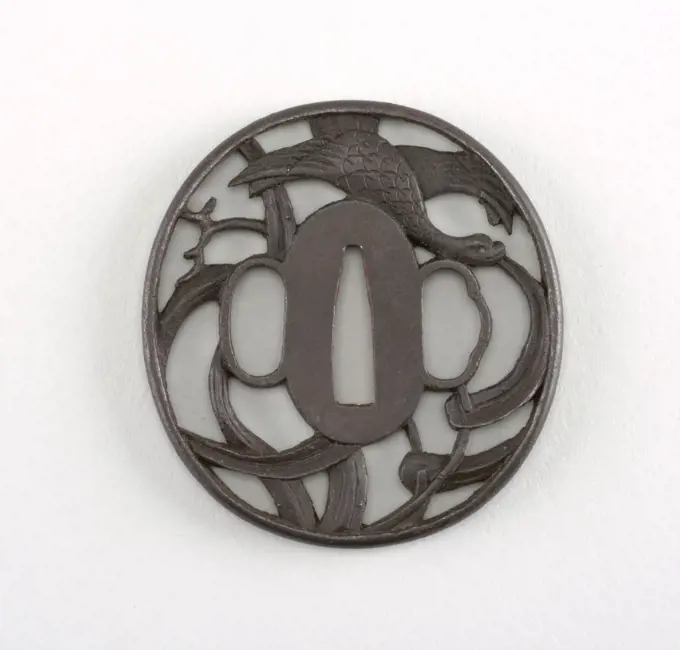
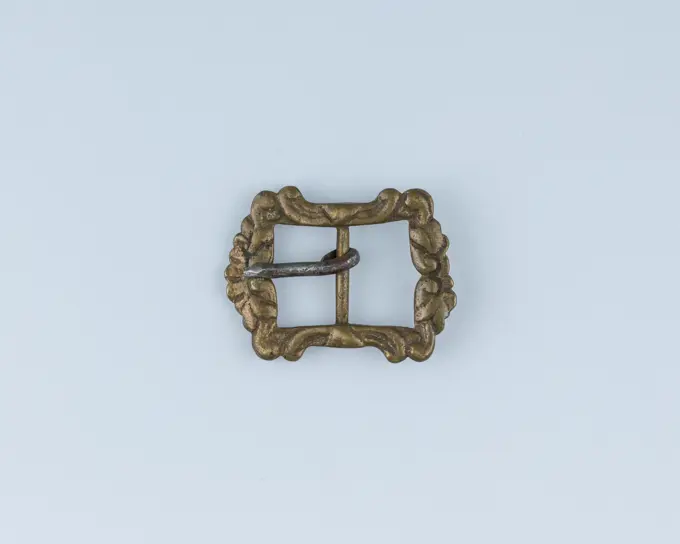
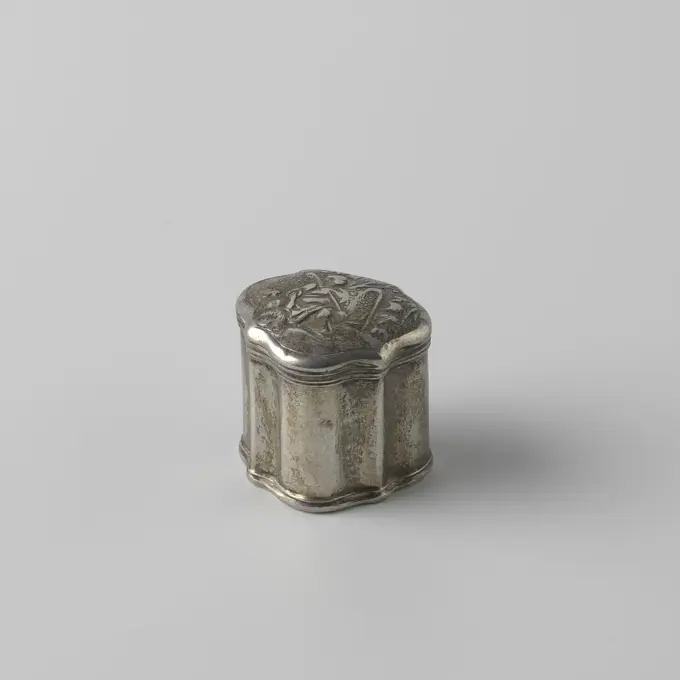
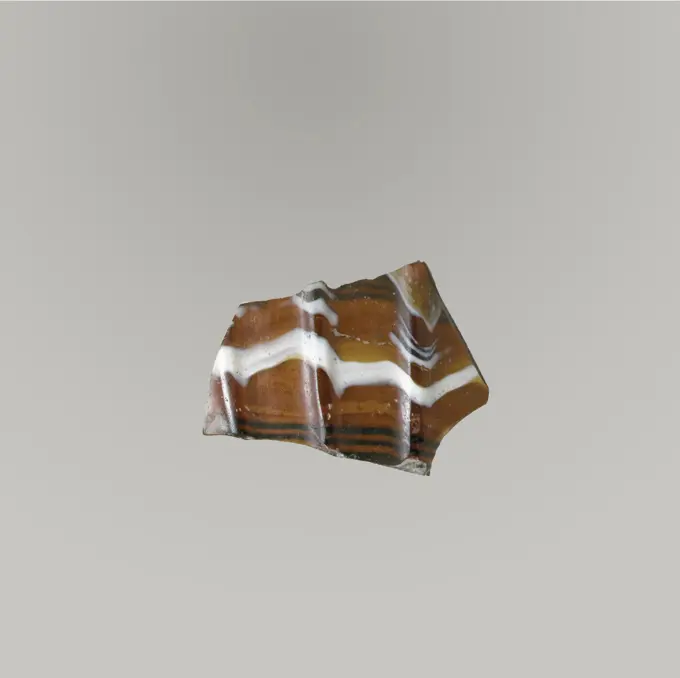
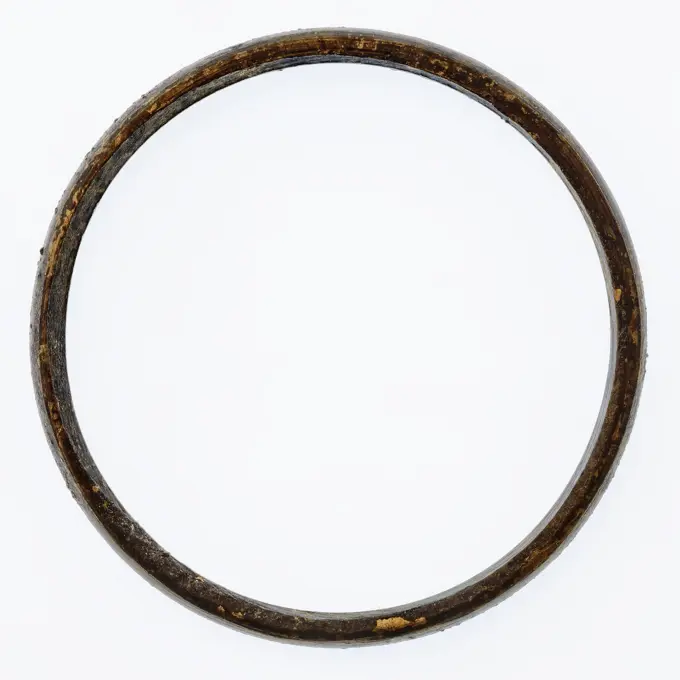
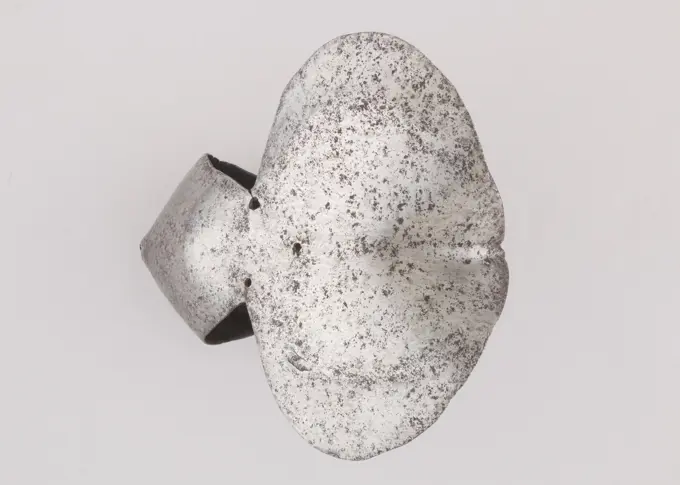
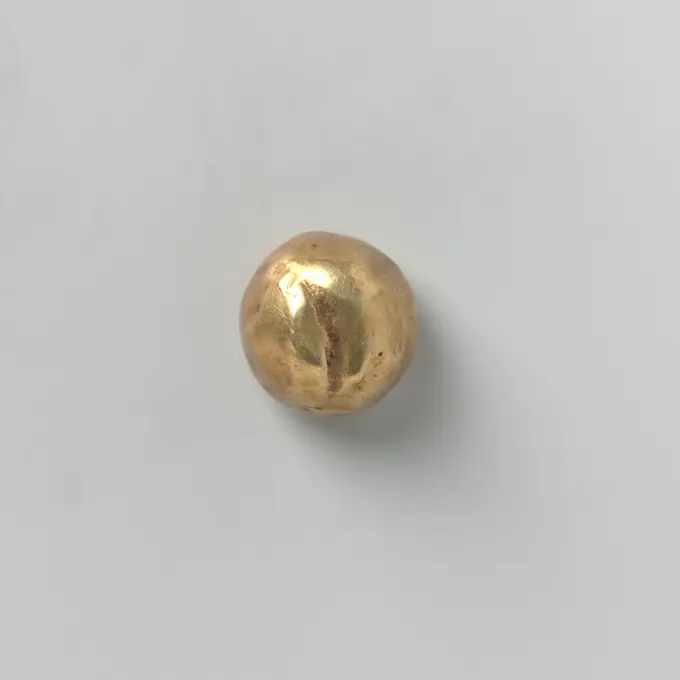
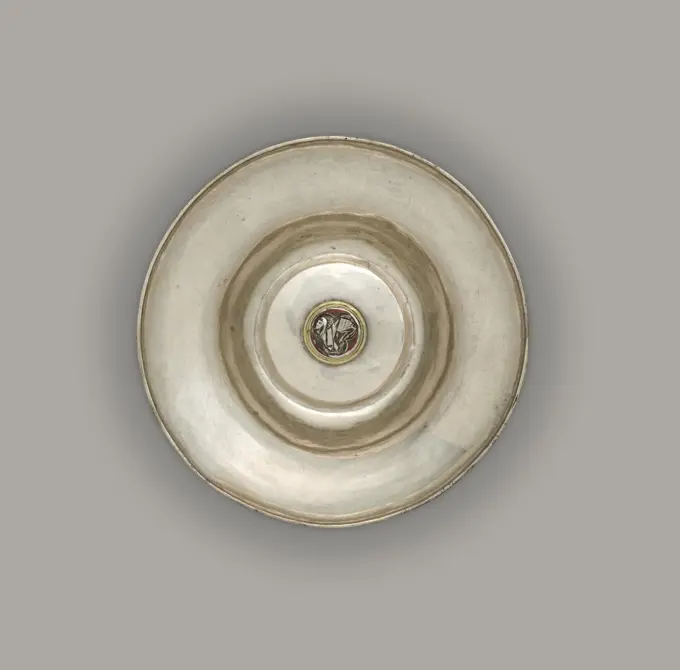
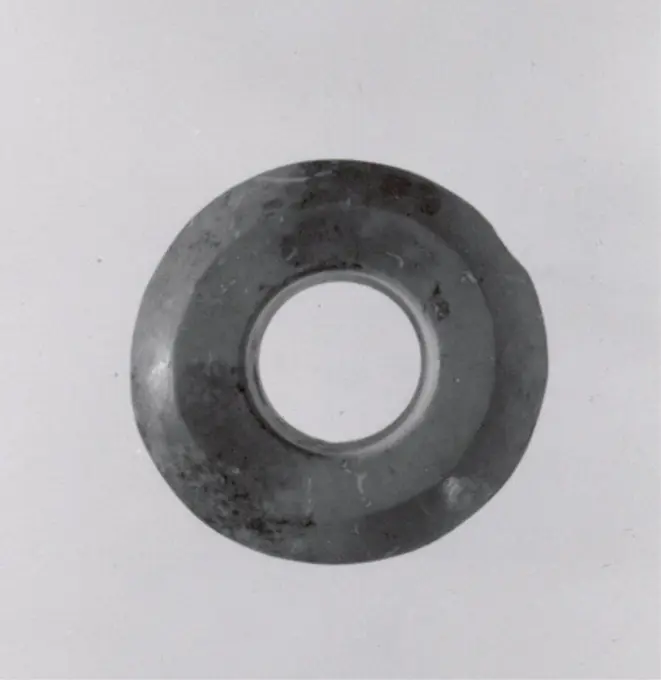
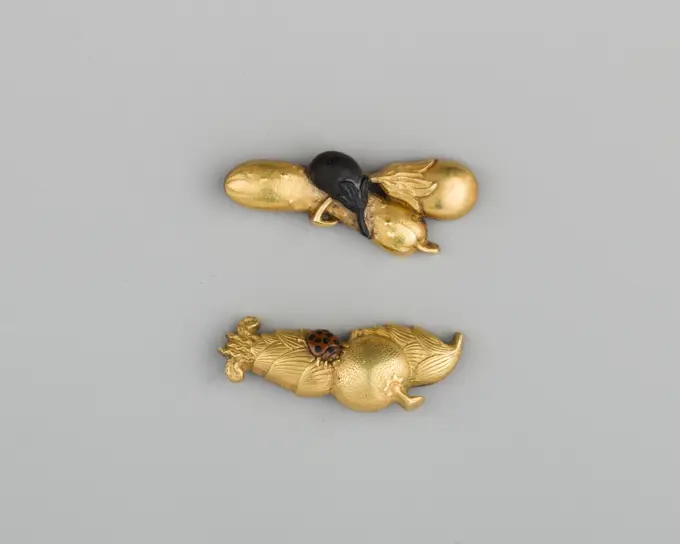
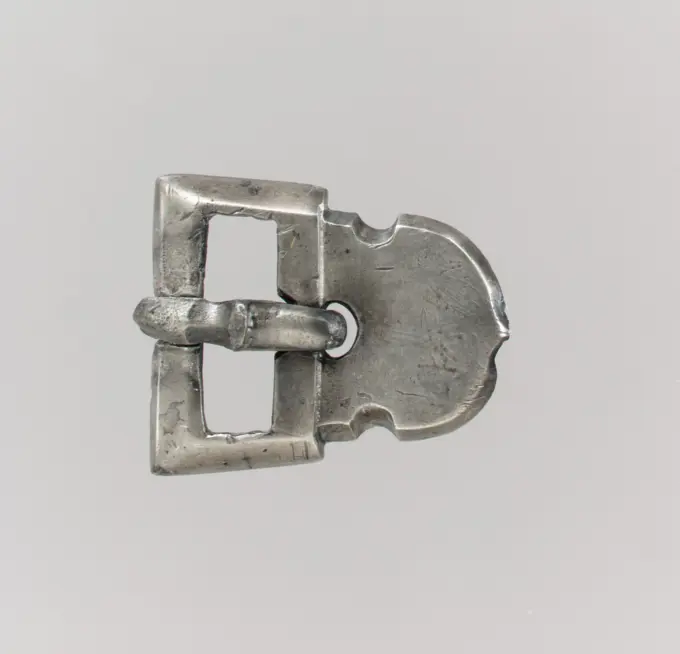
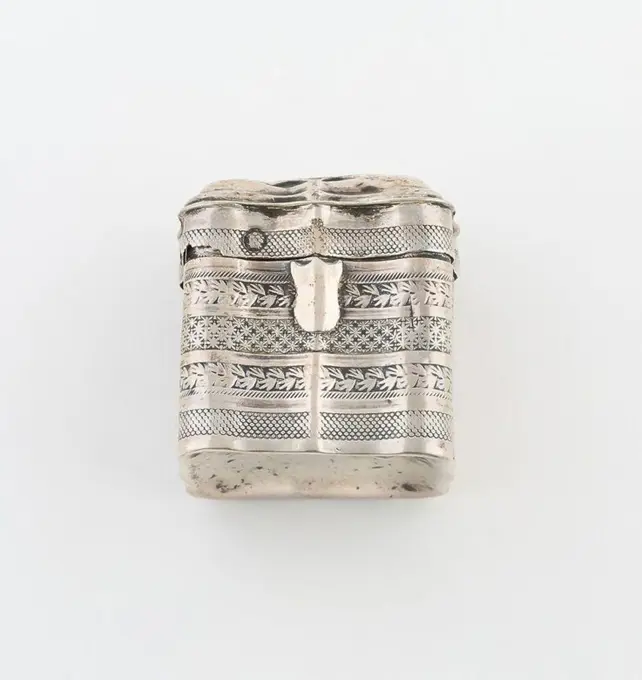
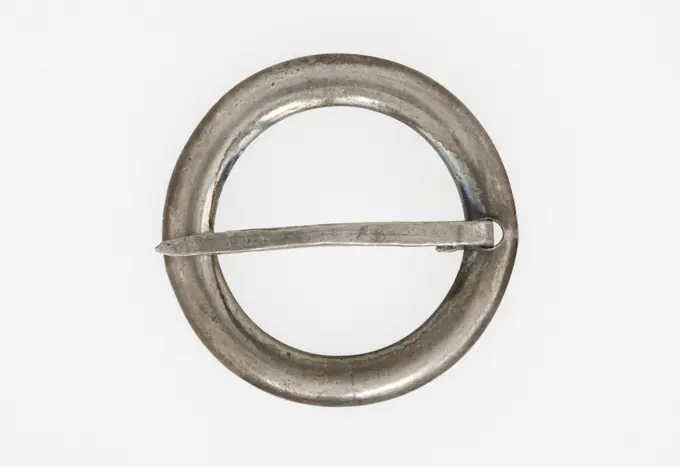
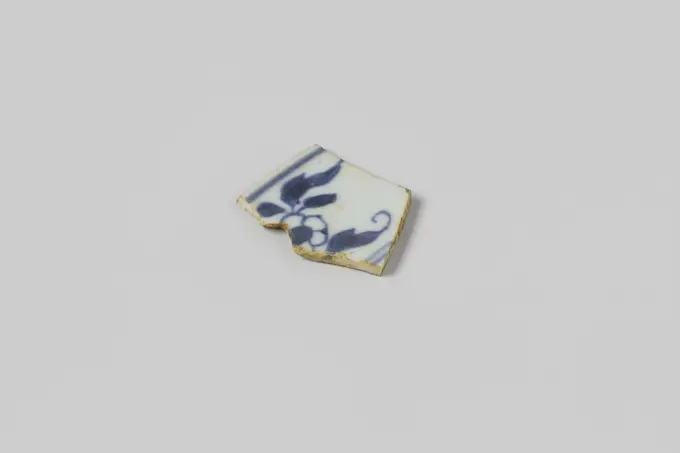
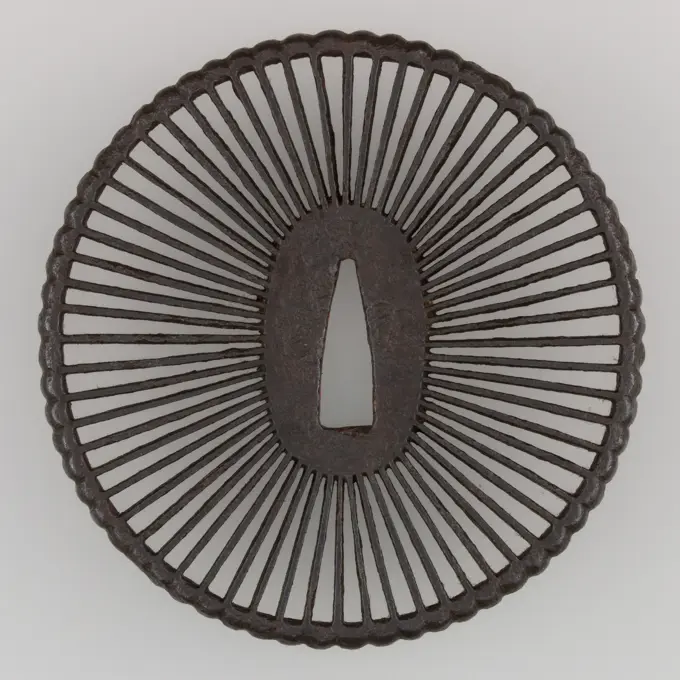
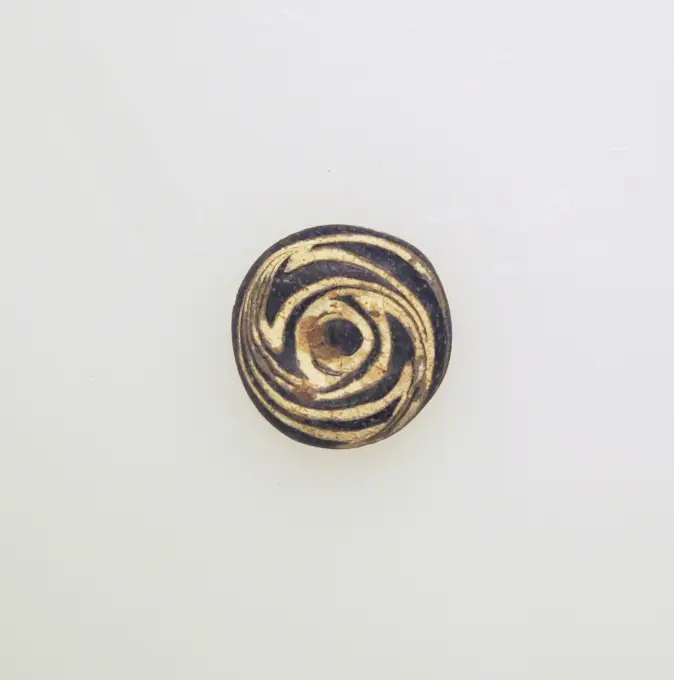
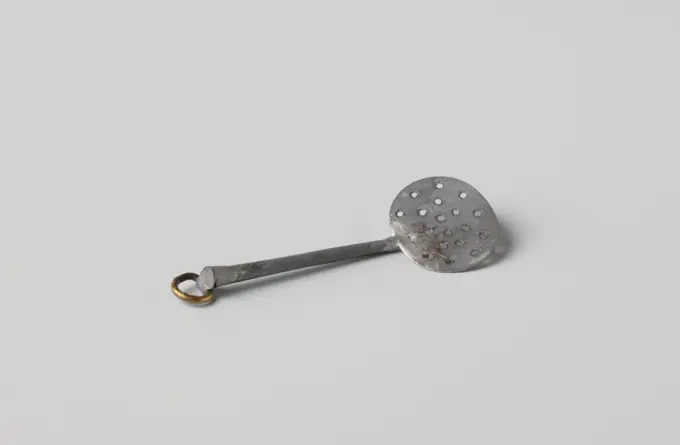
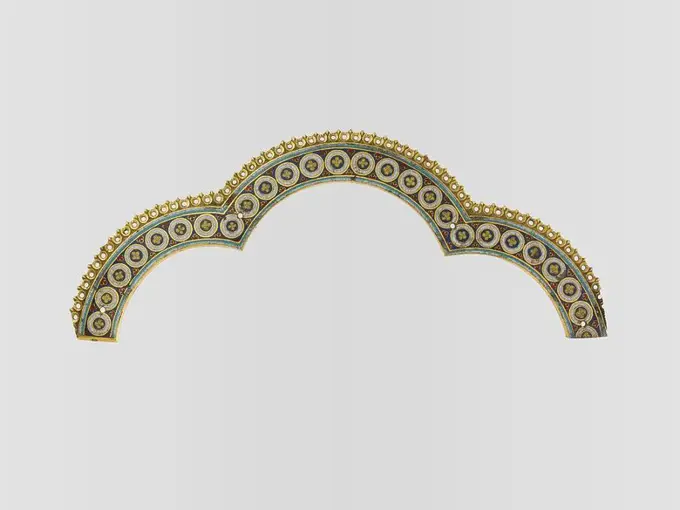
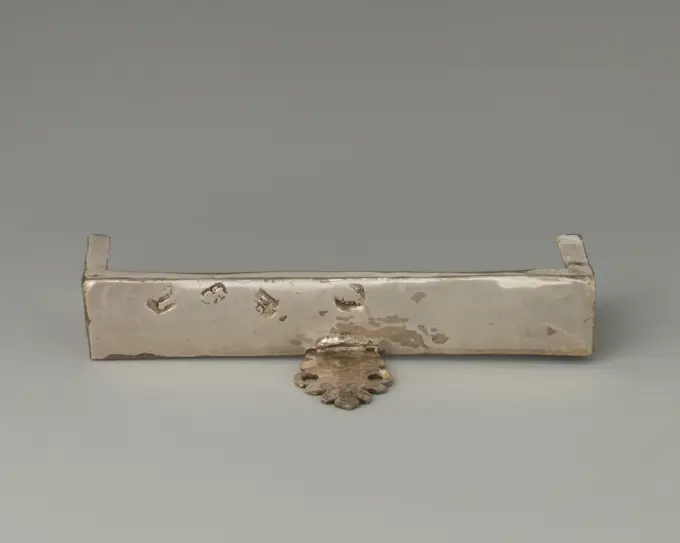
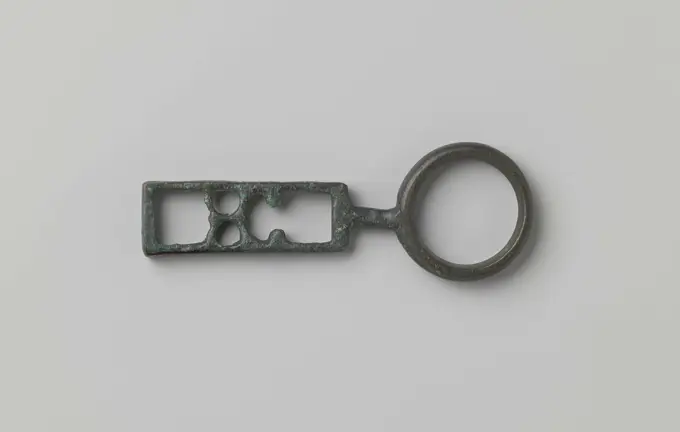
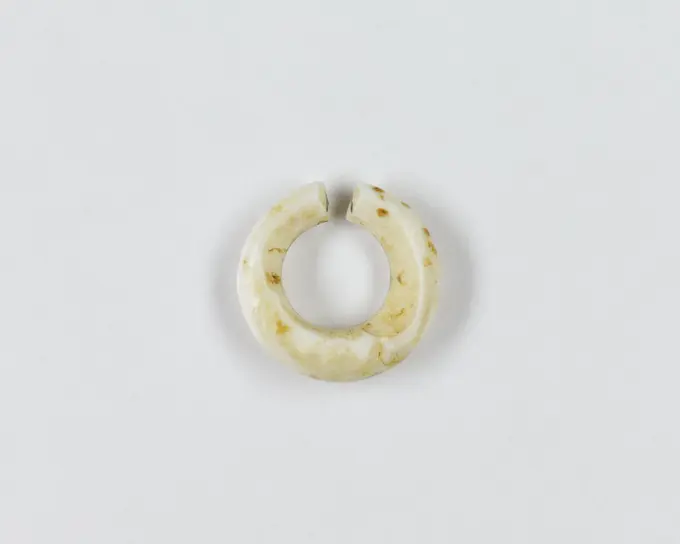
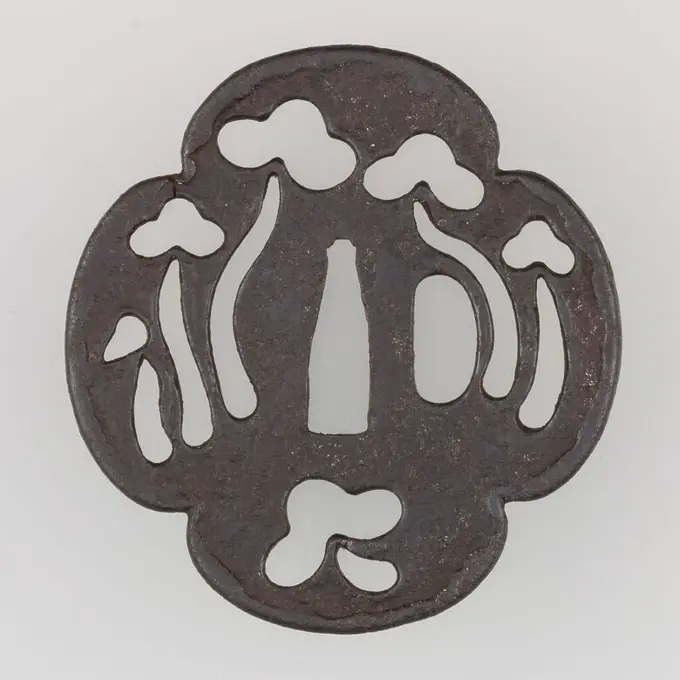
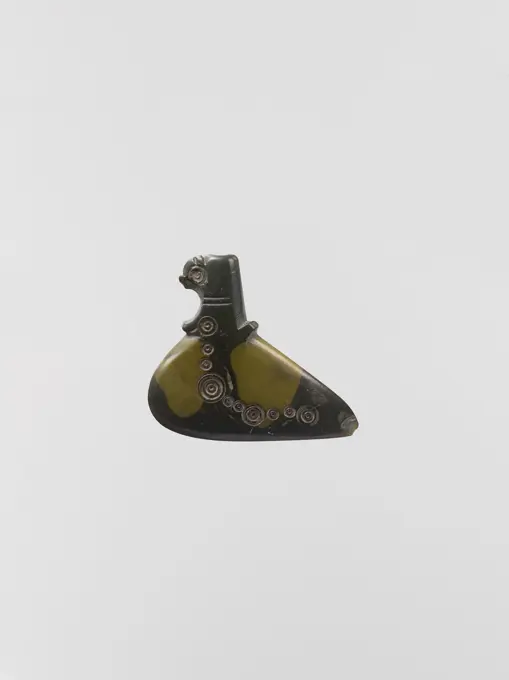
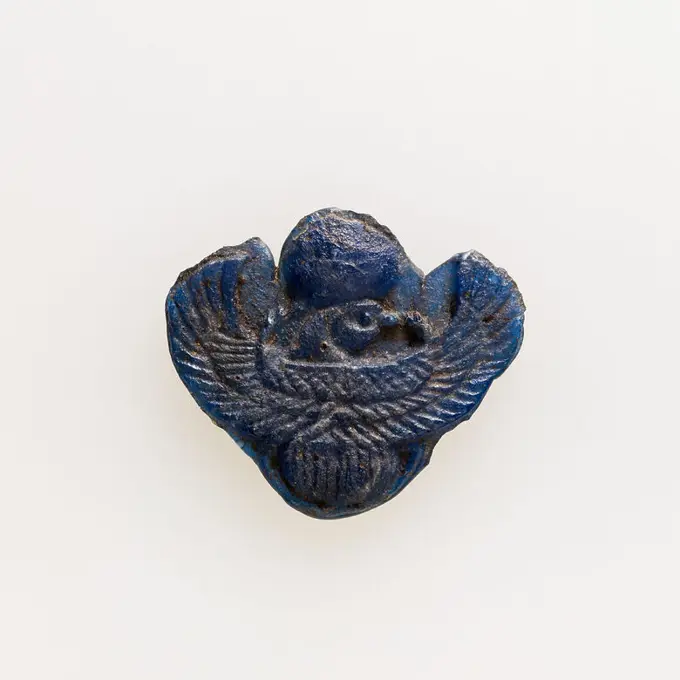
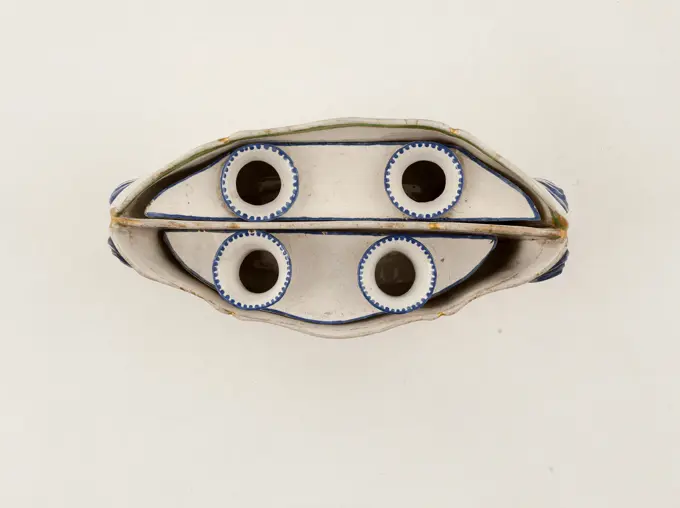
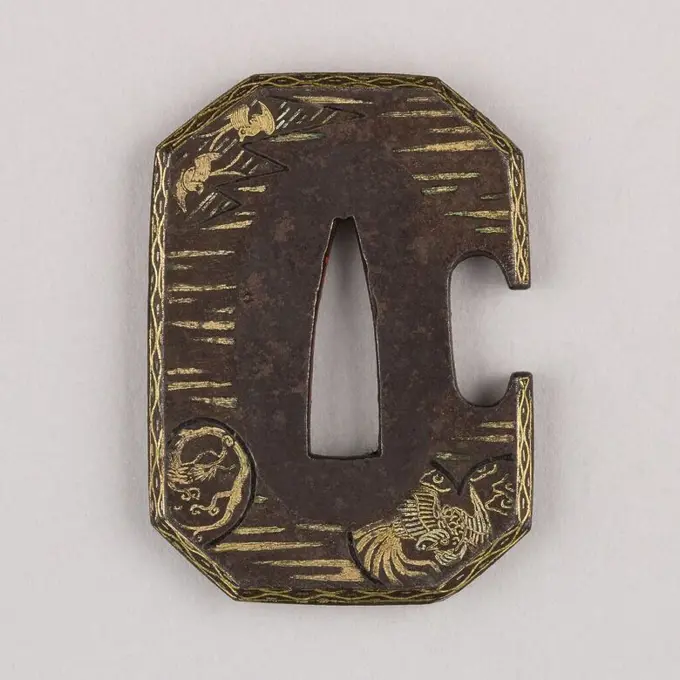
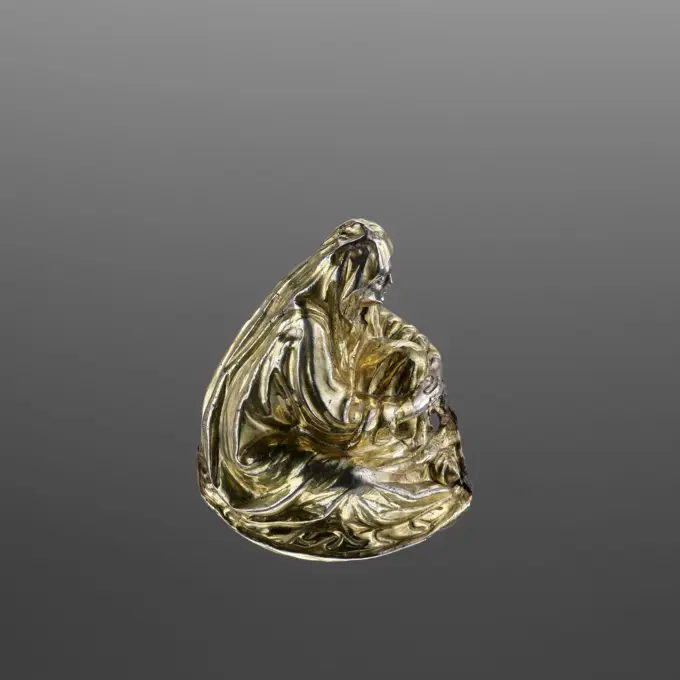
Buckle 1510-20 German. Buckle. German. 1510-20. Brass. Miscellaneous-Buckles & OrnamentBrooch -Brooch -Brooch -Tsuba, Iron, This iron tsuba is shinmaru gata (a true circle) in shape, and is crafted with sukashi (openwork) with a positive design showing Omodaka plants and a bird. At the center is a nakago-ana, an opening through which the sword passes. Surrounding this is the seppadai, a flat oval area that has a migaki ji (smooth) surface finish. On either side are ryo-hitsu, openings for the kozuka (utility knife) and the kogai (skewer tool). At right is sashi ura, the side which faces the blade, whose opening takes the negative form of a moon. Opposite is the sashi omote side, which faces the sword hilt. Its tri-lobed opening is of the suhama type, and symbolically represents the coastline of Horai, the holy island of the Immortals. The rim of the tsuba is round, or maru-mimi., Japan, 17th century, metalwork, Decorative Arts, Tsubaheller. Oleśnica, issuerStrip or tire of copper, anonymous, c. 1590 - c. 1596  Strip or tire of copper, bent and pierced on three points, two of which are filled with iron. Possibly concerns a part of a cardanic suspension of a compass.  copper (metal) striking (metalworking)  Nova Zembla. Saving HuysDenar - Brakteat; approx. 1307/1308- 1317/1318 (1307-00-00-1318-00-00);Brooch -Knife leftring from the wreck of the East Indiesman Hollandia. Knife-Handle, Ferrule; ID. NG 1980-27H426.Sugar spoon of tin with bird, anonymous, c. 1700 - c. 1800 Sugar spoon of tin. The stem is curled at the end and decorated with a raised bird. The wide, oval container is open with a decorative motif. West-Europa tin (metal) casting Sugar spoon of tin. The stem is curled at the end and decorated with a raised bird. The wide, oval container is open with a decorative motif. West-Europa tin (metal) castingdenarius; W ADSY AW III WARNE Czyk (Polish king; 1434-1444); 1434-1444 (1434-00-00-1444-00-00);Buckle 18th century French. Buckle. French. 18th century. Brass, steel. Miscellaneous-Buckles & OrnamentFemale Head Fragment. Unknownheller. Wołów, issuerLoddereindoos, Tite Stinstra (Possibly), 1759 Loddereindoos of silver, smooth and swiveling and out of circumference. On the lid in relief a shepherdin at a fountain. Franeker silver (metal) Loddereindoos of silver, smooth and swiveling and out of circumference. On the lid in relief a shepherdin at a fountain. Franeker silver (metal)Key. Key with eye shaped by two degenerated leaf volutes, closed above by flowers. The beard has the shape of an open quadragon (pyramidal seen) and is grooved with an andream cross.Ring with four protrusions, anonymous, c. 1400 - c. 1950 Ring of silver with four protrusions.  silver (metal) Ring of silver with four protrusions.  silver (metal)Denar - Brakteat; approx. 1307/1308- 1317/1318. (1307-00-00-1318-00-00);Brooch -heller; Jerzy I (Ksi  Brzesko-Legnicki; Ca 1481-1521), Fryderyk II (KSI  Brzesko-Legnicki; 1480-1547); 1495-1505 (1495-00-00-1505-00-00);The Duchy of Brest (coat of arms), the Duchy of Legnica (coat of arms), Silesian Orzeł (iconogr.), Eagles, chessboardGlass mosaic ribbed bowl fragment late 1st century B.C.-early 1st century A.D. Roman Body fragment.Translucent honey brown, cobalt blue, and opaque white.Convex curving side tapering downward.Ribbon mosaic pattern formed from sections of a single cane in brown ground with irregular wavy white and blue threads in parallel lines; on exterior, three vertical ribs, fairly widely spaced, with flattened tops, expanding downward.Polished exterior; pitting of surface bubbles on exterior; creamy iridescent weathering on interior; iridescence on jagged edges.. Glass mosaic ribbed bowl fragment. Roman. late 1st century B.C.-early 1st century A.D.. Glass; cast and tooled. Early Imperial. GlassBrooch -Lid of turtle with Hertekop of silver (series of 28 pieces A to BB), Anonymous, c. 1700 - c. 1799 Turtle of turtle with Hertekop of silver (series from 28 pieces A to BB), Indonesia, 18th century Indonesia silver (metal) Turtle of turtle with Hertekop of silver (series from 28 pieces A to BB), Indonesia, 18th century Indonesia silver (metal)Coiled Dragon Pendant. China. Date: 1100 BC-900 BC. Dimensions: 1 7/8 × 1 1/2 × 3/16 in. Jade. Origin: China. Museum: The Chicago Art Institute, Chicago, USA.bracteate heller. Świdnica, issuerBliżej Kultury unknownBlack Olives Black Olives In A Wooden Bowl On White Background Copyright: xZoonar.com/SvetlanaxFootex 2957233Brooch -Thin, copper ring, ring part soil found copper brass metal, d 0.2 Thin brass ring Probably brass. Hemisphere section of the outside. Inside partially smooth but also with back; not finished as archaeological jewelery Rotterdam to connect rail tunnel archaeological find in the soil: Rail Tunnel 1988-1993.Elbow Defense (Couter) ca. 1430-40 Italian This is part of a large find of medieval armor discovered in 1840 in the ruins of the fortress of Chalcis, on the Greek island of Euboea (then a Venetian colony called Negroponte). The fortress had been captured and destroyed by the Turks in 1470. Now divided largely between the Ethnological Museum, Athens, and The Metropolitan Museum of Art, the Chalcis hoard contains many rare and unusual elements of fourteenth- and fifteenth-century armor. Of particular importance are the variety of headpieces and the many fragments of brigandines (armor for the torso constructed of small plates riveted to layers of fabric), some of which retain portions of their original velvet covering. The Chalcis armor provides a unique picture of the armament used in the Aegean, one of the easternmost military outposts of the Venetian empire.. Elbow Defense (Couter) 23160Attic Red-Figure Pot Fragment. UnknownTjaturwinsatimanam van Djenggala, West -Java ,, 800 - 1200 coin Golden spherical coin. Front: charter in Devanagari script well. Downside, figuration flower. Java gold (metal) striking (metalworking)From v.o.c.-ship the 'white lion'. From v.o.c.-ship the 'white lion'. One of five rings from a martavan. Two-tone glass, beige and light orange.Drinking Vessel (Hanap; one of a pair) 1320-60 French Hanaps, or drinking vessels for wine, are frequently mentioned in 14th-century inventories. Few have survived, however, as silver plate was often melted down to realize funds for the owner. Wine, customarily diluted throughout the Middle Ages, was poured to the top of the boss and then water was added to the flare of the bowl, roughly in the proportion of four to one.. Drinking Vessel (Hanap; one of a pair). French. 1320-60. Silver, silver gilt, translucent and opaque enamels. Made in possibly Toulouse, France. Metalwork-SilverBead. Dimensions: l. 2.1 cm (13/16 in.). Date: 100 BC-200 AD.Gold glass beads were a Hellenistic development. They were created by combining drawn tubes of colorless glass with gold foil. The earliest examples were finished bead by bead. These are all modern stringings; most ancient stringing patterns are lost as the string decays. Museum: Metropolitan Museum of Art, New York, USA.Drohiczy seal;  XI-XIII century (1090-00-00-1110-00-00);guild seals, customs seals, touches, seals of customs chambers, official seals, seals with a crossDisc ca. 9th century B.C. Iran. Disc 326181Schotel with a boy and a butterfly in a landscape, anonymous, c. 1725 - c. 1749 Porcelain dish, painted on the glaze in red, black and gold. On the flat of the dish a medallion with a boy and a butterfly in a landscape; Around the medallion eight petal comparts with alternating the young in the landscape and a tree; between the curls; On the edge a tire with servetwork interspersed with a flower in a cartouche. Encre de Chine. China porcelain. glaze. gold (metal) painting / gilding / vitrification Porcelain dish, painted on the glaze in red, black and gold. On the flat of the dish a medallion with a boy and a butterfly in a landscape; Around the medallion eight petal comparts with alternating the young in the landscape and a tree; between the curls; On the edge a tire with servetwork interspersed with a flower in a cartouche. Encre de Chine. China porcelain. glaze. gold (metal) painting / gilding / vitrificationPair of Sword-Grip Ornaments (Menuki) 18th century Japanese Menuki are a pair of ornamental sword fittings attached to either side of a sword hilt.. Pair of Sword-Grip Ornaments (Menuki). Japanese. 18th century. Copper-gold alloy (shakud), copper, gold. Sword Furniture-MenukiKey to a pendulum, art dealer E.J. Van Wisselingh, 1898 Key of a pendulum, the cylindrical beard of iron is made of iron. The brass grip is decorated with two sawn rosettes. Amsterdam greep: brass (alloy). baard: iron (metal) casting / cutting Key of a pendulum, the cylindrical beard of iron is made of iron. The brass grip is decorated with two sawn rosettes. Amsterdam greep: brass (alloy). baard: iron (metal) casting / cuttingheller; XIV-XV century (1301-00-00-1500-00-00);Letters G, letters, city coins, Silesian Eagle (iconogr.), Eagles, UNCYInkwellShoe Buckle 7th century Byzantine, Crimea Bashford Dean (1867-1928), founding curator of the Department of Arms and Armor, frequently acquired works of art, which he called documents, if they included interesting depictions of armor and weapons, particularly rare or early types. Stephen V. Grancsay (1897-1980), Deans successor, followed the same practice, adding paintings, sculpture, works on paper, and stained glass to the collection. Both Dean and Granscay also believed that for armor to be fully understood, in addition to contextual works of art, armor itself must be studied piece by piece in exacting detail, including any surviving textile linings, rivets, leather or textile straps, and buckles. In an article published in 1921 Dean wrote, "…buckles are not merely art objects in little…[they are importantly diagnostic for the student or armor, for their design and details change with each decade." Many of the buckles in the museum were not necessarily made for use with armor, but Sponge Box. Jacobus van Dam; Dutch, active c. 1849-c. 1888; Schoonhoven, Netherlands. Date: 1852. Dimensions: 3.8 x 3.2 cm (1 1/2 x 1 1/4 in.). Silver. Origin: Netherlands. Museum: The Chicago Art Institute, Chicago, USA.Buckle 18th century French. Buckle. French. 18th century. Brass. Miscellaneous-Buckles & OrnamentCopper ring, not decorated, ring jewel clothing accessory clothing soil find copper metal d 0.3, cast Copper ring. Smooth walled on the inside slightly curved on the outside archeology Rotterdam rail tunnel carrying status prosperity Soil discovery: Railway tunnel 1988-1993.Brooch -Brooch -Scarab Ring ca. 1070-664 B.C. Third Intermediate Period or later. Scarab Ring 552602Shard of a plate from the wreck of the East India hollandiaia. Porcelain, plate, type 3; Fragm or Rim, SIM. NG 1980-27H3202C.Sword Guard (Tsuba) 16th century Japanese A tsuba is a sword guard and part of a sword mounting. It is mounted between the swords blade and grip to protect the users hands.. Sword Guard (Tsuba) 651237Pinhead. Pinhead. Glass. GlassMordant 15th-17th century European. Mordant. European. 15th-17th century. Bronze, patina. Miscellaneous-Buckles & OrnamentBox for a medal on Johan Wolfert van Brederode, Field Marshal of the Netherlands, with two pasted poems, P. van den Broeck, in or after 1657 history medal Turned palmhouten box with lid, both with a printed poem, on the box "Insterffelijcke Faem" and on the lid "Speaking Swyns Hooft".  boxwood. paperStew, oval, with five holes in the top. Stew from mahogany, oval, with five holes in the top.Brooch -Notched Axe 1200 BCE-1000 BCE China. Jade .Lace;  19th century (1801-00-00-1900-00-00);Pendant ca. 3rd-7th century A.D. Sasanian. Pendant 322428Skimmer with oval leaves and stem with ring, anonymous, c. 1700 - c. 1799 Skimmer with oval leaves and stem from block, ending in a copper ring. Amsterdam copper (metal) Skimmer with oval leaves and stem from block, ending in a copper ring. Amsterdam copper (metal)Collection Dutch Heidematschappij. Beech, pruning wounds. undatedBit Boss. Culture: possibly French. Dimensions: Diam. 2 3/4 in. (7 cm); Wt. 1.5 oz. ( 43 g). Date: late 17th - early 18th century.Bit bosses were ornamental elements decorating both sides of a horse bit. Museum: Metropolitan Museum of Art, New York, USA.Tri-Lobed Arch from a Reliquary Shrine. Artist: Nicholas of Verdun and Cologne Followers. Culture: German. Dimensions: Overall: 4 1/4 x 11 x 1/8 in. (10.8 x 27.9 x 0.3 cm)band width: 1 1/16 x 1/8 in. (2.7 x 0.3 cm). Date: ca. 1200.A massive, golden shrine in Cologne Cathedral contains relics believed to be ofthe biblical Three Kings who brought gifts of gold, frankincense, and myrrh tothe infant Jesus. The relics were acquired in Milan in 1164, and the goldsmithNicholas of Verdun was commissioned to create one of the most ambitiousreliquaries in Europe. This tiny arch, which comes from this important shrine,was removed during nineteenth-century restorations. Museum: Metropolitan Museum of Art, New York, USA.Miniature fender (part of a set) 1690-91 Probably George Manjoy British. Miniature fender (part of a set). British, London. 1690-91. Silver. Metalwork-Silver-MiniaturePinhead 1st century B.C.-5th century A.D. Roman. Pinhead. Roman. 1st century B.C.-5th century A.D.. Glass. GlassBrooch -Hare Pendant 1100 BCE-900 BCE China. Jade .Pin head 1st millennium B.C. Iran. Pin head 324237Glass finger ring ca. 3rd century A.D. Roman Translucent cobalt blue.Solid hoop, flat on both sides, with projecting shoulders, and flat rectangular bezel; circular shape to inside of hoop.On bezel, engraved long object, perhaps a leaf, tapering to one end; on shoulders, comic masks carved in relief, with hair on edges on bezel, sunken eyes, broad nose, large round mouth and long beard extending around outside of hoop.Intact, but with a few tiny chips on inside edge of hoop; a few bubbles; dulling, surface scratches, and faint weathering.. Glass finger ring 245815Fragment Facetted Steel of a flute glass from the wreck of the East Indians Hollandia, Anonymous, 1700 - in Or Before 1743 drinking glass Glass, stem glass, steel, faceted; fragment, hexagonal faceted, tapering downward, hollow core, bevelled upper end with base of bowl, conically everted. Netherlands glass   SecondAttic Red-Figure Amphora () Fragment. Attributed to the Nausicaa PainterBrooch -Schuifsleutel.Sliding key with large, annular eye and narrow square beard.Buckle 15th-17th century European. Buckle. European. 15th-17th century. Brass, steel. Miscellaneous-Buckles & OrnamentPair of Sword-Grip Ornaments (Menuki). Culture: Japanese. Dimensions: L. of each 1 5/8 in. (4.1 cm); Wt. of each 0.2 oz. (5.7 g). Date: 18th century. Museum: Metropolitan Museum of Art, New York, USA.Penannular Earring ca. 1550-1295 B.C. New Kingdom. Penannular Earring. ca. 1550-1295 B.C.. Shell. New Kingdom. From Egypt; Probably from Northern Upper Egypt, Deir el-Ballas. Dynasty 18Hinge;Sword Guard (Tsuba). Culture: Japanese. Dimensions: H. 3 1/2 in. (8.9 cm); W. 3 5/16 in. (8.4 cm); thickness 3/16 in. (0.5 cm); Wt. 3 oz. (85 g). Date: 18th century. Museum: Metropolitan Museum of Art, New York, USA.Bit Boss. Culture: possibly French. Dimensions: Diam. 2 7/8 in. (7.3 cm); Wt. 1.8 oz. (50 g). Date: late 17th - early 18th century.Bit bosses were ornamental elements decorating both sides of a horse bit. Museum: Metropolitan Museum of Art, New York, USA.Jewelry ca. 3rd-7th century A.D. Sasanian. Jewelry. Sasanian. ca. 3rd-7th century A.D.. Gold. Sasanian. Iran, Qasr-i Abu NasrPair of cufflinksPaciorek. unknown, authorStatuette of a runner. Culture: Greek, Laconian. Dimensions: Height: 7/8 in. (2.2 cm). Museum: Metropolitan Museum of Art, New York, USA.3d rendering of a decorative sphere ornament pattern isolated in white 3d rendering of a decorative sphere ornament pattern isolated in white background Copyright: xZoonar.com/HugoxKurkx 14546311Ring ca. 6th century A.D. Sasanian. Ring 326626Kohl Flask probably 10th-12th century This charming object was designed to hold kohl, a black cosmetic powder applied around the eyes. In the past, kohl was widely used by men and children as well as women. It was thought not only to accentuate the beauty of the eyes, but also to guard against the glaring sun, ward off evil, and discourage eye disease. The narrow drill hole at the top of this flask would have accommodated a slender stick to collect the cosmetic.. Kohl Flask. probably 10th-12th century. Serpentine; carved, incised. Made in Iran or Central Asia. StoneAttic Red-Figure Stamnoid Fragment. Attributed to the Brygos Painter (Greek (Attic), active about 490 - 470 B.C.)Minoan three-sided prism gem. UnknownDenar - Brakteat; around 1345 1353 (1345-00-00-1353-00-00);pointing hand cartoonOrnaments, 14. Culture: Greek, Laconian. Dimensions: Height: 1 1/16 in. (2.7 cm). Museum: Metropolitan Museum of Art, New York, USA.Amulet of winged scarab with falcon head. Dimensions: H. 2.9 × W. 3.4 cm (1 1/8 × 1 5/16 in.). Date: 525-30 BC.Starting in the later Late Period and continuing through the Ptolemaic Period, a type of glass amulet cast by pressing the glass into a shallow open mold appears. The back was left rough, and the amulets may look ragged because glass overflowed the mold around the edges. The earlier amulets are monochrome, bi- or multicolor amulets supplement the repertoire during the Ptolemaic Period.Some of the amulets can be specifically tied to spells of the Book of the Dead - for example, acc. no. 17.194.2526 - and most are clearly funerary amulets, presumably meant to be wrapped between the bandages of the mummy where the presence of the amulet would do its job irrespective of its degree of finish. Museum: Metropolitan Museum of Art, New York, USA.Seals Manufacture. Bouquetière cover. Small fire earthenware, polychrome enamels. 18th century. Museum of Fine Arts of the City of Paris, Petit Palais. Bouquetiere, Faience, Vase, 18th 18th 18th 18th 18th 18th 18th centuryDenar - Brakteat; around 1345 1353 (1345-00-00-1353-00-00);Pencil Holder; steelSword Guard (Tsuba). Culture: Japanese. Dimensions: H. 2 1/16 in. (5.2 cm); W. 1 1/2 in. (3.8 cm); thickness 3/16 in. (0.5 cm); Wt. 2.3 oz. (65.2 g). Date: 18th century. Museum: Metropolitan Museum of Art, New York, USA.denarius; W ADSAW II JAGIEC (King of Poland; 1386-1434); 1386-1434 (1386-00-00-1434-00-00);False coin, IIthuanian shilIIng, John II Casimir (1649 1668)Figurine of Our Lady of Sorrows;  15th century (1401-00-00-1500-00-00);