Historical Metal Molds

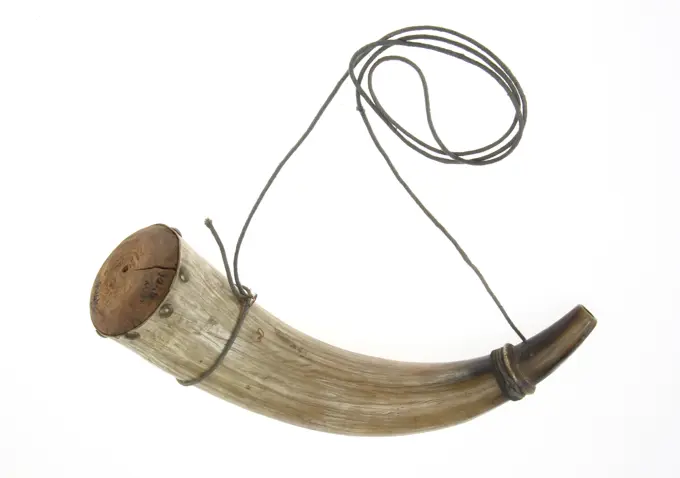
Images of antique bronze and iron molds or tools used for casting, highlighting intricate designs and historical craftsmanship.

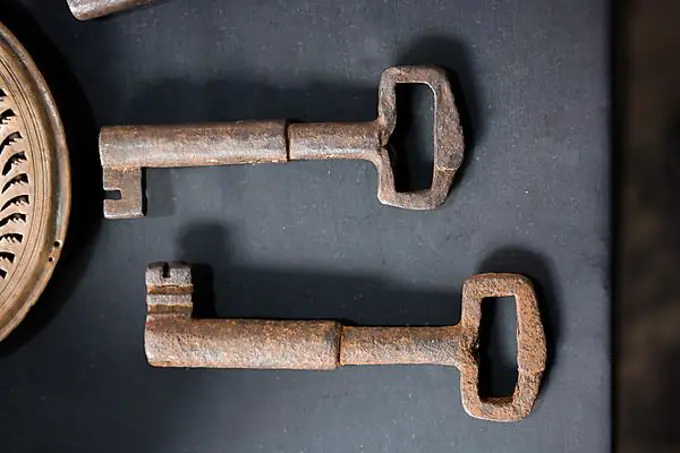
Key, lock register;  k. XVIII - 1 PO. 19th century (1801-00-00-1900-00-00), end of the 18th century-1 after. 19th century (1790-00-00-1800-00-00);
Key, lock register; k. XVIII - 1 PO. 19th century (1801-00-00-1900-00-00), end of the 18th century-1 after. 19th century (1790-00-00-1800-00-00);
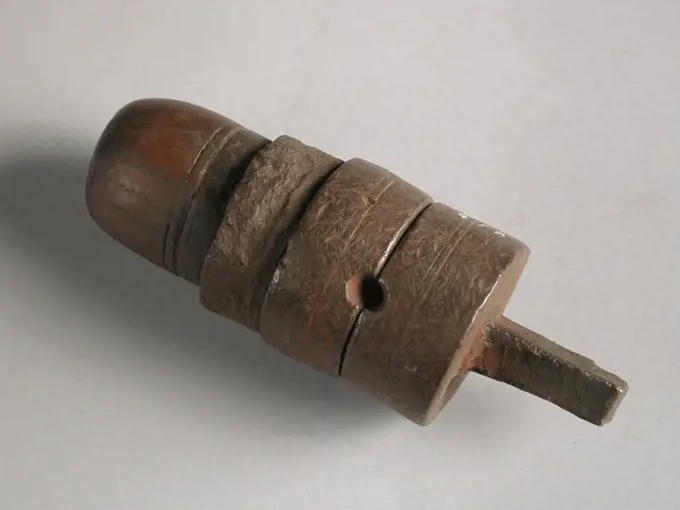
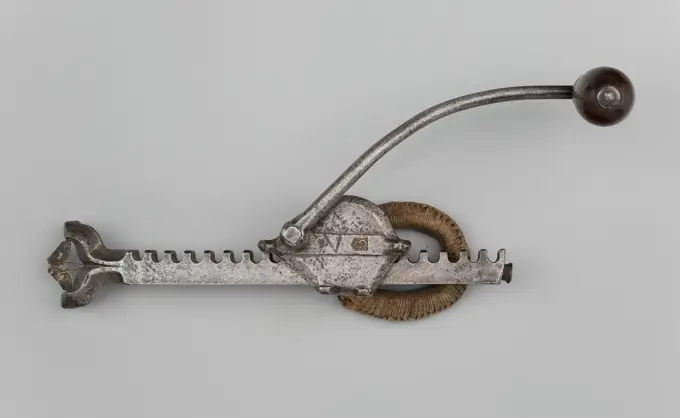
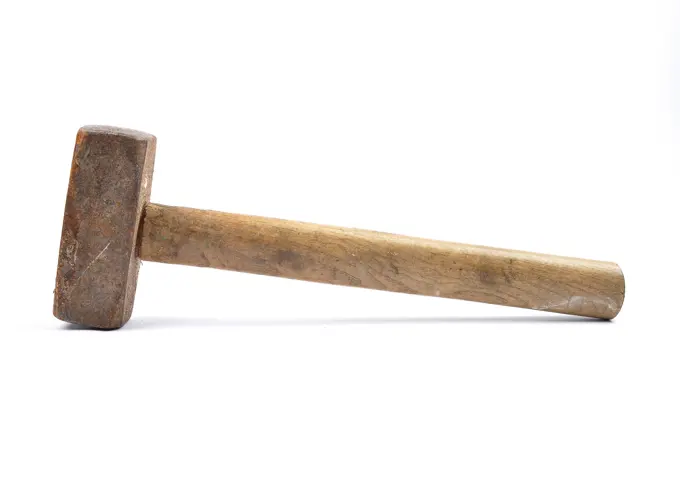
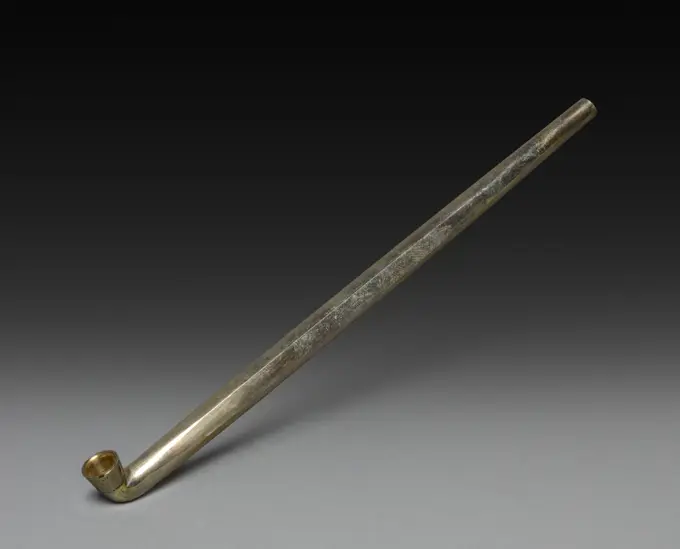
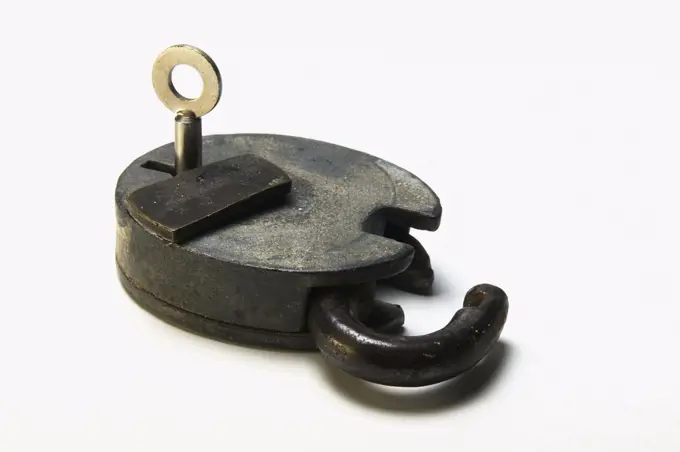
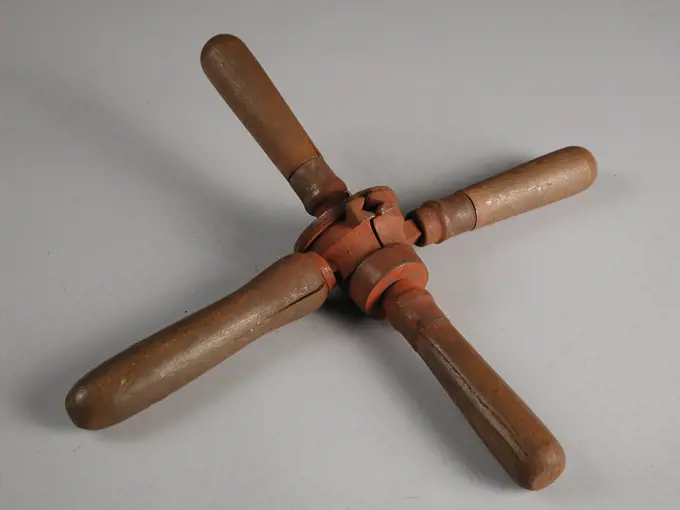
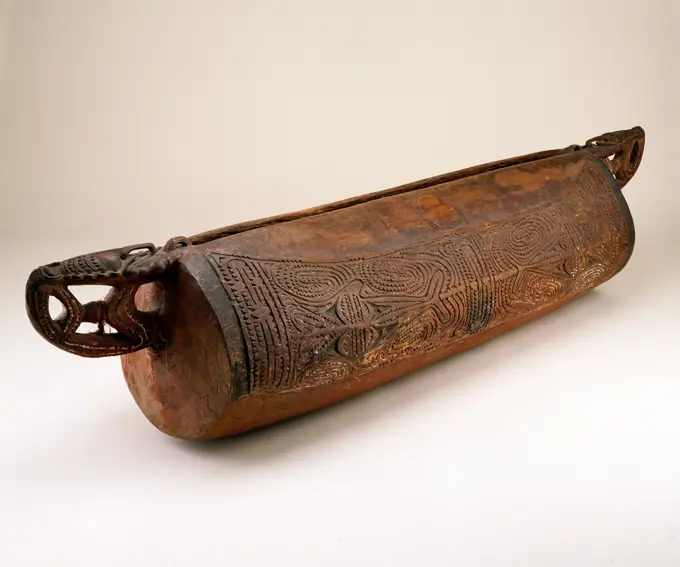
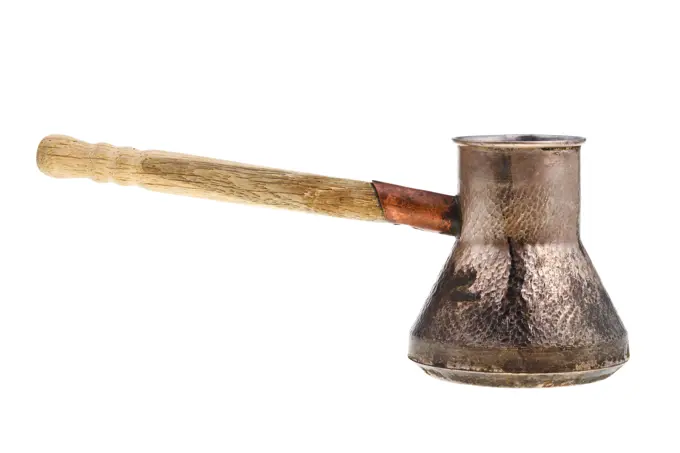
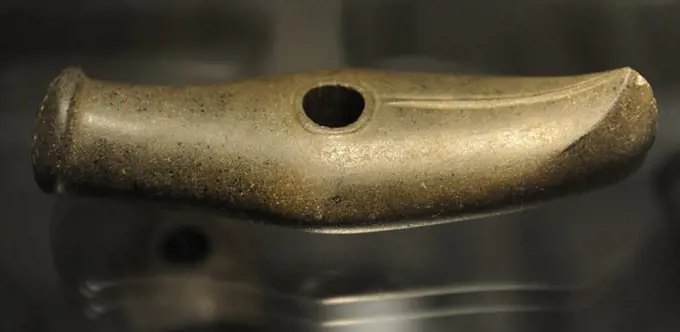
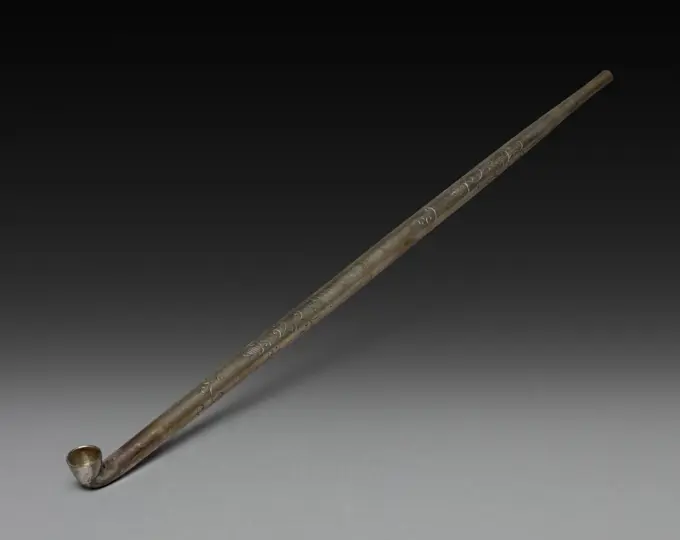
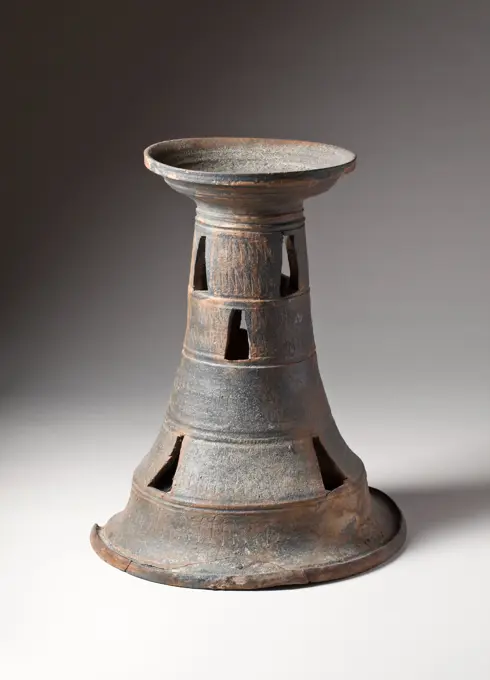
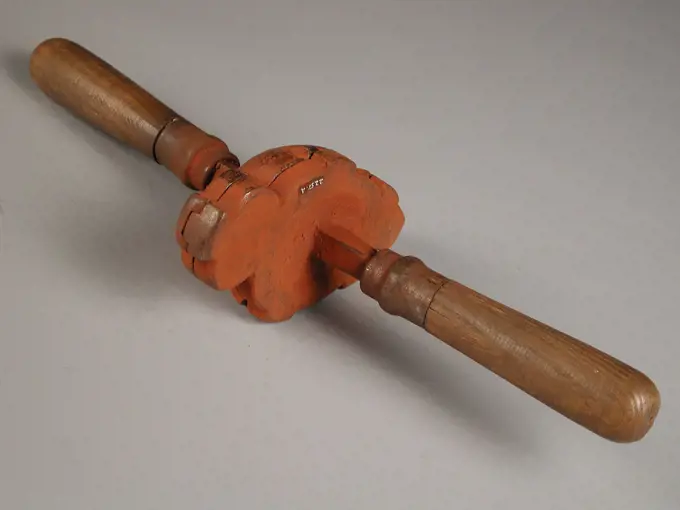
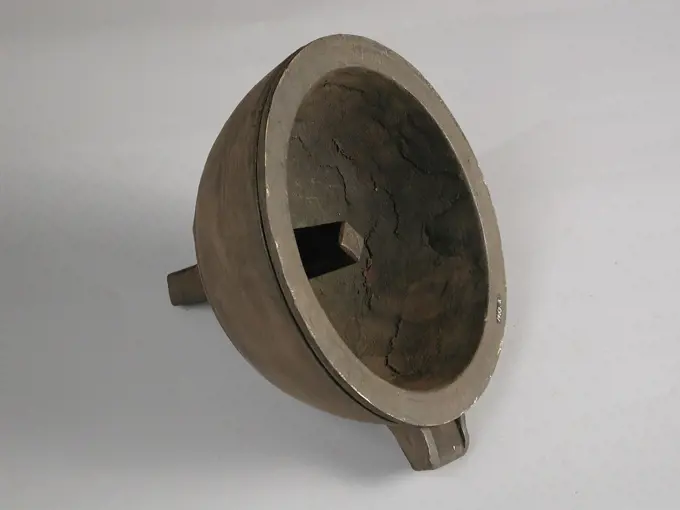
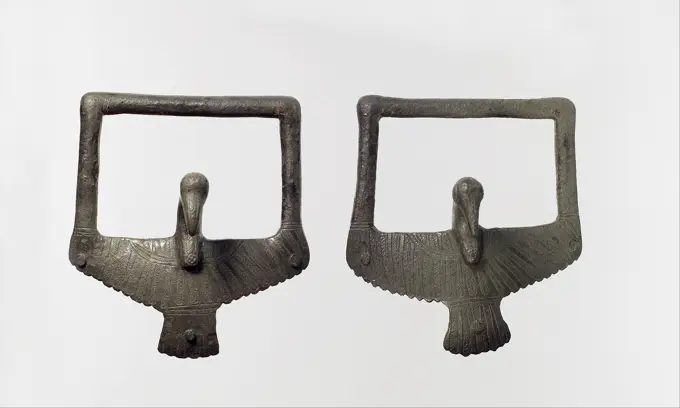
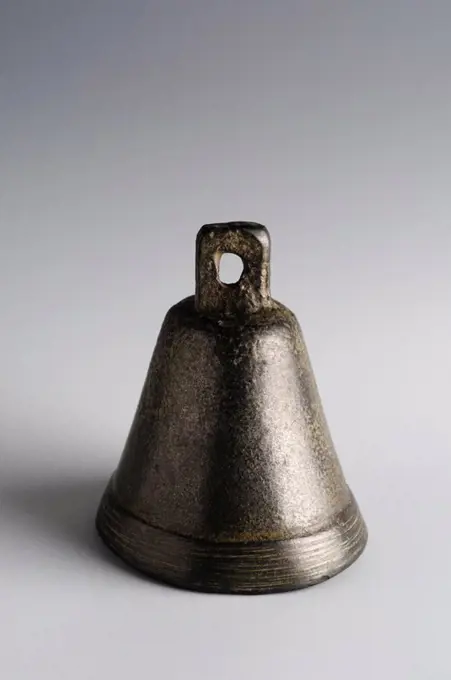
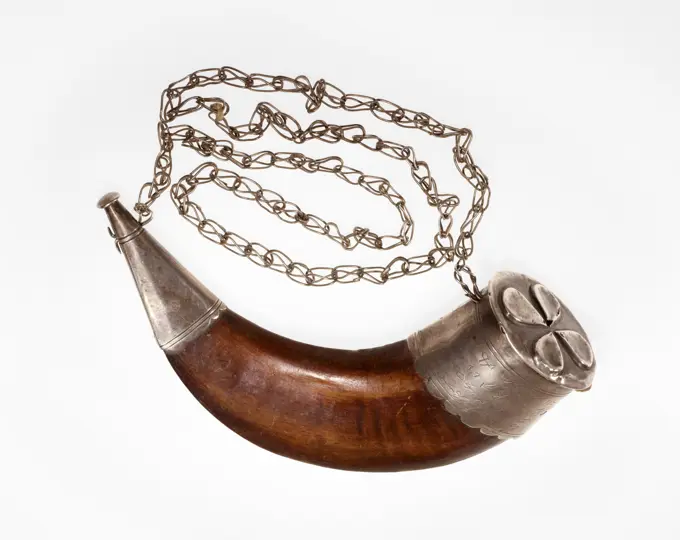
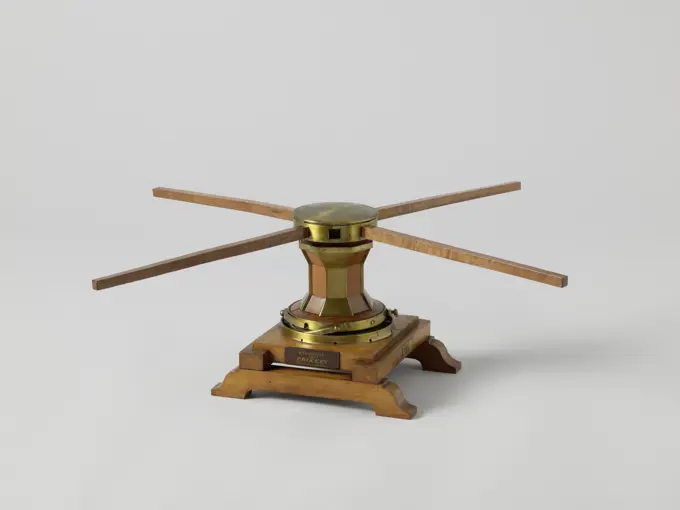
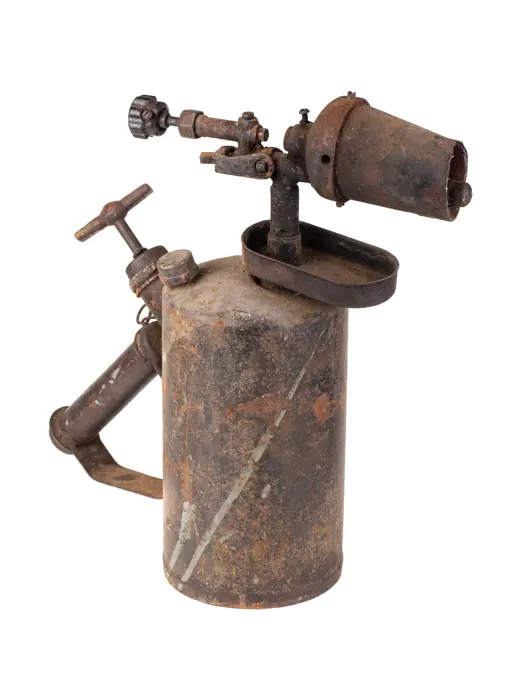
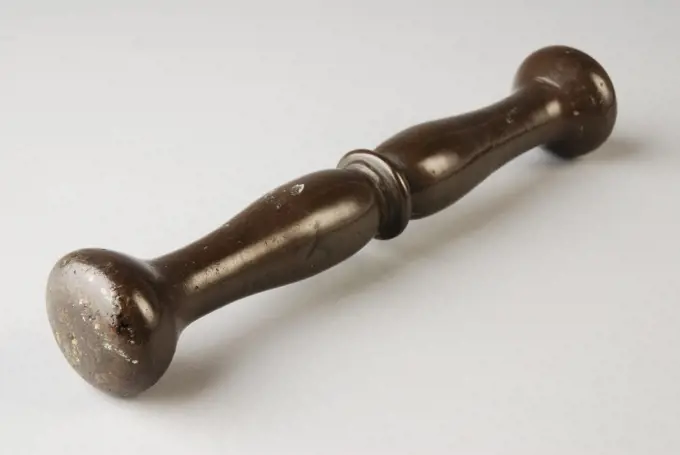
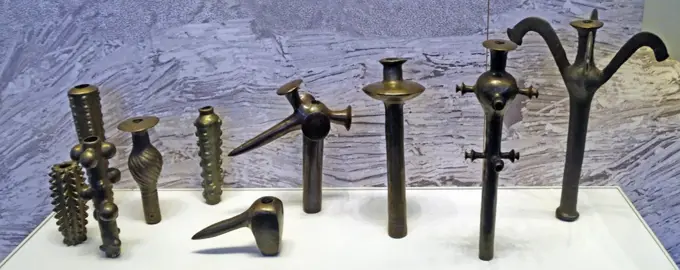
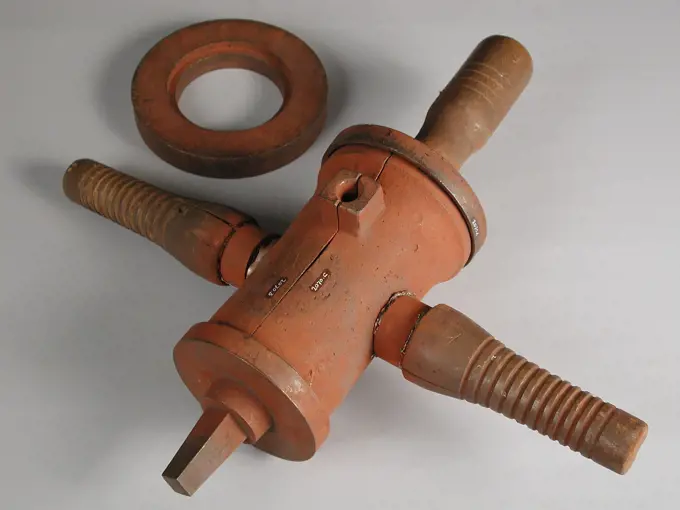
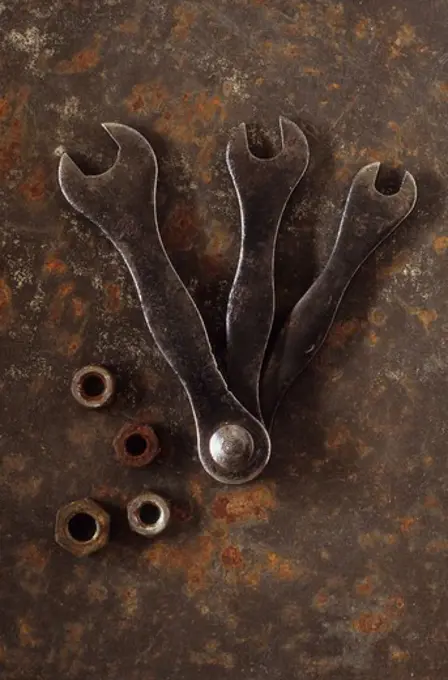
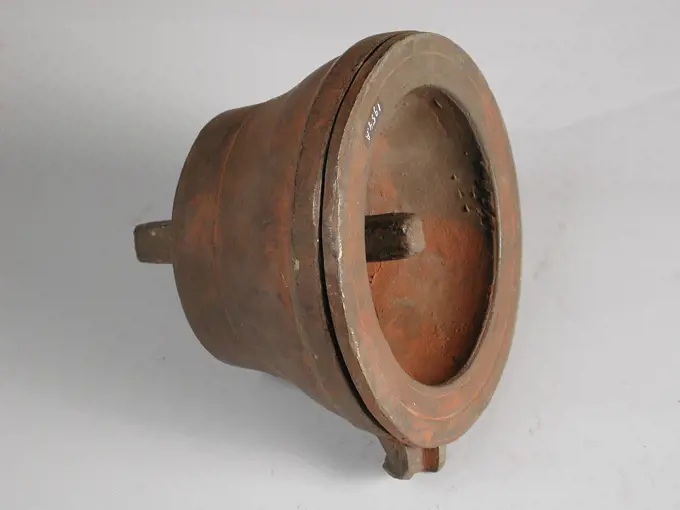
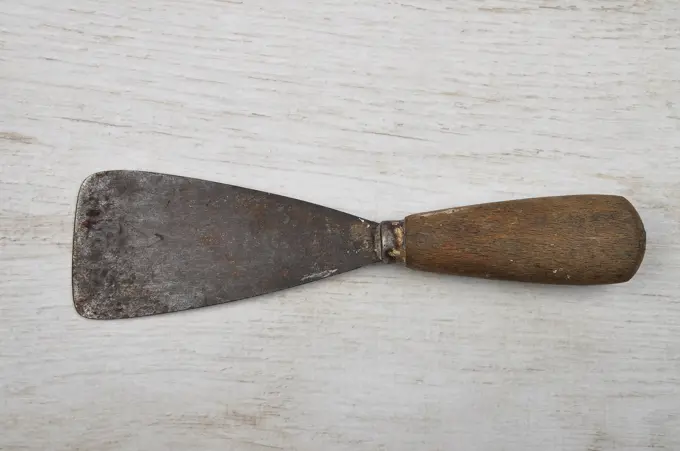
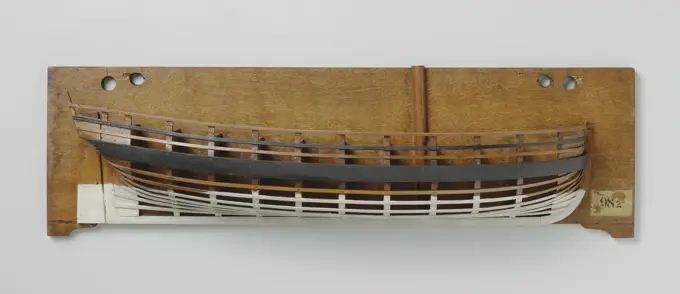
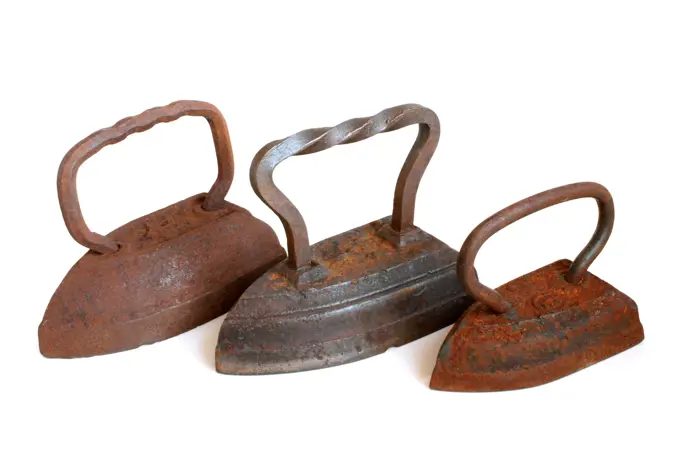
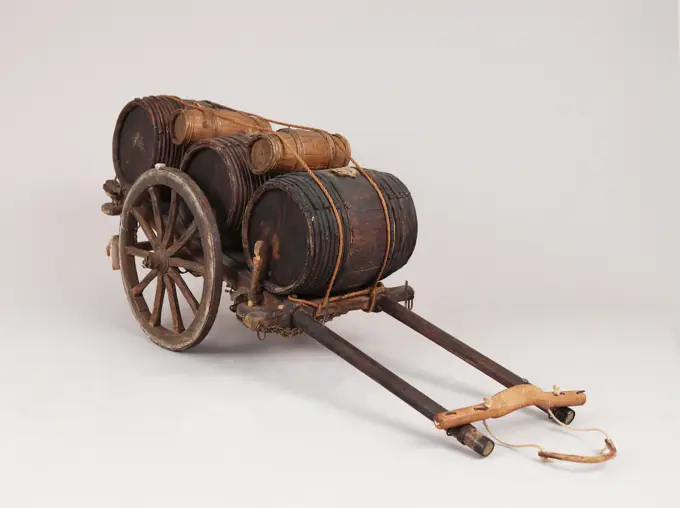
Two-piece bronze mold for funnel, cast molding tool tools kit metal_metal bronze wood iron, cast turned Two-piece bronze mold for small funnel Rotterdam tin foundry tin stainer tin Meeuws Druy craft Shapes are from the originally 18th century Rotterdam inkwell J Druy. The large molds that were not signed or dated were the property of the tinker guild and were rented to the small tin caster.Three-piece bronze mold for ear of jug or jar, mold casting tool tools equipment raw metal bronze, molded turned Three-piece bronze mold for pouring an ear for jug or jar Rotterdam tingieterij tin stainer tin Meeuws Druy craft Shapes are from the originally 18th-century Rotterdam tinnegieter J Druy. The large molds that were not signed or dated were the property of the tinker guild and were rented to the small tin caster.Two-piece bronze mold for ring, cast molding tool tools base metal bronze wood iron, Two-piece mold for casting ring Rotterdam tin foundry tin stainer tin Meeuws Druy craft Shapes come from the originally 18th century Rotterdam tin tanner J Druy. The large molds that were not signed or dated were the property of the tinker guild and were rented to the small tin caster.Two-piece bronze mold for lid of jug or pot, cast molding tool tools base metal bronze wood iron, cast turned Two-piece bronze mold for casting lid for jug or pot Rotterdam tin foundry tin stainer tin Meeuws Druy craft Shapes are from the van origins 18th century Rotterdam tinnegieter J Druy. The large molds that were not signed or dated were the property of the tinker guild and were rented to the small tin caster.Fire Lighter or Coal Tong 15th-16th century European. Fire Lighter or Coal Tong. European. 15th-16th century. Iron. Metalwork-IronMusketmaat complete, with a tear in soil and not completely matching cap. Musketmaat complete, consisting of a conical bus, a lid, goat leather upholstery and a cord. The musket size has a crack in the soil and the cap does not fit completely anymore.Cranequin (Winder) for a Crossbow 1500-1550 Germany. Iron, brass, and wood .Candlestick with round foot and trunk with one knot, anonymous, c. 1400 - c. 1450 The object is composed of two parts: the foot and the trunk with candle holder. They were cast and then turned. The foot, which also serves as a fat catcher, has a spherical elevation in the middle, on which the strain provided with one knot is sounded. This was then turned at the bottom. The almost cylindrical candle holder has two rectangular openings in the wall, which are extended in each other. Foot and trunk are decorated with profiles. The object, which is damaged at the foot and holder, is a bottom find. Northern Netherlands (possibly) brass (alloy) casting The object is composed of two parts: the foot and the trunk with candle holder. They were cast and then turned. The foot, which also serves as a fat catcher, has a spherical elevation in the middle, on which the strain provided with one knot is sounded. This was then turned at the bottom. The almost cylindrical candle holder has two rectangularPlanets-manager. Cornalet Collection Sites 2013-2016. Numismatic.Model adze. Dimensions: 7.2 cm (2 13/16 in). Dynasty: Dynasty 12. Date: ca. 1981-1802 B.C.. Museum: Metropolitan Museum of Art, New York, USA.Key, lock register;  k. XVIII - 1 PO. 19th century (1801-00-00-1900-00-00), end of the 18th century-1 after. 19th century (1790-00-00-1800-00-00);Faeustel - Lump hammer Faeustel - Lump hammer Copyright: xZoonar.com/lantapixx 7084523Jew's harp, anonymous, 1800 - 1896 Mouth harp made of iron.  iron (metal) Mouth harp made of iron.  iron (metal)Tobacco Pipe, early to mid-1800s. Japan, Edo period (1615-1868). Metal; overall: 19.8 cm (7 13/16 in.).cork on corkscrew isolated on white backgroundPin. Pin 244569McKee metal hip-replacement. This was one of the first kind of hip-replacements and was only a short term fix. Dated 2014Excavated spurOpen padlockLantaka, Anonymous, 1750 - 1850 lilla Bronze front loader on Mik. The loop has a wide mouth, the middle part is round and the rear part octagonal. The tail is hollow for a wooden bowel. On either side of the Zundgat a square button for a Zundgat cover. Before the Zundgat a diamond -shaped ornament with a target button on it, and at the mouth a raised grain with crack. The eyes of the mik are completely forged around the taps, so that the piece cannot be lifted out of the mik. The soul of the piece is quite coarse, so that it seems to have been poured a core and not drilled. For bullet of 1.5 pounds. Indonesian Archipelago (possibly) bronze (metal)Four-piece bronze mold for sconce candleholder, cast molding tool tools base metal bronze wood iron, cast turned Four-piece bronze mold for casting candleholder's candlestick Rotterdam tin foundry tin stain tin Meeuws Druy craft Shapes are from the originally 18th-century Rotterdam tinnegieter J Druy. The large molds that were not signed or dated were the property of the tinker guild and were rented to the small tin caster.Slit Drum (garamut), 20th century, 98 x 20 in. (248.92 x 50.8 cm), Wood, pigments, fiber Wood, pigment, fiber, Papua New Guinea, 20th century, Carved from a felled tree the slit drum, or garamut, is the most important instrument in the Sepik River region. It is engraved and painted in different stages, and kept in the men's ritual house for ceremonies such as male initiations. This drum still has remnants of its original red, white, and black pigments, while carvings on the drum's body show what appear to be two fish surrounded by intricate curvilinear designs. The finials of the garamut are ornamented with figures characteristic of the Sepik region with their long, hooked noses and tiered headdresses. These figures represent important ancestors and demonstrate clan affiliation.retro copper coffee pot retro copper coffee pot isolated on white background Copyright: xZoonar.com/ValeryxVoennyyx 5456591The Corded Ware culture, alternatively characterized as the Battle Axe Culture or Single Grave culture. Nordic areas. (2900-2450/2350 BC). The National Museum of Finland. Helsinki.Eating spoon -Styling device in the shape of a stylized bird unknownModel of a Rudder Head for a 44-Gun Frigate, anonymous, anonymous, c. 1820 - c. 1858 demonstration model Model of a square roser head with two brass stir pins. The lower, long stirring pen is attached with a long shelter and two tensioning screws. The upper, short stirring pen is in a small brass rosy head that is placed on the wooden head. Both stir pens have two eyes. Scale 1:10. United Kingdom wood (plant material). brass (alloy)Old pulley with rope Old pulley with rope Copyright: xZoonar.com/BorisxZerwannx 7006280Two-piece round mold for brandy bowl or top pot or jug, cast molding tool tools base metal bronze, cast turned Two-piece bronze mold for pouring brandy bowl or top of pot or jug Rotterdam tin foundry tin pourer tin Meeuws Druy craft Shapes are from the van origins 18th century Rotterdam tinnegieter J Druy. The large molds that were not signed or dated were the property of the tinker guild and were rented to the small tin caster.Jan van der Pol, Two-piece bronze mold for bottom of jug with initials IVDP and 1755, mold casting tool tools equipment base metal bronze, cast twisted Two-piece bronze mold for casting bottom or base of jug. signed I V D P and year 1755 (Jan van der Pol) Rotterdam tin tinker tin tin Meeuws Druy artisan Shapes are from the originally 18th century Rotterdam tinnegieter J Druy. The large molds that were not signed or dated were the property of the tinker guild and were rented to the small tin caster.Rusty irons Two old rusty irons over white background Copyright: xZoonar.com/Lakhesisx 1948133KeyTobacco Pipe, early to mid-1800s. Japan, Edo period (1615-1868). Silver; overall: 28.4 cm (11 3/16 in.).Tin candlestick with disk -shaped nodus and candle pin, anonymous, 1400 - 1600 Tin candlestick. The foot first runs up and then flat inside, to go upwards again to the trunk. The trunk is cylinder -shaped, has a disk -shaped nodus in the middle and runs slightly out at the top. The wide fat catcher rests with a candle pin of iron. Germany (possibly) tin (metal). iron (metal) casting Tin candlestick. The foot first runs up and then flat inside, to go upwards again to the trunk. The trunk is cylinder -shaped, has a disk -shaped nodus in the middle and runs slightly out at the top. The wide fat catcher rests with a candle pin of iron. Germany (possibly) tin (metal). iron (metal) castingFrance, Paris, Montalembert Hotel, door handle.old iron isolated on a white backgroundTall stand with perforated base, 5th century, Unknown Korean, 13 1/4 × 10 3/4 × 10 5/8 in. (33.66 × 27.31 × 26.99 cm), Stoneware with incised design, Korea, 5th century, Perforated stoneware such as this stand are associated with the Silla Kingdom and Gaya Confederacy in southeast Korea. The region is peppered with excavation sites, where discoveries continue to be made to this day. This tall stand, which would have supported a smaller dish or jar for storing food or liquid, was probably used in a burial context.Model of a Slide and Carriage for a 30-Pounder Carronade, anonymous, 1848 demonstration model Model of an upper and submerged for a carronade of 30 pounds. With baking sucker, incomplete. The upper slide has a light trape-shaped body with brass batter and rings, the front and back are completed. Against the back the baking tub in brass batter and on top of the track in front of the Eleveers screw, at the front the ears with tapas and the vertebral bolt at the bottom. With a flat rectangular head, the vertebral leg runs through the slot of the submerged. The submerged is a wooden window, rounded at the front, partially fitted with brass and equipped with a hole for the pivot bolt; A little backwards, a borced plate with two holes is applied to the bottom, with which the sledge was guaranteed in the longitudinal direction against the ship's board. At the back the deducted and a little has been completed. The sledge is supported here by a bobbin with two legs, rounded on the bottom so thaTwo-piece bronze mold for lamb or medicine outing, cast molding tool tools base metal bronze wood iron, cast twisted Two-piece bronze mold for molding lamb's ear or medicine outing Rotterdam tingieterij tin stainer tin Meeuws Druy craft Shapes are from the from origin 18th century Rotterdam tinnegieter J Druy. The large molds that were not signed or dated were the property of the tinker guild and were rented to the small tin caster.Mechanical part of the wreck of the East Indians Hollandia, Anonymous, 1700 - in Or Before 1743 part Varied parts or fragments, mechanical parts; fragm of pivot, consisting of tapering horizontal bar, broken off, at other end tapering vertiacal shaft, circular in section, with notched ball-shaped end. Netherlands copper (metal)   SecondIron mortar on wooden base. Iron mortar on elm wood base. Mount renewed.Model of Main Topmast Crosstrees, anonymous, c. 1850 demonstration model Model of Grootbram Maarten. Model of a bramzaling, consisting of three cross -beams lying on two longitudines, on which the calves between the front two crosses; The longitudinal people are still connected from the front by a crossbar. Netherlands wood (plant material). brass (alloy)GRANAAT CROPER, Anonymous, 1850 - 1900  Two wooden supports, inlaid with leather, and on the round inside with a thin layer of leather. The carrier has an H-shape and has two wooden handles on both outside. unknown wood (plant material). leatherSounding machine. The numbers tell the tale’ is a saying that also applied on board ships. The depth of water could be determined using a sounding line. The design for this sounding machine was patented by Edward Massey in 1802. The machine was attached to a sounding line. As it sank to the seabed, a rotating vane drove a counter with a wormscrew; its revolutions were converted to the depth in fathoms.Spoon with fig-shaped bowl and stem with round cross section, toy of tin, marked, spoon cutlery toy relaxant soil find tin metal, molded Small fig-shaped bowl in cross section round handle very short rat tail Small model children's toys Roughly finished. Marked in the box on the handle side Bake in front of the box: crowned Tudor rose with in the crown I archeology Rotterdam railway tunnel indigenous tin child child play food game Soil discovery: route Rotterdam rail tunnel.Lazio Roma Rome SS. Giovanni e Paolo, Museum30. Hutzel, Max 1960-1990 Medieval: Ceramic fragments, sculptural fragments, fresco fragments, inscribed tomb markers. Houses one of the best collections of Malagan medieval ceramics for casting wall monuments, copies of which are housed in campanile. Specific Location: Museum Antiquities: Ceramic fragments, sculptural fragments, architectural fragments Object Notes: Basilica has separate record and is filed separately. German-born photographer and scholar Max Hutzel (1911-1988) photographed in Italy from the early 1960s until his death. The result of this project, referred to by Hutzel as Foto Arte Minore, is thorough documentation of art historical development in Italy up to the 18th century, including objects of the Etruscans and the Romans, as well as early Medieval, Romanesque, Gothic, Renaissance and Baroque monuments. Images are organized by geographic region in Italy, then by province, city, site complex and monument.Two-piece mold for pot or pot, mold casting tool tools equipment base metal bronze, cast turned Two-piece bronze mold for pot, the core is provided with round thickening of 3.5 cm Rotterdam tin foundry tin stainer tin Meeuws Druy craft Shapes are from the origin of 18th century Rotterdam tinnegieter J Druy. The large molds that were not signed or dated were the property of the tinker guild and were rented to the small tin caster.Pa. German Butter Mold. Dated: 1935/1942. Dimensions: overall: 30.2 x 42.3 cm (11 7/8 x 16 5/8 in.). Medium: watercolor and graphite on paper. Museum: National Gallery of Art, Washington DC. Author: Clyde L. Cheney.Gunlock (Percussion), anonymous, 1830 - 1860 percussion lock Iron percussion slot with deductible. The hammer has two quadrants at the axis, which is mounted between two cheeks. A double die is attached to the quadrants. The house is mounted against the Kulas and the cheeks, which come to both sides of the final exaltation, with a bolt attached right through it. Russia (possibly) iron (metal). ropePair of bird-shaped handles ca. 9th century B.C. Iran These handles were once fixed, each by three rivets, to a hammered bronze shallow bowl or basin. They are in the form of stylized long-necked birds with outstretched wings and tail; a fixed rectangular handle rises from the wing tips. Each bird head, which faced out from the bowl, projects slightly forward, with a herringbone pattern on the beak and neck, and the eyes etched in simple concentric circles. The wings and tails are decorated by incised herringbone patterns to suggest separate feathers. Such bird-head protome attachments are represented in Near Eastern art in the round on buckets and cauldrons as well as on bowls and basins. They were popular in Assyria and Iran during the ninth and eighth centuries B.C.. Pair of bird-shaped handles 325138Wood Screw Wood Screw Silhouette on White Backgound Copyright: xZoonar.com/AlxCarrerax 22157387Sharpened Sticks from Tutankhamun's Embalming Cache. Dimensions: a: L. 19.8 cm (7 13/16 in.); b: L. 20.2 cm (7 15/16 in.). Dynasty: Dynasty 18. Reign: reign of Tutankhamun. Date: ca. 1336-1327 B.C.. Museum: Metropolitan Museum of Art, New York, USA.CASA DE LOS BALCONES-ARADO RUSTICO. Location: CASA DE LOS BALCONES. LA OROTAVA. TENERIFFA. SPAIN.Bronze bell. Roman period, from the archaeological site of Complutum in Alcala de Henares (Madrid). SPAIN.Horn pendant with chain, 4 x 7 3/8 x 1 5/8 in. (10.16 x 18.73 x 4.13 cm) (without chain), Horn, silver, Sierra LeoneGunlock (percussion) on a Dummy Breech of a 36-pounder Cannon. Percussion lock on wooden kulas of a 36 pound gun. The lock plate is mounted on the right-hand side against the lock hardener with two bolts across, and two screws in the kulas. The hammer is running in a right angle to the loop. The hammer consists of a curved piece of iron, the narrow curved end has a slot for the flame from the Zundgat when fired. Two holes for the retraction rope have been applied in the shaft, in the lock plate a disk through which the rope is led to the rear. The wooden kulas is that of an iron cannon of 36 pounds, French model.Model of A Capstan, Rijkswerf Vlissingen, c. 1850 demonstration model Model of a capstan on a wooden floor. It is a capstan for eight wind trees and has four places in the heel against the decline. The drum has four 'brown' clamps (cf. NG-MC-195). The king, who is stuck in the floor with a square heel and the drum turns, is made of brass and is secured with a nut under the cover plates of the head; The floor is considerably reinforced. Scale 1:10 (according to Obreen). Flushing wood (plant material). brass (alloy)Old blowtorch Old rusty blowtorch isolated on white background Copyright: xZoonar.com/AndreyxEreminx 6046151Granulated Tube Pendant ca. 1479-1425 B.C. New Kingdom. Granulated Tube Pendant. ca. 1479-1425 B.C.. Gold. New Kingdom. Possibly from Upper Egypt, Thebes; From Egypt. Dynasty 18Flask - Wig Powdering Carrot, 1700-1800. Pinto Collection - Purchased from Edward H Pinto, 1965.. Rare rosewood, horn and ebony wig powdering carrot. .Tobacco box 18th century Giese. Tobacco box 205400An old Hammer isolated on white backgroundBronze pestle, pestle bronze, cast Round stem with ring-shaped node in the middle Bolling on both sides of the node. At ends pear-shaped widening health care pharmacy grinding augerSelection of objects from the En Gedi hoard. Found wrapped in a woven mat in a cave above Nahal Mishmar in the Judean Desert, over 6,500-5,500 years ago. It is thought that the objects belong to the En Gedi sanctuary about 12km away. Made from copper, ivory and stone.Chess piece by Anonymous artist, Wood, 15th century, National Museum Palace of the Grand Dukes of LithuaniaFour-piece bronze mold of 12 liters measuring jug, cast molding tool tools base metal bronze, cast turned Four-piece bronze mold for casting 12-liter measuring jug Part E is for putting away the mold ring Rotterdam tingieterij tinnegieter tin Meeuws Druy craft Forms come from the originally 18th century Rotterdam tinnegieter J Druy. The large molds that were not signed or dated were the property of the tinker guild and were rented to the small tin caster.Wheelbarrow with which a start was made on the works on the North Sea Canal, Anonymous, 1865  Coarsely built wooden wheelbarrow with wooden wheel surrounded by an iron strap. The container is closed on the top. Decorated on the sides with pine racks and silk ribbons, which are attached with copper heads, at the front and the wheel sides ribbons and gold thread; Of all these decorations, only remains. Inscription: On cardboard label of the Rijksmuseum: the wheelbarrow and the spade, which made a start on March 8, 1865 with the excavation work on the North Sea Canal. See. 5800 Netherlands wood (plant material). iron (metal). copper (metal). silk. fir (wood) forging  North Sea CanalRetro styled color decorativel key made of metalMortar on wooden base. Mortar of iron with two handles, standing on wooden base with adjusting screw.Fire iron with a copper button, c. 1400 - c. 1950   iron (metal). copper (metal)   iron (metal). copper (metal)Hardware construction hand used dirty toolsRectangular wooden cutting board empty on white isolated backgroundMiniature hunting screen -Adze ca. 1550-1295 B.C. New Kingdom. Adze. ca. 1550-1295 B.C.. Wood, bronze or copper alloy, leather. New Kingdom. From Egypt, Upper Egypt, Thebes, Deir el-Bahri, Temple of Hatshepsut, forecourt, Foundation Deposit 3 (C), MMA excavations, 1923-24Wooden plane, boards and a shaving on a white backgroundEarthenware iron with sausage-shaped handle, thick surface with rounded front, iron pin soil find ceramic earthenware enamel, h 10,0 hand shaped molded glazed baked earthenware iron with thick curved sausage as handle Red shard fully glazed thick glaze. brown and green mottled. Edges cut off along the top. Stupid nose archeology Rotterdam City center Stadsdriehoek Groenendaal underground pit indigenous earthenware smoothing clothes clothing archaeological find in the soil Rotterdam underground pit Groenendaal (canal dredger) September 23, 1976.Antique air pumpCrossbow. German, Dresden; Master I.G.H. (Johann Gottfried Hänisch the Elder). Date: 1725-1735. Dimensions: 12.7 × 62.2 × 59.7 cm (5 × 24 1/4 × 23 1/2 in.)Wt. 9 lbs. 4 oz. Steel, walnut, staghorn, bovine horn, bone, silk fiber, and hemp. Origin: Dresden. Museum: The Chicago Art Institute, Chicago, USA.Crooked knife -BasketThe dirk of the officer Soviet military The dirk of the officer Soviet military - marine sea fleet Copyright: xZoonar.com/AlexanderxStrelax 3900713Mitten Gauntlet for the Left Hand. Attributed to the workshop of Kolman Helmschmid; German, Augsburg, 1471-1532; Etching attributed to Daniel Hopfer; German, Augsburg, 1471-1536. Date: 1514-1535. Dimensions: L. 26.7 cm (10 1/2 in.). Steel, leather, and brass. Origin: Augsburg. Museum: The Chicago Art Institute, USA.Ritual Object (Cong). Culture: China. Dimensions: H. 5 11/16 in. (14.5 cm); W. 2 13/16 in. (7.1 cm); L. 2 13/16 in. (7.1 cm). Date: 13th-12th century BC. Museum: Metropolitan Museum of Art, New York, USA.CandlestickModel of an optical telegraph, anonymous, 1792 - 1795 demonstration model. instruction model Model of an optical telegraph, on a ground board. It consists of a cupboard with mechanism at the bottom, on which two posts are placed to which movable arms are attached. The main arm revolves around an axis between the two posts and has two blades at the ends, which run independently and are provided with counterweights. A fourth arm can be moved up and down in line with one of the posts, making it visible or hidden behind the post. The control panel on one side of the cabinet has three keys with hands indicating the position of the arms; The fourth arm is operated with a pulling mechanism just above this panel. With rods and chains that run over disks, the movements of the keys are transferred to the arms and wicks. France wood (plant material). brass (alloy)Diadem ca. 750-500 B.C. Halstatt. Diadem 468340Powder horn -No More burned hands when you use these elongated pepper and salt shakers, especially made for barbecues. Other important implements are long-handled skewers, forks, a special either-hand barbecue glove. December 6, 1954.iron spur, 17th century, Álava Armory Museum, Vitoria, Basque Country, Spain.Set of wrenches and rusty nutsWooden plane, boards and a shaving on a white backgroundbinnacle, La Mola lighthouse museum, Formentera, Pitiusas Islands, Balearic Community, Spain.Two-piece mold for bottom of pot or jug, mold casting tool tools base metal bronze, cast turned Two-piece bronze mold for pouring the bottom of pot or jug Rotterdam tin foundry tin stain tin Meeuws Druy craft Forms originate from the 18th century Rotterdam tinnegieter J Druy. The large molds that were not signed or dated were the property of the tinker guild and were rented to the small tin caster.Spachtel - Putty knife on wood Spachtel - Putty knife on wood Copyright: xZoonar.com/lantapixx 7405929Half model or A 6-Gun Schooner-Brig, Rijkswerf Rotterdam, c. 1844 - c. 1846 ship model. half model. builder's model Polychromed planks Mallen model (starboard) of a two -master. The deck is closed and surrounded by a railing with two guns. Sharp vest, crane bar with lion mask. Elliptical fence, surrounded by continuous railing, no side gallery, strong stern; Stir with round stirring king (Soetermeer's version) and rounded Roerblad. Zeeg almost flat with emerging bow, one sunken barkhout. Peaked around, sharp underwater ship. Both masts hell back. Scale 1:40 (derived). Rotterdam wood (plant material)Half Model of a Schooner Gunboat, anonymous, c. 1780 - c. 1820 ship model. half model. builder's model Polychromed mold model (starboard) of a single -master. Get mirror, hollow wulf, no details of the fence; Straight with square stirring king. De Zeeg rises to both ends, one barkhout. Peaked around. Netherlands wood (plant material)Old flatirons Old flatirons on a white background Copyright: xZoonar.com/OlgaxPopovax 1618735Cart and barrels 18th century Italian, Naples. Cart and barrels. Italian, Naples. 18th century. Wood, iron, string. Crècheknocker of ancient bell knocker of ancient bronze bell Copyright: xZoonar.com/GoneWithTheWindx 10350686Drumstick -