Historical Metalwork

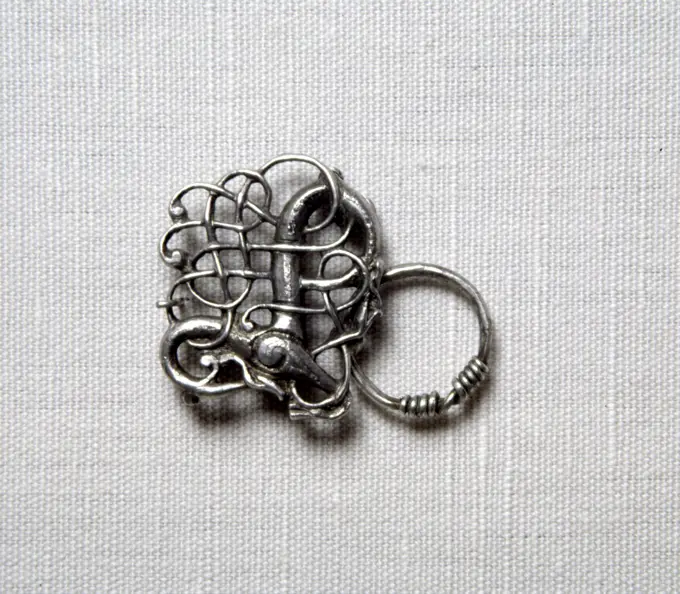
Diverse metalwork objects including shackles, candle sconces, and ornate locks, reflecting craftsmanship from various historical periods.

Abruzzo, L'Aquila, Sulmona, Museo Civico, Italy, 20th century, photo, photography, Europe
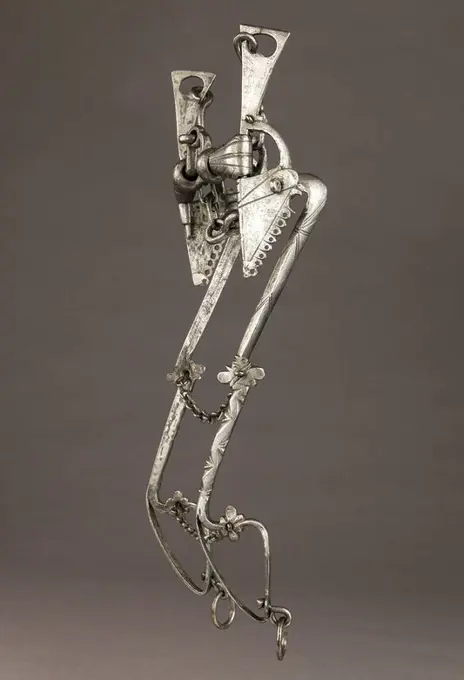
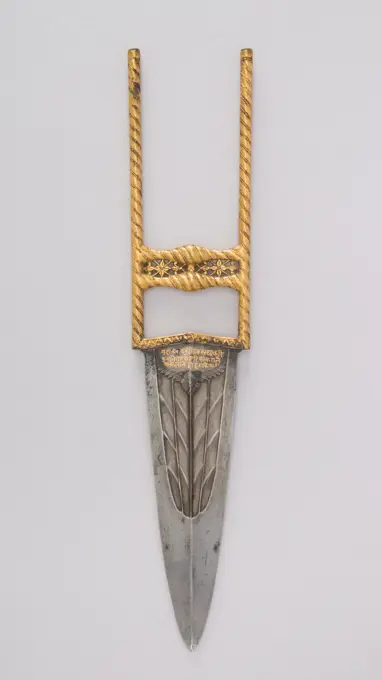
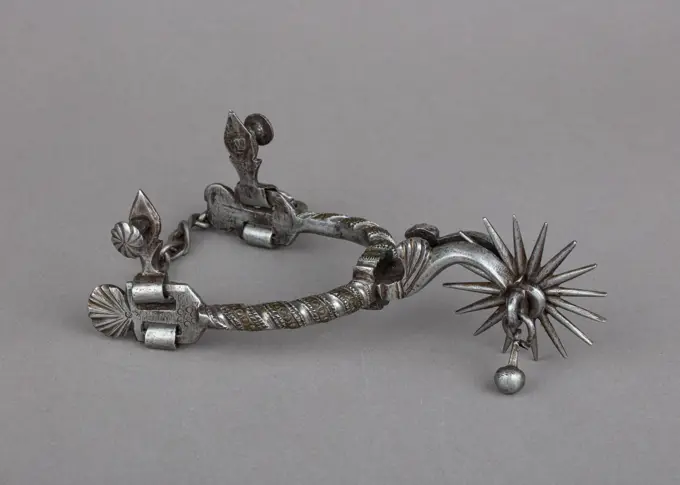
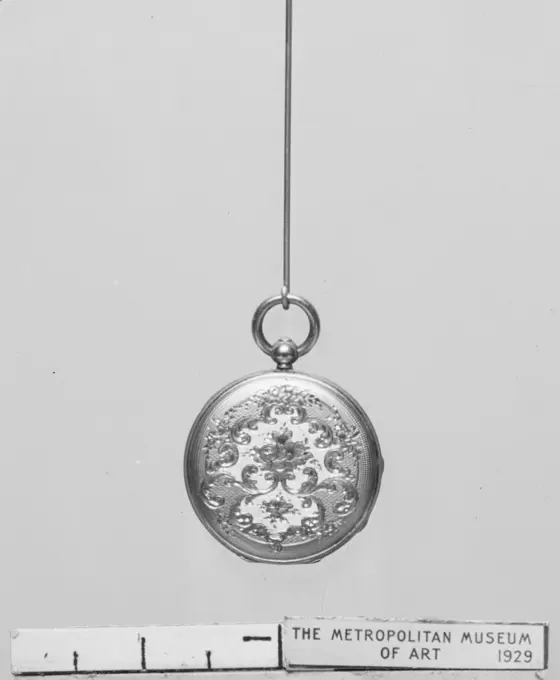
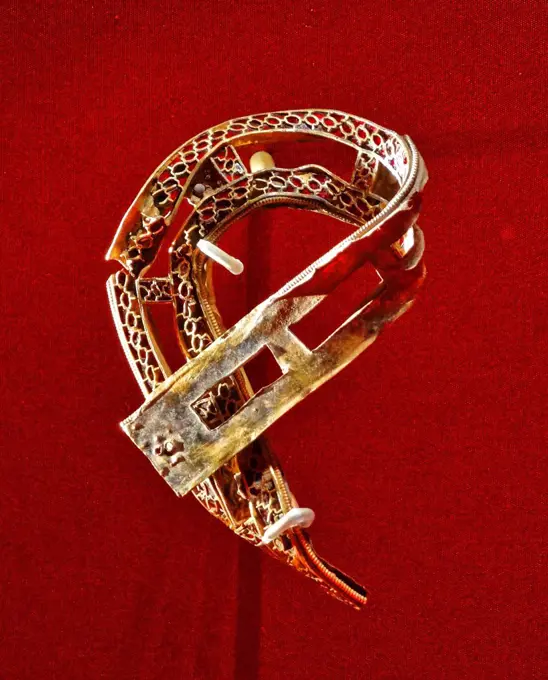
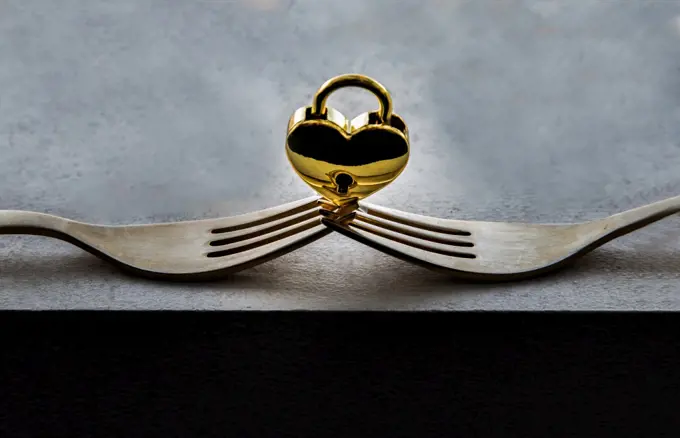
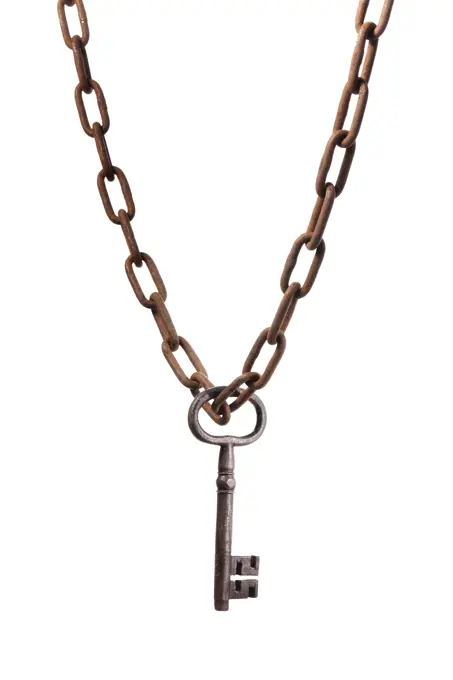
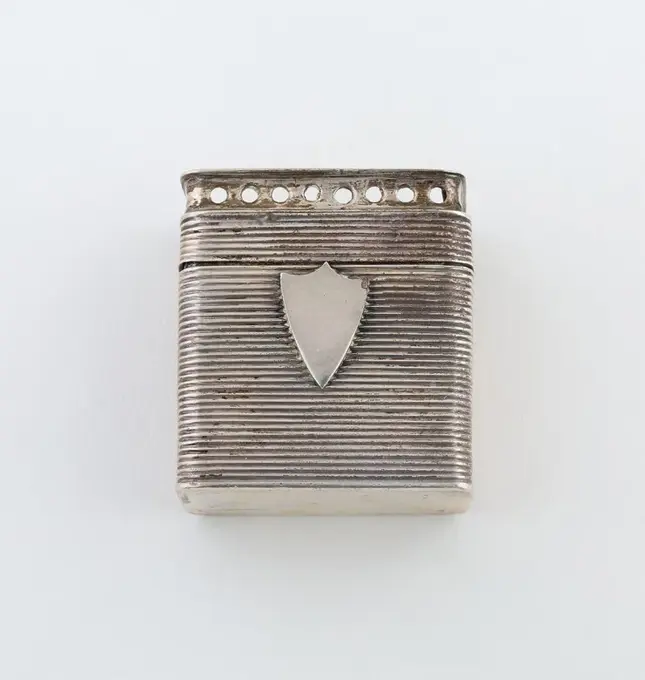
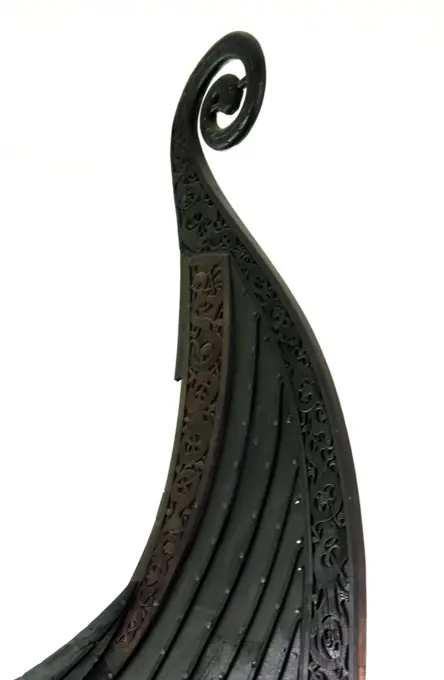
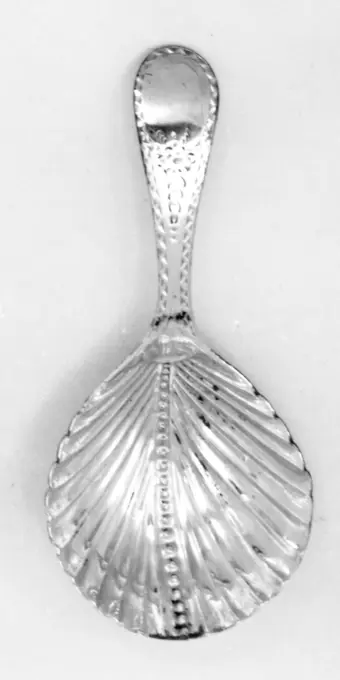
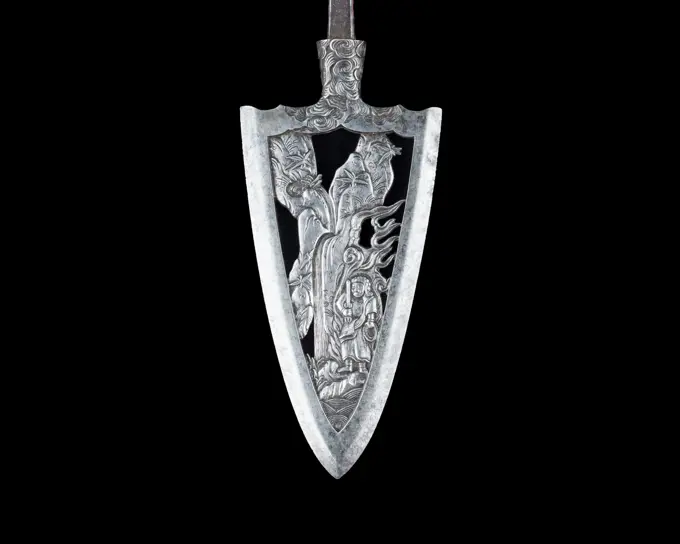
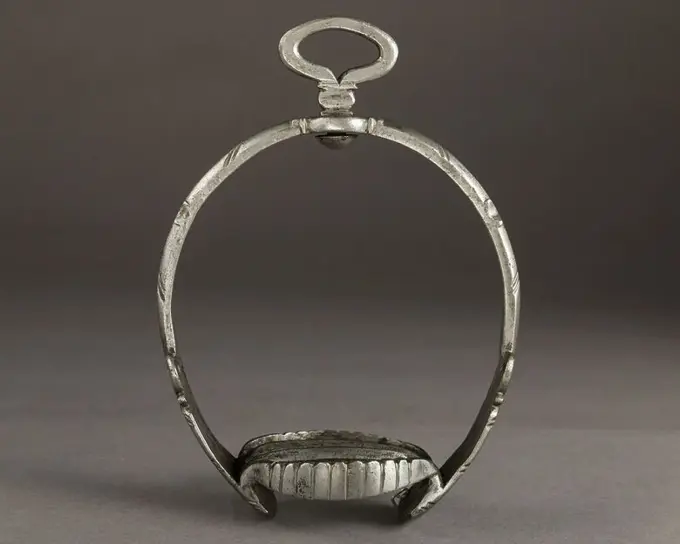
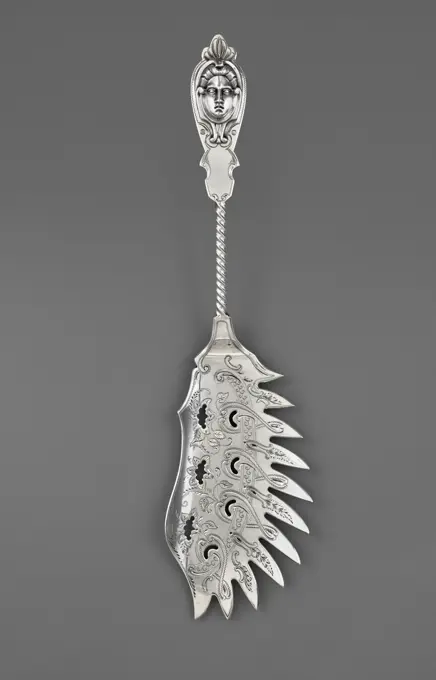
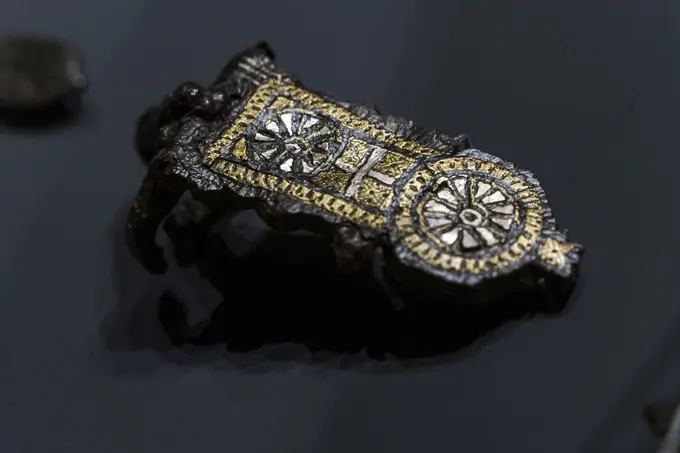
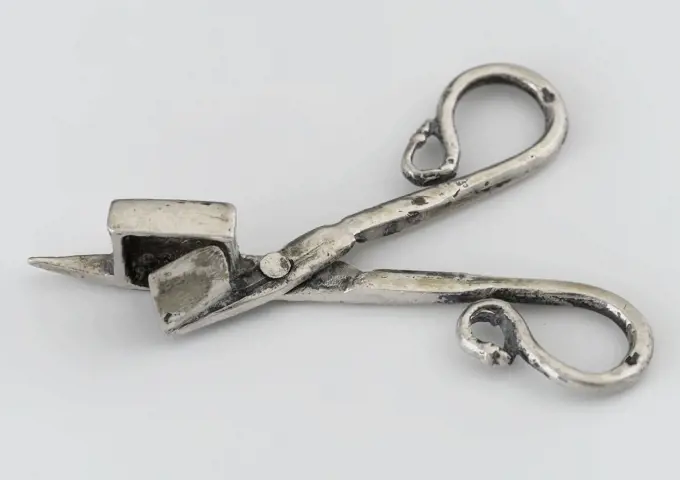
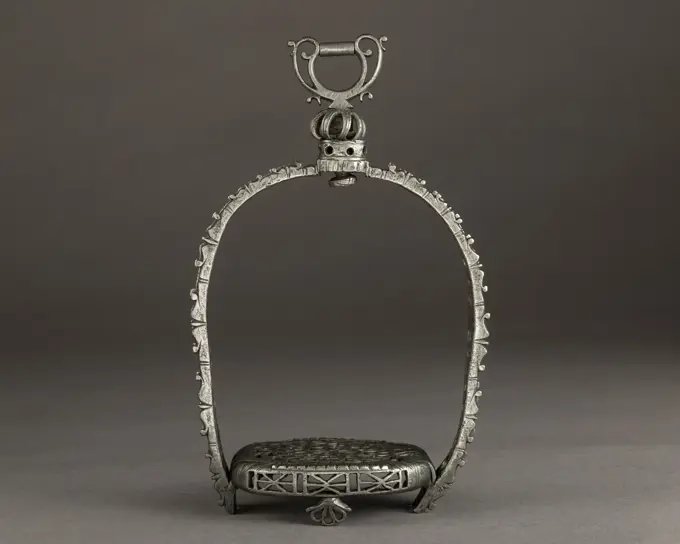
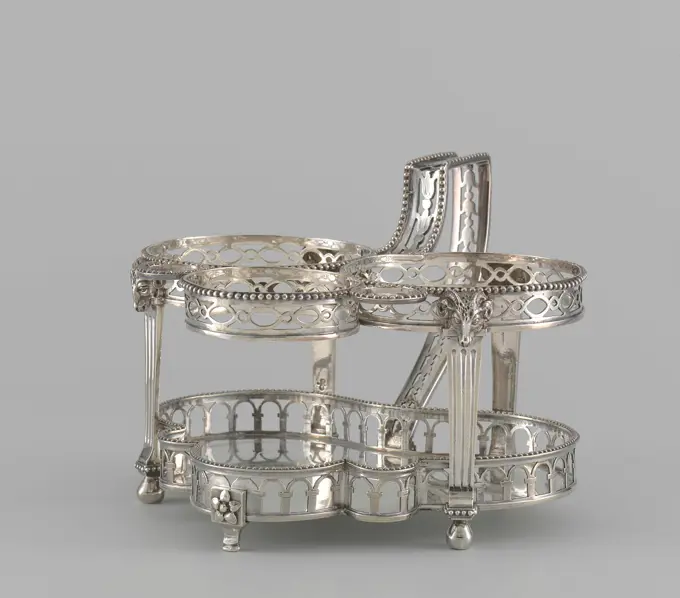
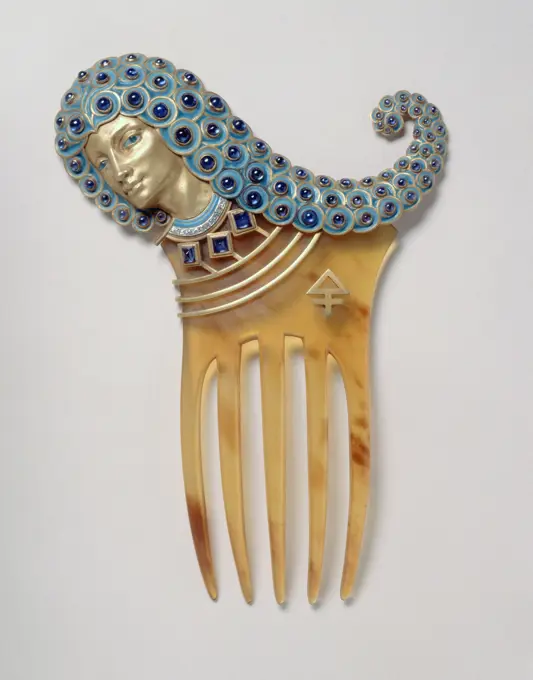
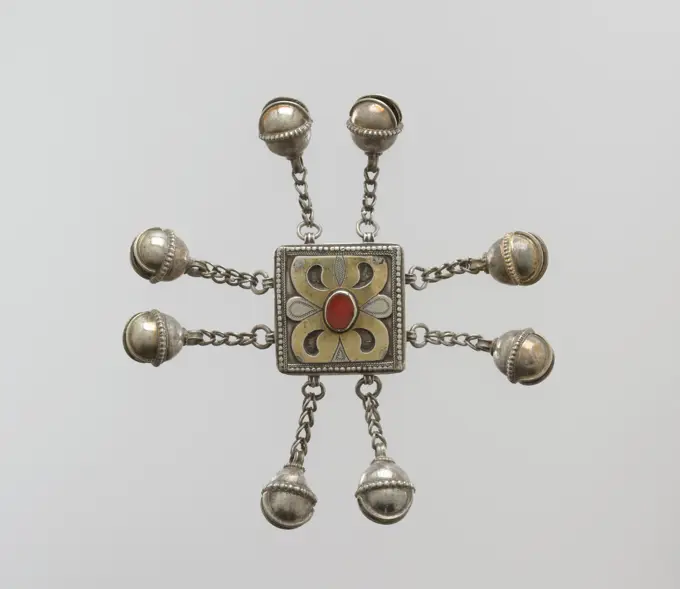
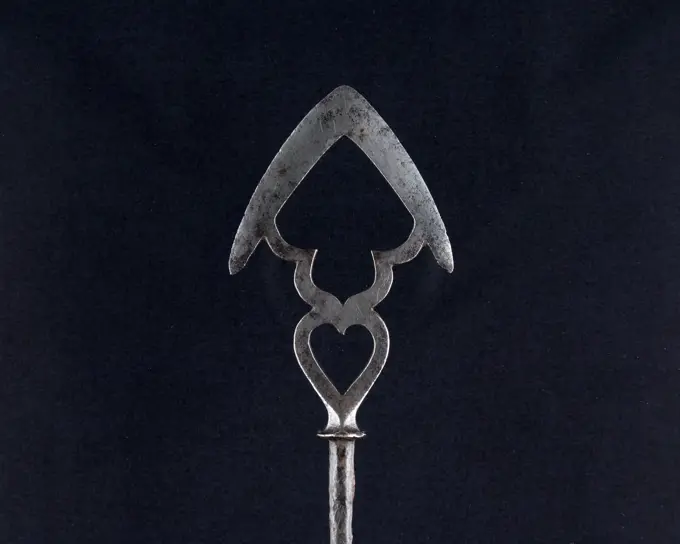
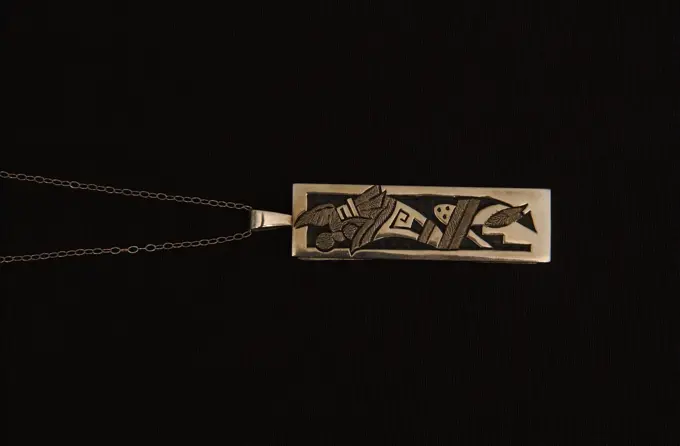
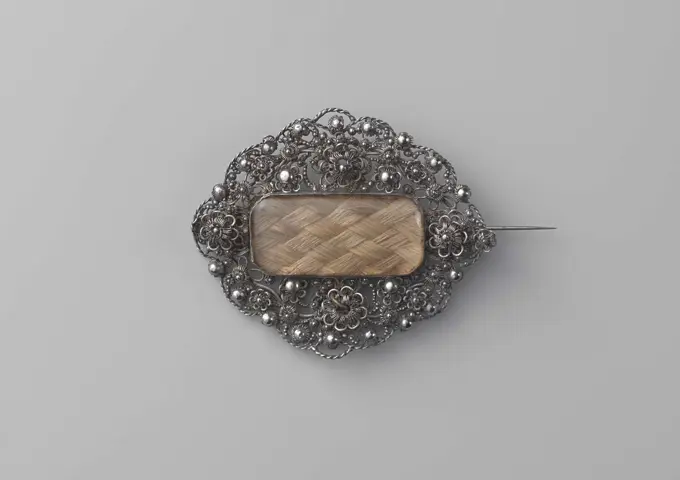
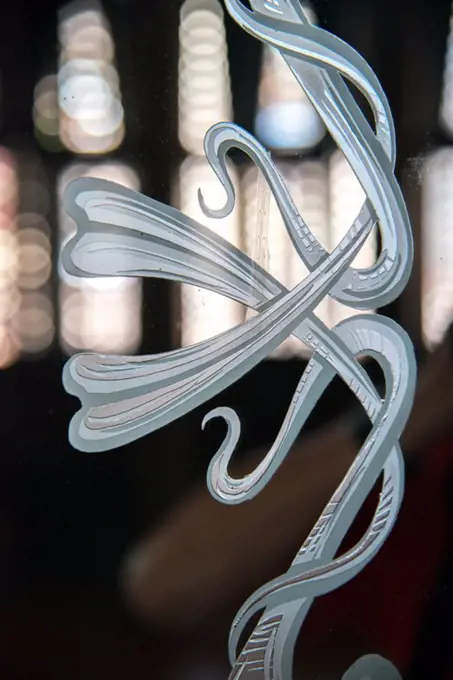
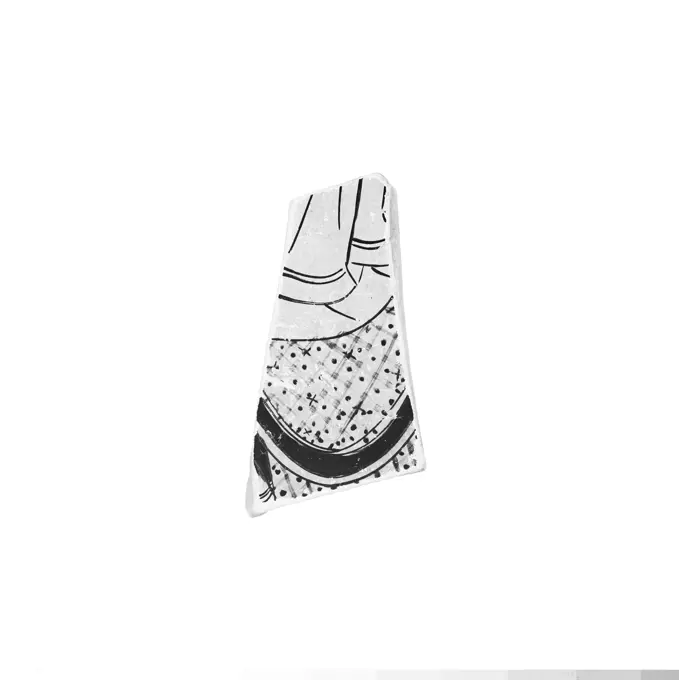
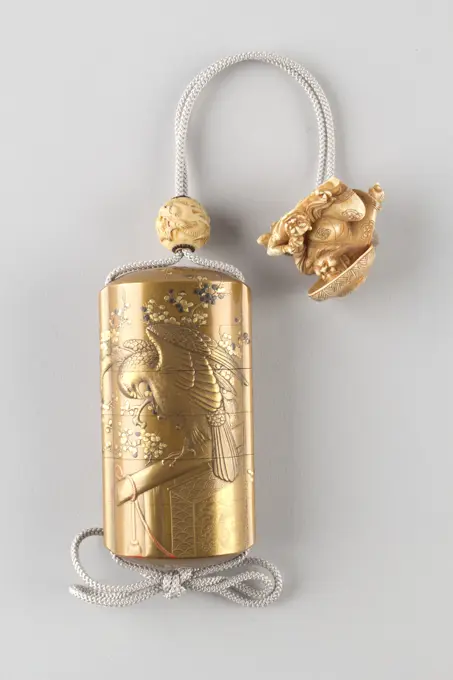
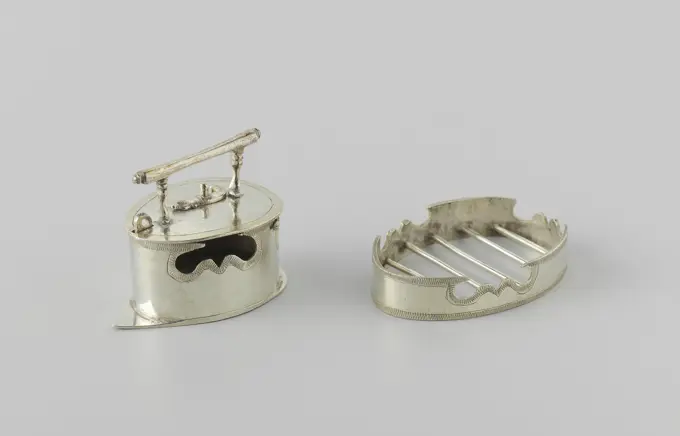
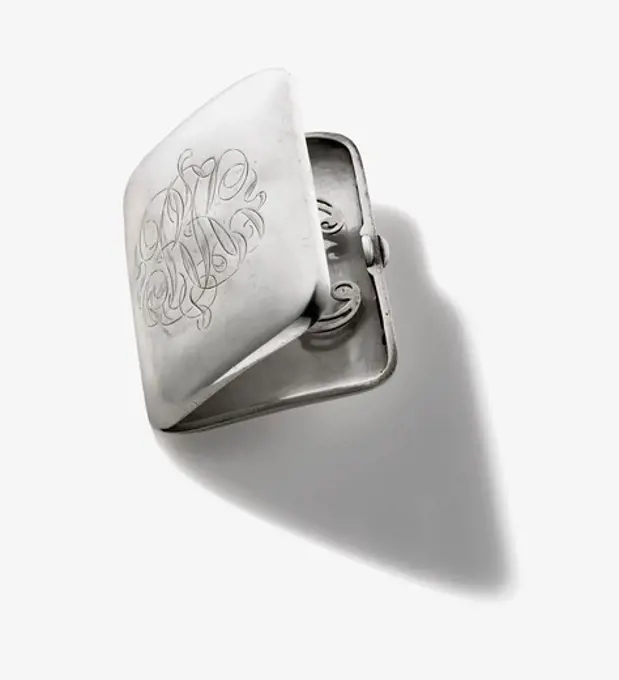
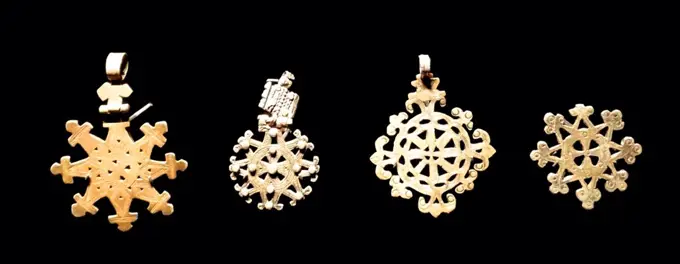
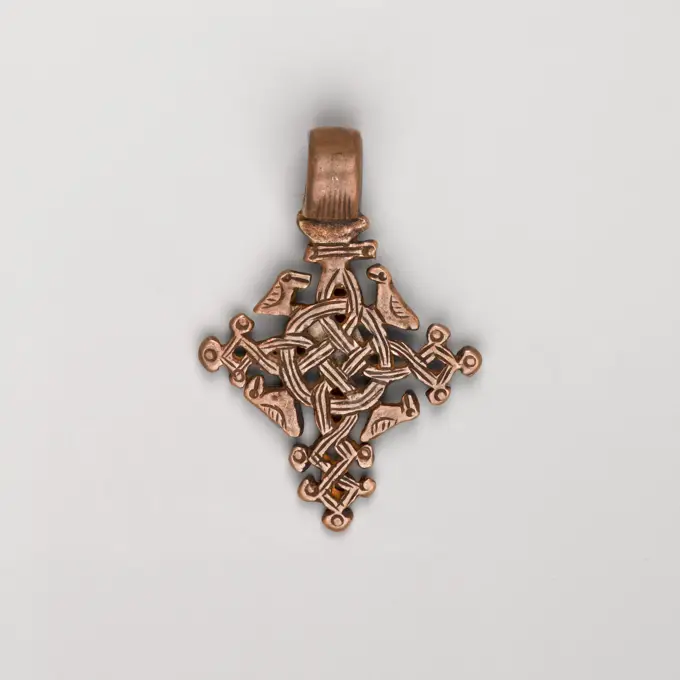
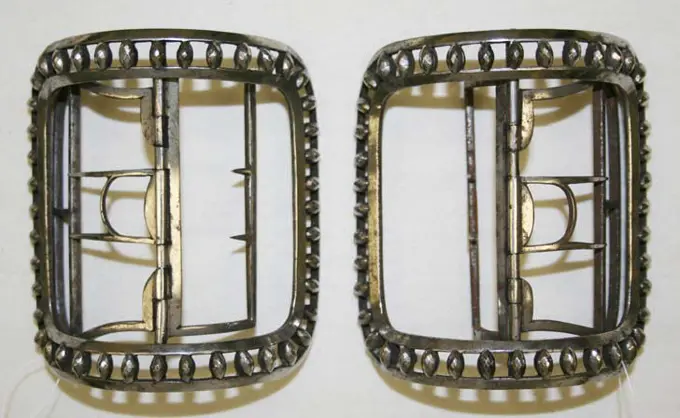
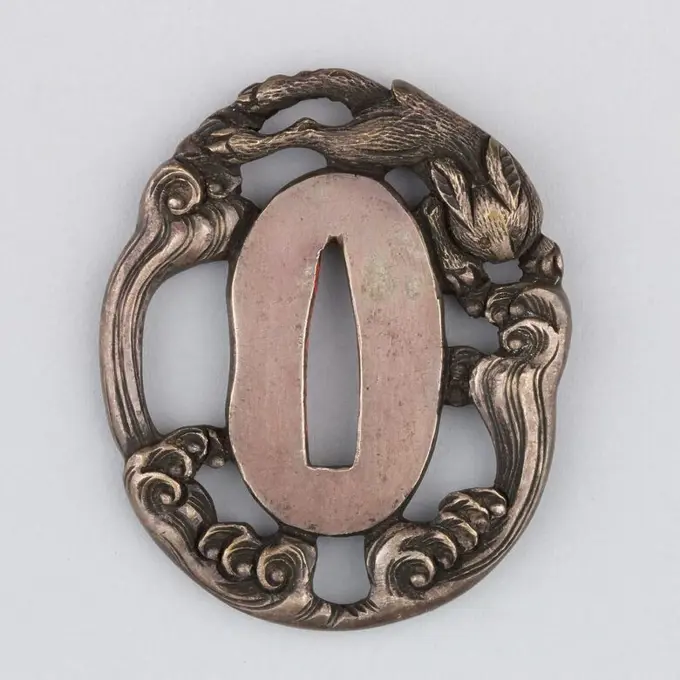
Little model Eiffel Tower in chains on a white backgroundApplication;  18th century (1701-00-00-1800-00-00);Curb Bit. Culture: German. Dimensions: H. 18 in. (45.7 cm); W. 7 in. (17.8 cm); Wt. 3 lb. 1.4 oz. (1400.5 g). Date: 17th century.According to contemporary equestrian manuals, this was a bit designed for large horses with a hard mouth, a thick tongue, thin lips and non-sensitive bars (part of the horses' jaw without teeth). The gooseneck canons of the mouthpiece were meant to give more freedom to the tongue. The banquets, the parts of the cheekpieces where the mouthpiece is attached, can be opened to switch out the mouthpiece -- a feature particularly appreciated on dressage bits in Germany. If the very long shanks look impressive, and would logically add more leverage effect, and so more strength, they would actually have been blocked at some point by the horse's chest, reducing their impact. Curb bits were also at this time used with a very light hand, the well-trained horses responding by anticipation to the slightest move of the reins. This bit was very likely used for horsBatter. Pressed silver fittings for a lock.Abruzzo, L'Aquila, Sulmona, Museo Civico, Italy, 20th century, photo, photography, EuropeObject ID #18653829; Manufactured by Charles Victor Gibert (French); Retailed by F. Nicoud (French, active 1890); silver; L x W x D: 15.5 x 5.4 x 1.5 cm (6 1/8 x 2 1/8 x 9/16 in.)Dagger (Katar) 1852 Indian, Rajasthan Unique to South Asia, the katar is a dagger that is gripped at the crossbars in a clenched fist. The weapon was meant to be thrust into an opponent or prey from a close range. Rajput and Mughal royalty used this weapon to hunt tigers and even crocodile to demonstrate their bravery and martial skill. This example bears an inscription in localized Sanskrit, which states, "Bundijaram, Lord of Bundi, will protect with this dagger, for, when it pierces, is like the tongue of death." The other side has a Vikram Samvat date of 1909, which converts to 1852 A.D.. Dagger (Katar). Indian, Rajasthan. 1852. Steel, gold. Bundi, Rajasthan. DaggersRowel Spur (Left) 18th century Mexican This spur, with the heel band decorated with brass inlays, was probably made for a Mexican charro (the Mexican cowboy). The loop on the external side of the rowel holds a jingle bob, a small pendant jingling against the points when the wearer walks or rolls the spur against the horses flank.Charros were originally land, horse and cattle owners who had an high social and economical status. They would meet during ceremonies and festivals and demonstrate their skills through several kind of rodeo games called charrería. Charros and charrería are still an important part of Mexican traditional culture, and horses are a central aspect of it. During these festive events, charros like to display splendidly decorated horse tack and spurs, the latter being one of the main symbols of their culture.. Rowel Spur (Left). Mexican. 18th century. Iron alloy, copper alloy. Equestrian Equipment-SpursMetal gears and cogwheels BackgroundMedal  isolated on white backgroundFiligree in the form of a frame, decorative element for manual work, isolated on white, with clipping path Filigree in the form of a frame, decorative element for manual work, isolated on white, with clipping path Copyright: xZoonar.com/OleksandrxKostiuchenkox 11632320Watch early 19th century Watchmaker: Firm of Burkhardt & Brandt. Watch. Swiss, La Chaux-de-Fonds. early 19th century. Gold, silver. HorologyRosette dated 1540 German. Rosette. German. dated 1540. Brass. Miscellaneous-Buckles & OrnamentSnowflake, decorative element, isolated on white background Snowflake, decorative element, isolated on white background Copyright: xZoonar.com/OleksandrxKostiuchenkox 9757496Gold Glitter Icon - Fighter jetCurb Bit early 17th century German, Saxony This type of bit is called a geschraubt Biss in German, literally a 'screwed bit', a kind of adjustable dressage bit popular in Germany in the 16th and 17th centuries. The three lengths of the shanks (the levers on the sides of the bit to which the reins were attached), allow the rider to adjust the severity of their leverage effect. In its shortest position the bit is weaker. The longer its shanks and the further forward its swivel rings for the reins, the more severe it becomes. The rider also had the option of changing either the whole mouthpiece or only the elements (missing here) on both sides of the central high port. Thus, the rider could transform it into different bits in order to find the perfect one for a horse under training, or to use the same bit on different horses with different needs. The trebuchet, the swinging central element on the mouthpiece, is adorned with the arms of the Elector of Saxony. The pendant attached to it, hoAnglo Saxon metalwork; 5th-6th Century AD. Slotted strips, decorated with cloisonné garnets and small filigree panelsSpoon (France); silverSilversmith: La Blanc, Incomplete silver ink set, ink set silver, sawn (raised edges) Rectangular smooth leaf on four fluted feet upright open edge with chain of ovals two cylindrical holders formed by openwork wall with bars loose pin slides through annular loops that are attached to the holders and perforate the bottom of the sheet (bottom)Abruzzo, L'Aquila, L'Aquila, Museo Nazionale d'Abruzzo, Italy, 20th century, photo, photography, EuropeGold color metal chain on white backgroundKey in the lock, the security system components, isolated on white background Key in the lock, the security system components, isolated on white background Copyright: xZoonar.com/OleksandrxKostiuchenkox 9757173Vinaigrette, Parcel-gilt silver, Rectangular box with hinged cover; top and bottom has stipple-engraved basketwork pattern, with wreath in center of top. Inside gilt, with flower-engraved and pierced second cover hinged to short side., London, England, 1810-11, containers, Decorative Arts, Vinaigrette. Hair comb of bent horn, with six teeth and symmetrical ajour back, heart-shaped with a central center leaf with three to the middle-curing blades on both sides.golden vintage ornament golden vintage ornament on wall Copyright: xZoonar.com/OxanaxRishnyakx 4384128Silver brooch, Lindholm Hoje. VIKING.. The Amsterdam apothecary and art collector Emmanuel Vita Israël. He donated his collection, comprising keys dating from Roman antiquity to the 19th century, to the Koninklijk Oudheidkundig Genootschap (Royal Antiquarian Society) in 1937. Vita Israël claimed that his key collection had grown more or less by accident: being one of the few collectors of keys, dealers automatically made their way to him.Golden heart shaped love padlock balanced on a composition of two intertwined gold forks. Valentine’s day concept, Copy space, No focus, specifically.Vintage two metal studio microphone 3D rendering Isolated on a black background. Vintage two studio microphone 3DBrooch -Loop.The right Key Old key hanging from a rusty chain. Copyright: xZoonar.com/J.xSandvikx 6339904Wild bird feather on a white backgroundSlotted SpoonSponge Box. Probably Pieter Kuijlenburg; Dutch, active c. 1818-c. 1834; Probably Schoonhoven, Netherlands. Date: 1833. Dimensions: 3.8 x 3.2 cm (1 1/2 x 1 1/4 in.). Silver. Origin: Netherlands. Museum: The Chicago Art Institute, Chicago, USA.The Oseberg ship . A Viking ship discovered in a large burial mound at the Oseberg farm near Tønsberg in Vestfold county, Norway. Dating from around 800 AD, the ship was excavated by Norwegian archaeologist Haakon Shetelig and Swedish archaeologist Gabriel Gustafson in 1904-1905. The ship is displayed at the Viking Ship Museum, in Bygdøy.Unmarked, Caddy Spoon, 1900-1950, silver.Ceremonial Arrowhead (Yanone) dated August 1645 Umetada Motoshige Japanese Large arrowheads, pierced and elaborately chiseled with landscapes, birds, flowers, dragons, and Buddhist divinities, were created to be admired for the beauty of their metalwork and design rather than for use in archery. This arrowhead is dated 1645 and signed by Umetada Motoshige (died 1675), a member of the Umetada school of swordsmiths, tsuba makers, and iron chiselers. It belongs to a group of more than thirty similarly signed and dated pieces in the Metropolitan Museum's collection (including acc. nos. 32.75.318, .321, .327, .330, .334, .337, .339-.340, .399, .403, .406, .409) that may have been made for presentation or as a votive offering to a shrine. The decoration depicts a landscape witht he Buddhist divinity Fud My- and a waterfall.. Ceremonial Arrowhead (Yanone). Japanese. dated August 1645. Steel. Archery Equipment-ArrowheadsEmpty movie started retro film frame isolated on black background. Decorative vintage golden symbol of cinema entertainment template vector illustration. Empty movie started retro film frame isolated on black backgroundJewellery ring isolated on the white backgroundEarringStirrup. Culture: German. Dimensions: H. 7 3/4 in. (19.7 cm); W. 5 1/4 in. (13.3 cm); D. 3 in. (7.6 cm); Wt. 15.6 oz. (442.3 g). Date: second half 17th century.Such stirrups of circular shape came back in fashion in the mid-17th century in the northern part of Europe. The swivel suspension eye allowed the stirrup leather to stay flat against the horse's flank when the stirrup is in use, but it is more fragile than non-rotating systems. Museum: Metropolitan Museum of Art, New York, USA.Tea Infuser with Stand Tea Infuser; Made by Whiting Manufacturing. Co.; USA; silverTwo Spanners.Service. 3dFantastic bird, peacock, decorative element, isolated on white background Fantastic bird, peacock, decorative element, isolated on white background Copyright: xZoonar.com/OleksandrxKostiuchenkox 9749990Two models of an Anchor. Two virtually identical models of a Hawkins patent anchor. This anchor has no ordinary anchor stick; This has been replaced by a short stick perpendicular to the cross of the arms. The arms and anchor stick are turning together in the forked end of the shaft, wherein the anchor stick force the hands into the ground; The stick is brought into the correct position by a rope on a harp at the anchor cross, which can also be lifted the anchor. The hands are in the same plane as the arms. There is a harp at the upper end of the shaft.Chain of the Civic Guard Company of Vlissingen, anonymous, c. 1550 Shooting chain, gilded, consisting of ninety oval, ribbed links, to which a cast bird is attached, sat on a tree branch with gothic leaf work and a pomegranate. A musket was hung on the branch by a chain of square links. Northern Netherlands silver (metal) casting / gilding  Flushing Shooting chain, gilded, consisting of ninety oval, ribbed links, to which a cast bird is attached, sat on a tree branch with gothic leaf work and a pomegranate. A musket was hung on the branch by a chain of square links. Northern Netherlands silver (metal) casting / gilding  FlushingMacaroniServer.   Maker: William Gale and Son, American, active 1850-58; 1862-67Bliżej Kultury Pracownia Cyzlerska Henryka Waldyna, Bukowski, Jan (1873 1943)Paisley Henna OrnamentChained book on white backgroundVisigothic broque from the 7th century, Mortera cave, Pielagos, Museum of prehistory and archeology (MUPAC), Santander, Cantabria, Spain.Accessory set ca. 1860 American. Accessory set 157072Silver miniature candle cutter, candle cutter fellow doll toy toys relaxing miniature model silver, beaten Guy with reservoir gooseneck-shaped handles. reinspection symbol: play bee decoration illuminate home interiorStirrup second half 17th century German, Munich This stirrup bears on the rim of its footplate the name of its original owner, a certain Jacob Clas. This elaborated type of pierced decoration, here displaying geometrical motifs, is typical of the production of Eastern Germany at this time. The object is stamped on both sides with the control mark of Munich: a monk with upraised arms, the citys heraldic device. Cities control marks are rare on iron equestrian equipment, and Munich seems to be the only one in the 17th century to require this practice, which is also documented on several contemporary horse bits (see for example 14.25.1812).. Stirrup. German, Munich. second half 17th century. Iron alloy, tin. Munich. Equestrian Equipment-StirrupsNail clippers, to trim dog clawsHolder of oil and vinegar set consisting of two glass bottles and a pepper bus from silver .. The silver holder has a three-way base plate with a raised, openwork edge awarded a pearl edge. On four straight legs with cannelures, two large and a small, openwork rings, awarded a pearl edge, in which the bottles and pepper canister can stand. The ear is mounted between the large rings and the bottom plate, on either side of the small ring are two even smaller rings with pearl edge decoration for the bottles stop. The holder rests on four spherical legs and one trimmed paw.Henri Vever (1854-1942). Assyrian comb. Horn, gold, enamel, amethysts and brilliants (pink background), around 1900. Museum of Fine Arts of the city of Paris, Petit Palais. 25792-8 Accessory, Amethyst, Assyrian, Beauty, Jewel, Brilliant, Corn, Delicit, Delicacy, Email, Female, Finesse, Jewelry, Feminine Mode, Gold, Orne, Ornament, Comb, Pierre, Precious, Refinement, EleganceGold Medal - football isolated on white backgroundDecorative vintage frames and borders,Gold photo frame with corner Thailand line floral for picture, design decoration pattern style. border design is pattern Thai art style. for print, website, poster, banner, logo, celebrationGolden pendant isolated on the white backgroundChained book on white backgroundNecklace late 19th century African This collection of largely ethnographic jewelry includes examples from cultures in South America, North America, Europe, Asia, and Africa and dates from the Pre-Columbian period to the twentieth century. Owned by renowned art collector and fashion enthusiast Muriel Kallis Newman, the collection represents her knowledge and appreciation of a wide range of jewelry design and making traditions. Numerous items in her collection are composite artifacts made from various cultures and time periods reappropriated as modern jewelry creations by or for Muriel. It is important to note that Newman wore many of the pieces in the collection, interpreting them to suit and express her own singular, often avant-garde style.. Necklace 141671vintage golden frame vintage golden frame on the wall Copyright: xZoonar.com/OxanaxRishnyakx 4351660Decorative ribbonCommemorative badge of graduates of the School of Fine Arts in WarsawVintage key hand drawn ink sketch. Engraved retro style vector illustrationOrnamentationSchieferplatte mit Weihnachtsdekoration als Hintergrund - Shale board with Christmas decoration as background Schieferplatte mit Weihnachtsdekoration als Hintergrund - Shale board with Christmas decoration as background Copyright: xZoonar.com/lantapixx 12046069Jewellery ring isolated on the white backgroundPersian Ice Cream Knife; Manufactured by Tiffany and Co. (United States); Patentee: Edward C. Moore (1827-1891); USA; silver, parcel gilding; L x W x D: 30 x 7.5 x 5.1 cm (11 13/16 x 2 15/16 x 2 in.)Amulet for Boy's Cap late 19th-early 20th century Group of Turkman Ornaments, nos. 2018.922.1-.6a, .6bThese bold silver ornaments come from the world of the Turkman tribes of Central Asia. Some of the forms such as the lozenge shaped amulet holder or Quran box relate to the styles of jeweled arts of the courts and urban centers. But most of these large and vibrant ornaments are a final expression of the unique sensibility of the Turkman people as their nomadic life gives way to modernity.. Amulet for Boy's Cap. late 19th-early 20th century. Silver; fire-gilded and chased, with decorative wire, openwork, loop-in-loop chains, bells, and table-cut carnelian. Attributed to Central Asia or Iran. JewelryPendant; turquoiseArrowhead (Yanone) 18th century Japanese Although today Japanese warriors are renowned most for their swordsmanship, archery, especially from horseback, has been an essential part of samurai warfare and culture for centuries. Arrows were fitted with heads of varying shape according to their intended use in war, the hunt, or target practice. Arrowheads made for use on the battlefield incorporated different designs intended for specialized purposes such as the piercing of armor or to cause maximum damage to horses and unarmored personnel.Large arrowheads, pierced and elaborately chiseled with landscapes, birds, flowers, dragons, and Buddhist divinities, were created to be admired for the beauty of their metalwork and design rather than for use in archery. Such highly elaborate examples may have been made for presentation or as a votive offerings to a shrine.. Arrowhead (Yanone). Japanese. 18th century. Steel. Archery Equipment-ArrowheadsA straight row of glasses lined up for tasting - Chateau Baron Pichon Longueville, Pauillac, Medoc, Bordeaux, Grand CruJewelry from Indian Arts and Crafts Board displayBrooch with her of the poet Petronella Moens. Brooch of silver. In the middle under a rectangular piece of glass, hair braided. A wide border filigree. stars isolated on a whiteGolden Artifact From Muisca Tribe In The Gold Museum In La Candelaria, The Old Town Of Bogota, ColombiaAntoni Gaudí / Decorative vegetal mirror detail of the tribune or smoking room, on the noble floor of the Güell Palace, 1888, Barcelona, Catalonia, Spain. Museum: Palacio Güell, Barcelona, Cataluña, España.Tape measure case, Unger Brothers, Silver, Cyndrical form, the narrow central band with slot for measuring tape; one circular side with woman holding tambourine within a circular floral border, the other side showing flowers (poppies) with long, sinuous curling stems radiating out from central knop., Newark, New Jersey, USA, ca. 1900, metalwork, Decorative Arts, Tape measure caseOrnamentationButterfly, silver, opal, enamel, Curvilinear foliage with insect with plique-a-jour enamel wings, opal on stem., ca. 1890-1910, jewelry, Decorative Arts, Stick pin finial, Stick pin finialPlenty of Retro styled golden color keysRed-Figure Skyphos Fragment (part of 93.AE.54). Attributed to Kleophrades Painter (Greek (Attic), active 505 - 475 B.C.) about 480-470 B.C. Exterior: drapery, likely the himation of a seated figure; decorated circular textile covering a stool or chair. Interior: black. Joins to 86.AE.224.2, giving the chair leg and the drapery of the woman standing behind it, and a Leipzig fragment, giving more of the seated figures garments. This fragment belongs to a partially reconstructed skyphos (93.AE.54) that depicts on side A: Peleus and Thetis, with their child Achilles, meeting Cheiron, in the company of Apollo, and on side B: a priest holding a temple key and a staff, a woman shaking hands with a seated figure, and two standing figuresperhaps the priest Chryses meeting Agamemnon to recover his daughter Chryseis (see Williams, 1997, who also notes other joining fragments in Leipzig). This fragment belongs to side B, giving the seated Agamemnon.Vintage wind rose compass with medieval antique ribbons. Sea travel cartography latitude, geography map compass or ocean sailing wind rose etching vector icon. Nautical navigation direction sign. Vintage wind rose compass with medieval ribbonsCase (Inr) with Design of Falcon on Perches and Blossoming Plum Tree 19th century Japan. Case (Inr) with Design of Falcon on Perches and Blossoming Plum Tree. Japan. 19th century. Gold lacquer with silver, black and red makie and gold and silver inlay Lacquer, fundame, gold, silver, black and red hiramakie, gold foil; Interior: nashiji and fundame. Edo period (1615-1868). InrIron, Frederik van Strant (II), 1739 Ironing iron on a schedule (Invnr. BK-NM-11177-59-B). The iron has a lid with a handle on it. The side wall of the iron is opened and engraved with a zig-zag edge. There is an inner cover with a button in the iron. The lid is marked: stk. = Amsterdam, Jrl. = E (1739), Mt. = Frederik van Strant II. Amsterdam silver (metal) Ironing iron on a schedule (Invnr. BK-NM-11177-59-B). The iron has a lid with a handle on it. The side wall of the iron is opened and engraved with a zig-zag edge. There is an inner cover with a button in the iron. The lid is marked: stk. = Amsterdam, Jrl. = E (1739), Mt. = Frederik van Strant II. Amsterdam silver (metal)Standard for iron, Frederik van Strant (II), 1739 Standard belonging to an iron (invon. BK-NM-11177-59-A). The standard has six bars. The edge is open and engraved with a ZIG-Zag Rand. It is not marked. Amsterdam silver (metal) Standard belonging to an iron (invon. BK-NM-11177-59-A). The standard has six bars. The edge is open and engraved with a ZIG-Zag Rand. It is not marked. Amsterdam silver (metal)abstract illustrated glass background object abstract illustrated glass background object Copyright: xZoonar.com/FrankxRohdex 4902645Rowel Spur (Left) Spanish or German 17th century Despite its simple shape this spur is skillfully chiseled all over with a rope motif giving it a particularly sculptural aspect. In the early 17th century spurs became true fashion accessories often worn outside the equestrian context, and some of them were real pieces of jewelry. Even if this spur is simpler and more practical than its luxurious contemporaries, its design gives it enough elegance to align it with this idea. View more. Rowel Spur (Left). Spanish or German. 17th century. Iron alloy, tin. Equestrian Equipment-SpursAntique Cigarette CaseCross pendants. From Ethiopia, made from silver.A pendant in the shoe of the cross;  20th century (1901-00-00-2000-00-00);deposit of Wacław Korabiewicz, crosses, Ethiopian crosses, pectoral crossesShoe buckles late 18th century European. Shoe buckles 122375Anonymous / 'Fragment of boat-shaped rock crystal vessel with Neptune on a dolphin'. Ca. 1590. Rock crystal / Hyaline quartz, Silver-gilt. Museum: Museo del Prado, Madrid, España.Sword Guard (Tsuba). Culture: Japanese. Dimensions: H. 2 1/8 in. (5.4 cm); W. 1 7/8 in. (4.8 cm); thickness 5/16 in. (0.8 cm); Wt. 2 oz. (56.7 g). Date: ca. 1615-1868. Museum: Metropolitan Museum of Art, New York, USA.Iron. Iron hearing on a grid (INVnr. BK-NM-11177-59-B). The iron has a lid with a handle on it. The side wall of the iron is open and engraved with a zig-saw edge. In the iron there is an inside cover with a button. The lid is labeled: STK. = Amsterdam, JRL. = E (1739), Mt. = Frederik of STRANT II.Oranjespeld on the occasion of the 35-year governmental juice of H.M. Koningin Wilhelmina, Anonymous, 1933  Gold -colored colored, one -sided plaque, to which a pin is attached, of which part has been turned. Front: crowned coat of arms, above date. Reverse: Blanco Netherlands metal. paint (coating) striking (metalworking) / gilding / painting / soldering  NetherlandsChain - Chatelaine, 1810 .