Historical Military Scenes

Images from various historical military events showcasing soldiers, civilians, and preparations for combat across different eras.

The Middle Eastern theatre of World War I was the scene of action between 29 October 1914, and 30 October 1918. The combatants were the Ottoman Empire, with some assistance from the other Central Powers, and primarily the British and the Russians among the Allies of World War I. There were five main campaigns: the Sinai and Palestine Campaign, the Mesopotamian Campaign, the Caucasus Campaign, the Persian Campaign, and the Gallipoli Campaign.
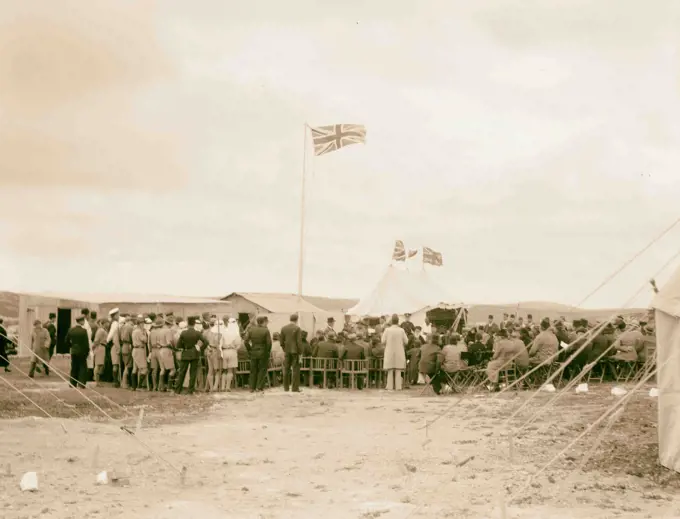
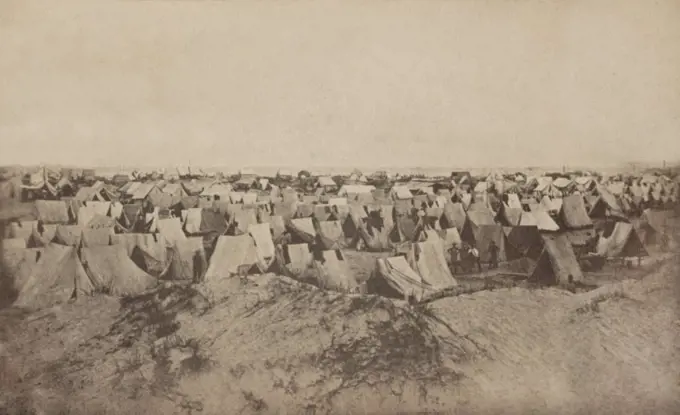
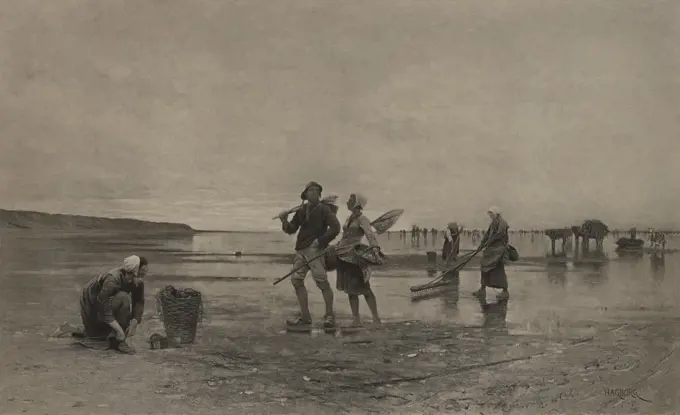
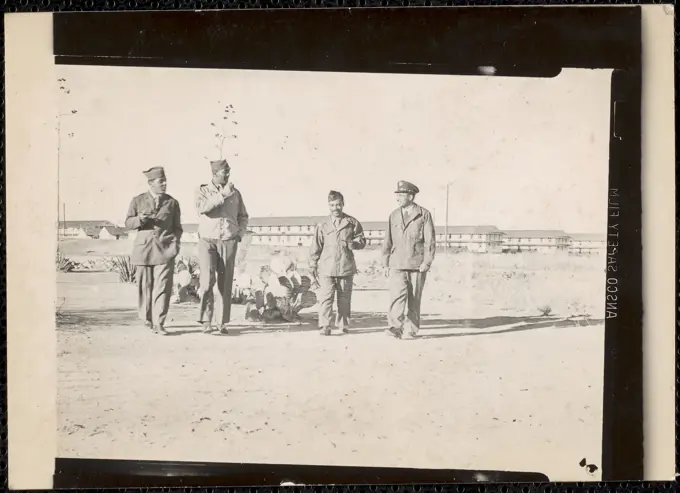
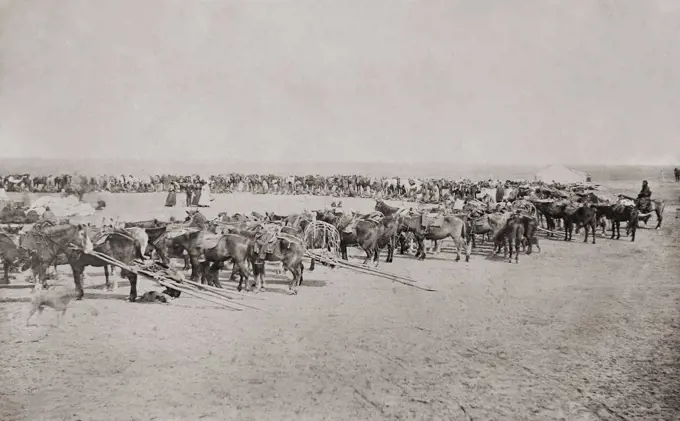
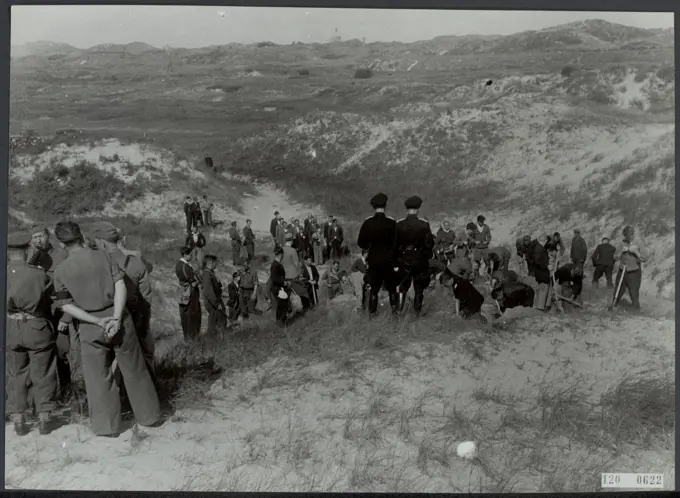
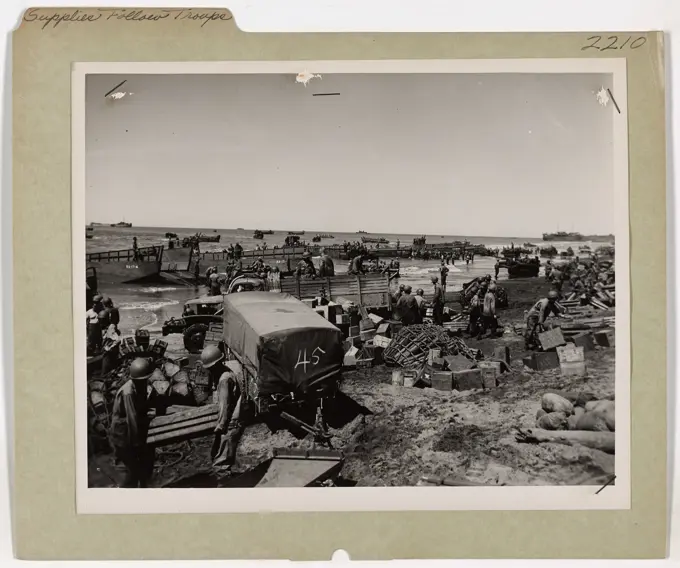
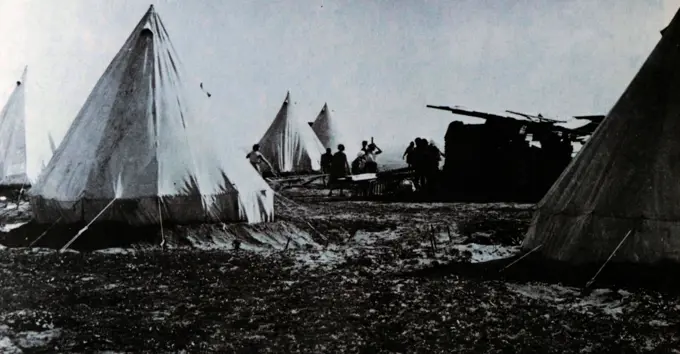
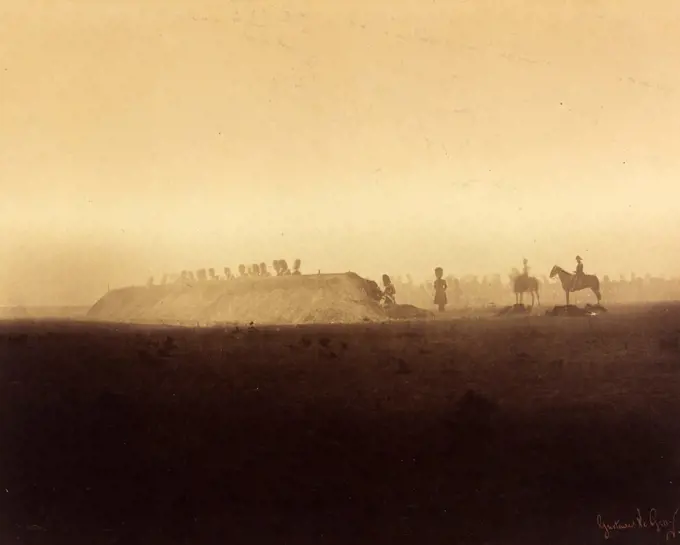
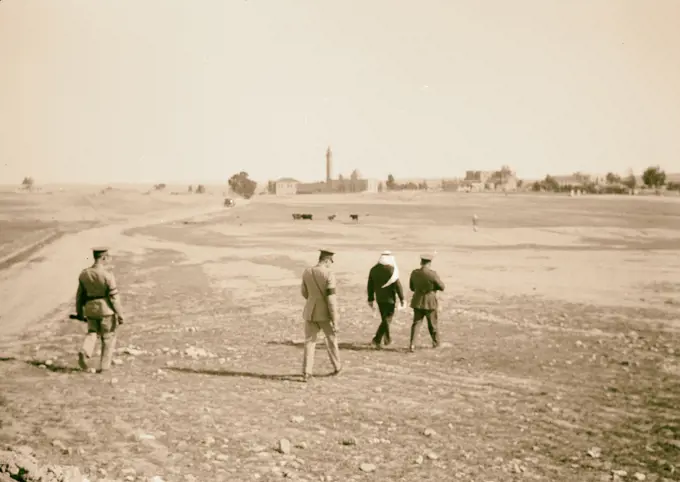
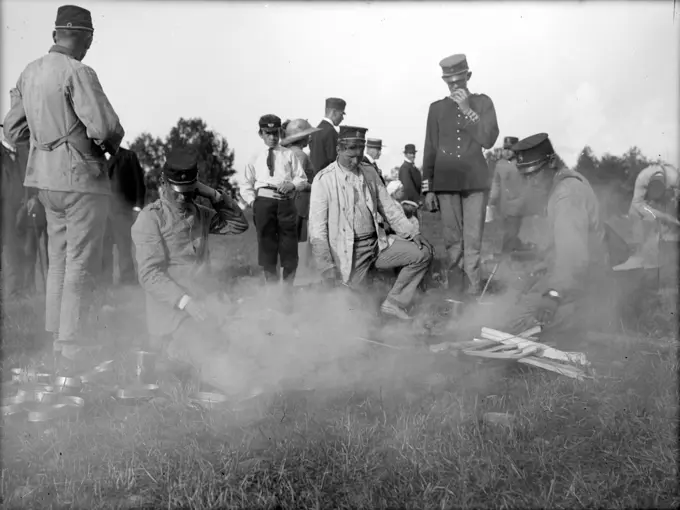
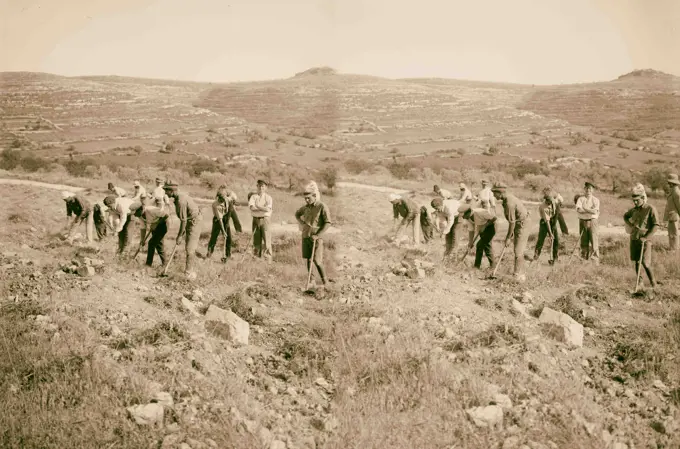
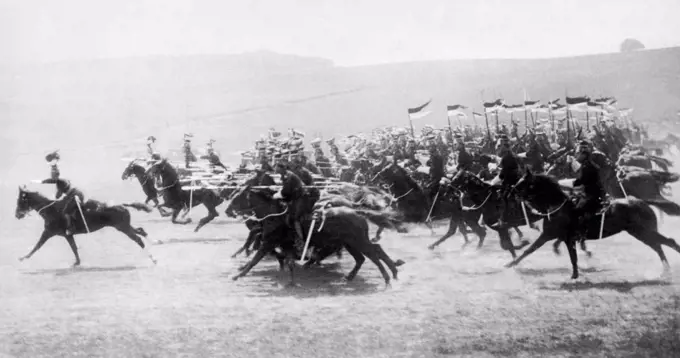
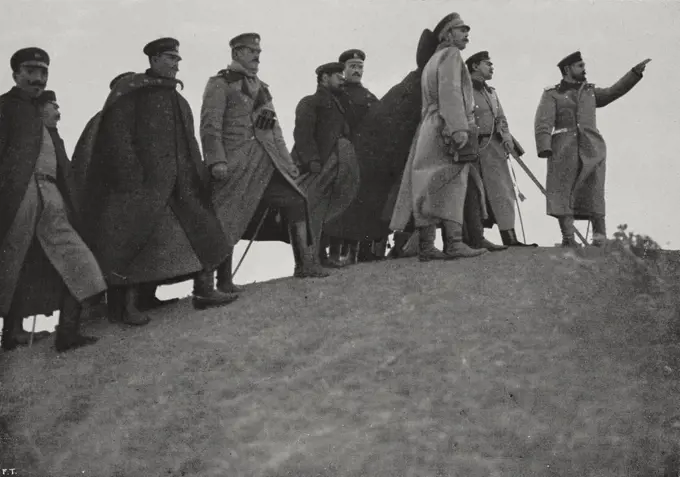
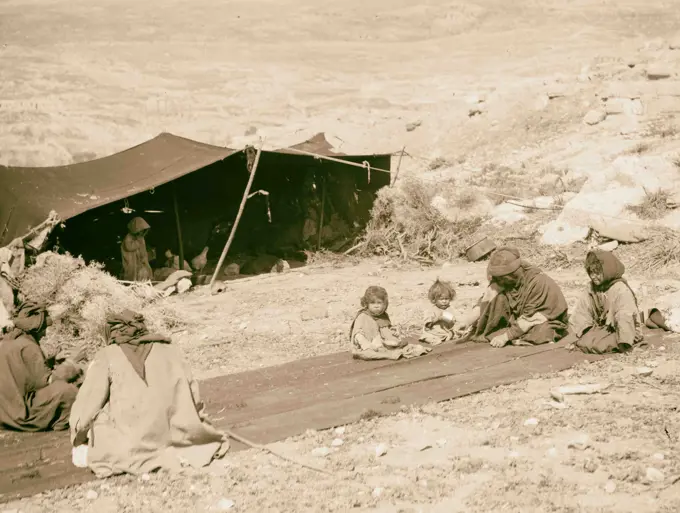
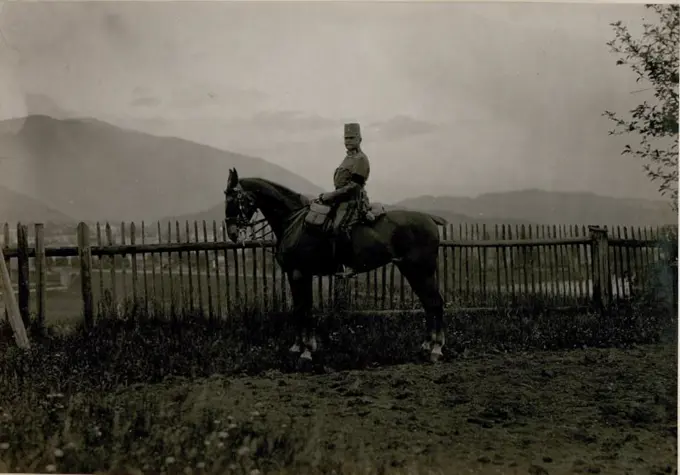
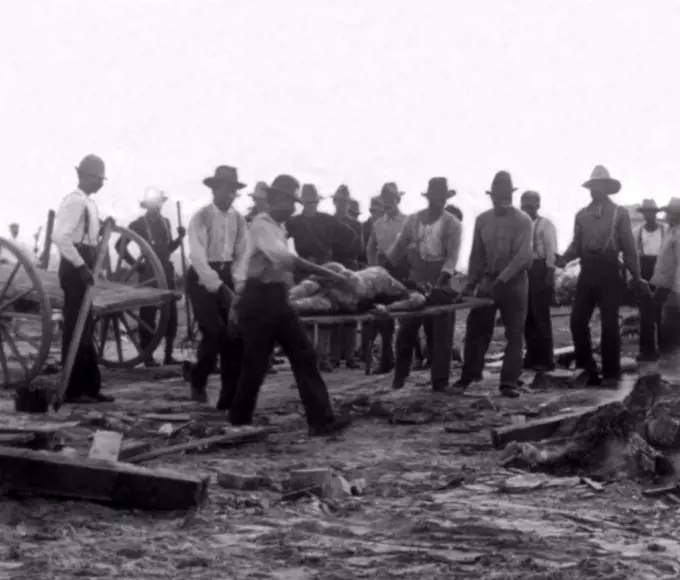
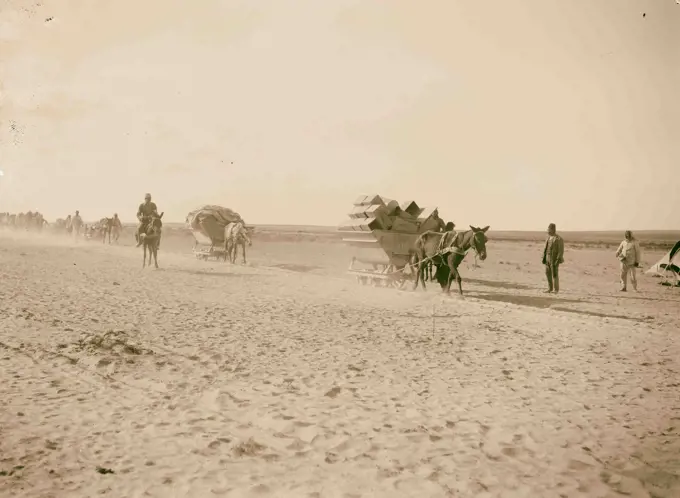
Maneuvers , Military personnel, World War, 1914-1918. James ReganMajor Projects. 1930 - 1949. Central Plains Region (Kansas City, MO). Negative. Department of the Interior. Bureau of Indian Affairs. Standing Rock Agency. 9/17/1947-. PhotographsThe Middle Eastern theatre of World War I was the scene of action between 29 October 1914, and 30 October 1918. The combatants were the Ottoman Empire, with some assistance from the other Central Powers, and primarily the British and the Russians among the Allies of World War I. There were five main campaigns: the Sinai and Palestine Campaign, the Mesopotamian Campaign, the Caucasus Campaign, the Persian Campaign, and the Gallipoli Campaign.Battery of the 53rd division, 1918, Middle East, Israel and/or PalestineKilling locust. 1898, Middle East, Israel and/or PalestineLocust plague workers. 1925, Middle EastLocust plague. 1898, Middle East, Israel and/or PalestineFotocollectie Eerste Wereldoorlog. Egyptian official photograph. West Country troops in the Judean foot-hills: artillery on the march. 1914-1918}. Judea, PalestinaInauguration of the Palestine Broadcasting Service. March 30, 1936. His Excellency broadcasting the inaugural address, showing tents and crowd, Ramallah, West Bank, Rām AllāhCamp of the 9th Maine volunteers, on one the Sea Islands at the mouth of Charleston harbor, South Carolina, SC. Nov. 1861 through Jan. 1862  (BSLOC_2018_6_185)After High Tide in the Bay, Photogravure Print from the Original 1879 Painting by August Hagborg, The Masterpieces of French Art by Louis Viardot, Published by Gravure Goupil et Cie, Paris, 1882, Gebbie & Co., Philadelphia, 1883Empress Birthday celebration.Defilation of the infantry. .Four soldiers , Soldiers. Jack Miller CollectionNative Americans draw rations at 'Camp Supply' in western Indian Territory (now the Oklahoma Panhandle) ca. 1871. The Indians form a circle with their horses and travois. Inside the circle are the rations, seated Indians (likely chiefs), officers' wives, and an issuing agent  (BSLOC_2019_9_157)Photo collection Government information service. Mass grave in Waalsdorp. German war criminals and Dutch collaborators give indications that buried victims of their crimes and do the excavation yourself. Dutch police are supervised. Canadian soldiers watch. August 1945. Waalsdorp, South HollandPiotrków Trybunalski  Błonia  Parade on May 3, 1915  Polish LegionsItalian support troops marching to advanced positions beyond Arsiero during the Austrian offensive, Italy, World War I, from L'Illustrazione Italiana, Year XLIII, No 23, June 4, 1916.Ranger scene at the Royal Houtvesterij Het Loo: public on the Hei, Anonymous, c. 1900 - c. 1925 photograph Part of the photo album of Mr Brams, Opperhoutvester by Queen Wilhelmina at the Royal Houtvesterij Het Loo. Royal Houtvesterij Het Loo photographic support gelatin silver print hunting, chase. hunting-ground Royal Houtvesterij Het LooSupplies Follow Troops In Aitape Invasion. This image depicts Coast Guard landing crafts dropping their ramps on the sands of Aitape and American invaders unloading munitions and supplies for the forces which smashed the Japanese grip on vital Hollandia.Kfar Sava in Palestine (Central Israel) 1922. settlersGustave Le Gray, Cavalry Maneuvers, Camp de Chlons, French, 1820 - 1884, 1857, albumen print from collodion glass negativeFirst World War, Italian gun about to fire on Austrian position across an Alpine valley.Visit to Beersheba Agricultural Station (Experimental) by Brig. Gen. Allen & staff & talks to Bedouin sheiks of district by station superintendent. Field of Australian wheat - experiment - visited by the group. 1940, Israel, BeershebaErnst Axfors Collection 19 Army soldiers from in 4 and / or in 5 regiment gathered at a campfire during cooking.Locust plague 1925, Middle EastThe bora-destroyed lines are restored.Another view of the donkey and mule team traversing a mountain pass somewhere in Australia, with equipment for troops in training for jungle warfare. December 15, 1942.Flood-war damage 1925, Middle EastBeersheba, inspection of Camel Corps by His Excellency Sir Harold McMichael. His Excellency speaking to members of Camel Corps. 1940, Israel, BeershebaJewish colonies and settlements Commencing a Jewish settlement a camp Breaking the sod. 1920, Middle East08/31/1935. Inauguration of the highest piece of highway in the Sierra Nevada that crosses the summit of the weather vane at more than 3,400 meters high.Tents of the Union land forces on Morris Island, South Carolina, during the Union Naval expedition and following Siege of Charleston from Aug. 1863 to Feb. 1865, during the US Civil War. Photo by Samuel Cooley  (BSLOC_2018_8_97)Photo collection Service for army contacts Indonesia. DLC Return from Padang. During the advance of Loelaan Selasieh to SOLOK (Sumatra). December 20, 1948. Indonesia, Dutch East Indies, SumatraSecond World War. Soviet Union. For quartering (probably in Ukraine). Group of Wehrmacht soldiers on the return to the villageFrance,  c. 1916 The 9th British Lancers charging German artillery in WWI.Bulgarian officials following the final attack on Adrianople (Edirne), Turkey, First Balkan War, from L'Illustrazione Italiana, Year XL, No 14, April 6, 1913.Soldiers of the 40th Infantry on the march to protect the works being done in the bed of the Uadi Derna, Libya, Italian-Turkish war, photograph by Edoardo Cauda, from L'Illustrazione Italiana, Year XXXIX, No 12, March 24, 1912.Ruins of Jerash (Gerasa) Bedouins mending their tent. Camp near Jerash. 1920, Jordan, Gerasa (Extinct city)Photo collection First World War. The Western Front. A Typical Scene Behind The Line. 1914-1918}Making gunpowder at Beit Jibrin. Preparing a blast 1900, Israel, Bet GuvrinWar album 42, Figure 11627.The Hurricane of 1900 made landfall on September 8, 1900, in the city of Galveston, Texas, in the United States. It had estimated winds of 145 miles per hour (233 km/h) at landfall, making it a Category 4 storm on the Saffir-Simpson Hurricane Scale. It was the deadliest hurricane in US history. The hurricane caused great loss of life with the estimated death toll between 6,000 and 12,000 individuals; the number most cited in official reports is 8,000, giving the storm the third-highest number of deaths or injuries of any Atlantic hurricane, after the Great Hurricane of 1780 and 1998's Hurricane Mitch. The Galveston Hurricane of 1900 is the deadliest natural disaster ever to strike the United States. The hurricane occurred before the practice of assigning official code names to tropical storms was instituted, and thus it is commonly referred to under a variety of descriptive names. Typical names for the storm include the Galveston Hurricane of 1900, the Great Galveston Hurricane, and, eTurkish supply train in Sinai 1917, Middle East, Israel and/or Palestine