Historical Objects and Artifacts

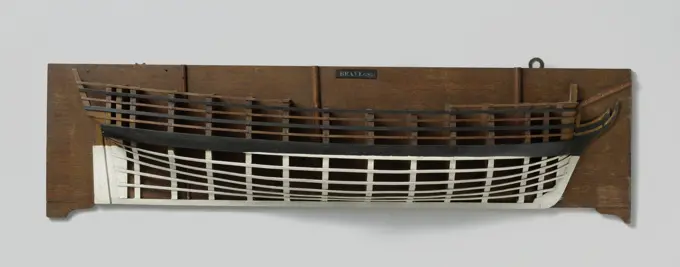
A collection of vintage items including a leave pass, a decorative knife, an old key, and a Chinese vase, evoking a sense of history and craftsmanship.

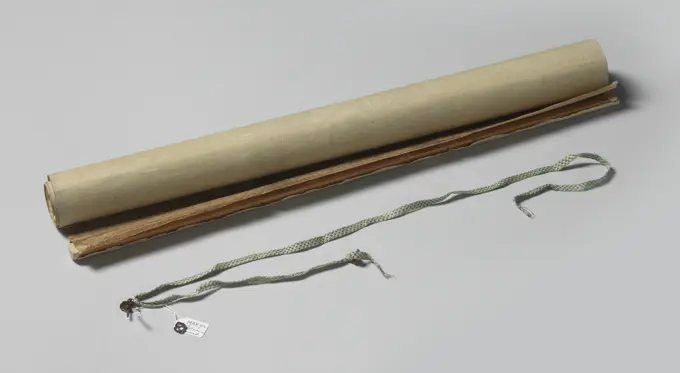
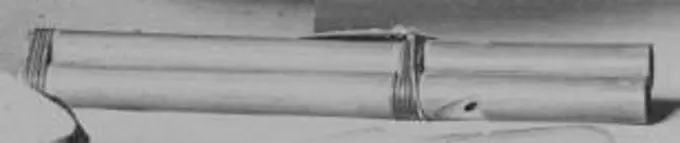
Leave pass. Sink, cylindrical sleeve with cap in which number 586 is beaten, in which document, leave pass for Cornelis Kleijweg from Gouda to go home for an indefinite period of time, provided that it has been increased by the garrison commander 1st Batailon, 4th Kompagnie of the Third Department of Der South Holland Schutterij in Roosendaal, 17 June 1833; Printed sheet paper (on one side), filled in with brown pen. Signed: v Dongen Bolding. Inscription; b.: '3rd department Zuidholl. Schutterij '.
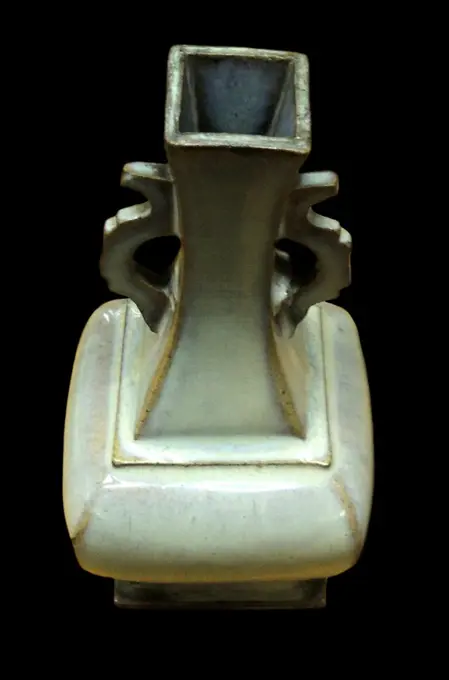
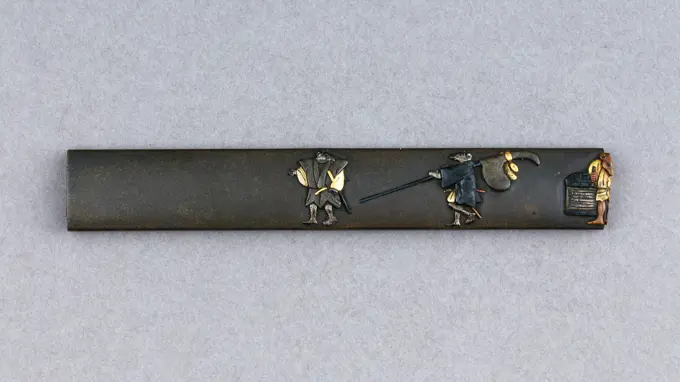
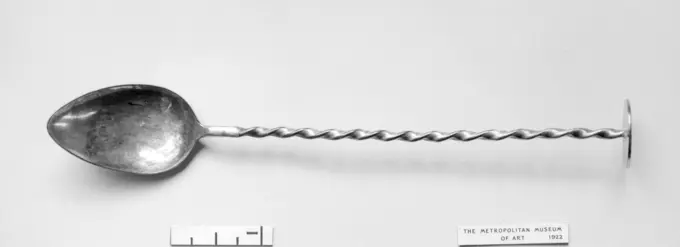
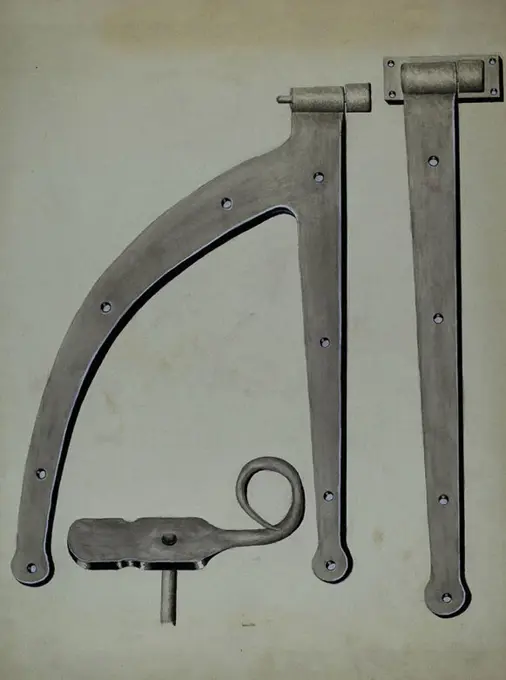
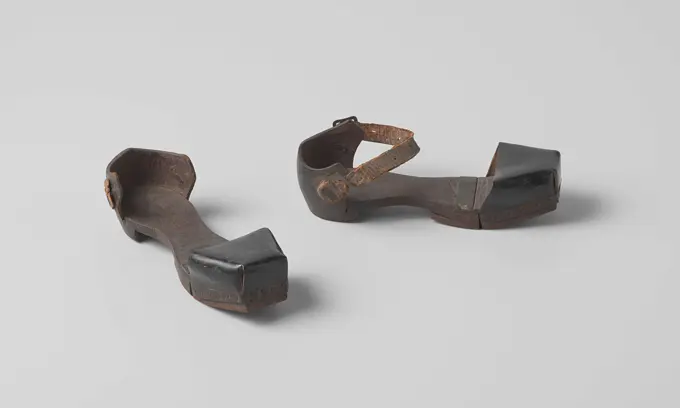
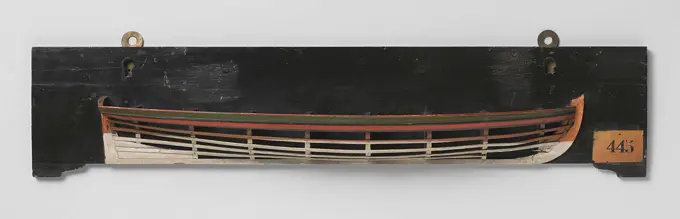
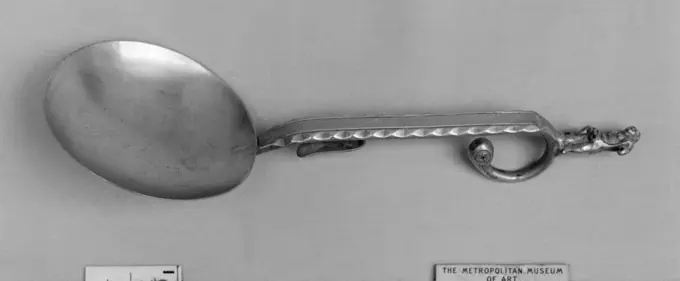
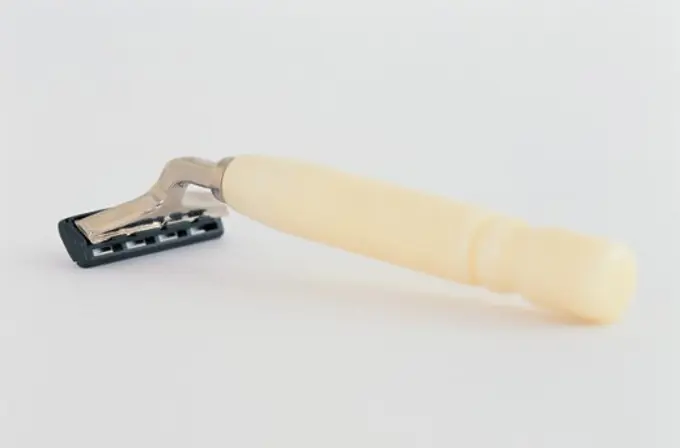
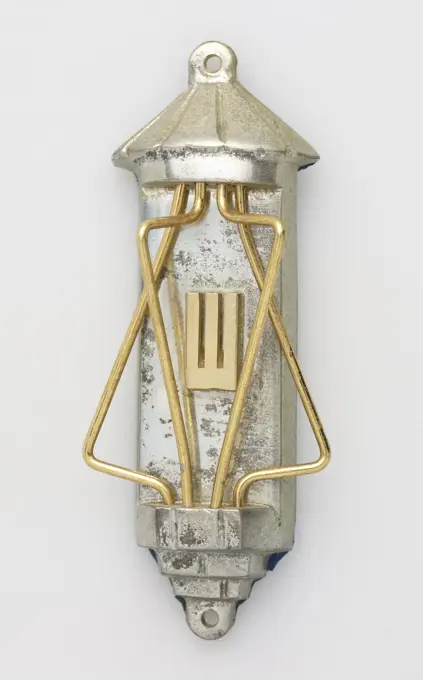
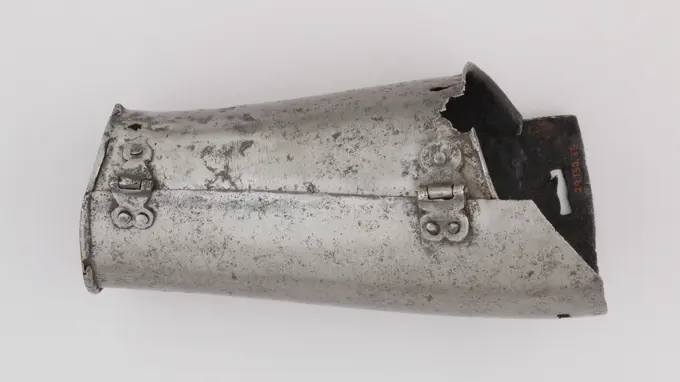
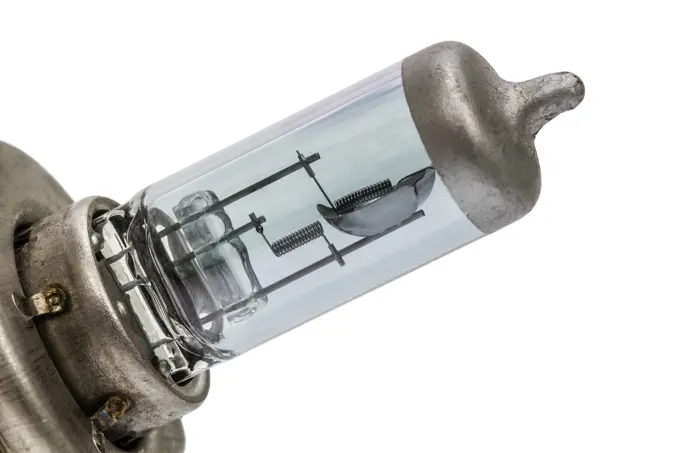
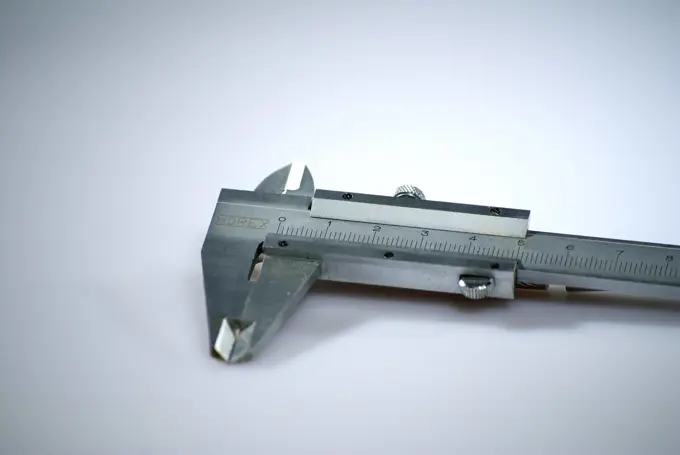
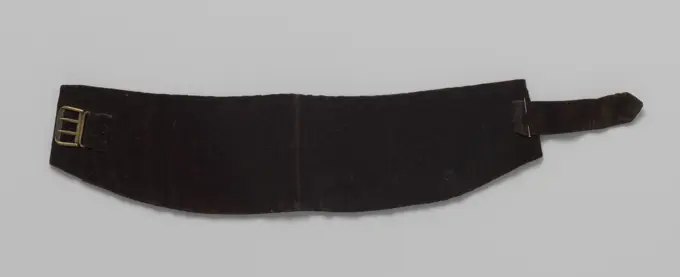
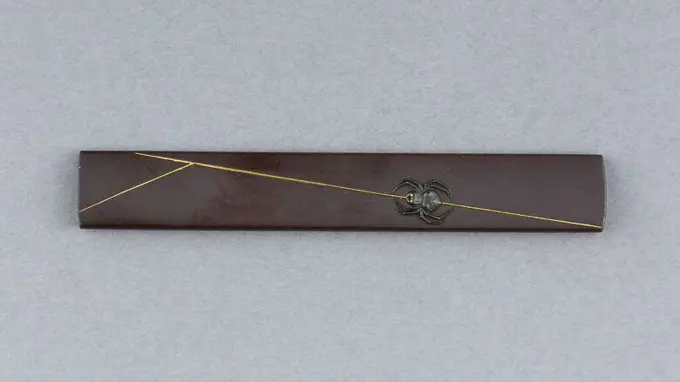
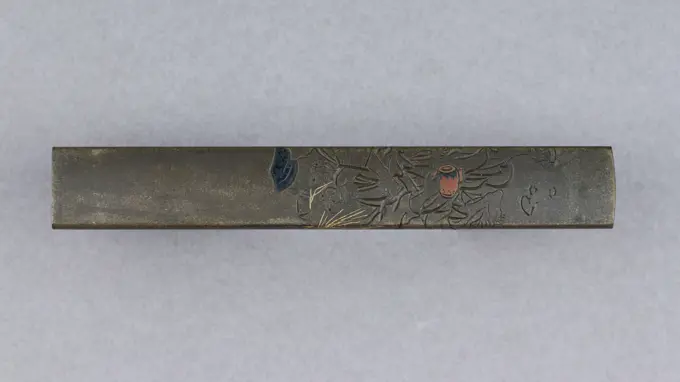
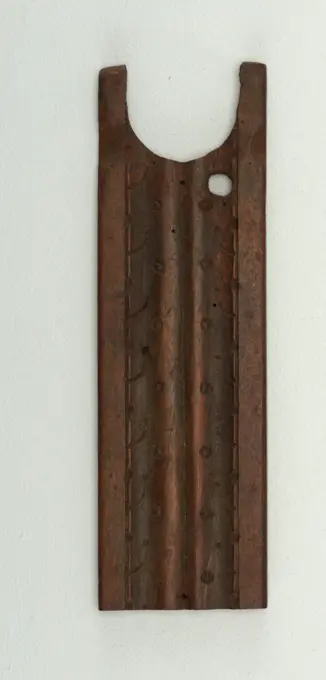
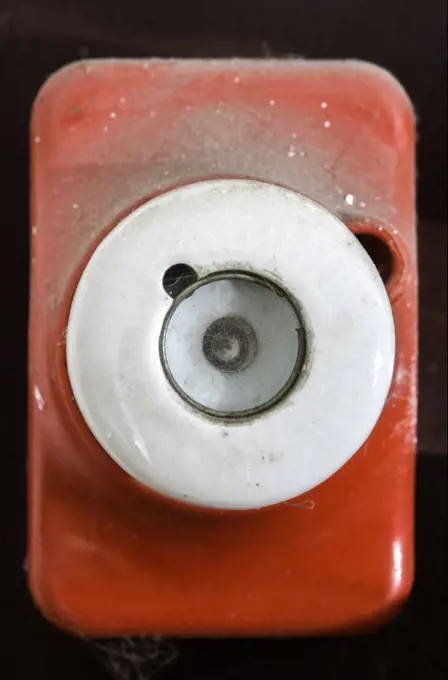
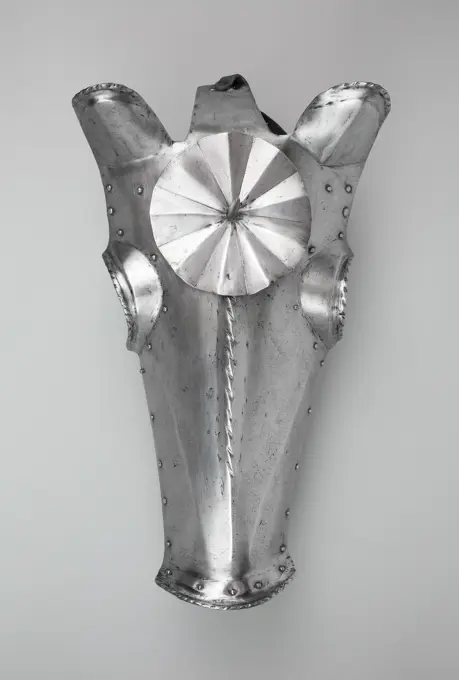
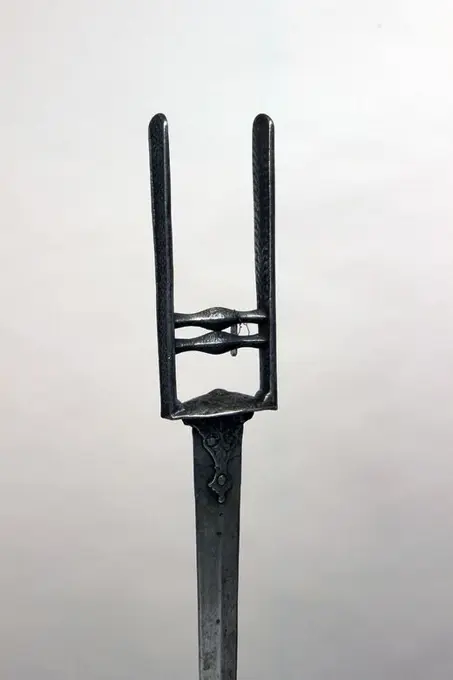
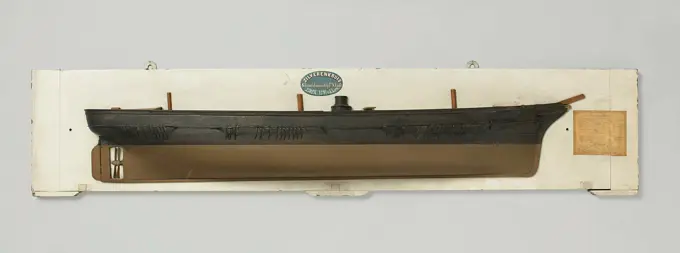
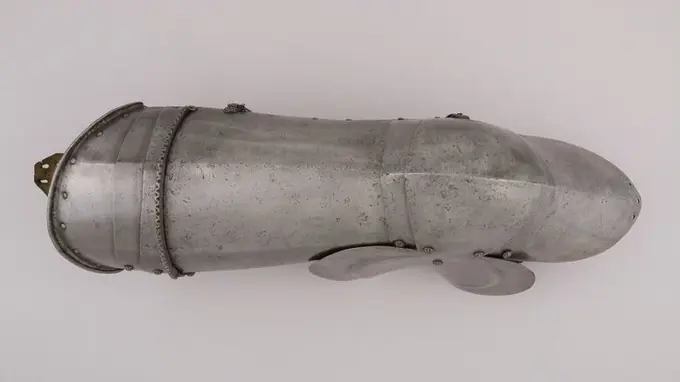
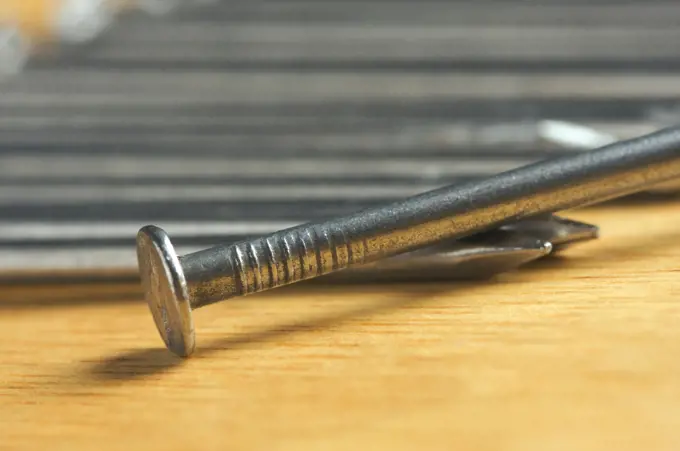
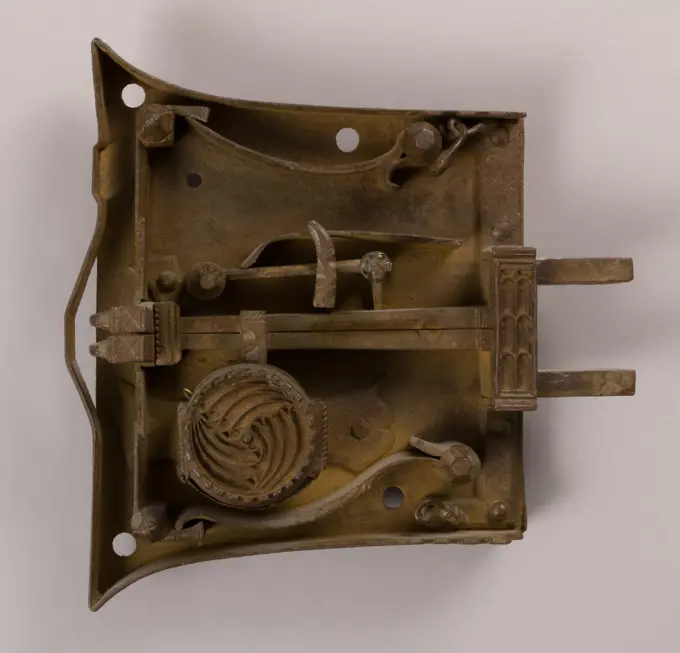
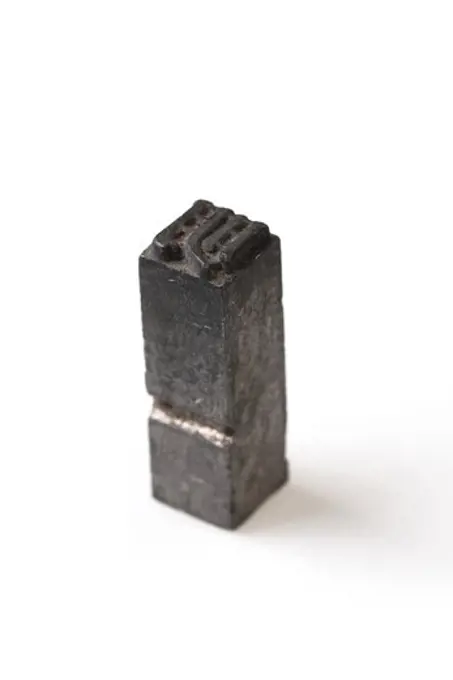
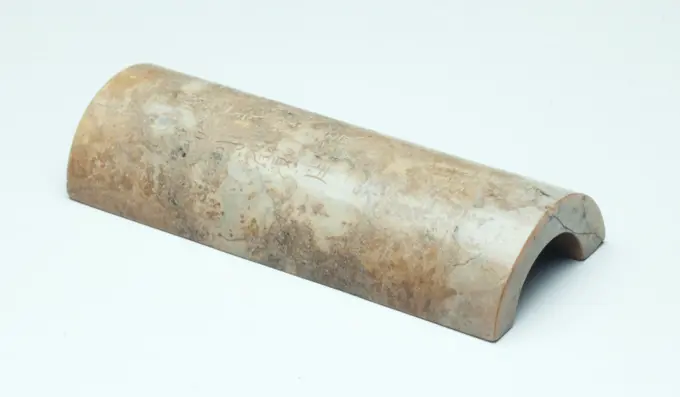
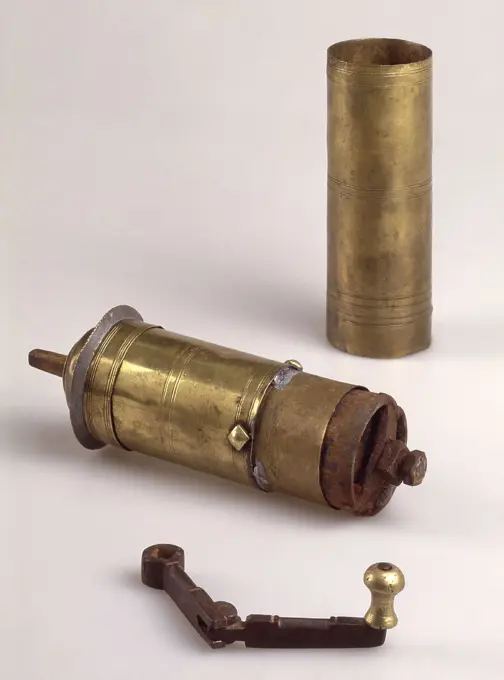
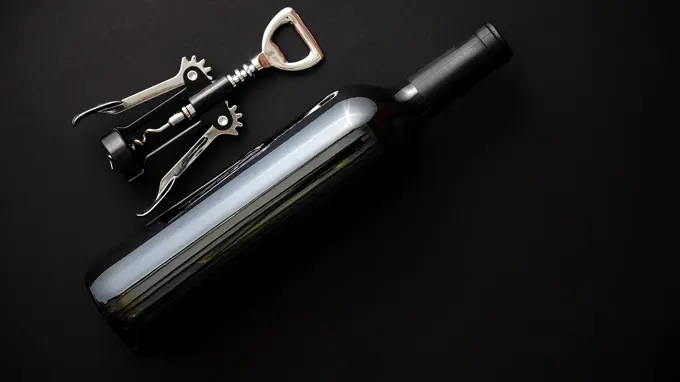
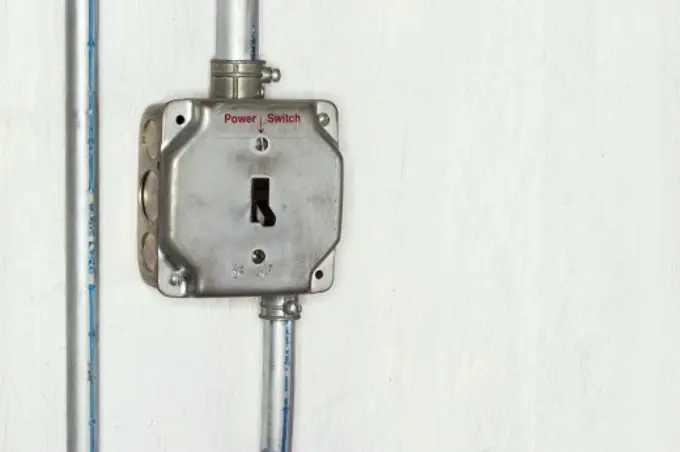
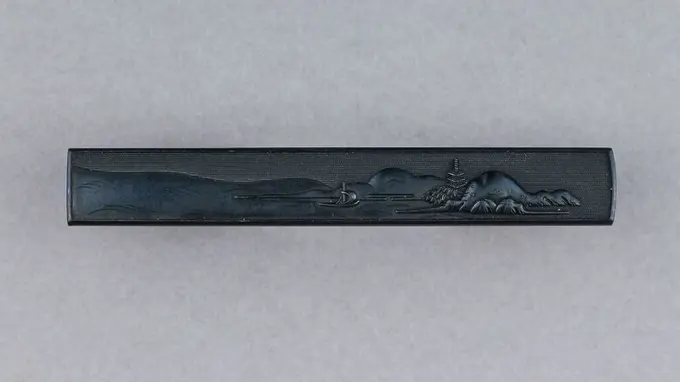
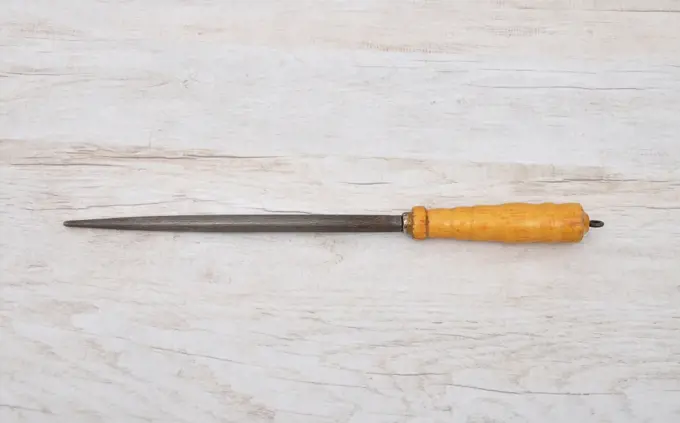
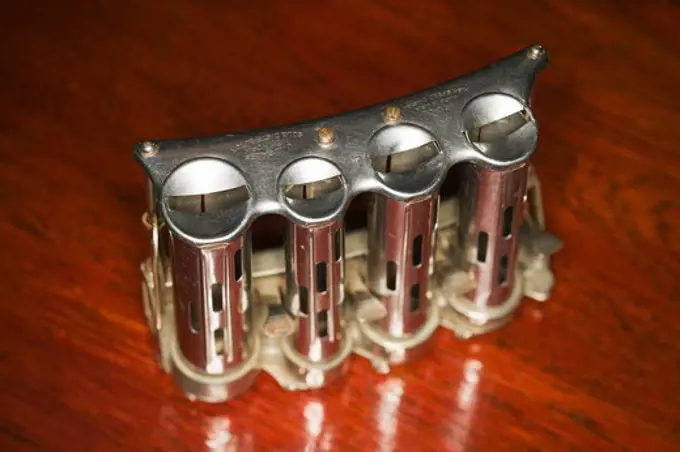
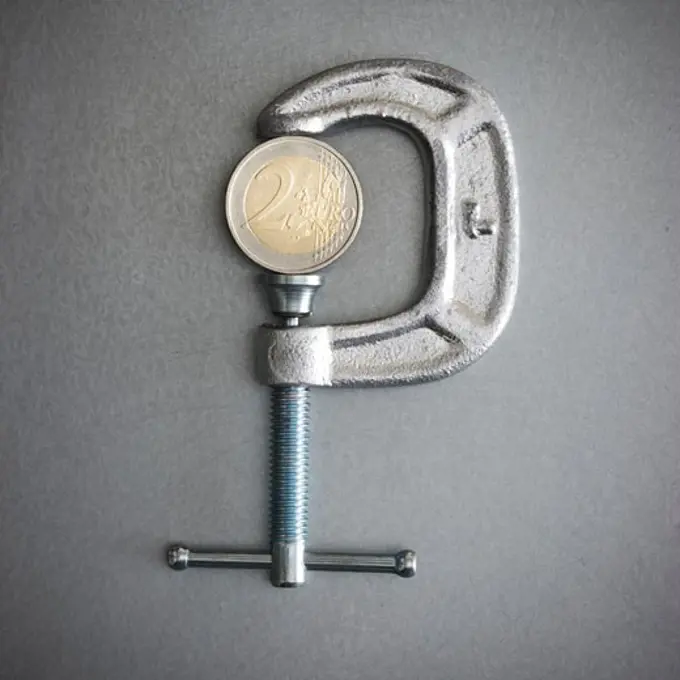
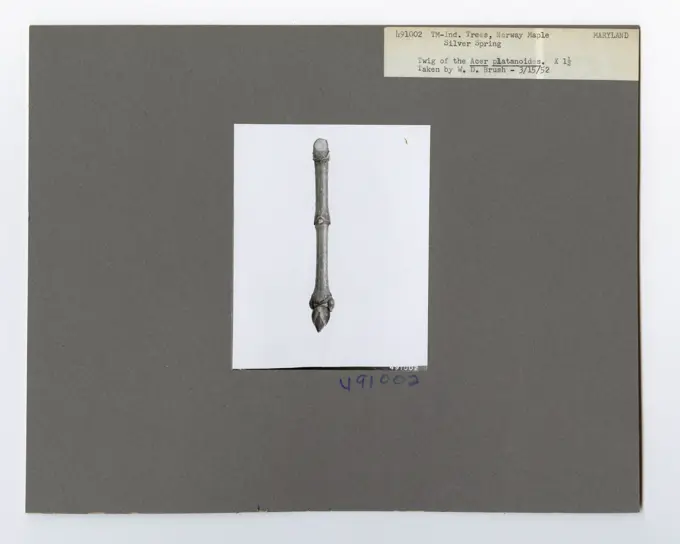
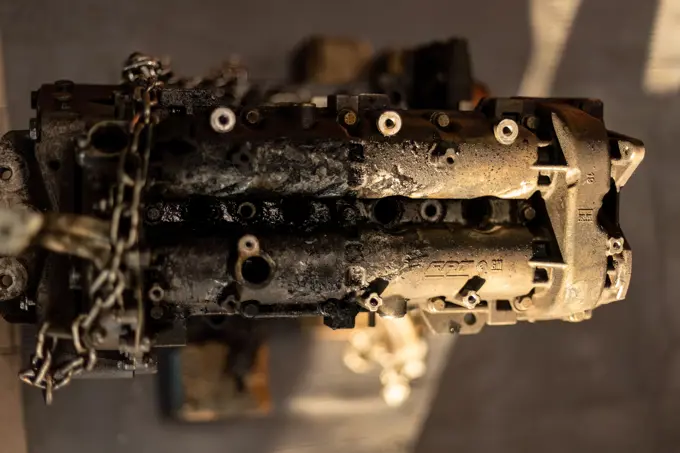
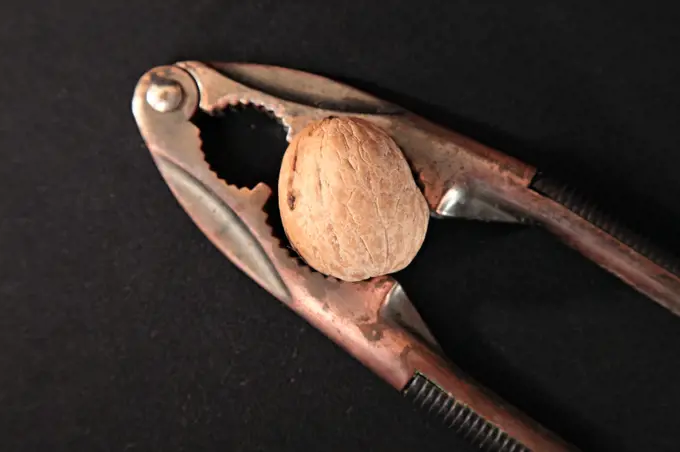
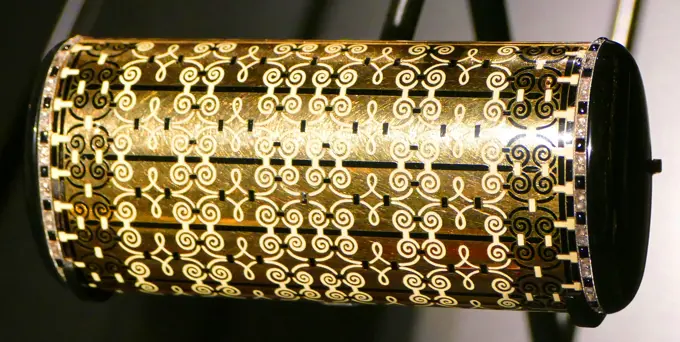
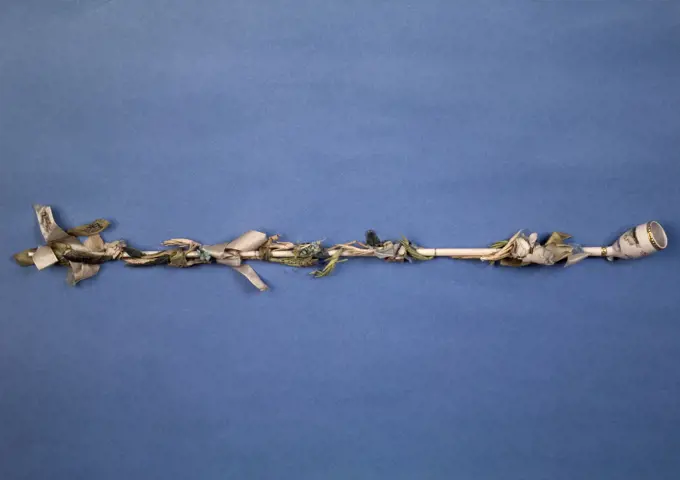
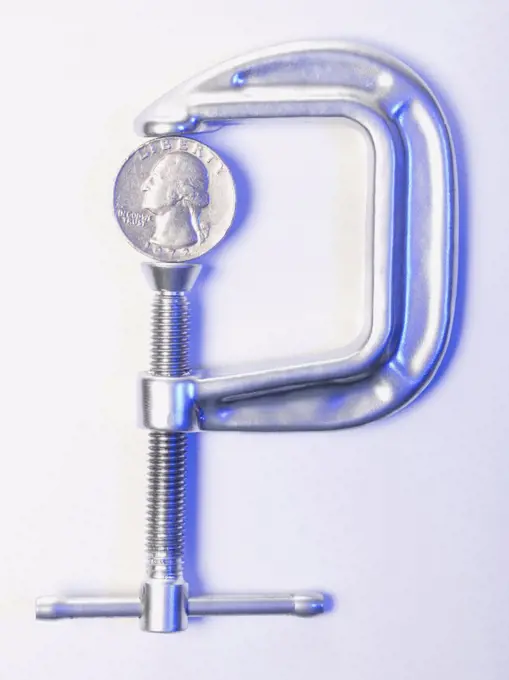
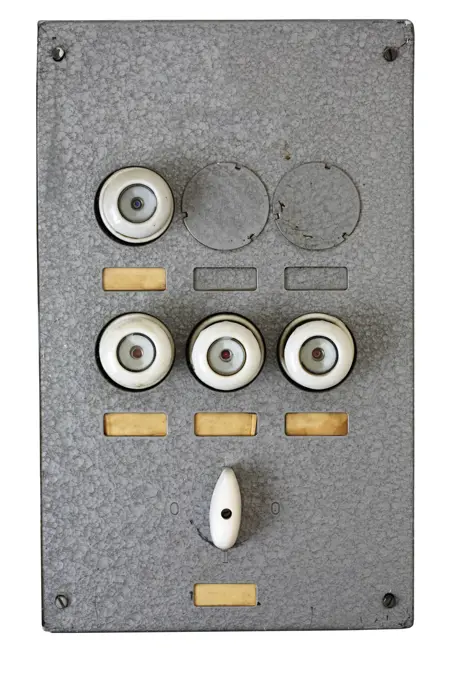
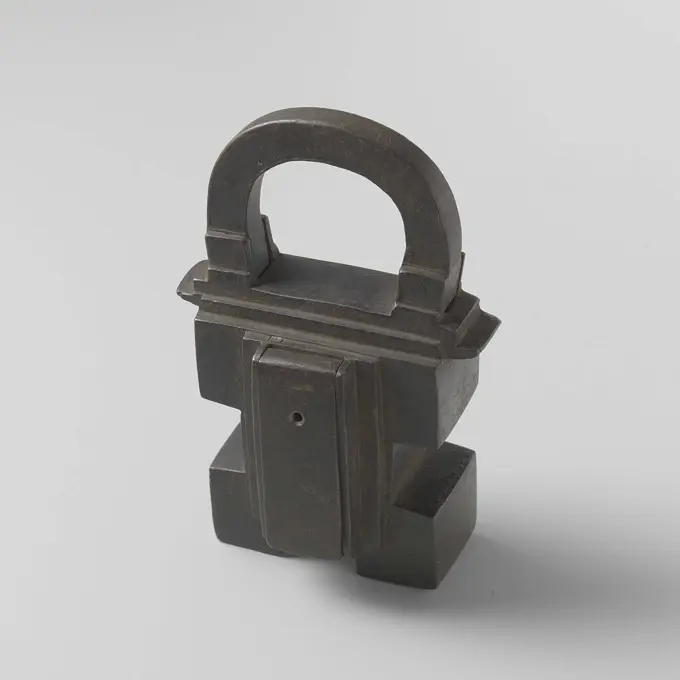
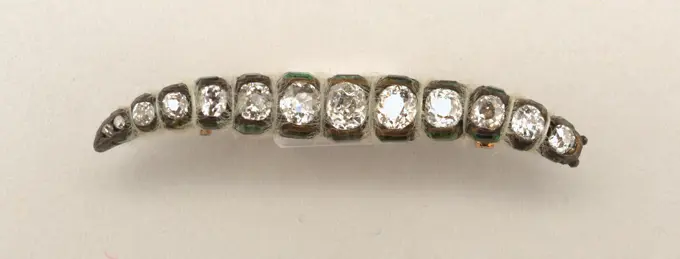
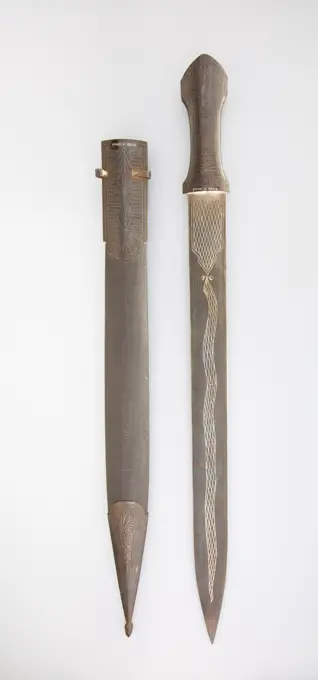
Leave pass. Sink, cylindrical sleeve with cap in which number 586 is beaten, in which document, leave pass for Cornelis Kleijweg from Gouda to go home for an indefinite period of time, provided that it has been increased by the garrison commander 1st Batailon, 4th Kompagnie of the Third Department of Der South Holland Schutterij in Roosendaal, 17 June 1833; Printed sheet paper (on one side), filled in with brown pen. Signed: v Dongen Bolding. Inscription; b.: '3rd department Zuidholl. Schutterij '.Long knife of kama type with a scabbardYeah one hundred; Malcz, Karol (1797-1867), Gerlach (Warsaw; 1760-), Silver Products Factory K.F. Malcza (Warsaw; Sreber label; 1828-1864); 1825-52 (1852-00-00-1852-00-00);Milky white square Chinese vase. The vase in approximately 250 years old.Key of bronze, c. 300 - c. 500 Bronze key with a reasonable beard, round ring, on which a point. France bronze (metal) Bronze key with a reasonable beard, round ring, on which a point. France bronze (metal)A half -bowl fork;  XIXW. (1860-00-00-1870-00-00);Knife Handle (Kozuka) ca. 1615-1868 Japanese A kozuka is a handle of a by-knife that is part of a sword mounting. It is kept in a slot on the reverse of a katana scabbard, often with a matching kōgai (hairdressing tool).. Knife Handle (Kozuka) 34550Cunnic parasol button or umbrella button of blue -painted wood with golden veins or blue plastic; The button is inlaid with red stone or plastic, Gustav Schnitzler, c. 1920 Konical parasol button or umbrella button of blue -rejected wood with golden veins or blue plastic. The button is inlaid with red stone or plastic. Nijmegen whole: Wood (plant material). whole:. knob: polishing / inlay (process) Konical parasol button or umbrella button of blue -rejected wood with golden veins or blue plastic. The button is inlaid with red stone or plastic. Nijmegen whole: Wood (plant material). whole:. knob: polishing / inlay (process)Agapito Borras Planas / 'Arquifacte', 1998. Museum: PRIVATE COLLECTION.Yeah; Tauron-Parisot (couples; Factory; 1839-); XIX-XX century (1901-00-00-2000-00-00);Miser's purse, Medium: silk, metal Technique: crocheted, Crocheted black silk; embroidered areas of green and yellow silk with stylized flowers of cut steel beads. More beads are used in triangular pattern. Two steel rings control side closing; steel bead tassels at one end, steel bead fringe at the other., France, early 19th century, costume & accessories, Miser's purseToddy spoon ca. 1770-1800 British, Sheffield. Toddy spoon 194884Shutter Hinge and Fastener. Dated: c. 1936. Dimensions: overall: 35.6 x 24.6 cm (14 x 9 11/16 in.). Medium: watercolor, gouache, graphite, and pen and ink on paper. Museum: National Gallery of Art, Washington DC. Author: James M. Lawson.Gunlock (Flintlock) for a Carronade with a Double Flint. Right cannon lock (flint lock) with brass house and iron lock mechanism, rooster and pandeschel. The rooster has two couple lips, which turn around a bolt with a wing nut: it has two flints, in case one became unusable. The slot was mounted with two bolts through it. The retraction rope runs from the trigger through an eye in the house to the back.Batter ..Pair of mules.Shoe or Muil with wooden soles pivot in the bow of the foot. Loosole and heel with ller lined, square nose. Heel band and buckles of copper. Signature: 154. Children's modelBronze Kanon VOC E, J. Steen & J.C Borchhardt, 1757 cannon Bronze cannon with five profiled tires. Kulas band with cast inscription. Between first and second band on top of Cartouche in high relief with initials. Mouth slightly ending. Round grape with pointed end and band. Equipped with two taps. All around Zundgat rectangle with concave sides. Enkhuizen bronze (metal) casting  EnkhuizenPasse-partout for painting.Passe-partout for painting basket filled with flowers.Wind Instrument 19th century Japanese (possibly Ainu). Wind Instrument. Japanese (possibly Ainu). 19th century. Wood. Japan. AerophoneA screw and screw driver against a white backgroundHalf Model of a Launch.Polychromed mold model (starboard) from a sloop. The boois above the bark wood is closed. Flat mirror. The seam is virtually flat; One bark wood. Peaked round trip.Barometer - Adie & Son Adie & SonVintage jointer on a metallic backgroundFigure-top spoon late 17th century Possibly by Hans Heinrich Hering. Figure-top spoon 188315 Maker: Possibly by Hans Heinrich Hering, died 1696, Figure-top spoon, late 17th century, Silver, Length: 6 1/4 in. (15.9 cm). The Metropolitan Museum of Art, New York. Gift of Mrs. Samuel P. Avery, 1897 (97.2.292)ShaverMezuzah (doorpost), 4 1/2 x 1 7/8 x 11/16 in. (11.43 x 4.76 x 1.75 cm), Metal, United States, The Shema (Deuteronomy 6:4-9) commands, 'And you shall write them on the doorposts of your house and on your gates.' To fulfill this commandment, the Shema is written on a tiny scroll of parchment along with a companion passage, Deut. 11:13-21. The scroll is placed in a case and affixed to the right side of every doorpost at an angle while reciting a special blessing. This mezuzah is from the Metropolitan-Mount Sinai Medical Center, which closed in 1991.Forearm Defense (Vambrace) ca. 1450-70 Italian This is part of a large find of medieval armor discovered in 1840 in the ruins of the fortress of Chalcis, on the Greek island of Euboea (then a Venetian colony called Negroponte). The fortress had been captured and destroyed by the Turks in 1470. Now divided largely between the Ethnological Museum, Athens, and The Metropolitan Museum of Art, the Chalcis hoard contains many rare and unusual elements of fourteenth- and fifteenth-century armor. Of particular importance are the variety of headpieces and the many fragments of brigandines (armor for the torso constructed of small plates riveted to layers of fabric), some of which retain portions of their original velvet covering. The Chalcis armor provides a unique picture of the armament used in the Aegean, one of the easternmost military outposts of the Venetian empire.. Forearm Defense (Vambrace) 23111Stew with sawn -out hearts, anonymous, c. 1755 Oval stew with test. In the top of the stove, a round hole has been cut out in the middle and four open hearts opened around it. In the stew there is a test on a foot and with an ear. The stove is marked: Mt. = Foot 430. The stew is equal to five stewing with the invnrs. BK-NM-11177-175, BK-NM-1177-176, BK-NM-11177-178, BK-NM-11177-179, BK-NM-11177-180. Amsterdam silver (metal) Oval stew with test. In the top of the stove, a round hole has been cut out in the middle and four open hearts opened around it. In the stew there is a test on a foot and with an ear. The stove is marked: Mt. = Foot 430. The stew is equal to five stewing with the invnrs. BK-NM-11177-175, BK-NM-1177-176, BK-NM-11177-178, BK-NM-11177-179, BK-NM-11177-180. Amsterdam silver (metal)Incandescent lamp of car, isolated on white background Incandescent lamp of car, isolated on white background Copyright: xZoonar.com/OleksandrxKostiuchenkox 8911747Schieblehre, mechanisch, Firma Horex, McPKST McP_WAL_2024_002481 *** Caliper, mechanical, Company Horex, McPKST McP Wal 2024 002481 McPKSTPinch cutter with two pointed, hinged blades and oval eye, pinch cutter scissor cutting tool soil find iron metal, hand-forged loop-shaped ribbed handle. Double button on shoulder of the two sharply tapered leaves Marked on cutting blade blacksmith mark S or 8 above which 5-pointed star (topped blade) archeology Rotterdam City triangle Oostplein New harbor metalwork cut smithy blacksmith Soil discovery: Oostplein end Nieuwe Haven 1985Black velvet belt with buckle, c. 1840 - c. 1930 Black velvet belt with buckle. Europe (possibly) metal. velvet (fabric weave) Black velvet belt with buckle. Europe (possibly) metal. velvet (fabric weave)Knife Handle (Kozuka). Culture: Japanese. Dimensions: L. 3 13/16 in. (9.7 cm); W. 9/16 in. (1.4 cm); thickness 1/4 in. (0.6 cm); Wt. 1.2 oz. (34 g). Date: mid-19th century. Museum: Metropolitan Museum of Art, New York, USA.Knife Handle (Kozuka) 18th century Japanese A kozuka is a handle of a by-knife that is part of a sword mounting. It is kept in a slot on the reverse of a katana scabbard, often with a matching kōgai (hairdressing tool).. Knife Handle (Kozuka) 35045Molding Fragment (France), 18th century; walnutRed vintage electrical fuse. SwitchboardShaffron 1500-1530 Flanders. Steel .Dagger (Katar). Culture: Indian; blade, European. Dimensions: L. 39 in. (99.1 cm); W. 3 7/16 in. (8.7 cm); D. 1 3/4 in. (4.5 cm); Wt. 2 lbs. 3.3 oz. (1000.7 g). Date: 17th-18th century. Museum: Metropolitan Museum of Art, New York, USA.Half model or a screw steamer.Poly chromed and completely covered molds model (starboard) of a three-way screw steam vessel, with nine large and two small gates. Almost vertical, straight forward with galleon and curl as shipment, composite faucet. Elliptical fence with national arms, mangan screw and stir with stirring cap. The model has a short baking deck, small Campanjekek and a bridge across the main deck just before the extendable chimney. The model is equipped with all rest with puttings. The seam is almost flat, a Reehout. Running. Scale 1:50 (Scale by model).Knife, Herder, ivory, steel, silver, Blade has straight lower edge, upper edge tapering downwards to the point. Flat bolster, silver ferrule engraved with floral sprays. Ivory handle, oval in section, tapered towards blade, carved in relief with stylized lion and unicorn on plinth. (English royal supporters), Germany / Netherlands, ca. 1690, cutlery, Decorative Arts, KnifePair of Thigh Defenses (Cuisses) with Knee Defenses (Poleyns). Culture: Italian. Dimensions: Right (a): H. 22 in. (55.9 cm); W. 6 5/8 in. (16.8 cm); D. 8 1/2 in. (21.6 cm); Wt. 4 lb. 2.7 oz. (1890.9 g); left (b): H. 22 1/2 in. (57.2 cm); W. 6 3/4 in. (17.1 cm); D. 8 1/2 in. (21.6 cm); Wt. 3 lb. 9.8 oz. (1638.6 g). Date: ca. 1425-50 and later. Museum: Metropolitan Museum of Art, New York, USA.A pair of leg irons, possibly Frogatt, c. 1860 - c. 1866Srebrna from the 18th century with the coat of arms of Munich on the shaft in the collections of the National Museum in Warsaw - a general view from the front;  around 1920-1922 (1918-00-00-1922-00-00);NailsStrainerSpoon.   Maker: Jesse Kip, American, 1660-1722Architect's Table, oak, mahogany, walnut, pine, cherry; bronze, brass, iron, steel, gold; leather, gold, This mechanical table has a rectangular double-hinged top veneered with flame-grained mahogany. It can also serve as a console. A horizontal molding, on which reading, writing, and drawing materials may be propped, emerges automatically when the top is raised. Below is a long frieze drawer decorated with milleraies banding and moldings and mounted with drapery-swag handles. The interior is fitted with a leather-covered writing slide above a nest of moveable drawers. The square, tapering legs decorated on all sides with millerailles panels have gilt-bronze profiles and moldings and brass block feet. The molding on the tops of the three legs were gilded only on the three visible corners. All four legs are screw-topped to permit easy transport. Latches underneath the tabletop can be turned outward to hold adjustable candlesticks., Neuwied, Germany, ca. 1780-1795, furniture, Decorative Lock 15th century British The decoration of Gothic iron locks and keys was often elaborate and of the highest standard of workmanship. The motifs were frequently drawn from Gothic architecture, reproducing on a miniature scale complicated tracery patterns and even tiny statuettes. A number of these tiny locks were compound, with some of the mechanisms concealed from view, and required two or even three keys used in sequence to open them. It has been suggested that the greatly expanded use of locks on doors, or coffrets and other types of storage chests was a result of the increasing urbanization of life and the new emphasis on material wealth and private ownership which developed in the late Middle Ages.. Lock. British. 15th century. Iron. Metalwork-IronMovable type printWrist Rest (t'sun), 18th-19th century, 1 1/2 x 7 x 2 5/8in. (3.8 x 17.8 x 6.7cm), Brown type of chalcedony, China, ArchaicMOLINILLO DE CAFE ARABE-DESMONTADO-(UTILIZADO POR BEREBERES).Key, c. 1400 - c. 1950 Key, without ring.  iron (metal) Key, without ring.  iron (metal)Lead Role from the wreck of the East Indies' t Vliegend Hart ,, 1700 - 1735 lead Tubes rolled plates. Black-gray and silver gray of color. Roll of Lead. Middelburg lead (metal)door key with magnetic pins door key with magnetic pins for pin tumbler lock isolated on white background Copyright: xZoonar.com/ValeryxVoennyyx 5660543Batter, c. 1400 - c. 1950   iron (metal)   iron (metal)Loop.Half Model of a 50-Gun Frigate, anonymous, c. 1809 ship model. half model. builder's model Polychromed mold model (starboard) of a three -mast. No guns; Baking deck and half cover can be distinguished by Gillingen. Get mirror, Hol Wulf, no details of fence or side gallery; Stir with square stirring king and rounded leaf. See at both ends slightly rising, one barkhout. Peaked around. Scale approx. 1:50 (derived). Netherlands wood (plant material)   Rotterdam. East-Indiaunusual metal object as a backgroundRed wine bottle and corkscrew on black matte background. Red wine bottle and corkscrew on black matte background. Top view with copy space Copyright: xZoonar.com/DanielxDashx 12679428Baseball Player Matchsafe; USA; silver-plated metal; 6.8 x 3.4 x 1 cm (2 11/16 x 1 5/16 x 3/8 in. )Half Model of a boat, Anonymous, c. 1780 - c. 1820Close-up of an electric switch on a wallPoster sheet of wood. Poster sheet of dark woodKnife Handle (Kozuka). Culture: Japanese. Dimensions: L. 3 13/16 in. (9.7 cm); W. 9/16 in. (1.4 cm); thickness 1/4 in. (0.6 cm); Wt. 1 oz. (28.3 g). Date: 18th century. Museum: Metropolitan Museum of Art, New York, USA.Honing steelOld Fashioned Change MakerOjime 19th century Japan. Ojime. Japan. 19th century. Metal with design of wisteria. Edo period (1615-1868). Ojimetwo euro coin in a clampAttic Red-Figure Krater() Fragment. UnknownNose Ornament or Bracelet before 16th century Tolima. Nose Ornament or Bracelet 318214Jan Haegmans, Calibration band of bottle with Rotterdam stamp and letter H, gauge band soil found tin metal h 2.4, Haegmans) archeology Rotterdam rail tunnel gauge gauge gauging measurements guarantee bottle Soil discovery: trajectory Rotterdam rail tunnel.Pipette with serum on a beige background. High quality photo.Tree Identification - Maple: Norway. Photographs Relating to National Forests, Resource Management Practices, Personnel, and Cultural and Economic HistoryPolice Whistle, 1840. Made from pewter, possibly from Aston, Birmingham.. May have been used during the Murphy Riots of 1867.Hu Trapezoidal Ceremonial Blade, 1100-771 BCE, 15 7/8 x 3 3/4 x 3/16 in. (40.32 x 9.53 x 0.48 cm), Brown-black jade spotted with yellow sparkles and clouds, China, 11th-8th century BCETwo Stirrups. Culture: Indian. Dimensions: Stirrup (a); H. 6 in. (15.2 cm); W. 7 3/4 in. (19.7 cm); D. 2 1/4 in. (5.7 cm); Wt. 1 lb. 1.2 oz. (487.6 g); stirrup (b); H. 6 in. (15.2 cm); W. 7 3/8 in. (18.7 cm); D. 2 1/4 in. (5.7 cm); Wt. 1 lb. 0.5 oz. (467.8 g). Date: 19th century.These two right stirrups were used by Indian lancers who were part of the British Imperial cavalry. The purpose of the side loop, which originally featured a small leather pouch, was to rest upon the bottom of the lancer's lance while riding. Museum: Metropolitan Museum of Art, New York, USA.Rome Italy 17 january 2024 Detailed photo of a corroded dismantled car engine highlighting the impact of wear and decayOriental fiddleWhale Oil Lamp. Dated: c. 1938. Dimensions: overall: 30.7 x 23 cm (12 1/16 x 9 1/16 in.). Medium: watercolor, graphite, and goauche on paperboard. Museum: National Gallery of Art, Washington DC. Author: James M. Lawson.nutcracker and whole nut on black backgroundLocks and keysVintage German bike locking chain, india, asia Copyright: xAnilxDave/DinodiaxPhotoxVanity Case (Compaq), French, made in Paris, 1928 by Cartier. Gold, platinum, enamel and diamondsLong Gouda stone bridal pipe, pipe smoking utensils equipment clay paper iron textile linen, head 3.0 textile Long Gouda stone bridal pipe with crooked head and heel at the bottom. Long straight stem decorated with iron wire ribbon art leaves and flowers milkmaid with two buckets on yoke (stamped on the heel master brand) personal attribute personal equipment smoking tobacco pipe smoking tobacco smoking remember marriagepolished black Obsidian volcanic glass gemstone closeup of sample of natural mineral from geological collection - polished black Obsidian volcanic glass gemstone isolated on white background Copyright: xZoonar.com/ValeryxVoennyyx 14989584Close-up of a coin in a clampBlock for manufacture of coins (rose bobel), from excavations at the Diepenveen monastery, Anonymous, c. 1340 - c. 1450 stamp Elongated slate of slate, with five images of coins (rose bobe) on top and five identical decorative motifs on the bottom, of which three are still visible as a result of damage; At the top: two small openings that come to one of the sides. Diepenveen slate (rock). gypsum grinding  DiepenveenBorder (France); block-printed and flocked; 57 x 13 cm (22 7/16 x 5 1/8 in.)Half Model of a 36-Gun Frigate, anonymous, c. 1789 ship model. half model. builder's model Polychromed mold model (starboard) of a three -masters without decoration. No guns; Baking deck and half cover can be distinguished by Gillingen. Get mirror, Hol Wulf, no details of fence or side gallery; Straight with square stirring king. The Zeeg rises slightly on both ends, a barkwood and two reehouts. Peaked around. Scale approx. 1:55 (scale on model). Netherlands wood (plant material)Sicherungskasten Old metallic wall-mounted fusebox with blank labels. Copyright: xZoonar.com/J.xSandvikx 1290832"Remember the Maine" Matchsafe; Manufactured by William Schimper & Co.; USA; brass; 3.2 x 6.3 x 1.2 cm (1 1/4 x 2 1/2 x 1/2 in. )Fragments of three models of donkey heads, Anonymous, c. 1780Dugout canoe. Fashioned from hollewed-out tree trunks,This is a model of an outrigger dugout form Oceania. Norwegian Maritime Museum. Oslo. Norway.Dolls panel red lacquered with gilded piping, c. 1915 - c. 1925   tin plate. paint (coating)   tin plate. paint (coating)Belt Fittings 9th-10th century. Belt Fittings 450853Six cante wooden screw Six cante wood screw. A square iron padlock with tracing corners and raised keyhole enclosure. The basis on which the bracket is attached runs on both sides. The bracket has been marked; and eagle (). The slot valve later pierced with a hole. The slot valve can be opened by pressing a pin.Veil Pin (France); gold, emeralds, diamonds, silverRibbon, blue on both sides Salmonrosis, c. 1890 - c. 1935 Ribbon, blue on both sides of salmonrosis. NijmegenFrance (possibly) textile materials Ribbon, blue on both sides of salmonrosis. NijmegenFrance (possibly) textile materialsShards of wine bottles with concretion from the wreck of the East Indians' t Vliegend Hart, Anonymous, 1700 - 1735  Two necks with cork, lacquer and iron wire of onion -shaped wine bottles of green glass with red (port) wine. Netherlands cork (bark). lacquer (coating)Gothic atka from the fourteenth century with the equipment of the church - general view;  Not after 1919 (1900-00-00-1919-00-00);