Historical Pottery and Artifacts

A collection of ancient pottery and ceremonial objects, highlighting diverse styles and purposes from various cultures.
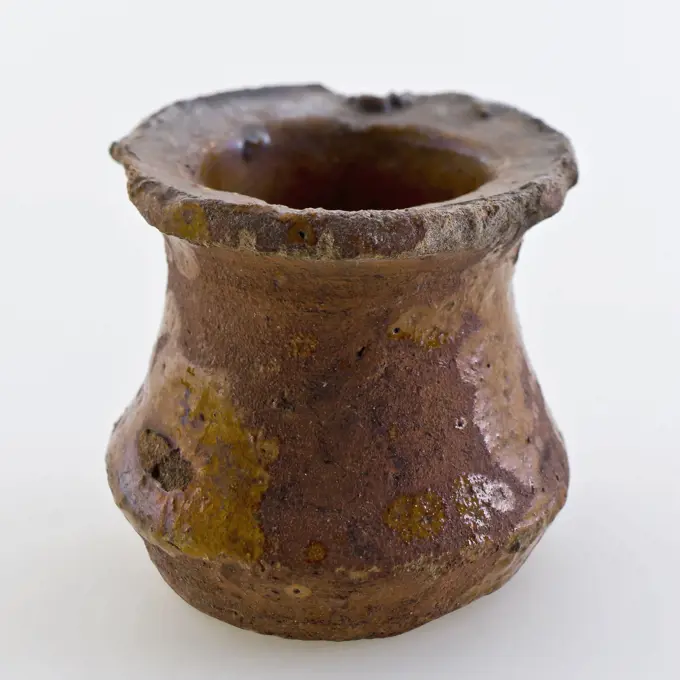
Pottery belly model ointment jar, red shard, internally glazed, ointment jar pot holder soil find ceramic earthenware glaze lead glaze, hand turned glazed baked Pottery ointment red shard internally glazed. Belly model with sloping thickening on the belly narrowing above the foot. Flat oblique inwardly directed top edge. Stand archaeology health care indigenous pottery import pharmacy store sell craft
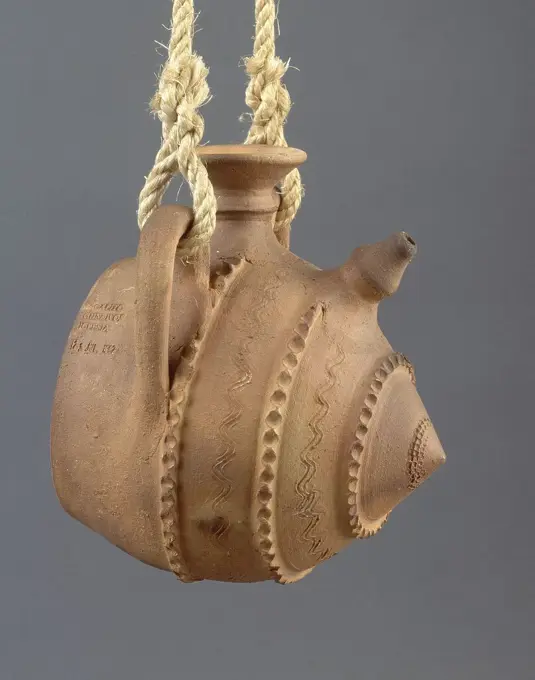
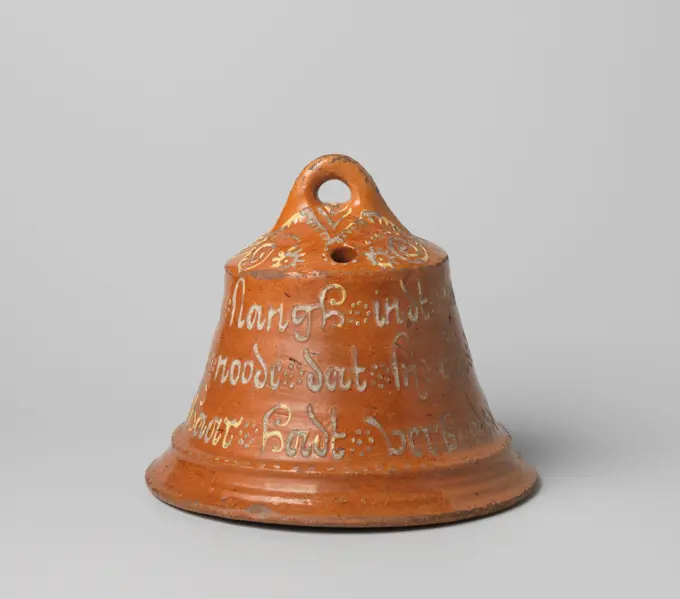
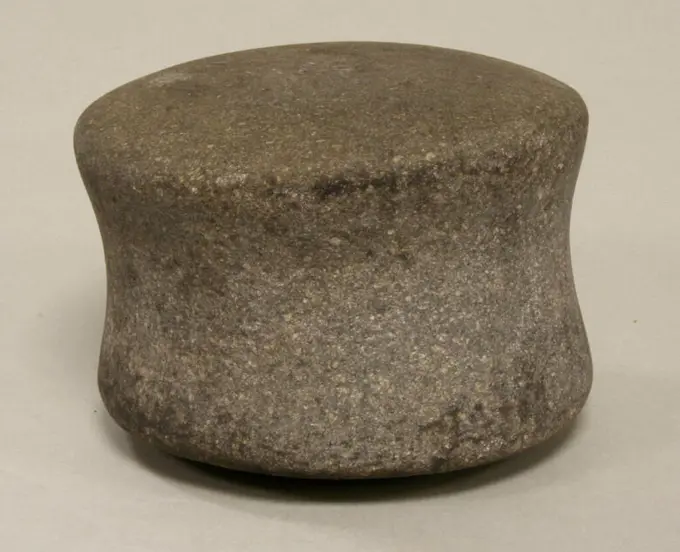
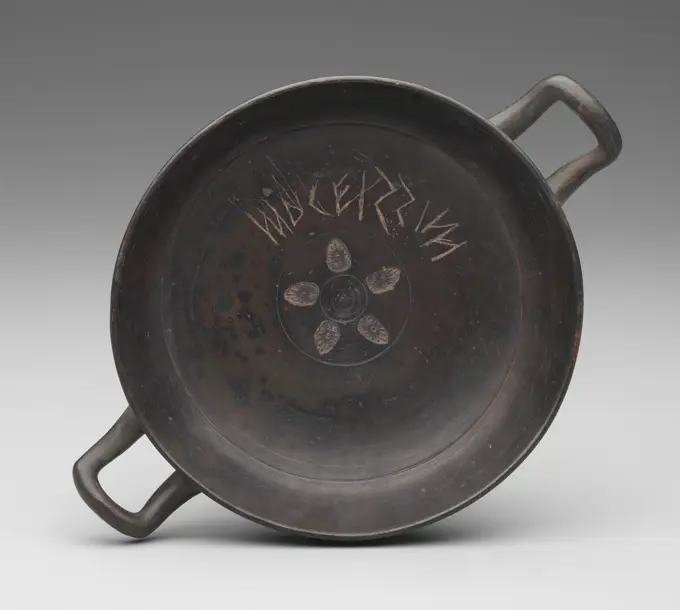
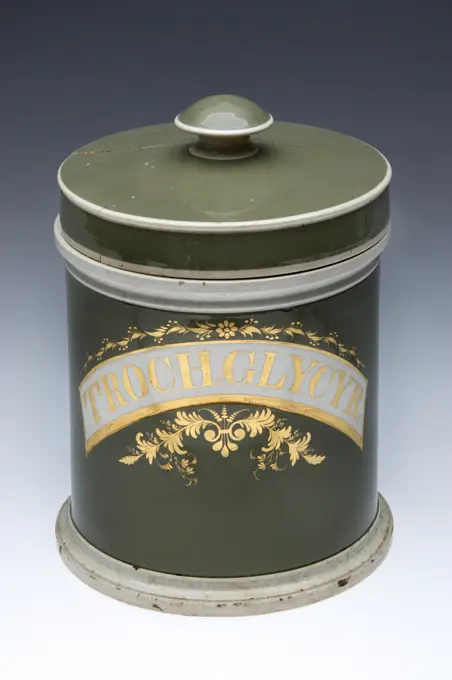
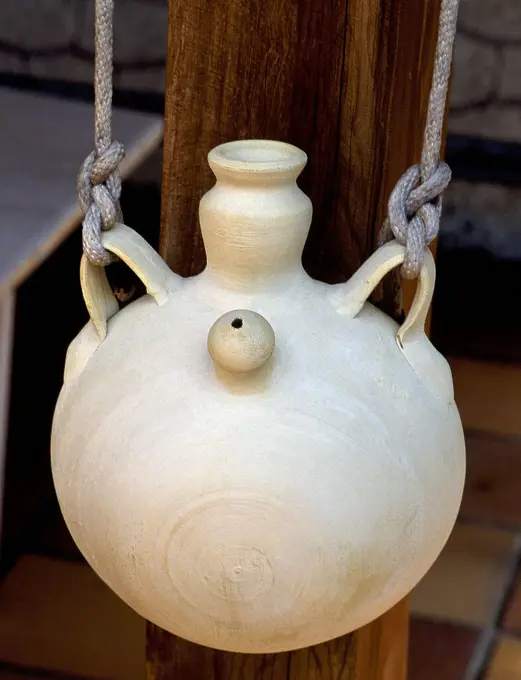
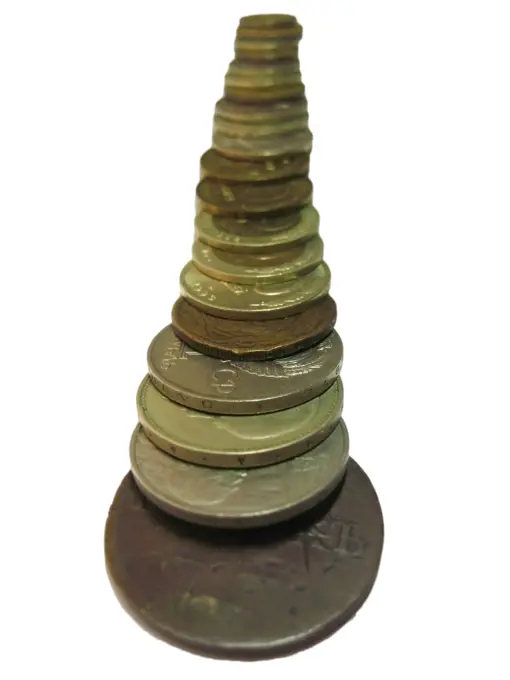
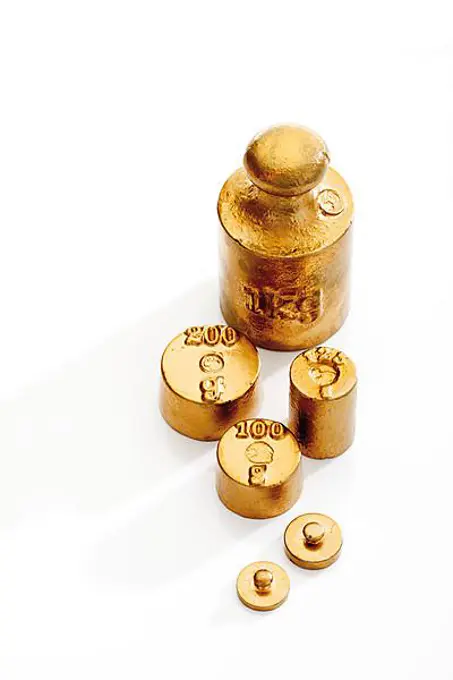
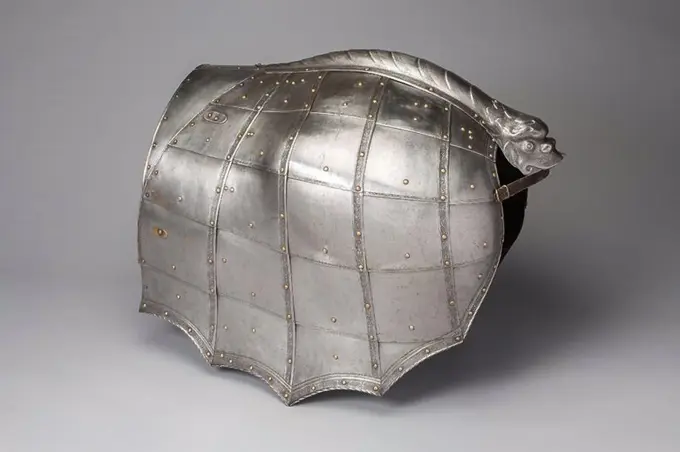
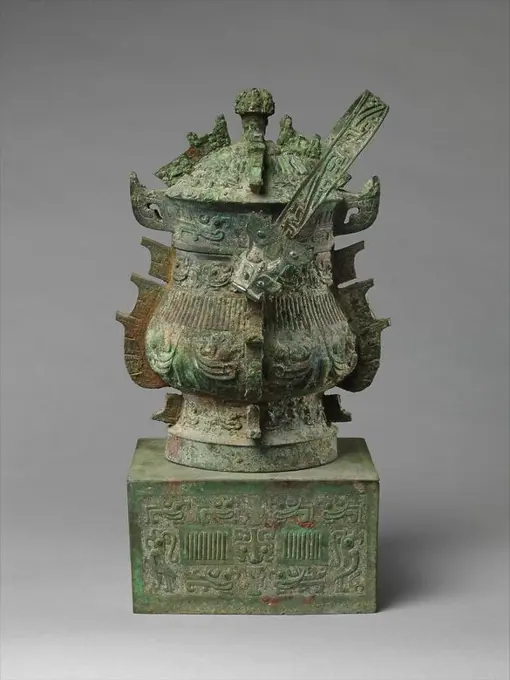
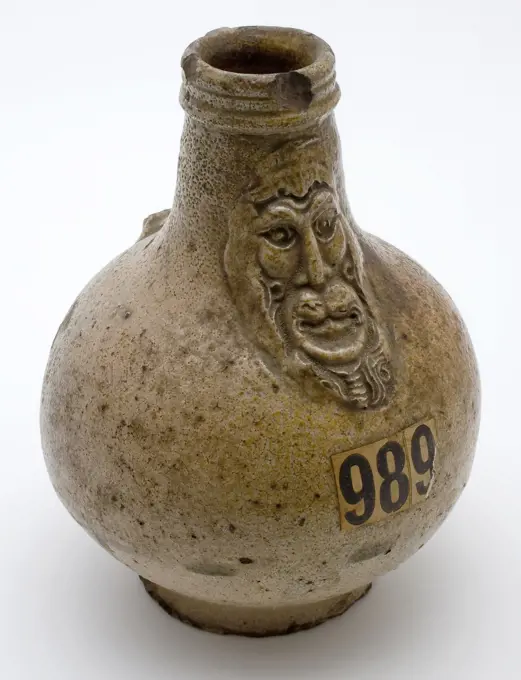
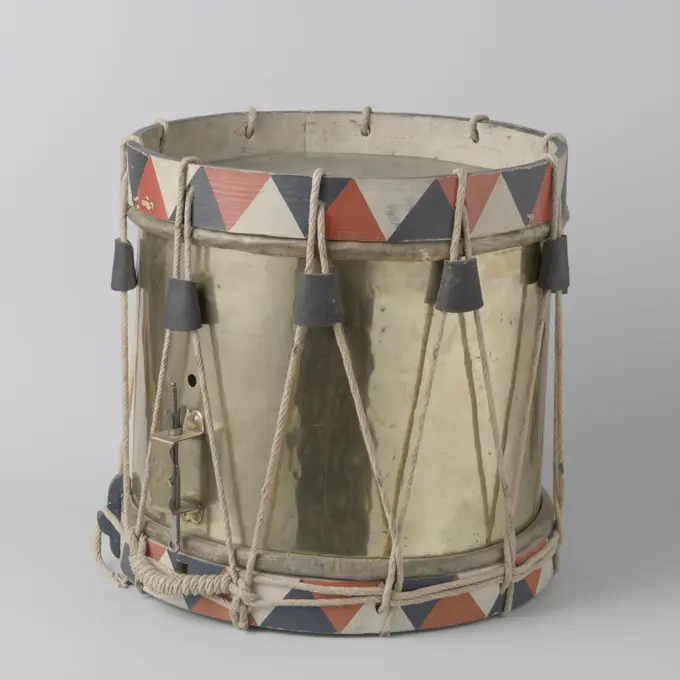
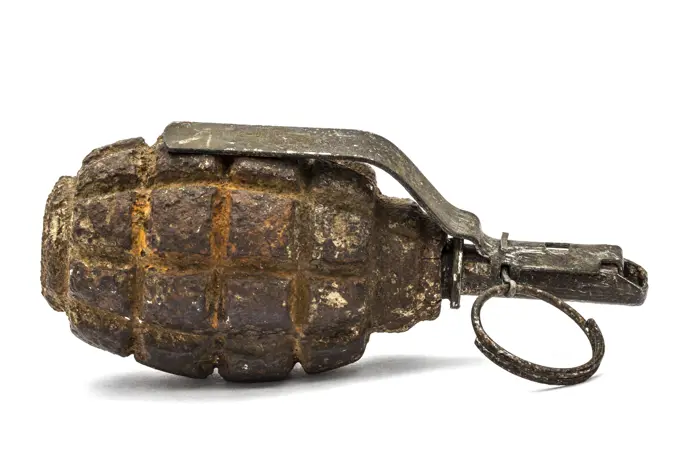
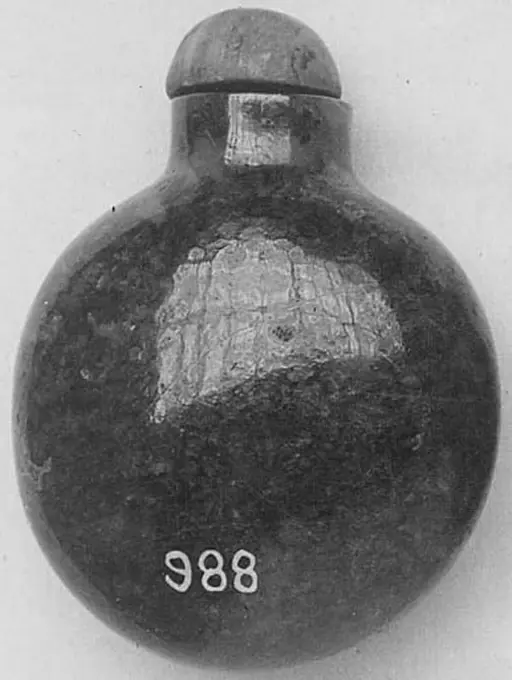
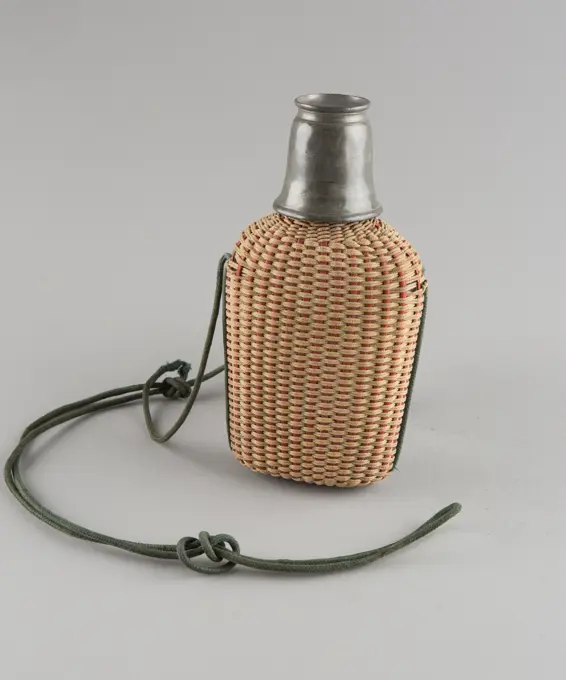
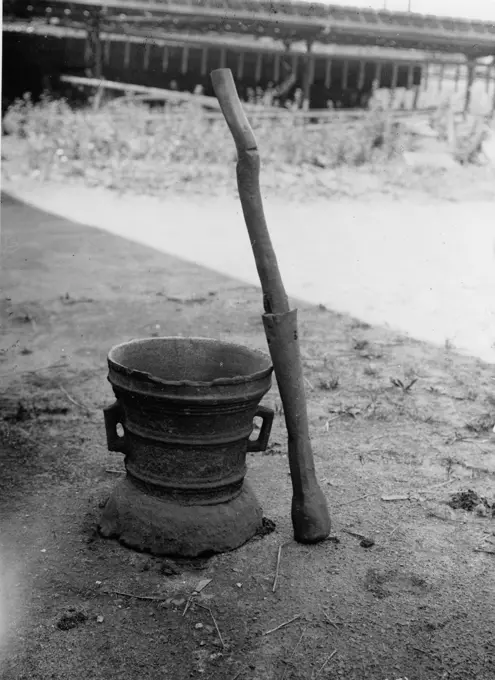
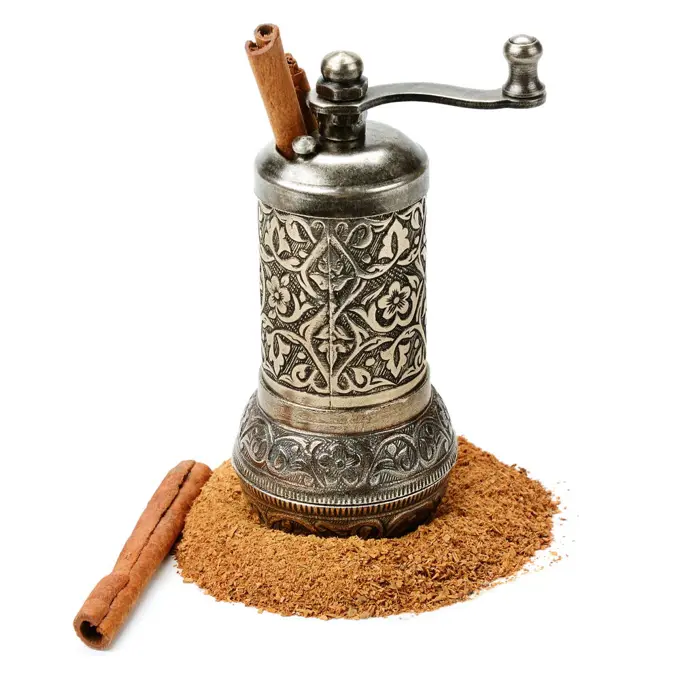
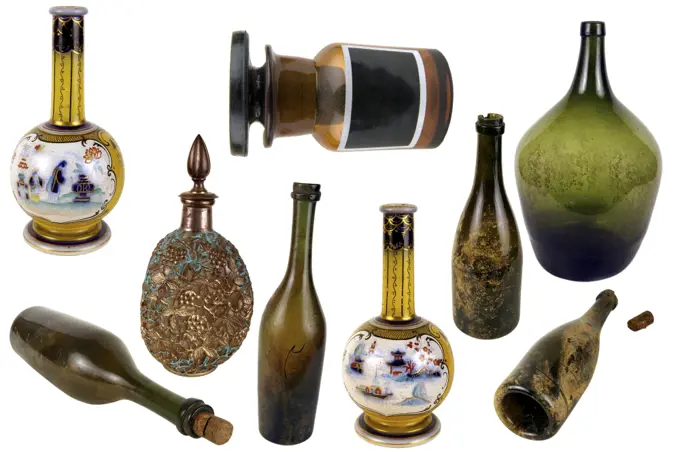
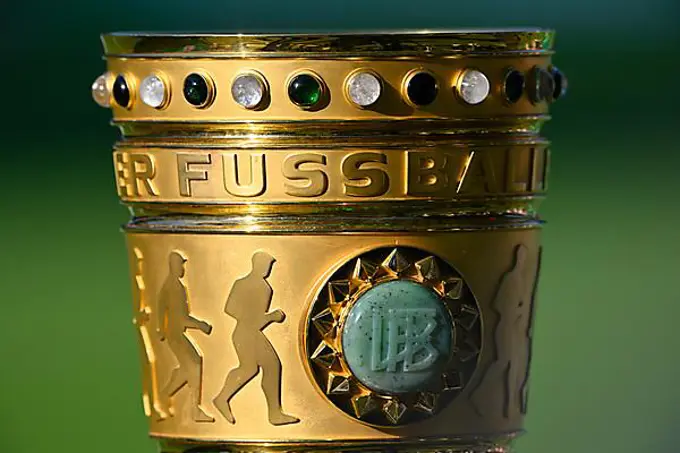
Copper pressed thimble with decoration, thimble sewing kit soil find copper metal, pressed Copper pressed thimble with small pits on the shaft with blank board with two grooves with V-shaped decoration archeology Rotterdam rail tunnel seamstress tailor sewing textile repair needle and thread Soil discovery: rail tunnel Rotterdam.Drinking Vessel Known as a Mazer 1529.Box, Enameled tôle, brass, Oval, with vertical walls and hinged lid, depressed in center. Hinged brass handle on lid. At base, alternating flowers and triple leaves in gold on black ground. Sides buff, with village scenery and two fishermen painted in brown on front. Top of lid buff, sides black with gold leaves and flowers. Simple lock (key missing)., England, ca. 1800, metalwork, Decorative Arts, BoxBasket. Culture: Japan. Dimensions: H. 6 1/2 in. (16.5 cm); W. 3 3/4 in. (9.5 cm). Date: 19th century. Museum: Metropolitan Museum of Art, New York, USA.Size of approx. 0.65 liters with handle, anonymous, 1800  Size of approx. 0.65 liters with handle, marked and labeled probably from Amersfoort. Amersfoort tin plate   AmersfoortDoll's Wrapper 1790-1890 Mesquakie or Potawatomi. Doll's Wrapper 319048. In 1980 archaeologists investigated the graves of 185 Dutchmen - whale hunters and workmen of the train oil refineries - who had died on or near Spitsbergen during the 17th century. The skeletons were still wearing their knitted woollen caps. Each cap was individualized; the men recognized one another only by the pattern of stripes on the caps. The men were bundled up so tightly against the fierce cold that only their eyes were visible.Beaker.   Maker: Lincoln and Reed, active ca. 1838 - 1848BOTIJO DE CARRO CON 2 ASAS DECORACION INCISA Y EN RELIEVE - BARRO COCIDO. Location: ALFARERIA. SPAIN.Spinning Whorl, before 1550. Colombia. Red ware; diameter: 4.8 cm (1 7/8 in.); overall: 2.6 cm (1 in.).Trunk;  XVII/18th century (1680-00-00-1720-00-00);Jar -Vuurstolp, Anonymous, 1693 Clock of lead glaze pottery with in yellow letters on a brown ground the inscription: the snang stirs paradise ... verbood.anno 1693. Holland earthenware. lead glaze Clock of lead glaze pottery with in yellow letters on a brown ground the inscription: the snang stirs paradise ... verbood.anno 1693. Holland earthenware. lead glazeAlms box China. Alms box 53042two marble vases isolated on white backgroundVotive Container (Canopa) 15th century Inca. Votive Container (Canopa) 318338Pounder. Culture: Mexican. Dimensions: Diameter 4 in.. Date: before 16th century. Museum: Metropolitan Museum of Art, New York, USA.Attic vessel depicting a women offering at a tomb. By the Woman Painter. Dated 420 BCBlack-glazedkylixBuddhist ritual vessel. unknown, craftsmanApothecary jar - Inconnu / UnknownIron cylinder with brass coating from Pemberton Mill , Textile industry, Mills, Building failures, Pemberton Manufacturing CompanyCANTIMPLORA EN BARRO BLANCO SIN VIDRIAR-ARTE POPULAR S XX. Location: ALFARERIA. LA RAMBLA. CORDOBA. SPAIN.Old russian coins of different timesBracelet 15th-19th century Yoruba peoples. Bracelet. Yoruba peoples. 15th-19th century. Bronze. Nigeria. Metal-OrnamentsOffertory box, Parish Church of Mariae Himmelfahrt, Miesbach, Upper Bavaria, Bavaria, Germany, EuropeGolden weightsThree Powder Chests. Three brass gunpowder boxes of identical rectangular base but from different height. On top, they all have two eyes, placed in opposite angles, and the closure. The closures are always of a different type. The smallest coffin has labeled a double closure 1, the outer cover to open a hinge and is closed with a large screw; The inner edge is filled with an unknown plastic. The inside cover is loose and has a ring on top. The largest coffin has labeled a single lid 2, of the same type when the outer cover of the smallest casket and the inner edge also fed with plastic. The corstrel of high-size has a double closure, labeled 3, the outer cover provided with a bayonet closure and a hinge that gives the lid the opportunity to turn; The inside cover is the same as with the smallest coffin.Tin cans, old, rusty, in a rowOld objects flagonMulled alcohol teapot;  18th century (1701-00-00-1800-00-00);Crupper with Tail Guard. Southern German. Date: 1525-1575. Dimensions: . Steel. Origin: Augsburg. Museum: The Chicago Art Institute, Chicago, USA.Ah-Yah 19th century Hopi people. Ah-Yah 501224Fireplace Lining. Dimensions: 34 x 28 1/2 x 33 1/2 in. (86.4 x 72.4 x 85.1 cm). Date: 1790-1810. Museum: Metropolitan Museum of Art, New York, USA.Silversmith's Art, Italy 20th century. Silver shaker. Alessi manufacturing, 1936.Figure Bottle 4th-6th century Nasca This ceramic bottle modeled in the shape of a man was painted with polychrome slips (a suspension of clay in water) indicating his garments, cap, and other details. Made by potters of the Nasca culture on Perus south coast, the hollow body of the vessel has a cylindrical spout emanating from the back and connecting via a thin bridge to the rear of the head. The figure is depicted wearing a woven cap in maroon and black with a white band along the lower edge. Multiple black threads hang down from the cap along the sides and back of the head. The figures primary garment features red and black stripes on a white background. The figure holds what appear to be a striped cloth in his proper right hand, and a thin black spear or baton that is shown diagonally across the front of the figure descending from the left shoulder to the lower right of the textile wrap (see Lapiner 1976: 205, Fig. 486, for an example of a Nasca figure with a spear). The figure apRitual Wine Container (Yu) with Lid and Pedestal. Culture: China. Dimensions: H. 13 1/2 in. (34.3 cm); W. 9 1/2 in. (24.1 cm); D. 9 in. (22.9 cm); Wt. 19.5 lb. (8.8 kg)Overall (wine container): H. 12 1/2 in. (31.8 cm); W. 9 1/2 in. (24.1 cm); D. 9 in. (22.9 cm)Overall (pedestal): H. 5 3/4 in. (14.6 cm); W. 8 1/2 in. (21.6 cm); D. 6 7/8 in. (17.5 cm). Date: late 11th century B.C..This elaborate set of wine vessels provides an idea of the splendor of Shang and early Zhou ritual ceremonies. The set is said to have come from a tomb uncovered in 1901; shortly thereafter, it entered the collection of Duan Fang, a senior Manchu official and one of the preeminent antiquarians of the late Qing period. The pieces vary in style and execution. Although eleven of the vessels are inscribed, only one grouping shares identical inscriptions: the two wine containers, or you (nos. 2, 3) and the tall wine container, or zun (no. 4). A second grouping has largely comparable inscriptions: the spouted watBag-ink tube of silver in green pouch of rye wall. Bag-ink tube of silver, in a green pouch of Roggevel; Used by the poet Lucretia Wilhelmina van Brands (Amsterdam 1721-1789). Paris, Brand: Fermier Général Brichard, 1761/2, Annual Letter Crowned X. Sculpt oval of cross-section.Colletin, 1801-1900. Germany, 19th century. Steel with black paint; overall: 27.3 x 33 cm (10 3/4 x 13 in.).Lantern. Culture: American. Dimensions: H. 17 in. (43.2 cm). Date: ca. 1825. Museum: Metropolitan Museum of Art, New York, USA.Game piece ca. 1981-1640 B.C. Middle Kingdom. Game piece. ca. 1981-1640 B.C.. Blue faience. Middle Kingdom. From Egypt, Memphite Region, Lisht North, Cemetery, MMA excavations, 1920-22. Dynasty 12-13Bartmann jug, also called Bellarmine jug, jug, short-tailed ear, Bartmann jug, also called Bellarmine jug, mask on neck, bearded jug tableware holder soil find ceramic stoneware clay engobe glaze salt glaze, hand turned stamped molded glazed baked stoneware jug gray shard brown brown salt glaze bandoor with short tail groove and ridge under mouth edge deducting traces at the bottom Small model Registration number from 1904: 989 archeology Rotterdam Delfshaven import pottery drink pour keep oil wine beer Soil discovery: with four such dredged from the Schie for the factory or distillery of Gagesteyn in Delfshaven Rotterdam (july August 1904).Drum, 1800 - before 1865 musical instrument. percussion instrument. drum Trom of the militia. The brass kettle is equipped with a veal sheet on both sides, held by a hoop and tense by means of a tension with tractors and screws. Both hoops are decorated with a motif of triangles in the colors red, white and blue. With engraved numbers: 1832-3-6. Netherlands Kettle: Brass (Alloy). Hoop: Wood (Plant Material). Team resort: RopeBottle - Stephen's Blue and Black Copying Fluid , Henry Stephens Stephens' Ink Company Stephens' Ink CompanyCase (probably Germany), early 18th century; wood, leather, gildingDate Pendant ca. 1353-1336 B.C. New Kingdom, Amarna Period. Date Pendant. ca. 1353-1336 B.C.. Faience. New Kingdom, Amarna Period. From Egypt, Middle Egypt, Amarna (Akhetaten), Various houses in the town, Petrie/Carter excavations, 1891-92. Dynasty 18Snuff Bottle 19th century China. Snuff Bottle 41200Old rusty padlock and key. Old rusty padlock and key. Copyright: xZoonar.com/SorinxOpreanuxRobertox 10806088Nicholas Geffroy, Beaker, c. 1800, silver.Barcella, (traditional symbolic pot, 12th century, Sineu, Mallorca, Balearic Islands, Spain, Europe.Old combat grenade isolated on a white background Old combat grenade isolated on a white background Copyright: xZoonar.com/OleksandrxKostiuchenkox 8905873Stoneware spinklos, gray glazed, spinklos bead soil find ceramic stoneware glaze salt glaze, hand-turned glazed baked stoneware spinklos. Gray glazed. Rotations. Tapered hole in the middle archeology indigenous pottery import spinning wool clothing knitting weavingModel of a well head and bucket 1st-2nd century China. Model of a well head and bucket. China. 1st-2nd century. Earthenware with trace of lead green glaze. Eastern Han dynasty (25-220). CeramicsCopper kettle exhibits, Yunnan Horse Caravan Cultural Museum, Yunnanyi, Yunnan Province, ChinaSnuff Box, c. 1760. France, late 18th century. Gold-mounted agate, sapphire, diamonds; overall: 6.7 x 4.9 cm (2 5/8 x 1 15/16 in.).Pakhavaj late 19th century Indian (north). Pakhavaj. Indian (north). late 19th century. Wood, skin. North, India. Membranophone-double-headed / barrel drumSpice Box,  c.1810Snuff bottle with stopper 18th-19th century China. Snuff bottle with stopper 41166Glass manner unknownThree different weightsMortar with shock for crushing sot at troubles.Ngonge late 19th century Congolese. Ngonge 501117Cinnamon and manual grinder isolated on white background. Useful spice.Antiquarian glass bottle for liquid products. It was used the last centuriesIncense burner China. Incense burner. China. Bronze. Ming dynasty (1368-1644), Zhengde period (1506-21). MetalworkJasmin teacup, with a portrait of a lady in a light-coloured dress and a hat. unknown, painter, Kaiserliche Porzellanmanufaktur in Wien (1744-1864), factoryPreserve Jar. Dated: c. 1938. Dimensions: overall: 35.7 x 28.4 cm (14 1/16 x 11 3/16 in.) Original IAD Object: 9" High 4 3/4" Dia(base) 4" Dia(top). Medium: watercolor, graphite, and colored pencil on paperboard. Museum: National Gallery of Art, Washington DC. Author: John Tarantino.Snuff bottle with stopper 18th-19th century China. Snuff bottle with stopper 41130Fire Bucket 1814. Fire Bucket 3636Original DFB Cup on pedestal, trophy, 80th DFB Cup final, DFB Cup, final, Olympiastadion Berlin, Germany, EuropeBirth of basketball celebrated on postage stamp