Historical Pottery Vessels

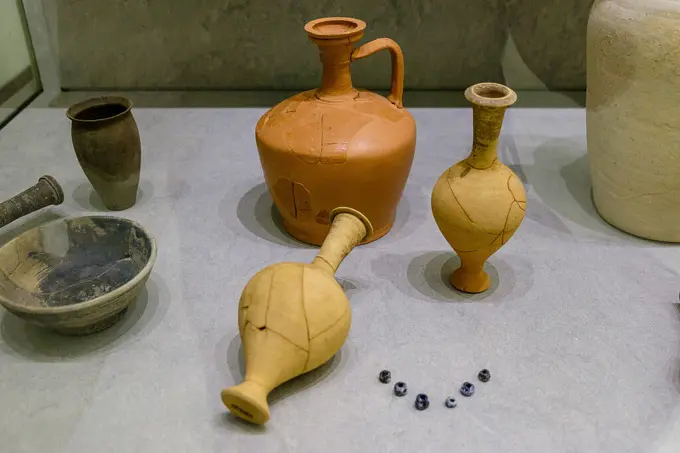
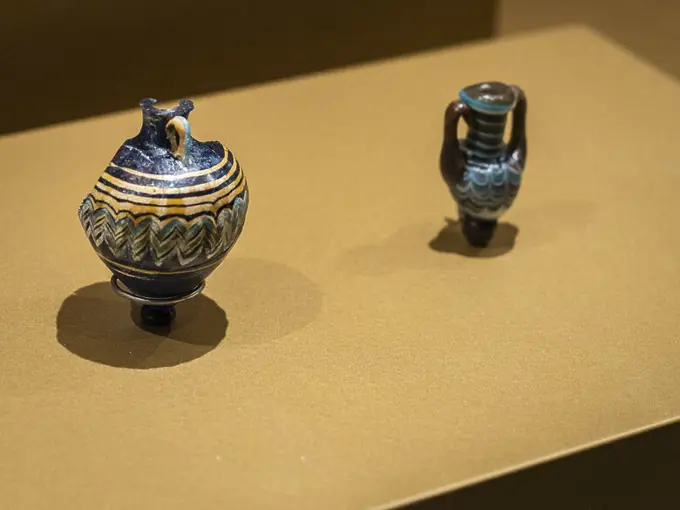
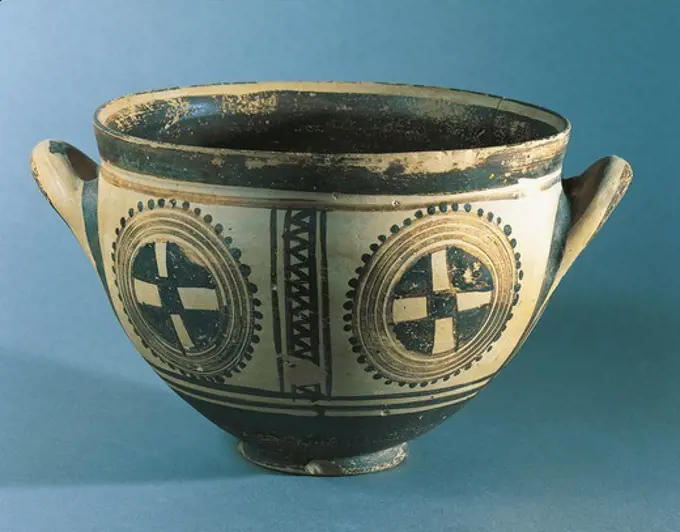
Assortment of ancient pottery jugs and vases, showcasing diverse designs and functions from different cultures.
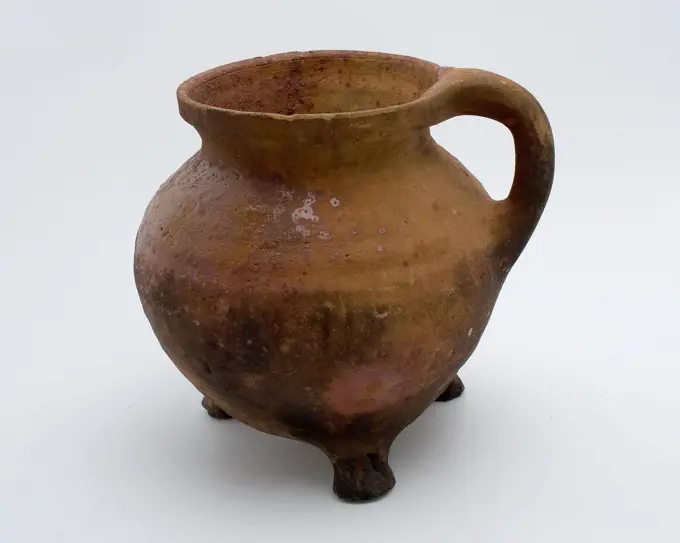
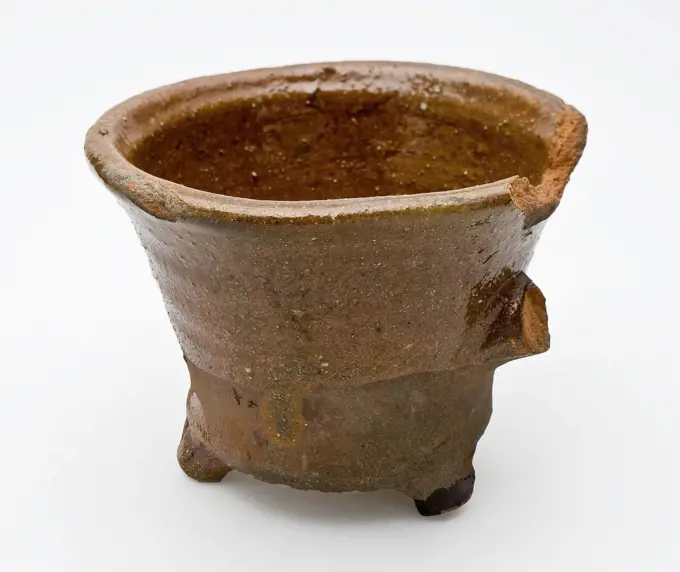
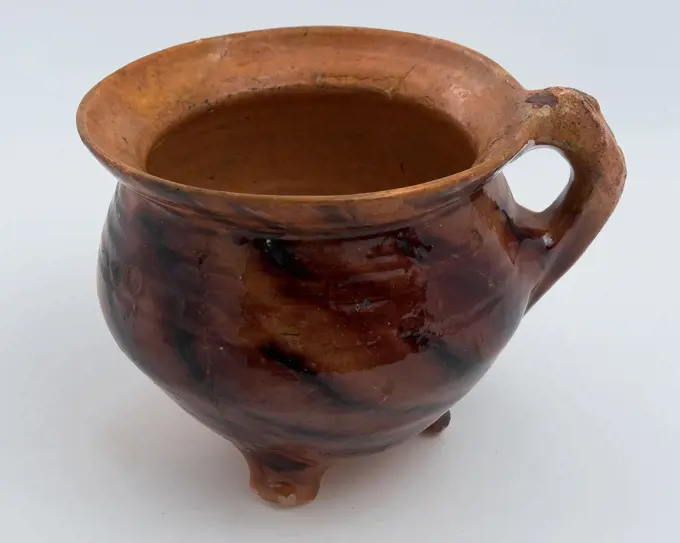
Pottery cooking jug, grape-model, red shard, sparing lead glaze, vertical sausage ear, three legs, cooking pot crockery holder kitchenware earthenware ceramics earthenware glaze lead glaze, hand-turned baked glazed earthenware cooking jug grape-model red shard sparing lead glaze vertical set sausage ear three-legged spurs archeology Rotterdam indigenous pottery food preparation cooking food kitchen fire Soil discovery: brand Rotterdam.
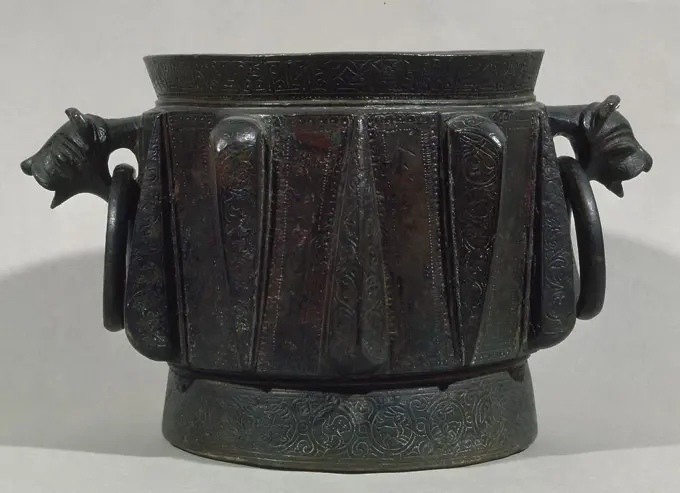
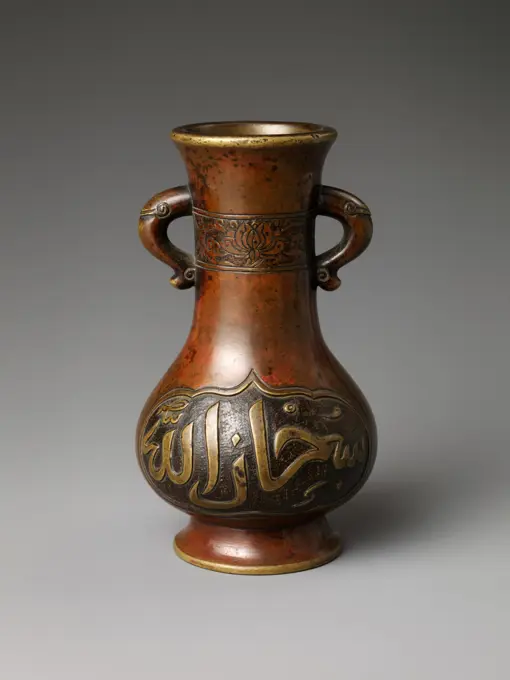
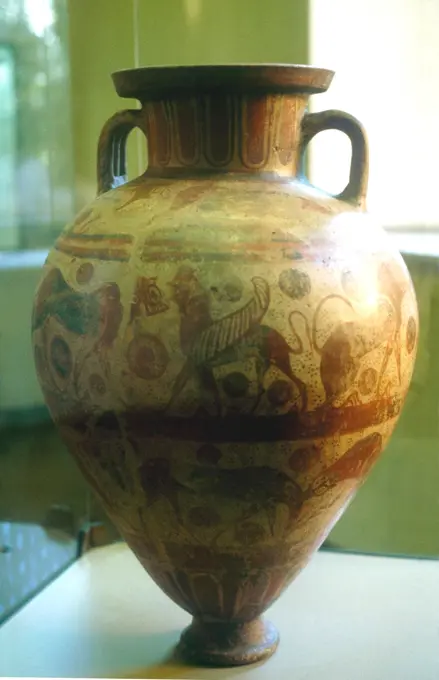
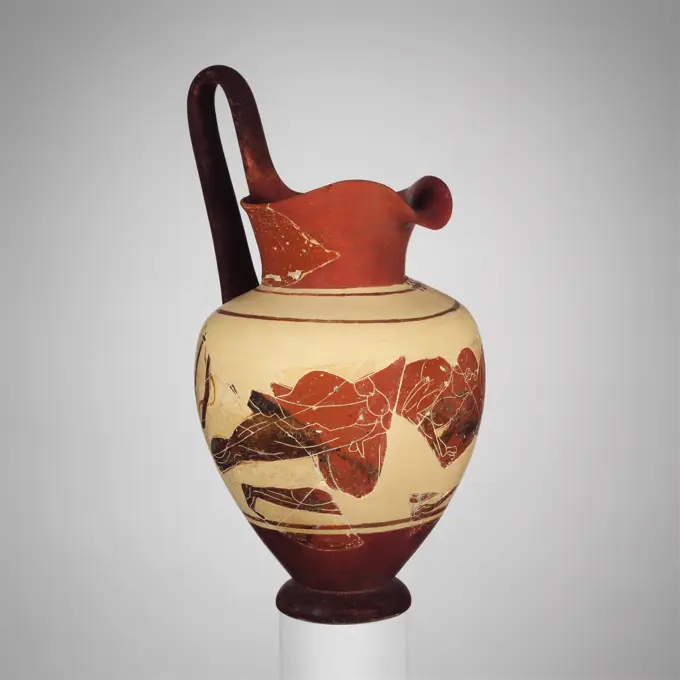
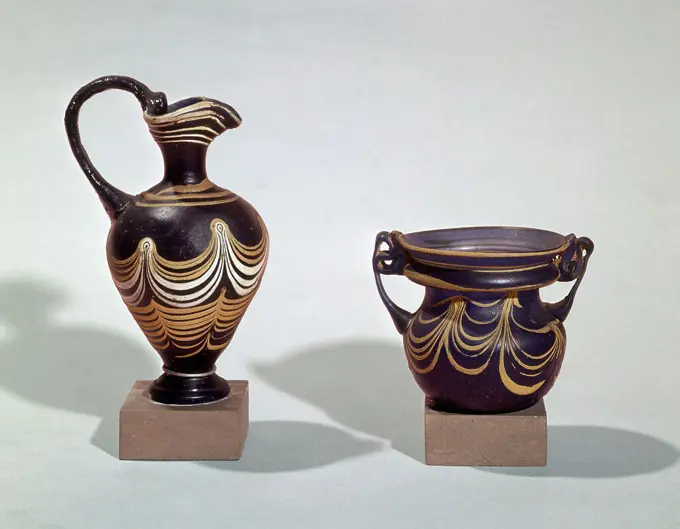
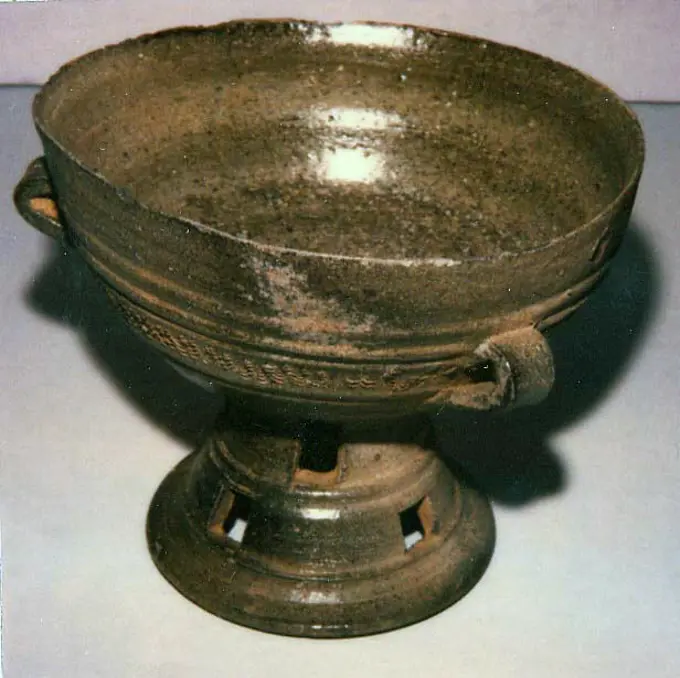
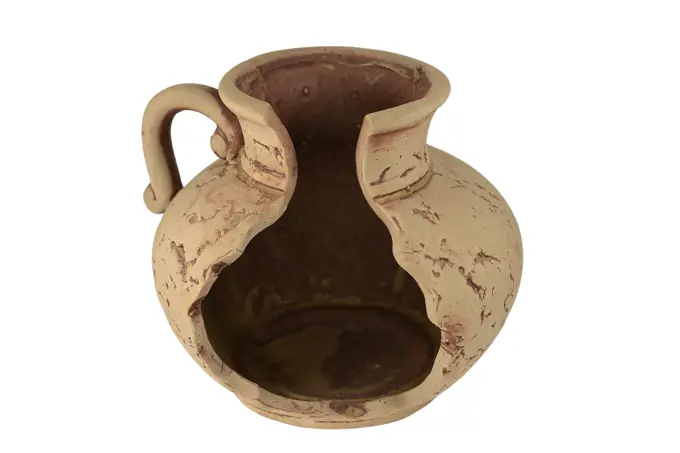
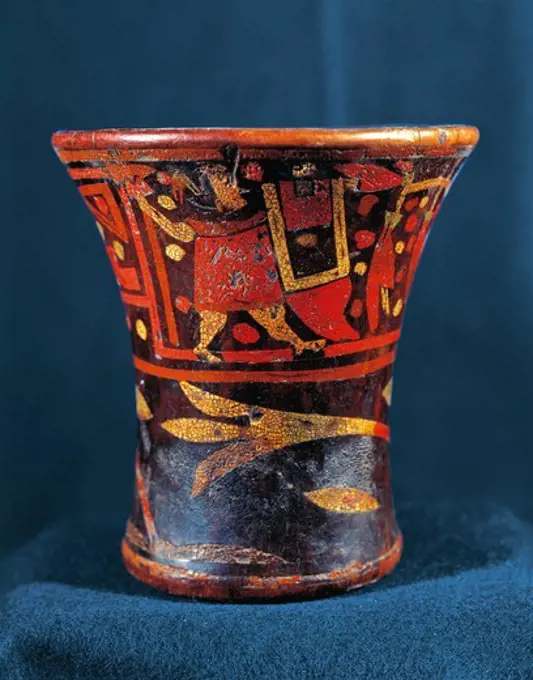
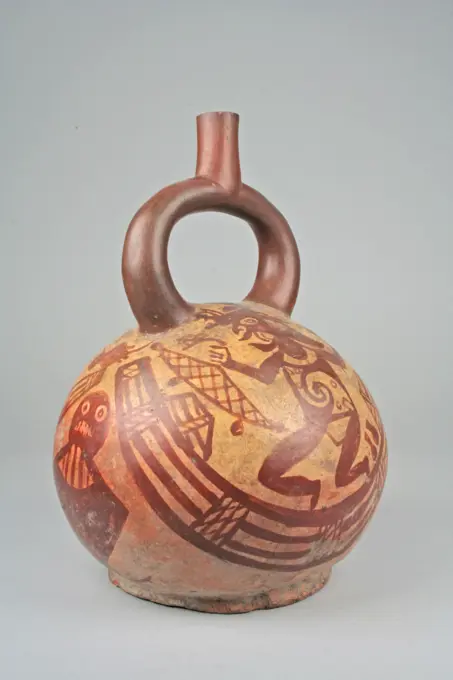
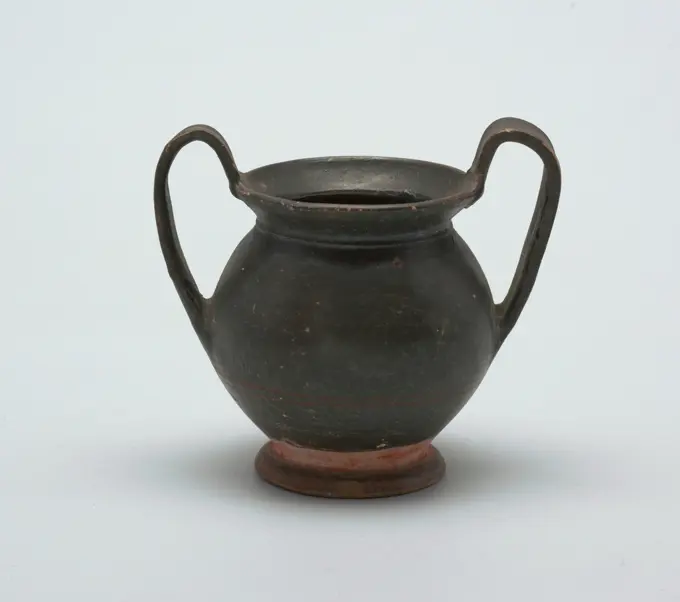
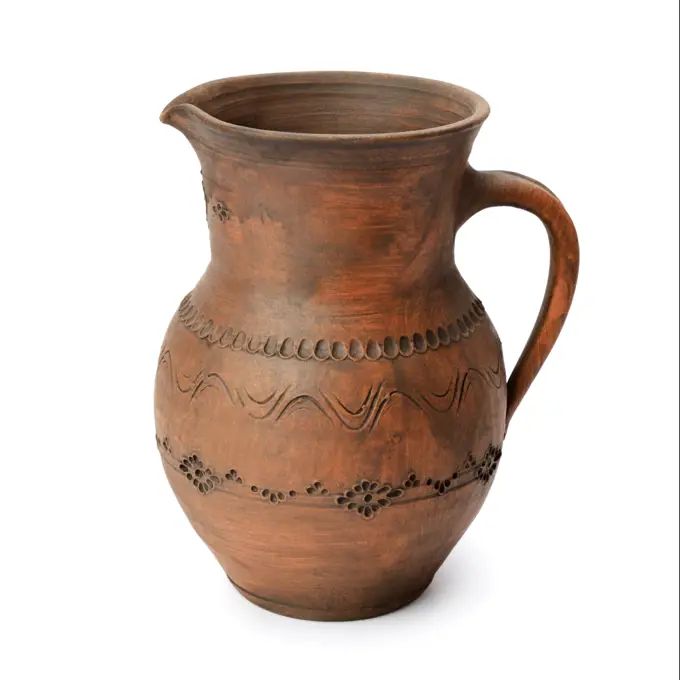
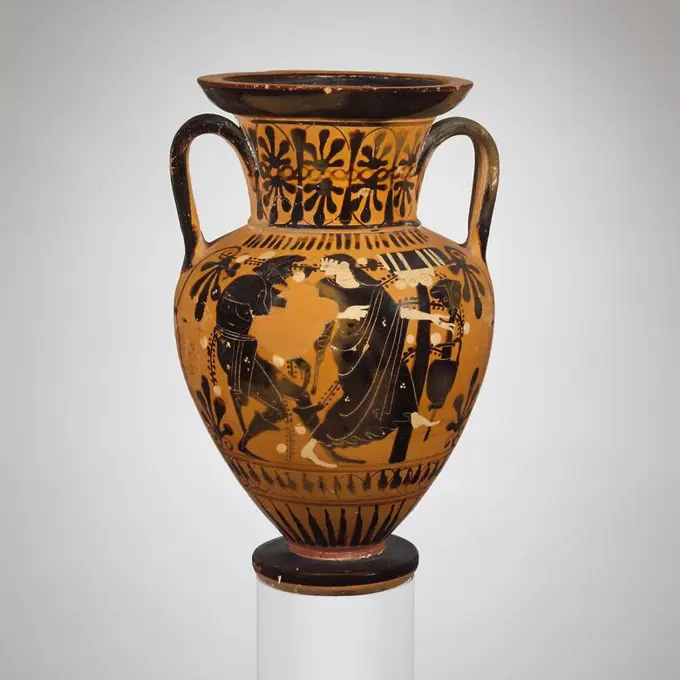
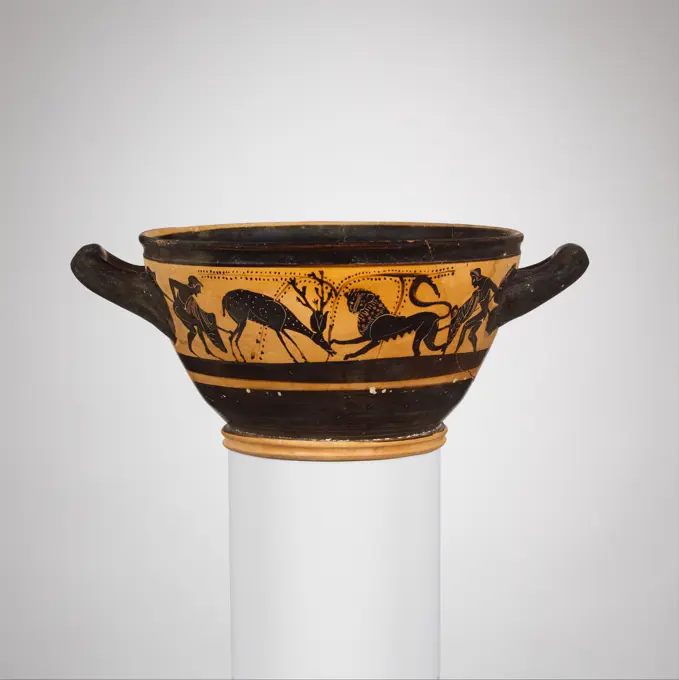
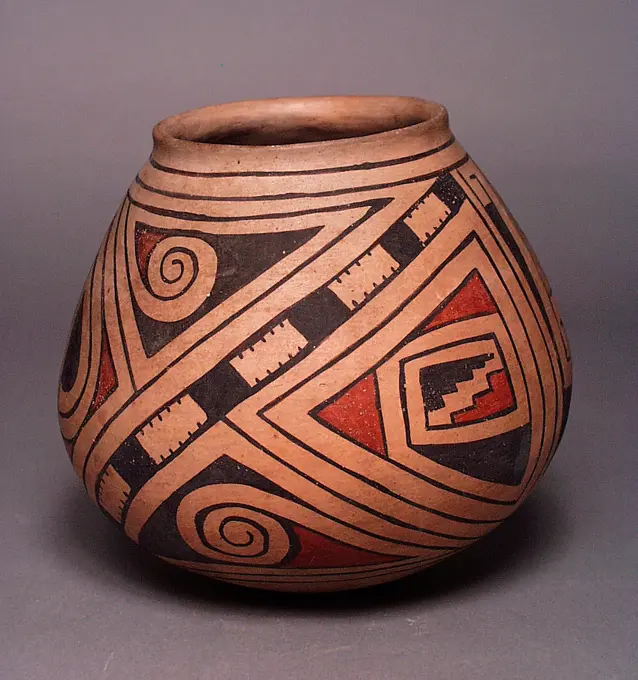
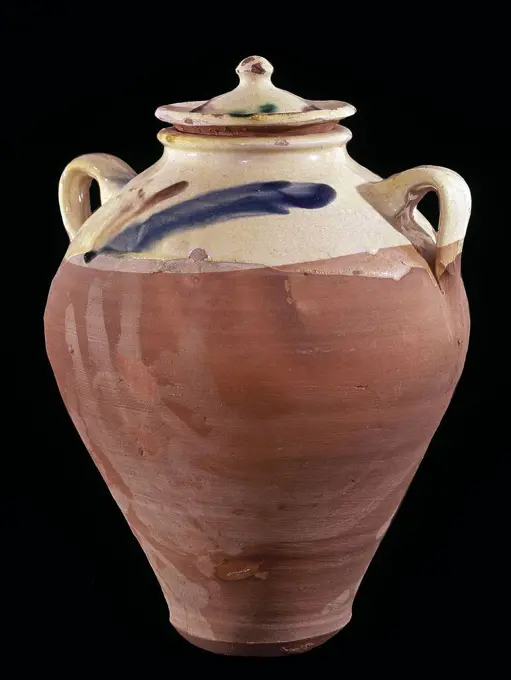
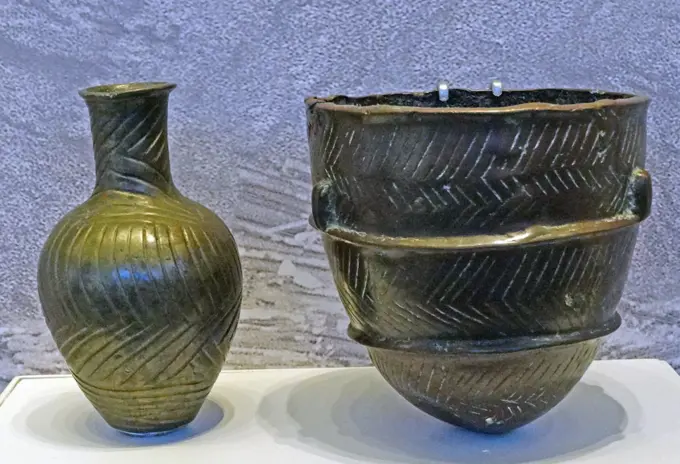
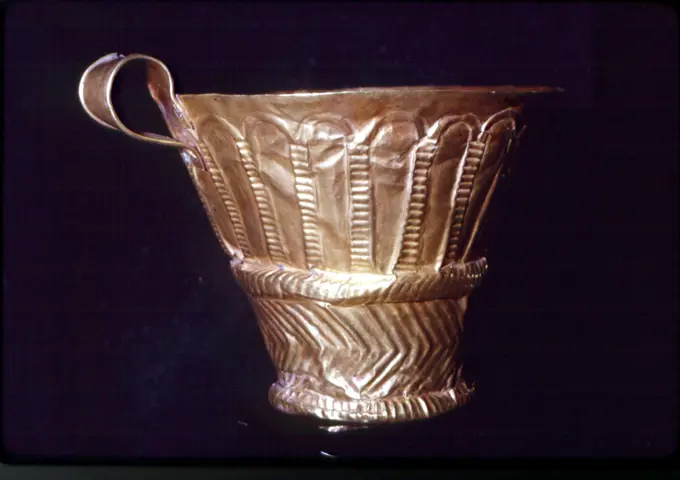
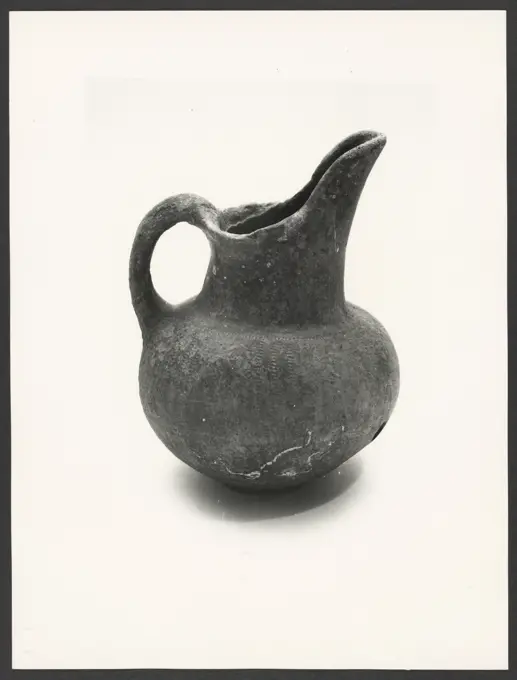
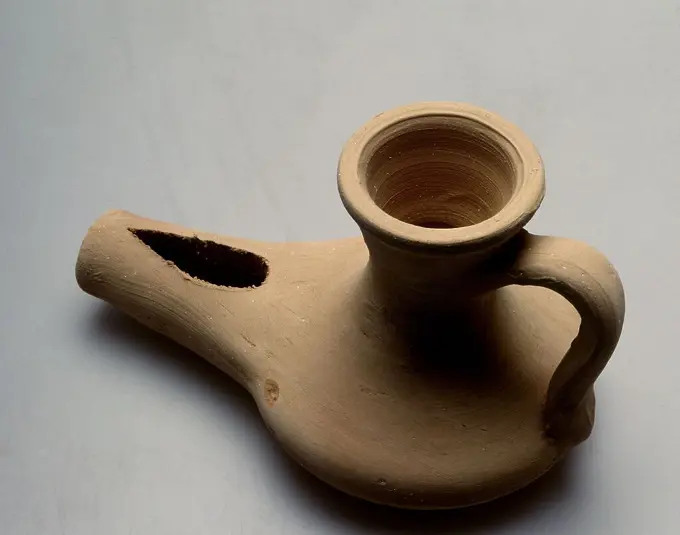
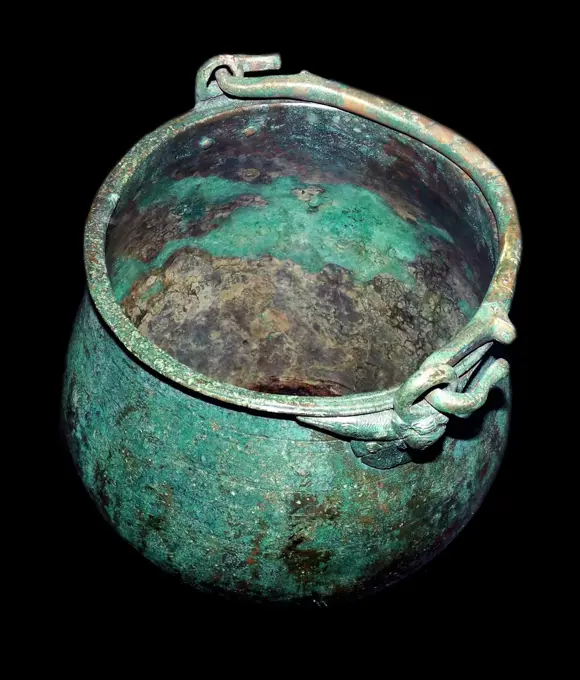
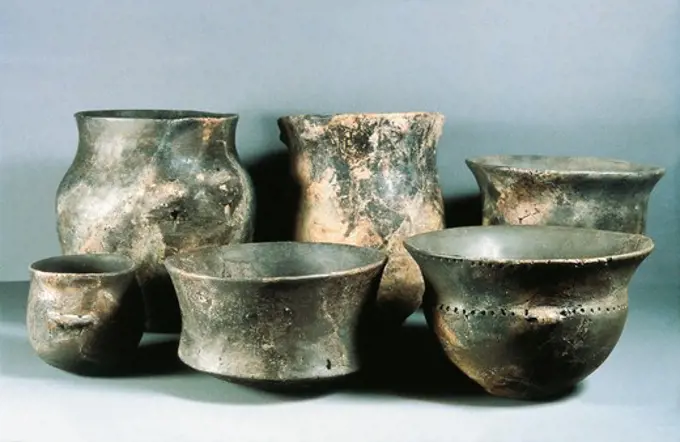
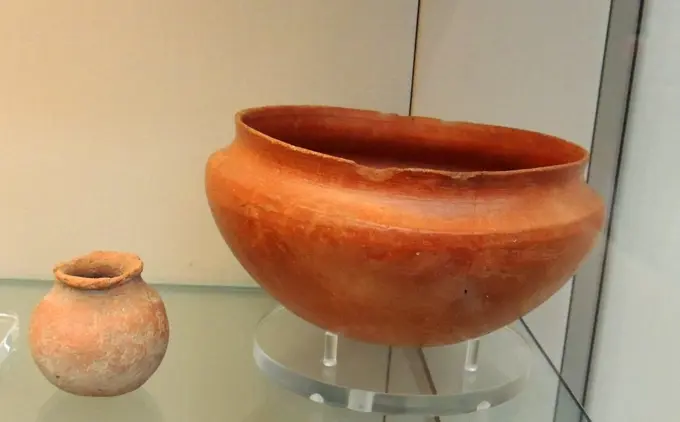
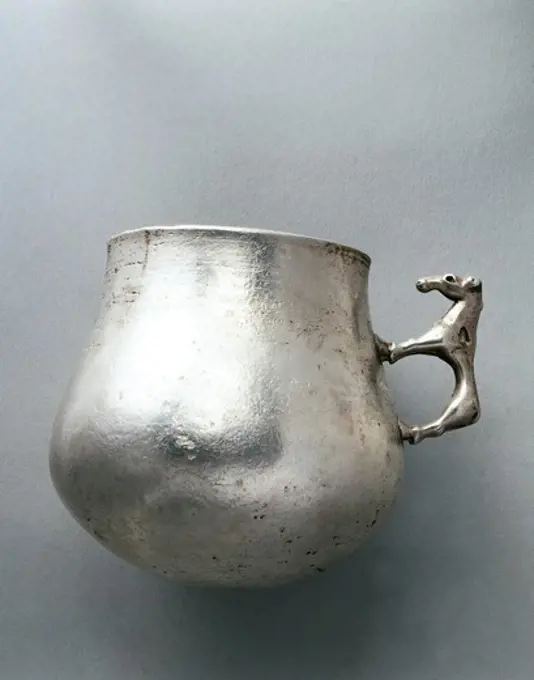
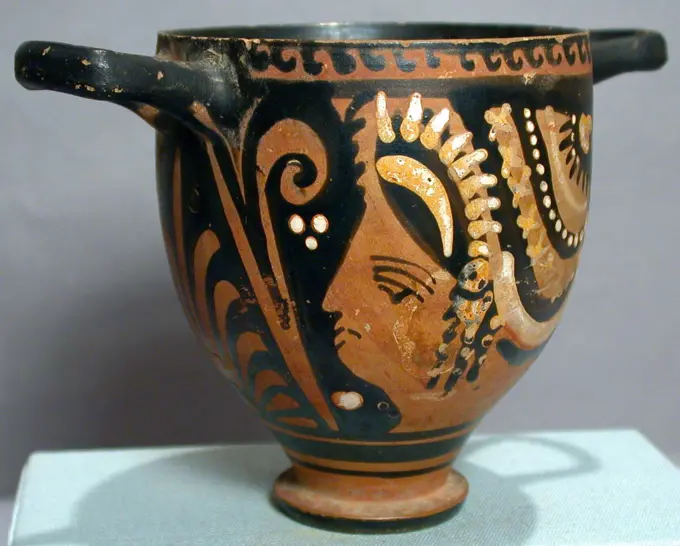
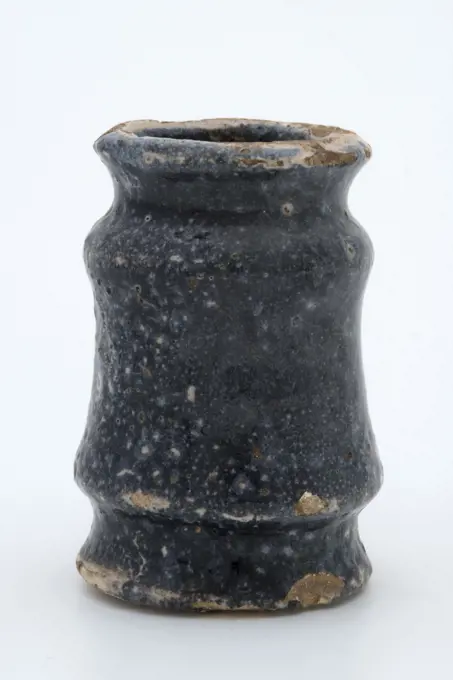
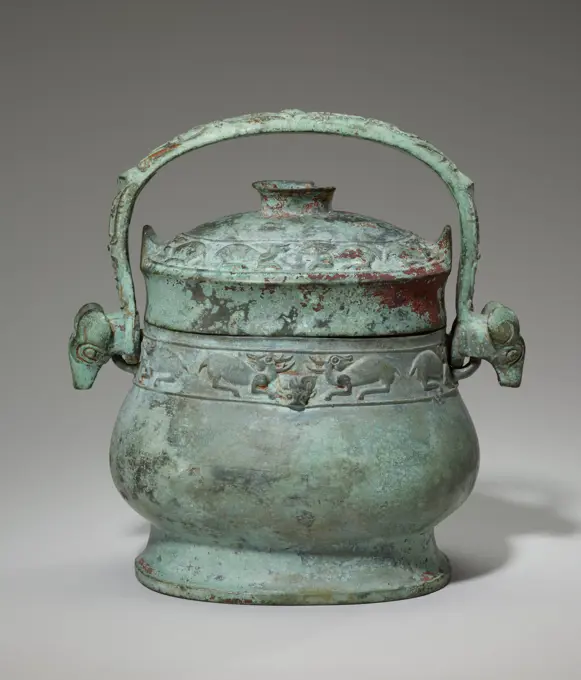
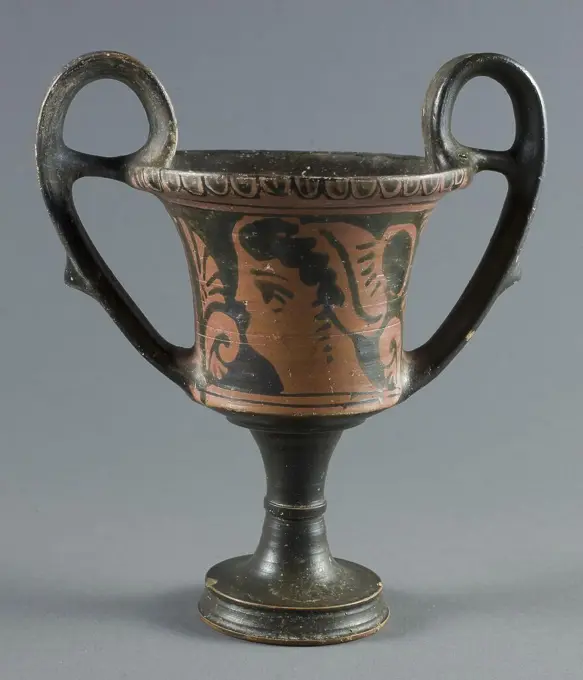
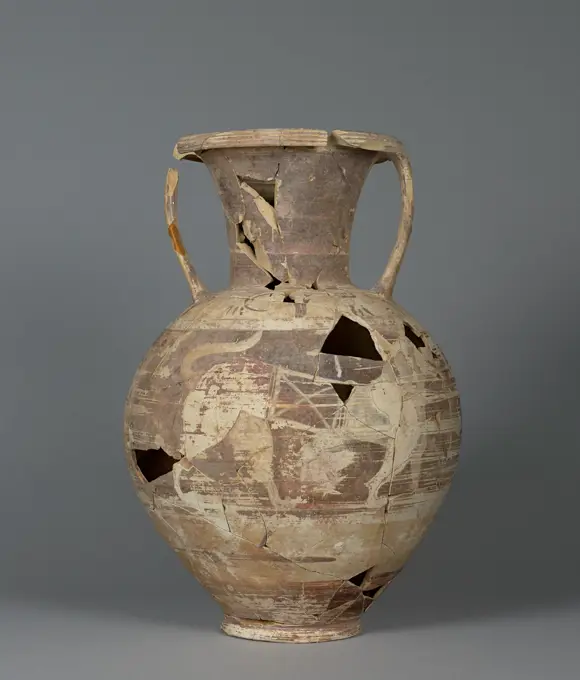
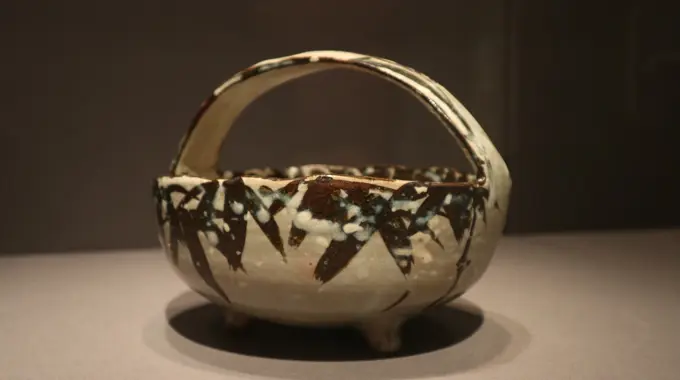
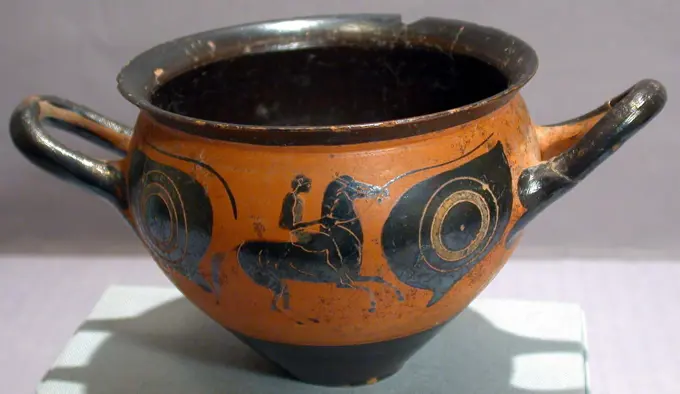
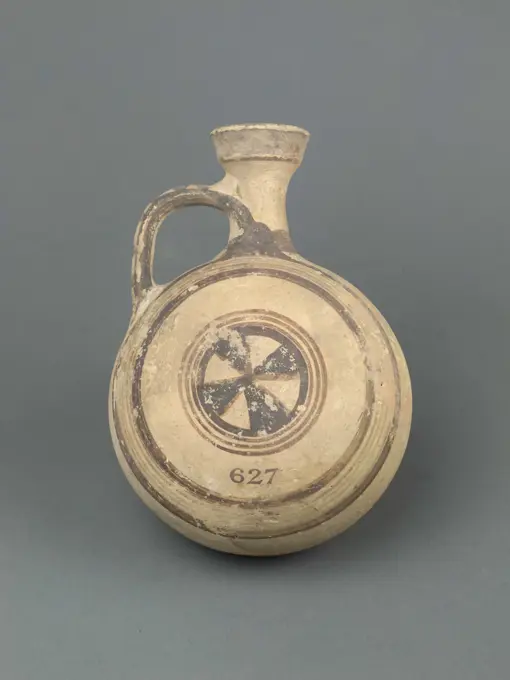
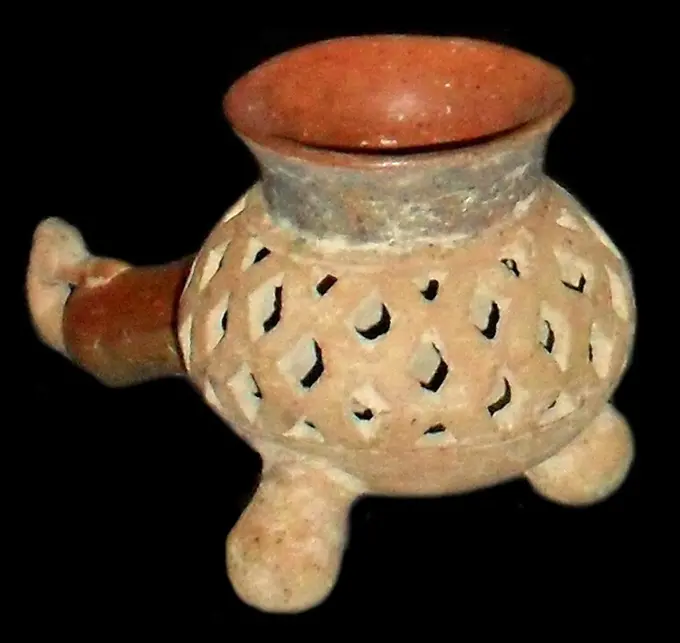
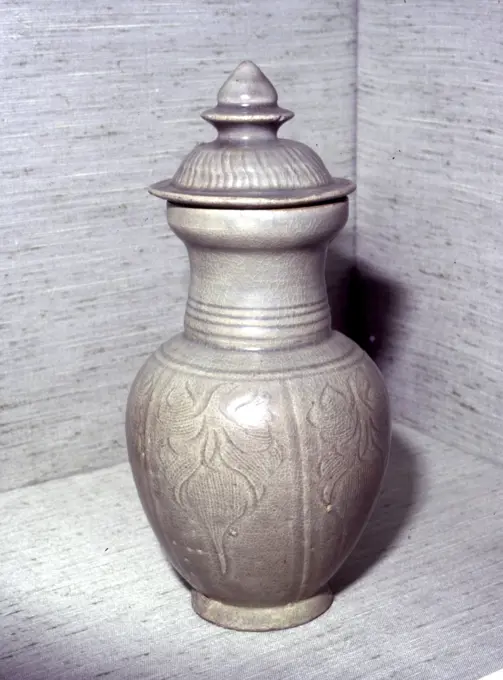
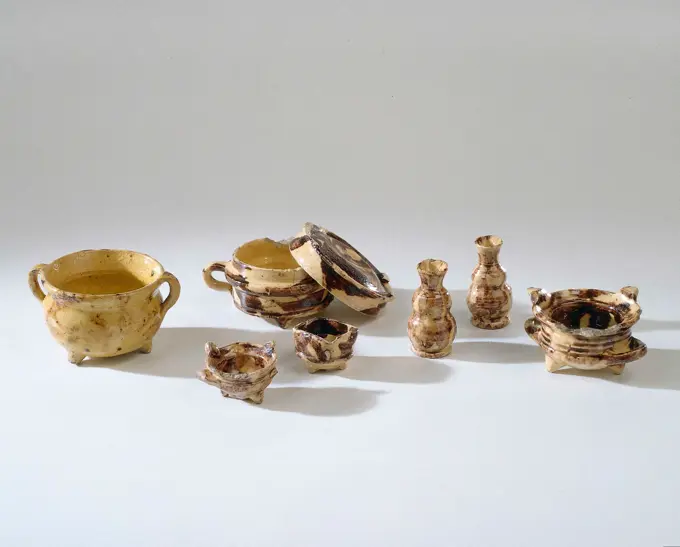
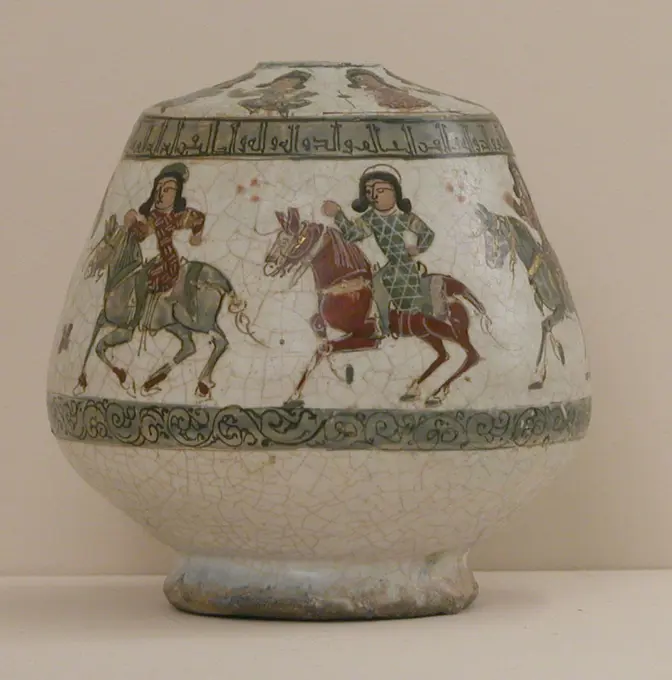
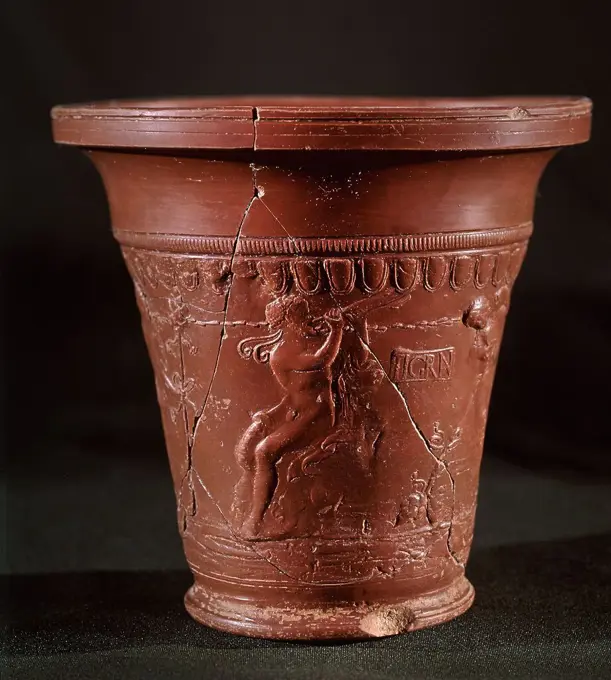
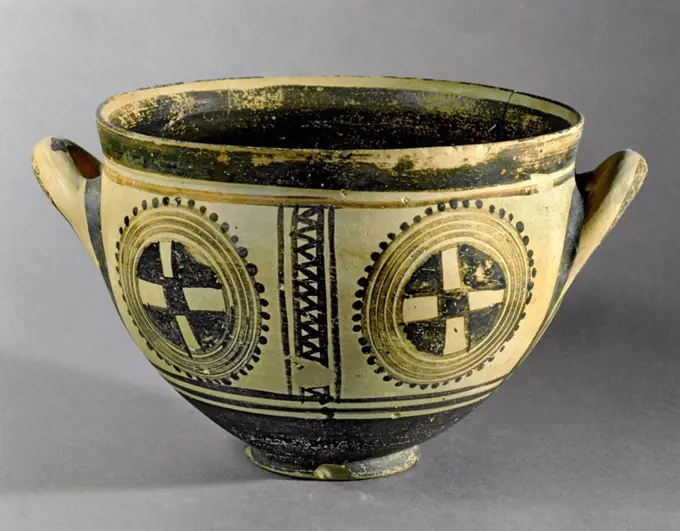
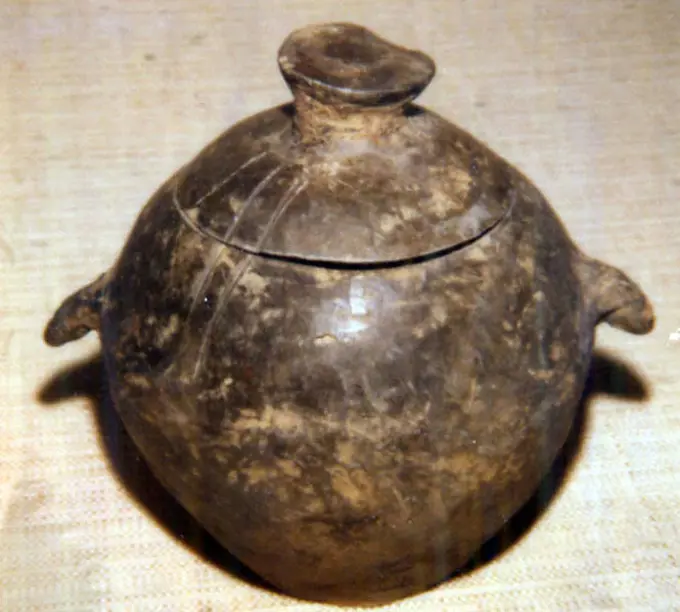
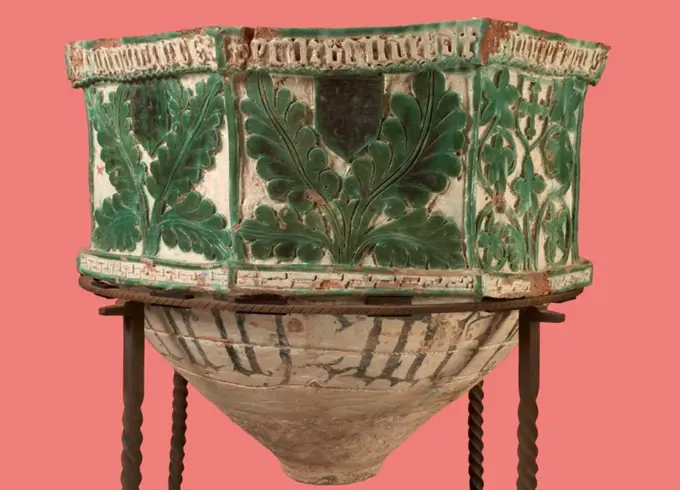
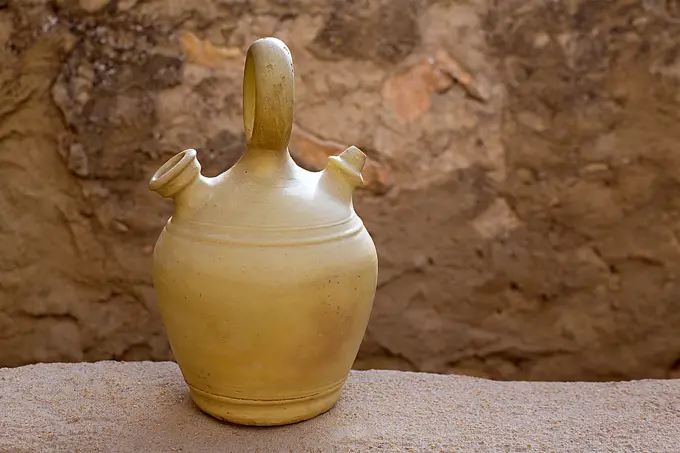
CANTARO SIN VIDRIAR DECORADO CON BARRO-ARTE POPULAR S XX. Location: ALFARERIA. PERERUELA. Zamora. SPAIN.Vasija globular. Decoración geométrica. Cerámica. Cultura Manteña, Período de Integración (500-1533 d. C.). Ecuador. Museo de América. Madrid. España.VaseTerracotta volute-krater (bowl for mixing wine and water) ca. 250 B.C. Attributed to the Bolsena Group This vase was intentionally perforated before firing, to render it not functional for the living, as were two other vases in this case (96.9.169 and 06.1021.250).. Terracotta volute-krater (bowl for mixing wine and water) 247421Vessel in the Form of a Warrior's Helmet Made 100 BCE-500 CE North Coast. Ceramic and pigment . MocheCache  sweat (pot) Künstler's labelTeapot. England, Staffordshire. Date: 1815-1825. Dimensions: 11.4 × 18.7 × 13.3 cm (4 1/2 × 7 3/8 × 5 1/4 in.). Earthenware with copper lustre and blue relief decoration. Origin: Staffordshire. Museum: The Chicago Art Institute, Chicago, USA.Pottery strawberry pot, conical model, vertical band ear, on three legs, Strawberry pottery pottery holder earthenware pottery earthenware glaze leadglaze, hand-turned glazed baked earthenware Delftware (grape) red shard inside and top half covered with lead glaze. Hole in the bottom One leg has dark glaze stain. Ear is missing. Pot is made of coarse pottery full of small stone archeology native pottery food prepare kitchen market foodBowl Roman. Bowl 248591Urn, Glazed earthenware, Vase with footed base, made of scroddled ware- mixed color clay to resemble marble., USA, 19th century, ceramics, Decorative Arts, UrnPitcher Fenton's Works American 1847-48MORTERO DE BRONCE HISPANO MUSULMAN DEL SIGLO XI PROCEDENTE DE MONZON DE CAMPOS PALENCIA. Location: MUSEO BALAGUER. VILANOVA i LA GELTRU. Barcelona. SPAIN.Vase late 17th-early 18th century China Made for the Muslim community in China, this vase has two Arabic inscriptions, which read, "Glory to Allah" and "Praise be to Allah.". Vase 39617glass perfume bottles or jars, Greco-Egyptian 1st century ADCANTARO DE BARRO ROJO - CUELLO ANCHO Y UNA SOLA ASA - ARTE POPULAR S XX. Location: ALFARERIA. PEÑAFIEL. Valladolid. SPAIN.Cover (England); enameled tôle, woodEtruscan amphora decorated with mythical beasts, c7th-6th century BC. Artist: UnknownTerracotta oinochoe (jug) late 6th-early 5th century B.C. Attributed to the Painter of the Vienna Stamnos 318 Herakles and the Nemean LionIn the combat between Herakles and the Nemean Lion depicted here, the protagonists are locked together horizontally rather than confronting each other vertically. The distinction is of chronological import, as the horizontal scheme is the later one, becoming popular during the third quarter of the sixth century B.C.. Terracotta oinochoe (jug) 248295Bottle 7th-4th century B.C. Paracas. Bottle 308428CRATERA JUNTO A UN OINOCHOE MOLDEADO ENTRE LOS SIGLOS VI Y V AC - VIDRIOS GRECO PUNICOS DE PROCEDENCIA RODIA. Location: MUSEE D'ARTS DECORATIFS. MADRID. SPANIEN.Iranian vase with multiple spouts. Dated 13th CenturyEarthenware Lantern 9th-10th century Found at the site of Sabz Pushan, a thriving residential neighborhood during the 9th and 12th centuries, this lantern is made from reddish earthenware that is covered with a green slip. Its slightly grooved cylindrical body is tapered slightly toward its flat base. It has a sloped shoulder and a conical top that is surmounted by a horizontally ridged shank and a ring handle which is grooved along its rim. The base of the handle is pierced with two ventilating holes. Three groups of three elongated oval-shaped perforations pierce the upper side walls of each side of the lantern which would produce a series of pleasing reflections when an oil-based light source in the lantern was lit. This object is one of many objects excavated at Nishapur, Iran in 1937 and was acquired by the Museum through a division of finds with the Iranian government.. Earthenware Lantern 449976Bierpul, anonymous, c. 1704 - c. 1734 Beer mug with round belly and a blowing cover on the narrower neck. The handle is S-shaped. The beer mug is marked: stk. = Amsterdam, size = lemon 970. Amsterdam silver (metal) Beer mug with round belly and a blowing cover on the narrower neck. The handle is S-shaped. The beer mug is marked: stk. = Amsterdam, size = lemon 970. Amsterdam silver (metal)Pedestalled Bowl with Three Handles and Combed Design 5th-7th century Korea. Pedestalled Bowl with Three Handles and Combed Design. Korea. 5th-7th century. High-fired pottery (proto-porcelain) with traces of ash glaze. Three Kingdoms period (57 B.C.-A.D. 676). CeramicsCarved and Incised Vessel with Deity Heads. Guatemala, Alta Verapaz, Acasaguastlan, Maya, 600-900 CE. Ceramics. Slip-painted ceramic with carved decorationEin rustikaler und gealterter Tonkrug mit einem ausgeprägten gebrochenen und offenen Design Ein rustikaler und gealterter Tonkrug mit einem ausgeprägten gebrochenen und offenen Design LicenseRF Copyright: xZoonar.com/MIKHAILxOLYKAYNENx 23160549Drum 500 B.C.-A.D. 300 Indonesia. Drum 53498Prehistory, Italy, Eneolithic. Monteclaro culture. Three-handled vase. From Oliena, province of Nuoro.Terracotta rhyton (vase for libations or drinking) late 4th-early 3rd century B.C. Greek, South Italian, Apulian, Tarentine The head is that of an Italic variety of Maltese dog. These rhyta began to be made about the middle of the fourth century B.C. and were glazed black, with red-figure decoration on the cuff. The latest pieces in the series were unglazed and articulated with paint.. Terracotta rhyton (vase for libations or drinking) 247423Painted wood kero vase from the Island of the Sun, Bolivia, Inca civilizationDish;  around 2686- 2181 BC ; Old state (-2686-00-00--2181-00-00);ceramics containers, Son Fornes Archaeological Museum, talayotic period room (1300-123 a. C.), Montuiri, Es Pla region, Mallorca, Spain.Bottle, Boat 1st-3rd century Moche. Bottle, Boat 308511ANAFE- HORNILLO PORTATIL. Location: ALFARERIA. ARROYO DE LA LUZ. CACERES. SPAIN.Carved Vase, 1800s. Japan, Edo period (1615-1868) to Meiji period (1868-1912). Ivory; overall: 25.1 cm (9 7/8 in.).Campania Caserta Capua Museo Campano031. Hutzel, Max 1960-1990 Medieval: Byzantine architectural fragments; parchment fragments with miniatures (12th century) from Montecassino; painted wooden crucifix (13th century); Carolingian crucifixes; Bishop's miter (11th century) of gold and silver damask; fresco (13th century). Post-medieval: Architecture (15th century). Formerly the Palazzo Antignano. Unusual Catalan/Moorish-style portal; Paintings on panel and canvas (15th-18th centuries); marble intarsia (16th century); marble sculpture: busts of Christ and Mary (17th century); sculpture of saints in marble and in wood (15th century); painted and gilded sculpture in wood; marble grave sculpture (16th century); sarcophagus with allegorical carvings; gold reliquary "Rosa d'Oro"; crucifix made of elephant tusk Specific Location: Pianterreno Antiquities: Italic sculpture (seated women holding babies); inscription. Photo campaign #1: 533 photos. Roman relief and sculpture; cinerary urns; Greek aCantharus; terra-cottaClay jug isolated on whiteOil lamp. unknown, craftsmanTerracotta neck-amphora. Culture: Greek, Attic. Dimensions: H. 10 1/4 in. (26 cm). Date: early 5th century B.C..Obverse, man seizing woman at a fountain houseReverse, Dionysos on donkey and maenadWhile Dionysos is riding along peaceably on the reverse, his influence has extended to the situation on the obverse. Dressed in boots and a garment wrapped around his lower body, the man seems to be an artisan or laborer. Museum: Metropolitan Museum of Art, New York, USA.Polychrome terracotta vase shaped and painted, height 22cm, width 19,8cm, diameter opening 16,5cm. Originating from the valley of Sula (Honduras). Mayan Civilization, recent Classical period 500-900.Terracotta skyphos (deep drinking cup) ca. 500 B.C. Greek, Attic Obverse, between hunters, lioness felling fallow deerReverse, between hunters, lion felling deerThis vase gives noteworthy testimony to the persistence of tradition in Attic vase-painting. Introduced from the Near East and depicted as early as Geometric vases, the motif of a feline felling a bull or deer appears here in mannerly, decorative form. The hunters to either side reflect the predilection for symmetrical compositions with decorative elements, figural or floral, at the handles. The shape of the skyphos readily accommodates the narrative frieze.. Terracotta skyphos (deep drinking cup) 255159 Greek, Attic, Terracotta skyphos (deep drinking cup), ca. 500 B.C., Terracotta, H. 4 3/16 in. (10.6 cm). The Metropolitan Museum of Art, New York. Purchase, Richard A. Van Every Gift , 1964 (64.11.3)Polychrome Vessel with Geometric MotifsPurse with inscription Sigismvndvs de francionibvs aromatarivs pp m d xxxx. The cast round mortar expands strongly upwards and has a profiled edge and foot. Under the edge in Latin Majuskels The inscription Sigismvndvs The Francionibvs Aromatarivs PP M D XXXX with interpunctions consisting of a square (four times). The wall is decorated on front and back with a relief of a seated crowned woman with a staff or other attribute and with a sign consisting of a shared circle with the letter G and on top of a Greek cross. On the sides two handles in the shape of a lion's head with a ring in the mouth.Medieval amphora of unknown provenance. Gozo Museum of Archaeology. Cittadela of Victoria in Gozo. Malta.SOPERA CON TAPA Y DOS ASAS - VIDRIADA Y DECORADA. Location: ALFARERIA. Coruña. SPAIN.ORZA CON TAPA Y 2 ASAS - SEMIVIDRIADA - ARTE POPULAR S XX.Selection of objects from the En Gedi hoard. Found wrapped in a woven mat in a cave above Nahal Mishmar in the Judean Desert, over 6,500-5,500 years ago. It is thought that the objects belong to the En Gedi sanctuary about 12km away. Made from copper, ivory and stone.Gold cup with arcaded decoration. Mycenae . Shaft Grave V artefact. Mycenaean. Bronze Age. GREECE.Lazio Roma Subiaco Monastery of S. Scolastica Archaeological Museum3. Hutzel, Max 1960-1990 Antiquities: Views of antiquities in museum, including sarcophagi, plates, vases, coins. General Notes: Hutzel guide says we have negatives, but we cannot find them. German-born photographer and scholar Max Hutzel (1911-1988) photographed in Italy from the early 1960s until his death. The result of this project, referred to by Hutzel as Foto Arte Minore, is thorough documentation of art historical development in Italy up to the 18th century, including objects of the Etruscans and the Romans, as well as early Medieval, Romanesque, Gothic, Renaissance and Baroque monuments. Images are organized by geographic region in Italy, then by province, city, site complex and monument.CANDIL DE BARRO BLANCO SIN VIDRIAR-ARTE POPULAR S XX. Location: ALFARERIA. CORDOBA. SPAIN.Prestige objects from the Roman Iron Age.Tripode vase. Bronze. Chine. Par musée musée malée. Anse, Chinese art, bronze, elephant, tripod, three feet, vasePitcher c 1820-1860 United States. Maple . Artist unknownSwitzerland, Zurich, Schweizerisches Landesmuseum, VasesTwo Pottery Vessels from a Tomb 3100 B.C. Egypt Coffee Pot probably 19th century. Coffee Pot 444566Silver cup with zoomorphic handle, from the Vinnica Region, Ukraine. Sarmatic Civilization, 1st-2nd Century.Old grey metallic jug on the white background.  (isolated)Red -purital hydria from the scenes fights; Painter of duels (340-330 A.C.), Laghetto-Caivano group (CA 340-320 A.C.); around 340-320 BC (-340-00-00--320-00-00);Capobianchi, Ant., Działyńska, Izabela (1830-1899), Działyńska, Izabela Elżbieta née Czartoryski (1830-1899)-collection, Działyński, Jan (1829-1880)thin-walled glass, Roman Hispania, Valladolid Museum, Community of Castile and Leon, Spain.Terracotta skyphos last quarter of the 4th century B.C. Greek, South Italian, Apulian The primary decoration on this small skyphos, a womans head, was a widespread motif in South Italian vase painting during 4th century B.C. South Italian vases decorated with isolated heads have been found overwhelmingly in funerary contexts, either within or above tombs. The significance of these female representations is not known, and likely varied from region to region.. Terracotta skyphos 330022Pottery ointment jar, cylindrical with three constrictions, black speckled glazed, ointment jar pot holder soil find ceramic earthenware glaze tin glaze, hand turned baked 2x glazed Pottery ointment jar slightly tapered with three necking. Black speckled glazed. Stand surface poorly finished with glaze residue. So called Delftware in the form of an albarello archeology health care indigenous pottery packing pharmacy store selling medicine drug craftYou' wine vessel, 11th century BCE, 8 9/16 × 8 5/16 × 5 5/8 in., 5.7 lb. (21.75 × 21.11 × 14.29 cm, 2.6 kg)5 1/2 × 4 3/8 in. (13.97 × 11.11 cm) (object part, mouth-b)4 7/8 × 3 7/8 in. (12.38 × 9.84 cm) (object part, mouth-a)5 13/16 × 4 13/16 in. (14.76 × 12.22 cm) (object part, foot), Bronze, China, 11th century BCE, Bronze Age vessels were highly valued as antiquities by Chinese rulers and scholar-officials throughout history. In fact, this is one of a pair of inscribed vessels first published in the Xiqing Gujian, the 18th-century imperial catalogue of bronzes belonging to the Qianlong dynasty emperor (r. 1736-95).Two-thousand-five-hundred- year-old Shang bronze wine vessel was a burial gift, Shanghai Museum collection. Shang Bronze (15-13 Century B.C.), Shanghai MuseumKantharos (Drinking Cup). Greek; Apulia, Italy; Attributed to the Kantharos Group. Date: 300 BC. Dimensions: 16.8 x 14.6 x 9.8 cm (6 5/8 x 5 3/4 x 3 7/8 in.). Terra-cotta, decorated in the red-figure technique. Origin: Greece. Museum: The Chicago Art Institute, USA.talaiotic clay pots, Can Martorellet, pollensa museum, Majorca, Balearic Islands, Spain.Polychrome Amphora. Monte Abbatone Group (Etruscan)Bowl with Handle (Tebachi) with Bamboo in Snow Pattern first half of the19th century Style of Nin'ami Dōhachi (Takahashi Dōhachi II) Active during the second golden age of Kyoto pottery and based in the Kiyomizu-Gojōzaka area, Ninami Dōhachi produced an extensive body of work, including tea ceremony wares, as here, as well as sencha tea wares, ornamental objects, and sculptures. He successfully revived the decorative styles of Nonomura Ninsei (ca. 1640s-1690s) and Ogata Kenzan (1663-1743; see the adjacent work), who represent the first peak of Kyoto ware. This vessel, with its powerful composition symbolic of resilience—bamboo bends but does not break under heavy snow—was intended for the tea ceremony. It is a re-creation of one of Kenzans popular works. The application of the thick, milky glaze creates the impression of an intense snowstorm.. Bowl with Handle (Tebachi) with Bamboo in Snow Pattern 748315Terracotta mastoid skyphos ca. 500 B.C. Greek, Attic The mastoid skyphos is a type of drinking vessels named for its characteristic breast-like shape. Between about 540 and 500 B.C. Greek vase-painters placed eyes mainly on drinking vessels, probably because they were apotropaic (intended to ward off evil), or so that the cup would take on the appearance of a mask when the drinker raised it to his lips. This type of vase was imported in large numbers into Etruria.. Terracotta mastoid skyphos 329994Juglet 1050-950 B.C. Cypriot One-handled flask with bands, and on each side a maltese cross.. Juglet. Cypriot. 1050-950 B.C.. Terracotta. Cypro-Geometric I. VasesIncense burner in earthenware. Shows a birds head. Aztec 1300-1521 AD. MexicoLazio Latina Sezze Antiquarium Comunale41. Hutzel, Max 1960-1990 German-born photographer and scholar Max Hutzel (1911-1988) photographed in Italy from the early 1960s until his death. The result of this project, referred to by Hutzel as Foto Arte Minore, is thorough documentation of art historical development in Italy up to the 18th century, including objects of the Etruscans and the Romans, as well as early Medieval, Romanesque, Gothic, Renaissance and Baroque monuments. Images are organized by geographic region in Italy, then by province, city, site complex and monument.Sung period urn, 11th cent. Zhejiang Celadon. CHINA.jarra de cerámica de tradicion indigena, Necrópolis de Carratiermes, siglo I d.C. museo del Yacimiento arqueológico de Tiermes, Soria, comunidad autónoma de Castilla y León, Spain, Europe.. Cake pan with lid, made of pottery with yellow shard and spotty brown spotted lead glaze. The pan stands on three legs and originally had two ears, the flat lid with something raised edge, which originally also two ears.Clay jug isolated on white backgroundDouble spout and bridge bottle 1st-6th century Nasca. Double spout and bridge bottle 308379Ewer 18th-19th century. Ewer 444582Etrusco-Corinthian Aryballos; Etruria; 6th century B.C; Terracotta; 7.1 cm (2 13,16 in.)Punic cremation, 125-100 BC, Archaeological Museum of Ibiza and Formentera, Spain.clay cup isolated on white background                                    Abruzzo Alba Fucens General views. Hutzel, Max 1960-1990 Roman republican veteran colony, castrum plan, 1st century BC forum, amphitheatre, various civic and religious buildings, architectural fragments, community fountain; German-born photographer and scholar Max Hutzel (1911-1988) photographed in Italy from the early 1960s until his death. The result of this project, referred to by Hutzel as Foto Arte Minore, is thorough documentation of art historical development in Italy up to the 18th century, including objects of the Etruscans and the Romans, as well as early Medieval, Romanesque, Gothic, Renaissance and Baroque monuments. Images are organized by geographic region in Italy, then by province, city, site complex and monument.Fragmentary Bottle late 12th-early 13th century Minai ceramics probably were made for an upscale market, as suggested by the scenes of courtly entertainment that adorn many examples. This piece reveals aspects of customs and clothing, preciously underlined with touches of gold paint.. Fragmentary Bottle. late 12th-early 13th century. Stonepaste; overglaze painted and gilded (mina'i). Made in Iran. Ceramics-TilesVASO ROMANO DE VELILLA. Location: MUSEUM OF FINE ARTS. SARAGOSSA. Saragossa Zaragoza. SPAIN.Protogeometric terracotta skyphos with painted cross and circles from necropolis at Dion, Macedonia. Museum: Dion, Archaelogical Museum.Pitcher.  Manufacturer: Haviland & Co., French, active 1864-1941Decorator: M. B., French, active ca. 1875-82Earthenware cooking jug, white shard, glazed in yellow and brown, bandoor, on three legs, cooking jug be found in the earthenware ceramic earthenware glaze lead glaze, hand-turned glazed baked Pottery cooking jug white shard inside in yellow outside in yellow and brown glazed bandor on three legs Rotterdam archeology indigenous pottery food preparation cooking food kitchenCovered Jar ca. 2500 B.C. China. Covered Jar 44467JAN 12, 2019 Udon Thani, Thailand - Ancient pottery and prehistory ceramic ware exhibits at Ban Chiang MuseumOld objects kettleGREEK JAR DECORATED WITH A MEDICINE-RELATED SCENE.Eksaleiptron. unknown, authorPILA BAUTISMAL PROCEDENTE DE LA IGLESIA DE SAN SALVADOR (TOLEDO), EN EL MUSEO DE SANTA CRUZ.Botijo traditional clay pot jug to keep fresh water in Spain vintageglass unguentary, 5th to 3rd century BC, Carada necropolis, Espelyu .Iberian Museum of Jaén, Andalusia, Spain.Greek civilization, Helladic period, 11th-8th century b.C. Skyphos with geometric decoration, protogeometric period, early Iron Age. From the tumuli necropolis of Dion.Service, incomplete KorzecCabárceno cauldron, bronze, 900-650 BC. , Museum of prehistory and archeology (MUPAC), Santander, Cantabria, Spain.CANTARO DE CUELLO ANCHO Y ALTO DE UNA SOLA ASA - DETALLE SUPERIOR. Location: ALFARERIA. ORBA. Alicante. SPAIN.