Historical Pottery Vessels

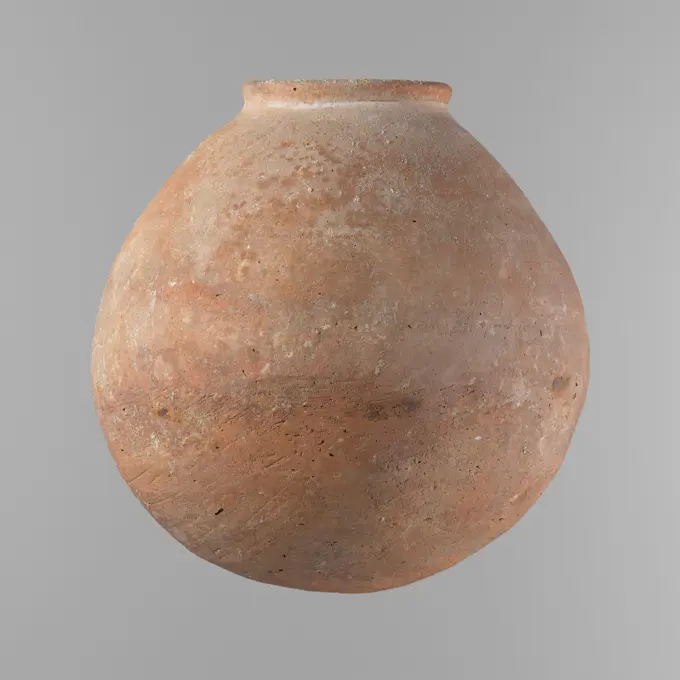
Assortment of ancient pottery jugs and vases, showcasing diverse designs and functions from different cultures.
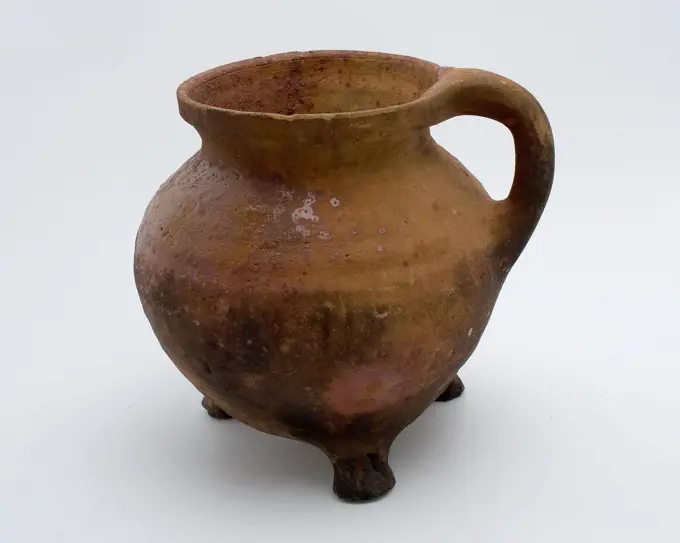
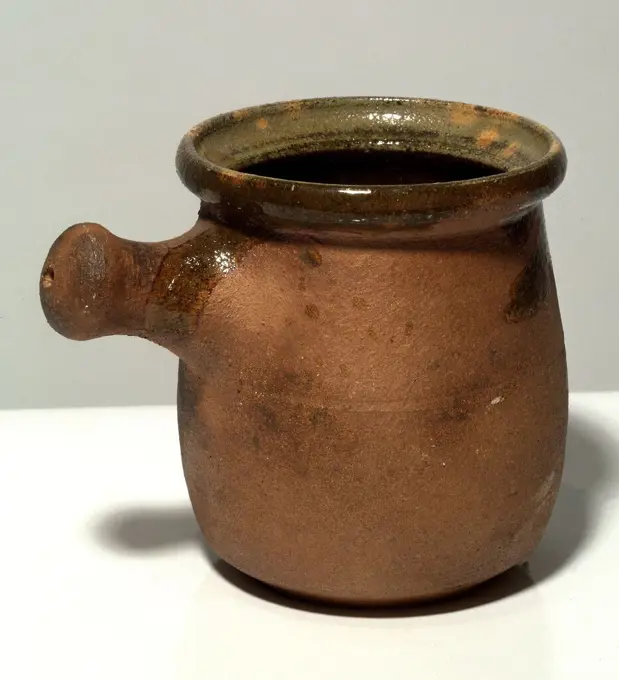
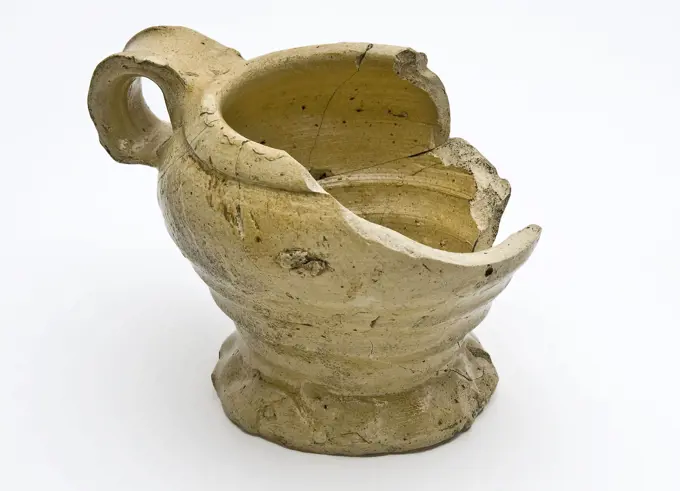
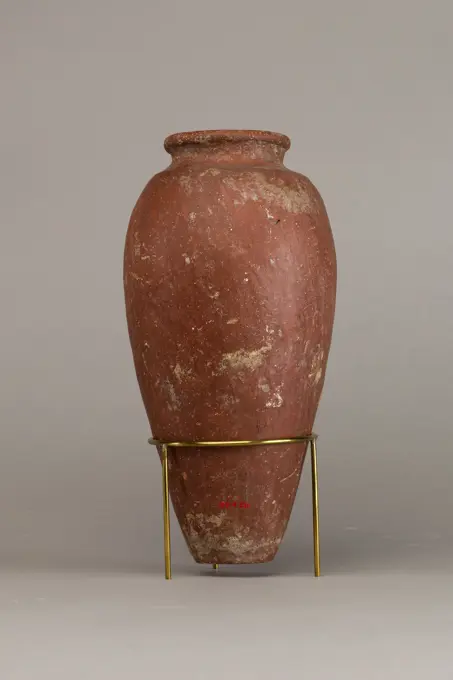
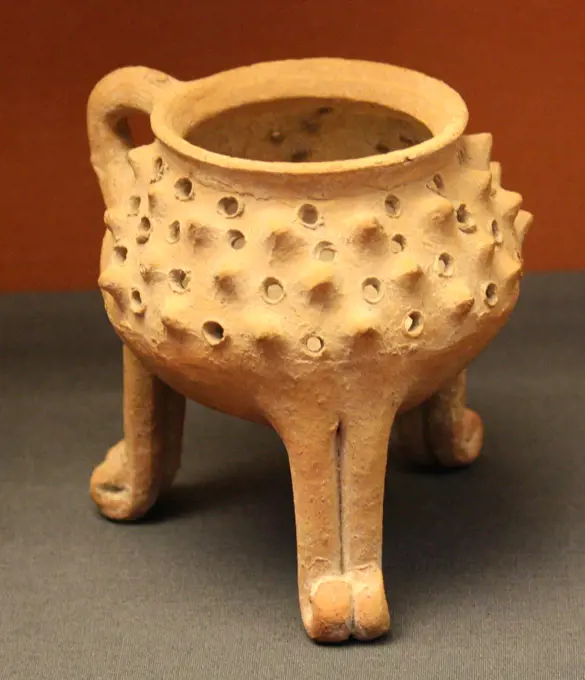
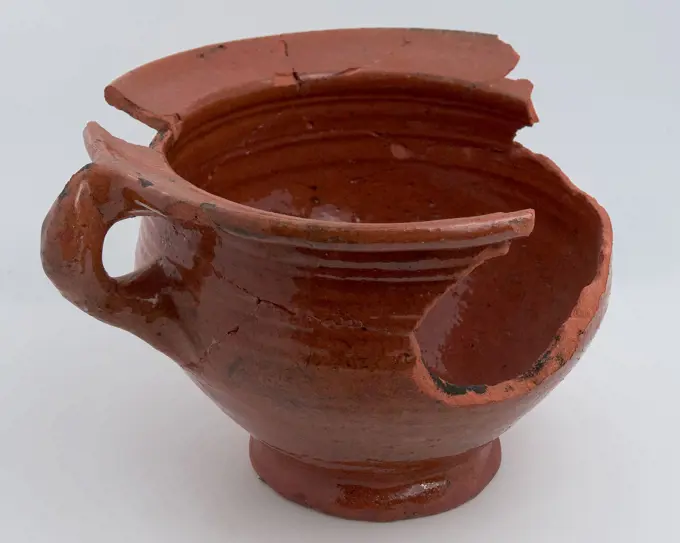
Pottery cooking jug, grape-model, red shard, sparing lead glaze, vertical sausage ear, three legs, cooking pot crockery holder kitchenware earthenware ceramics earthenware glaze lead glaze, hand-turned baked glazed earthenware cooking jug grape-model red shard sparing lead glaze vertical set sausage ear three-legged spurs archeology Rotterdam indigenous pottery food preparation cooking food kitchen fire Soil discovery: brand Rotterdam.
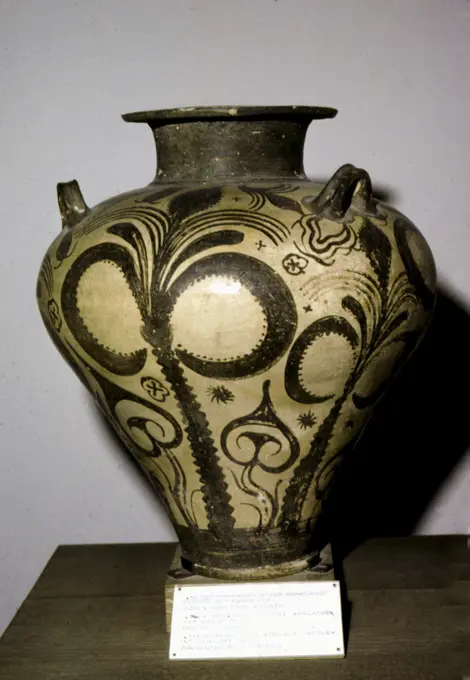
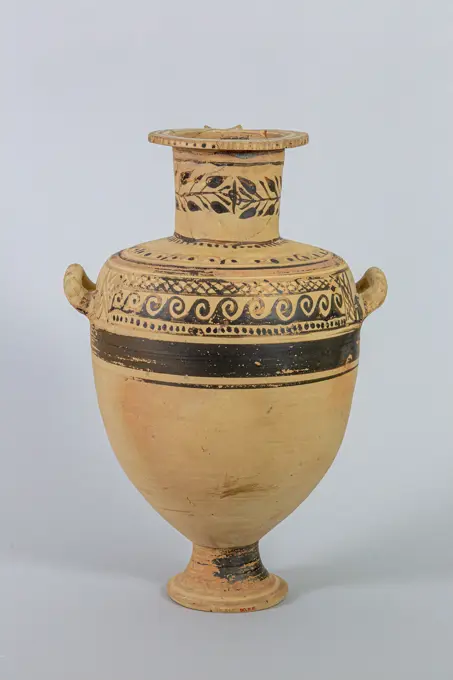
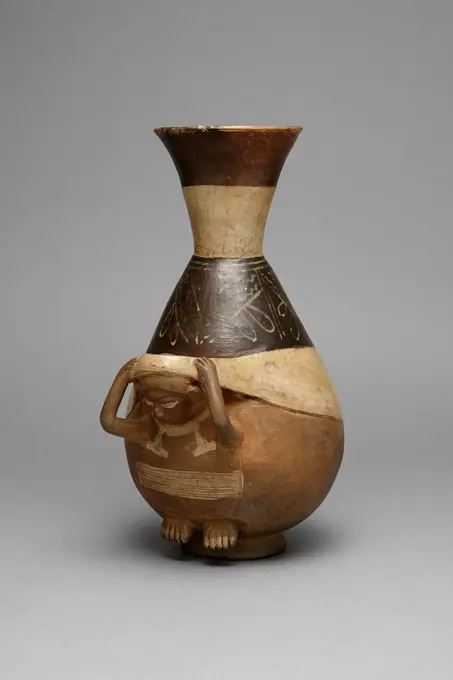
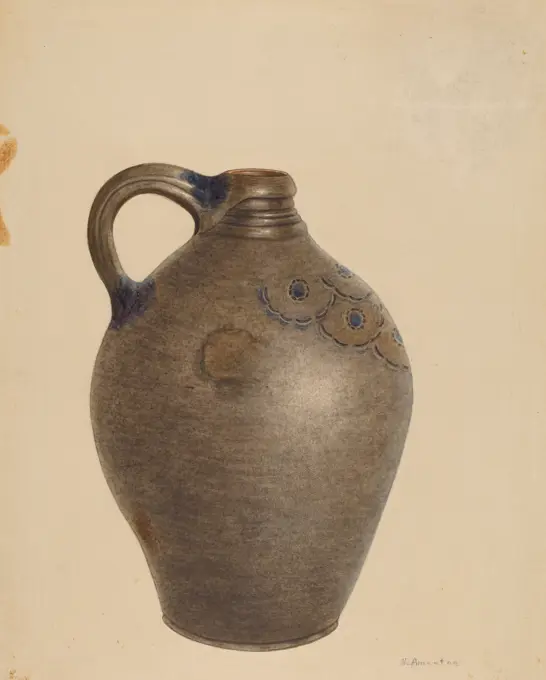
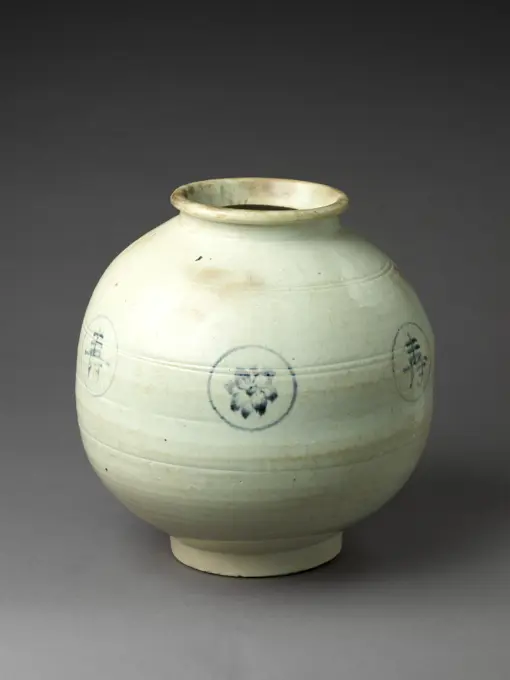
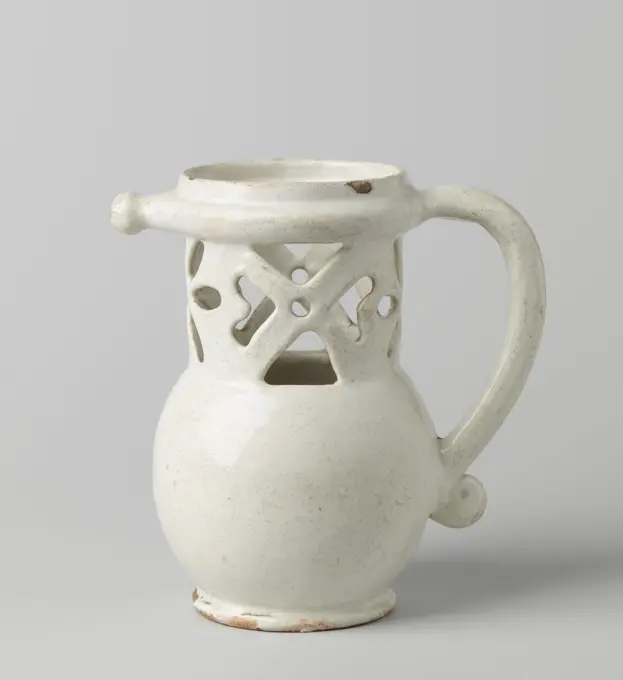
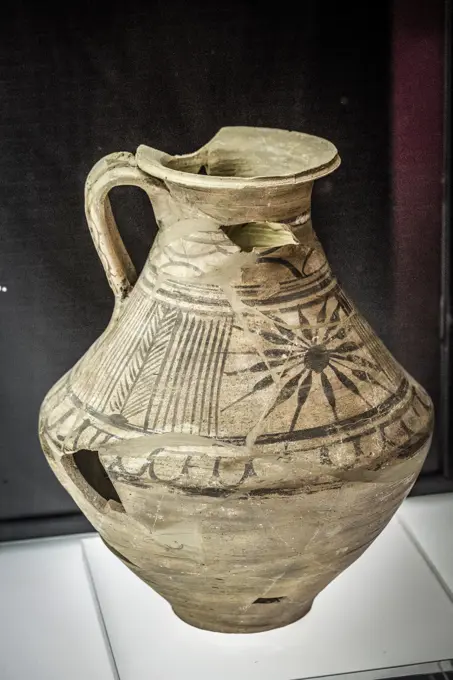
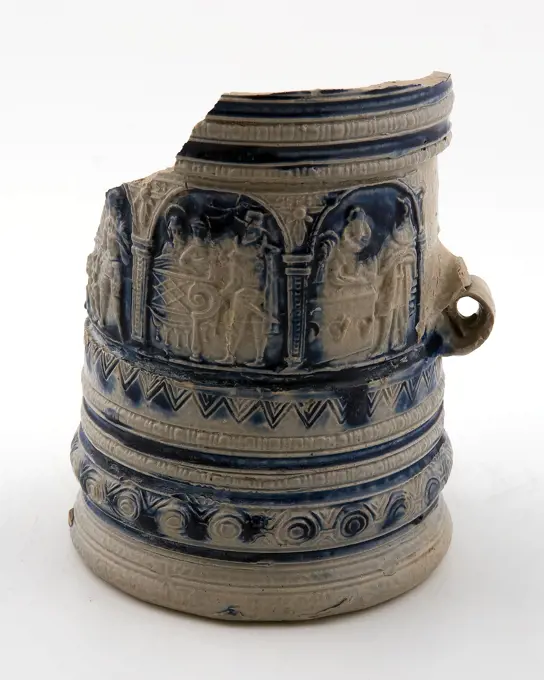
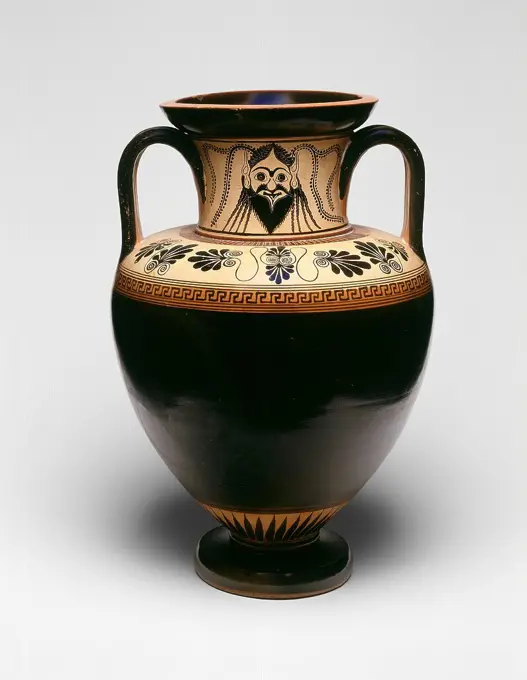
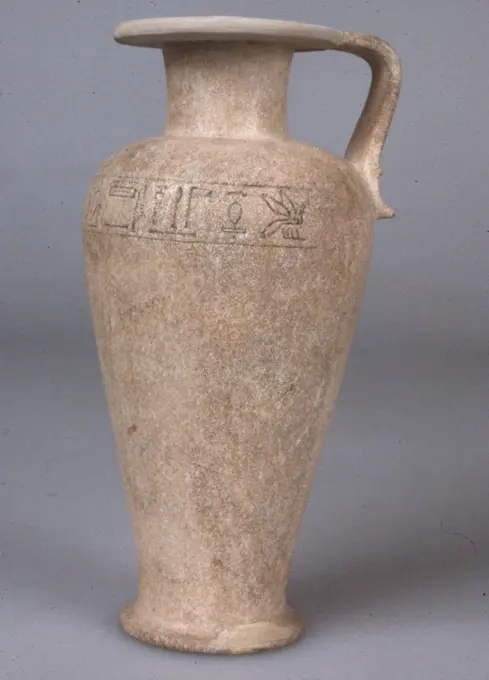
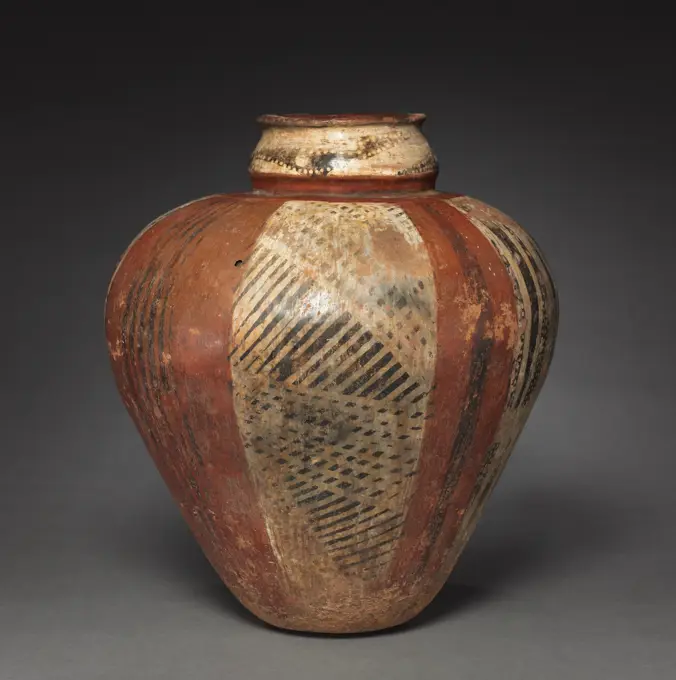
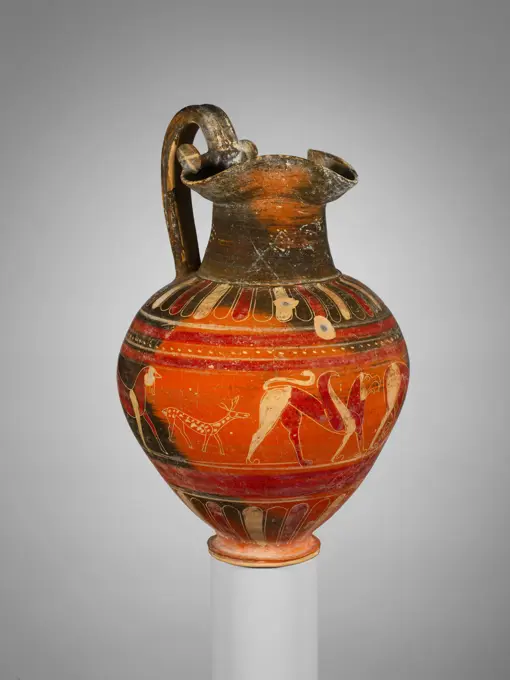
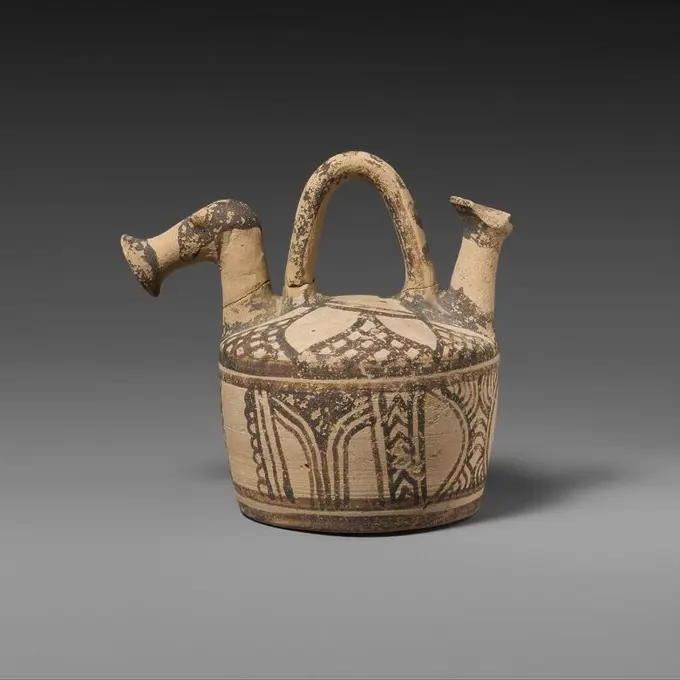
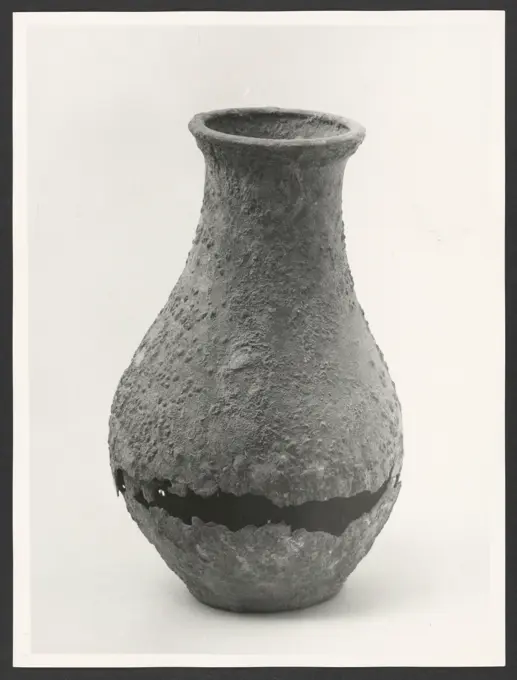
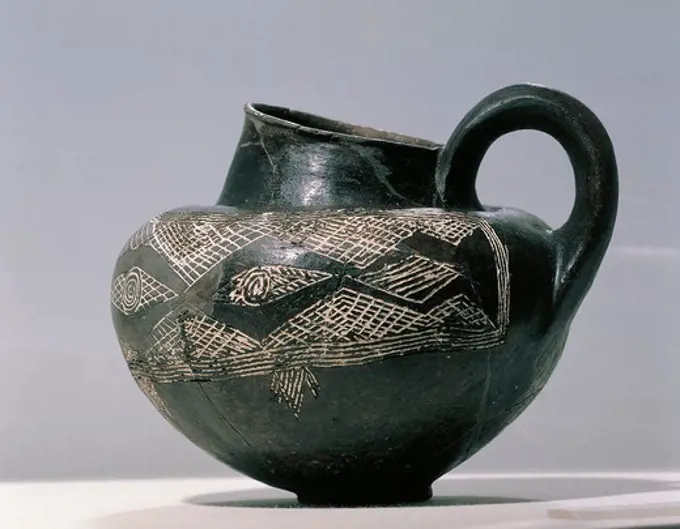
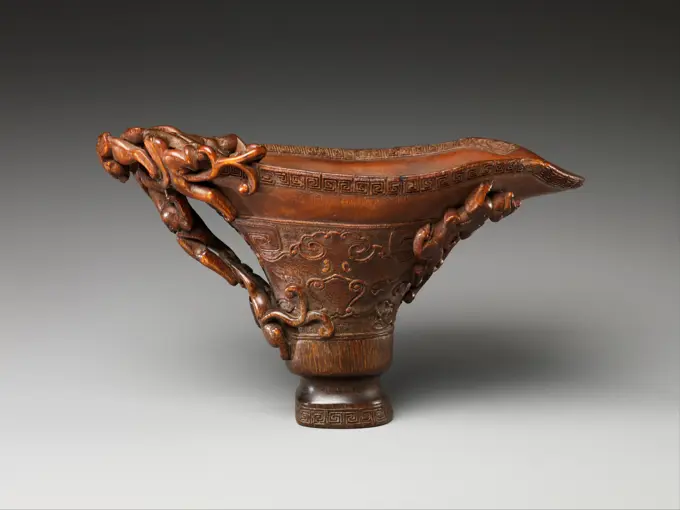
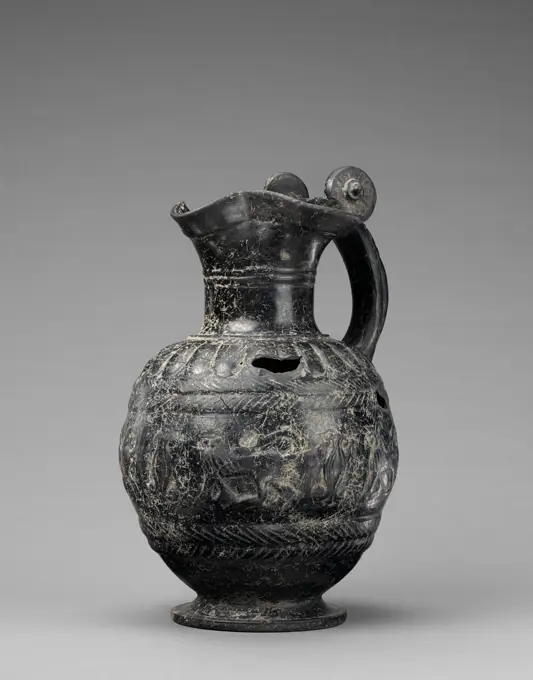
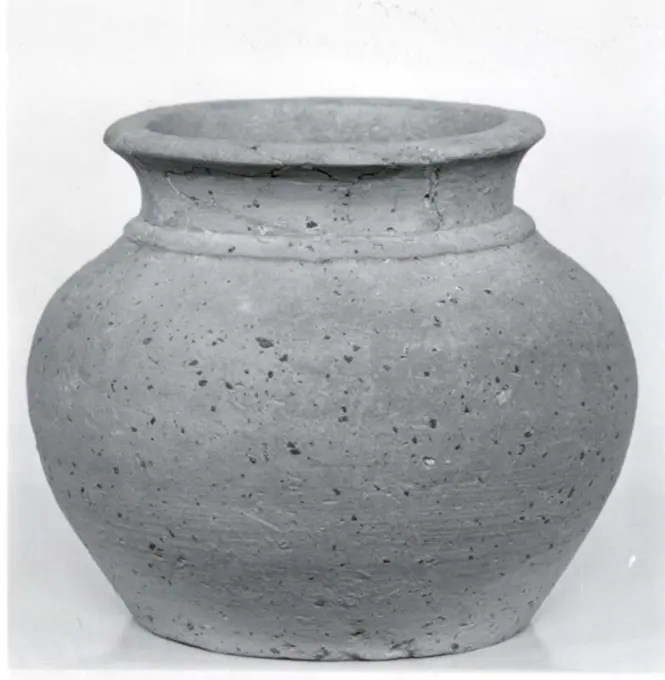
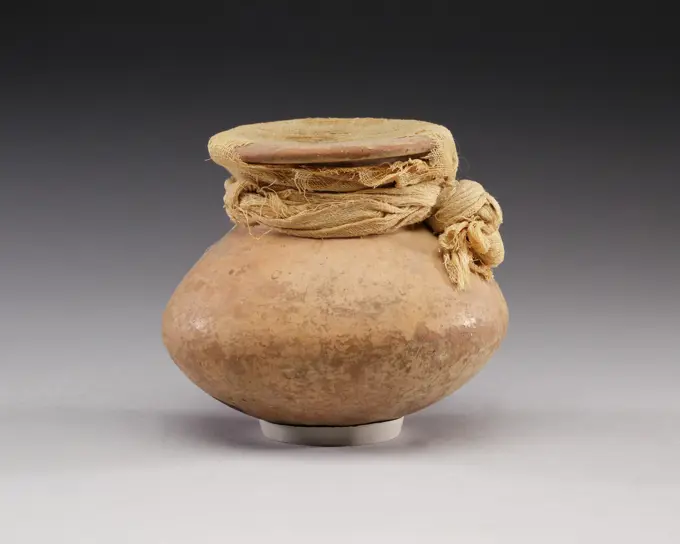
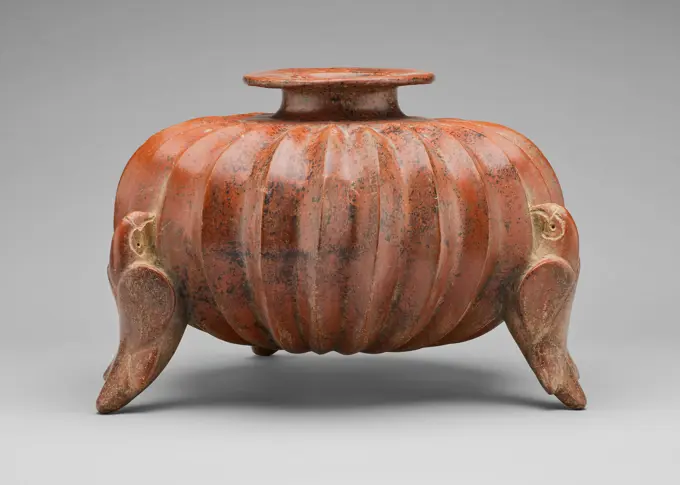
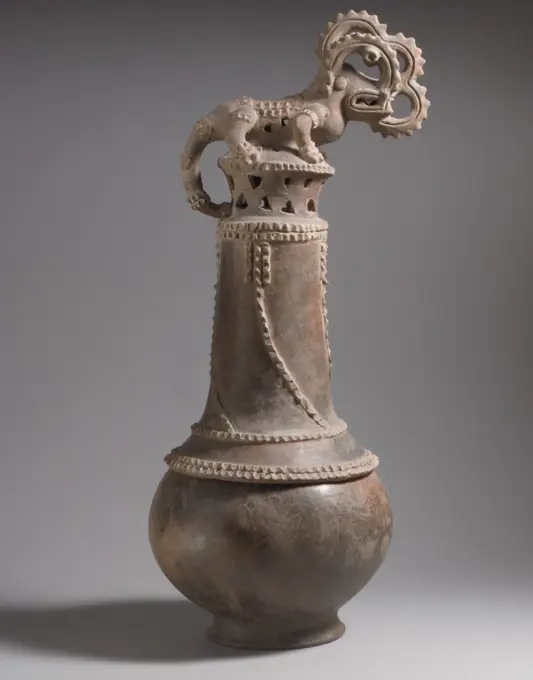
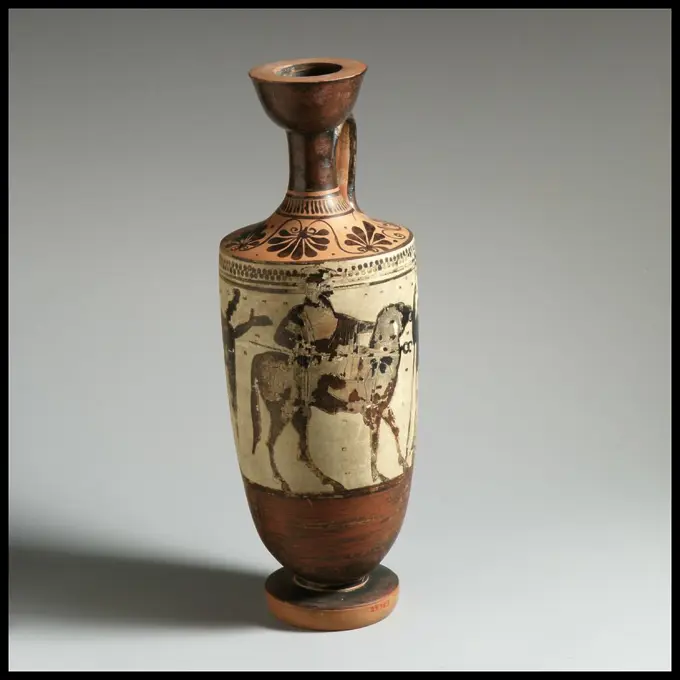
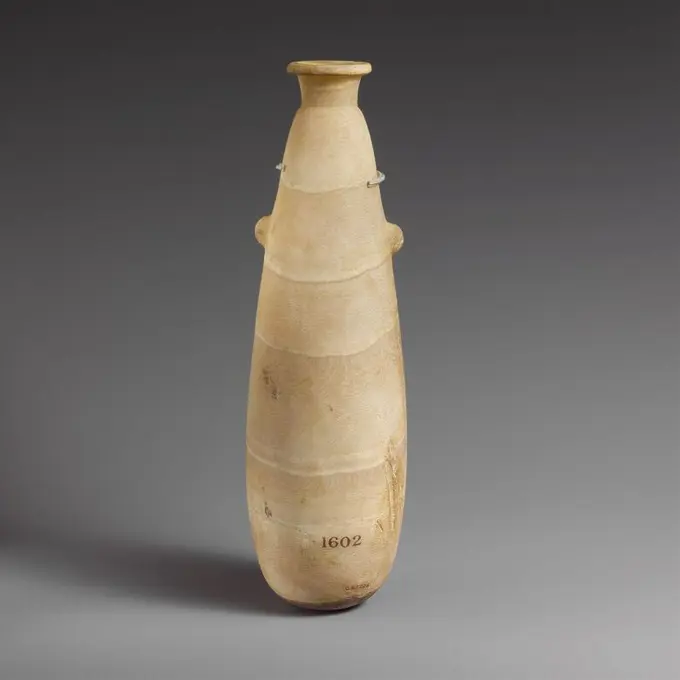
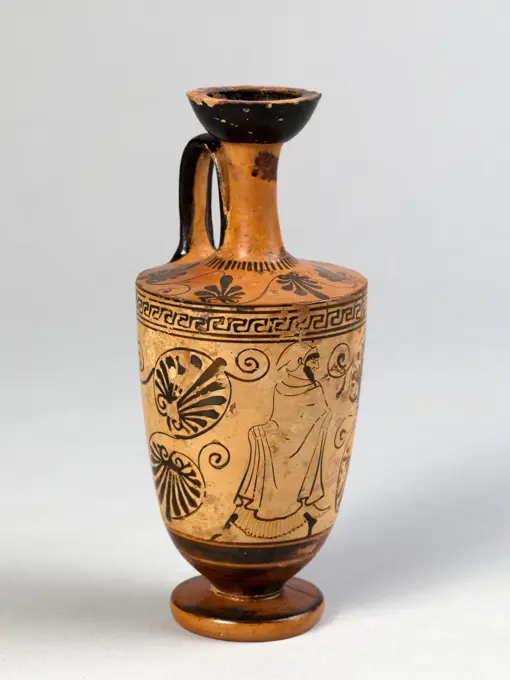
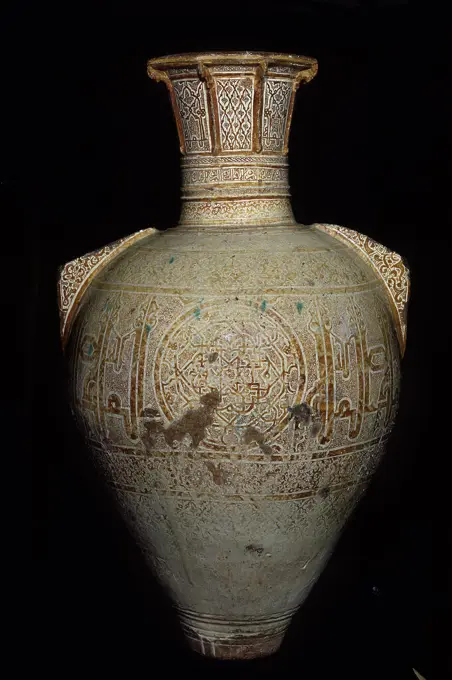
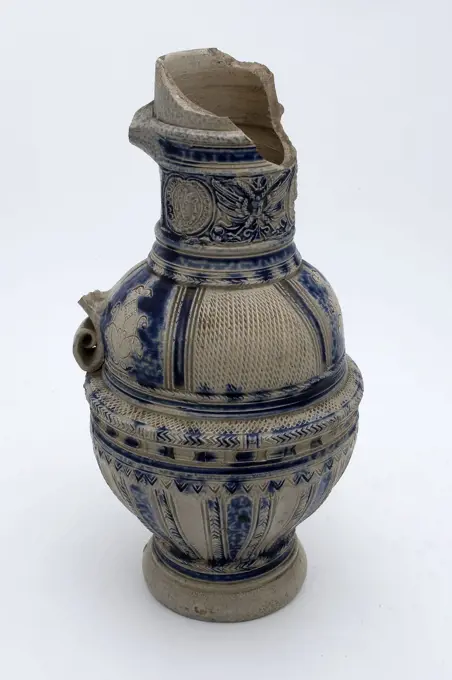
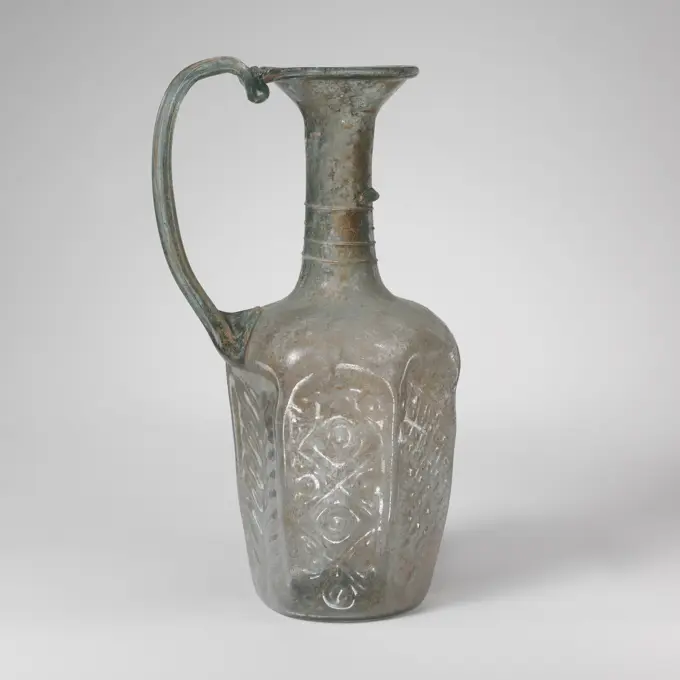
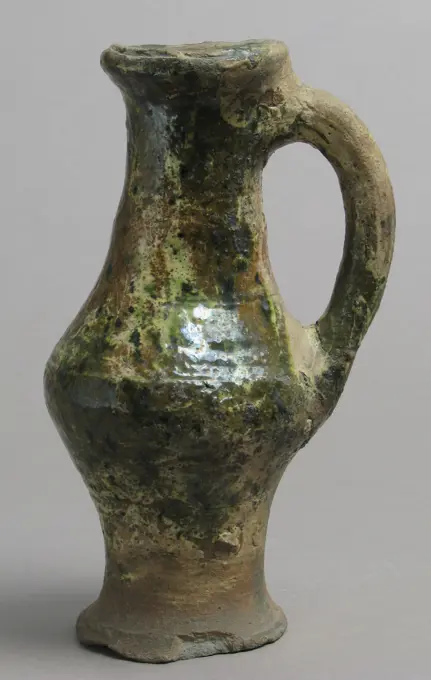
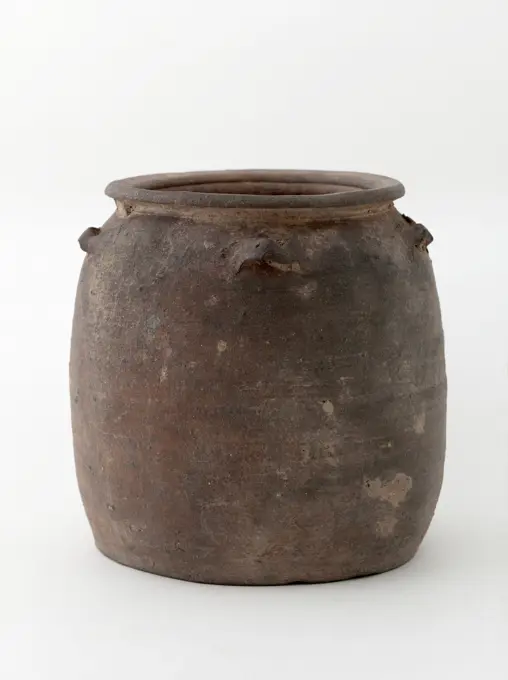
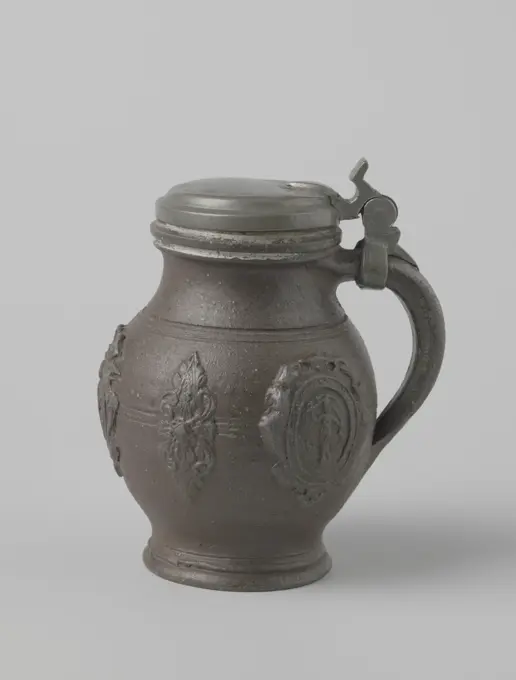
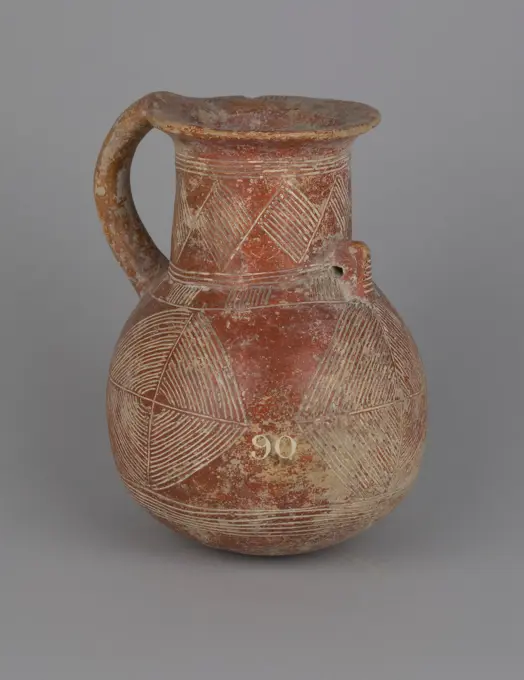
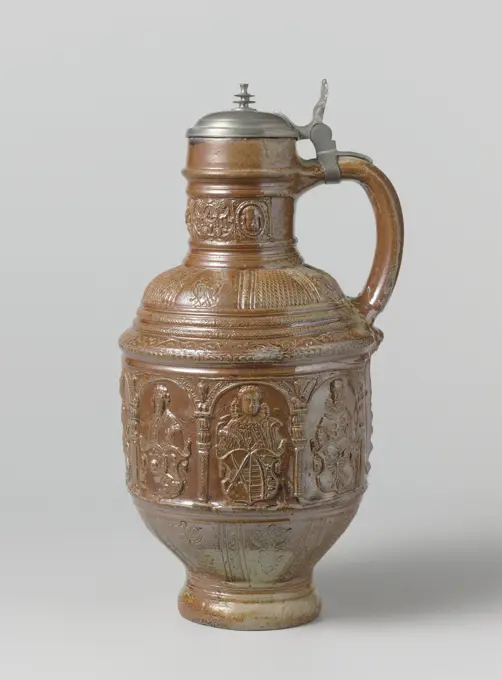
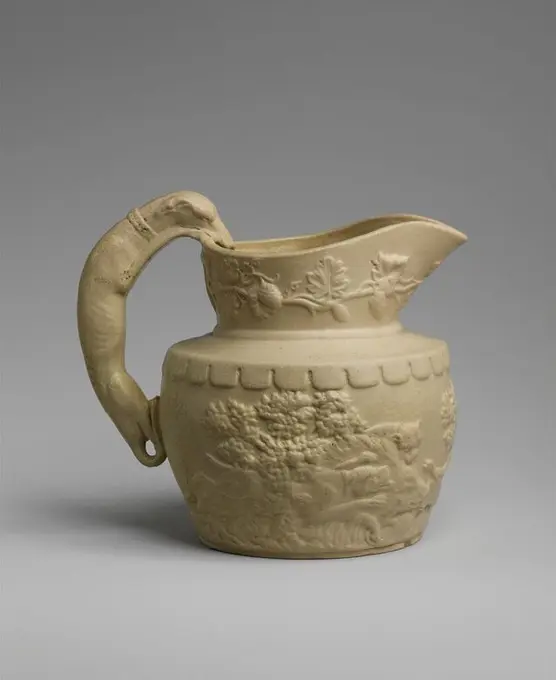
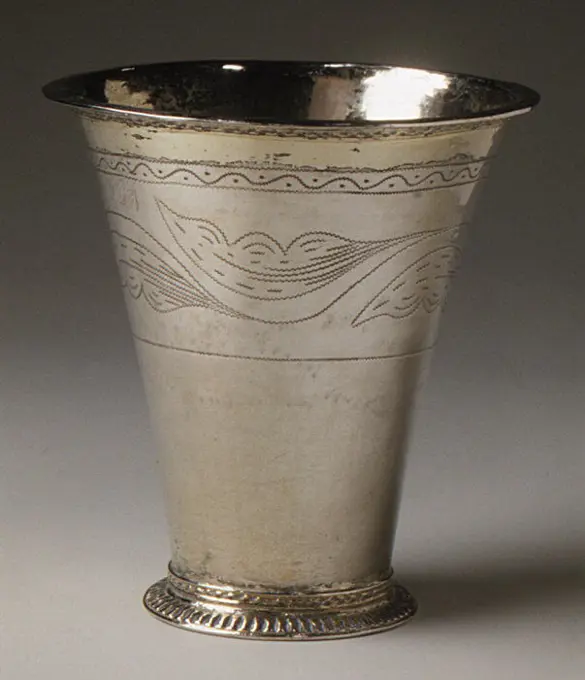
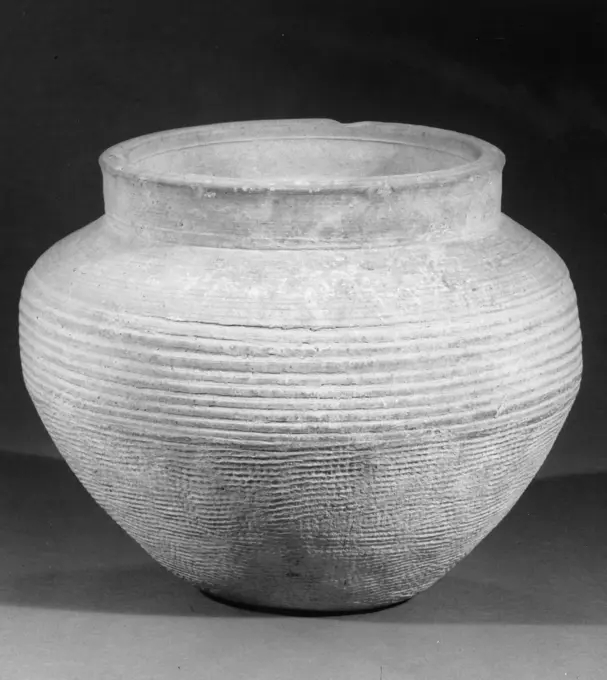
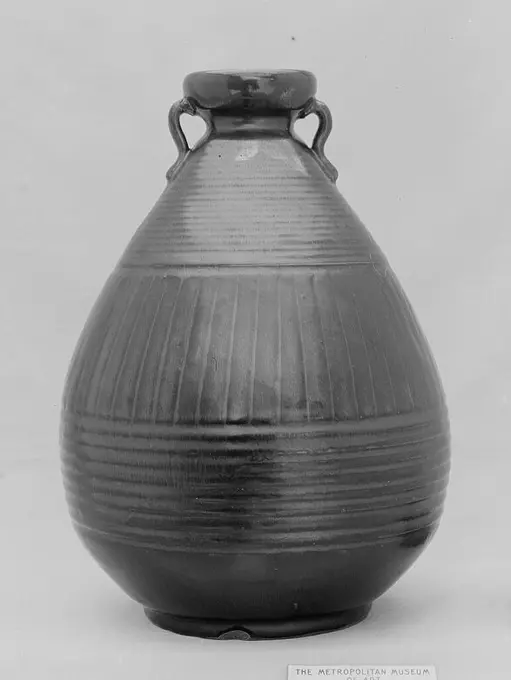
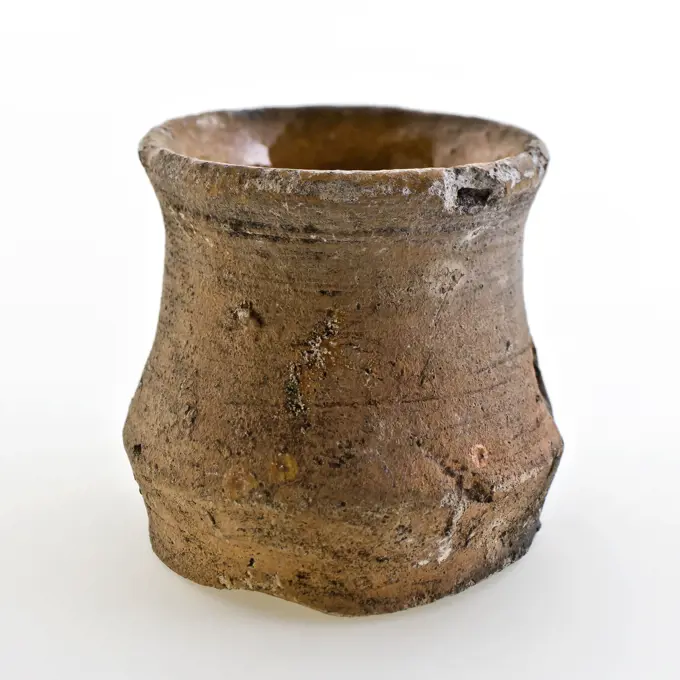
CHOCOLATERA O CAZO CON VIDRIADO INTERIOR. Location: ALFARERIA. Coruña. SPAIN.Jug. Jar with three ears of pottery.Mycenaean Vase, 15th cent. BC. Palace Style, Bronze Age, GREECE.Ewer with PalmLeavesTerracotta Hadra hydria (water jar) ca. 219 B.C. Greek, Egypt, Alexandria-Hadra. Terracotta Hadra hydria (water jar). Greek, Egypt, Alexandria-Hadra. ca. 219 B.C.. Terracotta, paint. Hellenistic. VasesBottle in Form of a Figure Carrying a Burden with a Tumpline Made 100 BCE-500 CE Moche Valley. Ceramic and pigment . MocheLazio Roma Subiaco Monastery of S. Scolastica Archaeological Museum9. Hutzel, Max 1960-1990 Antiquities: Views of antiquities in museum, including sarcophagi, plates, vases, coins. General Notes: Hutzel guide says we have negatives, but we cannot find them. German-born photographer and scholar Max Hutzel (1911-1988) photographed in Italy from the early 1960s until his death. The result of this project, referred to by Hutzel as Foto Arte Minore, is thorough documentation of art historical development in Italy up to the 18th century, including objects of the Etruscans and the Romans, as well as early Medieval, Romanesque, Gothic, Renaissance and Baroque monuments. Images are organized by geographic region in Italy, then by province, city, site complex and monument.Nicholas Amantea, Jug, c 1937 JugStoneware chamber pot, ease of use on stand with standing ear, pot holder sanitary soil find ceramic stoneware glaze salt glaze, hand-turned glazed baked Stoneware pot on stand. Sphere model with gradual narrowing to the foot. Completely gray glazed here and there brown speckles. Outside curled pot edge. Wide neck opening and narrow foot. Stand surface with subtraction traces Wide and upright bandoor archeology indigenous pottery import drains night sleeping room hygienePrehistory, Italy, Bronze Age. Terramare culture. Decorated bowl. From Emilia Romagna Region.Oinochoe Cypriot Vertical and concentric circles.. Oinochoe. Cypriot. Terracotta. Iron Age. VasesJar with floral roundels and inscriptions 18th century Korea The jar is similar to moon jars in its shape and the manner in which it was created: conjoining two hemispherical components. In its size and slightly askew asymmetrical shape, this jar has all the unaffected charm that have made moon jars national icons. But the surface decoration makes it different from unadorned moon jars. The cobalt-blue roundels are placed slightly above the central seam in alternating floral and calligraphic motifs. The characters convey auspicious wishes for longevity (, su) and blessings (, bok). The cobalt-blue points to the popularity of blue-and-white porcelain in the 19th century. This jar was purportedly once in the collection of the Japanese mingei potter Shimaoka Tatsuzo (1919-2007). The formal qualities of this jar and other blue-and-white Joseon ceramics formed the basis of Japanese mingei aesthetics and philosophy.. Jar with floral roundels and inscriptions. Korea. 18th century. Porcelain Fopkan on the stand ring with a collected neck and C-shaped ear. Undecorated., Anonymous, c. 1660 - c. 1690 Round can of undecorated faience. The KAN is on a stand ring, has an openwork neck and a C-shaped ear. Delft (possibly) earthenware. tin glaze. Round can of undecorated faience. The KAN is on a stand ring, has an openwork neck and a C-shaped ear. Delft (possibly) earthenware. tin glaze.Painted ceramic container with an indigenous tradition painted ceramic vessel with indigenous traditionGray stoneware pot jug, with pinched foot, rotates over the entire height, pot jug crockery holder soil find ceramic stoneware glaze salt glaze, hand-turned glazed baked Stoneware gray shard salt glaze gray with some brown profiled neck and belly pinched foot. Lightly curled body over the entire height turning pearls archeology import pottery serve serve drink wine beerNaczynie kuliste. nieznany warsztat północno mezopotamski (ca 2600-ca 2350 a.C.), workshopPottery belly model ointment jar, gray shard, dark green glazed, ointment jar pot holder soil find ceramic earthenware glaze lead glaze, hand turned glazed baked Pottery belly model ointment jar gray shard dark green glazed Flat little outstanding top edge Stand surface. Turning beads on the inside archeology health care indigenous pottery store packaging pharmacy medicine drug craft salesFragment stoneware cup, with figures figurative in arcades, schnelle drinking cup drinking utensils holder soil find ceramic stoneware glaze salt glaze, hand turned stamped glazed glazed fried Fragment stoneware schnelle or drinking cup Completely gray and blue glazed Curled end ribbon ear still present. Exuberantly decorated with figurative representations in the arcades, blue profile rings around the cauldron and gray profile rings with incised motifs. Stand surface with light soul. Text and probably the initials of the maker in the arcades text in the arcades: S, S D. archeology underground pit Rotterdam Kralingen Gedempte Slaak allegory biblical representation soil founding underground pit dampened Slaak 16011978.Fragment of stoneware peasant dung with writing and dancers under arcades, farmer's pitcher jug crockery holder fragment soil found ceramic stoneware clay engobe glaze, hand turned stamped glazed glazed baked Stoneware jug gray shard brown engobe and salt glaze tail Text line: GERAT: WEI: M. SEN: BLASEN: DEI: BURE .: DANCING: ENDE: SPRING: AF: WERREN: SEI archeology import pottery serving drink pouring wine beer dancing wedding marriage partyTerracotta one-handled cup. Culture: Minoan. Dimensions: H. 2 5/16 in. (5.9 cm.)Diameter 3 1/4 in. (8.3 cm.). Date: ca. 2200-1900 B.C..On the body, festoons, dots, and horizontal bandsWhite-on-dark ware was the principle fine ware of the Early Minoan III period in eastern Crete. It marks the beginning of a long Middle Bronze Age tradition of white-painted and polychrome pottery on Crete. Museum: Metropolitan Museum of Art, New York, USA.Amphora (Storage Jar). Greek; Athens; Close to the style of the Antimenes Painter. Date: 530 BC-520 BC. Dimensions: H. 39.4 cm (15 1/8 in.); diam. 27.7 cm (10 7/8 in.). Terra-cotta, black-figure technique on white-ground. Origin: Athens. Museum: The Chicago Art Institute, USA.Jug of the Treasurer and High Priest of Amun, Menkheperreseneb ca. 1479-1425 B.C. New Kingdom This jug is inscribed for the Treasurer and High Priest of Amun Menkhperraseneb.. Jug of the Treasurer and High Priest of Amun, Menkheperreseneb. ca. 1479-1425 B.C.. Limestone. New Kingdom. From Egypt. Dynasty 18Jar, before 1550. Colombia. Pottery; overall: 33.5 x 28.5 cm (13 3/16 x 11 1/4 in.).Clay pot Clay pot of manual work. It is possible to store milk or other liquid Copyright: xZoonar.com/ValeryxxSibrikovx 2418765Terracotta trefoil oinochoe (jug) ca. 600-550 B.C. Etruscan, Etrusco-Corinthian Procession of animals and hybrid creaturesThe shape and decorative format of this pitcher are directly inspired by Corinthian prototypes, but the heightened use of color is typically Etruscan. Such vases were often produced in Vulci and exported to other parts of Etruria.. Terracotta trefoil oinochoe (jug) 251886 Etruscan, Etrusco-Corinthian, Terracotta trefoil oinochoe (jug), ca. 600550 B.C., Terracotta, H. 14 1/16 in. (35.7 cm). The Metropolitan Museum of Art, New York. Fletcher Fund, 1925 (25.78.106)terracotta, 450-425 b.C., Ibiza and Formentera Archeological Museum, Patrimonio de la Humanidad «Ibiza, biodiversidad y cultura», Ibiza, Balearic Isla...Terracotta askos (flask with spout and handle over the top). Culture: Cypriot. Dimensions: H. 4 7/16 in. (11.3 cm). Date: 1200-1050 B.C..The rather deep cylindrical body is provided with a bird's head, neck, and tail. Museum: Metropolitan Museum of Art, New York, USA.Lazio Viterbo Viterbo Museo Civico33. Hutzel, Max 1960-1990 Views of paintings (Middle Ages through 18th c.), frescoes, a tabernacle, coffin, sculpture reliefs, portal fragments, busts, sculpture, tapestry found in the Pinacoteca, Second floor gallery and Second floor cloister sequences. Antiquities: Many views of Etruscan and Roman fragments, sculpture, sarcophagi, pottery, masks, jewelry and other objects found in the Storeroom sequence (inventory numbers on back of prints), and the Cloister, Second floor Cloister, Valle Giulia, Sala Romana and Sala Etrusca sequences. General Notes: There are eight separate numerical sequences for this location. The cloister as an architectural structure, rather than museum site, is documented in the record and file for S. Maria della Verita, Cloister, all views of which are stored in Medieval core collection. Five views from the Museo Civico Second floor cloister sequence are stored in Medieval. German-born photographer and scholar Max Hutzel (1911-Bulgaria, Ezero region, Vase decorated with geometric motives, terracottaMustard pot or drinking cup on pinched foot, stoneware, mustard pot pot cup container holder soil find ceramic stoneware glaze salt glaze, hand-turned glazed baked Cup on pinched foot constricted above the foot and wider upwards. underside belly clear turns Neck opening narrowed and folded upper edge ear Light clay entirely beige glazed archeology Rotterdam railroad tunnel serving drinking Soil discovery: rail tunnel Rotterdam.Cup in the shape of an archaic vessel with feline dragons 17th century China The jutting lip of this cup derives from the shape of a ritual bronze vessel created during Chinas Bronze Age. Some of the linear interlocked decoration on the middle section of the piece is also loosely based on the decorative imagery of that period, which was widely known through illustrations in antiquarian catalogues and collectors manuals.. Cup in the shape of an archaic vessel with feline dragons 41880Trefoil Oinochoe. UnknownClay pitcher with lid for water and milk, isolated on white background. Studio Photo. Clay pitcher with lid for water and milk, isolated on white backgroundCovered Bowl(Gui)Pewter jar with lid. Jug of tin. The stand ring is only separated from the belly through a profiled line. The belly runs into a slim, long neck, which goes upward a bit wider. The lip edge is decorated with two profiled tires. The slightly vaulted lid has a raised circle in the middle. The thumbs of thumbs is formed by two fucks and passes through a one-case hinge into the handle. On the inside is a medallion with a cross () And text on the edge ().Squat Jar. Cambodia, Khmer, 11th-12th century. Furnishings; Serviceware. Wheel-thrown stoneware with incised decoration and brown glazeRitual wine vessel, anonymous, c. -1046 - c. -256  China bronze (metal)  China bronze (metal)Jug of stoneware with lid of tin. Jug of stoneware with pewter lid. Hexagonal and decorated with blue ornaments.Jar ca. 3rd-7th century A.D. Sasanian. Jar. Sasanian. ca. 3rd-7th century A.D.. Ceramic. Sasanian. Iran, Qasr-i Abu NasrCosmetic Jar Sealed with Linen ca. 1492-1473 B.C. New Kingdom This small pottery jar was sealed with a piece of linen cloth. It was found in the tomb of Hatnefer inside a basket that is now in the Egyptian Museum, Cairo. The basket also contained a razor, a necklace, a sealed pottery juglet, and a linen sheet.. Cosmetic Jar Sealed with Linen. ca. 1492-1473 B.C.. Pottery, linen. New Kingdom. From Egypt, Upper Egypt, Thebes, Sheikh Abd el-Qurna, Tomb of Hatnefer and Ramose (below TT 71), inside Basket "L", MMA excavations, 1935-36. Dynasty 18, earlyBronze mortar with two handles, auger equipment bronze, edge 35.5 cast Around body on raised foot in the middle band above which two handles; cantilevered top edge.Large red polished ware jar ca. 3850-2960 B.C. Predynastic Period. Large red polished ware jar. ca. 3850-2960 B.C.. Pottery. Predynastic Period. From Egypt; Probably from Northern Upper Egypt, Abadiya, EEF excavations 1898-1899Terracotta cantharus (drinking cup) 1st century B.C. Roman Relief decoration and two handles.. Terracotta cantharus (drinking cup) 25579816th century Glazed Earthenware.Pottery brazier Mycenaean, 1400-1200BC. Found in Tomb A, lalyaos, Rhodes.Vessel in the Form of a Calabash 1 CE-200 CE Western Mexico. Ceramic and pigment . ColimaIncense Burner 7th-12th century Costa Rica or Nicaragua The flare-footed, spherical bowl of this ceramic censer is enhanced, in silhouette, by the flamboyance of its chimney. Textured, appliqué bands encircle and emphasize the tall smoothness of the chimney. On the perforated cap rests an elaborate crested crocodilian. Smoke from the incense that was burned in the bowl escaped through the holes of the cap and from openings in the animal's body. The rhythmical texture of the appliqué visually unites it with the surface of the creature's body where the nubby portions are taken to represent the scutes of the reptile. Both textured appliqués and scutes are surfaced in white. The spiky crest that surrounds the head is customarily found in incensarios of this period. Crocodilians frequently appear in Costa Rican art, strongly suggesting the supernatural import of these creatures in ancient times.. Incense Burner 312600Pitcher. Roman; Levant or Syria. Date: 201 AD-400 AD. Dimensions: 12 × 7.5 × 6.5 cm (4 3/4 × 3 × 2 1/2 in.). Glass, blown technique. Origin: Syria. Museum: The Chicago Art Institute, Chicago, USA. Author: ANCIENT ROMAN.Lekythos. Culture: Greek, Attic. Dimensions: Overall: 11 7/8in. (30.2cm)Diameter: 4 3/16 × 2 7/16 × 2 7/8 in. (10.6 × 6.2 × 7.3 cm). Date: ca. 480 B.C.. Museum: Metropolitan Museum of Art, New York, USA.Alabaster alabastron (perfume vase). Culture: Cypriot. Dimensions: H. 11 x 3 3/4 in. (27.9 x 9.5 cm). Date: 6th-4th century B.C..The slender alabastron has two vertical lugs and a convex lip. Museum: Metropolitan Museum of Art, New York, USA.Hydria, 400-200 BC. Sicily, Italy. Ancient Greek Hydria (pitcher with three handles).Painter of Petit Palais 336. Lécythe with bistre. Semi-Contour. Athens (Greece), 480-470 BC. AD Museum of Fine Arts of the City of Paris, Petit Palais. 58665-20 Anse, antiquity, perfume oil, lecythe with bistre, lecythe with white background, libation, libations, decorative motif, funeral offering, container, character representation, semi-contour, body care, ancient vase, funeral vase, Greek vase, veme Ve v 5th 5th 5 century AV.JCVASO DE MAZZARA DEL VALLO - SIGLO XV - CERAMICA NAZARI - LLAMADO JARRON DE LA ALHAMBRA. Location: INSTITUTO VALENCIA DE DON JUAN-COLECCION. MADRID. SPAIN.Stirrup Spout Vessel with Raised Mythic Battle Motifs Made 100 BCE-500 CE North Coast. Ceramic and pigment . MocheStoneware jug with kerf-cut decor on shoulder, round neck band with three medallions in which mask, jug crockery holder soil find ceramic stoneware glaze salt glaze, hand turned stamped molded glazed baked carved Stoneware jug light gray shard with salt glaze bandoor with curled tail archeology import pottery serving drink pouring beer wineKylix,black-figureGlass hexagonal jug 6th-early 7th century A.D. Roman, Syrian Translucent light blue green, with same color handle and trail.Outsplayed rim folded outward, over, and inward; neck funnel-shaped at top, then cylindrical; sloping shoulder with rounded edge; hexagonal body, tapering downwards, with slightly impressed side panels; deeply pushed-in bottom, with central pontil scar; rod handle, attached in a large pad to edge of shoulder, drawn up and outward, then curved in, with downward fold before being applied to outer edge of rim.On lower half of neck, single fine trail wound down four and a half turns in a spiral; on body, six elongated rectangular panels, flanked with prominent vertical ribbed edges and decorated with matching pairs of three different geometric relief patterns: vertical lozenges with central dots, a lattice of diamond-shaped bosses, and a stylized palm frond with ten or eleven leaves to either side of central stem; on bottom, a six-petalled rosette.Intact, but small loNaczynie malowane. unknown, authorJug late 13th-early 14th century British. Jug 468391Jar 9th-early 10th century. Jar 451336Jar at 5 handles ". Terracotta. Vietnam-Xe-Xive s. Paris, Cernuschi museum. 72186-25 Anse, jar, Vietnamese object, terracottaDish;  around 2686- 2181 BC ; Old PAJug with Fortuna, anonymous, c. 1630 - c. 1670 Jug of stoneware on a high base with a spherical body and wide neck. The C-shaped ear is attached to the neck and belly. Profile on the edge and lines on the shoulder, abdomen and foot. Covered with a brown Engobe. A printed and imposed decoration on the belly in relief. Three times a medallion with Fortuna, the personification of happiness, and the inscription 'Deo DVCE Committee Fortvna'. Between the medallions leaf motifs. Attached to the neck a pewter frame with lid. Creusen. Creusen Stoneware. Glaze. Engobe. frame: tin (metal) vitrification Jug of stoneware on a high base with a spherical body and wide neck. The C-shaped ear is attached to the neck and belly. Profile on the edge and lines on the shoulder, abdomen and foot. Covered with a brown Engobe. A printed and imposed decoration on the belly in relief. Three times a medallion with Fortuna, the personification of happiness, and the inscription 'Deo DVCE Committee Fortvna'. BetweenAlto Adriatico Oinochoe decorated in female protomes, from Tomb 779 in the Necropolis of Valle Trebba, Emilia-Romagna, Italy. Italic Civilization, end of the 4th Century BC.Jug 2500-1900 B.C. Cypriot Jug with handle and incised lozenges.. Jug. Cypriot. 2500-1900 B.C.. Terracotta. Early Cypriot. VasesKantharos (Drinking Cup) 300 BCE-275 BCE Apulia. This cup is an example of Gnathia ware, named after the ancient town (modern Egnazia) where the first examples were found. Gnathia ware is characterized by polychrome motifs and patterns created by applying purple-red, yellow, and white directly on top of black gloss before the vessels were fired.. terracotta, Late Gnathia ware . Ancient GreekPottery chamber pot, red shard, glazed, one vertical sausage ear, on stand, pot holder sanitary earthenware ceramic earthenware glaze lead glaze, hand-turned glazed baked Pottery chamber pot po red shard fully glazed except bottom bottom vertical on the upper edge placed sausage ear on stand ring. Rotation of the upper half of the boiler Rotterdam archeology indigenous pottery toilet article bed sleepingJug with a representation of the electors, anonymous, c. 1602 - c. 1610 Jug of stoneware on high foot with a cylindrical body, round shoulder and wide neck. Profiles on the neck, the body and the foot. Covered with a brown Engobe. On the belly in relief a printed and laid bond with arches. A Elector with his respective weapon is depicted under each arch (the archbishops of Trier, Keulen and Mainz, the king of Bohemia, the Markgraaf of Brandenburg, Palzgraaf and the Duke of Saxony), with his title in the arch. In the most left box the date '1602'. The lower part of the abdomen runs slanted to the foot and has entered courses with stamped flower vines. Alternately core cut and a stamped flower in the compartments on the shoulder. The neck with a band masks in medallions, interspersed with rolling work. Attached to the ear a pewter frame with lid. Raeren. Rae Stoneware. Glaze. Engobe. frame: tin (metal) vitrification Jug of stoneware on high foot with a cylindrical body, round shoulder anVASO GRIEGO-ESCENA DE MUJERES BAILANDO. Location: MUSEUM OF FINE ARTS. GRANADA. SPAIN.Pitcher. Culture: American. Designer: Probably designed by Daniel Greatbatch (active 1838-ca. 1861). Dimensions: H. 6 in. (15.2 cm); Diam. 5 3/8 in. (13.7 cm). Manufacturer: D. & J. Henderson Flint Stoneware Manufactory (active 1829-33). Date: 1829-33. Museum: Metropolitan Museum of Art, New York, USA.Vase. Terracotta, Vietnam, 10th-12th century. Provenance: Vietnam. Paris, Cernuschi museum. 78605-19 Archeology, Vietnamese art, recolling, terracotta, vase, archeological vestige, XEME X 10th 10th 10th century, XIIIEM XIII 13th 13th 13th 13Jug. Jug of stoneware with pewter lid. The bullet-shaped belly is weakly ribbed and decorated with 3 rosettes.Glass oinochoe (perfume jug). Culture: Greek, Eastern Mediterranean. Dimensions: H.: 2 1/4 in. (5.8 cm). Date: 4th-3rd century B.C..Translucent cobalt blue, with handle in same color; trails in opaque yellow and opaque white.Applied trefoil rim-disk; short cylindrical neck; broad rounded shoulder; ovoid body with downward taper; applied low circular coiled pad-base, with uneven bottom; strap handle attached to outer edge of shoulder, drawn up and round in a curve, arching above the rim-disk, and attached to top of neck behind rim-disk.A fine yellow trail attached at edge of rim-disk; another yellow trail wound spirally nearly two times around upper body; a white trail wound spirally four times round upper body, tooled into an irregular zigzag pattern; below, another yellow trail wound horizontally round in two turns and a white trail wound round one and a half times further down body; another fine yellow trail attached at edge of pad-base.Intact; some dulling, pitting, and iridesceBlack-Figure Neck Amphora. Attributed to Class of Neck Amphorae with Shoulder Pictures (Greek (Attic))Lazio Viterbo Viterbo Museo Civico25. Hutzel, Max 1960-1990 Views of paintings (Middle Ages through 18th c.), frescoes, a tabernacle, coffin, sculpture reliefs, portal fragments, busts, sculpture, tapestry found in the Pinacoteca, Second floor gallery and Second floor cloister sequences. Antiquities: Many views of Etruscan and Roman fragments, sculpture, sarcophagi, pottery, masks, jewelry and other objects found in the Storeroom sequence (inventory numbers on back of prints), and the Cloister, Second floor Cloister, Valle Giulia, Sala Romana and Sala Etrusca sequences. General Notes: There are eight separate numerical sequences for this location. The cloister as an architectural structure, rather than museum site, is documented in the record and file for S. Maria della Verita, Cloister, all views of which are stored in Medieval core collection. Five views from the Museo Civico Second floor cloister sequence are stored in Medieval. German-born photographer and scholar Max Hutzel (1911-CANTARO CON LA FORMA DE ANFORA - PROCEDE DE TOTANA(MURCIA). Location: MUSEO DEL PUEBLO ESPAÑOL. MADRID. SPAIN.Nuragic civilization. Single-handled pitcher. From Sardinia Region.JARRA MORA - BOCA CON CUATRO VERTEDEROS. Location: ALFARERIA. Vera. Almería. SPAIN.Jar withChrysanthemumsCup or beaker 18th century Swedish. Cup or beaker 192132Jar (Guan) 4th-3rd century B.C. China. Jar (Guan) 49899Squat Jar with Lug Handles, 4000-3000 BC. Egypt, Predynastic Period, Naqada IIb Period. Marl clay; diameter: 21.2 cm (8 3/8 in.); diameter of mouth: 9.1 cm (3 9/16 in.); overall: 15.2 cm (6 in.).Single Spout Bottle. Culture: Tlatilco. Dimensions: Height 10-1/4 in. (26 cm)Diameter: 8 1/4 in.. Date: 12th-9th century B.C.. Museum: Metropolitan Museum of Art, New York, USA.Vessel 300 B.C.-A.D. 200 Thailand (Ban Chiang culture). Vessel 38460Caeretan Hydria. Attributed to Eagle Painter (Greek (Caeretan), active 530 - 500 B.C.)Meiping bottle (common name). Covered brown on light slip. Cernuschi Museum, Asia Museum of Asia in the city of Paris.Vase 19th century Japan. Vase 59835Jug. Jug of stoneware, with pewter lid. On the belly 3 the same medallions with man's portrait in a border with peripheral and the year 1632. Above the medallions an edge with ingrancing ornaments.(Jar in Lantern Form), 18th century, Unknown Korean, 5 3/4 x 5 13/16 in. (14.61 x 14.76 cm), Porcelain with white glaze, Korea, 18th centuryHydria. Culture: Greek, South Italian, Apulian. Dimensions: 6 5/8in. (16.8cm). Date: ca. 350-320 B.C.. Museum: Metropolitan Museum of Art, New York, USA.Bird Bottle. Culture: Moche. Dimensions: H. 12 3/8 x Diam. 6 5/8 in. (31.4 x 16.9 cm). Date: 4th-7th century. Museum: Metropolitan Museum of Art, New York, USA.Terracotta Nolan neck-amphora (jar). Culture: Greek, Attic. Dimensions: H.: 10 1/8 in. (25.7 cm). Date: 1st half of the 5th century B.C..Black Attic amphora of the Nolan style without decoration. Museum: Metropolitan Museum of Art, New York, USA.Vase: Dhong-ke Ware, 1368- 1644. China, Ming dynasty (1368-1644). White crackled stoneware; overall: 11.8 cm (4 5/8 in.).Miniature pot with bronze handle. Unknownold traditional vintage pot isolated on white background, studio shotJar. Culture: Japan. Dimensions: H. 9 3/4 in. (24.8 cm); Diam. of rim 2 1/4 in. (5.7 cm); Diam. of base 4 in. (10.2 cm). Date: 19th century. Museum: Metropolitan Museum of Art, New York, USA.Artist: Dipylon Workshop, Greek, Attic, ca. 800-750 B.C., Pomegranatevase, ca. 750-725 B.C., Terracotta, 10.2 × 8.61 cm (4 × 3 3/8 in.), Not onview, Greek,Attic, LateGeometric, Containers -CeramicsAlabastron ca. mid-1st millennium B.C.. Alabastron 322492CANTARO PARA AGUA CON UN ASA - S XX ARTE POPULAR. Location: ALFARERIA. TRIGUEROS. Huelva. SPAIN.Pottery belly model ointment jar, red shard, internally glazed, ointment jar pot holder soil find ceramic earthenware glaze lead glaze, hand turned glazed baked Pottery ointment red shard internally glazed. Abdomen model Narrowing over the foot. No thickened top edge. Stand archaeology health care indigenous pottery import pharmacy store sell craft