Historical Pottery Vessels

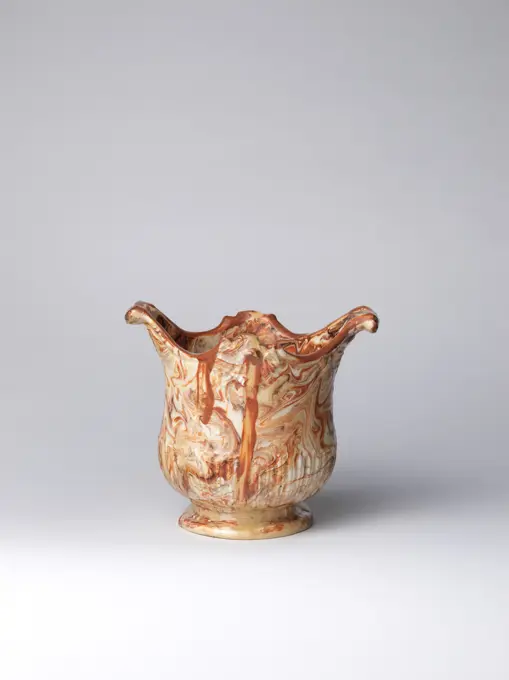
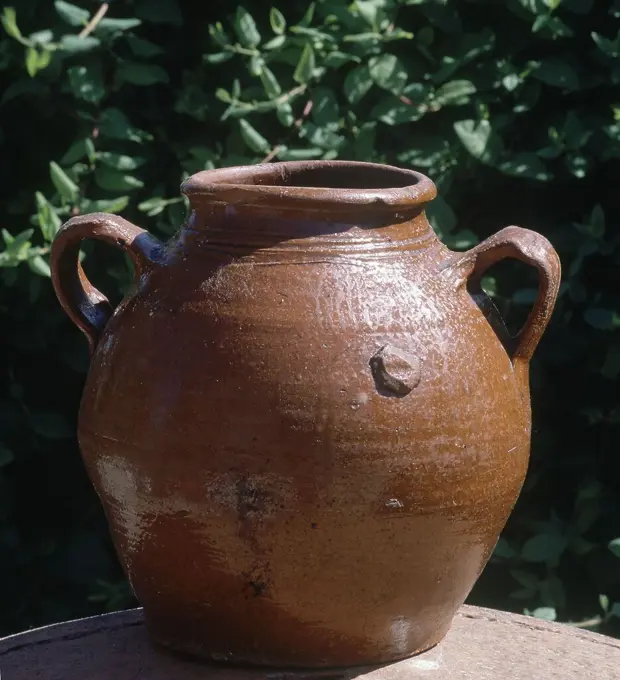
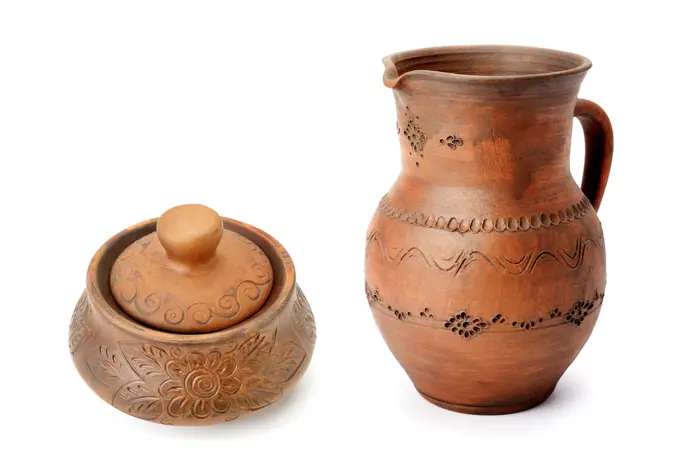
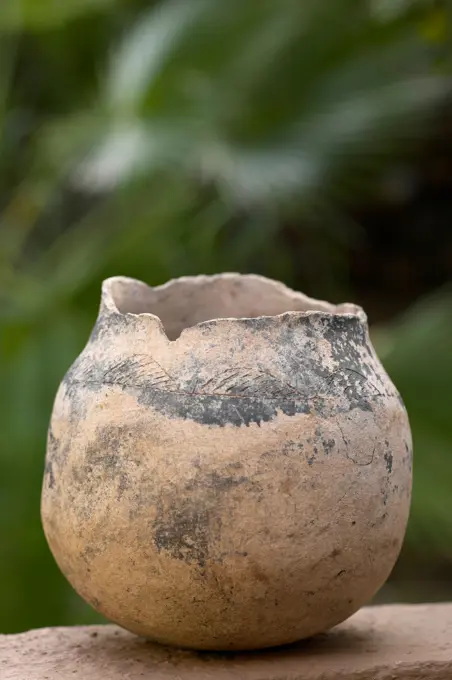
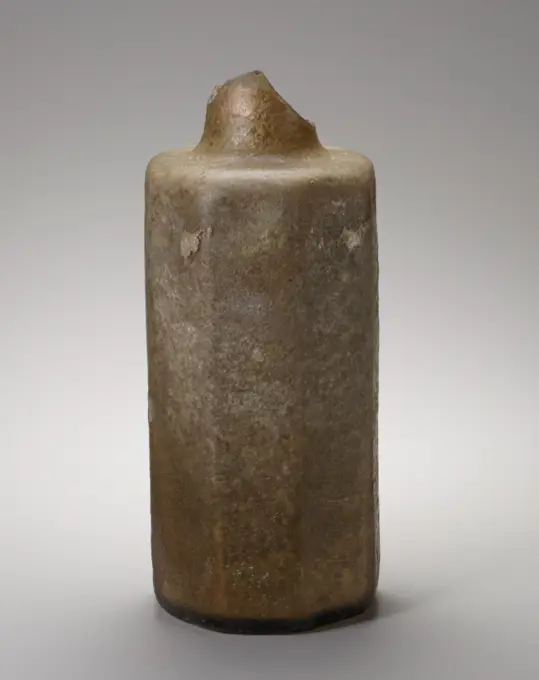
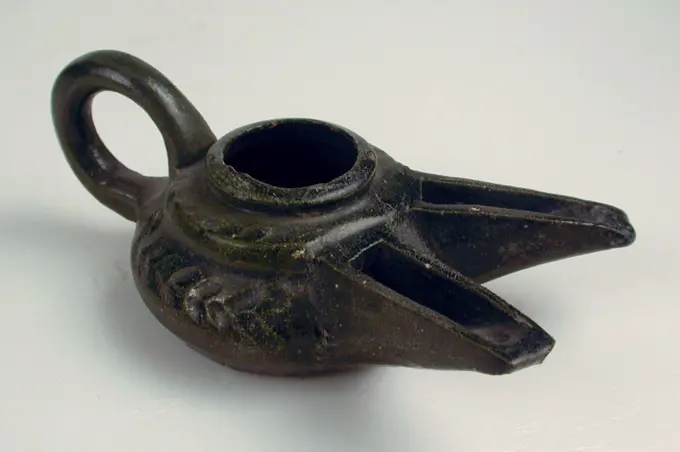
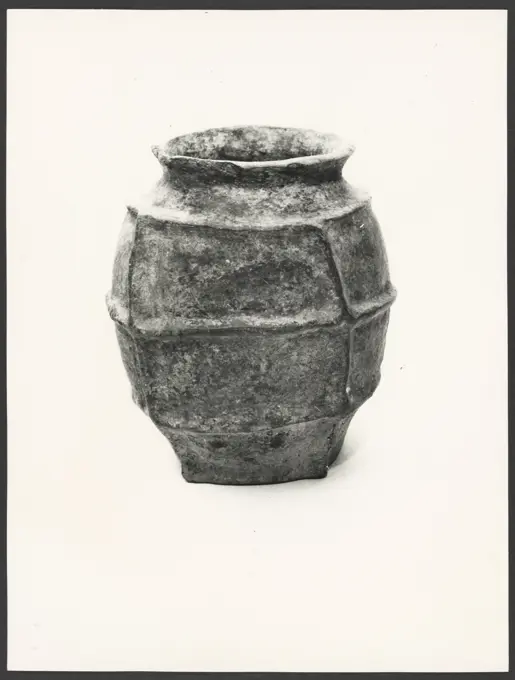
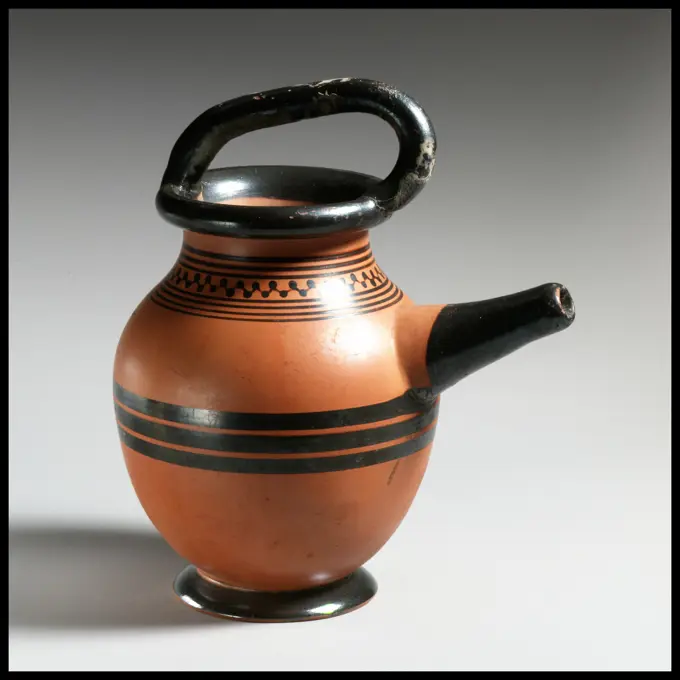
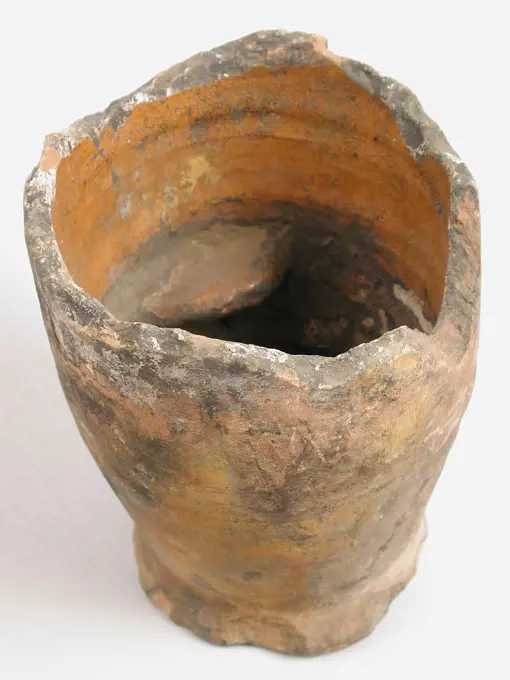
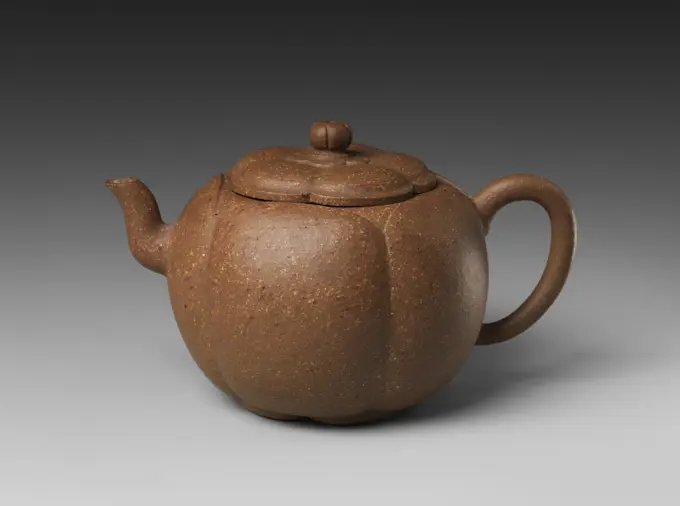
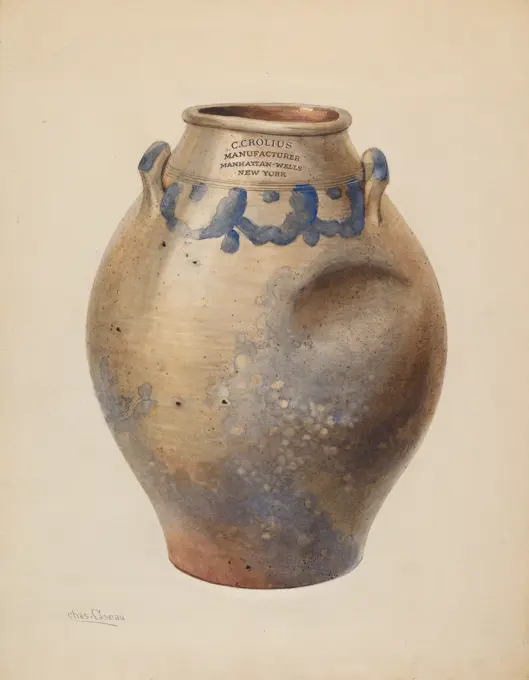
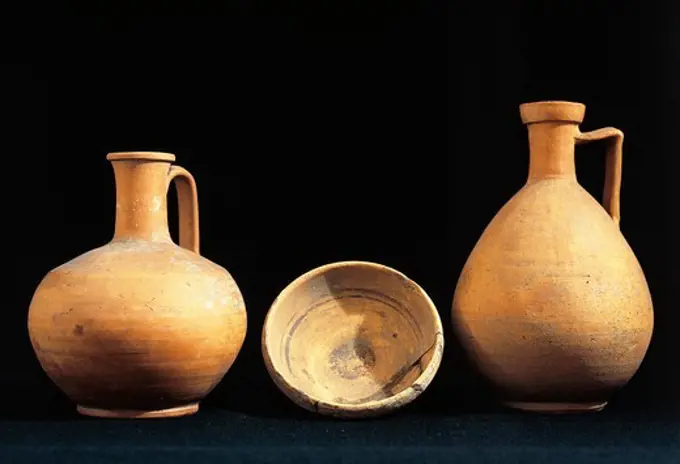
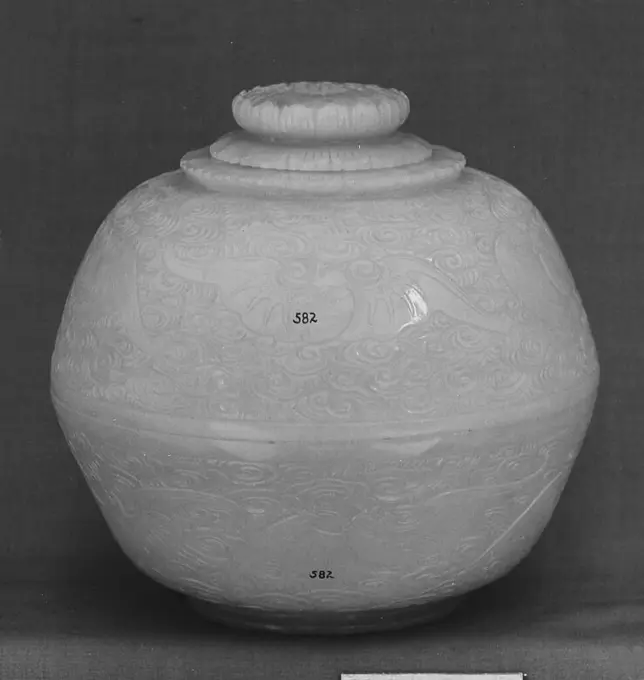
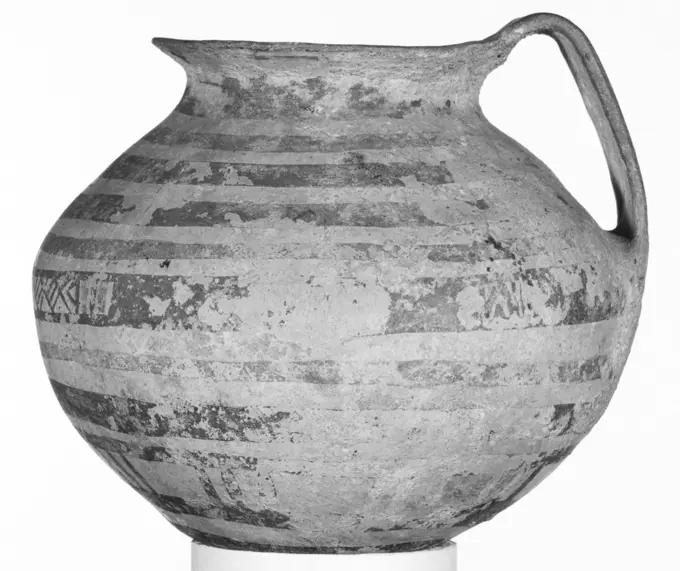
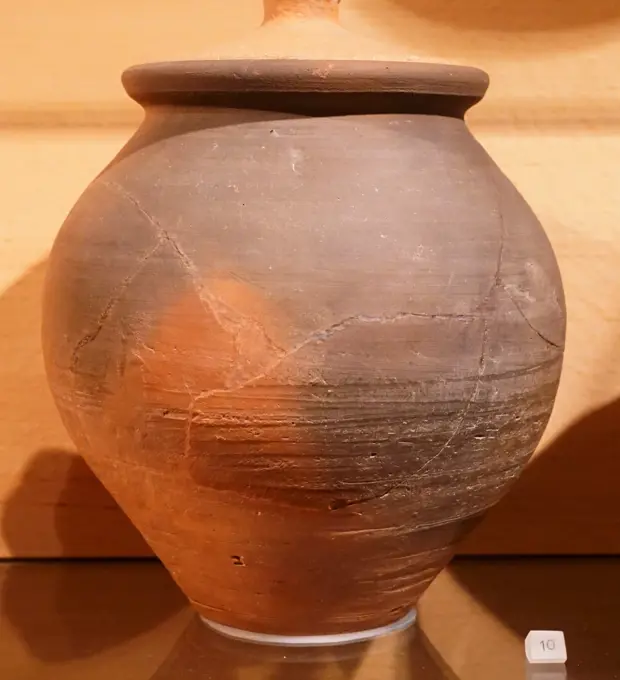
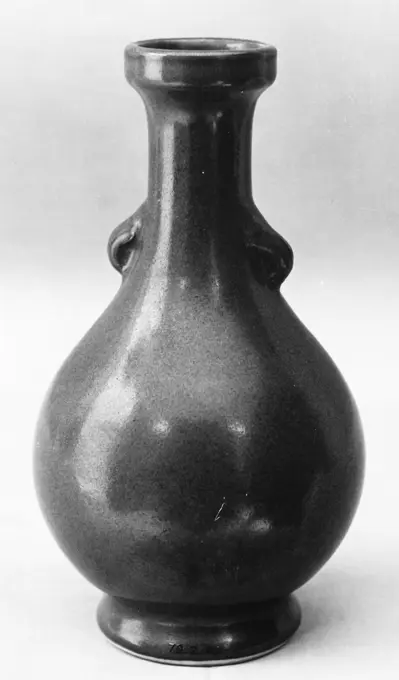
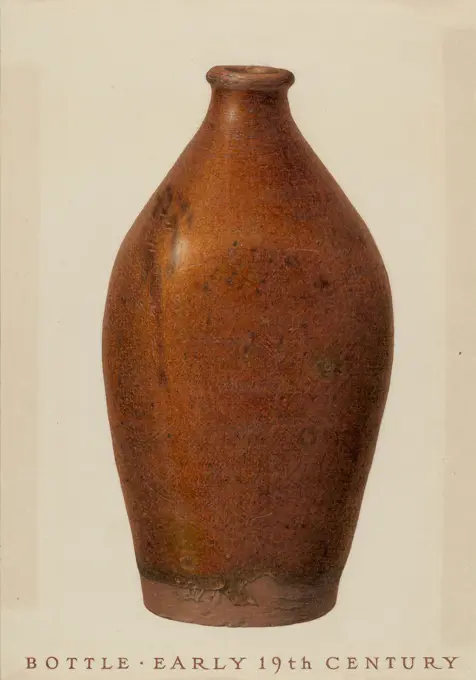
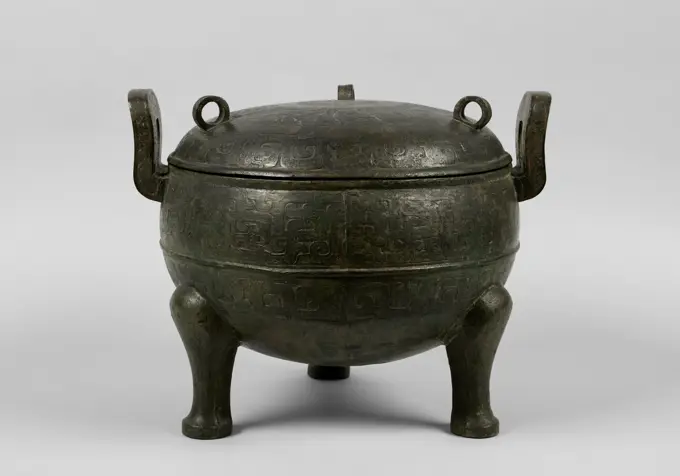
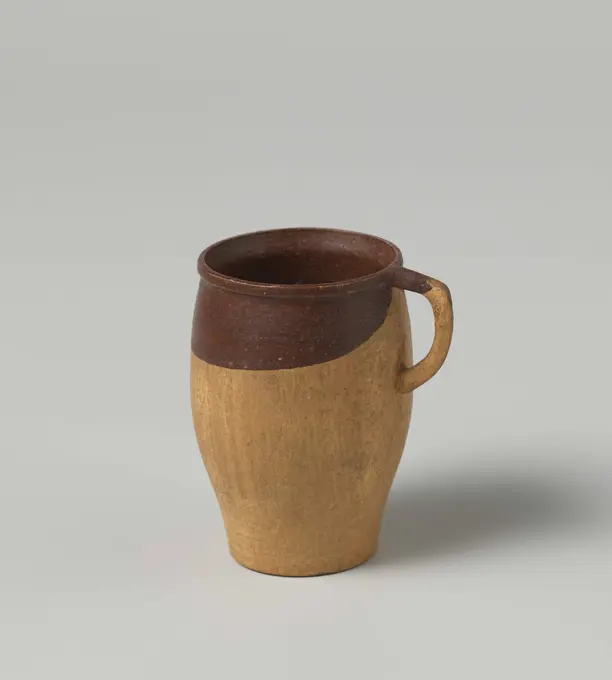
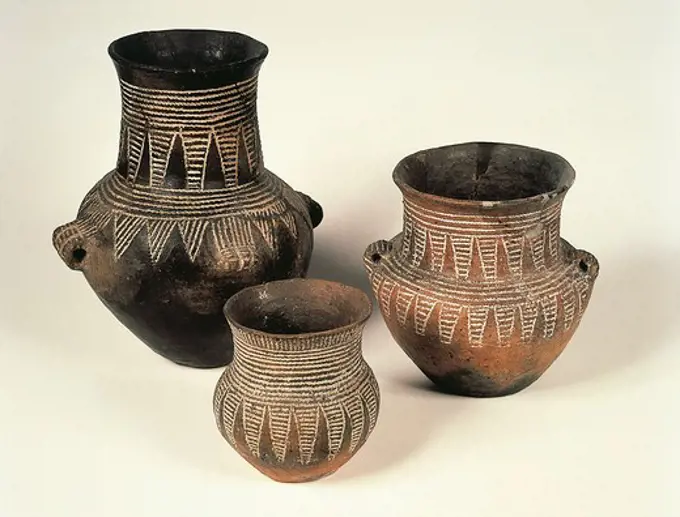
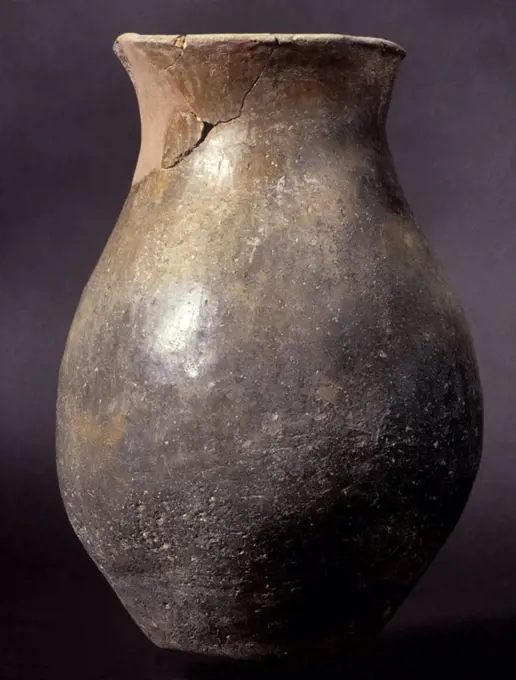
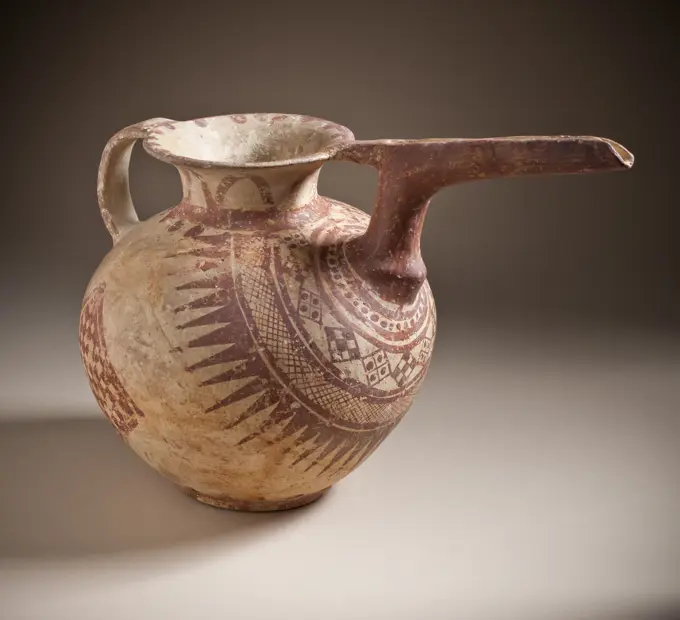
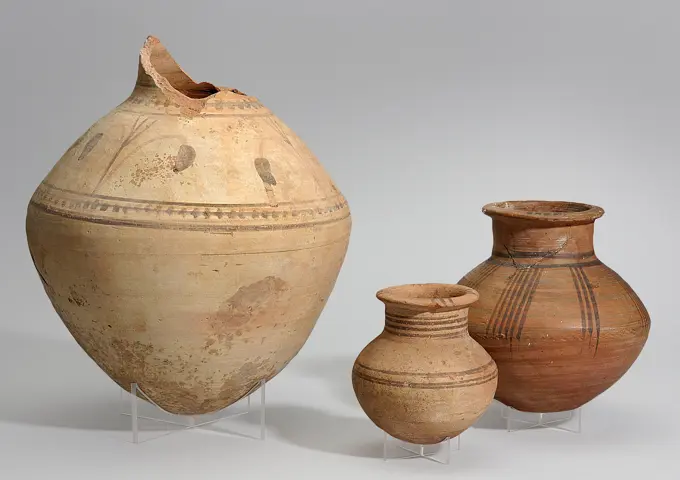
A selection of ancient pottery jars and vases, showcasing various shapes, glazes, and historical significance. Earthy tones and textures highlight the craftsmanship.
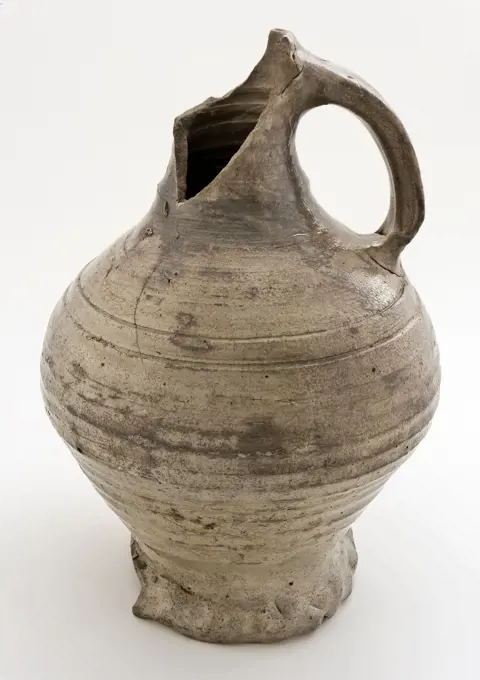
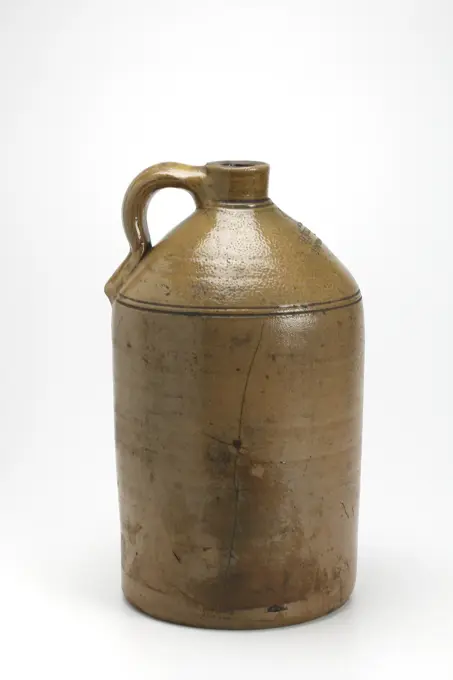
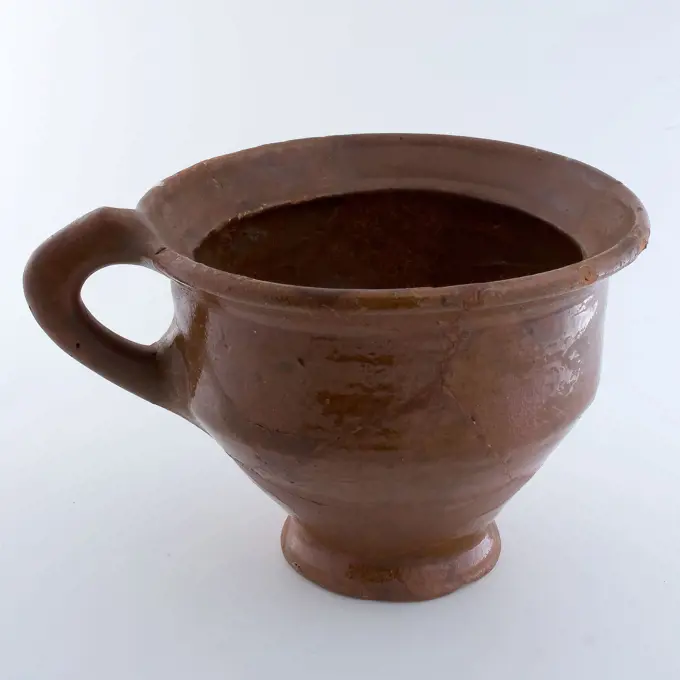
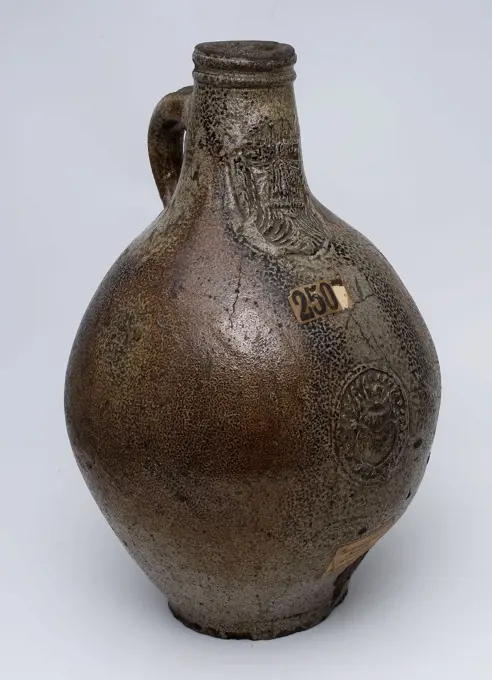
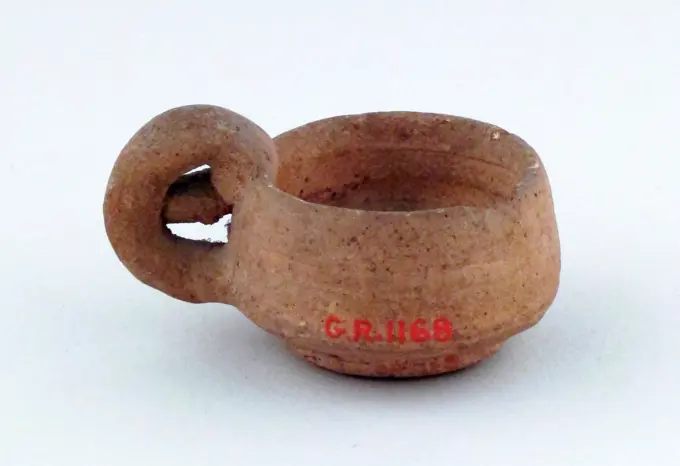
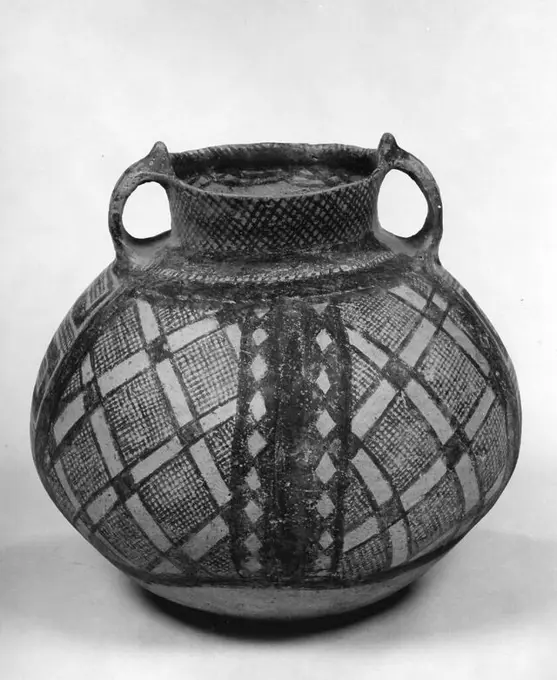
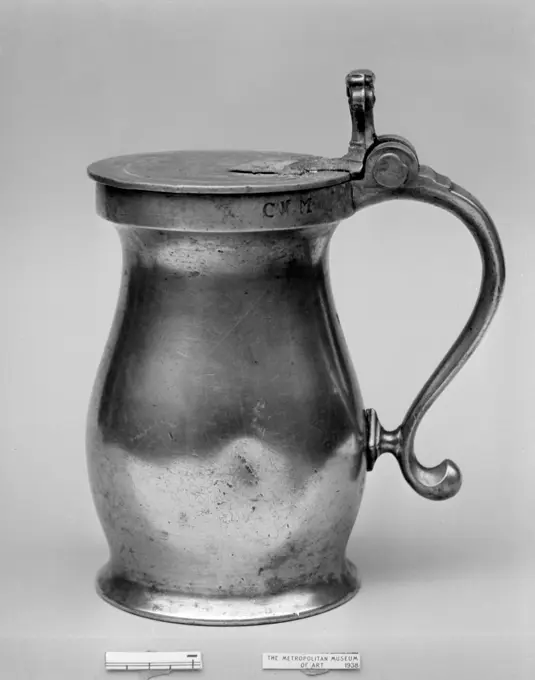
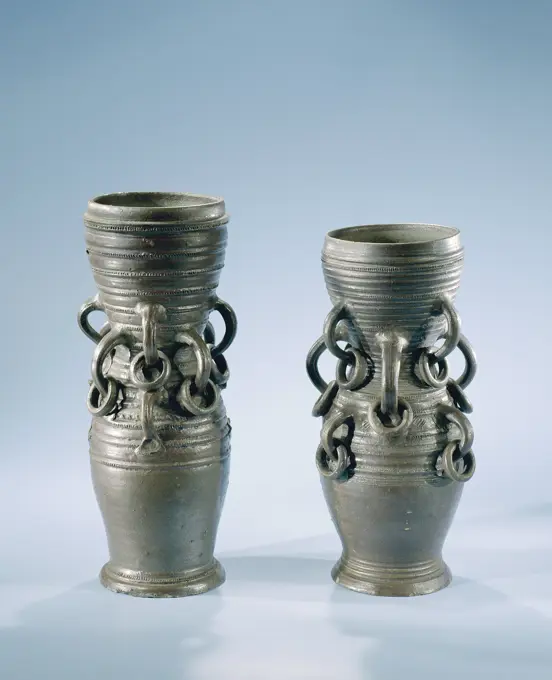
Gray stoneware jug with pinched foot, double conical belly, jug crockery holder soil find ceramic stoneware glaze salt glaze, hand-turned glazed baked Stoneware jug gray shard gray salt glaze bandoor revolving and notched rings around neck and belly pinched foot. Messy and roughly turned archaeology import pottery pour serve to keep packing transport
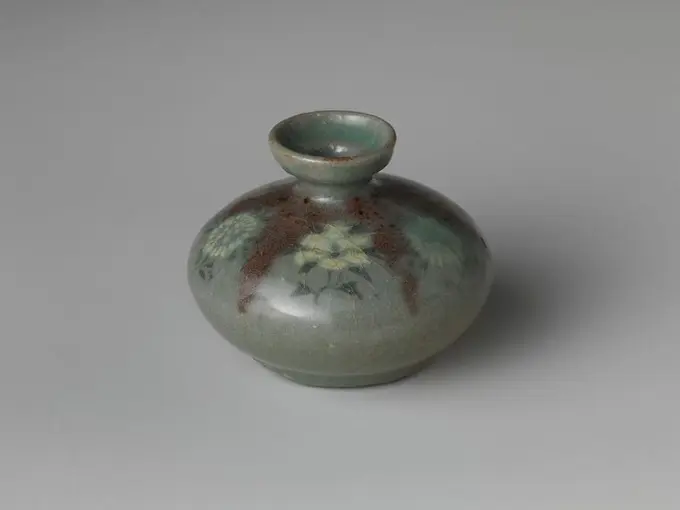
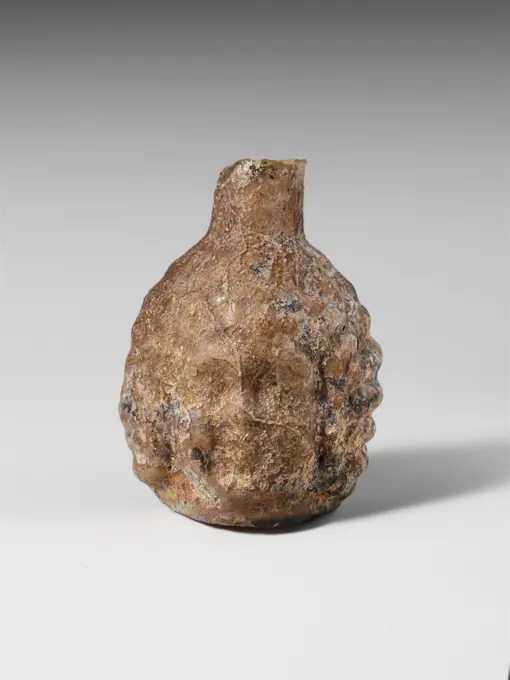
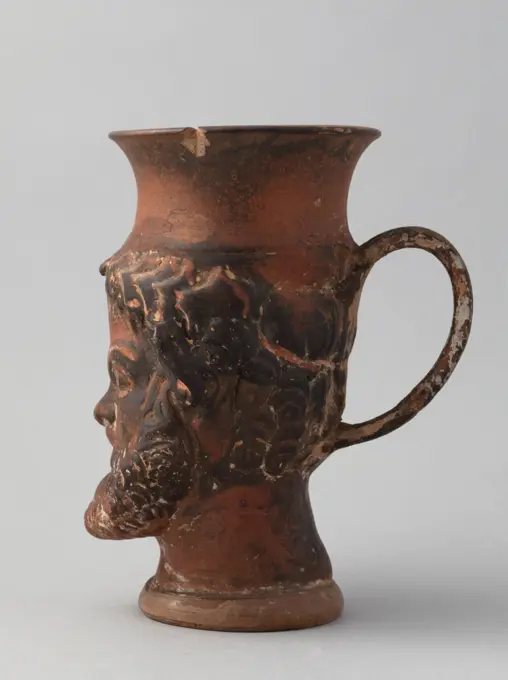
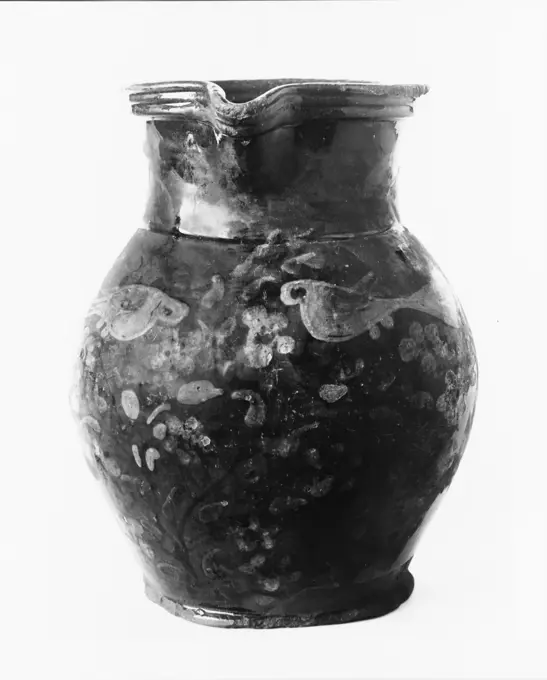
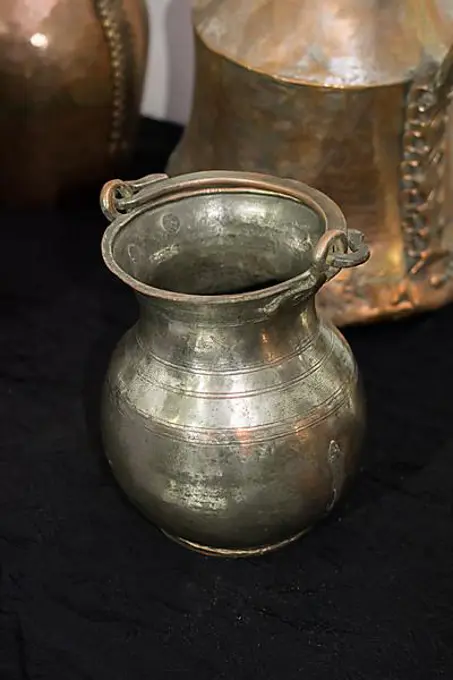
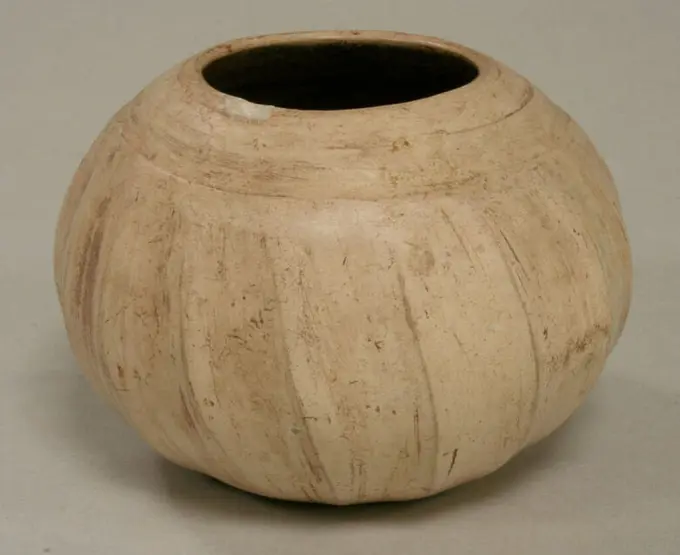
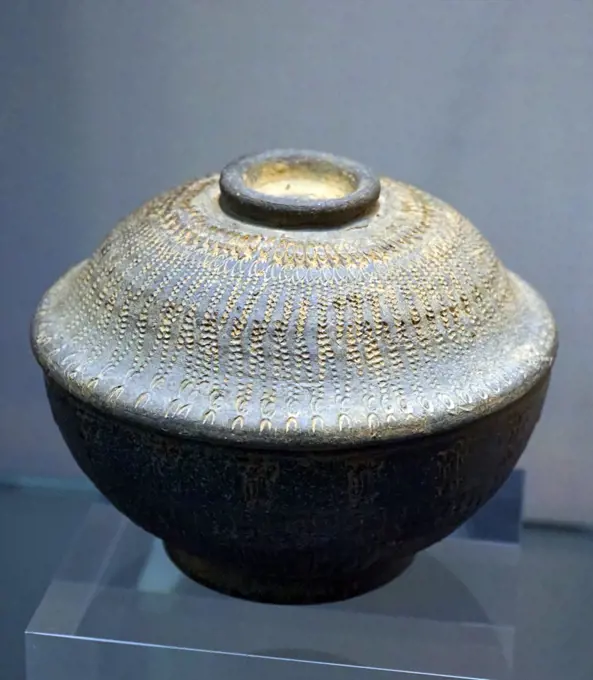
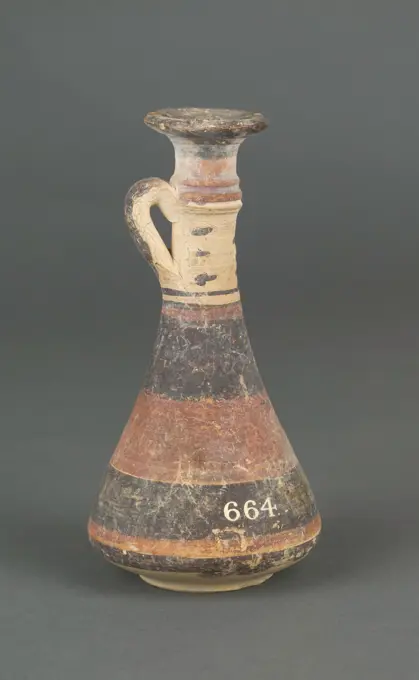
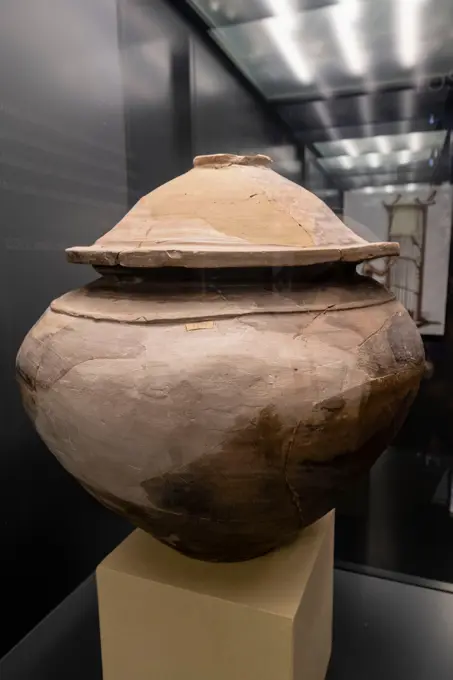
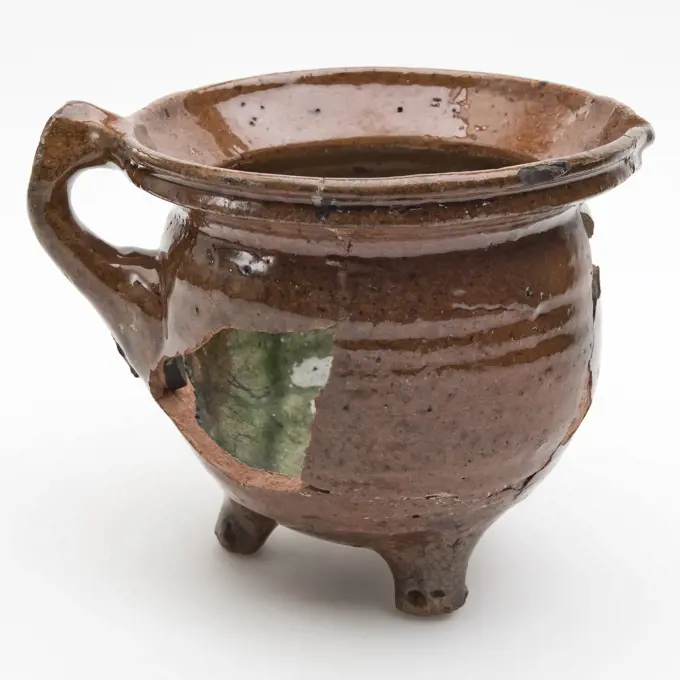
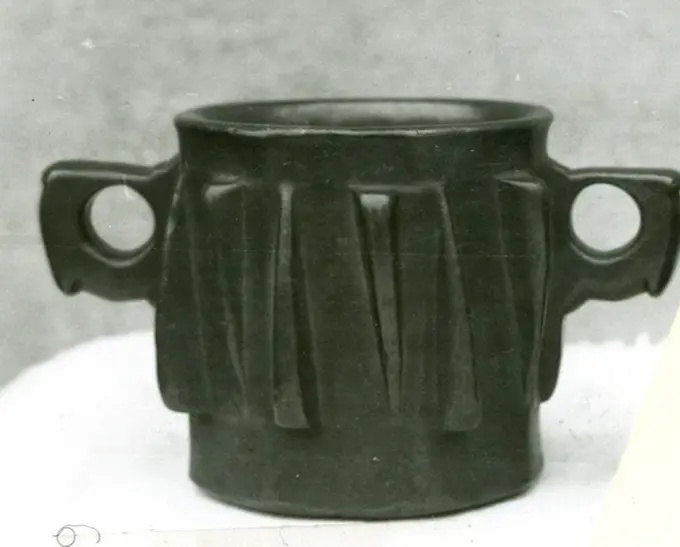
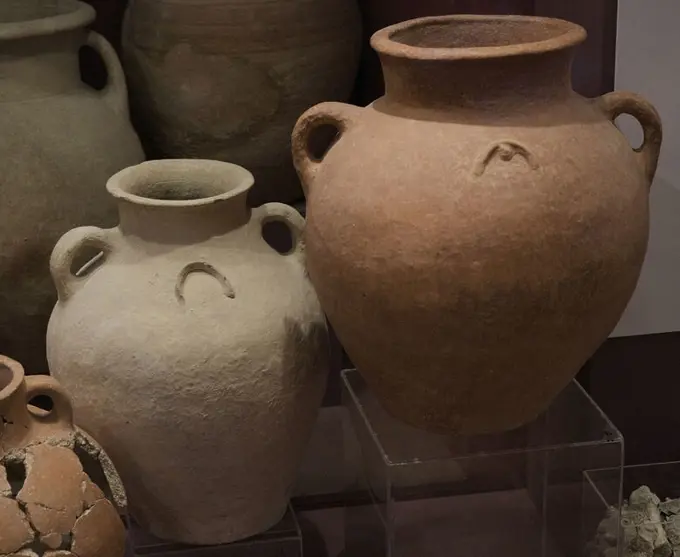
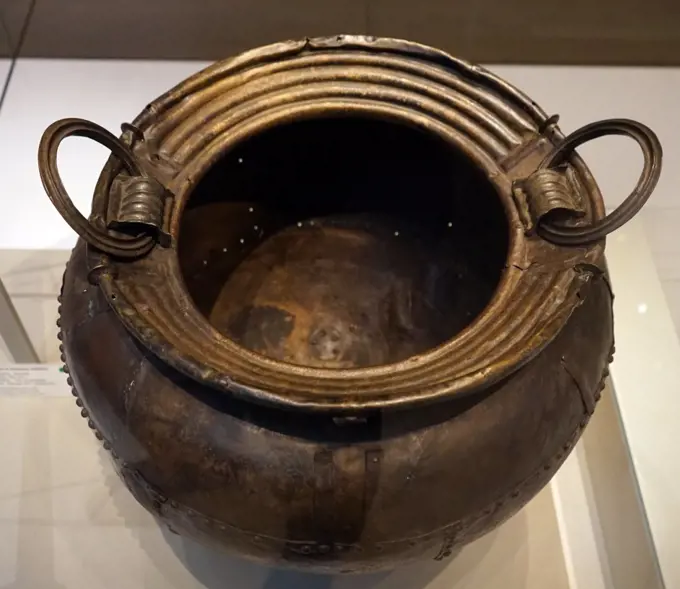
JugEwer, 15th-16th century, Rihei, Japanese, act. 15th-16th century, Japanese, 10 1/2 × 7 1/8 × 5 1/8 in. (26.67 × 18.1 × 13.02 cm), Bronze, Japan, 15th-16th century, Long-necked ewers, sometimes referred to by their Sanskrit name kundika, are used to sprinkle water during a variety of Buddhist rituals in East Asia. This rare example features a dragon coiling up the handle toward a supernatural chimera (an elephant-tiger-oxen hybrid known as a baku) crouching atop the lid.Pedestalled Jar with Two Handles 5th-7th century Korea. Pedestalled Jar with Two Handles. Korea. 5th-7th century. High-fired pottery (proto-porcelain). Three Kingdoms period (57 B.C.-A.D. 676). CeramicsOil bottle decorated with peonies and chrysanthemums. Culture: Korea. Dimensions: H. 2 1/2 in. (6.4 cm); Diam. 3 1/8 in. (7.9 cm). Date: 13th century.Volatile copper-red pigment was successfully controlled during this bottle's firing to produce splashes of deep crimson against the black-and-white inlay and green glaze--a technique that was likely an innovation of Goryeo potters. Museum: Metropolitan Museum of Art, New York, USA.Jug -Glass head-shaped flask ca. 3rd century A.D. Roman Colorless.Cylindrical neck; body in the shape of a double head; oval base with flat bottom and rounded, slightly bulging edge.On body, two heads, back to back, with similar features: hair rendered as three rows of evenly-spaced knobs framing the faces to below chin level, arched brows, almond-shaped eyes, flat nose, small mouth with full lips, fat cheeks, and rounded chin.Rim and upper part of neck missing, cracks running down from neck across body; bubbles; deep pitting and iridescent weathering, and heavily encrusted on interior.. Glass head-shaped flask 249005CANTARO DE TIERRA BLANCA-ARTE POPULAR S XX. Location: ALFARERIA. CUERVA. Toledo. SPAIN.Silene's head -shaped Onachoe (left profile). Clay, ancient Rome. Museum of Fine Arts of the City of Paris, Petit Palais. 75497-4 Anse, clay, well, Greek, Greek mythology, onachoe, wine pitcher, left profile, ancient rome, satyr, head, ancient vaseIce bucket (Seau à bouteille) ca. 1765 French, Vaucluse (Apt) Faience, or tin-glazed and enameled earthenware, first emerged in France during the sixteenth century, reaching widespread usage among elite patrons during the seventeenth and early eighteenth centuries, prior to the establishment of soft-paste porcelain factories. Although characterized as more provincial in style than porcelain, French faience was used at the court of Louis XIV as part of elaborate meals and displays, with large-scale vessels incorporated into the Baroque garden designs of Versailles. Earlier examples of French faience attest to the strong influence of maiolica artists from Italy. Later works demonstrate the ways in which cities such as Nevers, Rouen, Lyon, Moustiers, and Marseille developed innovative vessel shapes and decorative motifs prized among collectors throughout Europe. While faience can be created from a wide mixture of clays, it is foremost distinguished by the milky opaque white color achieved"ORZA" VIDRIADA CON DOS ASAS-CERAMICA POPULAR DE LA PRIMERA MITAD DE SIGLO. Location: ALFARERIA. SPAIN.BOTIJO DE VERANO VIDRIADO EN AMARILLO Y CON DECORACION EN RELIEVE. Location: ALFARERIA. SPAIN.Pottery chamber pot on stand with standing ear and narrow foot, pot holder sanitary soil found ceramics pottery glaze, hand-turned glazed baked Pottery chamber pot on stand ring. Funnel-shaped top edge with lip on the inside slightly kinked standing bandoor Fully glazed lead glaze Straight side wall narrowing strongly to small foot. Restoration is repainted archeology underground pit Rotterdam City Triangle Groenendaal indigenous pottery drains night sleeping room hygiene Soil discovery underground pit Groenendaal (from canal dredger) 1976-07-28.Clay jug and pot isolated on white background. Eco-friendly household utensils.Bartmann jug, also called Bellarmine jug, with beard on the neck and oval cartouche, Bartmann juggejug tableware holder soil find ceramic stoneware icing saltglaze, hand turned stamped glazed glazed baked Large stoneware Bartmann jug jug dark gray shard with brown brindled salt-glaze profile rings under the mouth rim profiled sausage ear, archeology heraldry import pottery drink serve store save transport cellar warehousePitcher ca. 1840 American. Pitcher 5673ancient oriental metal teapot on dark background. antique bronze tableware. ancient metal utensilsBottle (common name) ,. Cernuschi Museum, Asia Museum of Asia in the city of Paris.Mug 1770-1800 American. Mug 5274Old retro style metallic bucket in viewAmphoriskos (Container for Oil) 1 CE-100 CE Syria. Glass, mold-blown technique . Ancient RomanBowl. Culture: Olmec. Dimensions: H x W: 2 1/2 x 3 7/8in. (6.4 x 9.9cm). Date: 12th-9th century B.C.. Museum: Metropolitan Museum of Art, New York, USA.Clay pot of manual work. It is possible to store milk or other liquidClay Burial Pot from the Leopard Kopje period (circa AD 1000). Decorations are typical of the Leopard Kopje people and identifies it. Found at Mmamagwa Iron Age site. Nothern Tuli Game Reserve. Botswana.Spouted Ewer with Twisted Rope Handle. China. Date: 907 AD-1125. Dimensions: H. 14.4 cm (5 11/16 in.); diam. 15.1 cm (5 15/16 in.). Earthenware with brown and blue lead glazes. Origin: China. Museum: The Chicago Art Institute, Chicago, USA.Glass octagonal bottle 3rd-4th century A.D. Roman Colorless with yellowish tinge.Cylindrical neck; horizontal but slightly pushed-in shoulder; octagonal body with vertical sides expanding slightly downwards, slight hollow in top of each side, and projecting ridge to edges on lower part of body; kick in bottom with pontil scar.On bottom, Greek letters in relief arranged in a circle: ALEXANDROS in retrograde.Complete body, but rim and most of neck missing; deep pitting, dulling, and some iridescent weathering on exterior, soil encrustation, thick enamel-like weathering, and brilliant iridescence on interior.. Glass octagonal bottle 256734Ceramic Oil Lamp 10th century While suggesting a metal prototype, no Nishapur metal lamp is closely similar in shape to this. Considered by the excavator to be imported from Central Asia.. Ceramic Oil Lamp 449579Incense Ash-Pot 19th century Japan. Incense Ash-Pot 57613Vase 1292 BCE-1202 BCE Egypt. Glass . Ancient EgyptianJar ca. 1550-1458 B.C. New Kingdom. Jar. ca. 1550-1458 B.C.. Pottery. New Kingdom. From Egypt, Upper Egypt, Thebes, Asasif, Courtyard CC 41, Tomb R 2, Burial F 5, In coffin, MMA excavations, 1915-16. Dynasty 18Nursing bottle for lambkin 17th century possibly French, Brest. Nursing bottle for lambkin 193306Lazio Roma Subiaco Monastery of S. Scolastica Archaeological Museum3. Hutzel, Max 1960-1990 Antiquities: Views of antiquities in museum, including sarcophagi, plates, vases, coins. General Notes: Hutzel guide says we have negatives, but we cannot find them. German-born photographer and scholar Max Hutzel (1911-1988) photographed in Italy from the early 1960s until his death. The result of this project, referred to by Hutzel as Foto Arte Minore, is thorough documentation of art historical development in Italy up to the 18th century, including objects of the Etruscans and the Romans, as well as early Medieval, Romanesque, Gothic, Renaissance and Baroque monuments. Images are organized by geographic region in Italy, then by province, city, site complex and monument.Food Serving Vessel (Gui) 12th century B.C. China. Food Serving Vessel (Gui) 44617Bottle of greenish stoneware, feature three dents in the abdomen and colorless glaze on the inside and outside, upper edge damaged, c. 1500 - c. 1899    stoneware. glazeClay jug isolated on whiteBottle probably 10th century. Bottle 452034Terracotta feeding bottle 4th century B.C. Greek, South Italian, Campanian Encircled by three bands of black.. Terracotta feeding bottle 247257Vase 17th-18th century. Vase 444486Half pottery pot from the lead white industry, three lobes on the inside, pot holder fragment earthenware pottery earthenware glaze lead glaze, hand turned hand shaped glazed baked Pottery pot on stand ring. On the inside three horizontal lobes intended to carry the lead lead. Red shard internal glazed Curved side wall archeology indigenous pottery lead white dye paint enamel lead white industryBeaker. UnknownTeapot in the Shape of a Plum Blossom early 17th century Shi Dabin Chinese The invention of the teapot is often credited to potters working in the Yixing district of Jiangsu Province sometime in the sixteenth century. It is thought that these potters adapted the shape of a wine ewer to meet the needs of tea aficionados who had begun using steeped leaves rather than powdered tea.. Teapot in the Shape of a Plum Blossom. Shi Dabin (Chinese, active 1620-40). China. early 17th century. Stoneware (Yixing ware). Qing dynasty (1644-1911). CeramicsLazio Viterbo Viterbo Museo Civico81. Hutzel, Max 1960-1990 Views of paintings (Middle Ages through 18th c.), frescoes, a tabernacle, coffin, sculpture reliefs, portal fragments, busts, sculpture, tapestry found in the Pinacoteca, Second floor gallery and Second floor cloister sequences. Antiquities: Many views of Etruscan and Roman fragments, sculpture, sarcophagi, pottery, masks, jewelry and other objects found in the Storeroom sequence (inventory numbers on back of prints), and the Cloister, Second floor Cloister, Valle Giulia, Sala Romana and Sala Etrusca sequences. General Notes: There are eight separate numerical sequences for this location. The cloister as an architectural structure, rather than museum site, is documented in the record and file for S. Maria della Verita, Cloister, all views of which are stored in Medieval core collection. Five views from the Museo Civico Second floor cloister sequence are stored in Medieval. German-born photographer and scholar Max Hutzel (1911-Charles Caseau, Jar, c 1937 JarTerracotta vases and bowls, from surroundings of Schio, Veneto Region, ItalyAnonymous / 'Case for rock crystal tazza decorated with stems and a figure of Pallas Athene'. Early Último tercio del siglo XVII - XVIII century. Leather, Wood, Silk. Museum: Museo del Prado, Madrid, España.Bowl and cover. Culture: China. Dimensions: H. 6 3/8 in. (16.2 cm); W. 6 5/8 in. (16.9 cm). Museum: Metropolitan Museum of Art, New York, USA.Jug. UnknownEmilia-Romagna Ferrara Ferrara Museo Civico di Schifanoia84. Hutzel, Max 1960-1990 General Notes: INCOMPLETE RECORD--NEGATIVES PROCESSED, PRINTS FILED German-born photographer and scholar Max Hutzel (1911-1988) photographed in Italy from the early 1960s until his death. The result of this project, referred to by Hutzel as Foto Arte Minore, is thorough documentation of art historical development in Italy up to the 18th century, including objects of the Etruscans and the Romans, as well as early Medieval, Romanesque, Gothic, Renaissance and Baroque monuments. Images are organized by geographic region in Italy, then by province, city, site complex and monument.Guido Metelli, Snuff Jar, 1938 Snuff JarRoman pottery jar, in the Roman city, Barcelona, Spain. 1st-3rd Century ADBottle. Syria or Palestine, about 4th century. Furnishings; Accessories. Thread decor glassvintage brass cowbell over white, clipping pathVase with animal-mask handles 18th century China. Vase with animal-mask handles 46713OLLA "CORDADA"(REJILLA DE ALAMBRE EN LA BASE) - S XX ARTE POPULAR. Location: ALFARERIA. SPAIN.John Matulis, Bottle, c 1937 BottleHU type vase. White proto-Grès with ivory covered. Cernuschi Museum, Asia Museum of Asia in the city of Paris.Bastet. unknown, author. Bottle of pottery with pale yellow shard and brown plumbing. The bottle has a slim model with rubbed belly, outstanding neck edge, and a stand ring.Anonymous, Vase Ding (Username), 0453. CERUNUSCHI Museum, Museum of Arts in Asia in the city of Paris.Greek () Jug with Stopper. UnknownStaffing pot with two ears, painted in light and dark brown. Stockboard with two ears of turned wood; Brunette and further light brown painted on the inside and top edge. Turned from one piece.Germany, Berlin, three decorated vasesBOTELLA DE CERAMICA PROCEDENTE DEL CERRO DEL BU (TOLEDO), EN EL MUSEO DE SANTA CRUZ.Spouted vessel (Sialk Cemetery B style). central Iran, Sialk VI, circa 800-700 B.C.. Furnishings; Serviceware. Buff ware, cream slip, reddish-orange painted decorationPainted vessel, a vessel decorated with painted lines;  around 1550 1295 BC ; New PADeposit of the University of Warsaw from 1937-1939, scenes.gal.eg., Egyptian ceramics, painted ceramics, floral decorations, dishes, Polish-French excavations in Edfu (Egypt)Terracotta oil lamp. Culture: Greek. Dimensions: Overall: 2 1/4 x 4 5/8 in. (5.7 x 11.7 cm). Date: ca. 350-250 B.C..Large, wheel-made body, with applied nozzle. Large central filling hole, surrounded by a plain, flat band and two concentric grooves; convex-curving side to deep body, with a pierced projecting knob on left side. Raised and slightly splayed base ring and deep concave base.Intact, except for chip in base ring. Heavy, thick base. Museum: Metropolitan Museum of Art, New York, USA.Cup, miniature 3rd-2nd centruy B.C. Etruscan Yellow clay with one handle; no decoration.. Cup, miniature. Etruscan. 3rd-2nd centruy B.C.. Terracotta; Achroma ware. Hellenistic. VasesLarge Jar Comes from Souttoukeny. 2nd century BC. terracotta from IndiaCANTARO DE BARRO ROJO CON DOS ASAS Y CUELLO ALTO. Location: ALFARERIA. CACERES. SPAIN.Jar (Guan). Culture: China. Dimensions: H. to mouth rim 6 3/4 (17.1cm); W. 7 1/8 in. (18.1 cm). Date: Machang phase (ca. 2350-2050 B.C.). Museum: Metropolitan Museum of Art, New York, USA.. Komfoor of pottery with light yellow shard and brown plumbing. The Komfoor stands on three legs, and originally had two ears and three supports at the top edge.Teapot. Culture: Japan. Dimensions: H. 3 3/8 in. (8.6 cm). Date: early 19th century. Museum: Metropolitan Museum of Art, New York, USA.Slender Alabastron. Egypt, Ptolemaic Period, 305- 31 BCE. Furnishings; Serviceware. CalciteVASIJA DE BARRO - SIGLO XX - ARTE POPULAR. Location: ALFARERIA. TENERIFE. TENERIFFA. SPAIN.Amphora (wine jar) from a Wine making facility, in the Roman city, Barcelona, Spain.1st-3rd Century ADPlackart from an Armor possibly of Prince Nikolaus VIII Christoph Radziwill of Poland (1549-1616). German, Augsburg. Date: 1573. Dimensions: H 61 cm (24 in.)Wt.: 4 lb. Steel with gilding. Origin: Augsburg. Museum: The Chicago Art Institute, Chicago, USA.Pint Measure 1750-1800 British (American market). Pint Measure 4999Loop-handled beaker, anonymous, c. 1500 - c. 1699 Cup of stoneware on stand ring with an egg -shaped body and high, funnel -shaped neck. Covered with a brown Engobe. Decorated the belly up from half -reversed with turnings and on the neck a wide band with small ears, each with a ring. Dreihausen. Dreihausen stoneware. glaze. engobe vitrification Cup of stoneware on stand ring with an egg -shaped body and high, funnel -shaped neck. Covered with a brown Engobe. Decorated the belly up from half -reversed with turnings and on the neck a wide band with small ears, each with a ring. Dreihausen. Dreihausen stoneware. glaze. engobe vitrificationCANTARO CON PITORRO O BOTIJA - CERAMICA ROJA PARA AGUA SIN VIDRIAR. Location: ALFARERIA. OLIVENZA. Badajoz. SPAIN.Minoan clay pot, Palace of Phaistos, Crete, Greece, EuropePewter tankards with handle and lid. Medieval Museum. Stockholm. Sweden.Stoneware Funerary Urn. Dated 7th CenturySyrup Jug 1852-58 United States Pottery Company. Syrup Jug 8049Jug 750-600 B.C. Cypriot. Jug. Cypriot. 750-600 B.C.. Terracotta. Cypro-Archaic I. VasesLazio Viterbo Viterbo Museo Civico81. Hutzel, Max 1960-1990 Views of paintings (Middle Ages through 18th c.), frescoes, a tabernacle, coffin, sculpture reliefs, portal fragments, busts, sculpture, tapestry found in the Pinacoteca, Second floor gallery and Second floor cloister sequences. Antiquities: Many views of Etruscan and Roman fragments, sculpture, sarcophagi, pottery, masks, jewelry and other objects found in the Storeroom sequence (inventory numbers on back of prints), and the Cloister, Second floor Cloister, Valle Giulia, Sala Romana and Sala Etrusca sequences. General Notes: There are eight separate numerical sequences for this location. The cloister as an architectural structure, rather than museum site, is documented in the record and file for S. Maria della Verita, Cloister, all views of which are stored in Medieval core collection. Five views from the Museo Civico Second floor cloister sequence are stored in Medieval. German-born photographer and scholar Max Hutzel (1911-tinaja de almacenaje celtibera, barro cocido, Contrebia Leucade, Aguilar del Rio Alhama, Museo de la Romanización, Calahorra, La Rioja , Spain, Europe...Campania Caserta Capua Museo Campano042. Hutzel, Max 1960-1990 Medieval: Byzantine architectural fragments; parchment fragments with miniatures (12th century) from Montecassino; painted wooden crucifix (13th century); Carolingian crucifixes; Bishop's miter (11th century) of gold and silver damask; fresco (13th century). Post-medieval: Architecture (15th century). Formerly the Palazzo Antignano. Unusual Catalan/Moorish-style portal; Paintings on panel and canvas (15th-18th centuries); marble intarsia (16th century); marble sculpture: busts of Christ and Mary (17th century); sculpture of saints in marble and in wood (15th century); painted and gilded sculpture in wood; marble grave sculpture (16th century); sarcophagus with allegorical carvings; gold reliquary "Rosa d'Oro"; crucifix made of elephant tusk Specific Location: Pianterreno Antiquities: Italic sculpture (seated women holding babies); inscription. Photo campaign #1: 533 photos. Roman relief and sculpture; cinerary urns; Greek aSilver jug. Culture: Greek, South Italian. Dimensions: H.: 4 1/2 in. (11.4 cm). Date: late 4th century B.C..In 1895 the tomb of a Gallic warrior was excavated in a necropolis at Montefortino, about thirty miles west of Ancona in central Italy. The cemetery is that of Gauls who in the fourth century B.C. began to invade central Italy and to stage raids as far south as Apulia. The tomb contained iron weapons, bronze and terracotta vessels, and also a gold ring and five silver vessels that must have been brought as loot from another part of Italy. The hoard includes a silver jug (08.258.51), a silver bowl with swinging handles (08.258.50), a pair of stemless silver cups decorated on the inside with a complex floral pattern (08.258.52-.53), and a silver kyathos (cup-shaped ladle) with a handle that terminates in a duck's head (08.258.54). Museum: Metropolitan Museum of Art, New York, USA.Pottery cooking jug, brown and green glazed, bandoor, on three legs, cooking pot tableware holder utensils earthenware ceramics earthenware glaze lead glaze clay, hand-turned glazed baked Pottery cooking jug entirely brown and green glazed Edge-fixed vertical bandoor on three legs Pouring clip Round bottom and slightly curved sidewalls Green glaze on the inside on the bottom half. On the inside on the shoulder thick slab of glaze caused by flowing of the glaze layer during baking archeology Rotterdam Heliport terrain indigenous pottery food preparation cooking cuisine food Soil discovery: Heliport site Rotterdam June 1978.(Kettle with Cover), late 16th-early 17th century, Unknown Japanese, 8-3/4 x 10-1/2 x 10-1/2 in. (22.2 x 26.7 x 26.7 cm), Iron, Japan, 16th-17th centuryAncient metal jug in oriental style in viewJARRA DE VIDRIO MODERNO. Location: MUSEE D'ARTS DECORATIFS. MADRID. SPANIEN.CANTARO REALIZADO AL MODO URDIDO Y CON PALETA - ARTE POPULAR S XX. Location: ALFARERIA. Magallón. Saragossa Zaragoza. SPAIN.Mortar 18th or 19th century, after a 15th century model Spanish or Moroccan () The facture of this eight-sided mortar decorated with projecting vertical ribs, with a pair of square handles suggests a relatively late date, possibly from the eighteenth or nineteenth century. It could have been made in Morocco in Northern Africa, where a production of mortars in fifteenth-century Iberian style seems to have existed.. Mortar 460435RECIPIENTE DE CERAMICA CON CUATRO ASAS - SIGLO XI. Location: MEDINA AZAHARA / MADINAT AL-ZAHRA-MUSEO-CERAMICA. PROVINCIA. CORDOBA. SPAIN.Ancient Age. Urns decorated with a crescent motif. Unknown provenance. 7th century BC. National Museum of Archaeology. Valletta. Malta.Sheet-bronze cauldron from the early Iron Age. Dated 9th Century BCCampania Caserta Capua Museo Campano041. Hutzel, Max 1960-1990 Medieval: Byzantine architectural fragments; parchment fragments with miniatures (12th century) from Montecassino; painted wooden crucifix (13th century); Carolingian crucifixes; Bishop's miter (11th century) of gold and silver damask; fresco (13th century). Post-medieval: Architecture (15th century). Formerly the Palazzo Antignano. Unusual Catalan/Moorish-style portal; Paintings on panel and canvas (15th-18th centuries); marble intarsia (16th century); marble sculpture: busts of Christ and Mary (17th century); sculpture of saints in marble and in wood (15th century); painted and gilded sculpture in wood; marble grave sculpture (16th century); sarcophagus with allegorical carvings; gold reliquary "Rosa d'Oro"; crucifix made of elephant tusk Specific Location: Pianterreno Antiquities: Italic sculpture (seated women holding babies); inscription. Photo campaign #1: 533 photos. Roman relief and sculpture; cinerary urns; Greek aTRES CANTAROS:IZQ TOTANA(MURCIA)CENTRO CUELLA B(GRANADA)DCHA NIJAR(ALMERIA). Location: PRIVATE COLLECTION. MADRID. SPAIN.Cuatro piezas de cerámica griega (4684).Cups and bottle