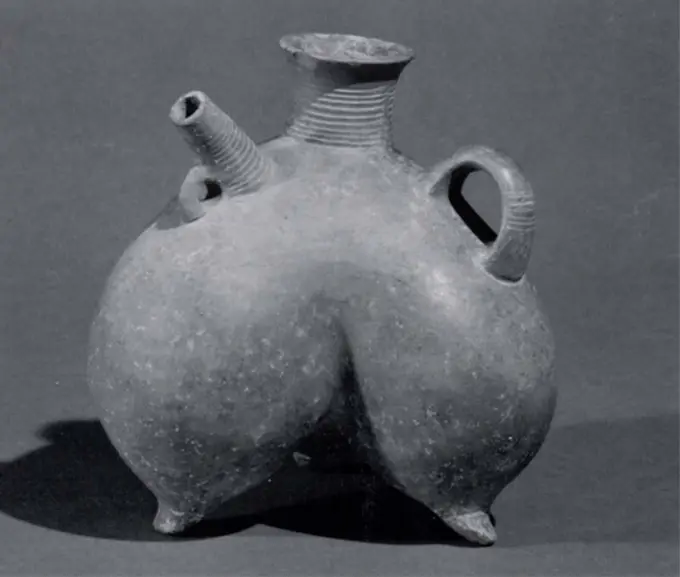
Historical Pottery Vessels

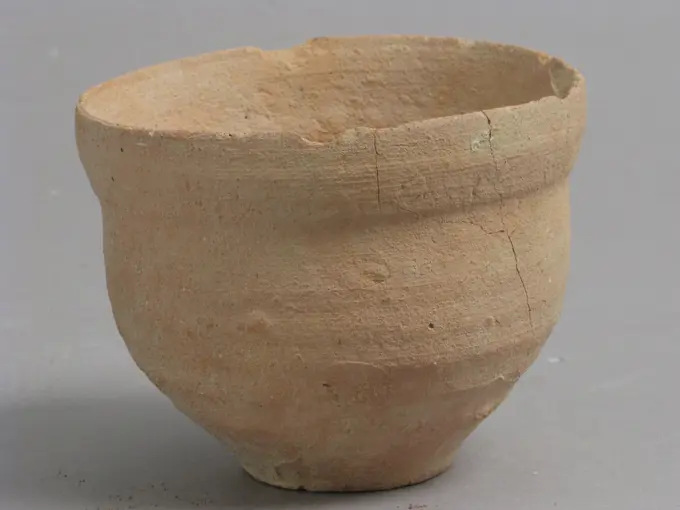
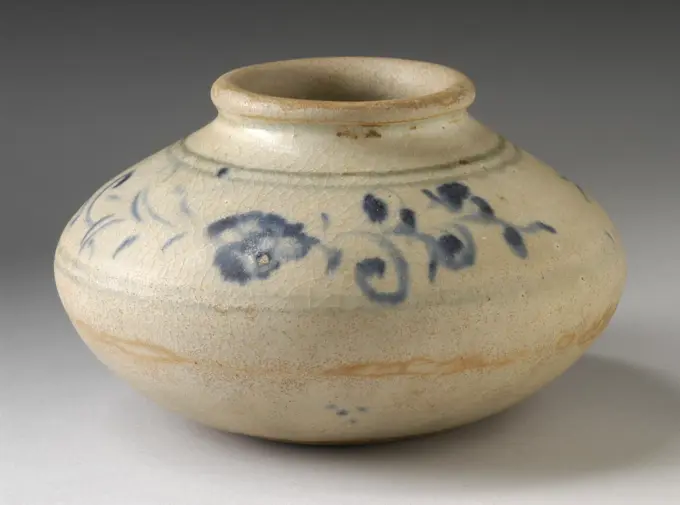
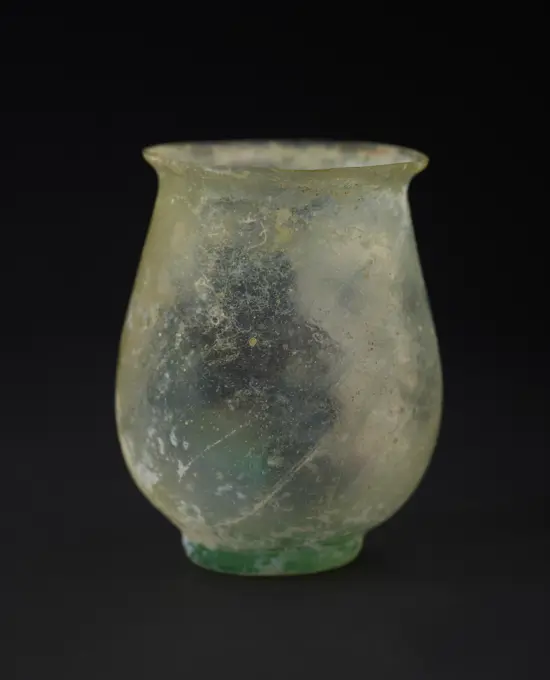
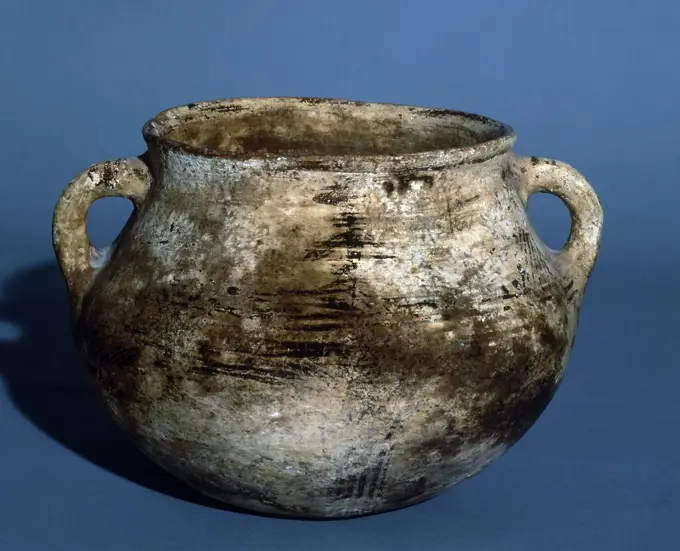
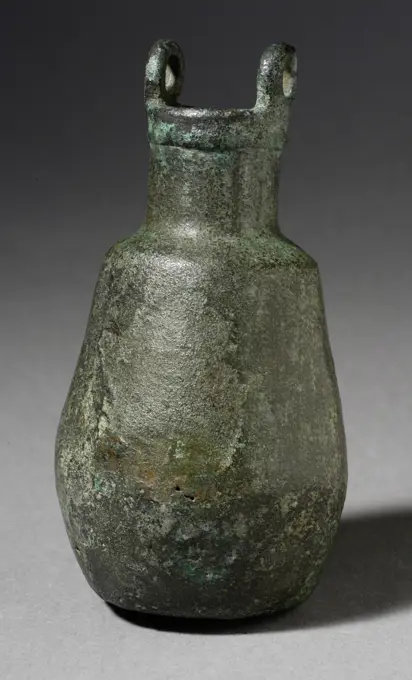
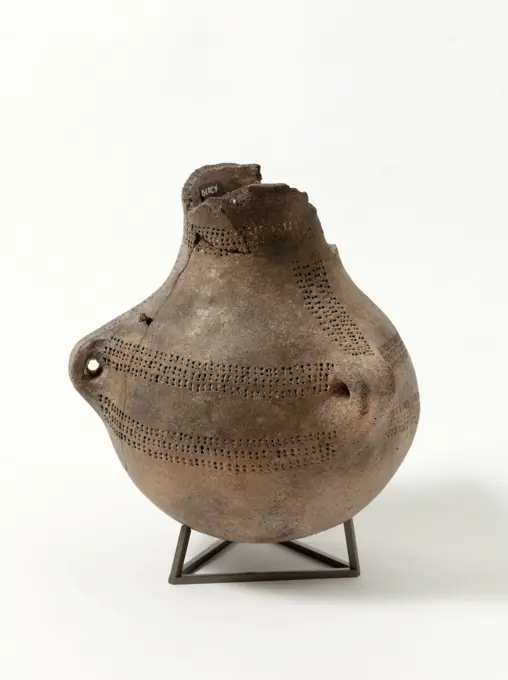
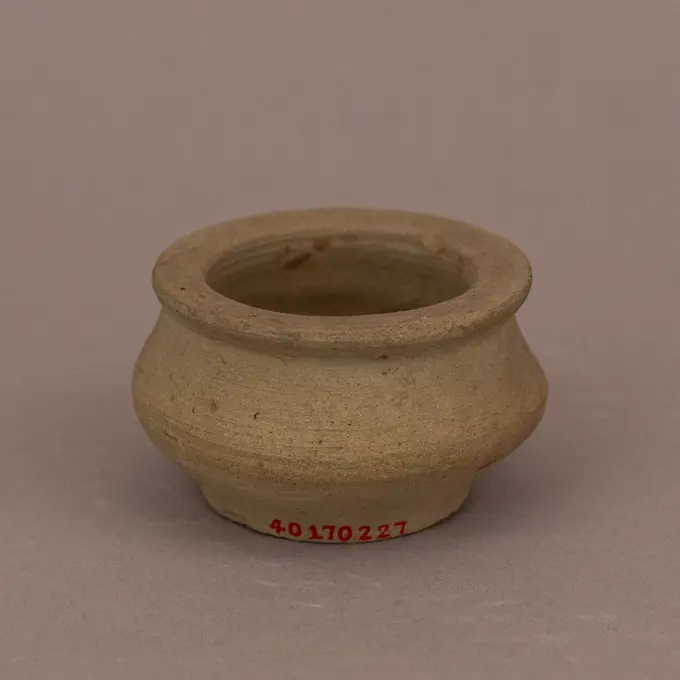
A selection of ancient pottery jars and vases, showcasing various shapes, glazes, and historical significance. Earthy tones and textures highlight the craftsmanship.
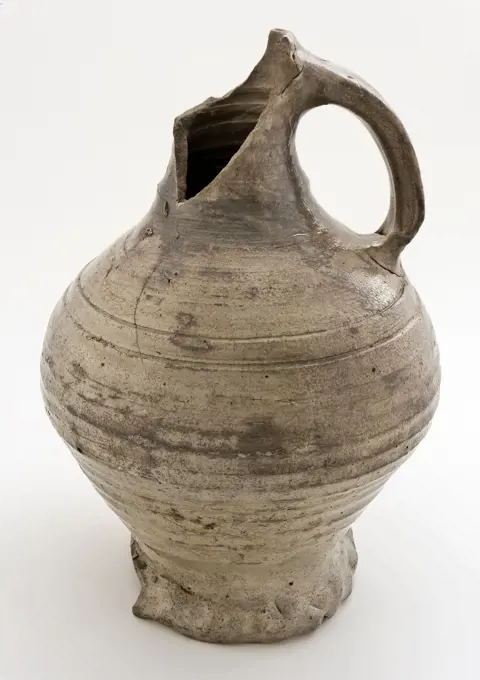
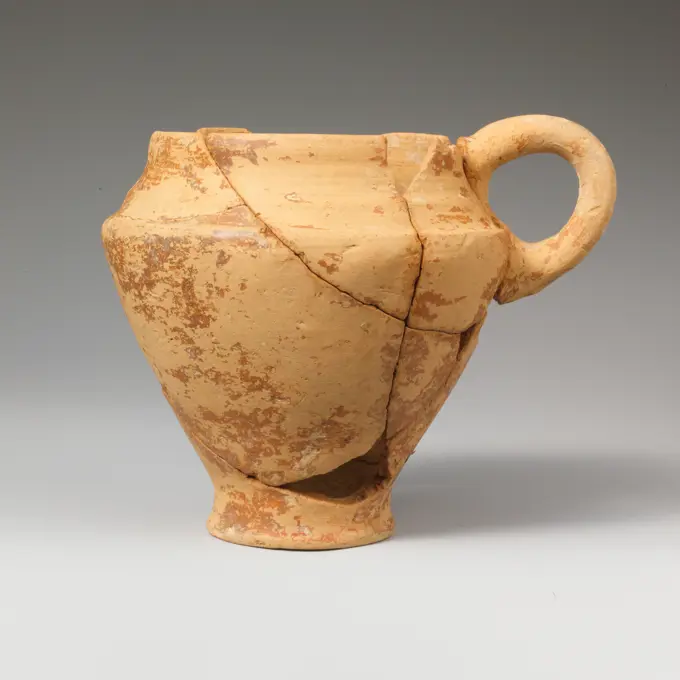
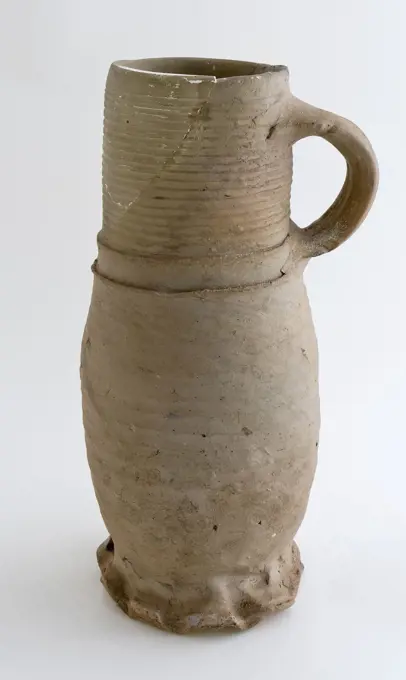
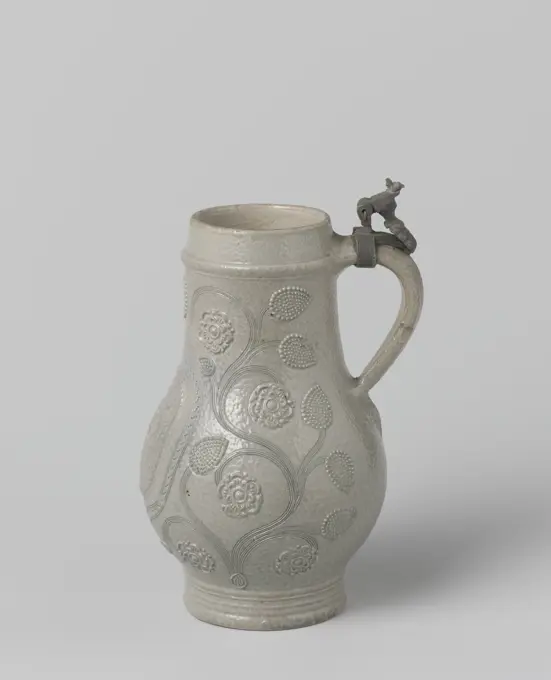
Gray stoneware jug with pinched foot, double conical belly, jug crockery holder soil find ceramic stoneware glaze salt glaze, hand-turned glazed baked Stoneware jug gray shard gray salt glaze bandoor revolving and notched rings around neck and belly pinched foot. Messy and roughly turned archaeology import pottery pour serve to keep packing transport
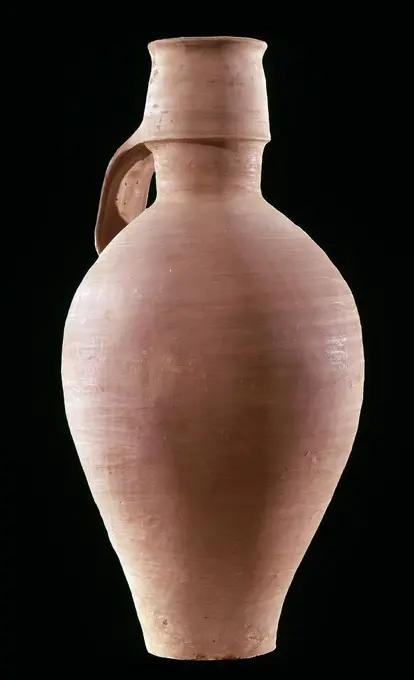
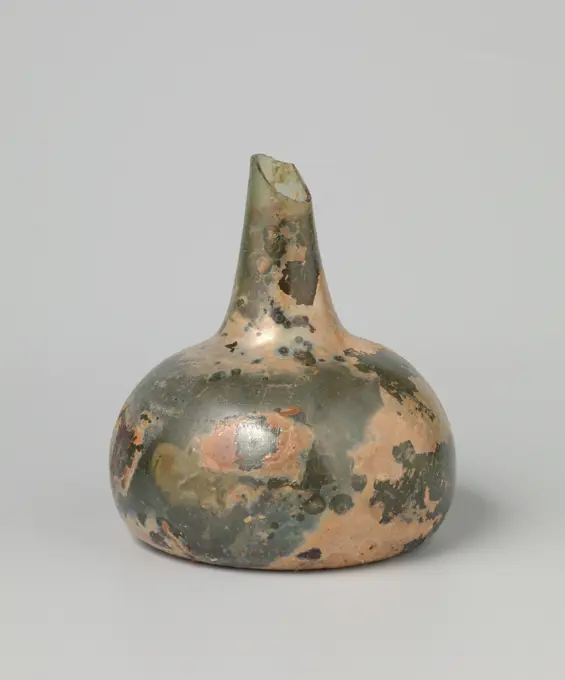
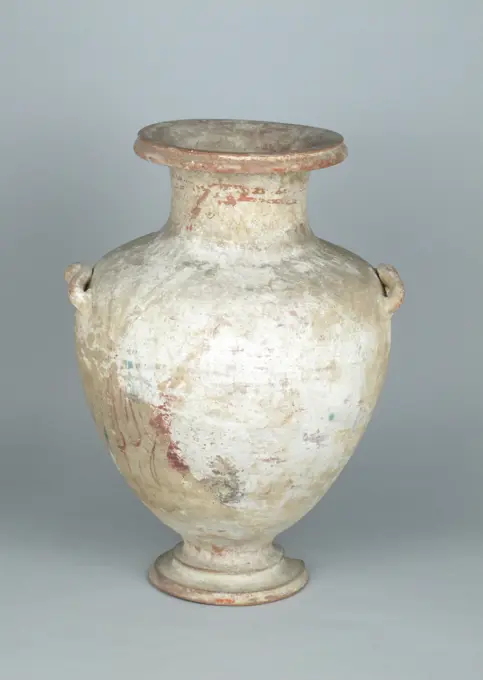
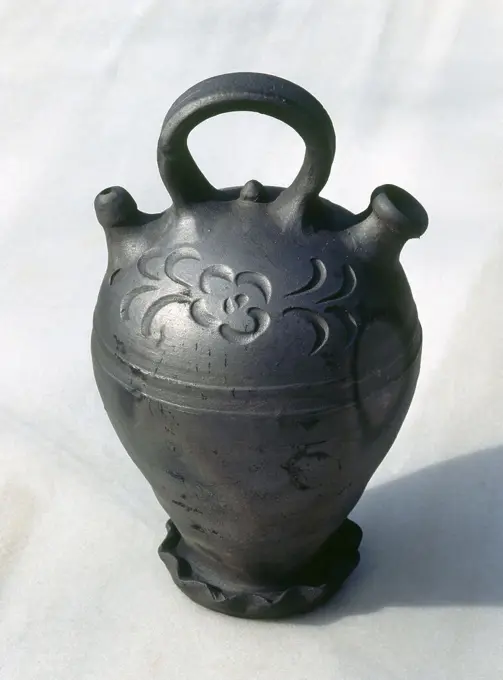
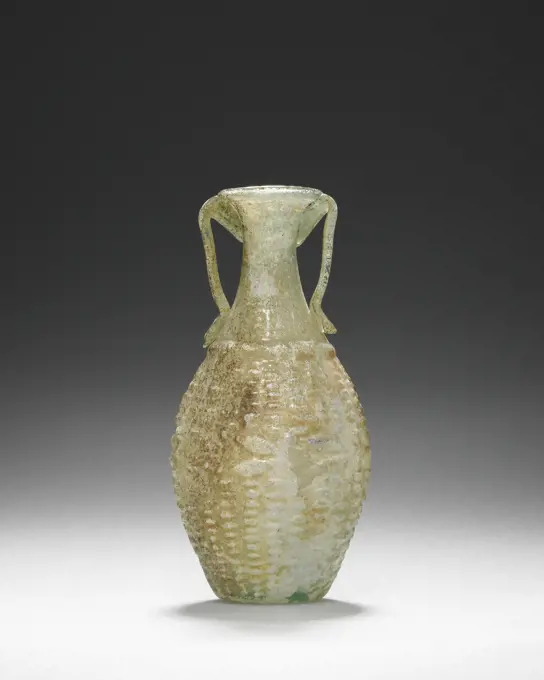
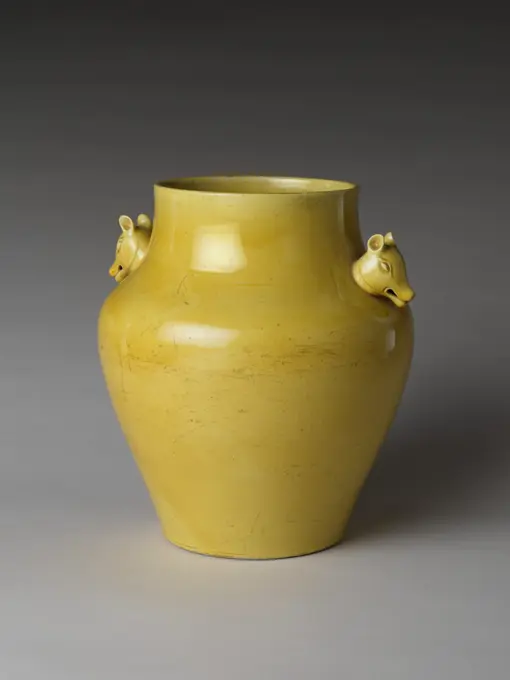
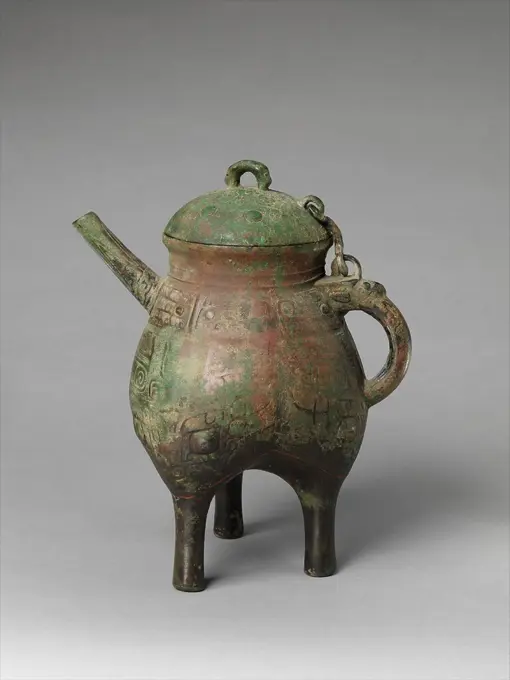
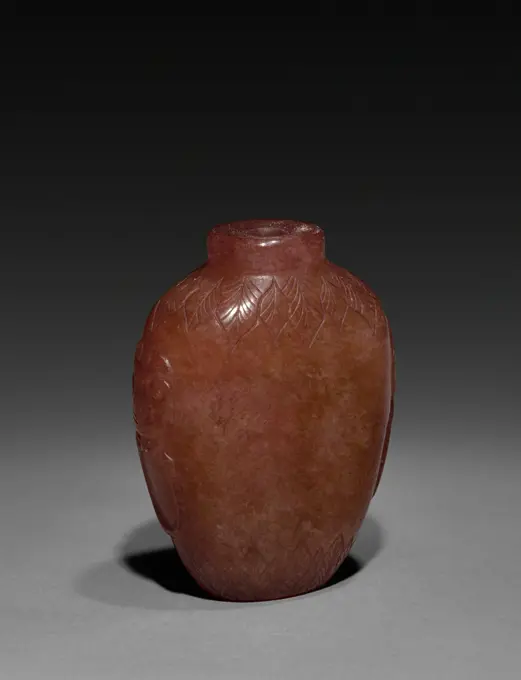
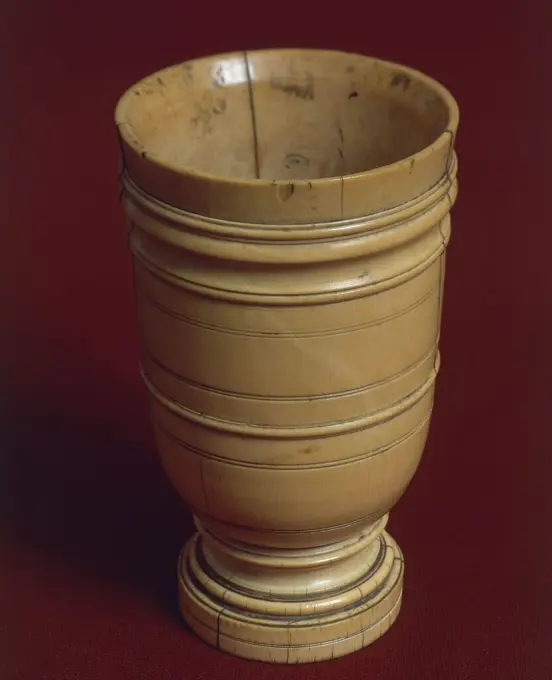
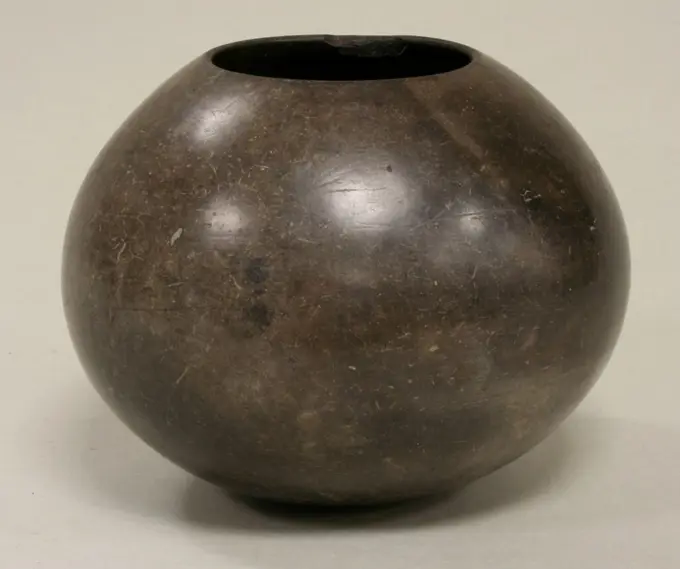
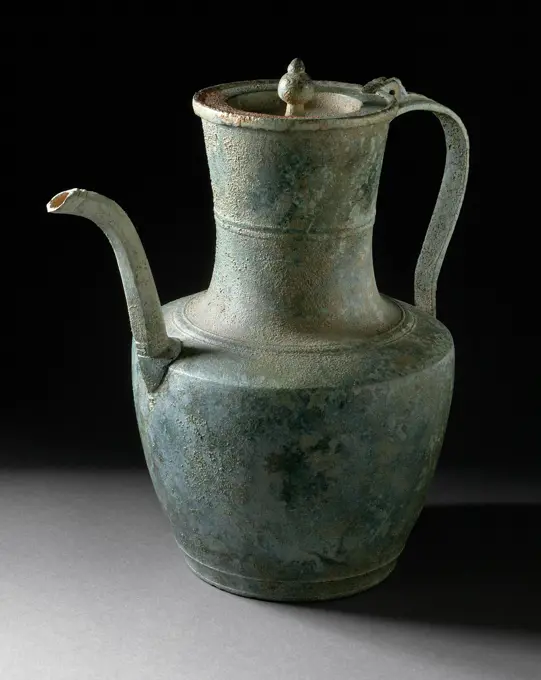
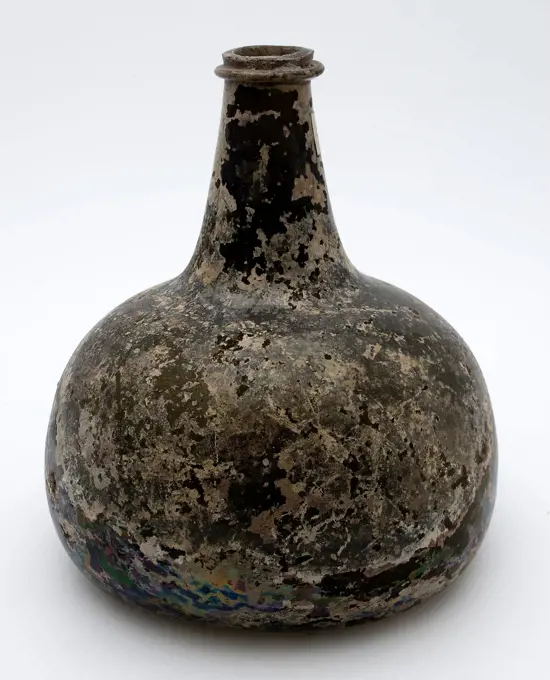
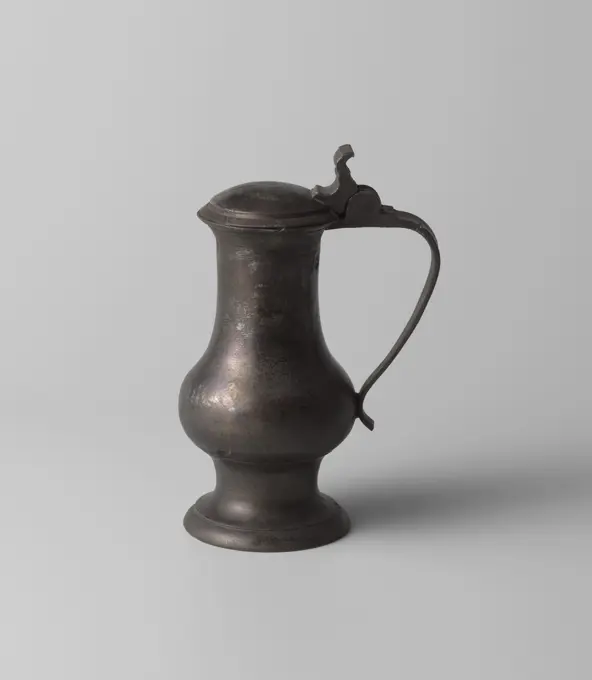
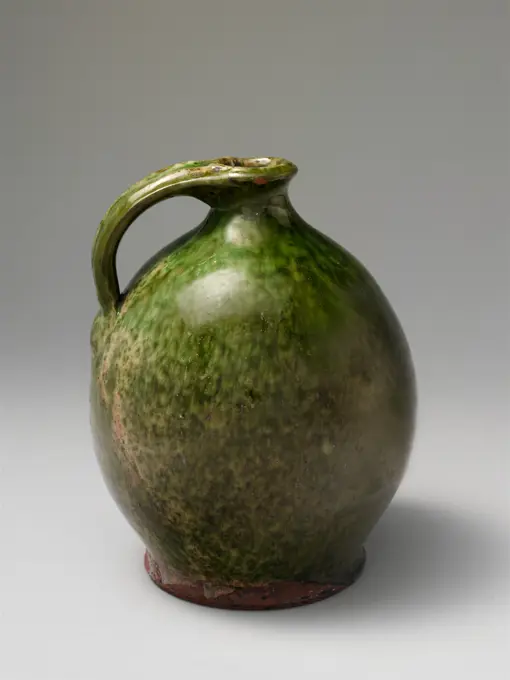
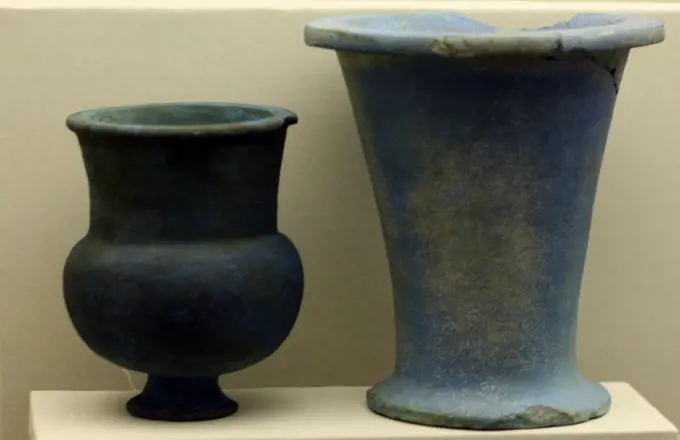
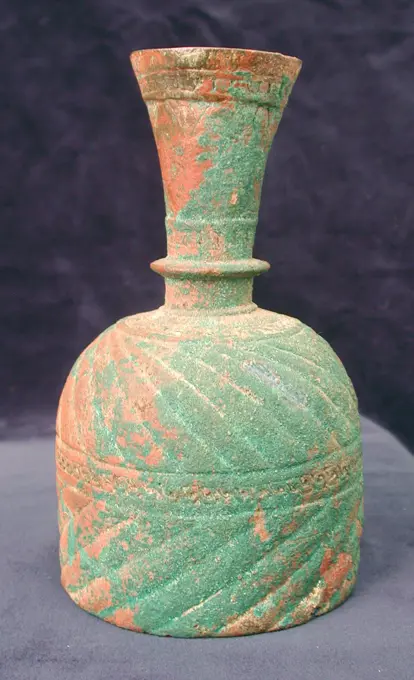
Vase with Elephant Handles China By the tenth century the Chinese had mastered the techniques necessary to manipulate glazes, a knowledge that was refined further in the eighteenth century with the development of new colors and effects. Many of these glazes have poetic names in Chinese, French (due to early French record-keeping of the porcelain industry), and, at times, English translation. The "tea-dust" glaze on this vase can be traced to green celadon glazes and recalls the patina of ancient bronzes.. Vase with Elephant Handles 50036CANTARO PARA AGUA-CUELLO ANCHO Y UNA ASA-S XX CERAMICA POPULAR. Location: PRIVATE COLLECTION. MOTA DEL CUERVO. CUENCA. SPAIN.Pedestalled Jar 5th-7th century Korea. Pedestalled Jar. Korea. 5th-7th century. High-fired pottery (proto-porcelain). Three Kingdoms period (57 B.C.-A.D. 676). CeramicsJar ca. 3rd-7th century A.D. Sasanian. Jar 322708Glass jug 4th century A.D. Roman Translucent blue green; handle and base in same color.Rim folded out, round and in; broad, conical mouth; cylindrical neck; slender ovoid body; broad, outsplayed, applied foot ring with irregular tooling marks on upper surface; deep concave bottom with irregular tooling marks around flat center with pontil mark; broad strap handle applied to upper body, drawn up vertically, then tooled in and attached to rim and underside of mouth, and trailed off above.Intact; few bubbles in body but many elongated bubbles in handle; limy encrustation, faint weathering and iridescence.Tall, one handled green jug with flaring lip; colored blown glass.. Glass jug 249336Terracotta carinated bridge-spouted jug ca. 1900-1750 B.C. Minoan The spout is missing.. Terracotta carinated bridge-spouted jug 247637Wine bottle from the wreck of the East Indies Hollandia, Anonymous, 1700 - in or before 1743  Wine bottle, continental production, onion-shaped, mouth missing; eroded, tcs-kick-up. Netherlands .   SecondPottery ointment jar, cup model, red shard, internally glazed, ointment jar pot holder soil find ceramic earthenware glaze lead glaze, hand turned glazed baked Pottery ointment cup model red shard internal glazed Thick oblique inwardly directed little top edge. Strong narrowing of the boiler above the foot at the bottom of the boiler pronounced ring. Misbaksel: the maker cut the pot too high from the turntable causing hole in the bottom. He then tried to close the hole by pressing slice of pottery. Archeology health care indigenous pottery pharmacy store sell craftStoneware jug be pinched with double profiled band at the bottom of the neck, jug crockery holder soil find ceramic stoneware, hand-turned baked Stoneware jug gray shard unglazed local rose brown glow bandoor profiled revolving round neck two ridges round transition neck belly turns around belly pinched foot. Coarse-shaped jug cylindrical with slightly narrower neck oval deformed archeology import pottery serve serve drink wine beerJug with standing men and ribbed neck, anonymous, c. 1550 - c. 1599 Jug of stoneware on a high base with a spherical body and narrow, ribbed neck. The C-shaped ear is attached to the neck and shoulder. Profiles closely. Partly covered with a brown Engobe. On the belly in relief three times a printed and imposed medallion with a rich decent edge and a standing man (Roman emperor or soldier). Raeren. Rae stoneware. glaze. engobe vitrification Jug of stoneware on a high base with a spherical body and narrow, ribbed neck. The C-shaped ear is attached to the neck and shoulder. Profiles closely. Partly covered with a brown Engobe. On the belly in relief three times a printed and imposed medallion with a rich decent edge and a standing man (Roman emperor or soldier). Raeren. Rae stoneware. glaze. engobe vitrificationLazio Viterbo Viterbo Museo Civico22. Hutzel, Max 1960-1990 Views of paintings (Middle Ages through 18th c.), frescoes, a tabernacle, coffin, sculpture reliefs, portal fragments, busts, sculpture, tapestry found in the Pinacoteca, Second floor gallery and Second floor cloister sequences. Antiquities: Many views of Etruscan and Roman fragments, sculpture, sarcophagi, pottery, masks, jewelry and other objects found in the Storeroom sequence (inventory numbers on back of prints), and the Cloister, Second floor Cloister, Valle Giulia, Sala Romana and Sala Etrusca sequences. General Notes: There are eight separate numerical sequences for this location. The cloister as an architectural structure, rather than museum site, is documented in the record and file for S. Maria della Verita, Cloister, all views of which are stored in Medieval core collection. Five views from the Museo Civico Second floor cloister sequence are stored in Medieval. German-born photographer and scholar Max Hutzel (1911-Glass oinochoe (jug) late 1st century B.C.-early 1st century A.D. Roman Semi-opaque pale blue.Trefoil rim with beveled outer lip; concave, slightly oval neck, joining imperceptibly with ovoid body; applied splayed base ring on low concave pedestal, with broad flat edge around concave bottom; applied handle rising from body to edge of back of rim, with angular outer profile and central vertical rib, loop rising above rim with upward projecting thumb-rest.On the neck, three angular vertical lines, one below the spout, and the other two at the sides below the handle, with two deep indents at sides of rim to form to trefoil mouth; on base ring, raised horizontal molding around base of body, a pronounced angular raised molding at top of base ring, and a band of three rounded raised horizontal lines forming molding at outer edge of base ring; on the carved handle: a raised diamond-shaped area at base of handle imitating an attachment plate; a flat diamond shape incised with two cross lines aTerracotta Hadra hydria (water jar) 3rd century B.C. Greek, Egypt, Alexandria-Hadra On the neck and body, red and blue fillets.. Terracotta Hadra hydria (water jar). Greek, Egypt, Alexandria-Hadra. 3rd century B.C.. Terracotta; white-ground. Hellenistic. VasesLazio Roma Subiaco Monastery of S. Scolastica Archaeological Museum6. Hutzel, Max 1960-1990 Antiquities: Views of antiquities in museum, including sarcophagi, plates, vases, coins. General Notes: Hutzel guide says we have negatives, but we cannot find them. German-born photographer and scholar Max Hutzel (1911-1988) photographed in Italy from the early 1960s until his death. The result of this project, referred to by Hutzel as Foto Arte Minore, is thorough documentation of art historical development in Italy up to the 18th century, including objects of the Etruscans and the Romans, as well as early Medieval, Romanesque, Gothic, Renaissance and Baroque monuments. Images are organized by geographic region in Italy, then by province, city, site complex and monument.Teapot made of red -baking earthenware, damaged, with polluted glaze in beige and brown on the outside, anonymous, c. 1600 - c. 1899 fragment   stoneware. glazeWine bottle from the wreck of the East Indians' t Vliegend Hart, Anonymous, 1700 - 1735  Uivid glass wine bottle. Fragment mouth/neck is missing. Netherlands .Terracotta hydria: kalpis (water jar). Culture: Greek, South Italian, Campanian. Dimensions: H. 5 1/8 in. (13 cm). Date: late 5th century B.C..Reserved rectangles at handles. Museum: Metropolitan Museum of Art, New York, USA.Melon Shaped Bottle 7th-4th century B.C. Paracas. Melon Shaped Bottle 308451Glass perfume bottle Roman 1st century CE Small perfume bottleTranslucent pale blue green; trails in thin opaque white.Uneven rim folded out, over, and in; short, flaring mouth; cylindrical neck, with tooling marks around base; convex sloping shoulder with prominent tooling marks below; squat globular body; slightly concave bottom.Fine white trails forming swirling pattern.Broken and repaired around body; a few pinprick bubbles; dulling and iridescent weathering; creamy enamel-like weathering on interior of neck.Vase 18th century China. Vase. China. 18th century. Porcelain with yellow glaze (Jingdezhen ware). Qing dynasty (1644-1911). CeramicsPitcher;  around 2686- 2181 BC ; Old state (-2686-00-00--2181-00-00);Double-handled vessel 5th-6th century Korea Many examples of ceramic wares produced during the later Three Kingdoms period reflect the influence of metalware forms. The rigid profile and raised ridges encircling the body of this imposing double-handled vessel, for example, are characteristic of contemporaneous metal vessels that potters mimicked.This stoneware vessel is rare both in its form and in its large size. Such innovative forms are typical of objects produced in the southwestern kingdom of Baekje.. Double-handled vessel 39520Bullet -shaped mortar, decorated with fin -shaped protrusions, anonymous, 1300 - 1600 The cast mortar has a more or less bullet -shaped belly, which is decorated with fifteen vin -shaped protrusions. Above that a concave neck transfer in a flat neck. Spain (possibly) bronze (metal) casting The cast mortar has a more or less bullet -shaped belly, which is decorated with fifteen vin -shaped protrusions. Above that a concave neck transfer in a flat neck. Spain (possibly) bronze (metal) casting"SELLO DE RAMELLS" BOTIJO EN CERAMICA NEGRA-ARTE POPULAR. Location: ALFARERIA. VERDU. Lerida. SPAIN.AmphoraTerracotta krater (deep bowl) with four handles ca. 1400-1190 B.C. Mycenaean Course ware krater with four handles.. Terracotta krater (deep bowl) with four handles 252900 Mycenaean, Terracotta krater (deep bowl) with four handles, ca. 14001190 B.C., Terracotta, H. 15 5/8 in. (39.6 cm.) Diameter 16 7/8 in. (42.7 cm.). The Metropolitan Museum of Art, New York. Gift of the Greek Government, 1927 (27.120.2)Bronze oinochoe (jug) 5th century B.C. Etruscan This type of beaked jug was probably produced in Vulci. It was exported to many sites in Italy and Central Europe, especially to the Celtic peoples living in the areas of present-day France and Germany.. Bronze oinochoe (jug). Etruscan. 5th century B.C.. Bronze. Classical. BronzesWide-Bottomed Flask. Roman, Eastern Mediterranean. Date: 201 AD-300 AD. Dimensions: 10.8 × 12.4 × 12.4 cm (4 1/4 × 4 7/8 × 4 7/8 in.). Glass, blown technique. Origin: Eastern Mediterranean Region. Museum: The Chicago Art Institute, Chicago, USA. Author: ANCIENT ROMAN.Basket Amphoriskos; Attributed to the Workshop of the Floating Handles (Roman); Eastern Mediterranean; 1st century; Glass; 9.2 cm (3 5,8 in.)Jug.  Maker: Jonathan Fenton, American, 1766-1848Ceremonial vessel with animal heads China 18th century This jar is a rare example of the kind of imperial porcelain made for ceremonial use from the early Qing dynasty. This type of vessel first appeared in the late fifteenth to early sixteenth century, when the imperial Ming court regulated porcelain vessels for ritual ceremonies at various state altars. An official ritual manual identifies this type of jar as a wine container (zhuozun). Although the vessel name comes from the ancient classics, the shape was new. The Ming court decided to use porcelain wares in place of the ritual bronze vessels used in ancient times. When the Qianlong Emperor (r. 1736-95) renewed the ritual manual in 1748, this type of vessel was reclassified as a wine container or great vessel (taizun). Different altars were assigned different vessel colors: blue for the Altar to Heaven, yellow for the Altar to the Earth, red for the Altar to the Sun, and light blue for the Altar to the Moon. Starting in the QianlonBowl 4th-7th century Coptic. Bowl 478852Jarlet. Vietnam, late 14th-early 15th century. Furnishings; Serviceware. Stoneware with blue painted decorationPitcher c 1830-1860 Bangor. Earthenware . Artist unknownMilk jug. Sazikow (Moskwa i Petersburg ; firma złotnicza ; 1793-1887), goldsmiths companyMugDrinking vessel, tulip shaped, ceramic, 4500-2500 BC Neolithic Quinzano styleSpouted Ritual Water Vessel (He) with Attached Lid. Culture: China. Dimensions: H. 11 1/4 in. (28.6 cm); W. (at handle and spout) 9 1/4 in. (23.5 cm); Wt. 6.5 lb. (2.5 kg). Date: late 11th century B.C..This elaborate set of wine vessels provides an idea of the splendor of Shang and early Zhou ritual ceremonies. The set is said to have come from a tomb uncovered in 1901; shortly thereafter, it entered the collection of Duan Fang, a senior Manchu official and one of the preeminent antiquarians of the late Qing period. The pieces vary in style and execution. Although eleven of the vessels are inscribed, only one grouping shares identical inscriptions: the two wine containers, or you (nos. 2, 3) and the tall wine container, or zun (no. 4). A second grouping has largely comparable inscriptions: the spouted water vessel, or he (no. 5) and one cup, or zhi (no. 11).A partial reconstruction of the set's arrangement in the tomb may be established from corrosion outlines on the three principal veSnuff Bottle, 1644-1911. China, Qing dynasty (1644-1911). Glass; overall: 7.7 cm (3 1/16 in.).MORTERO DE ESPECIAS EN MARFIL. Location: PRIVATE COLLECTION. MADRID. SPAIN.Beer kan, decorated with women's figures between rosettes and steepers. Beer kan from stoneware. The decoration consists of an eight-fold repeating of 6 stews, including a crowned female figure (two to two). Between every pair of rosettes.Bowl (Tecomate). Culture: Olmec. Dimensions: Height 4-1/4 in.. Date: 12th-9th century B.C..This bowl is in a full, round shape with a small opening at the top. Made of a kaolin-like clay, its undecorated black walls are thin and burnished to a high gloss. Museum: Metropolitan Museum of Art, New York, USA.Crock. Dated: c. 1941. Dimensions: overall: 45.8 x 36.6 cm (18 1/16 x 14 7/16 in.) Original IAD Object: 12" High 11 7/8" Dia(top) 8" Dia(base). Medium: watercolor, graphite, and colored pencil, on paperboard. Museum: National Gallery of Art, Washington DC. Author: Isadore Goldberg and John Tarantino.Lamp. Culture: Roman. Dimensions: Overall: 1 3/8 x 3 3/4 in. (3.5 x 9.5 cm). Date: 1st century B.C.-1st century A.D.. Museum: Metropolitan Museum of Art, New York, USA.Cypriot jug;  Cypriot-geometric period III (-900-00-00--750-00-00);Ritual Wine Cups, anonymous, -1100 - -800 Ritual wine cup, only decorated with a tire on the top of the abdomen. China bronze (metal) Ritual wine cup, only decorated with a tire on the top of the abdomen. China bronze (metal)Ewer with Hinged Lid. Korea, Goryeo dynasty (918-1392), 12th century. Furnishings; Serviceware. Cast bronzeJug with a portrait and floral scrolls, anonymous, c. 1680 - c. 1720 Jug of stoneware on stand ring with a pear -shaped body and wide neck. The C-shaped ear is attached to the neck and shoulder. Profiles on the neck and foot. On the front of the abdomen a breached leaf shape containing a printed and imposed medallion with a portrait of a 17th century -clad man. The edge writing with 'IACOP.SCHEFER.KOPMAN.IHN.AMSDERdam: 1694: A.D.L.'. On either side of this flower vines with stealing and imposed flowers. A pewter frame is attached to the ear; Lid is missing. Westerwald. Westerwald Stoneware. Glaze. frame: tin (metal) vitrification Jug of stoneware on stand ring with a pear -shaped body and wide neck. The C-shaped ear is attached to the neck and shoulder. Profiles on the neck and foot. On the front of the abdomen a breached leaf shape containing a printed and imposed medallion with a portrait of a 17th century -clad man. The edge writing with 'IACOP.SCHEFER.KOPMAN.IHN.AMSDERdam: 1694: A.Composite lid 750-480 B.C. Cypriot Bands, concentric circles and dots, handle in form of miniature bowl.. Composite lid. Cypriot. 750-480 B.C.. Terracotta. Cypro-Archaic I-II. VasesCANTARO DE DOS CUERPOS CON GRAN ASA Y BOCA ESTRECHA - ARTE POPULAR S XX. Location: ALFARERIA. MOVEROS. Zamora. SPAIN.Shard of Tea Bowl: Jian ware, 960-1279. China, near Shui ch'i, Song dynasty (960-1279). Stoneware; overall: 6.7 cm (2 5/8 in.).Jar ca. 1390-1353 B.C. New Kingdom. Jar. ca. 1390-1353 B.C.. Indurated limestone. New Kingdom. From Egypt, Upper Egypt, Thebes, Malqata, Palace of Amenhotep III, Rubbish Mounds, MMA excavations, 1910-11. Dynasty 18Miniature Cup 8th-mid-16th century Peru; north coast (). Miniature Cup 308941Wine bottle from the wreck of the East Indies Hollandia, Anonymous, 1700 - in or before 1743  Wine bottle, continental production, onion-shaped, complete; eroded, string rim eroded, tcs-kick-up. Netherlands .   SecondVase 18th century Japan. Vase. Japan. 18th century. Clay with black glaze (Seto ware). Edo period (1615-1868). CeramicsSpherical vase. Céladon. Cernuschi Museum, Asia Museum of Asia in the city of Paris.Vase. Bronze. Cernuschi Museum, Asia Museum of Asia in the city of Paris."DOLL"VIDRIADO PARA AGUA O HIBRIDO DE CANTARO Y BOTIJO - ARTE POPULAR S XX. Location: ALFARERIA. GERONA. SPAIN.Pewter ewer ca. 6th century A.D. Sasanian. Pewter ewer. Sasanian. ca. 6th century A.D.. Pewter. Sasanian. IranKroes. Brown crucible with ear from under wider finish. Decorated with ribbed tires along the top and bottom.CERAMICA EXTREMEÑA. Location: BANCO EXTERIOR-COLECCION. MADRID. SPAIN.Jar, 5 x 3 7/8 in. (12.7 x 9.8 cm), Earthenware, Nicaragua, Pre-ColumbianUninscribed Model Situla. Egypt, Late Period - Roman Period (711 BCE - 200 CE). Furnishings; Accessories. BronzeBottle with Bulbous Neck. Culture: Thailand. Dimensions: H. 6 5/8 in. (16.9 cm). Date: ca. 14th century. Museum: Metropolitan Museum of Art, New York, USA.Ewer 13th century. Ewer 451622Tea Bowl, 1600s. Japan, Edo period (1615-1868). Stoneware with natural ash glaze (Shigaraki ware); diameter: 11.2 cm (4 7/16 in.); overall: 9 cm (3 9/16 in.).Three -handed bottle. Terracotta. Neolithic. Paris, Carnavalet museum. Handle, bottle, neolithic, terracotta, dishes, archeological vestigeBowl 9th-10th century. Bowl. 9th-10th century. Earthenware; slip covered and unglazed. Excavated in Iran, Nishapur. CeramicsOld black glaze pottery objectsLazio Viterbo Viterbo Museo Civico86. Hutzel, Max 1960-1990 Views of paintings (Middle Ages through 18th c.), frescoes, a tabernacle, coffin, sculpture reliefs, portal fragments, busts, sculpture, tapestry found in the Pinacoteca, Second floor gallery and Second floor cloister sequences. Antiquities: Many views of Etruscan and Roman fragments, sculpture, sarcophagi, pottery, masks, jewelry and other objects found in the Storeroom sequence (inventory numbers on back of prints), and the Cloister, Second floor Cloister, Valle Giulia, Sala Romana and Sala Etrusca sequences. General Notes: There are eight separate numerical sequences for this location. The cloister as an architectural structure, rather than museum site, is documented in the record and file for S. Maria della Verita, Cloister, all views of which are stored in Medieval core collection. Five views from the Museo Civico Second floor cloister sequence are stored in Medieval. German-born photographer and scholar Max Hutzel (1911-Shigaraki-Ware Jar. Japan. Date: 1401-1500. Dimensions: H. 36 cm; diam. 31 cm. Stoneware with ash glaze. Origin: Japan. Museum: The Chicago Art Institute, Chicago, USA.Dish, amphora on the foot, a dish in the manner's shape;  around 1985-m 1650 BC ; Pahu (0-00-00-0-00-00), approx. 1550-1186 BC ; New PA ; Pahu, 12-13 dynasty (0-00-00-0-00-00), approx. 1550-OK. 1186 BC ; New PADeposit of the University of Warsaw from 1937-1939, scenes.gal.g., Stone vessels, Polish-French excavations in Edfu (Egypt)Jar with Horn-Shaped Handles, 100s. Korea, Three Kingdoms period (57 BC-AD 668). Earthenware with impressed surface designs; overall: 25.9 cm (10 3/16 in.).Terracotta kantharos (drinking cup with high handles). Culture: Greek, South Italian, Apulian. Dimensions: H. 5 7/8 in. (14.9 cm). Date: ca. 325-300 B.C..The original polychrome decoration is lost. Museum: Metropolitan Museum of Art, New York, USA.Copper and brass ewer with roundels, depicting warrior saints. From the Byzantine Empire. Dated 7th Century Jar early 20th century Korea. Jar. Korea. early 20th century. Pottery. CeramicsBulbous bottle, cat's head, belly bottle bottle holder soil find glass, free blown and shaped glass application Bottle shaped bottle cap in clear green glass. Pontil mark under broad and deep (h 09 03 cm) raised bottom Body (tilted) with convex wall to convex shoulders and rejuvenated neck with imposed all-round sharp glass thread and dilated lip archeology packageFlask. UnknownJar 1730 Nonomura Ninsei Japanese. Jar. Nonomura Ninsei (Japanese, active ca. 1646-94). Japan. 1730. Clay covered with a transparent crackled glaze; decorated colored enamels and gold (Kyoto ware, Takamatsu type). Edo period (1615-1868). CeramicsTin jug with lid, Wilhelmus van Heijningen (attributed to), c. 1680 - c. 1699 Tin jug with lid. The flat foot is profiled and runs narrow to the belly. The more bustle belly ends in a narrower, cylindrical neck, which is profiled at the top, and is closed with a arched lid. The handle starts with the profiled thumb rest with double hinge, and ends on the belly. A dollar on the inside. Amsterdam tin (metal) casting Tin jug with lid. The flat foot is profiled and runs narrow to the belly. The more bustle belly ends in a narrower, cylindrical neck, which is profiled at the top, and is closed with a arched lid. The handle starts with the profiled thumb rest with double hinge, and ends on the belly. A dollar on the inside. Amsterdam tin (metal) castingJug ca. 1800-1830 American. Jug. American. ca. 1800-1830. Earthenware. Made in New England, United StatesBullet-shaped mortar, decorated with vin-shaped protrusions. The cast a mortar has a minus or more bullet-shaped belly, which is decorated with fifteen vin-shaped protrusions. Above a concave neckline in a flat neck.utiles de cocina, Museo arqueologico Son Fornes, sala de época talayótica (1300-123 a. C.), Montuiri, Comarca de Es Pla, Mallorca, Spain.Campania Napoli Naples S. Lorenzo Maggiore86. Hutzel, Max 1960-1990 Medieval: Sculpture, architecture, architectural sculpture (including Roman spolia) 13-14th century Chapter house; sarcophagi, gravestones; wall painting. Fragment of mosaic; sculptural fragments in the Sala Capitolare. Post-medieval: Architecture, architectural sculpture, ceiling painting fresco cycle; prints depicting Venice c. 1845 (4), sculpture; life-size creche figures dressed in original Neapolitan costume Church restored in 1882, 1926, 1944; excavations under the transept undertaken between 1958-1962, and in the cloister in 1976, have revealed remains of a Roman macellum (market), street, and the paleochristian basilica of the 6th c. AD. Antiquities: Pottery: black-glazed, archaic banded, domestic wares, bucchero; architectural terracottas, statuettes, lamps, sculpture fragments Object Notes: 3 color negatives with no prints at the end. General Notes: Most objects/paintings/frescoes unidentified. Three batches Hanging Vase early 19th century Japan. Hanging Vase. Japan. early 19th century. Pottery covered with glaze, finely crackled. Edo period (1615-1868). CeramicsMeasure. Culture: British, Birmingham. Dimensions: Overall: 4 7/8 × 3 3/4 in. (12.4 × 9.5 cm). Maker: James Yates (British, active Birmingham, 1800-40). Date: early 19th century. Museum: Metropolitan Museum of Art, New York, USA.An ancient Greek Urn decorated with geometric a plant and animal pattern. Barcelona. Spain 2013vase of Egyptian blue (a substance with similar properties to faience. 18th Dynasty, circa 1550-1300 BCWase with a cover unknownVINAJERA VIDRIADA CON DECORACION BLANCA-S XX ARTE POPULAR. Location: ALFARERIA. Badajoz. SPAIN.Bottle with Ribbed Design 11th-12th century. Bottle with Ribbed Design 453995Jar. Dimensions: H. 16.99 cm.. Museum: Metropolitan Museum of Art, New York, USA.Pre-Columbian art. Pre-Incan. Puruha Culture. 1300-1500. Anthropomorphic ceramic vessel. 17 x 15 cm (diameter). From Ecuador. Private collection.Pilgrim Bottle. Egyptian. Date: 1352 BC-945 BC. Dimensions: 19 × 16 × 10 cm (7 1/2 × 6 1/4 × 3 7/8 in.). Ceramic and pigment. Origin: Egypt. Museum: The Chicago Art Institute, Chicago, USA. Author: Ancient Egyptian.CERAMICA IRANI-TINAJA EN BARRO AMARILLO S XII. Location: MUSEO ARQUEOLOGICO NACIONAL-COLECCION. MADRID. SPAIN.GRILLERA DE BARRO - ARTE POPULAR S XX. Location: ALFARERIA. NAVALCARNERO. MADRID. SPAIN.CANTARO SEMIVIDRIADO-S XX ARTE POPULAR. Location: ALFARERIA. BURGOS. SPAIN.Pot. Food was cooked on board the ship in this bronze pot. Norwegian Maritime Museum. Oslo. Norway.Jug (Bartmann jug) with the coat of arms of Cologne and Gulik-Kleef-Berg, anonymous, 1577 Jug (beard fancier) of stoneware on the stand ring with a spherical body and narrow, long neck. The C-shaped ear is attached to the neck and shoulder. Profiles on the neck and foot. Covered with a brown Engobe. Two printed and imposed medallions in relief on the belly, containing the Wapen van Keulen and the Duke of Gulik-Kleef-Berg with the date '1577'. On the neck, continuously on the shoulder and belly, a bearded man. Attached to the ear a pewter frame with lid. Raeren. Rae Stoneware. Glaze. Engobe. frame: tin (metal) vitrification  Cologne Jug (beard fancier) of stoneware on the stand ring with a spherical body and narrow, long neck. The C-shaped ear is attached to the neck and shoulder. Profiles on the neck and foot. Covered with a brown Engobe. Two printed and imposed medallions in relief on the belly, containing the Wapen van Keulen and the Duke of Gulik-Kleef-Berg with the date '1577'. On Pitcher 1st millennium B.C. Iran. Pitcher 325375