Historical Pottery

A selection of ancient pottery items, showcasing unique designs and historical significance from different cultures and eras.
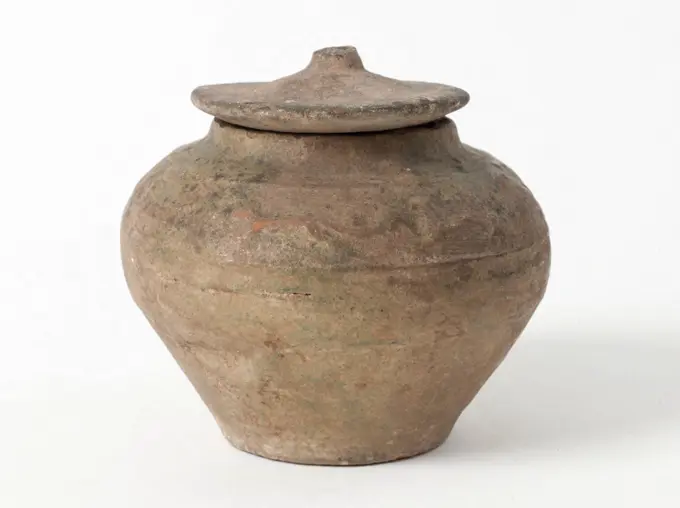
Lid pot ". Terracotta with green lead glaze. Han dynasty (206 BC-220 AD). Paris, Cernuschi museum. Chinese art, Chinese ceramic, lid, han dynasty, han time, oval shape, pot, terracotta
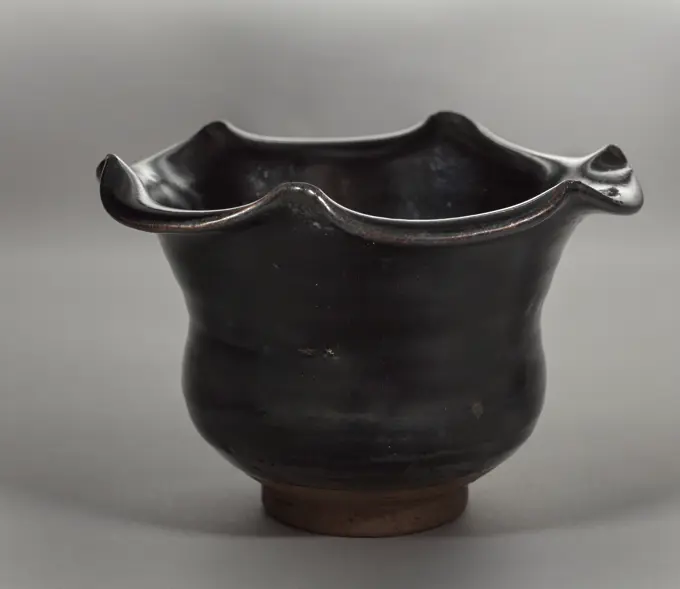
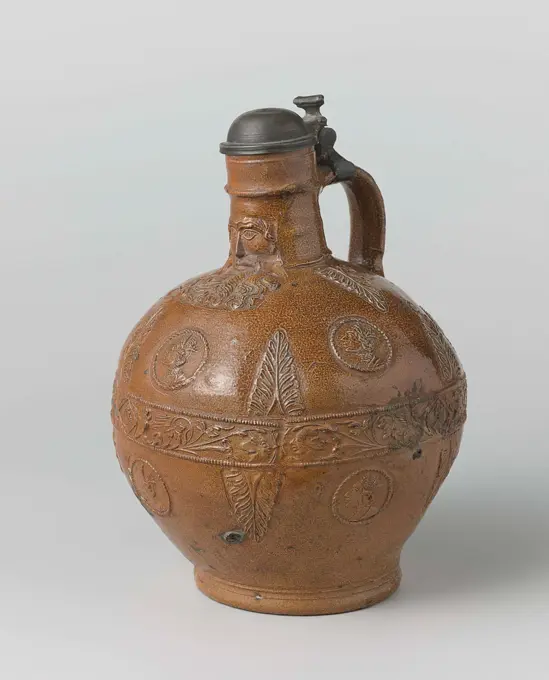
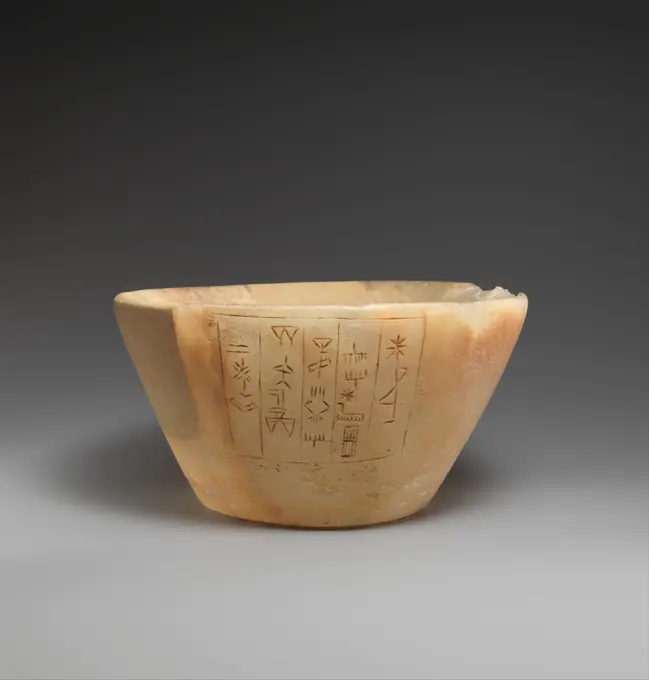
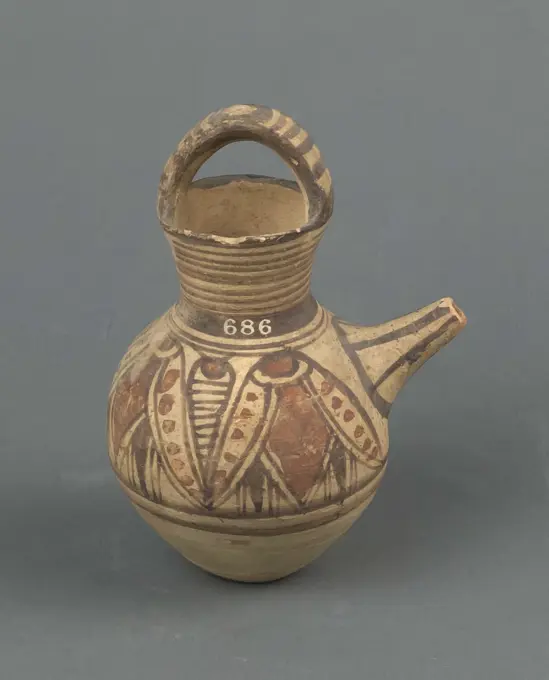
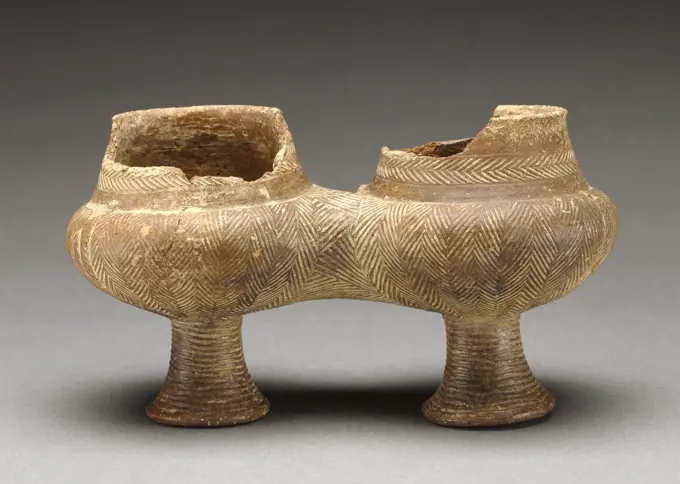
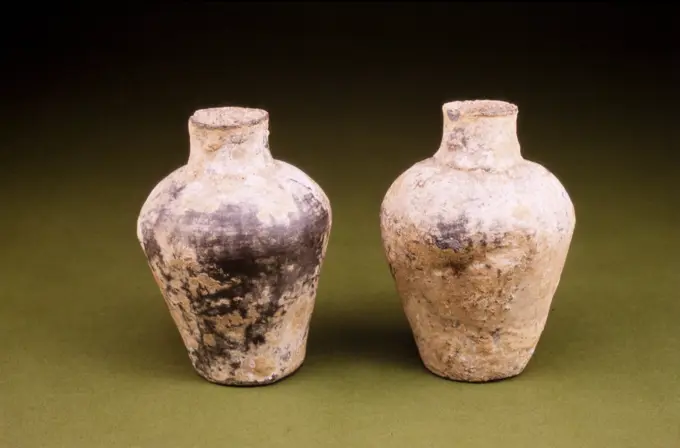
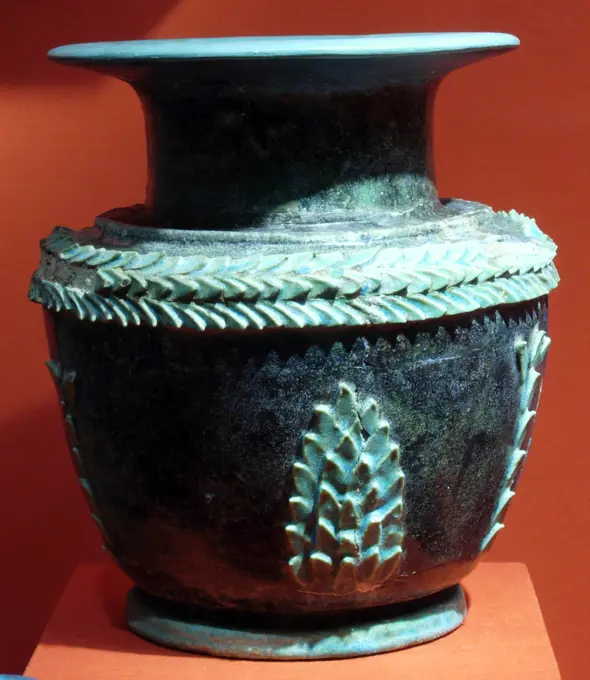
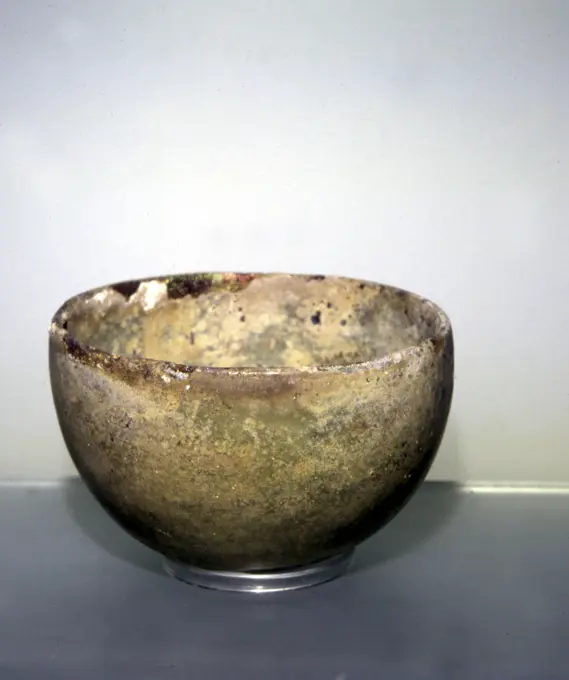
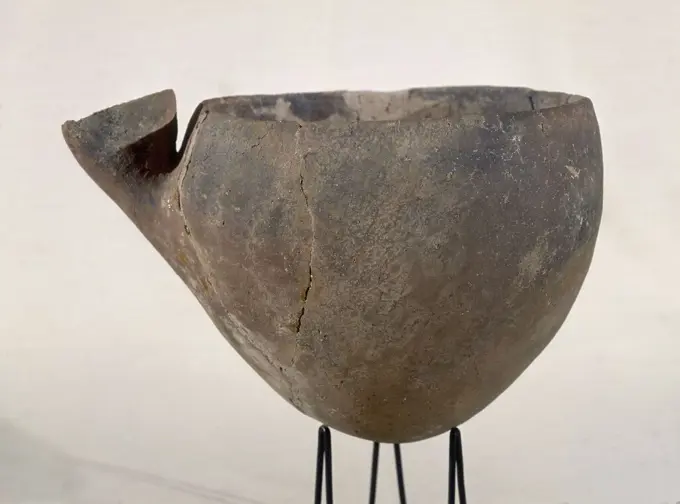
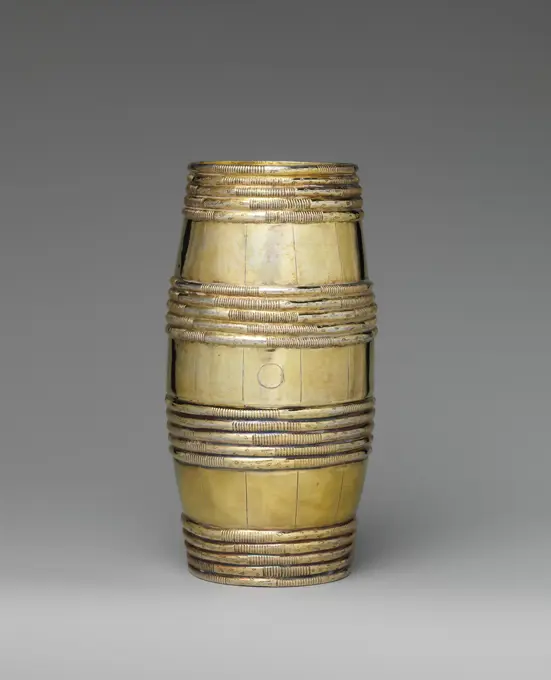
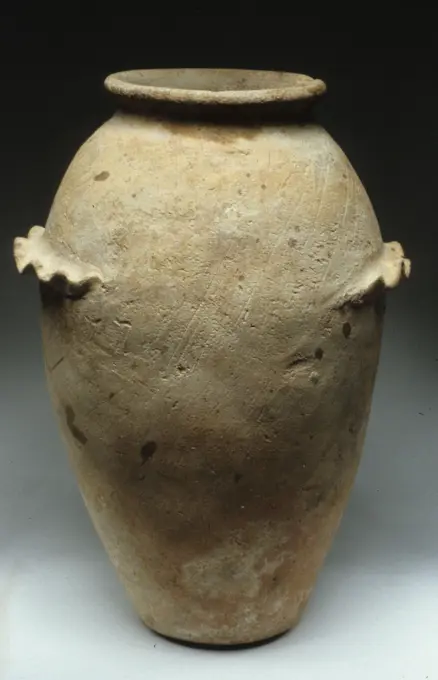
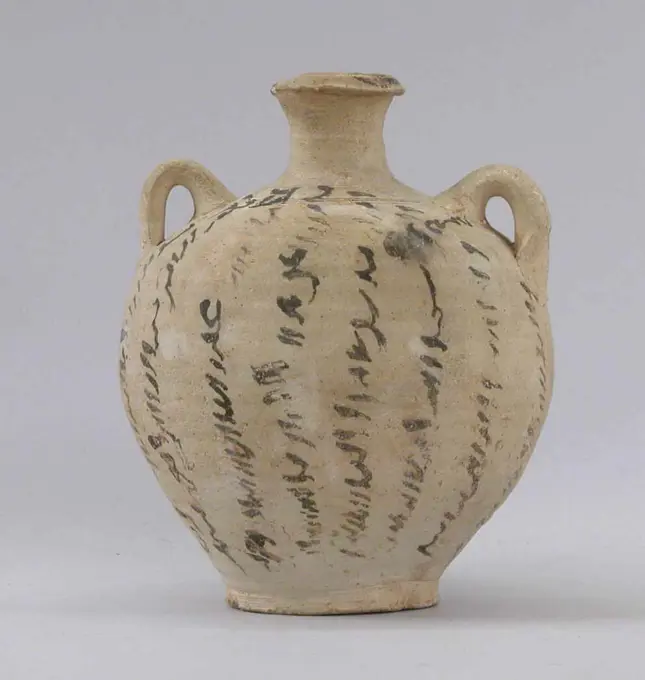
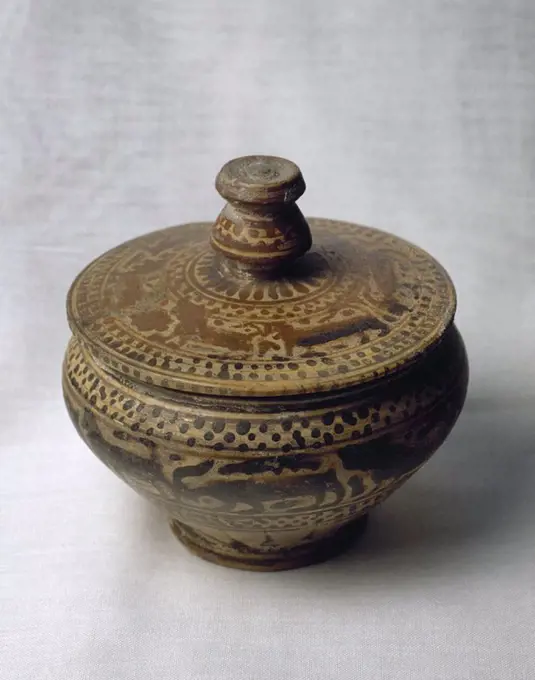
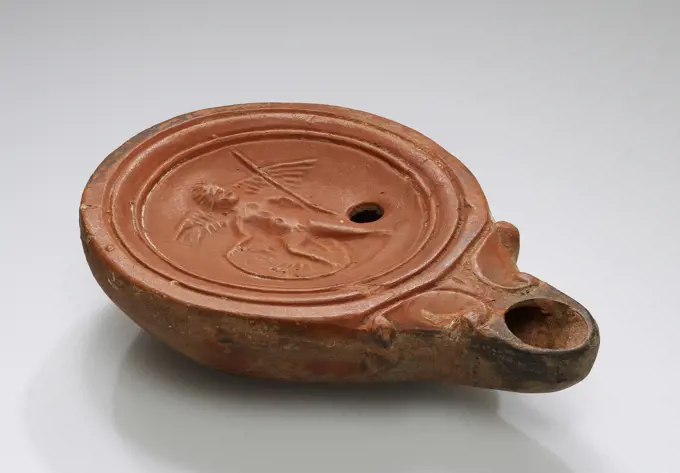
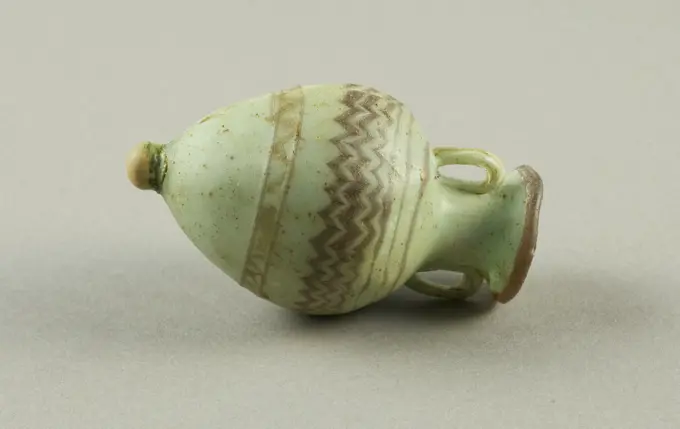
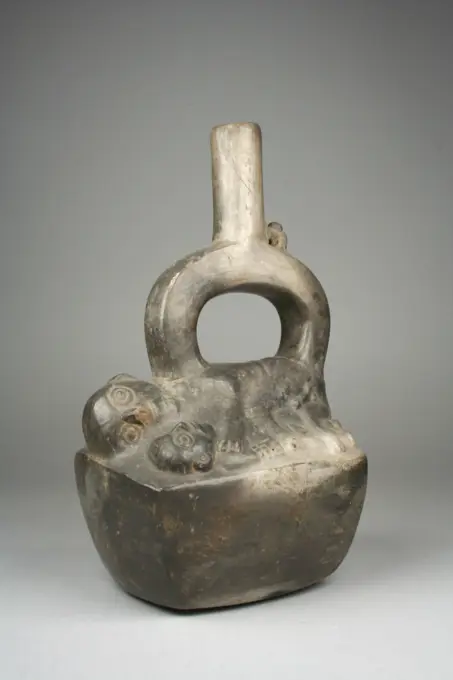
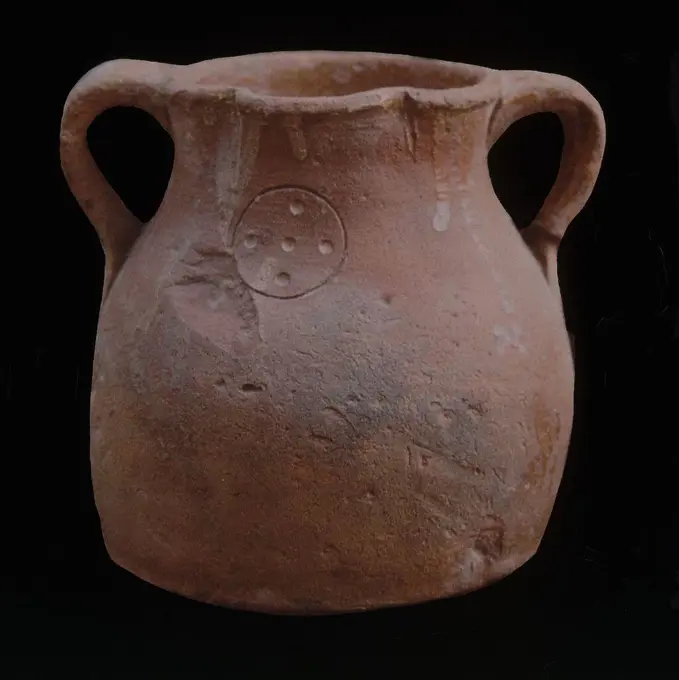
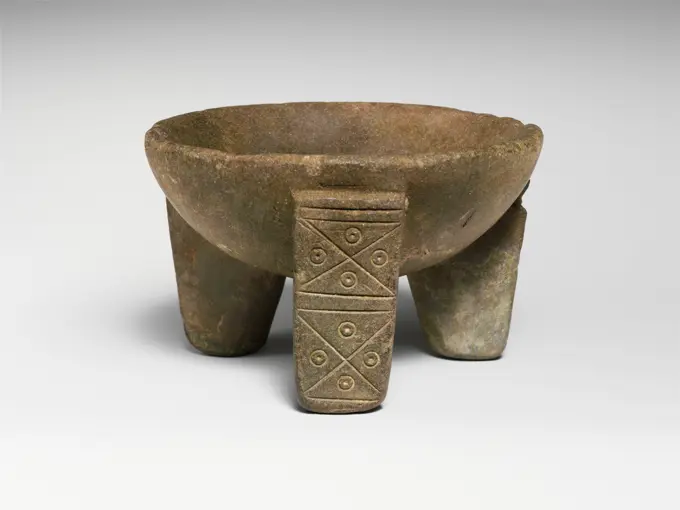
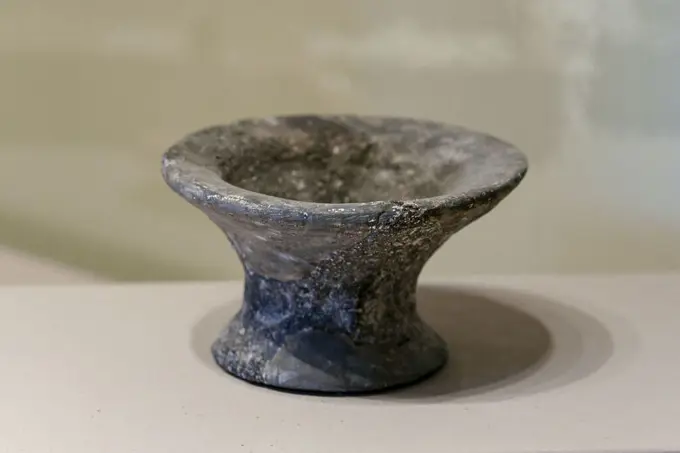
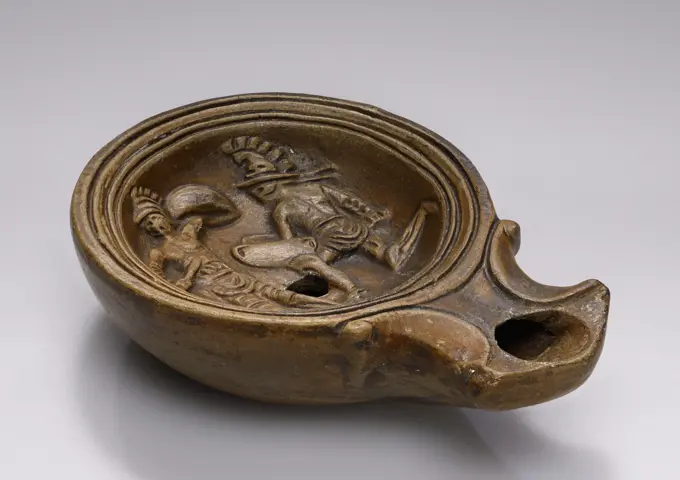
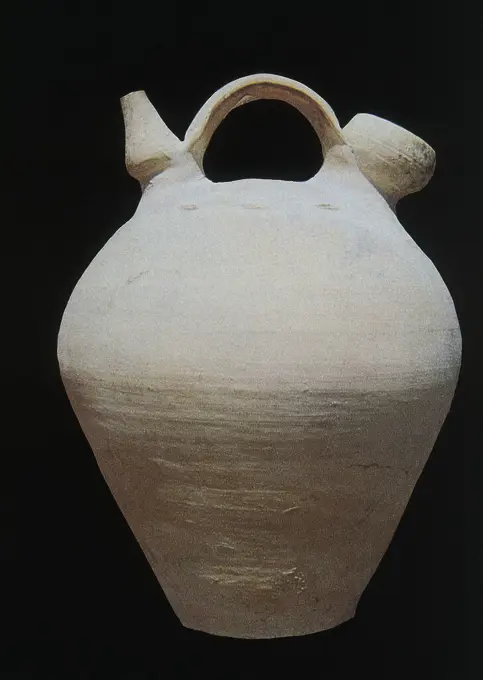
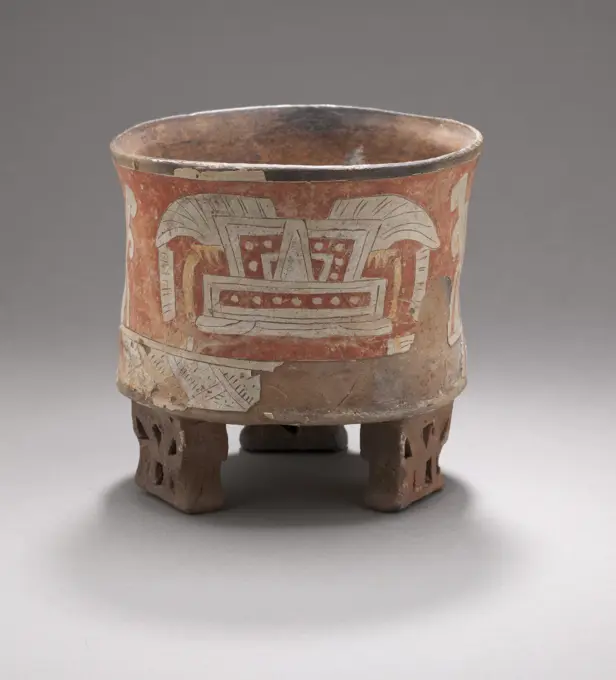
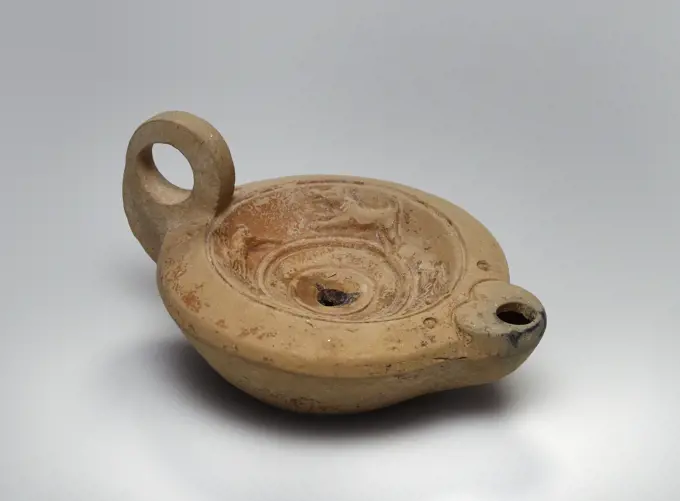
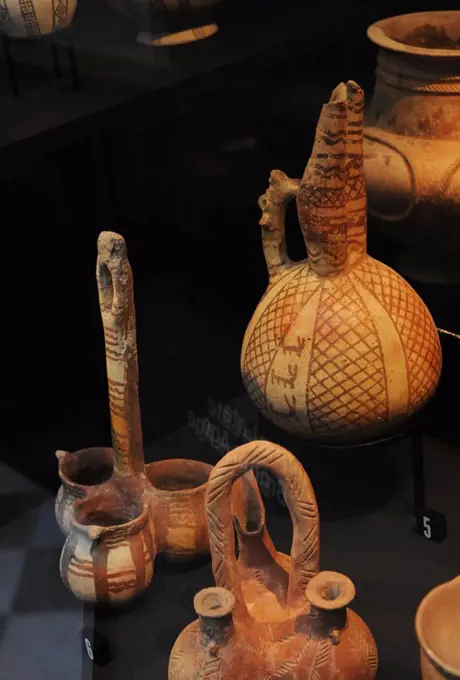
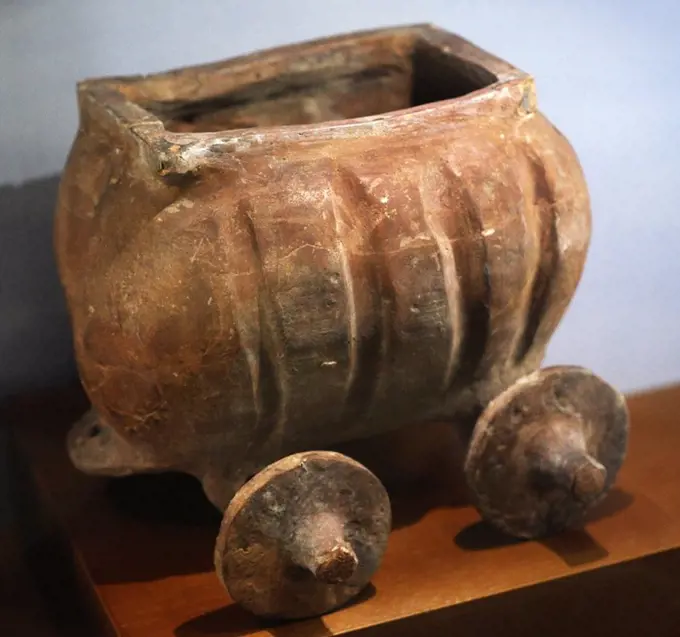
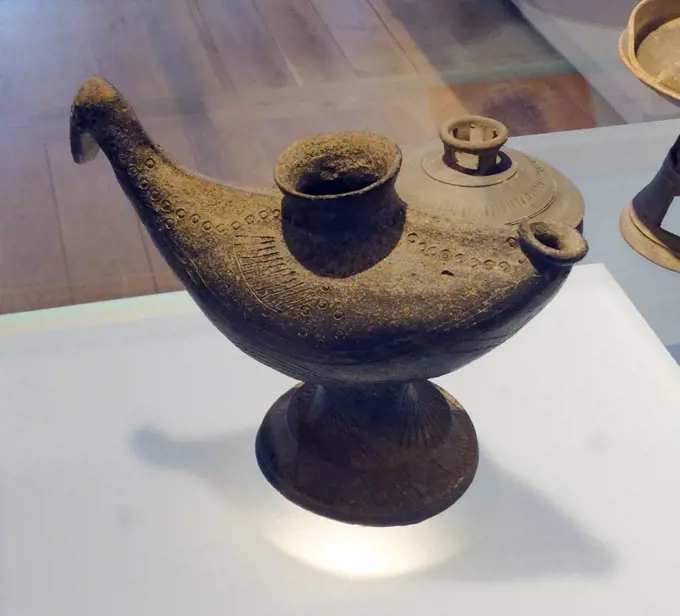
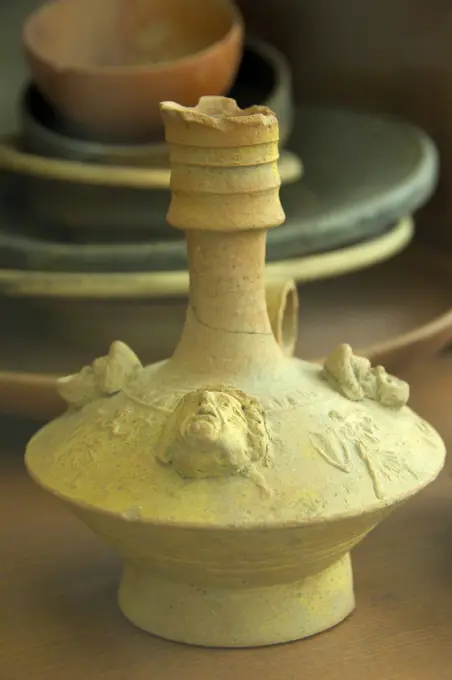
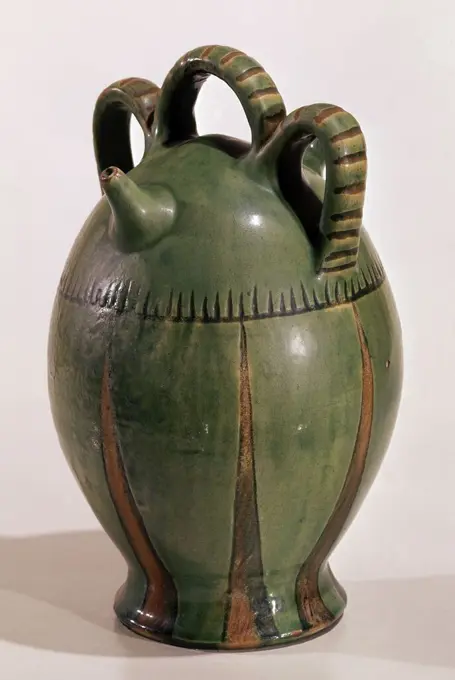
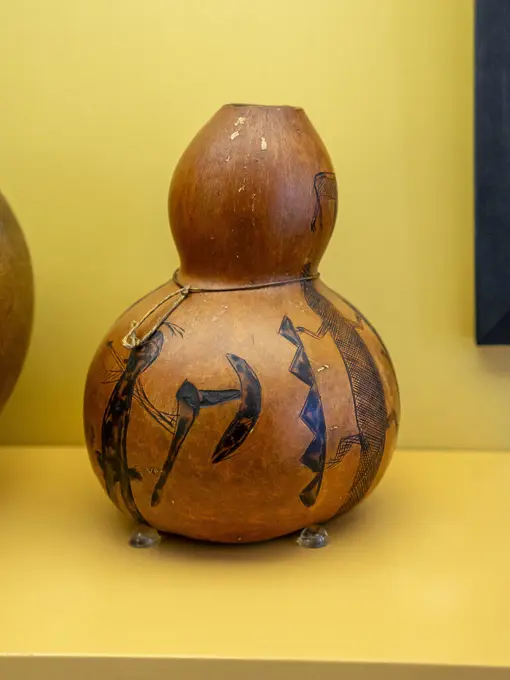
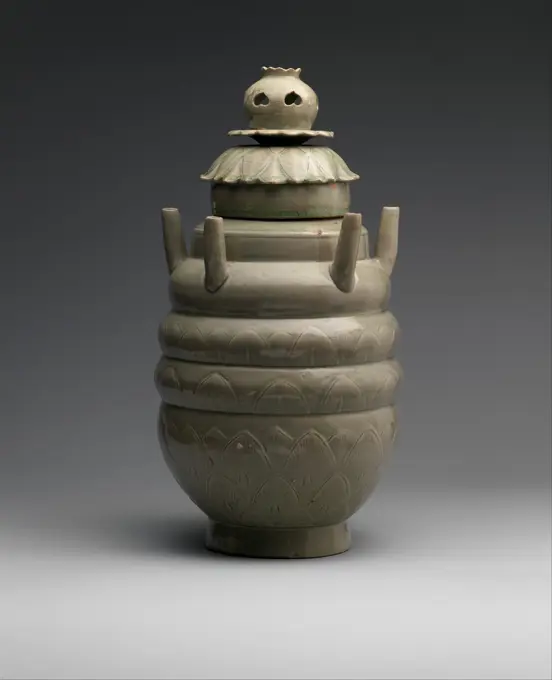
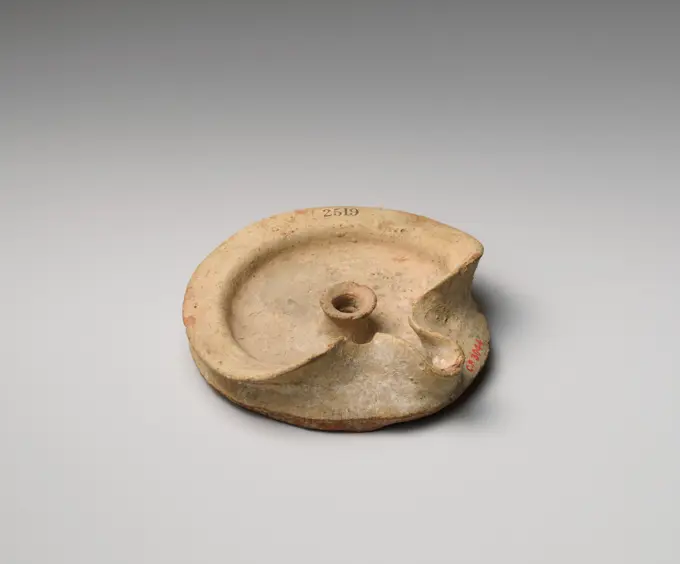
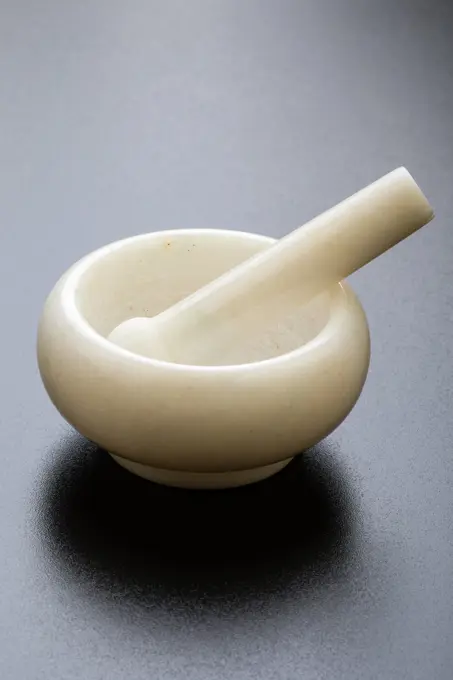
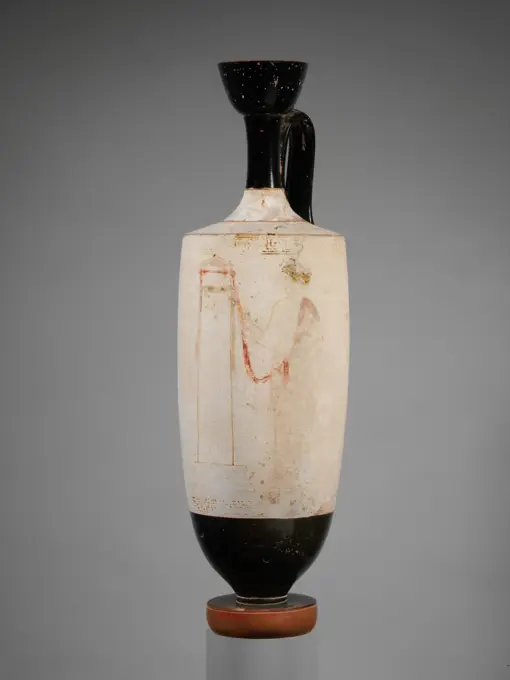
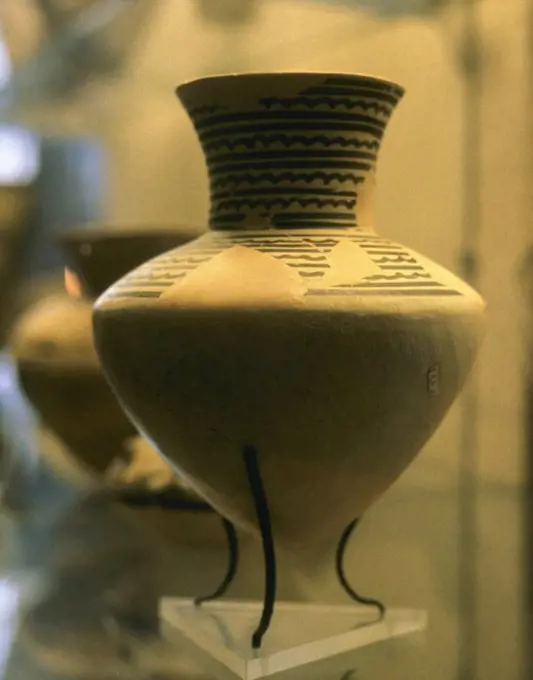
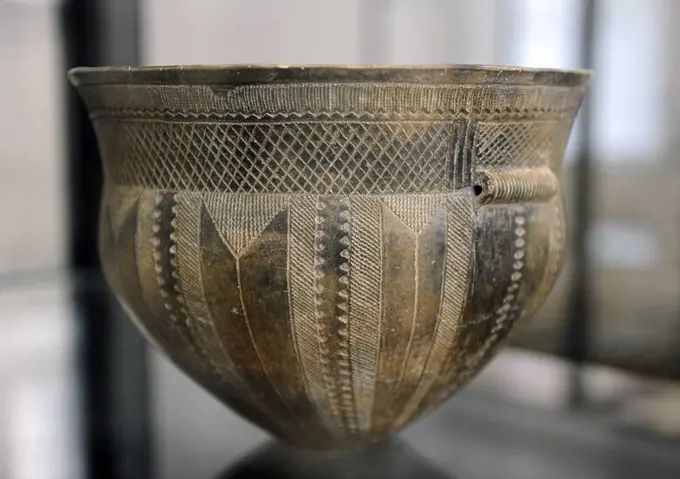
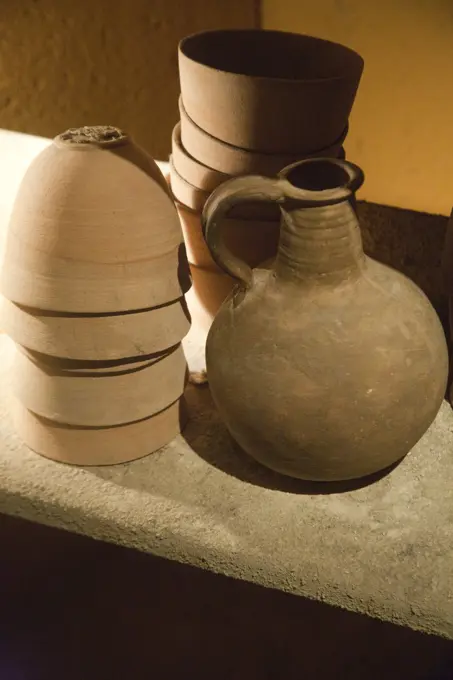
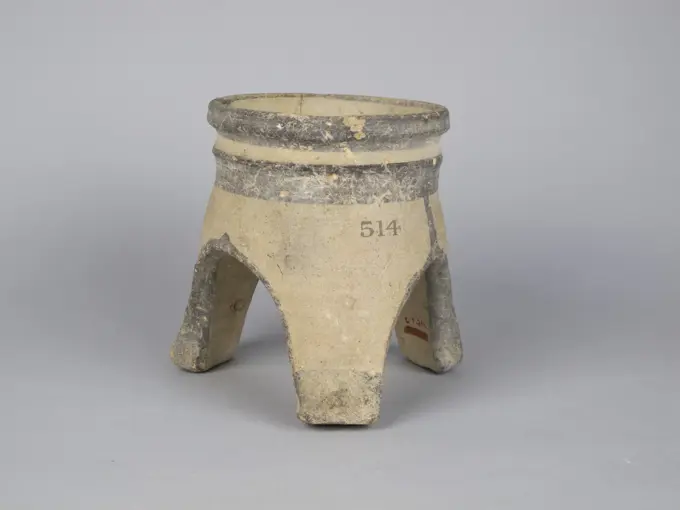
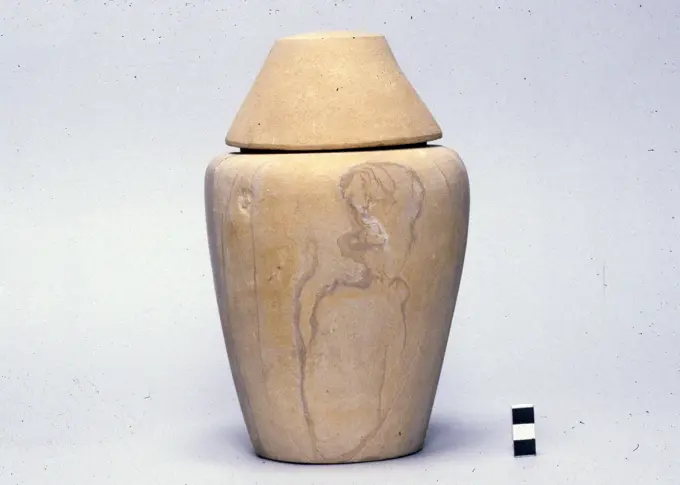
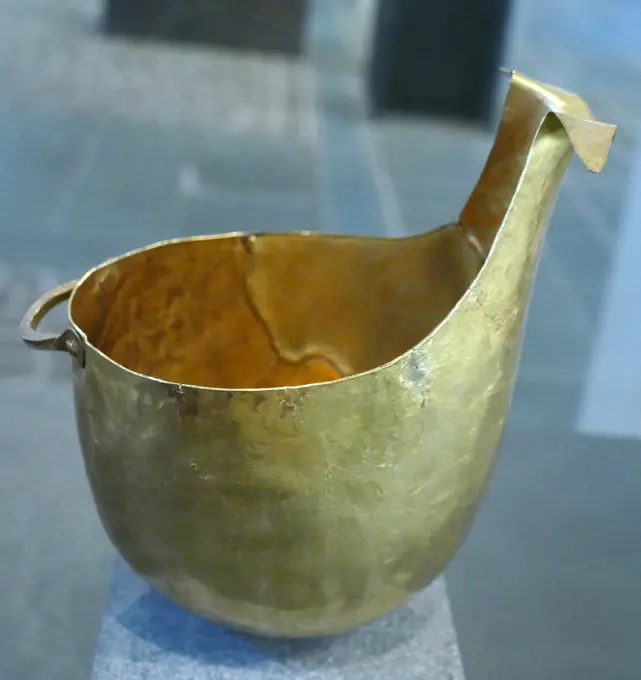
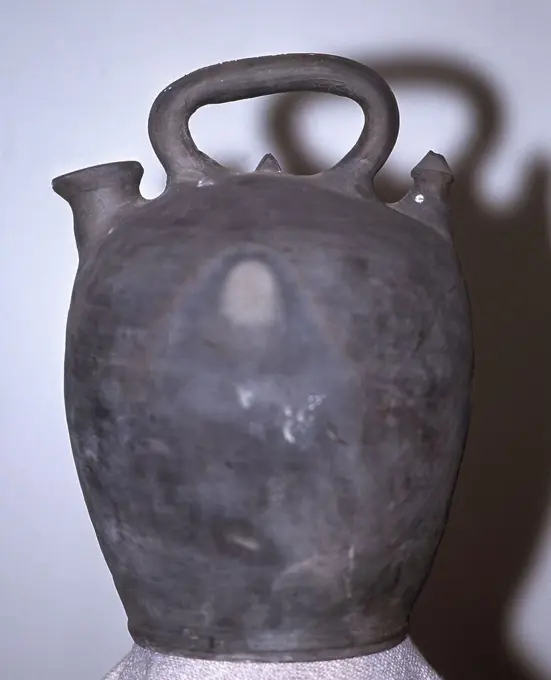
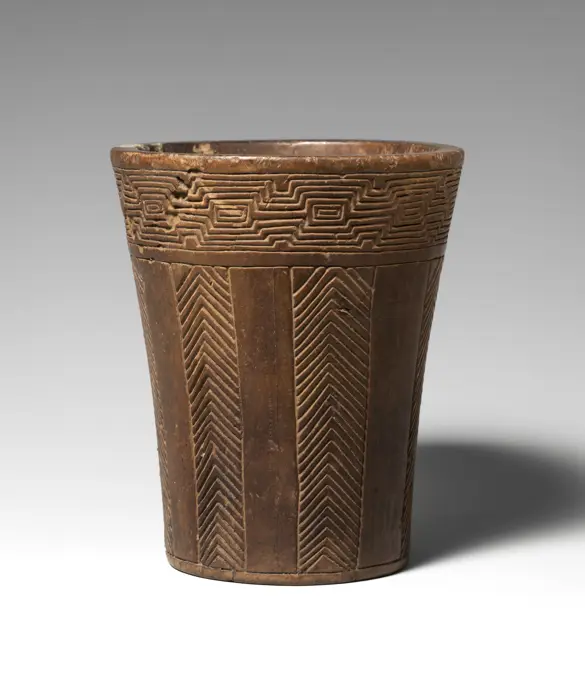
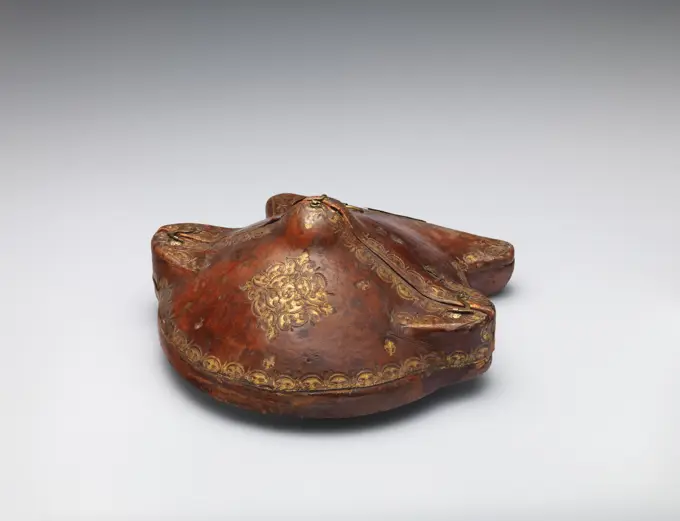
Glass Bowl 9th-10th century. Glass Bowl 449407Zhadou type container (username), 960. sandstone clothed with a brown slip under a dark brown cover. Cernuschi Museum, Asia Museum of Asia in the city of Paris.Jug. Spherical jar of stoneware, with a pewter lid. The cylindrical neck is decorated in relief with a beard man. On the abdomen runs a band within which in Relief three medallions with a woman's portrait, worn by two winged figures that run out in Arabes. Above and below this tire a row of five medallions is interspersed by an acanthus sheet.Feline Bowl 14th-early 16th century Inca. Feline Bowl 317727Bowl ca. 2600-2500 B.C. Sumerian. Bowl 325416Juglet 750-600 B.C. Cypriot Bands and lotus.. Juglet. Cypriot. 750-600 B.C.. Terracotta. Cypro-Archaic I. VasesOLLA CON VIDRIADO EN EL INTERIOR- S XX- ARTE POPULAR. Location: ALFARERIA. MARRATXI-PORTOL. MALLORCA. SPAIN.Shigaraki-Ware Jar. Japan. Date: 1301-1400. Dimensions: 56.5 × 53.5 cm. Stoneware with ash glaze. Origin: Japan. Museum: The Chicago Art Institute, Chicago, USA.Double Jar with Incised Patterns; Cyclades, Greece; 3000 - 2800 B.C; Terracotta; 10.2 × 18.3 × 8.9 cm (4 × 7 3,16 × 3 1,2 in.)Bottle, one of a pair, 618-907, 4 x 3in. (10.2 x 7.6cm), Pewter, China, 7th-10th centuryDecorated jar A.D. 1st century Roman Period Many artworks of the Roman Period in Egypt represent the taste of wealthy urban merchant and rich farming classes of Roman Egypt. Wide trade of luxury works is evident, and Greco-Roman style dominates. Since Egyptian pharaohs had first authorized Greek trading colonies and employed Greek mercenaries in the seventh century BC., there was a considerable Greek presence in Egypt. With Alexander's conquest, Macedonian Greek Ptolemies ruled as successors to the pharaohs, and Ptolemaic Greek and eastern Mediterranean soldiery was heavily settled in parts of Egypt. Although the Ptolemaic kings maintained traditional Egyptian religious and political forms, elite society, of mixed Greek and Egyptian descent, aspired to Greek culture in many respects. With the replacement of a Ptolemaic pharaoh in Memphis and Alexandria by a Roman emperor in Rome, the status of Greek culture and art, if anything, increased. However, multiple cultural influences were t pMesopotamian glass bowl from Nimrud, 8th cent. BC.Aschenurne Aschenurne Copyright: xZoonar.com/BartomeuxBalaguerxRotgerx 23057512CANTARILLA CON TAPA Y UN ASA - SIN VIDRIAR - CON DECORACION INCISA. Location: ALFARERIA. TIÑOSILLOS. AVILA. SPAIN.talaiotic clay pots, Can Martorellet, pollensa museum, Majorca, Balearic Islands, Spain.Naczynie baniaste. nieznany warsztat północno mezopotamski (ca 2600-ca 2350 a.C.), workshopEwer 9th-10th centuryVisigothic art. Ceramic vase . 7th century. Piece from the necropolis of Villaverde and Pasaconsol, province of Cuenca. Museum of Cuenca. Castille-La Mancha. Spain.Lamp, North Africa; 1st - 4th century; Terracotta; 2.2 x 7.2 x 10.5 cm (7,8 x 2 13,16 x 4 1,8 in.)Tweezer, c. 500-200 BC. Peru, North Highlands, Chavín de Huantar(), Chavín style (1000-200 BC). Hammered and cut gold; overall: 3.2 x 2.3 cm (1 1/4 x 7/8 in.).Lekythos. Culture: Greek, South Italian, Apulian. Dimensions: 10 1/2in. (26.7cm). Date: 4th century B.C.. Museum: Metropolitan Museum of Art, New York, USA.Toilet set  pitcher Carrier Belleuse, Louis Robert (1848 1913)Bowl ca. 1981-1640 B.C. Middle Kingdom. Bowl 556890GANIGO DE CERAMICA - VASIJA OVOIDE CON UN PITORRO - (CAÑADA ALTA-TENERIFE). Location: ARCHAEOLOGICAL MUSEUM. SANTA CRUZ DE TENERIFE. TENERIFFA. SPAIN.Double beaker 1609-29 Peter Wiber The barrel-shaped beaker was in use since sixteenth century, at a time when precious silver vessels of various shapes imitating everyday objects of utilitarian nature were very fashionable-especially in German-speaking cultural centers. They detach in the middle to be used as separate vessels.. Double beaker 236505Wavy-handled ware jar ca. 3500 B.C. Predynastic, Naqada II. Wavy-handled ware jar. ca. 3500 B.C.. Pottery. Predynastic, Naqada II. From Egypt, Southern Upper Egypt, Hierakonpolis (Nekhen), Fort Cemetery (Hk 27), Tomb 17, MMA excavations, 1934-35Lamp. UnknownStone -good with salt glaze, 1901 Bin of stoneware with salt glaze, part of a service. Amsterdam stoneware vitrification Bin of stoneware with salt glaze, part of a service. Amsterdam stoneware vitrificationJar with Writing 8th century. Jar with Writing 448998Greek pottery. Pyx. 7th-6th century BC. Decorated with geometric motifs, lions and deer. From Corinth. Museum of Perfume. Barcelona. Spain.Picene pyxis (pottery used to hold cosmetics), Bucchero ware (black pottery)Roman 'Terra nigra' pottery and Barbatine work, Rheims, c1st century. Artist: Unknown.Terracotta side-spouted jug ca. 2600-2400 B.C. Minoan Side beaked with one handle.. Terracotta side-spouted jug 247632Conical ointmentLamp, Anatolia; 1st - 4th century; Terracotta; 2.5 x 7.5 x 10.2 cm (1 x 2 15,16 x 4 in.)Amphora (Storage Jar) 500 BCE-401 BCE Egypt. Glass . Ancient EgyptianGlass beaker. Culture: Roman. Dimensions: H.: 5 in. (12.8 cm). Date: 3rd-4th century A.D..Colorless with pale green tinge; base and trails in same glass.Rim outsplayed, with rounded lip; tall cylindrical body with convex side curving in at bottom; conical base made from separate gather, with hollow splayed foot and knocked-off edge; slight pontil mark on small bottom.Below rim, single horizontal trail; on lower two-thirds of body, four elongated oval loop trails alternating with four similar trails but pinched in at center forming a figure-of-eight pattern, all tooled out at bottom into projecting hanging swags.Intact, except for slight chipping of base; a few pinprick bubbles; dulling and iridescence on exterior, creamy white weathering on interior. Museum: Metropolitan Museum of Art, New York, USA.Footless Cup or Lid 4th-7th century Coptic. Footless Cup or Lid 478892Stirrup Spout Bottle with Figures 12th-15th century Chimú. Stirrup Spout Bottle with Figures 309345TARRO PARA ORDEÑAR-ARCILLA ROJA SIN VIDRIAR-ARTE POPULAR S XX. Location: PRIVATE COLLECTION. Sigüenza. Guadalajara. SPAIN.Lantern for a Lamp. Dimensions: H. 9 5/8 in. (24.5 cm)Diam. 5 7/8 in. (15 cm)Base. 4 1/2 in. (11.5 cm). Date: 9th-10th century.This unglazed lantern has a small opening that allowed the insertion of a lamp, and a handle that made it easier to carry. Its abstract pattern of pierced lines would have cast pleasing shadows when the lamp inside was lit. Museum: Metropolitan Museum of Art, New York, USA.Lamp. UnknownPrehistory. Foundational ritual vase. Late Chalcolithic. Pottery. From Vila Nova de Sao Pedro (Portugal). Carmo Archaeological Museum. Lisbon, Portugal.CANDIL- CERAMICA SIN VIDRIAR-ARTE POPULAR S XX. Location: ALFARERIA. LA RAMBLA. CORDOBA. SPAIN.Chlorite tripod Cypriot ca. 1450-1050 BCE Feet decorated with lines and circles.ceramic flask, Visigoth - early medieval, Valladolid Museum , Castile and Leon, Spain.ceramics containers, Son Fornes Archaeological Museum, talayotic period room (1300-123 a. C.), Montuiri, Es Pla region, Mallorca, Spain.Lamp. UnknownPitcher 1875 Designed by Karl L. H. Müller American. Pitcher 5827Ancient China: Cooking vessel (Ru Ding), Western Zhou Dynasty, 1027 - 771 BC. Bronze. Decorated with taotie motifs.PIEZAS DE VIDRIO ROMANO. Location: MUSEE D'ARTS DECORATIFS. MADRID. SPANIEN.Lamp. UnknownMeasure. Culture: British, London. Dimensions: Height: 7 1/4 in. (18.4 cm). Maker: John de St. Croix (1729 et. seq.). Date: second quarter 18th century. Museum: Metropolitan Museum of Art, New York, USA.BOTIJO DE VERANO EN BARRO BLANCO-ARTE POPULAR S XX. Location: ALFARERIA. Guadalajara. SPAIN.Tripod Vessel with Year-Sign Headdress and Mountain Motif. Mexico, Basin of Mexico, Teotihuacan, Teotihuacan, 200-450 CE. Ceramics. Stuccoed ceramic with postfire applied pigmentLamp, Central Anatolia, Anatolia; 1st century B.C. - 4th century A.D; Terracotta; 3.3 x 8.6 x 11 cm (1 5,16 x 3 3,8 x 4 5,16 in.)5. Painted jug. White Painted III. From Lapithos and Ayios Iakovos, ca. 1800-1725 BC; 6. Painted bowls. White Painted II/III. From Lapithos, ca. 1900-1725 BC. Museum of Mediterranean and Near Eastern Antiquities. Stockholm. Sweden.Bosporan Kingdom. Cart. Clay. From Necropolis of Pantikapaion (Kerch. Crimea), grave 312. 1st-2nd century AD. The State Hermitage Museum. Saint Petersburg. Russia.Stoneware vessel in the shape of a duck from the Three Kingdoms period (Gaya Confederacy). Dated 5th CenturyEurope, Greece, Cyclades, Delos. Delos Archaeological Museum, artifacts found on Delos. (Editorial Usage Only)Iberian painted ware urn. Iberian culture. Peal del Becerro, site of Toya. (Cent. 3rd- 1st BC). Museum Archaeology Catalonia, Barcelona.Lamp, Anatolia; 1st - 4th century; Terracotta; 2.5 x 7 x 11 cm (1 x 2 3,4 x 4 5,16 in.)BOTIJO VIDRIADO Y DECORADO EN VERDE Y MARRON CON 3 ASAS - ARTE POPULAR S XX. Location: ALFARERIA. LA BISBAL. GERONA. SPAIN.Vase 18th century China. Vase 44112Stirrup spout bottle with figure. Culture: Moche. Dimensions: Overall: 9 1/4 in. (23.5 cm)Other: 5 1/4 in. (13.34 cm). Date: 6th-7th century. Museum: Metropolitan Museum of Art, New York, USA.Zulu culture bottle, South Africa, 19th century, pumpkin bark and plant fiber, Anthropology National Museum, Madrid, Spain.Oil LampCERAMICA POPULAR. Location: EXTERIOR. SPAIN.Jue libation vessel, 206 BCE - 221 CE, 7 1/2 × 6 3/16 × 3 3/4 in., 1.3 lb. (19 × 15.72 × 9.53 cm, 0.6 kg), Bronze, China, 3rd century BCE - 3rd century CETwo-bodied Jug, Incised Red Polished Ware, Early Bronze Age, 2000 BC. from CyprusBronze age red pottery from Cyprus, circa 1900-1600 BCFunerary jar 10th-11th century China The fanciful shape of this jar, with its six tubular spouts, is intriguing and remains difficult to explain. Urns of this shape, which were employed to store rice and other grains used in burial ceremonies, are among the earliest types of ceramics produced in the Longquan kilns located in Zhejiang Province not far from those producing Yue wares The latter are often credited as the first celadon in Chinese history.. Funerary jar 42438CERAMICA DE SEPULTURA NEOLITICA DE ALCANTARA. Location: ARCHAEOLOGICAL MUSEUM. JEREZ DE LA FRONTERA. Cadiz. SPAIN.Toilet. warsztat nubijski, factoryVessel 1550 BCE-1295 BCE Egypt. Calcite . Ancient EgyptianTerracotta vase with black geometric decoration, from Phylakopi, Island of Milos, GreeceIncense burner with cover China. Incense burner with cover 43963Terra sigilata vessel. Roman era. Andalusia, Spain. Imperial era. Archaeological Museum of Seville. Andalusia. Spain.Bowl. Culture: Coptic. Dimensions: Overall: 2 5/8 x 3 9/16 in. (6.7 x 9 cm). Date: 4th-7th century. Museum: Metropolitan Museum of Art, New York, USA.Terracotta saucer-shaped lamp 4th century B.C. Cypriot Wheel-made with edge pinched in to form a narrow wick rest; broad rim with outer rounded lip; open body slanting down to front, with a central tubular projection with flaring mouth; flaring base ring with rough, irregular interior surface; concave, rough base, with hole pierced through from tubular projection, with jagged edge.Complete, but some ships to edge at front.The base made with an uneven, hand-worked coil.. Terracotta saucer-shaped lamp. Cypriot. 4th century B.C.. Terracotta. Late Classical. Terracottasmortar on black table ceramic white mortar tool on black table Copyright: xZoonar.com/FuroxLxFelixx 9053250Terracotta lekythos (oil flask) ca. 450-440 B.C. Attributed to the Achilles Painter Youth and woman at a tombThe woman is tying a fillet around the funerary monument. The youth carries a fillet over his shoulder. Is one to make an association with the stele. Terracotta lekythos (oil flask). Greek, Attic. ca. 450-440 B.C.. Terracotta; white-ground. Classical. VasesColumn Base late 12th-early 13th century South Italian. Column Base. South Italian. late 12th-early 13th century. Marble (Lunense marble from Carrara (Italy)). Made in probably Campania, Italy. Sculpture-Architectural-StoneARTE PERSA. JARRA DE CERAMICA con decoración geométrica. Hallada en Susa, ciudad perteneciente a la antigua región de Elam, situada al S. O. de Persia. Pieza datada en el cuarto milenio. Museo del Louvre. París. Francia.The Skarpsalling Pot. Troldebjerg style. 3200 BC. Neolithic Period. Found near Skarpsalling, Himmerland. National Museum of Denmark. Copenhagen. Denmark.Ewer 10th century This ceramic ewer was excavated at the site of Tepe Madrasa in Nishapur.Nishapur was a vital city in the early and middle Islamic periods, located along one of the main trajectories that connected Iran and West Asia Islamic lands with Central Asia and China. These itineraries are often referred by the term Silk routes but were in fact crucial to the movement of constellations of materials and objects, as well as people and ideas. The diverse population of Nishapur and its surroundings, from the better-researched elite groups of merchants, land-owning aristocracy, and literates, to the less-known artisans, farmers, miners, and servants, were instrumental in adapting global cultural trends to create their own distinctive visual languages. This is seen in the material remains of everyday life in medieval Nishapur - from pots and pans to lighting devices, inkwells, textiles and trimmings, jewelry, games and toys, talismanic devices, weapons, coins, and architectural fragmJug ca. 1400 Italian. Jug 463710Replicas of ancient Essene pottery at the Qumran National Park Visitors Center on the Dead Sea, Israel.Tripod 1050-950 B.C. Cypriot Decorated with black bands.. Tripod. Cypriot. 1050-950 B.C.. Terracotta. Cypro-Geometric I. VasesCanopic jar with conical lid ca. 1859-1640 B.C. Middle Kingdom. Canopic jar with conical lid. ca. 1859-1640 B.C.. Yellow limestone. Middle Kingdom. From Egypt, Memphite Region, Lisht South, tomb of Imhotep, Tomb 5111, MMA excavations, 1913-14. Dynasty 12-13Pithos from Hazor, Israel, Late Bronze Age 14th century BC. Used for storing grain or liquids.Gold sauce boat; 2200 BC Cycladic GreekFragment of a jug with the coat of arms of Amsterdam, anonymous, c. 1600 - c. 1649 Fragment of a jug of stoneware on a high foot with an egg -shaped body and a tapered neck. Upper part of the neck and the ear are missing. The C-shaped ear was attached to the shoulder. A broad bond with lines on the neck, some closely. Partly covered with cobalt blue. On the abdomen three times printed and imposed medallion with the weapon of Amsterdam in relief. Westerwald. Westerwald stoneware. glaze. cobalt (mineral) vitrification Fragment of a jug of stoneware on a high foot with an egg -shaped body and a tapered neck. Upper part of the neck and the ear are missing. The C-shaped ear was attached to the shoulder. A broad bond with lines on the neck, some closely. Partly covered with cobalt blue. On the abdomen three times printed and imposed medallion with the weapon of Amsterdam in relief. Westerwald. Westerwald stoneware. glaze. cobalt (mineral) vitrificationBOTIJO DE CERAMICA NEGRA SIN VIDIRAR - CERAMICA PARA AGUA. Location: ALFARERIA. GERONA. SPAIN.Kalpis with a Safona performance; Safona painter (fl. Approx. 510-ok. 490 BC); CA 510 BC (-515-00-00--505-00-00);Kielich. warsztat nubijski, factoryKero 15th-early 16th century Inca. Kero. Inca. 15th-early 16th century. Wood. Peru. Wood-ContainersCase (part of a traveling set) ca. 1756 French, Strasbourg This unusually shaped case was specifically created for the safekeeping of a gilt-silver covered bowl and stand, or écuelle, in which hot broth was served during the elaborate dressing ritual known as the toilette. The écuelle was made by a Strasbourg silversmitheither Joachim-Frédéric Kirstein I or Jean-Frédéric Krug.. Case (part of a traveling set) 206184Trumpet Vase, from Tolentino, Italy. Italic Civilization, 7th Century BC.Anonymous / "Capitel campaniforme", Beginning of the 16th century.