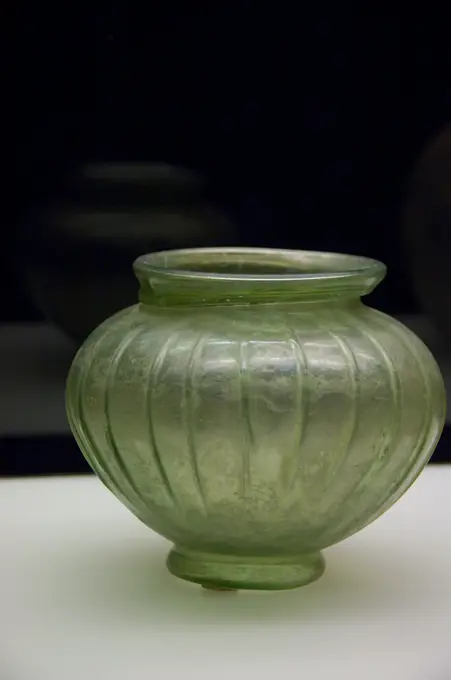
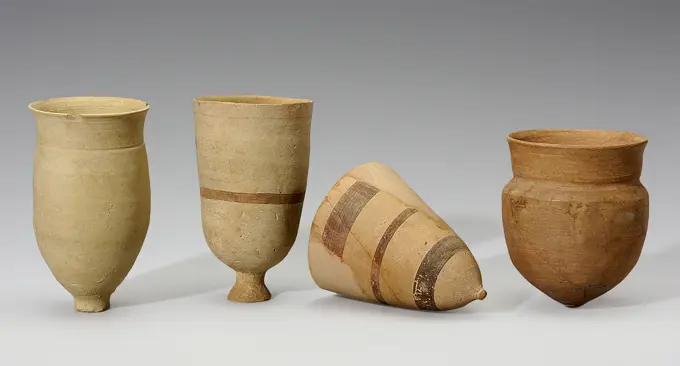
Historical Pottery

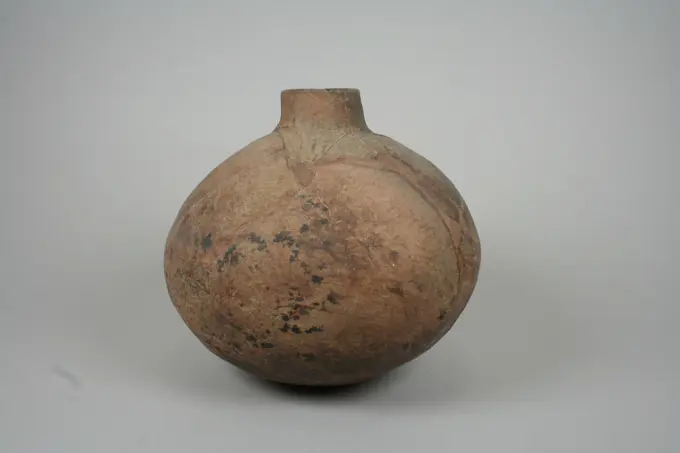
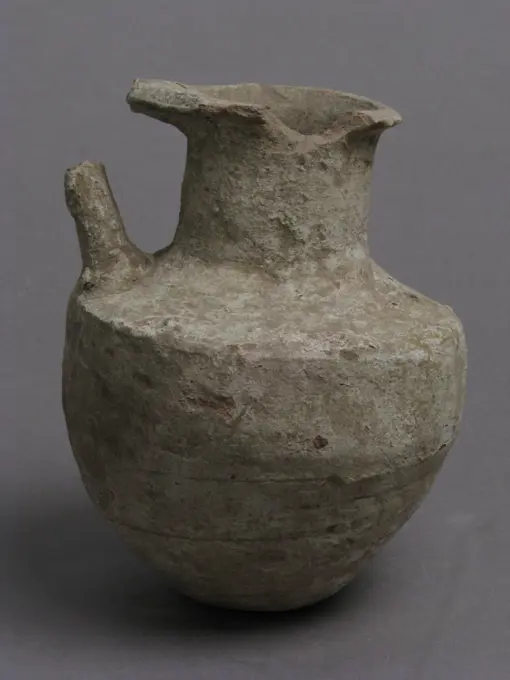
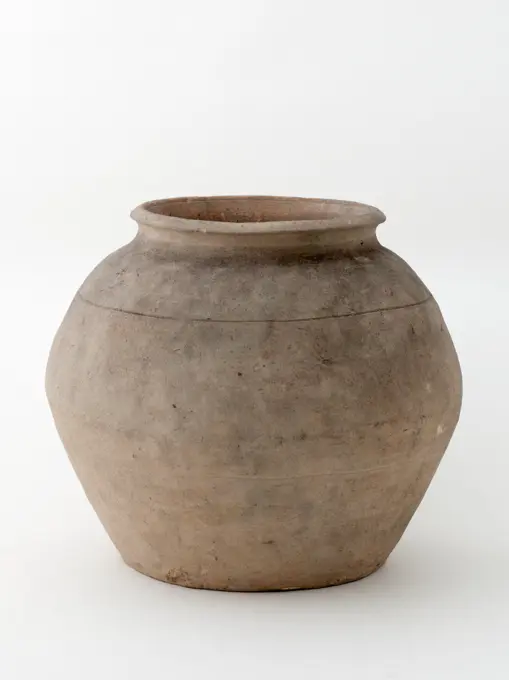
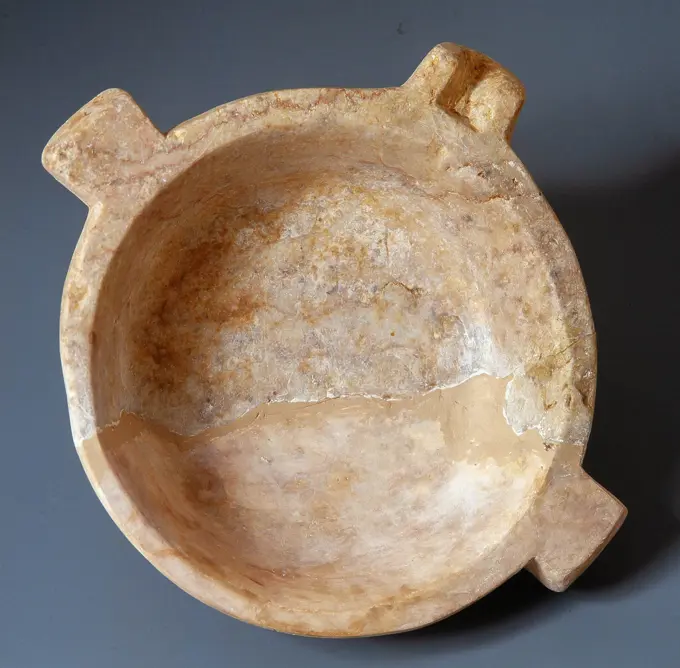
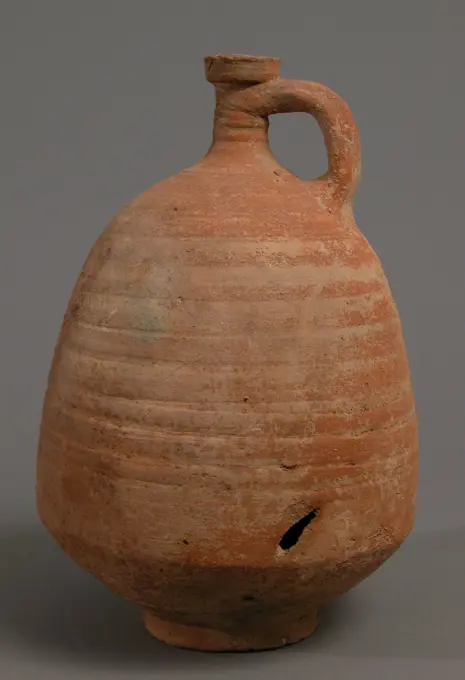
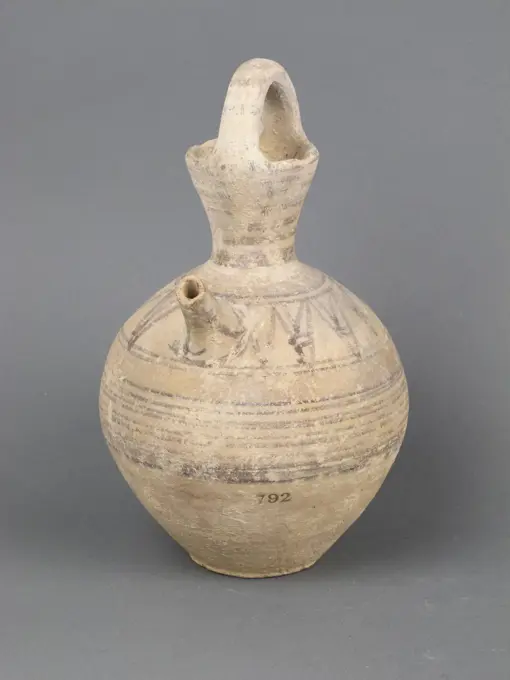
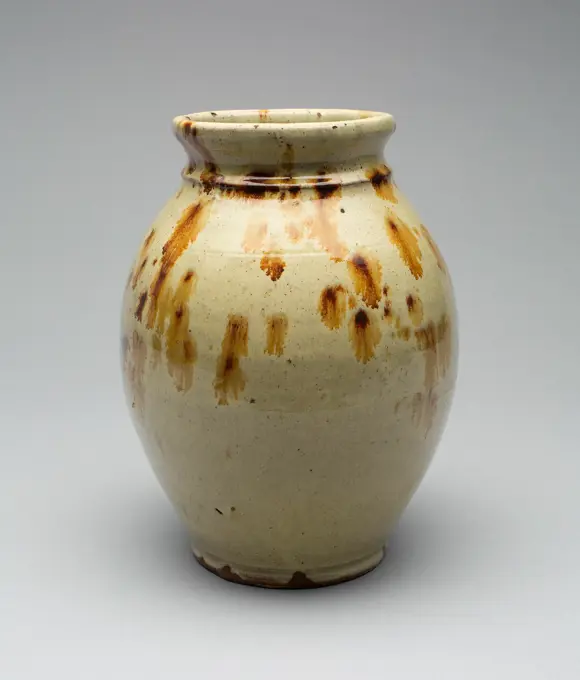
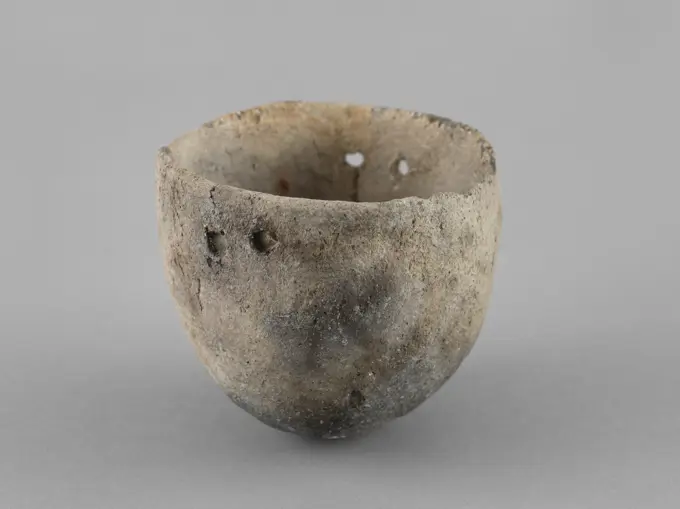
A selection of ancient pottery items, showcasing unique designs and historical significance from different cultures and eras.
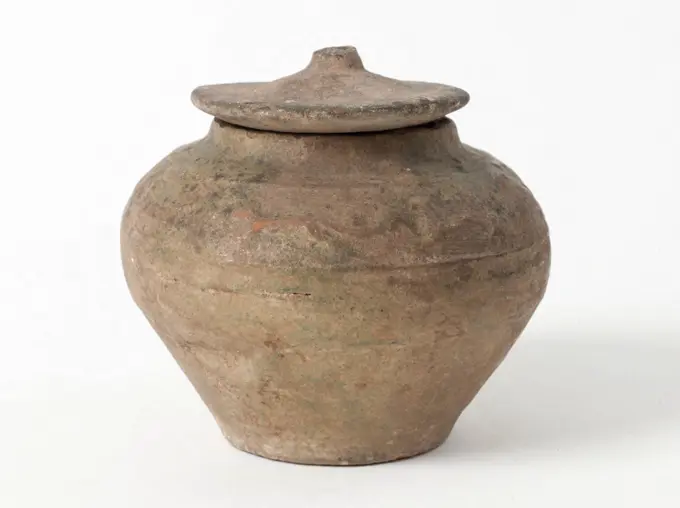
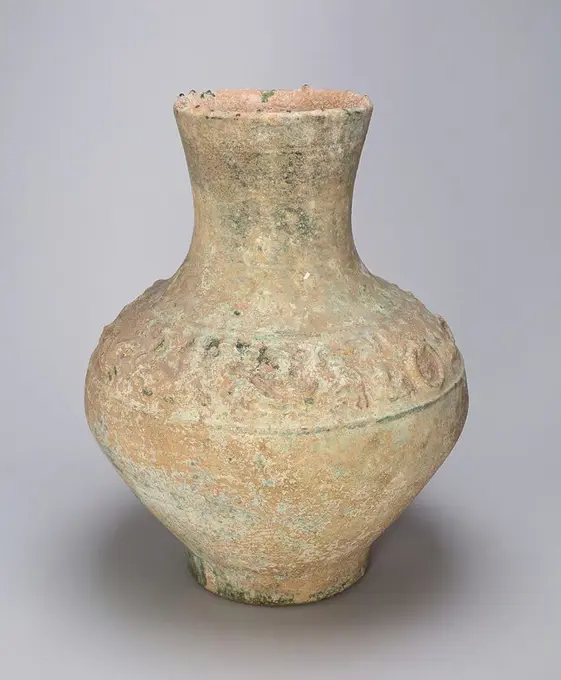
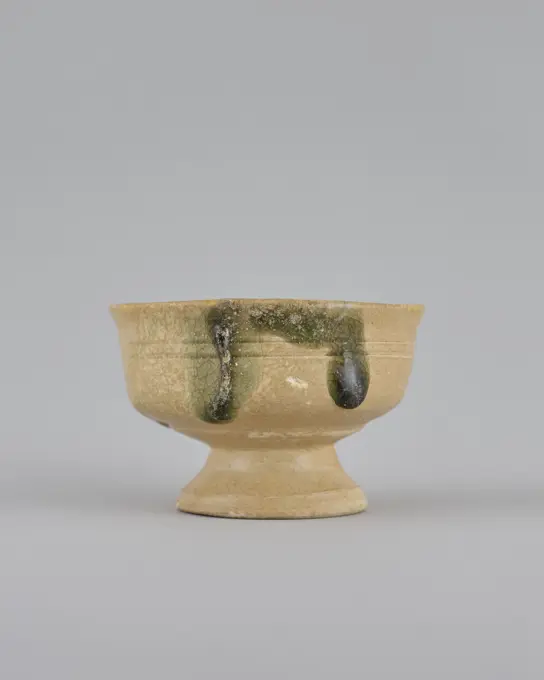
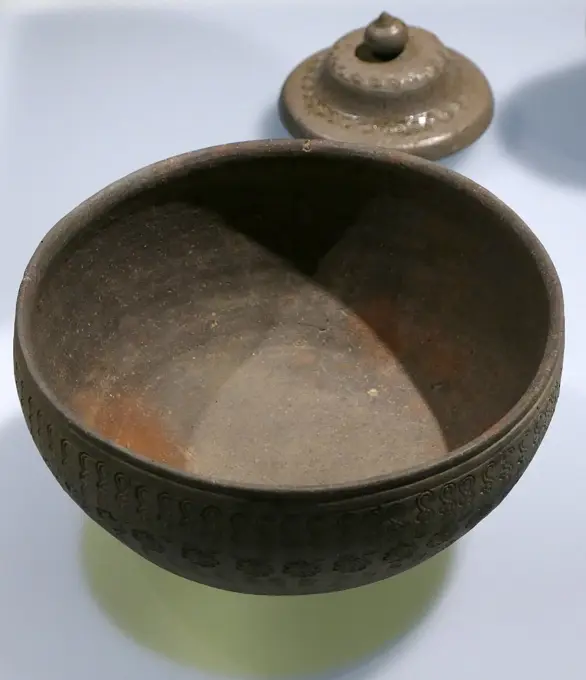
Lid pot ". Terracotta with green lead glaze. Han dynasty (206 BC-220 AD). Paris, Cernuschi museum. Chinese art, Chinese ceramic, lid, han dynasty, han time, oval shape, pot, terracotta
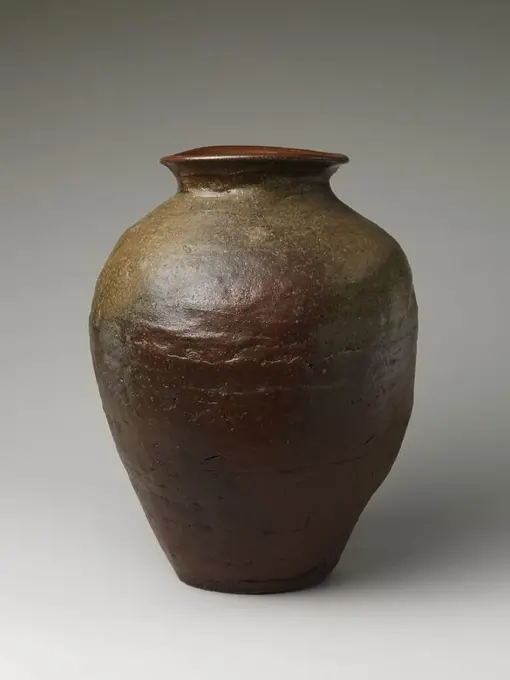
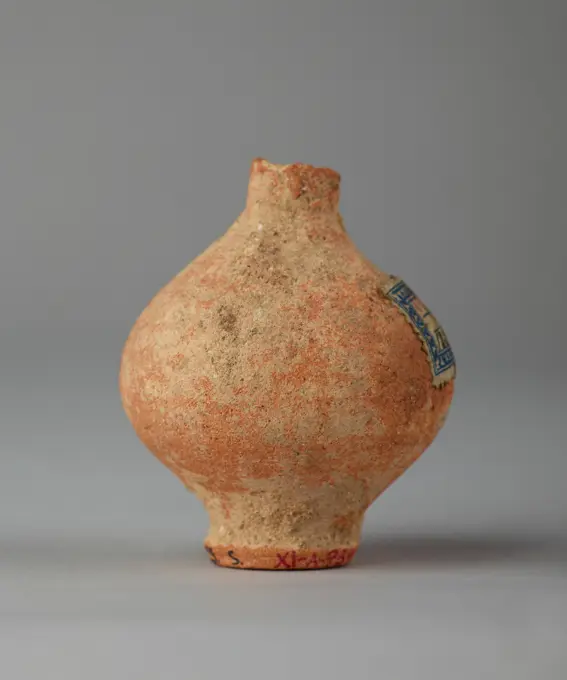
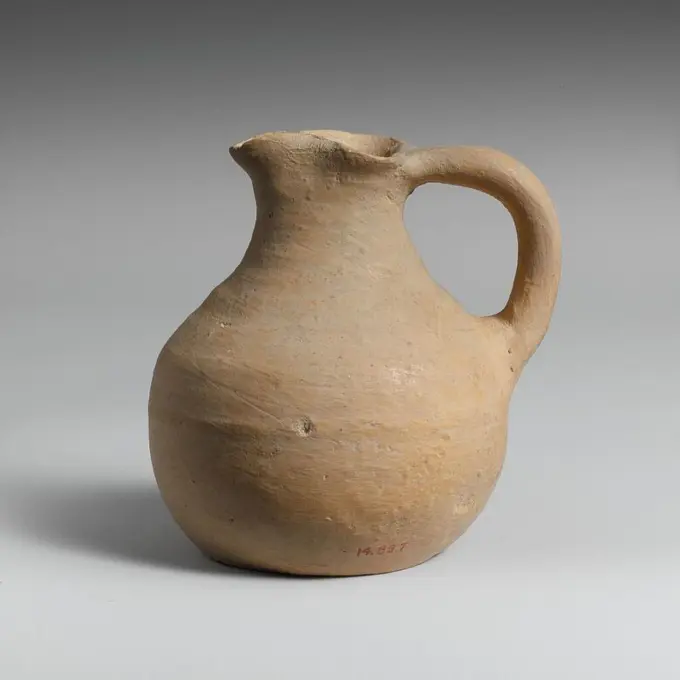
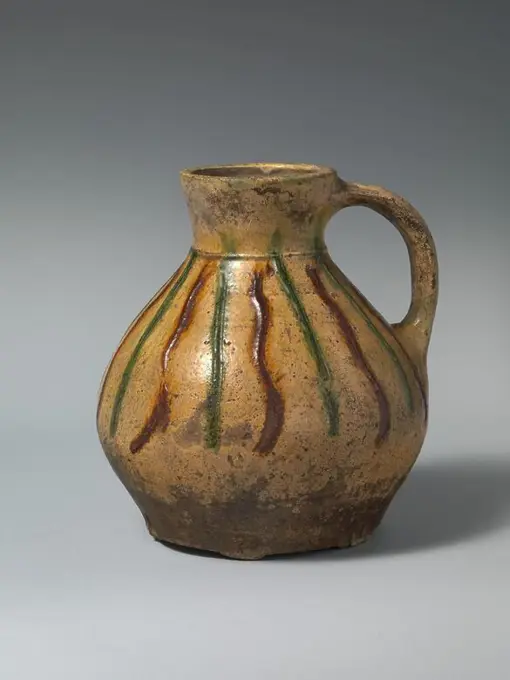
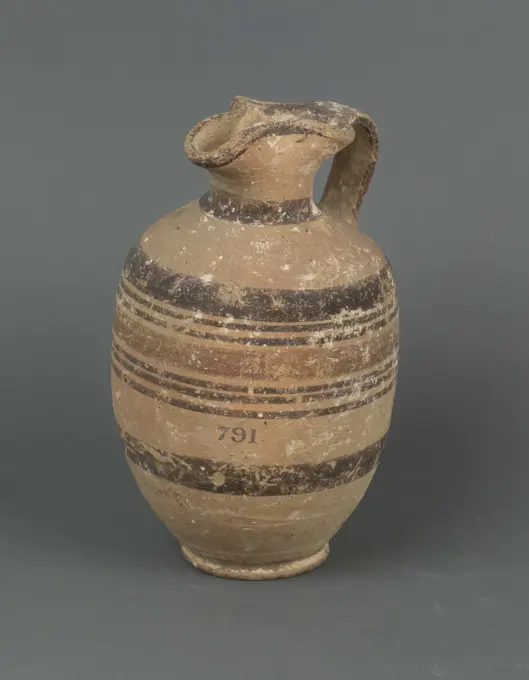
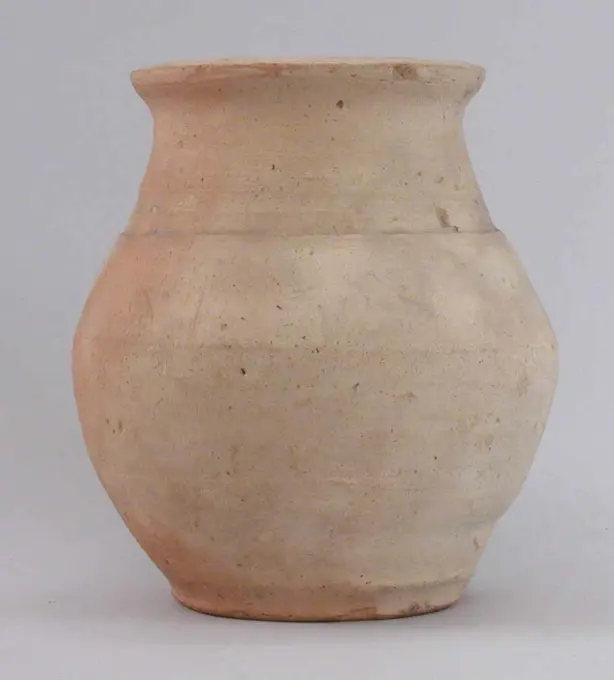
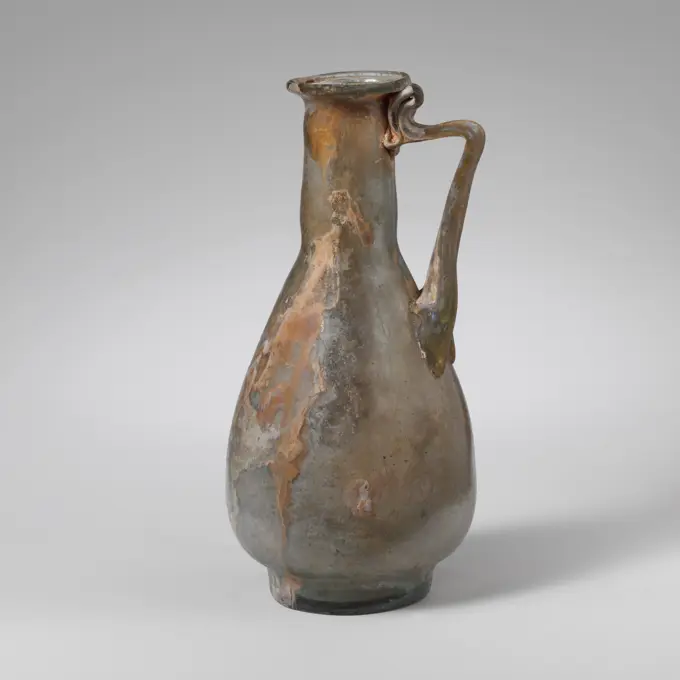
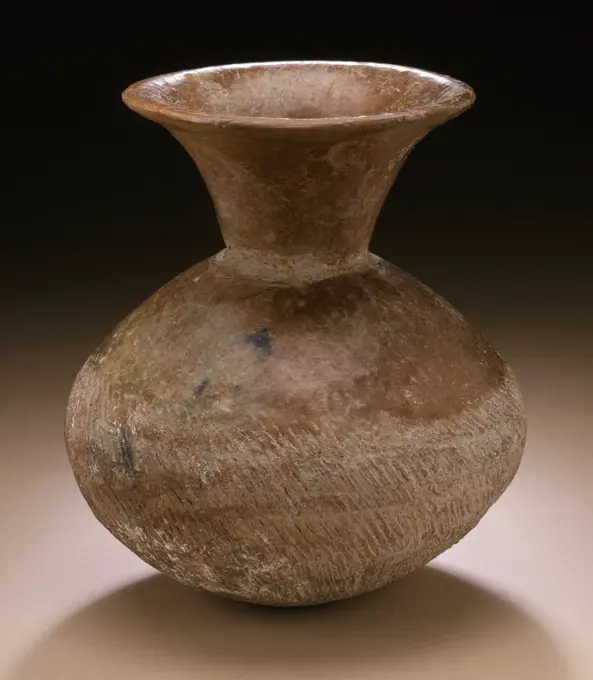
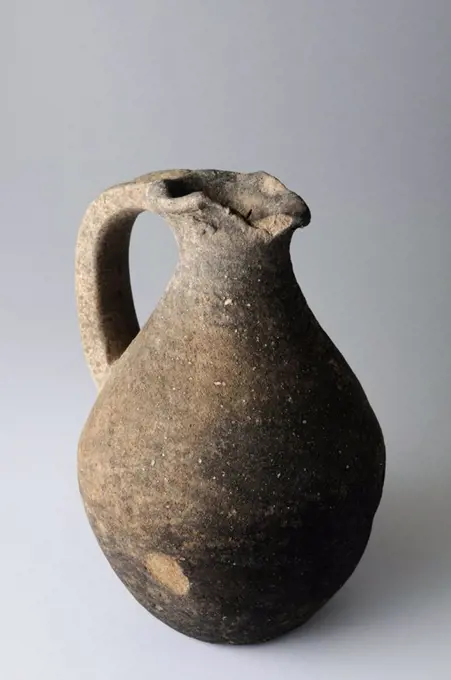
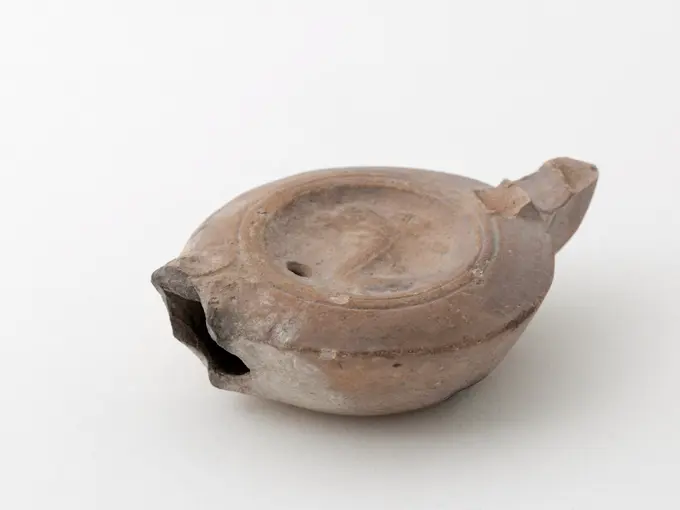
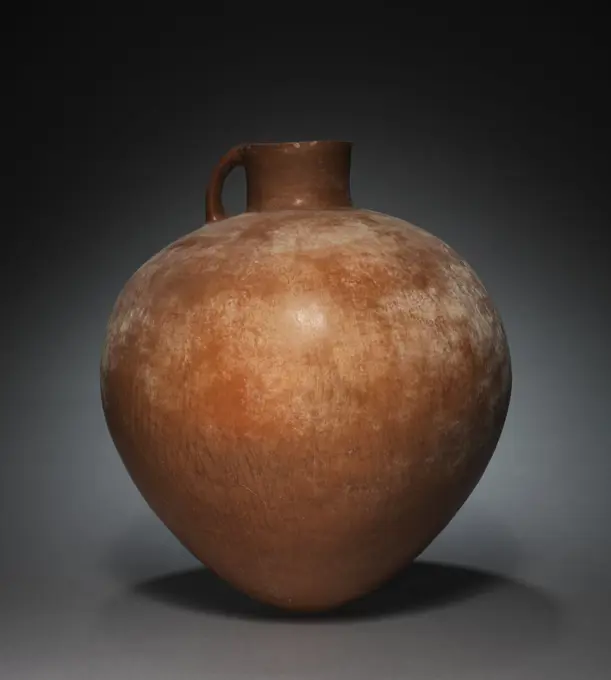
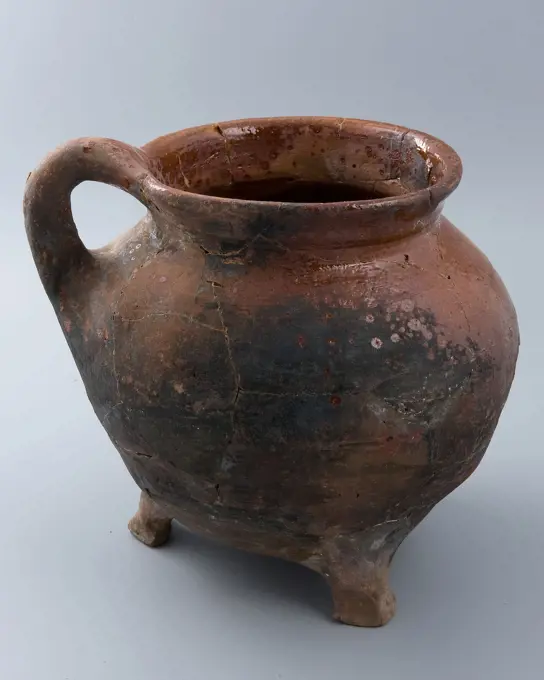
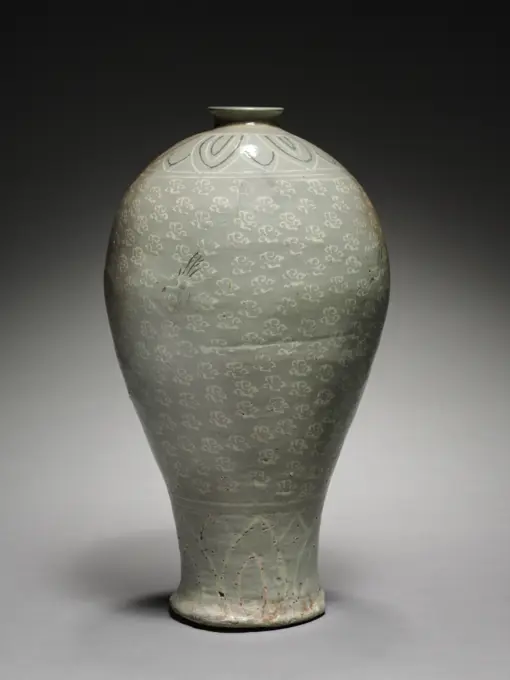
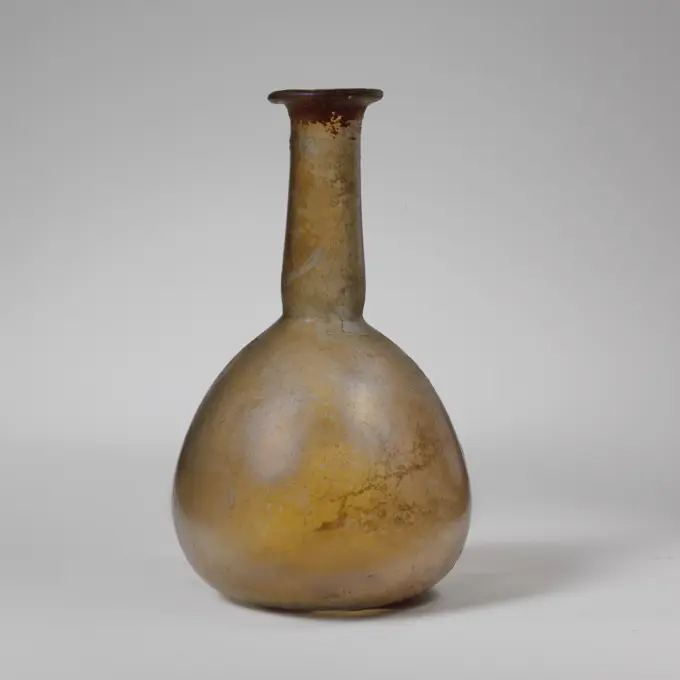
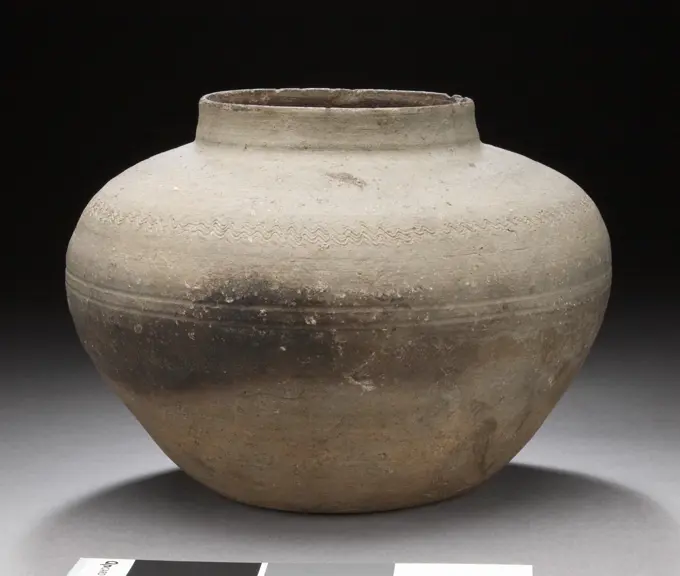
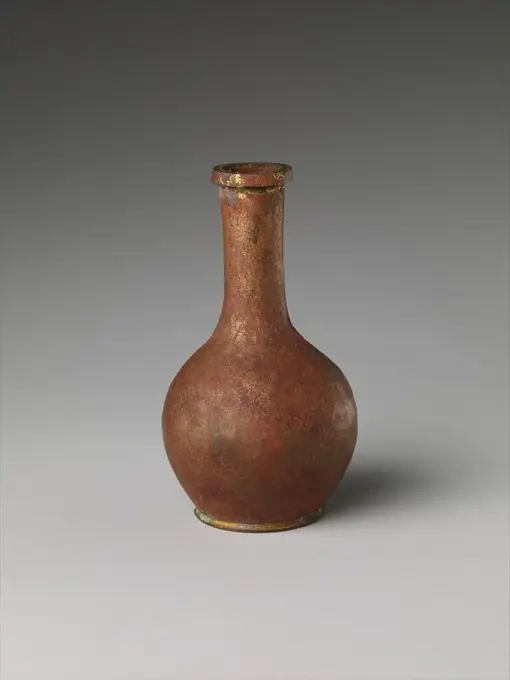
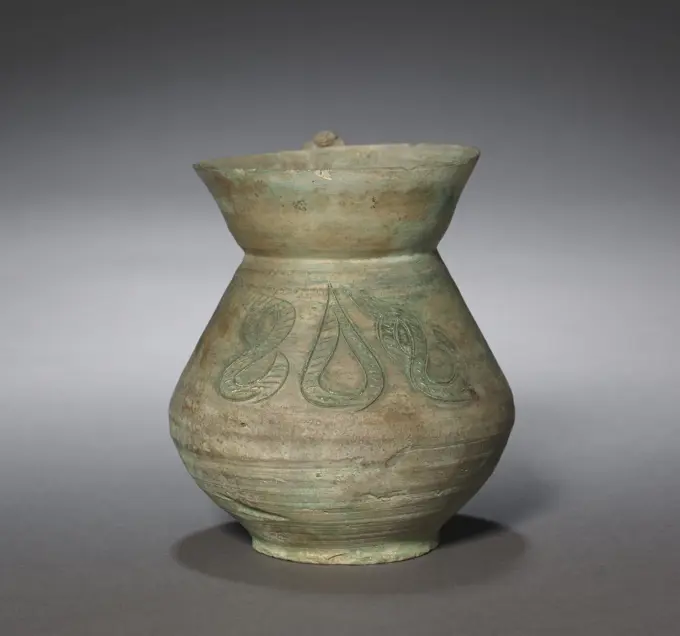
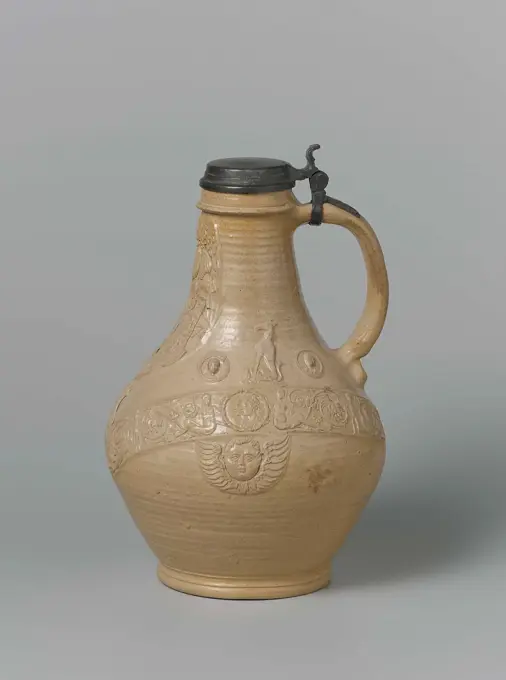
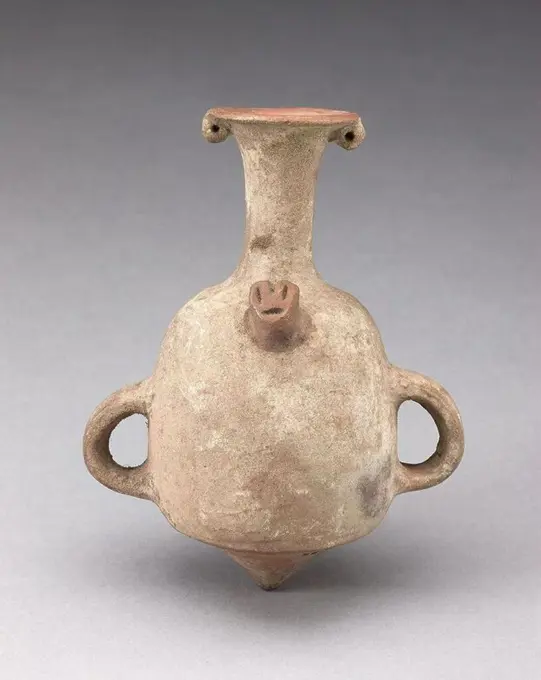
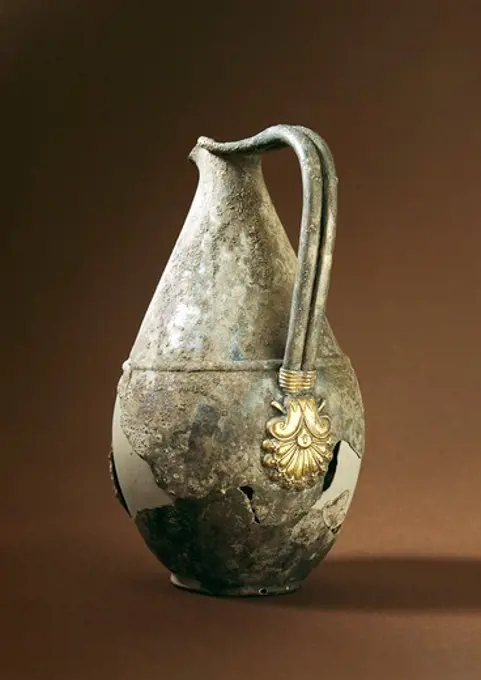
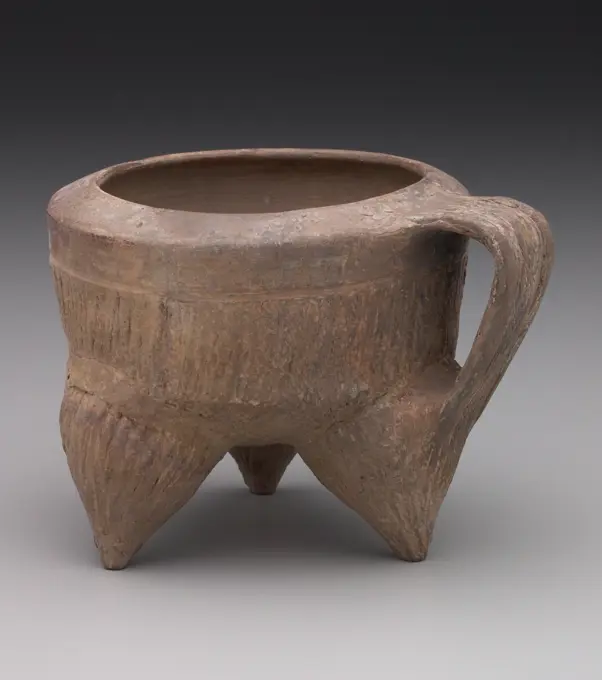
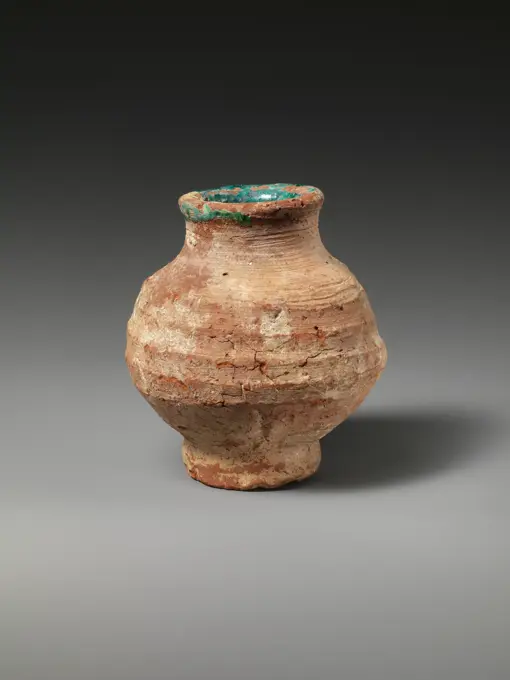
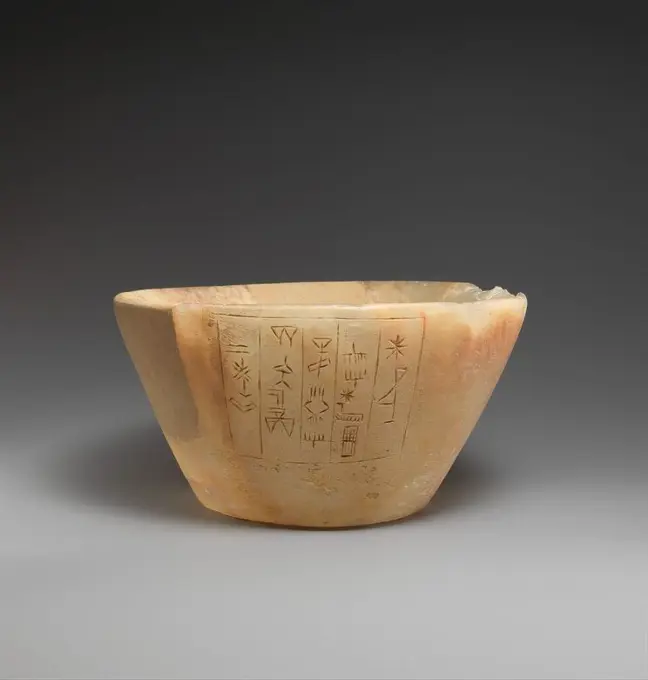
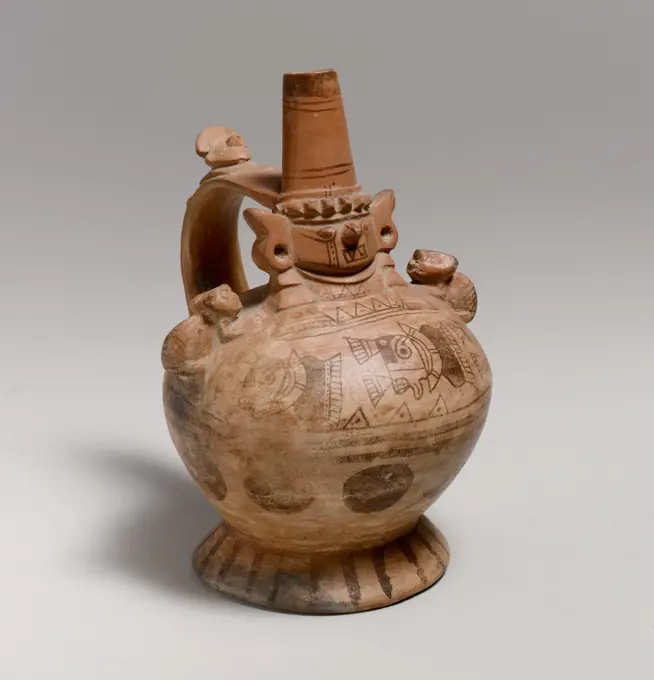
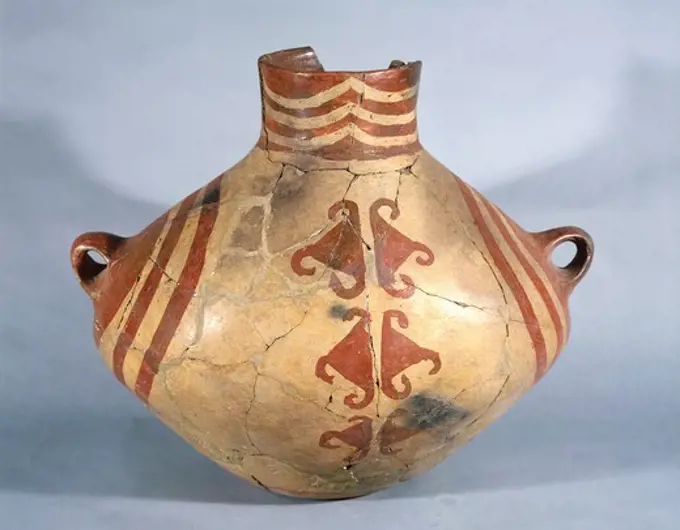
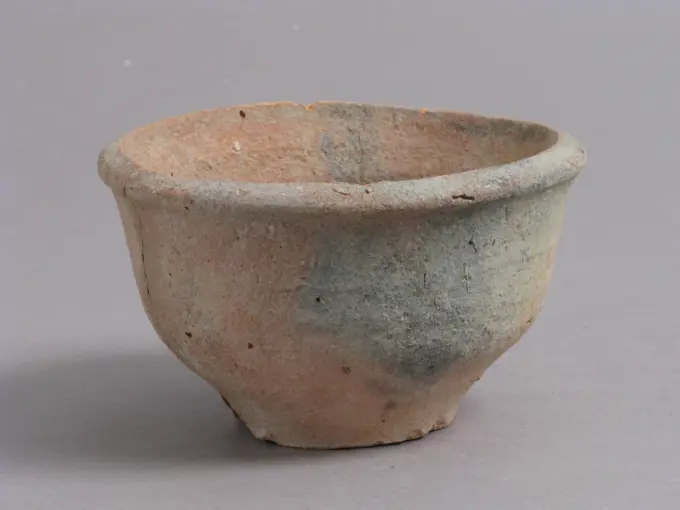
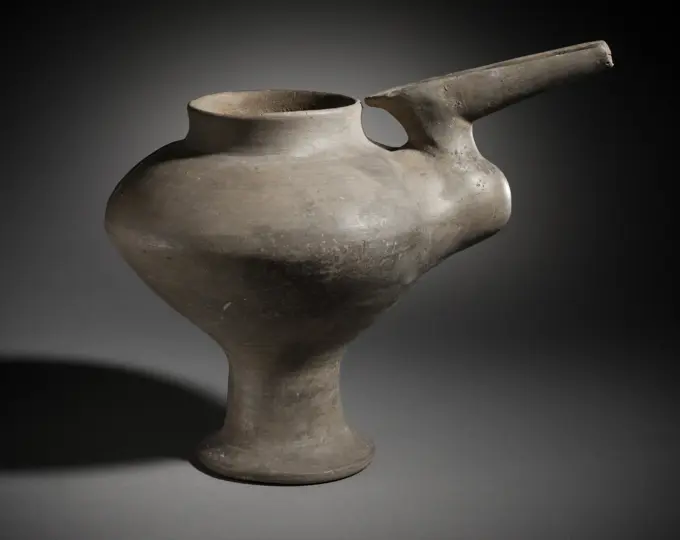
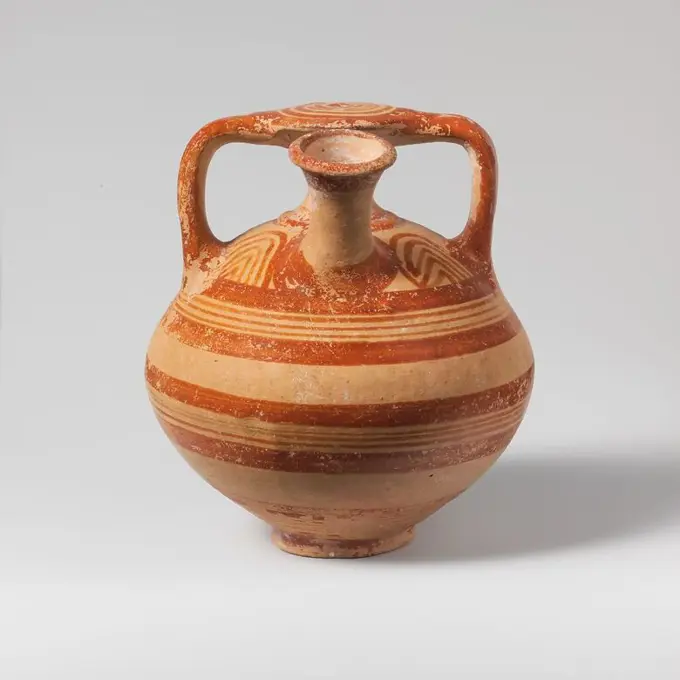
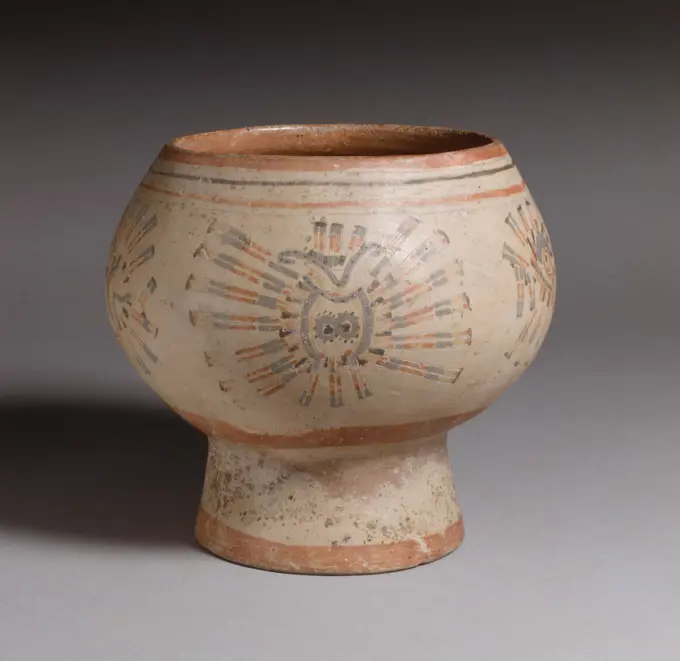
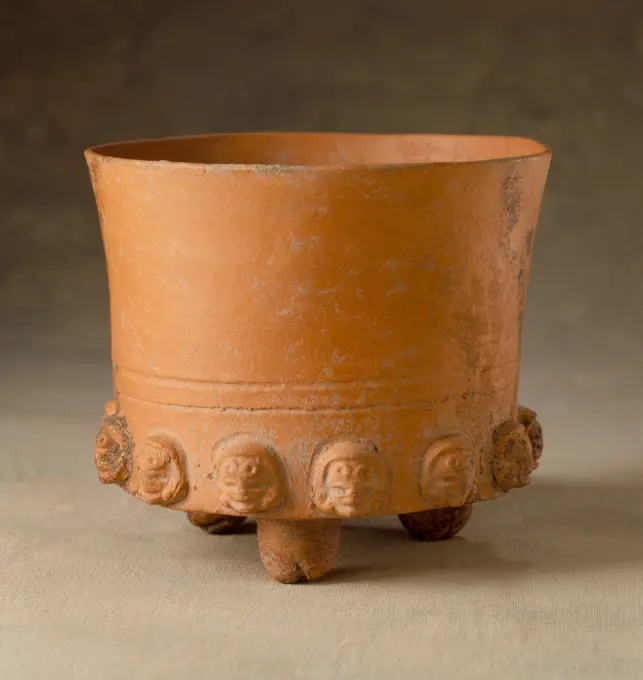
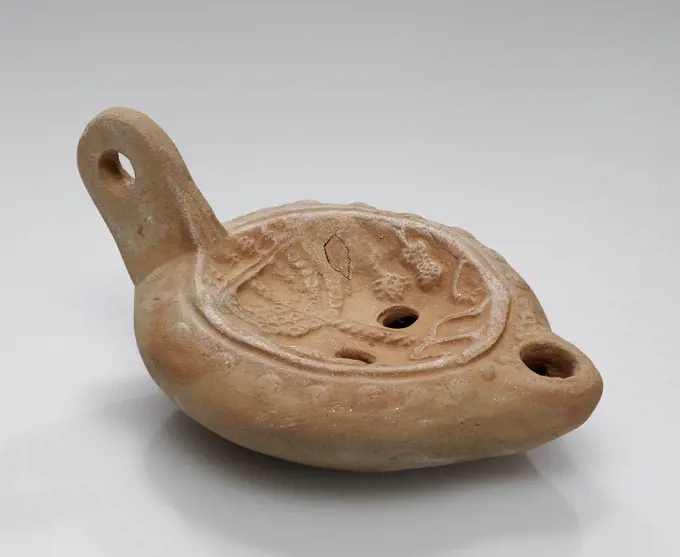
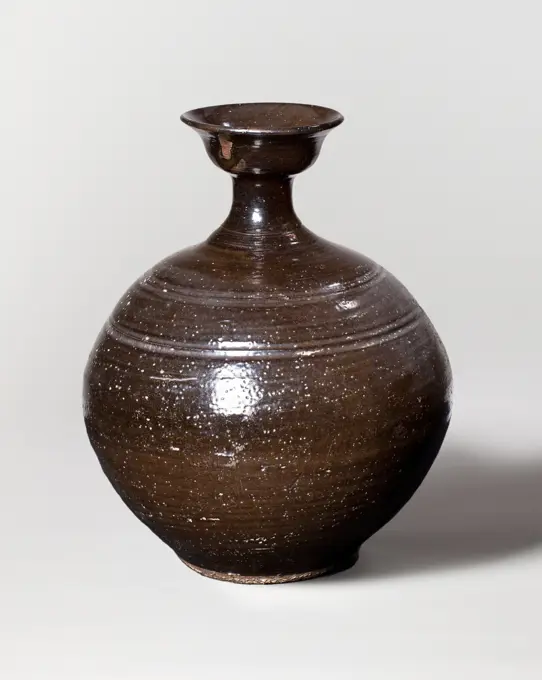
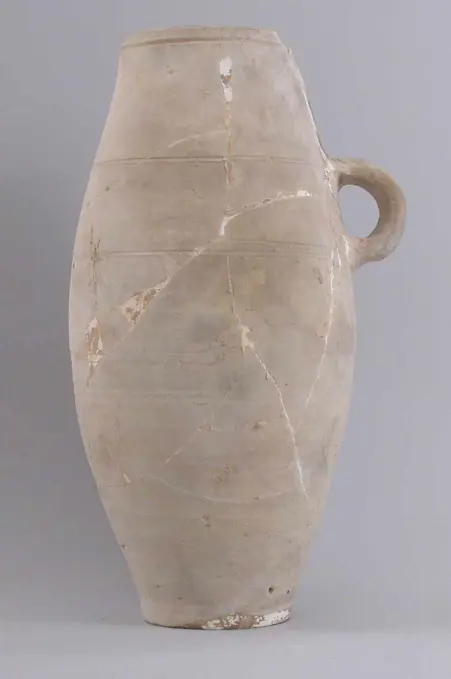
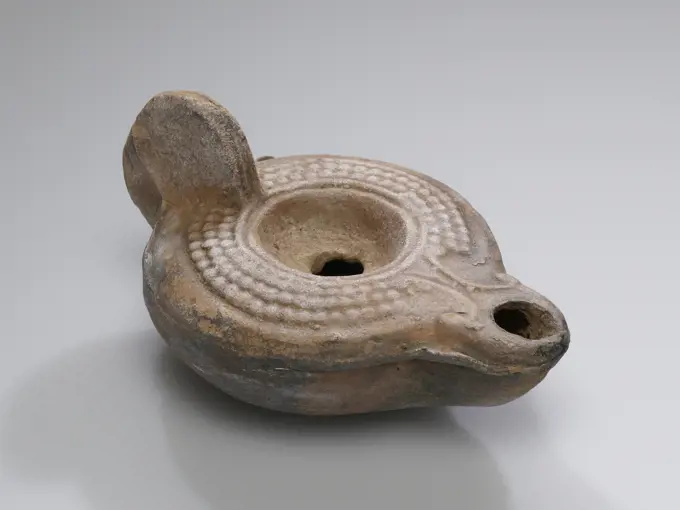
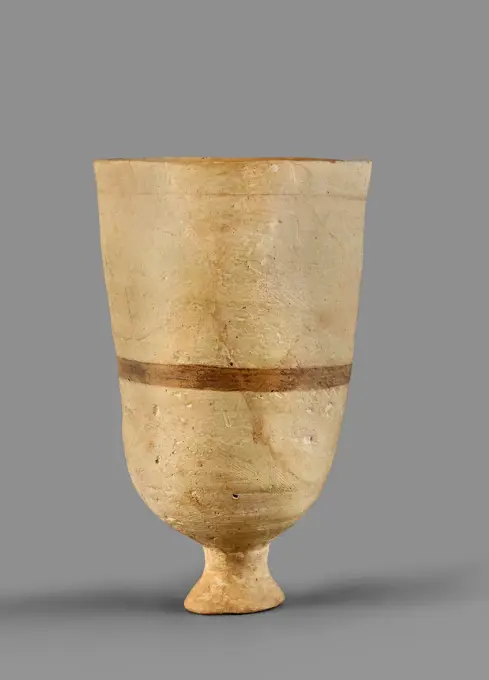
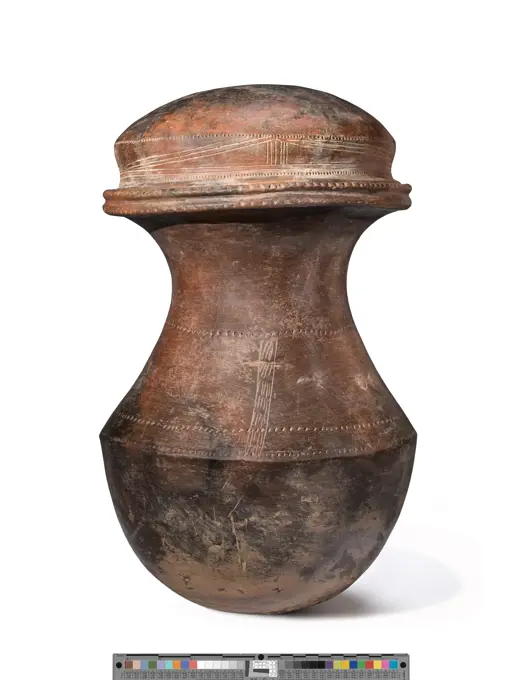
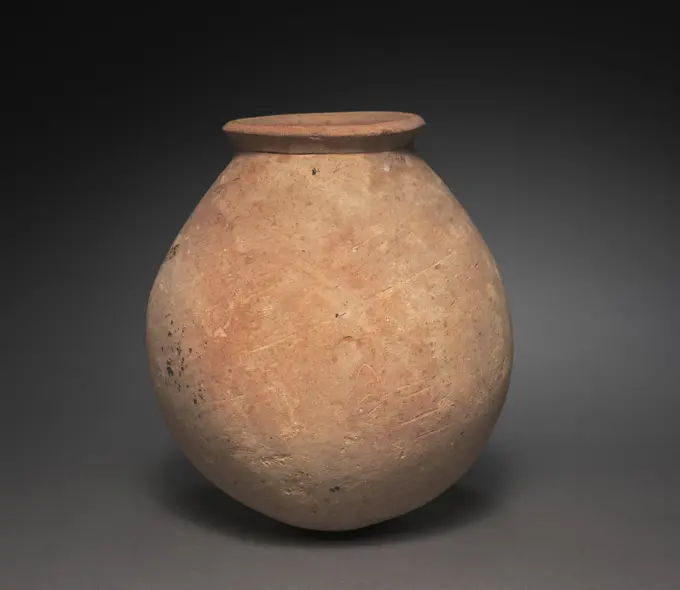
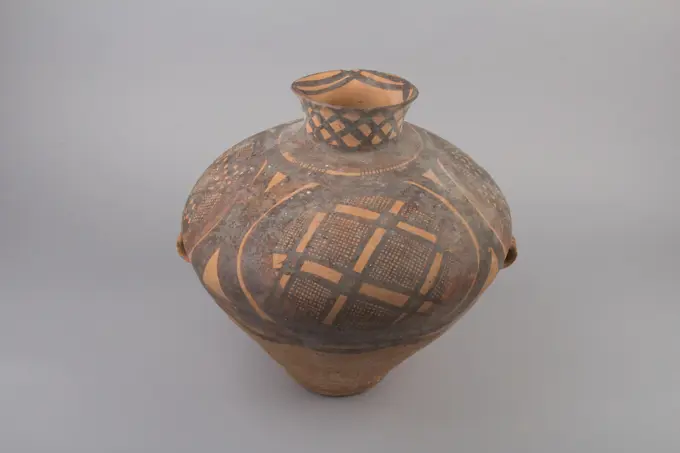
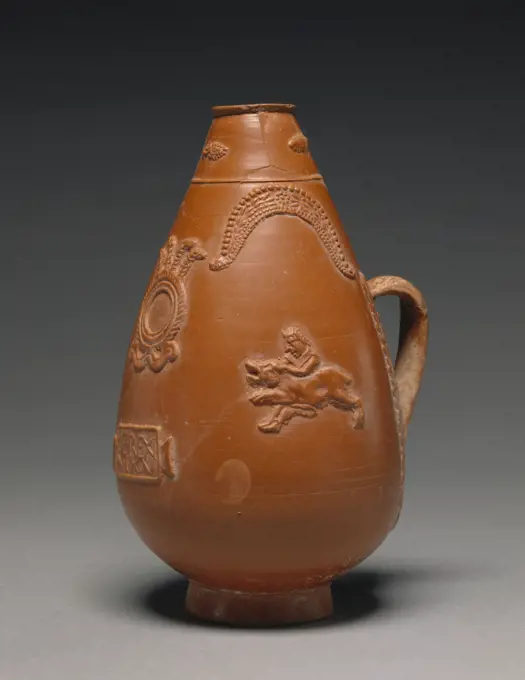
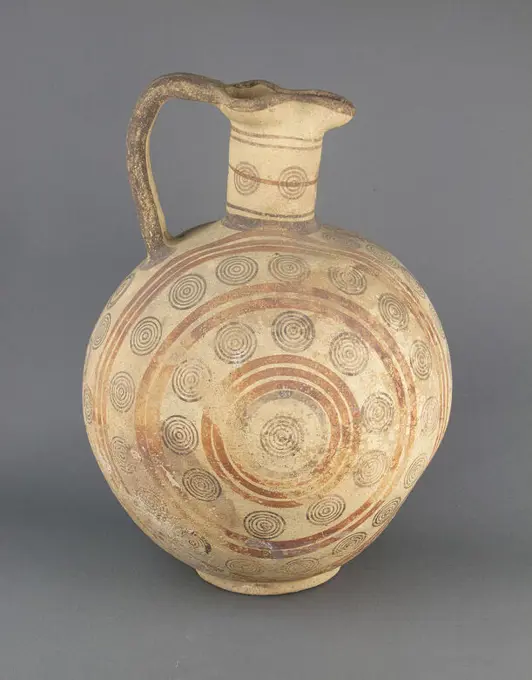
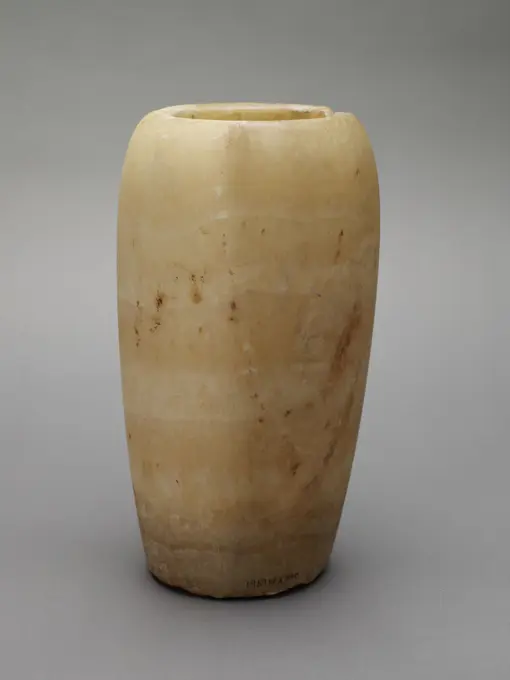
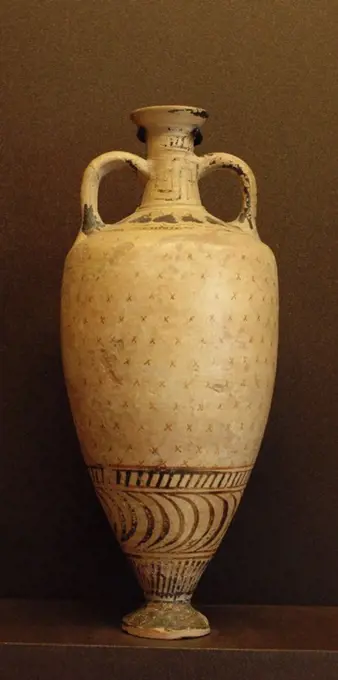
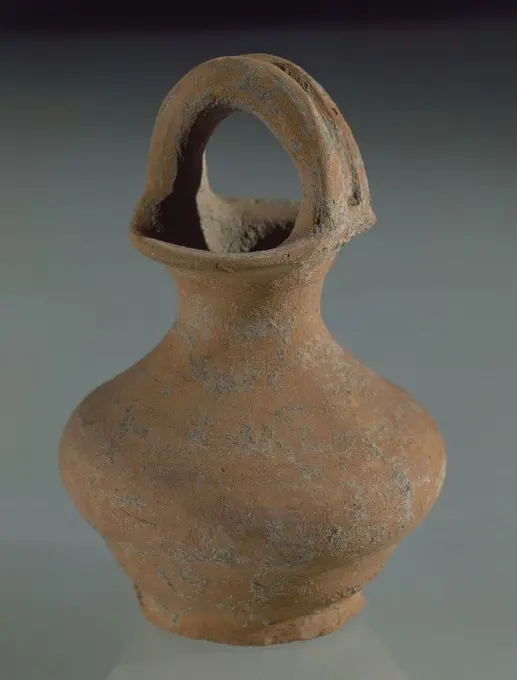
JARRITA DE 1 ASA-AJUAR MUNECA NECROPOLIS PALENCIA. Location: MUSEO ARQUEOLOGICO NACIONAL-COLECCION. MADRID. SPAIN.Storage jar 3rd-2nd century B.C. () Paracas. Storage jar 308350Miniature jarLid pot ". Terracotta with green lead glaze. Han dynasty (206 BC-220 AD). Paris, Cernuschi museum. Chinese art, Chinese ceramic, lid, han dynasty, han time, oval shape, pot, terracottaJug 9th-10th century. Jug 449073Storage Jar. Culture: Japan. Dimensions: H. 16 7/8 in. (42.9 cm); Diam. 12 1/2 in. (31.8 cm). Date: 14th-15th century.The rugged shape evokes the hand of the potter, while the glaze, which was created during the firing, alludes to this process. This immediacy, which distinguishes the jar from the polished works produced in European factories at the time, is one of the qualities that appealed to studio potters working in the early twentieth century. Museum: Metropolitan Museum of Art, New York, USA.Jug 4th-7th century Coptic. Jug 478669Jar ". Terracotta. Vietnam-Xe-Xive s. Paris, Cernuschi museum. 72186-28 Jar, Vietnamese object, terracottaSpherical ointmentJar late 8th-9th century. Jar 449506Storage Jar (Hu) with Hunting Scenes. China. Date: 25 AD-220 AD. Dimensions: H. 37.6 cm (14 13/16 in.); diam. 29.5 cm (11 5/8 in.). Earthenware with underglaze molded decoration and green lead glaze. Origin: China. Museum: The Chicago Art Institute, Chicago, USA.Small terracotta trefoil-mouthed jug. Culture: Minoan. Dimensions: H. 3 1/4 in. (8.3 cm.). Date: ca. 1950-1900 B.C..Fine plain ware without decoration. Museum: Metropolitan Museum of Art, New York, USA.Jug with Applied decoration. Culture: British. Dimensions: 9 13/16 × 9 1/2 × 8 7/8 in. (24.9 × 24.1 × 22.5 cm). Date: 13th century.In crafting this jug, the potter addressed both practical and aesthetic needs. The maker's thumbmarks, in five places around the base, ensure stability. A low center of gravity, which keeps the vessel from tipping, is visually counterbalanced by a high arched handle. The tapering body, from the shoulder up to the neck, is decorated with applied vertical strips, alternating straight and green with red and waving. Museum: Metropolitan Museum of Art, New York, USA.Storage jar, 15th century, Unknown Japanese, 18 1/2 × 16 3/4 × 16 3/4 in. (46.99 × 42.55 × 42.55 cm), Tanba ware; stoneware with natural ash glaze, Japan, 15th century, 波 Tanba wareJug 850-750 B.C. Cypriot Broad and narrow horizontal bands.. Jug. Cypriot. 850-750 B.C.. Terracotta. Cypro-Geometric III. VasesRoman Glass. Artist: UnknownGlobe-shaped vase with small foot, Yayoi periodJar 9th century. Jar 449557Glass jug 2nd-3rd century A.D. Roman Translucent pale blue-green; handle in same color.Rim folded out, over, and in, with beveled inner edge on flaring mouth; broad, funnel-shaped neck, with slight indent at base; elongated piriform body, tooled in to form integral pad base; flat bottom but with uneven indent off-center; strap handle applied as three large claws to top of body, drawn up and out, turned in at sharp angle, and trailed on to top of neck and underside of rim.Intact, but cracks in body; many pinprick bubbles and some blowing striations; pitting, dulling, and milky weathering with iridesence.. Glass jug 239699Jar still bank, 19th century, 3 1/8 x 2 5/8 in. (7.94 x 6.67 cm), Ceramic, United States, 19th centuryPot. Thailand, Nakhon Ratchasima, Nong Song District, Nak, circa 400 B.C.. Furnishings; Cookware. Low-fired ceramic with a burnished red slip and incised decorationJug piriform body, lobed rim and spout with a handle. Height 150 mm Diameter mouth 49 mm Width 130 mm - Visigoth period belonging of the " Burgo de Santiuste Museum" in Alcalá de Henares. (Madrid). SPAIN.Banquy vessel; Unknown Night -Tamanian workshop; approx. 2600 2350 BC ; Early period D Azira III (-2600-00-00--2350-00-00);Oil lamp. Dolphin. Terracotta. High Empire. Paris, Carnavalet museum. 50029-7 Dolphin, high-empire, oil lamp, terracotta, animalEwer 10th-11th century. Ewer 449771Red-Burnished Jug, 1000-700 BC. Iran, Amlash, 10th-8th century BC. Earthenware; diameter: 37.4 cm (14 3/4 in.); diameter of mouth: 10.3 cm (4 1/16 in.); overall: 45.4 cm (17 7/8 in.).Pottery cooking jug or grape on three legs, one ear, grape cooking pot tableware holder utensils earthenware ceramics earthenware glaze lead glaze, hand turned baked glazed Large ball-shaped pot with one ear Ear protrudes the pot edge. Short sloping neck with round upper edge Pretty smooth outer wall. Single lead glaze on shoulder and neck Red shard. Legs with triangular sculpted standing surfaces Black spots. Restoration is repainted archeology underground pit Rotterdam City Triangle Groenendaal indigenous pottery food preparation cooking kitchen Soil discovery: underground pit Groenendaal first 50 meters from the well. Found 1975-09-11.Mortero de cocina romano. Can Serra Museu de Mataró.Jug 4th-7th century Coptic. Jug 477279Vase, 6 x 3 13/16 x 4 1/8 in. (15.24 x 9.68 x 10.48 cm), Earthenware, EthiopiaPrunus Vase with Inlaid Clouds and Flying Cranes Design, 1300s. Korea, Goryeo period (918-1392). Celadon ware with inlaid white and black slip decoration; outer diameter: 20.4 cm (8 1/16 in.); overall: 37 cm (14 9/16 in.). As early as the seventh century, the practice of drinking tea and wine became an important part of elite culture in Korea. Once used to store alcoholic beverages, this type of vase features a wide body followed by a sharply rounded shoulder, a short neck and a small opening. Most of the remaining examples no longer have a lid, but originally it may have had a lid that not only covered the opening, but also served as a cup.Jug 9th century. Jug 449361Jar 4th-7th century Coptic. Jar 475753Cup with Spout 4th-7th century Coptic. Cup with Spout 477329Juglet 750-600 B.C. Cypriot Tubular spout and rudely drawn lotus flowers on shoulder.. Juglet. Cypriot. 750-600 B.C.. Terracotta. Cypro-Archaic I. VasesConical ointmentGlass perfume bottle 1st-2nd century A.D. Roman Colorless.Rim folded out, over, and in onto outer edge of mouth; cylindrical neck, expanding downward and tooled in around base; tall bulbous body; flat bottom.Intact; some pinprick bubbles; deep, iridescent weathering.. Glass perfume bottle 239642Bottle. Culture: Paracas. Dimensions: Overall: 9 1/2 in. (24.13 cm)Other: 8 9/16 in. (21.69 cm). Date: 5th-3rd century B.C.. Museum: Metropolitan Museum of Art, New York, USA.Small Jar with Upright Mouth. Korea, Three Kingdoms period, Old Silla kingdom (57 B.C.-A.D. 668), 5th-7th century. Furnishings; Serviceware. Wheel-thrown stoneware with combed decorationVase. Culture: China. Dimensions: H. 2 1/2 in. (6.4 cm). Date: 19th century. Museum: Metropolitan Museum of Art, New York, USA.Jar 13th century French. Jar 465875 French, Jar, 13th century, Earthenware with slip decoration, Overall: 8 3/16 x 6 1/8 x 5 1/16 in. (20.8 x 15.5 x 12.8 cm). The Metropolitan Museum of Art, New York. Gift of J. Pierpont Morgan, 1917 (17.194.2188)Vase with globular body ". Terracotta. Vietnam-Xe-Xive s. Paris, Cernuschi museum. 72187-15 A panel, globular, Vietnamese object, terracotta, vaseJug, 900s-1100s. Iran, 10th-12th century. Earthenware; overall: 13.2 x 12 cm (5 3/16 x 4 3/4 in.).Jug Cypriot. Jug. Cypriot. Terracotta. Hellenic. VasesJar, water. Dimensions: H. 41 cm x Depth 26 cm. Dynasty: Dynasty 12, late - Dynasty 13, early. Date: ca. 1859-1749 B.C.. Museum: Metropolitan Museum of Art, New York, USA.Lamp, Asia Minor; 1st - 4th century; Terracotta; 3 x 7.5 x 11.5 cm (1 3,16 x 2 15,16 x 4 1,2 in.)Jar with the arm of orange. Jug of stoneware with pewter lid. The pear-shaped body is completely ribbed. The jug is decorated with a printed decoration of two diagnostic fries in which sitting bare figures between tendrils. For the arm of orange held on the neck by an angel.Red-Polished Ware Amphora. Cyprus, 3000-2400 B.C.. Furnishings; Serviceware. Red terracottaCANTARO PARA AGUA CON DOS ASAS - S XX CERAMICA POPULAR. Location: ALFARERIA. SPAIN.Miniature Aryballos. Inca; South coast or southern highlands, Peru. Date: 1450-1532. Dimensions: 11.9 x 9.4 cm (4 11/16 x 3 11/16 in.). Ceramic and pigment. Origin: Southern Highlands. Museum: The Chicago Art Institute, Chicago, USA.Celtic jar of type Oinochoe, IV-I centuries BC, Cerro de San Miguel, Arnedo, Museo de la Romanización, Calahorra, La Rioja , Spain, Europe.Silver oinochoe or jug with gold plated decoration of handle, from Tomb Regolini Galassi, Cerveteri, ItalyUnguentarium 4th-7th century Coptic. Unguentarium 478721Li Tripod with turned-inrimPot 1st-3rd century Roman. Pot 477330Jug 750-600 B.C. Cypriot Bands and concentric circles.. Jug. Cypriot. 750-600 B.C.. Terracotta. Cypro-Archaic I-II. VasesBowl. Culture: Sumerian. Dimensions: H. 10.5 cm (4 1/8 in.). Date: ca. 2600-2500 B.C.. Museum: Metropolitan Museum of Art, New York, USA.BowlBottle, Mythic Figure 10th-11th century Lambayeque (Sicán) The Lambayeque Valley was home to the Sicán (or Lambayeque) ceramic style. Developing toward the end of the first millennium A.D., it continued until the end of the fourteenth century when the region was conquered by the expanding Chimú kingdom. Sicán potters produced a range of vessel forms; the most common is the spouted bottle with strap handle and pedestal base, as on this example. Sicán ceramics, well made and elegantly proportioned, tend to be repetitive and highly stylized, characteristics resulting from the almost exclusive use of molds and the emphasis on mass production. Sicán molds were complex and bases, spouts, and chambers could be produced in a single operation.The most characteristic motif in Sicán art is the frontal face of the so-called Sicán Lord. It is widely seen on ceramics, metalwork, textiles, and mural painting. On this bottle, the Lord has the characteristic almond-shaped eyes, prominent pointed nose, Turkey, Anatolia, Amphora from HacilarRitual Vessel 1101-1700 Mali. Research suggests that the ancient potters of Maliís Inland Niger Delta region were at least part-time specialists and were women, as are the potters in the region today. It is likely that they created wares for domestic and ritual use, including figural sculptures in clay. This cylindrical vessel was likely made for ritual use considering the close attention to decorative detail that it displays and the relative rarity of flat-bottomed containers from the region. Delicately incised lines complement the raised and inset rings at the vesselís neck and waist.. Terracotta . Inland Niger DeltaBowl 4th-7th century Coptic. Bowl 478840Pottery flower pot on stand with two horizontal sausage ears and seven holes in the bottom, flower pot holder soil find ceramic pottery, hand-turned pottery Pot with two large horizontal and horizontal ears Above that, thickened ring around the pot. On foot. Rotations on the wall. Here and there glaze spatters In the bottom seven holes pierced from the bottom up and not finished Light red shard. Taper of shape narrowing towards the foot archeology indigenous earthenware decorate home interior garden plant cultivate flowerSpouted Jar on a Pedestal. Northern Iran, circa 1300-1000 B.C.. Furnishings; Serviceware. Gray-black burnished wareJar c 1830-1850 Maine. Earthenware . Thomas Truxton KendrickSmall round background vase (attributed title), -4205. Beige ceramics. Carnavalet museum, history of Paris.Terracotta stirrup jar. Culture: Mycenaean. Dimensions: H. 4 1/2 in. (11.4 cm.). Date: ca. 1400-1050 B.C..Parallel circles, chevrons. Museum: Metropolitan Museum of Art, New York, USA.Tripod Vessel 850 CE-1150 México. Ceramic and pigment . TeotihuacanWhite marble vase on gray-white marble pedestal. Bolle vase of white polished marble. The base is made of gray-white marble, which is connected to the vase with a copper screw and flat lock bolt. Perhaps the feet later attached to the vase. A label with inscription is stuck on the vase.Pedestal Bowl 13th-16th century Guanacaste-Nicoya During the last few centuries prior to the Spanish conquest, numerous ceramic styles were produced in the Greater Nicoya region of Costa Rica that were strongly inspired in form and decoration by ceramic traditions in the Maya area and central Mexico. One of those styles, known as Vallejo, emphasizes white-slipped surfaces with polychrome designs outlined by incision, as seen on this pedestal bowl. The motifs decorating the outside of the vessel recall the geometric, brightly colored painting styleknown as Mixteca-Pueblapopular in central Mexico at the time. Elements of the style and the religious concepts associated with it spread throughout Mesoamerica and northern Central America, probably by means of an exchange network of elite goods and perhaps even an influx of migrating Nahua-speaking peoples from northern Mexico. Local ceramic artists formulated their own interpretation of the foreign imagery and created a blend of figures anAn ancient Greek wine jug decorated with plants and animals. Barcelona. Spain 2013Tripod Vessel with Mold-Made Heads. Mexico, Teotihuacan, Teotihuacan, 200-500 CE. Ceramics. Thin Orange ceramicLamp, Asia Minor; 1st - 4th century; Terracotta; 1.9 × 6 × 8.5 cm (3,4 × 2 3,8 × 3 3,8 in.)Jug 1600-1050 B.C. Cypriot Ovoid jug with handle, small foot and groove below shoulder.. Jug. Cypriot. 1600-1050 B.C.. Terracotta. Late Cypriot. VasesBottle with flared mouth, late 19th-early 20th century, Unknown Korean, 12 3/8 × 10 1/16 × 10 1/8 in. (31.43 × 25.56 × 25.72 cm), Stoneware with iron-brown glaze, Korea, 19th-20th centuryGlass beaker Roman 2nd-3rd century CE Translucent pale yellow green.Rounded, flaring rim; cylindrical body with slightly convex, vertical side, curving in at base to integral tubular base ring; bottom with small kick at center and pontil scar.Intact; pinprick and a few larger bubbles; dulling, iridescence, and patches of faint weathering.Vase 1830-70 American. Vase 9260Jar 9th-11th century This object was excavated at Nishapur.Nishapur was a vital city in the early and middle Islamic periods, located along one of the main trajectories that connected Iran and West Asia Islamic lands with Central Asia and China. These itineraries are often referred to by the term Silk routes’ but were in fact crucial to the movement of constellations of materials and objects, as well as people and ideas. The diverse population of Nishapur and its surroundings, from the better-researched elite groups of merchants, land-owning aristocracy, and literates, to the less-known artisans, farmers, miners, and servants, were instrumental in adapting global cultural trends to create their own distinctive visual languages. This is seen in the material remains of everyday life in medieval Nishapur - from pots and pans to lighting devices, inkwells, textiles and trimmings, jewelry, games and toys, talismanic devices, weapons, coins, and architectural fragments.Nishapur lost its polLamp, South Anatolia, Anatolia; 1st - 4th century; Terracotta; 2.3 x 6 x 9 cm (7,8 x 2 3,8 x 3 9,16 in.)Pucharek. nieznany warsztat mitannijski, workshopGlobular Burian Urn. Colombia, San Agustín, 600-100 BCE. Ceramics. CeramicWater Jar (Globular Jar), 1980-1801 BC. Egypt, EL-Haraga, cemetery S, tomb 366, excavated in 1914, Middle Kingdom, Second half of Dynasty 12, 1980-1801 BC. Marl clay; diameter: 17.9 cm (7 1/16 in.); overall: 20 cm (7 7/8 in.); diameter of aperture: 7.6 cm (3 in.).Flying cut , white protogres with ivory covered. Decor of green enamel splashes. Cernuschi Museum, Asia Museum of Asia in the city of Paris.Lime Container in the Form of a "Mloko" Drum 500 B.C.-A.D. 300 Indonesia (Java, Lumajang, Pasiran). Lime Container in the Form of a "Mloko" Drum. Indonesia (Java, Lumajang, Pasiran). 500 B.C.-A.D. 300. Bronze. Bronze and Iron Age period. MetalworkEtruscan civilization, Terracotta kantharos with bifurcated handle from Montegrotto Terme, Sanctuary of S. Pietro Montagnon, Veneto region, Italy, 8th century b.c.Pear-Shaped Jar (Hu) 2500-2000 B.C. China. Pear-Shaped Jar (Hu). China. 2500-2000 B.C.. Earthenware with pigment. Neolithic period, Majiayao culture, Banshan-Machang type. CeramicsJar, 2nd century BCE, Unknown Korean, 8 9/16 x 8 5/16 x 7 5/8 in. (21.75 x 21.11 x 19.37 cm), Earthenware, Korea, 2nd century BCE, This elegant, thin-walled jar is an early example of wheel-turned pottery in Korea. Before this technological advancement, vessels were built by rolling ropes of clay and coiling them on top of each other to create a container. Since such jars, with their flaring necks, round bottoms, and unusual handles in the shape of ox horns, have only been discovered among funerary remains, it is likely they once held ceremonial offerings.Jug with Gladiators Fighting Wild Beasts; North Africa, Tunisia; 200 - 275; Terracotta; 16.3 cm (6 7,16 in.)Ewer 11th-13th or 15th-16th centuries Vietnam. Ewer 37555Lazio Viterbo Viterbo Museo Civico97. Hutzel, Max 1960-1990 Views of paintings (Middle Ages through 18th c.), frescoes, a tabernacle, coffin, sculpture reliefs, portal fragments, busts, sculpture, tapestry found in the Pinacoteca, Second floor gallery and Second floor cloister sequences. Antiquities: Many views of Etruscan and Roman fragments, sculpture, sarcophagi, pottery, masks, jewelry and other objects found in the Storeroom sequence (inventory numbers on back of prints), and the Cloister, Second floor Cloister, Valle Giulia, Sala Romana and Sala Etrusca sequences. General Notes: There are eight separate numerical sequences for this location. The cloister as an architectural structure, rather than museum site, is documented in the record and file for S. Maria della Verita, Cloister, all views of which are stored in Medieval core collection. Five views from the Museo Civico Second floor cloister sequence are stored in Medieval. German-born photographer and scholar Max Hutzel (1911-Jug. Culture: Cypriot. Dimensions: 15 1/2in. (39.4cm). Date: 750-600 B.C..Vertical and concentric circles and conventional ornament at front. Museum: Metropolitan Museum of Art, New York, USA.Jug with spout, flowers and ornamental borders, anonymous, c. 1600 - c. 1630 Can of stoneware on spreading, tin foot with an egg -shaped body, wide neck and straight spout from the shoulder. The C-shaped ear is attached to the neck and belly. Profiles on the jug. Partly covered with cobalt blue. On the abdomen a broad bond with medallions printed and imposed in relief. The three large ones with: the weapon of the Elector of Saxony, the Wapen van Zeitz-Naumburg and the coat of arms of the Von Schwarzenholz family with the inscription 'A. Wengle '(printing shape cutter brand). In between four small medallions with the fall. On the shoulder a band with angel heads and leaf motifs. The jug is caught in a pewter frame with lid and foot. The lid has a layered button and a shell -shaped thumb lever. Waldenburg. Waldenburg Stoneware. Glaze. Cobalt (Mineral). frame: tin (metal) vitrification Can of stoneware on spreading, tin foot with an egg -shaped body, wide neck and straight spout from the Canopic Jar Body. Inscribed for Ta-nefert-irty, daughter of the general Psamtek-neb-pehty, born of the lady Ta-Kesh.Bridge and Spout Bottle with Falcon 7th-4th century B.C. Paracas. Bridge and Spout Bottle with Falcon 307867Tankard with light brown and panels with flower scrolls, anonymous, c. 1700 - c. 1724 Porcelain beer pules cover, painted in underly glaze blue and with cafe-au-lait glaze. On the lid cartouches with flower vines in reserve. Monochrome brown with blue and white. China porcelain. glaze. cobalt (mineral) painting / vitrification Porcelain beer pules cover, painted in underly glaze blue and with cafe-au-lait glaze. On the lid cartouches with flower vines in reserve. Monochrome brown with blue and white. China porcelain. glaze. cobalt (mineral) painting / vitrificationAnonymous (n. - d.), Verser. Red sandstone (from Yixing). Petit Palais, Museum of Fine Arts of the City of Paris.Cup with a handle, Korean; Three Kingdoms period (Silla kingdom), 400-450 AD. StonewareANFORISCOS DE ESTILO FIKELLURA PROCEDENTE DE CAMIROS, RODAS - HACIA 550-525 AC - H. 24.8 cm, Diam. 10.5 cm. Location: MUSEO DEL LOUVRE-CERAMICA. France.Germany, Cologne (aka Koln). Roman Germanic Museum. Display of ancient Roman glass.Cup; Unknown, unknown Magnijski workshop, unknown workshop Rediumasrian, unknown New Sasyr workshop; 1. PO. 2 thousand BC (-2000-00-00--1501-00-00), XV-XIV century BC ; Madyanian period (-1500-00-00--1301-00-00), XIV-XIII century BC ; Dennutasrian period (-1400-00-00--1201-00-00), IX-VII century BC ; New Easyrian period (-900-00-00--601-00-00);Kalah, Northern Mesopotamia, Mitannia, Zofia Chrapkiewicz-Gutkowska, Ceramics of Manny, palace ceramics, cups, cups on the leg