Historical Shipwreck Artifacts

Fragments and tools recovered from the East Indies Hollandia wreck, showcasing aged metalwork and items like keys and daggers, evoking a sense of maritime history.

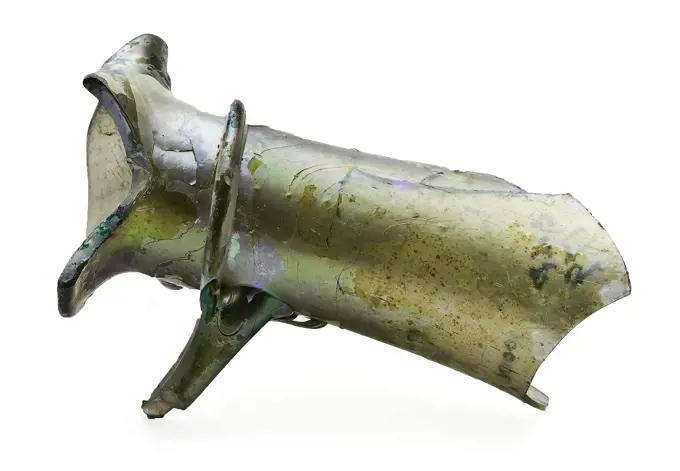
Fragment of part of body, part of shoulder, neck and lip of bottle, bottle holder soil find glass, cm - 2.0 cm) with flattened widened lip (dm 3.6 cm) archeology Rotterdam railroad tunnel medicine drug Soil discovery: rail tunnel Rotterdam.
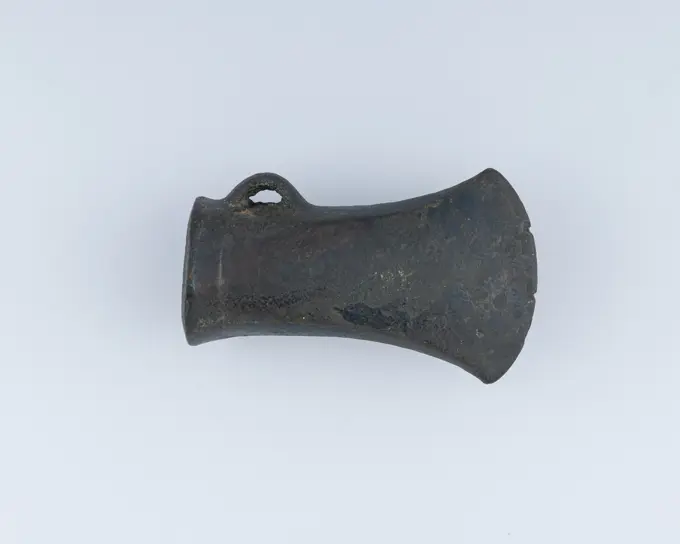
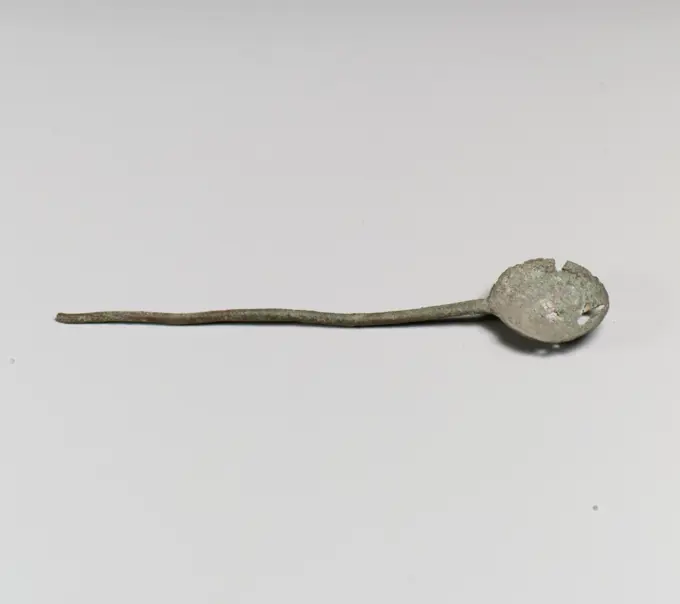
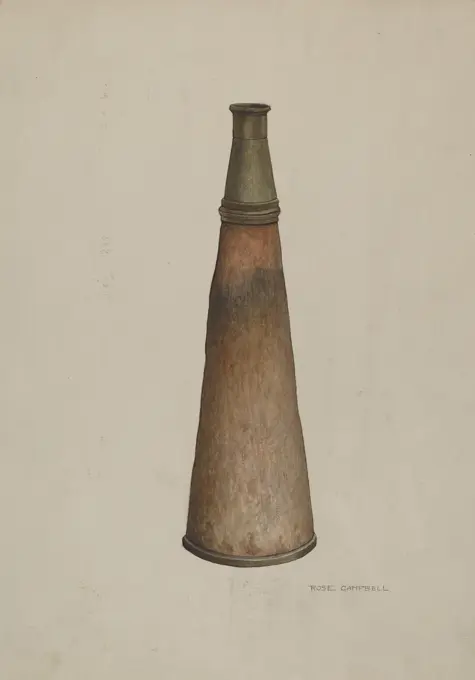
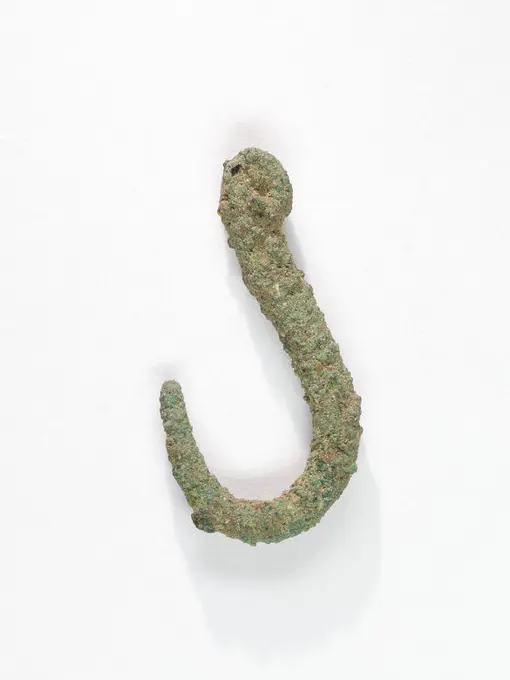
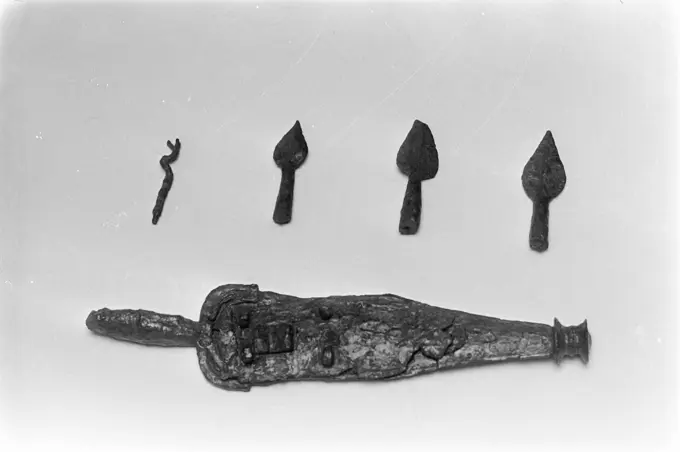
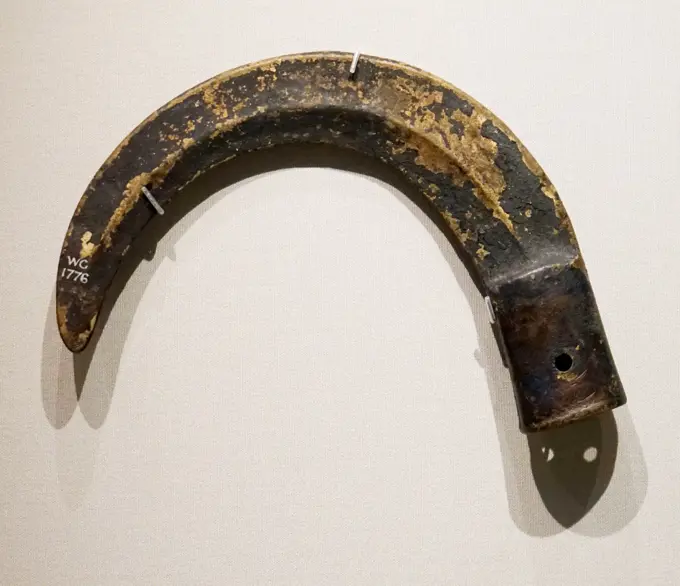
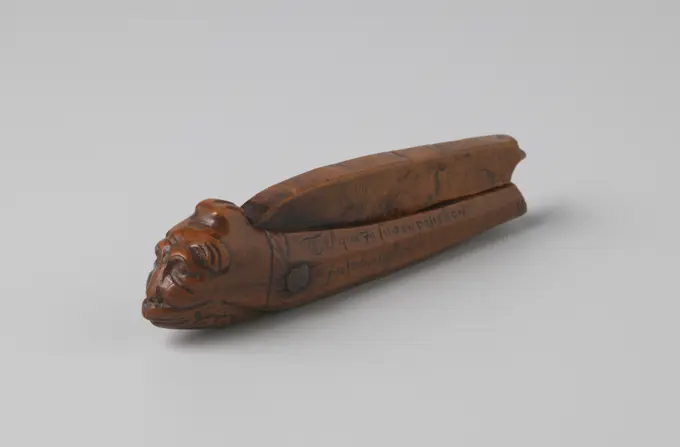
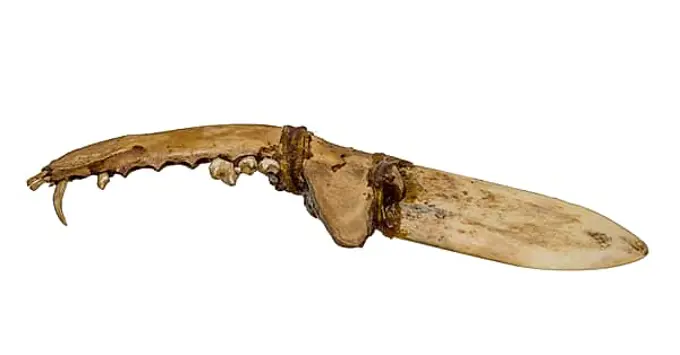
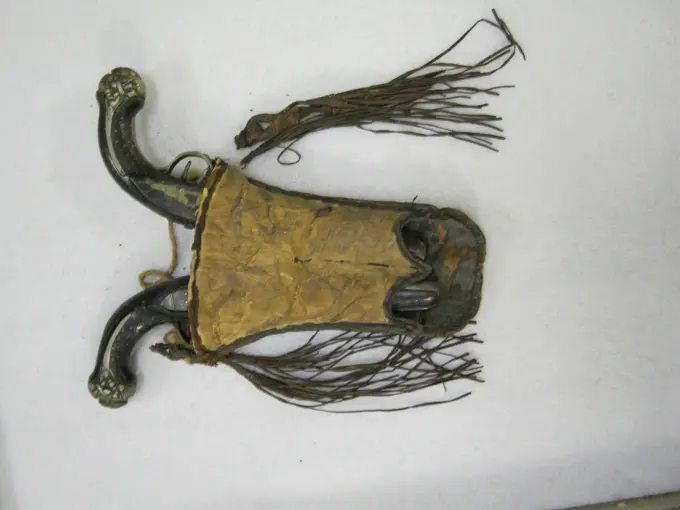
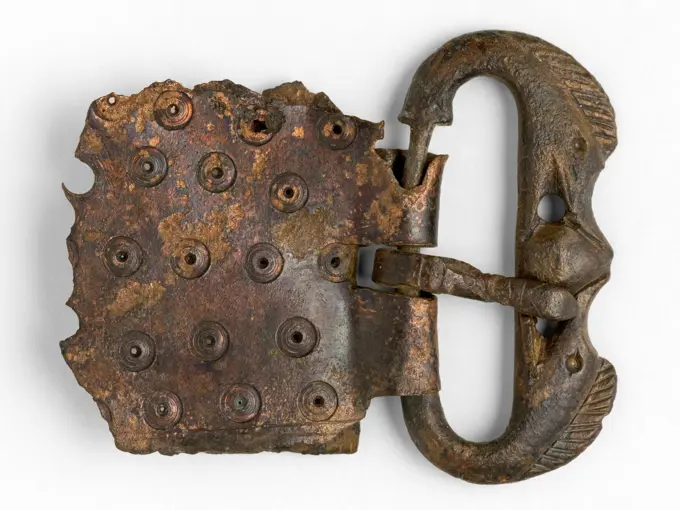
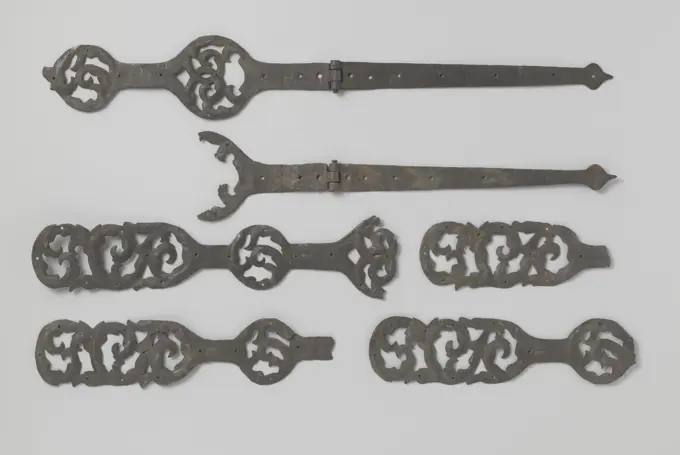
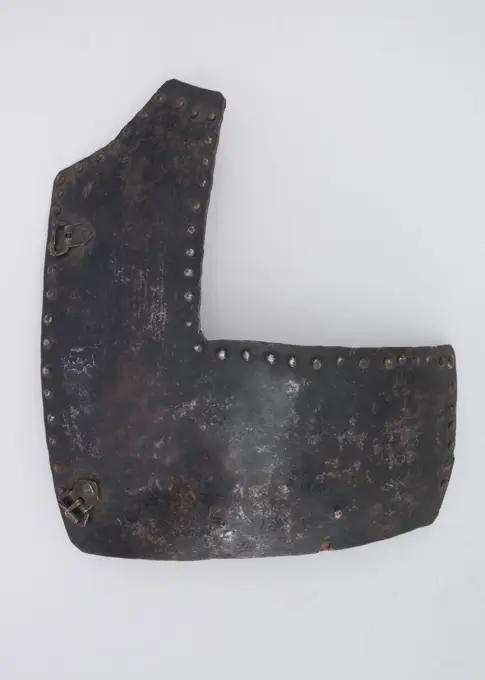
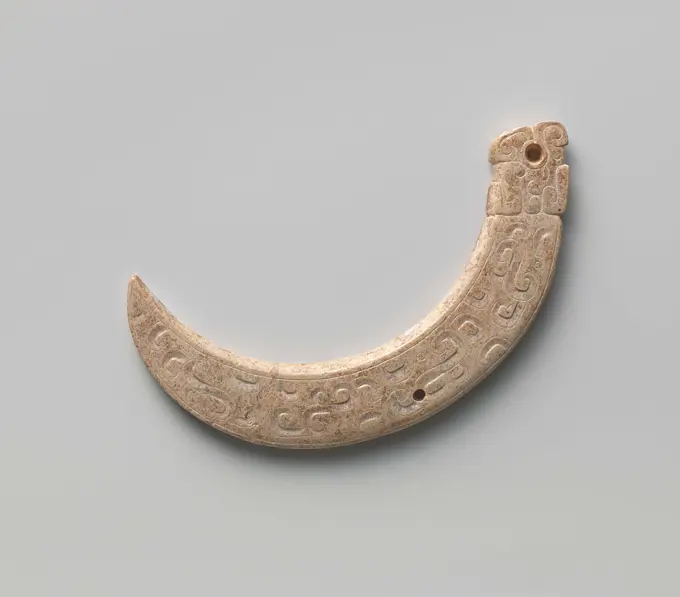
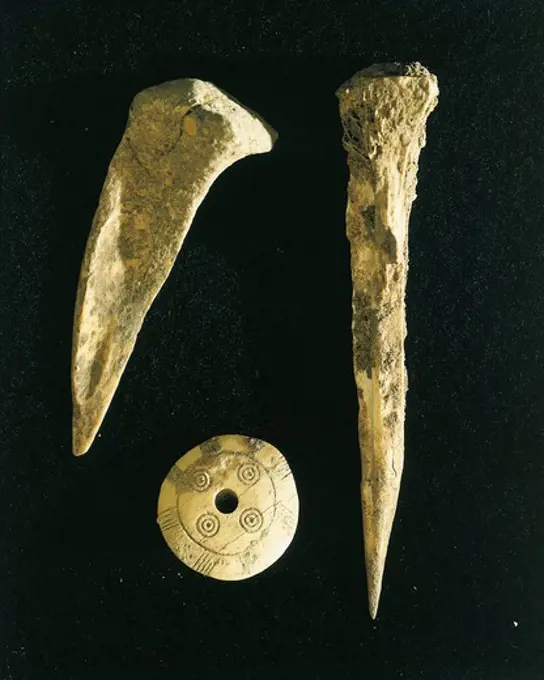
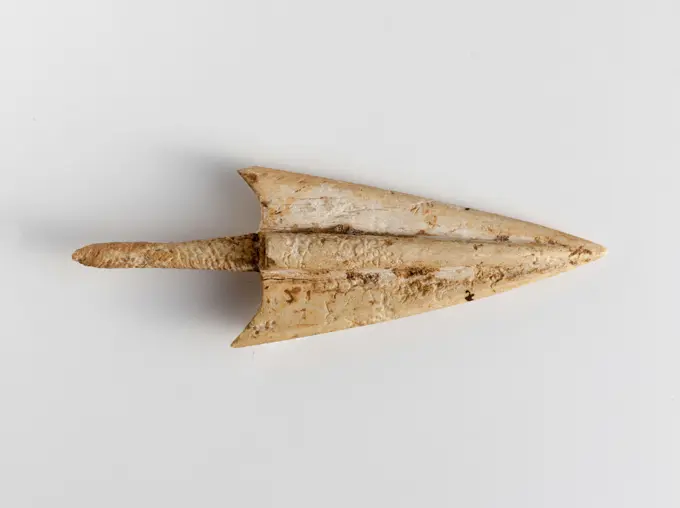
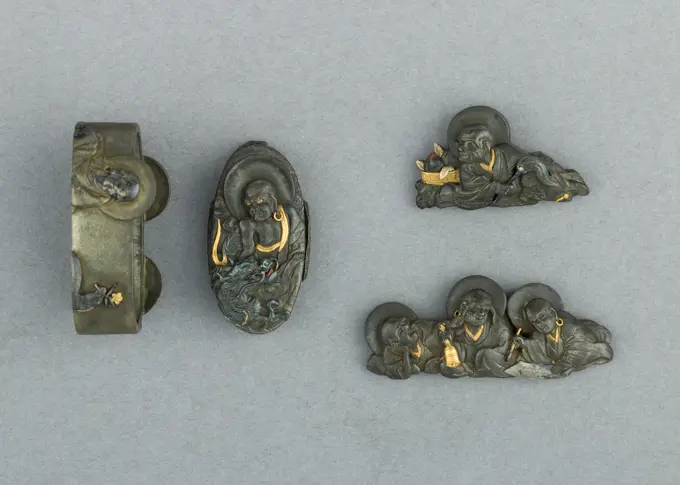
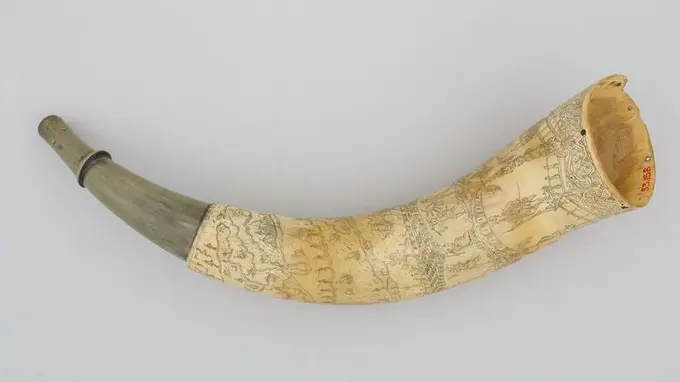
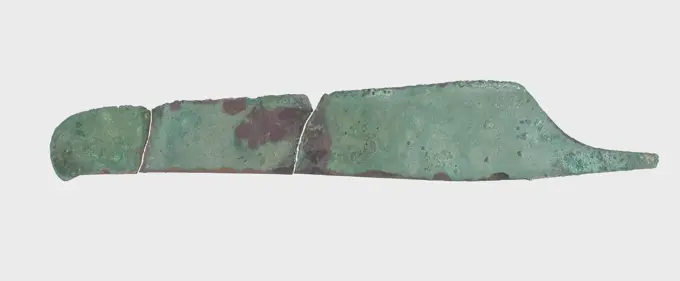
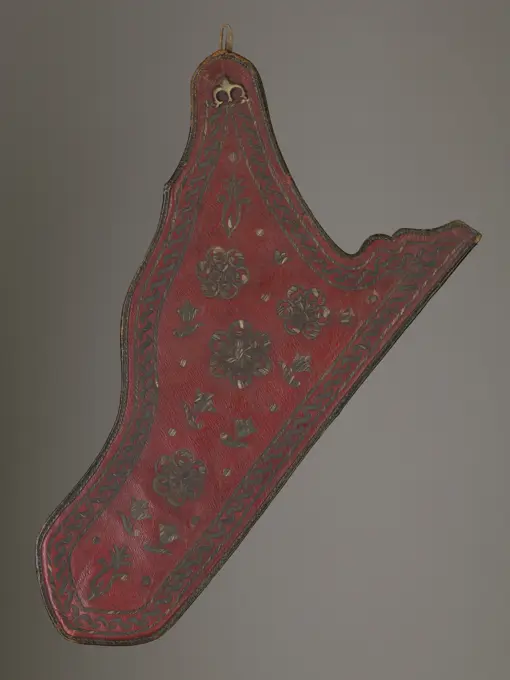
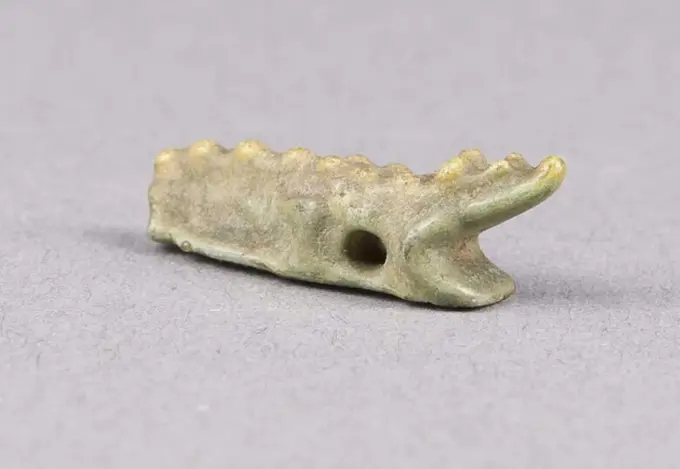
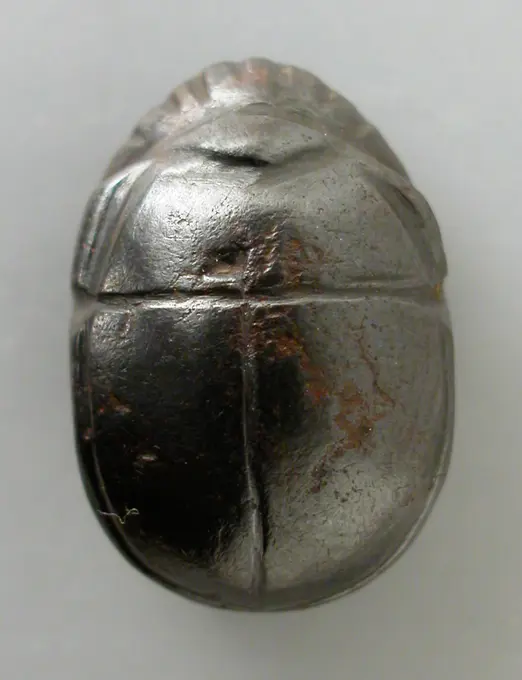
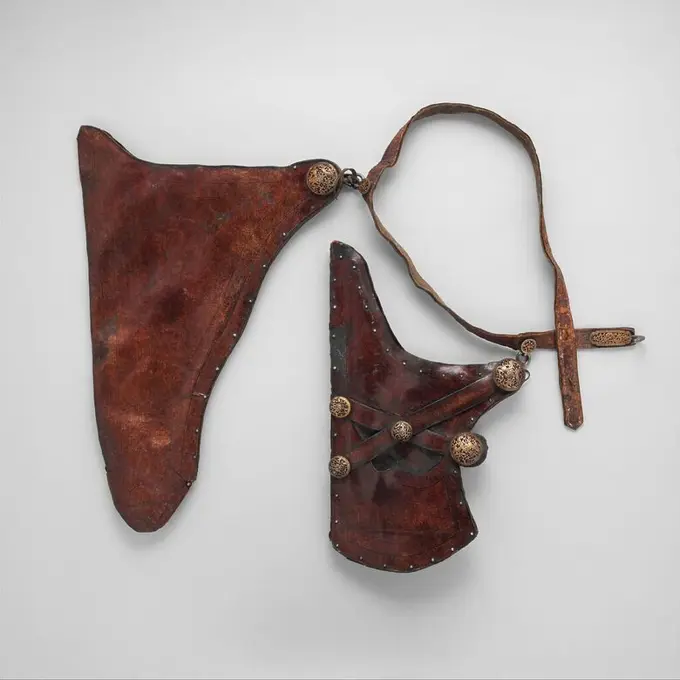
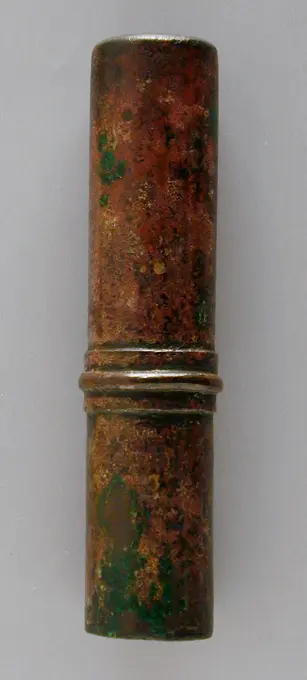
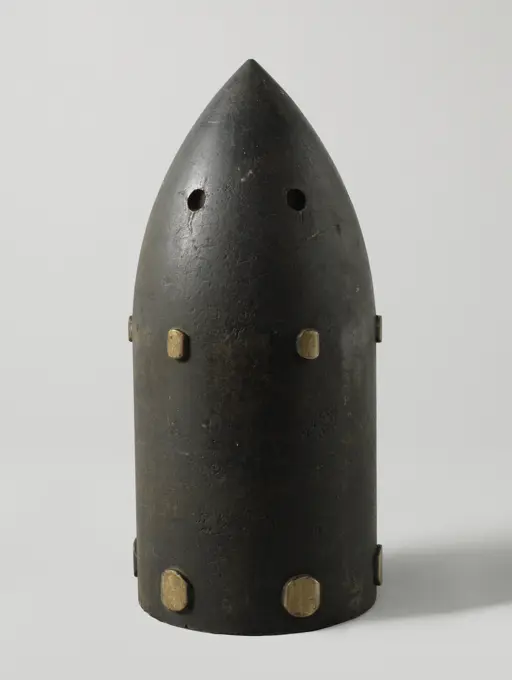
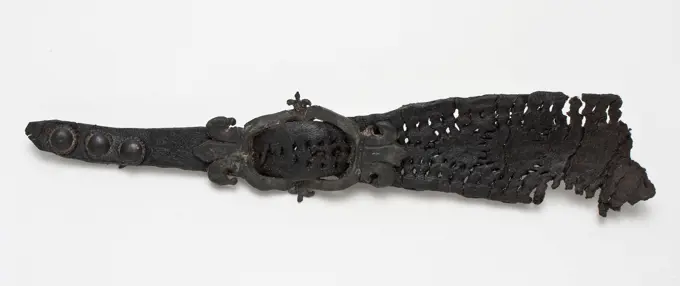
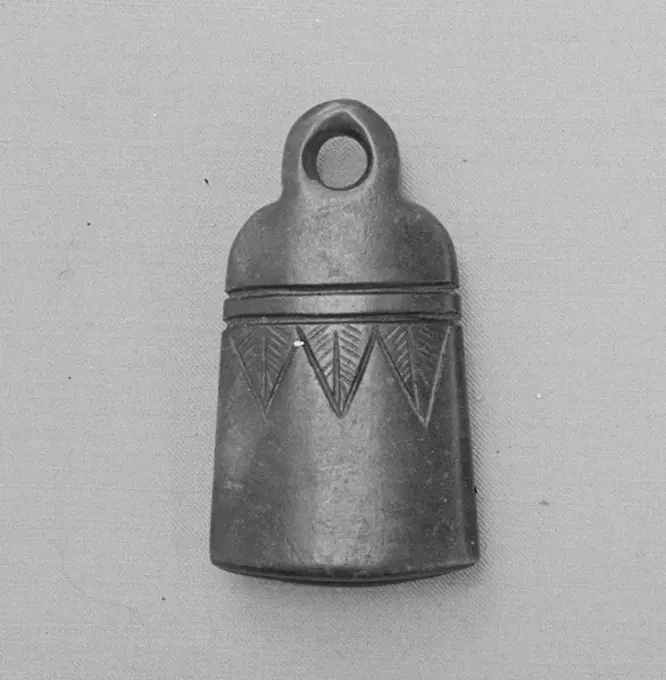
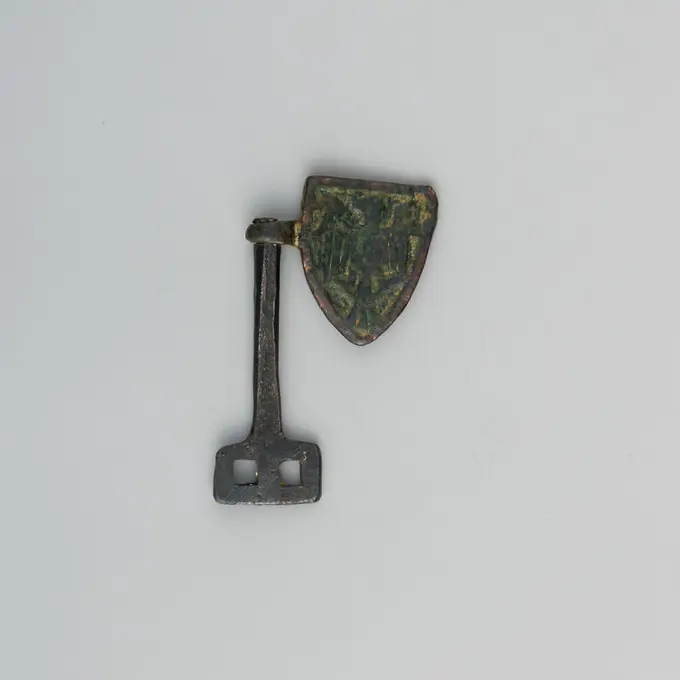
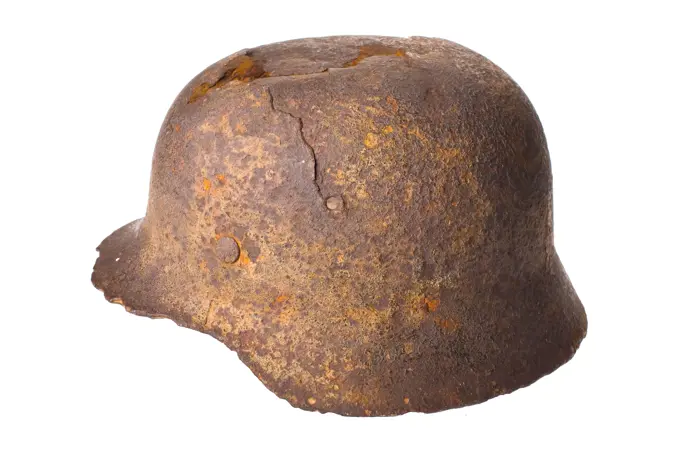
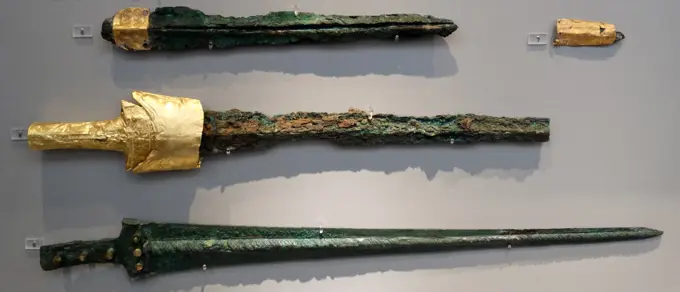
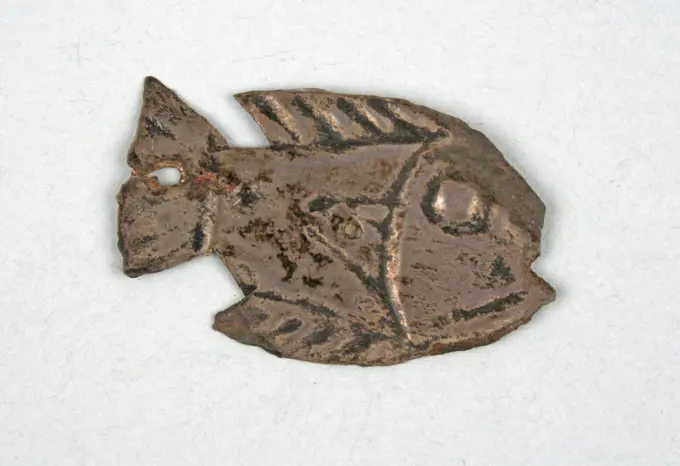
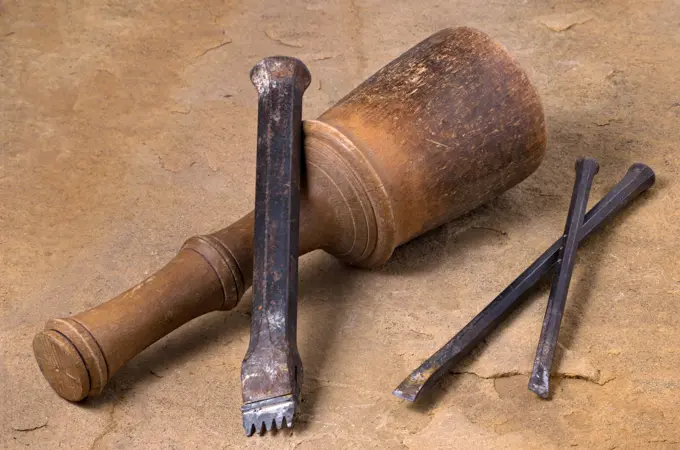
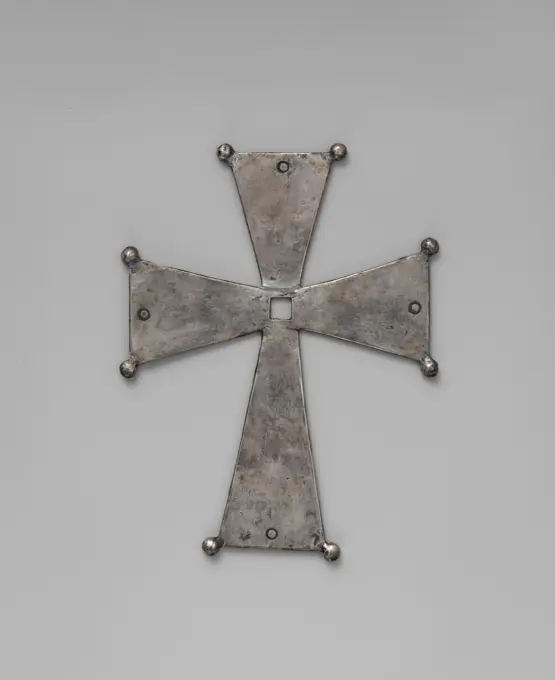
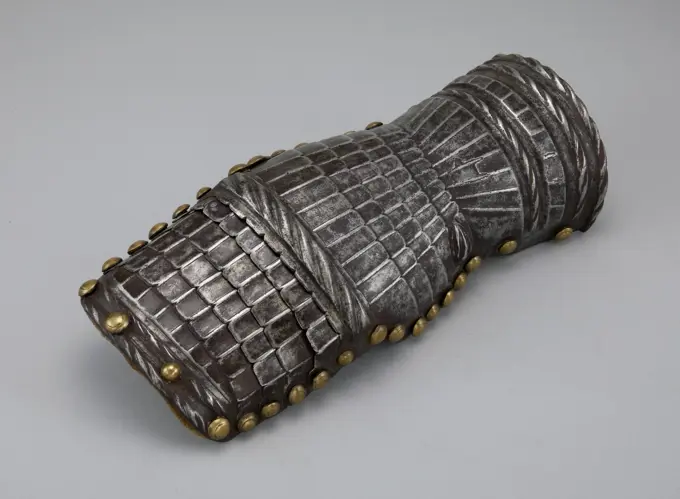
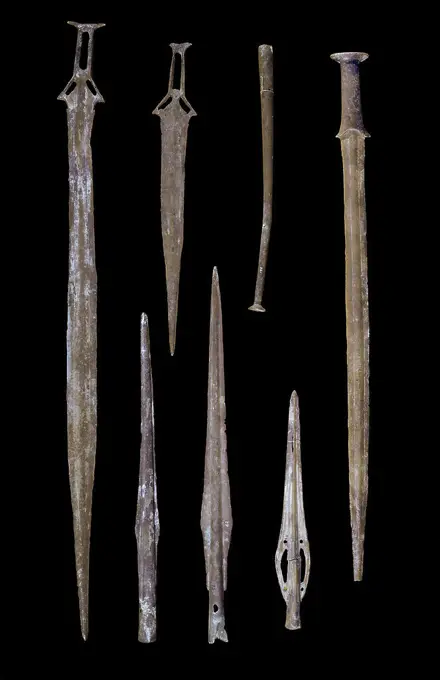
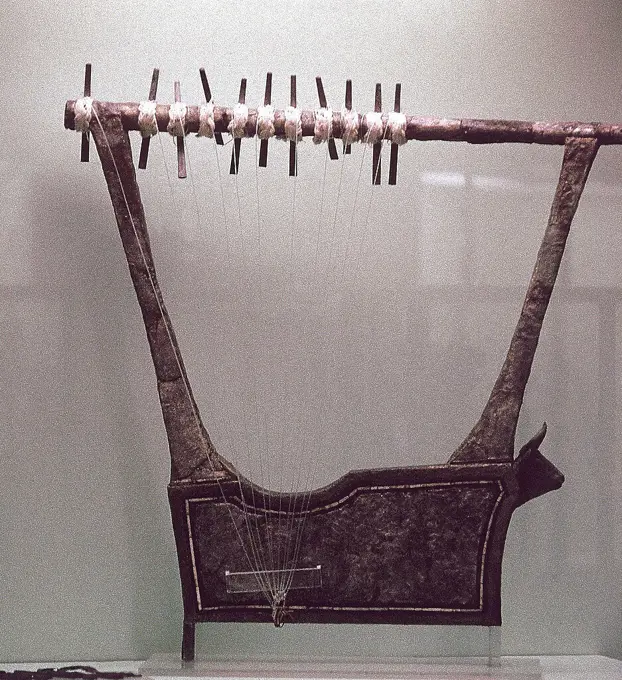
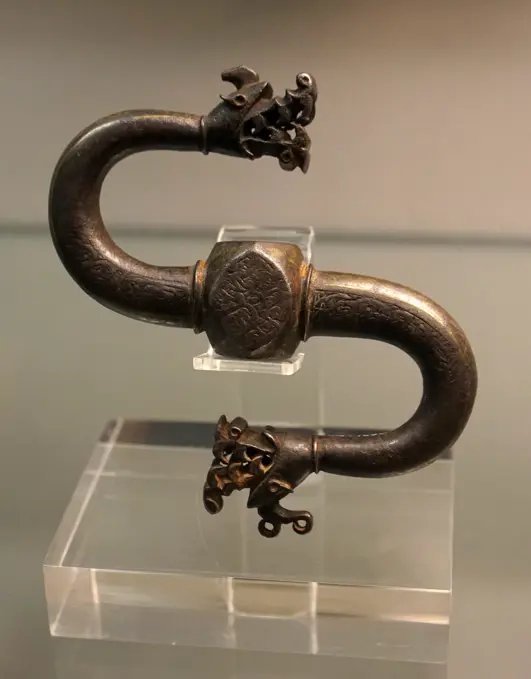
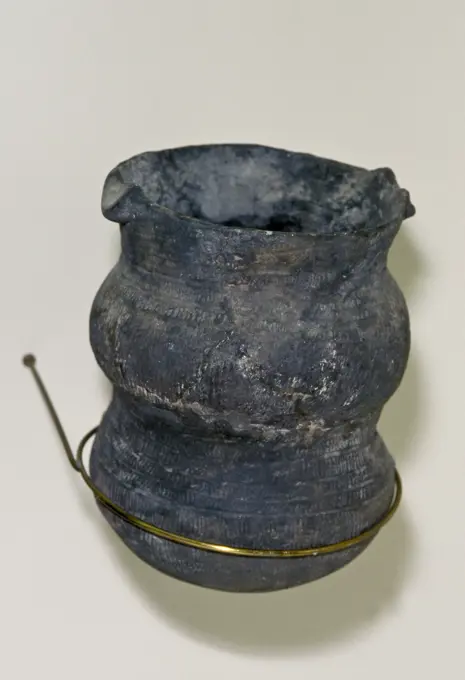
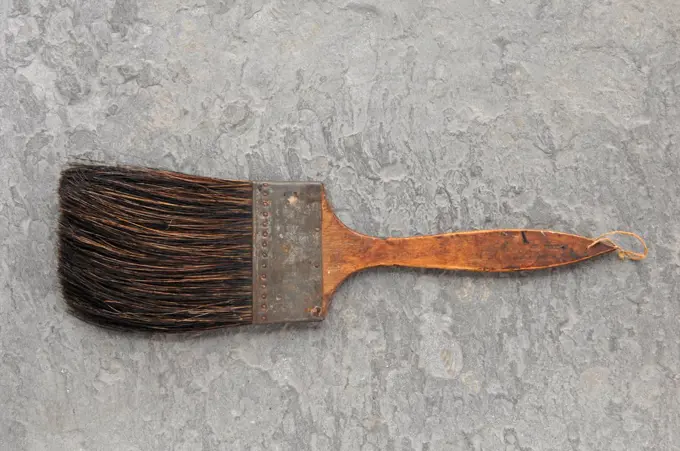
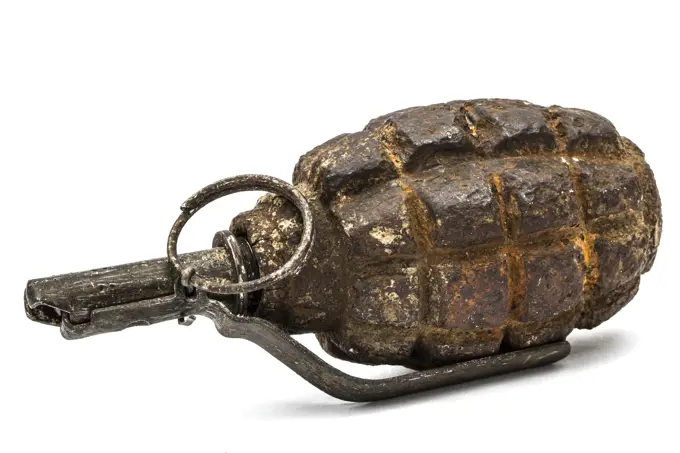
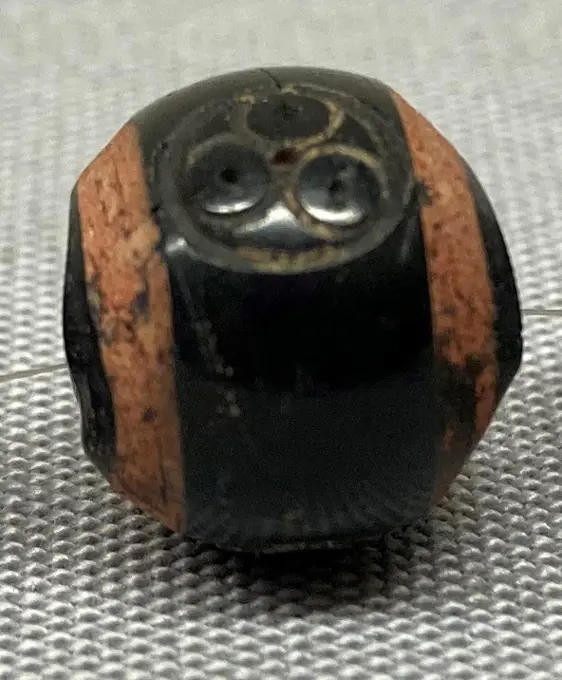
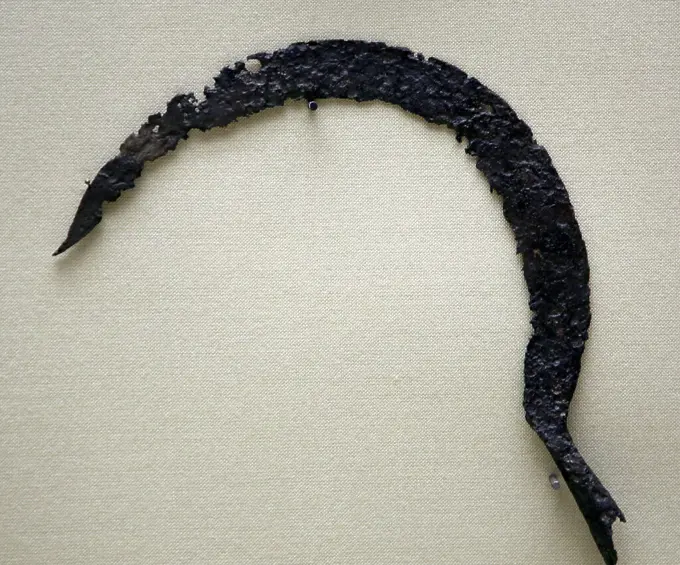
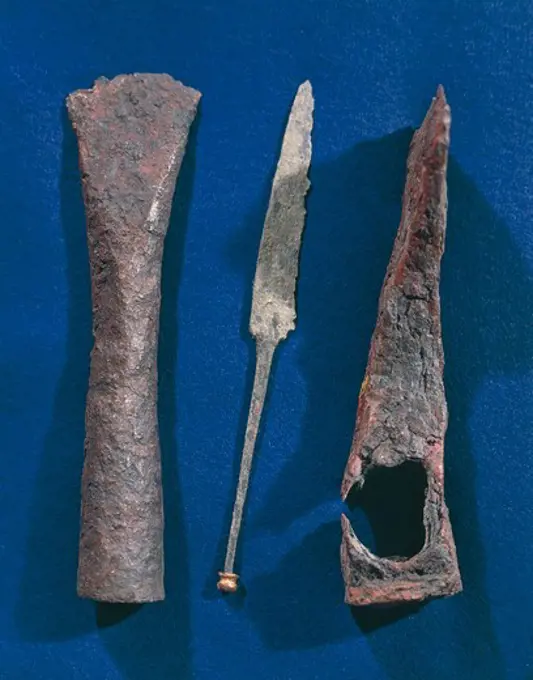
Celtic iron axes and spears, from excavations at Illerup, DenmarkBit End, 899-400 BCE, 2 1/2 x 4in. (6.4 x 10.2cm), Bronze, Persia (Iran), 9th-4th century BCEalte rostige zange nahaufnahme bild old rusty pliers close up image . LicenseRF Copyright: xZoonar.com/AltayxSuleymanx 23235484Socketed Ax-Head (Celt) ca. 900 B.C. British Dating from the Late Bronze Age, this finely preserved socketed bronze axe head exhibits features of form and construction that distinguish a family of axes used in the British Isles. It is of a particular type that captures the refinement of form and decoration that marks the final stage in the development of a class of weapons that was most popular.. Socketed Ax-Head (Celt). British. ca. 900 B.C.. Bronze. Shafted Weaponsbroche de cinturon de placa liriforme, Carranque, Museo de los Concilios y la Cultura Visigoda, Iglesia de San Román,Toledo, Castilla-La Mancha, Spain.Carved Bead. Culture: China. Dimensions: H. 1 1/8 in. (2.8 cm); W. 7/8 in. (2.2 cm); L. 9/16 in. (1.4 cm). Museum: Metropolitan Museum of Art, New York, USA.Lamp 5th-6th century. Lamp 447034Kneegesp from the wreck of the East Indians Hollandia, Anonymous, 1700 - in Or Before 1743  Kniegesp. Buckle, chape buckle, knee buckle; (1) fragment of ring (3.51, 0.2t), wavy outer rim, relieved decoration of raised dots and drops (spindle longitudinal). Netherlands copper (metal)   SecondDesign for a Stage Set at the Opéra, Paris 1830-90 Eugène Cicéri French. Design for a Stage Set at the Opéra, Paris 357989Spoon Roman. Spoon 250616 Roman, Spoon, Bronze, Other: 4 1/4 in. (10.8 cm). The Metropolitan Museum of Art, New York. Rogers Fund, 1917 (17.230.83)Copper bell of rattle, musical instrument or horse harness, bell sound means soil find copper brass metal, soldered Small copper bell of rattle musical instrument or horse harness Decorated with grooves around the bulging. Eye consists of loop of thin strip copper plate archeology Rotterdam rail tunnel communication sound child play rattle infant rattle music rigging horse Soil discovery: rail tunnel Rotterdam.Bronze Kanon VOC Hoorn, The Wed i.N. Derck, 1766 cannon Bronze cannon VOC H. Hoorn (North Holland) bronze (metal)   LombokRose Campbell Gerke, Nozzle, 1935 1942 NozzleFish hook. Dimensions: L. 2.7 (1 1/16 in.) W. 1.4 cm ( 9/16 in.). Dynasty: Dynasty 19-20. Date: ca. 1295-1070 B.C.. Museum: Metropolitan Museum of Art, New York, USA.Costume Ornament 11th-12th century Central coast (). Costume Ornament 308781Anefo photo collection. Degree of iron age at Haps under Cuyck. Iron utensils. November 10, 1967. CuijkCopper pressed thimble, thimble sewing kit soil find copper metal h 2.8, pressed Copper thimble tipped over the top without groove in the shaft with blank board archeology Rotterdam railway tunnel seamstress tailor sewing textiles edit clothing needle and thread repair Soil discovery: rail tunnel Rotterdam.Fragment 14th-15th century. Fragment 446486Key. Key with bracket-shaped eye, a small palmet decoration below. The handle was probably attacked with a hinge on the four-sided profiled keyboard. The flattened shaft with open teeth placed on top of this is the flattened shaft.Vase fragment ca. 3000-2200 BCE Fragment of handle, reddish zigzag lines.Finial. UnknownBronze boar's head mount, Avar Period, 8th cent. Nitva, Slovakia.Bronze sickle from the Late Bronze Age. Dated 12th Century BCNutcracker of Palm Wood. SLICED IN THE FORM OF A BEETLE HEAD WITH REGISTRATION: ALL TAKES END J. Kuirin 1583 Count that I am a little wood your serives to the gen to croccker walnutsOld knife of the North American Indians made of bone and sinew cut out on whiteOrnamental Fitting with Crouching Felines (one of pair) 599 BCE-400 BCE China. Bronze .Sweden, Blekinge, Blekinge, Karlskrona, Karlskrona, external marina (depicted, town).Sweden, Blekinge, Blekinge, Karlskrona, Karlskrona, External War Gogs (depicted, City)Flintlock Pistol, one of a pair, c. 1830, 6 1/4 x 12 3/4 x 2 1/4 in. (15.88 x 32.39 x 5.72 cm), Wood, metal, 19th centuryBelt baking sheet. Copper alloy. Low-Empire. Paris, Carnavalet museum. Belt baking sheet Fashion accessory, copper alloy, belt, set, baking sheet, clothing, animalSix parts of Hengsels, c. 1400 - c. 1950   iron (metal)   iron (metal)Brigandine Plate 1400-1450 Italian This is part of a large find of medieval armor discovered in 1840 in the ruins of the fortress of Chalcis, on the Greek island of Euboea (then a Venetian colony called Negroponte). The fortress had been captured and destroyed by the Turks in 1470. Now divided largely between the Ethnological Museum, Athens, and The Metropolitan Museum of Art, the Chalcis hoard contains many rare and unusual elements of fourteenth- and fifteenth-century armor. Of particular importance are the variety of headpieces and the many fragments of brigandines (armor for the torso constructed of small plates riveted to layers of fabric), some of which retain portions of their original velvet covering. The Chalcis armor provides a unique picture of the armament used in the Aegean, one of the easternmost military outposts of the Venetian empire.. Brigandine Plate 34357First World War (1914-1918). Cross-section of a shrapnel grenade. Germany. Latvian War Museum. Riga. Letonia.Spoon with fig-shaped container and stem with rectangular cross-section, spoon cutlery soil find tin metal, cast Molded bowl very short rat tail straight handle Front tray very unclear smashed mark archeology Rotterdam railroads food Soil discovery: trajectory rail tunnel Rotterdam.Decorative object. Ornament in cream-colored jade; Presumably tail fragment from a fabached animal.Bone finds, from Devils Den caves at ParranoHandle; 1911-6-4-a,bVisdragers van Amsterdam.Brass carrying sign in shape of solid fish with head to the right, with a carrying eye on back, a place of mouth and a place of tail fin. Front: fish. Reverse: Blank.Serpent in C ca. 1805 W. Schmidt. Serpent in C 502193A traffic jerk used by Swiss artillery branches unknown labelPointe de Flche ". OS. Dynasty of Shang (1765 - 1122 BC), China. Paris, Muse Cernuschi. Asian art, Chinese art, extreme-East art, Shang dynasty, prehistoric time, Shang time, bone, prehistory, prehistoryPetal-Shaped Bead, c. 1391-1353 BC. Egypt, New Kingdom, Dynasty 18, reign of Amenhotep III. Faience; overall: 3 x 1 cm (1 3/16 x 3/8 in.).Collection of Carpenter Tools PileAmulet of a Plummet. Egyptian. Date: 664 BC-332 BC. Dimensions: 1.6 × 1.9 × 0.5 cm (5/8 × 3/4 × 3/16 in.). Hematite. Origin: Egypt. Museum: The Chicago Art Institute, Chicago, USA. Author: Ancient Egyptian.Purse Mount first half of the 7th century Frankish. Purse Mount 464857 Frankish, Purse Mount, first half of the 7th century, base silver or copper alloy (frame and cloisons), glass, Overall: 4 13/16 x 1 1/8 x 3/8 in. (12.3 x 2.8 x 1 cm). The Metropolitan Museum of Art, New York. Gift of J. Pierpont Morgan, 1917 (17.191.163)Petal-Shaped Bead, c. 1391-1353 BC. Egypt, New Kingdom, Dynasty 18, reign of Amenhotep III. Faience; overall: 3 x 1 cm (1 3/16 x 3/8 in.).Buckle Loop 13th century French. Buckle Loop. French. 13th century. Bronze, patina. Miscellaneous-Buckles & OrnamentSet of Sword Fittings (Mitokoromono) ca. 1615-1868 Japanese A mitokoromono is a set of three matching sword fittings, comprising the kozuka (handle of a by-knife), kgai (hairdressing tool), and a pair of menuki (ornamental fittings attached to either side of a sword hilt).. Set of Sword Fittings (Mitokoromono). Japanese. ca. 1615-1868. Copper-silver alloy (shibuichi), gold, copper-gold alloy (shakud), copper, silverBelt buckle. Match.Hammered Silver Spoon 8th-mid-16th century Peru; north coast (). Hammered Silver Spoon 308964Bell, anonymous, c. 1590 - c. 1596 musical instrument. percussion instrument. bell (idiophone). jingle Call bronze with iron clapper and a hook hook on the tops. The bell probably belongs to a timepiece.  bronze (metal). iron (metal) forging / casting  Nova Zembla. Saving HuysPowder Horn. Culture: Canadian. Dimensions: L. 14 3/4 in. (37.5 cm); Diam. 3 1/4 in. (8.3 cm); Wt. 13.7 oz. (388.4 g). Date: ca. 1760. Museum: Metropolitan Museum of Art, New York, USA.Knife ca. 1390-1353 B.C. New Kingdom. Knife. ca. 1390-1353 B.C.. Bronze. New Kingdom. From Egypt, Upper Egypt, Thebes, Malqata, Palace of Amenhotep III, MMA excavations, 1910-11. Dynasty 18Przeszo Przyszoci unknownAmulet of a Crocodile. Egyptian. Date: 664 BC-332 BC. Dimensions: 1.9 × 0.6 × 0.5 cm (3/4 × 1/4 × 3/16 in.). Faience. Origin: Egypt. Museum: The Chicago Art Institute, Chicago, USA. Author: Ancient Egyptian.Uninscribed Hematite Scarab. Egypt, 12th - 26th Dynasty (1991 - 525 BCE). Sculpture. HematiteBow Case, Quiver, and Belt (gzhu shubs dang mda' shubs). Culture: Tibetan or Mongolian. Dimensions: Bow case; L. 25 in. (63.5 cm) W. 16 1/2 in. (41.9 cm); quiver; L. 20 in. (50.8 cm) W. 11 1/2 in. (29.2 cm); belt; L. 50 3/4 in. (128.9 cm) W. 1 1/4 in. (3.2 cm). Date: 15th-17th century.Matching sets of bow case, quiver, and belt of this relatively early type are very rare. The few examples that exist in museum collections were acquired mostly in the early twentieth century. Both the bow case and the quiver are covered densely with decoration executed in black lines and golden brown shellac (now darkened with age), employing a method very similar to the technique found on some Tibetan leather arm defenses and horse armor. They are also fitted with domed bosses of pierced and chiseled iron damascened with gold and decorated with dragons, scrollwork, and blossoms. These bosses relate closely to the ironwork seen on Tibetan swords, saddle plates, and other objects. Museum: Metropolitan MusNecklace of Silver Birds 12th-15th century Chimú. Necklace of Silver Birds 315475Bracelet ca. 9th century B.C. Iran. Bracelet 325017Ceremonial Knife (Tumi) 2nd-7th century Moche. Ceremonial Knife (Tumi) 315342Cylindrical Tube. Iran, Luristan bronzes, 800-600 BC. Tools and Equipment. Bronze, castMummified crocodile head23-cm Palliser Shell, Royal Laboratory, c. 1867 grenade (ammunition) Pointed 23 cm grenade, red painted. The grenade is 50.5 cm long and has a caliber of 225 mm. The grenade has two rings of cams for a drawn run with six pulling fields. In the bottom a bus of a softer metal is cast with a filling hole. Woolwich iron (metal). bronze (metal). brass (alloy). lead (metal)Lazio Roma Subiaco Monastery of S. Scolastica Archaeological Museum8. Hutzel, Max 1960-1990 Antiquities: Views of antiquities in museum, including sarcophagi, plates, vases, coins. General Notes: Hutzel guide says we have negatives, but we cannot find them. German-born photographer and scholar Max Hutzel (1911-1988) photographed in Italy from the early 1960s until his death. The result of this project, referred to by Hutzel as Foto Arte Minore, is thorough documentation of art historical development in Italy up to the 18th century, including objects of the Etruscans and the Romans, as well as early Medieval, Romanesque, Gothic, Renaissance and Baroque monuments. Images are organized by geographic region in Italy, then by province, city, site complex and monument.Fragment leather shoe strap with pewter ornamental buckle and fittings, buckle fastener component soil find leather tin metal, Strip leather on which pewter ornamental buckle and three studs as batter The buckle is decorated with two large fleurs de lis and two small ones studs are probably made of copper and are fixed by long pin crooked archeology Rotterdam rail tunnel adorning attaching fastening Find the railway tunnel between St. Laurens and Mennonite church.Girdle ornament China. Girdle ornament 43000Badge. Culture: possibly British. Dimensions: H. 2 9/16 in. (6.5 cm); W. 1 3/4 in. (4.5 cm); Wt. 1 oz. (28.3 g). Date: 14th century. Museum: Metropolitan Museum of Art, New York, USA.Fatvanger van Lichtarm, 1590 - 1610 Fatvanger of a brass lumpy light. Mechelen (Possible) brass (alloy) casting Fatvanger of a brass lumpy light. Mechelen (Possible) brass (alloy) castingOld German fashists helmet of times of the second Great world war on a white background with clipping path. Old German fashists helmet of times of the second Great world war on a white background with clipping path. ,model released, Symbolfoto ,property released Copyright: xZoonar.com/SergeyxxKozoderovx 2141115 ,model released, Symbolfoto ,property releasedSwords made from bronze with gilded attributes, from Circle A, a 16th-century BC royal cemetery, of the Bronze Age citadel of Mycenae in southern Greece. Characteristic of the early phase of the Mycenaean civilizationRitual vessel for the offerings of rice. 6th century B.C. bronze from ChinaSpurScandinavia. 6 arrows. 9th century. Grave. Torshov, Gjerdrum K., Akdershus. Historical Museum. Oslo. Norway.Statuette of man, Bronze, 6th-7th century, Russia, Moscow, State History Museum,Sling -Old vintage Russian Soviet rusty iron isolated on a white background. Old vintage Russian Soviet rusty iron isolated on a white background. Copyright: xZoonar.com/SergeyxxKozoderovx 15959932Lithic ring. Taino culture (1000-1500 AD). Stone. Caribbean. Antilles. Pre-columbian era. Museum of the Americas. Madrid, Spain.Knife from Board ofRevenue.  Mint: Board of Revenue Artist: UnknownAmulet of a Cross 301 CE-700 CE Egypt. Silver . ByzantineCostume Ornament 11th-12th century Central coast (). Costume Ornament 308796Messen loft rings from the wreck of the East Indians Hollandia, Anonymous, 1700 - in Or Before 1743  Knife-handle, ferrule; id. NG 1980-27H426. Netherlands copper (metal)   Seconda mallet with three chisels a mallet with three chisels Copyright: xZoonar.com/BorisxZerwannx 7009419Bottom of musketmaat for musket walker. Bottom of a musketmaat for musket walker.Four fragments of glass decanter, two neck fragments, carafe drinking glass drinking utensils tableware holder fragment soil find glass, hand-blown Four fragments of glass decanter. Pear-shaped carafe with low belly slim neck with bent ear curled up on the attachment with the abdomen archeology Capelle aan den IJssel House in Capelle castle serving drink serving crockery Soil discovery: House in Capelle 1612-1797 cesspool north side Capelle aan den IJssel 1963.Silver Cross 500-700 Byzantine This elegant silver cross has flared arms ending in serifs. Similar crosses were given to churches and shrines as votive gifts.Crosses were everywhere in the early Byzantine world. They marked religious, secular, and domestic buildings, public works, clothes and jewelry, and objects in the home. The cross was a sign of Christ's triumph over death and the hope of eternal life and was frequently ascribed apotropaic, or protective, powers by the faithful.. Silver Cross. Byzantine. 500-700. Silver, niello. Metalwork-SilverMitten Gauntlet for the Left Hand Made 1510-1530 Germany. Steel, brass, and leather .Close up of old horseshoeAmulet - ears stretch;  around 1550 1295 BC ; New PAMinutes - collection, minutes, Alexander von (1806-1887), minutes, Alexander von (1806-1887) - collections, minutes, collection, scenes.gal.eg., KolumienkiCeltic bronze weapons found in the Huelva estuary. Madrid, National Museum of Archeology. Location: MUSEO ARQUEOLOGICO NACIONAL-COLECCION. MADRID. SPAIN.LIRA DE PLATA DE UR - 2800 AC. Location: BRITISH MUSEUM. LONDON. ENGLAND.bronze votive offering, Iberian sanctuaries of Collado de los Jardines and Castellar de Santisteban, Iberian culture, Archeological Museum. Úbeda, Jaén province, Andalusia, Spain.S-Shaped hook with two dragon-headed finials, made from cast brass and gold damascening. Dated 16th CenturyShawnee clay pottery jar collected on historic village sites in Ohio. The pot would have been used for storage and cooking.Close up of old paintbrushPendant 30 B.C.-A.D. 364. Pendant 444842Putty knifes on whitePalette. Dimensions: 1 9/16 x 4 5/16 in. (3.9 x 11 cm). Date: ca. 3850-2960 B.C.. Museum: Metropolitan Museum of Art, New York, USA.2008.0217.. Sea Turtle. Sea turtle remains - from the natural history museum collection in Aston Hall, 1858Old combat grenade isolated on a white background Old combat grenade isolated on a white background Copyright: xZoonar.com/OleksandrxKostiuchenkox 8905685Stone Beads probably 8th-12th century. Stone Beads. probably 8th-12th century. Stone. Excavated in Iran, Nishapur. JewelryRoman era. Agricultural tool. Sickle. Andalucia, Spain. Archaeological Museum of Seville. Spain.