Historical Shipwreck Artifacts

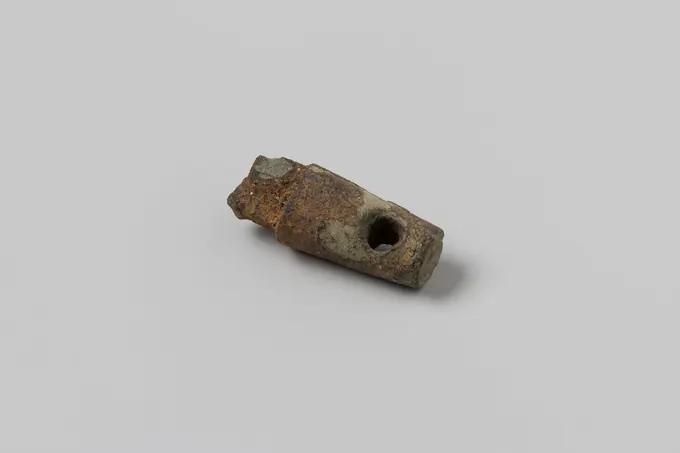
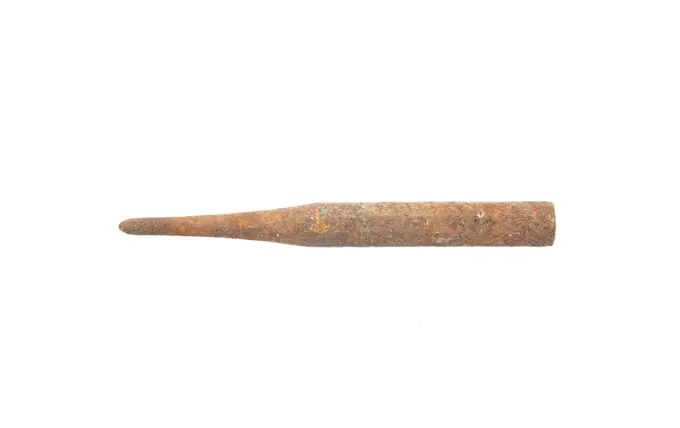
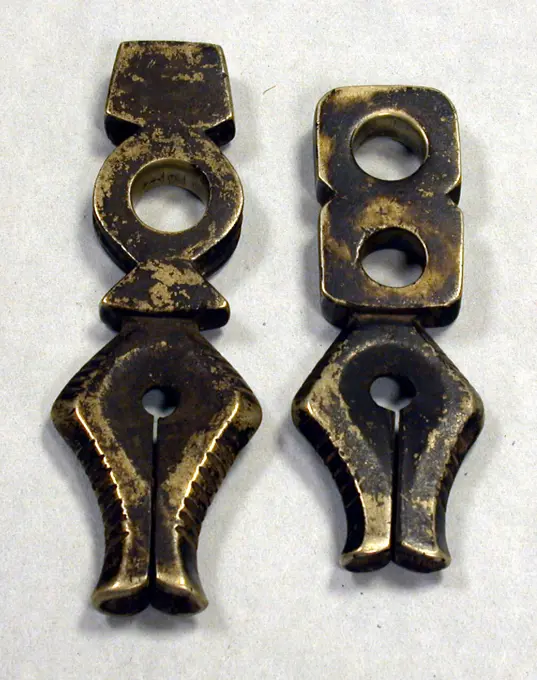
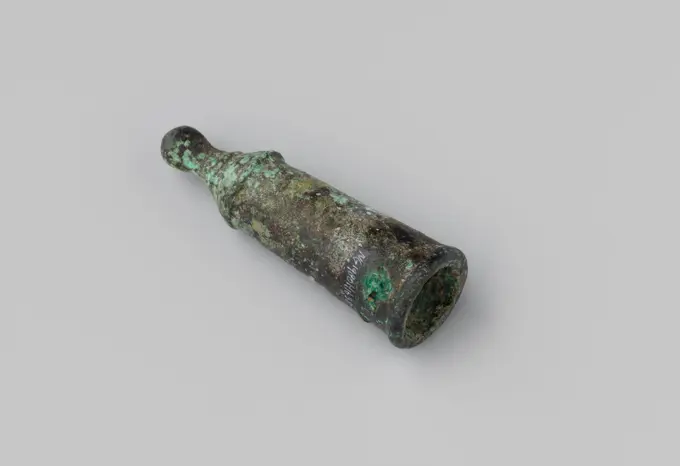
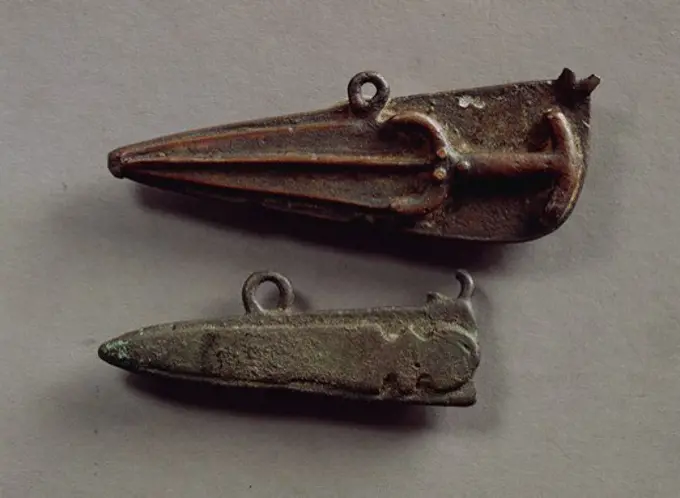
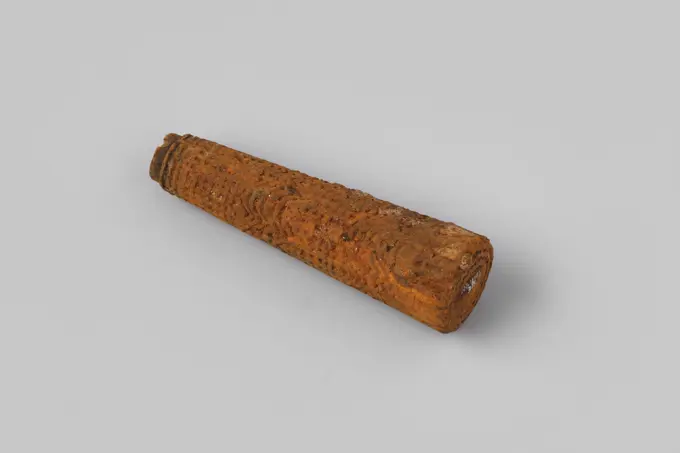
Fragments and tools recovered from the East Indies Hollandia wreck, showcasing aged metalwork and items like keys and daggers, evoking a sense of maritime history.

Fragment of part of body, part of shoulder, neck and lip of bottle, bottle holder soil find glass, cm - 2.0 cm) with flattened widened lip (dm 3.6 cm) archeology Rotterdam railroad tunnel medicine drug Soil discovery: rail tunnel Rotterdam.
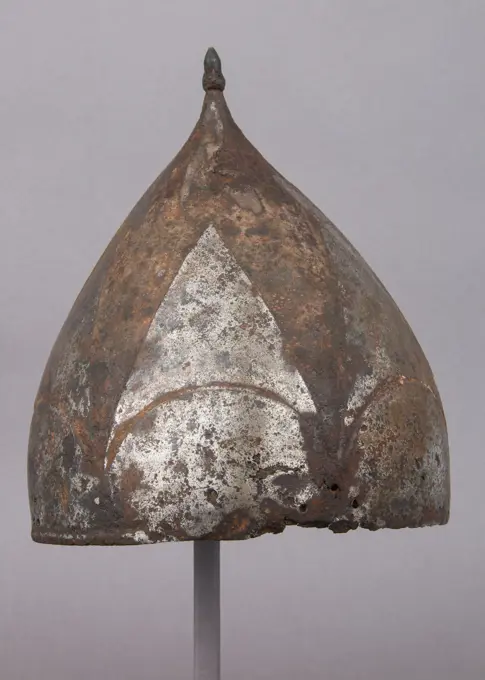
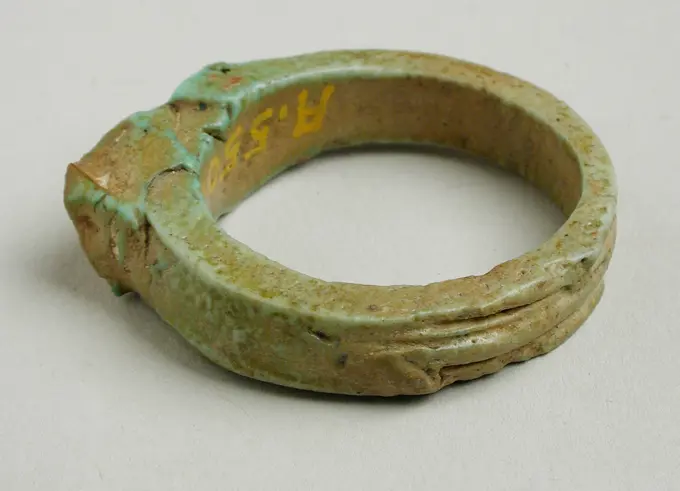
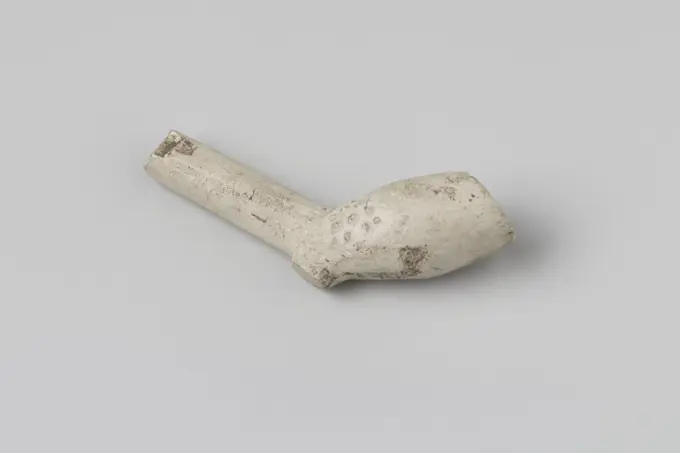
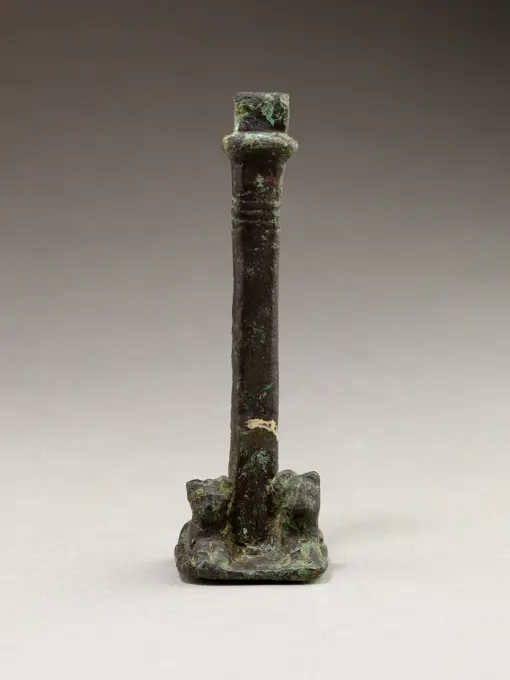
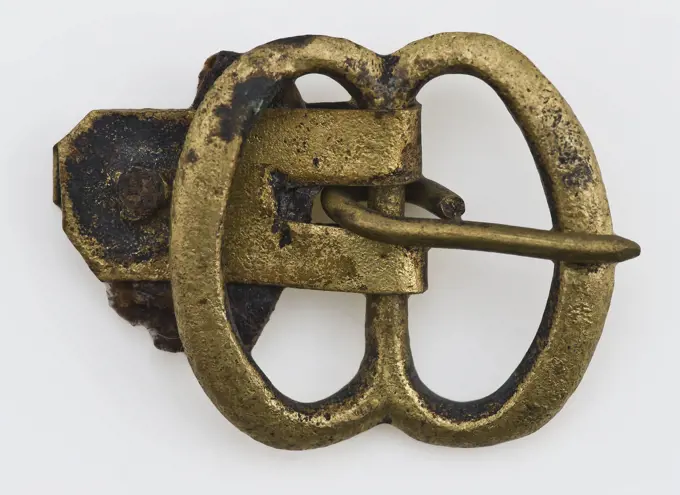
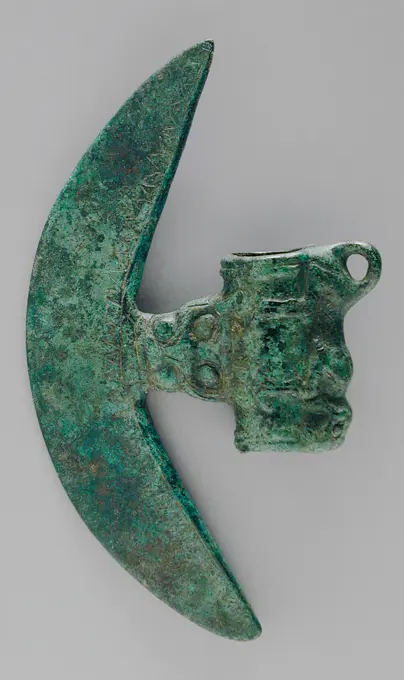
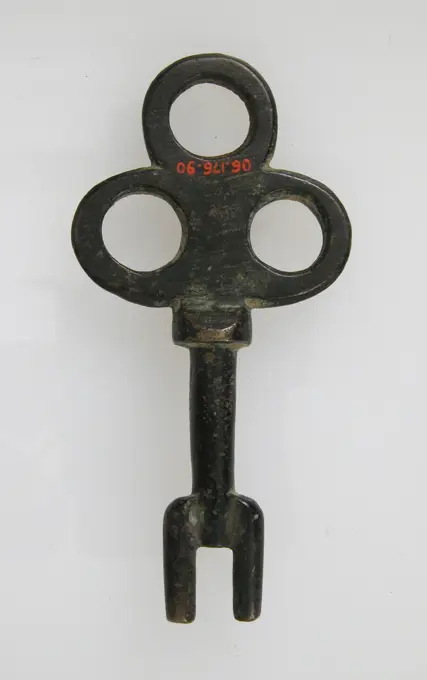
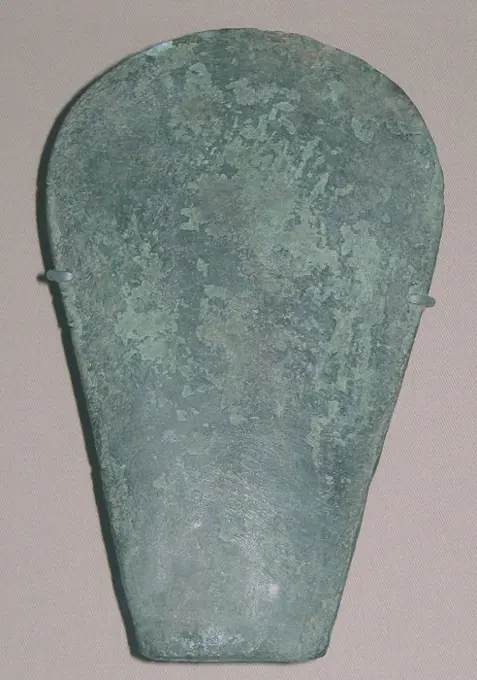
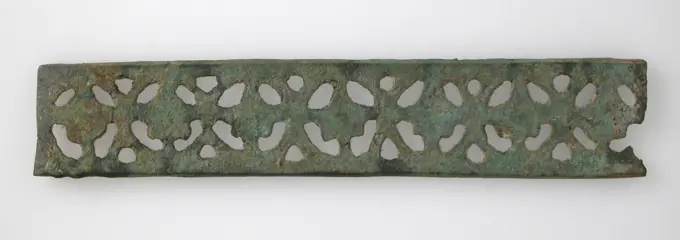
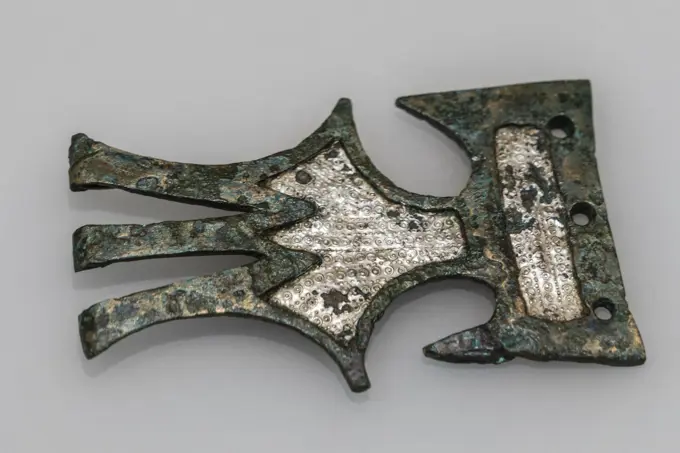
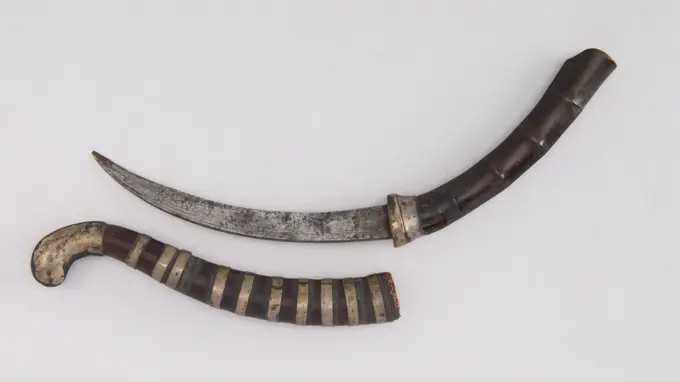
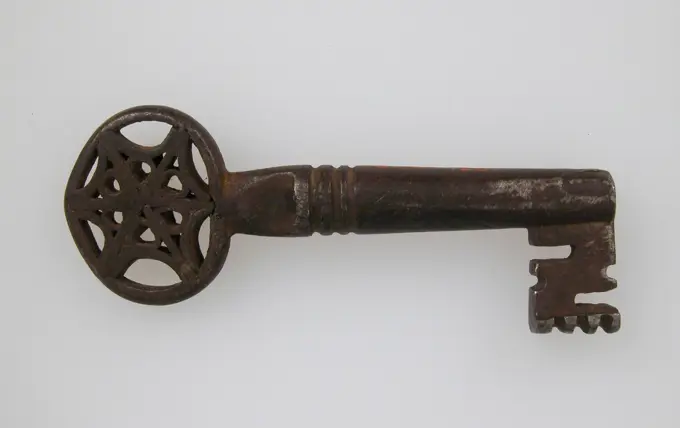
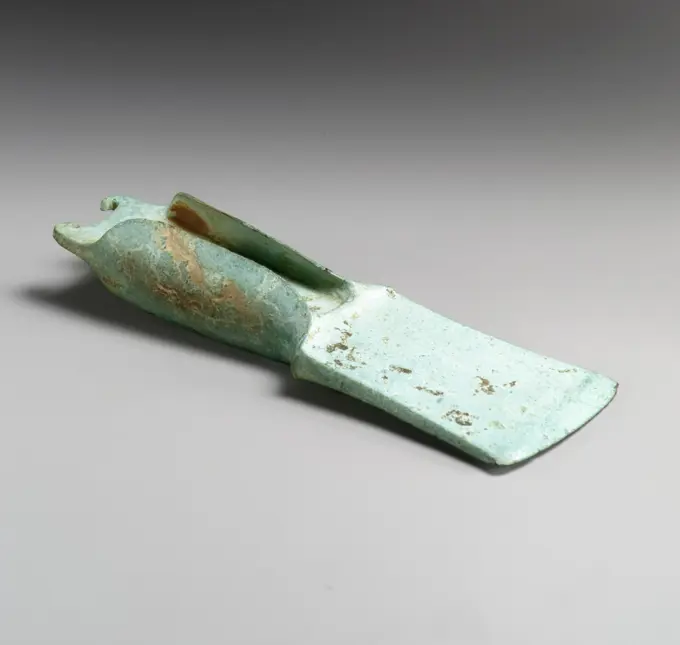
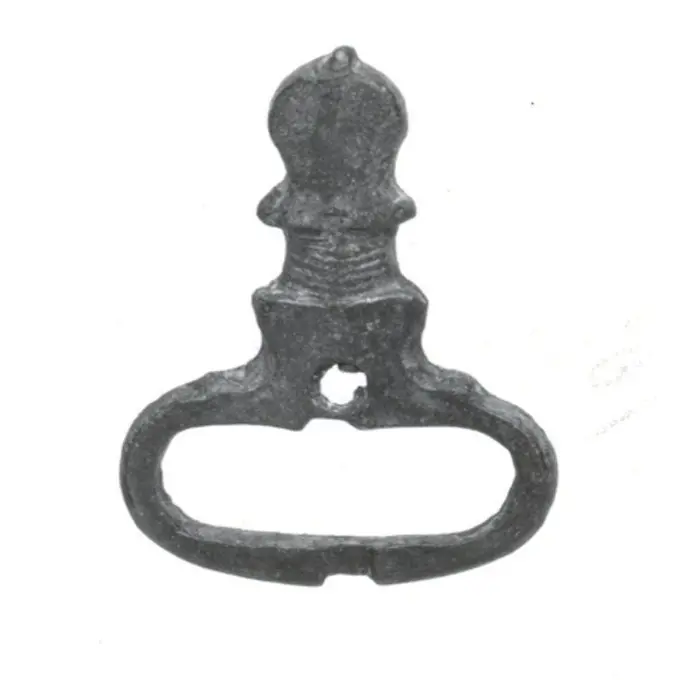
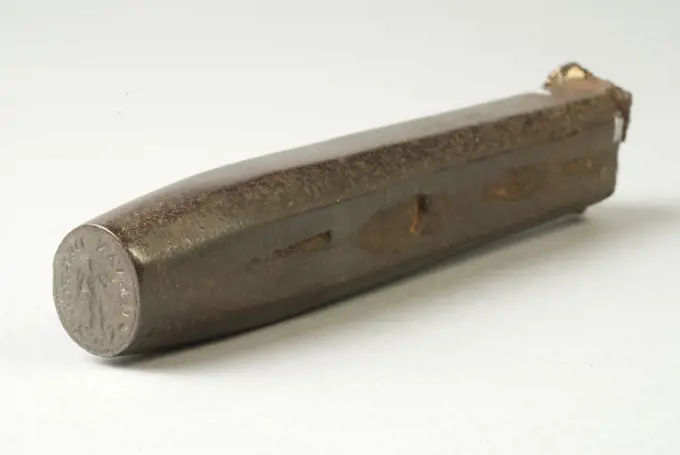
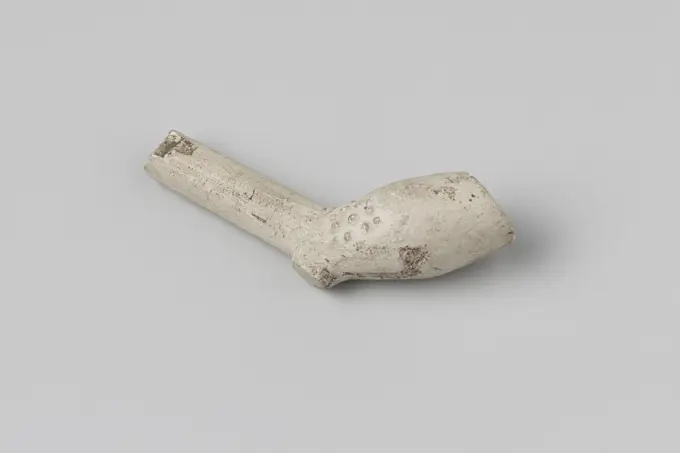
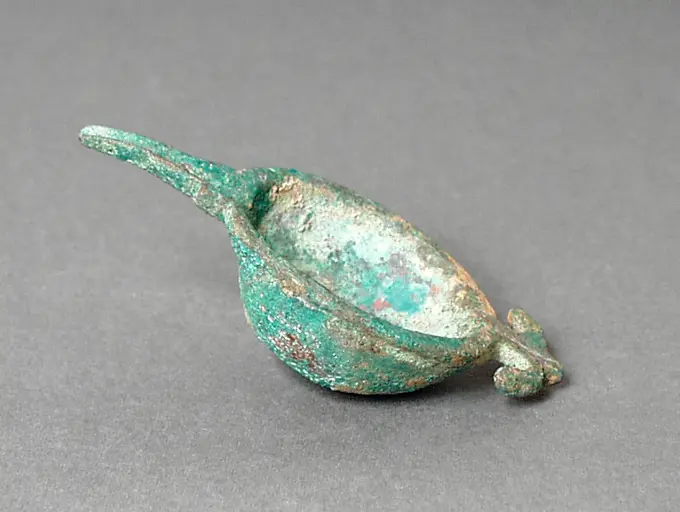
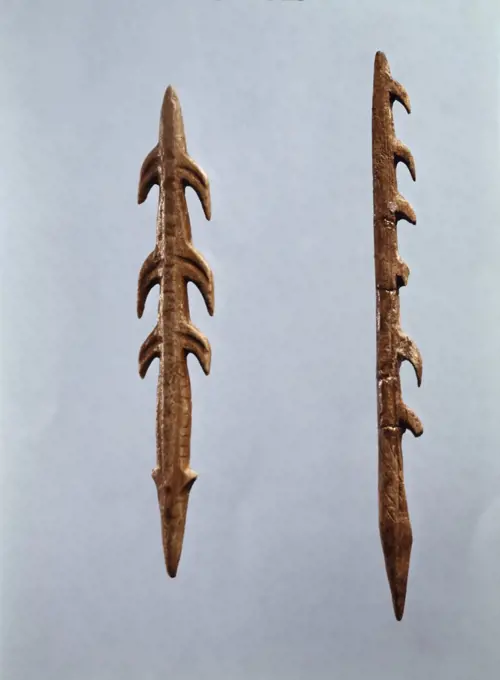
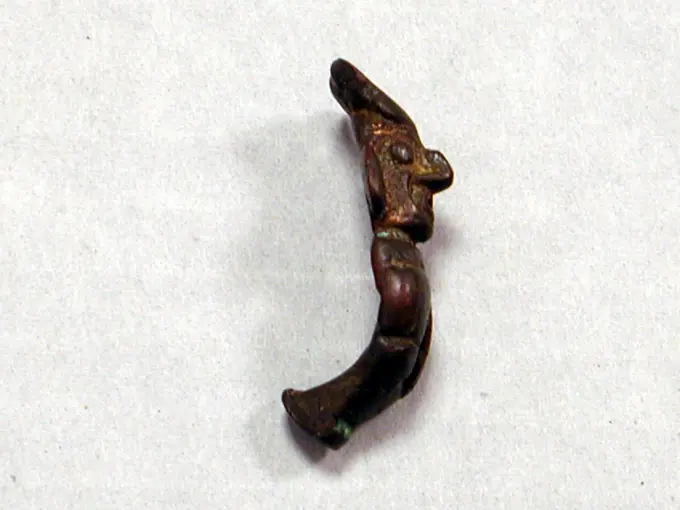
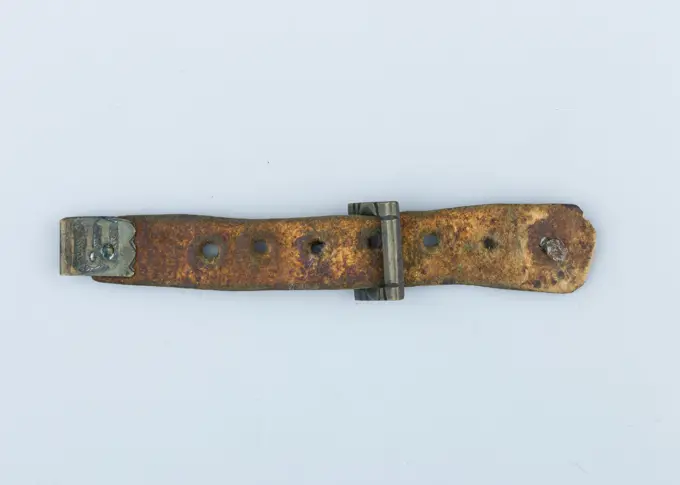
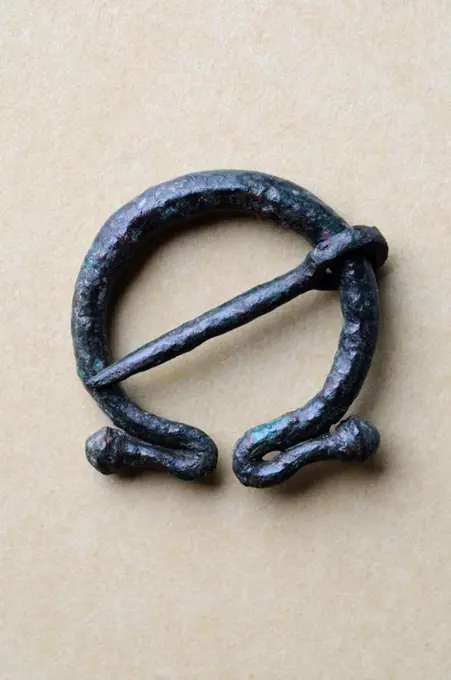
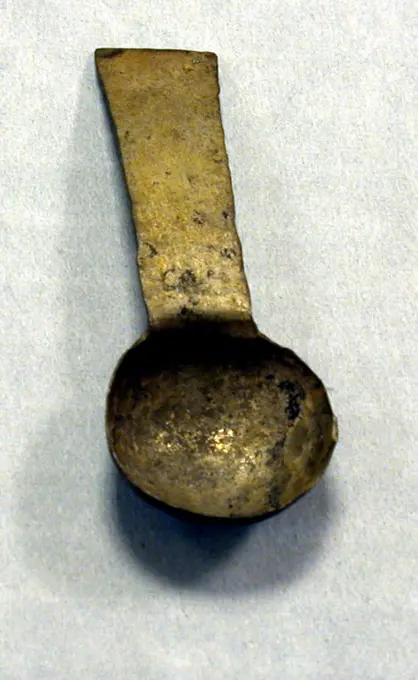
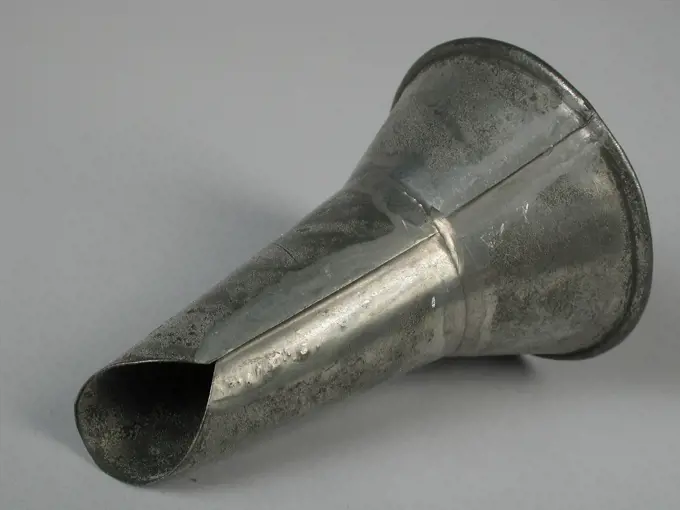
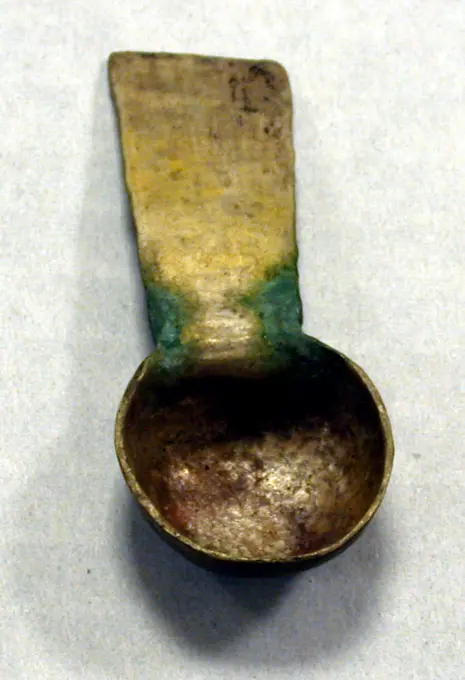
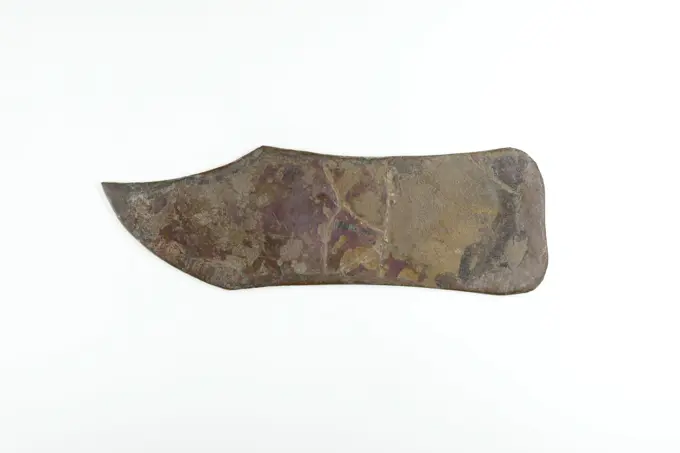
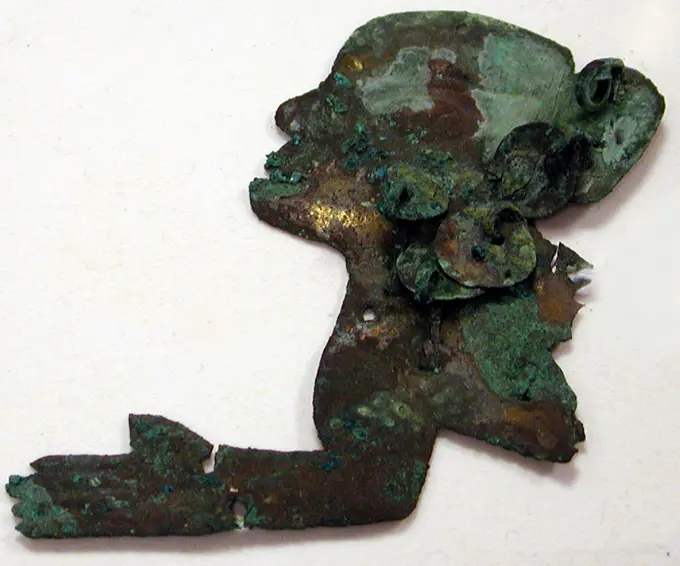
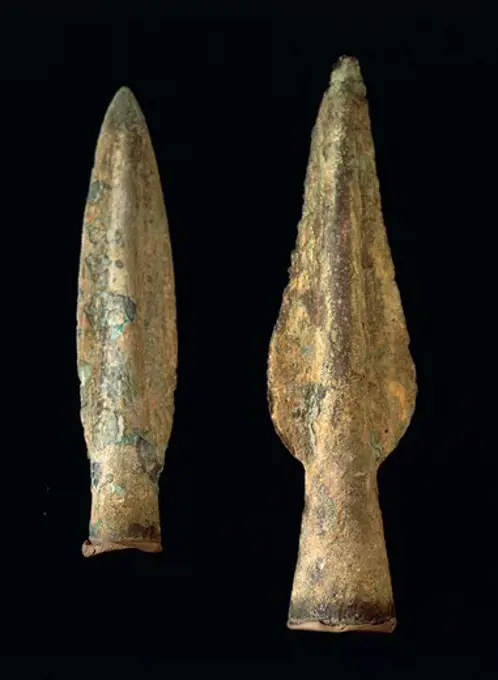
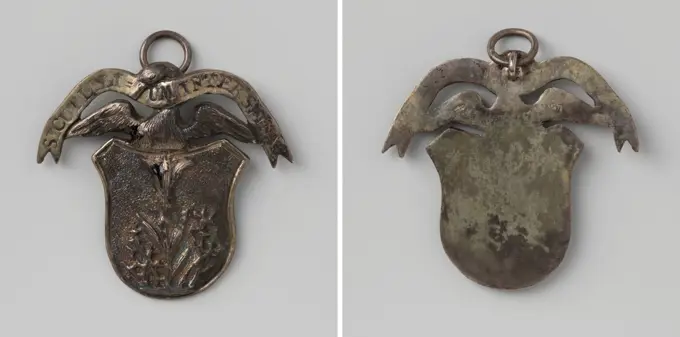
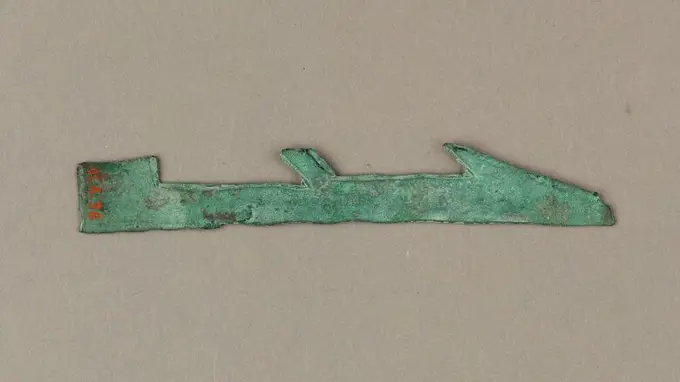
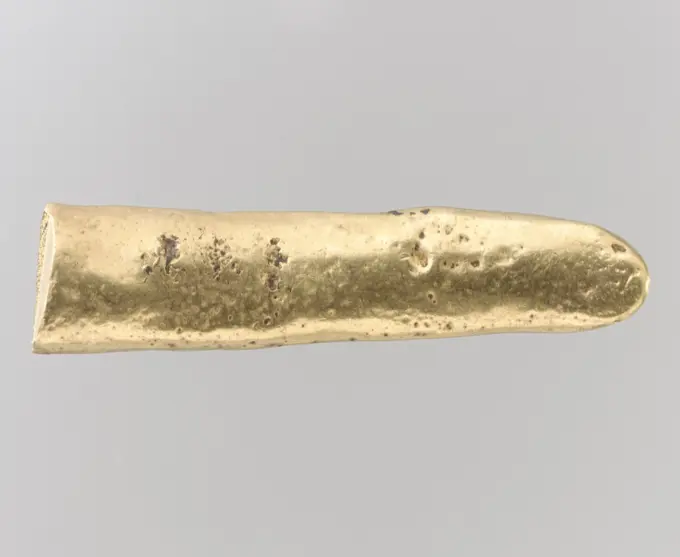
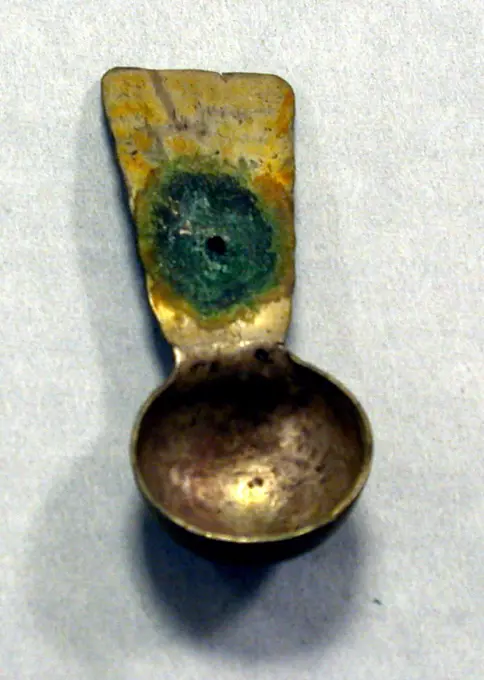
Hoe or Ax Head, 17th-11th century BCE, 6 7/8 x 7 in. (17.46 x 17.8 cm), Bronze, China, 17th-11th century BCEBelt Tongue and Oval Loop from a Buckle 7th Century Frankish. Belt Tongue and Oval Loop from a Buckle. Frankish. 7th Century. Copper alloy. Made in Northern France. Metalwork-Copper alloyGreece, Sarmacja, Olmia, V The beginning of the 4th century BC, Dolphin money, AE MintHelmet 16th-17th century Turkish. Helmet 32066Shen Ring. Egypt, New Kingdom - Ptolemaic Period (1569 - 31 BCE). Jewelry and Adornments; rings. Faience, yellow-green glazeKanjar with a scabbardBeetle Amulet. Egypt, Middle Kingdom - 26th Dynasty (2061 - 525 BCE). Jewelry and Adornments; amulets. Obsidian () (flat-backed, no inscription)HarpoonTip, ca. 1500-500 B.C.E., Bronze, 2 1/2 × 16 1/4 in. (6.4 × 41.2cm), India, Indian, Tools andEquipmentFragment Tobacco Pipe, Anonymous, 1670 - 1700 Fragment tobacco pipe with two windows in the form of 9 dots. Of the excavations on the Hofstede Arentsburg 1827-1831 under the supervision of Professor Reuvens. Netherlands pipe clay Fragment tobacco pipe with two windows in the form of 9 dots. Of the excavations on the Hofstede Arentsburg 1827-1831 under the supervision of Professor Reuvens. Netherlands pipe clayAmulet of the Harpoon of Horus. Egyptian. Date: 1070 BC-332 BC. Dimensions: 3.5 × 1.3 × 0.5 cm (1 3/8 × 1/2 × 3/16 in.). Bronze. Origin: Egypt. Museum: The Chicago Art Institute, Chicago, USA. Author: Ancient Egyptian.Hammered Silver Rattle Beaker 8th-mid-16th century Peru; north coast (). Hammered Silver Rattle Beaker 309024Column with crouching lions at the base 664-30 B.C. Late Period-Ptolemaic Period. Column with crouching lions at the base 552030Cylindrical Pendant 6th-7th century Frankish. Cylindrical Pendant 465655 Frankish, Cylindrical Pendant, 6th7th century, Bone, Overall: 1 3/16 x 3/8 in. (3 x 0.9 cm). The Metropolitan Museum of Art, New York. Gift of J. Pierpont Morgan, 1917 (17.193.32)Part of object, flute With two hollow channels in it, white shard, artifact soil found clay ceramic earthenware pipe earth, modeled baked Object with two parallel hollow channels Looks like trumpet or flugelhorn with loop in the body as handle. Light gray shard One channel clearly tapered form archeology Rotterdam rail tunnel earthenware music archaeological find in the soil Rotterdam tracé rail tunnel.Stone Temple Model 1st-8th century Mezcala. Stone Temple Model 317535Part faucet from the wreck of the East Indieschief Hollandia. Tap, spigot, removable; Fragm, Sim. NG 1980-27H903, Handle Missing, No Arrester Lug, Corroded.Koerner - Punch on white Koerner - Punch on white Copyright: xZoonar.com/lantapixx 7361731Fragment wylewu i imadła amfory lub lagynosu ze stemplem. unknown, potter's workshopHorse Bridle Ornament (Katanga Njara) 19th century or earlier Sumba Island. Horse Bridle Ornament (Katanga Njara) 315452Key; 1909-2-272Open Bracelet with Two Facing Dragonflies 300 B.C.-A.D. 400 Thailand. Open Bracelet with Two Facing Dragonflies 53258Bronze dragon-type fibula (safety pin) ca. 700-650 B.C. Etruscan The bow has two loops and two pairs of bosses. The head is formed by a knob. The foot terminates also in a knob.. Bronze dragon-type fibula (safety pin) 246356Double-oval buckle with middle post, stern and batter plate, buckle fastener part soil find copper brass leather metal, d 0.7 cast Copper buckle in the shape of double oval with middle post stanchion and single stirrup On the middle post batter consisting of double battered copper strip with button that attached strip to the leather. Piece of leather still present archeology Rotterdam City Triangle Oostplein confirm Soil discovery: Oostplein.Kastsleutel.Cabinet wrench with bean-shaped eye and long, partially drilled shaft, which is damaged at the bottom.Serbia, Copper from storage facility of copper smelter in Belgradeax on white backgroundCrescentic Axehead. Iran, Luristan, circa 1350-1000 B.C.. Arms and Armor; axes. Bronze, castKey 1st-7th century Roman. Key 462980Model harpoon ca. 2650 B.C. Early Dynastic Period. Model harpoon 547428Fragment lead from the wreck of the East Indians Hollandia, 1700 - in or before 1743 fragment Parts of artefacts; eroded fragments: materials; lead. Netherlands lead (metal)   SecondMordant 15th-17th century European. Mordant. European. 15th-17th century. Bronze. Miscellaneous-Buckles & OrnamentAx Blade (Celt) 1500-500 B.C. India. Ax Blade (Celt). India. 1500-500 B.C.. Copper. MetalworkPottery Whistle ca. 1200-1521 Mexican. Pottery Whistle 502386Panel from a Choros (lighting frame) 12th-14th century Byzantine. Panel from a Choros (lighting frame) 472752Bronze belt plate with three hooks Bronze belt plate with three hooks, decorated with silver damascening, 5th-3rd century BC, Cerro Maquiz, Mengibar, Iberian culture, Iberian Museum of Jaén, Andalusia, Spain Copyright: xZoonar.com/BartomeuxBalaguerxRotgerx 21704906K  19th century (1690-00-00-1710-00-00);Knife (Korambi) with Sheath 16th-19th century Sumatran. Knife (Korambi) with Sheath 31662Fragmentary Fibula. UnknownHandle of a kylix 6th-5th century B.C. Cypriot. Handle of a kylix 244320Key 15th century German The decoration of Gothic iron locks and keys was often elaborate and of the highest standard of workmanship. The motifs were frequently drawn from Gothic architecture, reproducing on a miniature scale complicated tracery patterns and even tiny statuettes. A number of these tiny locks were compound, with some of the mechanisms concealed from view, and required two or even three keys used in sequence to open them. It has been suggested that the greatly expanded use of locks on doors, or coffrets and other types of storage chests was a result of the increasing urbanization of life and the new emphasis on material wealth and private ownership which developed in the late Middle Ages.. Key 463326Bronze chisel Covered with a turquoise- blue patina, of the "winged" variety, with side flanges and a stop ridge for fastening the handle.. Bronze chisel. Bronze. BronzesGlass Fragment late 13th century French or British. Glass Fragment. French or British. late 13th century. Colorless glass. Glass-StainedBelt buckle ca. 3rd-7th century A.D. Sasanian. Belt buckle 323089Standing Male FigureClapper ca. 1900-1640 B.C. Middle Kingdom. Clapper. ca. 1900-1640 B.C.. Ivory. Middle Kingdom. From Egypt, Memphite Region, Lisht North, cemetery south of pyramid below House A1:1, Pit 885, MMA excavations, 1920-21. Dynasty 12,mid-Dynasty 13Knife -Pijpsleutel.Pipe key whose handle consists of a moved C-voltage. Two excluded excludes are excluded by a button. The capital is globally grooved in the middle and carries a round disk on which the handle rests. There is a slot filted later in the shaft.Knife Handle (Kozuka). Culture: Japanese. Dimensions: L. 3 13/16 in. (9.7 cm); W. 9/16 in. (1.4 cm); thickness 3/16 in. (0.5 cm); Wt. 1.2 oz. (34 g). Date: ca. 1615-1868. Museum: Metropolitan Museum of Art, New York, USA.Fragment Tobacco Pipe, Jan Nieuwveld, 1740 - 1780 Fragment tobacco pipe with grunts (floral -leaving motif) in outline, ending at the top in arcs in which alternating stiled floals and lilies and a row of flowers above the arches. Of the excavations on the Hofstede Arentsburg 1827-1831 under the supervision of Professor Reuvens. Gouda pipe clay Fragment tobacco pipe with grunts (floral -leaving motif) in outline, ending at the top in arcs in which alternating stiled floals and lilies and a row of flowers above the arches. Of the excavations on the Hofstede Arentsburg 1827-1831 under the supervision of Professor Reuvens. Gouda pipe clayClamp from the wreck of the East Indians Hollandia, Anonymous, 1700 - in or Before 1743  Terminals; id. 75-52H1447. Netherlands copper (metal)Model adze blade ca. 2650 B.C. Early Dynastic Period. Model adze blade 547431Jan van der Pol, Stamp iron for maker's mark JAN VAN DER POL, stroke stamp brand iron tool kit iron, Straight body flared in oval round flat disc. Standing angel with letters all around: JAN VAN DER POL tingieterij tinnegieter tin mark Meeuws craft Originating from the Meeuws collection.Messenheft from the wreck of the East Indians Hollandia, Anonymous, 1700 - in Or Before 1743  Knife-handle, cylindrical: tapering; id. NG 1979-403H. Netherlands wood (plant material). copper (metal)   Scilly IslandsFragment tabakspijp.Fragment tobacco pipe with two windows in the form of 9 dots. Of the excavations at the Hofstede Arentsburg 1827-1831 under the supervision of professor Reuvens.Finial 700-1200. Finial 452674Hammered Silver Petal Ornament 8th-mid-16th century Peru; north coast (). Hammered Silver Petal Ornament 309086Key 15th century German The decoration of Gothic iron locks and keys was often elaborate and of the highest standard of workmanship. The motifs were frequently drawn from Gothic architecture, reproducing on a miniature scale complicated tracery patterns and even tiny statuettes. A number of these tiny locks were compound, with some of the mechanisms concealed from view, and required two or even three keys used in sequence to open them. It has been suggested that the greatly expanded use of locks on doors, or coffrets and other types of storage chests was a result of the increasing urbanization of life and the new emphasis on material wealth and private ownership which developed in the late Middle Ages.. Key 463330Key Handle 1st-7th century Roman. Key Handle. Roman. 1st-7th century. Copper alloy. Metalwork-BronzeLamp or InkstandScandinavia. Middle Ages. Oil lamps made of soapstone clay were alternatives to tallow candles. Iron lamps were also used. Historical Museum. Oslo. Norway.Crossbow Fibula, c. 350-400. Gallo-Roman or Romano-British, Migration period, 4th century. Bronze, gilt-bronze, silver, and niello; overall: 9.9 x 5.8 x 3.2 cm (3 7/8 x 2 5/16 x 1 1/4 in.).Two Harpoons Prehistoric Art Museum of National Antiquities, Saint-Germain-En--Copper Atlatl Spear Thrower 15th-16th century Inca. Copper Atlatl Spear Thrower. Inca. 15th-16th century. Copper (cast). Peru. Metal-ImplementsBuckle ca. 1500 German. Buckle. German. ca. 1500. Brass. Miscellaneous-Buckles & OrnamentCeremonial Knife (Tumi)Copper Lime Spoon with Feline Top 15th-16th century Inca. Copper Lime Spoon with Feline Top 315333Omega fibula mobile needle made of bronze. Diameter 2, 3 cm Thickness 0.3 cm Width 2, 1 cm ( 1 st - 3 rd CE ) - Roman period, from the " House of Hyppolytus "- Archaeological site of Complutum in Alcalá de Henares ( Madrid ). SPAIN.Hinge, anonymous, -500 --200 Main motif taotie; Furthermore, characteristic leaves zhou ornament; Forms a few with Mak 16B. China silver (metal) Main motif taotie; Furthermore, characteristic leaves zhou ornament; Forms a few with Mak 16B. China silver (metal)Costume Ornament 11th-12th century Central coast (). Costume Ornament 308785Hammered Silver Spoon 8th-mid-16th century Peru; north coast (). Hammered Silver Spoon. Peru; north coast (). 8th-mid-16th century. Silver (hammered), gilt. Peru. Metal-ImplementsNuragic civilization, 5th millennium b.C. Votive quivers. From Sardinia Region.Ax Blade (Celt) 1500-500 B.C. India. Ax Blade (Celt). India. 1500-500 B.C.. Copper. Metalworkmetal worker: Gresnich, Cans miniature sausage horn, sausage horn kitchenware funnel toy relaxant metal h 7,5, curved soldered tinned tin Funnel shape: doubleconically narrowest part cut off diagonally 1868 Sibilla van Embden play food prepare kitchenHammered Silver Spoon 8th-mid-16th century Peru; north coast (). Hammered Silver Spoon. Peru; north coast (). 8th-mid-16th century. Silver (hammered), gilt. Peru. Metal-ImplementsStemhamer. StemhamerGrum Hoe. Dated: 1938. Dimensions: overall: 35.6 x 25.1 cm (14 x 9 7/8 in.). Medium: watercolor, graphite, and colored pencil on paper. Museum: National Gallery of Art, Washington DC. Author: Herman O. Stroh.Two Fragments of Hands 13th century French. Two Fragments of Hands 464316 French, Two Fragments of Hands, 13th century, Silver, Overall: 2 1/2 x 2 3/8 x 1 1/4 in. (6.3 x 6 x 3.2 cm). The Metropolitan Museum of Art, New York. Gift of J. Pierpont Morgan, 1917 (17.190.339a, b)bronze and handle of rod, cave of Santimamiñe, Kortezubi, Arkeologi Museoa, museum aqueologico, Bilbao, Bizkaia, Pais Vasco, Spain.Fragment tobacco pipe. Fragment tobacco pipe with a crown and letters I g shown. Of the excavations at the Hofstede Arentsburg 1827-1831 under the supervision of professor Reuvens.Spokeshave. Dated: 1938. Dimensions: overall: 28 x 35.5 cm (11 x 14 in.) Original IAD Object: 15 1/4" long; 2 1/4" wide. Medium: watercolor and graphite on paperboard. Museum: National Gallery of Art, Washington DC. Author: Herman O. Stroh.Messenheft with flowers in email, anonymous, 1600 - 1700 Kneft of copper decorated with flower and rank motifs of colored email. Netherlands copper (metal). Kneft of copper decorated with flower and rank motifs of colored email. Netherlands copper (metal).Messen Lifts from the wreck of the East Indians Hollandia, Anonymous, 1700 - in Or Before 1743  Knife, handle, cylindrical: tapering; id. NG 1979-403H, ferrule, id. NG 1980-27H426. Netherlands wood (plant material). copper (metal)   SecondRuiu's Razor ca. 1504-1447 B.C. New Kingdom The burial of Ruiu was found in the tomb of her father, Neferkhawet, which was excavated by the Museums Egyptian Expedition in 1935. Lying against the right side of the head end of Ruius coffin was a small basket that contained a wooden box and a metal razor. Inside the box were four scarabs and a cowroid seal-amulet made of steatite, two ebony kohl sticks, and a small metal spoon.This razor lacks a handle, but it is otherwise similar to the razor found in the coffin of Amenemhat who was probably Ruiu's brother and whose coffin lay next to hers in the tomb.. Ruiu's Razor. ca. 1504-1447 B.C.. Bronze or copper alloy. New Kingdom. From Egypt, Upper Egypt, Thebes, Asasif, Tomb of Neferkhawet (MMA 729), Burial of Ruiu (IV), in basket under 35.3.45a, b, MMA excavations, 1935-36. Dynasty 18, earlyHinge, anonymous, -500 --200 Main motif taotie; Furthermore, characteristic leaves zhou ornament; Forms a few with Mak 16A. China silver (metal) Main motif taotie; Furthermore, characteristic leaves zhou ornament; Forms a few with Mak 16A. China silver (metal)Messenheft from the wreck of the East Indians Hollandia, Anonymous, 1700 - in Or Before 1743  Knife, handle, cylindrical: tapering; id. NG 1979-403H, ferrules id. NG 1980-27H426. Netherlands wood (plant material)   SecondToggle -Wooden Plow. Dated: c. 1940. Dimensions: overall: 28 x 38 cm (11 x 14 15/16 in.) Original IAD Object: 78" long; 60" wide. Medium: watercolor and graphite on paperboard. Museum: National Gallery of Art, Washington DC. Author: Orville Skaren.Figure Fragment 6th-7th century Moche (Loma Negra). Figure Fragment 313474Bottle 13th-15th century Chimú or Chancay. Bottle 315759Beaker ca. 10th-9th century B.C.. Beaker 325635Knife with Sheath 18th-19th century Philippine, Zamboanga. Knife with Sheath. Philippine, Zamboanga. 18th-19th century. Steel, wood, cord. KnivesPrehistory, Italy, Bronze Age. Bronze spear heads. From Veneto Region.Necklace loop 9th-8th century B.C. Italic, Villanovan. Necklace loop 256045Key 1st-7th century Roman. Key 462950Carrying sign of the illustrious Lieve Women Brotherhood in 's Hertogenbosch ,, c. 1700 - c. 1800 history medal Silver carrying sign, representing a coat of arms with a lily between Doornen, above which a swan protrudes with a ribbon with inscription Sicut Lilium Inter Spinas in the beak the Bosch silver (metal)Roman bronze phallic amulet, 2nd century. Artist: UnknownModel harpoon. Dimensions: H: 9.3 cm (3 5/8 in.); W: 1.5 cm (9/16 in.). Dynasty: Dynasty 2. Reign: reign of Khasekhemui. Date: ca. 2650 B.C.. Museum: Metropolitan Museum of Art, New York, USA.Fragment of a Gold Ingot 700s Avar The treasure contains an array of belt fittings, some elaborately decorated, some unfinished or defectively cast. Some show no signs of use, while others are quite worn.The AvarsThe Avars were a nomadic tribe of mounted warriors from the Eurasian steppe. The Byzantine emperor Justinian negotiated with them in the sixth century to protect the Empires northern border along the Black Sea. Emboldened by their subjugation of numerous tribes, they unsuccessfully attempted to seize the Empires capital, Constantinople. They remained a scourge of both Byzantium and the Western kingdoms until Charlemagne defeated them through a series of campaigns in the 790s and early 800s.All the money and treasure that the Avars had been years amassing was seized, and no war in which the Franks have ever engaged.. brought them such riches and such booty. Up to that time the Avars had passed for a poor people, but so much gold and silver was found.. that one may well think Escutcheon plate 15th century German The decoration of Gothic locks and keys was often elaborate and of the highest standard of workmanship. These examples offer a glimpse of the creativity and inventiveness of medieval ironsmiths who forged such objects. Some scholars have suggested that the greatly expanded use of locks was the result of the increasing urbanization of life and the new emphasis on material wealth and private ownership that characterized the later Middle Ages.. Escutcheon plate 468806Hammered Silver Spoon 8th-mid-16th century Peru; north coast (). Hammered Silver Spoon 308959