Historical Silver Artifacts

Images of ornate silver relics, including containers, finials, and decorative items, highlighting craftsmanship from various historical periods.
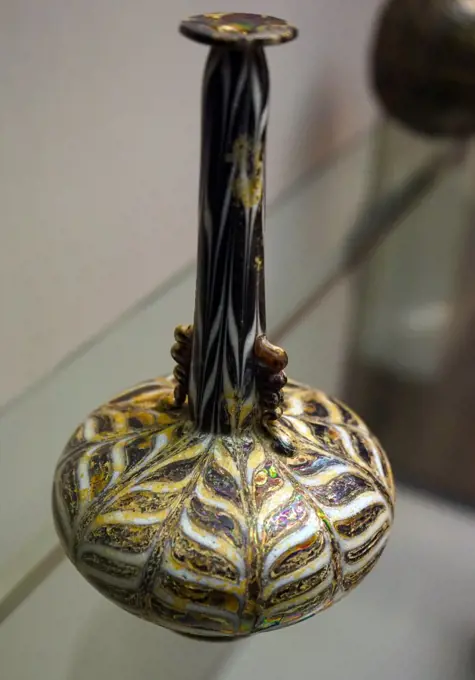
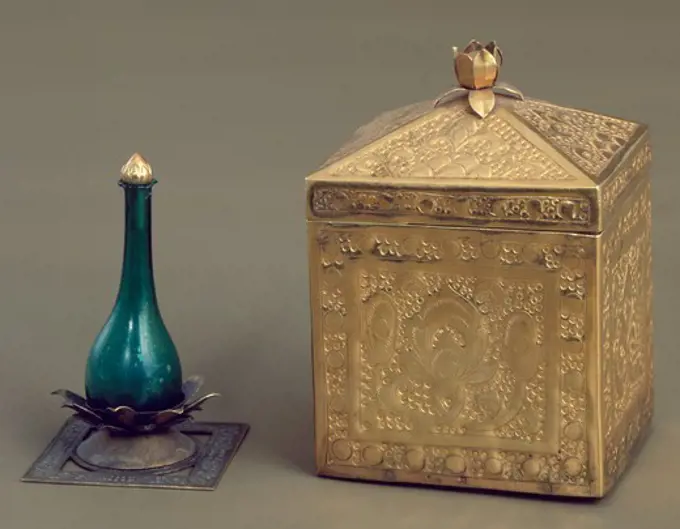
Blown glass bottle from Syria. Dated 13th Century
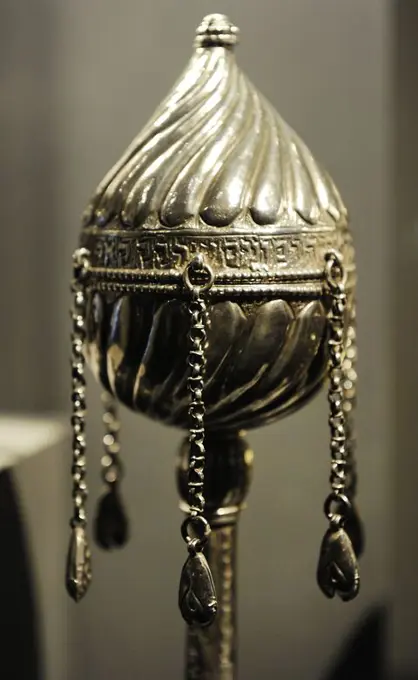
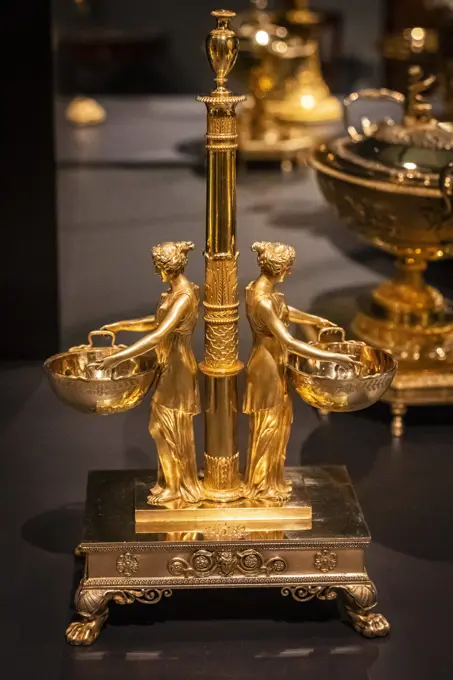
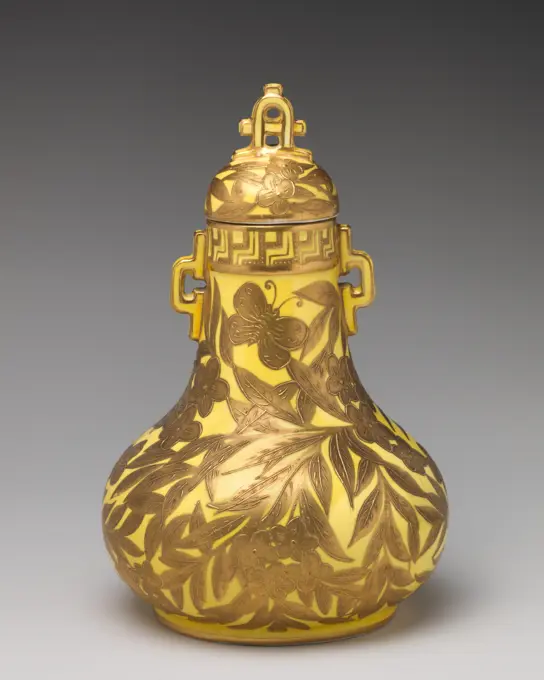
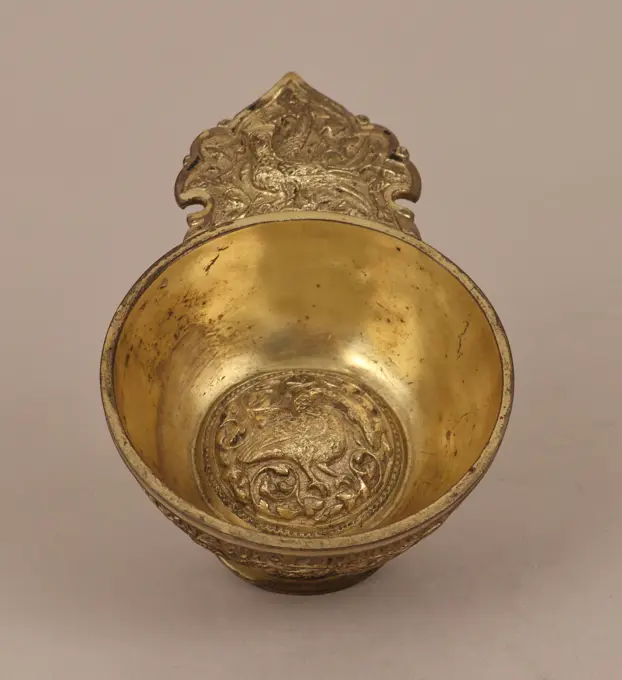
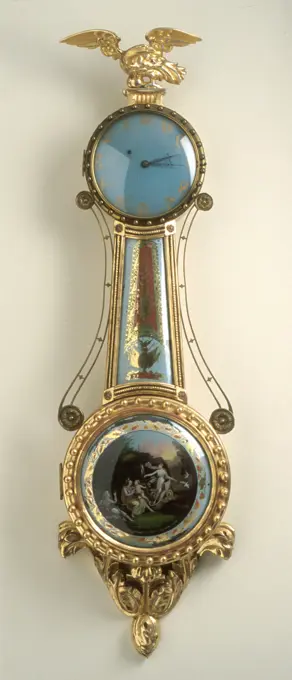
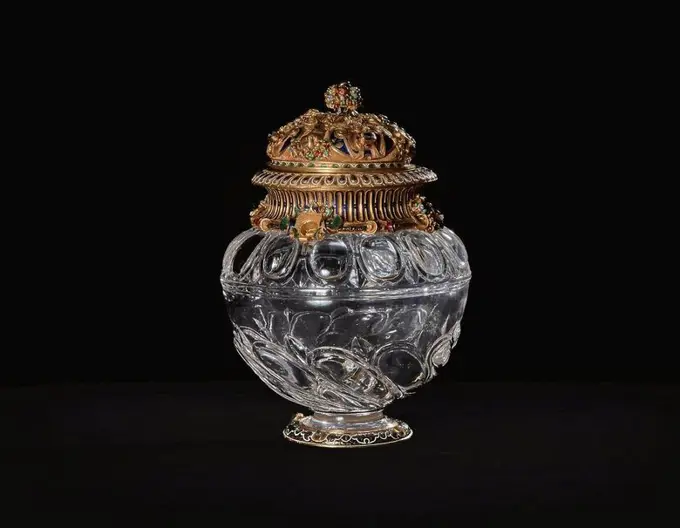
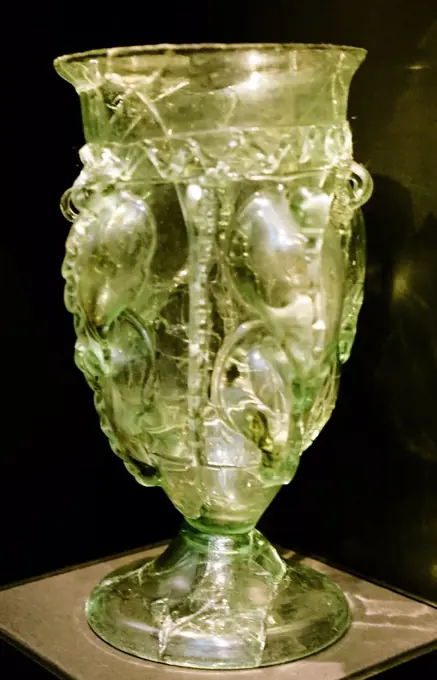
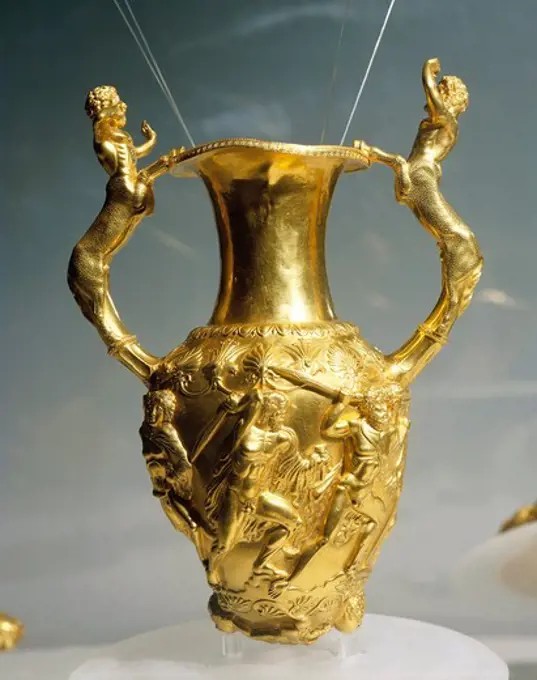
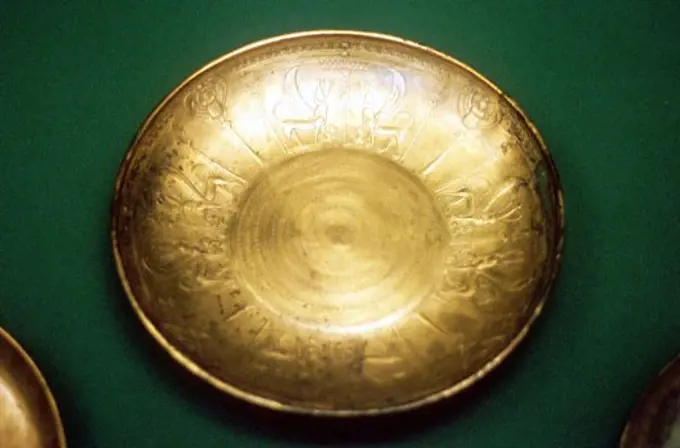
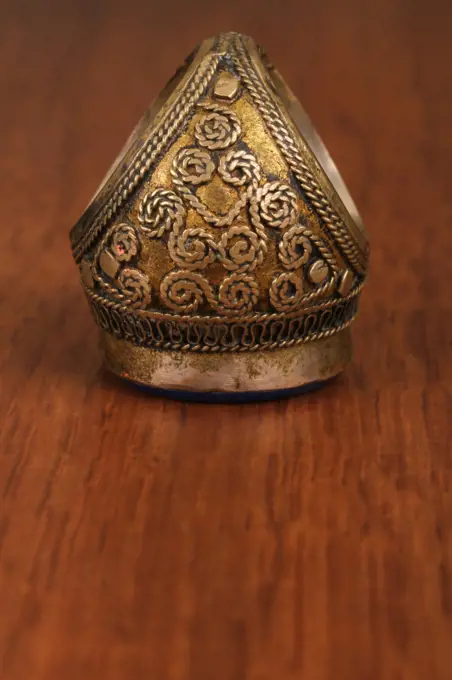
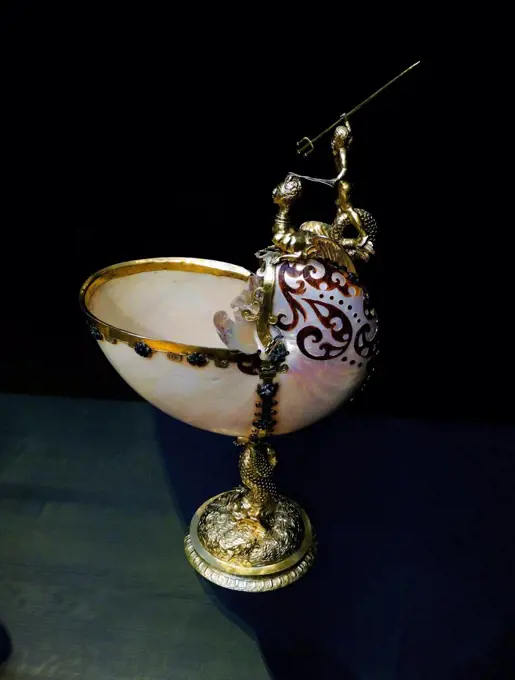
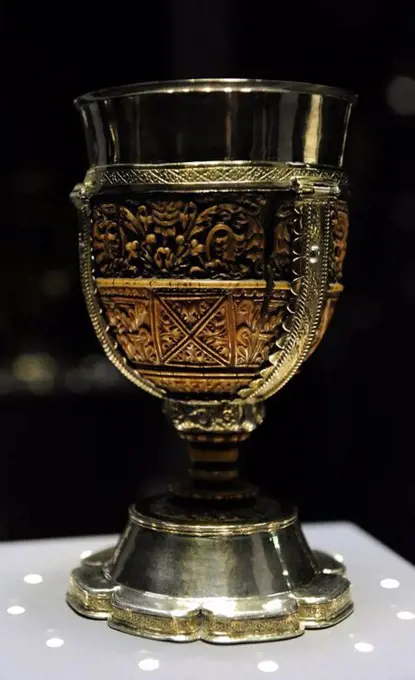
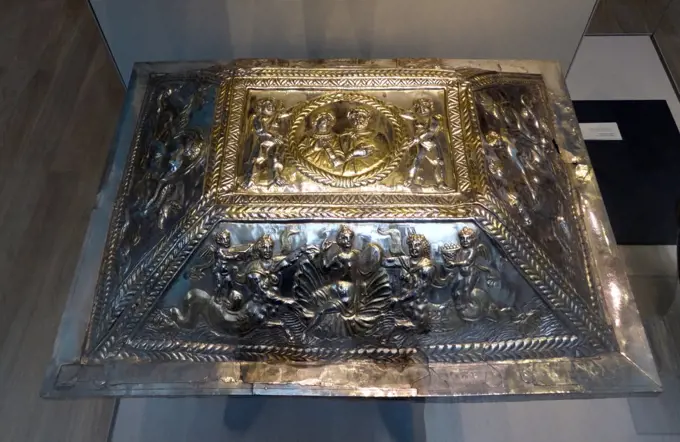
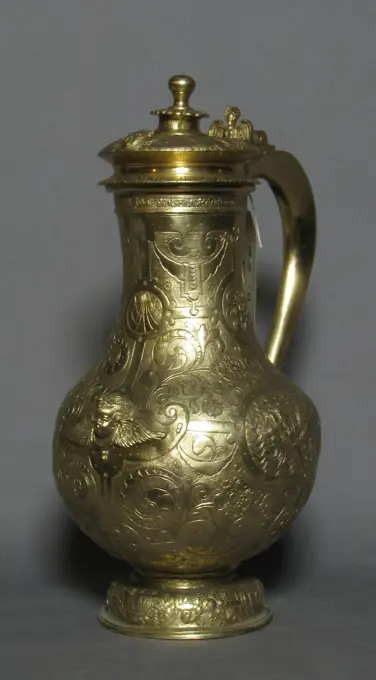
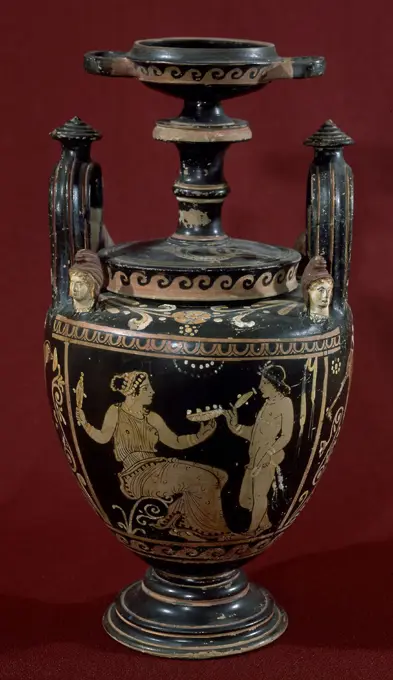
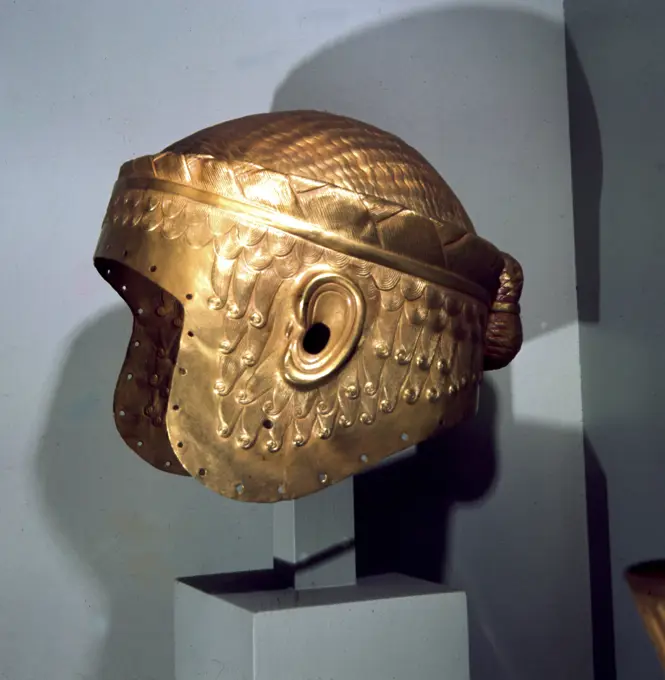
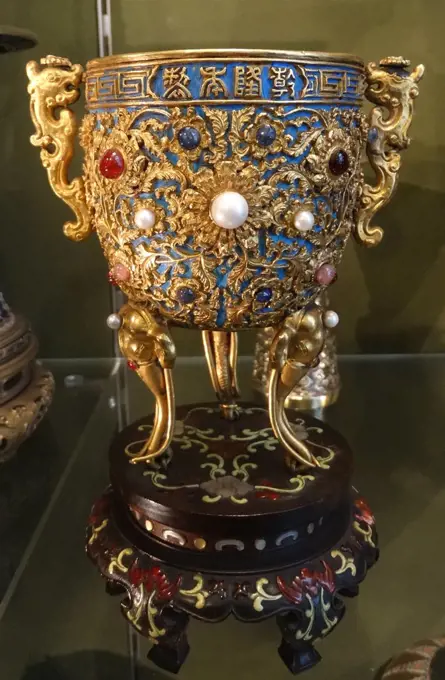
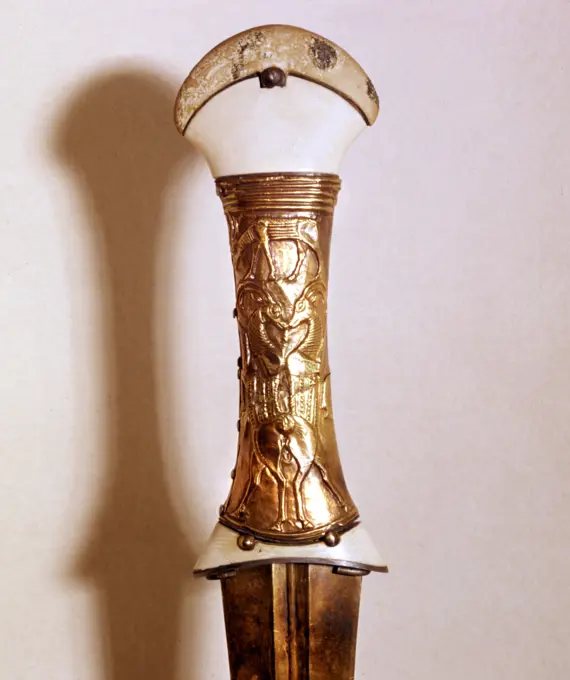
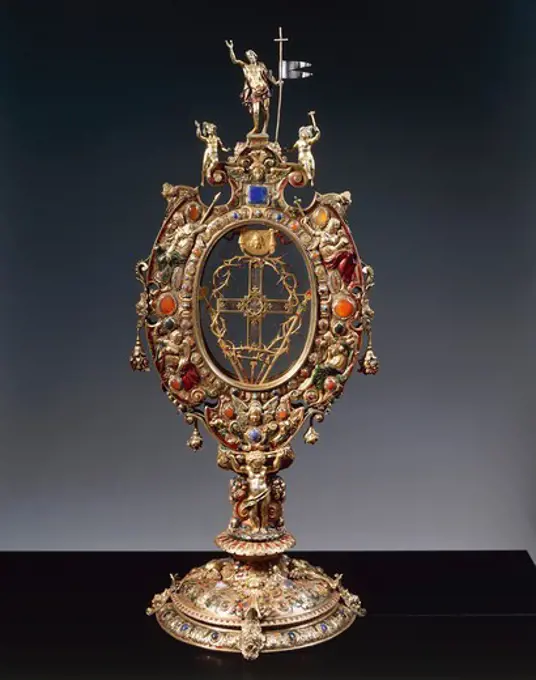
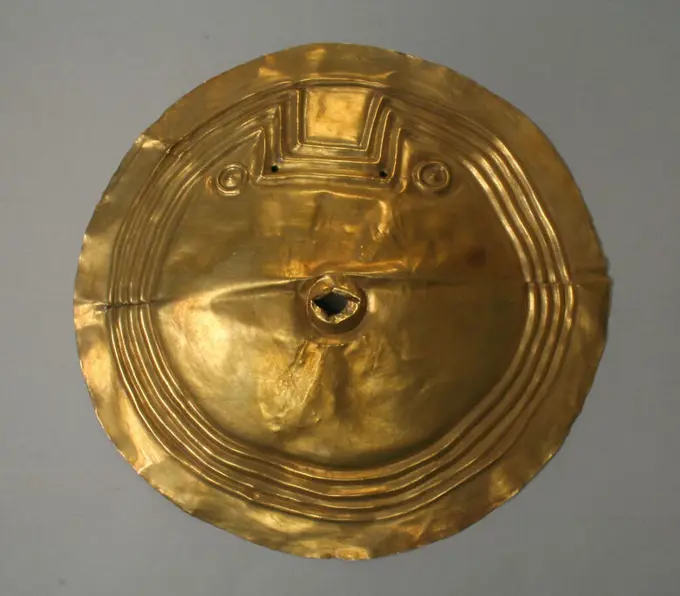
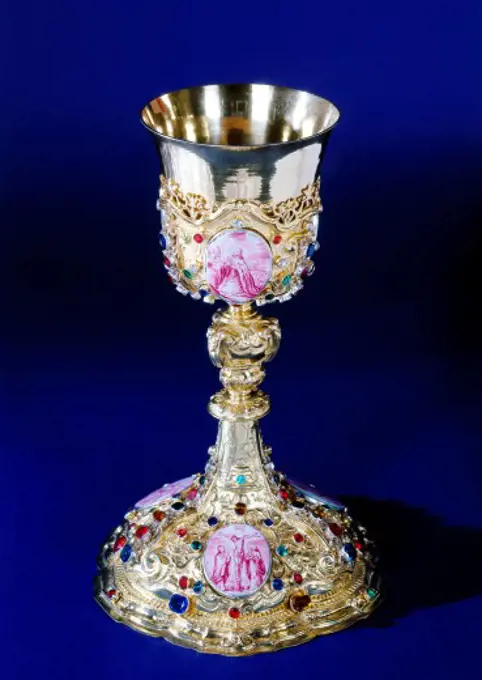
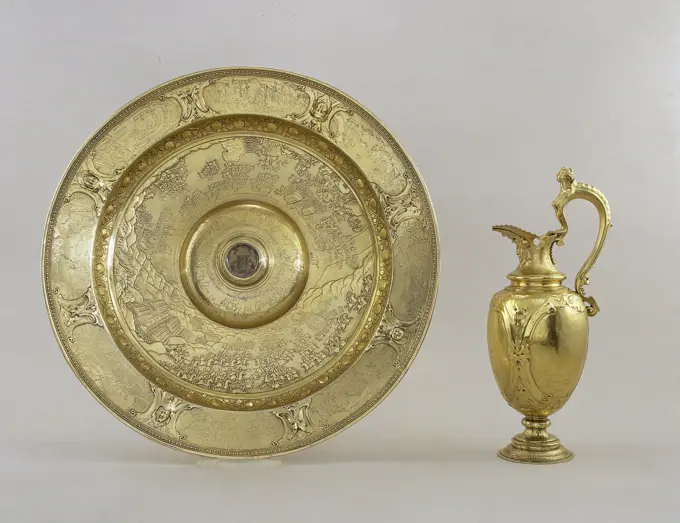
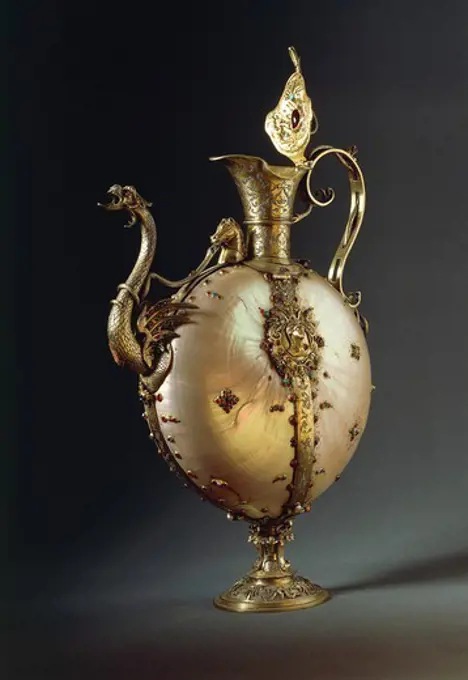
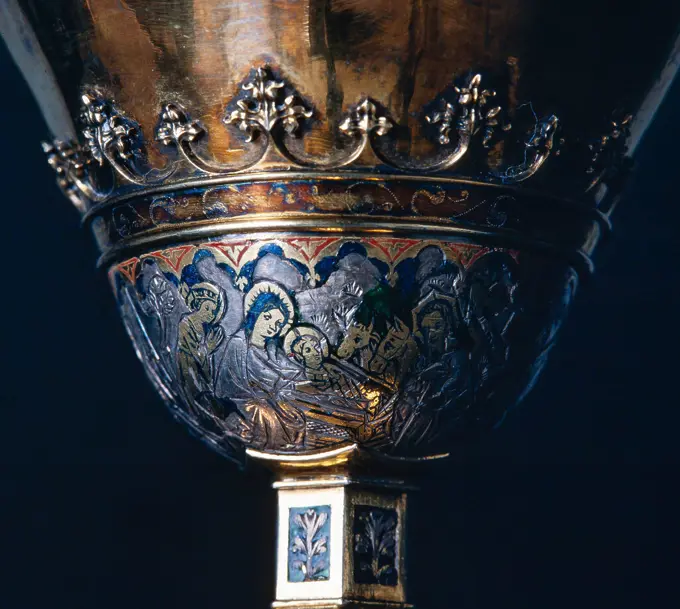
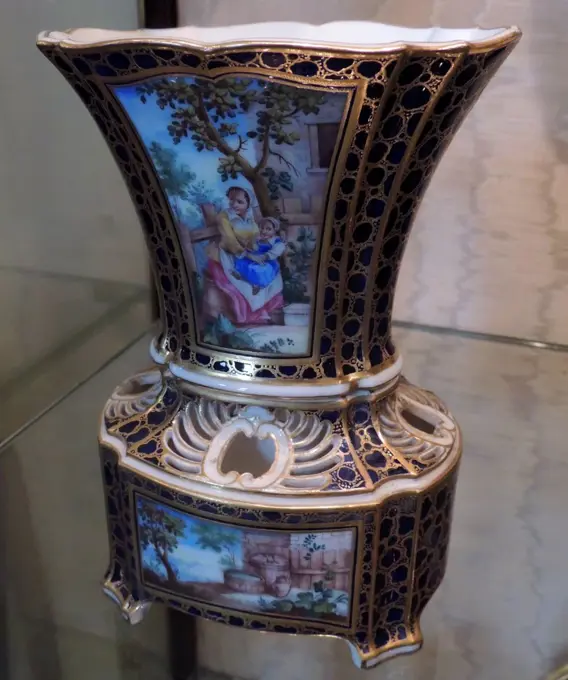
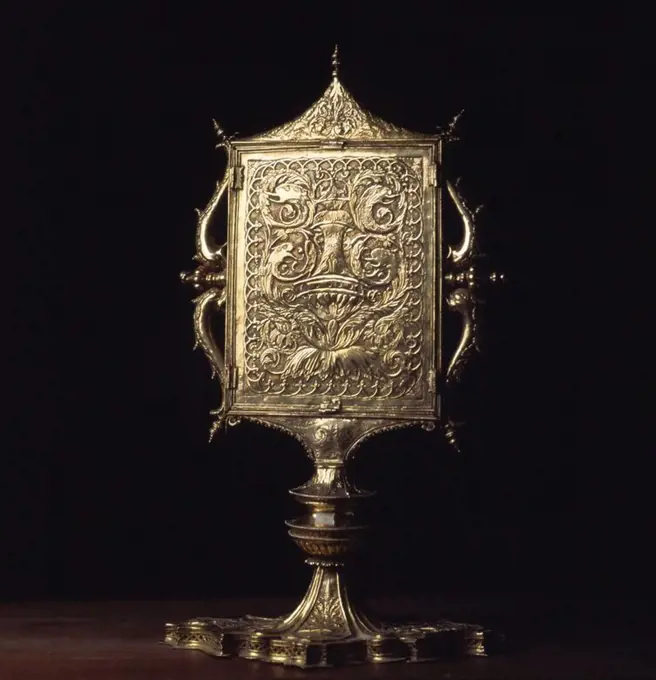
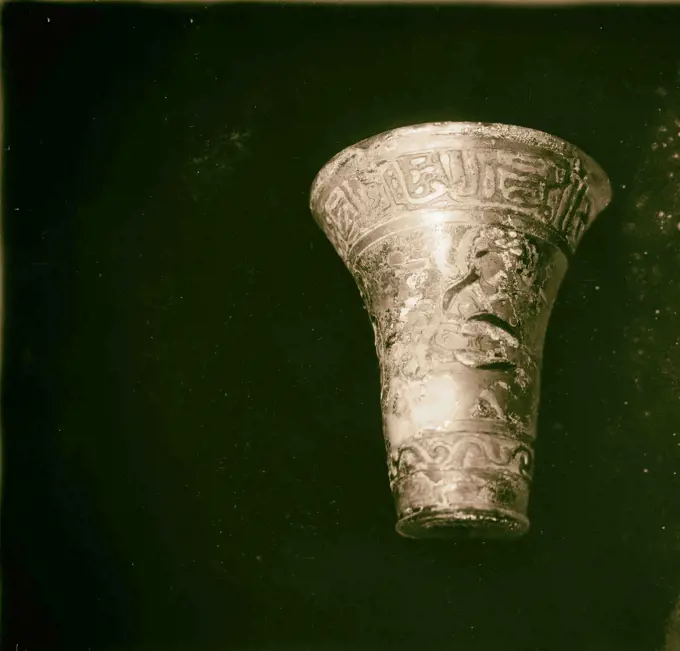
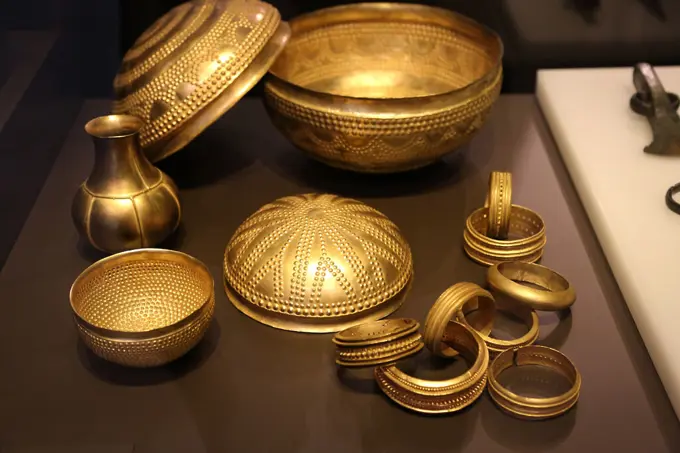
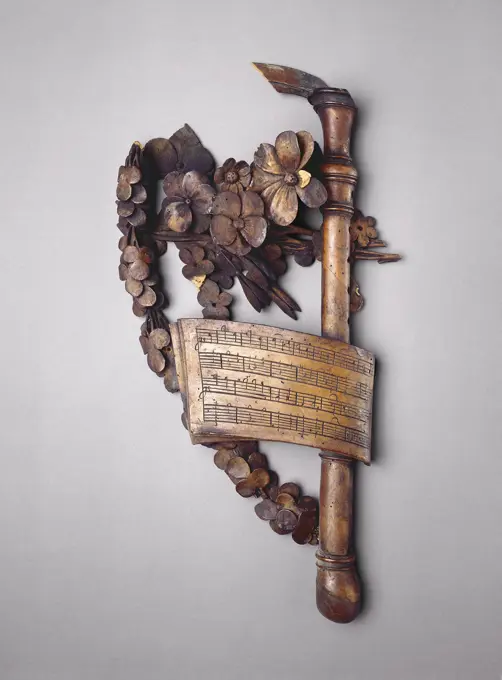
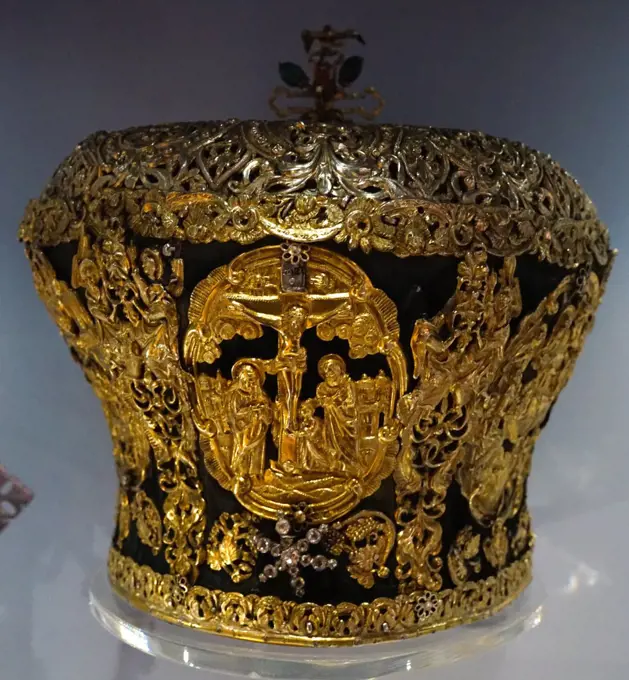
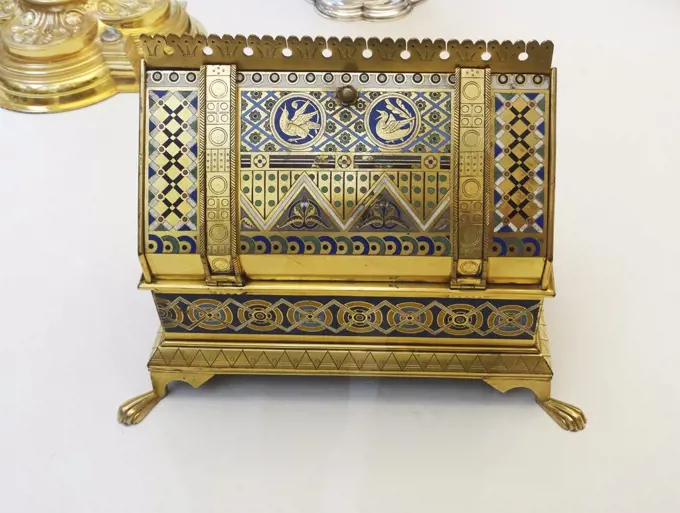
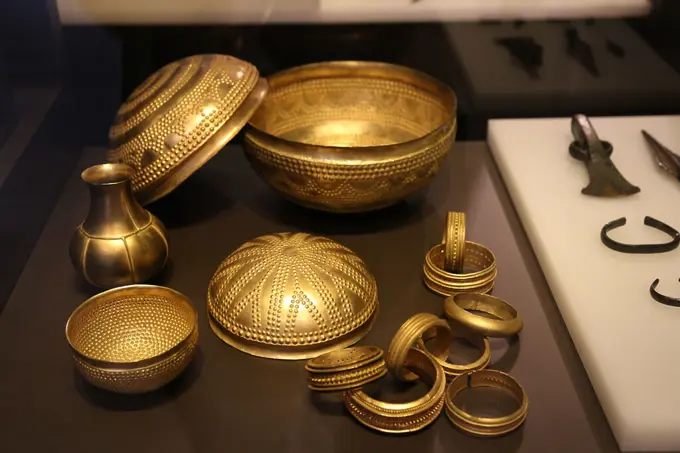
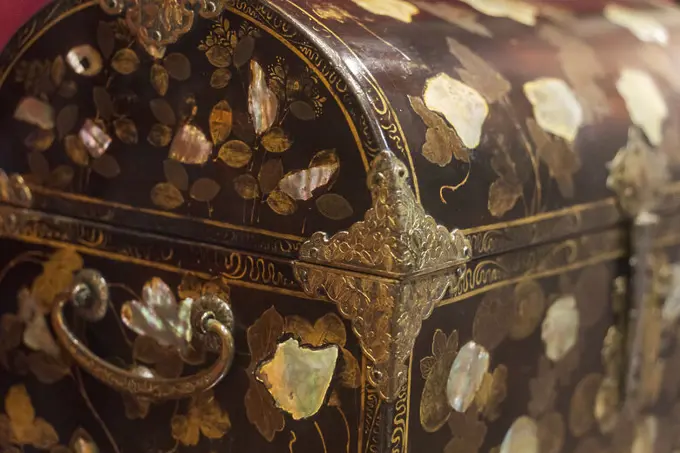
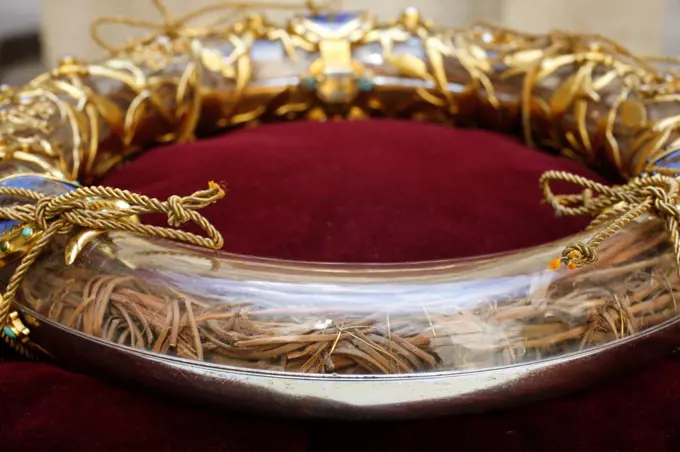
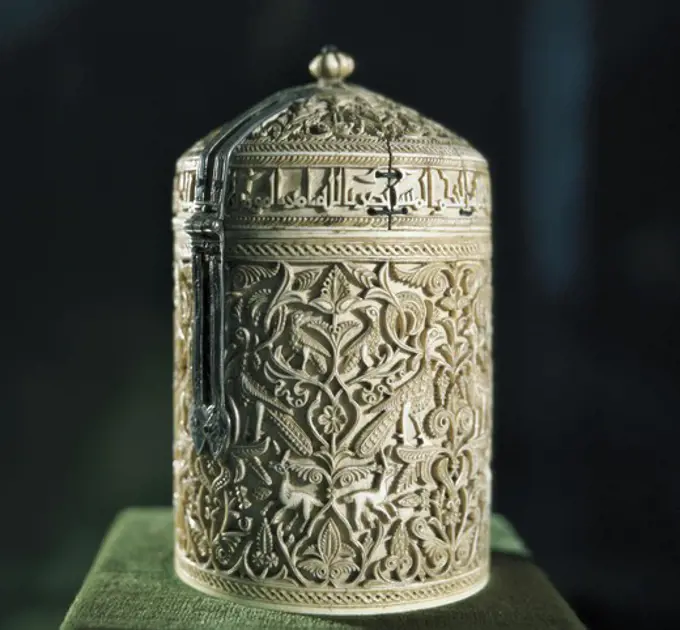
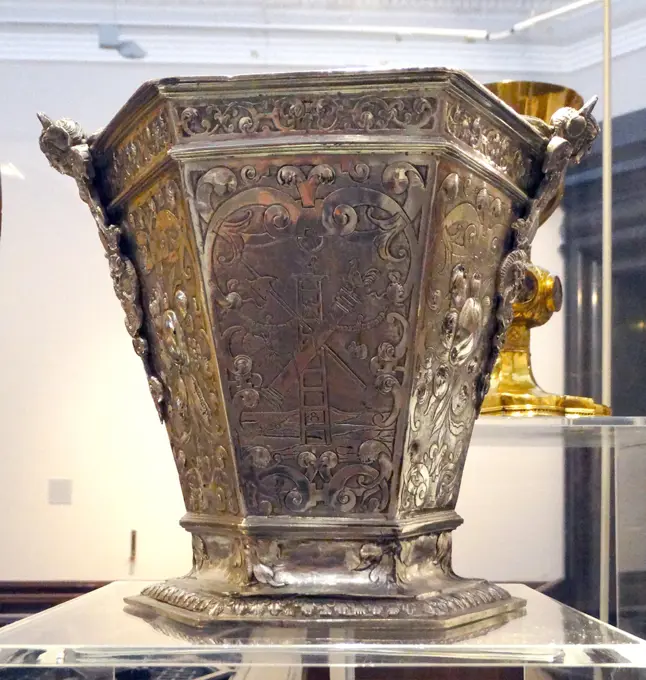
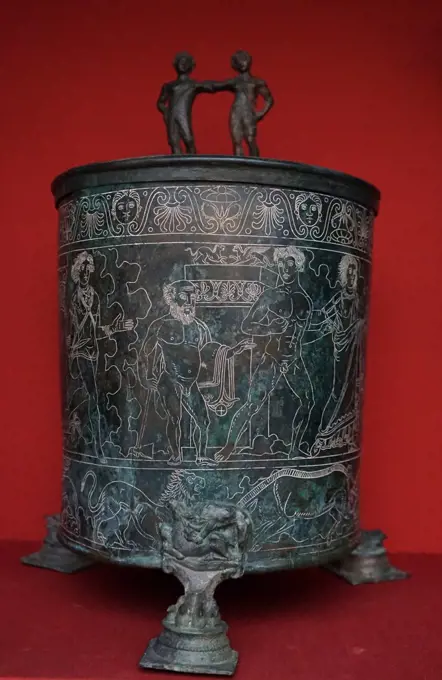
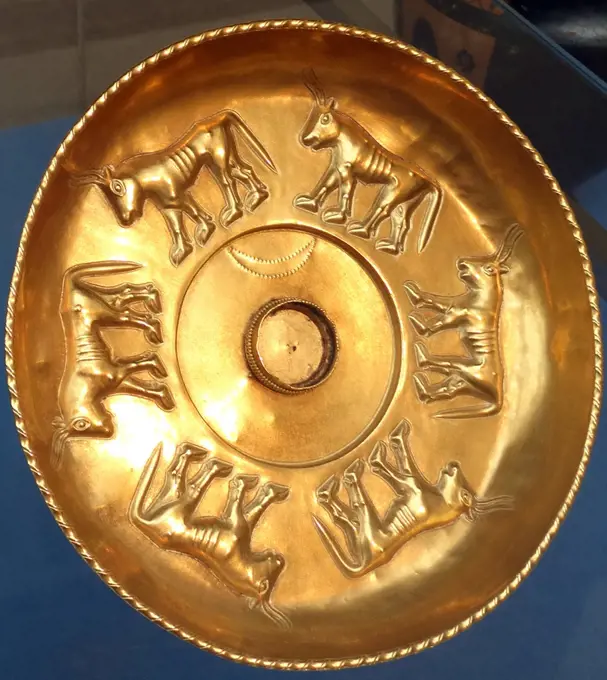
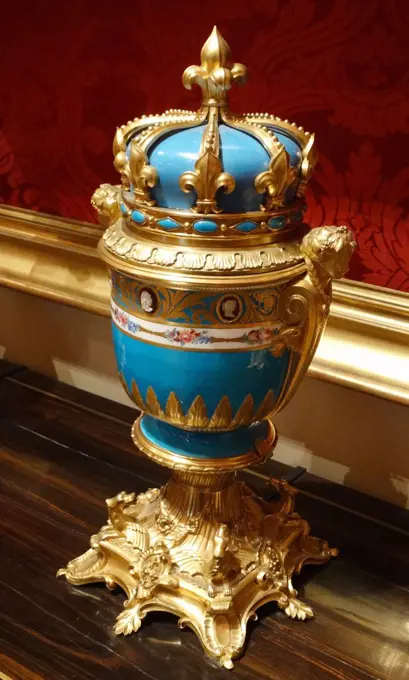
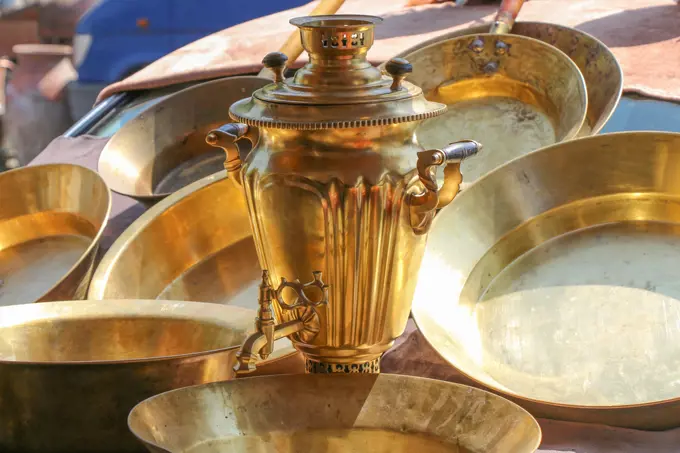
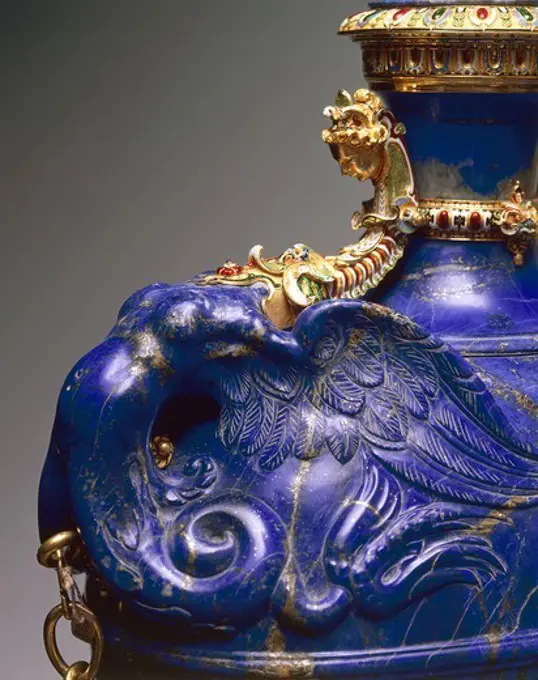
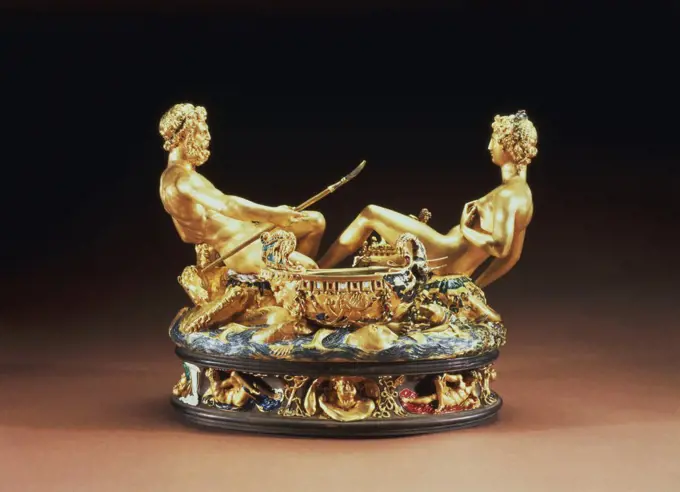
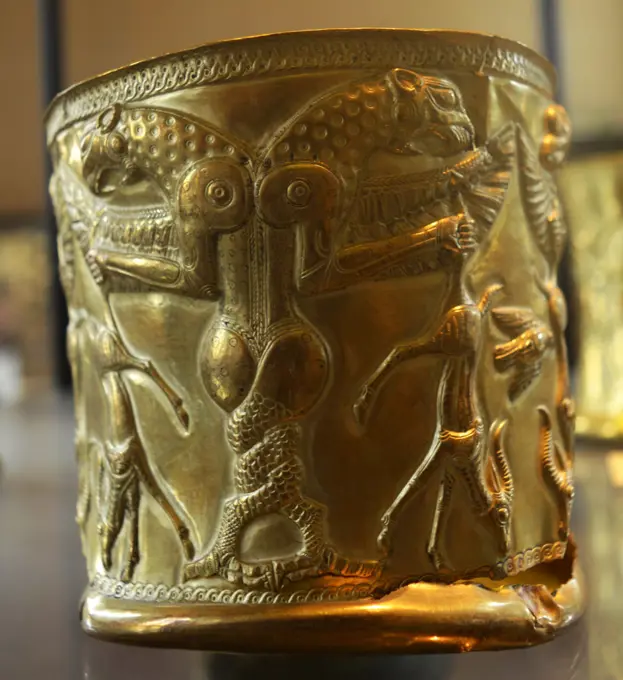
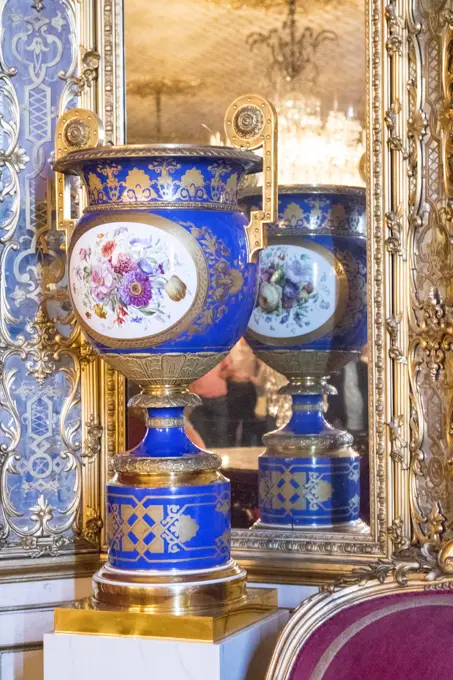
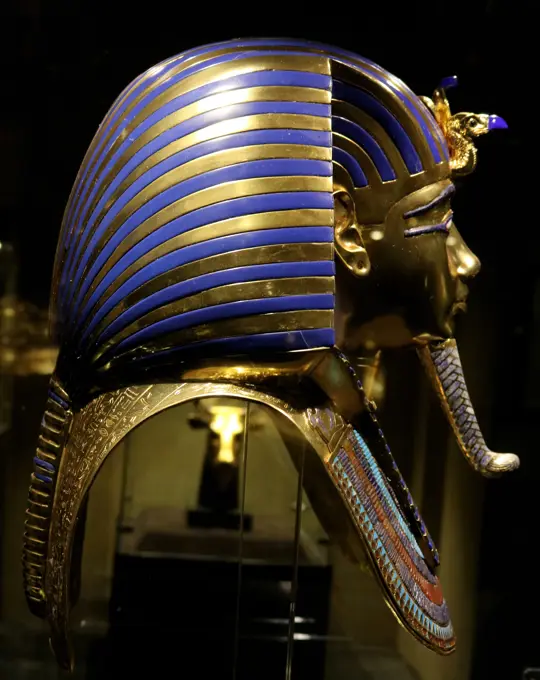
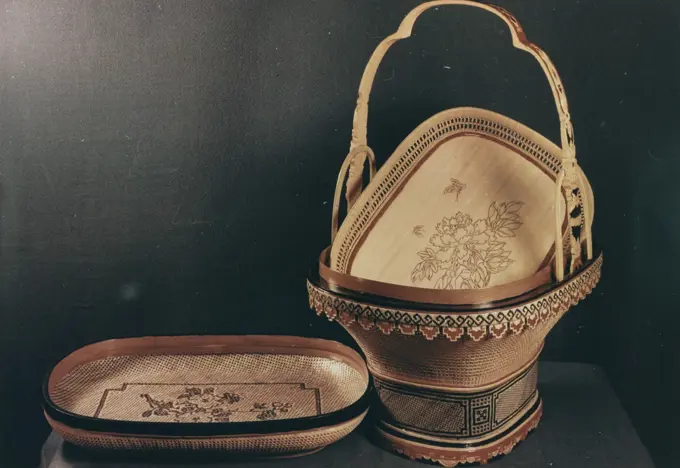
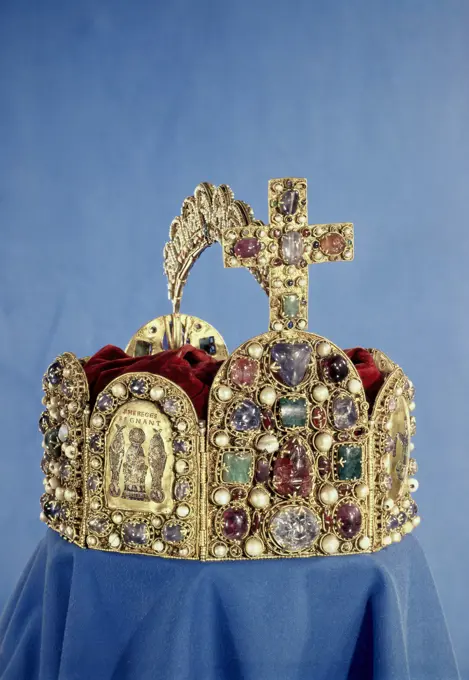
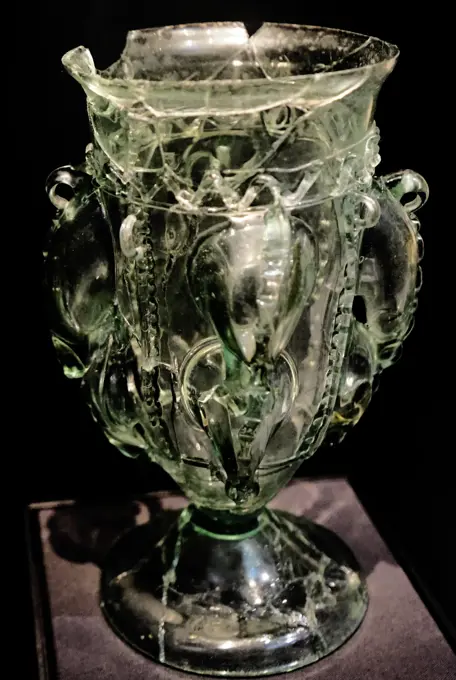
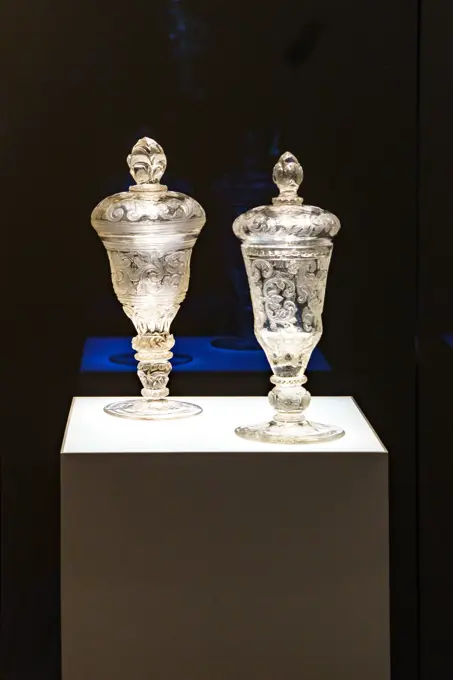
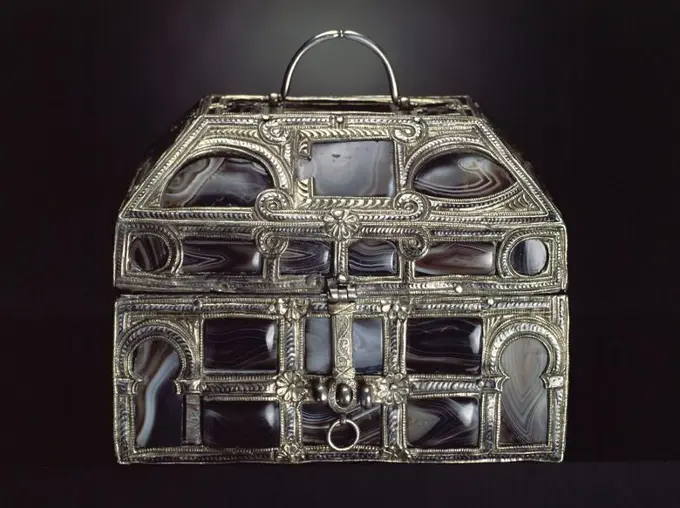
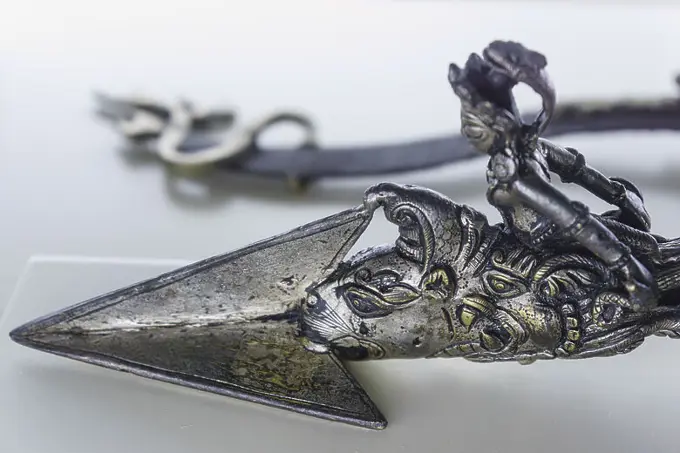
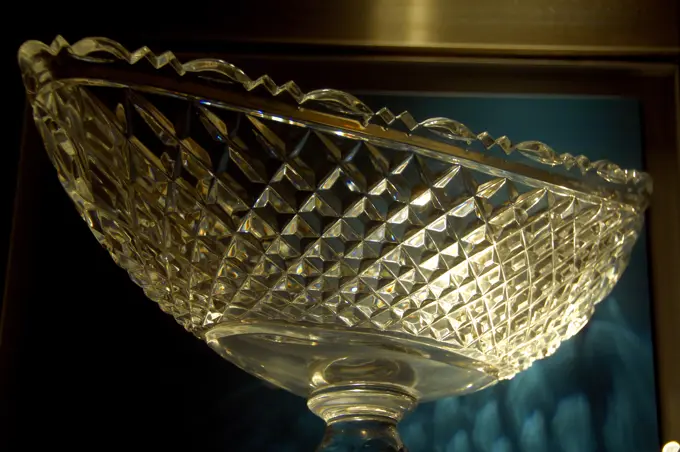
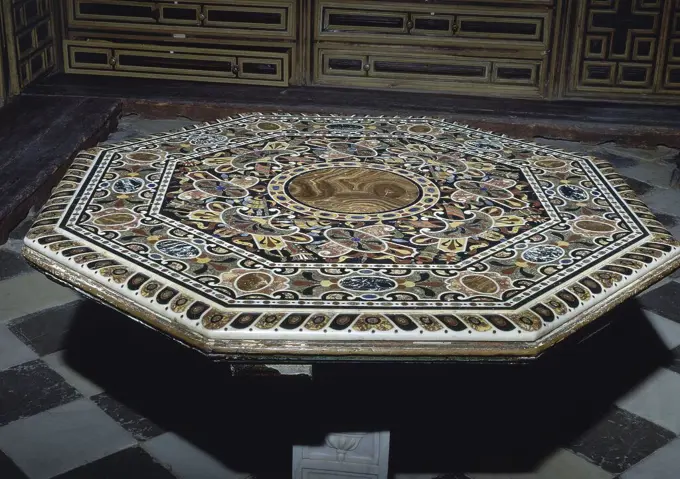
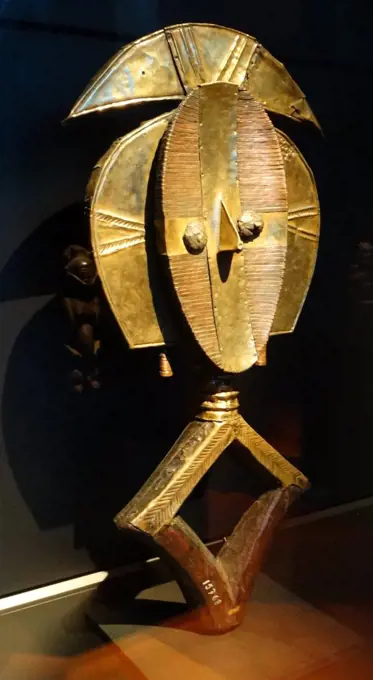
COPON RELICARIO DEL DOCTOR ZUÑIGA. Location: ESCUELAS MENORES-MUSEO UNIVERSITARIO. SALAMANCA. SPAIN.Goblet of Gian Galeazzo Visconti, from the Treasury, Cathedral of Monza. Italy, 14th century.Torah finial. Persia, ca. 1921. Silver, repousse and cast. Gift of the Hafetz Hayyims synagogue, Moshav Beit Nekofa, through Hananiah Der'i. Israel Museum. Jerusalem.Silversmith's art, Italy, 15th century. Sardonyx and gilded silver tankard with handle and hinged lid. Height cm. 42 cm. Signed LAV.R.MED. Detail of the lid.Blown glass bottle from Syria. Dated 13th CenturyCloches dish covers Cloches dish covers, Silver Gilt, Paris 19th century, Amsterdam, Netherlands Copyright: xZoonar.com/BartomeuxBalaguerxRotgerx 21697228Lidded jar 1877-82 Crown Derby The history of the Derby porcelain manufactory can generally be divided into two periods. The old Derby porcelain was produced from 1750 to 1848, and was foremost distinguished by the ownership of William Duesbury I and II. When the original factory closed in 1848, a number of former workers established a separate smaller factory at King Street, Derby, using Crown Derbys original molds and patterns and oftentimes incorporating the factory marks on its wares. Around 1876, a separate company established a factory at Osmaston Road under the name Derby Crown Porcelain Company (and eventually bought the King Street factory in 1935), although the firm did not being producing commercial pieces until two years later. In 1890, the factory was granted the privilege of using the title "Royal Crown Derby Porcelain Company." Although the new Crown Derby continued to produce the firms old eighteenth-century Japan patterns, it became known for making vessels lavishly Cup 19th century, after 17th century original British, after Russian original This electrotype is after a seventeenth-century original a treasure of the Kremlin, Moscow, at the time of reproduction.. Cup 186557Silversmith's art, France, 18th century. Silver-gilt pitcher commissioned to Cousinet by the Duke of Aveiro.Attributed to Lemuel Curtis, Girandole Clock, c. 1820, giltwood and eglomise.Anonymous; Richard Toutain / 'Small rock crystal ewer without a handle or lip'. 1560 - 1570. Rock crystal / Hyaline quartz, Diamond, Enamel, Gold. Museum: Museo del Prado, Madrid, España.Drinking horn. Germany. 15th century. Buffalo horn, copper, gold and engraving. The State Hermitage Museum. Saint Petersburg. Russia.Glass claw beaker, an example of Anglo-Saxon England vessels. Dated 350 ADBulgaria, Amphora-rython (drinking vessel) with mythological scenes, from the Panagjuriste treasure, embossed goldCandlestickBronze bowl from Nimrud. 8th century BC. Phoenician.This is a very old ring from Anatolia. Ottoman styleNautilus Shell Cup with Silver Gilt. Dated 16th CenturyBronze krater from the Tomb of Vix in Burgundy, France. Greek civilization, 6th Century BC.Carolingian art. The misnamed Lebuinus Chalice. Aachen, Germany, 790-810. Bowl made __in ivory, mounted on a silver frame, made __in the workshops of Carlolingian Empire. The silver assembling dates from 14th century. Catharijneconvent Museum. Utrecht. Netherlands.The Projecta Casket. Roman 380 AD silver casket, inscribed ëSecundus and Projecta, Uve in Christí in Latin, was probably a wedding gift to the couple shown on the top. On the front, the bride adoms herself while handmaids bring caskets of cosmetics.Flagon 19th century, after early 17th century original British, after British, London original This electrotype is after an arly seventeenth-century original, at time of reproduction at the Romanoff House, Moscow.. Flagon 186491JARRA O LEBES NUNCIAL DEL SIGLO IV AC(REGALO DE BODA). Location: MUSEO ARQUEOLOGICO NACIONAL-COLECCION. MADRID. SPAIN.Golden wig helmet from Ur, III mill BC. Sumerian. MESOPOTAMIA.Territorial Integrity wine cup, one of four cups made for the Qianlong Emperor. Made from gold, saltwater pearls, quartz and chrysoberyl cat's eyes, lapis, turquoises, carnelians, red spinels and kingfisher feather. The base is made from wood and inlaid with mother-of-pearl, ivory and carnelian. From China, the period of the Qianlong Emperor, 1736-1795.Clamp with classicist motifs;  XVIII/XIX (1790-00-00-1810-00-00);Phoenician knife in gold and silver, Byblos, Temple of Obelisks. 18th cent. BC. LEBANON.Green glass bottle and reliquary box containing 19 gold pages, from the re-Wanggung Pagoda. Goldsmith's art, Civilisation in Korea, Goryeo dynasty, 10th century.Reconstructed remains of a 5th century BC, ceremonial wagon, Czech. A gilded wagon made from wood dating from the Iron Age. Dated 5th Century BCSilversmith's art, Italy, 17th century. Cosimo Merlini (1580-1641), Reliquary of the Holy Cross, in gilded silver set with pietre dure. Height cm. 73.Embossed disk. Culture: Colombian. Dimensions: Diam. 7 7/8 in. (20 cm). Date: 13th-16th century. Museum: Metropolitan Museum of Art, New York, USA.religion Christianity liturgic utensil mass chalice of suffragan bishop Johann Adam Nieberlein silver gold-plated 18,2 cm diocesan museum Eichstaett circa 1742,Ewer and basin with scenes of land and sea battles during the Eighty Years War, Adam van Vianen (I), 1614 Scale, driven and completely gilded, decorated with low reliefs relating to field and naval from the Eighty Years' War. On the flat of the scale, within an edge of Orange branches, the Battle of Nieuwpoort with the caption: Vlaanderen 2 July 1600. On the edge, separated by kwab motifs, eight fields with various victories on the Spaniards and the following engraved inscriptions: "Scheepstryt 9 Janv. 1574. Middelborch 20 Feb. 1574 "; "Spaensche fleet 7 Aug. 1588"; "Breda 4. Martius 1590"; "Geertruydenberch 24 June 1593"; "Turnhout January 24, 1597"; "S. Andries 6 May 1600. Bommel 4 May 1599"; "Graef 19 Septemberis 1602" and "Gibraltar 25 Aprilis 1607". A medallion has been installed on the Umbo with the Polyhrome weapon of Amsterdam, which is painted behind glass, and the year 1614. Amsterdam silver (metal) engraving / gilding Scale, driven and completely gilded, decorated with low rGolden chaliceSilversmith's art, Flanders, 16th century. Silver gilt mounted ewer with a double nautilus, set with rubies and turquoises, height cm. 30Cáliz de Galcera de Vilanova, 1390. Museu Diocesà d'Urgell.18th century French Porcelain China 2013Reliquary of the Corporales d'Arcavell (1516). Museum: MUSEO DE LA CATEDRAL DE URGELL.Gobelins, glass, tapestry, 1898, Middle East'The Orb', c1936 (1937). From Coronation Souvenir Book 1937, edited by Gordon Beckles. Daily Express, London, 1937Villena Hoard. Gold. Late Bronze Age. Villena, Alicante, Spain. Replicas (originals at the Museo Municipal de Villena). National Archaeological Museum. Madrid. Spain.. The engraved and embossed scenes on the ewer and basin portray the victories of the Dutch in their battle with Spain. The earliest success, the Relief of Alkmaar, dates from 1573, and the last one is the naval Battle of Gibraltar in 1607. The basins dazzling centrepiece is Prince Maurices triumph at the Battle of Nieuwpoort in 1600.Overmantel and Cornice from Great House in Cassiobury Park, Hertfordshire 1675-1685 England. Limewood . Grinling GibbonsArmenian Mitre, a symbol of Christ the King worn during a religious service. Made from silver, partly gilded, velvet, coloured glass and pastes. Dated 18th Centuryeastern Arabian national copper vessel for incense  on white  shelfShowcase with glass. .Jewel casket; c.1870 England; Birmingham. Attributed to John Hardman & Co.; Gilt; brass and enamel.reconstruction of the Sutton Hoo helmet, a decorated Anglo-Saxon helmet discovered during the 1939 excavation of the Sutton Hoo ship-burial. Buried around 625 AD. it is believed to have been the helmet of King Raedwald; for whom its elaborate decoration may have given it a secondary function almost akin to a crown.Roman glass- The Lycurgus Cup, 4th cent. AD. ITALY.Mount; bronzeRoman silver dishes. The Mildenhall Treasure. 360 AD.Vinaigrette ca. 1755-60 British. Vinaigrette 206275Arm with candle holder of candle crown of two heights, each with six arms, anonymous, c. 1475 - c. 1500 Candle arm belonging to a candle crown of two heights with maria figure at the top. The arm is bent twice and is decorated with four grapes bunches and five vine leaves. The round fat catcher has openwork, serrated vertically placed edges at the bottom, to mask the confirmation on the arm. This is done by a round iron pin, which is screwed into the end of the arm. This is the sixth arm of the bottom ring, unnumbered. The fat catcher is unnumbered. Southern Netherlands brass (alloy). kaarsenpin: iron (metal) casting / forging Candle arm belonging to a candle crown of two heights with maria figure at the top. The arm is bent twice and is decorated with four grapes bunches and five vine leaves. The round fat catcher has openwork, serrated vertically placed edges at the bottom, to mask the confirmation on the arm. This is done by a round iron pin, which is screwed into the end of the armVase from a Garniture, c. 1830, 10 1/8 x 5 x 3in. (25.7 x 12.7 x 7.6cm), Porcelain, gilt, England, 19th centuryAntique Roman glass 1898. Candle arm belonging to a candle wreath of two heights with maria figure at the top. The arm is bent twice and is decorated with two grape vegetables and two winger leaves. The round fat catcher has opened, knurled vertically placed edges on the bottom, to mask the attachment to the arm. This is done by a round iron pin, which has been screwed into the end of the arm. This is the first arm of the upper ring, numbered with 1 vertical notch.Tobacco box ca. 1760-65 Johann Heinrich Giese. Tobacco box. German, Iserlohn. ca. 1760-65. Brass, copper. Metalwork-BrassVillena Hoard. Gold. Late Bronze Age. Villena, Alicante, Spain. Replicas (originals at the Museo Municipal de Villena). National Archaeological Museum. Madrid. Spain.Namban art chest, 16th century, lacquered wood, mother-of-pearl and gilded copper inlays, Japan, Vitoria, María Inmaculada Cathedral, Álava, Spain.Achaemenid. Horn-shaped rhyton. Silver and gold. 5thC BC. Made in Syria. Turkey, Kahramanmaras. British Museum.Christs Passion relics at Notre Dame cathedral. The Crown of ThornsChamber candlestick 1810-11 Robert Hennell I. Chamber candlestick 232350Sconce. unknown, authorZamora Pyxis. 946. This pyxis has a notice explaining how in the 353 year of the Hijra, the Caliph Al-Hakan gave it it to the Basque Subh, mother of his heir, Hisam. Hispano-Moresque art. Caliphate period. Decorative Arts. SPAIN. MADRID (AUTONOMOUS COMMUNITY). Madrid. National Museum of Archaeology. Proc: SPAIN. ANDALUSIA. Cordoba. Medina Azahara.Situla or Holy Water bucket made with silver. Augsburg (Germany) 1580-1600). The bucket was made to contain Holy Water for use during baptisms and other church services. It is decorated with garlands of flowers and fruit and emblems of the crucifixion of Christ.Embossed bronze cista for cosmetic articles. Dated 325 BCNetherlands (aka Holland), Amsterdam. Diamond Museum (aka Diamant Museum). Replicas of famous crown. (Editorial Usage Only)Old retro style metallic buckets for sale in bazaarGold phiale (libation bowl) decorated in relief with six bulls; Sicily, perhaps at Gela, under Phoenician influence about 600 BCStirrup. Culture: German, Munich. Dimensions: H. 8 3/4 in. (22.2 cm); W. 5 1/4 in. (13.3 cm); D. 3 1/2 in. (8.9 cm); Wt. 13.6 oz. (385.6 g). Date: second half 17th century.This stirrup bears on the rim of its footplate the name of its original owner, a certain Jacob Clas. This elaborated type of pierced decoration, here displaying geometrical motifs, is typical of the production of Eastern Germany at this time. The object is stamped on both sides with the control mark of Munich: a monk with upraised arms, the city's heraldic device. Cities' control marks are rare on iron equestrian equipment, and Munich seems to be the only one in the 17th century to require this practice, which is also documented on several contemporary horse bits (see for example 14.25.1812). Museum: Metropolitan Museum of Art, New York, USA.Soft-paste porcelain Ice-Cream cooler from the dinner service delivered to Catherine II of Russia. Dated 18th CenturyPair of andirons third quarter 18th century French. Pair of andirons 207346Russian type samovar as traditional kettleCalendar holder, fire-gilt bronze, France, ca. 1740, metalwork, Decorative Arts, Calendar holderGoldsmith's art, Italy, 16th century. Bernardo Buontalenti (1531-1608), Jacques Bylivelt (1550-1603), Flask with chain, lapis lazuli, gold and gilded copper, 1583. Height 40.5 cm. Detail.Salt Cellar of Francis I Benvenuto Cellini (1500-1571 Italian)  Gold & enamel Kunsthistorisches Museum, Vienna, Austria Turkish Ottoman style water tap examplesWoman's Face on Transparent Stone, bas-reliefChalice. Siena; Italy; 1325-75 made with copper and gold. A chalice is used during the Eucharist or Holy Communion; to hold wine. It is one of the most sacred vessels in Christian worship. This example is decorated with enamel medallions representing Christ on the cross and five saints.Jewelry from the Kingdom of Jodphur on display at the Royal Ontario Museum in TorontoThe Projecta Casket (Wedding Gift). Roman. 4th Century AD12th century BC Cup adorned with two-headed monster wings, mastering gazelles. BabylonianFlask 18th-19th century. Flask 444684Found in a hallway in the Swedish Royal Palace, this large vase is on displayThe mask of Tutankhamun is a gold mask of the 18th-dynasty ancient Egyptian Pharaoh Tutankhamun (reigned 1334-1325 BC). It was discovered by Howard Carter in 1925 in tomb KV62 in the Valley of the Kings, and is now housed in the Egyptian Museum in Cairo. The death mask is one of the best-known works of art in the world and a prominent symbol of ancient EgyptAnefo photo collection. basket bamboo, product TUNGYANG, Chekiang Province. June 22, 1956. ChinaEdward's Crown (Coronation Crown of Charles II) Antiques-Misc. Glass claw beaker, an example of Anglo-Saxon England vessels. Dated 350 ADTwo glass trophies - magnificent lid cups made of sanded crystal glass two glass trophies - magnificent lid cups made of polished crystal glass on a base presentsMadrid, M.A.N. Arte Edad Media. Arquetra de las ágatas, realizada en plata y ágatas. s.XI, San Isidoro de León. Relicario encargado desde la Abadía inpirada en una similar de la Catedral de Oviedo. Con base de madera y una estructura nielada de cerrados arcos de herradura. Museum: MUSEO ARQUEOLOGICO, MADRID, SPAIN.Phur. Bu, -Tibet, Nepal, India- 19th century, Castle of San Carlos, seventeenth century, Palma, Mallorca, Spain.Europe, Ireland, Waterford. Waterford Crystal Factory. THIS IMAGE RESTRICTED - Not available to U.S. land tour travel operators. PR for Education/Travel/Tourism.Spice boxes. The pleasant smell of the spices lingers as a memory of Shabbat as the new week starts. Netherlands 1857.MESA DE TARACEA EN LA SACRISTIA DE LA ABADIA DEL SACROMONTE. Location: ABADIA DEL SACROMONTE. GRANADA. SPAIN.ZAPATO ARTICULABLE DE NINO JESUS PLATA S XVIII. Location: CONVENTO DE SAN CLEMENTE-MUSEO. Toledo. SPAIN.Amulet box. Silver. The Golden Horde, North Caucasus. 14th century. From mounds near the village of Belorechenskaya, 1896. The State Hermitage Museum. Saint Petersburg. Russia.UK, England, London, British Museum, Gold model chariot, Oxus treasure, 4th or 5th century, BCRelicario del antiguo gremio de colchoneros, siglo XVI, Nº Inv. 3022. Museo de Historia de Barcelona.Figure from reliquaries ensemble. Don Attilio Pecile et Jacques Savorgnan de Brazza. Made from wood, copper and brass. From Gabon.Morocco, Ouarzazate Province. Atlas Film Studio