Historical Silver Coins

A collection of ancient silver coins featuring depictions of knights, dragons, and allegorical themes from the Middle Ages, showcasing intricate designs and historical significance.

Lithuanian Denar; Zygmunt II August (Polish king; 1544-1572); 1557 (1546-00-00-1546-00-00);
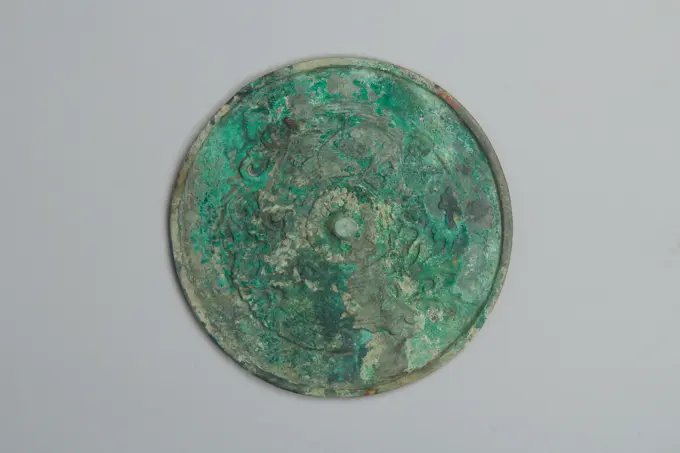
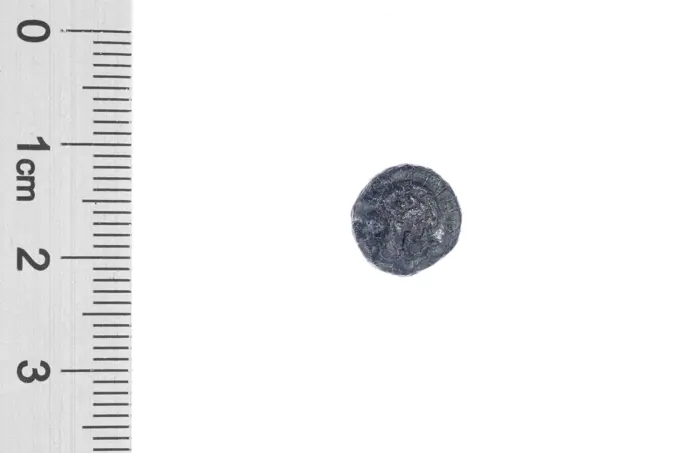
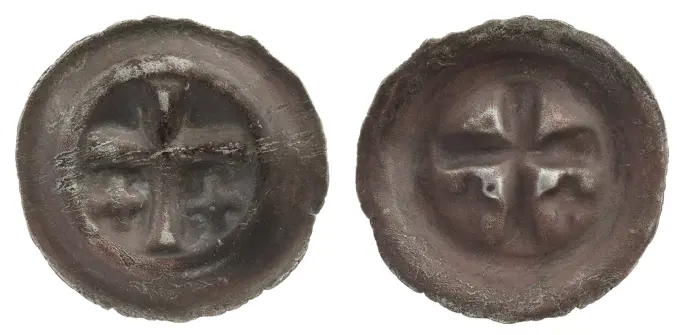
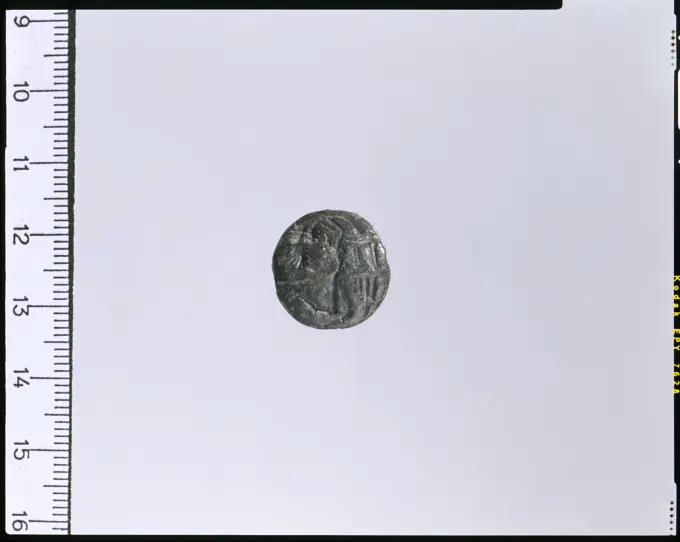
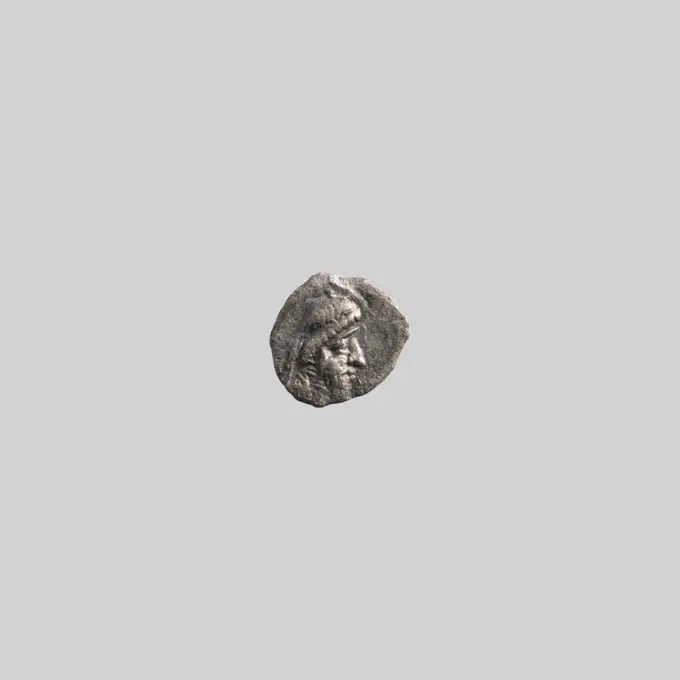
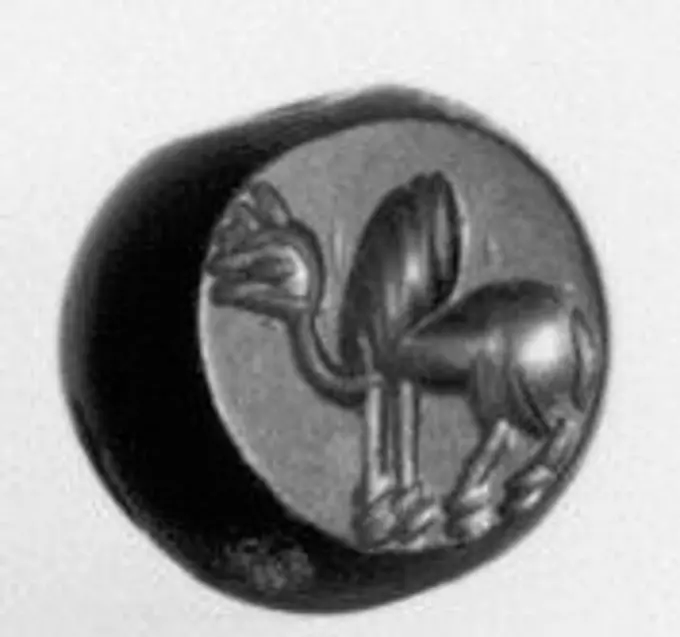
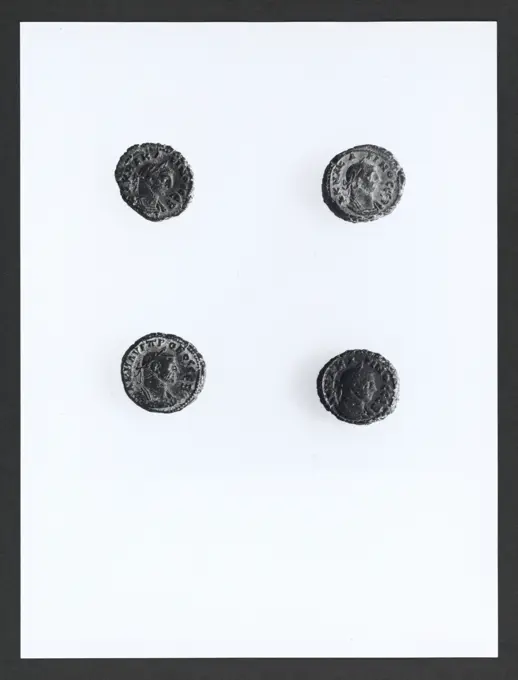
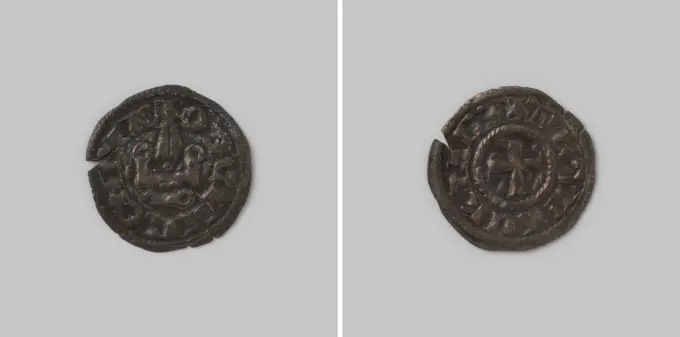
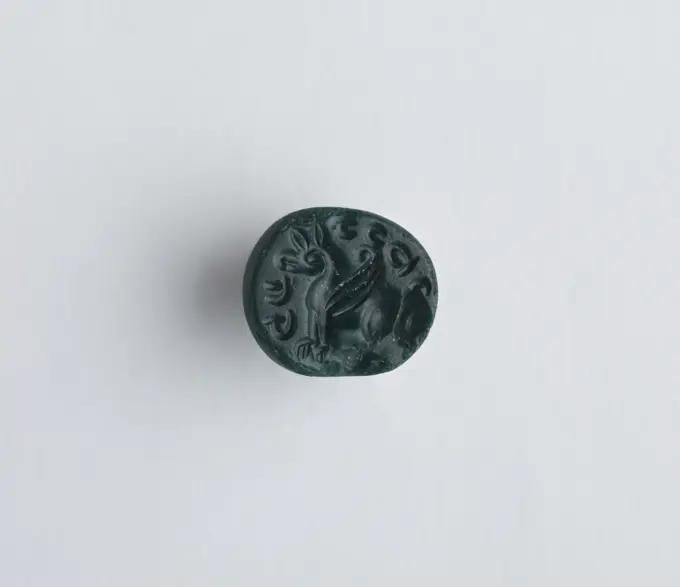
StampMirror Korea. Mirror. Korea. Bronze. Goryeo dynasty (918-1392). MirrorsAE. unknown, authorbracteate denarius. Zakon krzyżacki (1190-), issuerLive nobility of silver with weapon of birchhout. Live nobility of silver with weapon of birchhout. Bolle front in which the weapon has been beaten. The weapon of Berkhout (1815): in gold seven red kepers, a standing silver crane in a blue Vrijkwartier. Equipped with a copper eye at the back.Denar - Brakteat; around 1345 1353 (1345-00-00-1353-00-00);Serpentine Lentoid ca. 1600-1450 B.C. Minoan structure and tree beside human figure. Serpentine Lentoid 252296Obol ca. 1st century B.C. Parthian Numismatists - the scholars who study coins - refer to the front’ side of the coin, which usually features the head of a person or god, as the obverse,’ and the back’ side as the reverse.’On the obverse of this small silver coin, a bust of the king faces to the right. He has a long beard, a large nose, and wears a diadem (the headband worn by victorious athletes in ancient Greece). The reverse shows a figure facing right standing before a structure. The structure is surmounted by two triangular crenellations, and is bisected by a vertical line, suggesting perhaps that it has doors. Above the structure is a dot under a horizontal line. A Persian inscription, only partially preserved, is at the bottom of the scene.This coin was minted by King Vadfradad III of Persis, called Autophradates in Greek, sometime in the first century B.C. Persis refers to a region in southwestern Iran which was the heartland of the Achaemenid Empire. Under the Seleucids anStamp seal ca. 3rd-7th century A.D. Sasanian. Stamp seal. Sasanian. ca. 3rd-7th century A.D.. Jasper, bloodstone. Sasanian. Iran or MesopotamiaFalse coin, crown shilIIng, John II Casimir (1649 1668)Stamp seal ca. 3rd-7th century A.D. Sasanian. Stamp seal. Sasanian. ca. 3rd-7th century A.D.. Jasper, blood stone. Sasanian. Iran or MesopotamiaDenar - Brakteat; approx. 1317/1318-OK. 1327/1328 (1317-00-00-1328-00-00);False coin, crown shilIIng, John II Casimir (1649 1668)denarius; Kommodus (161-192; Roman emperor 177-192); 181 (181-00-00-181-00-00);Abruzzo L'Aquila S. Giuliano (L'Aquila environs) Museo8. Hutzel, Max 1960-1990 Views of the four collections housed in museum: Roman coins; Pre-Columbian art brought from Central America in 17th century; Greek and Roman sculpture; Egyptian sculpture and minor arts. Museum Roman coins; Greek and Roman sculpture; Egyptian sculpture and minor arts; Pre-Columbian sculpture. German-born photographer and scholar Max Hutzel (1911-1988) photographed in Italy from the early 1960s until his death. The result of this project, referred to by Hutzel as Foto Arte Minore, is thorough documentation of art historical development in Italy up to the 18th century, including objects of the Etruscans and the Romans, as well as early Medieval, Romanesque, Gothic, Renaissance and Baroque monuments. Images are organized by geographic region in Italy, then by province, city, site complex and monument.Abruzzo L'Aquila S. Giuliano (L'Aquila environs) Museo9. Hutzel, Max 1960-1990 Views of the four collections housed in museum: Roman coins; Pre-Columbian art brought from Central America in 17th century; Greek and Roman sculpture; Egyptian sculpture and minor arts. Museum Roman coins; Greek and Roman sculpture; Egyptian sculpture and minor arts; Pre-Columbian sculpture. German-born photographer and scholar Max Hutzel (1911-1988) photographed in Italy from the early 1960s until his death. The result of this project, referred to by Hutzel as Foto Arte Minore, is thorough documentation of art historical development in Italy up to the 18th century, including objects of the Etruscans and the Romans, as well as early Medieval, Romanesque, Gothic, Renaissance and Baroque monuments. Images are organized by geographic region in Italy, then by province, city, site complex and monument.Various coins and tokens, Jan Dam Steuerwald, 1839 - 1863 print In the middle above mint with a rider on horseback. Below that a coin with Hercules on one of the silk. Below that a medal with the head of the Queen of the East, with lit her, ending in an elephant's head, with a small crown on her head; Below a (antique) rudder with fish and emblem VOC, around which a laurel branch is thrown around. This medal was published in 1784 in honor of the French vice-admiral de Suffren. At the bottom of a currency from 1671. At the front a knight with raised sword sitting on a horses to the right, in the foreground the provincial views. At the rear a crowned generality weapon, held by two crowned climbing lions. Netherlands paper  coinThe obverse and reverse of five Roman coins, Roman coins, print maker: Jan Dam Steuerwald, (mentioned on object), Netherlands, 1822 - 1863, paper, h 273 mm, w 197 mmEngraved Scarab. Lyre Player Group (Cilician)Lazio Latina Sezze Antiquarium Comunale57. Hutzel, Max 1960-1990 German-born photographer and scholar Max Hutzel (1911-1988) photographed in Italy from the early 1960s until his death. The result of this project, referred to by Hutzel as Foto Arte Minore, is thorough documentation of art historical development in Italy up to the 18th century, including objects of the Etruscans and the Romans, as well as early Medieval, Romanesque, Gothic, Renaissance and Baroque monuments. Images are organized by geographic region in Italy, then by province, city, site complex and monument.Strong by work, Anonymous, 1900 - 1950  Unilateral plaque, round with crown, on pin, of which is partly decorated with grooved, turned decoration. Front: Crowned coat of arms of Amsterdam Inside Covering. Reverse: Blanco. Amsterdam alloy striking (metalworking) / welding  AmsterdamAbruzzo L'Aquila S. Giuliano (L'Aquila environs) Museo5. Hutzel, Max 1960-1990 Views of the four collections housed in museum: Roman coins; Pre-Columbian art brought from Central America in 17th century; Greek and Roman sculpture; Egyptian sculpture and minor arts. Museum Roman coins; Greek and Roman sculpture; Egyptian sculpture and minor arts; Pre-Columbian sculpture. German-born photographer and scholar Max Hutzel (1911-1988) photographed in Italy from the early 1960s until his death. The result of this project, referred to by Hutzel as Foto Arte Minore, is thorough documentation of art historical development in Italy up to the 18th century, including objects of the Etruscans and the Romans, as well as early Medieval, Romanesque, Gothic, Renaissance and Baroque monuments. Images are organized by geographic region in Italy, then by province, city, site complex and monument.Abruzzo L'Aquila S. Giuliano (L'Aquila environs) Museo4. Hutzel, Max 1960-1990 Views of the four collections housed in museum: Roman coins; Pre-Columbian art brought from Central America in 17th century; Greek and Roman sculpture; Egyptian sculpture and minor arts. Museum Roman coins; Greek and Roman sculpture; Egyptian sculpture and minor arts; Pre-Columbian sculpture. German-born photographer and scholar Max Hutzel (1911-1988) photographed in Italy from the early 1960s until his death. The result of this project, referred to by Hutzel as Foto Arte Minore, is thorough documentation of art historical development in Italy up to the 18th century, including objects of the Etruscans and the Romans, as well as early Medieval, Romanesque, Gothic, Renaissance and Baroque monuments. Images are organized by geographic region in Italy, then by province, city, site complex and monument.Tourse Medal from the principality of Achaea by Robert van Anjou, 1346-1364 ,, 1346 - 1364 coin Silver coin. Front: Castle with three towers. Above the middle, pointed tower cross as the beginning of the display. Reverse: Short -Feature. Beaten in Clarenza.  silver (metal) striking (metalworking)Coin (didrachma) issued on behalf of the Roman people during Republican age., by Unknown artist, 3rd Century, silver. Italy: Lazio: Rome: Palazzo Massimo alle Terme. Coin (didrachma) issued on behalf of the Roman people during Republican age. Reverse portraying the wolf suckling of human twin infant boys with the inscription ROMANO. On the right side the head of Hercules in profileJubilee of the American Numismatic Society. Artist: Victor David Brenner (American (born Lithuania), Kaunas 1871-1924 New York). Dimensions: Diam. 7/8 in. (2.2 cm). Date: 1908. Museum: Metropolitan Museum of Art, New York, USA.False coin, crown shilIIng, John II Casimir (1649 1668)