Historical Terracotta Jars

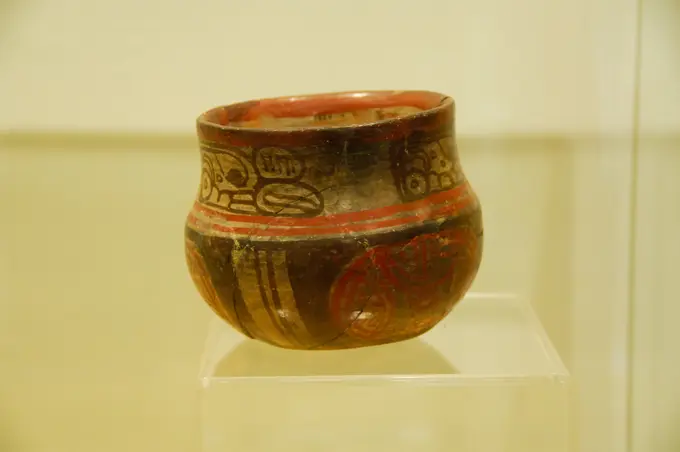
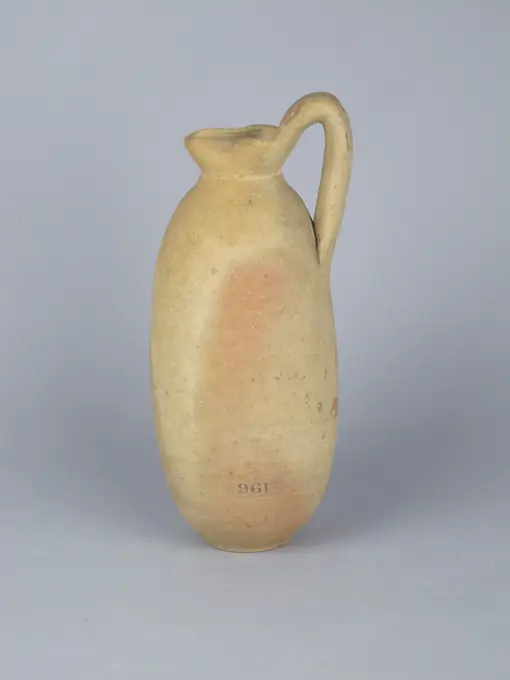
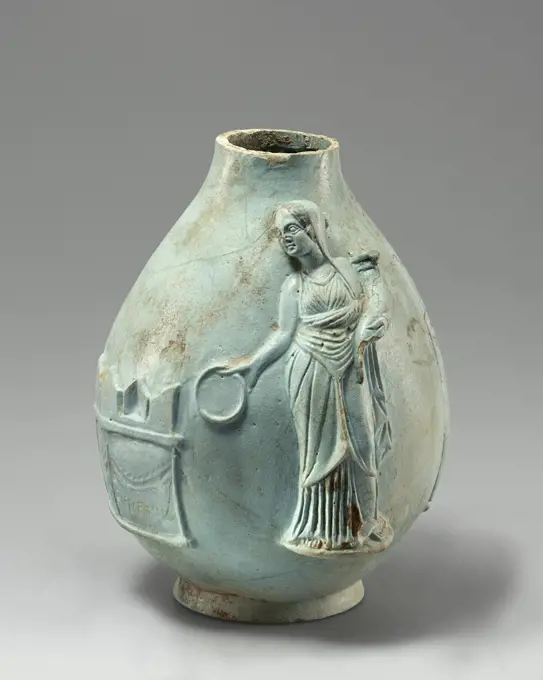
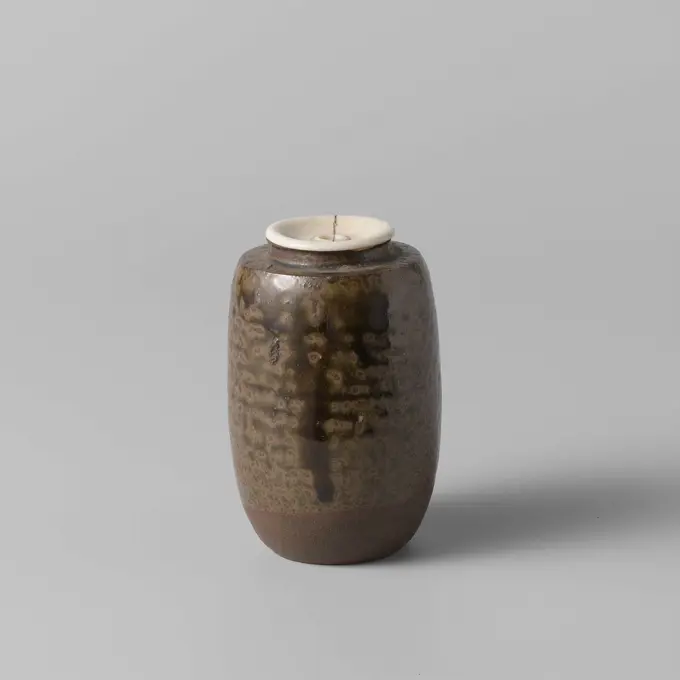
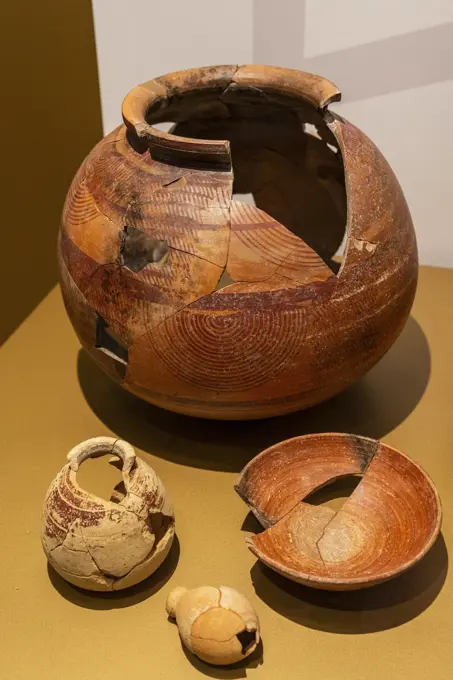
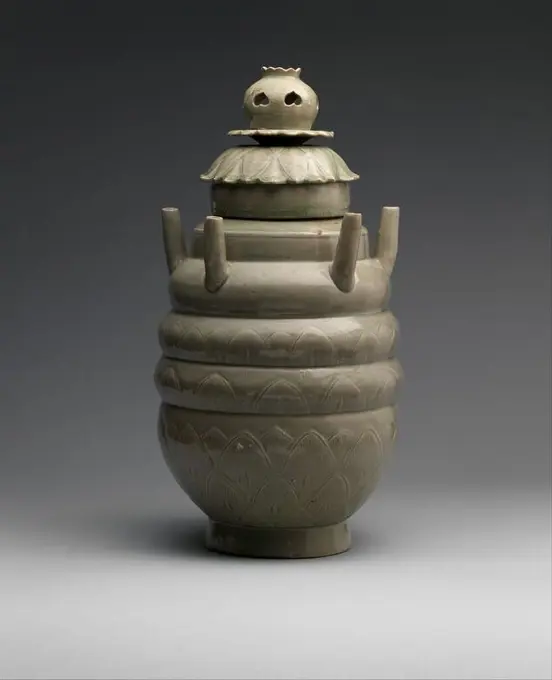
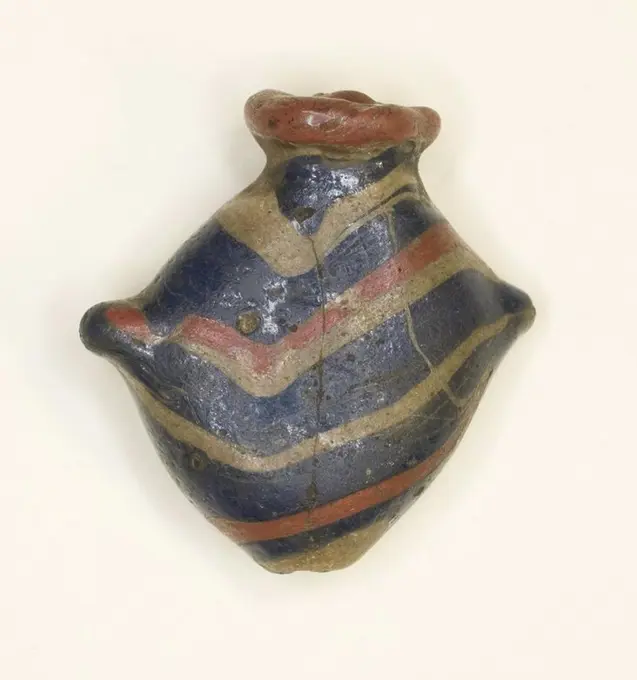
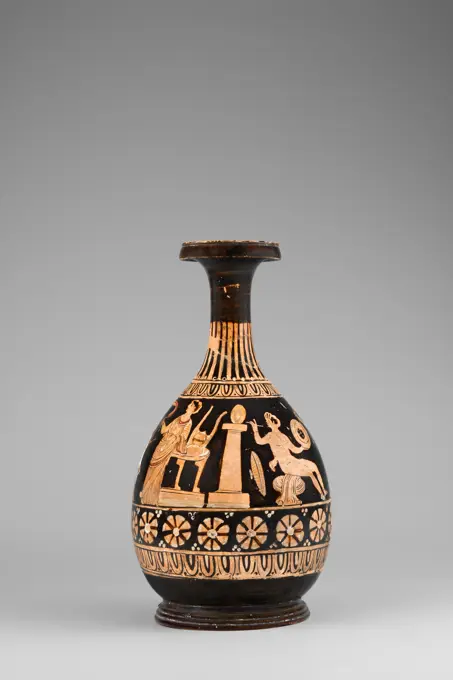
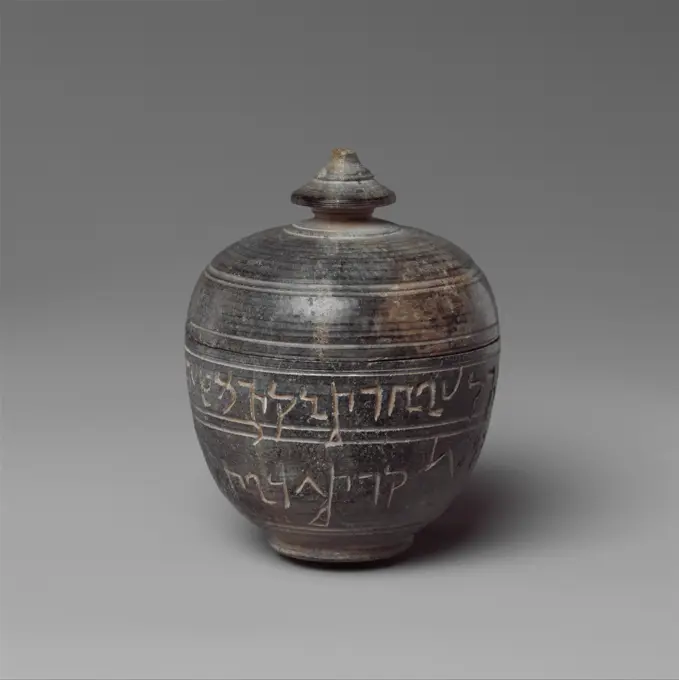
Archaeological terracotta jars from Vietnam and the Islamic period, showcasing their ancient craftsmanship and unique shapes among a neutral backdrop.
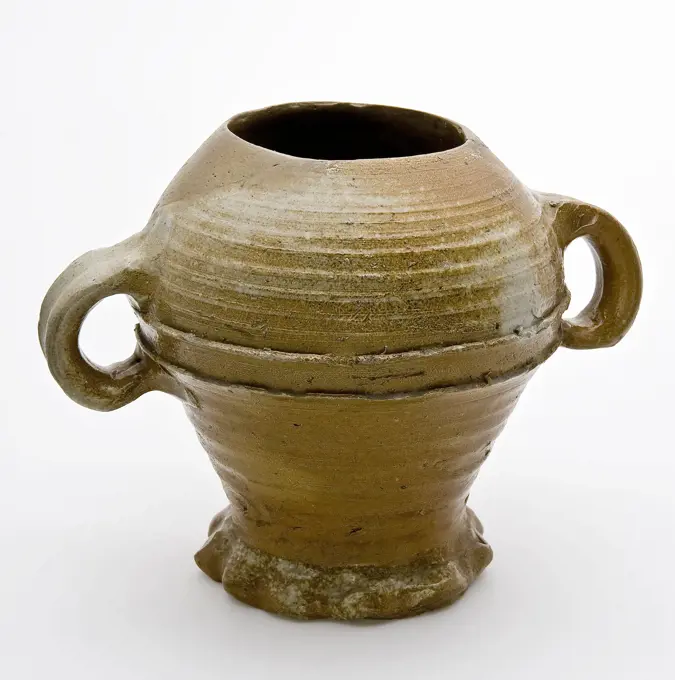
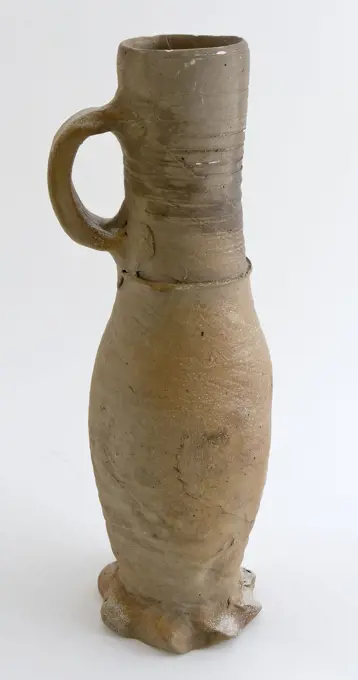
Stoneware cup with two ears with double profiled band on belly, pinched foot, without mouth rim, cup crockery holder soil find ceramic stoneware clay engobe glaze salt glaze, hand turned glazed baked stoneware cup gray shard salt glaze partly brown engobe two ring-shaped outward ears two ridges around the belly above and below the ridges rotations pinched foot. Egg-shaped body awuptly stopping at the edge of the mouth archeology import pottery pour serving drink wine beer
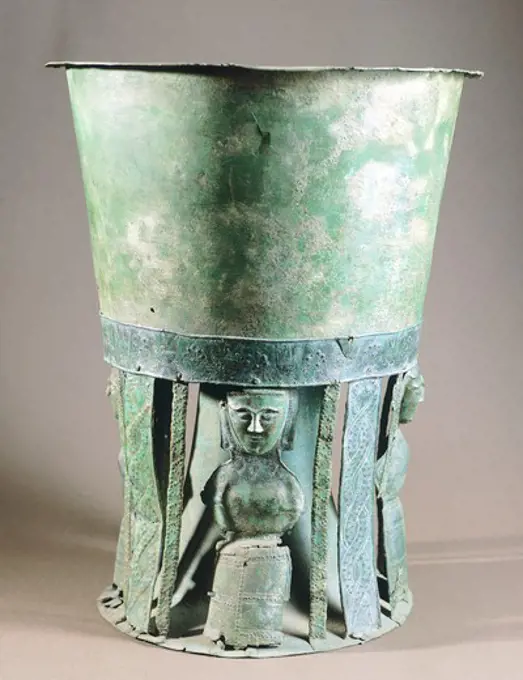
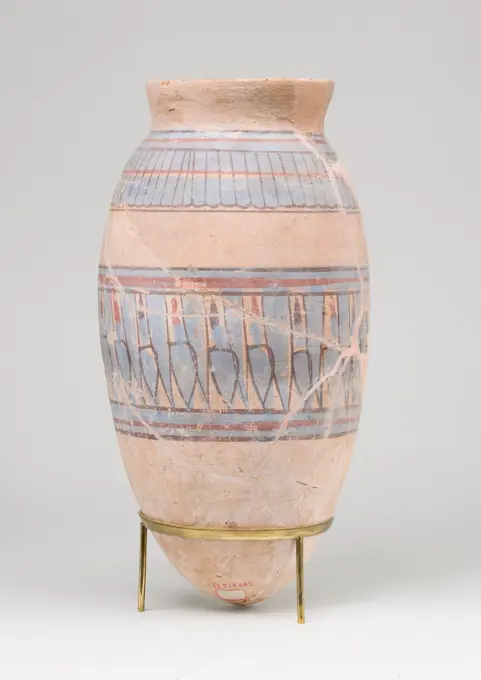
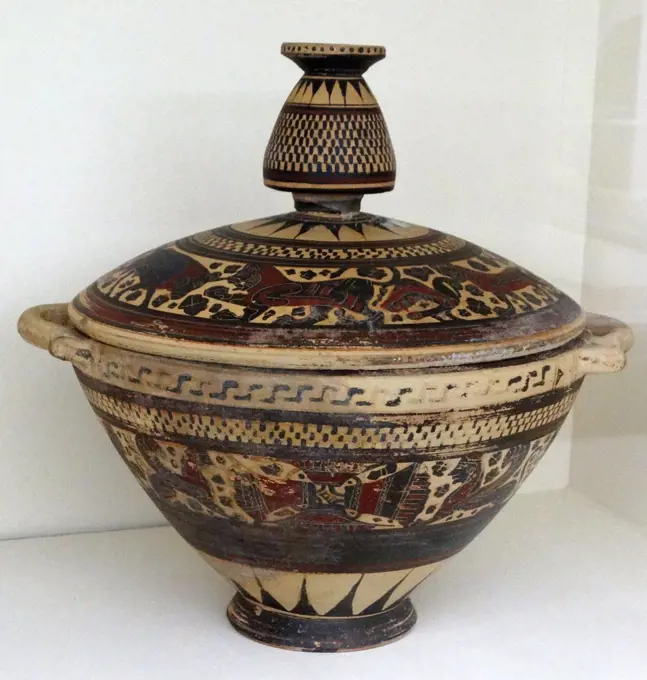
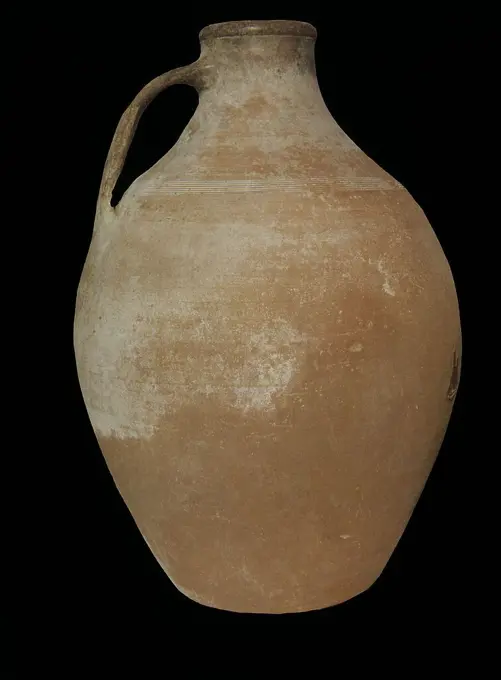
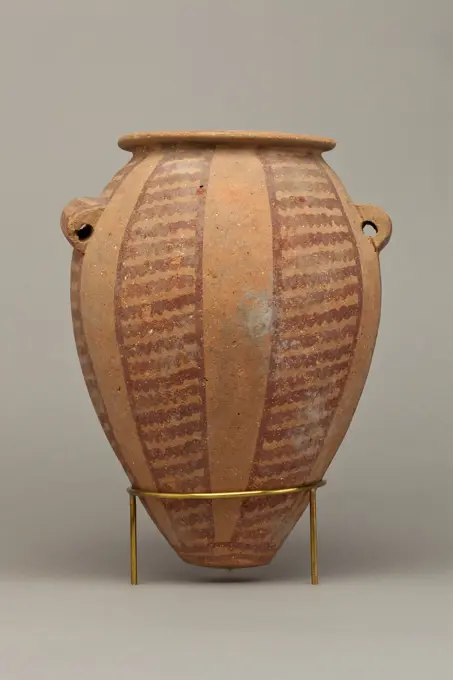
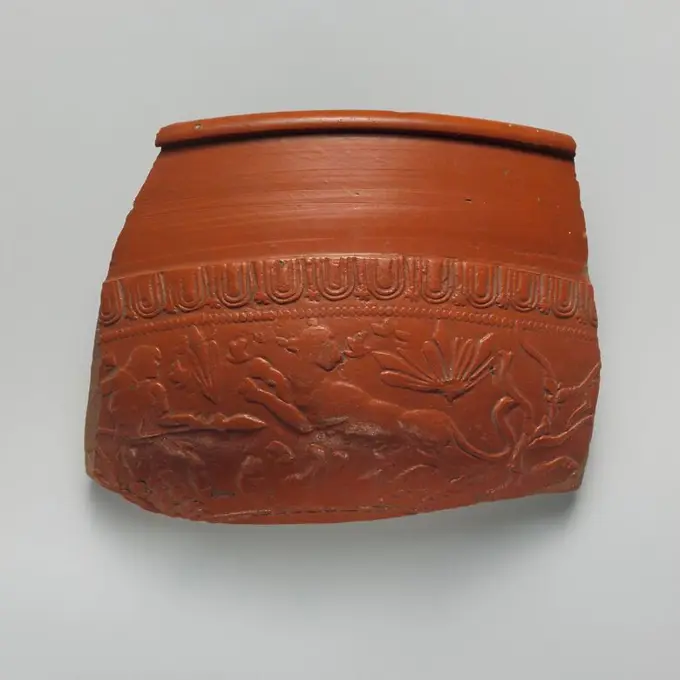
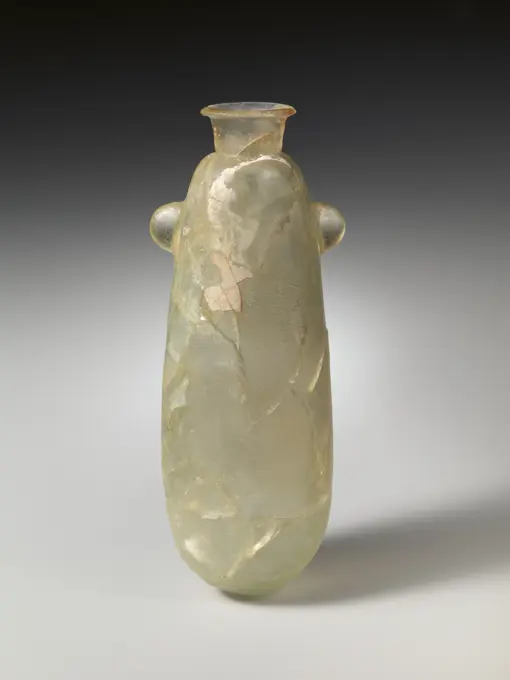
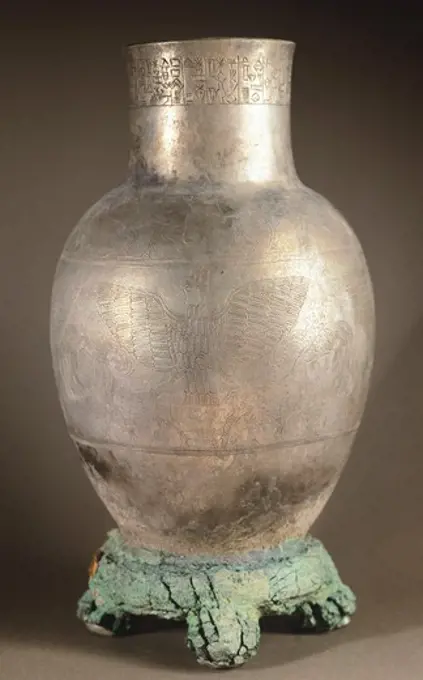
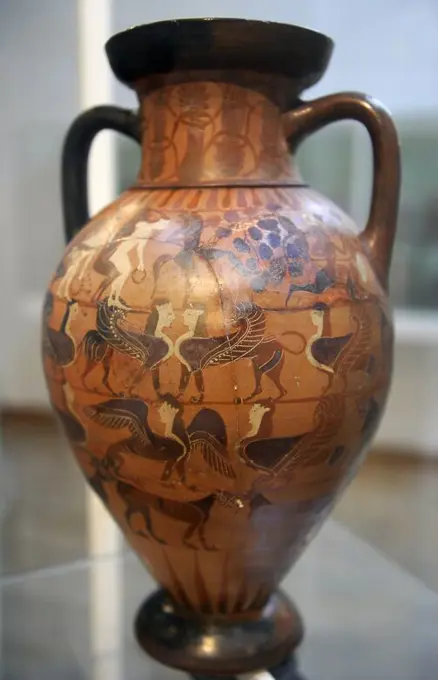
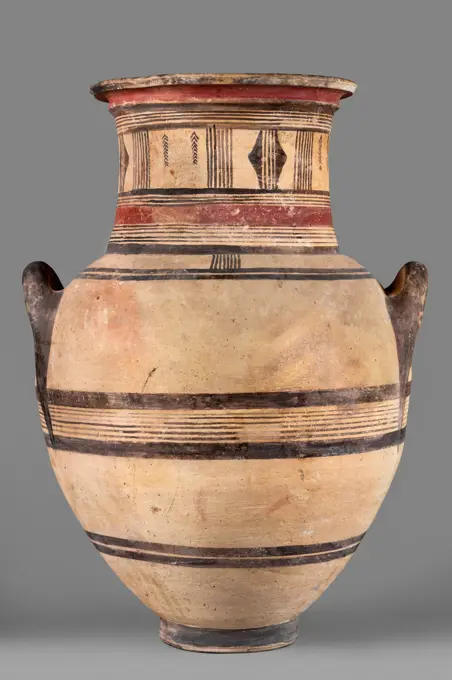
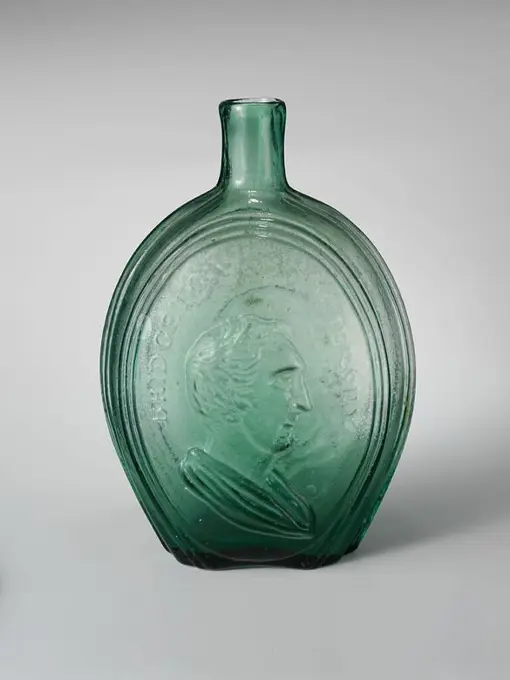
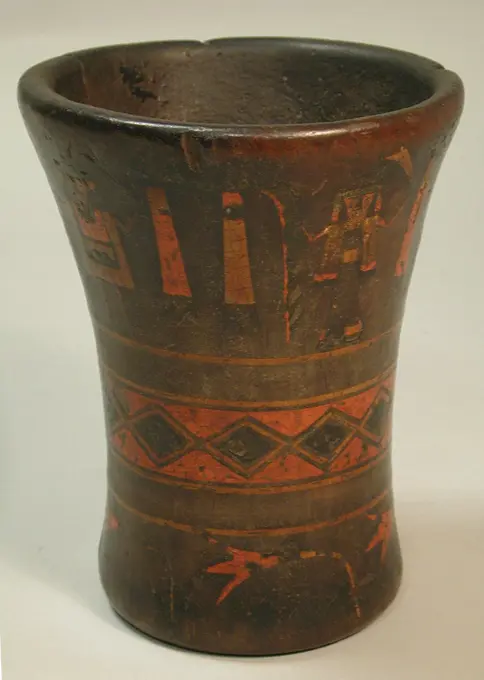
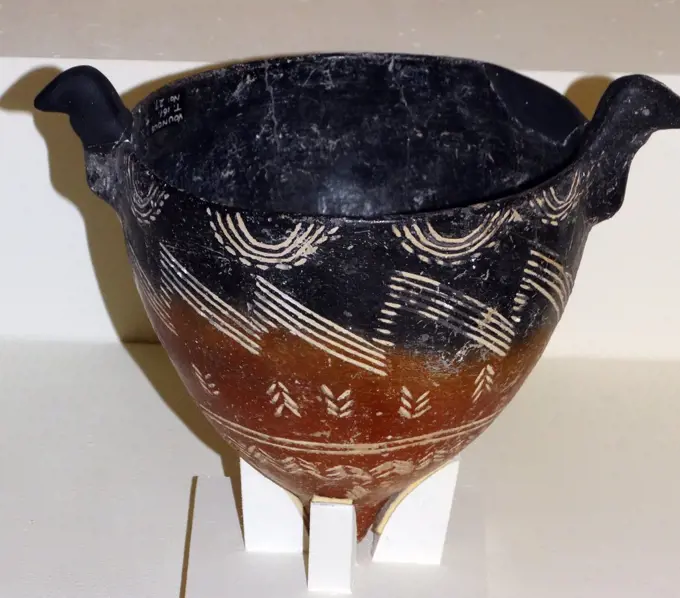
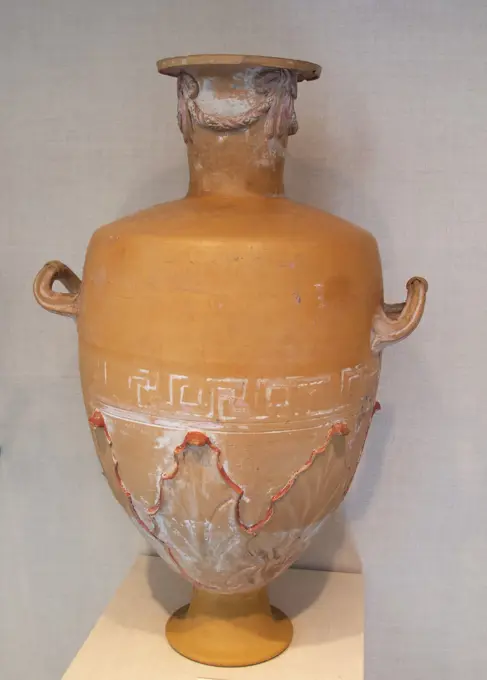
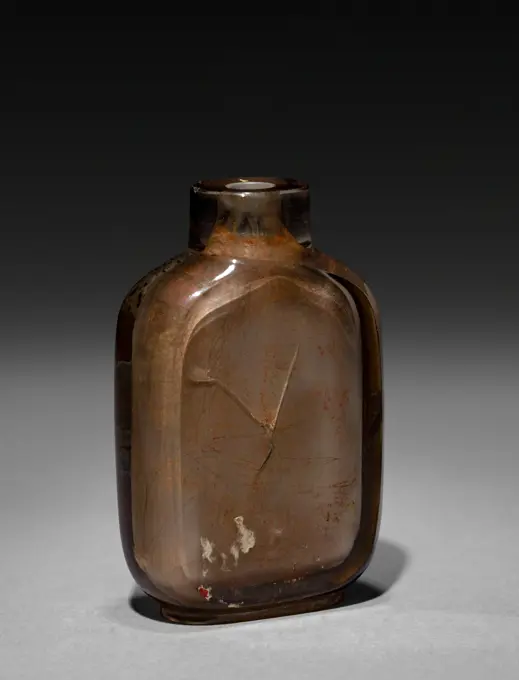
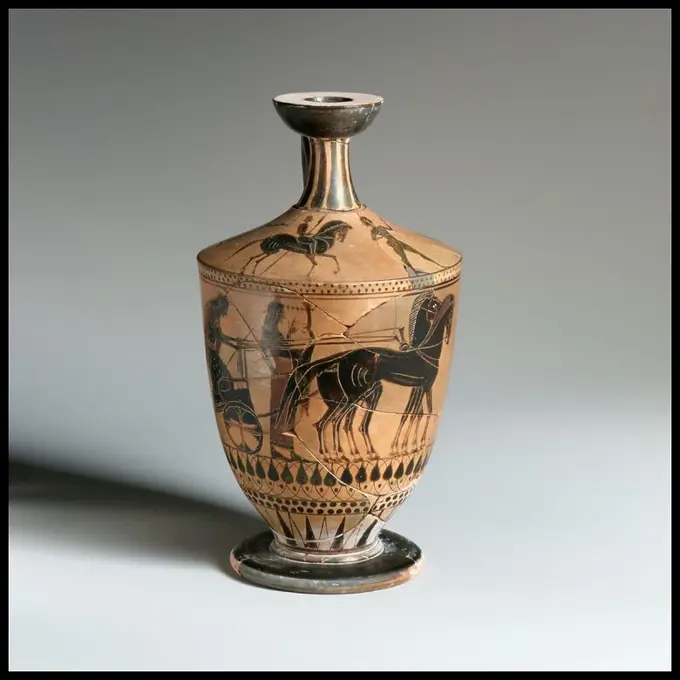
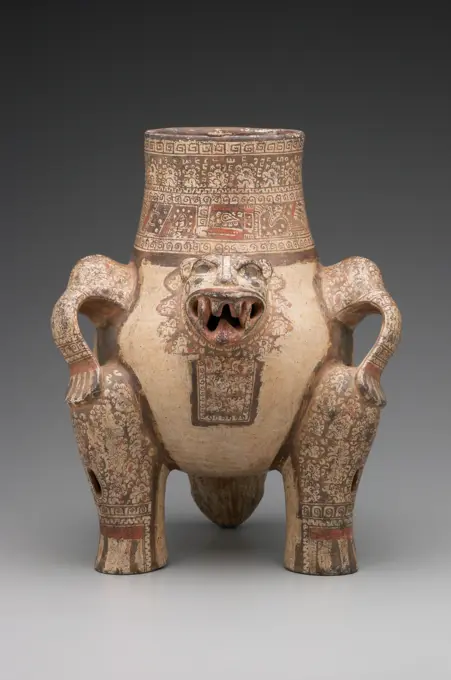
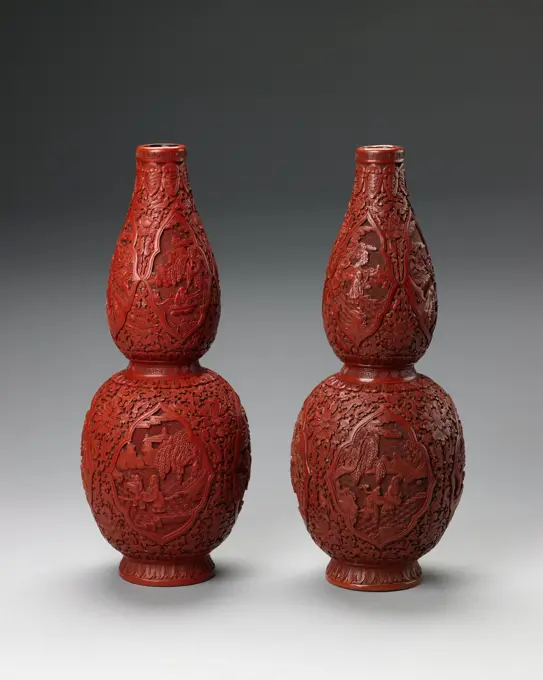
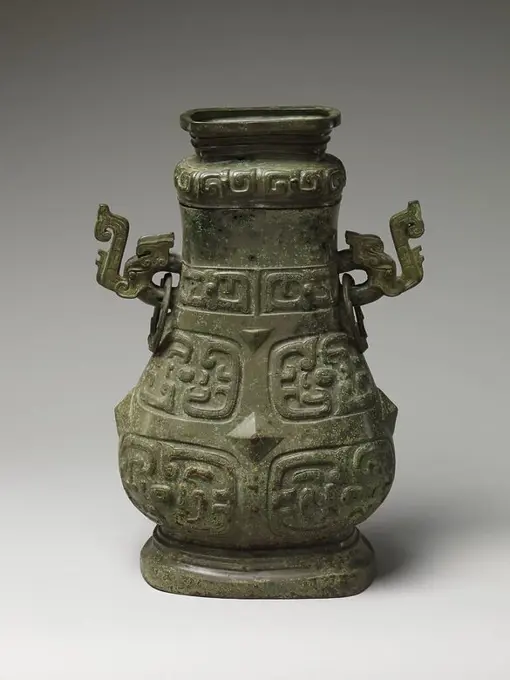
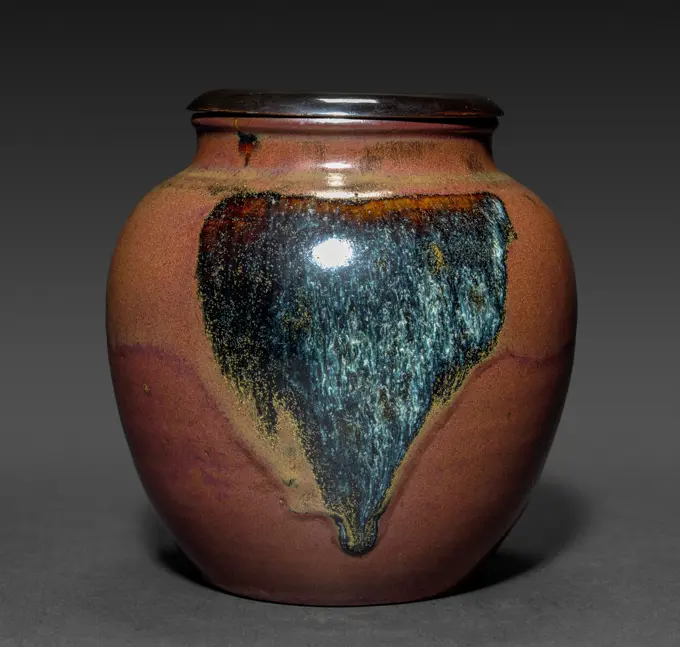
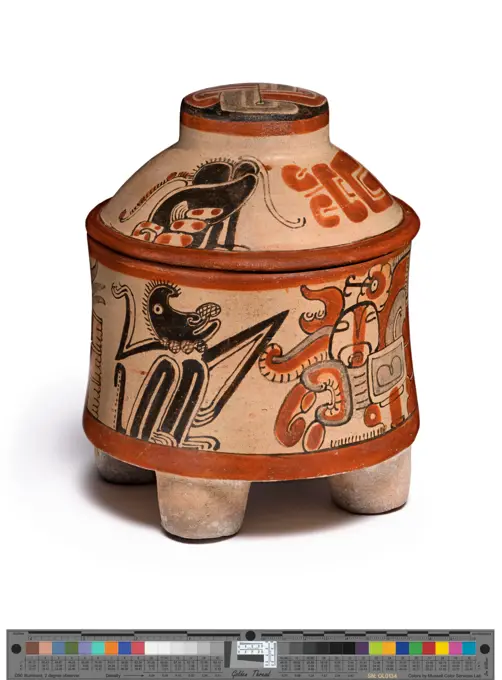
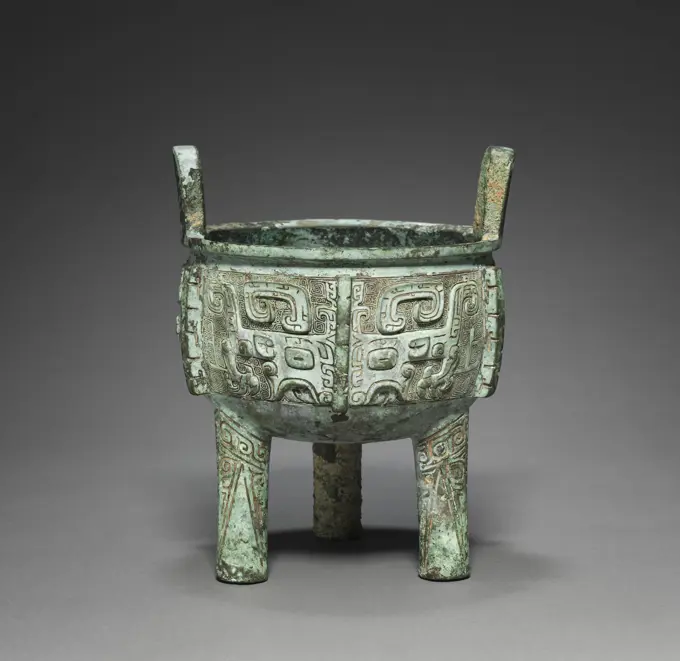
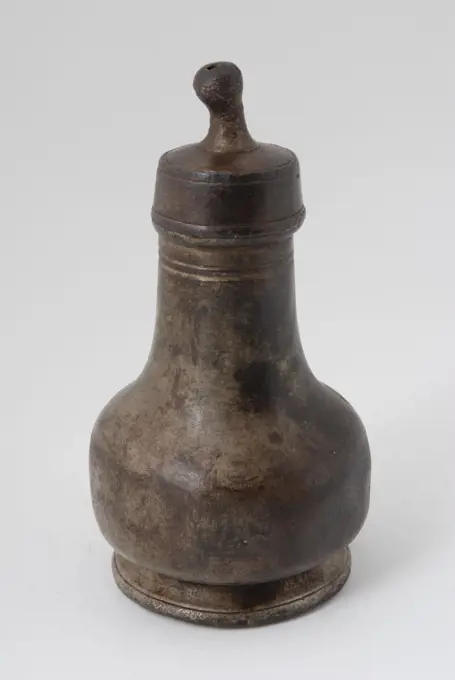
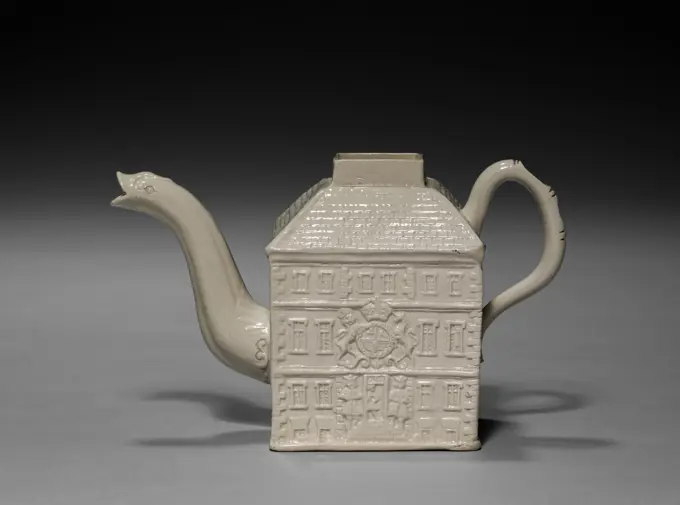
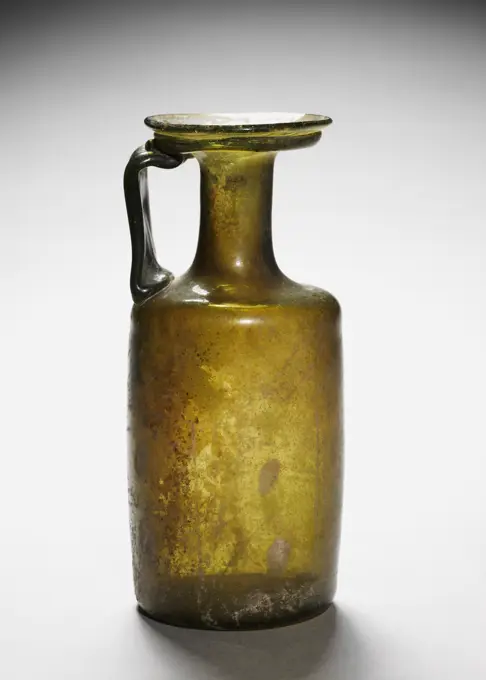
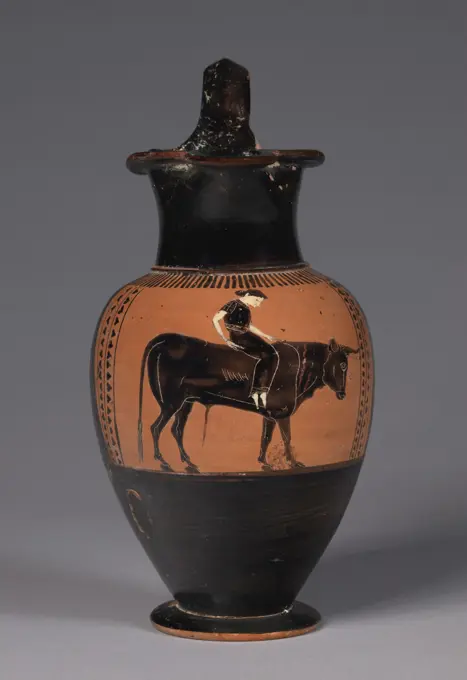
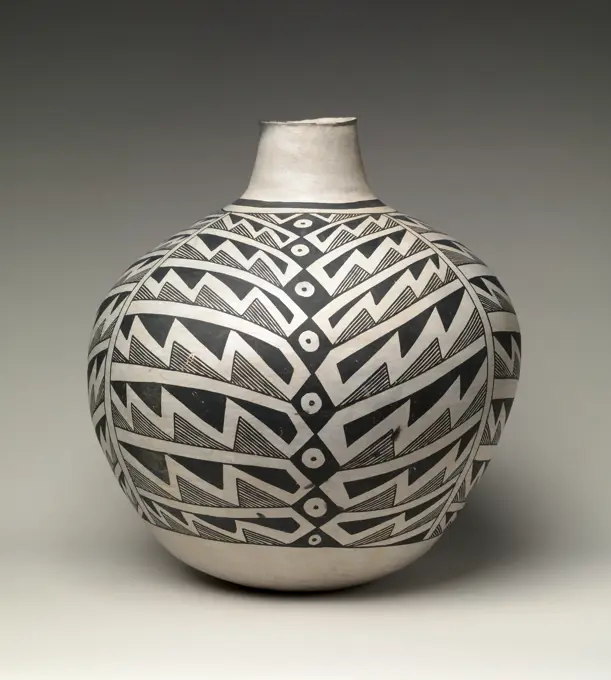
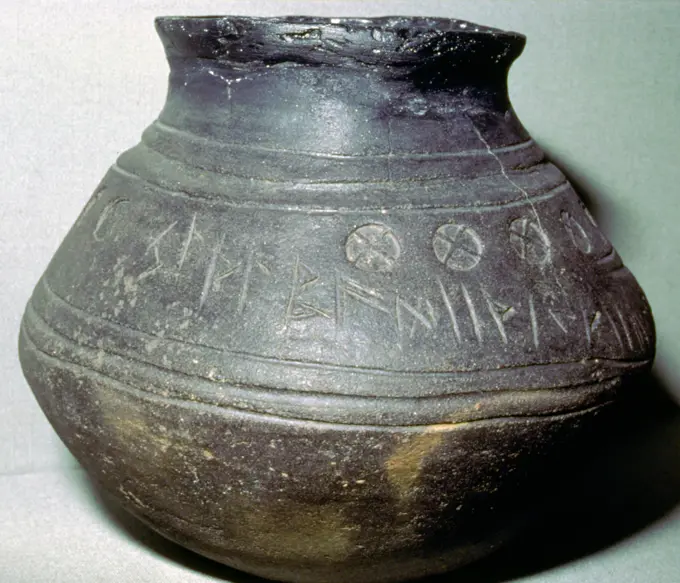
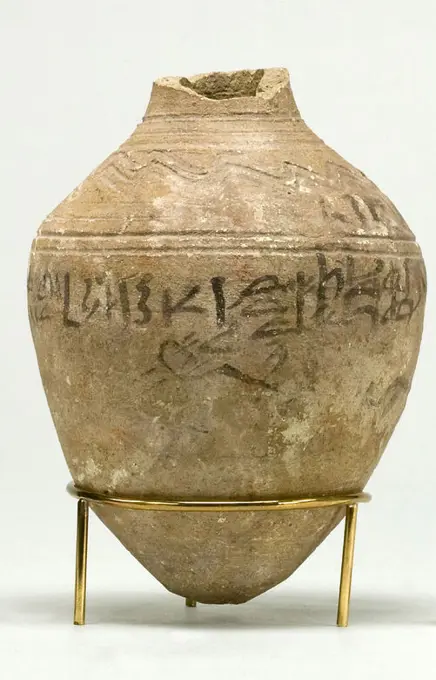
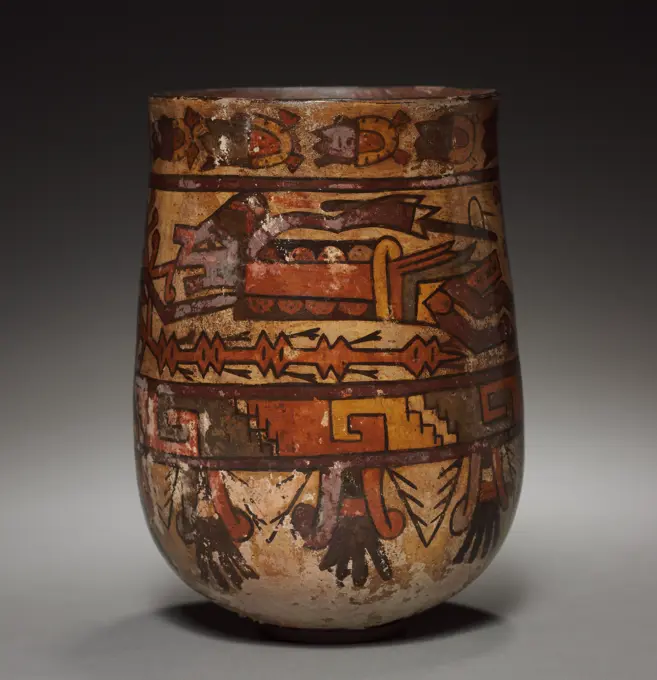
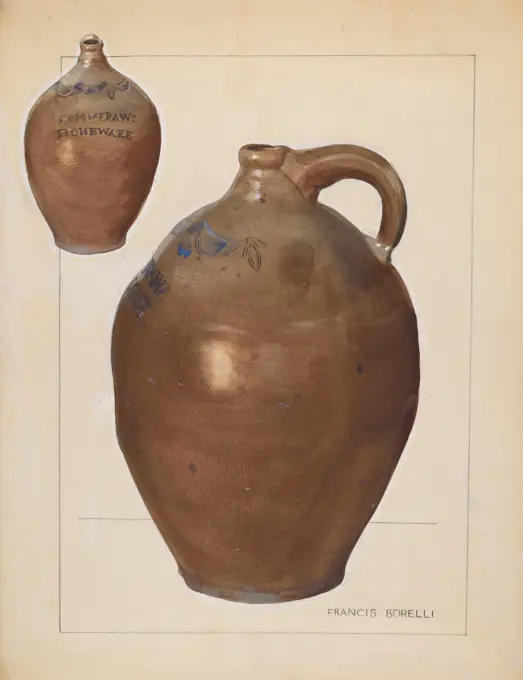
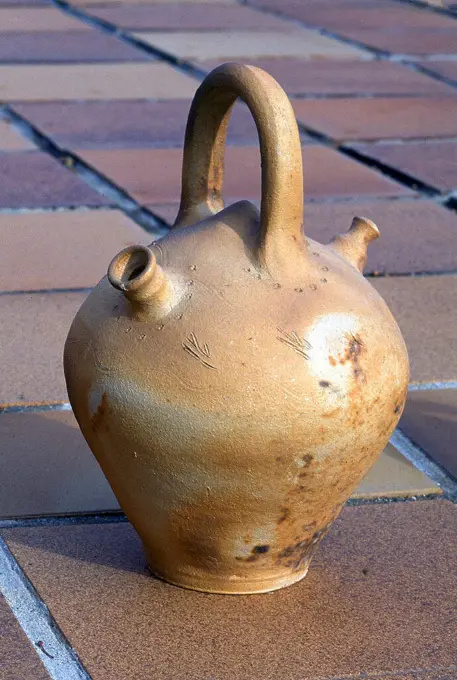
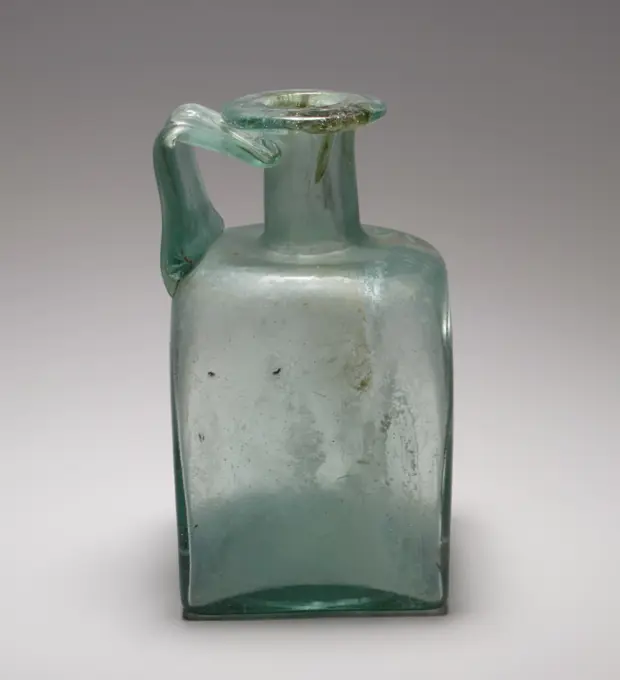
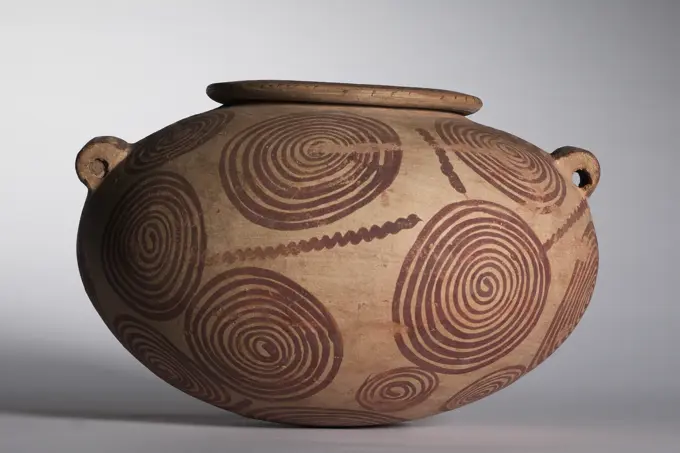
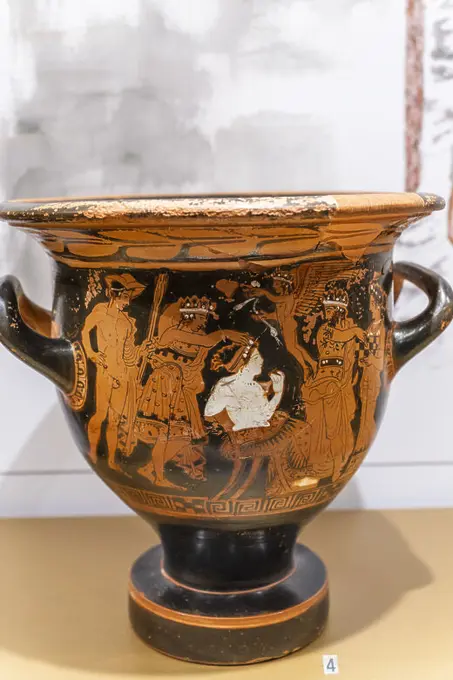
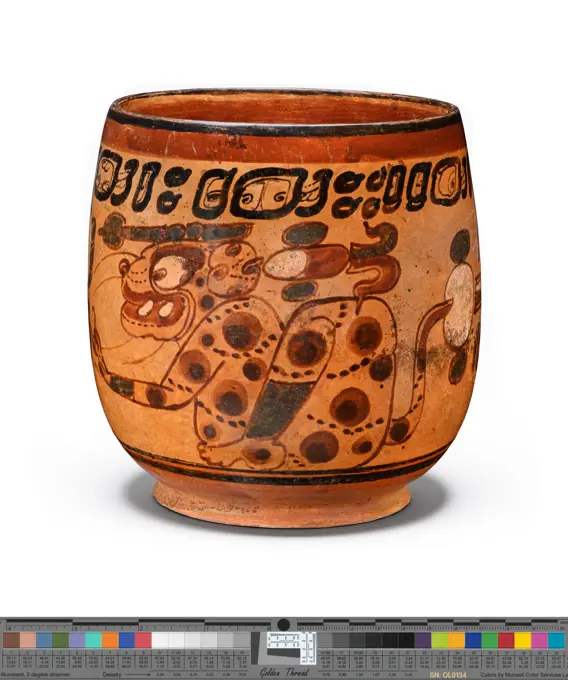
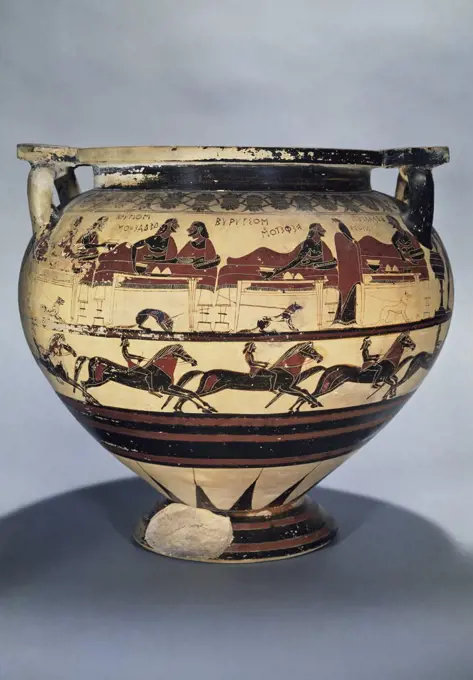
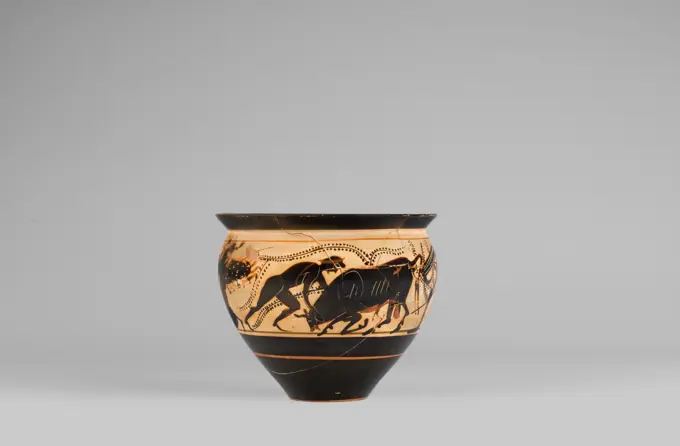
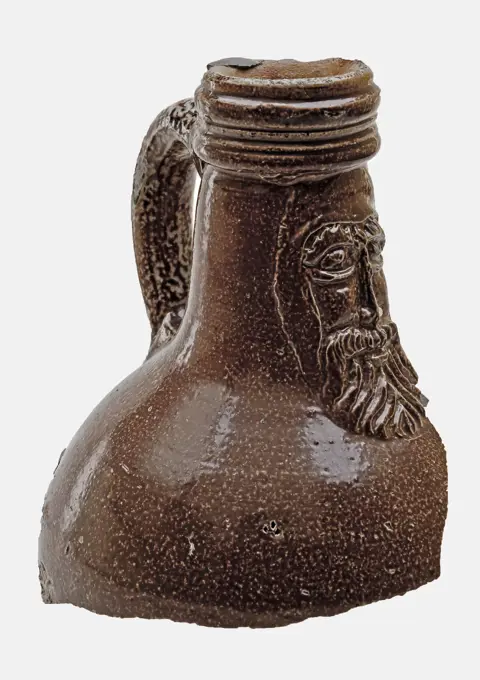
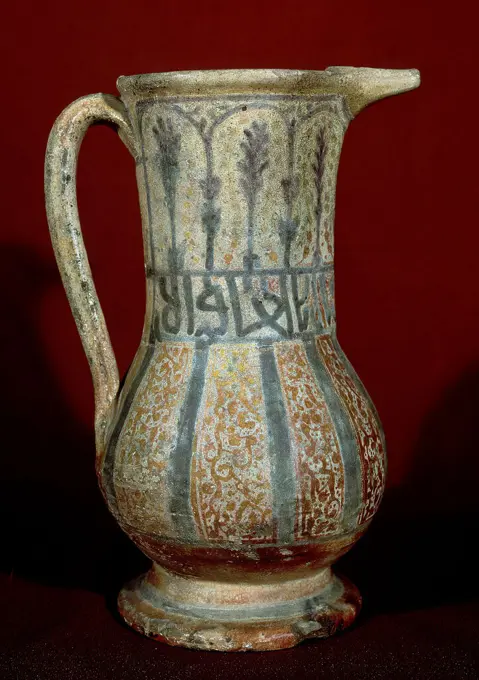
JARRITO DE LOS BERCHULES CON ATAURIQUES Y EPIGRAFIA - SIGLO XV - NAZARI. Location: INSTITUTO VALENCIA DE DON JUAN-COLECCION. MADRID. SPAIN.Bronze chalice decorated with female figures. Etruscan civilization, 7th Century BC.Blue-painted Jar from Malqata ca. 1390-1353 B.C. New Kingdom. Blue-painted Jar from Malqata. ca. 1390-1353 B.C.. pottery (red), slip, paint. New Kingdom. From Egypt, Upper Egypt, Thebes, Malqata, Birket Habu Mound A 18, House B, MMA excavations, 1910-11. Dynasty 18Deep bowl with lid (kotyle-pyxis) from Corinth. Decorated with real and mythical creatures including boars, bulls, birds, lions and sphinxes. Dated 600 BCCANTARO CON UNA SOLA ASA Y DECORACION INCISA-ARTE POPULAR S XX. Location: ALFARERIA. COGOLLUDO. Guadalajara. SPAIN.VASOS. EDAD DEL BRONCE CAMPOS DE URNAS S VII a.C. (DEPOSITO: MUSEO ARQUEOLOGICO NACIONAL).Decorated ware jar with vertical bands of wavy lines ca. 3850-2960 B.C. Predynastic Period. Decorated ware jar with vertical bands of wavy lines 552174Small bottle. unknown, craftsmanBottle ca. 1295-1070 B.C. New Kingdom, Ramesside Egyptian glassmaking, which had reached a high level of virtuosity in late Dynasty 18, continued to be practiced in the Ramesside Period; however, the quality, as well as quantity, of it production dropped off sharply in Dynasty 20. This design of this bottle is characteristic of its time as it is monochrome with only a "rope" made of stained glass rods in contrasting colors attached to its rim.. Bottle. ca. 1295-1070 B.C.. Glass. New Kingdom, Ramesside. From Egypt. Dynasty 19-20Red -support bell; unknown workshop in the UNIZALIALSTAL; 4th century BC (-400-00-00--301-00-00);Collection of ancient artTerracotta bowl fragment. Culture: Roman. Dimensions: 3 3/4 × 4 15/16 × 3/8 in. (9.5 × 12.5 × 0.9 cm). Date: 2nd century AD.Rim fragment with lion hunt; red-gloss sigillata.This type of mold-made fineware pottery, known as terra sigillata, derives from Arretine and related wares made in Italy in the early first century A.D. By the second century, most terra sigillata was made at sites in central and eastern Gaul (modern France and Germany). Museum: Metropolitan Museum of Art, New York, USA.Glass alabastron (perfumebottle) ca. 625-600 B.C. Probably Phoenician Coloress with pale greenish tinge.Rim with everted, beveled, horizontal lip; short, funnel-shaped neck; rounded shoulder; elongated ovoid body; round bottom; on upper body, two solid projecting, semicircular handles, tapering outward, carved from body of vessel.Broken and repaired with several areas of fill in body; pinprick bubbles; dulling, pitting, and small patches of thick, white weathering.The alabastron was cast and then ground to its present shape. The Phoenicians were probably important intermediaries in the introduction of glass objects and technology from the Near East and Egypt into Cyprus.. Glass alabastron (perfumebottle). Probably Phoenician. ca. 625-600 B.C.. Glass; cast and cut. Archaic. GlassSilver and copper vase for worship dedicated to the god Ningirsu by Prince Entemena, artefact from Tello or Telloh, Iraq. Sumerian civilisation, 3rd Millennium BC.Central America, El Salvador, San Salvador, Joya de Ceren (Jewel of Ceren) Museum, pottery jar. UNESCO World Heritage Site. (Editorial Usage Only)Jug. Dated: c. 1936. Dimensions: overall: 28.6 x 22.8 cm (11 1/4 x 9 in.) Original IAD Object: 18" High. Medium: watercolor, graphite, and pen and ink on paperboard. Museum: National Gallery of Art, Washington DC. Author: Nicholas Amantea.CANTARO PARA AGUA DE BOCA ANCHA Y PARCIALMENTE VIDRIADO - SIGLO XX - ARTE POPULAR. Location: ALFARERIA. BENISANET. TARRAGONA. SPAIN.Jug 600-480 B.C. Cypriot Bottle-jug of unpainted clay. Long, narrow form with short neck.. Jug. Cypriot. 600-480 B.C.. Terracotta. Cypro-Archaic II. VasesDouble Spout and Bridge Bottle with Bird. Culture: Paracas. Dimensions: Height 5-5/8 in.. Date: 5th-2nd century B.C.. Museum: Metropolitan Museum of Art, New York, USA.Corinthian Aryballos. Attributed to the Chigi Group (Greek, active about 660 - 640 B.C.)Queen's Vase with Berenike II; Egypt; 243 - 222 B.C; Faience; 22.2 × 14 cm (8 3,4 × 5 1,2 in.). Fabric tea bus or chair of stoneware with an ivory lid, partially covered with a green-brown glaze. The lower part of the tea can is unglazed. A crack in the lid. Takatori.Anonymous, spoon for drinks (common name), -0400. Terracotta. Cernuschi Museum, Asia Museum of Asia in the city of Paris.Greek Art. Magna Graecia. Amphora decorated. Sphinxes. National Museum of Denmark.TARRO DE ORDEÑAR PARCIALMENTE VIDRADA EN VERDE - CERAMICA POPULAR - SIGLO XX. Location: ALFARERIA. JAEN. SPAIN.Amfora. unknown, authorFlask. Culture: American. Dimensions: H. 8 1/4 in. (21 cm). Maker: Bridgetown Glass Works. Date: ca. 1836-50. Museum: Metropolitan Museum of Art, New York, USA.Stoneware jug with ear and spout, Keuls pottery, syrup jug holder can be found on the bottom of the earthenware ceramic stoneware glaze salt glaze, hand-turned glazed baked Stoneware syrup jug gray shard with salt glaze sausage ear and pouring spout profiled rings and cobalt blue decoration. Decoration consists of two blue rings around the kettle next to the spout flower and leaf motifs archeology indigenous pottery import serve store food prepare kitchen tableBowl, c. 800-1200 CE, 6 1/2 x 6 1/2 in. (16.51 x 16.51 cm), Clay, pigments, Guatemala or Honduras, Post ClassicKero 16th-17th century Quechua The counterpoised figures depicted here may echo the traditional Andean worldview of balanced dichotomy. The opposing forces, male figures (in short tunics) and females (in long dresses and shawls), each hold a mace and a banner.. Kero 698417ceramic containers for consumption ceramic containers for consumption, Iberian Museum of Jaén, Andalusia, Spain Copyright: xZoonar.com/BartomeuxBalaguerxRotgerx 21714836Tulip bowl from the Vounous Cemeteries, Cyprus. From the Early Bronze Age. 1900 BC.Oil Lamp. Iran or Afghanistan, 1000-1250. Metal. Bronze, cast and engravedAmphoriskos (Container for Oil) 550 BCE-401 BCE Rhodes. Glass, core-formed technique . Ancient Eastern MediterraneanTerracotta Hadra hydria (water jar) late 3rd century B.C. Greek, Ptolemaic, Cretan Most Hadra hydriai have painted decoration with vegetal elements such as wreaths and garlands. This vase is unusual because of the leaves in relief that have been applied to the body and neck.. Terracotta Hadra hydria (water jar). Greek, Ptolemaic, Cretan. late 3rd century B.C.. Terracotta. Hellenistic. VasesSnuff Bottle, 1644-1911. China, Qing dynasty (1644-1911). Glass; overall: 8 cm (3 1/8 in.).Terracotta vessel with floral motive, ca 2500 BC, from Mundigak, near Kandahar, Afghanistan. Afghan Civilisation, 3rd millennium BC.Vase with a bird motif and pomegranate unknownSkyfos gnathia z przedstawieniem ołtarza. unknown, authorFunerary jar. Culture: China. Dimensions: H. 15 1/4 in. (38.7 cm). Date: 10th-11th century.The fanciful shape of this jar, with its six tubular spouts, is intriguing and remains difficult to explain. Urns of this shape, which were employed to store rice and other grains used in burial ceremonies, are among the earliest types of ceramics produced in the Longquan kilns located in Zhejiang Province not far from those producing Yue wares The latter are often credited as the first celadon in Chinese history. Museum: Metropolitan Museum of Art, New York, USA.Snuff Bottle China. Snuff Bottle. China. Porcelain with glass stopper, wood stand. Qing dynasty (1644-1911), Qianlong period (1736-95). Snuff BottlesBlack-figure pottery Attic hydria with women going to fountainAmulet of a Heart. Egyptian. Date: 1350 BC. Dimensions: 1.9 × 1.9 × 1 cm (3/4 × 3/4 × 3/8 in.). Glass. Origin: Egypt. Museum: The Chicago Art Institute, Chicago, USA. Author: Ancient Egyptian.Goldsmith's art, Italy, 15th century. Hans Domes (active 1563-1601), Lapis lazuli water ewer, with enamelled gold and gilt bronze. Height 27.5 cm. Manufacture of the Casino di San Marco Workshop.Butelka czerwonofigurowa ze sceną ukarania Marsjasza. unknown, authorThe Ramaka Casket; Inscribed Reliquary, Donated by Ramaka 1st century A.D. Pakistan (ancient region of Gandhara, Bajaur) Inscribed: "Donation of Ramaka, son of Mahasrava. Donation of Ramaka, son of Mahasrava, inhabitant of the village of Kamti. From him come the relics. The relics are abundantly deposited. All those who are worthy to be honored are honored." Listen to experts illuminate this artwork's story Listen Play or pause #7924. The Ramaka Casket; Inscribed Reliquary, Donated by Ramaka, Part 1 Play or pause #7924. The Ramaka Casket; Inscribed Reliquary, Donated by Ramaka, Part 2 Supported by Bloomberg Philanthropies We're sorry, the transcript for this audio track is not available at this time. We are working to make it available as soon as possible.. The Ramaka Casket; Inscribed Reliquary, Donated by Ramaka 38113Two-handled jar ca. 7th century B.C. Iran This jar has a globular body, a flat base, a high neck and a flaring mouth with two handles (one of which is restored) connected at the rim and shoulder. It is made of a black clay on a potters wheel, with the handles added afterwards. It was excavated at Tepe Nush-i Jan, an Iron Age hilltop site about 60 km sound of Hamadan in western Iran. Nush-i Jan was occupied in the 7th and 6th centuries B.C., and its occupants are generally thought to be the Medes, an Iranian people known from Assyrian, Achaemenid and Biblical sources. Though the textual sources portray them as a powerful empire, archaeological evidence for the Medes has yet to sustain this impression. Rather, they seem to have lived in scattered fortified sites in western and central Iran, without any clear capital. Nush-i Jan, one of the best known of these sites, features two temples, a columned hall, and a fort. This jar was found in the Central Temple, a tower-like structure in theTerracotta lekythos (oil flask). Culture: Greek, Attic. Dimensions: H. 6 1/8 in. (15.5 cm)diameter 3 3/8 in. (8.6 cm). Date: ca. 520 B.C..On the body, goddess mounting chariotOn the shoulder, horseman and athletes approaching seated manThe grayish color of the clay indicates that the vase was in a fire, possibly a funeral pyre. The palmette ornament under the handle is adopted from neck-amphorae. Museum: Metropolitan Museum of Art, New York, USA.Tripod Vessel in the Shape of aJaguar. Artist: UnknownSphero-conical vessel. probably Egypt, 10th-12th century. Ceramics. Earthenware, moldedVase, one of a pair, c. 1850, 13 7/8 x 5 1/4 in. (35.2 x 13.34 cm), Lacquer, China, 19th centuryWine Vessel (Hu). Culture: China. Dimensions: H. 21 3/4 in. (55.2 cm); W. 14 3/4 in. (37.5 cm). Date: late 9th-early 8th century B.C..As the Shang animal mask lost its symbolic meaning under the Zhou, it dissolved into an ornamental pattern, as here, where an "eye" is encircled by curving hooked lines. Museum: Metropolitan Museum of Art, New York, USA.Jar with Wooden Cover, 1700s-1800s. Japan, Edo period (1615-1868). Pottery; overall: 14.3 cm (5 5/8 in.).Campania Napoli Naples S. Lorenzo Maggiore14. Hutzel, Max 1960-1990 Medieval: Sculpture, architecture, architectural sculpture (including Roman spolia) 13-14th century Chapter house; sarcophagi, gravestones; wall painting. Fragment of mosaic; sculptural fragments in the Sala Capitolare. Post-medieval: Architecture, architectural sculpture, ceiling painting fresco cycle; prints depicting Venice c. 1845 (4), sculpture; life-size creche figures dressed in original Neapolitan costume Church restored in 1882, 1926, 1944; excavations under the transept undertaken between 1958-1962, and in the cloister in 1976, have revealed remains of a Roman macellum (market), street, and the paleochristian basilica of the 6th c. AD. Antiquities: Pottery: black-glazed, archaic banded, domestic wares, bucchero; architectural terracottas, statuettes, lamps, sculpture fragments Object Notes: 3 color negatives with no prints at the end. General Notes: Most objects/paintings/frescoes unidentified. Three batches Lidded Quadrupod Vessel with Monkeys. Northern Guatemala or Southeastern Mexico, Maya, 250-550 CE. Ceramics. Slip-painted ceramicWaza - amphora, "Etruscus"; Wolff, Karol (Fiansusu Factory; 1783-Ca 1800); 1780-1790 (1780-00-00-1790-00-00);Tripod (Ding), c. 1250-1046 BC. China, late Shang dynasty (c.1600-c.1046 BC), Anyang phase (c.1250-1046 BC). Bronze; overall: 24.5 x 20 cm (9 5/8 x 7 7/8 in.).Pomegranate vase; Athens, Greece; late 8th century B.C; Terracotta; 12.2 × 9.4 cm (4 13,16 × 3 11,16 in.)Jug. Dated: c. 1936. Dimensions: overall: 28.8 x 22.8 cm (11 5/16 x 9 in.) Original IAD Object: 16" High 6 7/8" Dia.(base). Medium: watercolor, colored pencil, and graphite on paperboard. Museum: National Gallery of Art, Washington DC. Author: Nicholas Amantea.Tinsmith: Dirck Hendricksz. van Lier, Bottle with pear-shaped body and screw cap, feeding bottle utensils equipment soil find tin, poured Bottle with flat bottom constricted plinth becoming pear-shaped body that ends in narrow neck with screw thread; the cap also ends with thread ending in teat-shaped end under the bottom: Tudor rose with in the middle F and above it crown with DVL metalworker drinking archeology Rotterdam Heliportterrein drink Soil discovery: Heliport terrain Rotterdam June 1978.Teapot, 1740-1750. Staffordshire Factory (British), Aaron Wood (British). Salt-glazed earthenware; overall: 14.6 x 18.8 cm (5 3/4 x 7 3/8 in.); container: 11.5 cm (4 1/2 in.).Bowl 12th century. Bowl. 12th century. Stonepaste; painted under transparent glaze. Attributed to Iran, Kashan. CeramicsPitcher, AD 200-400. Syro-Palestinian, Roman, 3rd - 4th Century. Glass; diameter: 6.5 cm (2 9/16 in.); overall: 18 x 8 cm (7 1/16 x 3 1/8 in.).Black-Figure Trefoil Oinochoe (Wine Jug): Europa on Bull, c. 530 BC. Attributed to Class of Vatican 440 (Greek, Attic). Ceramic; overall: 23.6 cm (9 5/16 in.). Zeus, in the form of a bull, abducts Europa.museum pottery museum old pottery three pieces exhibit display Copyright: xZoonar.com/tudorxantonelxadrianx 6219019. Equestrian test of pottery with light yellow shard and brown plumbing. The fire test stands on three legs and is at the bottom of shape, to the top edge, the shape is square.Jar (Olla), 'Tuxedo' Design A.D. 950-1400 Ancestral Pueblo Ancestral Puebloan potters hand-built this large jar, or olla, to store liquid or grain, using a coiling technique. The remarkably thin walls demonstrate the skill of the potter to create such a vessel out of aged kaolinite-based clay without a wheel. When the vessel was leather-hard, it was burnished with a smooth river stone or piece of agate. Then, artists slipped the interior and exterior surfaces with a white iron-rich clay using a rag, then created the contrasting surface pattern with mineral or organic paint (sometimes a combination). The surface decoration includes a column of circular motifs within rhomboid shapes, resembling buttons on the front of men's formal wear, earning this type of jar the nickname of "Tuxedo." Triangular fields of black and crosshatching spread out over the jar's surface from the "Tuxedo" motif and reflect the artistic precision necessary to adapt two dimensional forms to a three dimensional obBottle, third quarter of 20th century, 10 x 4 13/16 x 5 3/16 in. (25.4 x 12.22 x 13.18 cm) (without strap), Gourd, plant fiber, beads, metal, animal hide, Kenya, 20th centuryStorage Vessel, c. 3000 BCE, 14 3/16 x 12 13/16 x 11 13/16 in. (36.04 x 32.54 x 30 cm), Earthenware with painted designs and burnished surface, China, 31st-30th century BCE, The high shoulder, flat bottom, and wide mouth of this handsome vessel would have made it an effective storage jar. The well-proportioned hand built vessel has been decorated with a strikingly linear design of clustered swirls interrupted by large, round 'eyes' on a burnished ground. The Majiayao type (3,100-2,700 BCE) is characterized by the severe linearity of its painted designs usually executed in black only, and the meanings of this décor has yet to be determined. This dynamic pattern covers the upper half of the vessel ending just above the edge of the loop handles, one of which bears an applied strip or rippled clay along its spine. The other handle is plain. An urn of similar form and design was excavated in 1977 from Ciqi county in Gansu province.Pottery cremation urn, from a grave at Loveden Hill, Lincolnshire, Anglo-Saxon, 6th-7th century. Artist: UnknownBronze Age pottery, Casa Carli, Fiave, Trentino-Alto Adige, Italy.Jar. Dimensions: H. 11.5 cm (4 1/2 in); diam. 8.5 cm (3 3/8 in). Dynasty: Dynasty 18, early. Date: ca. 1550-1458 B.C.. Museum: Metropolitan Museum of Art, New York, USA.Vase with Trophy-heads and Warriors, c. 450-600. Peru, South Coast, Nasca, 5th-7th Century. Earthenware with colored slips; overall: 19.4 x 14 cm (7 5/8 x 5 1/2 in.).Francis Borelli, Jug, c 1939 JugBOTIJO DE VERANO CON DECORACION INCISA MUY SUPERFICIAL - ARTE POPULAR S XX. Location: ALFARERIA. MOVEROS. Zamora. SPAIN.Black-figure pottery Carbire vase with scene from OdysseyMug with Interlocking Geometric Pattern with Zigzag Motifs and Crosshatching. Ancestral Pueblo (Anasazi), Mesa Verde Black-on-white; Southwest, United States. Date: 1100-1275. Dimensions: 11.4 x 9.5 cm (4 1/2 x 3 3/4 in.). Ceramic and pigment. Origin: Southwest. Museum: The Chicago Art Institute, Chicago, USA.Jug or jacobakan on pinched foot with profiled edge at the bottom of the neck, Jug or jacobakan jug crockery holder soil find ceramic stoneware, surface 7,9 hand-turned baked Stoneware jug gray shard unglazed brown spots bandoor rings round neck shoulder and belly rib around transition neck shoulder pinched foot archeology import pottery serve serve drink wine beerMastoid (Drinking Cup) with Handles 500 BCE-450 BCE Athens. This handled cup was likely used as part of the Greek symposium. Much like modern academic symposiums, in which people discuss a topic of common interest, debunking old theories and putting forth new hypotheses; the men of ancient Athens regularly got together in private homes to exchange ideas. Afterward the participants might continue the conversation, discussing their impressions in greater detail or simply socializing over a drink. As the evening progressed, participants engaged in other pleasures, including games, performances, and sex.Wine played a major role in fueling these evenings, and as such the myriad vessels used in the symposium often paid homage to drink. Here Dionysos, the god of wine and theater, is shown riding a donkey whoís exaggerated physical arousal would have appealed to the ancient Greeksí often bawdy sense of humor. The god is accompanied by his female companions, known as maenads, who were notoriousclay cup isolated on white backgroundChestnut Bottle. United States, 1780-1820. Furnishings; Accessories. GlassCANTARO PARA AGUA - CUELLO ANCHO CON DOS ASAS - SIGLO XX. Location: ALFARERIA. Saragossa Zaragoza. SPAIN.Pilgrim Bottle, 1889. Tin-glazed earthenwareGlass square bottle mid 1st-end of 2nd century A.D. Roman Translucent blue green; handle in same color.Rim folded out, down, round and in, with broad, flattened upper surface; cylindrical neck, with slight horizontal tooling marks around the base; slightly indented horizontal shoulder with rounded corners; square body with flat sides slightly tapering downward; flat bottom; broad strap handle, combed at base, applied as a long pad to edge of shoulder, drawn up vertically, then bent in and down, and attached to neck with upward trail.On bottom, pattern in relief from base mold, comprising a circle enclosing three large letters with serifs (N A E, but with N written in retrograde).Complete except for a chip in handle at base with cracks across handle and in one side of body; many pinprick and some larger bubbles, with one very large weathered bubble on inside of neck and shoulder, rim streaked with black impurities, and a few glassy impurities; slight dulling and pitting, thin patches ofSquat Jar with Lug Handles, c. 3400-3300 BC. Egypt, middle Predynastic Period, Naqada IIb Period. Marl clay pottery; diameter: 23.5 cm (9 1/4 in.); diameter of mouth: 8.6 cm (3 3/8 in.); overall: 14.5 x 23.2 cm (5 11/16 x 9 1/8 in.).Lidded vessel for storing dairy products, Ethiopia, 1962-1967, harvesting, leather and plant fibre,Glass square bottle 1st-3rd century A.D. Roman Translucent blue green, with same color handle.Rim folded out, over, and in, and pressed into top of mouth, with beveled and uneven top surface; cylindrical neck, expanding downwards; pushed-in shoulder with rounded, sloping corners; flat, vertical sides; slightly concave bottom; broad strap handle, with combed decoration on outer surface, attached to outer edge of shoulder, drawn up vertically, turned in an acute angle and trailed onto neck, with trail extending to underside of rim.Molded decoration on bottom comprising four L-shaped angles at corners, three concentric rings, and central small triangular design in relief.Intact, but cracks in rim, neck and shoulder around handle; some large and elongated bubbles, blowing striations; dulling, slight pitting, faint iridescence, and some creamy brown weathering on exterior; areas of weathering and brilliant iridescence on interior.Same base mold as 81.10.22.. Glass square bottle 245180Terracotta guttus (flask with handle and vertical spout) 4th century B.C. Greek, South Italian, Apulian Medallion with head of a Black African youth. Terracotta guttus (flask with handle and vertical spout) 255351Greek red-figure bell crater, 4th century BC, Ategua,xIberian culture, Iberian Museum of Jaén, Andalusia, Spain.BOTIJO DE CARRO CON 2 ASAS DECORACION INCISA Y EN RELIEVE - BARRO COCIDO. Location: ALFARERIA. SPAIN.Jug with animal depictions, 500 B.C., Archaeological Museum in the former Order Hospital of the Knights of St. John, 15th century, Old Town, Rhodes Town, Greece, EuropeCANTARO EN CERAMICA NEGRA-S XX ARTE POPULAR. Location: ALFARERIA. QUINTANA REDONDA. Soria. SPAIN.Jug, jar and a flask with a layer of silver weathering. From Eastern Mediterranean, 1st-4th century.CANTARO PINTADO EN BLANCO CON DECORACION INCISA. Location: ALFARERIA. Villarrobledo. ALBACETE. SPAIN.. Hexagonal can of stoneware with pewter lid. Decorated with birds and flowers in blue.Bottle -Bowl with Water Lily Jaguars. Guatemala, Petén, Maya, 600-900 CE. Ceramics. Slip-painted ceramicKrater: Corinthian Style  Greek Art  Musee du Louvre, Paris  Skyfos czarnofigurowy z przedstawieniami Ateny oraz Heraklesa walczącego z bykiem kreteńskim. unknown, authorLazio Roma Grottaferrata Museo00. Hutzel, Max 1960-1990 German-born photographer and scholar Max Hutzel (1911-1988) photographed in Italy from the early 1960s until his death. The result of this project, referred to by Hutzel as Foto Arte Minore, is thorough documentation of art historical development in Italy up to the 18th century, including objects of the Etruscans and the Romans, as well as early Medieval, Romanesque, Gothic, Renaissance and Baroque monuments. Images are organized by geographic region in Italy, then by province, city, site complex and monument.Fragment of bearded jug, brown and gray speckled glazed, Bartmann juggeruik tableware holder soil find ceramic stoneware glaze salt glaze, hand turned glazed fired Fragment of stoneware beard jug brown and gray mottled glazed. Profile rings around the neck and profiled ear Embossed male face with beard on the shoulder archeology Rotterdam City triangle Schielandshuis uitheems earthenware import packaging store drink transport Soil discovery: Schielandshuis Rotterdam.