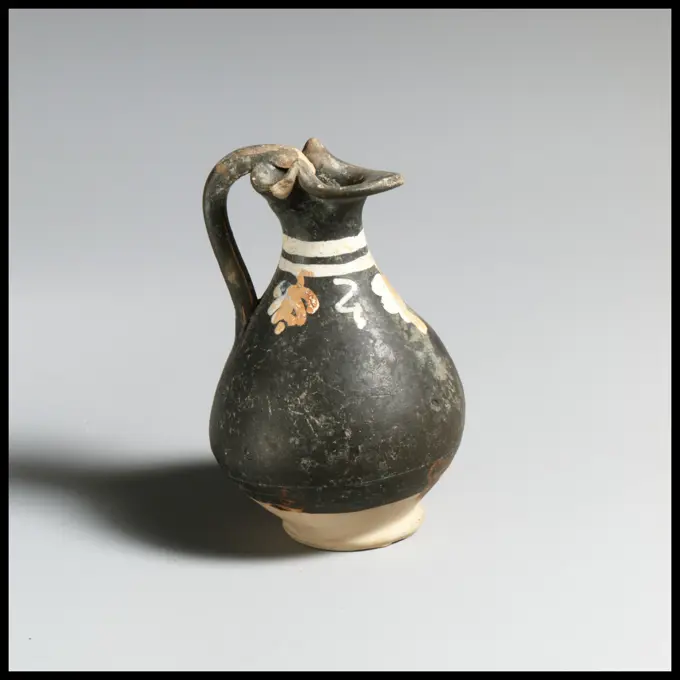
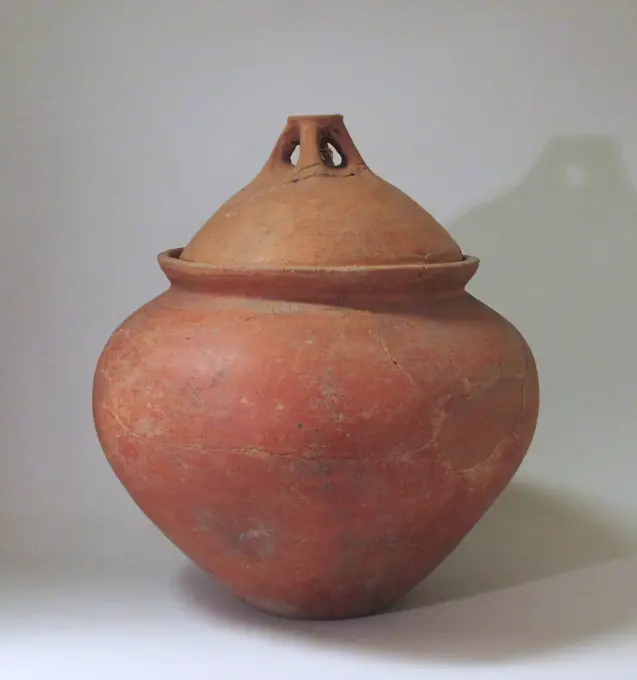
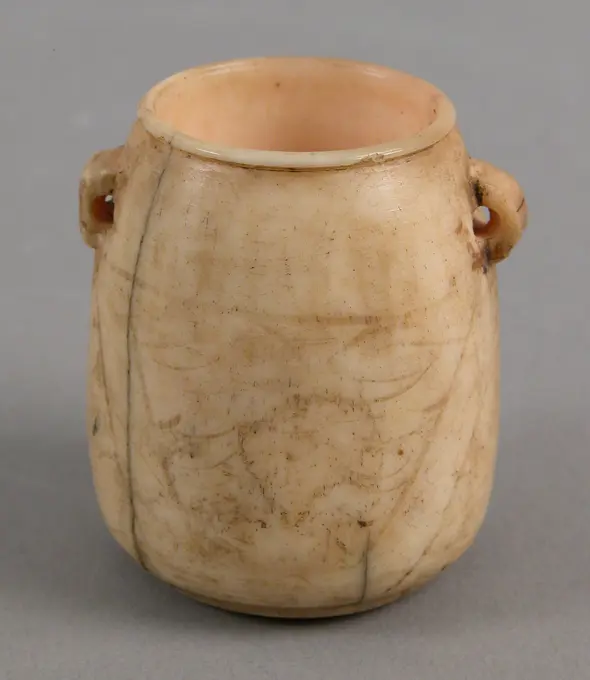
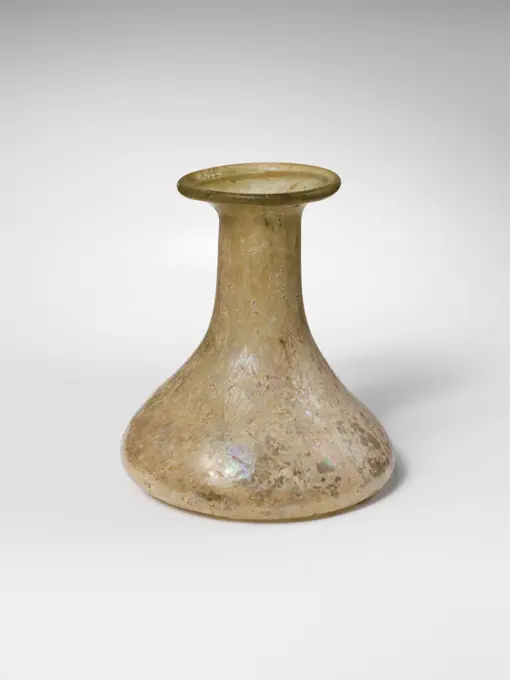
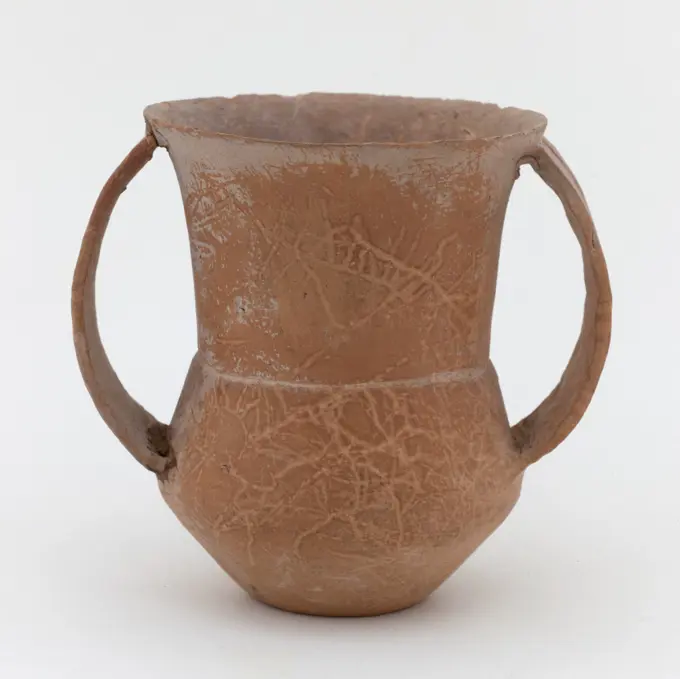
Historical Terracotta Jars

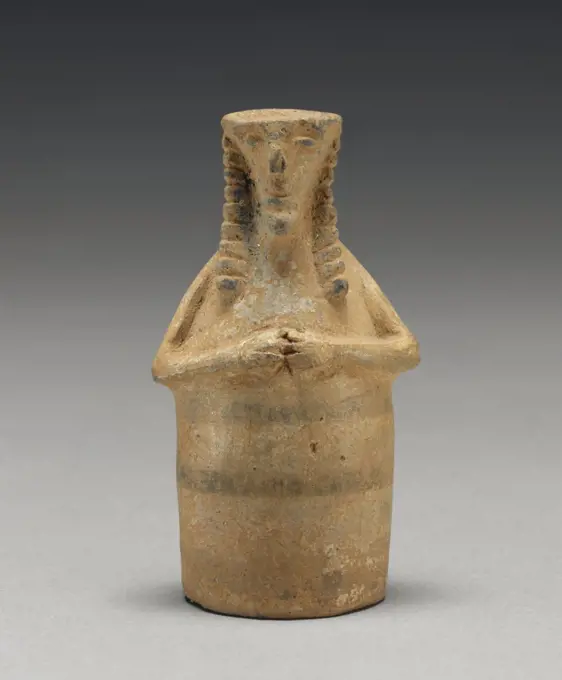
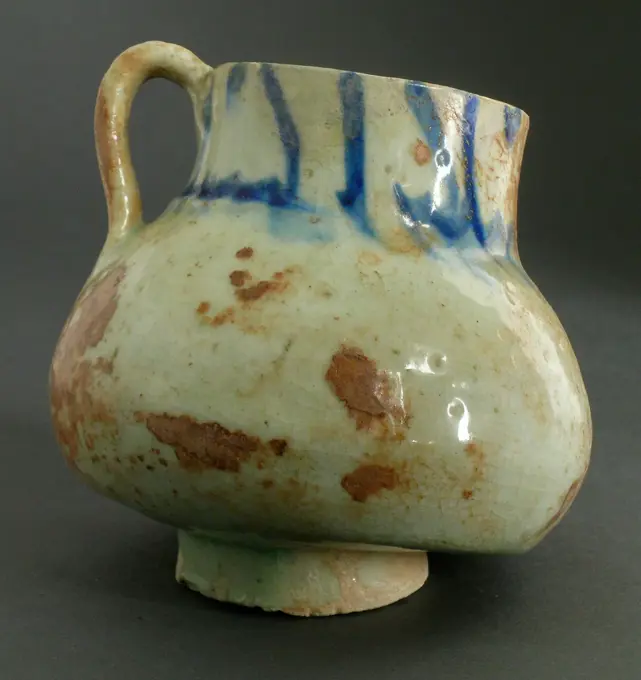
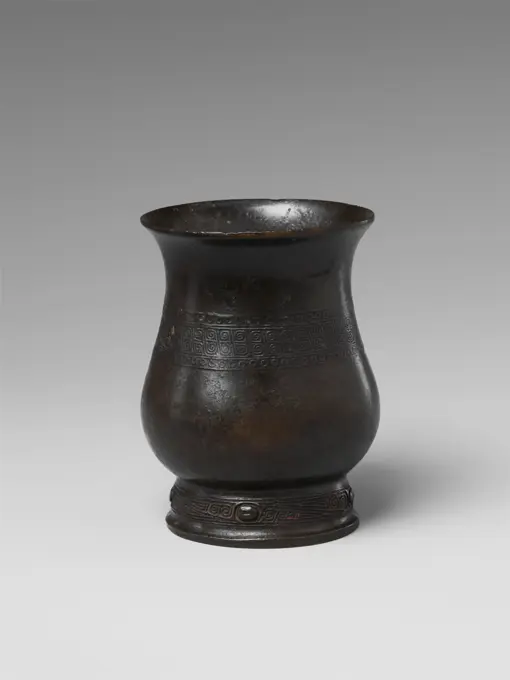
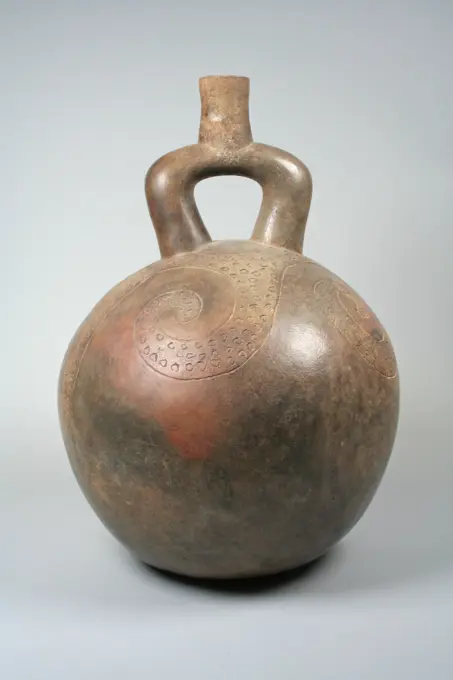
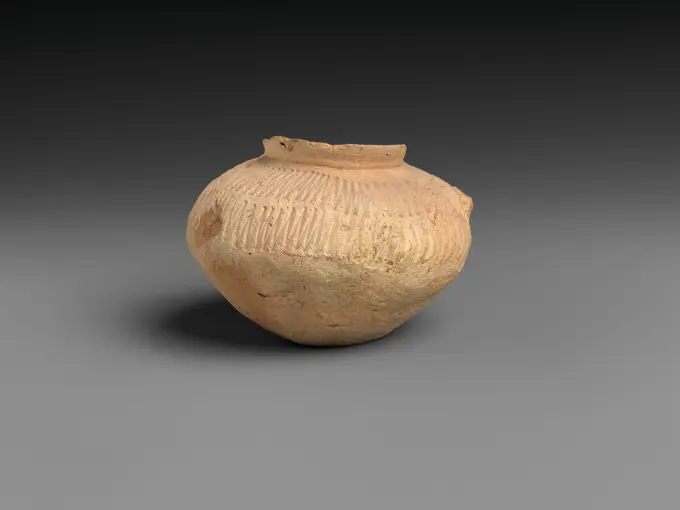
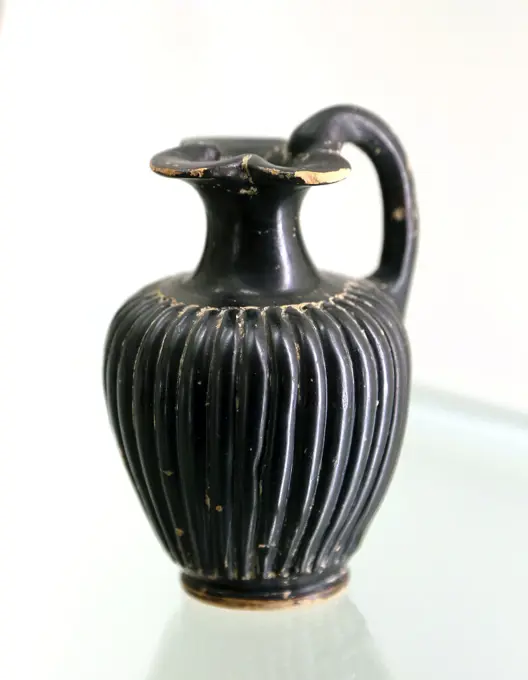
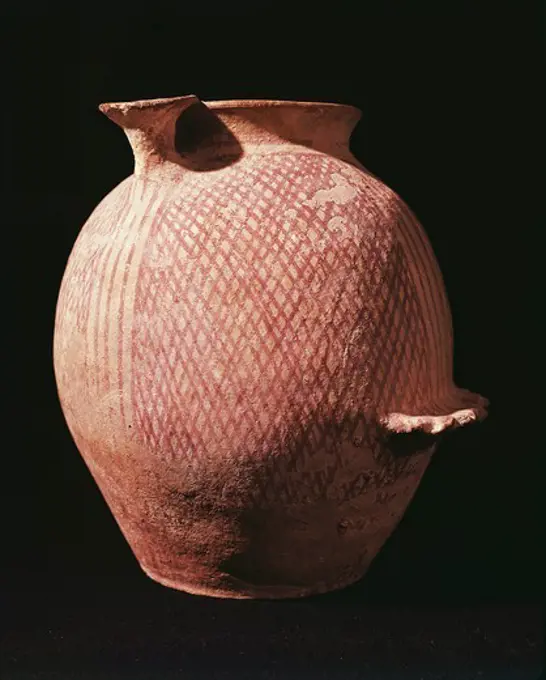
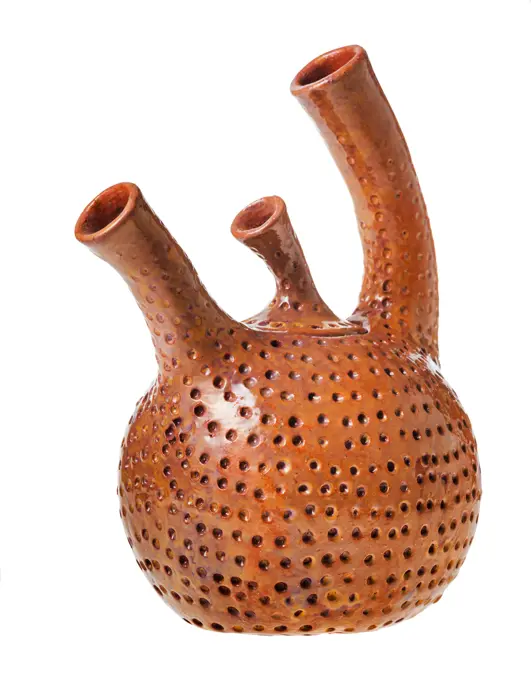
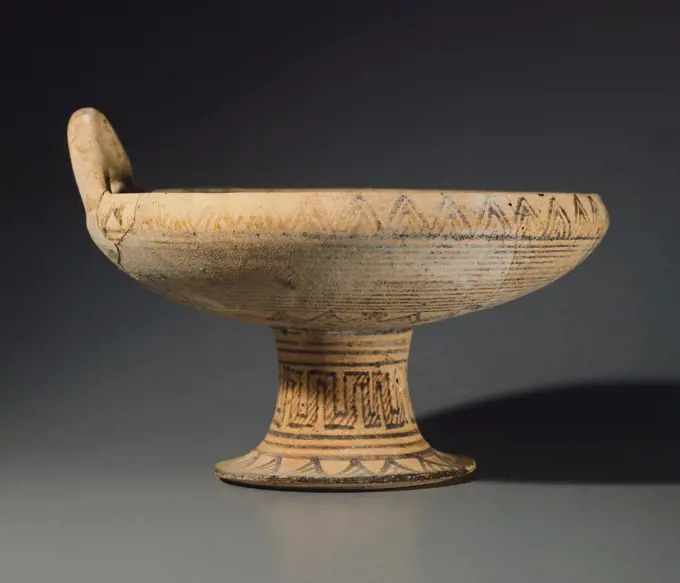
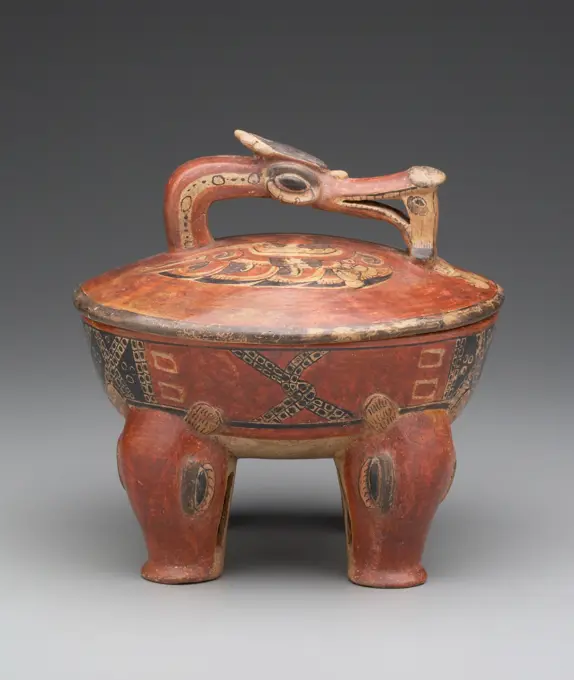
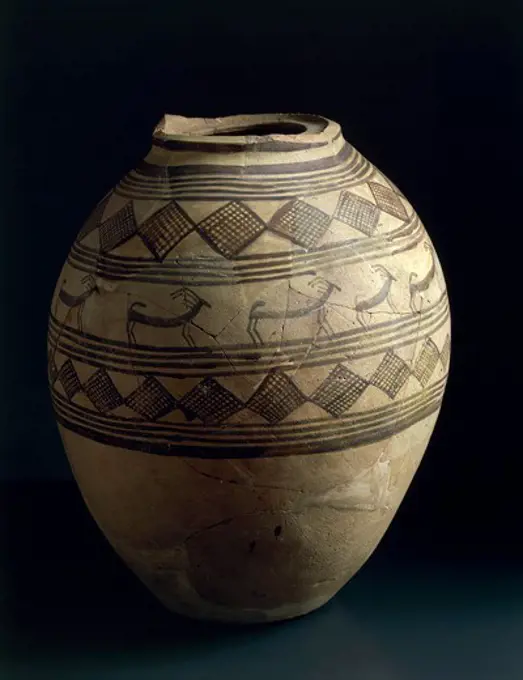
Archaeological terracotta jars from Vietnam and the Islamic period, showcasing their ancient craftsmanship and unique shapes among a neutral backdrop.
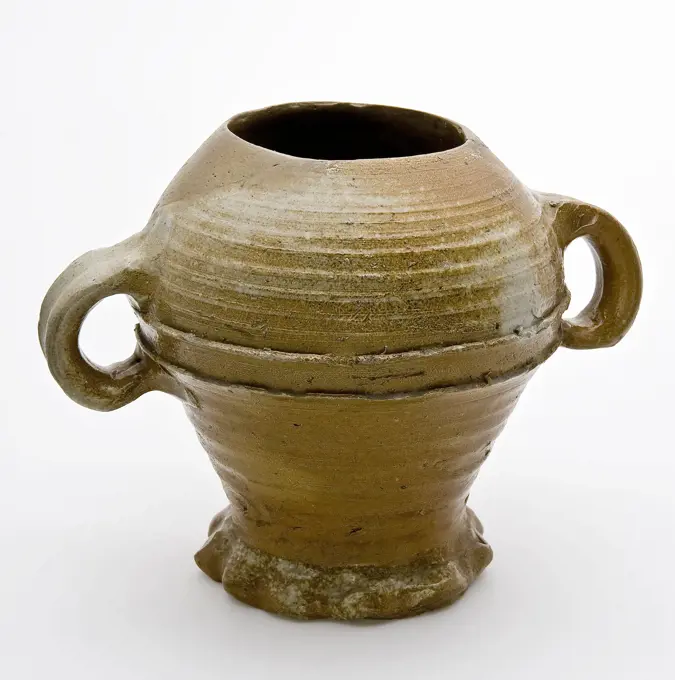
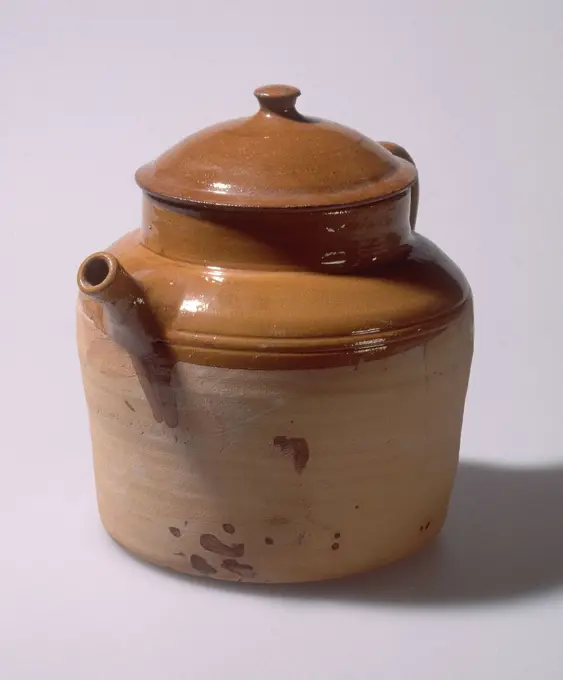
Stoneware cup with two ears with double profiled band on belly, pinched foot, without mouth rim, cup crockery holder soil find ceramic stoneware clay engobe glaze salt glaze, hand turned glazed baked stoneware cup gray shard salt glaze partly brown engobe two ring-shaped outward ears two ridges around the belly above and below the ridges rotations pinched foot. Egg-shaped body awuptly stopping at the edge of the mouth archeology import pottery pour serving drink wine beer
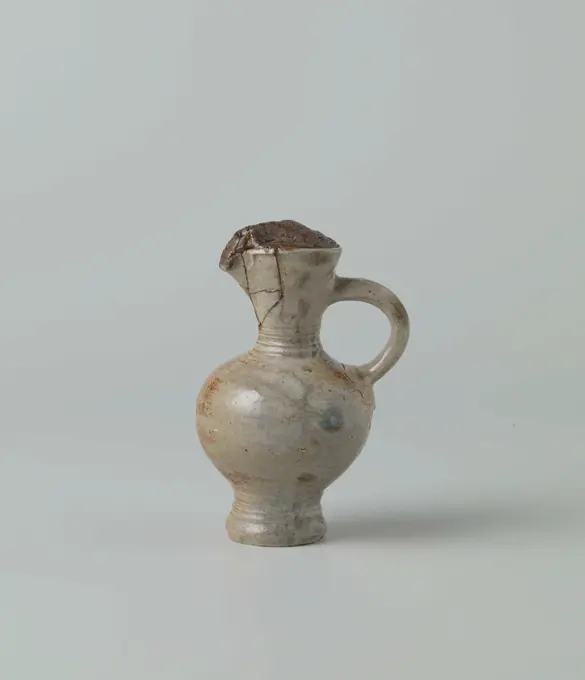
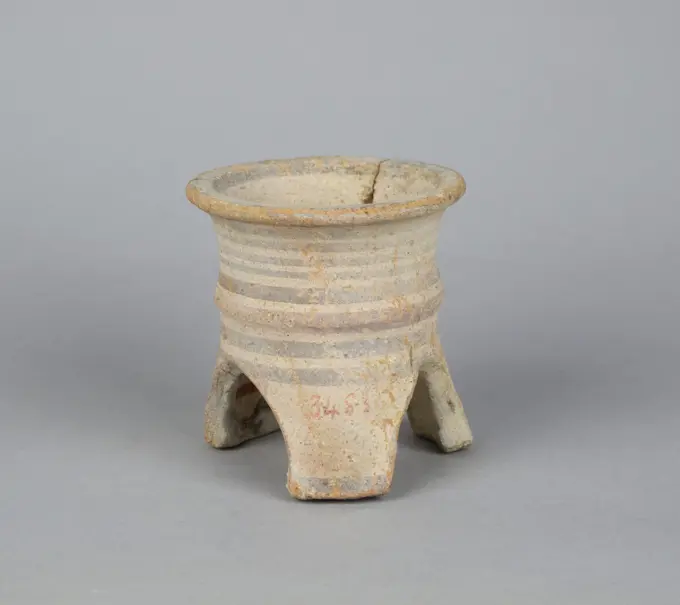
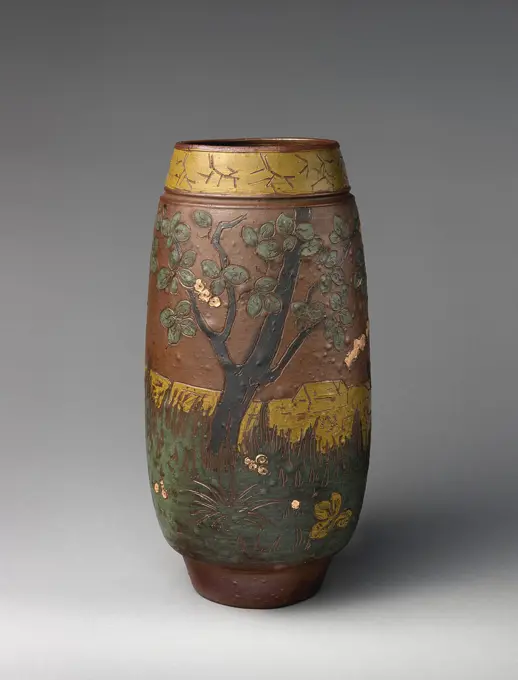
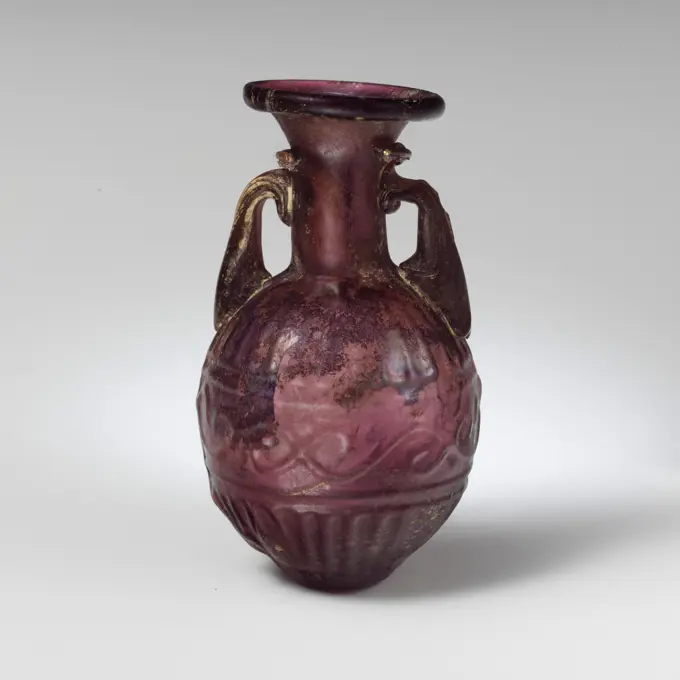
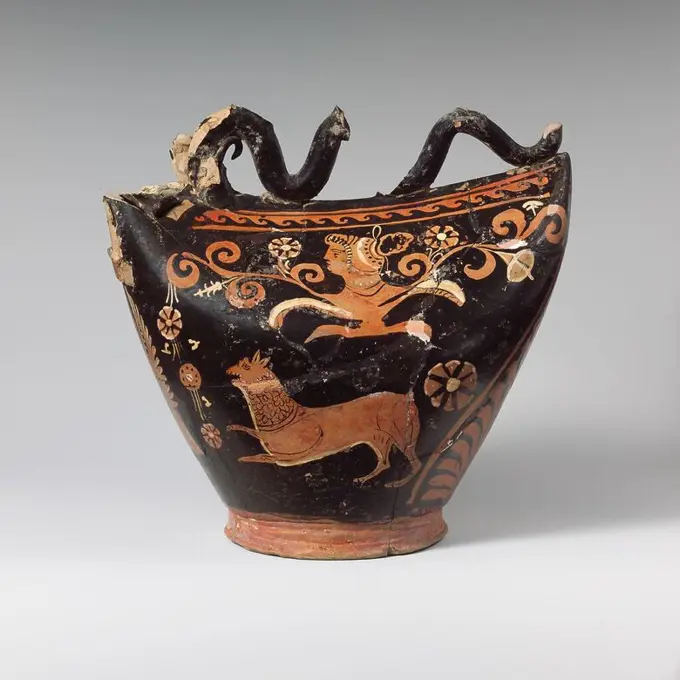
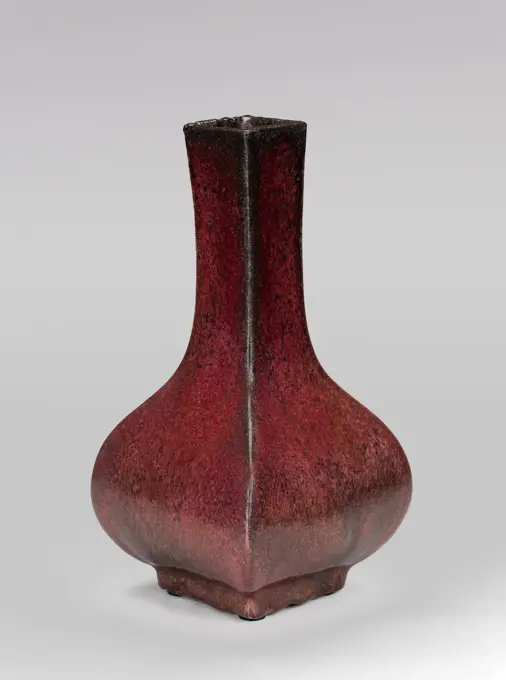
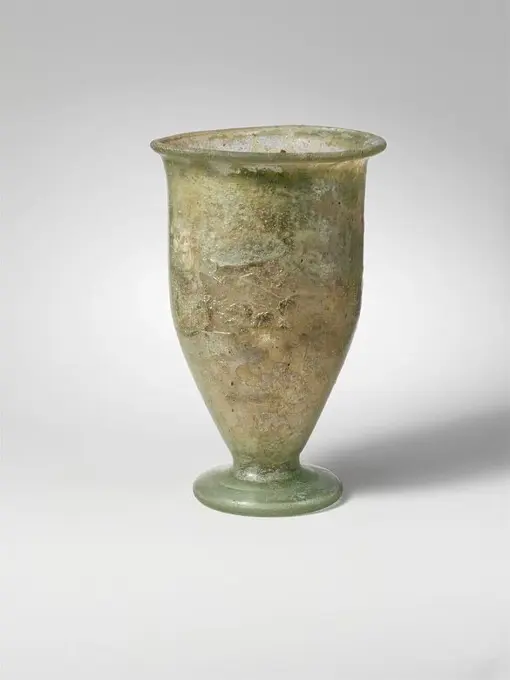
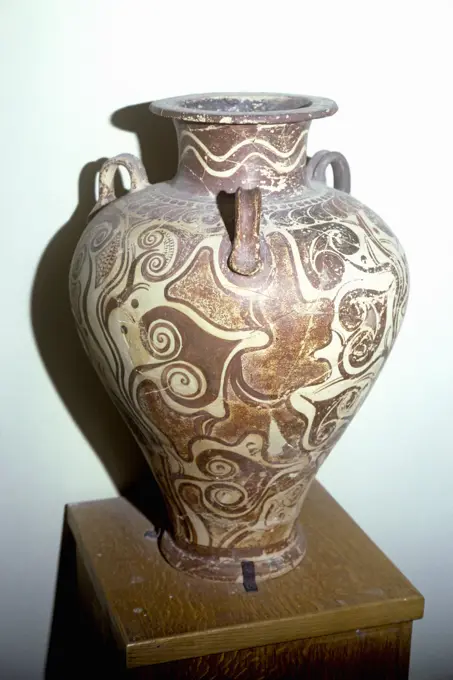
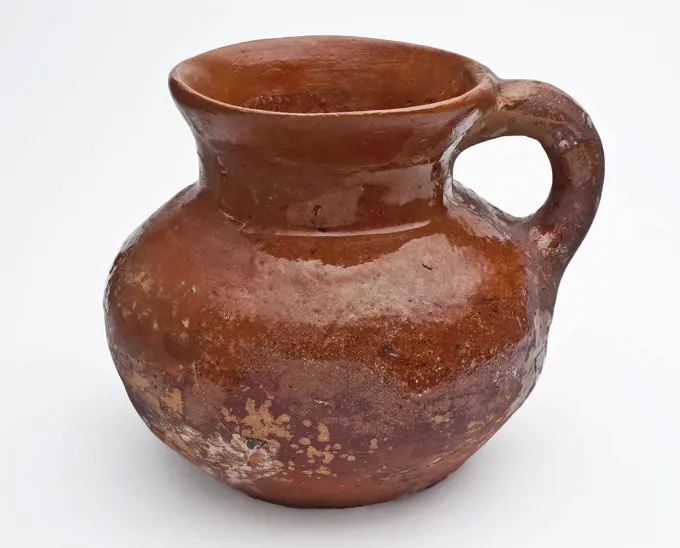
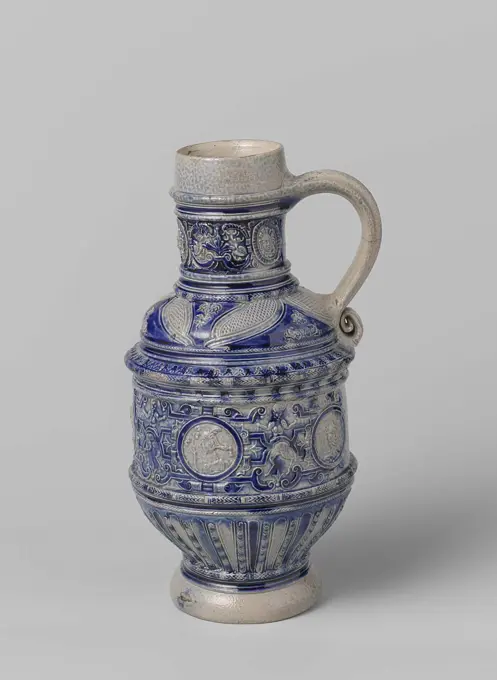
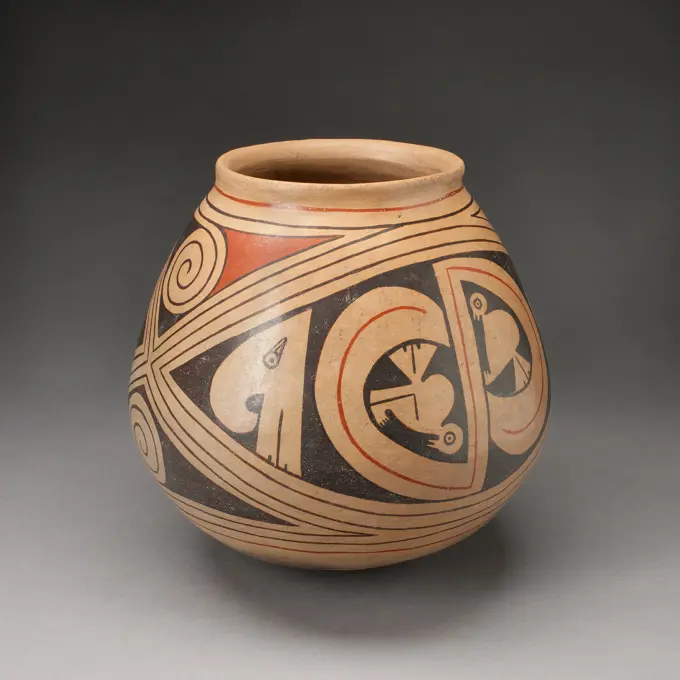
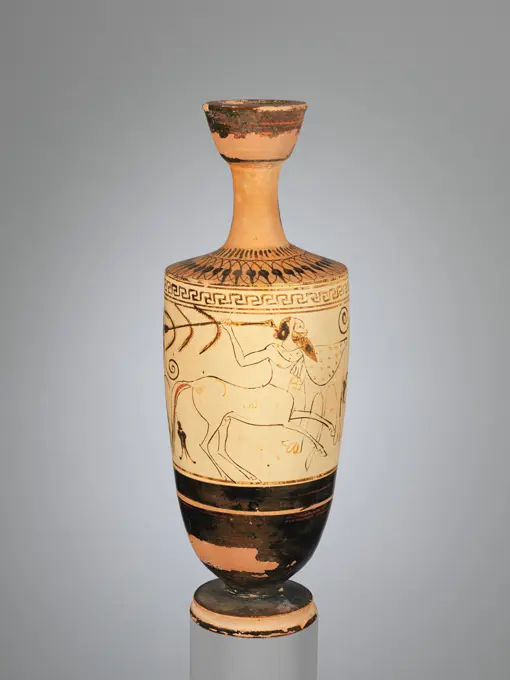
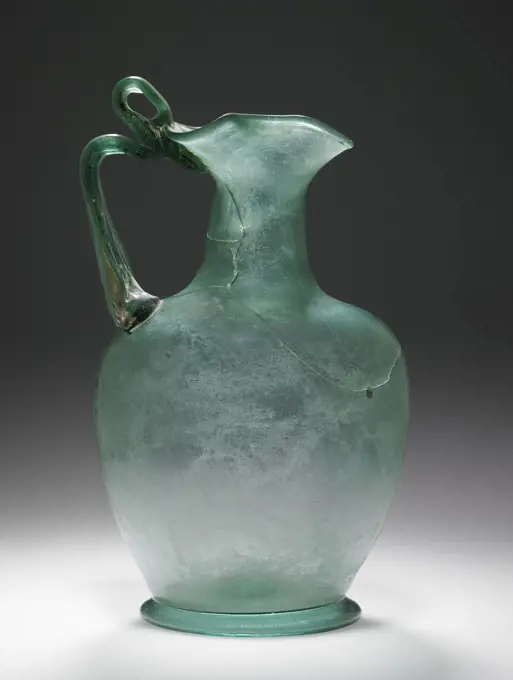
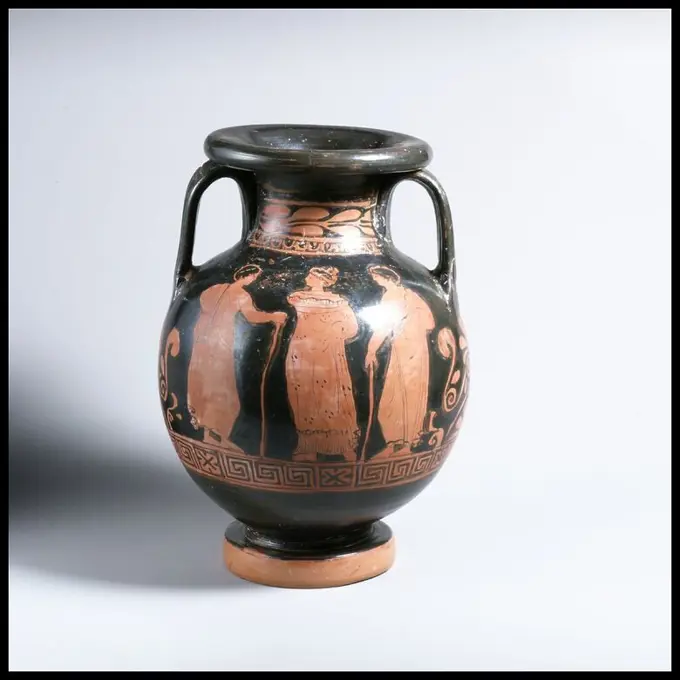
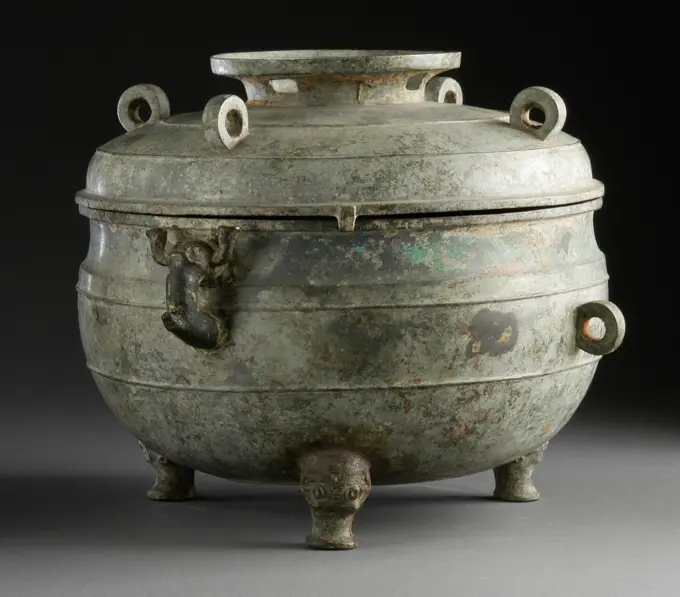
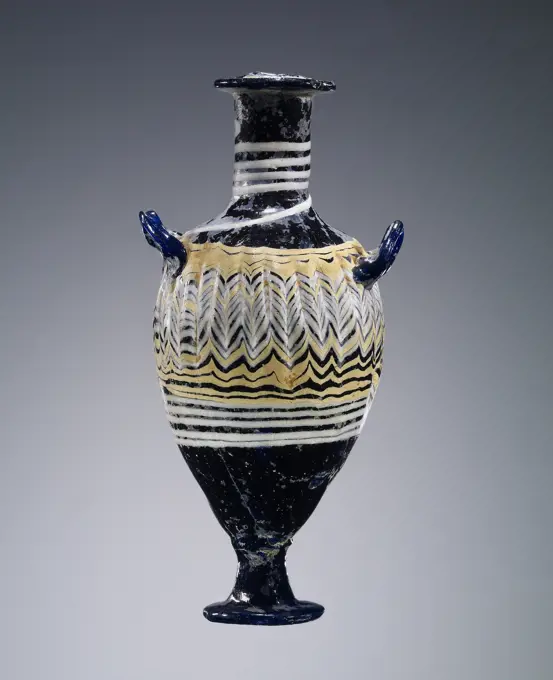
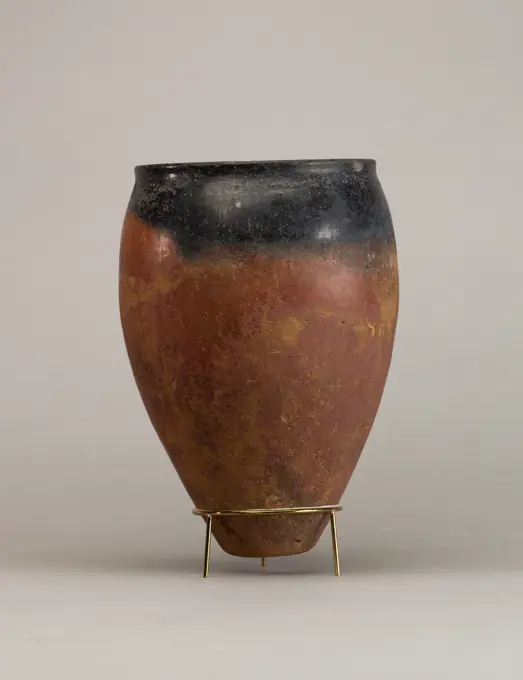
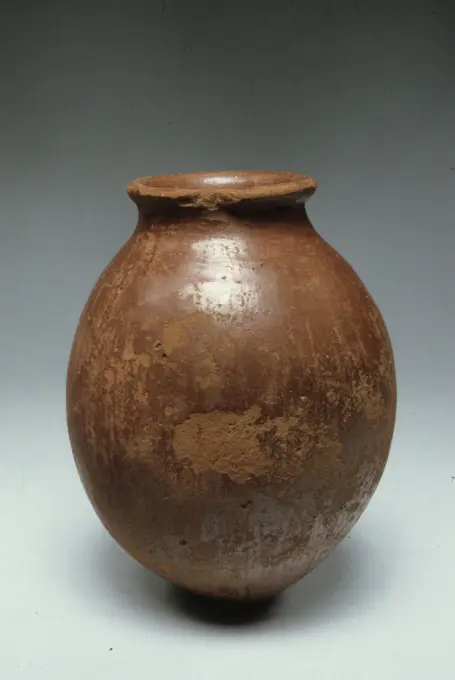
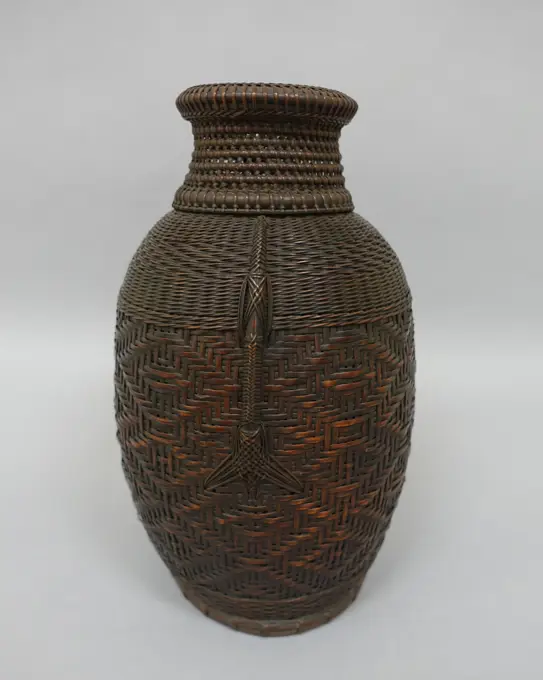
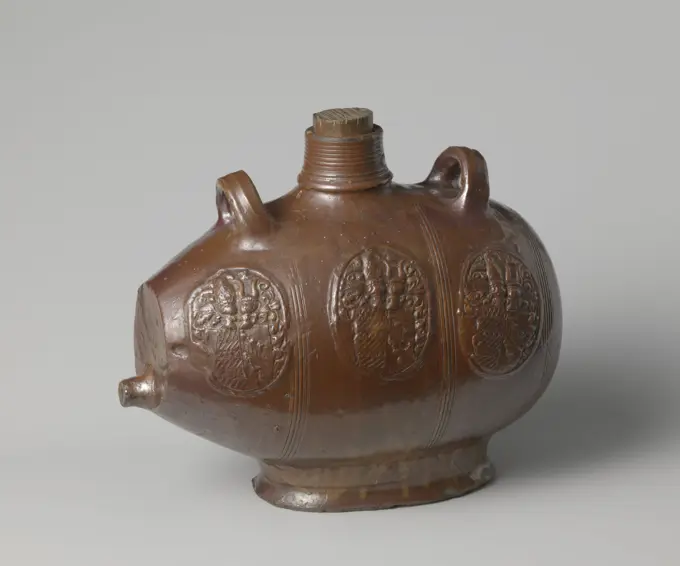
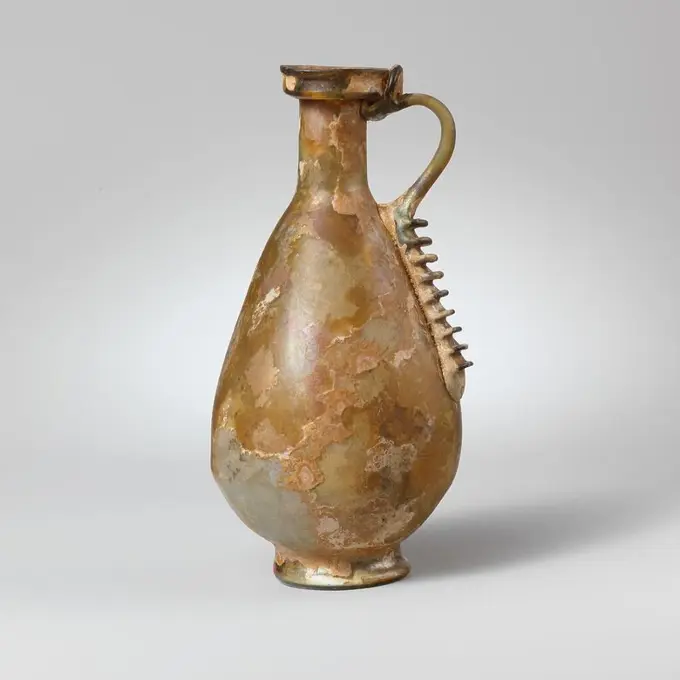
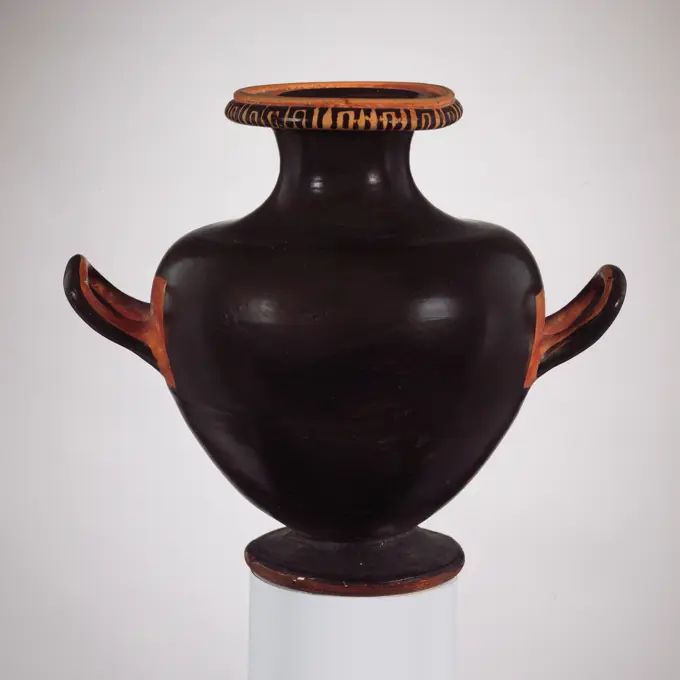
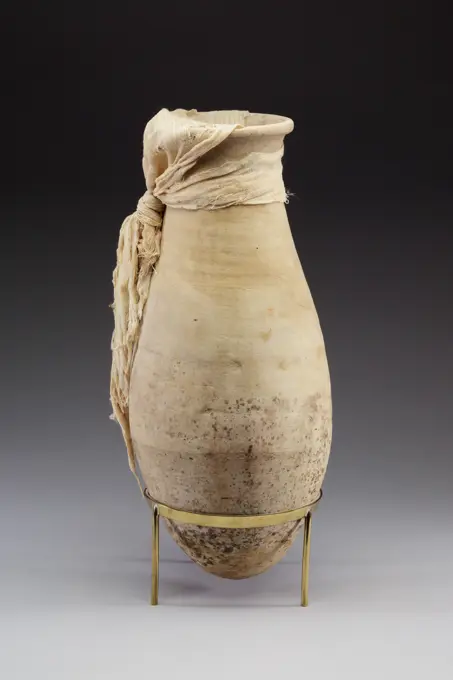
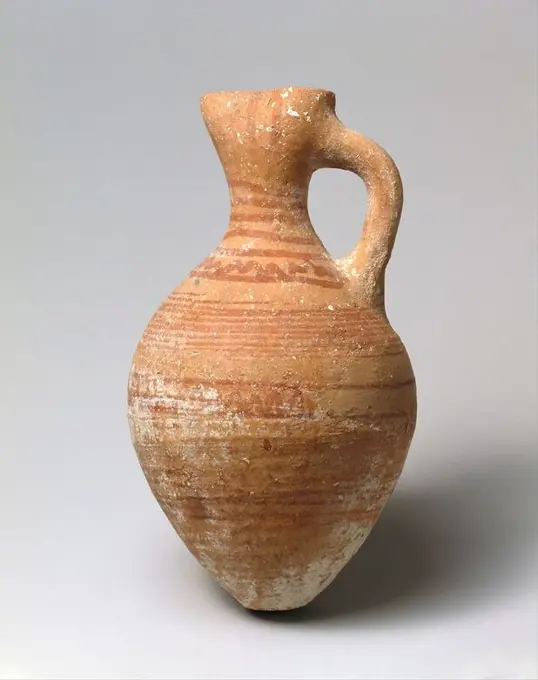
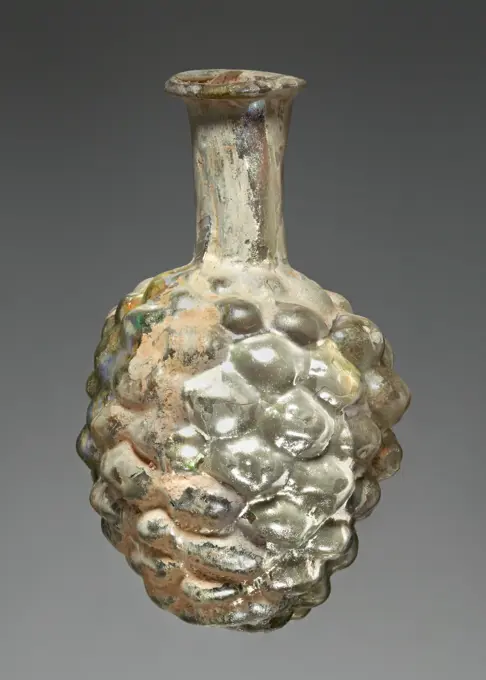
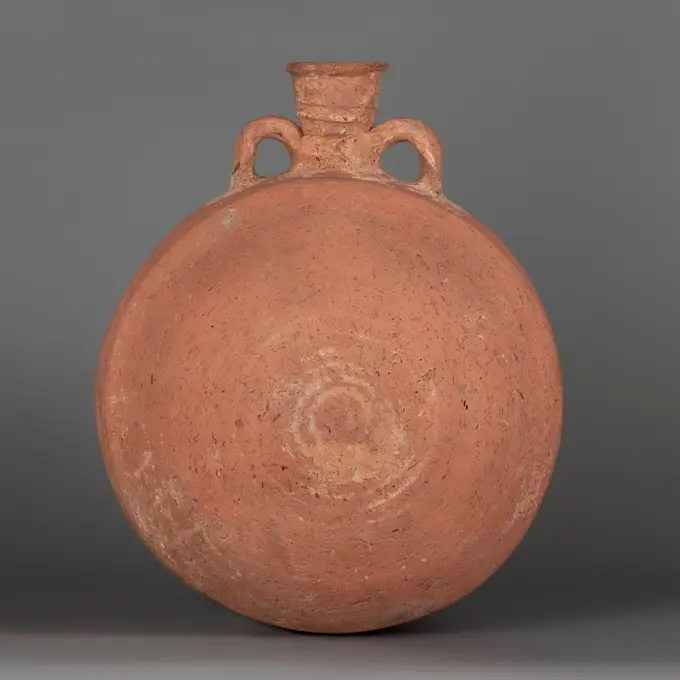
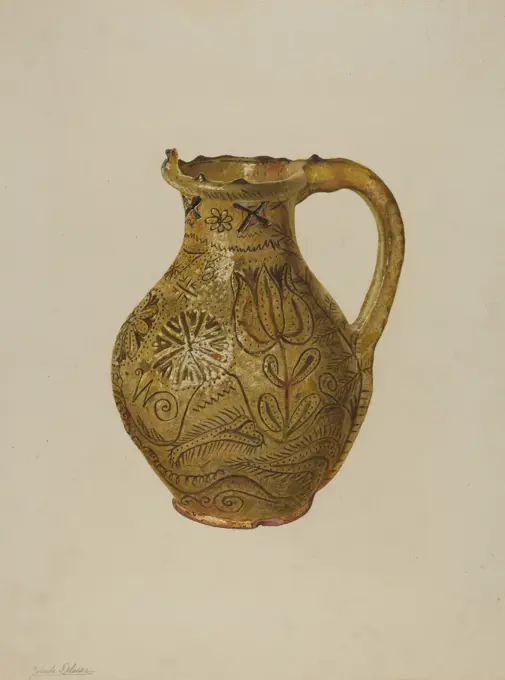
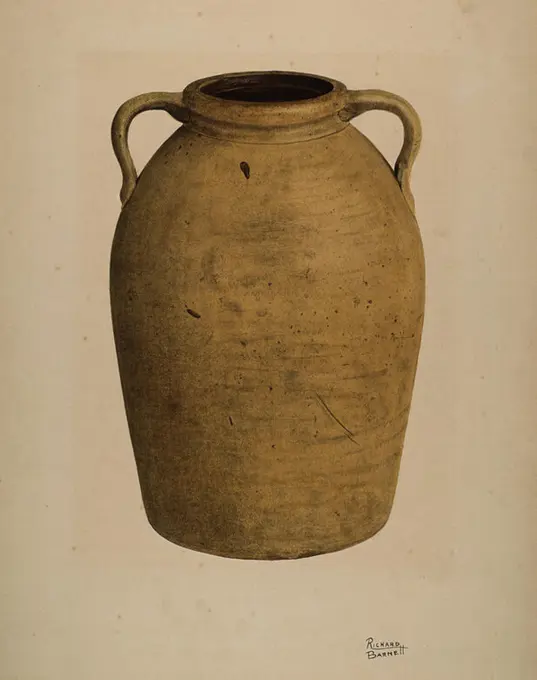
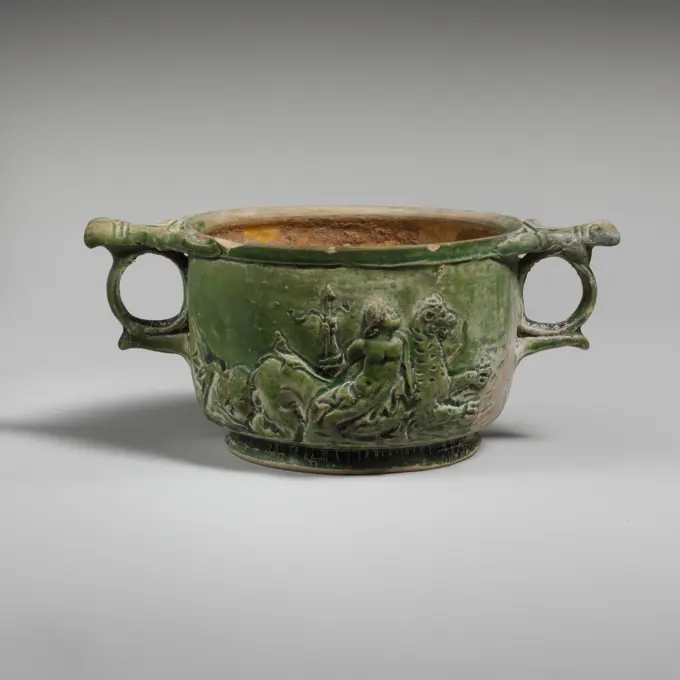
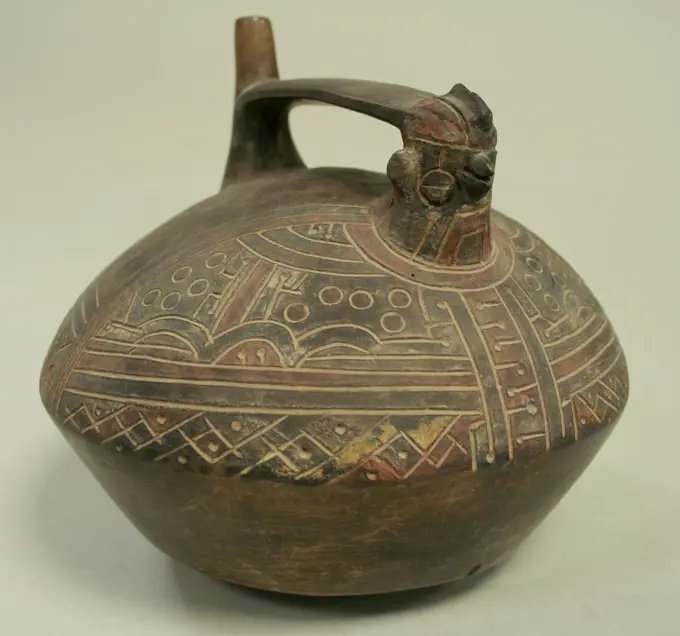
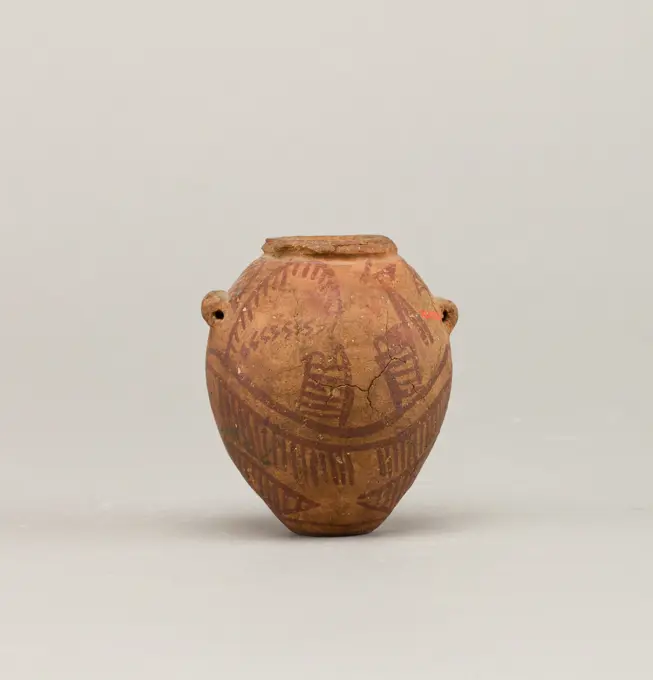
Decorated ware jar with two boats ca. 3650-3500 B.C. Predynastic, Naqada II. Decorated ware jar with two boats. ca. 3650-3500 B.C.. Pottery, paint. Predynastic, Naqada II. From EgyptDaedalic Plastic Vase; Unknown; Greece, Crete, Europe; first half of 7th century B.C.; Terracotta; Object: H: 7.6 x W: 4.1 cm (3 x 1 5/8 in.)Can with ear whose neck is closed with was. Can with a spout and ear, stoneware, decorated at the bottom of the neck with a few rings. The neck is closed with a kind.Tripod Cypriot Decorated with broad and narrow bands.. Tripod. Cypriot. Terracotta. Iron Age. VasesVase with reaper. Culture: French, Paris. Dimensions: Overall (confirmed): 15 7/16 × 7 3/4 × 7 3/4 in., 9.6 lb. (39.2 × 19.7 × 19.7 cm, 4.4 kg). Factory director: Under the technical direction of Ernest Chaplet (French, Sèvres 1835-1909 Choisy-le-Roi). Manufactory: Haviland & Co. (American and French, 1864-1931). Date: ca. 1885.The cylindrical shape, rough texture, and agricultural theme were inspired by folk pottery from Normandy. The abstract rendering of the woman, with strong incised outlines, makes the piece feel modern. The subject matter of the reaper was popular among some Impressionist painters. Museum: Metropolitan Museum of Art, New York, USA.Glass amphoriskos with band of scrolls 1st century A.D. Roman, Syro-Palestinian Translucent purple; handles in same color.Rim folded out, over, and in, then smoothed into flaring mouth; cylindrical neck; ovoid body; cylindrical base, with flat bottom; two rod handles attached in a pad to shoulder, drawn up, turned in, and pressed onto neck. One continuous mold seam around body and across bottom, extending to base of neck and forming raised line across bottom.On body, frieze of twenty-nine downturned rounded tongues in raised outline on upper body and thirty upturned rounded tongues on lower body, joined by a central band of tendril scrolls bordered above and below by a horizontal raised line.Intact, but internal crack in neck under one handle; pinprick and larger bubbles; dulling, slight pitting, iridescence, and small patches of weathering.Violet Sidonian jug with two handles.. Glass amphoriskos with band of scrolls 249467Sprinkler Flask. UnknownPrehistory, Italy, Iron Age. Golasecca culture. Clay lamp.Terracotta askos (flask with a handle over the top). Culture: Greek, South Italian, Apulian. Dimensions: H. 9 1/8 in. (23.2 cm). Date: ca. 300 B.C..The askos itself is in the form of a sea creature, Scylla, its snake-like body forming the handle on top. On the body is a hound coursing a hare, with the head of a woman above. On the front of the vase is a head of Nike; on the back, a palmette.Scylla askoi are late Apulian creations most notable for the treatment of the shape and the apparently unrelated decoration. Museum: Metropolitan Museum of Art, New York, USA.Vase ca. 1885-89 Chelsea Keramic Art Works Steeped in ceramics from birth, Hugh C. Robertson pursued his craft with fierce devotion and a passion for experimentation. From a family of trained English ceramists, he honed his skills in New Jersey before settling in Massachusetts as one of the founders of Chelsea Keramic Art Works and later, Dedham Pottery. Robertsons lifelong explorations in glazes, particularly their color and texture, make him one of the key figures of American art pottery at the turn of the twentieth century. During the 1880s Robertson increasingly turned his attention to developing new glaze formulas and clay bodies. In the middle of the decade he became obsessed with the highly coveted yet elusive sang-de-boeuf, or oxblood, glaze, a quest that became the hallmark of his later career. This richly colored blood-red glaze is traditionally created from a copper-based formula and fired in a kiln, which when wet straw and other materials are introduced, deprives the atmoVial. unknown, craftsmanVaseJuglet 750-600 B.C. Cypriot Handle-ridge jug with bands and lotus flowers.. Juglet. Cypriot. 750-600 B.C.. Terracotta. Cypro-Archaic I. VasesGlass beaker. Culture: Roman. Dimensions: H.: 4 3/16 in. (10.6 cm). Date: 4th century A.D..Translucent pale blue green.Everted, rounded rim; vertical side to body, then tapering in to splayed base with folded tubular foot ring; small kick in bottom, with pontil scar.Intact; many pinprick bubbles and blowing striations; pitting, iridescence, and some milky weathering under rim and bottom on exterior, thick creamy brown weathering and brilliant iridescence on interior. Museum: Metropolitan Museum of Art, New York, USA.Dish;  around 2686- 2181 BC ; Old PAAlabaster or loutrophoros (jar for storage or water) 2nd half of the 4th-3rd century B.C. Cypriot With long neck, two handles and moulded foot and cover.. Alabaster or loutrophoros (jar for storage or water) 244013Minoan Stirrup Jar vase with lillies, GreeceMiniature incense burner, Jun ware. Artist: Chinese , Jin/Yuan Dynasty. Culture: Chinese. Dimensions: Height: 1 3/4 in. (4.4cm.). Date: 12th-13th century. Museum: Metropolitan Museum of Art, New York, USA.Vase with Coiling Dragon. Culture: China. Dimensions: H. 8 in. (20.3 cm). Date: late 16th-early 17th century. Museum: Metropolitan Museum of Art, New York, USA.Prehistory, Italy, Bronze Age. Castelluccio culture. Vase. From the necropolis of Narro, surroundings of Agrigento.Earthenware chamber pot on vaulted bottom, glazed internally, narrow neck, pot holder sanitary earthenware ceramic pottery, belly 16.5 bottom 10.5 hand-turned glazed baked Room pot brown-red earthenware glazed vaulted bottom with small soul round ear round belly narrow and funnel-shaped neck Deep finger impression on the attachment of the ear archeology Capelle aan den IJssel House in Capelle castle indigenous pottery toilet disposal night sleeping room hygiene Soil discovery: cesspool 1420-1425 house in Capelle Capelle aan den IJssel 1963.Can with saters, a man and two women. Gray jug of stoneware, decorated in cobalt blue. The straight-walled center has been decorated with a Frisian in which Saters and 5 medallions with 2 saters busts, a man and two women. Three more medallions on the neck.Pitcher 1800-1830 British (American market). Pitcher 5698Jar with Diamond-Shaped Frames with Abstract Birds and Coiling Motifs 1280-1450 New Mexico. Ceramic and pigment . Casas GrandesRitual Sacrifice scale, Anonymous, -800 --500 Ritual barrel with lid for food with decoration on three tires. The ears have the shape of a monster that devours a stylized bird. China bronze (metal) Ritual barrel with lid for food with decoration on three tires. The ears have the shape of a monster that devours a stylized bird. China bronze (metal)Terracotta miniature oinochoe (jug) ca. 325-300 B.C. Greek, South Italian, Apulian Two white horizontal bands around neck, with vine leaves and tendrils.. Terracotta miniature oinochoe (jug) 248622Jar with lid 7th century B.C. Etruscan Red ware, undecorated.. Jar with lid. Etruscan. 7th century B.C.. Terracotta; impasto with red-orange slip. Orientalizing. VasesVase late 18th-early 19th century China. Vase 47289Toilet Vase 6th century. Toilet Vase 444947Glass perfume bottle. Culture: Roman. Dimensions: H.: 2 9/16 in. (6.5 cm). Date: 1st century A.D..Translucent yellow.Very fine, outsplayed rim; cylindrical neck, with horizontal tooled indent around base; piriform body; slightly concave bottom.Intact, except for small chip in rim; pinprick bubbles; slight pitting, faint weathering, and iridescence on exterior, whitish weathering on interior. Museum: Metropolitan Museum of Art, New York, USA.Vessel with eight handles; Eastern Mediterranean; 3rd - 4th century; Glass; 7 x 7 cm (2 3,4 x 2 3,4 in.)Glass bottle late 1st-3rd century A.D. Roman Colorless with blue green tinge and purple streak.Everted rim, partially folded over and in, with thick lip on one side; cylindrical neck, expanding at base to join imperceptibly with conical body; side then curves in sharply; broad bottom, with circular hollow around central, flat boss.Intact; many bubbles and some impurities; iridescent, whitish weathering covering most of surfaces.. Glass bottle 245439Terracotta lekythos (oil flask) early 5th century B.C. Attributed to the Workshop of the Diosphos Painter Centaur. Terracotta lekythos (oil flask). Greek, Attic. early 5th century B.C.. Terracotta; white-ground. Archaic. VasesJar 9th century. Jar 449743Oinochoe; Roman Empire; 3rd century; Glass; 21 x 11.8 cm (8 1,4 x 4 5,8 in.)Terracotta pelike (jar). Culture: Greek, South Italian, Apulian. Dimensions: 9 1/4 × 6 1/2 in. (23.5 × 16.5 cm)Lip diameter: 4 13/16 in. (12.2 cm)Diam. of foot: 3 3/4 in. (9.5 cm). Date: ca. 360-340 B.C..Obverse, Eros, Amymone, and Poseidon. Reverse, woman and two youthsAmymone was rescued from a satyr by Poseidon, god of the sea, who took her for himself. Striking the ground with his trident, he produced a spring that bore Amymone's name. The protagonists are assembled here, together with a rare representation of a feline. Museum: Metropolitan Museum of Art, New York, USA.Jug. Turkey or Syria, 13th century. Ceramics. Fritware, underglaze-paintedLidded Tripod (Zhan) with Masks. China, Eastern Zhou dynasty, late Spring and Autumn or early Warring States period, about 550-400 B.C.. Furnishings; Serviceware. Cast bronzeRunners Bottle. Culture: Moche. Dimensions: H. 12 1/2 x Diam. 6 1/8 in. (31.8 x 15.6 cm). Date: 4th-7th century.A large number of Moche stirrup spout bottles represent men or anthropomorphized creatures running in line in a desert environment. These ritual runners have been interpreted as messengers traveling from one site or one valley to another. Most runners wear loincloths or short skirts with a decorated belt, as well as distinctive headdresses composed of a turban with a large disk or trapezoidal element on the front and long ribbons down the back. They also carry bags in their hands. While about half of ritual runners are human, others take the shape of anthropomorphized birds, snakes, bats, lizards, centipedes, or scorpions. Runners are often surrounded by desert plants, or beans that seem to float in the background. One ritual running scene involves a long line of anthropomorphized beans that become increasingly human as they reach the top of the vessel. It has been suggestedTerracotta composite triple flask. Culture: Cypriot. Dimensions: H. 5 3/16 in. (13.2 cm). Date: 1200-1050 B.C..Three two-handled flasks joined, lozenge and floral ornament. Museum: Metropolitan Museum of Art, New York, USA.Pre-Columbian pottery in the Museum of Archaeology, Trujillo, Peru.Bird-shaped jar from the Middle Presynaptic, EgyptCeramic vase with linear decoration dating back to the Neolithic, Lipari, Aeolian Islands, Sicily, Italy.Grain Serving Vessel (Dui) ca. 5th century B.C. China. Grain Serving Vessel (Dui) 61235Core-formed Dark Blue Amphoriskos; Eastern Mediterranean; 3rd - 1st century B.C; Glass; 11.4 cm (4 1,2 in.)Black-topped red ware jar ca. 3850-2960 B.C. Predynastic Period. Black-topped red ware jar. ca. 3850-2960 B.C.. Pottery. Predynastic Period. From EgyptVase, spherical, neck in the shape of a bijhenkorf with ten bees. Vase of pottery, spherical on stenced foot, with a neck in the shape of a bijhenkorf with ten bees embossed, with wicker cover. On the spherical body branches with oak leaves and fucks embossed and two bees, also embossed at the front. The vase has two ears in the form of bees wings. The entire vase is covered with a green and gray-covered engobe with a partial luster over a red glaze. The vase includes a foot (b) of chestnut wood with bronze plaque with inscription.Jar ca. 3850-2960 B.C. Predynastic Period. Jar. ca. 3850-2960 B.C.. Pottery. Predynastic Period. From Egypt, Southern Upper Egypt, Hierakonpolis (Nekhen), MMA excavationsChinese-Style Flower Basket (Karamono hanakago) mid-19th century Japan. Chinese-Style Flower Basket (Karamono hanakago). Japan. mid-19th century. Timber bamboo, dwarf bamboo, and rattan. Meiji period (1868-1912). BasketryCask with two handles, anonymous, c. 1630 - c. 1680 Vat of Maywijnvat of stoneware on high foot, in the form of a wooden barrel with two raised ears next to the stop and ribbed neck. The abdomen is divided into three courses by means of entered tires. A printed and imposed medallion with a weapon in every compartment. Also on the sides a medallion with a weapon. Five of the seven weapon are the same and has a weapon as a border "I of Fernandes de San Vittores'. Wooden stop. Bouffioulx stoneware. glaze. engobe vitrification Vat of Maywijnvat of stoneware on high foot, in the form of a wooden barrel with two raised ears next to the stop and ribbed neck. The abdomen is divided into three courses by means of entered tires. A printed and imposed medallion with a weapon in every compartment. Also on the sides a medallion with a weapon. Five of the seven weapon are the same and has a weapon as a border "I of Fernandes de San Vittores'. Wooden stop. Bouffioulx stoneware. glaze. engobe vitrificVase. Dimensions: H. 4 1/8 in. (10.5 cm)Diam. 5 1/8 in. (13 cm). Date: second half 17th century. Museum: Metropolitan Museum of Art, New York, USA.Vase, 20th century, 14 1/8 x 10 in. (35.88 x 25.4 cm), Ceramic, Democratic Republic of the Congo, 20th centuryDouble-Handled Bottle. Byzantine; Eastern Mediterranean. Date: 501 AD-600 AD. Dimensions: 16.5 × 9 × 6.9 cm (6 1/2 × 3 1/2 × 2 3/4 in.). Glass, mold-blown technique. Origin: Syria. Museum: The Chicago Art Institute, Chicago, USA.globular urns, from Castellones de Ceal, Iberian culture, Archeological Museum. Úbeda, Jaén province, Andalusia, Spain.Terracotta pilgrim flask. Culture: Greek, South Italian, Campanian. Dimensions: H. 5 5/8 in. (14.3 cm). Date: 3rd-2nd century B.C..Flask stands on two feet, with two small lug handles near mouth. One broad and one narrow strip around the circumference. Museum: Metropolitan Museum of Art, New York, USA.Glass jug. Culture: Roman. Dimensions: H.: 6 in. (15.2 cm). Date: mid-1st century A.D..Colorless with pale blue green tinge; handle in same color.Rim folded out, down, up, and out, forming a downward flange and stepped profile; short cylindrical neck with faint horizontal tooling marks around base; piriform body, with slight horizontal bulge at point of greatest diameter; low integral foot ring, concave bottom; rod handle attached to top of body with long tail extending down side and pinched to form nine semicircular projections, drawn up, out, and round in a curve, and trailed on to top of neck and outer edge of rim with vertical, flat thumb-rest.Intact; few bubbles; dulling, iridescence, and thick creamy brown weathering, with small areas of soil encrustation. Inside bottle, numerous solidified lumps of earth. Museum: Metropolitan Museum of Art, New York, USA.Polychrome Vessel Ancestral Puebloan (Casas Grandes) 14th-15th century This striking jar (olla) features a geometric design with a stylized bird motif. Stylistically related to Casas Grandes, one of the largest and most complex Mogollon culture sites, this vessel corresponds to the Ramos Polychrome phase. View more. Polychrome Vessel. Ancestral Puebloan (Casas Grandes). 14th-15th century. Clay. United States, New Mexico. Ceramics-VesselsJar ca. 6th-7th century A.D. Sasanian. Jar 323009Lead-Glazed Skyphos. UnknownJARRO EN NEGRO DECORADO EN BLANCO - CALIFAL S X. Location: MEDINA AZAHARA MADINAT AL-ZAHRA MUSEO CERAMICA. PROVINCIA. CORDOBA. SPAIN.Terracotta hydria: kalpis (water jar) late 5th century B.C. Attributed to the Owl-Pillar Group Reserved rectangles at handles.. Terracotta hydria: kalpis (water jar) 254405 : Attributed to the Owl-Pillar Group, Terracotta hydria: kalpis (water jar), late 5th century B.C., Terracotta, H. 5 1/8 in. (13 cm). The Metropolitan Museum of Art, New York. Rogers Fund, 1941 (41.162.234)Wine cup (Zhi) China. Wine cup (Zhi) 61055Small vase.Stirrup Spout Bottle 12th-5th century B.C. Cupisnique. Stirrup Spout Bottle 309516Jar with impressed decoration ca. 3400 B.C.. Jar with impressed decoration. ca. 3400 B.C.. Ceramic. Middle Uruk. Mesopotamia, NippurVase. Culture: Roman. Dimensions: H. 8.31 cm. Diameter 8.25 cm..Red vase with gray glaze; barbotine pattern dots and festoons. Museum: Metropolitan Museum of Art, New York, USA.Small VesselBlack glazed oinochoe (vessel) gently ribbed. Attic pottery, 4th century BC. Emporion. Archaeology Museum of Catalonia. Barcelona.Glass and Ceramics Museum, Tehran, Tehran, Iran, AsiaJar from the Burial of Amenhotep ca. 1479-1458 B.C. New Kingdom In the tomb of the child Amenhotep (36.3.153), six jars had been placed on either side of the coffin. The contents of the jars indicated that they had once held various liquids. Three of the jars (including 36.3.161. 36.3.164) are decorated with geometric patterns in red and black paint. This undecorated jar still has its closure of linen cloth that covers the mouth and has been tied in a square knot around the neck.. Jar from the Burial of Amenhotep. ca. 1479-1458 B.C.. Pottery, linen. New Kingdom. From Egypt, Upper Egypt, Thebes, Sheikh Abd el-Qurna, below the Tomb of Senenmut (TT 71), burial of Amenhotep, Pot G, MMA excavations, 1935-36. Dynasty 18Levantine Juglet. Dimensions: H. 19.4 cm (7 5/8 in.); Diam. 11 cm (4 5/16 in.). Dynasty: Dynasty 12, mid. Date: ca. 1900-1850 B.C..This ware was produced in the coastal regions of the Levant. Museum: Metropolitan Museum of Art, New York, USA.Jug. Culture: French. Dimensions: Overall: 10 1/2 x 6 1/4 x 5 1/16 in. (26.7 x 15.9 x 12.9 cm). Date: late 1200s-early 1300s.French potters typically decorated jugs of this type with applied ornament in the form of discs and strips impressed with loosely woven textiles. Museum: Metropolitan Museum of Art, New York, USA.Quickly decorated with a weapon. Yellow-brown fast from pottery. A decoration of an oval medallion in which a weapon has been applied to the abdomen.Grape Flask. UnknownZoomorphic VesselPilgrim cylinder; Unknown Nubian workshop; 2. PO. VII-3. In. 10th century (651-00-00-975-00-00);cylinders, nubian ceramics, relief decorations, rice decorations, crosses, nubian vessels, n.III styleBottle with a Masked Figure and Abstract Feline and Textile Motifs. Tiwanaku-Wari; Possibly Santa Valley, north coast, Peru. Date: 700 AD-900 AD. Dimensions: 20.8 × 15.9 cm (8 3/16 × 6 1/4 in.). Ceramic and pigment. Origin: Santa Valley. Museum: The Chicago Art Institute, Chicago, USA.Yolande Delasser, Pennsylvania German Puzzle Jug, c 1938 Pennsylvania German Puzzle JugBOTIJO VIDRIADO - S XX ARTE POPULAR. Location: ALFARERIA. TORREDEMBARA. TARRAGONA. SPAIN.Topf Topf Copyright: xZoonar.com/Tolox 22568830Glass alabastron (perfume bottle) 5th century B.C. Greek, Eastern Mediterranean Translucent light blue, with handles in same color; trails in opaque yellow and opaque white.Broad horizontal rim-disk, with radiating tooling marks on upper surface; short cylindrical neck; rounded shoulder; straight-sided cylindrical body with upward taper; convex bottom; two vertical ring handles with knobbed tails, applied over trail decoration.Yellow trail attached at edge of rim-disk; a white trail overlaid with yellow wound unevenly around neck and top of body, the yellow trail continuing in a spiral on body; another white trail applied to top of body and wound as a spiral around upper body, forming alternating lines of color with the yellow trail, then both tooled into an uneven, close-set zigzag pattern from middle of body to above bottom, where the trails are again wound horizontally before ending around bottom.Complete, except for two-thirds of rim-disk and kobbed tail of one handle; dulling, pitORZA - S XX. Location: ALFARERIA. SPAIN.Hexagonal jar with stars and flowers. Hexagonal jug of stoneware. Gray with blue ornaments, stars and flowers.Yellow Jar. Dated: c. 1938. Dimensions: overall: 52.2 x 29 cm (20 9/16 x 11 7/16 in.) Original IAD Object: 5 gal capacity. Medium: watercolor, graphite, and colored pencil on paperboard. Museum: National Gallery of Art, Washington DC. Author: Richard Barnett.Vessel in the Form of a Curled DogPrehistory, Palestine, 3rd millennium b.C. Large painted terracotta vase. From Jericho, Israel.handcrafted ceramic kettle isolated on white handcrafted ceramic kettle isolated on white background ,property released Copyright: xZoonar.com/ValeryxVoennyyx 15362738 ,model released, Symbolfoto ,property releasedSingle handle pot on pedestal. Geometric pottery from Bracciano (Lazio). Etruscan Civilization, 750-725 BC.Lidded Vessel with Peccaries, Bird, andFish. Artist: UnknownTerracotta scyphus (drinking cup) 1st half of 1st century A.D. Roman The sides are decorated with reliefs of a satyr and a maenad riding sea monsters. Terracotta scyphus (drinking cup). Roman. 1st half of 1st century A.D.. Terracotta; lead-glazed ware. Early Imperial, Julio-Claudian. VasesPart of a faience vessel with sporals, and a kylix rim, from the Spyro-Palestinian.VASIJA GUANCHE. Location: ARCHAEOLOGICAL MUSEUM. LAS PALMAS. GRAN CANARIA. SPAIN.Double Spout and Bridge Bottle with Bird 5th-2nd century B.C. Paracas. Double Spout and Bridge Bottle with Bird 308708Vessel with a hieratic inscription;  around 2686- 2181 PN.E. ; Old state (-2686-00-00--2181-00-00);PUCHERO DE CAFE SEMIVIDRIADO-CERAMICA POPULAR. Location: ALFARERIA. SPAIN.Prehistory, Iraq, Halaf culture. Ceramic vessel decorated with geometric and zoomorphic patterns, 5th millennium b.C. From Tell Hassan.Print gooting ourselves. Tire cooked. 2300-1500 AV.J.-C. Par musée musée malée. Anse, Asian art, Chinese art, qijia culture, jar, container, terracottaLazio Viterbo Viterbo Museo Civico12. Hutzel, Max 1960-1990 Views of paintings (Middle Ages through 18th c.), frescoes, a tabernacle, coffin, sculpture reliefs, portal fragments, busts, sculpture, tapestry found in the Pinacoteca, Second floor gallery and Second floor cloister sequences. Antiquities: Many views of Etruscan and Roman fragments, sculpture, sarcophagi, pottery, masks, jewelry and other objects found in the Storeroom sequence (inventory numbers on back of prints), and the Cloister, Second floor Cloister, Valle Giulia, Sala Romana and Sala Etrusca sequences. General Notes: There are eight separate numerical sequences for this location. The cloister as an architectural structure, rather than museum site, is documented in the record and file for S. Maria della Verita, Cloister, all views of which are stored in Medieval core collection. Five views from the Museo Civico Second floor cloister sequence are stored in Medieval. German-born photographer and scholar Max Hutzel (1911-Campania Caserta Capua Museo Campano028. Hutzel, Max 1960-1990 Medieval: Byzantine architectural fragments; parchment fragments with miniatures (12th century) from Montecassino; painted wooden crucifix (13th century); Carolingian crucifixes; Bishop's miter (11th century) of gold and silver damask; fresco (13th century). Post-medieval: Architecture (15th century). Formerly the Palazzo Antignano. Unusual Catalan/Moorish-style portal; Paintings on panel and canvas (15th-18th centuries); marble intarsia (16th century); marble sculpture: busts of Christ and Mary (17th century); sculpture of saints in marble and in wood (15th century); painted and gilded sculpture in wood; marble grave sculpture (16th century); sarcophagus with allegorical carvings; gold reliquary "Rosa d'Oro"; crucifix made of elephant tusk Specific Location: Pianterreno Antiquities: Italic sculpture (seated women holding babies); inscription. Photo campaign #1: 533 photos. Roman relief and sculpture; cinerary urns; Greek aEwer probably 18th-19th century. Ewer 443112