Historical Textile Fragments

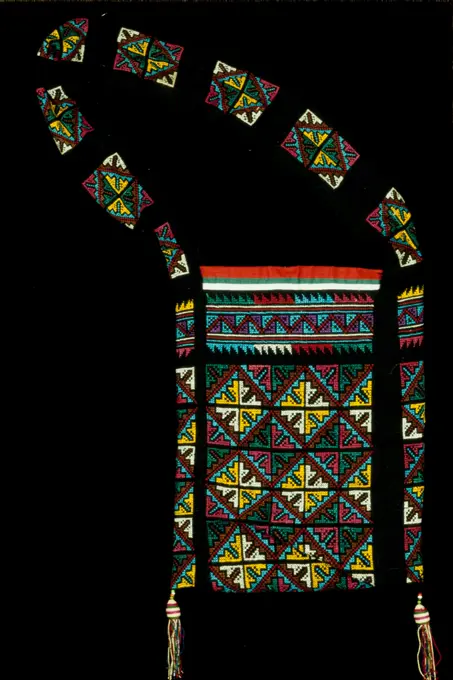
Fragments of richly patterned textiles, showcasing intricate brocade and unique designs, emphasizing cultural craftsmanship and historical significance.

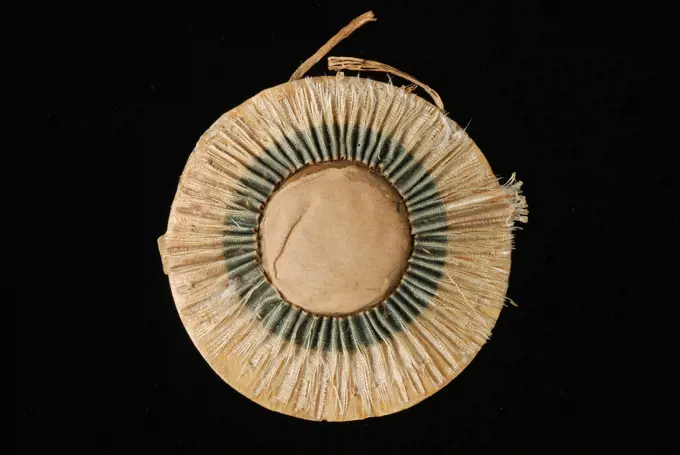
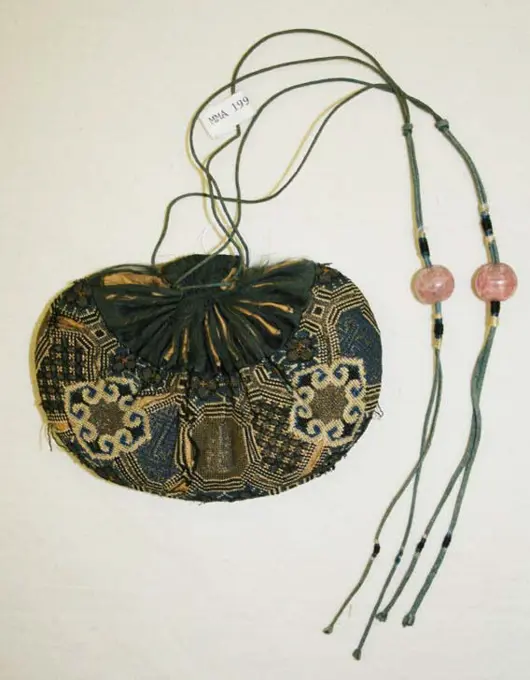
Réticule. 1840. 1850. Saved. Gal1995.74.3_2
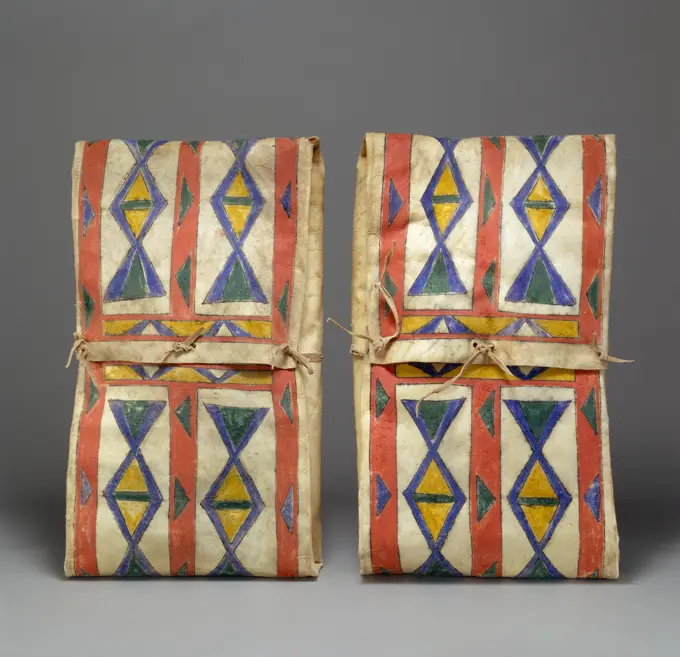
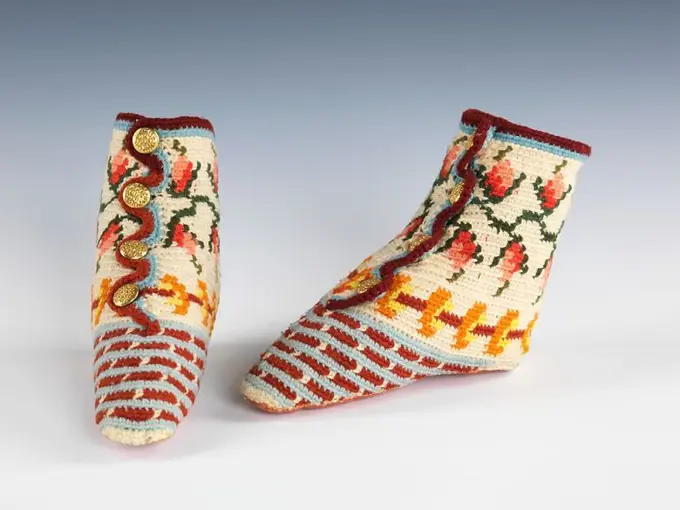
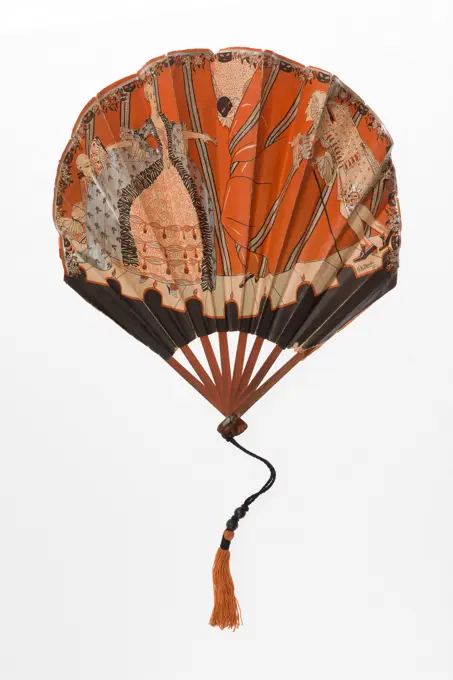
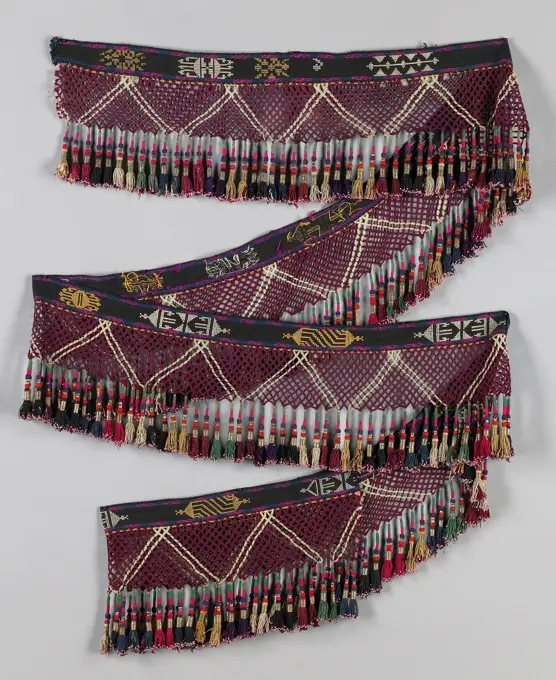
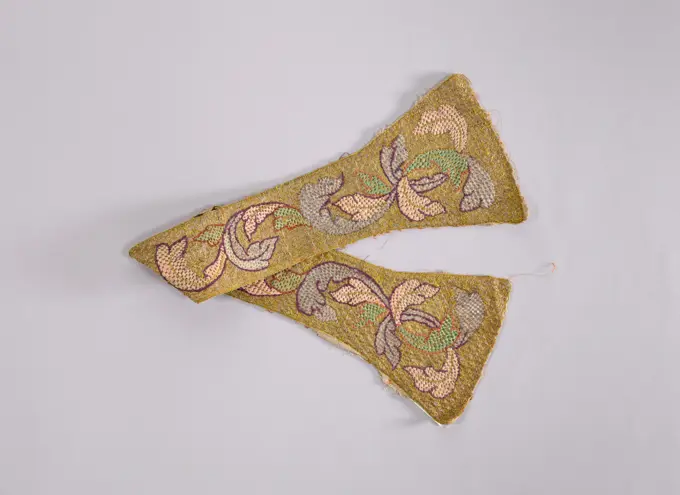
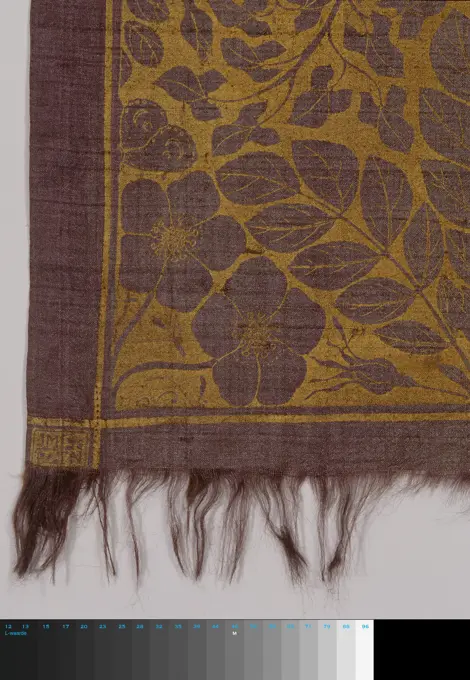
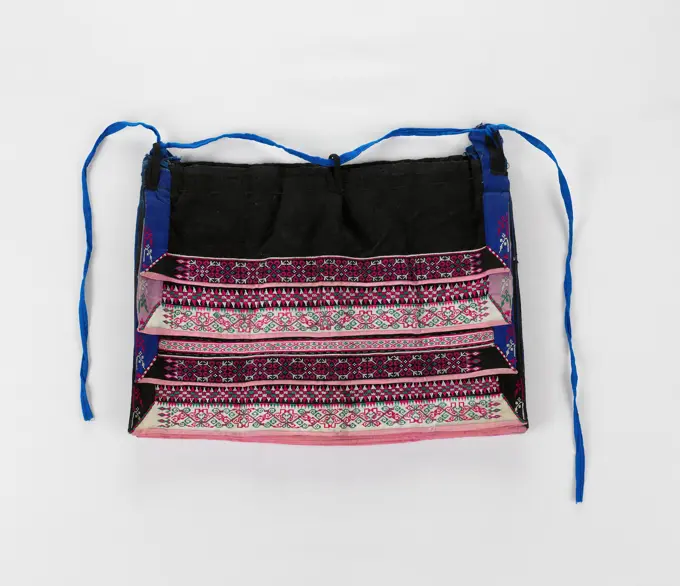
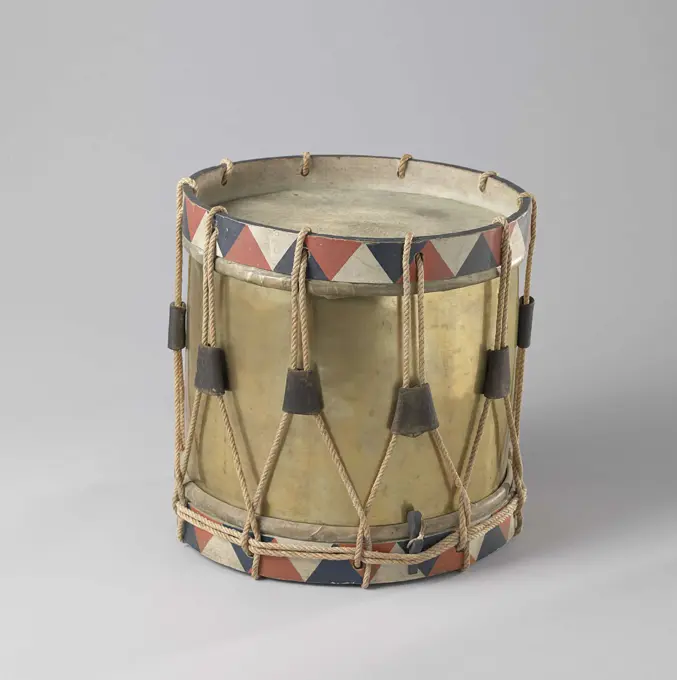
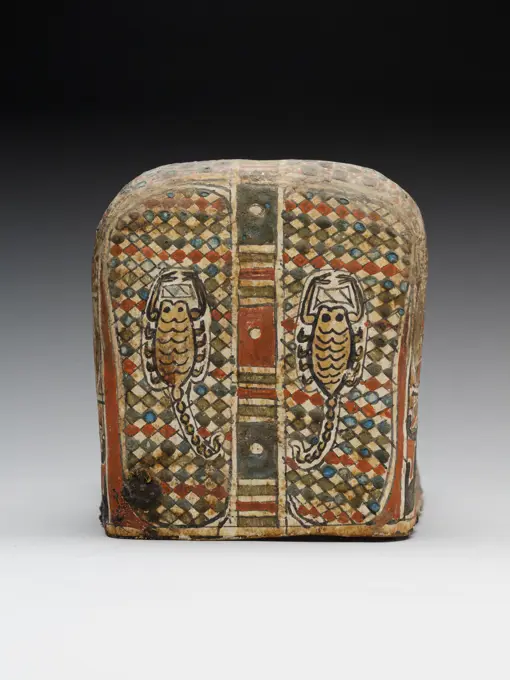
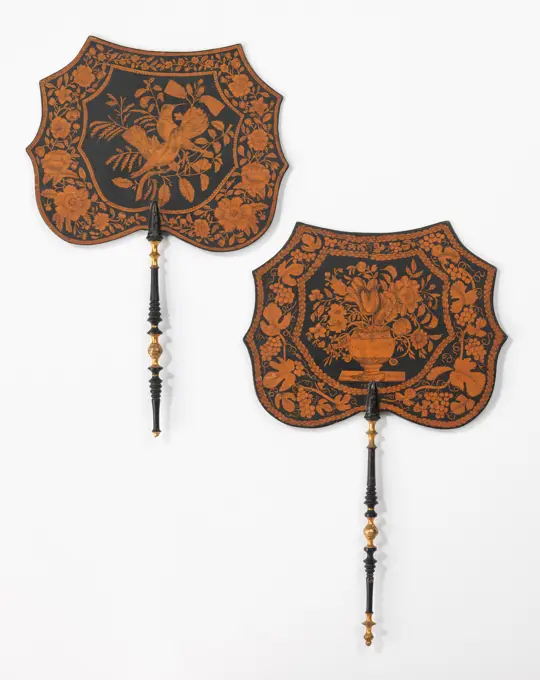
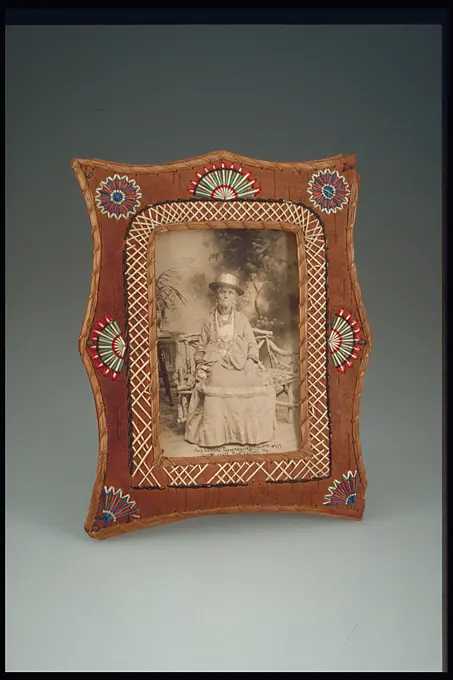
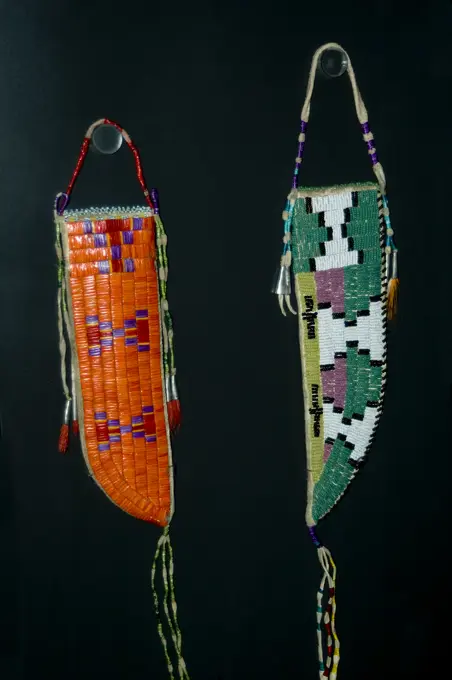
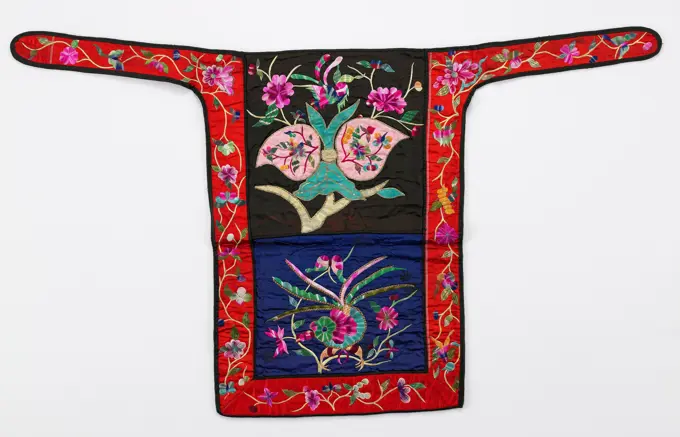
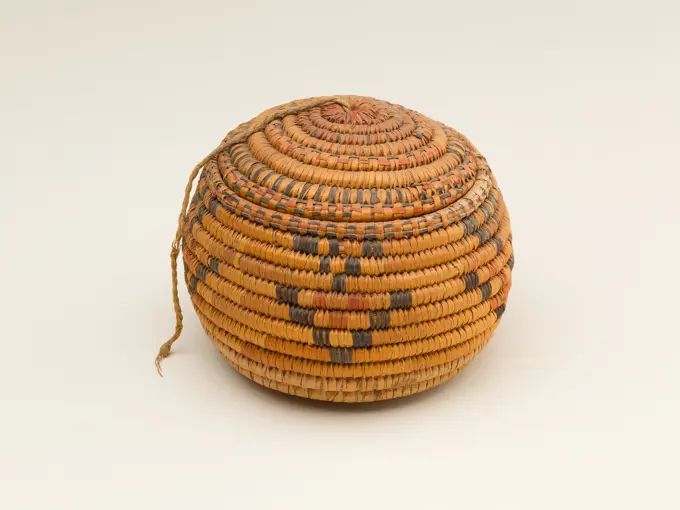
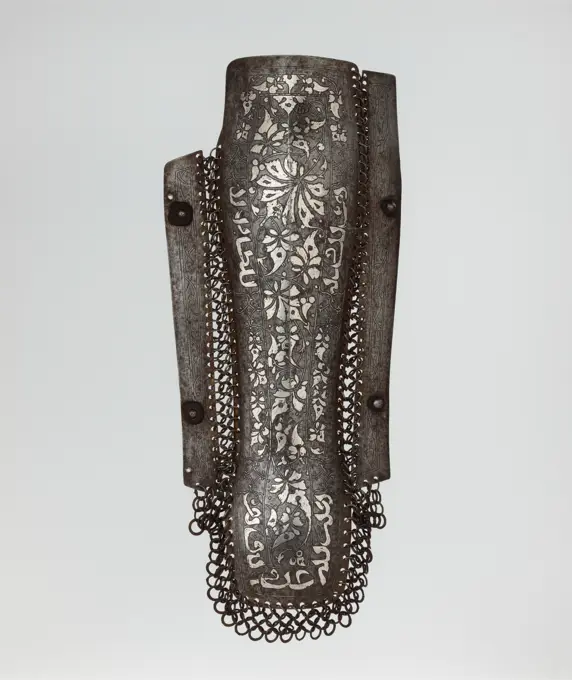
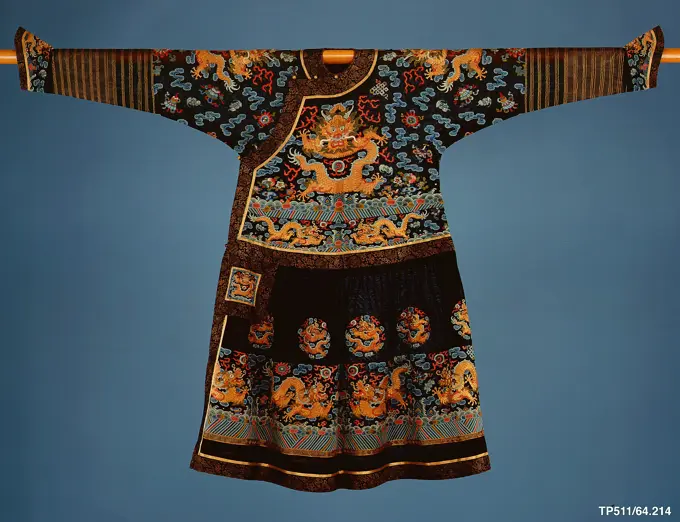
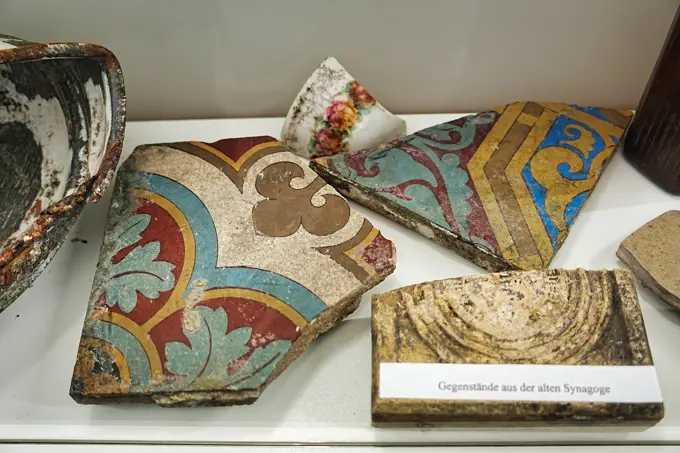
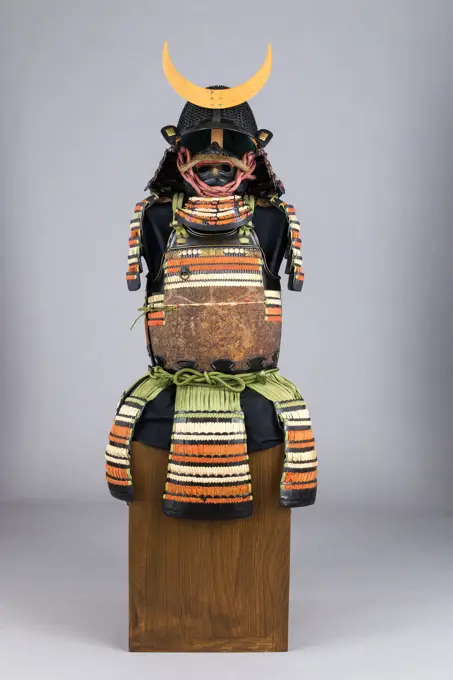
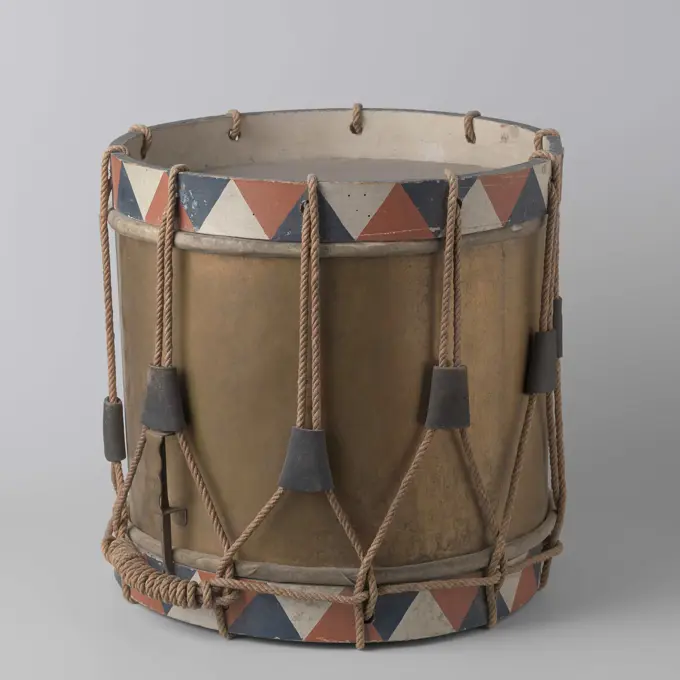
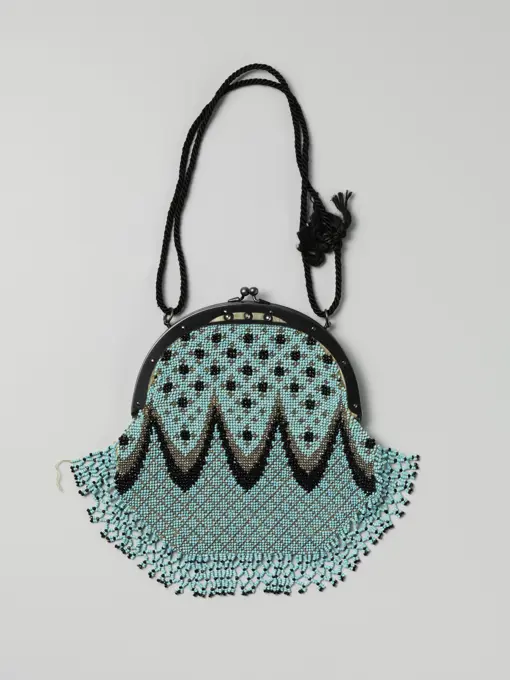
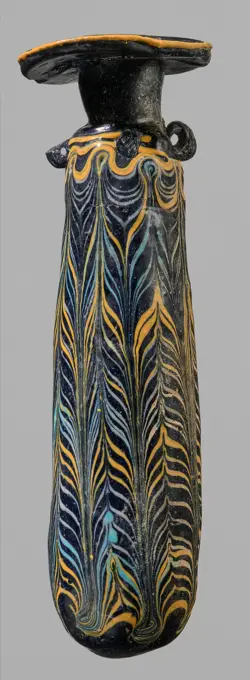
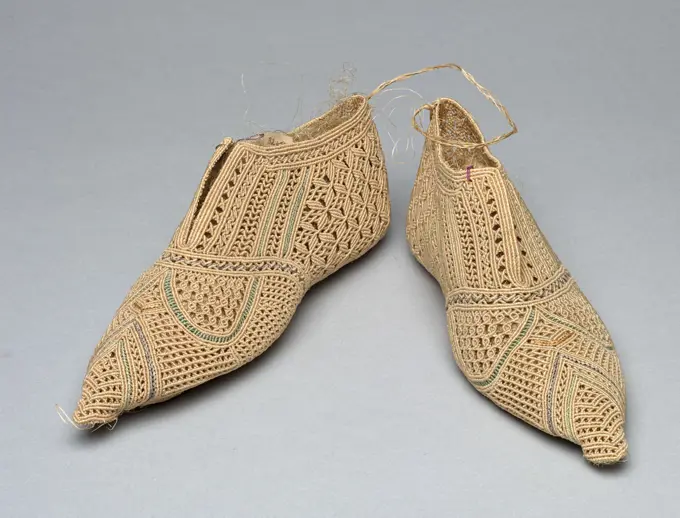
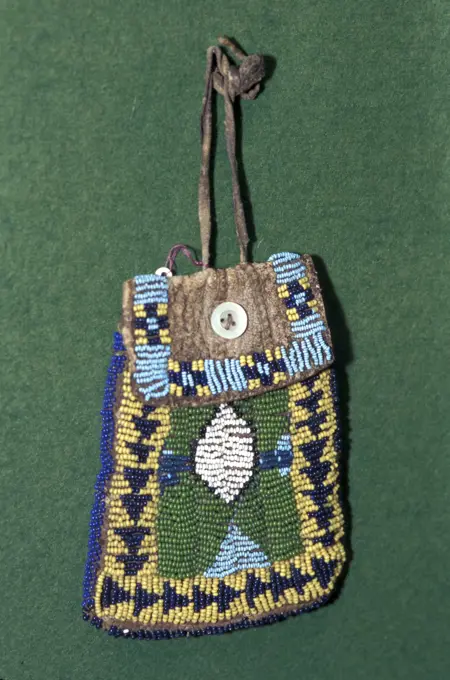
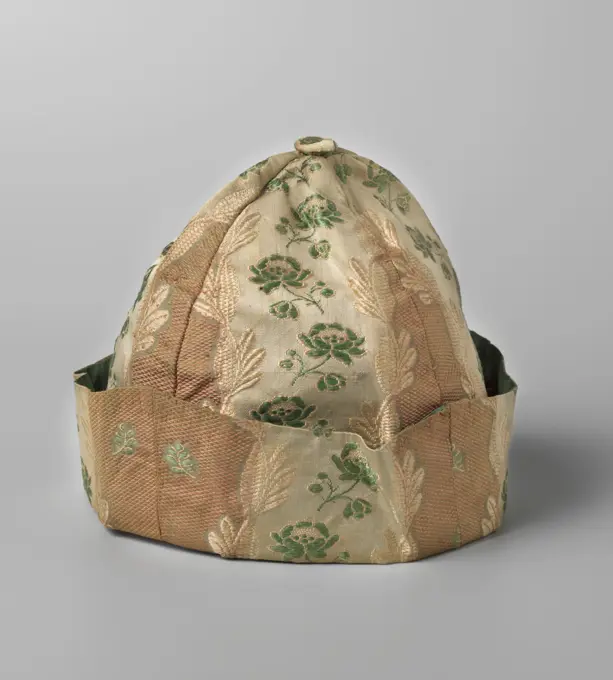
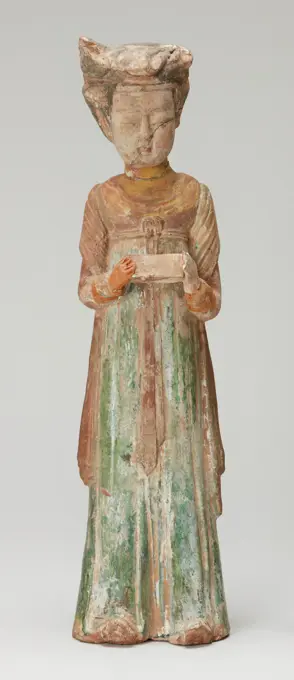
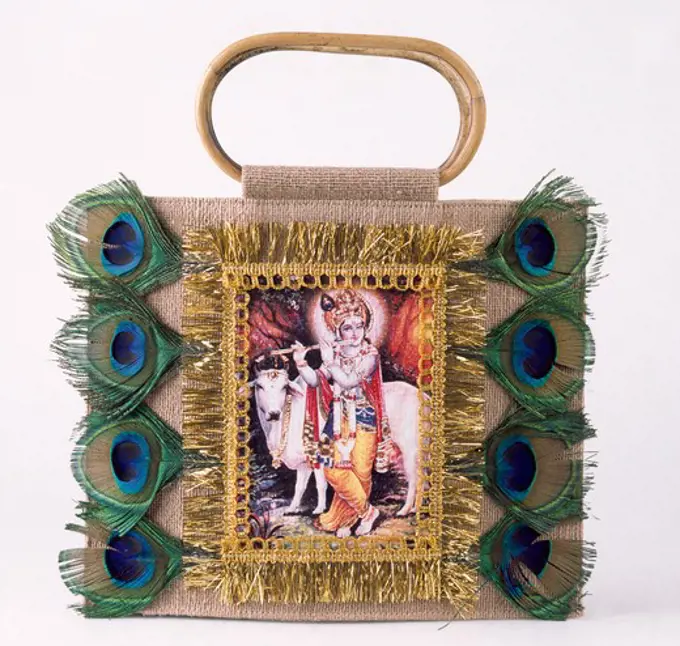
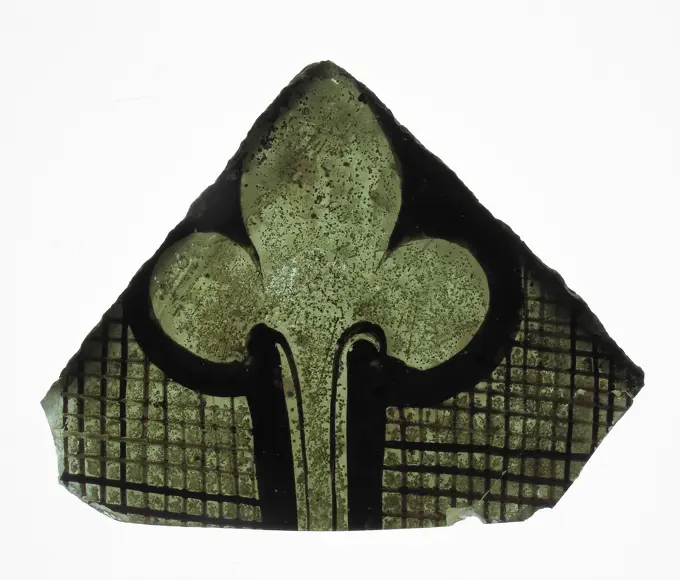
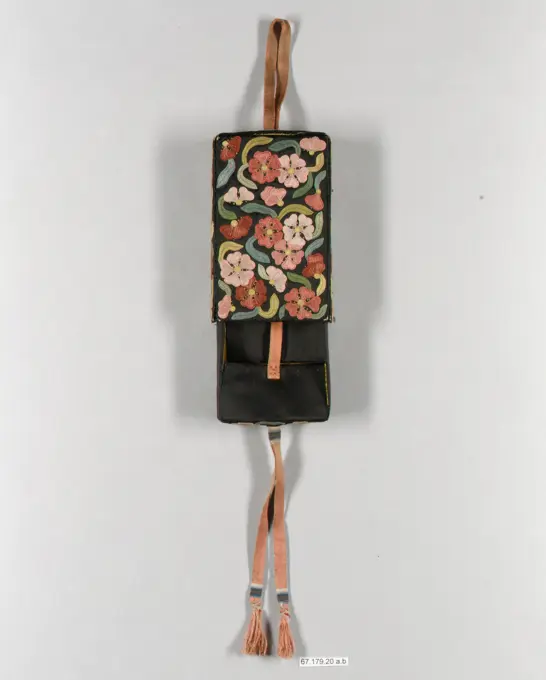
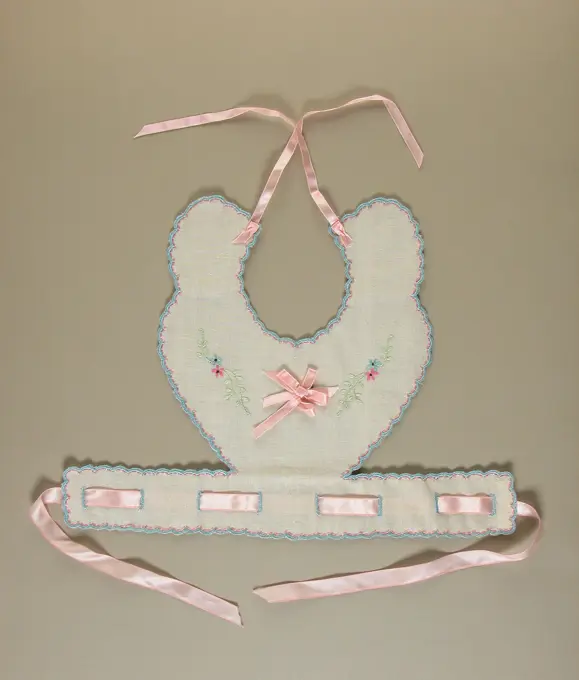
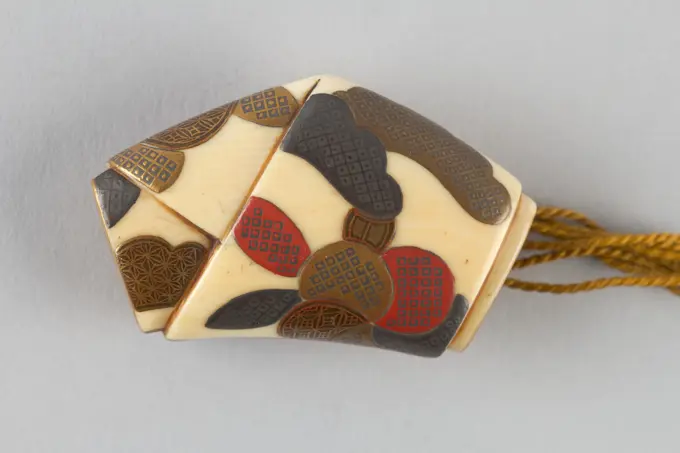
Netusuke in the Shape of a Knotted Letter, with Problems Written on and Tied to Branches 19th century Japan. Netusuke in the Shape of a Knotted Letter, with Problems Written on and Tied to Branches. Japan. 19th century. Ivory decorated with lacquer. Edo (1615-1868) or Meiji period (1868-1912). NetsukeMantle 1863 American or European. Mantle 82130Fashion, 20th century. Leather, gold and gilded metal cosmetic handbag, 1930s.Pair of Parfleches 1880-85 Brulé Sioux. Pair of Parfleches. Brulé Sioux. 1880-85. Rawhide, pigment, Native-tanned skin ties. United States, South Dakota. Hide-ContainersSleeves 17th century-18th century Spanish. Sleeves 102388Fragment of silk fabric  covering for maniple trimmings unknownSquare bag of black and white floral wine red.Sunbonnet 1866-67 American. Sunbonnet 169880Bootees. Culture: American. Date: 1870-80.Skillful execution of domestic needlework was an important measure of a lady's social standing and virtue in the Victorian period. Berlin work, in which brightly colored wool yarns were embroidered on a canvas ground in shaded, naturalistic designs, was the prevalent type of embroidery for about twenty years, beginning in the 1850s. This pair of crocheted baby boots employs colors and patterns which refer to that style. The boots are finely worked and exhibit the skill of the lady who made them. The buttons closure, somewhat complicated and elaborate for a baby shoe, makes reference to button boots, which were the most common contemporary style for both adults and children. Museum: Metropolitan Museum of Art, New York, USA.Purse 1836 American. Purse 108414G.K. Benda. EVENTAIL. "Comedy scene in the 18th century manner", 1913; Ciro's restaurant ". Printed paper. Paris, Carnavalet museum. 99102-26 Fashion accessory, EventailTassel band, 1930-1940 (), 7 1/2 x 114 in. (19.05 x 289.56 cm), Silk or rayon (), white metal, glass, Syria, 20th centuryStrapBasket lid -Textile Fragment, undetermined Chimú. Textile Fragment, undetermined, 1000-1532. Cotton, 11 1/4 × 4 1/4 in. (28.6 × 10.8 cm).   Arts of the Americas 1000-1532Fragments; silkBag or bag on which six white woolen brushes hang with red points., Anonymous, 1500 - 1999 On the bag on one side the stylized motif of a four -legged animal, on the other side a bird () In yellow, brown, red, blue and black. Southern peru ketting: cotton (textile). inslag: wool. tapestry / braiding On the bag on one side the stylized motif of a four -legged animal, on the other side a bird () In yellow, brown, red, blue and black. Southern peru ketting: cotton (textile). inslag: wool. tapestry / braidingNetsuke of Piece of Bamboo Containing a Rat (or Bat (). Culture: Japan. Dimensions: H. 1 3/4 in. (4.4 cm); W. 1 1/16 in. (2.7 cm); D. 1 3/16 in. (3 cm). Date: 19th century. Museum: Metropolitan Museum of Art, New York, USA.Textile Fragment. France, 18th century. Textiles; fragments. Silk satin with silk weft patterningFlywhisk, First Quarter of 20th century, 49 1/2 x 7 1/4 x 3 3/16 in. (125.7 x 18.4 x 8.1 cm), Horsehair, cloth, beads, shells, Cameroon, 20th centuryNational cockade, red-white-blue silk pleated on cardplate, heart with Liberté et Egalité and Fabrique du Citoyen, cocked hat accessory decoration sign silk ink cardboard, h 0,5 (wrecked): Liberté et EgalitéManiple. unknown, authorStrip batikte silk, gold pressure on purple, with a pattern of wild roses and butterflies. Signed jm tn., Theo Nieuwenhuis, Jan Mensing, c. 1910 Strip batikte silk (printed textile), gold pressure on purple, with a pattern of wild roses and butterflies. Signed JM TN (Jan Mensing), designed by Th.W. Nieuwenhuis. Netherlands silk printing Strip batikte silk (printed textile), gold pressure on purple, with a pattern of wild roses and butterflies. Signed JM TN (Jan Mensing), designed by Th.W. Nieuwenhuis. Netherlands silk printingBag (USA); glass beadsEnsemble 19th century. Ensemble 82693Bag India. Cotton, plain weave; embroidered with chain stitch, cross-stitch, herringbone stitch, and buttonhole stitch with applied mirrors . BanjaraMiser's Purse (USA); cottonBack Apron, 20th century, 23 1/2 x 25 1/4in. (59.7 x 64.1cm), Cotton, China, 20th centuryFront Apron, 20th century, 12 1/2 x 17 3/4 in. (31.8 x 45.1 cm), Cotton, China, 20th centuryDrawstring purse with ribbons, anonymous, c. 1800 - c. 1805 Bag or pouch made of ivory -colored satin with woven bubble pattern, square model, trimmed all around with a strip of bobbin. To the top a tunnel, through which two ivory -colored bow ribbons with roasted, serrated edge. Unsurbed. Netherlands geheel: silk. kant: silk. lint: silk bobbin lace Bag or pouch made of ivory -colored satin with woven bubble pattern, square model, trimmed all around with a strip of bobbin. To the top a tunnel, through which two ivory -colored bow ribbons with roasted, serrated edge. Unsurbed. Netherlands geheel: silk. kant: silk. lint: silk bobbin laceBidri Pandan with Chevrons, c. 1700. Southwestern India, Deccan, Karnataka, Bidar. Zinc alloy with silver overlay; diameter: 15 cm (5 7/8 in.). A pandan is a lidded vessel for serving paan, which has been enjoyed in India for more than two thousand years. Paan is betel or areca nut mixed with lime powder, aromatics such as clove cinnamon, or cardamom, and wrapped in betel leaf. The whole packet is chewed after a meal as a mild stimulant and mouth freshener.Letter bag in a flat, rectangular model, from ecrinkeurid side on which even winding lanes embroidered, within which a single flower branch is painted, anonymous, c. 1780 - c. 1820  Letter bag in a flat, rectangular model, from ecrinkeurid side on which even winding lanes of brown side and gold thread embroidered. At the points where the tracks touch each other a small circle with purple watercolor paint filled. A single flower branch is painted in every open area. A narrow piping of gold thread around the bag. The front and back have the same pattern, just like the inside. The bag is folded double, with an opening inside in the middle to two rectangular compartments. These courses are lined with pink taf side and each again divided into two courses, through a strip of this side. Netherlands (possibly)maker: West-Europa whole: Silk. Decoration: Silk. Decoration:. Decoration: Watercolor (Paint). Lining: Silk embroidering / paintingFloral plaque. Dimensions: H. 8.8 × W. 6.7 cm (3 7/16 × 2 5/8 in.). Date: 100 BC-100 AD.Glass plaques were employed in the Hellenistic and Roman Mediterranean world to decorate walls, screens, and furnishings. This particular fresh and exuberant floral type was popular chiefly in Egypt and was probably manufactured in Middle Egypt. Panels of this sort, which are thought to have originally been up to six inches tall and just under three inches wide, exhibit a characteristic set of vegetal motifs. While correlations to actual species are difficult to make, three nelumbo lotus flowers can be identified at the bottom of this plaque, and what appear to be two grape clusters are recognizable at either side of the fanlike group of leaves in the center. The plaque was made by fusing cross sections of mosaic canes, colored strips, and chips of bluish green glass, with an added backing of chips and waste glass for thickening. The front was then ground and polished to smoothness. The slight trTraditional indonesian mask on a white backgroundPair of garters. unknown, authorOpenweave Cap with Tassels 11th-14th century Peruvian. Openweave Cap with Tassels 316950Slippers 1830 French. Slippers 84542Tile/tile Fragment; glazed earthenwareMules first quarter 17th century British By the sixteenth century, embroidery had become a highly developed art form in England and on the Continent. The proliferation of printed materials, particularly books of embroidery designs, provided a wealth of motifs for both the amateur and professional embroiderer. The superb workmanship found in this early seventeenth-century mule suggests professional design and manufacture.. Mules. British. first quarter 17th century. linen, silk, metallic, leatherClose-up of embroidered blue wall-hangingWoman's neckpiece, c. 1950, 14 x 10 3/16 in. (35.56 x 25.88 cm) (flattened), Beads, cotton, leather, iron, cow bone, aluminum, copper, Sudan, 20th centuryCuff, late 1800s. Northeast Woodlands, Great Lakes Region, Anishinaabe (Ojibwe) or Nehiyawak (Cree) People. Velvet, satin, glass beads; overall: 12.1 x 29.8 cm (4 3/4 x 11 3/4 in.). In the 1800s, native peoples began to use European fabrics to fashion fine formal garments; they favored sturdy cloth, such as velvet and wool broadcloth, which provided support for heavy decorative beadwork that was added by hand. Often the fabric was a dark color, providing dramatic contrast for the multicolored beads. Rather than encrusting the entire garment, beadwork was confined to cuffs, “epaulettes,” bib-like plackets and yokes, rectangular panels sewn to leggings, shirts, and dresses, and the like.Przeszo Przyszo unknownHat, early 1900s. Africa, Democratic Republic of Congo, Kuba peoples, Early 20th century. Raffia and dye; pin: 21.6 cm (8 1/2 in.); width at bottom: 11.4 x 15.9 cm (4 1/2 x 6 1/4 in.).Purse probably 19th century Chinese. Purse 78998. Groom of the militia. The brass boiler is provided with a veal sheet on both sides, held by a hoop and tense by means of a tensioner with tractors and screws. Both hoops are decorated with a motif of triangles in the colors red, white and blue. With engraved numbers: 3448-462-1833.Sewing bag, Medium: linen foundation, silk embroidery and drawstring Technique: embroidered on plain weave, Linen sewing bag embroidered in the Arts and Crafts style. Bag has a front flap which creates an interior pocket. One inch below the top a green silk ribbon is threaded through a casing stitched with green thread. Embroidered in blue, green and dark rose in geometric shapes outlined in black., USA, ca. 1912, embroidery & stitching, Sewing bagFoot covering from a mummy, with scorpions on soles late 3rd century BC-1st century AD Ptolemaic Period-Roman Period This is the footcase cartonnage of a small mummy. Cartonnage cases made of several individual pieces are characteristic of the period post 3rd century B.C. Mummies in gallery 133 have sets of this sort.The footcase depicts the soles of two sandals with a scorpion crushed beneath each one. The imagery reflects the ancient Egyptians' desire to control the dangerous elements of their world, a concern that here is transferred to the world of the afterlife. On the mummy, the scene was intended to give power to the deceased over the inimical forces that he would encounter on his nightly journey through the netherworld to-ward rebirth each dawn.. Foot covering from a mummy, with scorpions on soles. late 3rd century BC-1st century AD. Wood, gesso, paint. Ptolemaic Period-Roman Period. From EgyptBaby belt -Fan 1837 Christiana Hummer. Fan. Christiana Hummer. American. 1837. wood, paintPurse, 20th century, 12 x 9 1/2 in. (30.48 x 24.13 cm), Cotton; embroidery, Laos, 20th centuryPanel 14th-15th century. Panel 445078Picture frame - Mary Selmore, PassamaquoddyHat Box. Dated: c. 1937. Dimensions: overall: 30.1 x 22.2 cm (11 7/8 x 8 3/4 in.) Original IAD Object: 4" high; 8" long; 5 1/2" wide. Medium: watercolor, gouache, and graphite on paperboard. Museum: National Gallery of Art, Washington DC. Author: Walter Praefke.Bliżej Kultury unknownFragment majolica plate, blue on white, chessplate decor, wave edge, plate crockery holder soil find ceramic earthenware glaze, hand turned baked glazed decorated baked Soul fragment on wide stand ring. Orange shard bottom gray green lead glaze top chessboard decor Around it circles and band with wavy lines Blue on white background. Eat-baked archeology Rotterdam serve serve serve to decorate indigenous pottery table Italy archaeological find in the soil Rotterdam 1917.A bowl with colorful decoration and a cane bow Zoshuntei SANHOPouch 1820-40 American. Pouch 168429The Mandan, Arikara and Hidatsa women would spend long winters creating beautiful crafts such as decorating these knife sheaths with beadwork and porcupine quillwork.Shirt of Mail and Plate 15th-16th century Iranian or Turkish Acording to a Venetian ambassador writing in about 1478, the Ak-Koyunlu (White Sheep Turkoman) wore armor of "iron in little squares and wrought with gold and silver tacked together with small mail." Armor of this type seems to have been used throughout eastern Anatolia, Persia, and the Caucasus. This example is inscribed with generalized phrases extolling the power and glory of the ruler ("Glory to our lord.. the sultan.. the king") similar to those found on the Ak-Koyunlu turban helmets also in the Museum's collection (04.3.209, .214, .432). Designed for use in battle, the armor is more elaborately decorated than most and was probably also used for ceremonial purposes.. Shirt of Mail and Plate 22011Apron, 24 1/2 x 43 1/2 in. (62.23 x 110.49 cm), Silk, ChinaSmall Round Lidded Basket ca. 1492-1473 B.C. New Kingdom This small, round basket is made of halfa grass coils with the design created using grass dyed black and red. The linen cord at the top is probably there to help remove the tightly fitting lid. The basket may have held jewelry originally, but contained only one blue faience bead when it was opened. The basket was found inside another basket (36.3.59) from Hatnefer's tomb (36.3.1).. Small Round Lidded Basket. ca. 1492-1473 B.C.. Halfa grass, palm leaf, linen cord. New Kingdom. From Egypt, Upper Egypt, Thebes, Sheikh Abd el-Qurna, Tomb of Hatnefer and Ramose (below TT 71), Inside 36..59a, b (Basket "O"), MMA excavations, 1935-36. Dynasty 18, earlyTrimming, Medium: silk Technique: woven, Woven heading with loops on either side. On one edge, heading is scalloped with multicolored loops extending below it., USA, 19th century, trimmings, TrimmingLeg Guard (Right) mid-15th century Turkish, possibly Bursa This leg defense belongs to a small group of armor whose decoration is characterized by large floral forms with broad leaves and petals that are pierced with holes and have a distinctly strong, solid appearance. These armors must have been produced in the same workshop, and it is likely that the Museums leg defense and a very similarly decorated helmet now in the Askeri Müzesi, Istanbul, may once have been part of the same armor. Leaves of the type seen here are found in Timurid painting, ceramics, and stone carving. However, there are also Ottoman parallels, chiefly from Bursa, where a group of Iranian and Iranian-trained Ottoman artisans worked for Murad II (r. 1421-51). Arthur Lane noted that the luxurious cuerda seca (dry cord) tilework they produced “marks the introduction of the Timurid-Persian style into Turkey.” A comparison of the leaf forms found on the Metropolitans armor with those distinctive of Bursa work suggesShirt 1844 American. Shirt 103774. Broadcasts are in large numbers in the late 17th and the 18th century from India entered in the Netherlands, sometimes ready-made, sometimes as 'sewing package'. Countless ads in the 'Amsterdamsche Courant', in which the arrival of the VOC ships is announced with their cargo, witnesses. A large laptic sits painted in pattern of a dressing gown, with the sleeves separate, is stored in a private collection in the Netherlands. Perhaps the room gown from the Rijksmuseum from such a 'sewing package' has been manufactured. However, it is also possible that a Palempore (bedspread) has fun. That entertainment was not unusual.Robe of State 19th century China. Robe of State 70381Cover in heart shape to Joh. Mathesius d. Ä. "Oeconomia", Veit Dietrich (Editor) Printed by Georg Baumann in Erfurt 1577 and "Betchüchlein ..." Printed by G. Baumann o. J. (front cover). Dark brown calf leather on cardboard, decorated with stamps, gold plated; 18.5 x 20.0 cm, Dresden, before 1585. Dresden: Slub K.A.575Remains of the old synagogue Gelsenkirchen Remains of the old synagogue GelsenkirchenNetsuke of Piece of Bamboo Containing a Rat (or Bat () 19th century Japan. Netsuke of Piece of Bamboo Containing a Rat (or Bat (). Japan. 19th century. Ivory. Edo (1615-1868) or Meiji period (1868-1912). NetsukeSlippers. Culture: French. Date: 1885.High quality products are often distinguished by the creativity of their design. With Paris as the capital of fashion in the 19th century, some of the best quality and most novel products came out of its myriad workshops. This pair of slippers features very finely worked embroidery. While embroidered floral motifs are fairly common on shoes, the French knot technique is unusual, being both labor-intensive and not reproducible by machine. The black heel provides a pleasant contrast, and exhibits the topstitched edges only seen on the best women's shoes. Museum: Metropolitan Museum of Art, New York, USA.Arqueta de Limoges, siglo XIII, 20 x 21 x 7,7 cm. Museu d'Història de Catalunya.Russian National Wicker Shoes Russian national handmade wicker shoes on an isolated studio background Copyright: xZoonar.com/AndreyxSkatx 9861167Mitaine of silk, blue white -striped silk, anonymous, c. 1800 - c. 1820 Children's mitaine from silk, alternating blue and whitewashed in width, trimmed with silver frain. Zaanstreek geheel: silk. afzetrand: silver thread Children's mitaine from silk, alternating blue and whitewashed in width, trimmed with silver frain. Zaanstreek geheel: silk. afzetrand: silver threadGlove of brown leather with an embroidery of silk and silver thread, c. 1600 - c. 1699 Right glove of brown wax leather, with scalloped silk hood. On the hood and back embroidered with flowers in metal wire, and lovers. Very perished. West-Europa whole: Leather. Hood: Silk. Embroidery: Silver thread embroidering Right glove of brown wax leather, with scalloped silk hood. On the hood and back embroidered with flowers in metal wire, and lovers. Very perished. West-Europa whole: Leather. Hood: Silk. Embroidery: Silver thread embroideringArmor (Gusoku) armor, 18th century; helmet, 16th century; restorations, 2015 Helmet crest and restorations by Hiromichi Miura The breastplate of this armor is overlaid with a tooled, gilded, and painted piece of leather likely imported from Holland, reflecting the growing interest in European culture and goods in Japan in the eighteenth century, and the creative ways in which this interest was manifested in armorers art. Decorative European leather, often originally intended as a wall covering, was used to embellish a range of equipment, including sword mountings and equestrian tacks.. Armor (Gusoku). Japanese. armor, 18th century; helmet, 16th century; restorations, 2015. Iron, copper, copper-gold alloy (shakud?), gold, lacquer, silk, linen, felt, leather, horsehair, doeskin. Armor for ManDrom, old model of the arches. Groom of the militia. The brass boiler is provided with a veal sheet on both sides, held by a hoop and tense by means of a tensioner with tractors and screws. Both hoops are decorated with a motif of triangles in the colors red, white and blue. With engraved numbers: 1837-17.Storage bag with a semicircular iron bracket, on which a bag with a pattern of light blue beads, silver -colored steel beads and black gitten, anonymous, c. 1875 - c. 1885 Storage bag with a semicircular black iron bracket and a cut closure. Four narrow openings at the front, making the green -gray lining visible. The bag is completely made of light blue beads, silver -colored steel beads and black gitten. At the front, the upper part of the pattern consists of black and silver stars against a blue foundation, halfway a black and silver -colored swing orbit forms a separation with the lower part, which consists of a silver -colored diamond motif with blue surfaces. At the back from the bracket an abstract and geometric motif in black and silver, reminiscent of Art Deco, against the same silver -colored diamond motif with blue surfaces. The beads are sewn from coarse linen against an ecrinke -like base. Along the edge a fringe of strung blue beads, with a black git at intersections. TheAlabastron;  IV-III century BC (-400-00-00--201-00-00);Bliżej Kultury unknownBag. Culture: American. Date: 1790-1810. Museum: Metropolitan Museum of Art, New York, USA.White silk sachet on the front embroidered with flower branches, lined all around with twisted white silk cord and gold thread, c. 1910 - c. 1920 White silk sachet on the front embroidered with flower branches including a large red and pink flower and a number of small white. Feeded all around with twisted white silk cord and gold thread. In the inside in diamond pattern. Glove Sachet. Netherlands (possibly) whole: velvet (fabric weave). decoration:. Lining: Silk. cord:. cord: embroidering White silk sachet on the front embroidered with flower branches including a large red and pink flower and a number of small white. Feeded all around with twisted white silk cord and gold thread. In the inside in diamond pattern. Glove Sachet. Netherlands (possibly) whole: velvet (fabric weave). decoration:. Lining: Silk. cord:. cord: embroideringBirthplace with cotton rug with purple flowers, anonymous, 1700 - 1800 Bankermat with cotton rug with purple flowers.  cotton (textile). Bankermat with cotton rug with purple flowers.  cotton (textile).Woman quilter with state quilt which she made, New Mexico October 1940. Mitts 18th century European. Mitts 119659Shoes, Before 1932. Philippines. Macrame; overall: 8.6 x 22.9 x 7 cm (3 3/8 x 9 x 2 3/4 in.).Beaded ration card holder used during the coming of the reservation yearsHat of striped pink silk brooched with green roses, consisting of four pattes, each with a set edge that has been beaten, in the middle of the sphere a nod, anonymous, c. 1700 - c. 1770 Hat, maternity hats or groom's hat, made of striped pink silk with green roses. Model: Four Pattes with a set edge that has been hit back. In the middle of the sphere, a tie covered with fabric. The edge is lined with bottle -green silk. On the transition from the lining to the edge a 1.5 cm wide tunnel through which a purple ribbon has been pulled. In the middle behind two founded holes so that the ribbon can be tied on the outside. The tunnel and the upper part of the edge are reinforced. Netherlands whole: Silk. Lining: Silk. Lint: Silk. Button: Wood (plant material). Knoop: Silk cutting Hat, maternity hats or groom's hat, made of striped pink silk with green roses. Model: Four Pattes with a set edge that has been hit back. In the middle of the sphere, a tie covered with fabric. The edge is lined witPurse. Dated: c. 1937. Dimensions: overall: 28.9 x 22.5 cm (11 3/8 x 8 7/8 in.). Medium: watercolor, gouache, and graphite on paperboard. Museum: National Gallery of Art, Washington DC. Author: American 20th Century.Fringe (Greece); silk, metallic thread (gold strips wound on a silk core)Tomb Statuette, c. 700, 7 1/4 x 2 x 1 3/4in. (18.4 x 5.1 x 4.4cm), Polychromed pottery, China, 7th-8th centuryBag (one Side) (China); silk and metal thread embroidery, cotton foundationClose-up of hand-bag decorated with peacock feathers and picture of Indian figure with horseGlass Fragment ca.1290 British. Glass Fragment. British. ca.1290. Colorless glass. Glass-StainedEmbroidered Case 19th century China. Embroidered Case 70471Cape. Culture: French. Date: 1897. Museum: Metropolitan Museum of Art, New York, USA.Dalmatics of black brocatel side with woven flower patterns and embroidery, c. 1800 - c. 1900 Dalmatics from Brocatel with embroidery. The circumference and columns are trimmed with a scalloped silver galon. The columns at the front and back have embroidery in silver thread. The pattern has interspersed thorns with laurel wreaths and leaf work. The dalmatics is fed with black twilly.  brocatelle. silk. silver thread embroidering Dalmatics from Brocatel with embroidery. The circumference and columns are trimmed with a scalloped silver galon. The columns at the front and back have embroidery in silver thread. The pattern has interspersed thorns with laurel wreaths and leaf work. The dalmatics is fed with black twilly.  brocatelle. silk. silver thread embroideringVest;  2. PO. 18th century (1751-00-00-1800-00-00);Taraszkiewicz, Janusz (Fl. Ca 1933) - collection, geometric ornaments, flower ornaments, purchase (provenance)Gaming purse, Medium: silk, metal Technique: embroidered on satin and supplementary warp pile (velvet), Green velvet bag lined with leather, with green draw string and metal tassels. Embroidered on the sides with a raised columnar design in silver. The bottom is embroidered with the coat of arms of the City of Paris in coral-colored silk and metal threads., France, 17th century, costume & accessories, Gaming purseBib -