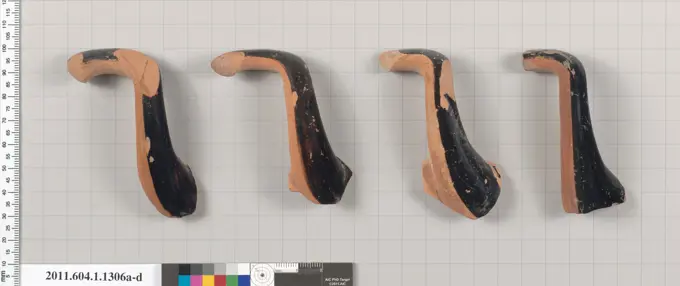
Historical Textile Fragments

A collection of antique textile pieces from different eras, showcasing intricate patterns and materials, likely used in clothing.
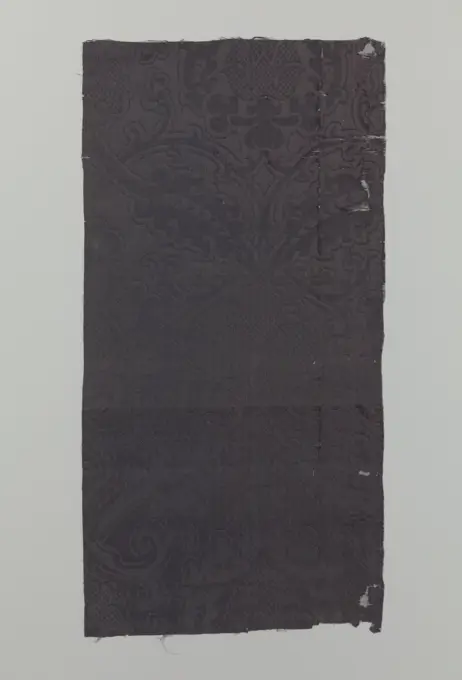
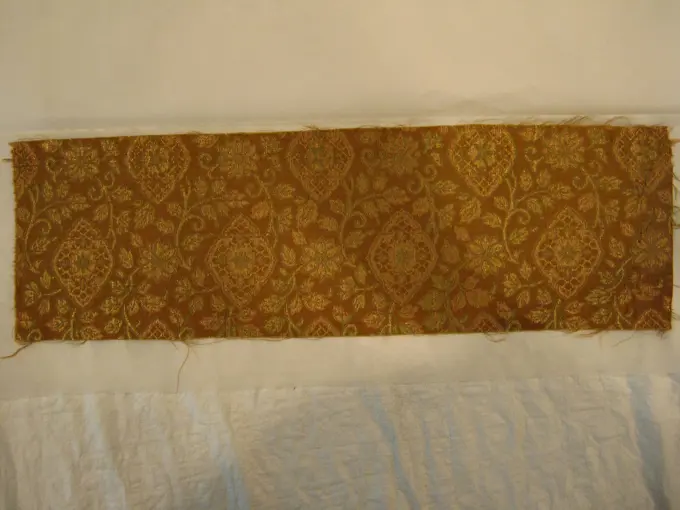
Fragment zijdedamast, anonymous, c. 1450 - c. 1499 Fragment dark gray -blue silk with pattern of large lancet -shaped leaves on stems, which form ogival fields, in which stylized loofed grenades. Italy (possibly) silk damask Fragment dark gray -blue silk with pattern of large lancet -shaped leaves on stems, which form ogival fields, in which stylized loofed grenades. Italy (possibly) silk damask
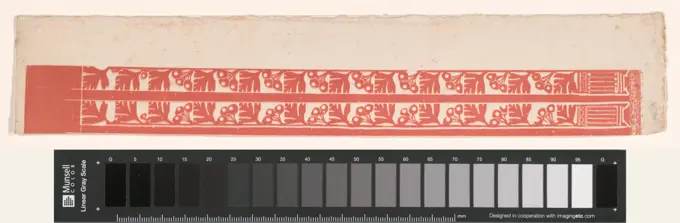
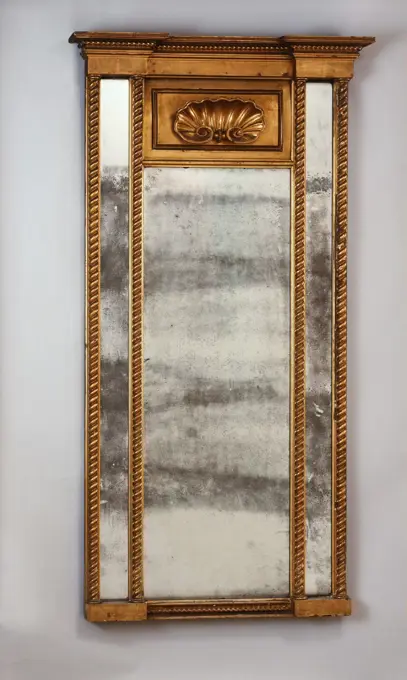
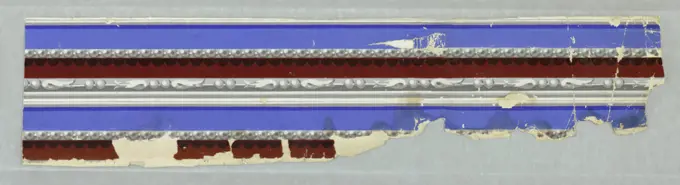
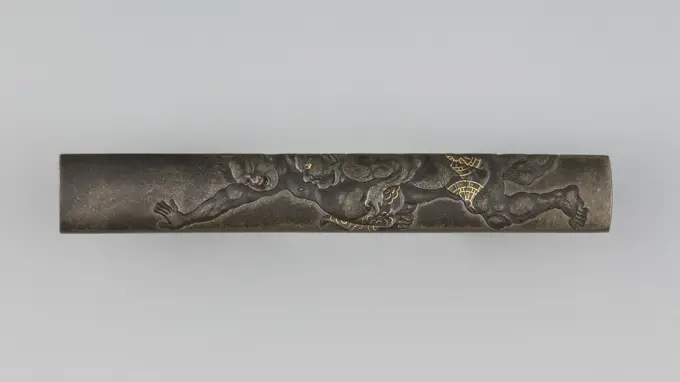
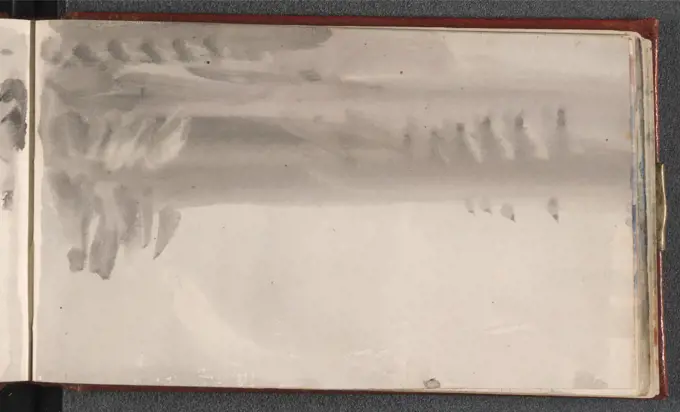
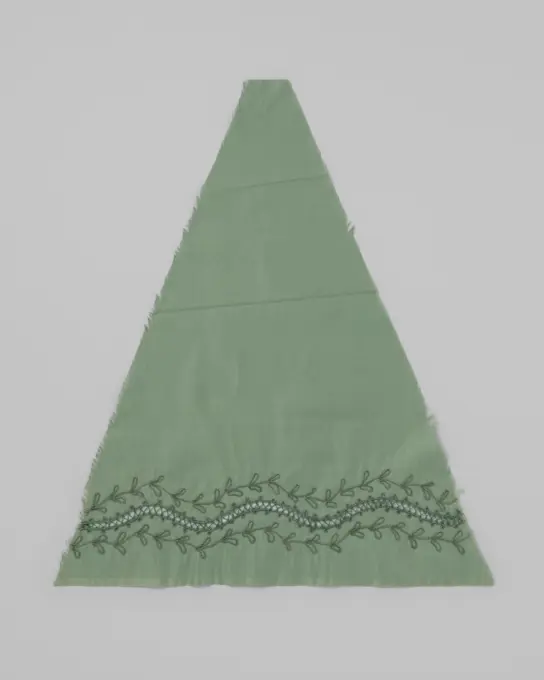
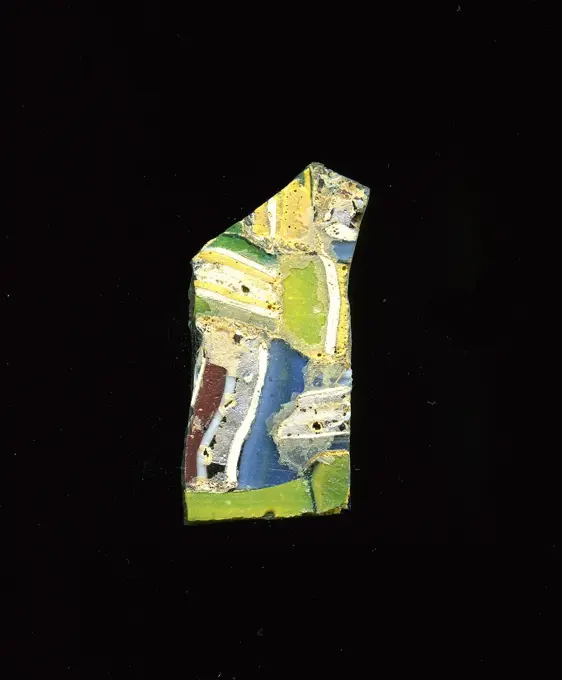
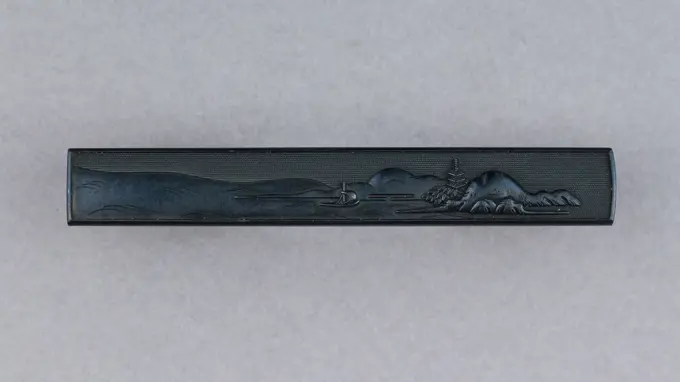
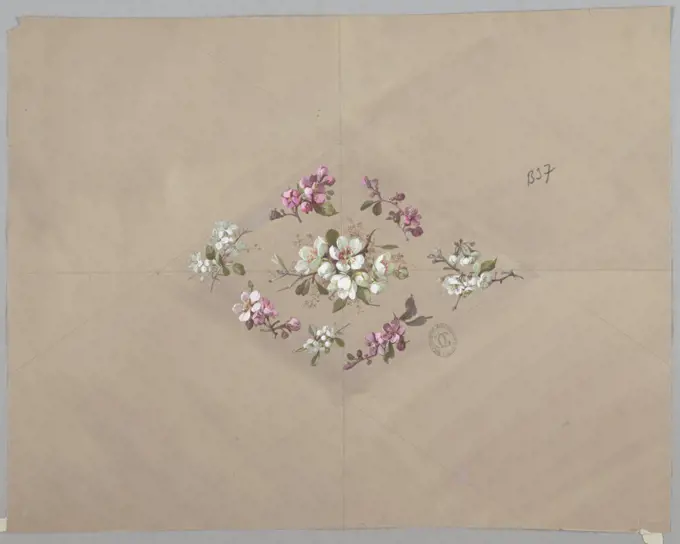
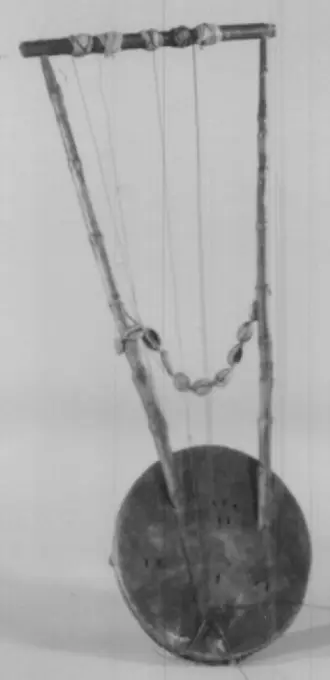
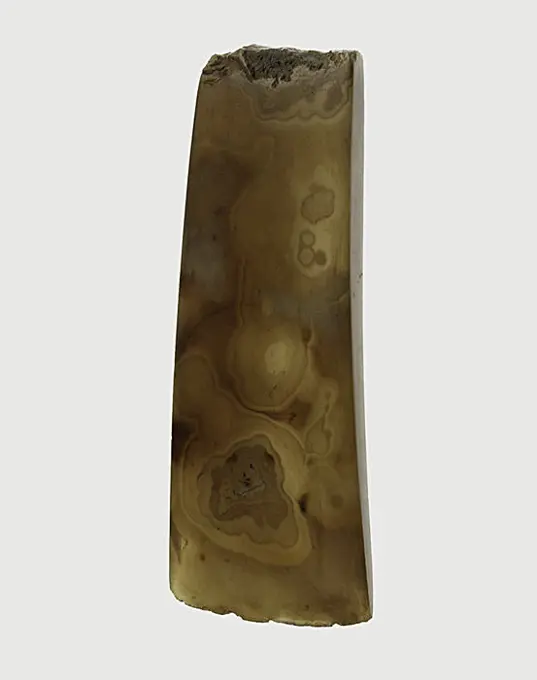
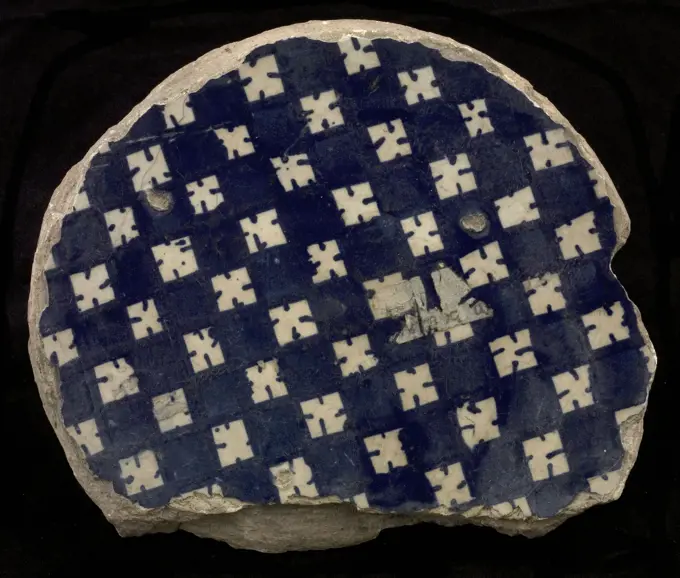
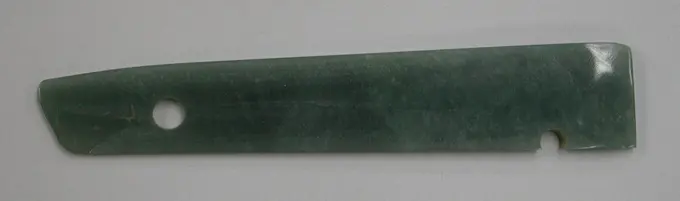
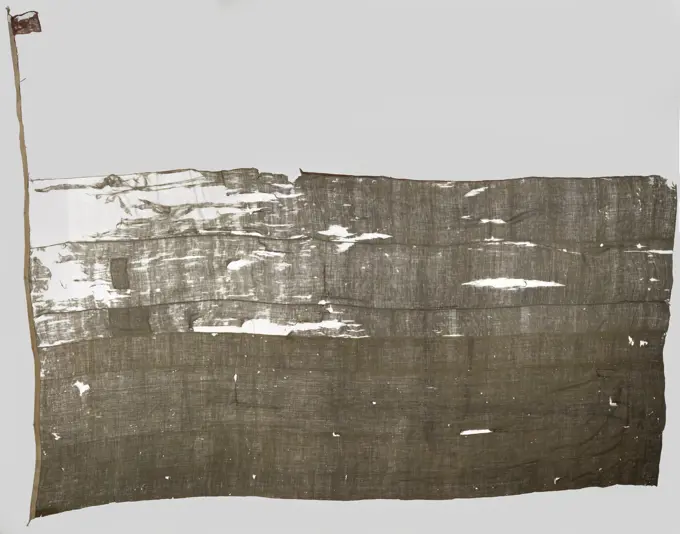
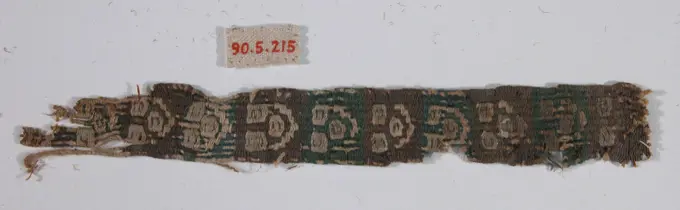
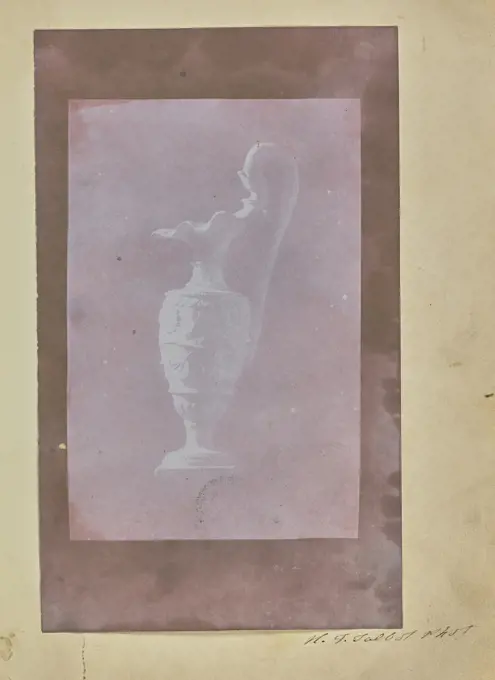
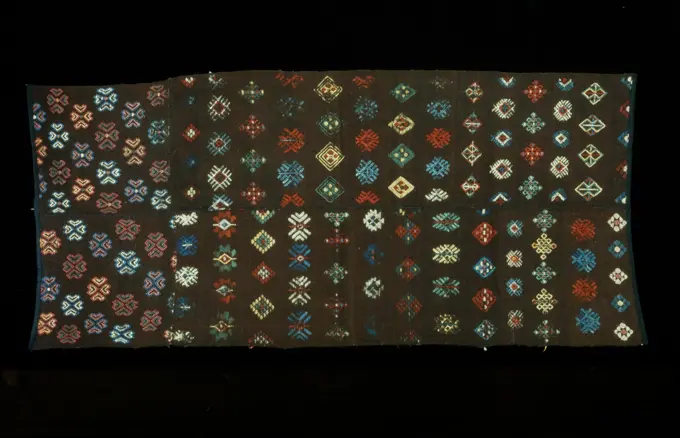
blur  in   dubai   accessory colorfull scarf and headscarf old market  Ornament with plants, Bernard Willem Wierink, c. 1910 print   paper  ornaments ~ art. fable of Reynard the FoxLookingGlass. Maker, possibly by: Stillman Lothrop, American, died 1853Border, Block-printed and flocked, Simulated architectural molding, with bead and bead-and-leaf moldings. Printed in white, grey and blue with red flock., France, ca. 1850, Wallcoverings, BorderKnife Handle (Kozuka) late 18th century Hamano Naoyuki Japanese A kozuka is a handle of a by-knife that is part of a sword mounting. It is kept in a slot on the reverse of a katana scabbard, often with a matching kgai (hairdressing tool).. Knife Handle (Kozuka). Japanese. late 18th century. Copper-silver alloy (shibuichi), gold. Sword Furniture-KozukaSpanning fabric with backdrop of branches, leaves, flowers and fruits, anonymous, c. 1750 - c. 1790 A lane multicolored painted cream spancing material from silk. See Description A. China silk printing / painting A lane multicolored painted cream spancing material from silk. See Description A. China silk printing / paintingTextile (France); silk, metallic threadFragment (France); silk; Warp x Weft: 19 x 8 cm (7 1/2 x 3 1/8 in.)Front wrapper. Photographs, Photograms, Book covers. 1847-11 - 1848-06. Spencer Collection. Plants in artFragment of the lace;  18th century (1701-00-00-1800-00-00);Shoulder wrap blanket (Phaa tuum), mid 20th century, 84 1/2 x 34 1/2 in. (214.63 x 87.63 cm), Cotton, silk; supplementary weft patterning, Laos, 20th century, The phaa tuum is a light weight blanket that can be wrapped around the shoulders at night to provide extra warmth, but is also used as a travelling blanket or as a baby blanket.Two lengths British 19th century View more. Two lengths. British. 19th century. Linen. Textiles-Methods and Materialsopen old book isolated on white background.Wide collar of mixed side with five points. Collar of natural mixed side - climbing side in combination with needle lace - Brussels Duchesse. Five-pointed wide form with straight outsides and circular inner edge. The inner part (needle side) has loose branches, including with a daisy on a mesh network. The outer part (dump edge) has a braid soil filled with a three-leaf, daisies and small rosette flowers.Trimming, Medium: silk Technique: cut, uncut and voided velvet, Design in red velvet of leaves alternately placed on a curving stem with berries., Italy, 18th century, trimmings, Trimming, Trimming, Medium: silk Technique: cut, uncut and voided velvet, Design in red velvet of leaves alternately placed on a curving stem with berries., Italy, 18th century, trimmings, TrimmingFragments, Medium: silk Technique: supplementary warp pile in a 4&1 satin foundation (velvet), Green velvet of the ferronerie type with a voided design of ogival shapes., Spain, 15th century, woven textiles, FragmentsLying display case with Islamic art; Halls crafts.Handle-shaped Object China. Handle-shaped Object 44307Fragment of a Ship Flag. Fragment from the underside of the slot side of a blue ship flag. In the upper neck a white rectangle with red cross. This is a blue ship flag of the period 1630-1707.The Channel Sketchbook, Joseph Mallord William Turner, 1775-1851, British, ca. 1845, Watercolor on medium, slightly textured, white wove paper, Sheet: 3 3/4 x 6 1/4 inches (9.5 x 15.9 cm) and Binding: 4in. (10.2cm), channel (water body component), marine art, sea, ships, England, English Channel, Europe, La Manche, United KingdomA Connecticut-type Hadley Chest. Dated: c. 1936. Dimensions: overall: 27.8 x 35.5 cm (10 15/16 x 14 in.) Original IAD Object: 45 1/2"long; 19 1/4"wide; 39 1/2"high. Medium: watercolor, colored pencil, graphite and some heightening on paper. Museum: National Gallery of Art, Washington DC. Author: Martin Partyka.Rectangular purple border tile, surrounded decor, surrounded column, with dark purple parallel lines as edge decoration, yellow pottery, edge tile wall tile tile sculpture ceramic earthenware glaze, baked 2x glazed paintedFlag, anonymous, c. 1750 - c. 1830 flag Orange flag with red sign, presumably the double sword of Ali. The pants are folded back to form a sleeve for the stick. Indonesian Archipelago cotton (textile)  flag, colours (as symbol of the state, etc.) Dutch East Indies, TheSaberbrebbia abstract   rusty brass brown knocker in a  door curch  closed wood italy  lombardy Aquamarine originating in the solid mass of AltaiTextile (France); medium:cottonSector of a parasold deck of light green cotton, with two embroidered wavy leaf vines between which a wavy openwork strip, c. 1885 - c. 1900 Sector of a parasold deck of light green cotton, with two embroidered wavy leaf vines between which a wavy openwork strip. Nijmegenfrance parasoldek: cotton (textile). draad: cotton (textile) embroidering Sector of a parasold deck of light green cotton, with two embroidered wavy leaf vines between which a wavy openwork strip. Nijmegenfrance parasoldek: cotton (textile). draad: cotton (textile) embroideringTextile Swatches Textile Swatches, 1950s to 1960s. Silk, a: 24 1/2 x 23 1/2 in. (62.2 x 59.7 cm).    1950s to 1960sSector of a parasold deck of light green cotton, with two embroidered wavy leaf vines between which a wavy openwork strip, c. 1885 - c. 1900 Sector of a parasold deck of light green cotton, with two embroidered wavy leaf vines between which a wavy openwork strip. Nijmegenfrance parasoldek: cotton (textile). draad: cotton (textile) embroidering Sector of a parasold deck of light green cotton, with two embroidered wavy leaf vines between which a wavy openwork strip. Nijmegenfrance parasoldek: cotton (textile). draad: cotton (textile) embroideringDaguerreotype portrait of an older obese lady with an elaborate curly hairstyle, created around 1850.Ribbon 'The States General', Anonymous, 2000 ribbon (material) Two ribbons with three horizontal tracks red, white and blue, laid on 4 May 2000 at the National Monument on Dam Square. On the upper ribbon in the white track a inscription in gold, lower ribbon blank. Ends slipped diagonally. Tied together with iron wire on one side, this is bent for confirmation to wreath.  textile materials. letters: gold leaf printing  AmsterdamVintage looking Yellow fabric sample Vintage looking Yellow fabric swatch over white background Copyright: xZoonar.com/ClaudioxDiviziax 9687572Sash; silk and metal-wrapped silk on cottonMosaic glass fragment. The small glass fragment is made of slightly curved colored stripes (green, yellow, blue, white, gray, reddish brown), which are offset vertical and horizontally. In Roman times you used colored, ornamented glass for vessels, mosaics, wall decorations and furniture ornaments. For The preparation was formed differently colored glasses to tubes and rods. These were compressed and heated, causing a long bar. The glass sliced now had a wide variety of amorphous or floral patterns.Fringe (USA); silkField of four edge tiles, Anonymous, c. 1660 - c. 1700 Field of 4 edge tiles (1 x 4) each with a blue painted animal. Netherlands earthenware. tin glaze majolica Field of 4 edge tiles (1 x 4) each with a blue painted animal. Netherlands earthenware. tin glaze majolicaTextile Swatches Onondaga Silk Company, Inc. (1925-1981). , 1948-1959. Silk, 13 1/4 x 8 in. (33.7 x 20.3 cm).    1948-1959Band with a triangle motif, 1876 - 1924 drawing   paper  ornaments ~ artEmpty list, 1880 - 1900 frame   wood (plant material). glass. cardboard. textile materialsKuei Tablet, 12th-13th century, 5 3/16 x 2 3/8in. (13.2 x 6cm), White nephrite, China, 12th-13th centuryStrip needle side with six-flowered ovals. Strip natural-colored coniferous lace: Alençon side. Repetitive motif of branches and some spreader flowers on a fine hexagonal maas soil. Oval-shaped and round leaves hang on the winding branches, which steal from ovals along the bottom edge. These ovals are filled with various ornamental grounds. Central to the strip, between the longer branches, there is always an oval that is formed by a clustering of six simple flowers, without leaves. Scalloped underside.Toilet rug. Toilet rig of Zaans stitching with crowned mirror monogram DLWG, the motto 'Ausi Vertueuse Que Noble', a braid work pattern and edges with volutes and flowers.Envelope with lipstick print and japanese pen, isolated on whiteKnife Handle (Kozuka) 18th century Japanese A kozuka is a handle of a by-knife that is part of a sword mounting. It is kept in a slot on the reverse of a katana scabbard, often with a matching kōgai (hairdressing tool).. Knife Handle (Kozuka) 35034Design for Wallpaper and Textiles: Flowers, Brush and gouache, graphite on cream paper, Horizontally-oriented diamond shape made up of flowers. Alternating pink and white flowers outline the diamond, white flowers at the center. Guidelines in graphite are visible with the diamond bisected horizontally and vertically., France, 19th century, wallpaper designs, Drawing, DrawingSharf of ross -baking earthenware, with blue glaze at the top, on which a window and stylized bleom shapes are painted in brown, and a yellow stripe, anonymous, 1600 - 1650  Northern Netherlands earthenware. glaze majolica  Northern Netherlands earthenware. glaze majolicaKissar African 19th centuryOld photo album isolated on white. Fragment of the lace;  18th century (1701-00-00-1900-00-00);Cope Made 1450-1500 Spain. Silk cut velvet embroidered with couched gilt-metal-strip-wrapped silk; later additions orphrey band .Ornament 12th century. Ornament 451004clean packing aluminium. net design of packaging made of aluminium. For foodOrnate Wooden Carvings Ornate carvings in wooden door with copy space Copyright: xZoonar.com/TimxHesterx 13237009Collar ca. 1850 Irish. Collar 212545Ceremonial Ax ca. 500 B.C.-A.D. 300 Indonesia Ax heads made of both stone and bronze are common to the early cultures of South China, Thailand, Vietnam, and Indonesia. Examples dating from the Neolithic period and the early Bronze Age, with rounded heads and simple sockets, are often found in burials, illustrating their value as tools, weapons, and items of prestige. Bronze examples produced during the later part of the Bronze and Iron Age are often in fanciful shapes such as a boat or foot, or have flamboyant curving blades. This highly polished, elegant agate example was most likely a symbol of prestige and may have been used in a burial or given as a gift to mark a political alliance or intermarriage.. Ceremonial Ax 38632Fragment majolica plate, blue on white, chessplate decor, plate crockery holder soil find ceramic earthenware glaze, baked underside covered with lead glaze. Italian Dutch decor Monochrome Some red veins in the shard archeology decorate food ItalyWooden nameplate or sign board screwed on wall background. Front view of name plateNeckerchief 18th century American. Neckerchief 118914Old damaged grunge sign isolated on whiteShowcase with various objects; Exhibition lace and smaller.Reworked Olmec celt 2nd century B.C.-A.D. 5th century Costa Rica. Reworked Olmec celt 317378Fragment of a Ship Flag, anonymous, c. 1600 - 1700 ship flag Fragment of a tricolor with horizontal tracks, in the colors yellow-white-red; The yellow job is almost entirely missing. This is a 16th-century ship's flag from Middelburg. Netherlands wool  flag, colours (as symbol of the state, etc.) MiddelburgFragment Made 1775-1800 Japan .A boat. An individual object from a Diorama of Gerrit Schouten, representing a boat.Ancient crumpled paper scroll quill on wooden boardOld truck detail in Sprague, Washington StateAnonymous. Album of the 1900 Universal Exhibition. Connected album. 1900. Museum of Fine Arts of the City of Paris, Petit Palais. Year 1900, Belle Epoque, universal exhibition 1900Ornament with plants, Bernard Willem Wierink, c. 1910 print   paper  ornaments ~ art. fable of Reynard the FoxNapkin with fish and shellfish, anonymous, c. 1600 - c. 1649 Linnamast napkin with fish and shellfish. Midfield: Various fish. Standing edges: fishing and fishing. Lying edges: sea gods. Hoek: Krab. Haarlem linen (material) damask Linnamast napkin with fish and shellfish. Midfield: Various fish. Standing edges: fishing and fishing. Lying edges: sea gods. Hoek: Krab. Haarlem linen (material) damaskAxe Scepter, 1766-1122 BCE, 12 1/8 x 5 1/8 x 1/4 in. (30.8 x 13.02 x 0.56 cm), Grey-black jade with white veins, China, 18th-12th century BCETextile Fragment 5th-6th century. Textile Fragment 443701Terracotta fragments of kylikes (drinking cups) 5th century B.C. Greek, Attic Right halves of four kylix handles with crosspiece. Terracotta fragments of kylikes (drinking cups) 676713Textile Swatch , 1950s to 1960s. Silk, 14 x 9 in. (35.6 x 22.9 cm).    1950s to 1960sFrench Rayon Textile, 20th century. France, 20th century. Rayon, cotton, linen; overall: 48.3 cm (19 in.).Fragment of a large plate; Egyptian workshop; VI-VII century (501-00-00-700-00-00);Textile Sample from Sample Book 19th century Japan. Textile Sample from Sample Book 68114old thick book. Isolated on white backgroundView of Japan View of Japan, late 19th-early 20th century. Albumen silver photograph mounted on cardboard, with mounting: 4 1/4 x 6 7/16 in. (10.8 x 16.3 cm).   Asian Art late 19th-early 20th centuryPaper pieces with space for your messageBand Fragment with Masks, Lotus Flowers, and Birds 400-700 Coptic Lotus blossoms, a decorative element frequently encountered on textiles found in Egypt, are combined with stylized heads reminiscent of theater masks-a motif known in Greco-Roman and Sasanian art. The polychrome examples seen here also incorporate flying birds. Each band is finished with a running wave border. Art of the early Byzantine period often marries busts or heads, sometimes personifying the seasons or the earth, with images of abundance, such as fruits, flowers, or animals. These images were intended to protect the wearer and to attract good fortune and prosperity.. Band Fragment with Masks, Lotus Flowers, and Birds 475271Border fragment of beaker decorated with blue mouth rim and white glass threads, beaker drinking glass drinking utensils tableware holder fragment soil find glass, free blown rim fragment of conical beaker Decorated with diagonal white glass threads along the side wall and with blue glass thread over the mouth rim Colorless and clear glass oily discolored by iridescence archeology Valckensteyn Poortugaal Albrandswaard drink wine serve beer serve serve Soil discovery: castle Valckensteyn in Poortugaal now Albrandswaard 1961-1962.Fragment of a Bowl 8th-13th century. Fragment of a Bowl. 8th-13th century. Earthenware; splashed polychrome glazes, incised. Made in Iraq. Excavated in Iran, Nishapur. CeramicsSample early 19th century French. Sample 224707Fragment of a Tiraz, 934 - 940. Egypt, Ikhshidid period, Caliphate of al-Radi, AH 323-328 (A.D. 934-940). Silk embroidery on linen tabby ground; overall: 12.7 x 31.5 cm (5 x 12 3/8 in.).Textile Swatch Textile Swatch, 1950s to 1960s. Silk, 20 3/4 x 7 1/2 in. (52.7 x 19.1 cm).    1950s to 1960sNAIPE DECORADO CON CUATRO CIRCULOS ROJOS Y UNA CRUZ EN EL CENTRO - CUERO Y PIGMENTO - SIGLO XVIII - PROCEDENTE DE CHILE - ESTILO MAPUCHE - 10,7x7,7 CM. Location: MUSEO DE AMERICA-COLECCION. MADRID. SPANIEN.DECKENGENWOBE - VAULT DECKENGENOBER - VAULT COPYTRIGHT: XZOGHARY./MURXXX/ZOONARX 844458Glove of gray -blue knitted silk and wool, c. 1800 - c. 1850 Right glove of coarse light gray knitted silk and wool. Ran inside. West-Europa whole: Wool. whole: Silk knitting Right glove of coarse light gray knitted silk and wool. Ran inside. West-Europa whole: Wool. whole: Silk knittingShards of signs from V.O.C. ship De 'Witte Leeuw', Anonymous, Before 1613 plate (dishes) Shards of signs from V.O.C. ship De 'Witte Leeuw'. Jingdezhen bone china (material)   Sint-HelenaMaltese Vase; William Henry Fox Talbot (English, 1800 - 1877); 1840; Salted paper print from a photogenic drawing negative; 13.9 × 9.2 cm (5 1,2 × 3 5,8 in.)Padina deusta ca. 1853 Anna Atkins British. Padina deusta. Anna Atkins (British, 1799-1871). ca. 1853. Cyanotype. PhotographsView of Japan View of Japan, late 19th-early 20th century. Albumen silver photograph mounted on cardboard, with mounting: 4 3/16 x 6 7/16 in. (10.6 x 16.3 cm).   Asian Art late 19th-early 20th centuryYattha Dhenkhep, 20th century, 80 x 35 1/2 in. (203.2 x 90.2 cm), Wool, Bhutan, 20th centuryPiece 18th century Japan. Piece 71189Gilt list of cut ornaments: fights between Turks and Europeans., Anonymous, c. 1550 - c. 1574 List of sliced decoration: Fights between Turks and Europeans. Venice wood (plant material). velvet (fabric weave). gold leaf gilding List of sliced decoration: Fights between Turks and Europeans. Venice wood (plant material). velvet (fabric weave). gold leaf gildingShaker Wooden Wall Shelf. Dated: c. 1937. Dimensions: overall: 26.9 x 21.2 cm (10 9/16 x 8 3/8 in.) Original IAD Object: 20" high; 10" wide; 18" long. Medium: watercolor and graphite on paper. Museum: National Gallery of Art, Washington DC. Author: Alois E. Ulrich.Lacquer Samples Japanese 19th centuryCarved letterTrimming (France); silk