Historical Textile Fragments

Woven textile fragments from different regions and centuries, showcasing intricate patterns and colors, used in fashion and interior design.

Fragment, Medium: silk Technique: 5-harness satin damask, Red damask in an allover repeating pattern of a bar with a scrolling floral forms arranged in rows., Italy, 17th century, woven textiles, Fragment
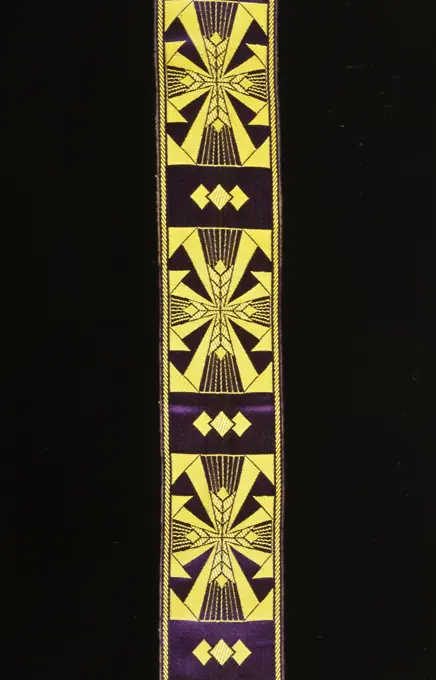
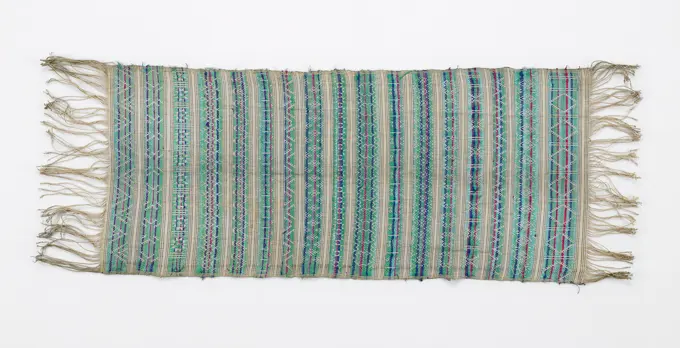
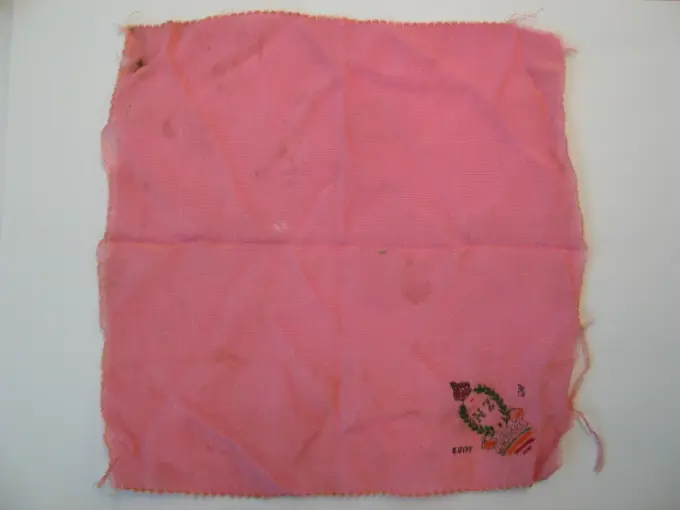
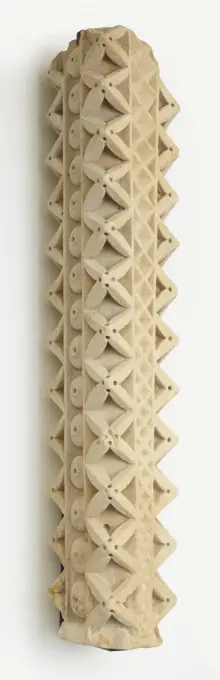
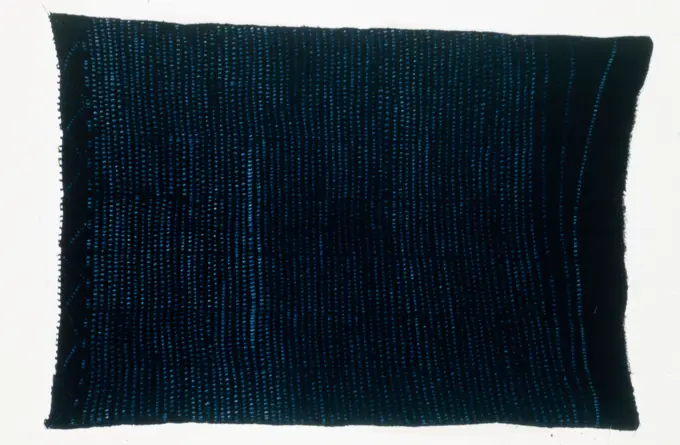
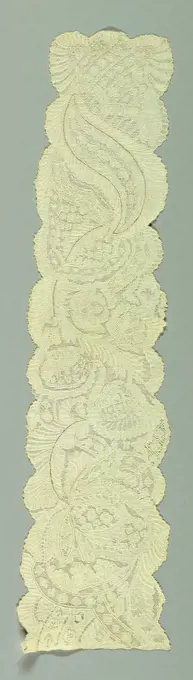
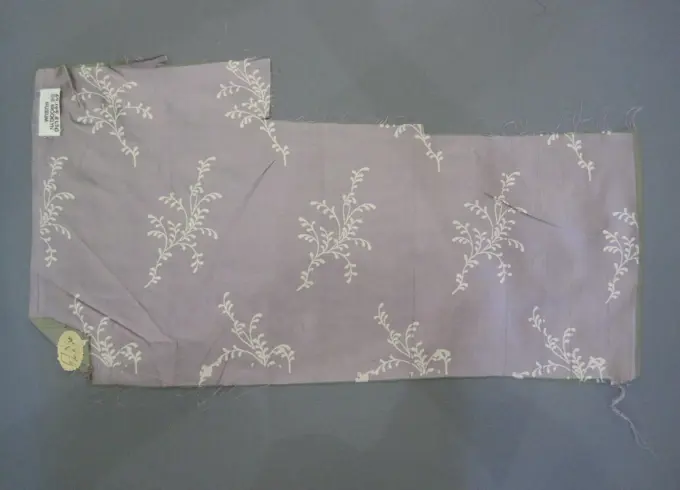
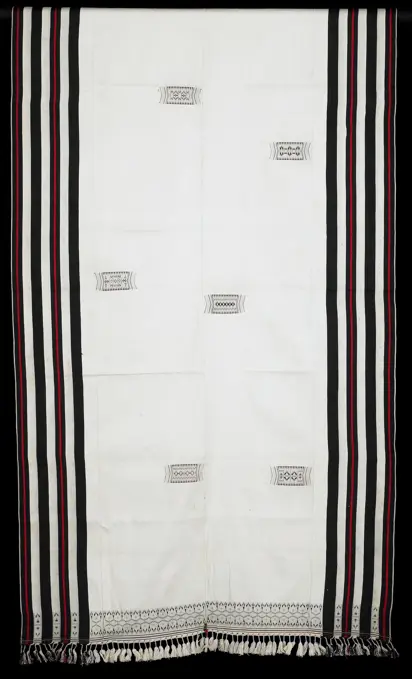
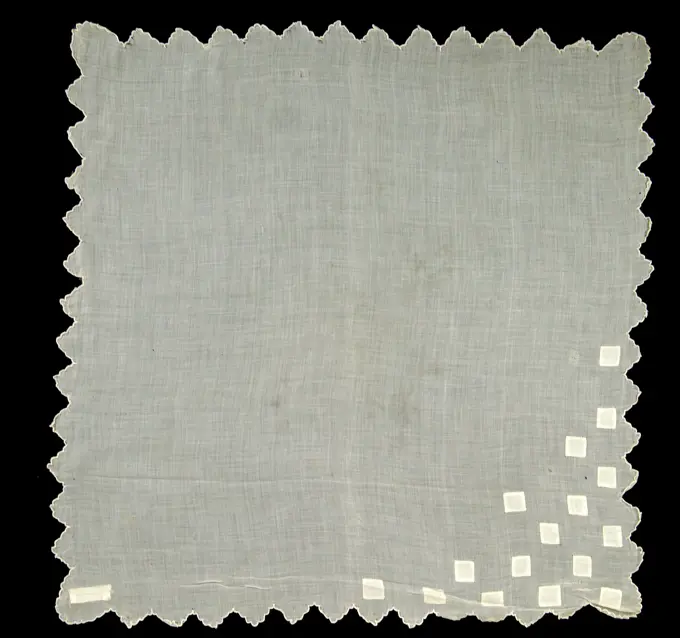
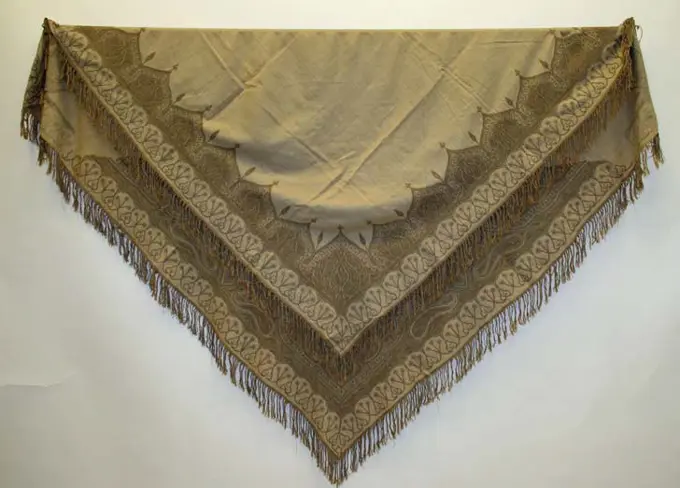
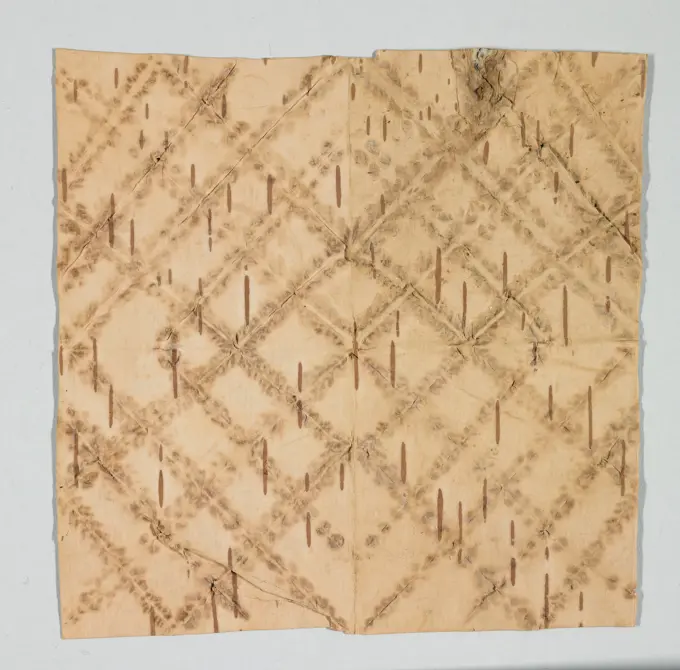
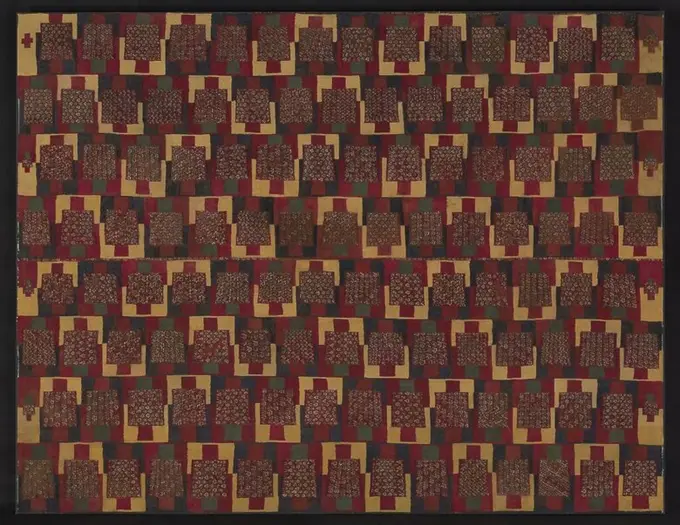
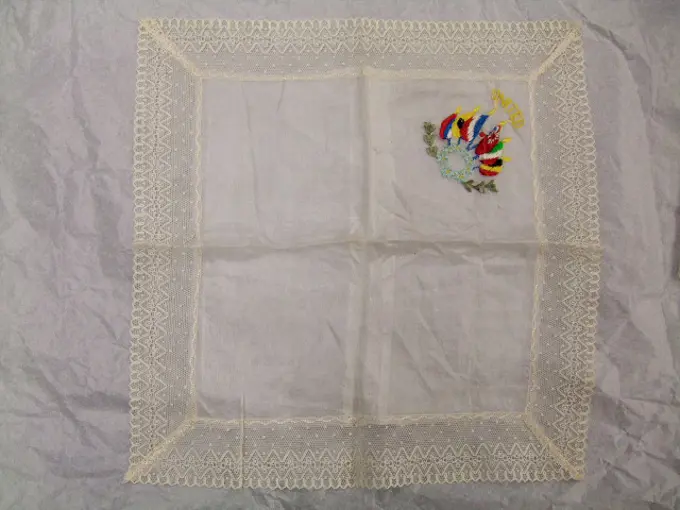
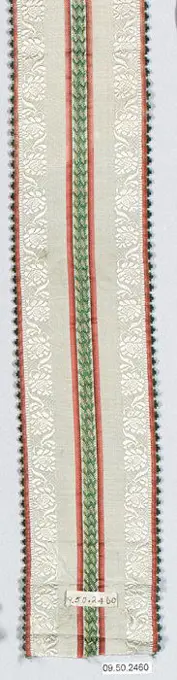
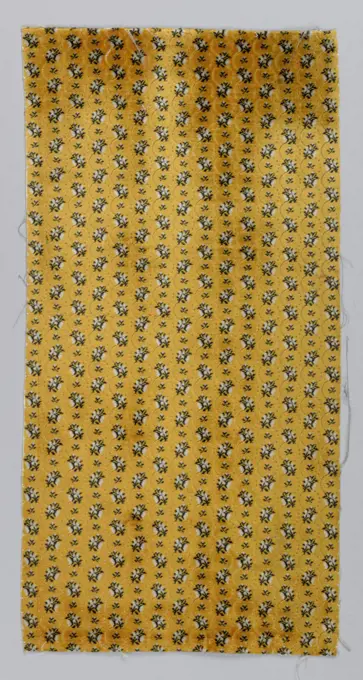
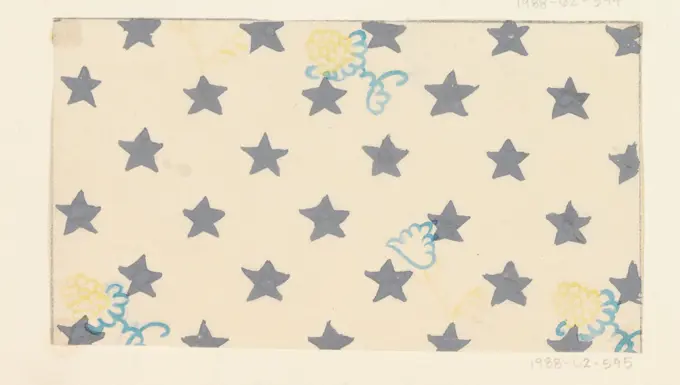
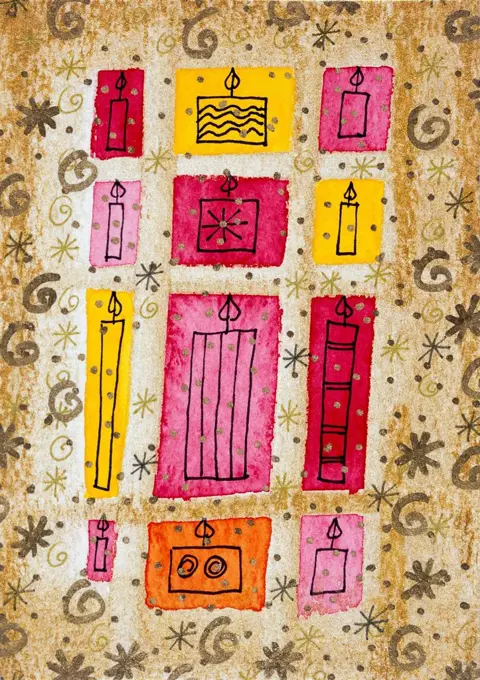
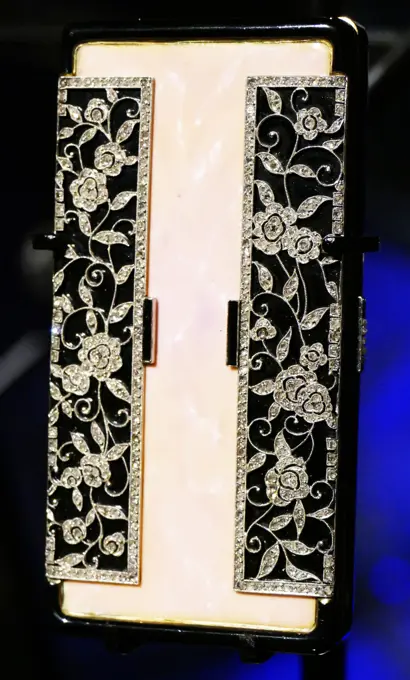
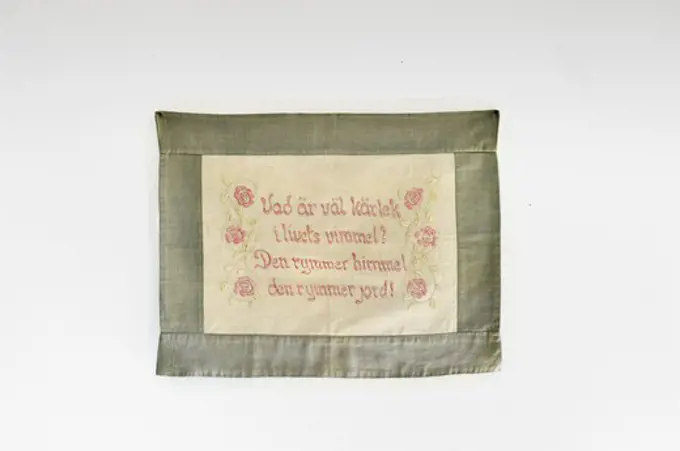
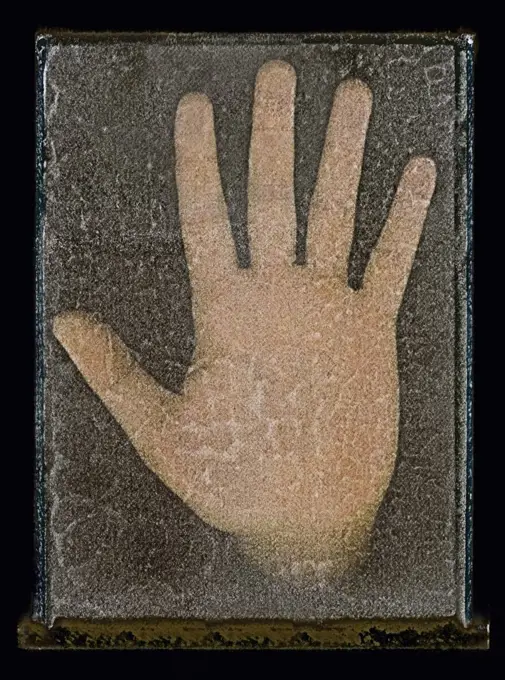
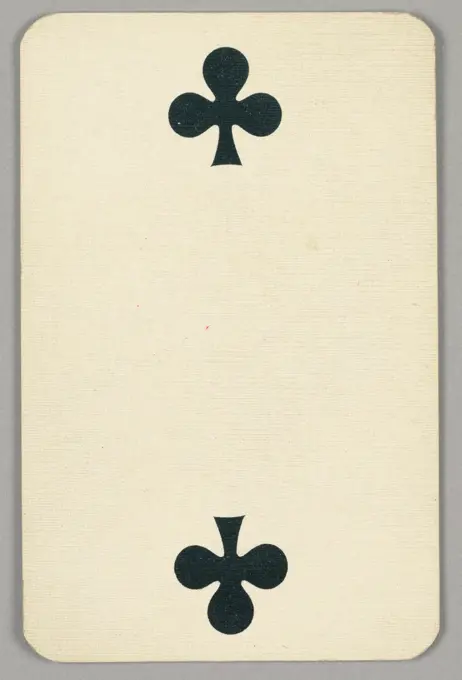
Autumn 1945, Anonymous, 1945 - 1946 photograph Album magazine with five photos of Allied soldiers, including Martin O'Brienn and photos of Bureau at Tijdwriterij N.V. van Heem in 1946, part of the 1940-1947 family album. The Hague (possibly) photographic support. paper gelatin silver print non-combatants ~ war. office (~ administration) The HagueTextile Swatch Textile Swatch, 1950s to 1960s. Silk, 10 3/4 x 8 3/4 in. (27.3 x 22.2 cm).    1950s to 1960sDeventer carpet. Deventer carpet with a sheath design with Greek cross in dark green on green fond. Edge: running dog in dark green with pink fillings, framed by dark green tires. Pink necklace. Note: according to tradition, other color scheme originally; Dyed later. The carpet is probably made from staircours or a garment in a hall from the museum, including two pieces on Kamr Lord, in use (will not be invented). Origin: Old owned Rijksmuseum; Stairs and corridors from the museum and the director's house were invested with this carpet. From room Mrs. Vels Heijn (1998), where around 1922 was a perzic carpet inspired Deventer carpet (photo album Ms. Schmidt Degener, Archive Rijksmuseum).Textile Sample from Sample Book 19th century Japan. Textile Sample from Sample Book 68090Sampler, Medium: linen Technique: cut and drawnwork on plain weave, Thirteen cross borders in cut and drawnwork; central portion is not embroidered., England, 17th century, embroidery & stitching, SamplerNapkin from white Linnamast ,, 1651 White linnertamasten napkin brand Eh and 1651. Northern Netherlands (Possible) linen (material) damask White linnertamasten napkin brand Eh and 1651. Northern Netherlands (Possible) linen (material) damaskSquare (USA); cottonChain Mail, 1500s. Europe. Steel; average: 50.8 cm (20 in.); across top: 35.6 cm (14 in.).Fragment (Italy); silkTextile Swatches Onondaga Silk Company, Inc. (1925-1981). , 1948-1959. Silk, 23 1/4 x 17 1/2 in. (59.1 x 44.5 cm).    1948-1959Trim, braid, 20th century, Sisters of the Order of St. Benedict, 3 1/4 x 21 1/4 in. (8.26 x 53.98 cm), Passementerie, United States, 20th centuryEmbrasse.Embrasse of red-white checkered silk, lined with white linen and with two set of metal hooks and eyes.Head Scarf, 31 1/2 x 11 in. (80.01 x 27.94 cm) (length including fringe), Cotton, ChinaHandkerchief, 1939-1945, New Zealand, maker unknown. Gift of Barbara Gibson, 2008.Textile Swatches Onondaga Silk Company, Inc. (1925-1981). , 1948-1959. Silk, a: 41 x 24 in. (104.1 x 61 cm).    1948-1959Notre-Dame Rose radius (title awarded), 1160. Limestone. Carnavalet museum, history of Paris. On the main face, cross -decor (fishnet). On the side faces, decor of flattened spheres (billets) between two lines of plant patterns (purple). At the rear, flat central banner and without ornament. Holes drilled on the top of billets and plant patterns.Woman's Skirt Length, 20th century, 60 x 40.5 in. (152.4 x 102.9 cm), Cotton, narrowband, handwoven, indigo dyed., Mali, 20th centuryFragment, Medium: silk Technique: cut and uncut supplementary warp pile (velvet), Fragment of deep purple cut and uncut velvet on chartreuse green silk ground. Design of tiny conventionalized branch with leaf at either end curving in opposite directions, alternating with tiny rhomboids. Alternate horizontal rows turn right and left., Italy, early 17th century, woven textiles, FragmentCap streamers, Medium: linen Technique: deflected element work -Sheer plain weave fabric placed on top of a denser plain weave fabric with the warps and wefts of each aligned -Pattern outlined by a closely couched cord -Sections of the back layer of fabric cut away -Deflected element work (wrapping stitches using a needle which pulls warps and wefts of the foundation fabric out of alignment to produce openwork) in various patterns -Deflected element work on two layers of fabric for details -Edges finished with buttonhole stitch, Design shows serpentine garland of floral and foliated forms, accentuated by intermittent parallel bands; interpretation of a French pattern. Drawnwork combined with embroidery; outlined by cordonnet., Europe, 1700-1750, lace, Cap streamersWoman's Skirt, c. 1980, 34 x 32 in. (86.36 x 81.28 cm), Cotton, Mexico, 20th centuryTextile Swatches Onondaga Silk Company, Inc. (1925-1981). Textile Swatches, 1948-1959. 60 acetate; 27 nylon; 13 metal, (a) - (c): 8 1/2 x 4 1/2 in. (21.6 x 11.4 cm).    1948-1959Sample early 19th century French. Sample 224761Textile Swatch Textile Swatch, 1950s to 1960s. Silk, 22 1/2 x 13 1/2 in. (57.2 x 34.3 cm).    1950s to 1960sFragment, 1800s. Japan, 19th century. Silk; overall: 30.5 x 30.5 cm (12 x 12 in.).Cap streamers, Medium: linen Technique: bobbin lace, Brussels style, Belgium, ca. 1730, lace, Cap streamersTextile Swatch Textile Swatch, 1950s to 1960s. Silk, 21 x 11 in. (53.3 x 27.9 cm).    1950s to 1960sTrimming, Medium: silk Technique: cut and uncut supplementary warp pile on satin ground (velvet), Red trimming fragment in a design of crossing lines with dots., France, 18th century, trimmings, TrimmingChasuble made of damask unknownRibbon French 19th century View more. Ribbon. French. 19th century. Textiles-TrimmingsSample early 19th century French. Sample 224849Fragment of the fabric;  2. PO. 18th century (1780-00-00-1785-00-00);Górska, Jadwiga - collection, gift (provenance), fabricsOrphrey Band; silk, metallicCarpet 18th century. Carpet 447579Textile Swatch , 1950s to 1960s. Silk or synthetic fiber, 20 x 29 in. (50.8 x 73.7 cm).    1950s to 1960sSari, 20th century, Silk; tapestry weave, brocade, India, 20th centurySeamless woven tape. Vector illustration.Fragment, Medium: silk Technique: cut supplementary warp pile (velvet) in a woven foundation, Orange cut velvet fragment with a design of circles intersected by black and white floral sprigs. Each circle contains a smaller sprig., France, late 18th century, woven textiles, FragmentWhite House furniture and furnishings. White House furnishings. Antique lace. White House, Washington, D.C.Woman's wrapper, c. 1975, 69 x 37 1/2 in. (175.26 x 95.25 cm), Cotton; woven fabric, India, 20th centuryCovering material of printed trijp with design "Flying deer", Chris Lebeau, c. 1921 Covering fabric of printed Trijp with design "Flying deer" in the colors black and gray. This design is also called "Torren". With Fa label. H.P. Mutters. Netherlandsmaker: EindhovenThe Hague Pool layer: mohair. Ground tissue: Cotton (textile) printing Covering fabric of printed Trijp with design "Flying deer" in the colors black and gray. This design is also called "Torren". With Fa label. H.P. Mutters. Netherlandsmaker: EindhovenThe Hague Pool layer: mohair. Ground tissue: Cotton (textile) printingNapkin van Linnamast with weapon of P.E. van der Noot, Anonymous, c. 1700 - c. 1710 Napkin van Linnamast with the weapon of P.E. van der Noot. The napkin is part of three napkins (BK-1977-290-A to BK-1977-290-D) and a tablecloth (BK-1977-289). Flanders (Possible) linen (material) damask Napkin van Linnamast with the weapon of P.E. van der Noot. The napkin is part of three napkins (BK-1977-290-A to BK-1977-290-D) and a tablecloth (BK-1977-289). Flanders (Possible) linen (material) damaskArm Ornament. Culture: Colombia. Dimensions: Overall: 5 1/2 x 2 3/8 in. (13.97 x 5.99 cm)Other: 2 3/8 in. (5.99 cm). Date: 13th-16th century. Museum: Metropolitan Museum of Art, New York, USA.Towel Cover (USA); Made by Maria Schultz; cotton () on linenFichu 1843 American. Fichu 169707Carved Wood 04Shawl Middle Eastern mid-19th centuryRolschildering.A yotaka, a low kind of prostiture with a rolled up mature under the left arm. In wooden box.Bitten Pattern, c. 1900, 3 3/4 x 3 5/8 in. (9.5 x 9.2 cm), Birchbark, United States, 20th centuryBedcover Made 1750-1770 United States. Linen, plain weave; embroidered with wool in Romanian and stem stitches .Piece 19th century Japan. Piece 72202Woven Band, 1300s - 1400s. Germany, Cologne, 14th-15th century. Compound twill weave; linen, silk, gold thread; overall: 46.4 x 8 cm (18 1/4 x 3 1/8 in.).Poncho. Chuquibamba; Possibly Ica Valley, south coast, Peru. Date: 1476-1532. Dimensions: 199.4 x 257.5 cm (78 1/2 x 101 3/8 in.). Camelid wool, single interlocking tapestry weave and five-color complementary weft weave with center band of complementary weft weave. Origin: Peru. Museum: The Chicago Art Institute, Chicago, USA.Sample of printed IInen Unknown, Wiener WerkstätteTextile Swatches Onondaga Silk Company, Inc. (1925-1981). , 1948-1959. 50 silk, 50 metal, 46 x 16 1/2 in. (116.8 x 41.9 cm).    1948-1959brebbia abstract   rusty brass brown knocker in a  door curch  closed wood italy  lombardy Window shade, Machine-printed, Ogival framework with inset rounded corners. Band of strung red flowers runs inside framework. Printed in red, white, tan, brown and black on green ground., USA, 1875-1900, Wallcoverings, Window shadeWhite-ground Ryūkyūan robe (ryūso) decorated with maple leaves and florals, 19th century, Unknown Ryukyuan, 50 1/4 × 46 3/4 in. (127.64 × 118.75 cm) (overall), Cloth: cotton; bingata (stencil resist with applied pigments), Japan, 19th centuryTablecloth, 19th century, 72 x 37 in. (182.88 x 94 cm), Linen; needlework, Switzerland, 19th centuryTextile Swatches Onondaga Silk Company, Inc. (1925-1981). , 1948-1959. 90 wool, 10 silk, 23 x 17 1/2 in. (58.4 x 44.5 cm).    1948-1959Commemorative Plaque Franz Xaver GabelsbergerHandkerchief, 1914-1918, France, maker unknown. Gift of Jonathan and Jeremy Krebs in memory of Margaret Krebs, 2011.Length (northeastern Italy)Needlepoint Lace (Argentan Lace) Collar, first half of 18th century. France, Argentan, first half of 18th century. Lace, needlepoint; average: 55.6 x 117.8 cm (21 7/8 x 46 3/8 in.).Ribbon 18th century French. Ribbon 217130Piece 16th century Japan. Piece 71066Ingrid Selmer Larsen, Shaker Kerchief, 1935 1942 Shaker KerchiefPersian style embroidered cloth from Chinese Turkestan. Dated 1907Upholstery, 19th century; wool, silkSampler, Medium: silk embroidery on linen foundation Technique: embroidered in two-sided cross stitch on plain weave foundation, Spot motifs including a large parrot; alphabets and bands of floral pattern., Southern Germany, 1775, embroidery & stitching, SamplerPiece 18th-19th century Japan. Piece 66266Fragment, Medium: silk Technique: cut supplementary warp pile (velvet) in a plain weave foundation, Deep golden yellow ground with a fine tiny design of black and pale blue sprigs linked by ogival lines, dotted on one side where the ground shows through., France, late 18th century, woven textiles, FragmentTea Toned Paper With Stained EdgesInk Cake, 1736-95. China, Qing Dynasty (1644-1911), Qianlong reign (1736-95). Ink cake; overall: 10.6 x 3.6 cm (4 3/16 x 1 7/16 in.).Suspended squares of coniferous lace and climbing side and embroidered linen with family weapons. Suspended squares of coniferous lace-up, dock edge and embroidered linen. Four squares fillet lace have a coat of arms, namely twice the arms of the Pieck family and twice the arms of the family balvering. The four corners have linen squares with the same weapons. One of the squares also has the coat of arms of the Poll family, including the year 1635.Drawing, Textile Design: Kassiopäa (Kasiopea); Designed by Fritzi Löw-Lazar (Austrian, 1891 - 1975); Made for Wiener Werkstätte (Austria); Austria; brush and gouache on paper; 7.7 x 13.1 cm (3 1/16 x 5 3/16 in.), irregular Mat: 32.5 x 46 cm (12 13/16 x 18 1/8 in.)Vintage looking Paper swatch Vintage looking Paper swatch cut with pinking shears zig zag scissors Copyright: xZoonar.com/ClaudioxDiviziax 9779554Textile Swatches Onondaga Silk Company, Inc. (1925-1981). Textile Swatches, 1948-1959. 34 Rayon; 34 Nylon; 32 silk, (a) - (e): 8 1/2 x 4 1/2 in. (21.6 x 11.4 cm).    1948-1959Armour Armour of the medieval knight. Metal protection of the soldier against the weapon of the opponent Copyright: xZoonar.com/VALERY-SIBRIKOVx 7138889Image in summerTextile Swatches Onondaga Silk Company, Inc. (1925-1981). , 1948-1959. Silk, paper, sheet: 25 x 8 1/2 in. (63.5 x 21.6 cm).    1948-1959Box inside. 1550. three dimensional object. Religious books, Manuscripts. Manuscripts and Archives DivisionSample early 19th century French. Sample 224801Textile Riegel Textile Corporation (founded 1905). Textile, ca. 1970. Cotton, 228 1/2 x 48 in. (580.3 x 121.9 cm).    ca. 1970Fragment of silk fabric unknownWatercolour of Heidrun Füssenhäuser, Christmas motif, candles on golden ground,Textile Swatches Onondaga Silk Company, Inc. (1925-1981). , 1948-1959. silk, largest component (a): 48 x 18 in. (121.9 x 45.7 cm).    1948-1959Vanity case, Compaq, French, made in Paris, 1925, by Van Cleef and Arpels. Gold, platinum, rose enamel, and onyx.Fabric Swatch Fab-Tex Inc.. , 1963-1966. Wool (possibly blended with cotton), sheet: 7 1/4 x 10 1/2 in. (18.4 x 26.7 cm).    1963-1966Fragment silk tissue. Fragment (consisting of two pieces) of blue silk with pattern in O.A. white, green and gold, with eight passes with presentation of chained lion on tree. Signed. Incomplete report.Men's hunting from a shopkeeper in ink blocks. Half-length working jacket (HANDEN) For a man with an adornment to the side of front and back properties of stylized characters of the name of a store ink blocks founded in 1864 in ink blocks from Nara 'gyokusendô', on the back and on both lapel the store brand van A circular weight (Fundô), on the lapel followed by the name of (probably) the 'Nagashima' store owner. Indigo cotton with a stenciled decoration. Indigo cotton lining.Embroidered message on a wall hanging, Sweden.Hand   Turban Band (Llauto), c. 300-100 B.C.. Peru, South Coast, Paracas, Late Period, 3rd-1st Century BC. Needle reseau (netting): wool and cotton; overall: 426.5 x 7 cm (167 15/16 x 2 3/4 in.).Mud cloth skirt, 52 1/4 x 37 1/2 in. (132.72 x 95.25 cm), Cotton, MaliEdo komon-monogire tebikaecho 19th century Japan. Edo komon-monogire tebikaecho. Japan. 19th century. 105 dyed swatches "Edo Komon" mounted in book form. Textiles-Sample Books6 of Diamonds from a deck of Goodall & Son Ltd. playing cards, c1940. Artist: Unknown.Fabric Swatch Fab-Tex Inc.. , 1963-1966. Cotton, sheet: 8 1/4 x 10 1/2 in. (21 x 26.7 cm).    1963-1966Playing Card; Manufactured by Ferdinand Piatnik and SonsPlaying Card; Manufactured by Ferdinand Piatnik and SonsFabric Swatch Fab-Tex Inc.. , 1963-1966. Wool (blended), sheet: 8 1/4 x 10 1/2 in. (21 x 26.7 cm).    1963-1966