Historical Textile Fragments

Woven textile fragments from different regions and centuries, showcasing intricate patterns and colors, used in fashion and interior design.

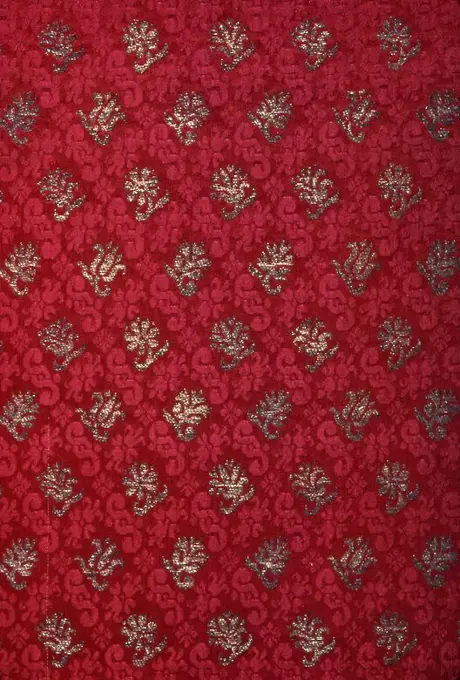
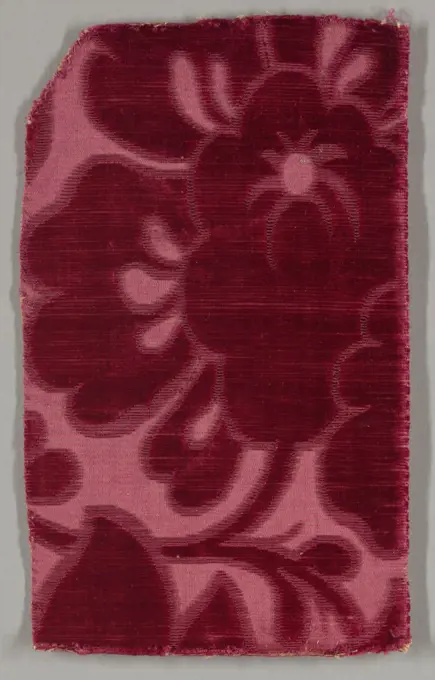
Fragment, Medium: silk Technique: 5-harness satin damask, Red damask in an allover repeating pattern of a bar with a scrolling floral forms arranged in rows., Italy, 17th century, woven textiles, Fragment
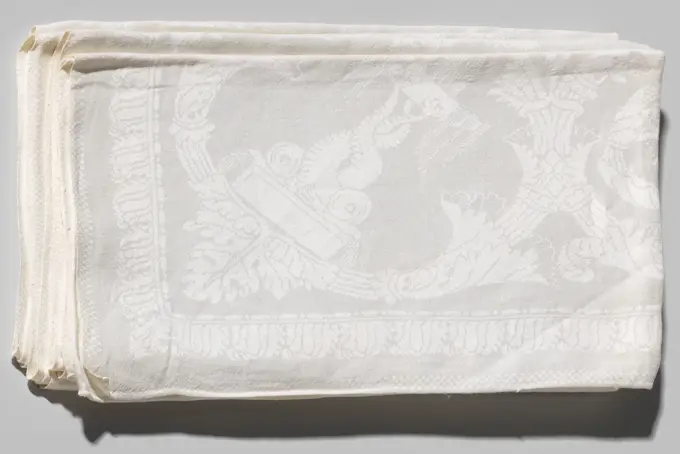
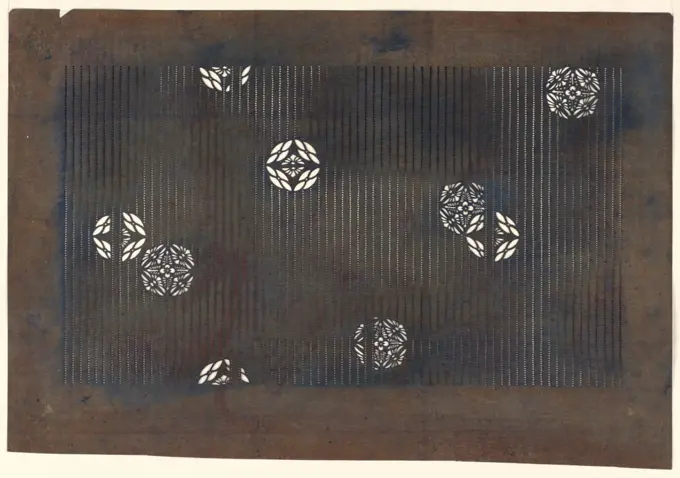
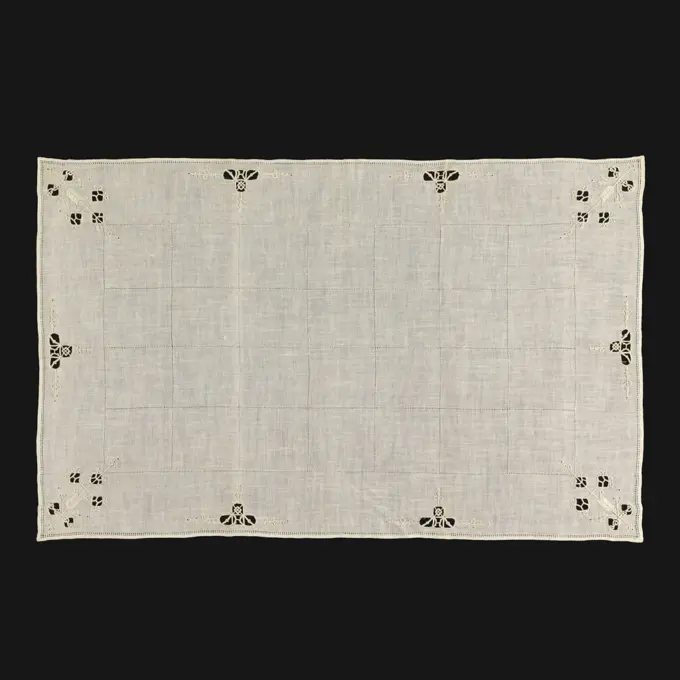
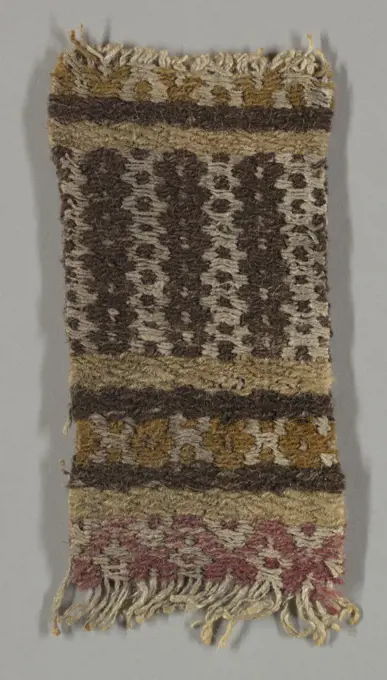
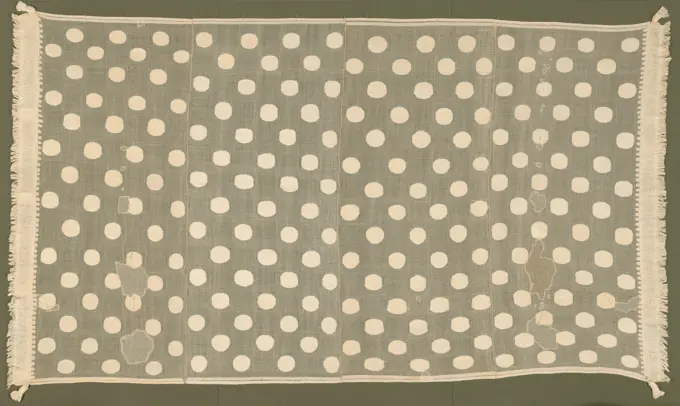
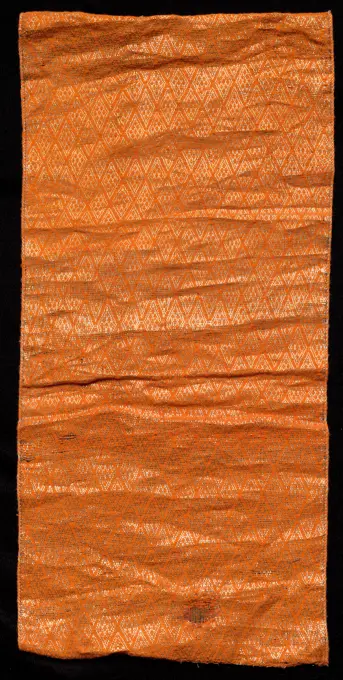
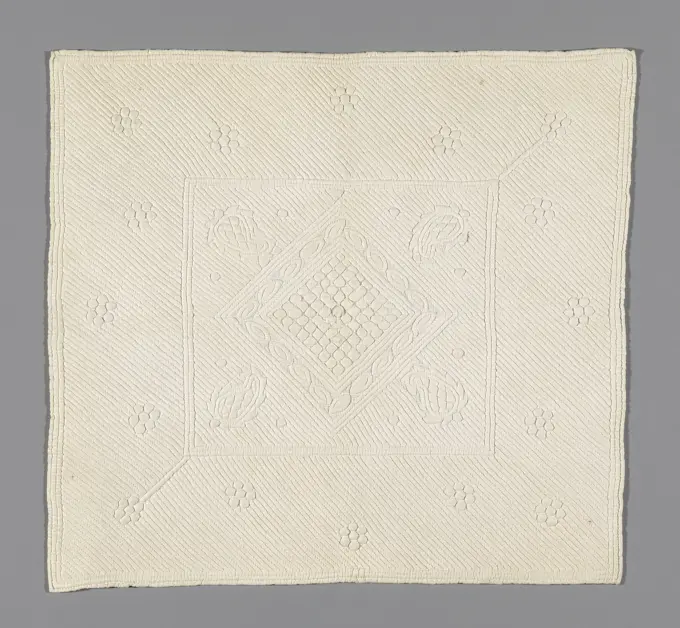
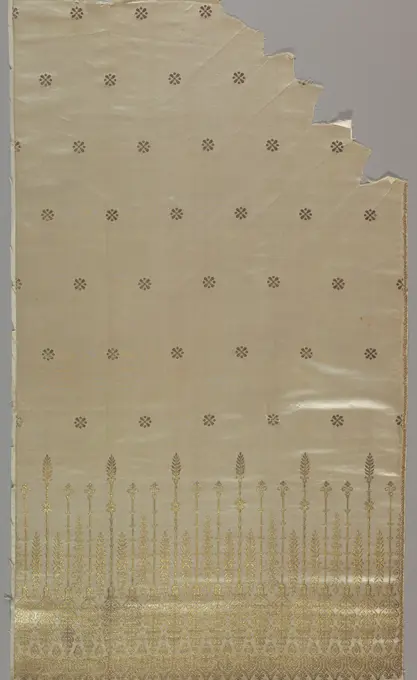
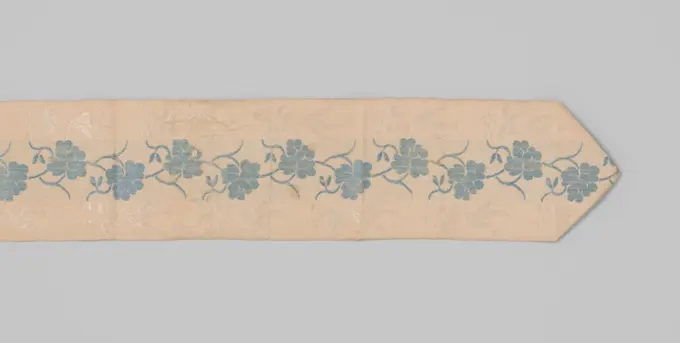
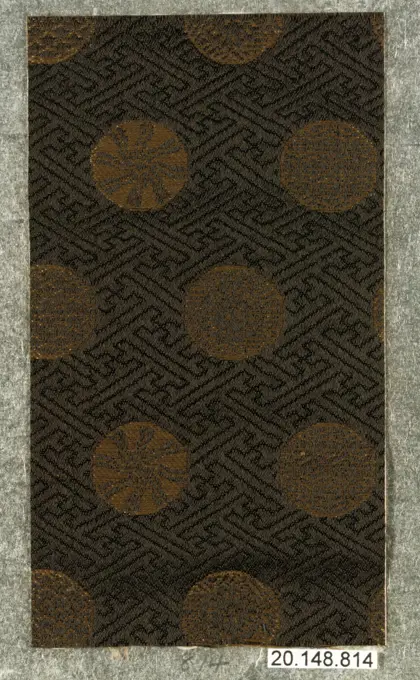
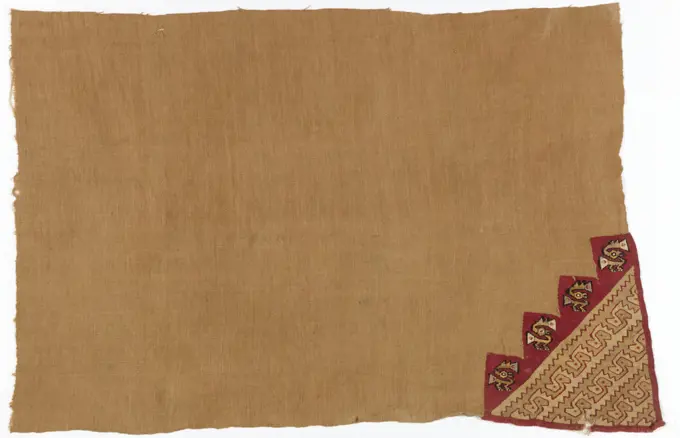
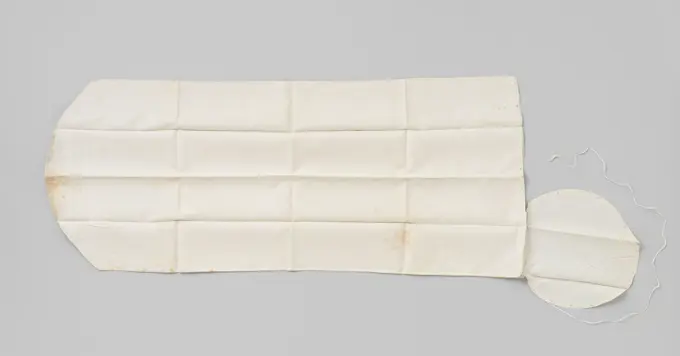
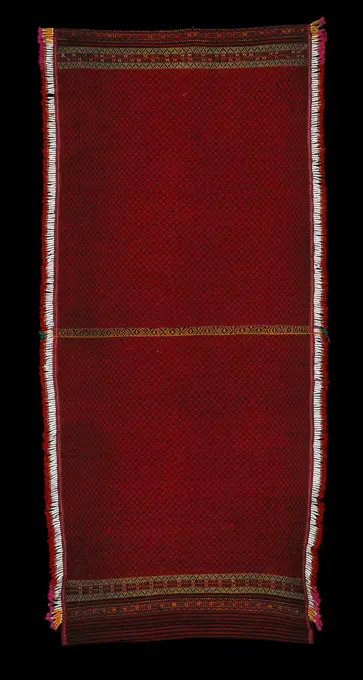
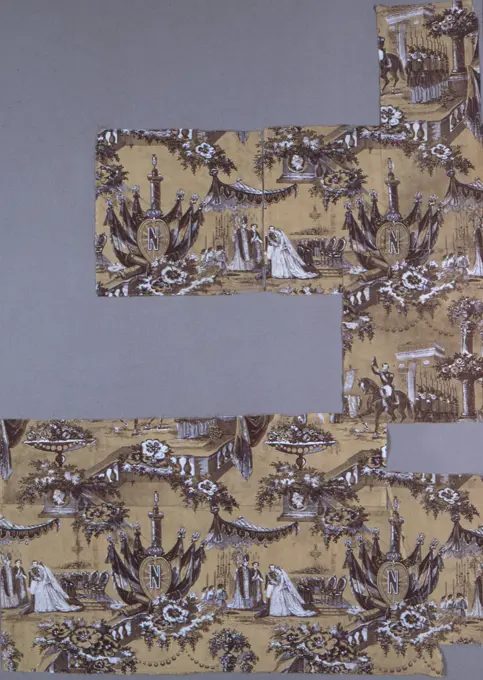
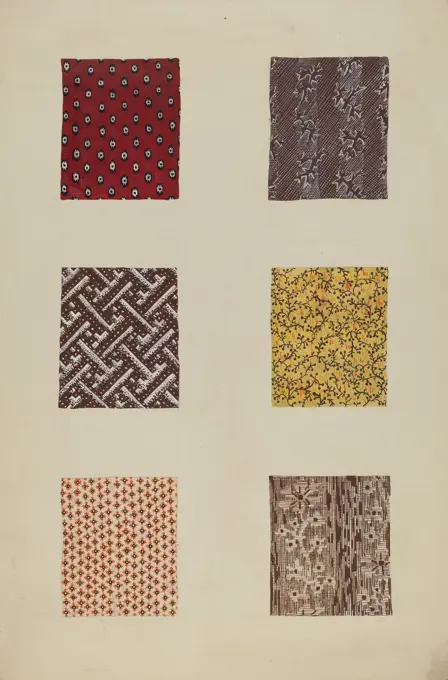
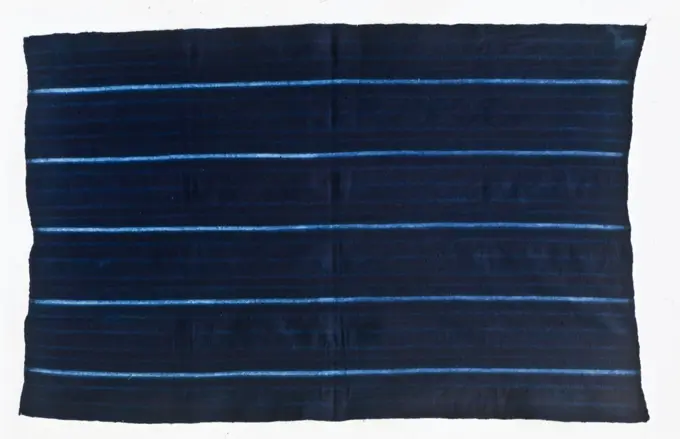
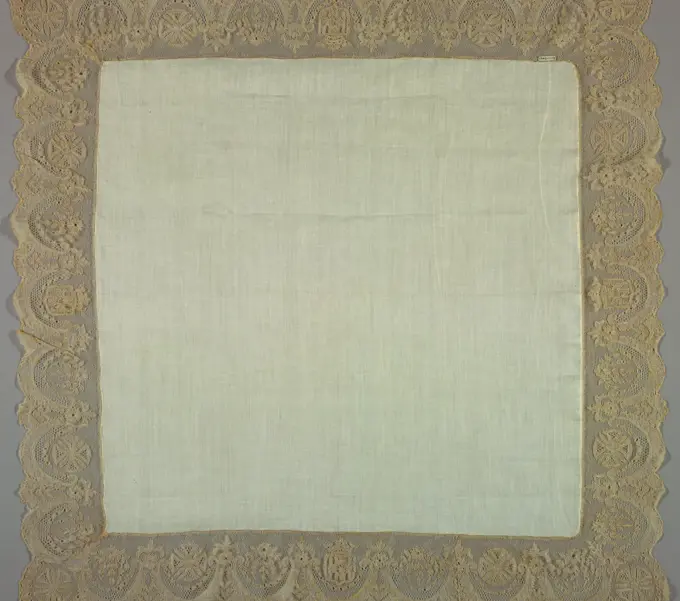
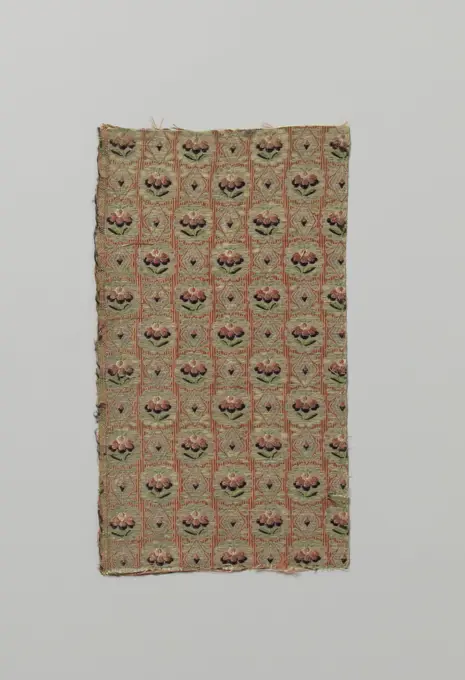
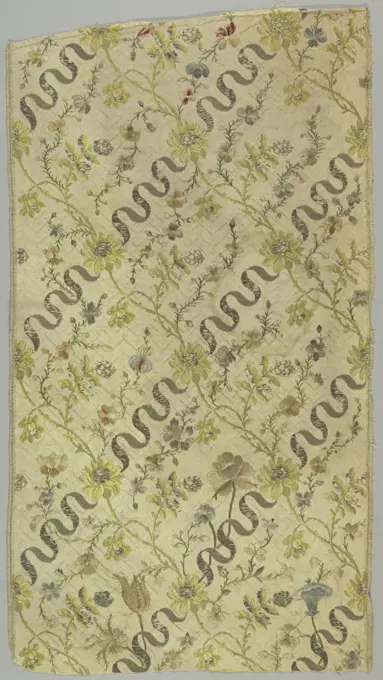
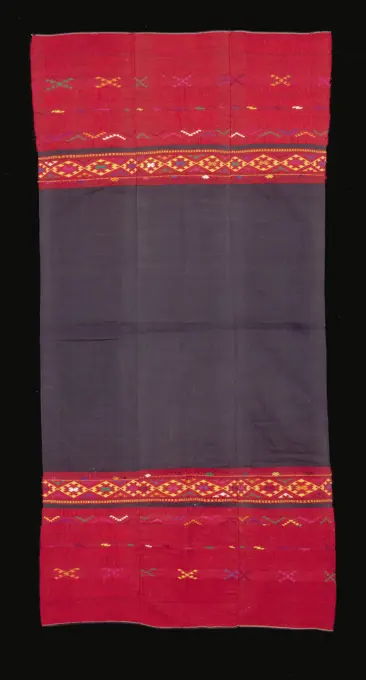
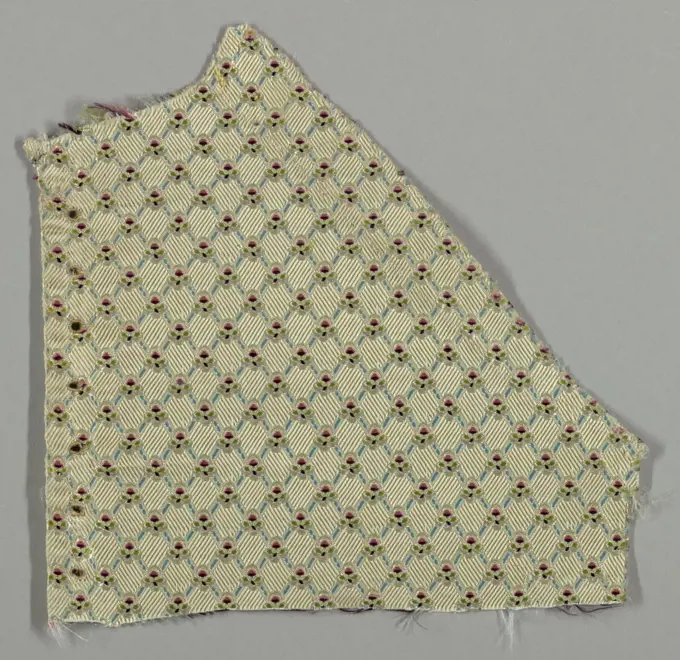
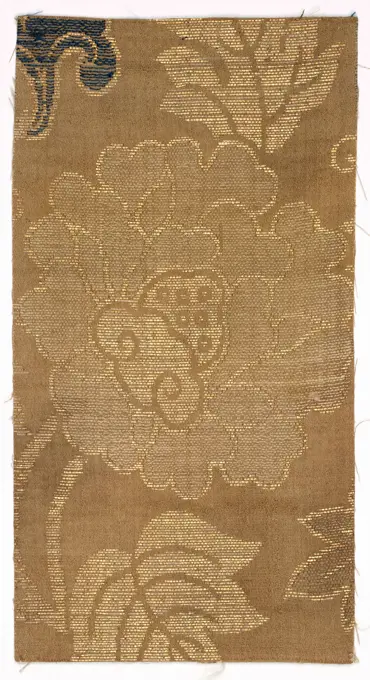
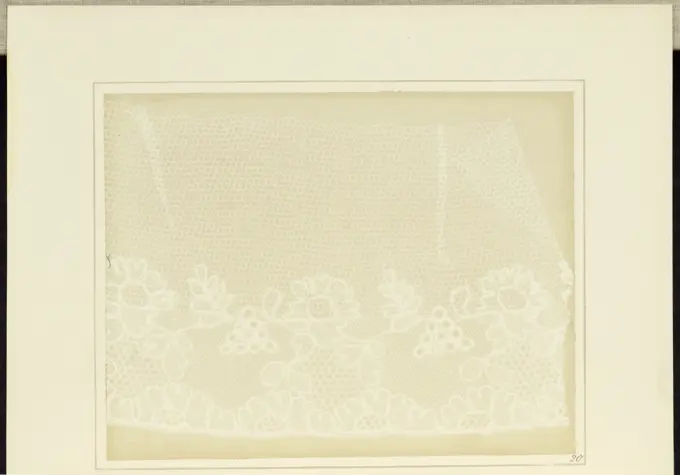
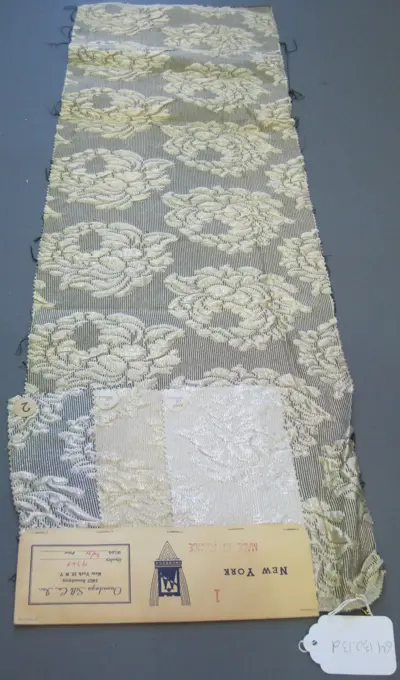
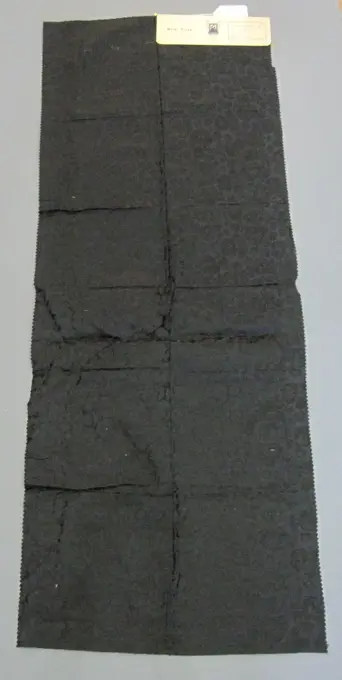
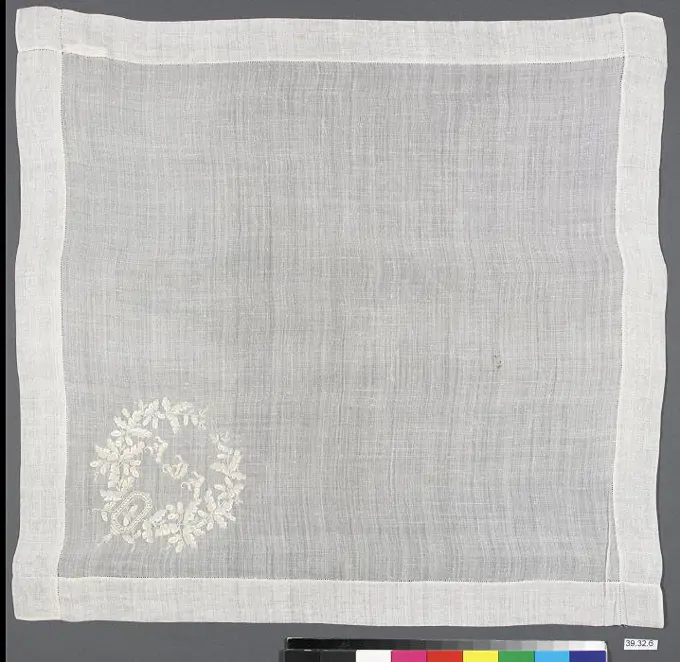
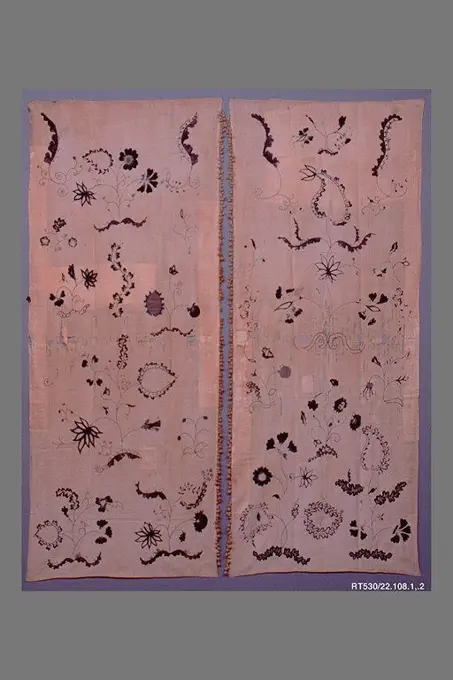
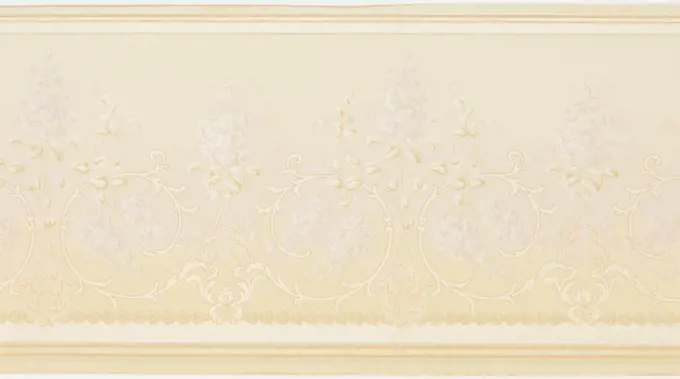
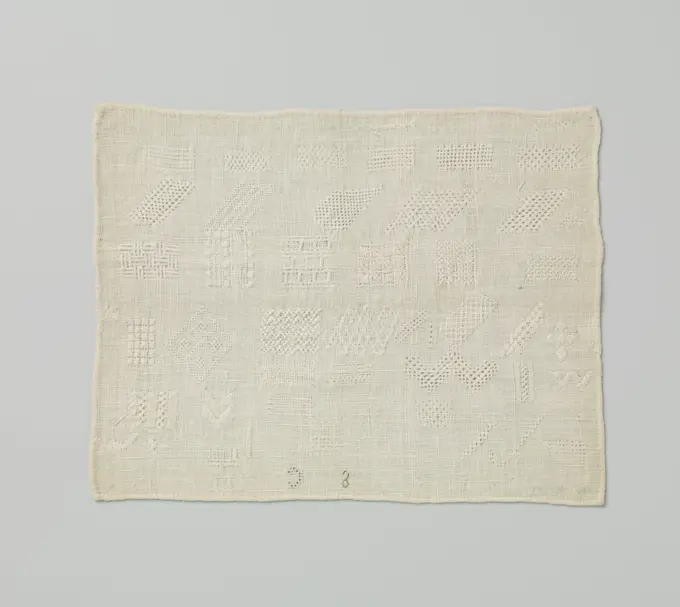
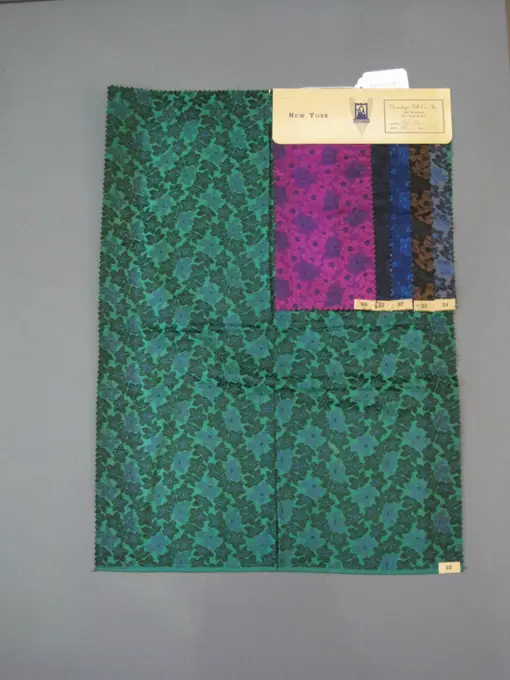
Fragment veelkleurige bedrukte zijde.Fragment multicolor silk tissue. A white ground has a printed pattern of multicolored flower branches in stencil technology.Tablecloth with a equestrian statue of Willem van Oranje, Anonymous, in or after 1845 Tablecloth from Linnamast with a equestrian statue of Willem van Oranje. Midfield: Symmetrically doubled pattern with a rider statue, standing on the short side, to the middle. The short gestured rider is in armor, with sash and low narrow -hood with ostrich spring. On the block -shaped pedestal three coats of arms: Holland, Friesland and Nassau. Caption: Statue for Prince William I. Standing and lying edges: stocky spirals of bundled branches, ending in Acanthusroszet. Corners: slanted spraying fountain, of which the Tazza is worn by two dolphins whose collary tails are raised up. Zoom: The inner zoom consists of a stick of towered leaf and tire, interrupted by a button and two winch shapes; outside zoom with pearl-and-stick list, of which Schuignichte and forced acanthus leaves depend on; Outside of that: blocking edge. Netherlands linen (material) damask Tablecloth from Linnamast with a equestrian Komon and Kimekomi Balls, Mulberry paper (kozo washi) treated with fermented persimmon tannin (kakishibu), and silk threads (itoire), Komon dotted stripes are accompanied by kimekomi balls, which are Japanese traditional wooden balls decorated with various fabrics to produce ornate designs., Japan, mid 18th - early 19th century, textile designs, katagami, katagamiTable cover, Medium: linen Technique: cutwork and embroidery, Cover ornamented at the corners and sides with a conventional design in cutwork squares and embroidery. Central field marked into squares by hemstitching., USA, ca. 1900, embroidery & stitching, Table coverPiece 18th-19th century Japan. Piece. Japan. 18th-19th century. Silk. Textiles-WovenStrip with spreading pattern above wavy line with leaves, anonymous, c. 1800 - c. 1824  Strip of natural-colored bobbin: Valenciennes side. Under a stray pattern of leaves, a continuous wavy line with short side branches and small leaves runs slightly above the bottom of the strip. The space between the narrow wavy line and the bottom edge is filled with a row of triple leaves and below that a row of leaves such as those used for the spreading pattern. The motifs are made in linen battle with openwork edges and they are connected by a grid, a square Valenciennes ground. At the top and bottom are straight finished, with the bottom with picots. France linen (material) Bobbi Lace / Valenciennes LaceFragment late 15th century Italian, Venice. Fragment 230625Textile, Medium: wool, linen Technique: complementary weft, Coarse wool and hand-spun linen in beige, dark brown, orange, red, and white. Patterning: simple geometric bands and lozenges, done by weft-floats, which hid warps entirely. In patterned areas, heavy woolen wefts are used two at a time in contrasting colors, rise from the face to the back of the fabric in a compound weft satin., Sweden, 19th century, woven textiles, TextileAsa Oke Wrapper and Individual Strip, 20th century, 71.5 x 30.25 in. (181.6 x 76.8 cm)(wrapper), Cotton, lurex, Nigeria, 20th centuryPeruvian Textiles: Mantle or Hanging, Loincloth, Turban, Padded Hat, Band with Tassels, 1200-1460s. Peru, North Coast, Chimú style, 1200-1460s. Cotton; plain weave, brocaded and complex alternating gauze with 3 or 5 shots of plain weave between gauze shots; overall: 162.5 x 272 cm (64 x 107 1/16 in.).Piece of a Turban (Pugri), 1800s. India, Chanderi, 19th century. Cotton with metal woven in diamond design; overall: 49.5 x 20.3 cm (19 1/2 x 8 in.).Piece 16th-17th century Italian. Piece 222903Pillow Made 1825-1875 France. Cotton, plain weave; quilted; cotton batting; lined with cotton, plain weave .Textile (France); silkTapis (skirt) (Indonesia); silk and cotton embroidery on silk foundationCollar of blue sheet, c. 1800 - c. 1825 Collar of blue sheet. Netherlands cloth sewing Collar of blue sheet. Netherlands cloth sewingCeintuur ribbon of cream -colored silk in rip binding, decorated with brochure work; Over the center of the ribbon, a leaf virgin in blue runs, which is flanked on both sides by berry branches in white, anonymous, c. 1820 - c. 1830 Ceintuur ribbon of cream -colored silk in rip binding, decorated with brooching work. Over the center of the ribbon, a leaf virgin in blue runs, which is flanked on both sides by berry branches in white, probably women's clothing. Netherlands (possibly) whole: Silk Ceintuur ribbon of cream -colored silk in rip binding, decorated with brooching work. Over the center of the ribbon, a leaf virgin in blue runs, which is flanked on both sides by berry branches in white, probably women's clothing. Netherlands (possibly) whole: SilkOverhead view of medical plaster isolated on white backgroundTextile Swatches Onondaga Silk Company, Inc. (1925-1981). , 1948-1959. Silk, 23 x 8 1/2 in. (58.4 x 21.6 cm).    1948-1959Panel (Half of a Bed Curtain) Made 1700-1900 Pátmos. Linen, plain weave; embroidered with silk in running (pattern darning); two loom widths joined with needle-made oblique interlacing .Panel, Medium: silk and metallic thread Technique: plain compound cloth, brocaded, Ground fabric of dull blue plain cloth with extra wefts of silver thread shot through in alternate weft rows. Small scale pattern pf stylized floral forms, arranged in horizontal rows, brocaded in silver gilt., France, 17th century, woven textiles, PanelCapslip from Valenciennes side, Anonymous, c. 1770 - c. 1780 Cutslip from Kloskant. The pattern has loose branches with flowers and leaves. The scalloped edge is trimmed with picots. France linen (material). Valenciennes lace Cutslip from Kloskant. The pattern has loose branches with flowers and leaves. The scalloped edge is trimmed with picots. France linen (material). Valenciennes laceSidewall (Japan); fiber composition, tung oil, embossed; 31 x 24.5 cm (12 3/16 x 9 5/8 in.)Sampler, Medium: linen, silk Technique: reticella, withdrawn element work, running back-stitch embroidery, Long sampler with bands of reticella work based on a grid of withdrawn elements; one embroidered band in running back stitch in blue and green (not completed). The linen is doubled back on either side of the embroidered band., England, 17th century, embroidery & stitching, SamplerPiece 18th century Japan. Piece 71804Textile, Medium: wool, cotton Technique: Somewhat warp-faced plain weave with grouping of warps for weft-faced plain weave: slit tapestry; predominantly warp-faced plain weave; ONE CORNER: slit tapestry on group parps, nonhorizontal wefts for outline, wrapping; SIDES: one is intact; ENDS: one has warp loop, tapestry section in tubular warp ends, end of a loin cloth with triangular-shaped woven area at one corner: interlocked birds in two shades of light brown outlined with red forming a triangular-shaped all-over patterned area which is framed in red. the wide stepped edge on the inside contains birds, each with head ornaments, in shades of brown and yellow with black outlines., Ica, Peru, ca. 1300, woven textiles, TextileRolsloop, , 1852 - 1872 Rolloop of linen with a closed end and a loose round final piece, brand HW4. Northern Netherlands linen (material) Rolloop of linen with a closed end and a loose round final piece, brand HW4. Northern Netherlands linen (material)Ceremonial skirt, 32 x 15 in. (81.28 x 38.1 cm) (tubular, with fringe), Cotton, wool, ceramic beads, Myanmar (Burma)Textile (France), ca. 1855; cottonWoman's mantle (Awayo), 19th century, 41 1/2 x 46 3/8 in. (105.4 x 117.8 cm), Alpaca, Bolivia, 19th centuryKatherine Hastings, Quilt Patches, c 1938 Quilt PatchesWoman's Skirt Length, 20th century, 63.5 x 39.5 in. (161.3 x 100.3 cm), Cotton, narrowband, handwoven, indigo dyed., Mali, 20th centuryMourning veil ca. 1875 American. Mourning veil 117535Table Cover / Chalice Cover; silk; 1945-9-19Excerpt of a multi -colored silk tissue, anonymous, 1750 - 1800 A fragment of a silk tissue with irregular red stripes, between which red flowers with black border and red and red black diamond shapes are woven on a silver soil. NOTE: MEERSHIP; 0.7 cm Effenbinding (multiple colors in one jump.  silk. A fragment of a silk tissue with irregular red stripes, between which red flowers with black border and red and red black diamond shapes are woven on a silver soil. NOTE: MEERSHIP; 0.7 cm Effenbinding (multiple colors in one jump.  silk.Textile, Medium: silk, metallic thread Technique: warp-faced plain weave patterned by continuous and discontinuous supplementary weft; embroidery, Continuous pattern of two crossed diagonals forming a diamond grid: one diagonal is a metallic scroll on ribbon; the other, a diagonal multicolor fine floral vine. The background is a small-scale horizontal herringbone pattern in cream on cream. Flowering vine filled out or embellished by embroidered flowering branches., France, 18th century, woven textiles, TextilePiece 18th-19th century Japan. Piece 66280Steel spancing material to the design of Theo Nieuwenhuis in Passe-partout, Theo Nieuwenhuis, c. 1910 Steel map with four steel spancing material from jacquard -woven cotton designed by Theo Nieuwenhuis. In original passe-partout. Netherlandsmaker: Helmond Staal: Cotton (Textile). PASE-PARTOUT: Cardboard jacquard Steel map with four steel spancing material from jacquard -woven cotton designed by Theo Nieuwenhuis. In original passe-partout. Netherlandsmaker: Helmond Staal: Cotton (Textile). PASE-PARTOUT: Cardboard jacquardSari-length textile Bangladesh, Dacca 19th-early 20th century View more. Sari-length textile. Bangladesh, Dacca. 19th-early 20th century. Muslin with in-weave design. Textiles-WovenObi Fragment (Japan); silkWrapper, 20th century, 60 1/4 x 30 1/2 in. (153.04 x 77.47 cm), Cotton, wool; plain weave, brocade, Myanmar (Burma), 20th centurya stamp pad filled with red ink. stamp pad with red inkFragment red and yellow silk damest with woven floral motifs.fragment or copper red side with pattern in White Pattern of Twigs Forming Windows in Which Stylized Flower Figure.Fragment, Medium: silk Technique: twill woven with supplementary weft patterning, Small-scale design forming a diamond grid in cream, blue, pink, cerise, maroon and green. Piece is a fragment of a garment, with round buttonholed eyelets down left edge., early 19th century, woven textiles, FragmentPiece 18th-19th century Japan. Piece 66701Renaissance ornamentDoor Panel, 19th century, 127 1/2 x 25 in. (323.85 x 63.5 cm), Silk; compound weave, Morocco, 19th centuryTextile Fragment, 1800s. Japan, 19th century. Silk, metallic thread; average: 20 x 10.2 cm (7 7/8 x 4 in.).Piece 18th century Japan. Piece 71191Lace. William Henry Fox Talbot (English, 1800 - 1877)Tray;  19th century (1801-00-00-1900-00-00);Length, Medium: linen Technique: embroidery on net, Pattern of flower and leaf., France, 19th century, lace, LengthFragment; silk, metallic thread; Warp x Weft: 10.3 x 42.3 cm (4 1/16 x 16 5/8 in.)Towel or Napkin Made 1875-1900 Turkey. embroidered . AnonymousExcerpt green side brokat, anonymous, c. 1500 - c. 1599 Fragment green silk with pattern in gold from palmettes in rows alternately bent to the left and to the right. Between the rows of continuous silver impact. Italy silk. metal thread Fragment green silk with pattern in gold from palmettes in rows alternately bent to the left and to the right. Between the rows of continuous silver impact. Italy silk. metal threadCorpse Covering or Shawl (Bidak, TutupJenazah)Fragment, Medium: silk Technique: plain weave with continuous and discontinuous supplementary wefts, Lengths of a fancy compound silk with areas of black, pale blue and pale orange forming a speckled ground. Darker speckled black bands form wavy vertical lines that form compartments containing a small floral spray brocaded in silks of green, purple, red and peach. Scalloped on one side., France, ca. 1850, woven textiles, FragmentTextile Swatches Onondaga Silk Company, Inc. (1925-1981). Textile Swatches, 1948-1959. Possibly metal; acetate; nylon, (a) - (c): 6 x 4 1/2 in. (15.2 x 11.4 cm).    1948-1959Fragments of a spruced chasuble unknownHead scarf, 1900-1950, 43 x 41 in. (109.22 x 104.14 cm) (irregular, without fringe), Wool (), metallic thread, Yemen, 20th centuryTextile Swatches Onondaga Silk Company, Inc. (1925-1981). , 1948-1959. 52 wool, 48 silk, 27 x 18 in. (68.6 x 45.7 cm).    1948-1959Textile Swatches Onondaga Silk Company, Inc. (1925-1981). , 1948-1959. Silk, 47 3/4 x 17 3/4 in. (121.3 x 45.1 cm).    1948-1959Panel. Italy. Date: 1625-1675. Dimensions: 74.6 x 53.3 cm (29 3/8 x 21 in.). Silk and gold gilt strip wound around a silk fiber core, satin weave with supplementary brocading wefts and self-patterned by reversing of faces. Origin: Italy. Museum: The Chicago Art Institute, Chicago, USA.Handkerchief possibly French 19th centuryBedhanging ca. 1770 American. Bedhanging 13560Fragment. Netherlands. Date: 1601-1625. Dimensions: 23.1 x 20 cm (9 1/8 x 7 7/8 in.). Linen and wool, plain weave, tied and free double cloth. Origin: Netherlands. Museum: The Chicago Art Institute, Chicago, USA.Bamboo place mat on wooden deck table.Textile Swatches Onondaga Silk Company, Inc. (1925-1981). , 1948-1959. Silk, 47 1/4 x 17 in. (120 x 43.2 cm).    1948-1959Shoulder cloth, 20th century, 67 3/8 x 13 15/16 in. (171.13 x 35.4 cm) (without fringe), Cotton; needlework, Myanmar (Burma), 20th centuryFrieze, Janeway & Co. Inc., New Brunswick, New Jersey, 1848 - 1914, Machine-printed paper, liquid mica, Lilac-like flower perched atop scrolls, band of bell flowers below. Printed on tan ground., New Brunswick, New Jersey, USA, 1905-1915, Wallcoverings, FriezeLaken., anonymous, 1700 - 1750 Sheet of white linen Northern Netherlands (Possible) linen (material) Sheet of white linen Northern Netherlands (Possible) linen (material)Excerpt green side brokat, anonymous, c. 1500 - c. 1699 Fragment of 2 pieces sewn together with pattern of pomegranates in rows alternately facing up and down. France silk. Fragment of 2 pieces sewn together with pattern of pomegranates in rows alternately facing up and down. France silk.Sample 1883-1900 Associated Artists. Sample 13999Handkerchief 1893 German. Handkerchief 122416Cut into handkerchief of batist with embroidery between checkered and with a border climbing side with a mole in every scallop. Batisted handkerchief with block pattern made with gear (fixed hems) along which narrow lines work with pulled out wires. In the lines of gearing, dots are embroidered (white work) in long lines and short lines and diamonds. The handkerchief is trimmed with a strip of climbing: Valenciennes side. The strip lace has a slip edge that is accentuated by a wavy line in linen bat. There is a mesh and the edge is finished with picots in each shell.Textile Sample from Sample Book 19th century Japan. Textile Sample from Sample Book 68189Hindu ornamentPriest's Robe 18th-19th century Japan. Priest's Robe 69040Textile Swatches Onondaga Silk Company, Inc. (1925-1981). , 1948-1959. Silk, 47 3/4 x 39 in. (121.3 x 99.1 cm).    1948-1959Heupdoek, anonymous, before 1902 Hip cloth with geometric motifs. Cambodia silk twill Hip cloth with geometric motifs. Cambodia silk twillTextile Swatches Onondaga Silk Company, Inc. (1925-1981). , 1948-1959. Silk, 35 1/4 x 22 in. (89.5 x 55.9 cm).    1948-1959Textile Swatches Onondaga Silk Company, Inc. (1925-1981). , 1948-1959. 90 wool, 10 silk, 23 x 18 in. (58.4 x 45.7 cm).    1948-1959Piece 18th century Italian. Piece. Italian. 18th century. Silk. Textiles-WovenTextile Swatches Onondaga Silk Company, Inc. (1925-1981). , 1948-1959. 81 silk; 19 metal, 23 x 18 in. (58.4 x 45.7 cm).    1948-1959various manufacturers, Hartkamp, LJ, Photo album Swedish artists with 50 photos, Photo album with 25 pages with a total of 50 photos, all cartes-de-visite. The album contains portraits of Swedish actors, actresses, singers and singers including Elise Hwasser, Victor Hartman and Charlotte Strandberg., photo album, insert album, photos, height 164 mm, width 244 mm, thickness, 62 mm, width 491 mm, 1916 - 1999, compiler, 1860 - 1900, photographic paper, photo paper, cardboard, leather, metal, albumen print, albumine print, blind printing, photographerFragment; silk; Bequest of Richard Cranch Greenleaf in memory of his mother, Adeline Emma Greenleaf; 1962-56-174Piece 18th century Japan. Piece 71642Panel (USA); glassFragment, Medium: silk Technique: cut and uncut pile on a satin ground, Incomplete portion of a large scale flower in red., Italy, 17th century, woven textiles, FragmentFragment late 18th century French. Fragment 218807Embroidery patch with rows. ,, c. 1750 - c. 1800 Embroidery patch made of cotton, with rows of test stitches and the letter C. Netherlands cotton (textile) embroidering Embroidery patch made of cotton, with rows of test stitches and the letter C. Netherlands cotton (textile) embroideringWoman's ceremonial mantle (iscayo), mid 19th century, 53 1/2 x 41 1/2 in. (135.89 x 105.41 cm), Alpaca, Bolivia, 19th centuryBlanket, 19th century. Tibet , 19th century. Weft faced plain weave with supplementary weft: wool; overall: 314 x 166 cm (123 5/8 x 65 3/8 in.).Textile Swatches Onondaga Silk Company, Inc. (1925-1981). , 1948-1959. Silk, 23 3/4 x 17 in. (60.3 x 43.2 cm).    1948-1959Cape early 18th century Italian, Venice. Cape 212907Handkerchief 1830-50 probably American. Handkerchief 168865Legging strip -Textile Swatches Onondaga Silk Company, Inc. (1925-1981). , 1948-1959. Silk, 23 x 18 in. (58.4 x 45.7 cm).    1948-1959Fragment; silkFragment of fabric unknown