Historical Textile Fragments

Various textile fragments dating from the 17th to 19th century, showcasing intricate patterns and historical craftsmanship.

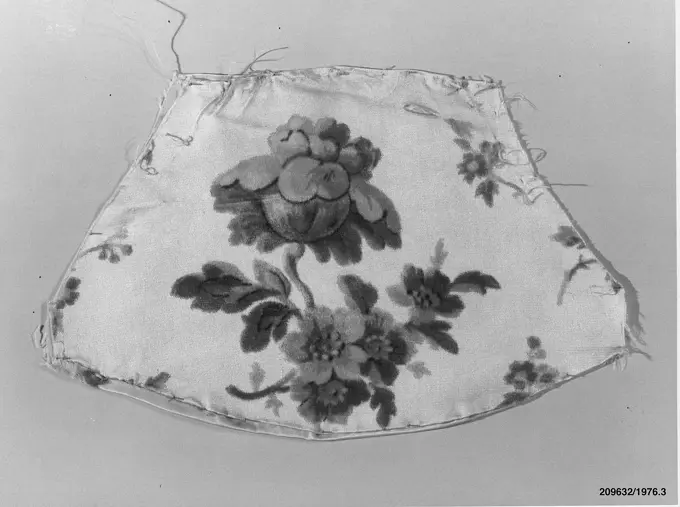
Piece 1760-70 French. Piece 224500
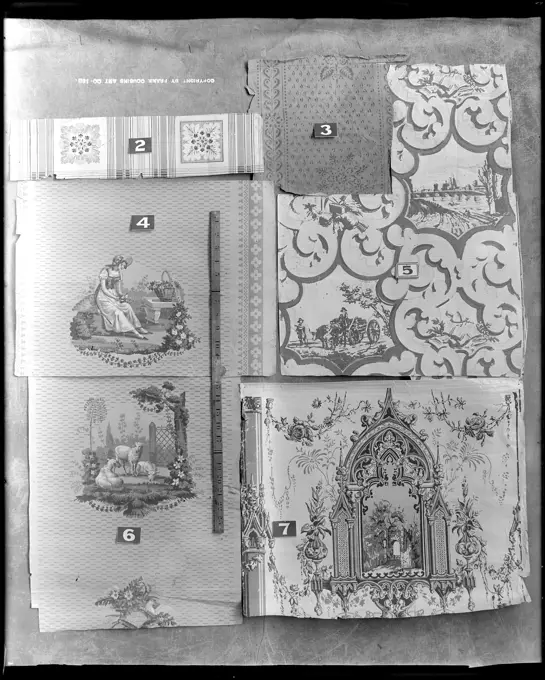
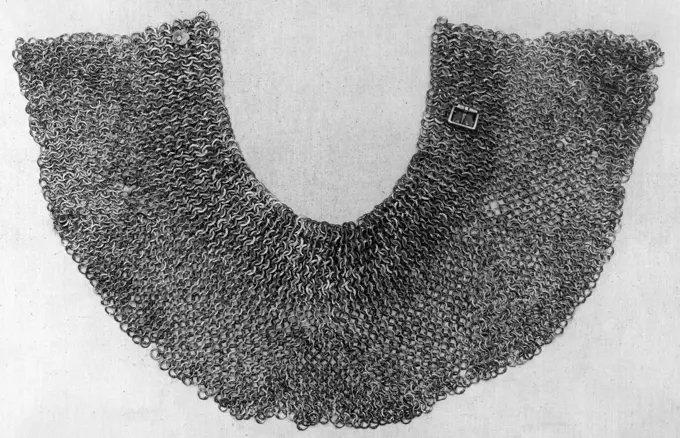
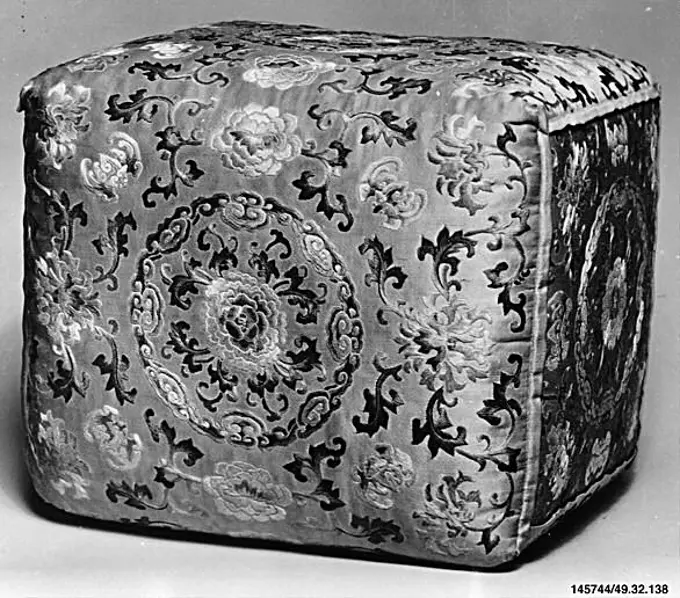
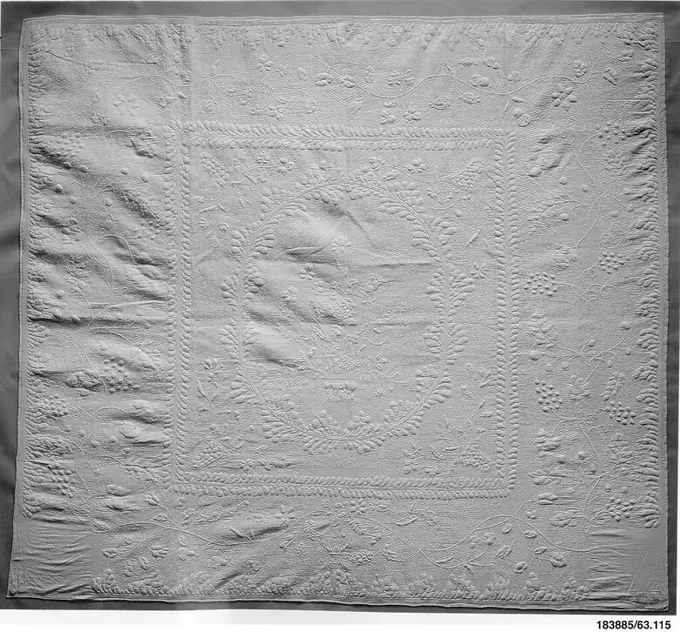
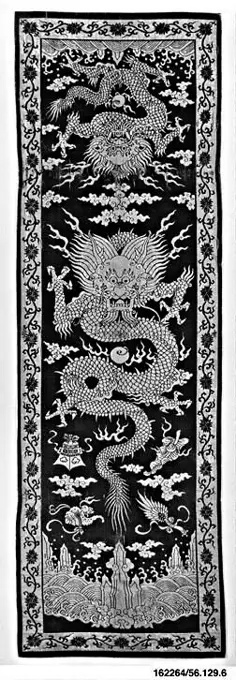
Piece 1880s Charles Frederick Worth French. Piece 229535Sampler early 19th century German. Sampler 217890Bag. Provincial Inca; Peru, Probably south coast. Date: 1476-1532. Dimensions: 15.2 x 14 cm (6 x 5 1/2 in.). Broken twill. Origin: Peru. Museum: The Chicago Art Institute, Chicago, USA.Objects, wallpaper, various designs, from Samuel Fowler house, Danversport, 166 High Street , Wallpapers, Fowler, Samuel, 1776-1859. Frank Cousins Glass Plate Negatives CollectionChair Strip 18th century China. Chair Strip 65669Textile Fragment Swiss. Textile Fragment 463276Rank Badge with Wild Goose early 18th century China. Rank Badge with Wild Goose 68875Rank Badge with White Crane early 19th century China. Rank Badge with White Crane 69459Shawl Made 1850-1875 India. Wool; embroidered .Piece 18th century French or Italian. Piece 224557Woman's Rank Badge with Egret late 18th-early 19th century China. Woman's Rank Badge with Egret 68971Collar of Mail 16th century German From about the third century B.C. through the early fourteenth century A.D., mail, also called chain mail, was the predominant and most effective type of body armor known in Europe. From about the mid-fifteenth century onward, mail was used in conjunction with full plate armor to fill the gaps between plates. Separate mail sleeves were made to be worn with a cuirass (breastplate and backplate); shaped panels of mail called gussets, covered the armpits or the crooks of the elbows and were attached to arming jackets, garments specially tailored to be worn under armor; and mail breeches, called brayettes or pairs of paunces, could be worn by men fighting on foot.. Collar of Mail 34830Carpet Fragment 8th century. Carpet Fragment 451048Imperial Arm Pillow (one of a pair) China. Imperial Arm Pillow (one of a pair) 69912Vintage photograph. Christmas ornamentsTextile Fragment 3rd-4th century. Textile Fragment 443807Sample French 19th-20th centuryTextile Fragment 5th-6th century. Textile Fragment 443764Floral print ca. 1785 French, possibly Jouy-en-Josas. Floral print 221872Bliżej Kultury unknownWholecloth whitework quilt. Culture: American. Dimensions: 94 3/4 x 70 1/2 in. (240.7 x 179.1 cm). Maker: Sarah Cook. Date: ca. 1800.This white cotton quilt is decorated with corded, quilted, and stuffed motifs. The top fabric is more tightly woven than the backing cotton. At the center, there is a vase of flowers within an oval feather wreath, and the central field is surrounded by a wide bolder with rose and grape vines stemming from an urn at the bottom center. The two corners at the foot were left unquilted, probably because they were meant to be cut back to fit around bedposts. Museum: Metropolitan Museum of Art, New York, USA.Anefo photo collection. Textilia assignment. Textile shapes. August 6, 1968Textile Fragment 5th-6th century. Textile Fragment 444201Fragment 17th century Italian. Fragment 220847Fragments (Italy); linen; a) H x W: 15.5 x 27 cm (6 1/8 x 10 5/8 in.) b) H x W: 15.8 x 26.2 cm (6 1/4 x 10 5/16 in.); Bequest of Richard Cranch Greenleaf in memory of his mother, Adeline Emma Greenleaf; 1962-50-185-a,bMedallion China. Medallion 68812Chair Strip early 18th century China. Chair Strip 70210Fragments 18th century Japan. Fragments. Japan. 18th century. Cotton. Edo period (1615-1868). Textiles-Painted and PrintedSTRATY WOJENNE MNK