Historical Textile Fragments

A series of intricate textile fragments from different eras, showcasing unique patterns and materials, reflecting rich cultural craftsmanship.
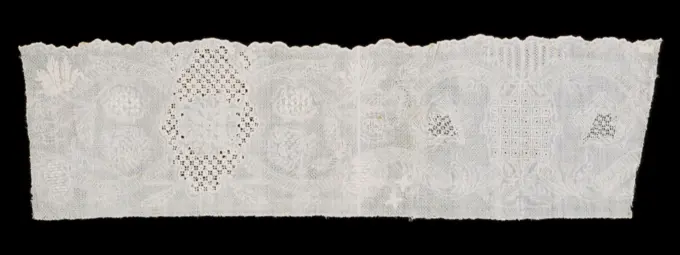
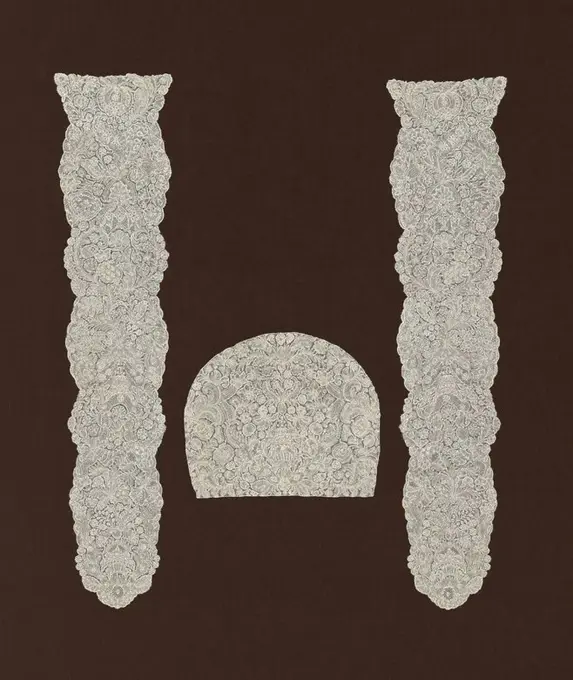
Flounce, 18th century, 26 5/8 x 7 5/8 in. (67.61 x 19.37 cm), Linen; point-ground lace (Tonder), Denmark, 18th century
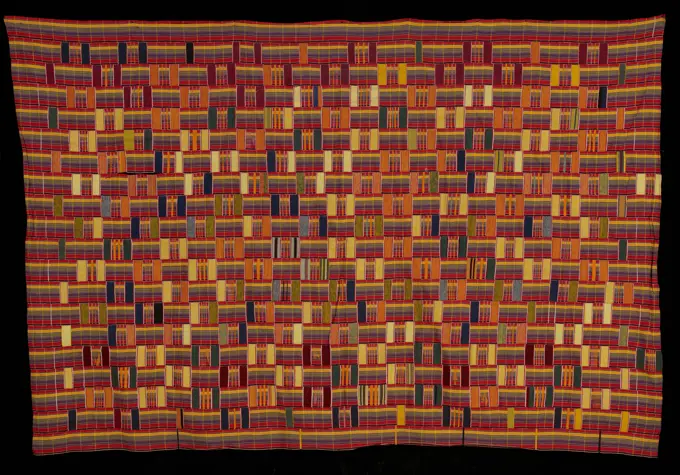
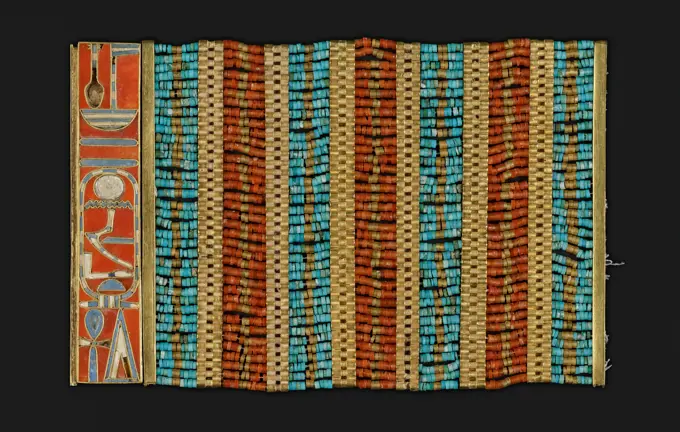
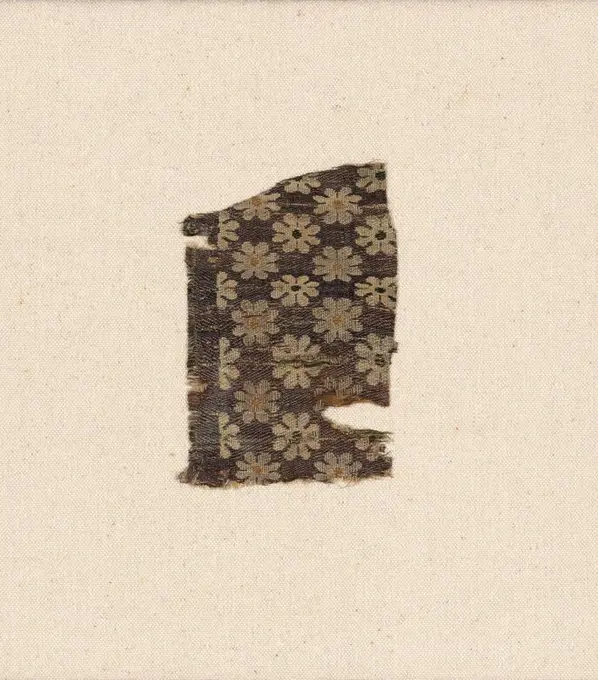
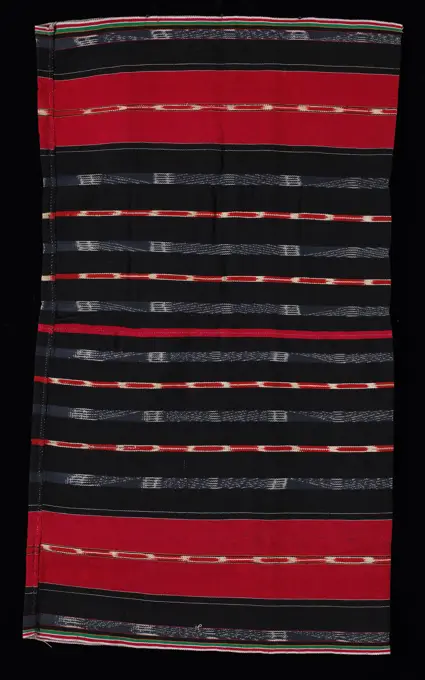
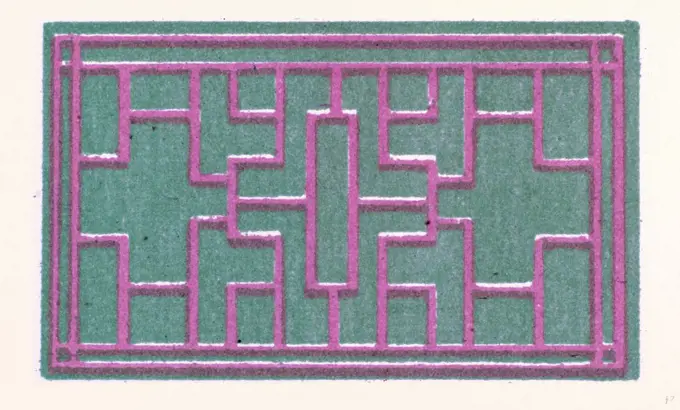
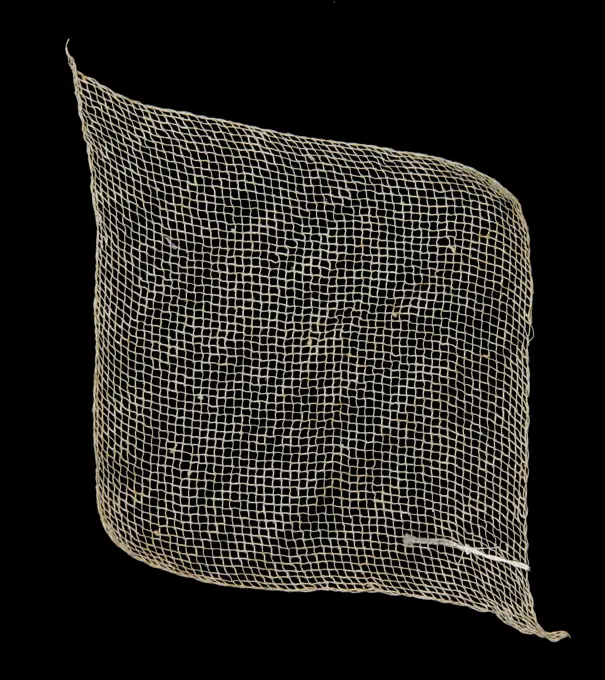
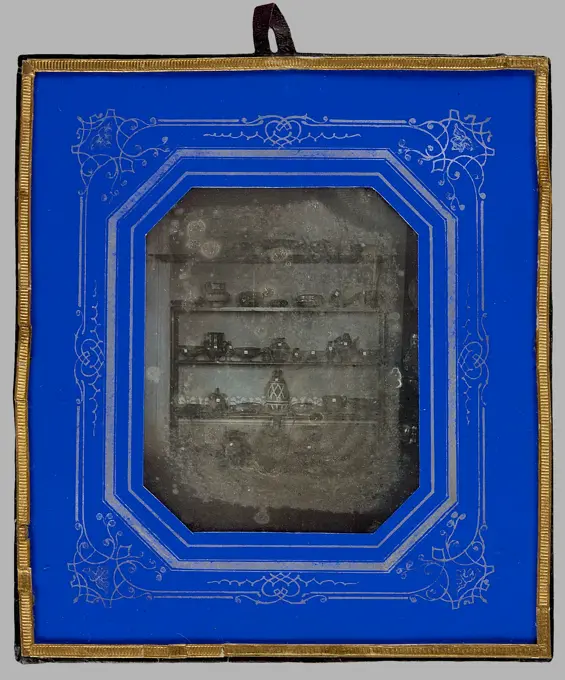
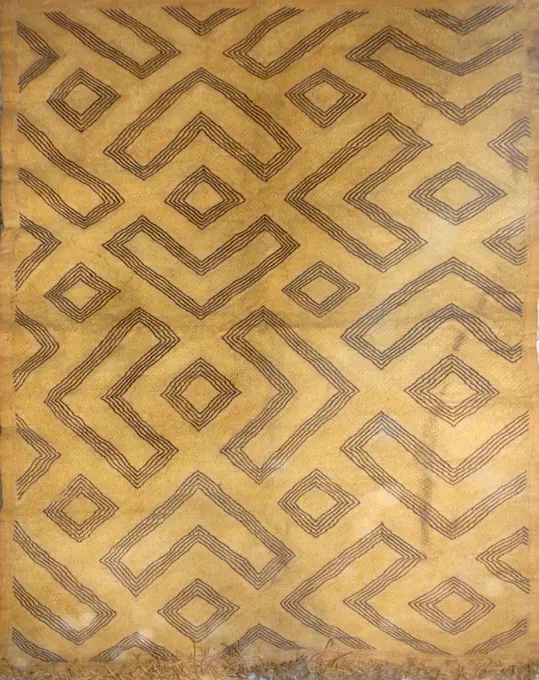
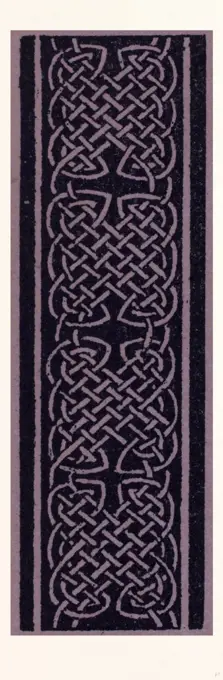
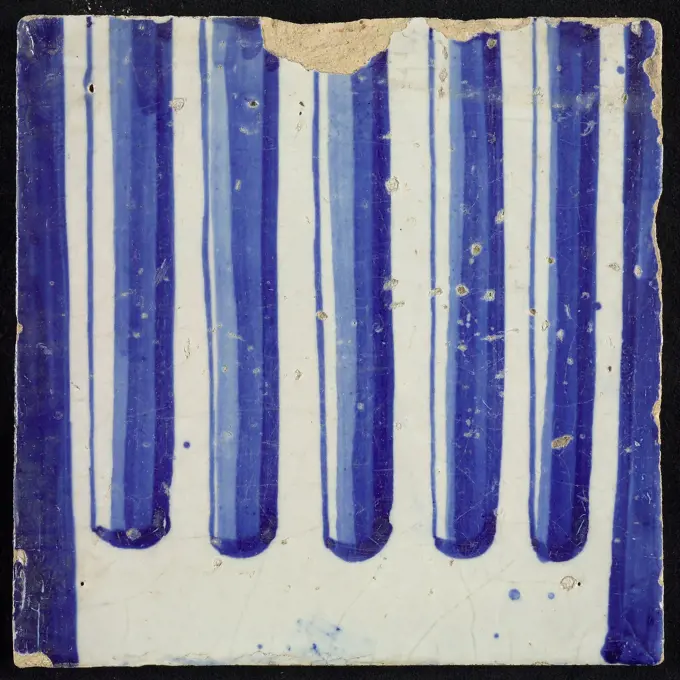
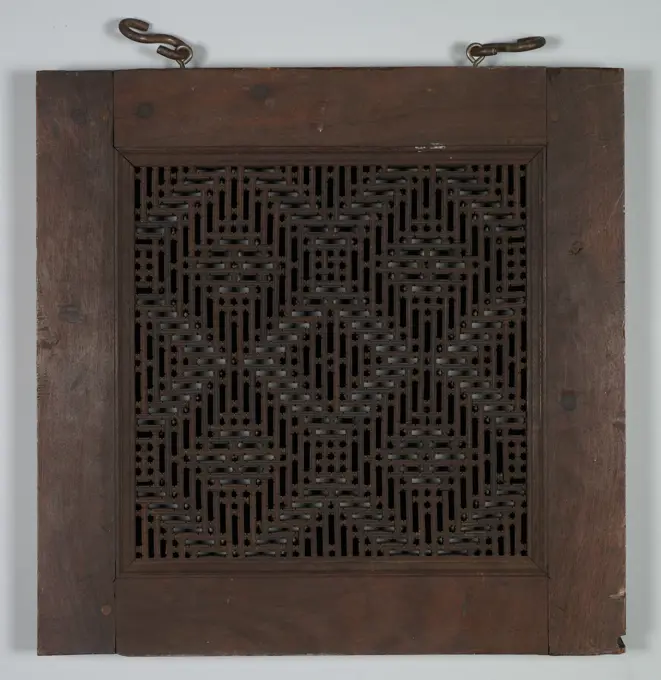
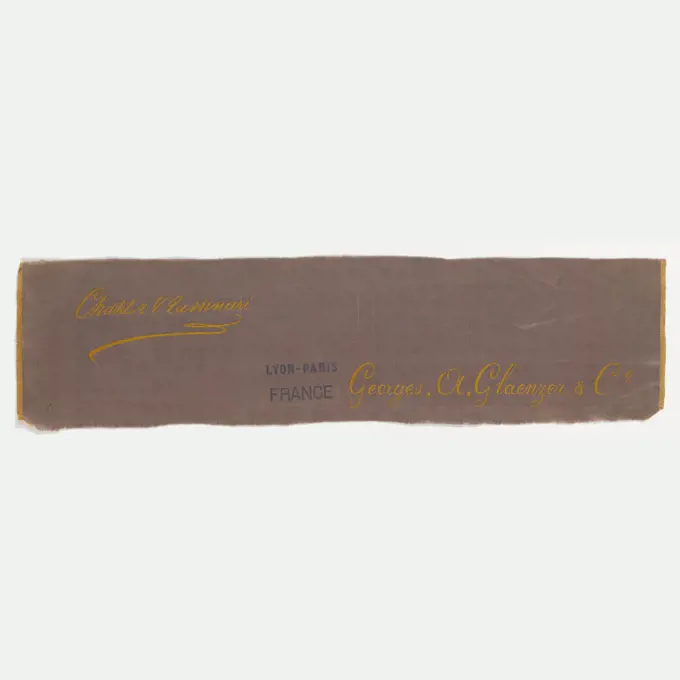
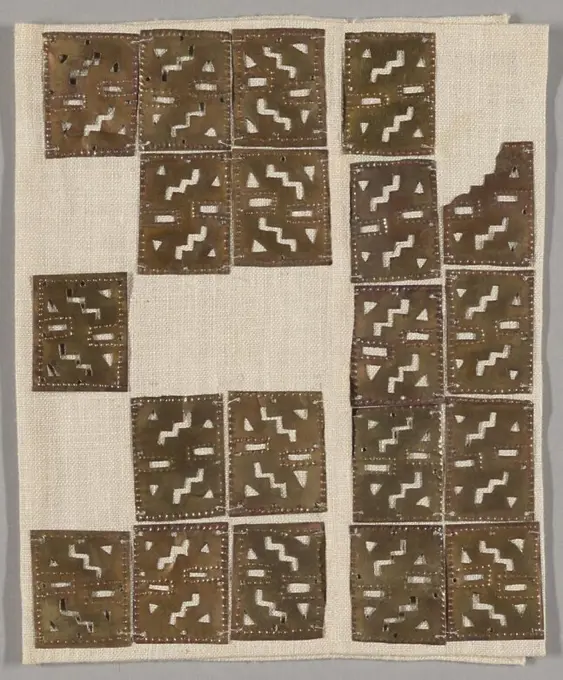
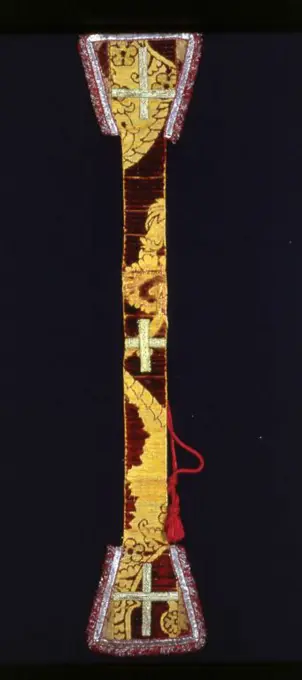
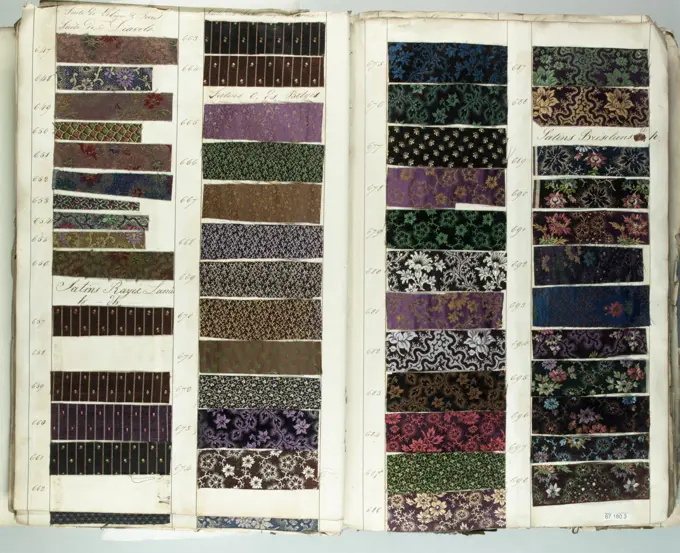
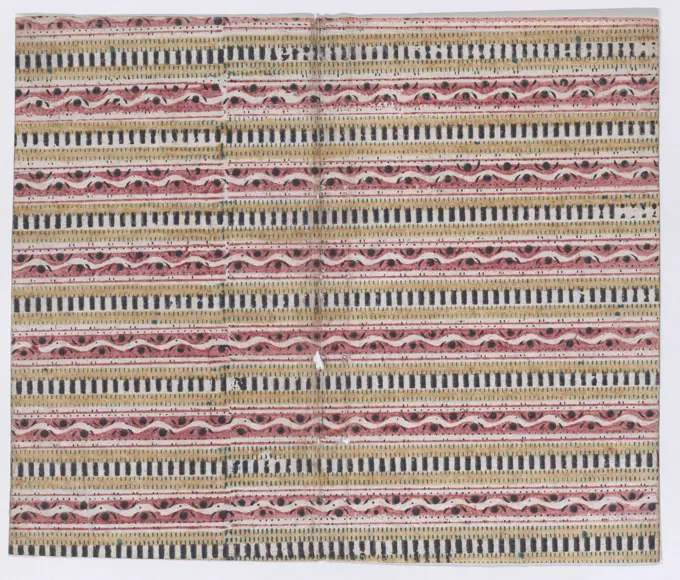
Fragment (Peru); cottonPiece 18th-19th century Japan. Piece 674224 Textile Fragments, undetermined Chancay. , 1000-1532. Cotton, camelid fiber, a: 1 3/16 x 1 9/16 in. (3 x 4 cm).   Arts of the Americas 1000-1532Glass Fragment 15th century European. Glass Fragment. European. 15th century. Colorless glass. Glass-StainedFragmentWrap, 20th century, 100 x 66 1/2 in. (254 x 168.91 cm), Cotton, Ghana, 20th centuryVillage on Lake Como: May 1, 1869 (verso, from sketchbook) 1869 Jervis McEntee American. Village on Lake Como: May 1, 1869 (verso, from sketchbook). Jervis McEntee (American, Rondout, New York 1828-1891 Rondout, New York). American. 1869. Graphite, white gouache, on blue paperRenaissance ornamentThirteen hexagonal floor tiles, c. 1545 - c. 1570 Thirteen hexagonal floor tiles decorated with stylized petals. The edges are deposited with wide pisses. In the middle of a long side the coat of arms of the Montmorency family. Antwerp earthenware. tin glaze majolica Thirteen hexagonal floor tiles decorated with stylized petals. The edges are deposited with wide pisses. In the middle of a long side the coat of arms of the Montmorency family. Antwerp earthenware. tin glaze majolicaGlass Fragment 14th century French (). Glass Fragment. French (). 14th century. Colorless glass. Glass-StainedLate classic child's blanket, c. 1865-1870, 54 x 33 in. (137.16 x 83.82 cm), Wool and cotton; tapestry weave, United States, 19th centuryMirror with the image of the agglope in the wave family;  beginning of the 20th century (1900-00-00-1932-00-00);Cap Crown. Flanders, Brussels. Date: 1730-1739. Dimensions: 18.7 × 22.2 cm (7 3/8 × 8 3/4 in.). Linen, bobbin part lace of a type known as "Brussels" with a twisted bar ground?. Origin: Brussels. Museum: The Chicago Art Institute, Chicago, USA.Portrait of Maria Katarzyna de Vernesson; French painter (Fl. XVII century); 1 PO. XVII century (1600-00-00-1650-00-00);French painting, headgear, neutral background, portraits of en trois-quarts, women's portraitsBroad Bracelet of Sithathoryunet ca. 1887-1813 B.C. Middle Kingdom. Broad Bracelet of Sithathoryunet. ca. 1887-1813 B.C.. Gold, carnelian, turquoise, faience, Egyptian blue, lapis lazuli. Middle Kingdom. From Egypt, Fayum Entrance Area, Lahun, Tomb of Sithathoryunet (BSA Tomb 8), Chamber E, box 1, BSAE excavations 1914. Dynasty 12Fringe probably European 19th centuryPiece 1781-1815 Gorgerat Frères et Cie. Piece 222049Textile Swatches Onondaga Silk Company, Inc. (1925-1981). Textile Swatches, 1948-1959. 46 Nylon; 25 Acetate; 16 Rayon, 13 metal, (a) - (e): 9 x 5 in. (22.9 x 12.7 cm).    1948-1959Fragment. Possibly France. Date: 1401-1500. Dimensions: 9.3 × 6.2 cm (3 5/8 × 2 3/8 in.)Weft repeat: 2.5 cm (1 in.). Silk, three color complementary weft weft-float faced twill weave with inner warps. Origin: France. Museum: The Chicago Art Institute, Chicago, USA.Textile 19th century Japan. Textile 68024Skirt, 20th century, 31 1/8 x 17 7/8 in. (79.06 x 45.4 cm), Cotton; ikat, Thailand, 20th centuryPiece 19th century Japan. Piece 72068Border Made 1625-1650 Italy. Gold-gilt-silver-and-copper-metal strip and gold-gilt-silver-and copper-metal-strip-wrapped silk, bobbin straight lace .Fragment, 700s. China or Japan, 8th century. Tabby weave; overall: 9 x 12.8 cm (3 9/16 x 5 1/16 in.).Cangzhen Tie and Lugong Tie. Culture: China. Dimensions: Image: 53 1/2 × 19 1/8 in. (135.9 × 48.6 cm). Date: 20th century. Museum: Metropolitan Museum of Art, New York, USA.Textile Fragment 9th-10th century. Textile Fragment. 9th-10th century. Linen, silk; plain weave, embroidered. Attributed to Egypt. Textiles-EmbroideredChinese ornamentNet square nets, laceCeltic ornamentFragment, 700s. China, 8th century. Tabby ground and twill pattern; overall: 3.9 x 4.5 cm (1 9/16 x 1 3/4 in.).Minutoli Institute in Legnica. Presentation of ceramics. Birk, Louis, photographerWoman's Ceremonial Skirt (Tapis) 19th century Lampung. Woman's Ceremonial Skirt (Tapis) 308253Strip of black lace with flower and leaf motif with one smooth side and one border with scoops, on cardboard, Gustav Schnitzler, c. 1925 Strip black lace with flower and leaf motif with one smooth side and one border with scoops, on cardboard. Nijmegen cardboard Strip black lace with flower and leaf motif with one smooth side and one border with scoops, on cardboard. Nijmegen cardboardFragment of fabric unknownCylinder seal ca. 15th-12th century B.C. Cypriot . Cylinder seal. Cypriot . ca. 15th-12th century B.C.. Steatite. Late Cypriot. CyprusAlice Stearns, Shaker Chair Seat Covering, c 1936 Shaker Chair Seat CoveringChair Arms, 19th century; wool, silkTextile 19th century Japan. Textile 68006Textile Sample from Sample Book 19th century Japan. Textile Sample from Sample Book 68152Fragment of a Woman's Collar. Europe or North America, 1830-1840s. Costumes; Accessories. Cotton machine net, appliqued cotton embroidery motifsSkirt Length, 20th century, 215 x 14 in. (546.1 x 35.6 cm), Cotton, China, 20th centuryPiece 18th century Japan. Piece 71951Sample (Belgium); Designed by Eleanor Mabel Sarton (English, 1878-1950); medium:Evora, Portugal. Moroccan textile.Piece 18th century Japan. Piece 72035Six of Diamonds from Set of 'Jeu Imperial-Second Empire-Napoleon III' Playing Cards, F. Chardon, French, active 19th c., Lithograph on glazed paper, Six of Diamonds from Set of 'Jeu Imperial-Second Empire-Napoleon III' Playing Cards., Paris, France, 1858, Playing Card, Playing CardFragment (France); silk; Warp x Weft: 19 x 7 cm (7 1/2 x 2 3/4 in.)British, 19th Century, Hothocleana, c. 1850s, cyanotypeQuilt (France); cottonCharles Criswell, Gentleman's Stock Buckles, c 1936 Gentleman's Stock BucklesFragment (Japan)Sample early 19th century French. Sample 224841Glass Fragment 15th-16th century European. Glass Fragment. European. 15th-16th century. Colorless glass, silver stain. Glass-StainedFragment; linen; 1897-8-297Fabric Swatch Fab-Tex Inc.. , 1963-1966. Wool, mohair or cellophane fiber, paper, sheet: 10 1/2 x 8 1/4 in. (26.7 x 21 cm).    1963-1966Fragments (Spain); silk and metallic yarnsFrisian with three children, sitting between leaf vines, c. 1500 - c. 1600 print The child on the left has a dog with him. Shaded background. Germany (possibly) paper engravingTextiles and Cloth from the Democratic Republic of Congo. Dated 19th CenturyBlank postage stamps block of fifteen framed Blank postage stamps block of fifteen framed on a black background Copyright: xZoonar.com/OlgaxPopovax 3606397Linen fragment ca. 2880-2465 B.C. Early Dynastic Period-Old Kingdom. Linen fragment 559249Textile Swatches Onondaga Silk Company, Inc. (1925-1981). Textile Swatches, 1948-1959. silk; metal, (a) - (e): 8 1/2 x 4 1/2 in. (21.6 x 11.4 cm).    1948-1959Wooden cabinet Close up shot of wooden cabinet drawers Copyright: xZoonar.com/Baloncicix 14968847A blackboard in an empty classroom of the old primary school in Trinwillershagen, 05.05.2022., Trinwillershagen, Germany, EuropeCeltic ornamentgranada media plc wall cupboard doorsLeaf with cyanotype Fotogram of leaf of an American chestnut and the magazine itself, Anonymous, c. 1900 - c. 1920 photograph. photogram  United States of America photographic support. paper. cyanotype trees: chestnut-tree. trees (+ leaf)Pendant with the monogram of Christ (IHS), monogrammist AZ, c. 1615 - c. 1630 print Pendant with the monogram of Christ (IHS) attached to a ribbon with therefore six small black work designs.  paper. ink engravingVerso: stylized flowers (project near the SAP catalog "Art" 1905.); Ruszczyc, Ferdynand (1870-1936); around 1905 (1900-00-00-1910-00-00);Partage Plus, flowers, decoration designs, cover designs, decoration patterns, purchase (provenance)Panel from a Head Covering (ajar), probably 1800s or early 1900s. Africa, North Africa, Tunisia, probably Testour or Tunis, Tunisian weaver. Silk: plain cloth, brocaded; overall: 117.2 x 53.4 cm (46 1/8 x 21 in.). This panel was part of an urban Tunisian woman’s head-covering (ajar). Two such panels flanked a face-obscuring black panel. Such luxurious garments of seclusion were once reserved for elites. The decorative panels draped down when worn, showing off the finely woven motifs and demonstrating the wearer’s family wealth. Arranged in bands, motifs include stylized trees (or protective hands), flowers, eight-pointed stars, and geometric designs. The mirrored Kufic (squared Arabic script) lettering in teal is likely the name of the weaver or panel owner. Weavers with Muslim Andalusian (southern Spanish) heritage originally made these, drawing from Andalusian and Turkish motifs; later, workshops in Tunis produced them.Sketchbook with 86 pages. Sketchbook consisting of 86 blades with architecture studies, including floor plans, cross-sections and revolts of villas, city houses, bridges and roof constructions.Still life with wool and knitting needles, Anonymous, 1930 - 1940 photograph     knitting. (ball of) yarnPiece 18th century Japan. Piece 71981Tile of chimney pilaster, blue on white, part of column with cannelure, chimney pilaster tile pilaster footage fragment ceramics pottery glaze, fired 2x glazed painted Tiles belonging to single row chimney pilaster originally twelve high Yellow to rossig shard square four nail holes letter top left E and bottom right 5 1914 construction City Hall Zandstraat Quarter World War II War Bombardment Rotterdam City Triangle 1940 Renaissance Coming from rubble after bombing on Rotterdam in May 1940.Set from five grunge gold bannersPhoto production of three drawings, depicted two faces and a skull, Bibois, After Anonymous, c. 1852 - in or before 1857 photograph   photographic support salted paper print face. (human) skullPanel, 1800s. Syria. Wood;Knoblauch Eduard (1801-1865), chair (without date): Detailed drawing of a chair with turned legs, side view, backrest. Pencil watercolored on paper, 91.9 x 61.6 cm (including scan edges) Knoblauch Eduard  (1801-1865): StuhlSketchy vector hand drawn doodles cartoon set of Casino objectsTahiti,1891. Artist: John La Farge, American, 1835-1910, M.A. (HON.) 1896Fragment, Tassinari & Chatel, (Paris and Lyons, France, founded 1680), Medium: silk Technique: woven, Fragment of lavender with 'Tassinari & Chatel' and 'George A. Glaenzer & Co.' woven in yellow and brown. Stamped Lyon, France in blue ink., Lyon, France, late 19th century, woven textiles, FragmentGloves late 18th-early 19th century Italian. Gloves 96179Sample early 19th century French. Sample 224843Rectangular Costume Ornaments with Geometric Motifs. Possibly Chimú or Inca; Costal or highlands, Peru. Date: 1000-1450. Dimensions: Approx. 3.8 x 5.1 cm (1.5 x 2 in.) each. Gold. Origin: Peru. Museum: The Chicago Art Institute, Chicago, USA.Stole Made 1401-1500 Spain. Silk, velvet; cut, voided; additional brocading wefts in gilt strip (wound around silk fiber core) forming loops where required; gilt galloon trim and crosses; two attached silk cords, knotted and fringed .Textile Sample Book 1836 () French. Textile Sample Book. French. 1836 (). Textiles-Sample BooksMachine-made Openwork Samples (USA); cardboard, linen, silk, metallic; 1971-26-2-21Disc 19th century China. Disc 41995PALACIO DE COMARES - SALON DE COMARES - ALICATADO - SIGLO XIV. Location: ALHAMBRA-PALACIO DE COMARES. GRANADA. SPAIN.Letter A in a frame with two peacocks, Anonymous, 1600 - 1699 print   paper letterpress printing fancy letters. ornamental birds: peacockFragment 16th-17th century Italian. Fragment 230542Book cover with overall geometric and stripe pattern 19th century Anonymous. Book cover with overall geometric and stripe pattern. Anonymous , 19th century. 19th century. Relief print (wood or metal). PrintsFragment. Dimensions: 8 in. high 3 1/4 in. wide (20.3 cm high 8.2 cm wide). Date: 3rd-4th century. Museum: Metropolitan Museum of Art, New York, USA.Ornament with precious stones and heavenly, 1597 - 1667 print The print is part of an album.  paper letterpress printing ornamental decoration ~ printed matter, bookFrame with window blinds closed. Sunlight protection isolated on white background. Frame with window blinds closed. Sunlight protectionBarbed wire fence used for protection purposes26 arrows, c. 1650 - c. 1679  26 arrows from wooden arrow cooker from Cornelis Tromp. southeast Asia wood (plant material).  flowers ~ ornamentExample of lace stitch Irish 19th-20th centuryScan, acupuncture needles with Chinese characterFringe (Italy); silkPlaying Card; Manufactured by Ferdinand Piatnik and Sons