Historical Textile Fragments

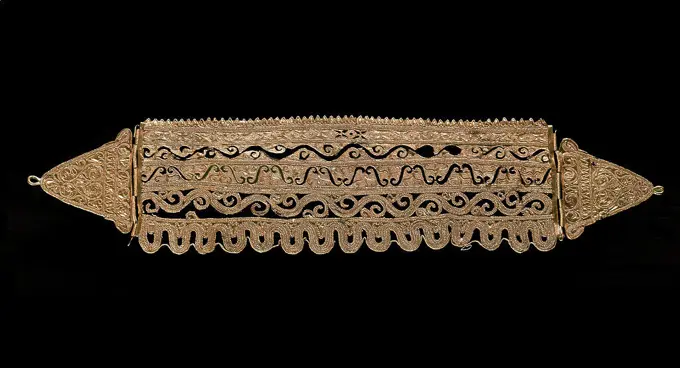
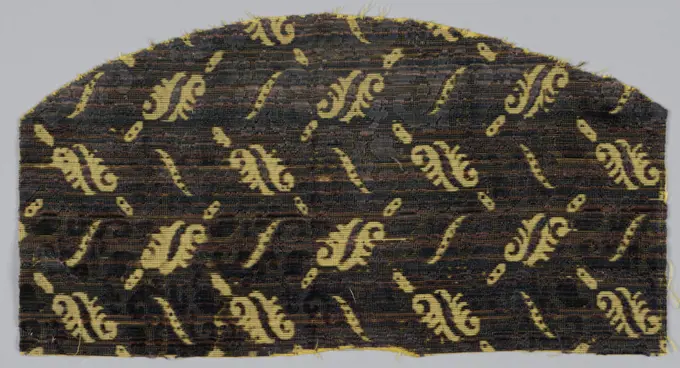
Ancient textile pieces including embroidered bands and silk stoles, showcasing intricate designs and rich colors from varied cultural backgrounds.
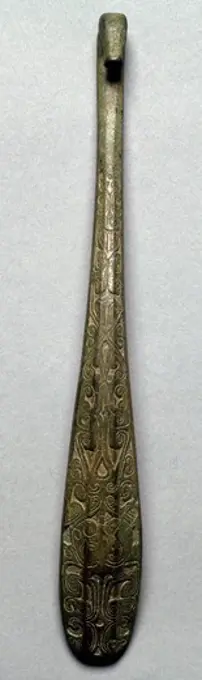
Bronze buckle, China. Chinese Civilisation, Han Dynasty, 3rd century BC-3rd century AD.
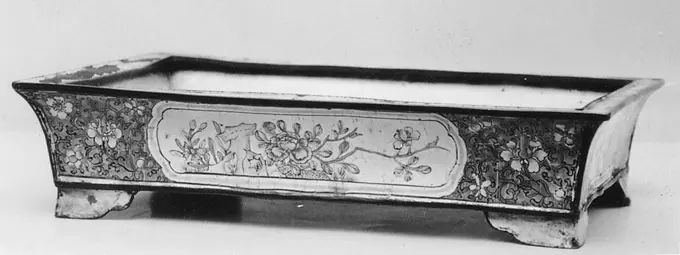
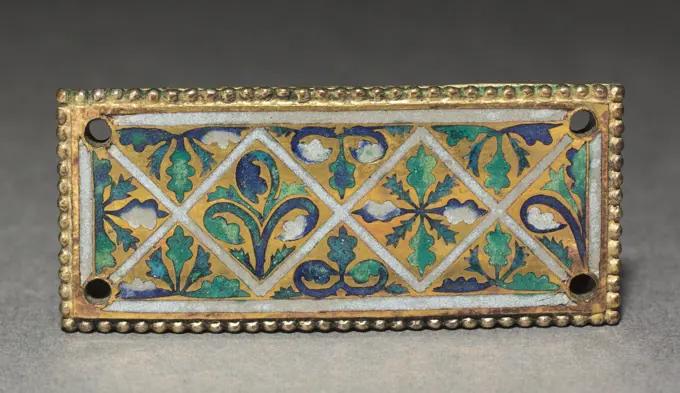
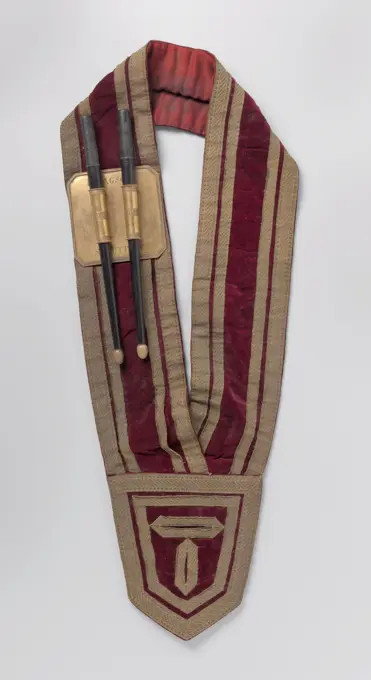
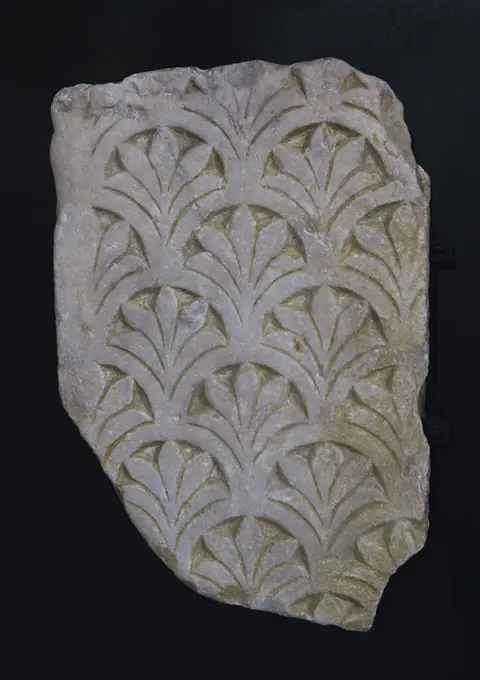
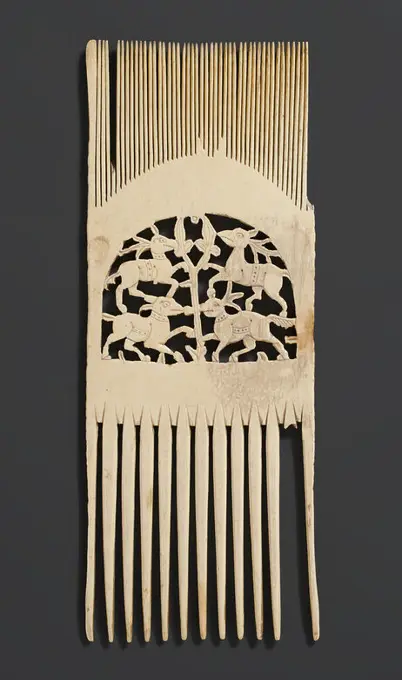
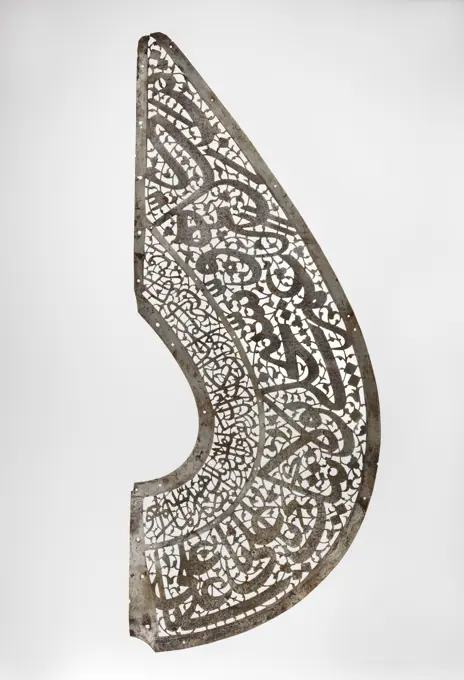
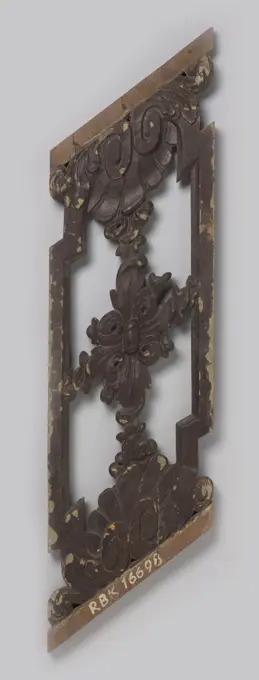
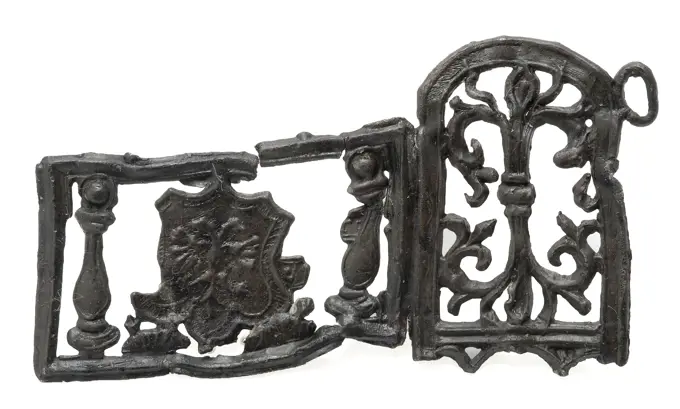
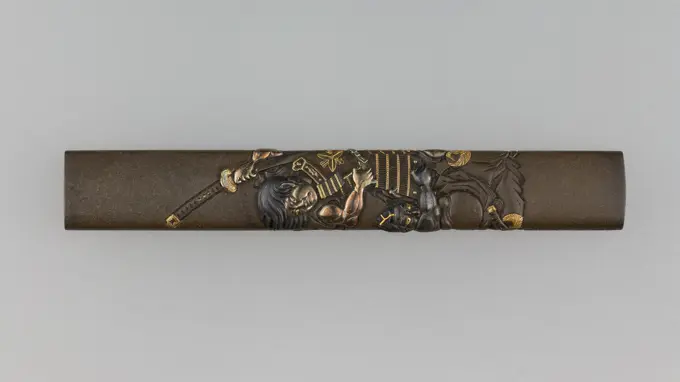
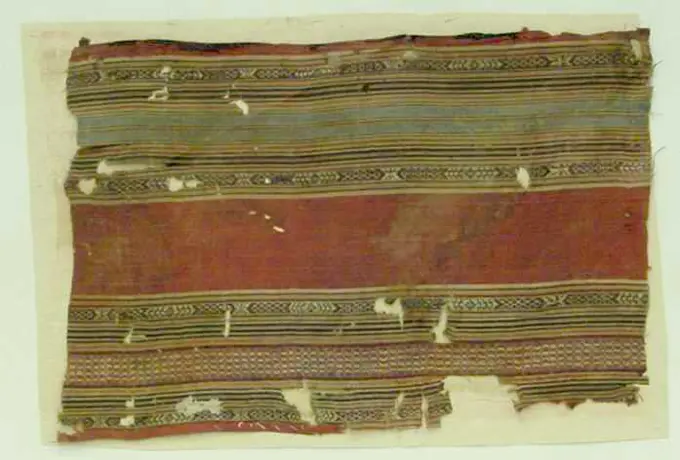
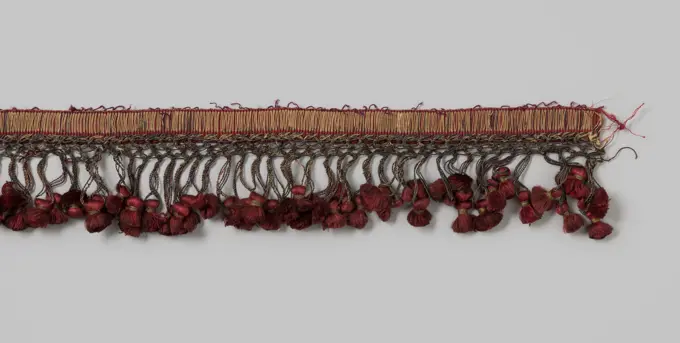
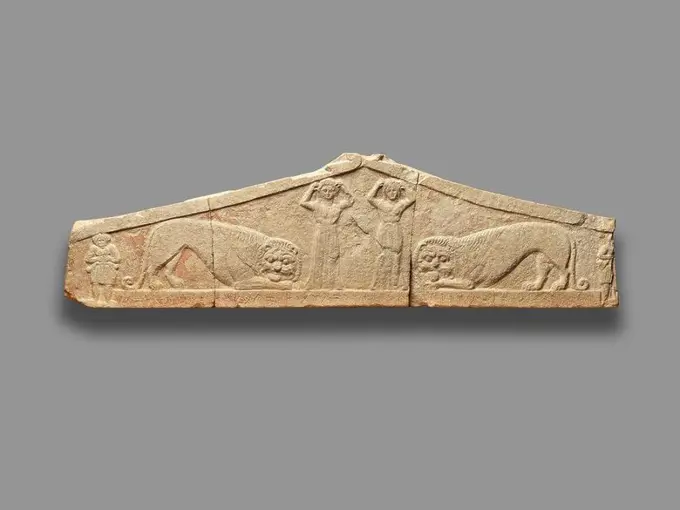
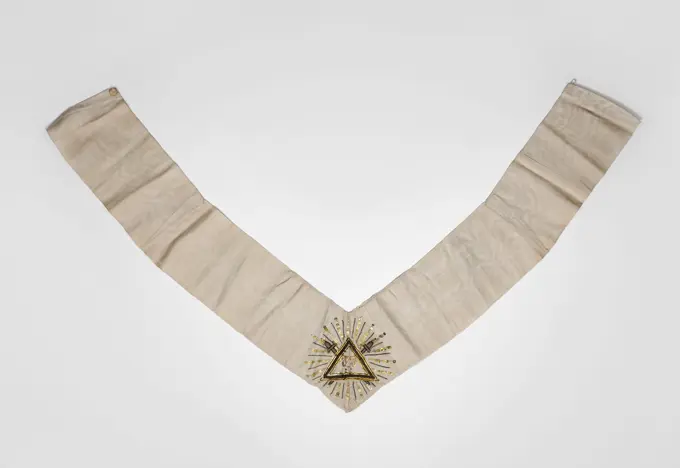
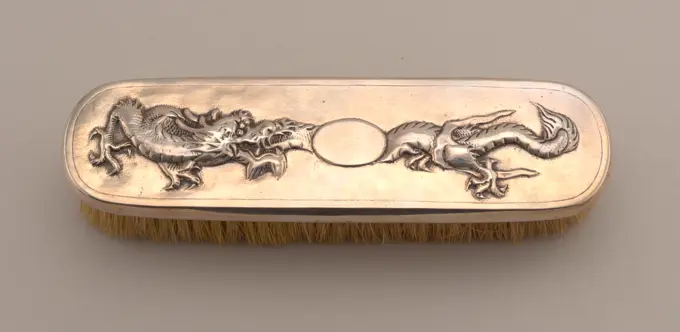
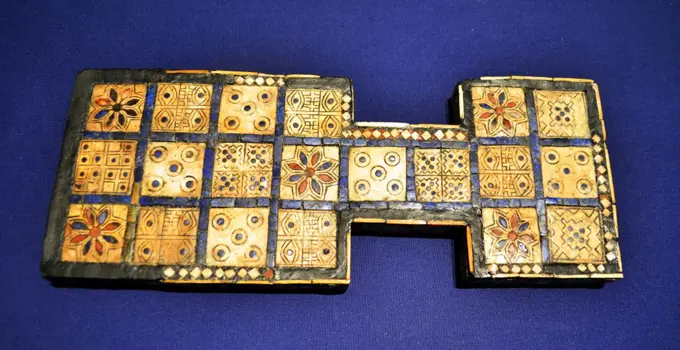
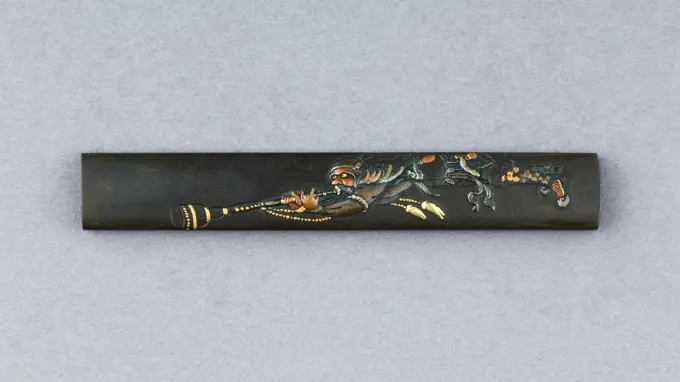
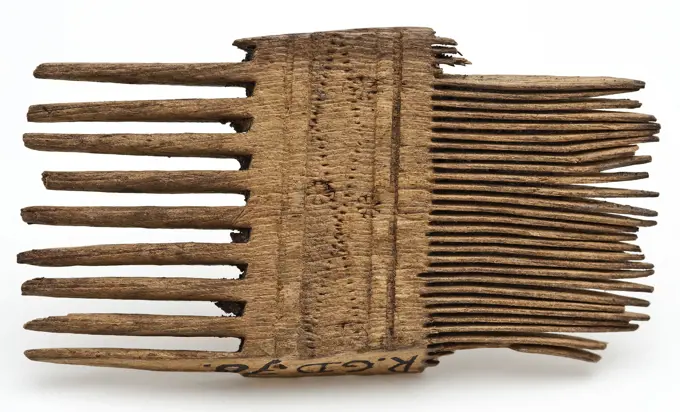
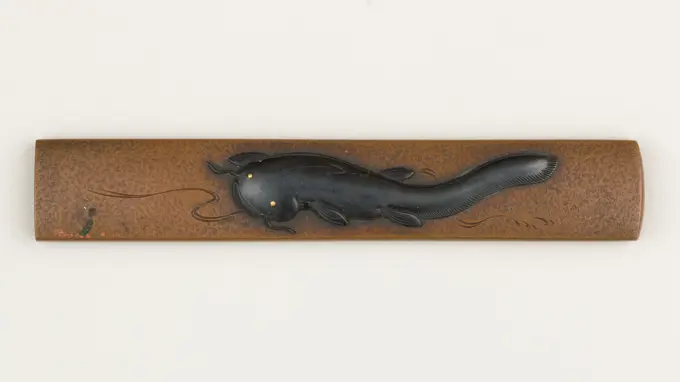
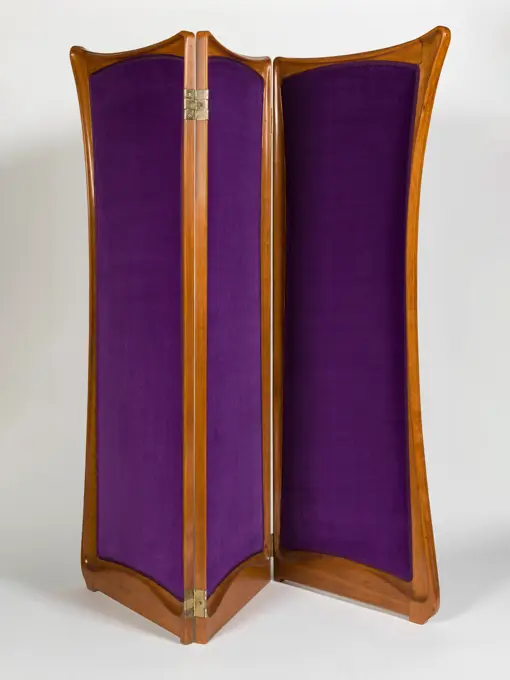
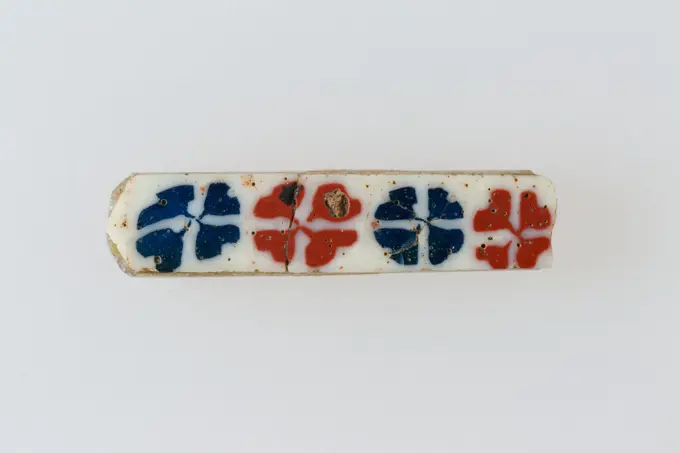
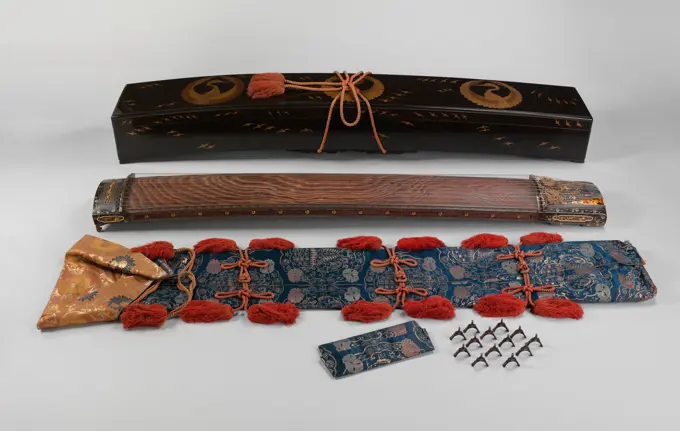
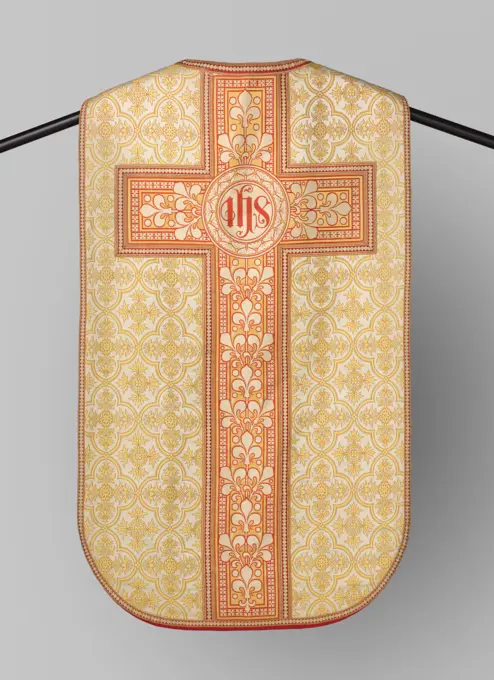
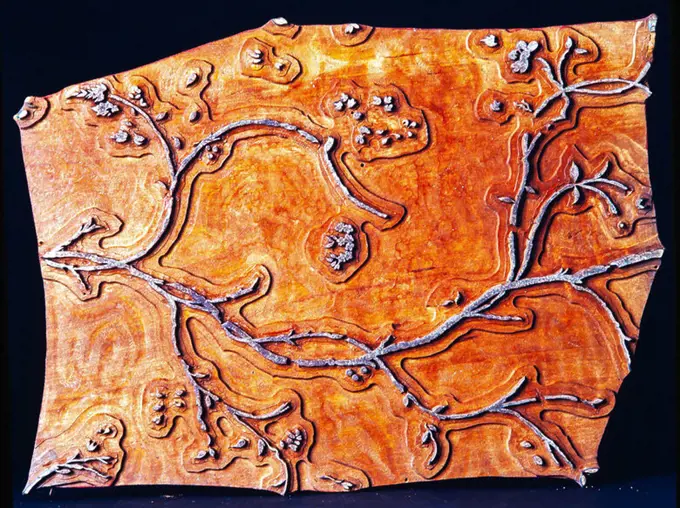
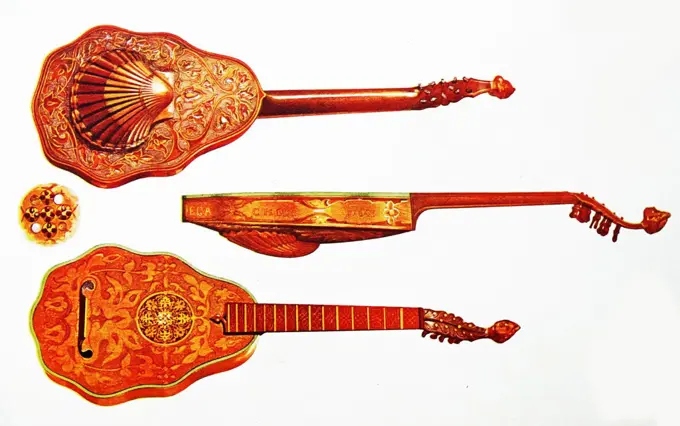
Vestment. Culture: Russian. Dimensions: 37 x 16 in. (94 x 40.6 cm). Date: late 17th century.This object is from the collection of Natalia de Shabelsky (1841-1905), a Russian noblewoman compelled to preserve what she perceived as the vanishing folk art traditions of her native country. Traveling extensively throughout Great Russia, she collected many fine examples of textile art of the wealthy peasant class. From the 1870s until moving to France in 1902, Shabelsky amassed a large collection of intricately embroidered hand-woven household textiles and opulent festival garments with rich decoration and elaborate motifs. The Brooklyn Museum holdings include many fine examples including the majority of the garments. Portions of Shabelsky's collection are also housed at the Museum of Fine Arts, Boston, the Cleveland Art Museum, and the Russian Museum of Ethnography in St. Petersburg.The embroidery of this piece does not appear to be religious work, and was likely made for secular use and lJardinière China. Jardinière 40792Plaque from a Reliquary Shrine, c. 1170. Germany, Rhine Valley, Cologne, Romanesque period, 12th century. Gilded copper; champlevé and cloisonné enamel; overall: 2.7 x 6.1 cm (1 1/16 x 2 3/8 in.).Drum-major Dress Belt, c. 1830 - c. 1880 musical instrument. elements (of musical instruments). percussion instrument. drumstick holder belt. beater. drumstick. stick plate Staff band for red velvet tamboo with gold galon and gilded copper stick plate and two ebbenhout sticks with copper back ends and points of Hoorn. In use with majors of the Haagse Schutterij. Netherlands velvet (fabric weave). gilding (material). copper (metal). ebony (wood). horn (animal material) gilding  NetherlandsFragment; silkPlaque of chancel decorated with imbricated semicircles showing fleur-de-lis and palmettes. Marble. 7th century. Unknown provenance. Museum of Visigoth Councils and Culture. Toledo, Castile-La Mancha, Spain.Interieuronderdeel, anonymous, 1636 Oak half circular door arch with a calf above it, in which a sculpted Frisian, consisting of two cartels with "Anno" and "1636", between which a coat of arms with three flowering lily plants on it. This includes a separate part, semi -circle -shaped, which completes the doorbow. Northern Netherlands (possibly)Netherlands (possibly) wood (plant material). oak (wood) Oak half circular door arch with a calf above it, in which a sculpted Frisian, consisting of two cartels with "Anno" and "1636", between which a coat of arms with three flowering lily plants on it. This includes a separate part, semi -circle -shaped, which completes the doorbow. Northern Netherlands (possibly)Netherlands (possibly) wood (plant material). oak (wood)Comb; carved woodLiturgical Comb. Culture: French. Dimensions: Overall: 12 x 4 1/2 x 3/16 in. (30.5 x 11.4 x 0.5 cm). Date: 12th-13th century. Museum: Metropolitan Museum of Art, New York, USA.Hitchcock Chair. Dated: c. 1940. Dimensions: overall: 24.9 x 35.5 cm (9 13/16 x 14 in.) Original IAD Object: As on rendering. Medium: watercolor, colored pencil and graphite on paper. Museum: National Gallery of Art, Washington DC. Author: Genevieve Sherlock.Orphrey band, Medium: silk, metallic Technique: supplementary wefts on 4&1 satin, Metallic scrolls containing a medallion of God the Father, and another of mary with jesus., 17th century, woven textiles, Orphrey bandTile 1882-84 J. and J. G. Low Art Tile Works. Tile 8537Fragment of a Standard ('Alam) 17th century This fragment is the right half of a pear-shaped steel standard which would have been originally framed by a twisted steel cord ending in a pair of outward-facing dragon heads. The form echoes one of the many types depicted in battle paintings from the sixteenth century royal manuscript of the Shahnama of Shah Tahmasp. Standards from this period have pierced scrolling vegetal designs and talismanic inscriptions. Here, the inscriptions are Shii in tone and include the Nad-i ʿAliyyun, a prayer calling on Imam ʿAli for protection against harm, as well as Quranic verses from suras 112 (The Sincerity) and 68 (The Pen). In Shii communities such standards were also carried in Muharram processions commemorating the martyrdom of Imam Husain, the third Shiite Imam, at the battle of Kerbala in 680 A.D.. Fragment of a Standard ('Alam) 453189Bouwfragment, anonymous, 1700 - 1725 A trapezoidal, openwork stair balluster of dark brown painted pine. A rosette has been applied in the middle, and the bottom and top volutes with shell. See also: BK-16698-A/C. Northern Netherlands (possibly)Netherlands (possibly) wood (plant material). pine (wood) A trapezoidal, openwork stair balluster of dark brown painted pine. A rosette has been applied in the middle, and the bottom and top volutes with shell. See also: BK-16698-A/C. Northern Netherlands (possibly)Netherlands (possibly) wood (plant material). pine (wood)Plate Ceramic Horend with a chimney from the house of Dentz van Schaick, c. 1900 - c. 1905 The plate belongs to a chimney that is part of a paneling for the house of Mr Th.G. Dentz van Schaick on Frederiksplein in Amsterdam 50-52. The Hague earthenware The plate belongs to a chimney that is part of a paneling for the house of Mr Th.G. Dentz van Schaick on Frederiksplein in Amsterdam 50-52. The Hague earthenwareFerret 6th-7th century Frankish. Ferret 465611 Frankish, Ferret, 6th7th century, Copper alloy, Overall: 2 5/16 x 11/16 x 1/4 in. (5.9 x 1.7 x 0.7 cm). The Metropolitan Museum of Art, New York. Gift of J. Pierpont Morgan, 1917 (17.193.283)Fragment van een geborduurde praetexta en aurifries van een dalmatiek ()..Fragment of an embroidered praetexta and aurifries of a dalmatics. The fragment consists of red satin on a linen lining. The embroidery has rinceaux of gold and silk in the colors yellow and green. The fragment belongs to two fragments with Invnrs. BK-NM-1239-B-2 and BK-NM-1239-B-3.Saddle Blanket, 19th-20th century, 67 x 30 in. (170.18 x 76.2 cm), Leather, glass beads, cotton, tin bells, United States, 19th-20th centuryDecorative grill from the Palace of Westminster. Culture: British. Designer: Augustus Welby Northmore Pugin (British, London 1812-1852 Ramsgate). Dimensions: Overall (confirmed): 21 3/8 × 10 5/8 × 9/16 in. (54.3 × 27 × 1.4 cm). Manufacturer: Attributed to John Hardman & Co. (British). Date: ca. 1850.These decorative grill panels exemplify the designs of Augustus Welby Northmore Pugin (1812-1852), who was the leading exponent of the Gothic Revival style in England. Pugin's work is central to the transformation in British design that began in the mid-nineteenth century. He admired what he saw as the honesty and purity of medieval art, and deplored the meaningless repetition of historical motifs. Pugin coined the phrase "Brumagen Gothic," referring to "those inexhaustible mines of bad taste, Birmingham."The medieval Palace of Westminster, much altered by later additions, was almost entirely destroyed by a devastating fire which broke out on October 16, 1834. When the last flames were fiKnife Handle (Kozuka). Culture: Japanese. Dimensions: L. 3 13/16 in. (9.7 cm); W. 9/16 in. (1.4 cm); thickness 5/16 in. (0.8 cm); Wt. 1.3 oz. (36.9 g). Date: 18th century. Museum: Metropolitan Museum of Art, New York, USA.ENCUADERNACION EN CUERO CON LA GIRALDA Y MANEZUELAS DORADAS. Location: MONASTERIO DE SANTO DOMINGO EL ANTIGUO. Toledo. SPAIN.Hammered Silver Ornament Plaque 11th-late 15th century Chimú or Chancay. Hammered Silver Ornament Plaque 309089Ceremonial Dish 19th century Japan. Ceremonial Dish 61939Band 6th-7th century View more. Band. 6th-7th century. Linen, wool; tapestry woven. Attributed to Egypt. TextilesBeads, 19. Beads, 19. Glass. GlassTESORO DE JAVEA - SIGLO IV AC - ORFEBRERIA FENICIA - DIADEMA DE ORO CON INFLUENCIA MEDITERRANEA. Location: MUSEO ARQUEOLOGICO NACIONAL-COLECCION. MADRID. SPAIN.Cantonnière. unknown c. 1790-1805 Tapestry Materials/Techniques: unknown Culture: French Weaving Center: Beauvais Ownership History: French & Co. With flowers, classical figures in oval medallions & braziers Photograph accompanied by pencil drawing to scale of cantonnière. French & Co. stock sheet missing from archive, 2087Tobacco Pouch and Pipe with Netsuke of Freshwater Pearl in Gold Mount. Culture: Japan. Dimensions: Pouch: H. 4 in. (10.2 cm); W. 5 1/4 in. (13.3 cm)Pipe case: L. 9 in. (22.9 cm)Pipe: L. 10 1/2 in. (26.7 cm)Netsuke: Diam. 1 1/2 in. (3.8 cm). Date: 18th century.The freshwater pearl of the netsuke is embedded in a fine gold mount depicting waves. The waves are executed in great detail with dramatic curves and round water drops. Its valuable materials make this tobacco pouch and netsuke the ultimate luxury accessory. Museum: Metropolitan Museum of Art, New York, USA.Fragment, Medium: silk Technique: cut and uncut supplementary warp pile (velvet) in a plain weave foundation, Dark purplish-brown cut and uncut velvet in stylized leaf pattern against yellow ochre ground., Italy, 16th-17th century, woven textiles, FragmentFragment of children's toys, tin box, carrying eye, coat of arms and balusters, toy relaxant soil find tin metal, w 3,5 cast Fragment tin cupboard in the shape of cupboard or shrine Fragment with front and one side panel hanging eye. Ajour In the front tree of life or fleur de lis in the side panel coat of arms in which two-headed eagle flanked by two balusters archeology heraldry Rotterdam Stadscentrum Stadsdriehoek Botersloot Binnenrotte play Soil discovery Rotterdam will throw Binnenrotte behind the Botersloot.Bowl Fragment 100 BCE-100 CE Italy. In ancient Rome, there was a high demand for colorful glass that could dazzle banquet guests alongside the expensive silver and gold serving wares meant to impress. Fragments like this one would have once been a part of larger mosaic dishes. The mosaic pattern was made by sagging molten glass into bowl-shaped molds, a technique used on many of these fragments is similar to millefiori, ìthousand flowersî in Italian, a modern glass-making method in which tiny rods of colored glass are bundled together, wrapped in a sheet of glass, fused, and then thinly sliced to reveal swirls of a flower-like patterns. They were arranged side by side, sometimes together with bits of colored glass, and fused together with heat.. Glass, mosaic glass technique . Ancient RomanCoffin-LidFinial. Waongoos of thick paper from which exterior tackled silk fabric with honeycomb pattern in which swastikas woven. On the inside of the lid is printed with red ink huchon, on the discovery of the box in black initials PMH.Headband, 21 3/4 x 1 1/2 in. (55.25 x 3.81 cm), Cotton, ChinaSash, ChinaTribal art: Decorated headrest in the shape of a bird, Trobriand islands, South Pacific.Belt -Wood block, Wood and brass, Rectangular block consisting of three layers of wood, of which the upper is carved. Two pairs of large and two pairs of smaller wreaths centering leaves. Double row of small trefoils and dots, in brass, through center, and single row at top and bottom., France, 1800, Wallcoverings, Wood blockBead, control Cypriot. Bead, control 242621Knife Handle (Kozuka) 1770-1852 Japanese A kozuka is a handle of a by-knife that is part of a sword mounting. It is kept in a slot on the reverse of a katana scabbard, often with a matching kōgai (hairdressing tool).. Knife Handle (Kozuka) 29923Knife from Board ofRevenue.  Mint: Board of Revenue Artist: UnknownSidewall - fragment, Block-printed on paper, Fragment showing a grille or fretwork between simulated moldings, with a spray of stock or hollyhocks., England, ca. 1860, Wallcoverings, Sidewall - fragmentKnife Handle (Kozuka). Culture: Japanese. Dimensions: L. 3 13/16 in. (9.7 cm); W. 9/16 in. (1.4 cm); thickness 1/4 in. (0.6 cm); Wt. 1.1 oz. (31.2 g). Date: ca. 1615-1868. Museum: Metropolitan Museum of Art, New York, USA.Textile Fragment 13th century This rectangular fragment of a silk textile is designed with multiple horizontal bands of varying widths and colours. A solid band of red color separates two bands of multiple thin borders; herring-bone, fishnet, and checkered patterns, in black and beige. Silks of similar style and date have been excavated in Egypt and striped textiles, such as this example, seem to have been immensely popular amongst the Mamluks.. Textile Fragment 454599Balls frain from red silk with gold thread, anonymous, c. 1800 - c. 1899 Balls Franes from red side on a net of gold thread on a rod of red silk with gold thread. Originally it was besitiged BK-NM-17280. At the object there is a note with the following text: 'Balljesfrain's 19th century. Bangdayn Queen Victoria. (demolished in 1952 by Vluweken Brocaat, gold on red, grenade pattern of +/- 1500, coll. Mannheimer) '. The piece was part of the throne sky of Queen Victoria. Europe velvet (fabric weave) Balls Franes from red side on a net of gold thread on a rod of red silk with gold thread. Originally it was besitiged BK-NM-17280. At the object there is a note with the following text: 'Balljesfrain's 19th century. Bangdayn Queen Victoria. (demolished in 1952 by Vluweken Brocaat, gold on red, grenade pattern of +/- 1500, coll. Mannheimer) '. The piece was part of the throne sky of Queen Victoria. Europe velvet (fabric weave)Bag, Medium: cotton, silk Technique: printed on velveteen, Bag of cream cotton velvet printed in imitation of a flower basket. Lined with green taffeta., England, 1800-1830, costume & accessories, BagEmbroidery Sample, 14 5/8 x 78 1/2 in. (37.15 x 199.39 cm), Cotton; needlework, ChinaBusk 18th century European A curved wooden busk, used to stiffen the bodice, was inserted between the breasts into an opening in the front of the corset. Busks were often elaborately trimmed with inlays of rare wood or mother-of-pearl. It was characteristic of the time that elaborate effort and craftsmanship were expanded on the decoration of an object that was rarely seen.. Busk. European. 18th century. woodMarriage Banner, 33 1/2 x 124 in. (85.09 x 314.96 cm), Silk, cotton, metallic threads, beads; needlework, ChinaBrass design fitting on antique wooden carving pen box, Jodhpur, Rajasthan, India Copyright: xSafatxAli/DinodiaxPhotoxParade of gallopinghorsemen.  Artist: John H. Henning, British, 1771-1851Two models or diagonal framing. Two models that demonstrate the cross bandage according to Robert Seppings. They consist of two geserbeams, between diagonal cravings, supports and keys.Pair of Sleeve Bands, 19th century, W.3-7/8 x L.46 in., satin, embroidery, China, 19th centuryKnife Handle (Kozuka) 19th century Japanese A kozuka is a handle of a by-knife that is part of a sword mounting. It is kept in a slot on the reverse of a katana scabbard, often with a matching kōgai (hairdressing tool).. Knife Handle (Kozuka) 35042. Lacquered wood and braided bamboo, decorated with a landscape of pine trees, running water with floating chrysanthemums, etc. in gold. An inscription states that the piece has been owned by Toyotomi Hideyoshi.Limestone pediment from a funerary stele (shaft). Culture: Cypriot. Dimensions: Overall: 13 1/2 × 48 in. (34.3 × 121.9 cm). Date: 3rd-2nd century B.C..In the center two women stand tearing their hair in mourning. They are flanked by lions and diminutive figures that may represent a Master of the Animals, known in Near Eastern art, or else the Egyptian god Bes. An inscription on the lower edge reads: "I am Aristokretes, my brothers set this down in memory of good deeds that I once did well.". Museum: Metropolitan Museum of Art, New York, USA.Maso satura with 33 degree of initiation of RSDU;  around 1800 (1895-00-00-1905-00-00);Freemasonry lodges, Freemasonry, crossed swords (Masonic symbol), triangle (Masonic emblem), FreemasonryTextile Fragment 6th century Coptic. Textile Fragment 475251Part of a Brigandine (Right Thigh Defense). Culture: Italian. Date: early 16th century. Museum: Metropolitan Museum of Art, New York, USA.Basket, 20th century, 4 x 17 x 9 1/8 in. (10.2 x 43.2 x 23.2 cm), Natural plant fibers, United States, 20th centuryBrush; silverThe Royal Game of Ur 2600 B.C. A wooden game board inlaid with shell, red limestone and lapis lazuli.  Knife Handle (Kozuka) ca. 1615-1868 Japanese A kozuka is a handle of a by-knife that is part of a sword mounting. It is kept in a slot on the reverse of a katana scabbard, often with a matching kōgai (hairdressing tool).. Knife Handle (Kozuka) 34610HeaddressElementKontusz sash/belt. unknown, authorPedreñal de pistola de rueda, siglo XVII. Museu Etnogràfic de Ripoll.A knife and fork in Foedraal, Anonymous, c. 1650 Travel cutlery, two -part, of gold with email and diamonds, in a foal of Robbenvel with gold. The fork and the knife each have a conical, hand -widening handle that is decorated with enamelled colored flowers in relief. The flowers surround two oval medallions, on one side with a female figure, on the other with a men's figure. The figures on the two handles are not the same. The handle has a slightly curved top, decorated with a wreath of feathers in white and black on a hel -blue foundation, crowned by a golden rosette with a diamond (missing at the knife). The set golden fork with four teeth and a faceted stem with a baluster -shaped end does not belong to this cutlery but is a replacement. The original () Fork with two teeth is also attached. The knife has an iron blade. The Foedraal, which may be the original, has a lock plate and a gold filigin hinge. jeweler: Netherlandsjeweler: Amsterdam gold (metal). diamond (mineral). iron (metModel or a figureehead. Model of a sheek image on sheas, on a base board, incomplete. The figure is a crowned, running man in classical clothing, holding a spear into his hands; The spear has been aborted to both ends. Among his feet a monster fish. Scheep and floor plank are decorated with relief with leafwork. The figure represents Neptune.Looking Glass ca. 1725 British or American. Looking Glass 4852Fragment wooden comb with wheel trim, comb soil finds wood, sawn cut Fragment of wooden comb with coarse and fine teeth. In the middle linearly decorated with rad stamping and small smashed rosettes or stabbed rosettes archeology underground pit Rotterdam City Center Stadsdriehoek Groenendaal haircut hair care personal care luis Soil discovery underground pit Groenendaal (canal dredger) found 1976-07-29.Comb. Culture: China. Dimensions: H. 2 in. (5.1 cm); L. 3 in. (7.6 cm). Museum: Metropolitan Museum of Art, New York, USA.Sheath for Sword, 1800-1911. China, Qing dynasty (1644-1911). Ivory;Knife Handle (Kozuka) ca. 1615-1868 Japanese A kozuka is a handle of a by-knife that is part of a sword mounting. It is kept in a slot on the reverse of a katana scabbard, often with a matching kōgai (hairdressing tool).. Knife Handle (Kozuka) 25781Tray;  End of the 19th century (1870-00-00-1890-00-00);manufacter: S met 'pijl', Willem Verswaen, Fragment majolica dish, polychrome rosette on the convex mirror, signed, pancake dish dish plate crockery holder soil find ceramic earthenware glaze lead glaze tin 10,5, ring 12,7 w stand ring 1,0 hand turned baked painted glazed majolica Fragment: mirror. en and two holes in the stand. Yellow shard painted backside center: archeology City Triangle Rotterdam Town Hall City Hall Food soil find: Council House 1914 secondary oven waste.Vase Vase; Manufactured by Arnhem Faience Factory; Netherlands; earthenware; 22.7 x 13.1 cm (89 3/8 x 51 9/16 in.)Cape For An Ecclesiastical Figurine; silk, metallic yarnsFine example of Ottoman art patterns in viewSalt ca. 1828-35 Stourbridge Flint Glass Works. Salt. American. ca. 1828-35. Lacy pressed glass. Made in Pittsburgh, Pennsylvania, United StatesHenri Sauvage (1873-1932). Screen of the "Café de Paris". Oak ; Garnish: velvet. 1899. Paris, Carnavalet museum. 100081-2 FURNITURERelish Dish. Culture: American. Dimensions: 6 x 9 1/4 in. (15.2 x 23.5 cm). Date: 1850-70.With the development of new formulas and techniques, glass-pressing technology had improved markedly by the late 1840s. By this time, pressed tablewares were being produced in large matching sets and innumerable forms. During the mid-1850s, colorless glass and simple geometric patterns dominated. Catering to the demand for moderately-priced dining wares, the glass industry in the United States expanded widely, and numerous factories supplied less expensive pressed glassware to the growing market. At the Exhibition of the Industry of All Nations at New York's Crystal Palace in 1853, for example, the New England Glass Company exhibited 130 pieces of one design, "consisting of bowls, tumblers, champagnes, wines, and jelly glasses." This object belongs to one such service. Although the glass manufactory is not known, the glassware is very typical of the large services that were very popular with AmerGlass Fragment late 15th century European. Glass Fragment. European. late 15th century. Colorless glass. Glass-StainedShaman's sash, first half 20th century, 65 3/4 x 9 3/4 in. (167.01 x 24.77 cm) (without fringe), Cotton; needlework, Vietnam, 20th centuryInlay, row of rosettes 200 BC-100 AD Ptolemaic Period-Roman Period A mosaic glass technique allowed multiples of an image to be created: a figural or design composition was made by bundling colored glass canes, which were then drawn out into a long bar. The bar was then sectioned at right angles, probably by striking the bar with appropriate tools, to produce small inlay tiles. The tile would then be smoothed and polished on the face intended to appear outwards.Such elements could also be used side by side to create repeating patterns.. Inlay, row of rosettes. 200 BC-100 AD. Glass. Ptolemaic Period-Roman Period. From EgyptHat, late 19th-early 20th century, 25 1/4 × 7 11/16 × 8 1/4 in. (64.14 × 19.53 × 20.96 cm) (including back 'tail'), Metal, animal hide (), beads, silk, cotton, glass gems, Uzbekistan or Afghanistan, 19th-20th century, This hat was made by people of the Turkmen cultural group of Central Asia in the later nineteenth or early twentieth century. It would have been worn by elite women as part of a traditional wedding ensemble. The hat combines many of the distinctive materials and techniques that are representative of the culture. The cut tassels, stamped metal plates, and use of carnelian are typical of Turkmen jewelry practices. It also integrates embroidered panels that are typical of the needlework traditions for which the culture is well known.Koto () early 17th century Metalwork by Goto Teijo, 9th generation Goto master, Japan Japanese This rare acquisition is a tour de force of Japanese decorative and musical arts that is currently unparalleled in this country. Although a strong tradition existed before then, the foundation for modern Japanese koto music were formed during the seventeenth century. This koto, with it copious inlay and remarkable metalwork by Teijo, ninth master and perhaps most skilled member of the famous Goto family of metalwork artists, documents this important musical development. It also reflects the status of its owner and the koto's role as a symbol of Japan. All but the instrument's playing areas are exceptionally decorated. Gold crane medallions set against a finely carved diaper pattern adorn the sides, which are framed in a virtuosic rendering of inlaid woods, horn, ivory, and wire that extends onto both the upper and lower surfaces. The ends, of tagayasan and shitan wood, are embellished with gDried garlicKazuifel decorated with concatenated four -passes within which stylized passion flows, thistle leaves and a crown, anonymous, c. 1850 - c. 1900 Kazuifel with embroidery. The Kazuifel has a violin shape and has a silk pattern of connected four passes, within which a cross -shaped decoration of stylized passion flows, a crown of thorns and spouting thistle leaves. The breast column and the cross have Fleurs-de-Lys and the IHS sign. The Kazuifel is fed with marginized cotton. Germany (possibly)maker: Netherlands (possibly) cotton (textile). silk embroidering Kazuifel with embroidery. The Kazuifel has a violin shape and has a silk pattern of connected four passes, within which a cross -shaped decoration of stylized passion flows, a crown of thorns and spouting thistle leaves. The breast column and the cross have Fleurs-de-Lys and the IHS sign. The Kazuifel is fed with marginized cotton. Germany (possibly)maker: Netherlands (possibly) cotton (textile). silk embroideringWooden board, olive wood chopping board, kitchen accessories. Left (Men) Gloves of leather with very wide caps, lined with blue satin, embroidered with silver thread and trimmed with silver frills. Frills of loops, deer () Leather, silver embroidery around the thumb.Finial possibly 12th-13th century. Finial 454033Dress trimming, Medium: silk, Dress trimming of white silk band with scallops of pink and green chenille and ornaments of colored floss silk threads with knots., France, 19th century, lace, Dress trimmingMolde de madera para estampar, siglo XVIII. Museu de l'Estampació de Premià de Mar.Queen Elizabeth's Lute. Although referred to as a lute this musical instrument is technically a guitar. It is believed to have belonged to Queen Elizabeth although this cant be known for sure.Beaker with Hauptman Lentz. Germany or Bohemia, 1623. Furnishings; Serviceware. Glass, enamelAnklet of Wah. Dimensions: Overall length 50 cm (19 11/16 in); beads only 12.8 cm (5 1/16 in). Dynasty: Dynasty 12. Reign: reign of Amenemhat I, early. Date: ca. 1981-1975 B.C..Wah's broad collar (40.3.2), anklets and bracelets (40.3.3-40.3.10) were made as funerary ornaments for the burial and were found in the layers of linen wrapping that were closest to the body; the collar had been tied around the neck, and the bracelets and anklets had been laid over the lower arms and legs. They are all made of a ceramic material called Egyptian faience. Beaded jewelry sets of this type are illustrated in the object friezes that decorate many Middle Kingdom coffins, and fragmentary examples have been found in numerous tombs of the period. Museum: Metropolitan Museum of Art, New York, USA.Gilded bed of King Tutankhamen.  1323 BCDA-SC-85-04238. Country: UnknownJapanese tempura restaurant traditional entrance curtain (original design)Dress border early 19th century French. Dress border 226470