Historical Textile Fragments

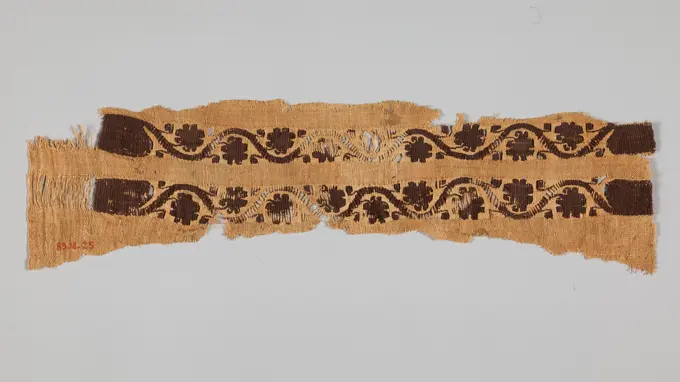
Ancient textile pieces including embroidered bands and silk stoles, showcasing intricate designs and rich colors from varied cultural backgrounds.
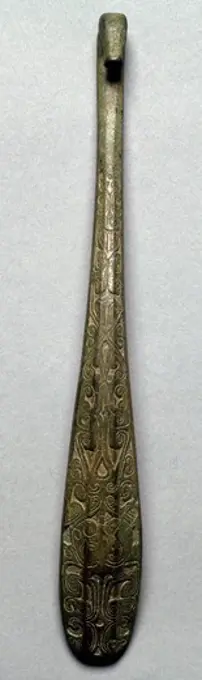
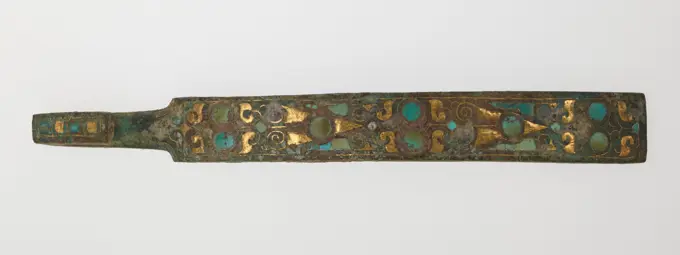
Bronze buckle, China. Chinese Civilisation, Han Dynasty, 3rd century BC-3rd century AD.
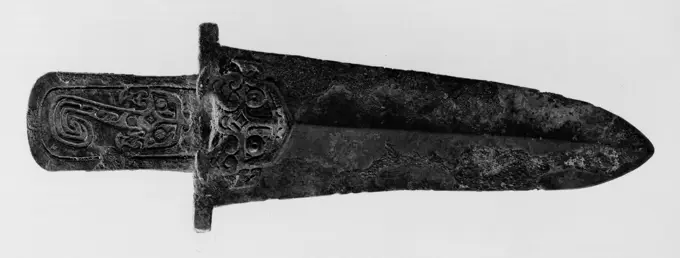
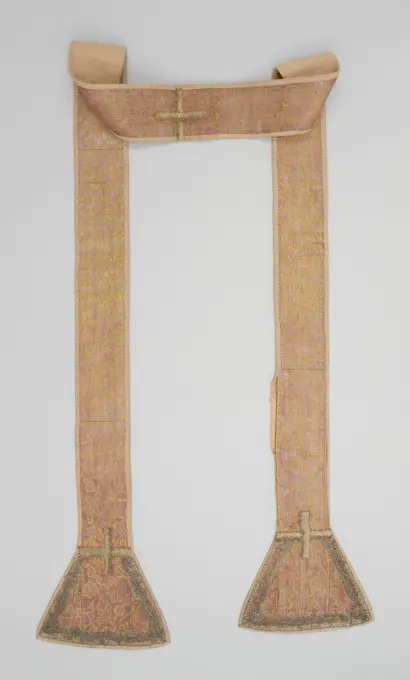
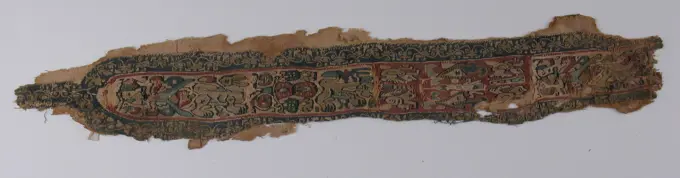
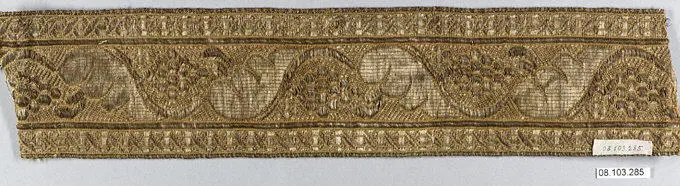
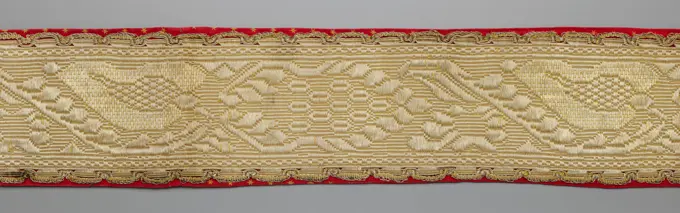
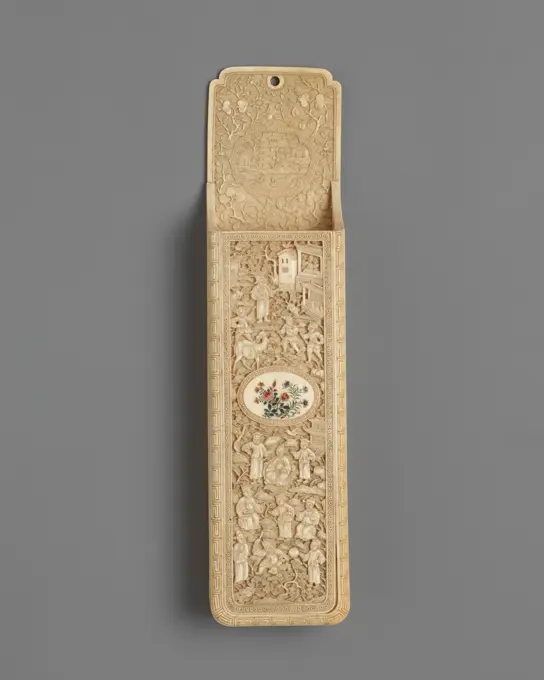
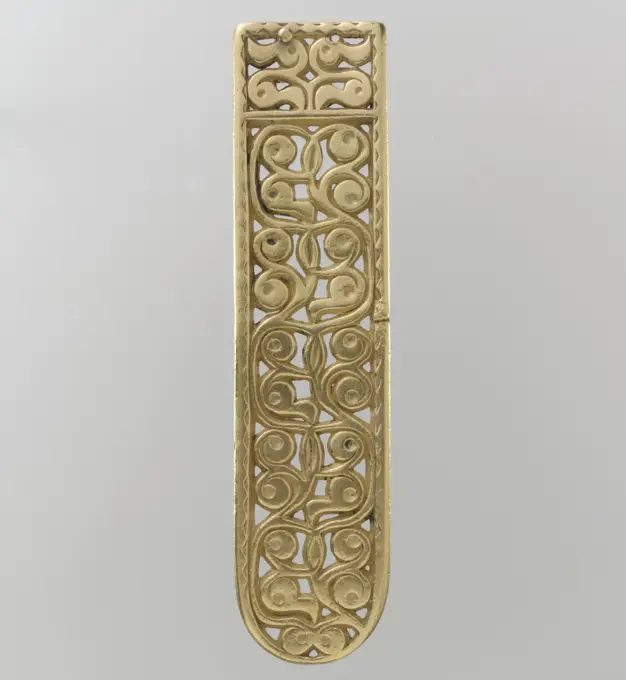
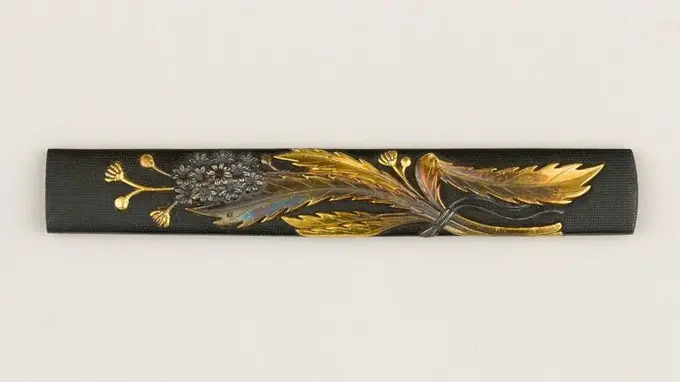
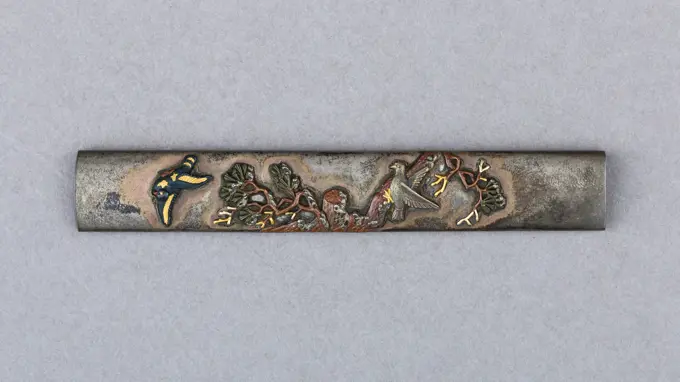
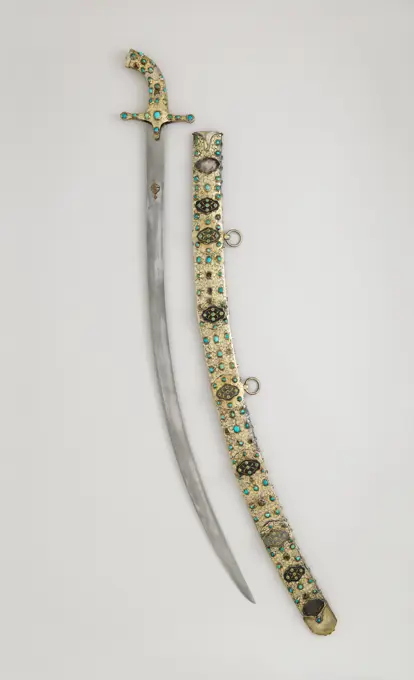
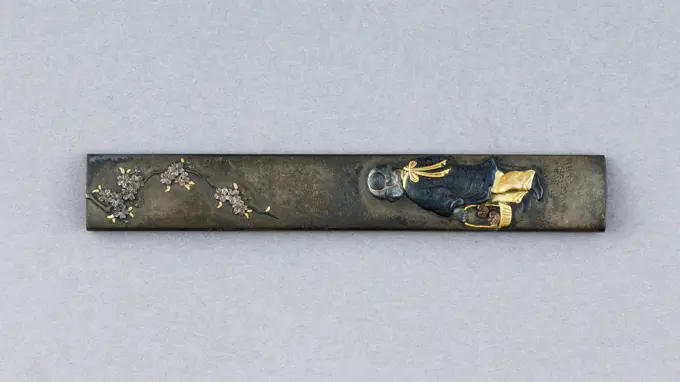
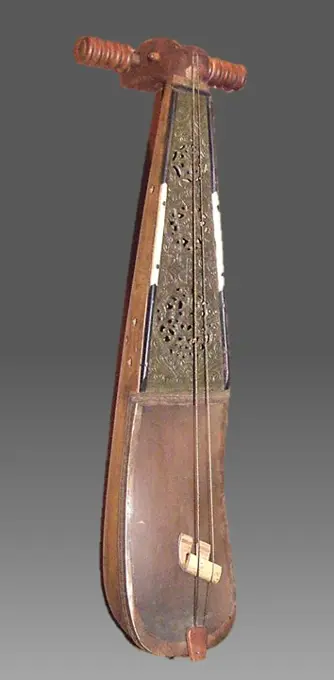
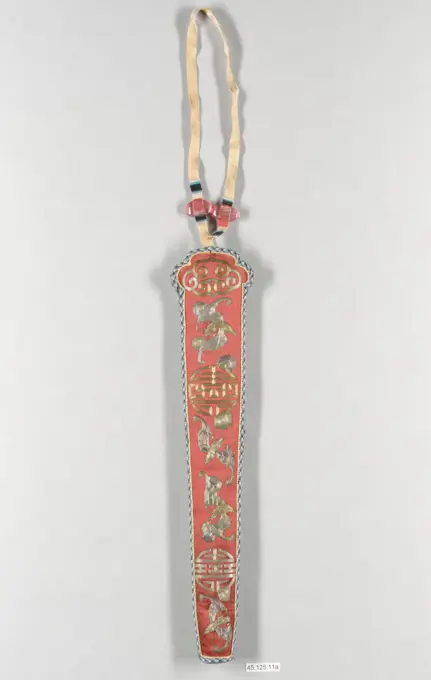
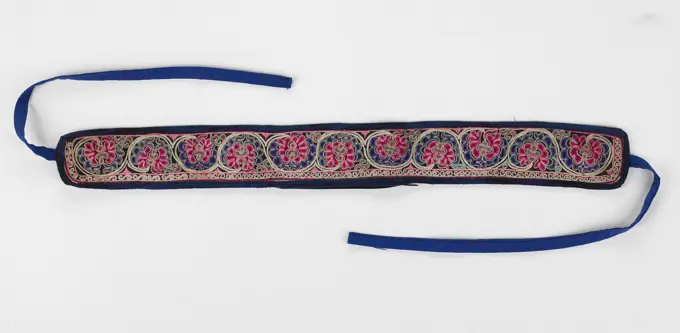
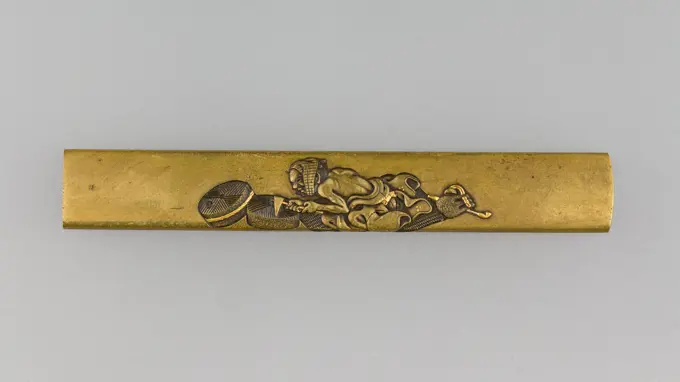
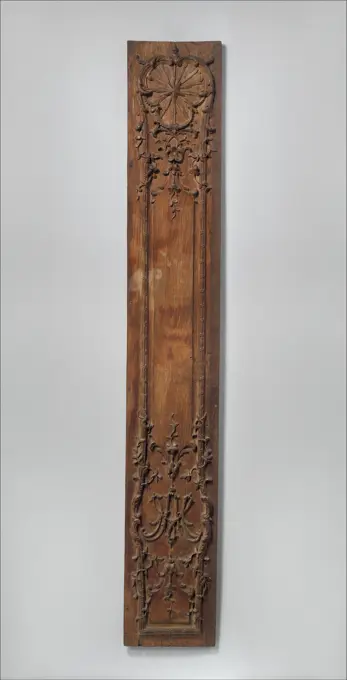
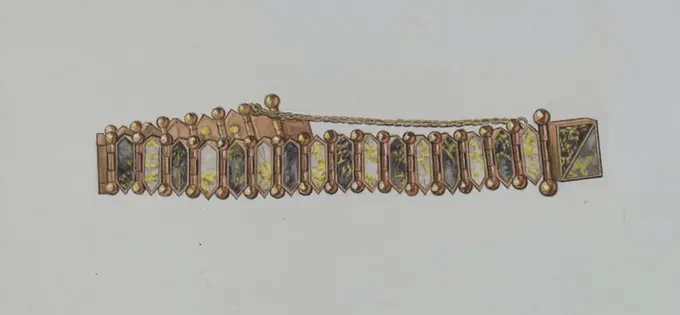
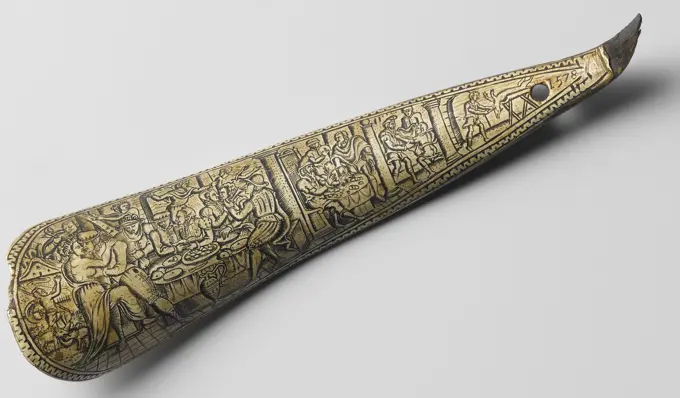
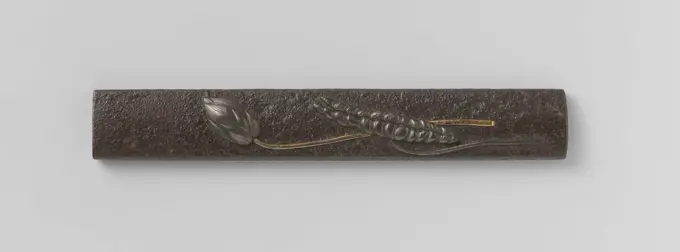
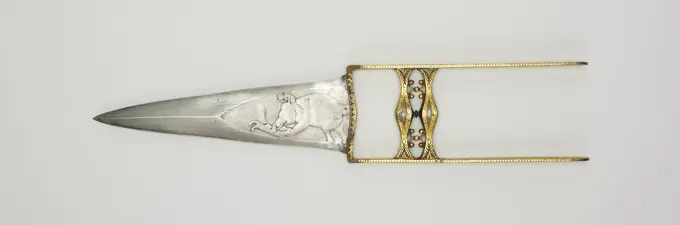
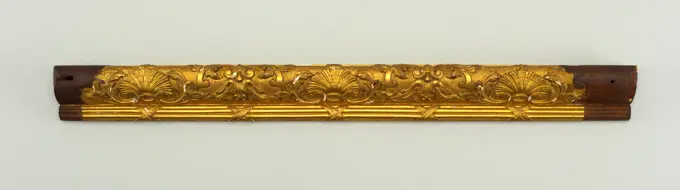
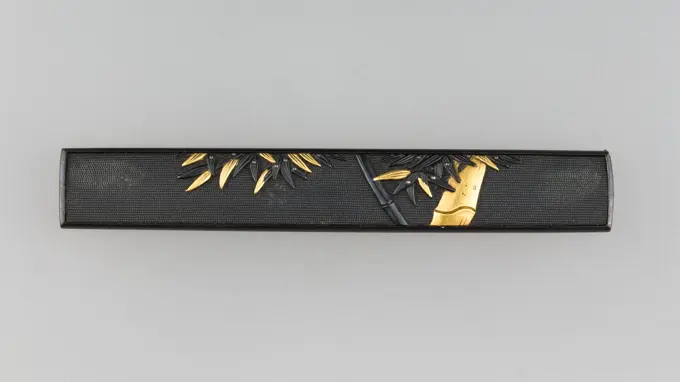
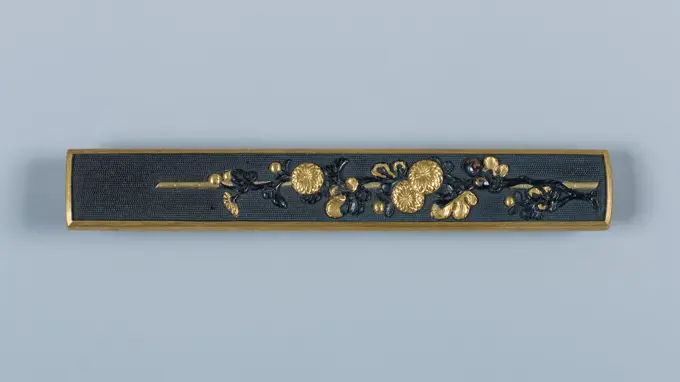
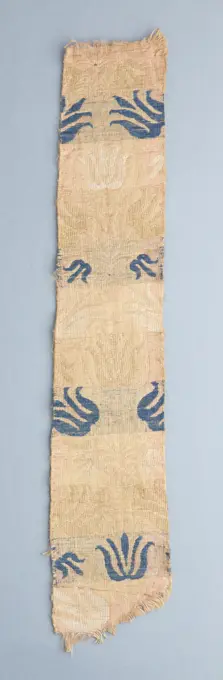
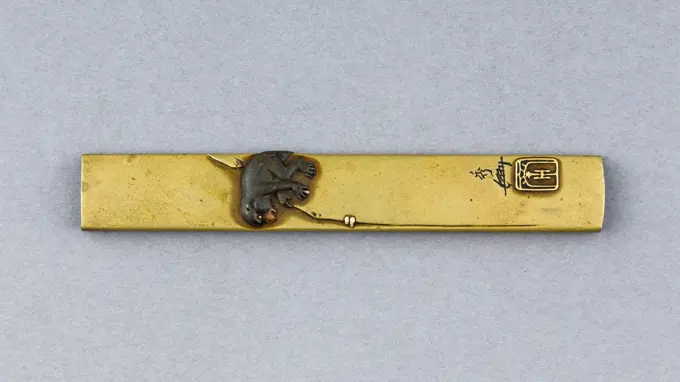
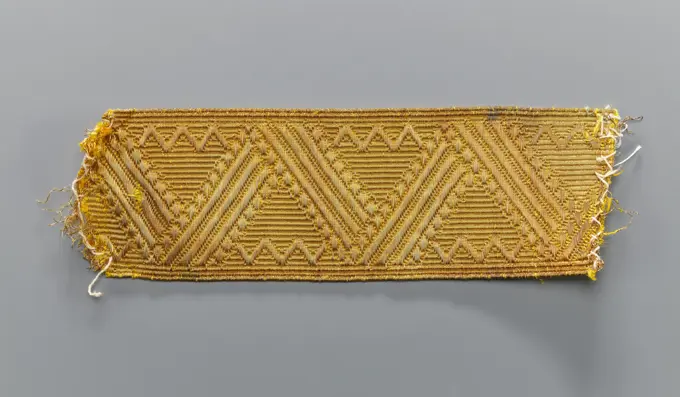
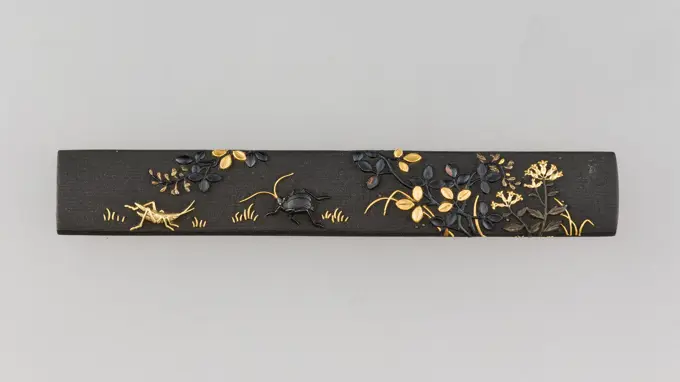
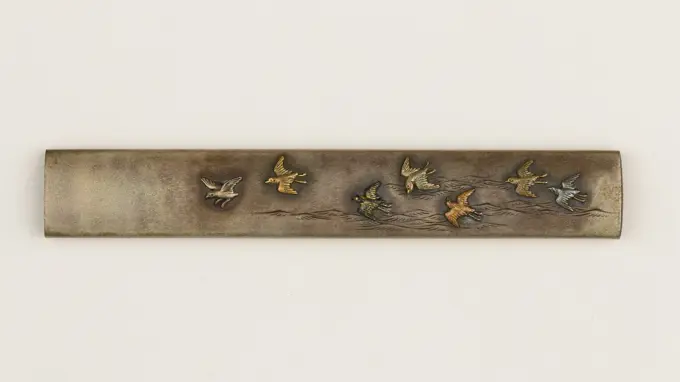
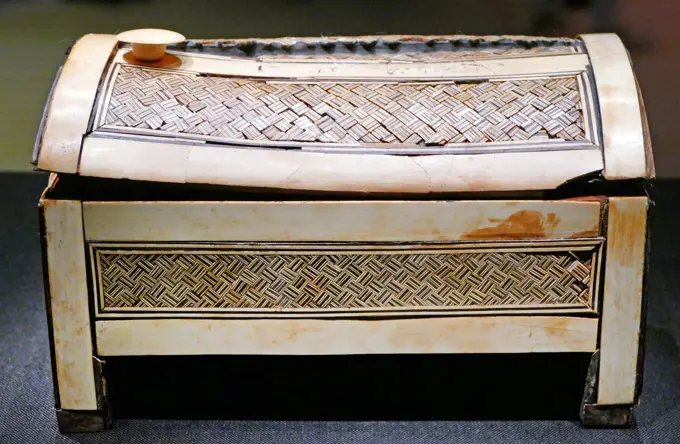
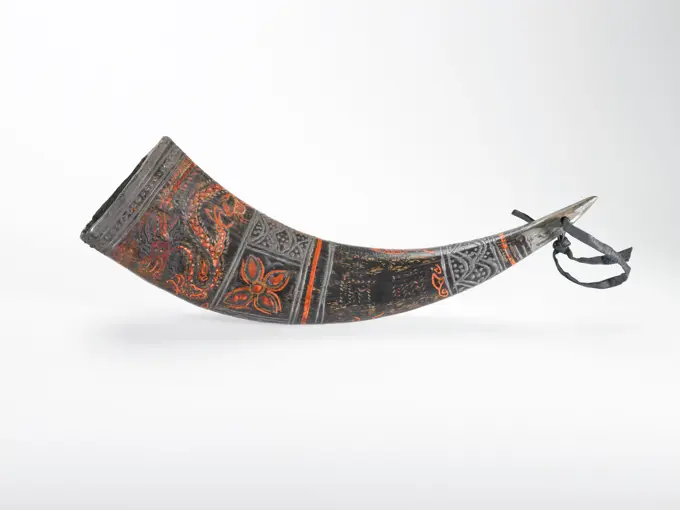
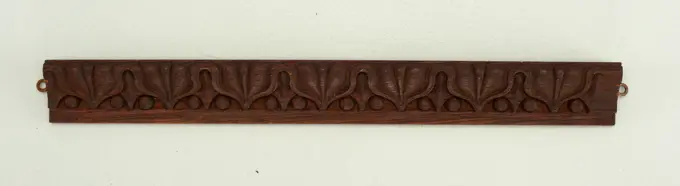
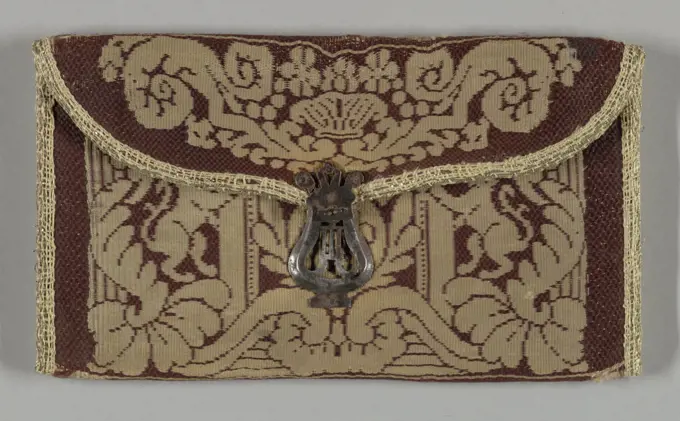
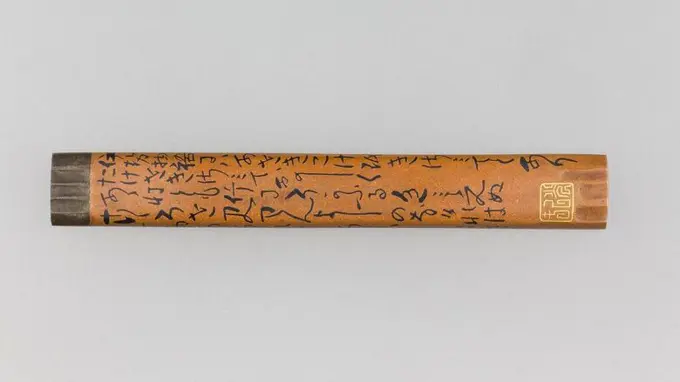
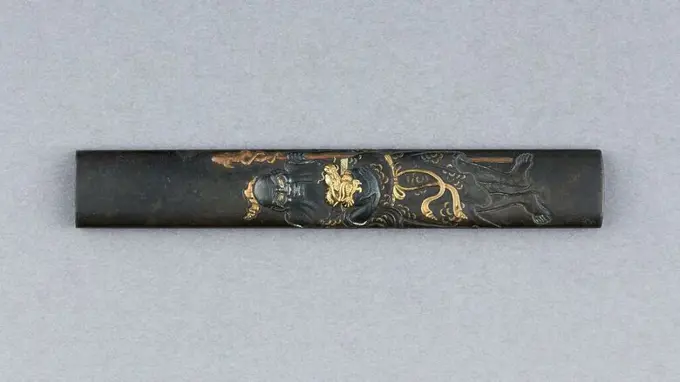
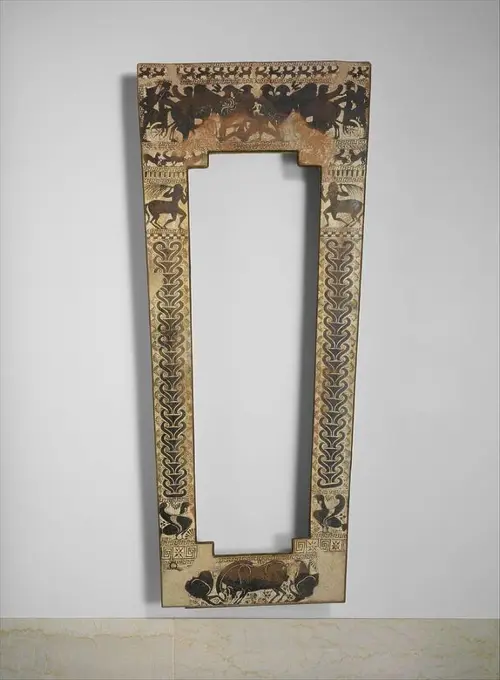
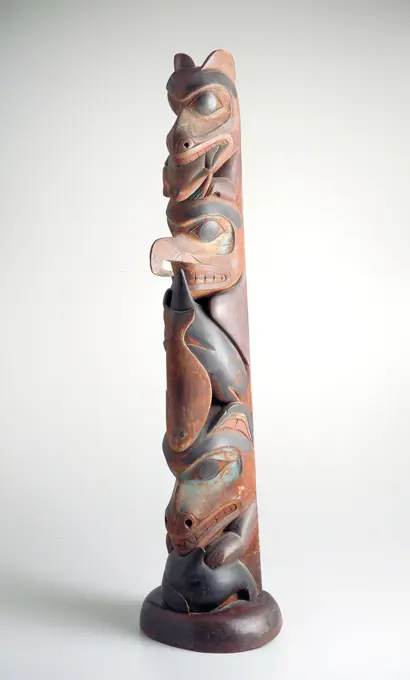
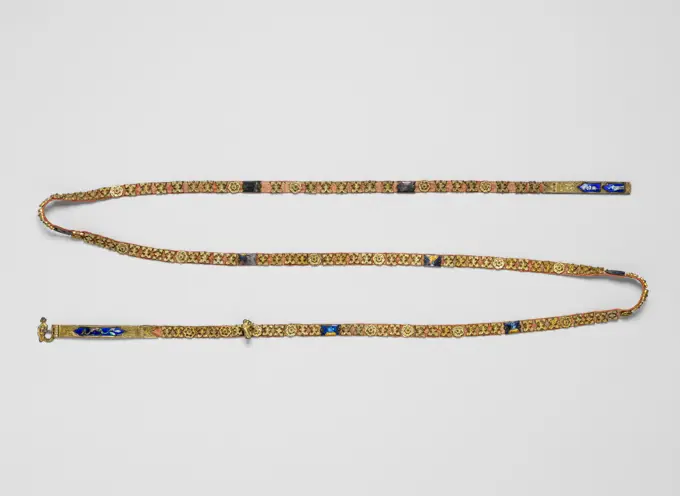
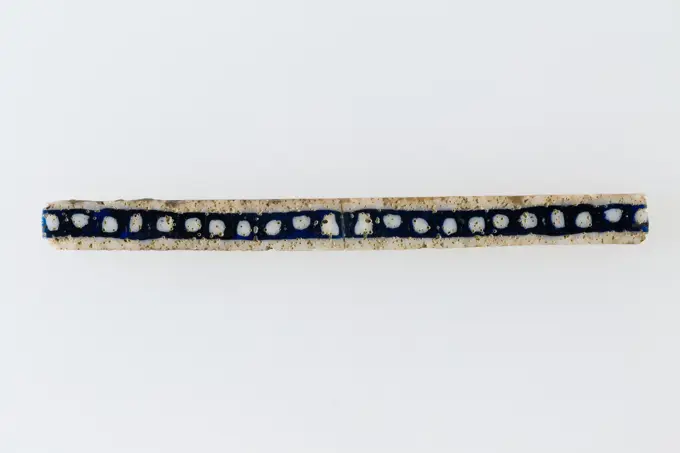
Band Fragment with Tufts 9th-13th century Lambayeque (Sicán). Band Fragment with Tufts 307910Dagger-Axe 11th-10th century B.C. China. Dagger-Axe. China. 11th-10th century B.C.. Bronze. Shang (ca. 1600-1046 B.C.)-Western Zhou (1046-771 B.C.) dynasty. MetalworkStole made of patterned silk fabric unknownStrook gekleurd kantborduurwerk met wingerdblad.Strip colored edge embroidery: Burato-side. On a florch wire tissue of light brown silk and linen is provided with silk thread in the colors blue, green, yellow and cream, a edge pattern in forwarding technique. The pattern consists of an angular running rank, with a taler-oriented winger blade. Picture frame by a row of triangular leaves () On a stem.Fragment of Shoulder Band 6th-8th century. Fragment of Shoulder Band 444162Galloon 17th-18th century Unknown. Galloon 213782Bronze buckle, China. Chinese Civilisation, Han Dynasty, 3rd century BC-3rd century AD.Gallon;  beginning of the 19th century (1801-00-00-1810-00-00);Fan box Chinese 19th century View more. Fan box. Chinese. 19th century. Ivory. FansGold Belt End 700s Avar The treasure contains an array of belt fittings, some elaborately decorated, some unfinished or defectively cast. Some show no signs of use, while others are quite worn.The AvarsThe Avars were a nomadic tribe of mounted warriors from the Eurasian steppe. The Byzantine emperor Justinian negotiated with them in the sixth century to protect the Empires northern border along the Black Sea. Emboldened by their subjugation of numerous tribes, they unsuccessfully attempted to seize the Empires capital, Constantinople. They remained a scourge of both Byzantium and the Western kingdoms until Charlemagne defeated them through a series of campaigns in the 790s and early 800s.All the money and treasure that the Avars had been years amassing was seized, and no war in which the Franks have ever engaged.. brought them such riches and such booty. Up to that time the Avars had passed for a poor people, but so much gold and silver was found.. that one may well think that the FrFrontlet of gold leaf. Frontlet of gold leaf 242975Fragment (France); silk and metallic thread; 1907-30-2Fragment; linenKnife Handle (Kozuka). Culture: Japanese. Dimensions: L. 3 13/16 in. (9.7 cm); W. 9/16 in. (1.4 cm); thickness 1/4 in. (0.6 cm); Wt. 1.2 oz. (34 g). Date: late 18th-early 19th century. Museum: Metropolitan Museum of Art, New York, USA.Knife Handle (Kozuka) ca. 1615-1868 Japanese A kozuka is a handle of a by-knife that is part of a sword mounting. It is kept in a slot on the reverse of a katana scabbard, often with a matching kōgai (hairdressing tool).. Knife Handle (Kozuka) 34539Coptic fabric;  VI-VII century (501-00-00-700-00-00);Scimitar with Scabbard late 16th-17th century Hilt and scabbard, Turkish; Blade, Iranian This sword belongs to a distinctive group of Ottoman parade weapons mounted with gilded silver, studded with turquoise, and set with jeweled nephrite plaques. The group includes swords, shields, quivers, saddles, and related equestrian equipment. These luxurious and colorful pieces were frequently given as diplomatic presents by the Ottoman court from the late sixteenth through the seventeenthcentury, many of them still preserved in European collections. The saber is now fitted with a later Iranian blade of crucible (watered”) steel inlaid in gold with the pious motto I trust in God.”. Scimitar with Scabbard. Hilt and scabbard, Turkish; Blade, Iranian. late 16th-17th century. Steel, copper alloy (brass), silver, wood, gold, jade, turquoise, copper. SwordsKnife Handle (Kozuka) ca. 1615-1868 Japanese A kozuka is a handle of a by-knife that is part of a sword mounting. It is kept in a slot on the reverse of a katana scabbard, often with a matching kgai (hairdressing tool).. Knife Handle (Kozuka). Japanese. ca. 1615-1868. Copper-silver alloy (shibuichi), gold, silver, copper, copper-gold alloy (shakud). Sword Furniture-KozukaKnife Handle (Kozuka). Culture: Japanese. Dimensions: L. 3 13/16 in. (9.7 cm); W. 9/16 in. (1.4 cm); thickness 1/4 in. (0.6 cm); Wt. 1.1 oz. (31.2 g). Date: ca. 1615-1868. Museum: Metropolitan Museum of Art, New York, USA.Harriette Gale, Stern Piece, c 1939 Stern PieceTextile Fragment 3rd-4th century. Textile Fragment 443230Shield from Solomon Islands Leather with inlay Primitive Art Pink machine shirt application with flour, anonymous, c. 1920 - c. 1930 Shirt application of pink colored mechanical side: Machine tulle with machine embroidery. Triangular front piece with a large flower, sewn on a straight edge with a running slender with flowers. On the side a cardboard card is confirmed with the text: "V&D;" emek "Ned. Patr. 39962; R 790; Party; 0.59 England (possibly)Netherlands cotton (textile). Shirt application of pink colored mechanical side: Machine tulle with machine embroidery. Triangular front piece with a large flower, sewn on a straight edge with a running slender with flowers. On the side a cardboard card is confirmed with the text: "V&D;" emek "Ned. Patr. 39962; R 790; Party; 0.59 England (possibly)Netherlands cotton (textile).Knife 17th century Italian. Knife 27530Fragment; (possibly) belonging to the retable of Soest ..Black lacquer with Japanese scene in gold lacquer and red inside and fan -shaped hollowing, c. 1800 - c. 1900 Waaierdug of black lacquer with Japanese scene in gold lacquer: on the lid 3 Japanese men are at a rectangular table with plants in the background. The sides of the box of plant motifs in gold. The red inside has a fan -shaped hollow. Closure with hinges and metal hinges. Japan whole: Wood (plant material). whole: Lacquer (coating). Inside: Paper. Inside: Satin. locking: Metal sawing / lacquering / painting Waaierdug of black lacquer with Japanese scene in gold lacquer: on the lid 3 Japanese men are at a rectangular table with plants in the background. The sides of the box of plant motifs in gold. The red inside has a fan -shaped hollow. Closure with hinges and metal hinges. Japan whole: Wood (plant material). whole: Lacquer (coating). Inside: Paper. Inside: Satin. locking: Metal sawing / lacquering / paintingRebāb 19th century Possibly Algerian This type of rebāb is one of the most important instruments in traditional Arabic ensembles of Tunisia, Algeria, and Morocco. It made its way into Spain with the Moors and from about 1300 lent its name to the early European fiddle, the rebec, which was originally played with the rounded end on the lap just as the rabāb may be played today. Short-necked, bowed lutes from Algeria are made with decorative pierced brass fingerboards while those from Morocco use wood to cover the hollowed neck. The dolphin represented on the back of the instrument is a symbol of good luck for these Mediterranean cultures.. Rebāb 501025Girdle Set with Bats and the Character for Longevity (Shou) 19th century China. Girdle Set with Bats and the Character for Longevity (Shou) 53716Fragment, Medium: linen, silk Technique: plain weave; cross stitch and long-armed cross stitch, Natural-colored linen cloth embroidered with dark blue silk in single horizontal band in a geometrical leaf and stem pattern., Egypt, 10th-12th century, embroidery & stitching, FragmentMolding; wood, carvedKnife Handle (Kozuka). Culture: Japanese. Dimensions: L. 3 3/4 in. (9.5 cm); W. 9/16 in. (1.4 cm); thickness 3/16 in. (0.5 cm); Wt. 0.9 oz. (25.5 g). Date: ca. 1615-1868. Museum: Metropolitan Museum of Art, New York, USA.Galloon 17th-18th century Unknown. Galloon 213896Purse (or Sash), 66 x 3 1/4 in. (167.64 x 8.26 cm) (including ties), Cotton, zipper, metal edging (), ChinaKnife Handle (Kozuka) 18th century Japanese A kozuka is a handle of a by-knife that is part of a sword mounting. It is kept in a slot on the reverse of a katana scabbard, often with a matching kgai (hairdressing tool).. Knife Handle (Kozuka). Japanese. 18th century. Brass, gold, copper-gold alloy (shakud). Sword Furniture-KozukaPanel (one of a pair) ca. 1730 French This pair of panels display symmetrical carving of scrolling acanthus leaves, C and inverted C scrolls as well as vines winding around an upright molding of tied fasces. A radiating star is carved near the top of each panel and the interlaced letters A and M, for Ave Maria (Hail Mary), on the lower half which strongly suggests an ecclesiastical context. Once painted and part of a larger decorative ensemble, these pieces were among the model collection of woodwork, paneling and seat furniture of Maison Leys, a successful decorating business, located at the Place de la Madeleine in Paris. Since 1885 the business was directed by Georges Hoentschel who installed the collection in 1903 in a museum-like display at Boulevard Flandrin, Paris. Three years later, Hoentschel sold the collection to J. Pierpont Morgan who gave the panels with the rest of the decorators seventeenth and eighteenth century objects to the Metropolitan Museum of Art in 1907.. PanelWall Facing (Netherlands); tin-glazed earthenware, underglaze; 5 tiles tall, various wideBracelet. Dated: c. 1936. Dimensions: overall: 8.6 x 17.8 cm (3 3/8 x 7 in.). Medium: watercolor, graphite, and pen and ink on paper. Museum: National Gallery of Art, Washington DC. Author: Gordena Jackson.Fragment of a Tunic 6th century. Fragment of a Tunic 443776Buckle. Culture: French. Dimensions: Overall: 11 1/8 in. (28.3 cm). Date: 1708. Museum: Metropolitan Museum of Art, New York, USA.Shoehorn with the history of the lost son, Anonymous, 1578  On the convex side a number of performances from the parable of the lost son (Luke 15: 11-24). To the right of the center the scene in which the son of his father receives his inheritance. In the background, by hand on his chest, the other son. On the left a combined performance. The son is depicted with a woman on his lap. There are a few eating, drinking and free friends at a table. A woman removes the son of his stock exchange. Note: see inv. no. NG-NM-2968 (shoe spoon with cf. Voorst). Netherlands horn (animal material) cutting / engraving the parable of the prodigal son (Luke 15:11-32)Palmette, HalfDecoration with lotus and leaf (both closed) in gold and silver on iron.Dagger (Katar) 1601-1700 India. Steel and gold .Gallon;  End of the 18th century (1791-00-00-1800-00-00);Molding; wood, gildedKnife Handle (Kozuka) late 18th century Japanese A kozuka is a handle of a by-knife that is part of a sword mounting. It is kept in a slot on the reverse of a katana scabbard, often with a matching kōgai (hairdressing tool).. Knife Handle (Kozuka) 29706Knife Handle (Kozuka) mid-17th-early 18th century Inscribed by Got Renj (Mitsutomo) Japanese This kozuka features a design of flowers for the Chrysanthemum Festival (Chouyou, September 9).. Knife Handle (Kozuka). Japanese. mid-17th-early 18th century. Copper-gold alloy (shakud), gold. Sword Furniture-KozukaFragment of semi silk fabric  symmetrical sprays of tuIIps unknownPurse, Medium: leather Technique: stamped, Rectangular wallet, stamped leather, in elaborate swirling lines making up undecipherable initials on one side and the words NEW YORK on the other side., New York, USA, 18th century, costume & accessories, PurseTwo animal heads. Jade, China, IV-Iie s. av. Paris, Cernuschi museum. Asian art, Chinese art, Asian civilization, Chinese civilization, JadeChurch cope. unknown, authorBelt Plaque with Fighting Horses 2nd-1st century B.C. Northwest China. Belt Plaque with Fighting Horses 49443Fragment, Medium: silk, metallic Technique: plain weave with weft floats and discontinuous supplementary weft, Metallic gold chinoiserie sprays on green ribbed ground brocaded in both gold strips and gold wound on cream silk core, Venice, Italy, 18th century, woven textiles, FragmentBelt Hook, 206 BCE- 220 CE, 7 × 13/16 × 15/16 in., 0.2 lb. (17.78 × 2.06 × 2.38 cm, 0.1 kg), Bronze, gold, turquoise, China, 3rd century BCE- 3rd century CESnuff rasp Austrian 19th century View more. Snuff rasp. Austrian. 19th century. Wood, brass, iron. Natural SubstancesKnife Handle (Kozuka) ca. 1615-1868 Japanese A kozuka is a handle of a by-knife that is part of a sword mounting. It is kept in a slot on the reverse of a katana scabbard, often with a matching kōgai (hairdressing tool).. Knife Handle (Kozuka) 34620Textile, Medium: wool Technique: slit tapestry: use of nonhorizontal weft, wrapping of single warps for verticals, On brown linen warps, two rows of abstracted small birds in profile. In pink, magenta, purple, ochre and brown on mustart ground., Peru, 11th-13th century, woven textiles, TextileGallon;  beginning of the 19th century (1901-00-00-1910-00-00);Belt -Gallon;  19th century (1801-00-00-1900-00-00);Nose Ornament. Culture: Zenú. Dimensions: H. 1 1/4 x W. 6 1/4 in. (3.2 x 15.9 cm). Date: A.D. 1-1000.This solid metal nose ornament was first cast by the lost wax technique, likely using gold or an alloy of gold with copper, and then hammered to its present shape and thickness. There are some archaeological ceramic figurines that show a person wearing a similar nose ornament by passing the central, semicircular loop through the septum, but it is uncertain whether this could be accomplished with a metal version, like the present example.1 A possible alternative is that the central, semicircular loop would have fit over a person's nose and the interior edges would have pressed into the nostrils, securing the ornament to the face. This ornament is the work of Zenú people, who lived and live today in the Caribbean Lowlands of Colombia. It belongs to the group, defined by Ana María Falchetti (1995, 74, 77), known as "nose ornaments with flat, horizontal extensions and half-moon ends" or Strip with alternating straw pattern of flour and star, anonymous, c. 1700 - c. 1850  Strip of a leaf with alternating spreading pattern made of flower and star. Possibly fragment of a cover.  paper. block printing (relief printing process) ornament derived from plant formsSelvage unknownWayne White, Sled, c 1940 SledConciliate belt; Royal Manufacture of Jedwabna in Grodno (Grodno; Silk fabric and belt fabric factory; 1768-1780); 1768-1780 (1768-00-00-1780-00-00);Vest with three insert bags and six convex cream knots of silk brokaat with wide sloping stripes with wavy silver thread and narrow stripes with rank ornament of gold thread, anonymous, c. 1785 - c. 1800 Vest of silk brokaat. Narrow stripes with torament of gold thread separated by wide ribbed stripes with silver. On the right pand one bag, on the left pand two. Finished long board, front buildings with white cord. Eight exaggerated wooden knots, backpacks of cotton. Netherlands silk. brocade (textile). silver thread. cotton (textile) Vest of silk brokaat. Narrow stripes with torament of gold thread separated by wide ribbed stripes with silver. On the right pand one bag, on the left pand two. Finished long board, front buildings with white cord. Eight exaggerated wooden knots, backpacks of cotton. Netherlands silk. brocade (textile). silver thread. cotton (textile)Tile late 12th-early 13th century Whether loose or on a building, Iranian glazed tiles fascinated scholars and collectors for aesthetic reasons. The tiles role in the decoration of facades and minarets in the second half of the eleventh century became an early subject of academic investigation.. Tile 447187Etui Box; Made by Henri Clavel; France; gold, enamel; Overall: 11.8 x 1.8 x 1.5 cm (4 5/8 x 11/16 x 9/16 in.)Top with cloisonné decoration: a light blue background against which a floral decoration with green and purple leaves and red-with-white flowers.Bracelet And Box; aquamarine, gilt metal (bracelet); paper, gilt, velvet, satin (box); L x W : 20.5 x 6 cm (8 1/16 x 2 3/8 in.); Bequest of Mrs. John Innes Kane; 1926-22-531-a,bMoldingFragment; brassPair of upper arm bracelets (baju bandh)..Papier -sherry, with lead glaze on the underside and white tinglaze and a flower edge in blue on the top, damaged, anonymous, 1500 - 1799   earthenware. tin glaze. lead glaze   earthenware. tin glaze. lead glazeKnife Handle (Kozuka) ca. 1800 Japanese A kozuka is a handle of a by-knife that is part of a sword mounting. It is kept in a slot on the reverse of a katana scabbard, often with a matching kōgai (hairdressing tool).. Knife Handle (Kozuka) 29748Knife Handle (Kozuka) 19th century Funada Yoshinaga Japanese A kozuka is a handle of a by-knife that is part of a sword mounting. It is kept in a slot on the reverse of a katana scabbard, often with a matching kōgai (hairdressing tool).. Knife Handle (Kozuka) 25180Amulet, sheet gold, bracelet. Dimensions: ca. 11.5 cm long. Dynasty: Dynasty 26-29. Date: 664-380 B.C.. Museum: Metropolitan Museum of Art, New York, USA.Wooden box inlaid with ivory and ebony. Possibly used for holding jewellery. from the tomb of King Tutankhamun. 1326 BCDrinking Horn, 16 1/4 x 2 1/2 x 5 1/2 in. (41.28 x 6.35 x 13.97 cm) (without loop), Horn, pigment, cloth, ChinaPortfolio of gray-white marbled and sliced suede, with an interior of gray pigskin and lined with green / brown cotton, a capacity with two different types of business cards and a thin pencil. Gray-white portfolio marbled and sliced suede, with an interior of gray pigskin and lined with green-brown cotton. With two different types of business cards and a thin pencil. The model is elongated and folded. Inside on the left a money box that is closed by means of a lip and a flat loop, on the right two sliding compartments, the upper for business cards. Over the entire length and width a deep, open pocket for paper money. Decoration: A wide, bird and floral decorated and a narrow, with flowers and butterfly decorated diagonal band over the marbled suede. Both in the colors blue, red, brown and gray. Dutch East Indies / Amsterdam, first quarter 20th century.Writing table with clan emblems (mon), anonymous, c. 1700 Lake table decorated with flower vines and mon. Japan wood (plant material). lacquer (coating). gold (metal) Lake table decorated with flower vines and mon. Japan wood (plant material). lacquer (coating). gold (metal)MoldingPurse, Medium: silk, metal Technique: tapestry woven, Small flat envelope-shaped case, probably for letters. Dark red silk, basket weave, with woven design in cream color. Back has woven design of a fleur-de-lis on an orb with crown above, and flanked by two lions rampant. Flap, symmetrical foliage decoration. Clasp is lyre-shaped in silver. Blue silk lining. Same pattern on both sides., France, 1640-1700, costume & accessories, PurseCeintuur ribbon of floral gold brocade, anonymous, c. 1920 - c. 1930 Ceintuur ribbon of floral gold brocade. France (possibly) . Ceintuur ribbon of floral gold brocade. France (possibly) .Excerpt of an embroidery, anonymous, c. 1500 - c. 1600 Fragment of an embroidered praetexta or aurifries of a Dalmatics. The fragment consists of red satin on a linen lining. The embroidery has rinceaux of gold and silk in the colors yellow and green. The fragment is part of two fragments with invnrs. BK-NM-1239-B-1 and BK-NM-1239-B-2. Netherlands (possibly)Italy (possibly) satin. linen (material). silk embroidering Fragment of an embroidered praetexta or aurifries of a Dalmatics. The fragment consists of red satin on a linen lining. The embroidery has rinceaux of gold and silk in the colors yellow and green. The fragment is part of two fragments with invnrs. BK-NM-1239-B-1 and BK-NM-1239-B-2. Netherlands (possibly)Italy (possibly) satin. linen (material). silk embroideringStar-Shaped Tile A.H. 665 / A.D. 1266-67. Star-Shaped Tile 45229815th Century Spanish gothic panelling.Hitchcock Chair. Dated: c. 1940. Dimensions: overall: 24.4 x 33.6 cm (9 5/8 x 13 1/4 in.) Original IAD Object: As on rendering - actual size. Medium: watercolor, colored pencil and graphite on paper. Museum: National Gallery of Art, Washington DC. Author: Genevieve Sherlock.Knife Handle (Kozuka). Culture: Japanese. Dimensions: L. 3 13/16 in. (9.7 cm); W. 9/16 in. (1.4 cm); thickness 3/16 in. (0.5 cm); Wt. 1 oz. (28.3 g). Date: late 18th century. Museum: Metropolitan Museum of Art, New York, USA.Knife Handle (Kozuka). Culture: Japanese. Dimensions: L. 3 13/16 in. (9.7 cm); W. 9/16 in. (1.4 cm); thickness 1/4 in. (0.6 cm); Wt. 1.1 oz. (31.2 g). Date: 18th century. Museum: Metropolitan Museum of Art, New York, USA.Bouwfragment, anonymous, 1700 - 1725 A trapezoidal, openwork stair balluster of dark brown painted pine. A rosette has been applied in the middle, and the bottom and top volutes with shell. See also: BK-16698-A/B and d. Northern Netherlands (possibly)Netherlands (possibly) wood (plant material). pine (wood) A trapezoidal, openwork stair balluster of dark brown painted pine. A rosette has been applied in the middle, and the bottom and top volutes with shell. See also: BK-16698-A/B and d. Northern Netherlands (possibly)Netherlands (possibly) wood (plant material). pine (wood)Terracotta sarcophagus rim. Culture: East Greek, Clazomenian. Dimensions: Overall: 7 1/2 x 36 1/2 x 84 in. (19.1 x 92.7 x 213.4 cm). Date: last quarter of the 6th century B.C..A significant number of terracotta sarcophagi with a decorated upper rim have been found at Klazomenai and at Old Smyrna, East Greek sites on the west coast of Asia Minor; given their size and weight, it is assumed that they were manufactured locally. Before the funeral, the sarcophagus was apparently buried up to the height of the upper rim. After the deceased was laid inside during the funeral ceremony, a stone lid was placed over the sarcophagus and earth was piled up to mark the grave site. On this example, the upper zone of the lid is decorated with a battle scene. Four foot soldiers clash over a fallen warrior, while a winged figure and a chariot approach from either side. Details on the figures were originally indicated in white. On the sides of the rim stand a centaur and a siren; below, two lions attacNit of bone. 5 cms x 3, 5 cm Thickness 0.2 cm (12th- 14 th) - Medieval period belonging of the " Burgo de Santiuste Museum" in Alcalá de Henares. (Madrid). SPAIN.Totem Pole, after 1850, 39 3/4 x 10 1/4 x 9 in. (100.97 x 26.04 x 22.86 cm), Wood, malachite, pigments, United States, 19th centuryBelt with Profiles of Half-Length Figures ca. 1350-1400 Italian Extravagant girdles used to cinch the fall of clothing at the waist were often part of betrothal gifts, dowries, and counter-dowries (given by the groom). One of the stories of Boccaccio's Decameron (1349-52) included girdles, along with rings, as gifts for a new bride. Intact girdles such as this one are rare. It would have been worn under the breasts, pulled through the bucklehere in the form of a curving figureand then hanging to the ground, its gilt details and enameling catching the light. The enamel technique known as basse taille allows the silver below to shine through the translucent enamels.. Belt with Profiles of Half-Length Figures 464760Wooden board with nails. A piece of wood. Wooden texture. Natural materials. Wooden board with nails. A piece of woodInlay, rosette strip 200 BC-100 AD Ptolemaic Period-Roman Period A mosaic glass technique allowed multiples of an image to be created: a figural or design composition was made by bundling colored glass canes, which were then drawn out into a long bar. The bar was then sectioned at right angles, probably by striking the bar with appropriate tools, to produce small inlay tiles. The tile would then be smoothed and polished on the face intended to appear outwards.Such elements could also be used side by side to create repeating patterns.. Inlay, rosette strip. 200 BC-100 AD. Glass. Ptolemaic Period-Roman Period. From EgyptGlass striped mosaic fragment. Culture: Roman. Dimensions: 3/4 × 1 15/16 × 1/8 in. (1.9 × 4.9 × 0.4 cm). Date: late 1st century B.C.-early 1st century A.D..Translucent honey yellow, blue, purple, turquoise blue appearing partially green, opaque white, and colorless.Flat section, possibly from the bottom of a pyxis (lidded box).Striped mosaic and ribbon mosaic patterns in combination: a length of a single cane in honey yellow with white threads running alongside a row of roughly square canes of three different patterns, one in colorless with a central white rod within rings in purple and white, placed singly flanked by two pairs of canes, one in blue with a central white rod within rings in purple and white, the other in turquoise blue with a central white rod within rings in purple and white.Ground and polished on upper surface, trimmed down along edges; some bubbles; some pitting and weathering on upper surface, dulling and iridescent weathering on underside, some weathering on edPassement of gold and silver wire, 1700 - 1800 Passement of gold and silver wire.  silver thread Passement of gold and silver wire.  silver threadComb Decorated with Carved Circles. Unknown