Historical Textile Laces

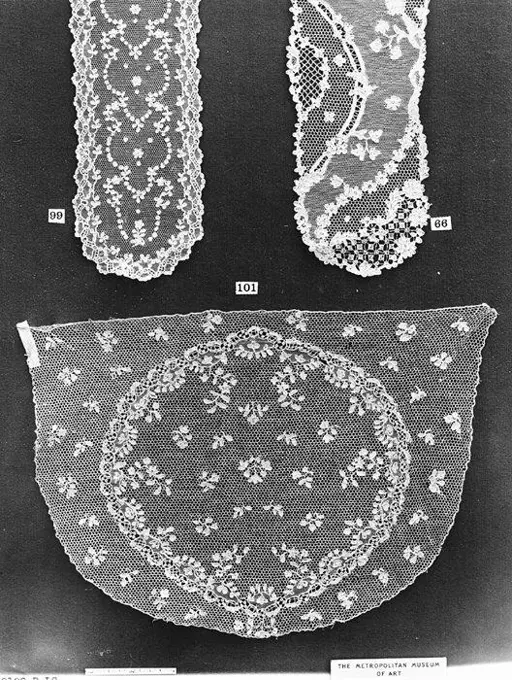
A collection of intricate British bobbin lace strips from the late 18th century, showcasing various patterns and textures in a monochrome display.
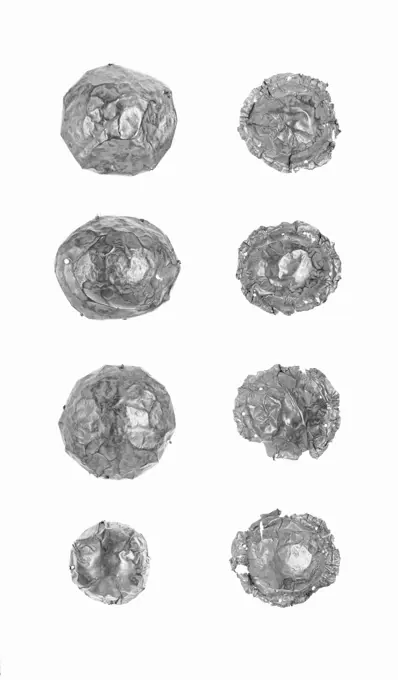
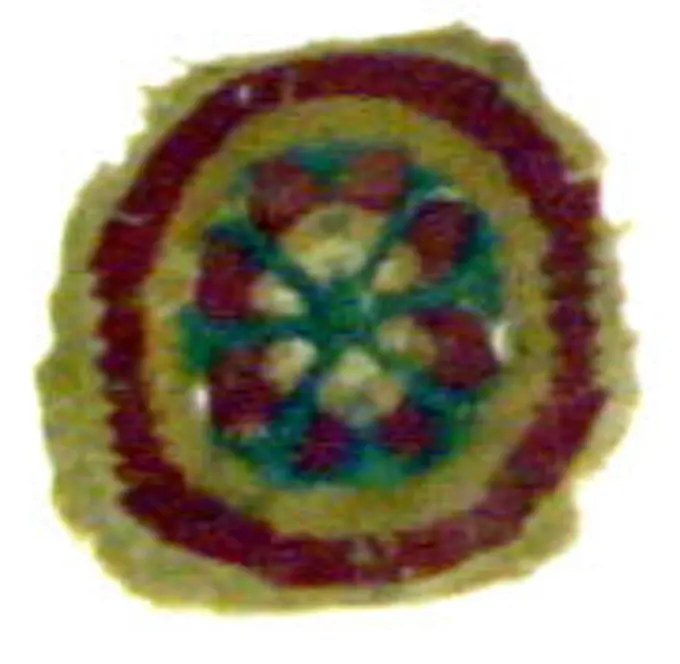
Round Applique. Unknown
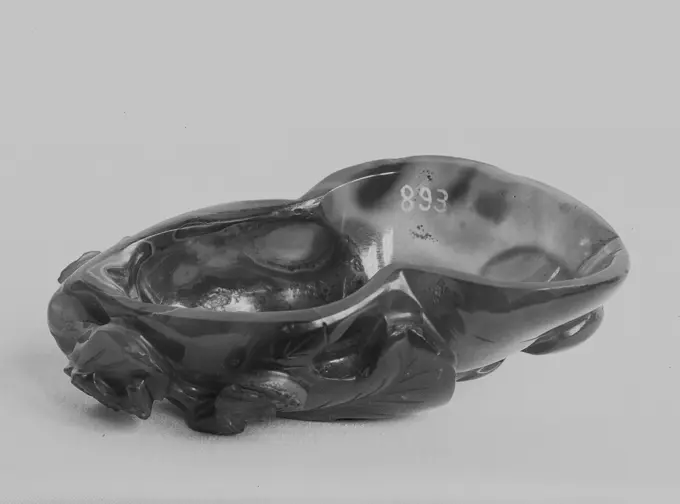
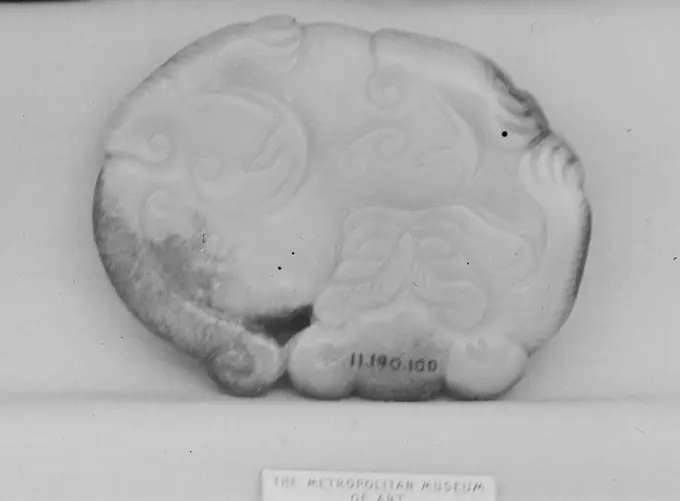
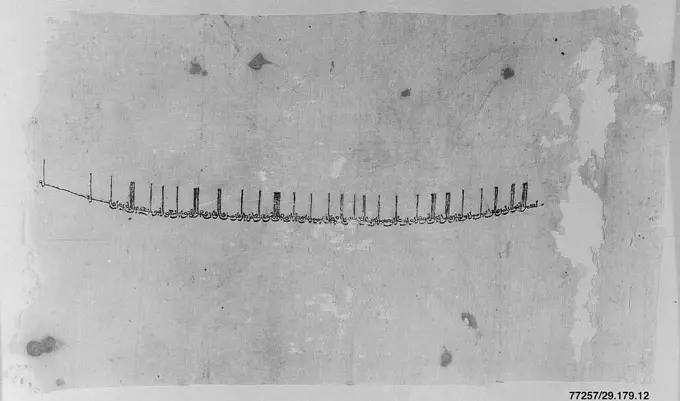
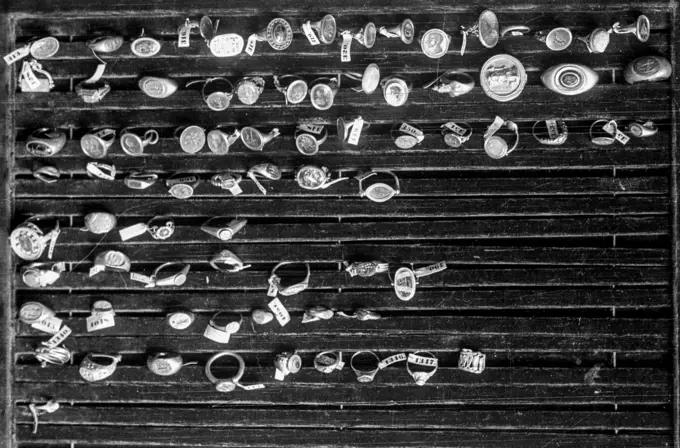
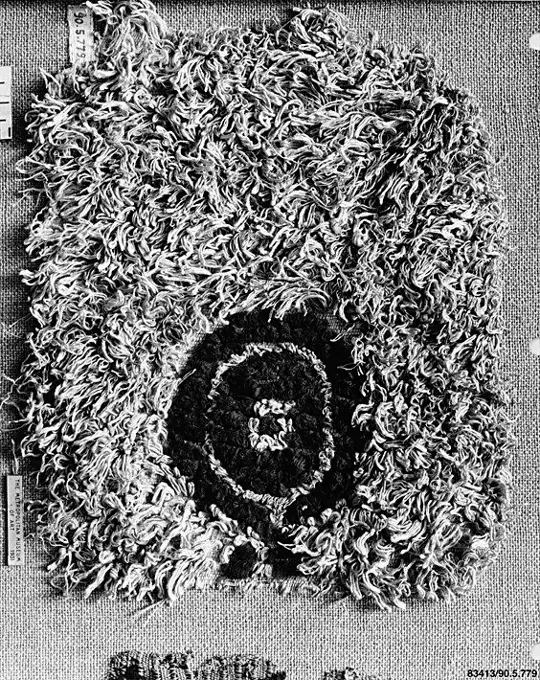
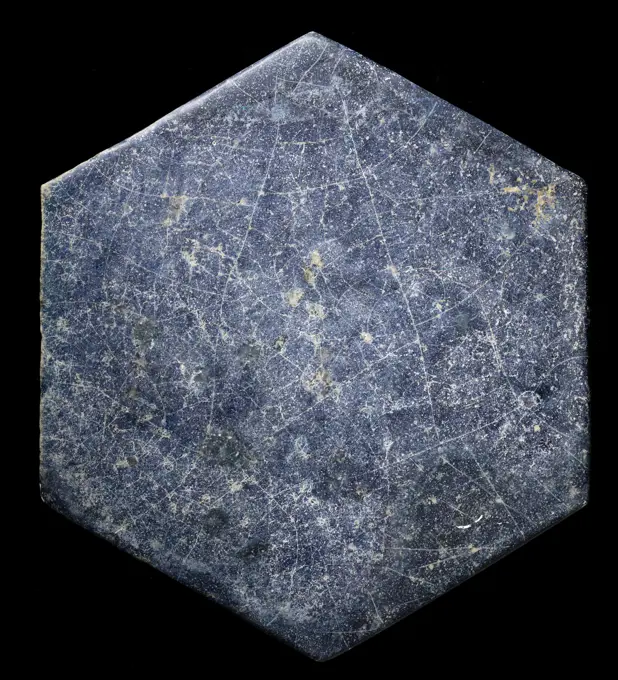
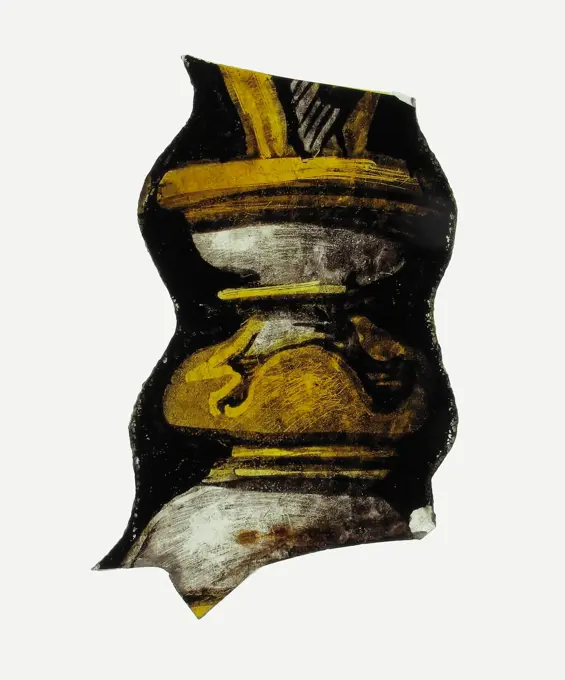
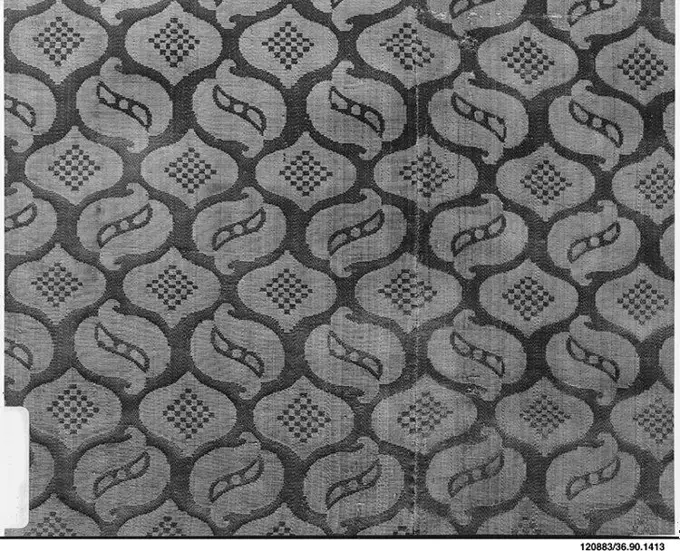
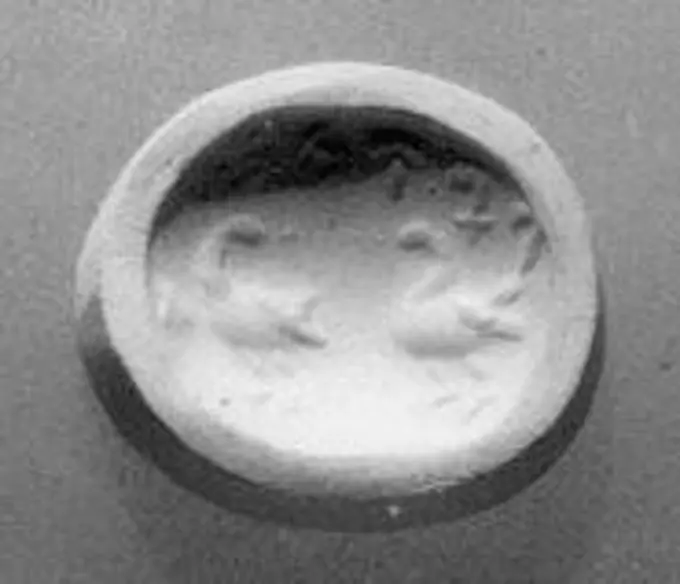
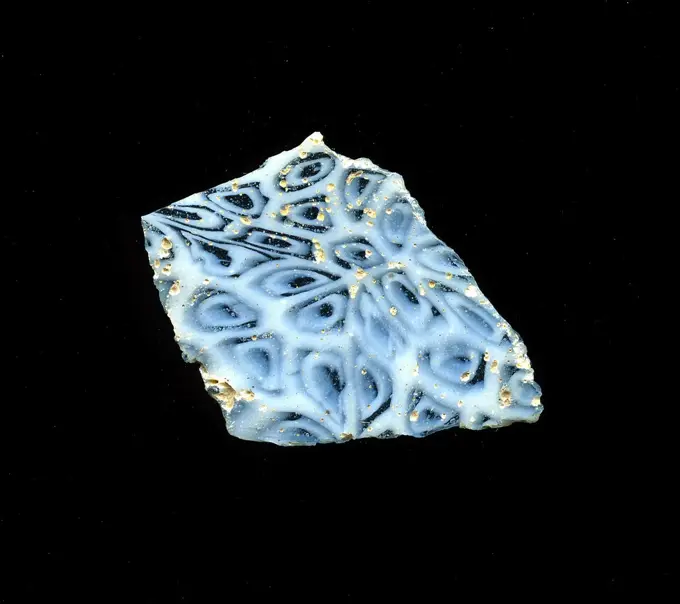
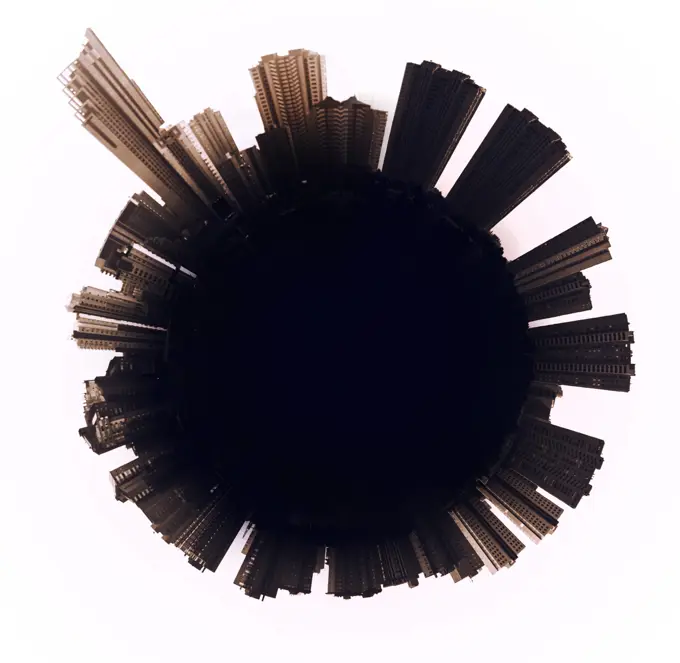
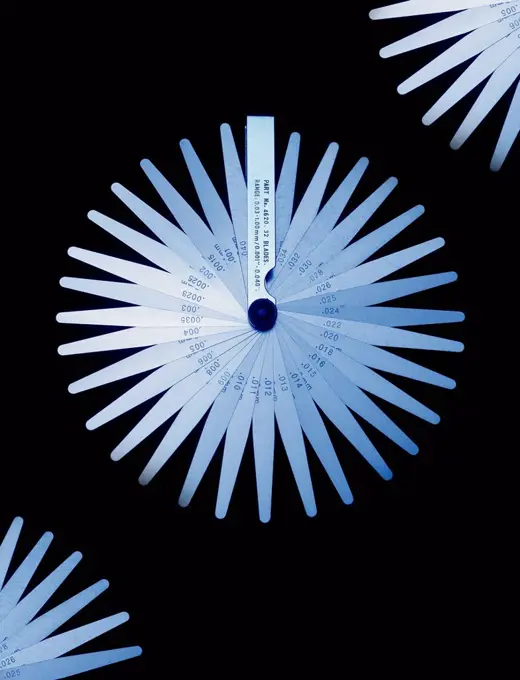
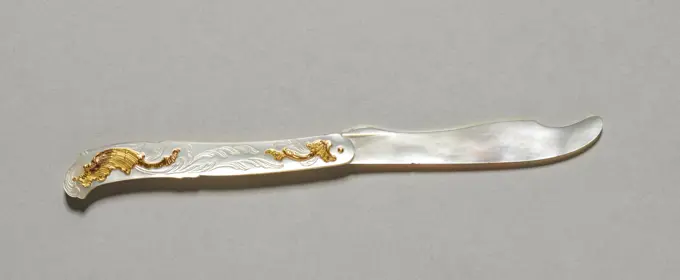
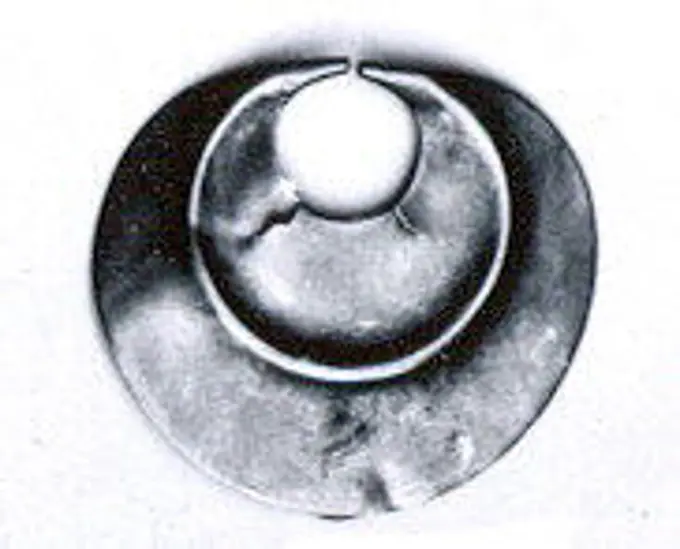
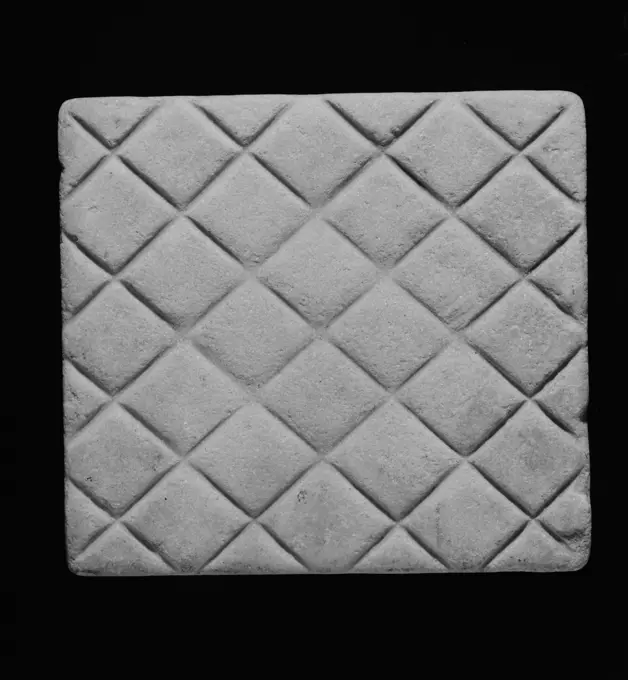
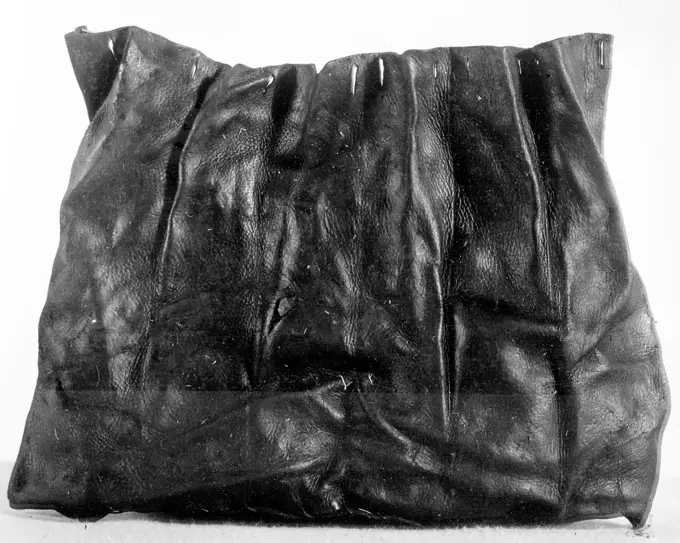
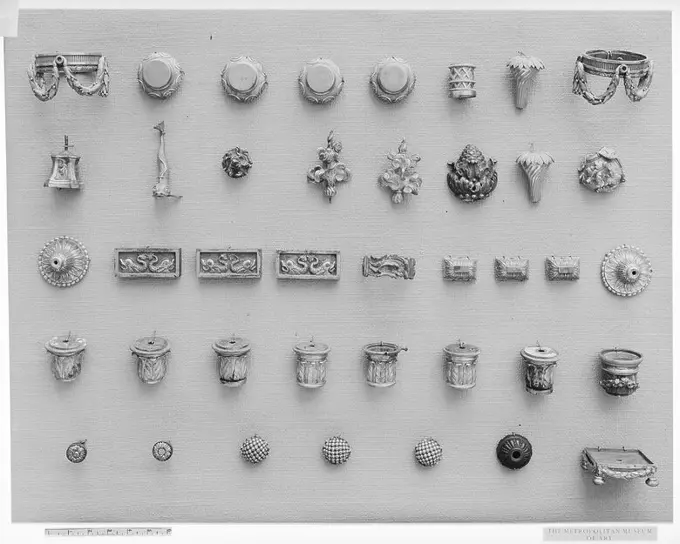
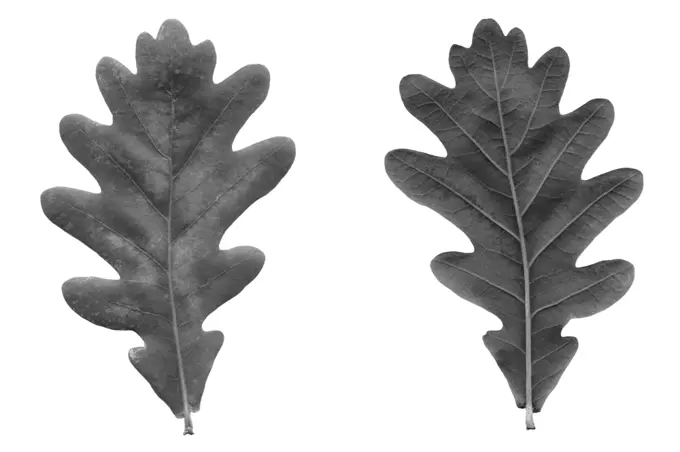
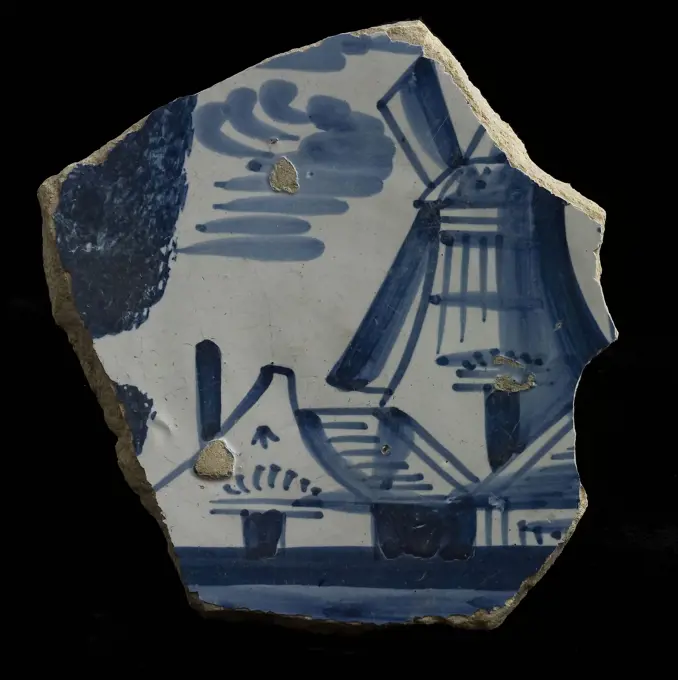
Plateau 19th century Italian, Venice (Murano). Plateau. Italian, Venice (Murano). 19th century. Glass, enamelled and gilt. GlassTrim, 19th century, 13 x 1/2 in. (33.02 x 1.27 cm), Metallic fringe; passementerie, Spain, 19th centuryPiece 1850s French. Piece 229533FEED BACK - 1992 - 46x31- DISPERSION Y PIGMENTOS SOBRE LIENZO. Author: JUAN USLE. Location: GALERIA SOLEDAD LORENZO. MADRID. SPAIN.Stamp seal ca. 3rd-7th century A.D. Sasanian. Stamp seal. Sasanian. ca. 3rd-7th century A.D.. Chalcedony, yellow. Sasanian. Iran or MesopotamiaDish 18th century China. Dish. China. 18th century. Chalcedony-agate. HardstoneWilmurra 19th century Algamurra. Wilmurra. Algamurra. 19th century. Wood (gidya). Northern Territory, Australia. Aerophone-Free AerophoneGirdle ornament China. Girdle ornament 43091Tiraz. Dimensions: H. 13 1/4 in. (33.7 cm)W. 22 3/4 in. (57.8 cm). Date: 10th century. Museum: Metropolitan Museum of Art, New York, USA.Textile Fragment 11th century. Textile Fragment 448107early pink sunrise on urban planet little planet - early pink sunrise on urban planet isolated on white background Copyright: xZoonar.com/VVxVoennyyx 5717359Jewelry set ca. 1900 China (Miao-Gejia). Jewelry set. China (Miao-Gejia). ca. 1900. silver. Accessory-JewelryTurkish ornamentPine cones and needles, symbol of the First National Bank, San Augustine, Texas. This is done in tile 1939. still image. Photographs. The Miriam and Ira D. Wallach Division of Art, Prints and Photographs: Photography Collection. Texas , San Augustine, Texas , San Augustine CountySTRATY WOJENNE MNKTextile Fragment 3rd-4th century. Textile Fragment 444258Tile Floor (partial). Syria, Late 12th-early 13th century. Ceramics. Fritware, glazedGlass Fragment early 17th century South Netherlandish. Glass Fragment. South Netherlandish. early 17th century. Colorless glass. Glass-StainedAttic Black-Figure Neck Amphora Fragment (comprised of 2 Joined Fragments). UnknownPiece 17th century () Italian. Piece 224496Stamp seal ca. 3rd-7th century A.D. Sasanian. Stamp seal 323217Blade ca. 4600-3600 B.C. Ghassulian. Blade 326556Box 17th century French. Box. French. 17th century. Iron, latten. Metalwork-IronStamp seal ca. 3rd-7th century A.D. Sasanian. Stamp seal. Sasanian. ca. 3rd-7th century A.D.. Carnelian. Sasanian. Iran or Mesopotamiared 3d diamond as vintage style conceptMosaic glass fragment. The small glass fragment shows on blue, transparent background an amorphous lattice structure made of light blue lines. In the spaces are distorted, light blue circles. In Roman times, they used colored, ornamented glass for vessels, mosaics, wall decorations and furniture ornaments. For the production, different colored glasses were shaped into tubes and rods. These were compressed and heated, causing a long bar. The glass sliced now had a wide variety of amorphous or floral patterns.Textile Fragment. Culture: Swiss. Dimensions: Overall: 5 x 3 5/8 in. (12.7 x 9.2 cm). Museum: Metropolitan Museum of Art, New York, USA.Barbe early 18th century French. Barbe 218815Linked rings 13th-16th century Colombia. Linked rings. Colombia. 13th-16th century. Gold. Colombia. Metal-OrnamentsLittle planet 360 degree sphere. Benidorm skyline. Spain Little planet 360 degree sphere. Benidorm skyline. Costa Blanca, Alicante. Spain Copyright: xZoonar.com/ AleksandrsxTihonovsx 11154297Poll photo collection. Product photos; silverware. Spoons with fruits from the fa. Gerritsen & Van Kempen in Zeist. January 1, 1930. Utrecht (province), ZeistSketchbook with 18 sheets. Sketchbook consisting of 18 blades with faces in San Francisco, Canada and Amsterdam.Feeler gauges.Seal Stone dated A.H. 1158/ 1745 CE View more. Seal Stone. dated A.H. 1158/ 1745 CE. Chalcedony. Attributed to Iran. SealsPaper Knife from a Sewing Box (Nécessaire), c. 1765. Austria, Vienna(), 18th century. Gold and mother-of-pearl;Earring ca. early 3rd millennium B.C.. Earring 326684Poll photo collection. Reporting Marie Chauvel. Jewelry made from glass from the fa. Marie Chauvel Décoration. June 1936. France, ParisBuddhist Parasol Cover late 19th or early 20th century China. Buddhist Parasol Cover. China. late 19th or early 20th century. Silk, metallic thread. Textiles-WovenHistorische Bilder von verschiedenen Diamanten, digital restaurierte Reproduktion einer Originalvorlage aus dem 19. JahrhundertBeads of black colour Beads of black colour close up macro photo Copyright: xZoonar.com/melkiu.gallery.rux 9682948Garibaldi ca. 1870 Franchini Co.. Garibaldi. Italian, Venice (Murano). ca. 1870. Glass rod mosaic. GlassSignet Matrix - Seal Matrix, 1750-1850. Possibly made in Birmingham. Presented by Francis Buckley, 1934.. A 'signet' or 'seal matrix' is a small stamp used for impressing the mark of its owner in wax onto documents.This is one of a collection of twenty-seven acquired by the museum in 1934. The majority of examples are made of moulded translucent glass, in this case clear. This example bears a design of a plough, to read: 'Speed The Plough'. .Piece. Culture: possibly French. Dimensions: L. 14 x W. 9 1/4 inches (35.6 x 23.5 cm). Date: 18th century. Museum: Metropolitan Museum of Art, New York, USA.Plate with Design of Pine Needles 1650s Japan. Plate with Design of Pine Needles 49392Ice with bubbles, macro photography, black and white photography, winter, GermanyEngraved Gem. UnknownSälen (depicted - name).Sälen (depicted - name)Retro stone ornament made in 3D graphicsStamp seal ca. 4th century A.D. Sasanian. Stamp seal. Sasanian. ca. 4th century A.D.. Garnet, almandine. Sasanian. Iran or MesopotamiaNose Ornament 13th-16th century Colombian. Nose Ornament. Colombian. 13th-16th century. Gold. Colombia. Metal-OrnamentsFireplace Stand ca. 1800. Fireplace Stand. ca. 1800. MarbleSteel needle side with a hexagonal scented Maas soil. Steel natural needle side with an Argentan ground: a hexagonal scented maase soil, as with Argentan side was used up to around 1760. Study material. The edges of the steel are finished with feston stitches. The steel includes a fragment argentan side in which this technique has been applied.Four Rowboat Sketches (from Sketchbook) ca. 1891 Albert Bierstadt American. Four Rowboat Sketches (from Sketchbook). Albert Bierstadt (American, Solingen 1830-1902 New York). American. ca. 1891. Graphite on wove paper with gilt edges, bound in a leather coverSpiral pendant ca. 7th-6th century B.C. Iran This silver pendant consists of two spirals connected by an intertwined stem. A horizontal sleeve for suspension is at the top. It was excavated at Tepe Nush-i Jan, an Iron Age hilltop site about 60 km sound of Hamadan in western Iran. Nush-i Jan was occupied in the 7th and 6th centuries B.C., and its occupants are generally thought to be the Medes, an Iranian people known from Assyrian, Achaemenid and Biblical sources. Though the textual sources portray them as a powerful empire, archaeological evidence for the Medes has yet to sustain this impression. Rather, they seem to have lived in scattered fortified sites in western and central Iran, without any clear capital. Nush-i Jan, one of the best known of these sites, features two temples, a columned hall, and a fort, where the pendant was found.The pendant was discovered in a bronze bowl containing 231 pieces of silver, including jewelry, ingots and scraps. At the time coins were not yet in Motorcycle gauntlet gloves, X-rayStater. UnknownSketch of a Ship for the Landing of Columbus (from Sketchbook) ca. 1891 Albert Bierstadt American. Sketch of a Ship for the Landing of Columbus (from Sketchbook). Albert Bierstadt (American, Solingen 1830-1902 New York). American. ca. 1891. Graphite on wove paper with gilt edges, bound in a leather coverA red candle burns. Shown from above the flame is melting the wax to form a pool of soft liquid.Vintage Photograph. Coins laid on top of each other in no order.Bliżej Kultury unknownVintage photograph. White golf ball on white backgroundBag Made 1501-1600 England. Tooled leather .Glass vessels, 3rd-4th century, National Archaeological Museum, Villa Cassis Faraone, UNESCO World Heritage Site, important city in the Roman Empire, Aquileia, Friuli, Italy, Aquileia, Friuli, Italy, EuropeAnefo photo collection. Oesterkwekerij Yerseke. Oesterkwekerij. August 14, 1946. Yerseke, ZeelandPyrite mirror, Bonampak, Chiapas, Mexico. Classic recent (600-900 AD). Gres, wood and pyrite. This part has been found these in the depot 1, the edifice 4 Bonampak. The mirrors were lavish personal items used in everyday speak Mayan nobles.Meissen. Goldsmith Black - Meißner MugsBust with pedestal French 18th century View more. Bust with pedestal. French. 18th century. Gilt bronze. Metalwork-Gilt BronzeSet of four ornaments. Culture: French. Dimensions: Length (each): 4 1/2 in. (11.4 cm). Date: 18th century. Museum: Metropolitan Museum of Art, New York, USA.Oak leaf. Oak tree leaf - isolated over white backgroundStamp seal ca. 3rd-7th century A.D. Sasanian. Stamp seal. Sasanian. ca. 3rd-7th century A.D.. Bronze. Sasanian. IranRetro look Wood rings Vintage looking Wood cross section with annual growth rings Copyright: xZoonar.com/ClaudioxDiviziax 5834890Textile Fragment 6th century Coptic. Textile Fragment. Coptic. 6th century. Linen, wool. Made in Byzantine Egypt. Textiles-WovenVintage Euro coin Vintage looking Euro coin from all countries of the European Union Copyright: xZoonar.com/ClaudioxDiviziax 9879775Face-mask of white clay, isolated on white background Face-mask of white clay, isolated on white background Copyright: xZoonar.com/OleksandrxKostiuchenkox 11583282Fragment majolica scale, blue on white, landscape with farm and mill, plate tableware holder soil find ceramic pottery glaze, baked underside covered with gray tinted lead glaze. Monochrome Painted with broad brushes archeology Rotterdam Oude Plantage adorn serving food Soil discovery: Oude Plantage Rotterdam May 1957.