Historical Textiles and Accessories

Fragments of patterned textiles, a macrame bag, and decorative accessories, showcasing intricate designs and vibrant colors from various historical contexts.
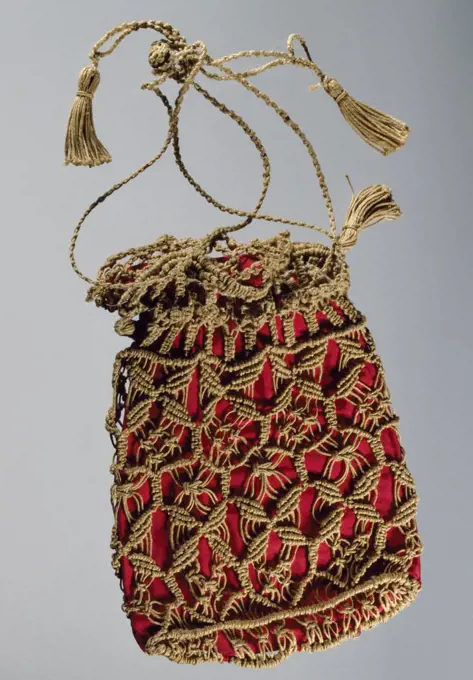
Bag in greige twine macrame and cherry red sateen lining of a later time, 1915, fashion accessories, Italy, 20th century.
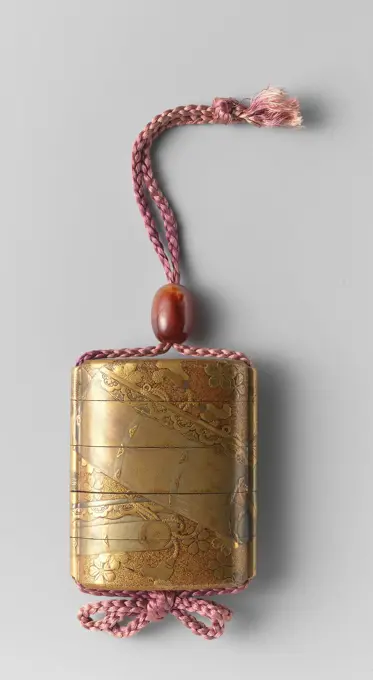
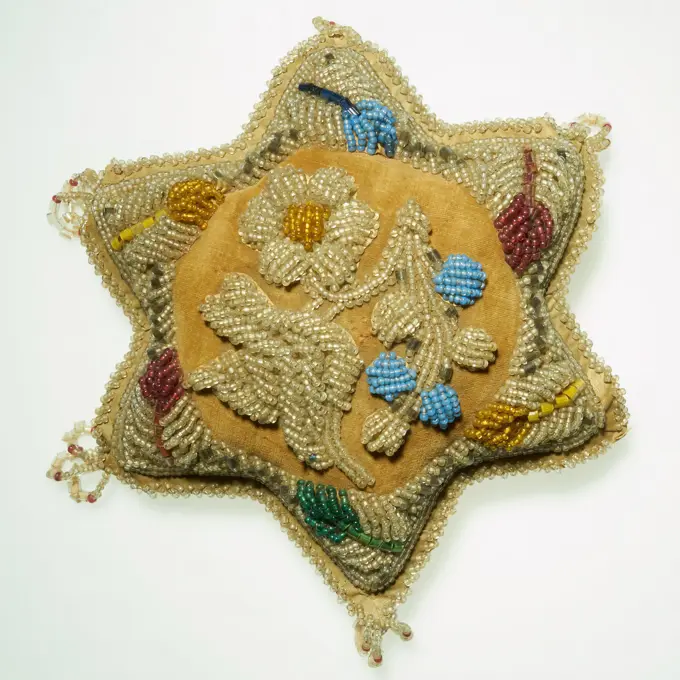
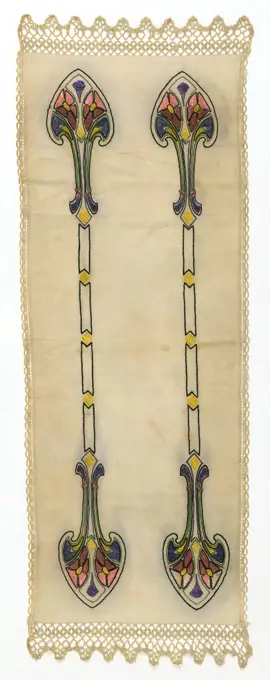
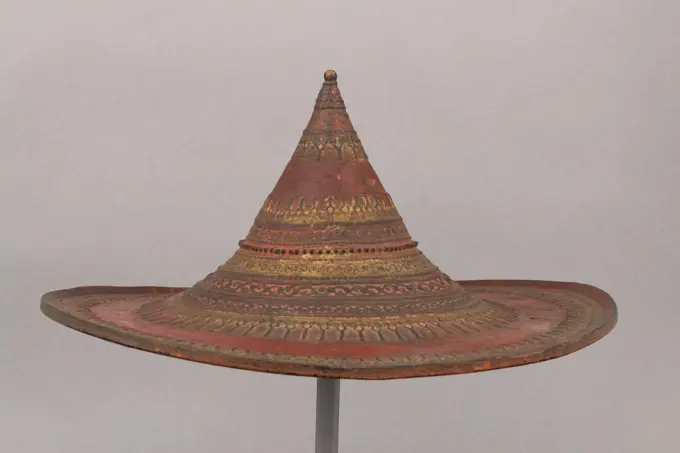
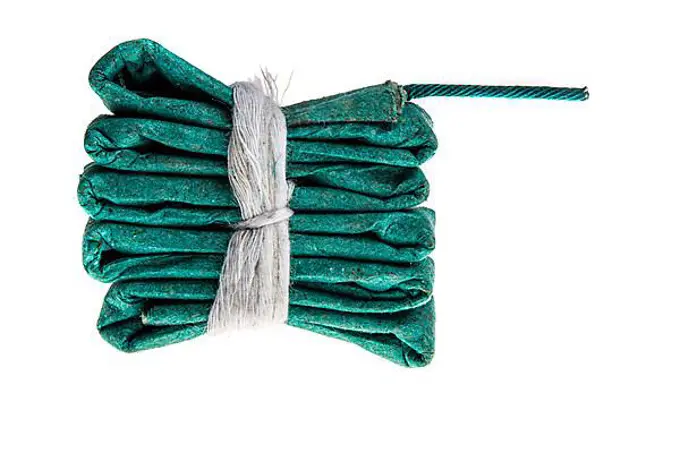
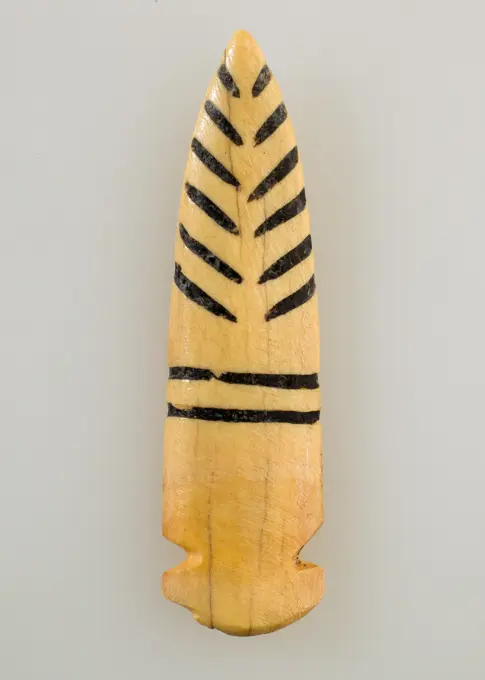
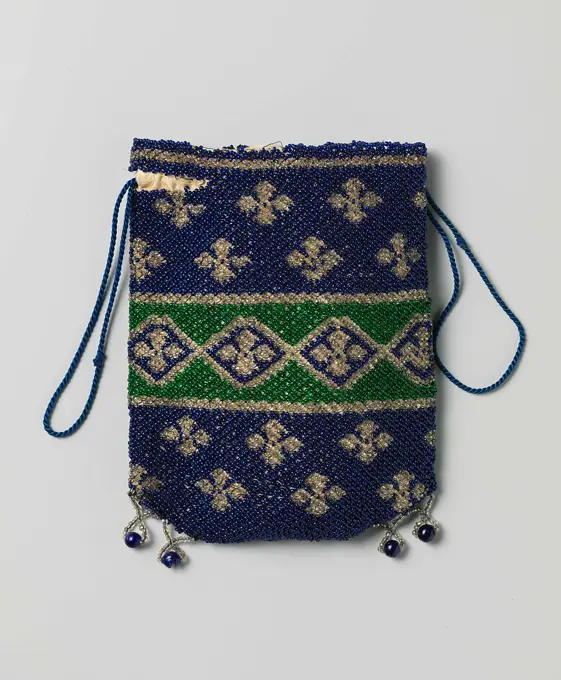
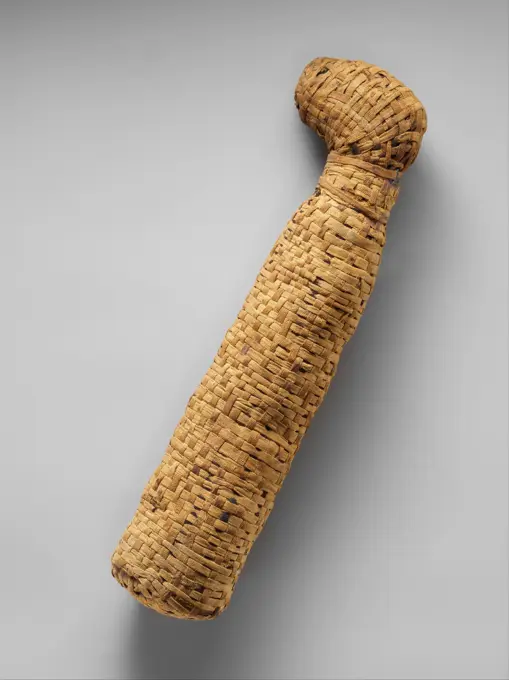
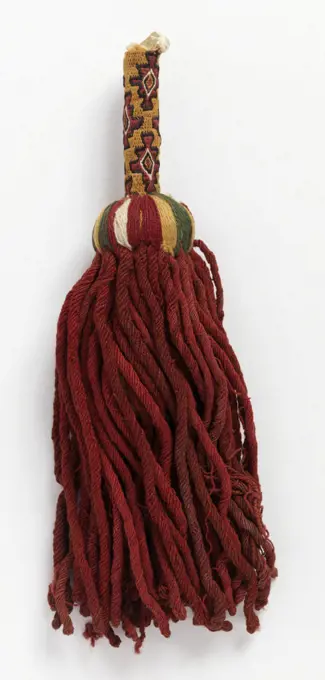
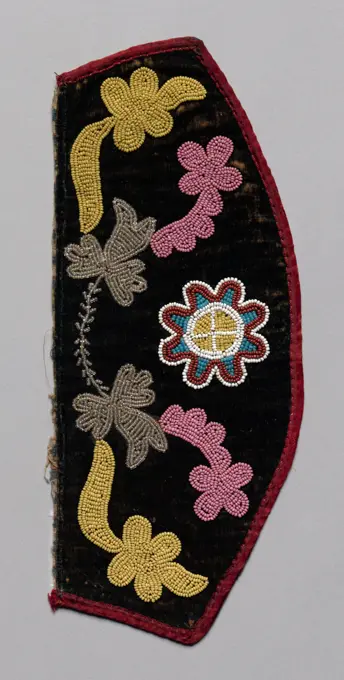
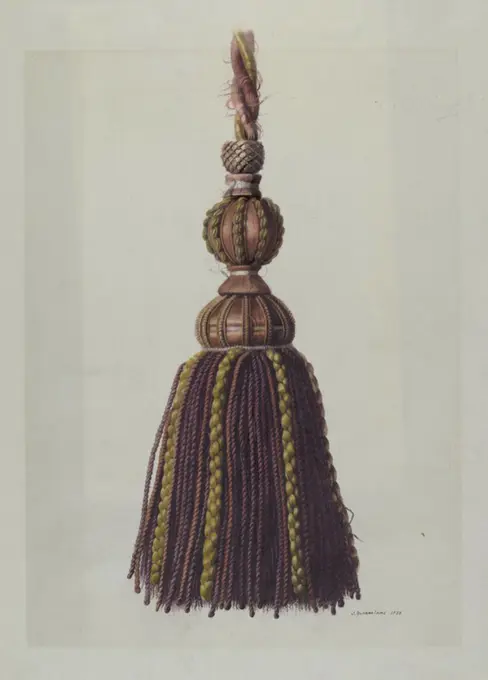
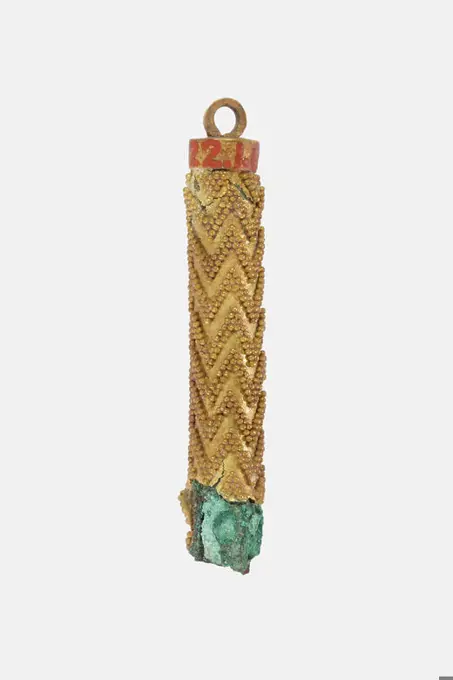
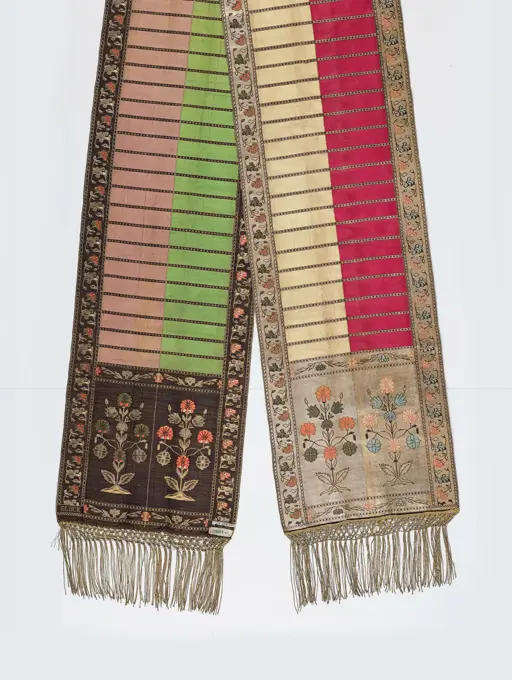
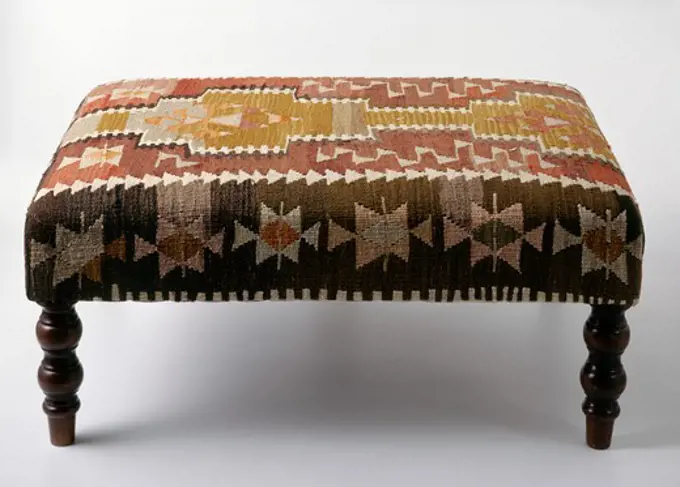
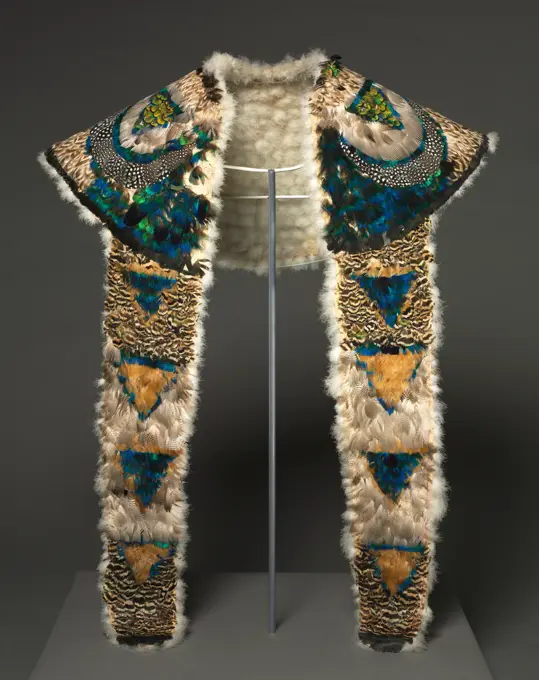
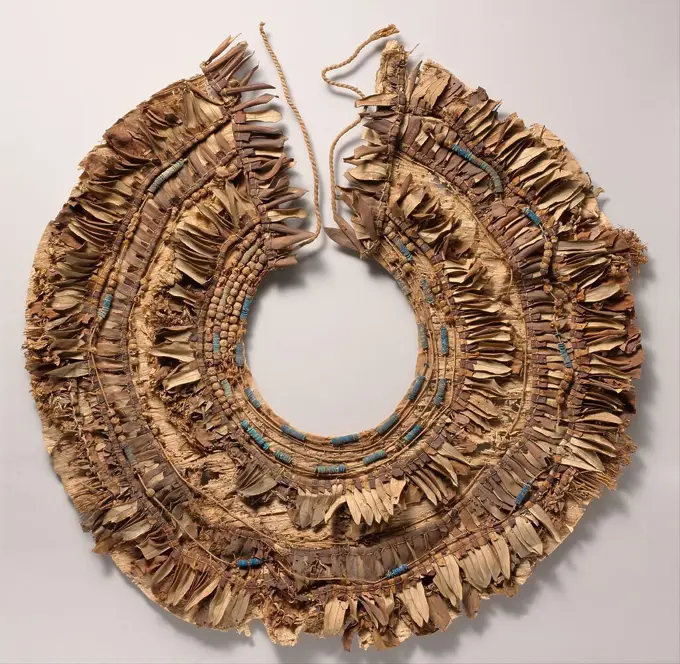
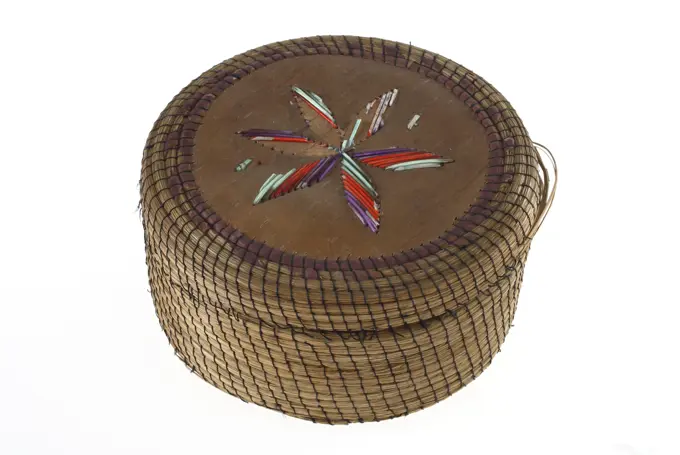
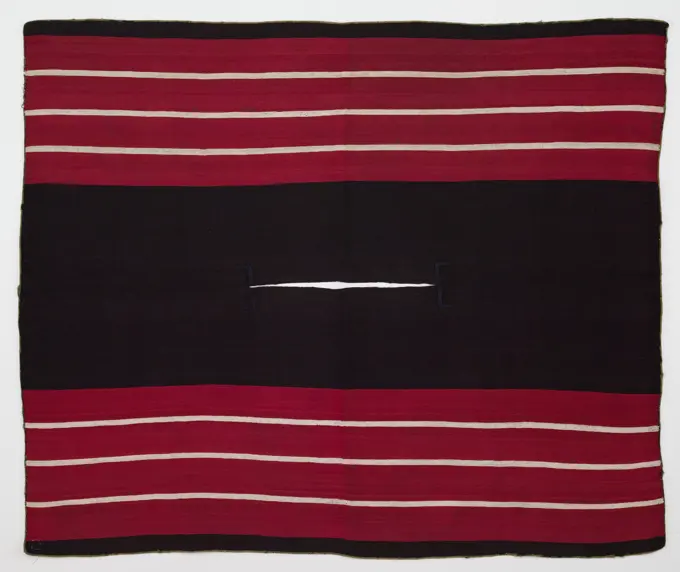
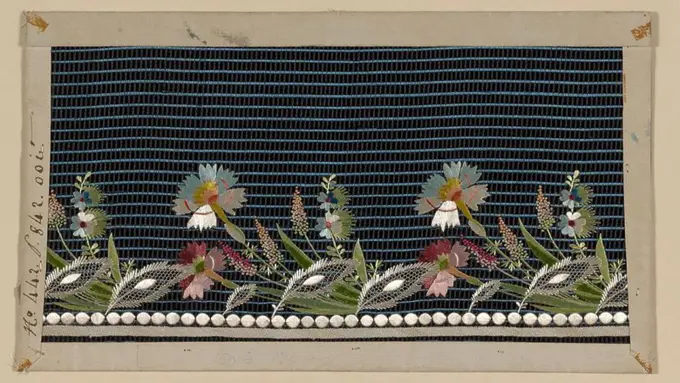
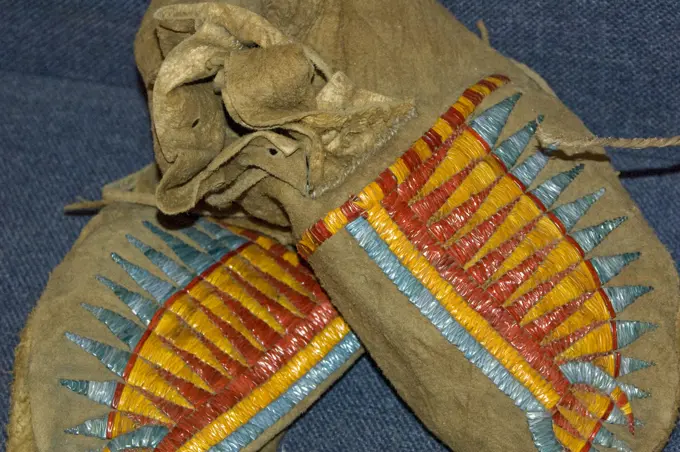
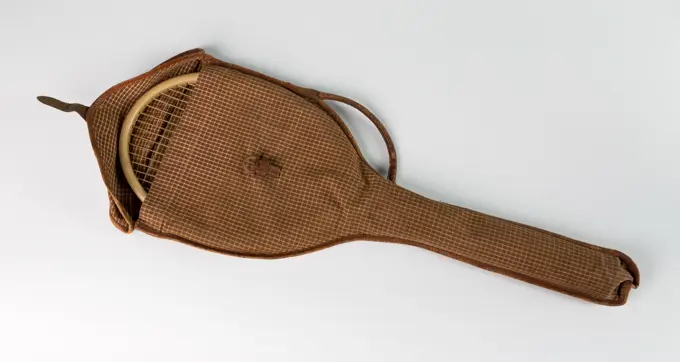
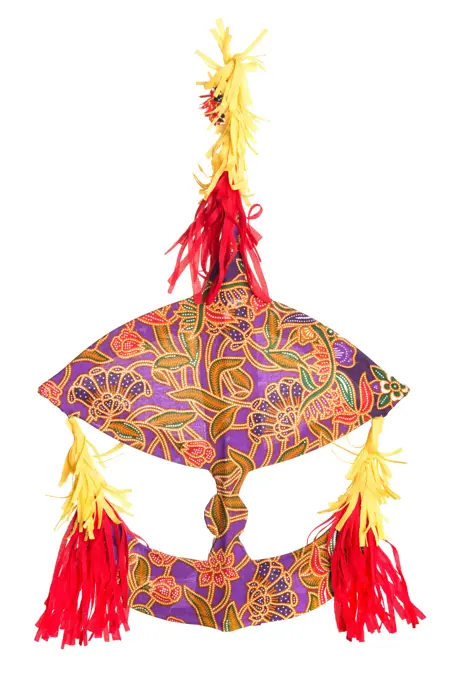
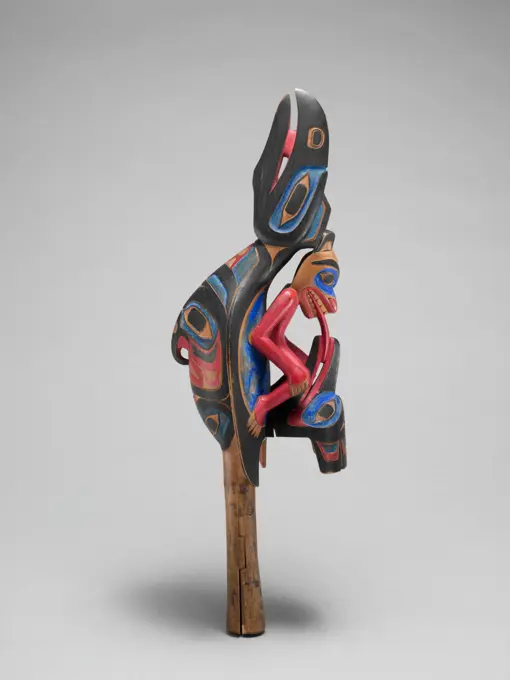
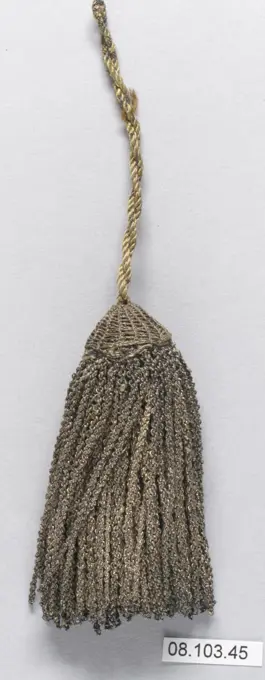
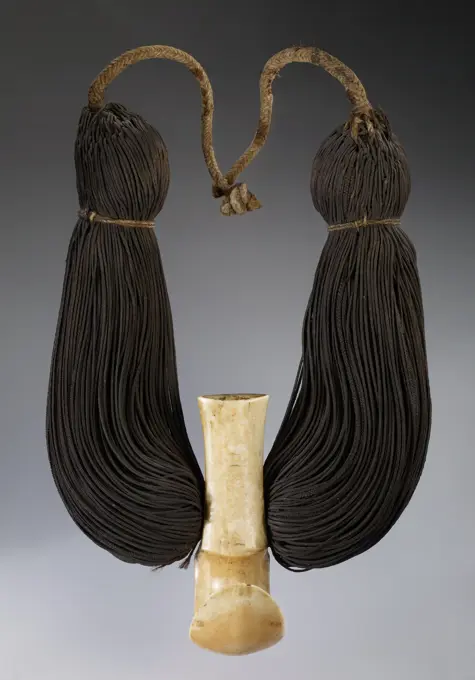
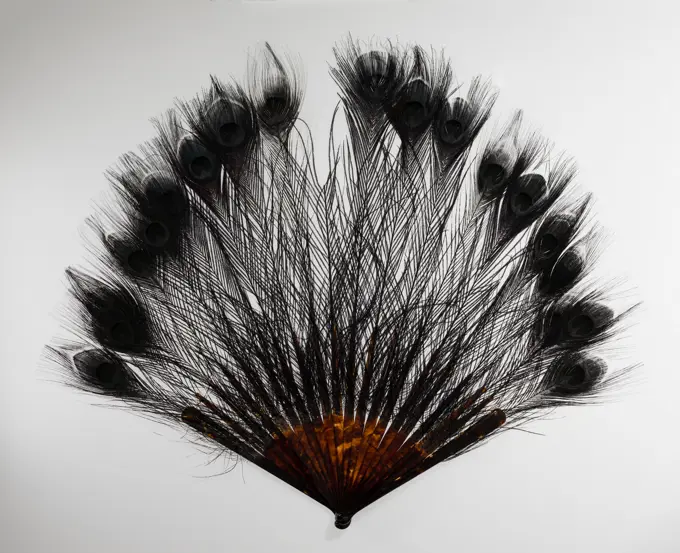
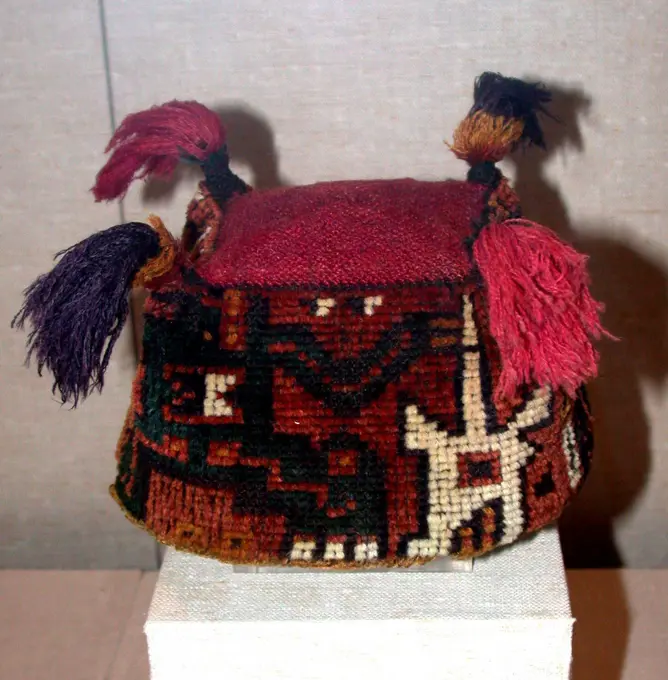
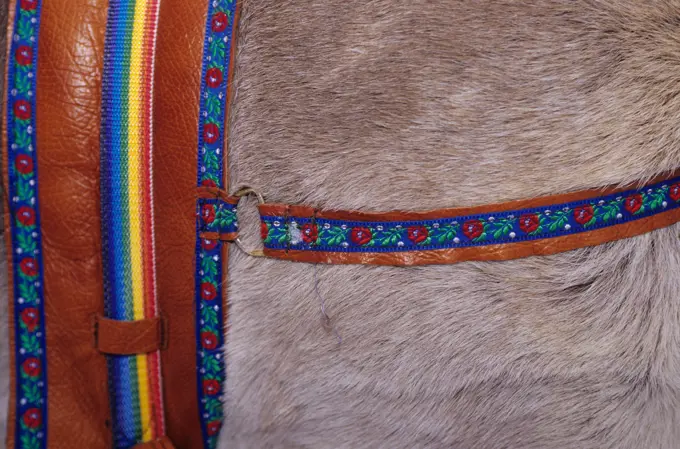
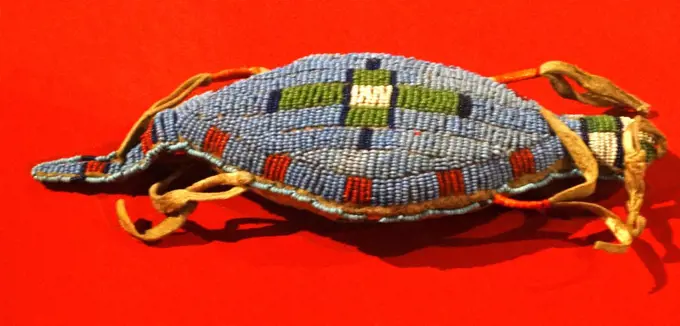
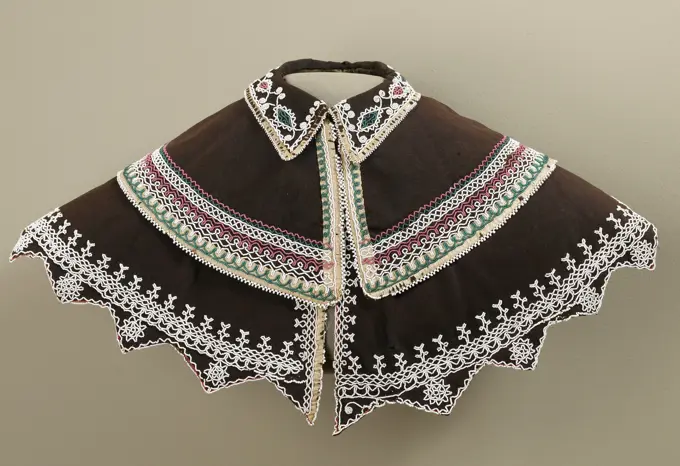
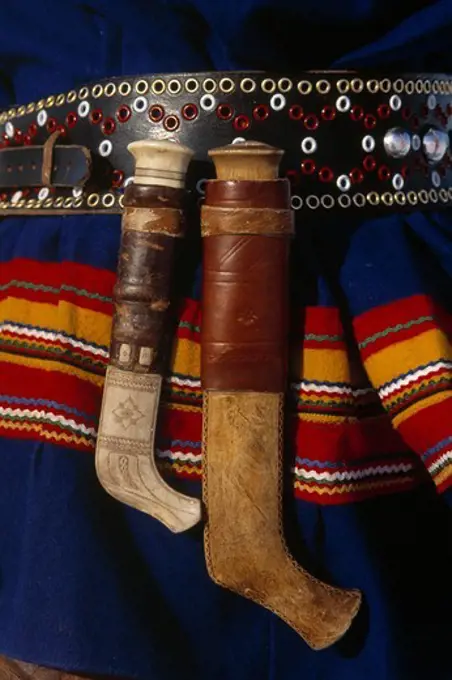
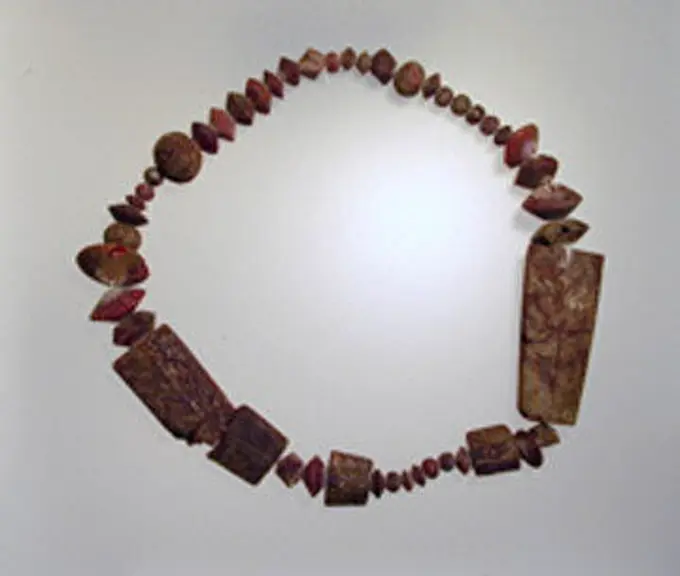
Beaded bag, 1920s, fashion accessories, 19th century.. On both sides decorated with partly rolled up jealousies with brushes, cords, etc. and kerseblosses in gold.Hellaard brush in the colors black/ green and red, c. 1600 - c. 1800  Hellebaard brush (carpenter) in the colors black/ green and red. 17th/ 18th century  textile materialsTextile Fragment 8th century. Textile Fragment 448908Pillow form whimsey, 9 1/16 x 9 1/16 x 2 5/8 in. (23.02 x 23.02 x 6.67 cm) (without dangles), Beads, velvet, cotton, United StatesBag 7th century Nasca. Bag. Nasca. 7th century. Camelid hair. Peru, Rio Grande de Nasca. Textiles-WovenMoffat Takadiwa, WASHEN AGAIN, 2019, toothbrushes and dishwashing liquid bottle tops, Sa Bassa Blanca Museum (msbb). Yannick Vu and Ben Jakober , Alcudia, Majorca, Spain.Table runner, Medium: cotton, acetate Technique: embroidered on plain weave, crocheted trim, Long, rectangular off-white table runner with a pair of double headed, elongated spade-like forms containing stylized geometrical floral motifs embroidered in shades of purple, yellow, green, black, salmon-pink and dark orange. Crocheted border on all sides., USA, ca. 1910, embroidery & stitching, Table runnerWar Hat 18th century Cambodian. War Hat 24579Anonymous. "Two stacks paw with two dusts adorned with the" 1 "and Lieutenant -" figure. Sheet. 1939-1945. General Leclerc Museum of Hauteclocque and the Liberation of Paris, Jean Moulin Museum. 158808-15Jumping firecrackerSmoking cap -Beadwork panel, Medium: beads, linen Technique: beads strung according to pattern on linen cord one row at a time, then anchored with red silk around the cord and between each row, Three panels originally made as sides for a beadwork box. The box would have needed several other panels and would have had an irregular shape. The shape of Panel A is a combination of a rectangle and trapezoid. The design is of the sacred monogram IHS surmounted by a cross and 1696 and is surrounded with a ring of flowers., England, 1696, embroidery & stitching, Beadwork panelDrom, old model of the arches. Groom of the militia. The brass boiler is provided with a veal sheet on both sides, held by a hoop and tense by means of a tensioner with tractors and screws. Both hoops are decorated with a motif of triangles in the colors red, white and blue. With engraved numbers: 1853-7.Trim, red fringe, 18th-19th century, 6 1/2 x 52 3/4 in. (16.51 x 133.99 cm), Passementerie, 18th-19th centuryVest, ChinaWarm slippers isolated on the white backgroundTusk amulet ca. 3900-3500 B.C. Predynastic, Late Naqada l-Naqada II. Tusk amulet. ca. 3900-3500 B.C.. Bone. Predynastic, Late Naqada l-Naqada II. From EgyptFan case and bag, Canvas case and bag embroidered in tent stitch, silk linings, silk ribbon with glass bead, Long narrow case for a fan and small canvas circular bag embroidered in tent stitch in design of birds and flowers. Blue satin linings, blue ribbons with pink glass beads join the two objects., China, 19th century, costume & accessories, Fan case and bagBox -Drum, 1853 musical instrument. percussion instrument. drum Trom of the militia. The brass kettle is equipped with a veal sheet on both sides, held by a hoop and tense by means of a tension with tractors and screws. Both hoops are decorated with a motif of triangles in the colors red, white and blue. With engraved numbers: 1853-7. Netherlands Kettle: Brass (Alloy). Hoop: Wood (Plant Material). Team resorts: RopeReticule in a flat rectangular model, whole of blue, green and white beads in a geometric pattern. Reticule in blue, green and white. Flat bag model with beveled corners and two cords closure. Wide blue courses with two rows of white are upstairs and bottom and close a narrower green center web, on which a white switch motif stands with blue windows, again filled with a white star. Two large blue beads hang in the corners to white bead cords. The beads are woven () On diagonal lines, alternately of full and semi-filled tours, so that a fine open grid has arisen. White satin lining.Naszyjnik ze skarabeuszem i okiem udżat. unknown, authorSacred animal mummy of a cat ca. 400 B.C.-100 A.D. Late Period-Roman Period Animal cults The Egyptians considered certain individual animals to be living manifestations of a god, such as, since earliest times, the Apis bull. Those individuals were duly mummifed when they died and buried for eternal life, then replaced by another single living manifestation. During the first millennium BC, many multiples of animals associated with certain gods were specially raised in temple precincts as simultaneous avatars of that god and then mummified in large contingents and deposited in catacombs for eternal life. The ancient perception of these multiples, the evolution of the practice in this direction, and variations within the practice are not easily accessible to us. But the hundreds of thousands of often elaborately prepared animal mummies found in catacombs and other locales testify to its ancient resonance. Animal mummiesResearch on animal mummies has shown that the majority of mummies founTassel, Medium: cotton, wool Technique: twisted fringe, embroidered cord, Large tassel with long heavy twisted red wool fringes and wool yarn stretched in 1/4' band of white, red, green, yellow over the top of the core, and a thick stiff stem of cotton yarns wound tightly with cotton threads over which stem stitch appears to have been worked in a design of geometrical rosettes, with a diamond center, in black, red, white, yellow wool ground., Peru, 1000-1200, trimmings, TasselDrom, old model of the arches. Groom of the militia. The brass boiler is provided with a veal sheet on both sides, held by a hoop and tense by means of a tensioner with tractors and screws. Both hoops are decorated with a motif of triangles in the colors red, white and blue. With engraved numbers: 1832-1B-15.Cuff, late 1800s. Northeast Woodlands, Great Lakes Region, Anishinaabe (Ojibwe) or Nehiyawak (Cree) People. Velvet, satin, glass beads; overall: 12.7 x 30.2 cm (5 x 11 7/8 in.). In the 1800s, native peoples began to use European fabrics to fashion fine formal garments; they favored sturdy cloth, such as velvet and wool broadcloth, which provided support for heavy decorative beadwork that was added by hand. Often the fabric was a dark color, providing dramatic contrast for the multicolored beads. Rather than encrusting the entire garment, beadwork was confined to cuffs, “epaulettes,” bib-like plackets and yokes, rectangular panels sewn to leggings, shirts, and dresses, and the like.RangeMiniature canoe -Curtain Tassel. Dated: 1938. Dimensions: overall: 53 x 35.8 cm (20 7/8 x 14 1/8 in.). Medium: watercolor, graphite, and colored pencil on paper. Museum: National Gallery of Art, Washington DC. Author: J. Howard Iams.Inro with a Chrysanthemum-BlossomPatternQuarter's cap of Belgian 4th Regiment van Linie, ca. 1830-1832, Anonymous, c. 1800 - c. 1850  Head cover of blue sheet with stored edge on which red galon with yellow piping. On the front a red 9 and red galons. On the left with paper clip attached to the edge, a paper with text: R.211 Two Police Cuts, Belgian model 1830-1832 and Leather label with No. 211. On other Paperclip Label with text: Roosdorp NM 10385-211A. Interior: linen lining. Belgium cloth. linen (material)Headdress 1840-50 probably American. Headdress 117609Ceramic Fragment 13th-16th century. Ceramic Fragment 452430Cylindrical pendant. Dimensions: L. 2.8 × Diam. 0.5 cm (1 1/8 × 3/16 in.). Dynasty: Dynasty 12. Date: ca. 1887-1425 B.C.. Museum: Metropolitan Museum of Art, New York, USA.Pair of Leg Wraps, 156 x 2 1/4 in. (396.24 x 5.72 cm) (a)156 x 2 1/4 in. (396.24 x 5.72 cm) (b), Cotton, ChinaPair or gloves with tassels. Left glove from white calfskin decorated with blue silk stitching, copper eyes and blue silk cord ending in ditto brushes. Model: Long slim fingers. Closure on inside Pols D.M.v. Metal snap button. Decoration: stitching on top of blue silk. Ornamental clasp of eight copper rings where blue silk cords are strung through, ending in thick brushes. The calf leather is scaled and serrated.Basket ca. 1840-60 Pequot (). Basket 319068Kontusz sash. Manufaktura Karola Stanisława Radziwiłła (Słuck ; wytwórnia pasów ; ca 1767-1790), manufacture, Madżarski, Jan (fl. ante 1757-ca 1800), manufacturerCollection of Wampanoag tools made from stone and hard wood such as a stone ax, war club and adzeMulti-bodied vessel with a ladder handle from The Vounous Cemeteries, CyprusClose-up of Kelim-upholstered stoolTAMBOR DE MADERA DE LA ISLA SALOMON. Location: MUSEO PIGORINI. Rome. ITALIA.Pelerine (Collar or Cape), c. 1830-1860. Northeastern Woodlands, Great Lakes/St. Lawrence River Region or Europe. Cotton, peacock feathers, guinea fowl feathers, Gadwalls duck feathers; overall (display): 78.7 x 63.5 x 22.9 cm (31 x 25 x 9 in.); overall: 92.7 x 166.4 cm (36 1/2 x 65 1/2 in.).Trimming (USA)Floral collar from Tutankhamun's Embalming Cache. Dimensions: Diam. 47 cm (18 1/2 in.); W. 17 cm (6 11/16 in.); Diam. of disk beads 0.5 cm (3/16 in.). Dynasty: Dynasty 18. Reign: reign of Tutankhamun. Date: ca. 1336-1327 B.C..This remarkably well preserved floral collar illustrates how the broad collars so frequently depicted in Egyptian tomb paintings were made. Alternating rows of flower petals and blossoms, leaves, berries, and blue faience beads were sewn to a papyrus backing, and linen ties secured the collar around the wearer's neck. Some of the flora used in the Tutankhamun collars have been identified as olive leaves, cornflowers, and poppies. Several collars in the cache were bound around the edge with red cloth, and the resulting combination of red, blue, black, and green must have been very colorful and similar to the polychrome decoration on some of the pottery jars in the same deposit. Museum: Metropolitan Museum of Art, New York, USA.Necklace made of gold and carnelian beads in the shape of poppy flower heads, from the exhibition: Ramses the Great and the Gold of the Pharaohs, Cologne, North Rhine-Westphalia, Germany, EuropeBox -Poncho, 18th century, 37 3/4 × 45 1/4 in. (95.89 × 114.94 cm), Wool, Peru, 18th centurySalesman's Sample. France, possibly Lyon. Date: 1780-1790. Dimensions: 24.8 × 14.2 cm (9 3/4 × 5 5/8 in.). Silk, plain weave with supplementary patterning warps and self-patterned by ground weft floats; appliquéd with linen, knotted netting; embroidered with silk floss in outline, satin, padded satin and single satin stitches; French knots. Origin: France. Museum: The Chicago Art Institute, Chicago, USA.Decorative porcupine quillwork was embroidered onto various items such as these buffalo hide men's moccasins on display at the Three Affiliated Tribes Museum on the Fort Berthold Indian Reservation, NDTipi Bag, c. 1900, 12 1/2 x 17 x 3 1/4 in. (31.75 x 43.18 x 8.26 cm), Tanned leather, glass beads, United States, 19th-20th centuryRattan frame Rattan frame isolated included clipping path Copyright: xZoonar.com/MarkoxBericx 6760527Bag (England); silk, metal-wrapped silk and coils of gilt foil on linenTennis racket with case National Sports Products Factory FremaBracelet (Kara) 18th century. Bracelet (Kara). 18th century. Gold. Attributed to India. JewelryWau kite Malaysian traditional Wau or moon kite isolated on white background. Copyright: xZoonar.com/szefeix 7284910Flower Basket. Culture: Japan. Dimensions: H. 8 3/4 in. (22.2 cm); W. at handles 5 5/8 in. (14.3 cm); D. 5 5/8 in. (112.4 cm); Diam. of rim 4 1/2 in. (11.4 cm). Date: second half of the 19th century. Museum: Metropolitan Museum of Art, New York, USA.Bhutanese handmade basketRattle 19th century Native American (Tshimshian). Rattle. Native American (Tshimshian). 19th century. Wood, pebbles, polychrome. British Columbia, Canada. Idiophone-Shaken-rattleTassel 18th century French. Tassel. French. 18th century. Metal thread. Textiles-TrimmingsNecklace (lei niho palaoa), c. 1800-1850, 26 3/4 x 3 x 4 7/8 in. (67.95 x 7.62 x 12.38 cm), Human hair, walrus ivory, plant fibers, United States, 19th century, Necklaces like this one were treasured objects in traditional Hawaiian society, worn by both men and women, and preserved among families for generations. The hook-shaped pendant is carved of ivory, very rare until brought to the islands by trade in the early nineteenth century. Its graceful curving form holds a number of symbolic associations, including connections with fishhooks, chiefly authority, and the gods. The human hair forming the collar was donated by the friends and family of the owner to show their affection and support. It was then painstakingly plaited into one extremely long, fine single cord, which was then looped into bundles at each side.Pair of footware made of straw on white backgroundSotck exchange. XIXth. GAL1970.9.35Bed Top View Isolated On White Top view of a bed with a blanket and a pillow isolated on white. Copyright: xZoonar.com/VictorxGladkiyx 8950327Close-up of a feather fanFringe (Italy); silkTassel (Spain)Toolbox -Wicker basket on a white background. Spanish scarf from yellow silk tres, along three sides provided with a long frills of the same tres, which consists of alternately wide and narrow stripes of cross-loop. Loamepiece of tresband, also CK, D.I. crocheted on a hairpin-shaped instrument.Woman's Coin Purse. Serbia, circa 1860. Costumes; Accessories. Glass beadsDuvelleroy. Broken swab in black peacock feathers, early twentieth century. Feathers, scales. Paris, Carnavalet museum. 99104-14 Fashion accessory, EventailTrim, small fringe, 18th-19th century, 36 1/2 x 1/2 in. (92.71 x 1.27 cm), Passementerie, 18th-19th centuryNasa de pescar, Blanes. Museu Català de les Arts i Tradicions Populars.Four-Cornered Hat 7th-9th century Wari Finely woven, brightly colored hats, customarily featuring a square crown, four sides, and four pointed tips, are most frequently associated with two ancient cultures of the Andes: the Wari and the Tiwanaku. The Wari Empire dominated the south-central highlands and the west coastal regions of what is now Peru from 500-1000 A.D. The Tiwanaku occupied the altiplano (high plain) directly south of Wari-populated areas around the same time, including territory now part of the modern country of Bolivia. The cultures not only developed and flourished as contemporaries, but also occupied adjacent lands for nearly four centuries. A Wari ceremonial center called Cerro Baúl was located a mere five miles from Tiwanaku-settled fields in the Moquegua Valley of Peru. The two cultures likely encountered each other at Cerro Baúl and elsewhere, but the nature of these interactions remains largely unknown. Four-cornered hats from both the Wari and the Tiwanaku were Traditional turkish handmade bagEurope, North Europe, Scandinavia, Finland, Lapland, Rovaniemi, Details of a reindeer harness.Trimming, White and colored silk in velvet weave., Two shields, each under a crown. One shows a rampant lion standing on a hill (). The other shows a castle. Colors are red, blue, yellow, and green on a white ground with a border of red and white blocks., Spain, early 19th century, trimmings, TrimmingMirror 19th century China. Mirror 69702Harpoon Line and Carved Ivory Attachers Northern Canadian Eskimo (Inva) Eskimo Art Scarab with wing amulet (Faience). New Kingdom to Late PeriodRoach headdress -Drum, c. 1825 - c. 1832 musical instrument. percussion instrument. drum Drum of copper with wooden top and bottom edge, red, white and blue points. With engraved numbers: A / 143. Netherlands copper (metal). wood (plant material). leatherFringe European 19th centuryA child's amulet. From the Sioux people of the Northern Plains, USA, 1880-1920.A knitted eggEmbroidered bag for toiletries, anonymous, c. 1910 Embroidered bag with red bow for toiletries.  textile materials Embroidered bag with red bow for toiletries.  textile materialsCape, c. 1800-1850, 20 1/2 x 29 3/8 in. (52.07 x 74.61 cm), Cotton, silk, beads, United States, 19th century, The introduction of European beads, ribbons, and cloth through trade gave Eastern Woodlands people new possibilities for ornamentation. Women skilled in needlework responded by producing increasingly elaborate clothing and accessories like this beaded coat collar.rope border in spiral. CloseupMan's bag, c. 1985, 11 1/4 x 12 3/4 in. (28.58 x 32.39 cm) (not including strap or tassles)38 x 1 in. (96.52 x 2.54 cm) (object part, strap), Cotton, acrylic; crochet, weaving, Guatemala, 20th centuryTunic, Border, Fragment or Textile Fragment, Undetermined , 1532-1700 or 1000-1400. Cotton, 5 × 13 3/4 in. (12.7 × 34.9 cm).   Arts of the Americas 1532-1700 or 1000-1400Large baskets hung over the shoulders were used to collect garden produce and wild food plants by the Wampanoag IndiansTraditional Sami dress and knives detail.Necklace -Arrow sash -Drawstring bag ca. 1900 American or European. Drawstring bag 117206Modern reconstruction of ancient beads primarily 7th century B.C. Etruscan Reconstructed necklace of amber beads.. Modern reconstruction of ancient beads. Etruscan. primarily 7th century B.C.. Amber. Archaic. Miscellaneous-AmberBraid of Jacoba van Bavaria, not applicable, c. 1406 - c. 1436 human hair Long hair braid, tied together at the two ends by a lock. Netherlands (possibly) human hair   Netherlands. The HagueMuseo del Barro host, in a modern slick building, a private collection ranging from feather art to santos.Asuncion is the capital of Paraguay.