Historical Textiles and Accessories

A range of vintage fabrics and accessories, including hats, bibs, and chasubles, showcasing intricate details and historical craftsmanship.
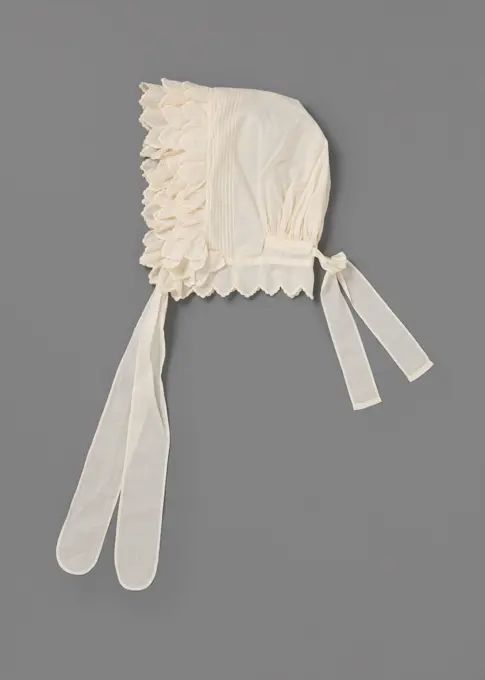
Hat of Batist with three Volants with scalloped edges and kinnebands, anonymous, c. 1850 Hat van Batist, which is made up of a horseshoe -shaped hat with eight sewn -sewn narrow edges. The hat is fitted around the face with three Volants with sculpted edges; These are finished with a feston stitch. The hat ball can be attracted with a batist ribbon. The kinnerbands are also made of Batist. West-Europa whole: Batiste Hat van Batist, which is made up of a horseshoe -shaped hat with eight sewn -sewn narrow edges. The hat is fitted around the face with three Volants with sculpted edges; These are finished with a feston stitch. The hat ball can be attracted with a batist ribbon. The kinnerbands are also made of Batist. West-Europa whole: Batiste
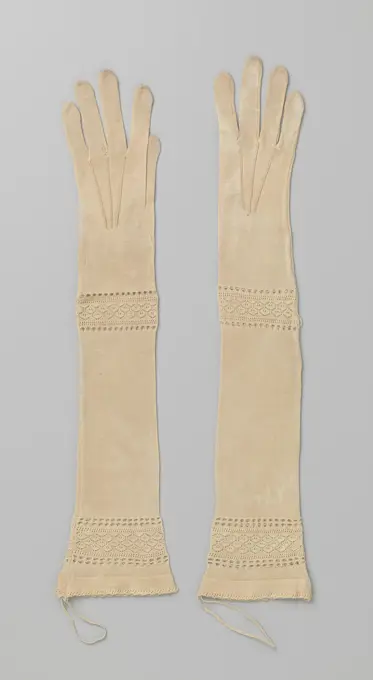
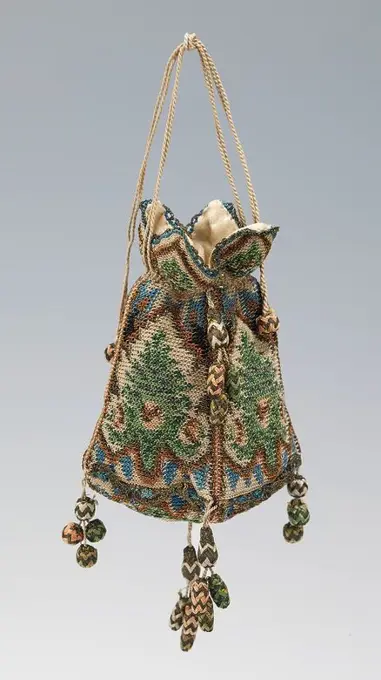
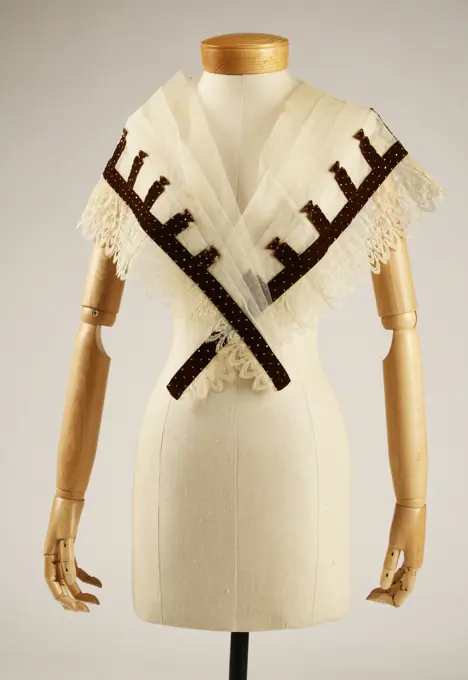
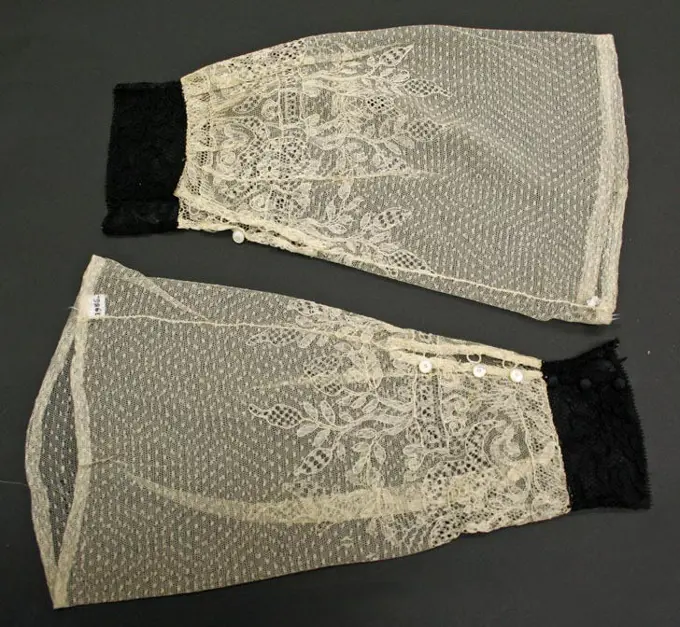
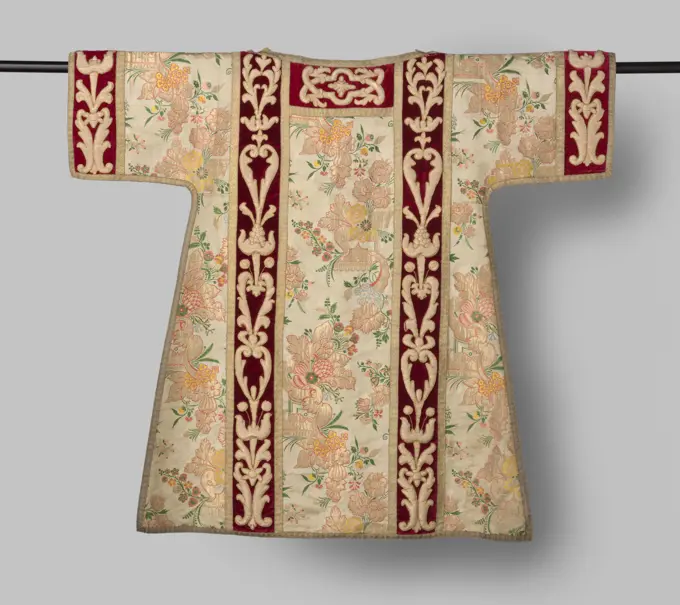
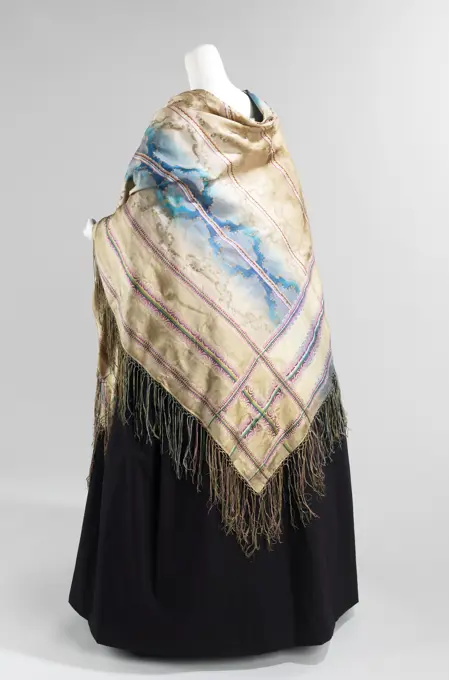
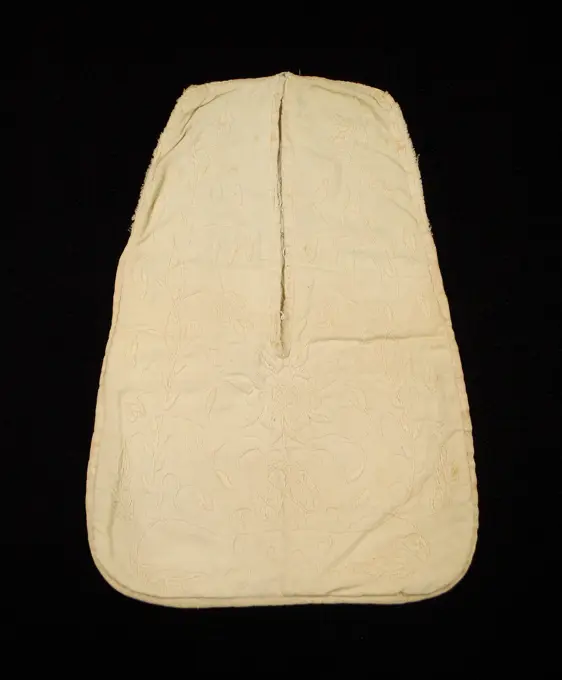
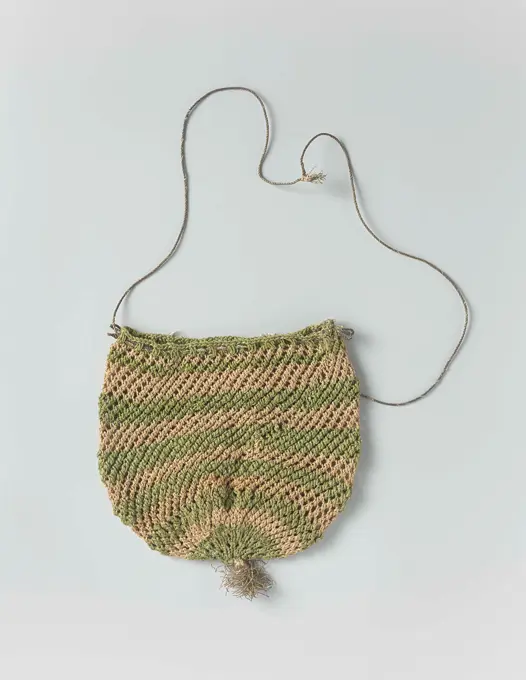
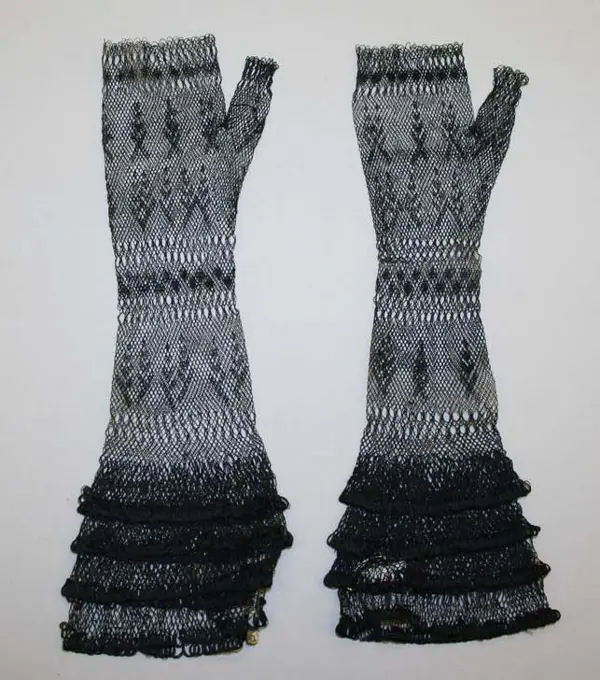
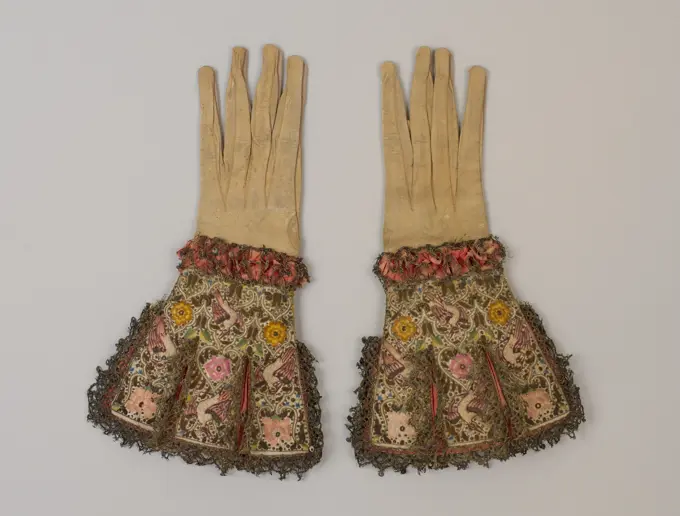
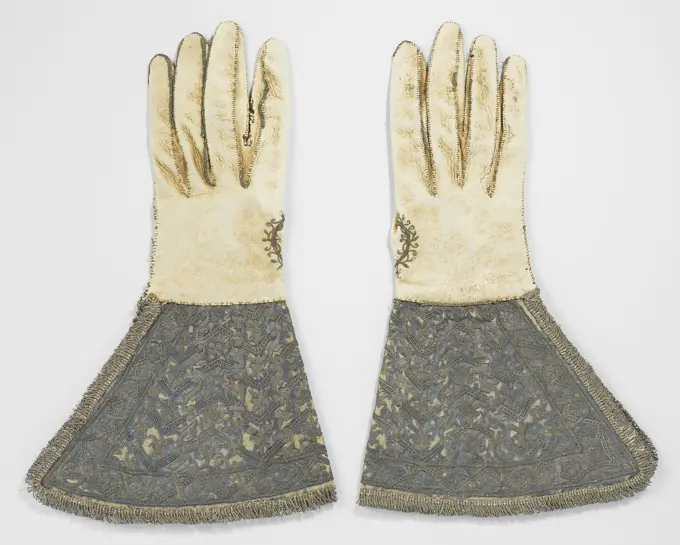
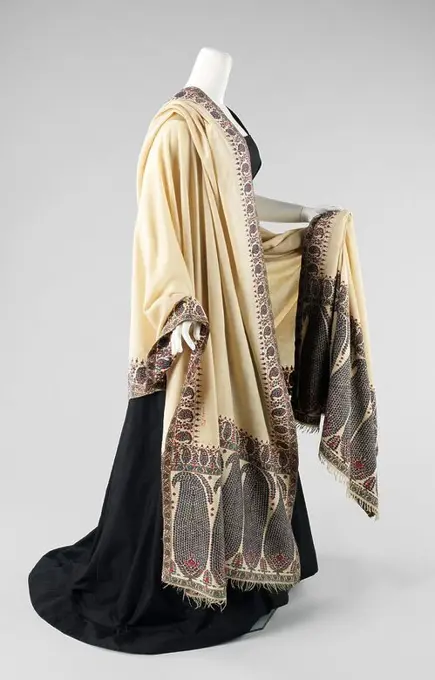
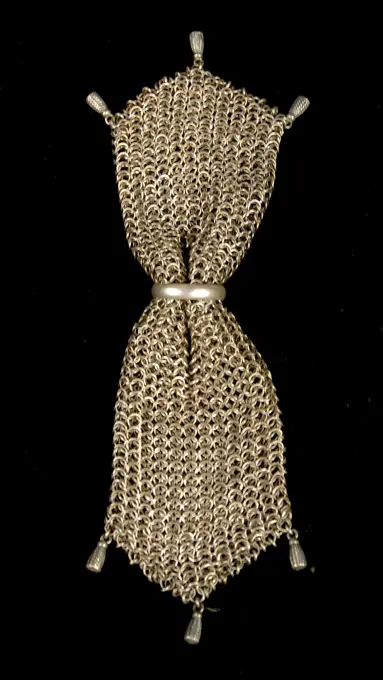
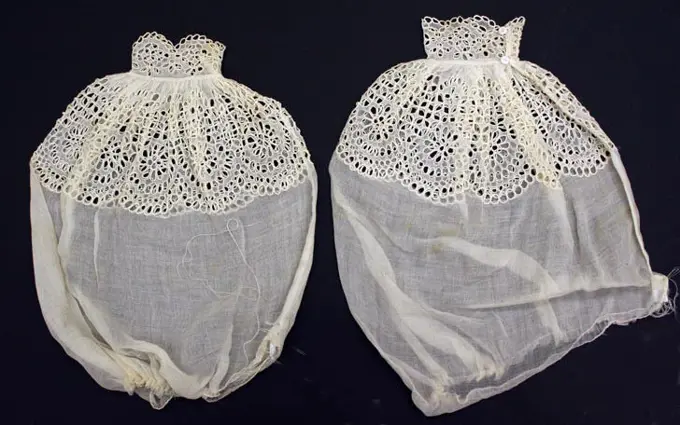
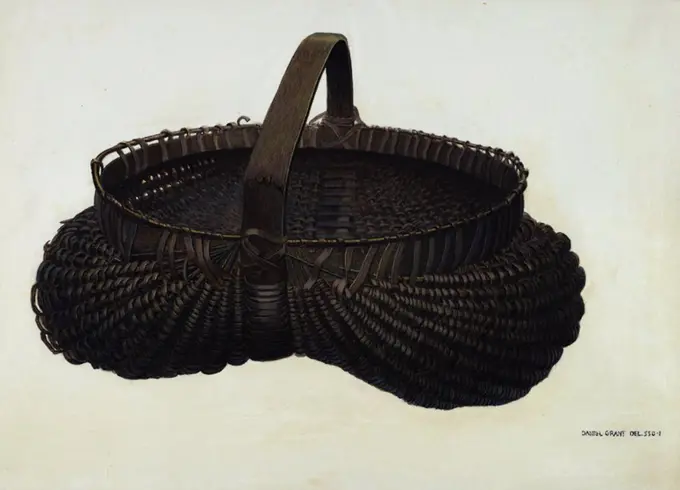
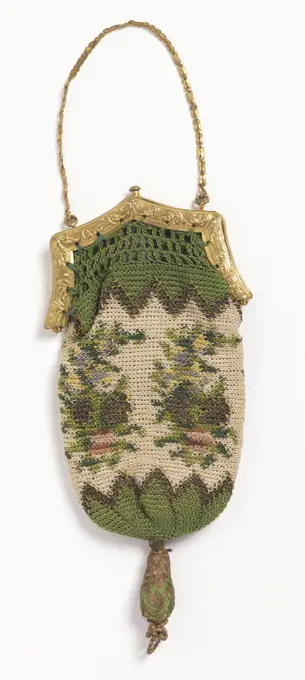
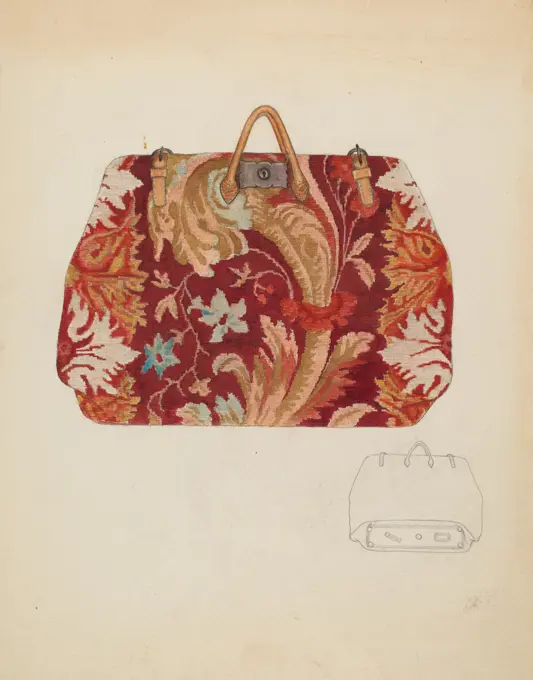
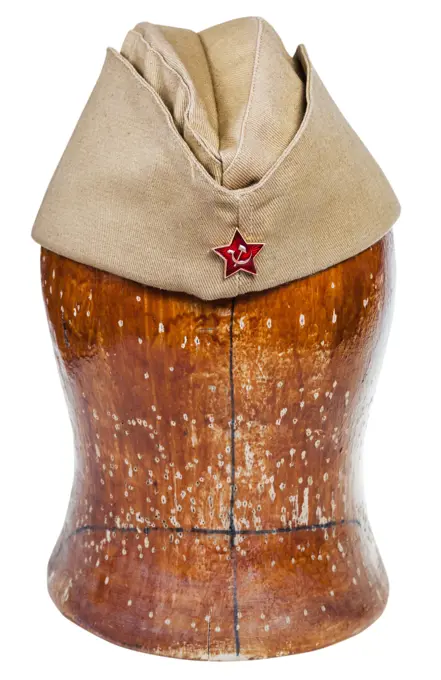
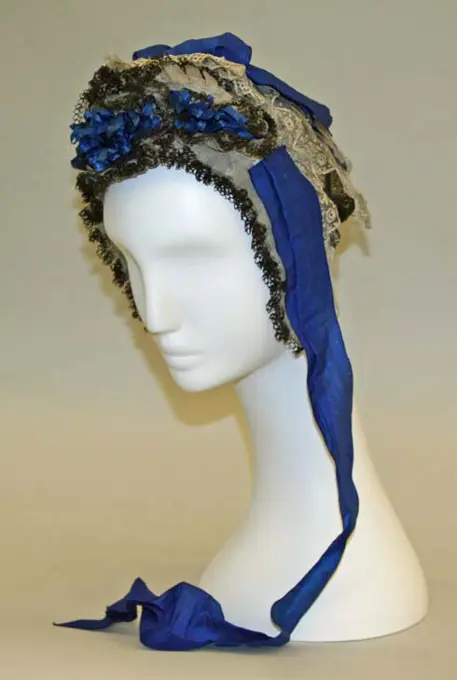
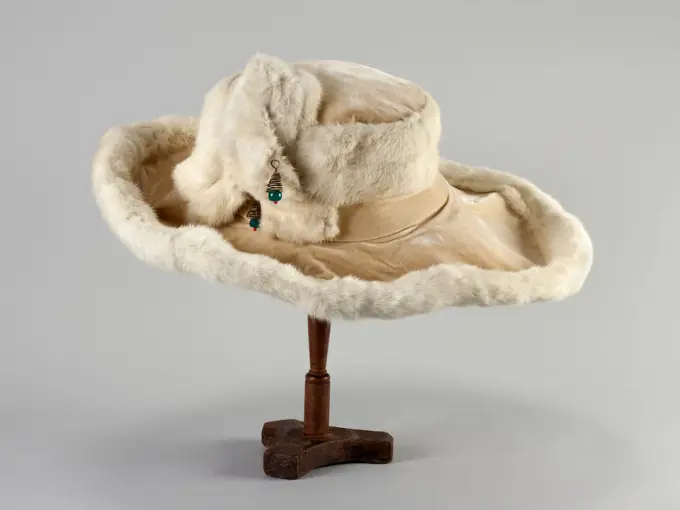
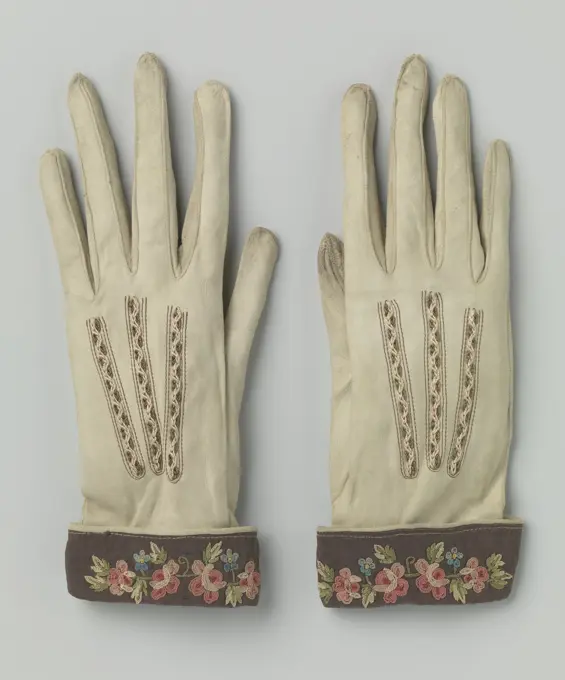
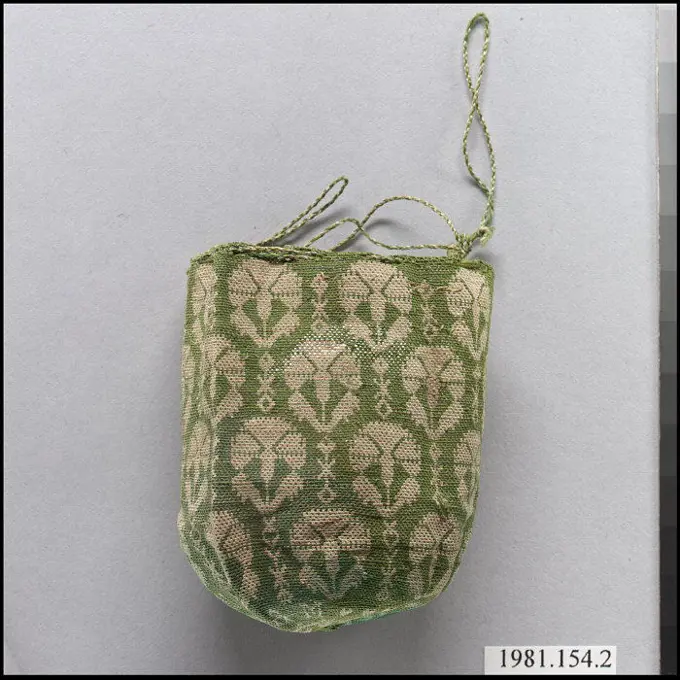
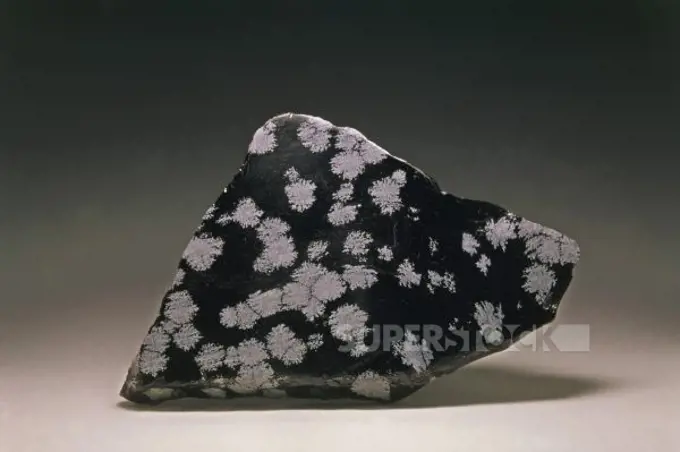
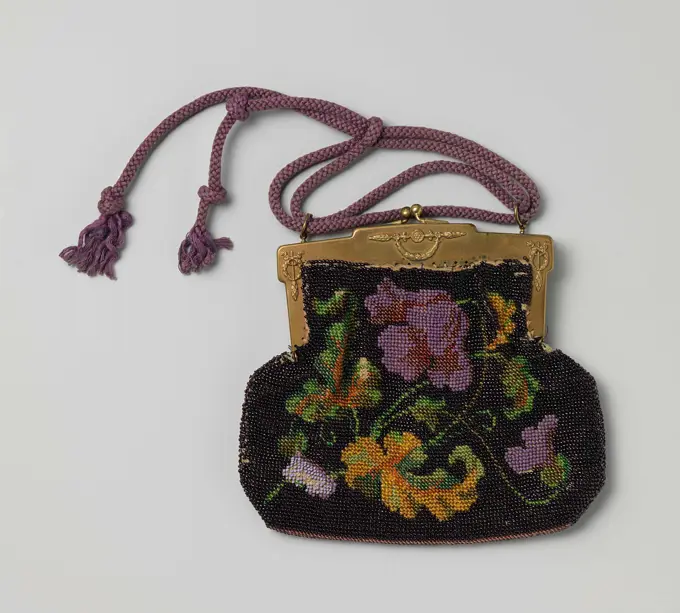
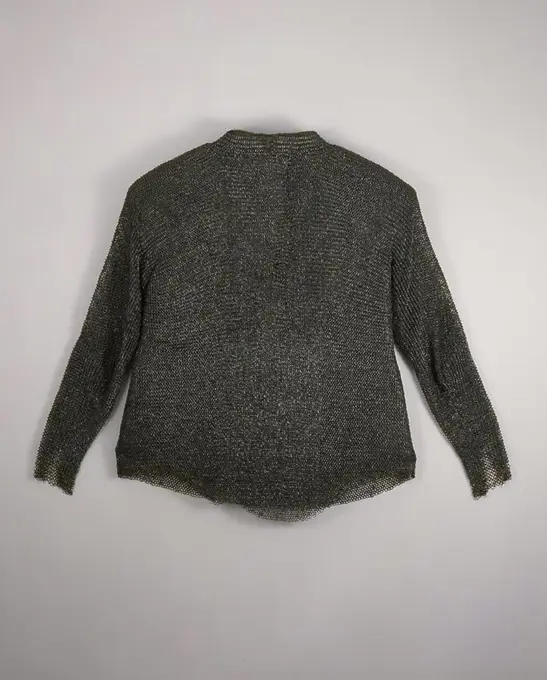
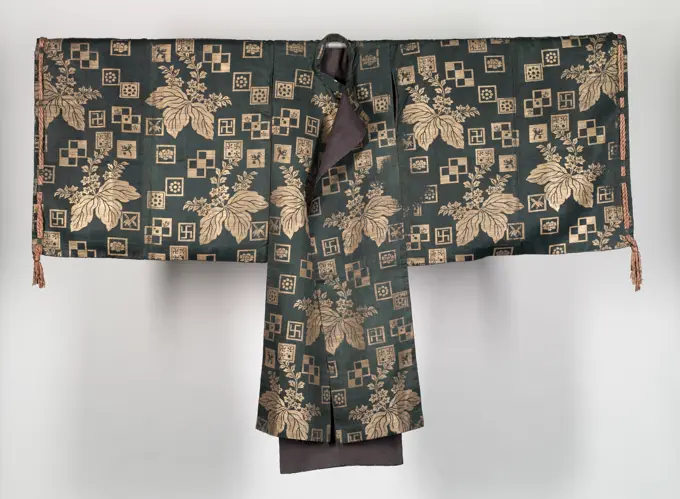
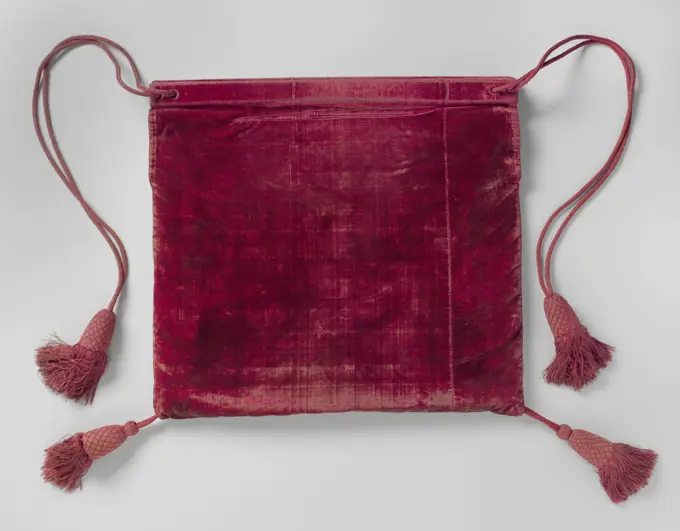
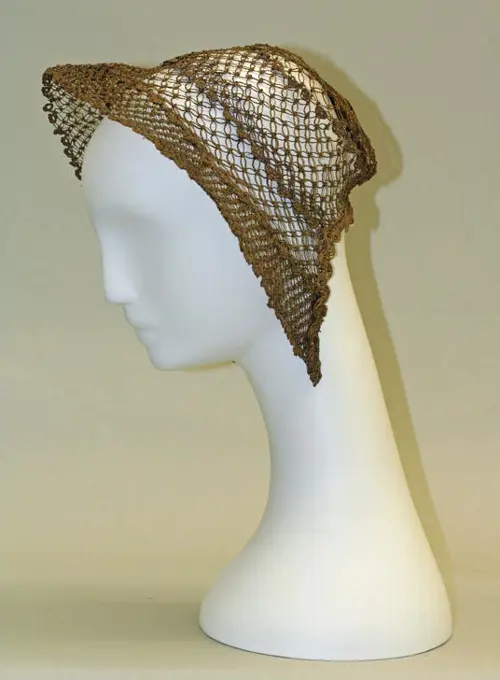
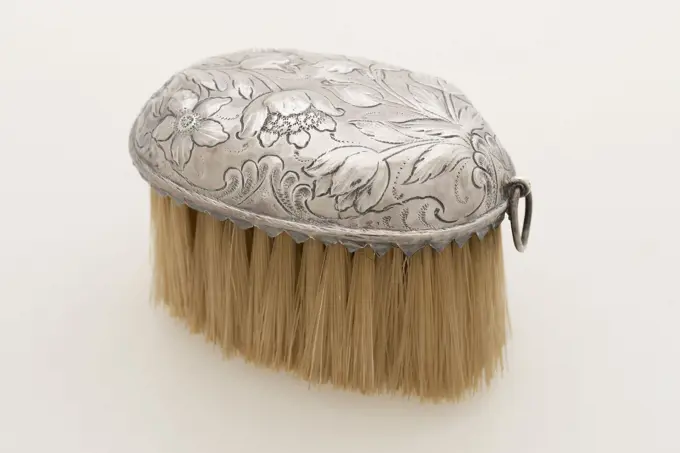
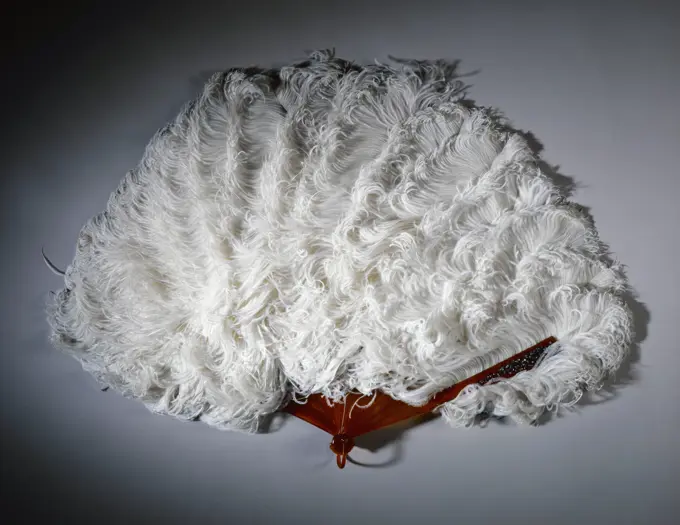
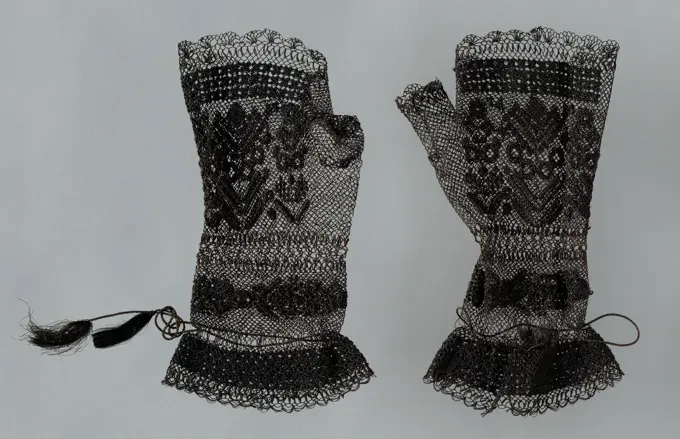
Pair of Mittens Made 1840-1860 England. Silk, bands of bunch, spider, and square netting; embroidered in cloth and overcast stitches; cotton cords with silk cut tassels .Bourkha owned by Stefan Czarniecki (1599-1665) unknownHat 1866-68 American. Hat 113258Handschoen van crèmekleure katoen.Left glove made of cream-colored cotton, with ajour knitwear at the height of the wrist. Board with bow ribbon, top shelter with on hand three radiating cords.Pair or Gloves with Pointed Cuffs. Right glove from beige glacé leather. Model: Three-quarter hose with caps and middle kids. Seams of the caps formed and crossed in deep points. Thick pearl as a closure. Address: Inside printed: 1. Bilton / v.S.pat.Sept.19.'22 (). 2. Crowned eagle with Banderol on which M. Laimbock / Uityrol / Amsterdam / K.Hof supplier (unclear) and: Made in Saxony. Saxony, for fa. Laimböck Amsterdam. 1922-1930 ().Frontlet on chain, 20 1/8 x 7 3/8 x 3/4 in. (51.12 x 18.73 x 1.91 cm) ( including chain and pendants), Silver, ChinaStole 1830-50 Belgian. Stole 168855Hat late 18th-early 19th century Italian. Hat 98410Glass Fragment. Culture: French. Dimensions: Overall: 1 1/8 x 3 1/2 in (2.9 x 8.9 cm). Date: 12th-14th century. Museum: Metropolitan Museum of Art, New York, USA.Chemisette of lace plaque on mechanical tulle with snow crystals, anonymous, c. 1900 Chemisette of natural -colored lace bobbin work, tuldoor stop work on machine tulle. Alternating pattern of thrown snow crystals and staggered double zigzag lines. A dense oval has been made in the diamond -shaped spaces that arise between the zigzag lines. Graspollen are on the zigzag tops. A mesh -like substance is sewn on the back of the chemisette. Netherlands Chemisette of natural -colored lace bobbin work, tuldoor stop work on machine tulle. Alternating pattern of thrown snow crystals and staggered double zigzag lines. A dense oval has been made in the diamond -shaped spaces that arise between the zigzag lines. Graspollen are on the zigzag tops. A mesh -like substance is sewn on the back of the chemisette. NetherlandsReticule. Culture: probably German. Date: 1800-1810. Museum: Metropolitan Museum of Art, New York, USA.Extremely worn out jeansHeadcovering (France); silkStocking of ajour knitted white cotton with wide board, anonymous, c. 1900 - c. 1910 Stocking of Ajour knitted white cotton with wide board, knitted right-welded. Surabaya whole: Cotton (textile) knitting Stocking of Ajour knitted white cotton with wide board, knitted right-welded. Surabaya whole: Cotton (textile) knittingFurniture, Anonymous, 1700 - 1800 Crib with mattress, two cushions and two stitched silk blankets, with red silk curtains, trimmed with a passion. Northern Netherlands (possibly)Netherlands (possibly) wood (plant material). silk Crib with mattress, two cushions and two stitched silk blankets, with red silk curtains, trimmed with a passion. Northern Netherlands (possibly)Netherlands (possibly) wood (plant material). silkFichu mid-19th century American or European. Fichu 108152Shirt. Culture: American. Date: 1820s. Museum: Metropolitan Museum of Art, New York, USA.Collar mid-19th century American. Collar 119243Bliżej Kultury unknownPurse 19th century American. Purse 98092Fragments; cottonBoy's hat, 20th century, 6 x 9 1/2 in. (15.24 x 24.13 cm), Cotton, Vietnam, 20th centuryUndersleeves 1840-59 American or European. Undersleeves 120061Glass Fragment 12th-14th century French. Glass Fragment. French. 12th-14th century. Pot-metal glass, vitreous paint. Glass-StainedWrapper 1840s American. Wrapper 91021Dalmatics of gold brocade ,, c. 1700 - c. 1725 Dalmatics with an aurifries and a praetext of appliqued and filled plilled gold brokaat. An equal dalmatics (BK-1972-1-D) is part of the Dalmatics. Both Dalmatics belong to nine ecclesiastical tissues with embroidery with invnrs. BK-1972-1-A to BK-1972-1-I and a non-corresponding stock market with invnr. BK-1972-1-J. France brocade (textile). textile materials. velvet (fabric weave) embroidering Dalmatics with an aurifries and a praetext of appliqued and filled plilled gold brokaat. An equal dalmatics (BK-1972-1-D) is part of the Dalmatics. Both Dalmatics belong to nine ecclesiastical tissues with embroidery with invnrs. BK-1972-1-A to BK-1972-1-I and a non-corresponding stock market with invnr. BK-1972-1-J. France brocade (textile). textile materials. velvet (fabric weave) embroideringKuro Tomesode Made 1875-1895 Japan. Hemp, plain weave; dye extracted using a chemical dye stripper (bassen); painted; lined with cotton, plain weave .Shawl 1840-49 probably American This is a characteristic shawl textile of the 1840s with a good combination of weaving techniques, including monochrome patterning in the ground paired with stripes that look like ribbons applied to the borders. The polychrome fringe picks up the colors used in the textile, showing fine attention to detail.. Shawl. probably American. 1840-49. silk. Canopy hat made of solid black rips silk, decoration of a composed ribbon made of made ripples side and silk, and deposited with a strip of black dick edge. Canopy model with four ribs. Interior of globe of hat makers mesh, no lining. Canned with black rips silk. Closure with hook and eye on the ribbons. On the ribs and along the styled edge under the sphere a strip of dumpling. On the canopy and back on the sphere bows of brown / black ribbon.Pocket ca. 1790 American. Pocket 169847Man's Cap (France); wool embroidery on linen foundationWoman's Bonnet. United States, 1885-1889. Costumes; Accessories. Straw, silk, ostrich feathersMitaine of white knitted cotton, c. 1750 - c. 1800 Mitaine of white knitted cotton, with a pattern of thin back and forth and cubes. Unserved at the bottom. Marked in brown: ael / g or 6 West-Europa whole: Cotton (textile) knitting / embroidering Mitaine of white knitted cotton, with a pattern of thin back and forth and cubes. Unserved at the bottom. Marked in brown: ael / g or 6 West-Europa whole: Cotton (textile) knitting / embroideringBib, 15 x 13 1/4 in. (38.1 x 33.66 cm), Cotton, silk, ChinaSmall, round exhibition of knotted silk, interspersed in horizontal green and beige colored courses. Small, round exhibition of knotted silk, interspersed in horizontal green and beige colored courses. At the bottom a brush of fine silver wire. A twisted silver wire is strung through small openings along the top edge. The stock market is unlined.Mitts first quarter 19th century American. Mitts 98128Pair of gloves 1600-1625 British In the early modern period, gloves were essential accessories. As today, they had practical functions: they were used for protection or warmth, and, in some cases, perfumed gloves were used for medical purposes. Yet they were also potent extensions of social actions; they were symbols of status and obligation, thrown down in challenge or treasured as tokens of affection. In this way, gloves were a conspicuous pleasurein paintings, they are frequently held rather than worn. This pair features preening birds of paradise, carnations, roses, and tiny boragespossibly inspired by those in La Clef des Champs (1586) and A schole-house, for the needle (1632)and set within arabesques. The tabbed, gauntlet-style was popular for displaying elaborate, expensive professional embroidery, as the tabs are slightly gusseted to fit over the wearer’s intricate lace cuffs. The wide cuff also complemented the long, tapering fingers that extend beyond the fingertips, lengtVestee 1855-69 American. Vestee 119307Purse first quarter 17th century British. Purse 228964Gloves of leather with wide blades in blue satin, embroidered with silver thread, trimmed with silver frills, anonymous, c. 1600 - c. 1615 Left (men's) gloves of leather with very wide caps, covered with blue satin, embroidered with silver thread and trimmed with silver frills. Franning of loops, deer () Leather, silver embroidery around the thumb. England (possibly) whole: Leather. Hood: Satin. Embroidery: Silver thread. FRACK: Silver thread cutting / embroidering Left (men's) gloves of leather with very wide caps, covered with blue satin, embroidered with silver thread and trimmed with silver frills. Franning of loops, deer () Leather, silver embroidery around the thumb. England (possibly) whole: Leather. Hood: Satin. Embroidery: Silver thread. FRACK: Silver thread cutting / embroideringGlove of leather with very wide caps, covered with blue satin, embroidered with silver thread and trimmed with silver frills, c. 1600 - c. 1610 Right (men's) gloves of leather with very wide caps, covered with blue satin, embroidered with silver wire and trimmed with silver frills. Franning of loops, deer () Leather, silver embroidery around the thumb. England (possibly) whole: Leather. Hood: Satin. Embroidery: Silver thread. FRACK: Silver thread cutting / embroidering Right (men's) gloves of leather with very wide caps, covered with blue satin, embroidered with silver wire and trimmed with silver frills. Franning of loops, deer () Leather, silver embroidery around the thumb. England (possibly) whole: Leather. Hood: Satin. Embroidery: Silver thread. FRACK: Silver thread cutting / embroideringMen's Nagajuban with the Mukden and Shanghai incidents. Undercono (Nagajuban) for a man with a repeating decoration over the entire area of four partially overlapping rectangular images of two maps, a harbor scene with ships in combat and soldiers confessing a snow-driving train, against a background of in silhouette Soldiers shown with horses and guns in the night snow. Reference at the Mukden Incident of 1931, where radical elements in the army attacked Chinese soldiers on a train for pushing a conquering campaign of manhare, and the Shanghai incident of 1932, involving Western powers of hostilities between Japanese ships and Chinese forces Condembled the port of Shanghai. The maps of the Mukden and Shanghai area. Crepe Silk (Chirimen) with Stepencilde Yuzen decoration and detailing in gold foil. Lining of blue and white silk.Shawl. Culture: Indian. Date: third quarter 19th century.This finely woven shawl is a jamawar, a long shawl woven as a single piece. Created from high-quality cashmere, the long process required to create the borders and center as one would have added to the expense of an already high-end object. Museum: Metropolitan Museum of Art, New York, USA.Jacket, first quarter 20th century, Unknown Anatolian, 18 x 21 1/2 in. (45.72 x 54.61 cm), Cotton, gold metallic thread; needlework, Turkey, 20th centuryMitaine of white knitted cotton, c. 1790 - c. 1820 Mitaine of white knitted cotton, knitted in a diamond pattern with flowers, for baby or small child Zaanstreek whole: Cotton (textile) knitting Mitaine of white knitted cotton, knitted in a diamond pattern with flowers, for baby or small child Zaanstreek whole: Cotton (textile) knittingCollar ca. 1880 American. Collar 170404Vest 1892 American. Vest 91117Miser's purse third quarter 19th century American. Miser's purse 169193Undersleeves ca. 1860 American. Undersleeves 168750Undersleeves 1850s British. Undersleeves 120043Market Basket. Dated: c. 1940. Dimensions: overall: 21.5 x 30 cm (8 7/16 x 11 13/16 in.) Original IAD Object: 10" high; 16" wide; 20" long. Medium: watercolor, gouache, and graphite on paperboard. Museum: National Gallery of Art, Washington DC. Author: D. J. Grant.Cap. Culture: American. Date: ca. 1810. Museum: Metropolitan Museum of Art, New York, USA.Fragment of embroidery  two headed eagle motif unknownPurse, Medium: silk, metal Technique: knitted, Small bag of knitted silk with a silver gilt frame. Striped with geometric patterns in yellows and pink rosebuds on a white ground. Inscription at the top 'L.W. ALSOP'., USA, early 19th century, costume & accessories, PurseStocking -Empty wooden stand for cake isolated on white backgroundPurse, Medium: silk, metal Technique: crochet, Small purse of crocheted silk and gold thread in green, white, red and faded yellow in pattern of flower clusters. Green saw tooth border at top and bottom. Set into a gold frame at top with catch to close. Fine gold chain for carrying., France, early 19th century, costume & accessories, PurseCap (Austria); silk, metal spangles, beads, and threadsDressing gown (A) and Justaucorps (B) of fine red -green striped satin, anonymous, c. 1760 - c. 1770 Dressing gown (A) and Justaucorps (B) of fine red -green striped satin. Netherlands (possibly) Dressing gown (A) and Justaucorps (B) of fine red -green striped satin. Netherlands (possibly)Parasol late 19th century French. Parasol. French. late 19th century. no medium availableCap ca. 1870 American. Cap 168756Glove of J.R. Thorbecke, Anonymous, c. 1850  Some glove belonging to official costume by J.R. Thorbecke as Minister of the Interior. Netherlands leatherMarie Mitchell, Carpet Bag, 1935 1942 Carpet BagDrawstring purse with tassels, anonymous, c. 1798 - c. 1810 Pouch in a flat, hexagonal model, of white cotton with on both sides different floral embroidery of white cotton thread within a genop edge, with four cotton brushes. At four points a brush of white cotton. A double twisted cord with a small brush at the ends has been strung through a tunnel along the top edge. The pouch is unlined. Netherlands whole: Cotton (textile). Decoration: Cotton (textile) embroidering Pouch in a flat, hexagonal model, of white cotton with on both sides different floral embroidery of white cotton thread within a genop edge, with four cotton brushes. At four points a brush of white cotton. A double twisted cord with a small brush at the ends has been strung through a tunnel along the top edge. The pouch is unlined. Netherlands whole: Cotton (textile). Decoration: Cotton (textile) embroideringBaby carrier, 20th century, 18 3/8 x 13 5/8 in. (46.67 x 34.61 cm), Silk, sequins; needlework, China, 20th centuryCap, ChinaCap. Culture: American. Date: ca. 1830. Museum: Metropolitan Museum of Art, New York, USA.military field cap with soviet red star sign direct view of military textile field cap with soviet red star sign on wooden dummy isolated on white background Copyright: xZoonar.com/ValeryxVoennyyx 7682962Snood late 1850s American or European. Snood 116468Marcelle Demay. "Hat". Ivory velvet and white mink. Ornaments in glass and metal paste. Black velvet. Background in ivory silk taffeta. Around 1910. Galliera, fashion museum of the city of Paris. 73684-9 White, cream color, ivory color, fur, mink, animal, hatGloves of gray -blue knitted half wool, half silk, anonymous, c. 1825 - c. 1850 Left glove of gray -blue half wool, half silk. Three cords on the back walking from the fingers, thumb set separately. Rough inside and inside the top hem a red collar. West-Europa whole: Wool. whole: Silk knitting Left glove of gray -blue half wool, half silk. Three cords on the back walking from the fingers, thumb set separately. Rough inside and inside the top hem a red collar. West-Europa whole: Wool. whole: Silk knittingGloves made of chamois leather, with narrow -beaten roofs of liver -colored ripszijde brochaged with flowers, vallet, c. 1890 - c. 1910 Left gloves made of chamois leather, with liver -colored sides () Smalle held back. Close the inside with a push button. On the hand three embroidered lines consisting of garlands in Rose and Green. A thin garnish of brown stitching stitches around it. Four pink/red florets with leaves on the hoods. Address (a stamp in the left glove): Made in France, (in the left glove the stamps): Vallet Paris / Made in France / 6. Paris whole: Leather. whole: Chamois (Animal Material). whole: Silk. Left gloves made of chamois leather, with liver -colored sides () Smalle held back. Close the inside with a push button. On the hand three embroidered lines consisting of garlands in Rose and Green. A thin garnish of brown stitching stitches around it. Four pink/red florets with leaves on the hoods. Address (a stamp in the left glove): Made in France, (in the left glove tPurse ca. 1700 British. Purse. British. ca. 1700. Textiles-EmbroideredMinerals - ObsidianBracket bag in a flat model, all of dark purple, lilac, yellow and green beads in a floral pattern, to a rectangular copper-colored bracket. Bracket bag in a flat model, from dark purple beads on which a pattern of lilac and yellow flowers and green leaves. The pattern is equal to the front and rear. The beads are woven against a gross linen substrate. The rectangular copper-colored bracket has three motifs of a laurel wreath, a flower and a bar in copper in relief, the back is unprocessed. On top of the bracket a clipping cutter and two rings, through which a braided pair-colored cord. The lining is made of purple cotton.Mail Shirt. Western European; probably German. Date: 1550-1575. Dimensions: W. at shoulders: 67.3 cm (26 1/2 in.); L. 91.4 cm (36 in.); Wt. 16 lb. 13 oz. Steel, iron, and brass. Origin: Germany. Museum: The Chicago Art Institute, Chicago, USA.Robe, c. 1920, 50 x 24 in. (127 x 60.96 cm), Cotton, silk, metallic thread; needlework, Syria, 20th centuryFall of a bedstead, of printed cotton, anonymous, c. 1690 - c. 1710 Fall of a bedstead made of printed cotton with a stylized motif of tendrils and rosettes in brown-red on a white background. The fall with rich folds is fixed with a few stitches or pins on a strap above the opening of the bedstead. Amsterdam cotton (textile). linen (material) Fall of a bedstead made of printed cotton with a stylized motif of tendrils and rosettes in brown-red on a white background. The fall with rich folds is fixed with a few stitches or pins on a strap above the opening of the bedstead. Amsterdam cotton (textile). linen (material)Embroidery, Italy 19th century. Glowes, France, approximately 1830, and pochette, England, 1800-1825 with small stitch embroidery on silk.Noh Robe (Kariginu), 1800-1850. Japan, Edo period (1615-1868). Silk, satin weave () with supplementary metal thread weft; overall: 162.6 x 190.5 cm (64 x 75 in.).Seal bag Johan de Witt, Anonymous, c. 1600 - c. 1700 bag Red velvet bag, with red cords and brushes, reinforced with wooden slats at the top. According to tradition from Johan de Witt, may be intended for the big seal of the States. Large stamp keeper bag. Netherlands (possibly) whole: velvet (fabric weave). Reinforcement: Wood (Plant Material) cutting / cuttingPaardeharen Staart (presumably) for Halster of horses on duty militia (1830), Anonymous, c. 1830  Tail of black horse hairs, mounted on white metal wire. The tail is wrapped around the start with ocher yellow cord (which is partly demolished). Netherlands horsehair. metal. wool   NetherlandsBonnet ca. 1853 American. Bonnet 113276Accessory set. Culture: American. Date: 1820-40. Museum: Metropolitan Museum of Art, New York, USA.Childs bonnet unknownGlove of beige silk jersey, anonymous, c. 1920 - c. 1940 Left glove from beige silk jersey. Three radiating cords on the back. West-Europa whole: Silk. Left glove from beige silk jersey. Three radiating cords on the back. West-Europa whole: Silk.Silversmith: Johannes Pot, Brush back, coat brush brush silver wood hair, driven sawn, driven oval silver flower ornament along edge wave ornament elaborated to crest on short sides and middle long sides detail: poppy tulip iris sawn zigzag edge along the outer edge with hanging ring bottom upholstery (debossed) cleaning clothingBoudoir cap. Culture: American. Date: ca. 1895. Museum: Metropolitan Museum of Art, New York, USA.Stocking of plain hand knitted white cotton with a scalloped board, children's size, anonymous, c. 1840 - c. 1850 Sticky hand -knitted white cotton with a scalloped board. Children's size. Marked with ajour knitted initials 'mc' (). Part of a few. Netherlands whole: Cotton (textile) knitting Sticky hand -knitted white cotton with a scalloped board. Children's size. Marked with ajour knitted initials 'mc' (). Part of a few. Netherlands whole: Cotton (textile) knittingDecorated Armor  18th C.  Antiques-Misc Christie's, London Folding range. Face in white ostrich feathers, ditto back, frame, head and bail in blonde scales, golden metal rivet, around 1900. Galliera, fashion museum of the city of Paris. Accessory, beliere, back, blonde scales, folding procedure, leaf, face, frame, white ostrich feather, rivet metal dore, headPair of tassels mid-17th century Italian. Pair of tassels 221187Lorgnette. France, 1790s. Costumes. Tortoiseshell, silver, and glassBliżej Kultury unknown132.eps86.epsArmoured shirt and silver helmet, funerary mask, c. mid 5th century, Germany, Historic, digitally restored reproduction of a 19th century original, exact date unknown, EuropeAttic Red-Figure Cup Fragment. School of Makron (Greek (Attic), active about 490 - 480 B.C.)bast with hairbrush on itStocking with a diamond pattern in barley grain, anonymous, c. 1690 - c. 1710 The stocking is knitted with white linen, with a toe piece, a small and a large heel, a calf, in the middle behind a seam and at the height of the ankle a diamond pattern in spanal stitch. Amsterdam linen (material) The stocking is knitted with white linen, with a toe piece, a small and a large heel, a calf, in the middle behind a seam and at the height of the ankle a diamond pattern in spanal stitch. Amsterdam linen (material)