Historical Textiles and Accessories

A range of vintage fabrics and accessories, including hats, bibs, and chasubles, showcasing intricate details and historical craftsmanship.
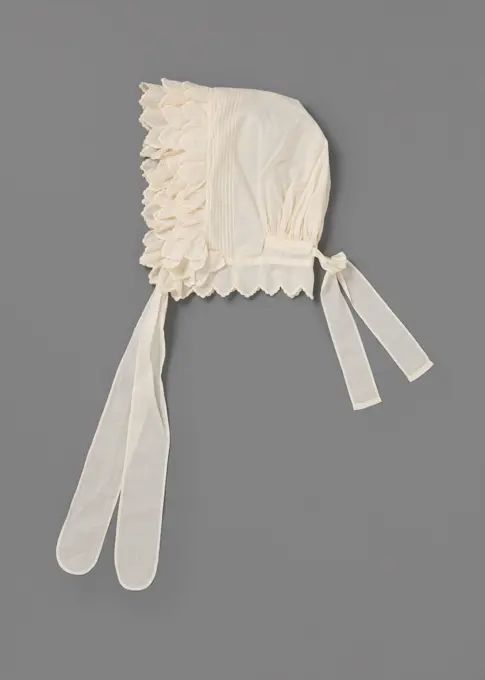
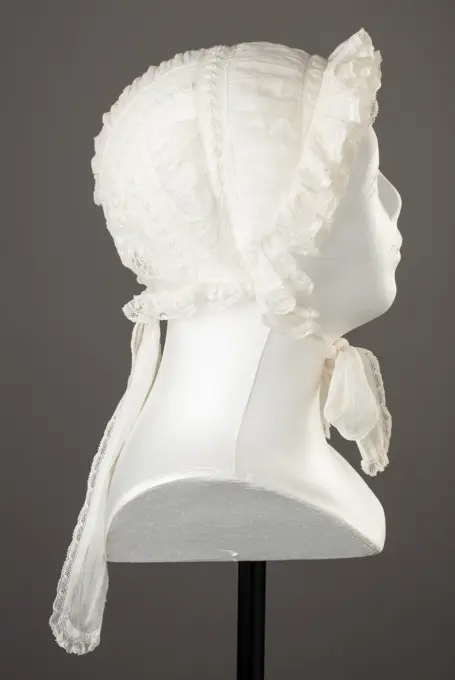
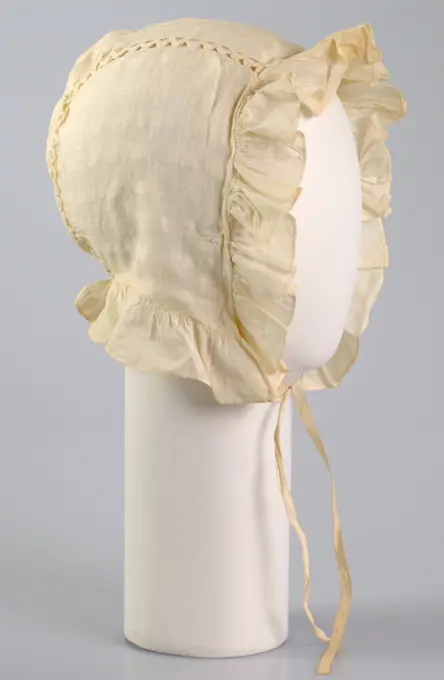
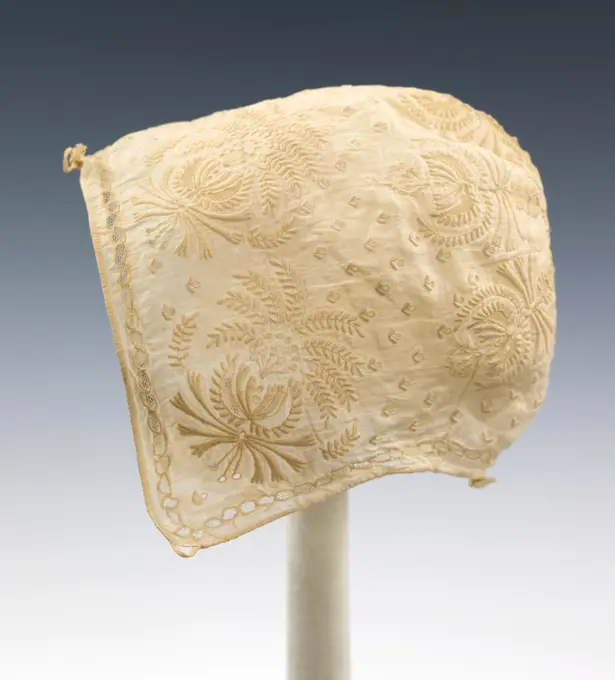
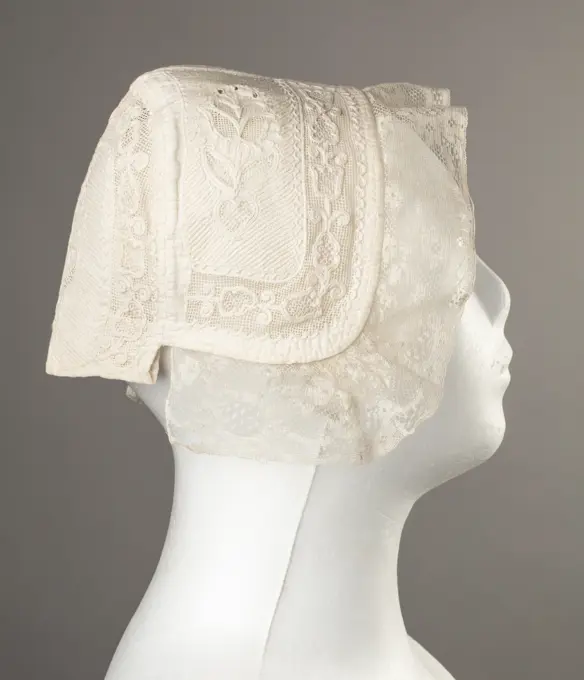
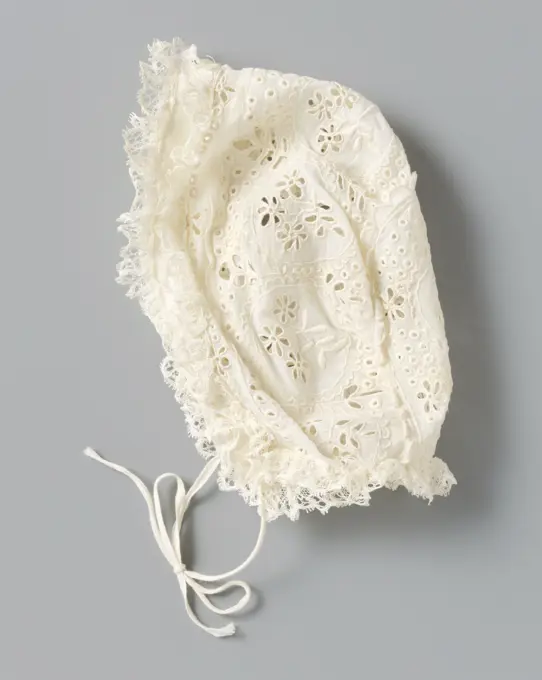
Hat of Batist with three Volants with scalloped edges and kinnebands, anonymous, c. 1850 Hat van Batist, which is made up of a horseshoe -shaped hat with eight sewn -sewn narrow edges. The hat is fitted around the face with three Volants with sculpted edges; These are finished with a feston stitch. The hat ball can be attracted with a batist ribbon. The kinnerbands are also made of Batist. West-Europa whole: Batiste Hat van Batist, which is made up of a horseshoe -shaped hat with eight sewn -sewn narrow edges. The hat is fitted around the face with three Volants with sculpted edges; These are finished with a feston stitch. The hat ball can be attracted with a batist ribbon. The kinnerbands are also made of Batist. West-Europa whole: Batiste
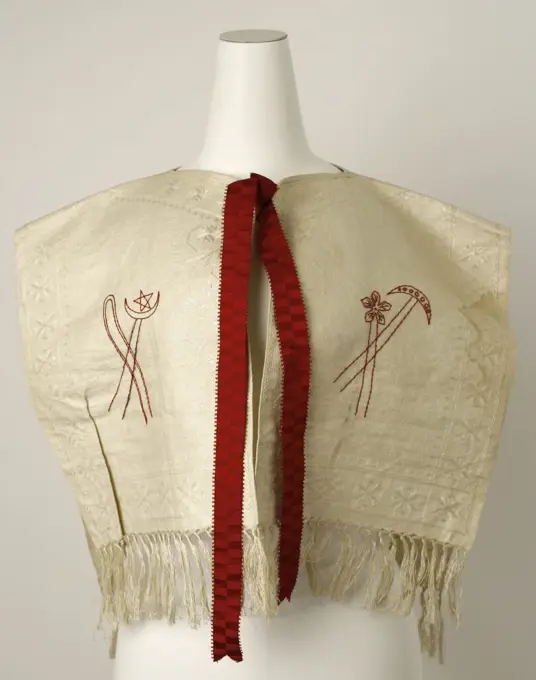
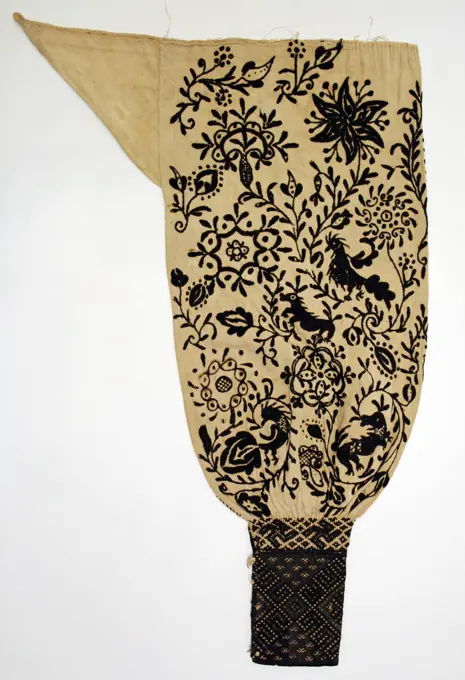
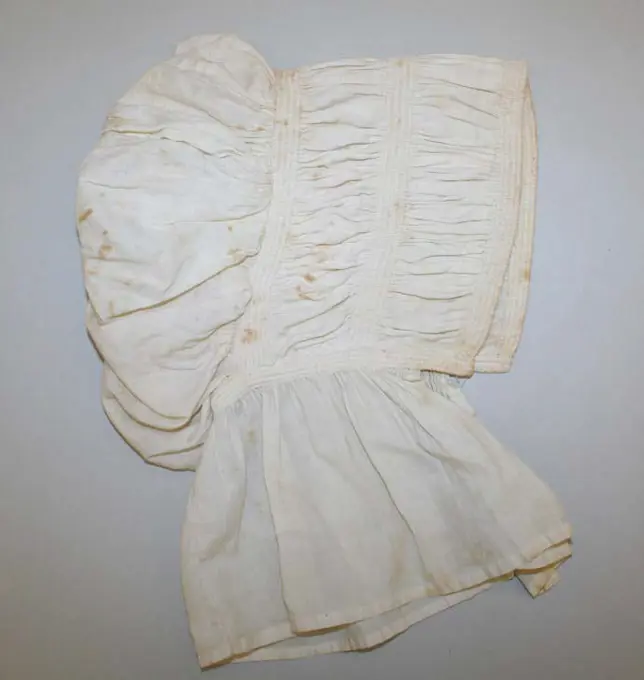
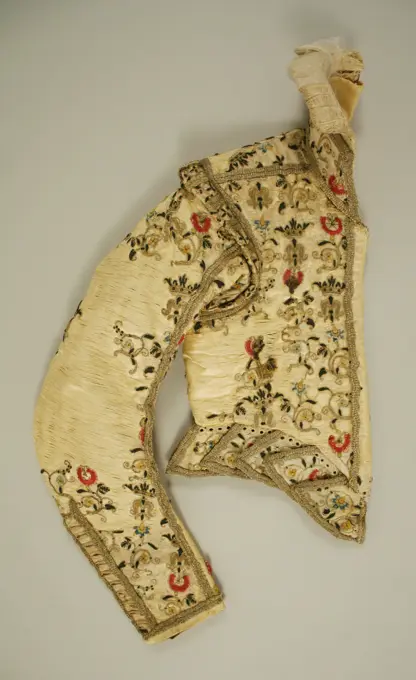
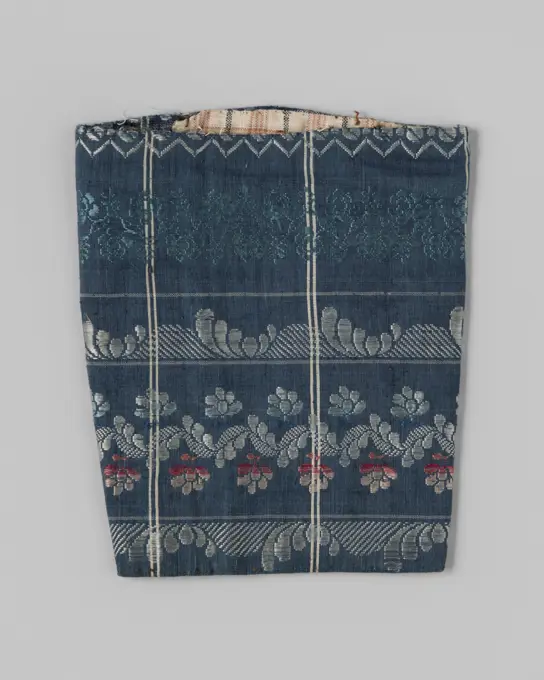
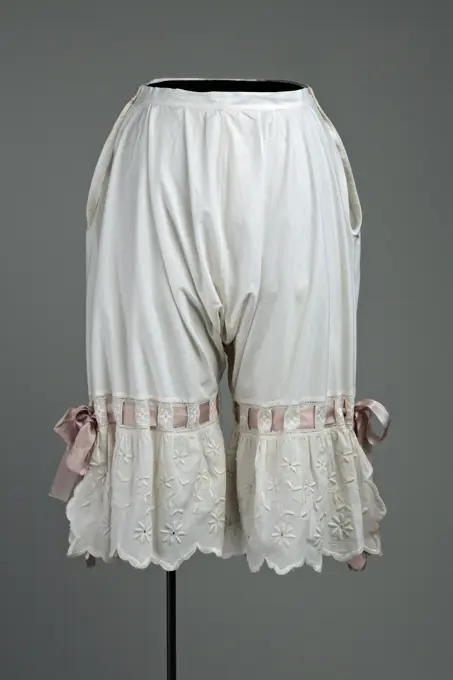
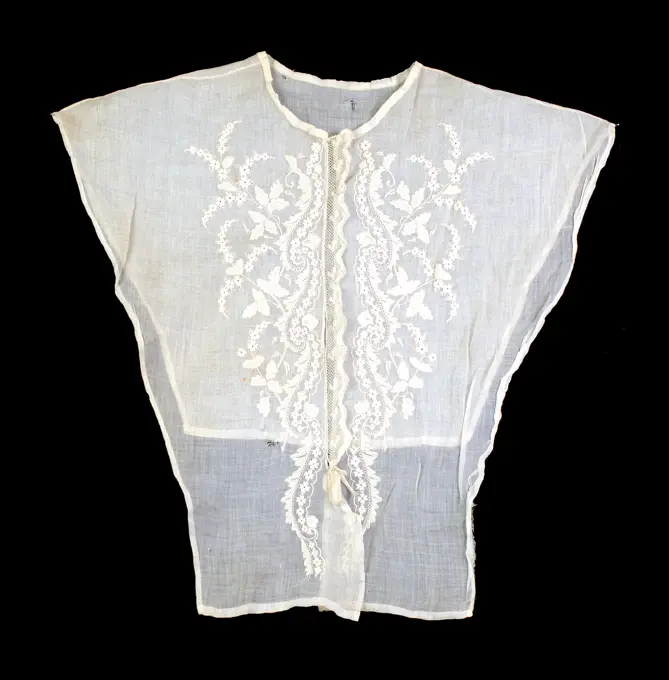
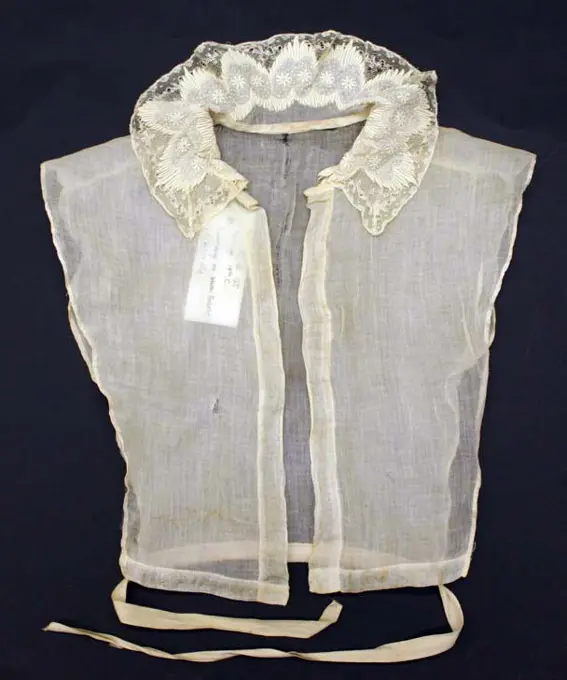
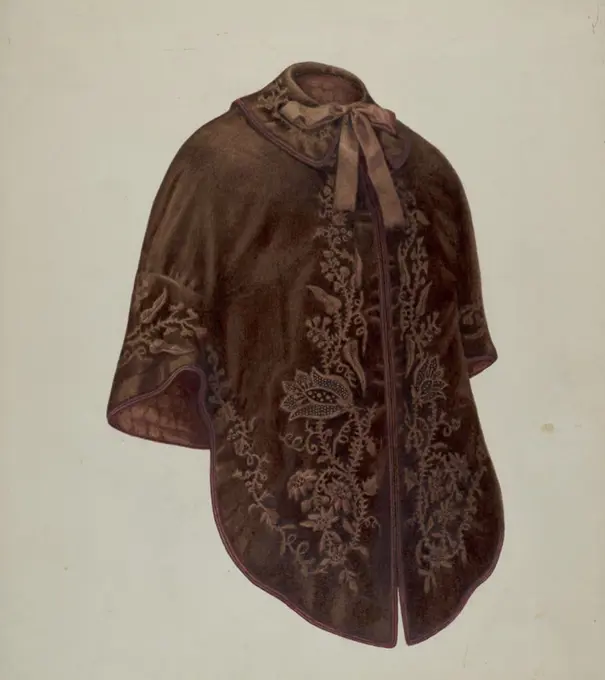
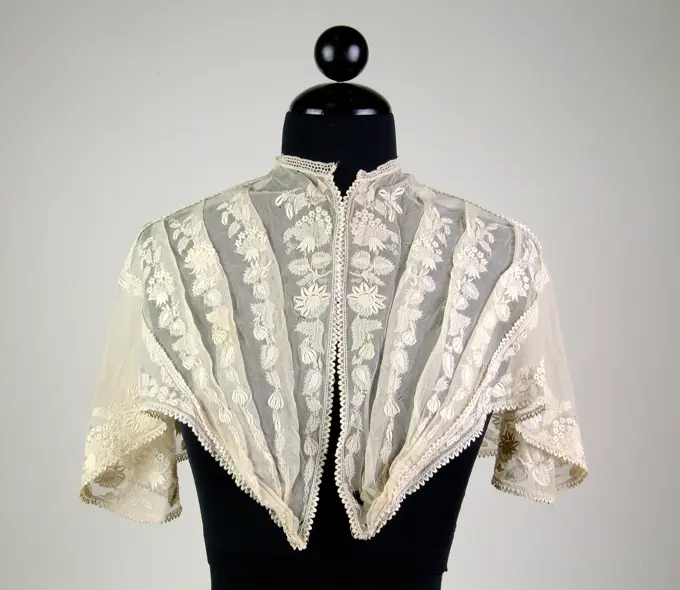
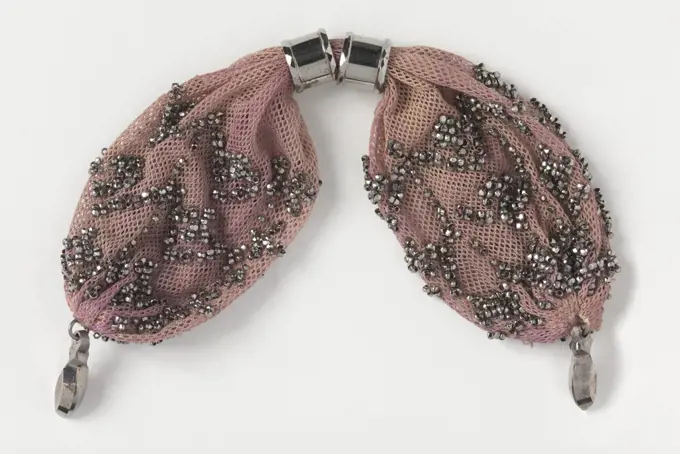
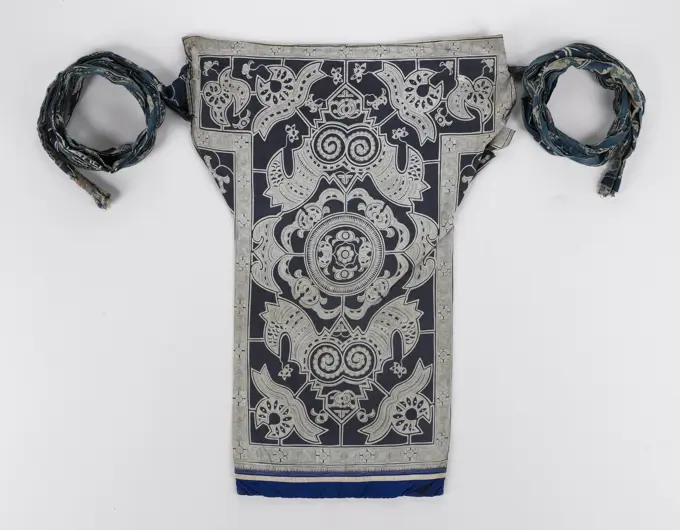
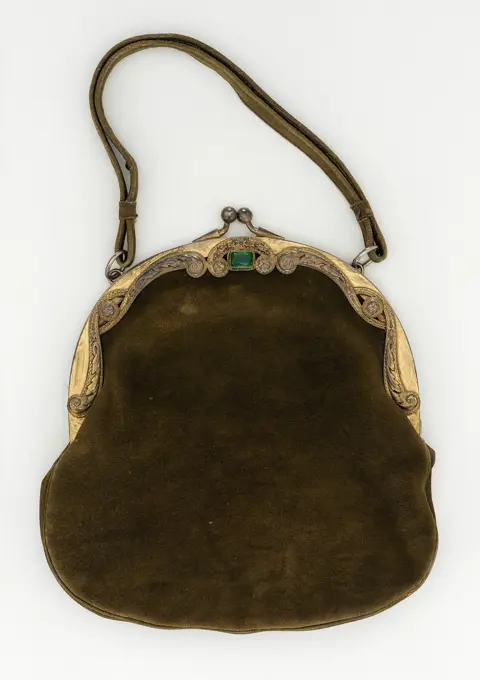
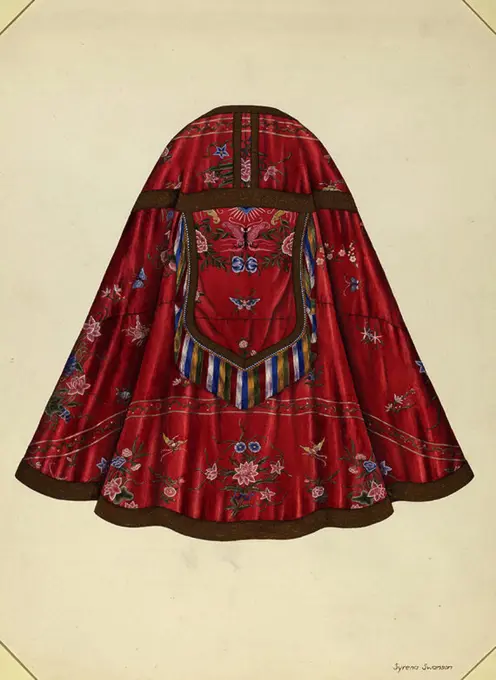
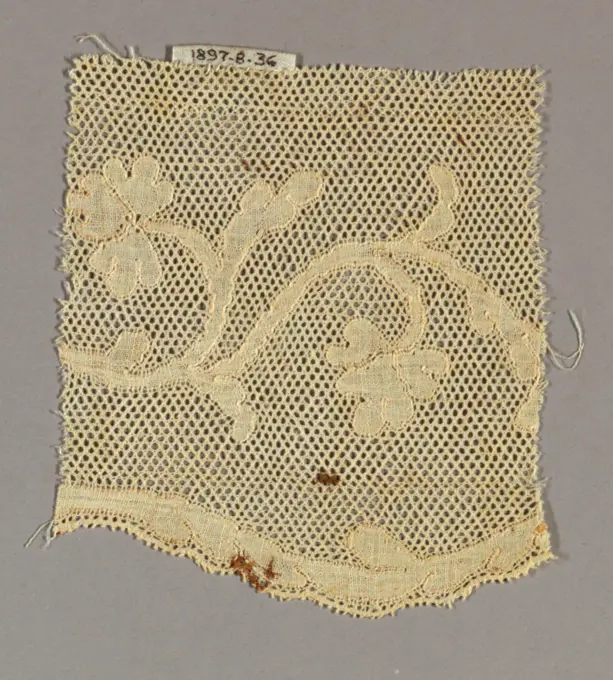
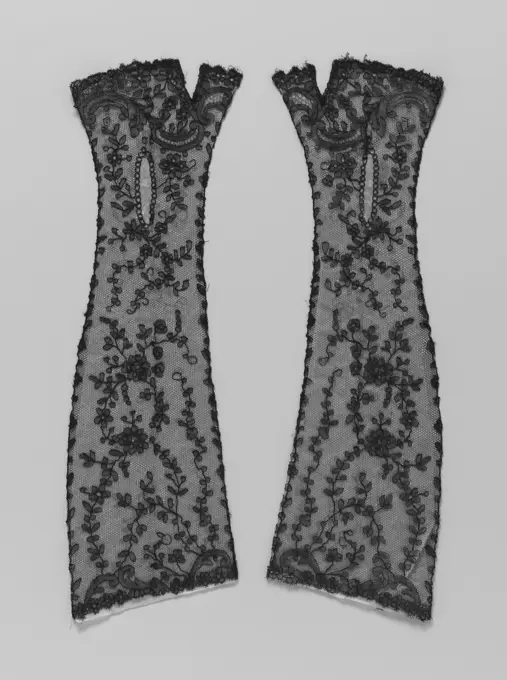
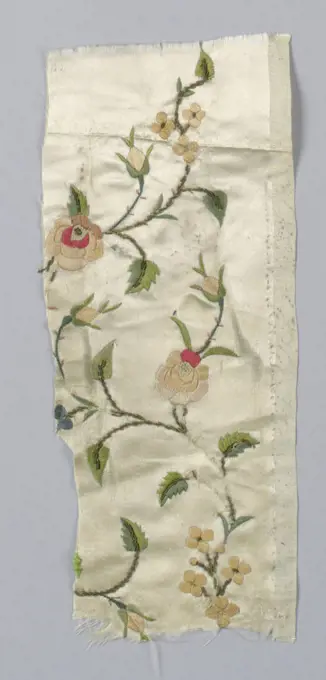
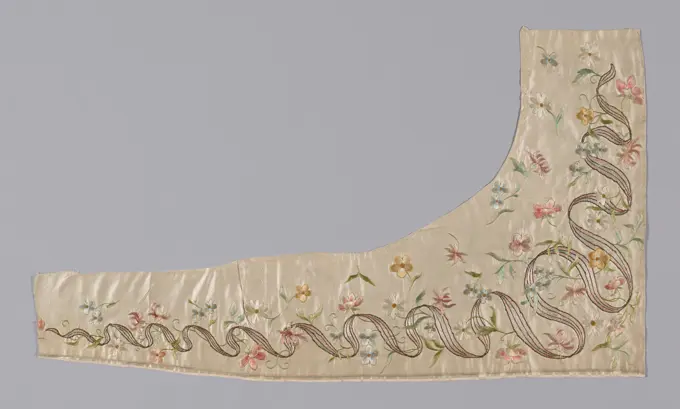
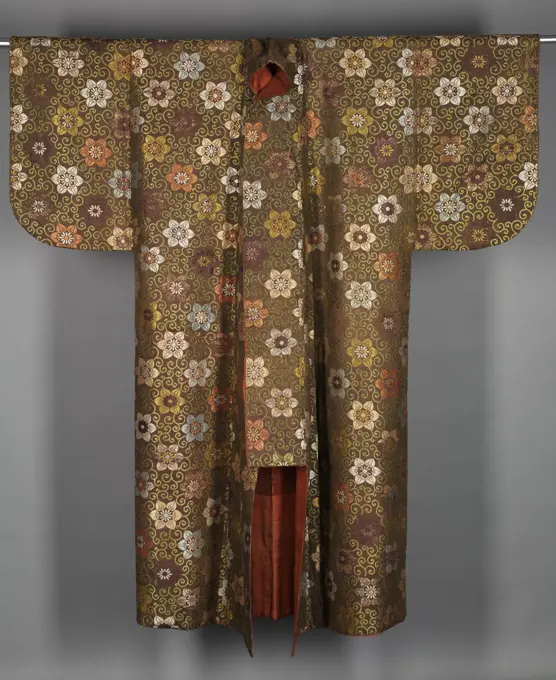
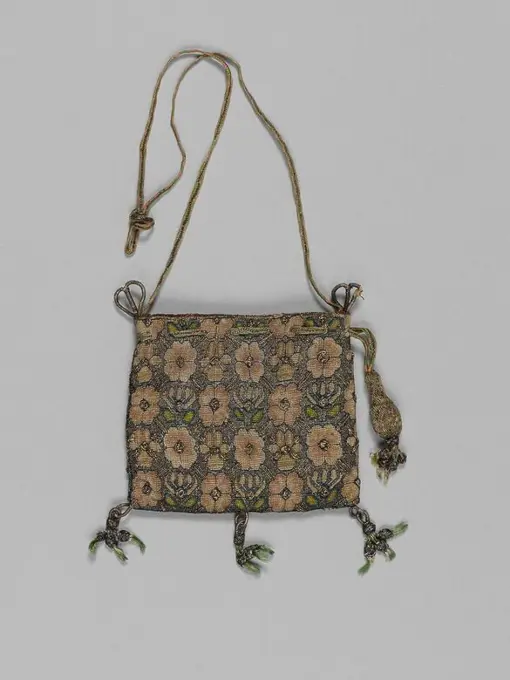
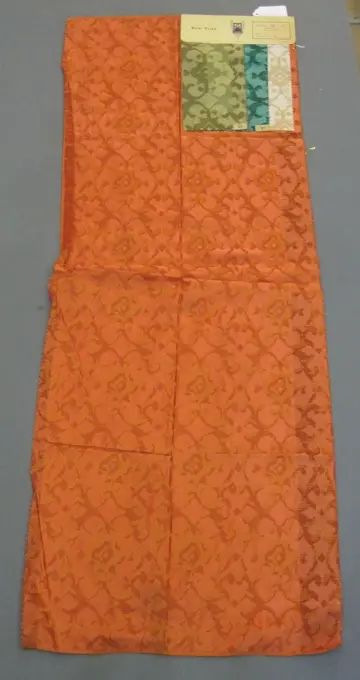
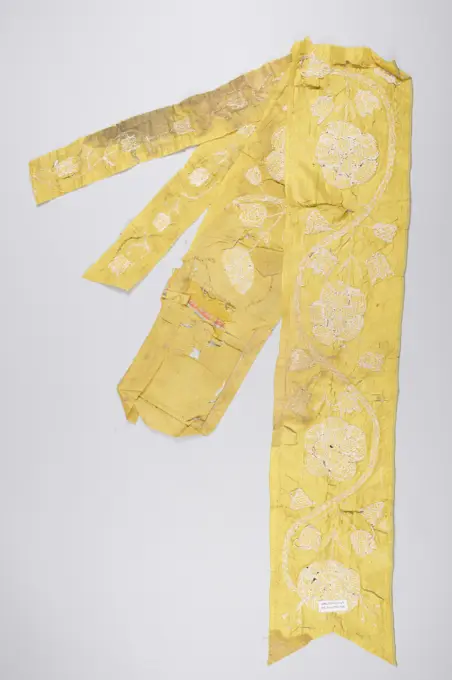
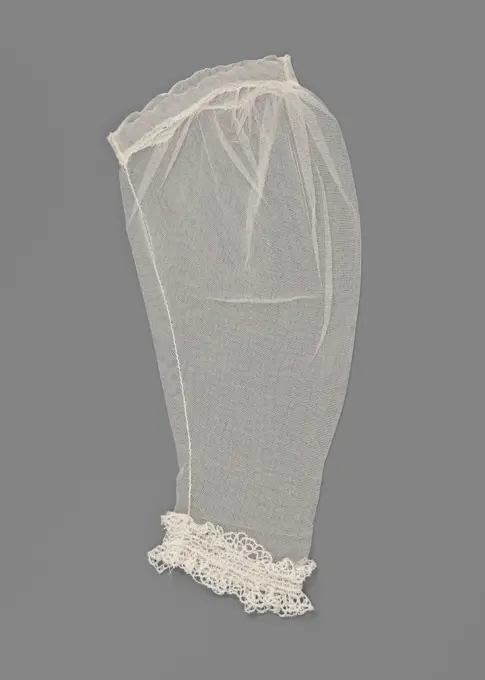
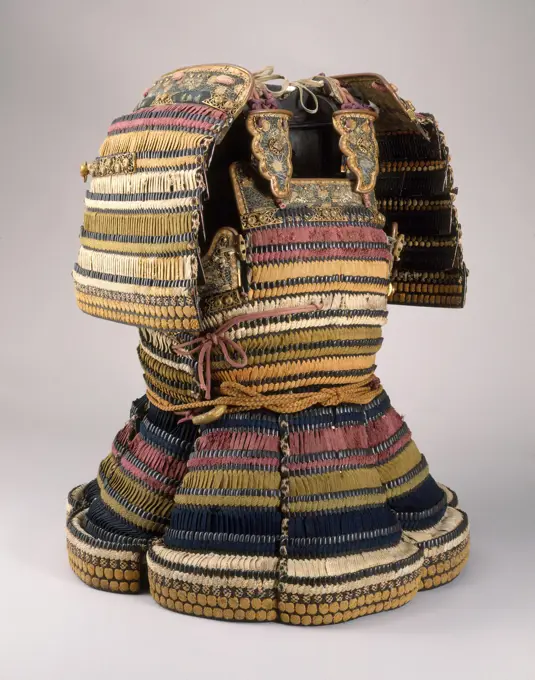
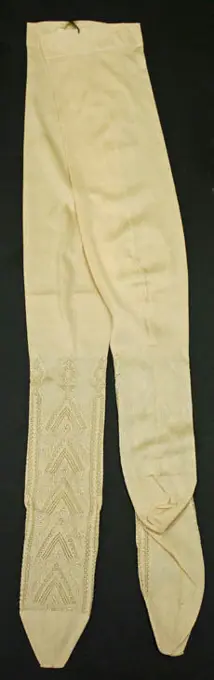
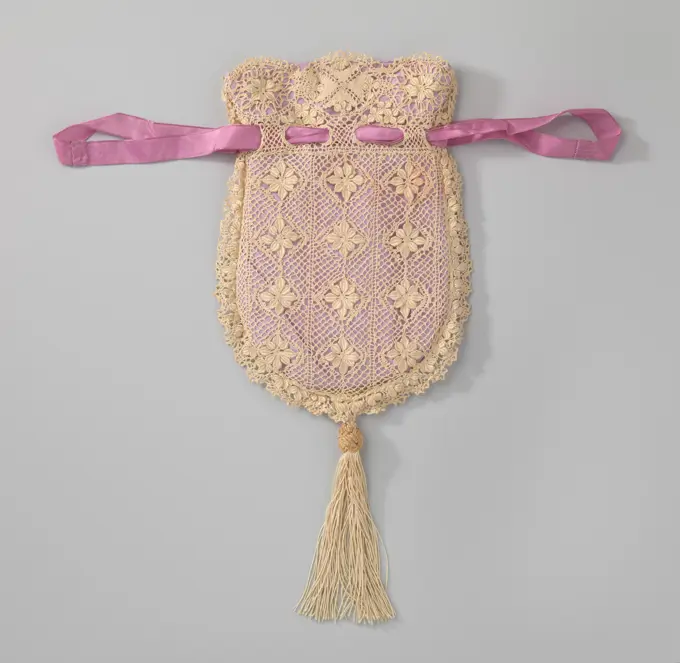
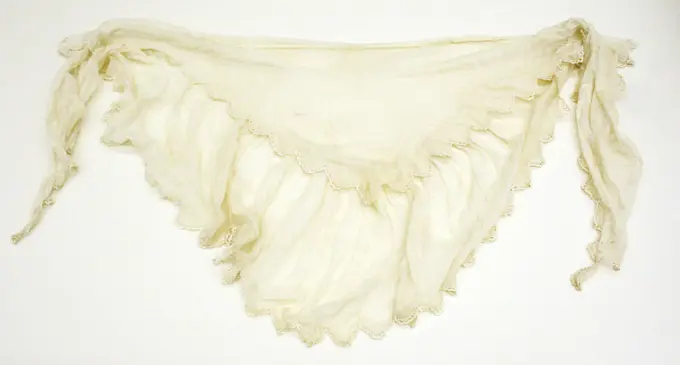
Hat of Batist with three Volants with scalloped edges and kinnebands, anonymous, c. 1850 Hat van Batist, which is made up of a horseshoe -shaped hat with eight sewn -sewn narrow edges. The hat is fitted around the face with three Volants with sculpted edges; These are finished with a feston stitch. The hat ball can be attracted with a batist ribbon. The kinnerbands are also made of Batist. West-Europa whole: Batiste Hat van Batist, which is made up of a horseshoe -shaped hat with eight sewn -sewn narrow edges. The hat is fitted around the face with three Volants with sculpted edges; These are finished with a feston stitch. The hat ball can be attracted with a batist ribbon. The kinnerbands are also made of Batist. West-Europa whole: BatisteChasuble;  2nd half 18th century (1751-00-00-1800-00-00);Bib 1880-90 American or European. Bib 108854Sleeves 17th century-18th century Spanish. Sleeves 102389Bonnet mid-19th century American. Bonnet 104224Cap crown, Technique: needlework on net, Central stem with one large rosette-like blossom, seven tiny rosette-like blossoms and five leaves. Eyelets powdered over ground. Drawstring in casing at lower edge., USA, ca. 1820, embroidery & stitching, Cap crownCut -ball of needle side, anonymous, c. 1775 - c. 1800 Heat ball of linen's needle side, surrounded by a messing around. The pattern consists of flower and leaf vines that are held together in the corners and in the middle by bows. West-Europa linen (material). Alençon Lace Heat ball of linen's needle side, surrounded by a messing around. The pattern consists of flower and leaf vines that are held together in the corners and in the middle by bows. West-Europa linen (material). Alençon LaceFrisian hat with strip of a climbing side with raspberries. Frisian hat, deposited at the front with a strip of natural colosside: Lille side. Strip with an ongoing pattern of hanging, one-sided shunning raspberries, marking against a meshed meshes with meshes.Bliżej Kultury unknownDomino 18th century British. Domino. British. 18th century. silkDoublet 1600 European, Eastern. Doublet. European, Eastern. 1600. silkWit cotton skirt bag, anonymous, c. 1850 - c. 1920 The textile has a woven pattern of vertical lines. Europe cotton (textile) The textile has a woven pattern of vertical lines. Europe cotton (textile)Cuff of a Robe à l'Anglaise of blue silk with window and floral pattern, anonymous, c. 1760 - c. 1775 Cuff of a Robe à l'Anglaise of blue silk with woven diamond pattern and embroidered floral pattern, lined with checkered linen.  Silk. Lining: Linen (Material) embroidering Cuff of a Robe à l'Anglaise of blue silk with woven diamond pattern and embroidered floral pattern, lined with checkered linen.  Silk. Lining: Linen (Material) embroideringCover for chair session, from printed silk, anonymous, 1770 - 1780 Three covers for seat sessions. The covers are made of printed silk. Multicolored flower branches are printed on a red soil. The covers have a linen lining. maker: NetherlandsFrance silk printing / painting Three covers for seat sessions. The covers are made of printed silk. Multicolored flower branches are printed on a red soil. The covers have a linen lining. maker: NetherlandsFrance silk printing / paintingChasuble made of brocade unknownCap early 19th century European. Cap 98159Textile Fragment. Dimensions: Textile: H. 40 in. (101.6 cm)W. 17 in. (43.2 cm)Mount: H. 45 in. (114.3 cm)W. 22 1/2 in. (57.2 cm) D. 3/4 in. (1.9 cm). Date: ca. 1540.This fragment from a royal tent, produced during the reign of the Safavid ruler Shah Tahmasp, displays qualities typical of textiles from this period. Densely woven silk threads form the warp and weft of cut and voided velvet, and supplementary metal threads create a shimmering effect. The central peony of the design is surrounded by ogival palmettes, spotted ribbons, lotus flowers, tulips, and rosettes. Owned by the Sangusko family of Poland until 1920, this and other fragments from the tent may have been brought to Eastern Europe in 1683, following the defeat of Ottoman troops in the Battle of Vienna. Museum: Metropolitan Museum of Art, New York, USA.Small pouch from beige-colored tulle, with gold-colored beads, anonymous, c. 1800 - c. 1815 Small pouch from beige-colored tulle with gold-colored beads used on the front and back. The pattern is the same on both sides: a diamond shape around which eight geometric motifs. Along the edge of the pouch a continuous row of beads. Two gold -colored bulbs on the three points. The pouch can be closed with a twisted silk cord. The lining is from beige silk. West-Europa (possibly) whole:. Lining: Silk. Decoration: Gold (Metal) forging Small pouch from beige-colored tulle with gold-colored beads used on the front and back. The pattern is the same on both sides: a diamond shape around which eight geometric motifs. Along the edge of the pouch a continuous row of beads. Two gold -colored bulbs on the three points. The pouch can be closed with a twisted silk cord. The lining is from beige silk. West-Europa (possibly) whole:. Lining: Silk. Decoration: Gold (Metal) forgingDrawers -Nightcap ca. 1850 American. Nightcap 168610Chasuble;  1 exercise of the 18th century (1715-00-00-1725-00-00);Excerpt pink-white-light green striped silk pekin with flower branches, anonymous, 1700-1799  Fragment of pink-white-light green striped silk pekin consisting of three fragments. The striped pattern has alternately wide and narrow jobs in which loose flower branches. Torn along one side. France silk ikatCollar 1800-1820 American. Collar 118955Bone claw of sits with a white stock, on which colored, vertical long wandering flower and leaf vines and red stitching, anonymous Bear claw of sits with a white stock, on which colored, vertical long wandering flower and leaf vines and red stitching. Label with No. 691 ().  cotton (textile). chintz. linen (material) chintz Bear claw of sits with a white stock, on which colored, vertical long wandering flower and leaf vines and red stitching. Label with No. 691 ().  cotton (textile). chintz. linen (material) chintzSide chair back and seat cover 1739 British. Side chair back and seat cover 229443Silk chasuble unknownHoes for seat sitting, printed side. Three covers for seat seats. The covers are made of printed side. Multicolored flower branches are printed on a red soil. The covers have a linen lining.Sleeve fragments, Medium: silk, metallic Technique: supplementary warp forming loops (velvet), Diagonal sprigs in blue and coral velvet on silver ground., 17th century, woven textiles, Sleeve fragmentsCap ca. 1813 American Finely embroidered baby caps such as this were kept by families as much for their sentimental value as for their obviously pleasing aesthetics and fine workmanship. Many have subsequently been accepted into museum collections. The interesting provenance of this piece enhances its value as a museum object. The accession record states that it was "worn by the brother of Harriet Beecher Stowe," (1811-1896) author of the great novel Uncle Tom's Cabin. The Beecher family consisted of eleven children, seven boys and four girls. Harriet was the eleventh child. Three boys were born to the family between 1809 and 1815. The brother most likely to have worn this cap as a baby was the prominent Brooklyn preacher and reformer, Henry Ward Beecher (1813-1887).. Cap 157606Chemisette 1835-40 American. Chemisette 170422Body of knit and/or crochet, anonymous, c. 1917 - c. 1920 Body of knit and/or crocheted. Amsterdam yarn crocheting / knitting Body of knit and/or crocheted. Amsterdam yarn crocheting / knittingDickey 1700-1945 American or European. Dickey 119257Cape. Dated: 1935/1942. Dimensions: overall: 36 x 31.4 cm (14 3/16 x 12 3/8 in.). Medium: watercolor, pen and ink, and graphite on paperboard. Museum: National Gallery of Art, Washington DC. Author: American 20th Century.Cover for chair session, from printed silk, 1770 - 1780 Three covers for seat sessions. The covers are made of printed silk. Multicolored flower branches are printed on a red soil. The covers have a linen lining. maker: NetherlandsFrance silk. linen (material) printing / painting Three covers for seat sessions. The covers are made of printed silk. Multicolored flower branches are printed on a red soil. The covers have a linen lining. maker: NetherlandsFrance silk. linen (material) printing / paintingLetter bag made of silk brocade. Letter bag made of silk brocade. Envelope model. On a cream-colored fond, colorful silk and gold thread are broke, in a pattern of large lancet-shaped leaves of gold and small winger leaves and flowers in white, rose red and brown. Lining of green large-leaved silk damask. Finish at closure of green ribbon.Buff Jerkin of Hendrik Casimir I. Casimir was wearing this buff jerkin when he was shot from his horse in 1640. The thick leather could repel blows from a sword or dagger, but not bullets. This is why soldiers often wore an iron cuirass over it - if only Hendrik had! He died from his injury one week later. The bullet hole and the cuts to free him from the jerkin are still clear to see.Purse 1830s American. Purse 116968Close-up of a stone carved with Chinese scriptFragment multicolored brochure side. Fragment multicolor silk tissue. A pink ground has a striped column where around a swinging white ribbon. Left and right of the column has the pattern white lace garlands on which and between which flower branches and flower bouquets.Pelerine ca. 1830 American. Pelerine 169706Miser's purse, Medium: silk, metal Technique: crocheted, Crocheted mauve silk ornamented with cut steel beads in geometric pattern. Two round steel rings control the side opening. Small steel drops at each end., France, early 19th century, costume & accessories, Miser's pursePouch. Culture: French. Date: 1870-79. Museum: Metropolitan Museum of Art, New York, USA.Bliżej Kultury unknownCuff with false button holes of white rips side, with gigned pearl edge and pink scales, anonymous, c. 1750 - c. 1800 Cuff with false button holes of white rips side, with gang -killed pearl edge and pink sculptes. Netherlands (possibly) silk. embroidering / sewing Cuff with false button holes of white rips side, with gang -killed pearl edge and pink sculptes. Netherlands (possibly) silk. embroidering / sewingEnsemble ca. 1863 French. Ensemble 103810Under sleeve of linen batist, with English embroidery, anonymous, c. 1865 Underemen of linen batist. The sleeve is decorated with English embroidery in the form of a diamond pattern in which symmetrical motifs. The cuff, to which the sleeve is wrinkled, is also decorated with English embroidery. With a button of glass. West-Europa Batiste. Linen (Material). Button: Glass Underemen of linen batist. The sleeve is decorated with English embroidery in the form of a diamond pattern in which symmetrical motifs. The cuff, to which the sleeve is wrinkled, is also decorated with English embroidery. With a button of glass. West-Europa Batiste. Linen (Material). Button: GlassBaby Carrier, 20th century, 30 1/2 x 21 3/4in. (77.5 x 55.2cm), Cotton, indigo dyed batik, China, 20th centuryBound white asparagus bunchFrivolitétas in rectangular model of ivory-colored side, on which Angs de edge broke a floral slinger with colorful ribbons, with silk clamping side. Bag in a flat and rectangular model of ivory-colored side, on which a thin flower garland embroidered on both sides along the edge with colorful ribbons and floss silk. Central to the middle a composition of branches and five flowers in pink, blue and yellow. The bag is bordered with silk clamping side and lined with ivory silk. At the top is an opening that can be closed with ribbons of rips silk. Polka dots and red flower buds painted on the ribbons.Sidewall - Fragment (possibly USA); block-printed; 31 x 12 cm (12 3/16 x 4 3/4 in.)Children's hat of white linen with English embroidery, trimmed all around with two lace ruffles, anonymous, c. 1850 - c. 1900 Baby hat of linen, full of embroidered with English embroidery. Netherlands linen (material). embroidering Baby hat of linen, full of embroidered with English embroidery. Netherlands linen (material). embroideringWoman's Handbag. United States, circa 1888. Costumes; Accessories. Suede, silver, paste stones, silk failleSummer Dress of Printed Fabric, anonymous, c. 1830 - c. 1832 Scrap of white voile with colorful star flowers (1). With loose belt (2). Netherlands whole:. whole: Cotton (textile). hooks and eyes: metal Scrap of white voile with colorful star flowers (1). With loose belt (2). Netherlands whole:. whole: Cotton (textile). hooks and eyes: metalFontande cloth of linen with a strip of Rijssel side, with straight picotrand and a few picotjes, anonymous, c. 1785 - c. 1800 Fontaneldoekje van Linen with a strip of Rijssel side, with straight picot edge and a few picons. Europe linen (material). Lille lace Fontaneldoekje van Linen with a strip of Rijssel side, with straight picot edge and a few picons. Europe linen (material). Lille laceApron, 20th century, 19 x 27 1/2 in. (48.3 x 69.8 cm), Cotton, China, 20th centuryFragment, Medium: silk, wool Technique: plain weave patterned by supplementary wefts, Small design of birds and leaves in green on a tan background, 17th century, woven textiles, FragmentDecoration for an evening casing of mixed side with rosen hedge. Decorative piece for an evening casing of natural-colored mixed side - climbing side in combination with coniferous lace - Brussels Duchesse. In a widely spread braid soil there are roses that usually support two leaves. An intermediate ornament consists of a few and double voluntaries and many small flowers.Babyjak van Linen with Zaans Sticwork, on an open -up stock; Lining of pink silk, anonymous, c. 1725 - c. 1750 Babyjak from linen with Zaans Sticwork and open sewing, lined with pink silk. The Jak has a design of leaves, pomegranates and horns of abundance. Netherlands linen (material). silk Babyjak from linen with Zaans Sticwork and open sewing, lined with pink silk. The Jak has a design of leaves, pomegranates and horns of abundance. Netherlands linen (material). silkEcclesiastical Vestment (back view). Dated: c. 1940. Dimensions: overall: 35.5 x 26.7 cm (14 x 10 1/2 in.) Original IAD Object: 48" long; 144" wide. Medium: watercolor, gouache and graphite on paper. Museum: National Gallery of Art, Washington DC. Author: Syrena Swanson.Basque. Culture: French. Date: ca. 1870. Museum: Metropolitan Museum of Art, New York, USA.Bliżej Kultury unknownFragment (Belgium); linenMitaine from black climbing side with c-voluten and rose garlands. Mitaine from black climbing side: Chantilly side. Model for a moment below the elbow and to the arm. The pattern consists on the back of the hand from a large rose and a flower garland and along the edge a few connected caps. Flower garlands that spring from the bottom edge are on the forearm and upper arm. The lower edge consists of co-switched rosette flowers from which some smaller C volutes display in leaf form. The motifs are made in a cut-off and are accentuated by contour wires. The motifs are connected by a tuland. In the C-Volutes along the hand edge and in the larger flowers, an ornamental ground has been applied, a rose ground. All edges are finished with picots.Mitaine of white chamois leather decorated with green, pink, white and yellow silk, anonymous, c. 1750 - c. 1800 Mitaine of white chamois leather decorated with pleated green and pink silk and fringes of green, pink, white and yellow silk. With a separate open thumb and an open seam on the inside of the arm Netherlands (possibly) whole: Silk. whole: Chamois (Animal Material) Mitaine of white chamois leather decorated with pleated green and pink silk and fringes of green, pink, white and yellow silk. With a separate open thumb and an open seam on the inside of the arm Netherlands (possibly) whole: Silk. whole: Chamois (Animal Material)Miser's Purse (France); silk, steelWhite straight glove to decoration of ivy garland. Embroidered motto: "I die where I get attached". 1938. White lamb, beige outstretched, embroidered patterns with the degraded beige past. Galliera, fashion museum of the city of Paris. Embroidered ivy garland. White, beige output, decor, embroidered motto, right, glove, ivy garland, I die or I get attached white lamb, embroidery pattern, beige beige passStola of gold brocade, c. 1700 - c. 1725 Stola of Gold Bracate. The Stola has sloping gaffelinds (from the Akolite). The Stola includes a stola with invnr. BK-1972-1-E. Both stolas belong to nine ecclesiastical tissues with embroidery with invnrs. BK-1972-1-A to BK-1972-1-I and a non-corresponding corresponding stock market with invnr. BK-1972-1-J. France brocade (textile). textile materials embroidering Stola of Gold Bracate. The Stola has sloping gaffelinds (from the Akolite). The Stola includes a stola with invnr. BK-1972-1-E. Both stolas belong to nine ecclesiastical tissues with embroidery with invnrs. BK-1972-1-A to BK-1972-1-I and a non-corresponding corresponding stock market with invnr. BK-1972-1-J. France brocade (textile). textile materials embroideringFragment, Medium: silk, metallic threads Technique: embroidered on satin weave, White satin ground with an incomplete design of small-scale roses in red, rose, pink, green, and tan silk with short pieces of gilt wire coils., China, late 19th century, embroidery & stitching, FragmentHelp cap MODUSMiser's purse, Medium: silk, glass and metal beads Technique: beaded knitting, crossed stockinette stitch, Initialed 'AC' and 'JC'; a base of cream-colored knitted silk is solidly covered with minute opalescent beads; it is further ornamented with gold and cut steel beads in a stylized leaf pattern and a pattern of small rosettes. Two gold rings control side opening; small gold drops at either end., France, 1810-40, costume & accessories, Miser's purseFragment green silk damest. Three fragments of green silk damask. The pattern consists of a large sunflower with two poppies gathered together in both sides, a garland of coarse side. Originally a cavity.Two Fragments Made 1801-1900 United States. Silk, satin weave; embroidered in silk floss, silver and pink metal threads wrapped around a fiber core; in long and short split and couching stitches and French knots .Bliżej Kultury unknownNoh Robe (Karaori), 1800-1850. Japan, Edo period (1615-1868). Silk, twill weave with supplementary weft, brocaded; metal thread; overall: 151.2 x 137.2 cm (59 1/2 x 54 in.).Pair Of Stockings (France); silk; H: 28 cm (11 in.); Bequest of Richard Cranch Greenleaf in memory of his mother, Adeline Emma Greenleaf; 1962-55-18-a,bGlove of fine crepe -colored artificial side with closing of two beige press studs, anonymous, c. 1900 - c. 1920 Left glove made of fine crepe -colored artificial side with closing two beige press buttons and three -rout cords on the back. West-Europa whole: district Left glove made of fine crepe -colored artificial side with closing two beige press buttons and three -rout cords on the back. West-Europa whole: districtPurse. Culture: British. Dimensions: L. 3 3/4 x W. 4 1/4 inches (9.5 x 10.8 cm). Date: early 17th century. Museum: Metropolitan Museum of Art, New York, USA.Textile Swatches Onondaga Silk Company, Inc. (1925-1981). , 1948-1959. Silk, 47 x 18 in. (119.4 x 45.7 cm).    1948-1959Stole of Lyon material. unknown, authorCeiling Paper; machine-printed; 49.5 x 33 cm (19 1/2 x 13 in.)Fragment; woolFragment of a cover for chair sitting, of printed silk. Three covers for seat seats. The covers are made of printed side. Multicolored flower branches are printed on a red soil. The covers have a linen lining.Stole first quarter 19th century French. Stole 169532Salmon pink silk daam mast with moiré effect, anonymous, c. 1750 - c. 1770 Salmon pink silk daamast with moiré effect. Straight skirt of six dust tracks, which are laid in pleats at the waist and are put on a drill ribbon in the color. Lined with ponjé side in salmon pink (originally salmon-colored linen). England silk damask Salmon pink silk daamast with moiré effect. Straight skirt of six dust tracks, which are laid in pleats at the waist and are put on a drill ribbon in the color. Lined with ponjé side in salmon pink (originally salmon-colored linen). England silk damaskFragments of embroidery unknownUnder sleeve from tulle and lace, anonymous, c. 1870 - c. 1890 Under sleeve from tulle and lace. Smooth round sleeve with a narrow cuff made of open machine side with openings in the wristband to string through a tire. West-Europa board: Under sleeve from tulle and lace. Smooth round sleeve with a narrow cuff made of open machine side with openings in the wristband to string through a tire. West-Europa board:Fragment of fabric unknownWhite cloth fenced off with edge lace, Susanna Maria van Pabst Rutgers-Linse, c. 1836 - c. 1898  Netherlands .  Netherlands .Saccos 1829 Russian. Saccos 228800Glove from white machined knitting. Right glove from white machined knitwear. "Jacquard tissue" with flowers, wreaths and bows. At the pulse elastic.Bliżej Kultury unknownArmor (Dō-maru) armor, ca. 1550; helmet, 18th century Japanese The sixteenth century marks a period in Japanese history that was disrupted by political upheaval, warlordism, and nearly constant military conflicts, bringing along significant changes in armor and in the way battles were fought. In previous periods, higher ranking Samurai mainly fought on horseback and wore a type of armor optizimed for this use: the heavy box shaped Ō-yoroi. In the turbulent sixteenth century, however, even warlords had to be prepared to fight on foot and thus favored so lighter, closer fitting armors like this Dō-maru (lit. body wrap”) shown here, which allowed a much greater freedom of movement than the Ō-yoroi.One such warlord was Date Masamune (1567-1636), who was known for having a particular interest in armor. As a consequence, he often rewarded his retainers not with swords, as it was common at that time, but with armor. In 1594, Toyotomi Hideyoshi, the then most powerful man in Japan to whom DatStockings late 19th century Bon Marché French. Stockings. French. late 19th century. silkCap (possibly Sweden); linenCage crinoline 1868-70 American. Cage crinoline. American. 1868-70. Linen, metalReticule in een afgeronde vorm van ecrukleurig kant bestaande uit een patroon van twaalf rozetten aan beide zijden, onderaan een kwast.Reticule in a rounded shape of ecru-colored lace consisting of a pattern of twelve rosettes, each in a diamond pattern. The front and back have the same pattern. Along the top edge a job of three oval medallions, with the middle of a Malteser cross and four small rosettes. Including openings for a purple pink row slint. At the bottom of the bag a brush. The lining is made of light purple artificial side.Hat ca. 1880 American or European. Hat 113045. Japanese rock from sits with large flowers on white. Narrow standing border, a border with small pattern along front. Dust buttons, two loops in front. Bags in the side seams (lining is missing). White cotton lining () Or linen (). The substance is painted in British India, Coromande coast.. Letter bag or portfolio of thick paper covered with petitpoint embroidery, in which the monogram of Admiral Isaac Sweers, with engraved silver lock. Model: Envelope with transshipment that closes mid front through engraved silver lock. Two compartments with partition. Lined with pink silk. The key of the lock is missing. Decoration: covered with grids on which a green fond is embroidered in petitpoint, surrounded by winding edge of 'apples from orange'. The double initials is on the valve. Under the valve 'Si Ie Vous Perd / Ie Suis Perdu'. On the fold 'sur la paix'. A crowned weapon on the back. Switched off with a narrow passing of silver thread.Fichu early 19th century American. Fichu 119403