Historical Textiles and Fabrics

A selection of intricate historical textiles from various periods, featuring rich colors and designs, highlighting the craftsmanship of different eras.
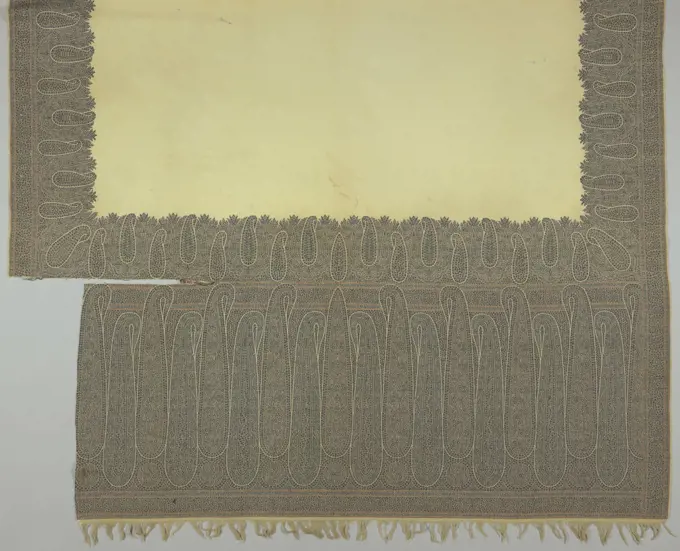
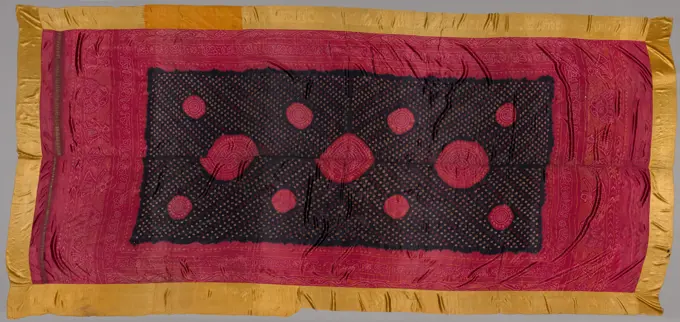
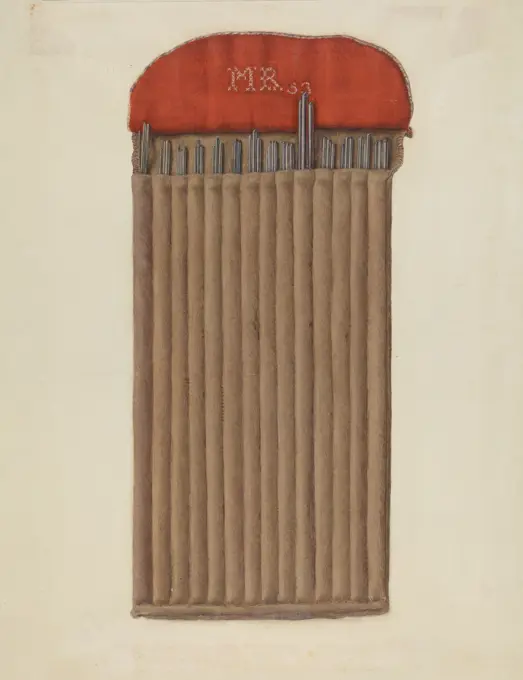
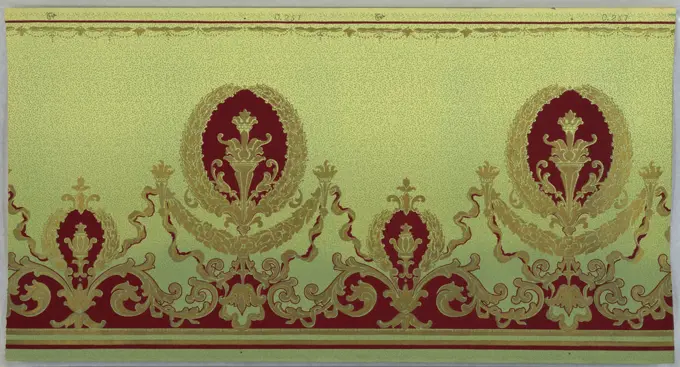
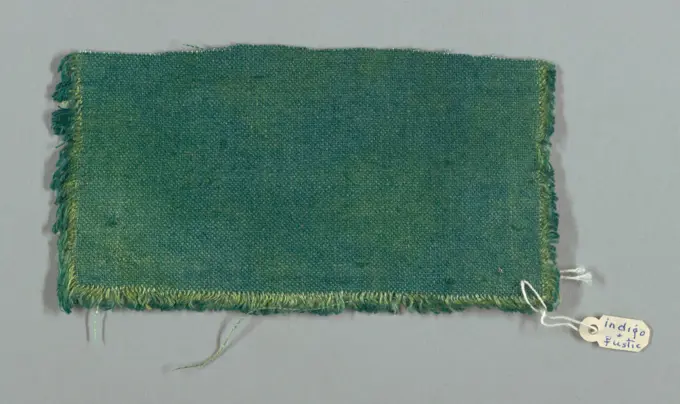
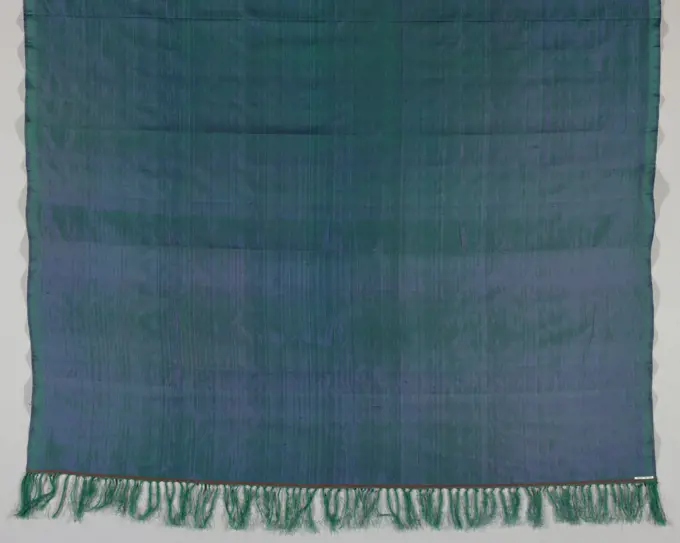
Shawl, woven, Europe, 19th century, costume & accessories, Shawl
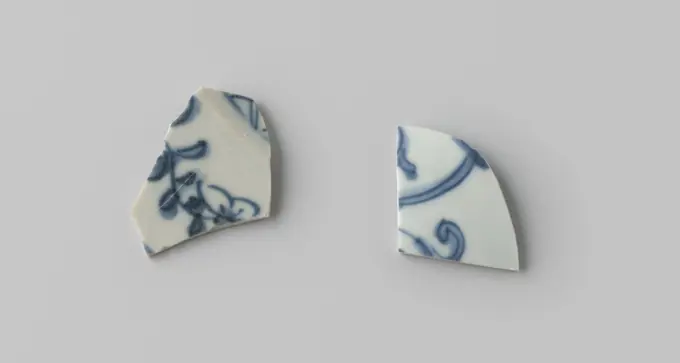
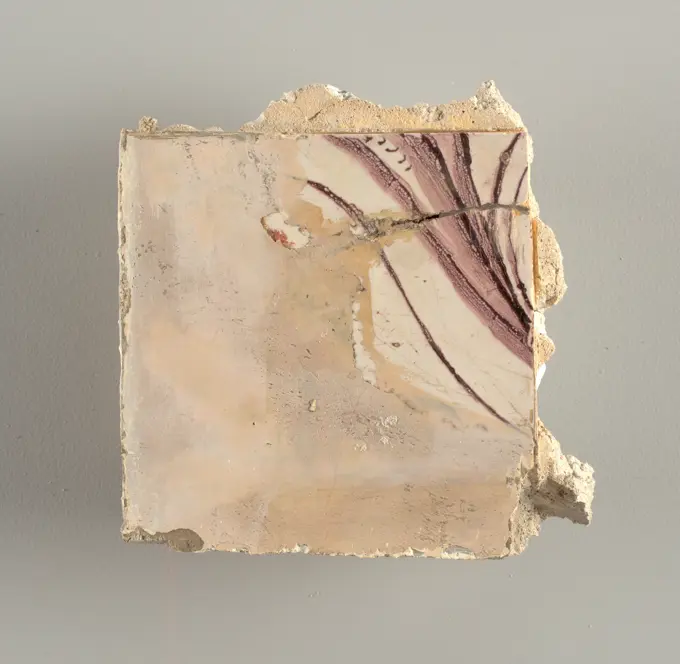
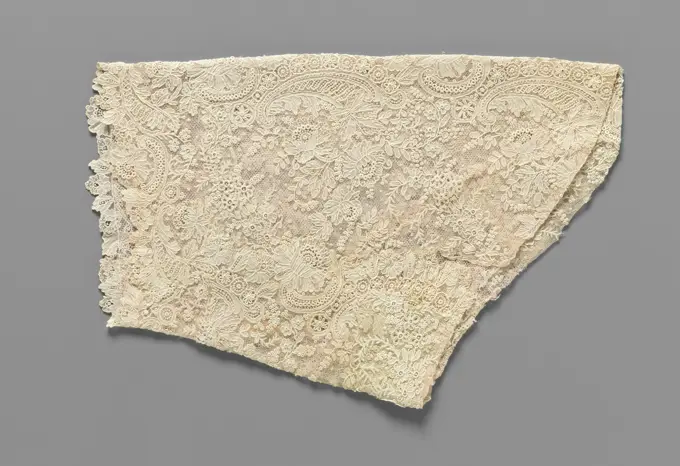
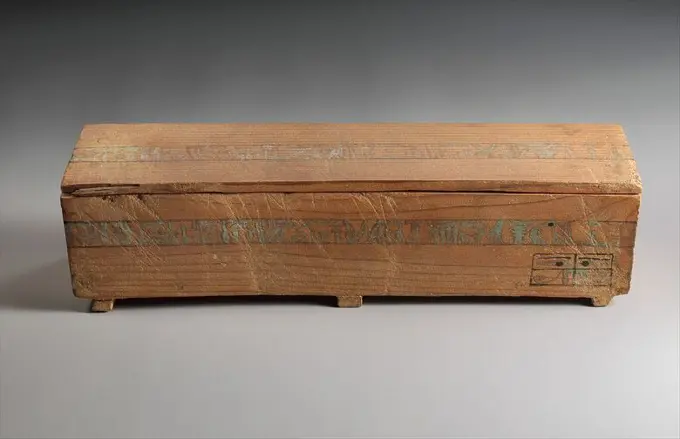
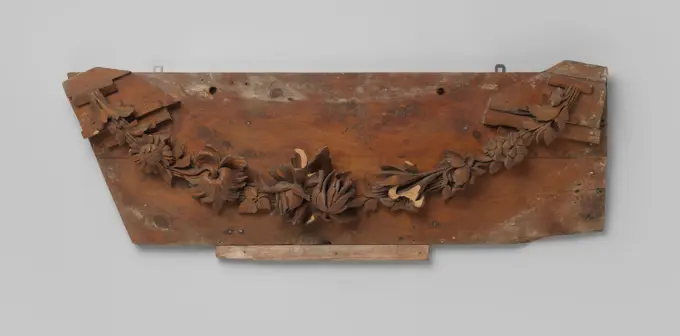
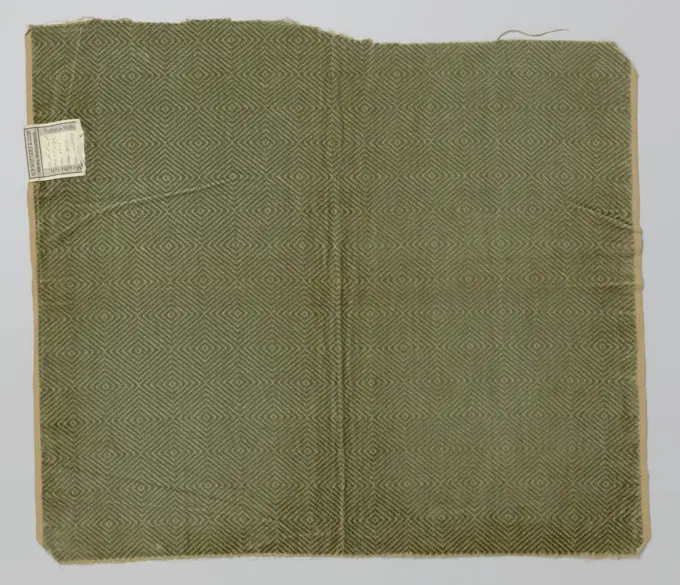
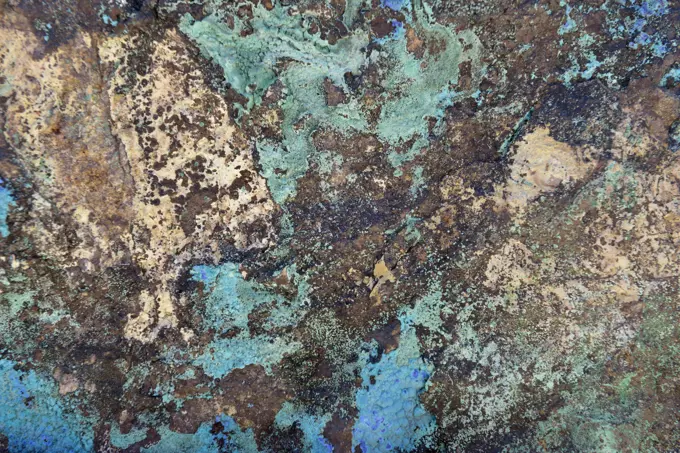
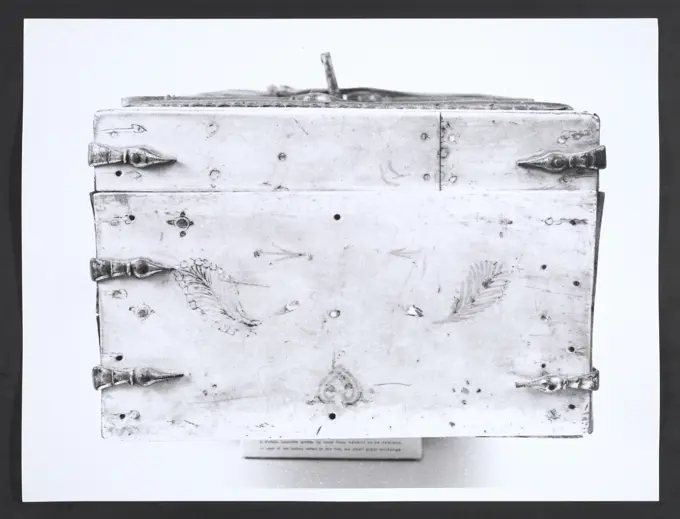
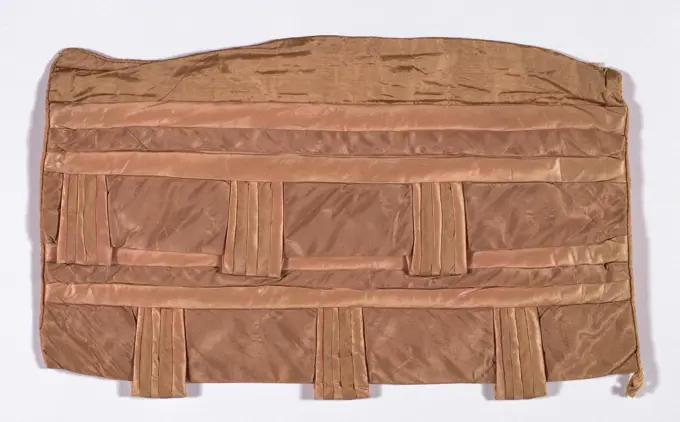
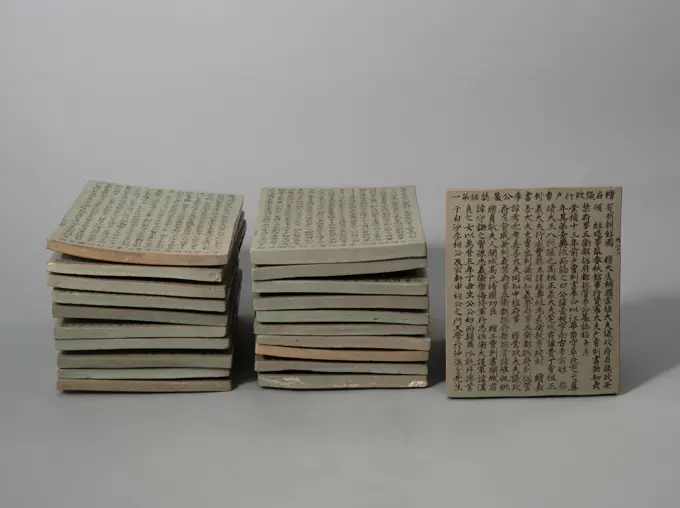
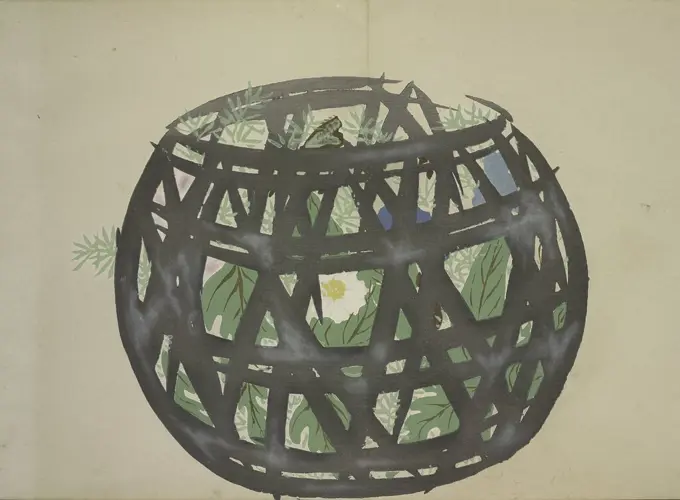
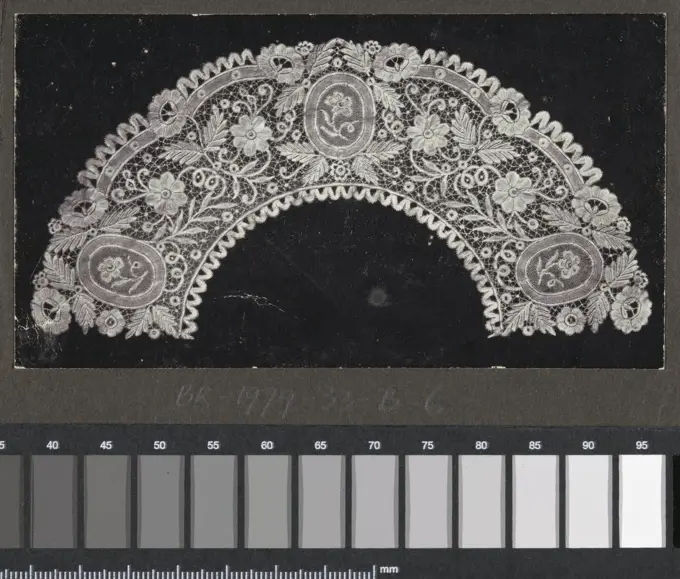
Model for a clamp and a bracket of a book lock with a smooth field surrounded by list of curly eagle, anonymous, c. 1775 - c. 1800 The models driven from plate (Klamp A and Beugel B) have a smooth field that is surrounded by a profiled list and curly eagle. Amsterdam copper (metal) The models driven from plate (Klamp A and Beugel B) have a smooth field that is surrounded by a profiled list and curly eagle. Amsterdam copper (metal)Textile Swatch , 1950s to 1960s. Silk, 15 1/2 x 11 in. (39.4 x 27.9 cm).    1950s to 1960sDouble photo album (empty). Two photo albums in red-brown leather mounted on a common back trod, the front cuts pointed towards each other. Both albums can be locked with a joint metal lock. The whole is tilted by using a movable valve under the rear platform. Each album contains fifteen blades of gold on cut with the same amount of gold-colored framed passe-partouts for cabinet photos.Album of Textile Samples, 1790. Japan, 18th century. Silk; overall: 46 x 32.5 x 6 cm (18 1/8 x 12 13/16 x 2 3/8 in.).Shards of Kommen from V.O.C. ship De 'Witte Leeuw', Anonymous, Before 1613 bowl Shards of Kommen from V.O.C. ship De 'Witte Leeuw'.  porcelain   Sint-HelenaFragments, Medium: silk, bast (), metallic Technique: combination of two integrated structures, 4&1 satin plus twill, Branches in ogee lattice in blue outline on yellow, 17th century, woven textiles, FragmentsLookingglassTile Wall Facing (Netherlands); tin-glazed earthenware, underglazeSleeve of a strip of needle side with volutes and peonies, anonymous, c. 1850 - c. 1899 Sleeve of natural needle side: Brussels mesh side. Something tapered rectangular model with an oblique side, composed of different parts that are put together with a light pink lining of unprocessed machine tulle. The needle side pattern of flower branches and asymmetrical C-volutes on a fine soil with single twisted meshes: a mesh cincloth that is littered with mosques. Made full work with feston stitches with nuances where the denser filling is made with dust mark (a Festonsteek variant). Relief contours of widded wire bundles (cordonnets) wide apart. Many coordonated rings and connected circles with different flowers in decorative stitches decorate the side. The scums along the lower edge are formed by connected C-Voluten with smaller or larger flowers underneath. Belgium Linen (Material). lining: Brussels Gaze Point Sleeve of natural needle side: Brussels mesh side. Something tapered rectangularTray mounted in frame, Maria Longworth Nichols, American, 1849-1932, Copper, semi-precious stones, A rectangle textured copper tray with the impression of a fish and two small crabs framed in wood with handles on opposite sides., Cincinnati, Ohio, USA, 1909, metalwork, Decorative Arts, Tray mounted in frameMiniature coffin of Saiah. Dimensions: L: 26.7 cm (10 1/2 in.), W: 6 cm (2 3/8 in.), H. with lid: 7 cm (2 3/4 in.). Dynasty: Dynasty 11. Date: ca. 2051-1981 B.C.. Museum: Metropolitan Museum of Art, New York, USA.Indian Textile, 1800s - early 1900s. India, 19th - early 20th century. Satin, tied and dyed; overall: 386.1 x 188 cm (152 x 74 in.).Rectangular purple border tile, surrounded decor, surrounded column, with dark purple parallel lines as edge decoration, brown pottery, edge tile wall tile tile sculpture soil find ceramic pottery glaze, baked 2x glazed painted archeologyKesa. Japan. Date: 1801-1833. Dimensions: 134 × 340.6 cm (55 1/2 × 134 in.). Silk; satin weave with supplementary patterning wefts; silk cords and tassels; ivory ring. Origin: Japan. Museum: The Chicago Art Institute, Chicago, USA.Bliżej Kultury unknownTile with blue stripes, tile pilaster footage fragment ceramic earthenware glaze, d 1.0Two images of a memorial medal in honor of the Amsterdam voluntary hunters on horseback at the Battle of Waterloo, 1865  On the left the front with a text in a wreath of oak leaves, on the right the downside with a text in a laurel wreath. The Hague paper. photographic support albumen print memorial medal. adult man (+ sideview, profile). garland, wreathBrocade 17th century China or Japan. Brocade 71288Various coins and memorials, Jan Dam Steuerwald, 1839 - 1863 print The front and back of each coin are displayed. Netherlands paper  coinHelen E Gilman, Shaker Case for Knitting Needles, 1935 1942 Shaker Case for Knitting NeedlesTrunk. Dated: c. 1937. Dimensions: overall: 36.7 x 53.7 cm (14 7/16 x 21 1/8 in.) Original IAD Object: 26" long; 13" high; 11" wide. Medium: watercolor, graphite, and gouache on paperboard. Museum: National Gallery of Art, Washington DC. Author: John Thorsen.Fragment 17th-18th century Italian. Fragment 230583Quilt. Dated: c. 1937. Dimensions: overall: 34.9 x 26.2 cm (13 3/4 x 10 5/16 in.) Original IAD Object: 96" square. Medium: watercolor, gouache, and graphite on paper. Museum: National Gallery of Art, Washington DC. Author: William High.busto arsizio abstract   rusty  wood italy  lombardy   and white red stripeOld card isolated over the white backgroundRectangular purple border tile, lilac-like fond, surrounded decor, surrounded by column, with dark purple parallel lines as edge decoration, yellow-brown pottery, border tile wall tile tile sculpture ceramic earthenware glaze, baked 2x glazed paintedBand Fragment with Figural and Geometric Decoration Coptic. Band Fragment with Figural and Geometric Decoration, 5th-7th century C.E. Wool, 6 x 8 1/4 in. (15.2 x 21 cm).   Egyptian, Classical, Ancient Near Eastern Art 5th-7th century C.E.Fragment (Egypt); medium:warp: s-spun linen. wefts; s-spun linen, s-spun wool../Swatch, Medium: silk Technique: woven (velvet), France, late 19th century, woven textiles, SwatchTextile; linen, woolFrieze, Cresswell & Washburn Ltd, Philadelphia, Pennsylvania, 1880 - 1900, Machine-printed paper, Art Nouveau/Mission Style. Alternating small and large wreaths, with vase-like motif insets. Connected by ribbons with torches, floral swags, and folliate scrolls. Top has ribbon and beaded swags. Bottom has stripes and bead-and-spindle pattern. Ground fades from green (bottom) to light green-yellow (top). Background is a layer of dark green vermiculation. Printed in dark red, metallic pink, and two shades of metallic gold., Printed in selvedge: C & W () 0.257, Philadelphia, Pennsylvania, USA, 1905-1915, Wallcoverings, FriezeBerthe with candelabre motifs, anonymous, c. 1895 Berthe of natural -colored needle side: Venetian relief side. In the wide, clocking model, there are two alternating Candelabre motifs close together. Finishing of continuous large and medium -sized triangles. BURANO linen (material) Venetian raised work Berthe of natural -colored needle side: Venetian relief side. In the wide, clocking model, there are two alternating Candelabre motifs close together. Finishing of continuous large and medium -sized triangles. BURANO linen (material) Venetian raised workTextile Fragment 5th-6th century. Textile Fragment 444078Tile with blue leaf decoration, tile picture footage fragment ceramics pottery glaze, d 1.4Bell Half Zygmmunt (FRIENGE WITH ACANT BRAND)  Zygmuntów Tower, Wawel Cathedral, KrakowPiece 18th-19th century Japan. Piece 66993Sampler, 1800s, England, by Margaret Gray. Gift of Liz Brook, 1981.Compiled group portrait of members of the Assembée Nationale of 1873, François Marie Louis Franck, c. 1868 - in Or Before 1873 photograph  France photographic support albumen print anonymous historical persons portrayed in a group, in a group-portrait. politician, e.g. party leader. Lower House, Parliament, Chamberhomemade soap blocks line copy space. High resolution photo. homemade soap blocks line copy space. High quality photoLinnamast tablecloth with a flower and lace pattern, Anonymous, 1725 - 1730 White Linnamasten Tablecloth, flat filled with different flowers, pineapple, pomegranates with a pendulent lace pattern. Flanders (Possible) linen (material) White Linnamasten Tablecloth, flat filled with different flowers, pineapple, pomegranates with a pendulent lace pattern. Flanders (Possible) linen (material)Scandinavia. Middle Ages. Buttons were cut with a stamp or turned. Norway. Historical Museum. Oslo. Norway.Textile, Medium: silk Technique: plain weave, liseré, Light blue silk with white wefts bound in twill weave showing a symmetrical floral pattern., France or Italy, mid-19th century, woven textiles, TextileTextile Swatches Onondaga Silk Company, Inc. (1925-1981). Textile Swatches, 1948-1959. Silk and metallic threads, (a) - (f): 13 1/2 x 8 in. (34.3 x 20.3 cm).    1948-1959Krenechousky, Alexandre, doctor (n.1905-04-02-D.1979-03-31), Leicatheque film-album (for negatives)-Legends of Alexandre Kèrechousky concerning clichés 1240 to 1418 (August 1944-February 1945) (Title awarded), 1945. Metal, cardboard, printed paper, ink. Museum of the Liberation of Paris - General Leclerc Museum - Jean Moulin Museum.Embroidery sample for a mans suit or waistcoat ca. 1785-1815 French. Embroidery sample for a mans suit or waistcoat 224804Panel with the five poisonous creatures China Gauze weaving is one of the oldest and most developed textile techniques in China. The pieces feature subtle patterns produced in a monochrome palette. This panel was woven with a pattern featuring the five poisonous creatures: snake, centipede, scorpion, toad, and spider. Their protective qualities are called upon during the festival of Duanwu, also known as the Dragon Boat Festival, which occurs on the fifth day of the fifth lunar month. The Chinese believe wearing clothes or using an object with representations of these creatures during the festival can ward off evil. Panel with the five poisonous creatures. China. Silk in patterned simple gauze. Ming dynasty (1368-1644), Wanli period (1573-1620). Textiles-TapestriesSculpture model, anonymous, 1800 - 1900 Sculpture model: cutting, test model or example in the form of a garland with flower and leaf work. Netherlands linden cutting / gluing Sculpture model: cutting, test model or example in the form of a garland with flower and leaf work. Netherlands linden cutting / gluingHandscreen; silk, peacock feathers, beetle elytra, metal, sequins, straw; 1917-8-3Textile Swatch; Manufactured by Deerfield Society of Blue and White Needlework (American, 1896-1926) (United States)Visigothic belt buckle. Bronze. With a jewel. 6th cent. AD. Necropolis de Castillierra, Segovia.Fragment, 700s. China or Japan, 8th century. Compound twill, silk; overall: 2.6 x 5.5 cm (1 x 2 3/16 in.).Medal of the Soldiers ofFrance. Mint: Paris Artist: Jules Prosper Joseph Marie Edmond Legastelois, French, 1855-1931Movable type printBedcover (Crib Quilt) Made 1822 Connecticut. Cotton, plain weave; quilted with raised areas (trapunto) .Art Deco decoration still preserved at the King David Hotel, Jerusalem, Israel dating to its' opening in 1931Double Saddle Blanket; hand-spun woolW. Lochman Boot, Shoe, Cap & Hat Store. The Robin G. Stanford Collection, Digitized 2015 Funding from Center for Civil War Photography. United States, History, Civil War, 1861-1865, PennsylvaniaMikham's order in the order of Gedeon Radziwi (1778-1850);  around 1831 (1826-00-00-1836-00-00);Cut velvet with geometric pattern of concentric windows, in green and yellow, factory m.l. and L., 1896 Confirmation or striking fabric, sliced velvet, with geometric pattern of concentric windows, in green and yellow. Factory M.L. and L., 1896. maker: NetherlandsThe Hague silk velvet (fabric weave) Confirmation or striking fabric, sliced velvet, with geometric pattern of concentric windows, in green and yellow. Factory M.L. and L., 1896. maker: NetherlandsThe Hague silk velvet (fabric weave)Case (Inrō) with Design of Flowering Chrysanthemums with Brocade Borders 18th-19th century Japan. Case (Inrō) with Design of Flowering Chrysanthemums with Brocade Borders 58817Terracotta fragment of a kylix (drinking cup) Greek, Attic 5th century BCE Part of foot type B with reserve line on the inside of the chamfer; graffito on the undersideItalian earthenware in color. Fruit picking Italian earthenware in color. Picking fruits. Color projection plate. 1900-1930. Photograph of Jacques-Ernest Bulloz (1858-1942).Textile Swatches Onondaga Silk Company, Inc. (1925-1981). , 1948-1959. 72 silk; 28 metal, 23 x 18 in. (58.4 x 45.7 cm).    1948-1959Textile Fragment 3rd-4th century. Textile Fragment. 3rd-4th century. Wool, linen; plain weave, tapestry weave. Attributed to Egypt. TextilesTiles with blue part of decorated clothing , tile picture footage fragment ceramics pottery glaze, d 1.3Shawl, Medium: silk Technique: plain weave, Shawl with a green warp and blue weft in changeable green and blue vertical stripes. Green fringe at either end., India, 19th century, costume & accessories, ShawlHalf Model of a 14-Gun Brig, anonymous, c. 1780 - c. 1820 ship model. half model. builder's model Polychromed mold model (starboard) of a two -mast. Get mirror, Hol Wulf, no details of fence or side gallery; Straight with square stirring king. Sail to front and behind something rising, one barkhout. Something peaked around. Scale 1:30 (Scale on Model). Amsterdam (possibly) wood (plant material)Ritual Object (Cong). Culture: China. Dimensions: H. 10 in. (25.4 cm); W. 2 3/4 in. (7 cm). Date: ca. 2400 B.C..Among Neolithic jades, the cong displays the most complex form: a cylindrical tube encased in a square prism that gently tapers from top to bottom. Simple masks with circular eyes and bar-shaped mouths decorate the corners. Enigmatic in function and meaning, the cong probably signified wealth and social status. In a tomb found at Sidun, Jiangsu Province, numerous cong lay in a circle around the dead, suggesting that they also served a religious or ritual purpose. Museum: Metropolitan Museum of Art, New York, USA.Roundel 4th century Coptic. Roundel. Coptic. 4th century. Linen, wool. Made in Kharga Oasis, Byzantine Egypt. Textiles-WovenUSA, Arizona, Azurite and Malachite, Jerome State Historic ParkLazio Frosinone Veroli S. Andrea Apostolo, Cathedral10. Hutzel, Max 1960-1990 Views of metalwork objects housed in Treasury of S. Andrea Apostolo, including busts, reliquaries, crosses, polittico, boxes. Antiquities: relief sculpture; busts General Notes: Museum, which contains Treasury, is located in the last chapel of the right nave. Thirteen views of (non-metalwork) sculpture from Museum have been assigned numbers at end of Treasury sequence, but there are no negatives corresponding to these prints, nor is there authoritative evidence that these objects are housed in the Cathedral Museum. German-born photographer and scholar Max Hutzel (1911-1988) photographed in Italy from the early 1960s until his death. The result of this project, referred to by Hutzel as Foto Arte Minore, is thorough documentation of art historical development in Italy up to the 18th century, including objects of the Etruscans and the Romans, as well as early Medieval, Romanesque, Gothic, Renaissance and BaroqueStylus and writing tablet. Roman period. ITALY.Ginger pot, 1944    zinc etchingSample (Dress Trimming) Made 1815-1835 France. Silk, plain weaves and silk, satin weaves; pieced; backed with silk, plain weave; sized; cotton batting; edged with cotton cording wrapped with silk, plain weave .Headcloth Chancay. , 1000-1532. Cotton, (74.0 x 86.0 cm).   Arts of the Americas 1000-1532Textile Swatches Onondaga Silk Company, Inc. (1925-1981). , 1948-1959. Silk, 23 1/2 x 9 in. (59.7 x 22.9 cm).    1948-1959Fish Trap, Waves, Rocks one of a pair, first half 19th century, Suzuki Kiitsu, Japanese, 1796 - 1858, 8 11/16 × 19 3/4 in. (22.07 × 50.17 cm) (image)51 1/2 × 27 1/4 in. (130.81 × 69.22 cm) (mount, without roller), Ink and color on paper, Japan, 19th centuryEmbroidered Interior Textile, anonymous, c. 1750 - c. 1760 Cloth consisting of seven different buildings of silk tissue in pink with cream -colored embroidered flowers and winding side motifs with bows. On the right and left at the top of several corners of the same fabric (here the embroidery does not run over the seams). France (possibly) silk embroidering Cloth consisting of seven different buildings of silk tissue in pink with cream -colored embroidered flowers and winding side motifs with bows. On the right and left at the top of several corners of the same fabric (here the embroidery does not run over the seams). France (possibly) silk embroideringPhoto album with 32 photos of famous people, Anonymous, 1855 - 1900  Photo album with 32 carte-de-visits on 8 out of 26 pages. The album contains portraits, including from Ferdinand I van Bulgaria, Louise Marie van Orléans and King Leopold I of Belgium. Furthermore, the people portrayed are mostly of unknown people. The photos were made by, among others, Ludwig Angerer, E. Godinez and F. Joubert. A large part of the photos are made in Vienna, and some photos were also made in France, England, Spain and Brazil.  wood (plant material). porcelain. cardboard. paper. photographic support. leather albumen print historical persons. historical persons - BB - woman. boy (child between toddler and youth). head-gear: hat. head-gear: cap. emperor. hunterChurch servet;  XVII century (1601-00-00-1700-00-00);Men's Bedroom Slippers. Dated: 1935/1942. Dimensions: overall: 25.4 x 41.4 cm (10 x 16 5/16 in.). Medium: watercolor and graphite on paperboard. Museum: National Gallery of Art, Washington DC. Author: Paul Poffinbarger.The Baptism in the river Jordan (mould with original impression), c. 1550 - c. 1600 A negative mold with a Gothic four pass combined with a four -pointed star. In the central medallion the flight to Egypt is shown, surrounded by changing decorations (with the clock from the star point above): a flower, a squirrel, a flower or insect, a cherub's head, a flower, a bird, a flower and a Cherub's head. Each component is surrounded by wreaths of bay leaves. Corresponding a positive print. Leiden clay   Leiden A negative mold with a Gothic four pass combined with a four -pointed star. In the central medallion the flight to Egypt is shown, surrounded by changing decorations (with the clock from the star point above): a flower, a squirrel, a flower or insect, a cherub's head, a flower, a bird, a flower and a Cherub's head. Each component is surrounded by wreaths of bay leaves. Corresponding a positive print. Leiden clay   LeidenOrnament, anonymous, Hans Weiditz (II), 1514 - 1532 print Print is part of an album.  paper letterpress printing ornament ~ straight lines (alternating and complementary angles)Grille. Culture: European. Dimensions: a. H. 5 3/8 in. ( 13.7cm), W. 4 1/4 in. (10.8cm)b,c L. 4 in. (10.2 cm). Date: 15th-16th century. Museum: Metropolitan Museum of Art, New York, USA.Case (Inrō) with Design of Brushpot on Carved Tsuishu Tray (obverse); Gameboard and Markers (reverse) 18th century Japan. Case (Inrō) with Design of Brushpot on Carved Tsuishu Tray (obverse); Gameboard and Markers (reverse) 58915Photo album (empty), Anonymous, 1860 - 1920  Photo album with 28 pages with either a passe-partout-framed passe-partout for a cabinet photo, or one above the other 2 with gold lines framed passe-partouts for cartes-de-visiting. In total there is room in the album for 8 cabinet photos and 40 cartes-de-visiting.  cardboard. paper. leather. metal decorated paper flowersTextile 19th century Japan. Textile 68013Square case covered with green leather. Case managing at a parure.BorderFragment.  Artist: Unknown21 Yi Kyung-Jik epitaph plates (1577-1640) ". Porcelain and iron oxide under cover. 1640. Provenance: Corée. Paris, Cernuschi museum. Paris, Cernuschi museum. 144391-18 Asian art, coreen art, extreme-oral art, epitaph, iron oxide, porcelain, plateset of Muscovite mica pieces isolated on white set of Muscovite mica pieces isolated on white background Copyright: xZoonar.com/VVxVoennyyx 8547275Fresco Fragment. UnknownBasket, Kamisaka, Sekka, (Artist), Date Issued: 1909, Momoyogusa = Flowers of a Hundred Generations.Textile Fragment 5th century. Textile Fragment 443951Photo of a collar or range of lace with three oval medallions in a flower pattern, anonymous, c. 1900 - c. 1924 Photo of a collar or range of lace with three oval medallions in a flower pattern. The photo is part of five other photos of Kant with inventory numbers: BK-1979-33-B-1 to BK-1979-33-B-6. The photo described here is stuck together with photo BK-1979-33-B-5 on a black cardboard, on the back, BK-1979-33-B-3 and BK-1979-33-B-4 are stuck. It concerns lace objects made by L.W. van der Meulen-Nulle and J.H. Pleging-Faber. Among other things, they worked as a lace teacher at the Rijksacademie for Applied Arts. Netherlands photographic support. cardboard Photo of a collar or range of lace with three oval medallions in a flower pattern. The photo is part of five other photos of Kant with inventory numbers: BK-1979-33-B-1 to BK-1979-33-B-6. The photo described here is stuck together with photo BK-1979-33-B-5 on a black cardboard, on the back, BK-1979-33-B-3 and BK-1979-33-B-4 are stuckFragment of a Spatula 13th-11th century B.C. China. Fragment of a Spatula 45176Jewish Museum of Florida.  A jewish prayer shawl or tallit showing the fringes called tzitzit.Frontlet of gold leaf. Frontlet of gold leaf 242963Steel linen with lace plunge with extended threads and four -pointed stars in a diagonal grid, anonymous, c. 1925 - c. 1929 sample Steel natural -colored linen with lace plunger: work with threaded threads. Study material. In a considerable part of the coarse linen, a square grid has been created by pulling out threads in horizontal and vertical direction. With an added wire, a start was made with bundling the remaining threads that form the grid and finish the edges around the grid with feston stitches. Bundling is carried out in diagonal lines, the added wire forms a diagonal grid in this way. The bundled wires form four -pointed stars. Diagonally below the pattern you can see how chain threads (vertical) and impact wires (horizontally) are partly cut away and pulled out of the linen tissue. The linen is finished with hems along which an edge of work with extended threads has been made. The steel is intended as an example of how this technique works. The steel includes a fragment madPostal Parc Güell, siglo XX. Colección privada.